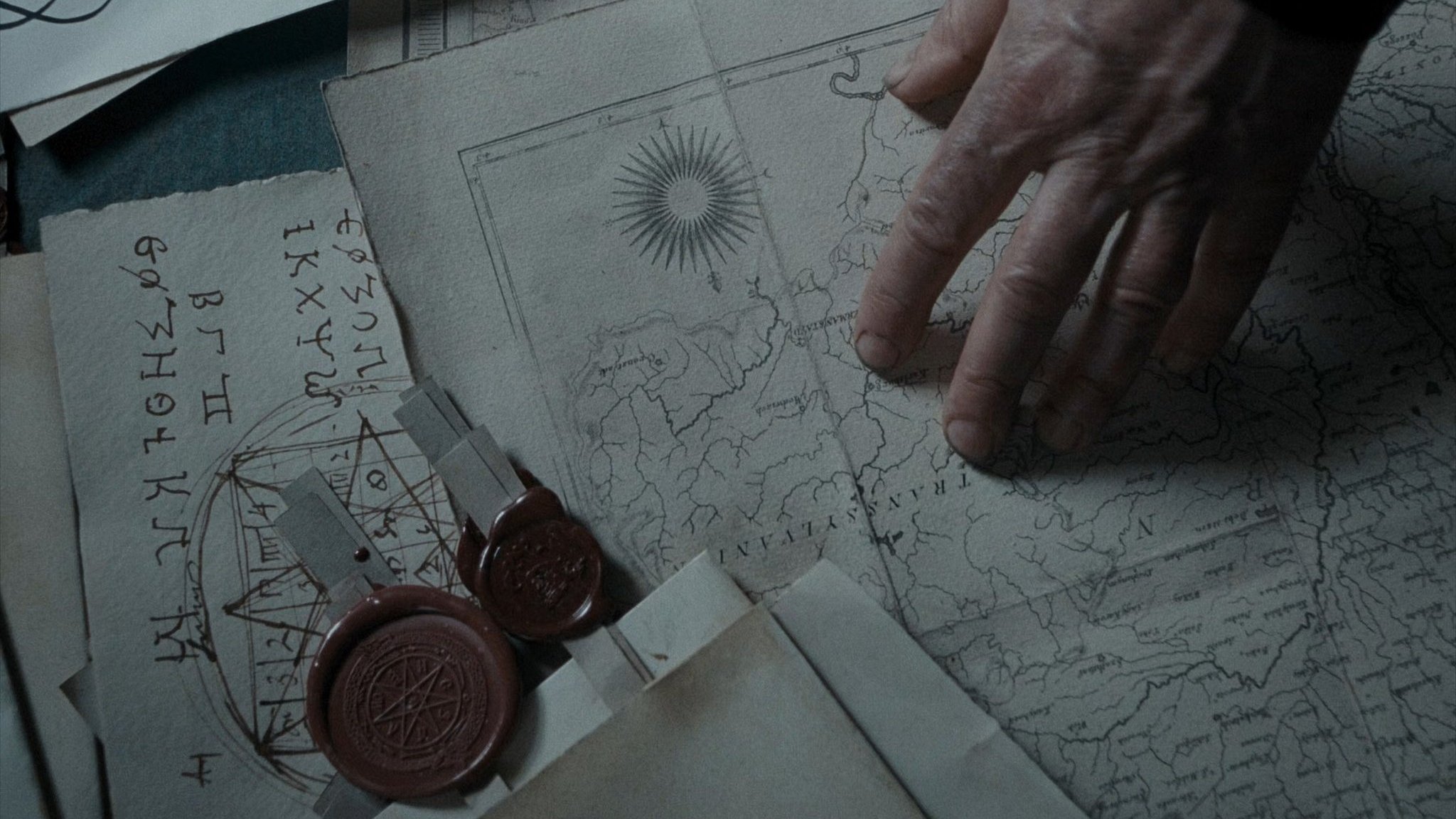
Growing up, my mom would drag me to rug stores constantly. Money was tight-ish and rugs are stupid expensive, so a new purchase compelled a years-long search. Eventually, I got pretty good at entertaining myself on these trips, dragging my hands along the various textures, feeling the weight of the rolls. Nevertheless, those days clearly defined my aversion to visual decor. And sometimes, when I’m watching a Robert Eggers film, I kind of feel like I’m back at that rug store.
Before he was a director, Eggers was a costume designer. Ari Aster was a screenwriter before he became a director. Jordan Peele was an actor. Damien Leone was a make-up effects artist. Each of those unique pathways informed their eventual filmmaking style, and thus my various affinities for them. Nosferatu is another lavish period piece from Eggers, but it unfortunately succumbs to a diorama-driven brand of storytelling, where the pre-packaged mythos pairs with the (admittedly stellar) visual artifice to create a seemingly-alive but ultimately dead and forgettable experience. Eggers’ rabid aversion to sentimentality and middling grasp of pathos often leaves me searching for the humanity, feeling “meh” as the credits roll.
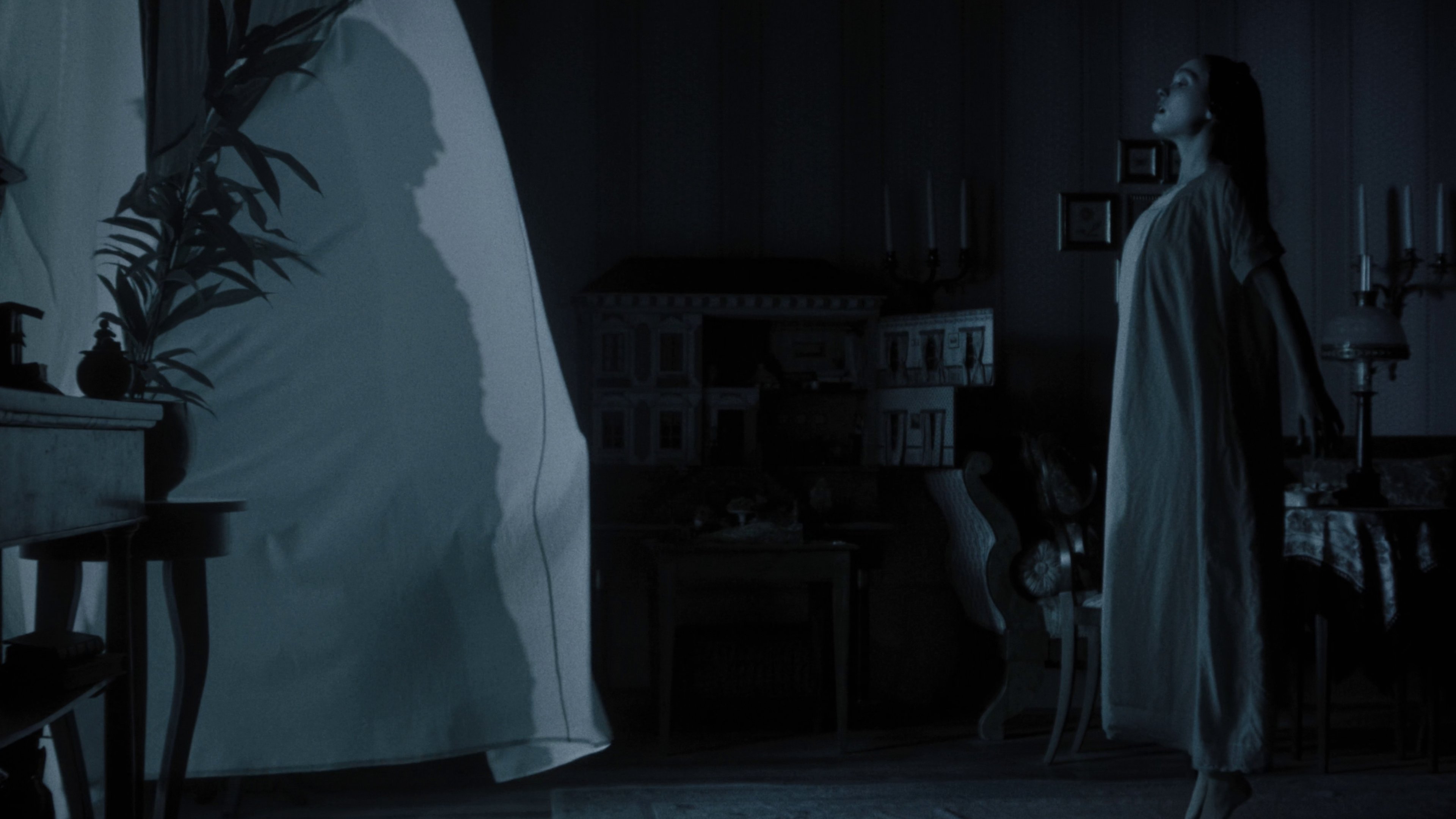
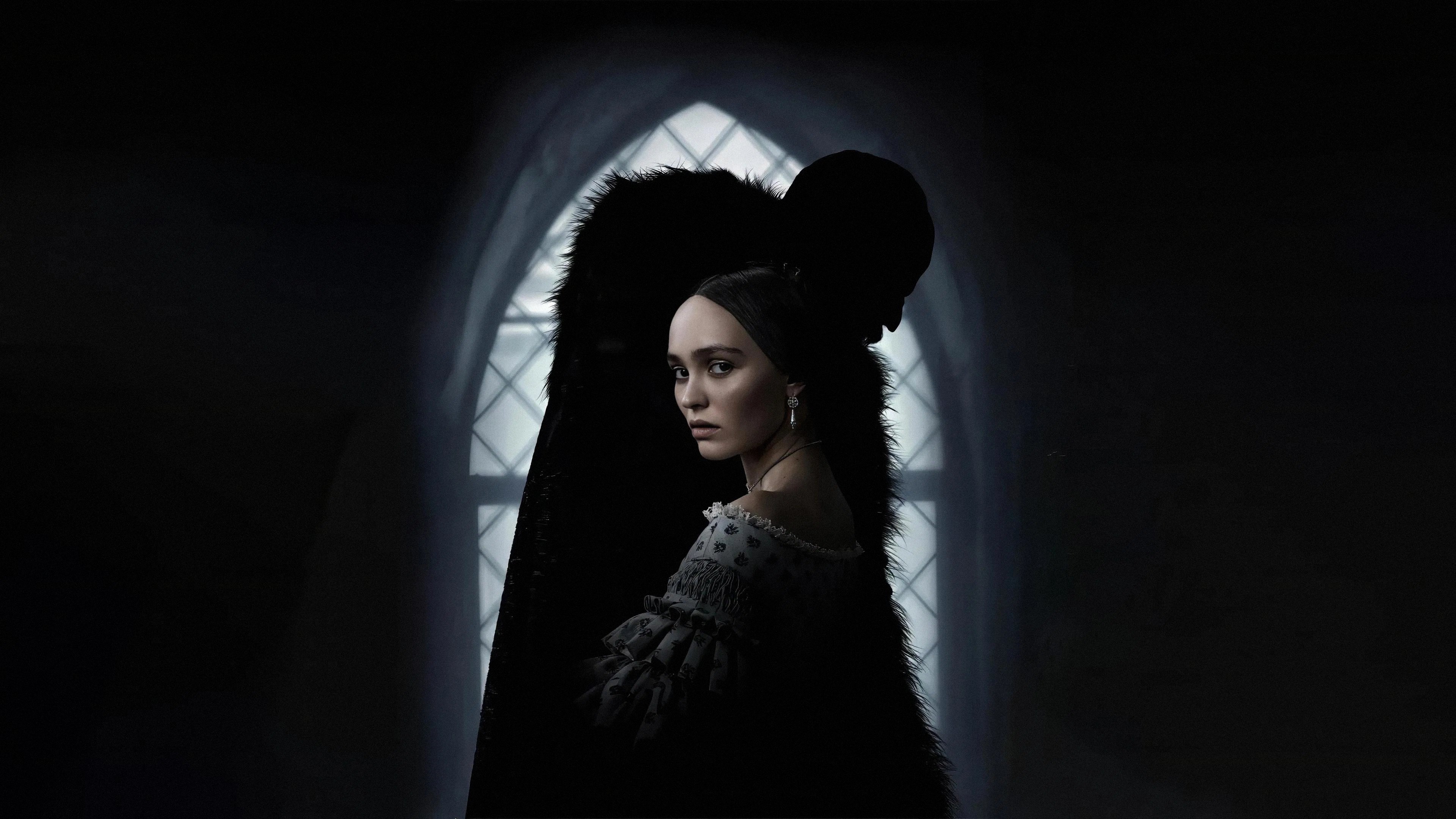
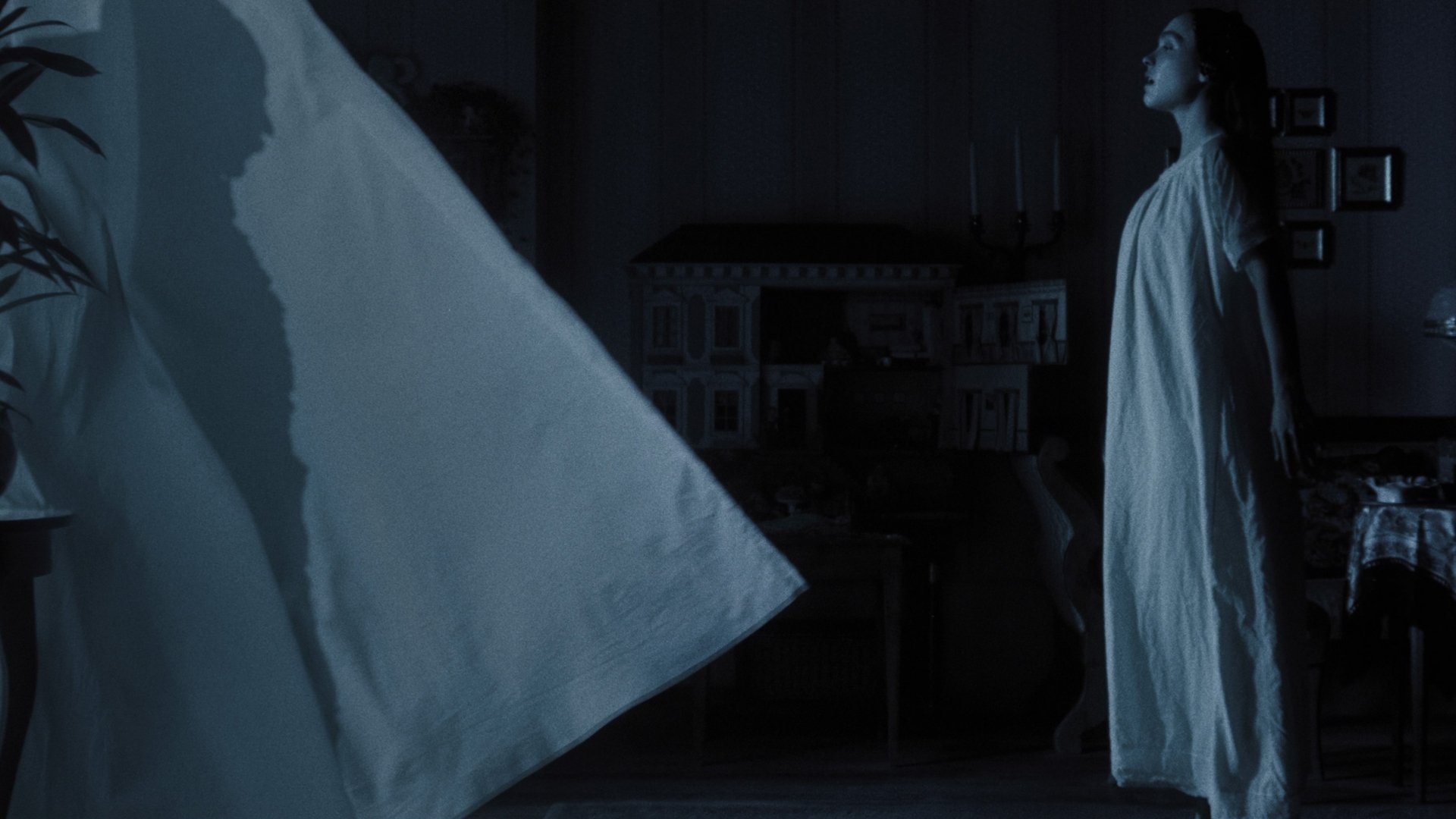
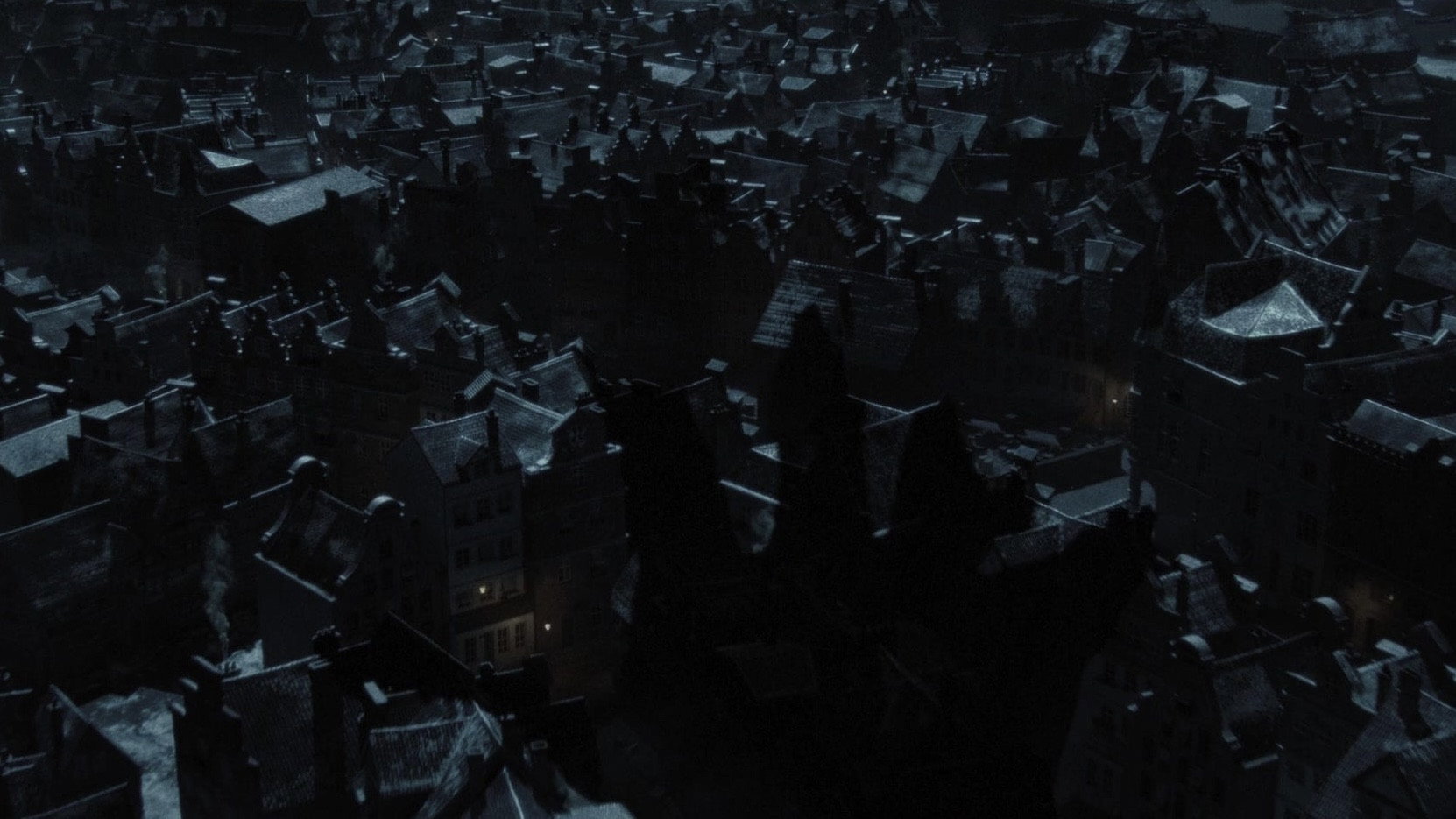
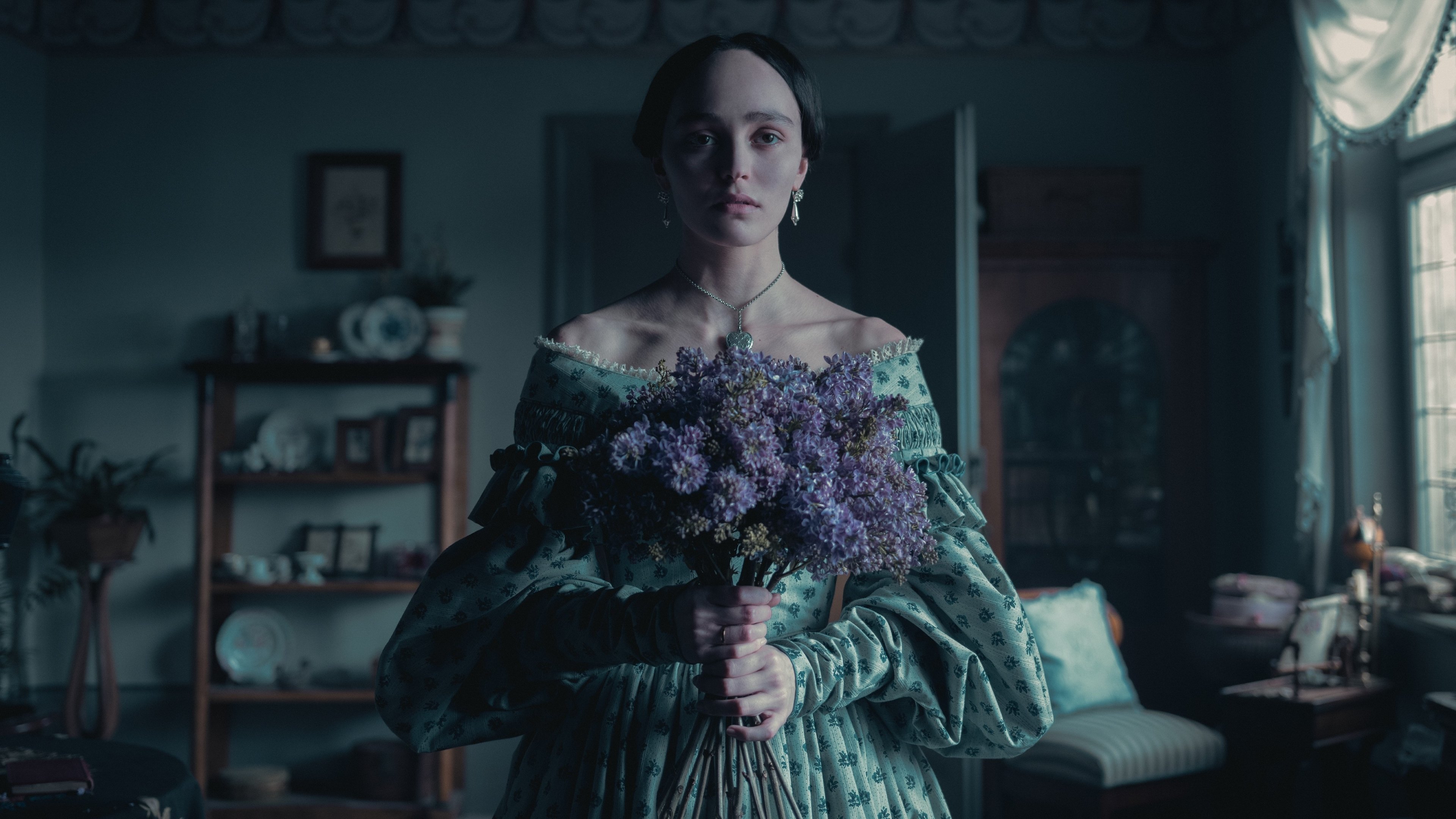
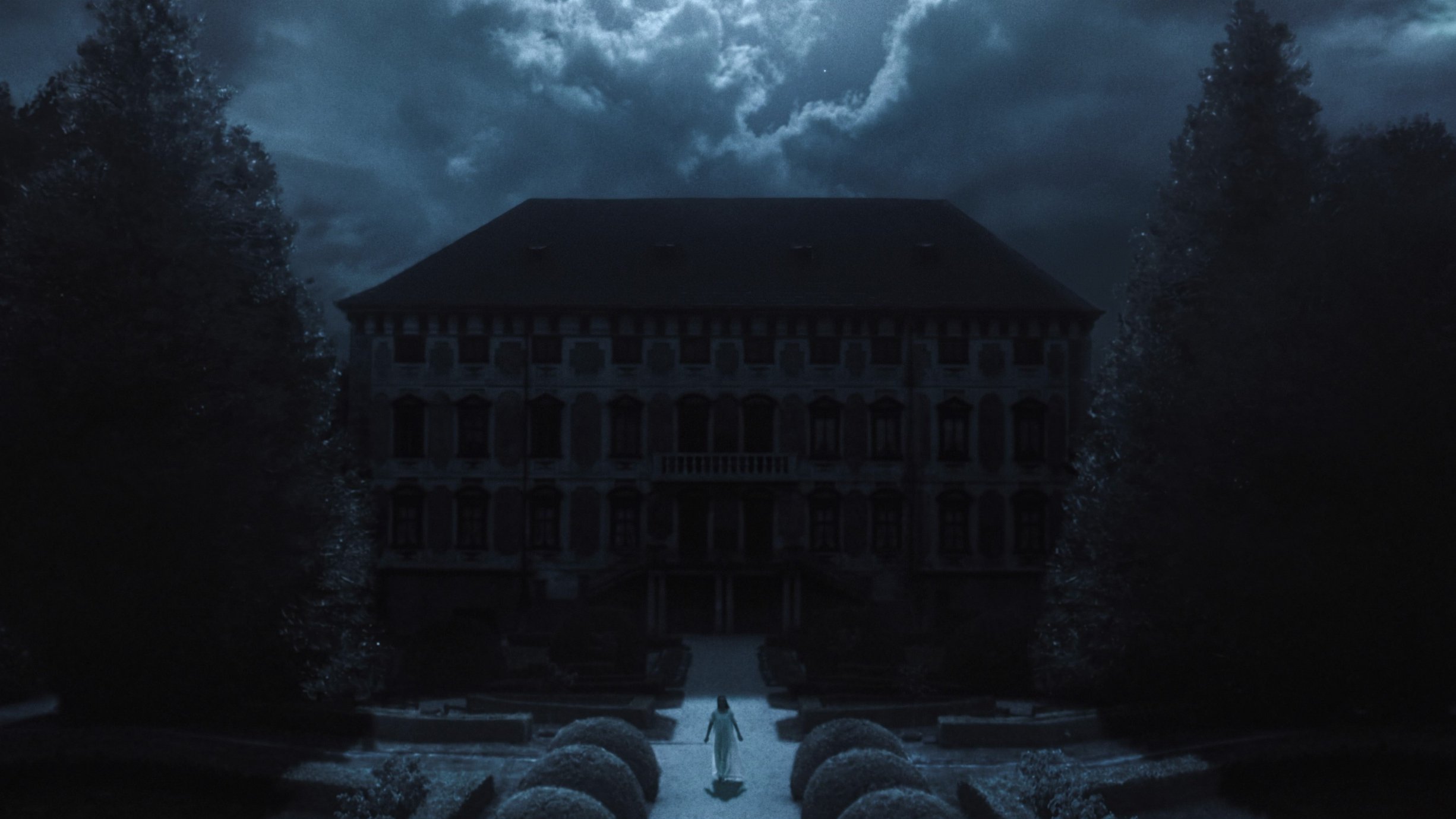
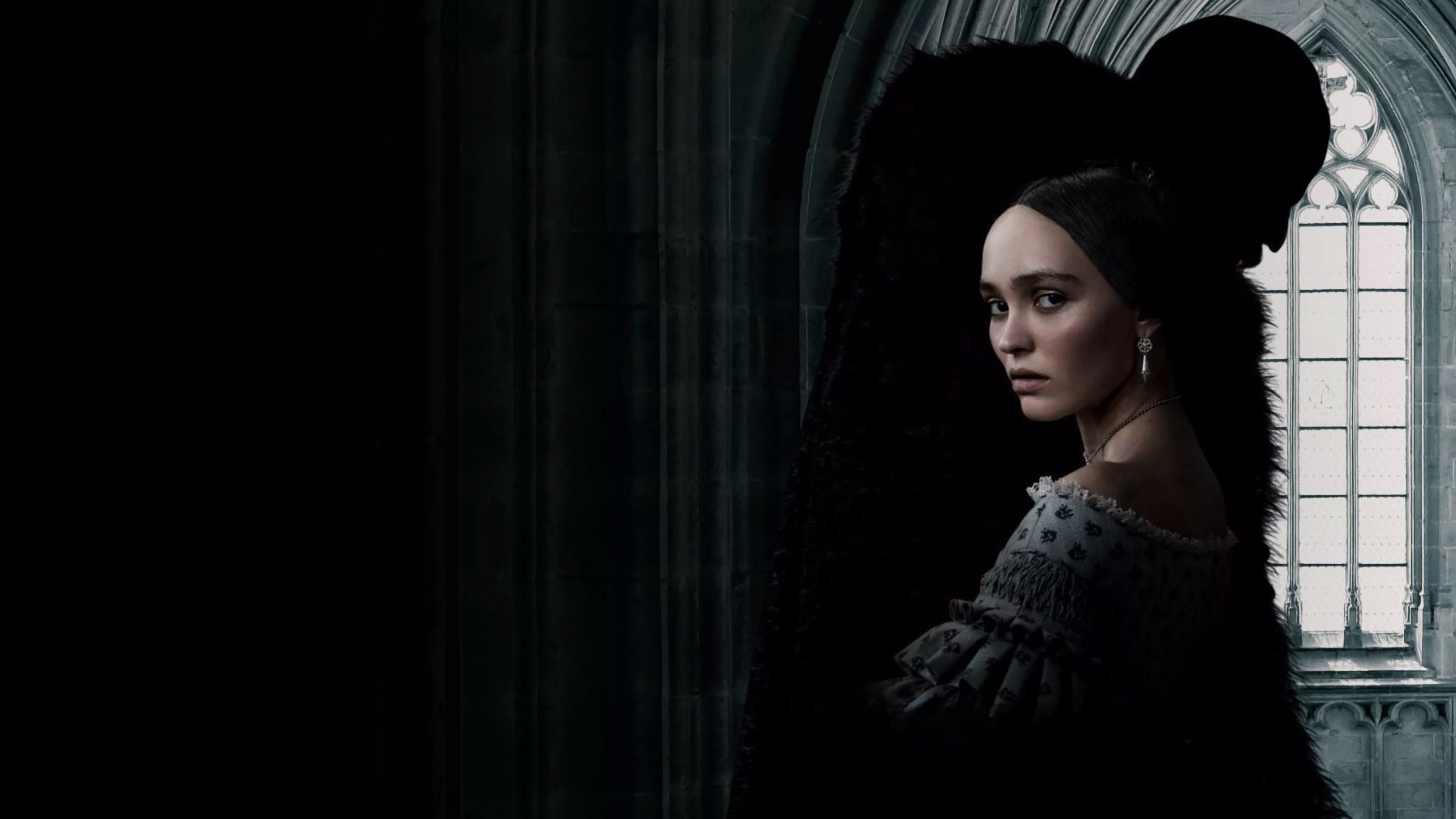
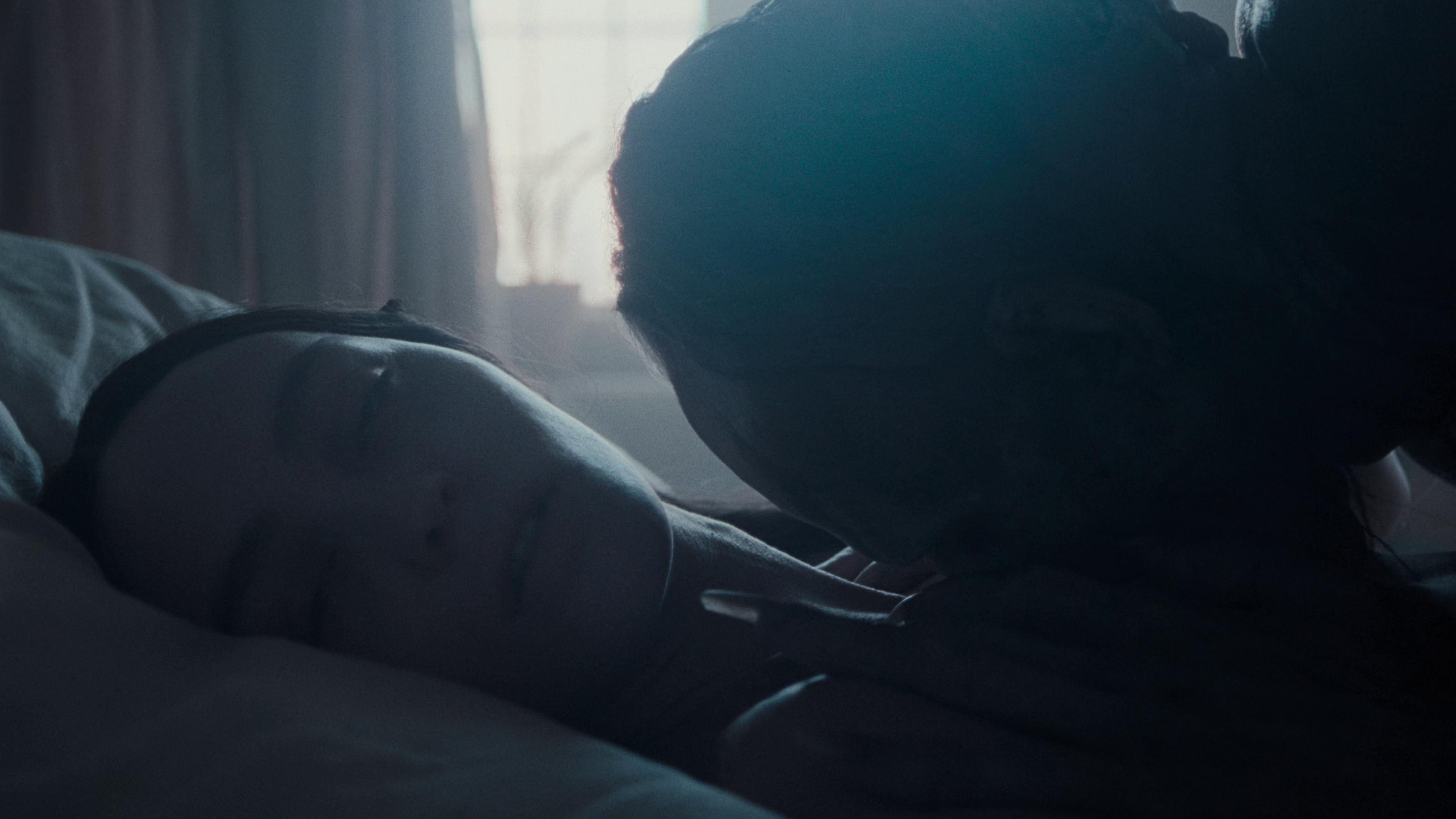
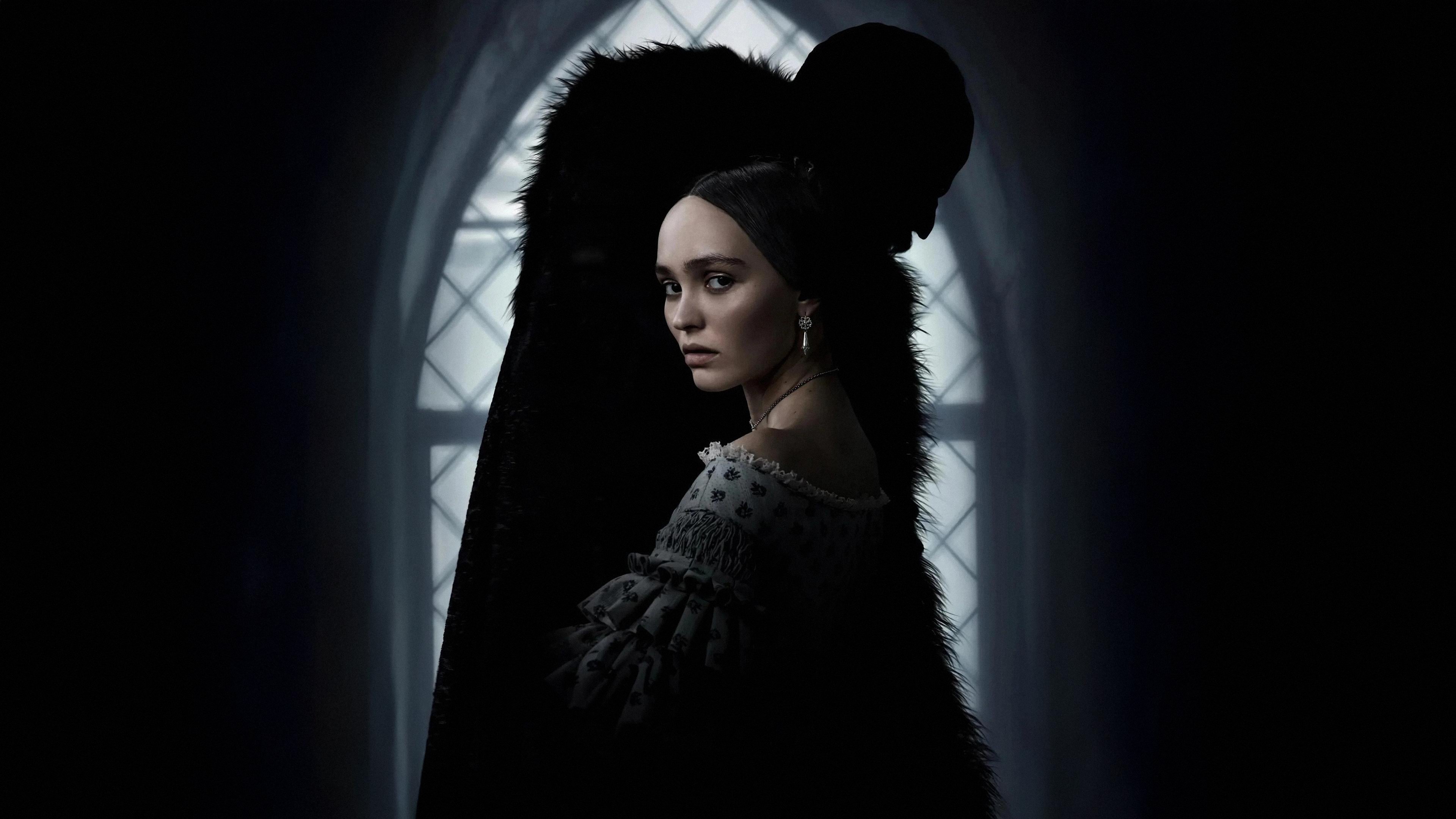
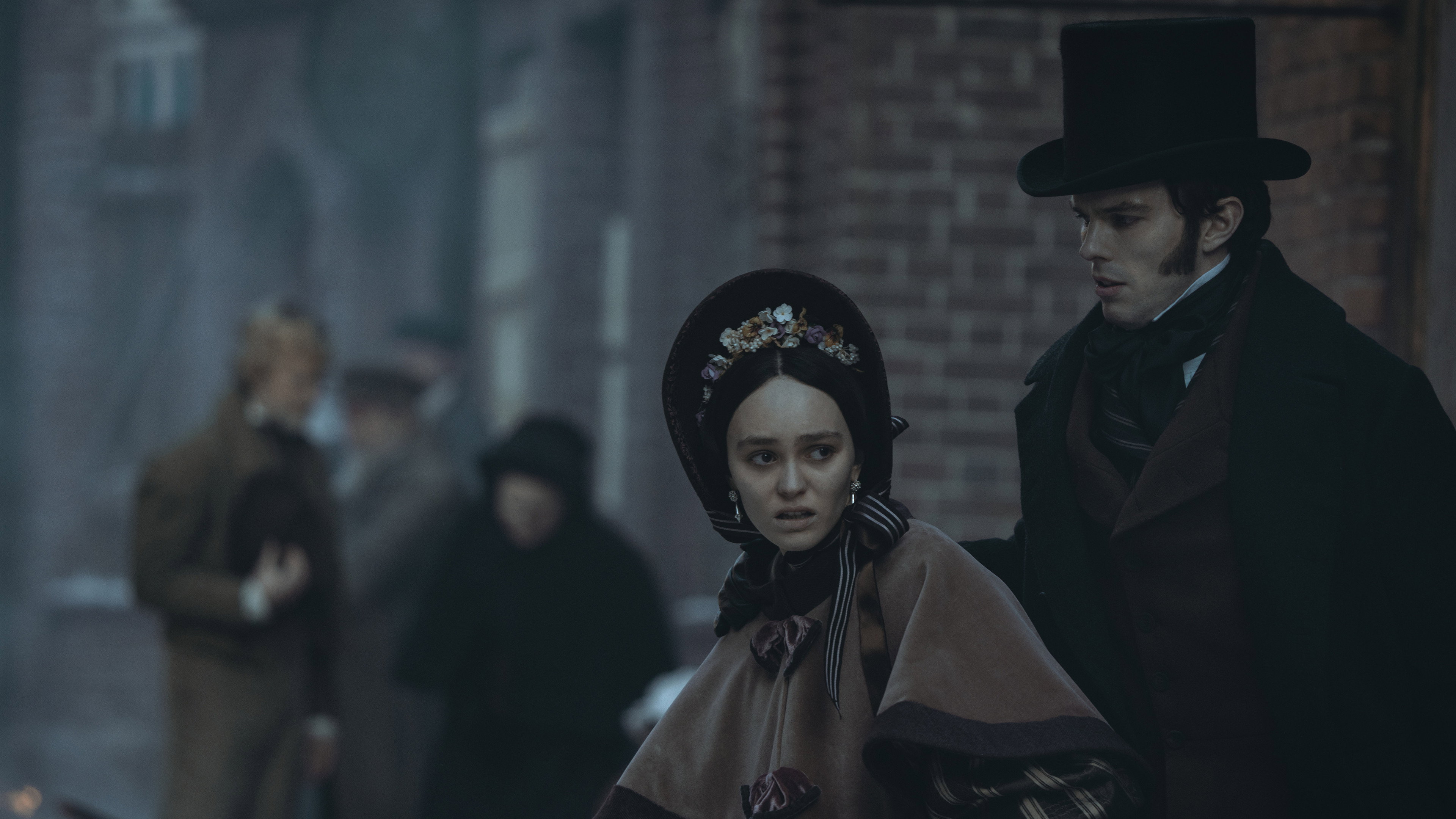
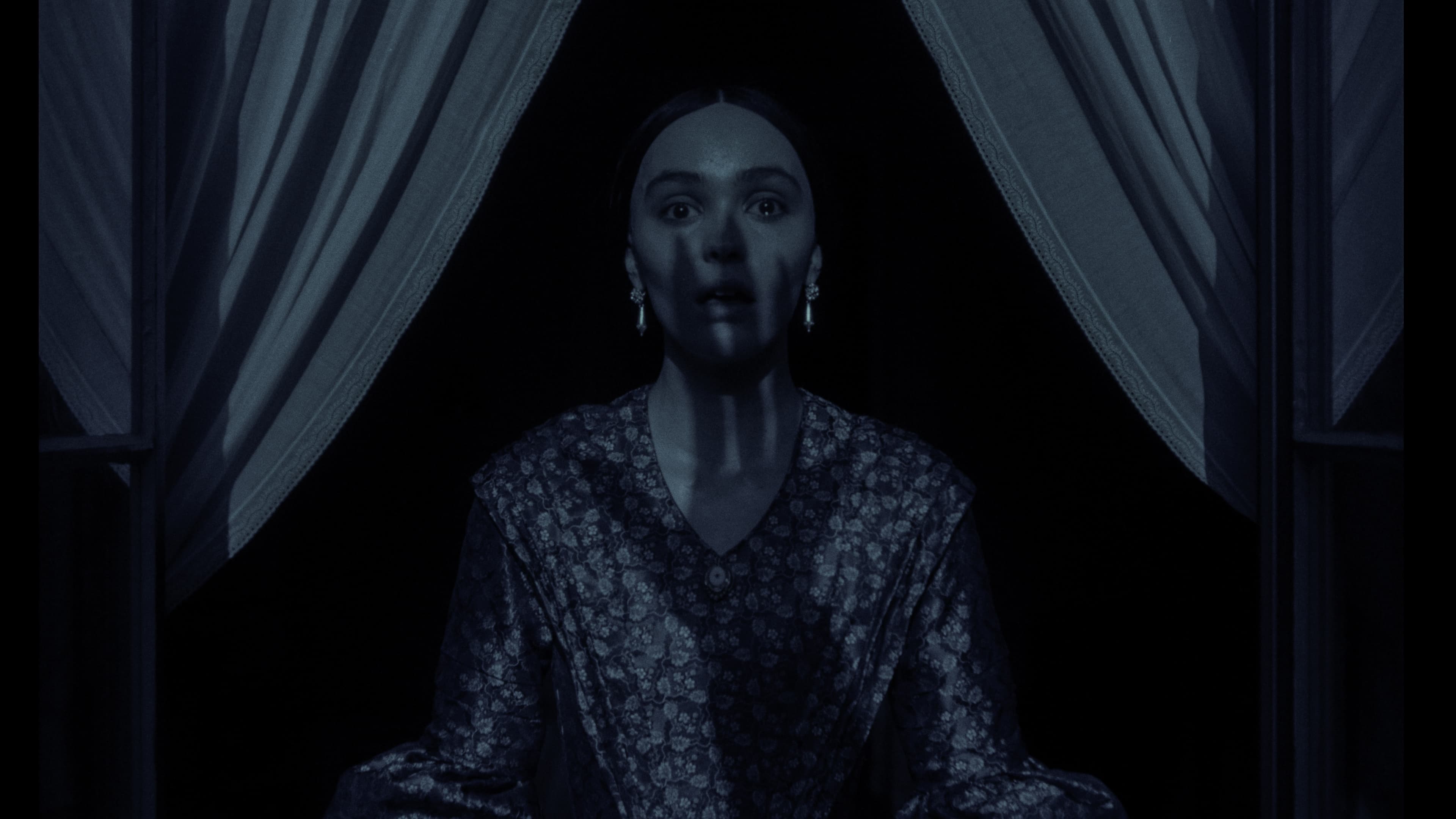
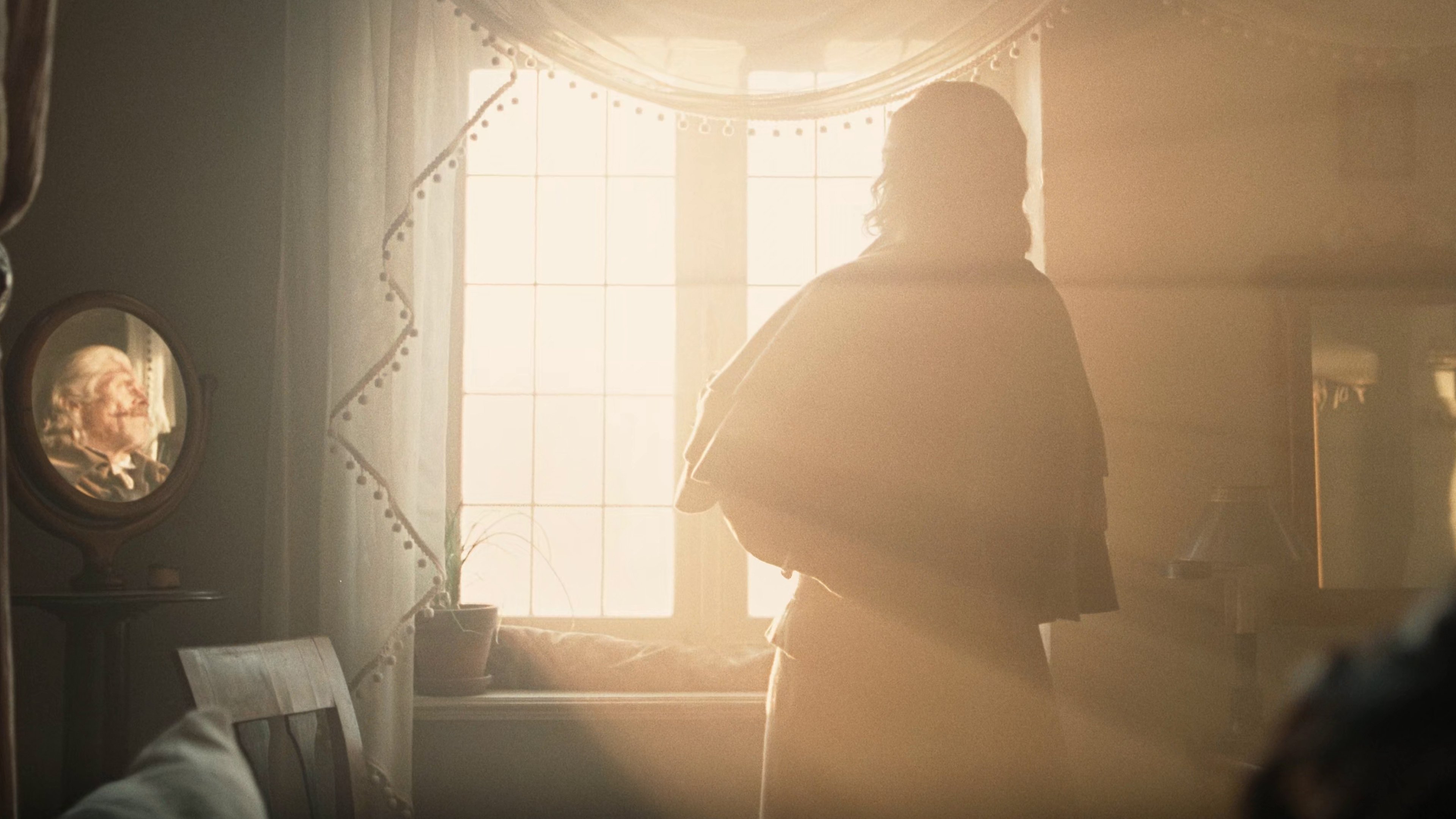
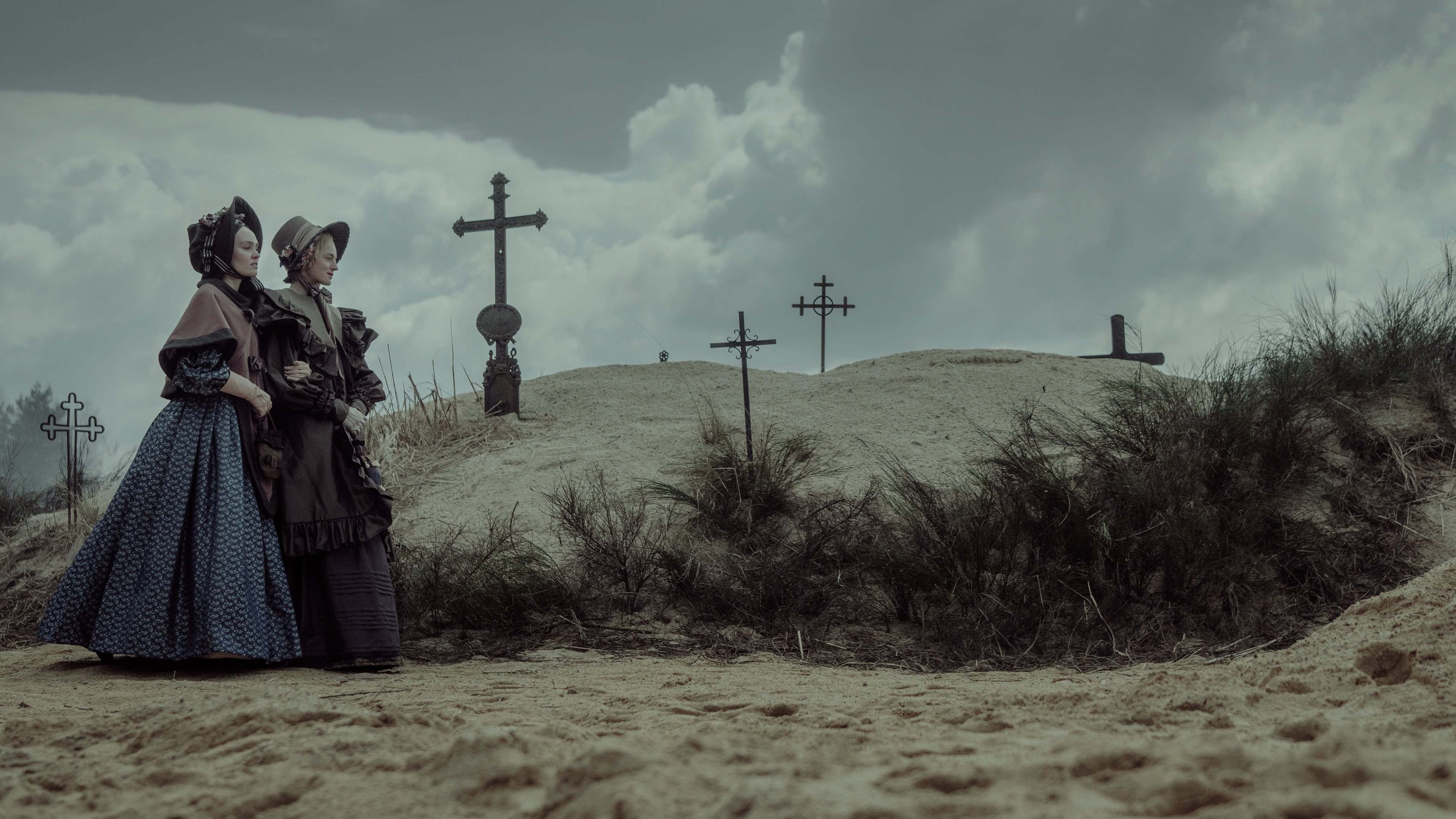
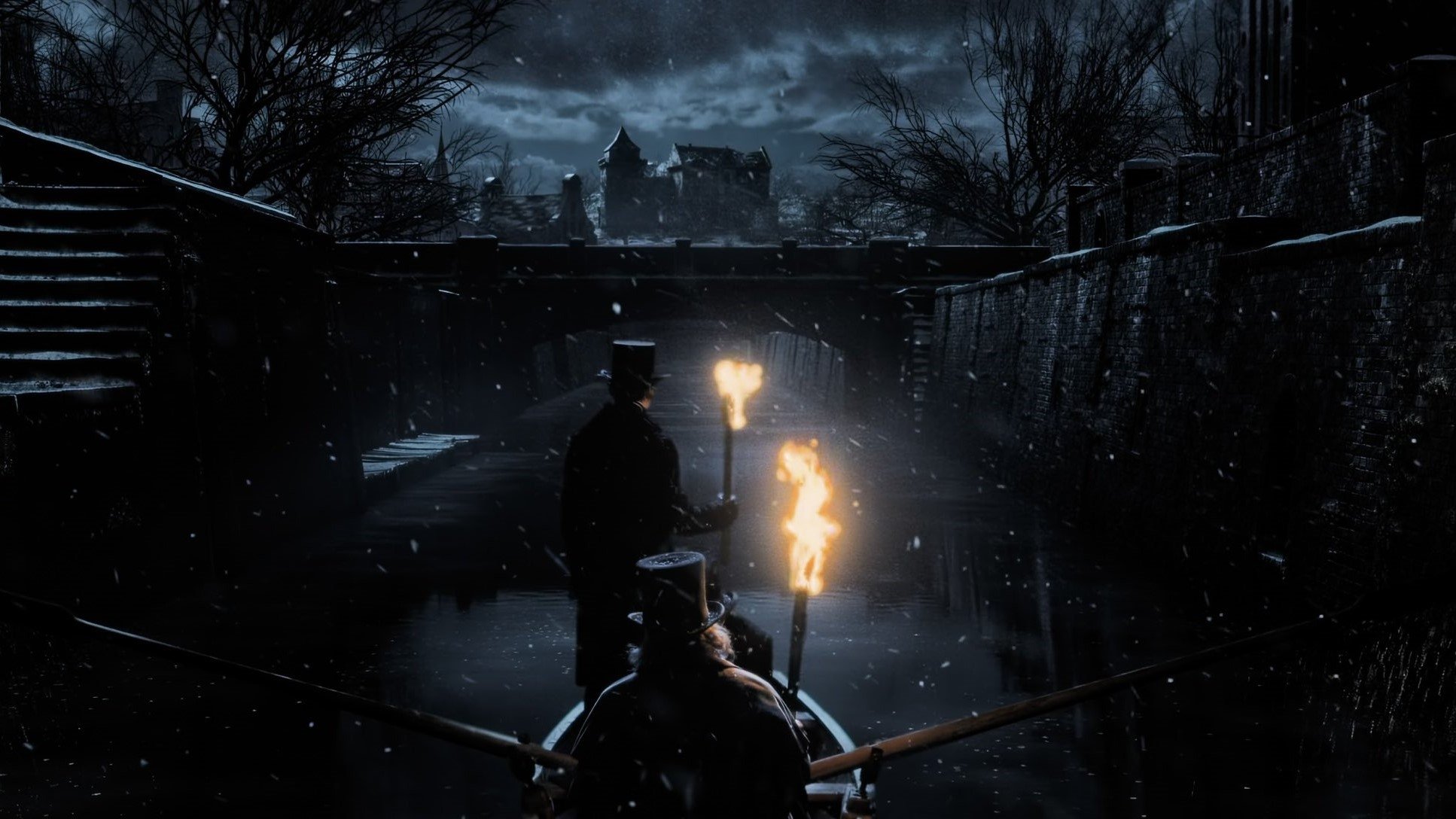
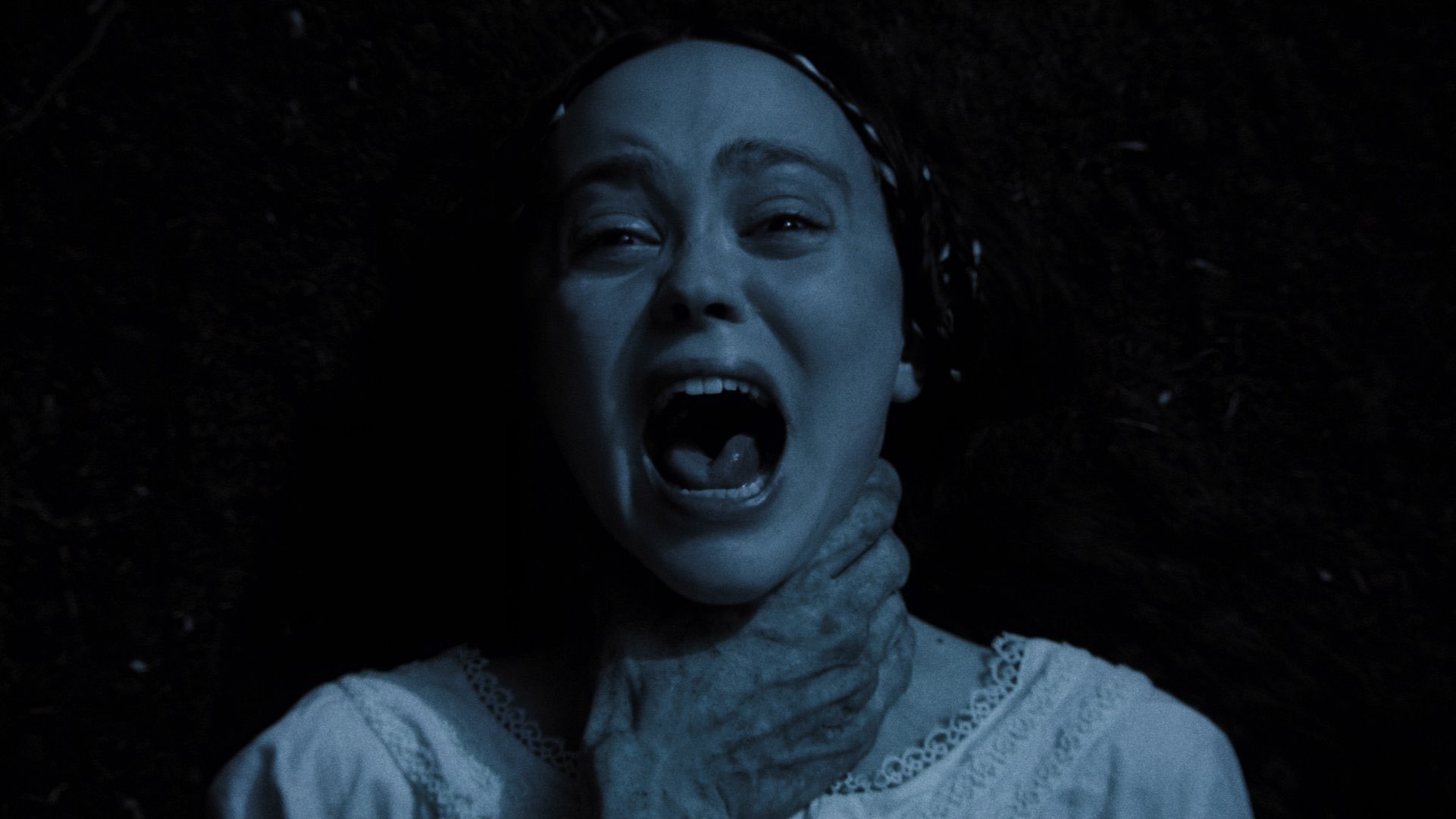
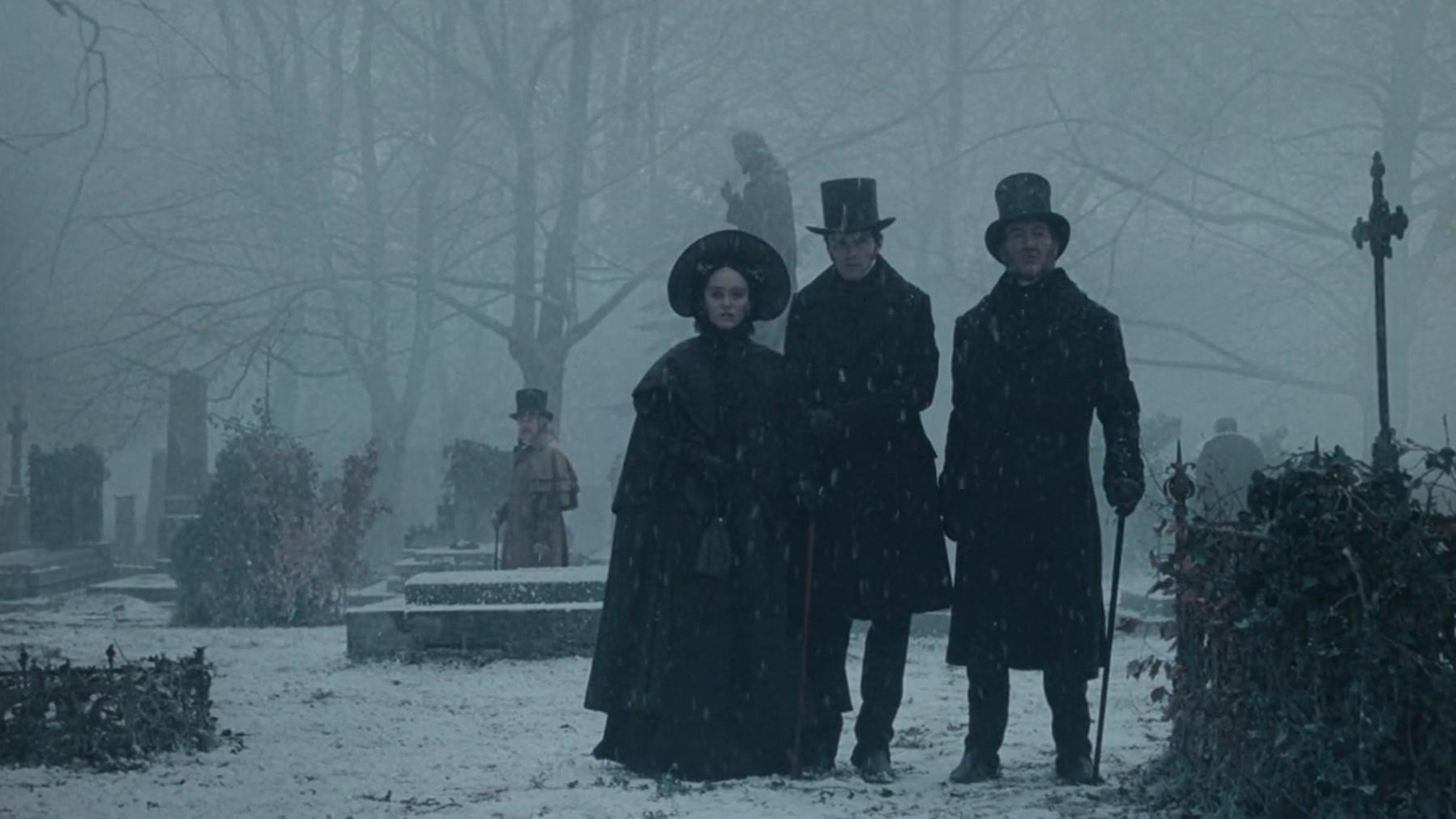
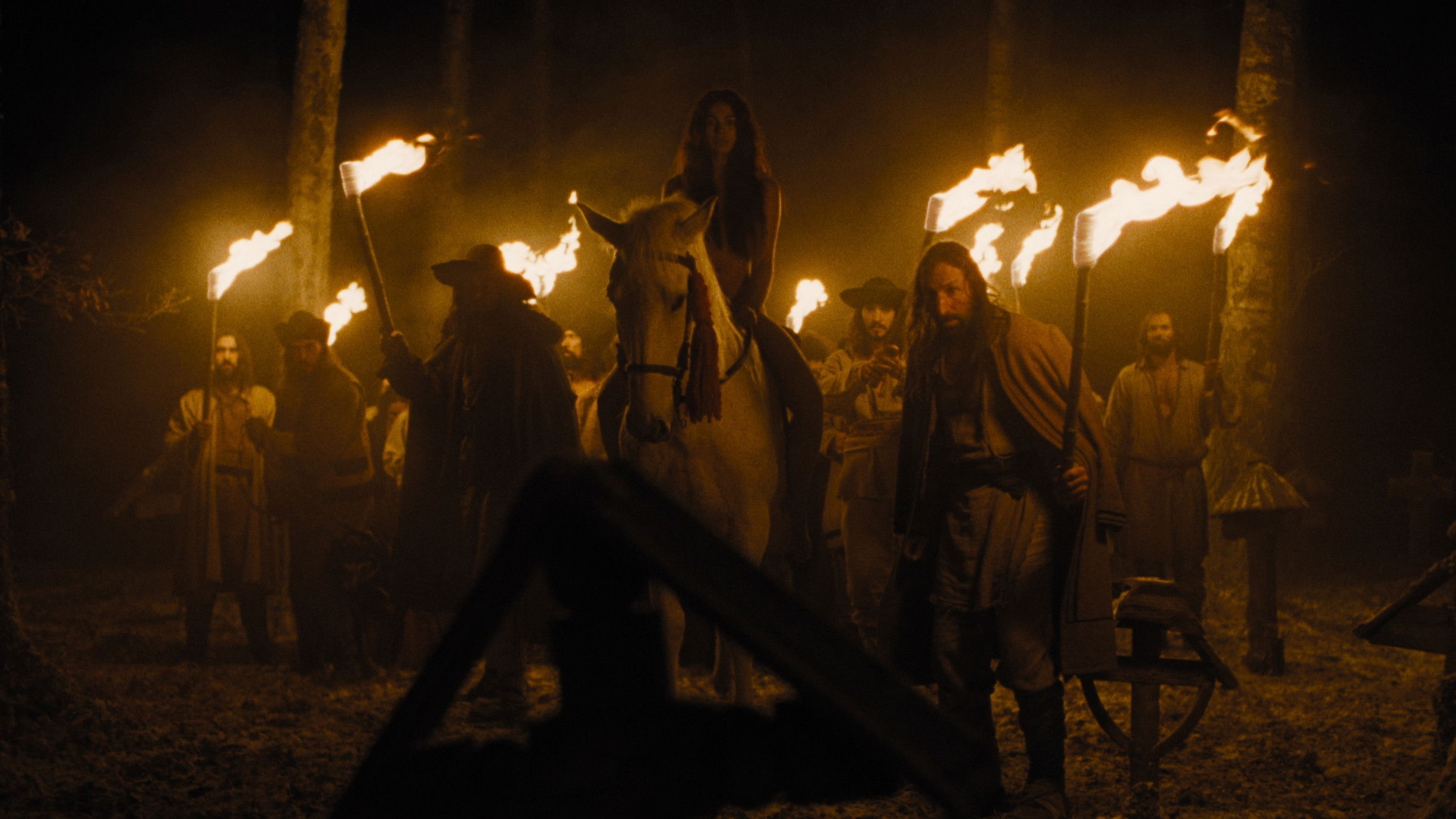
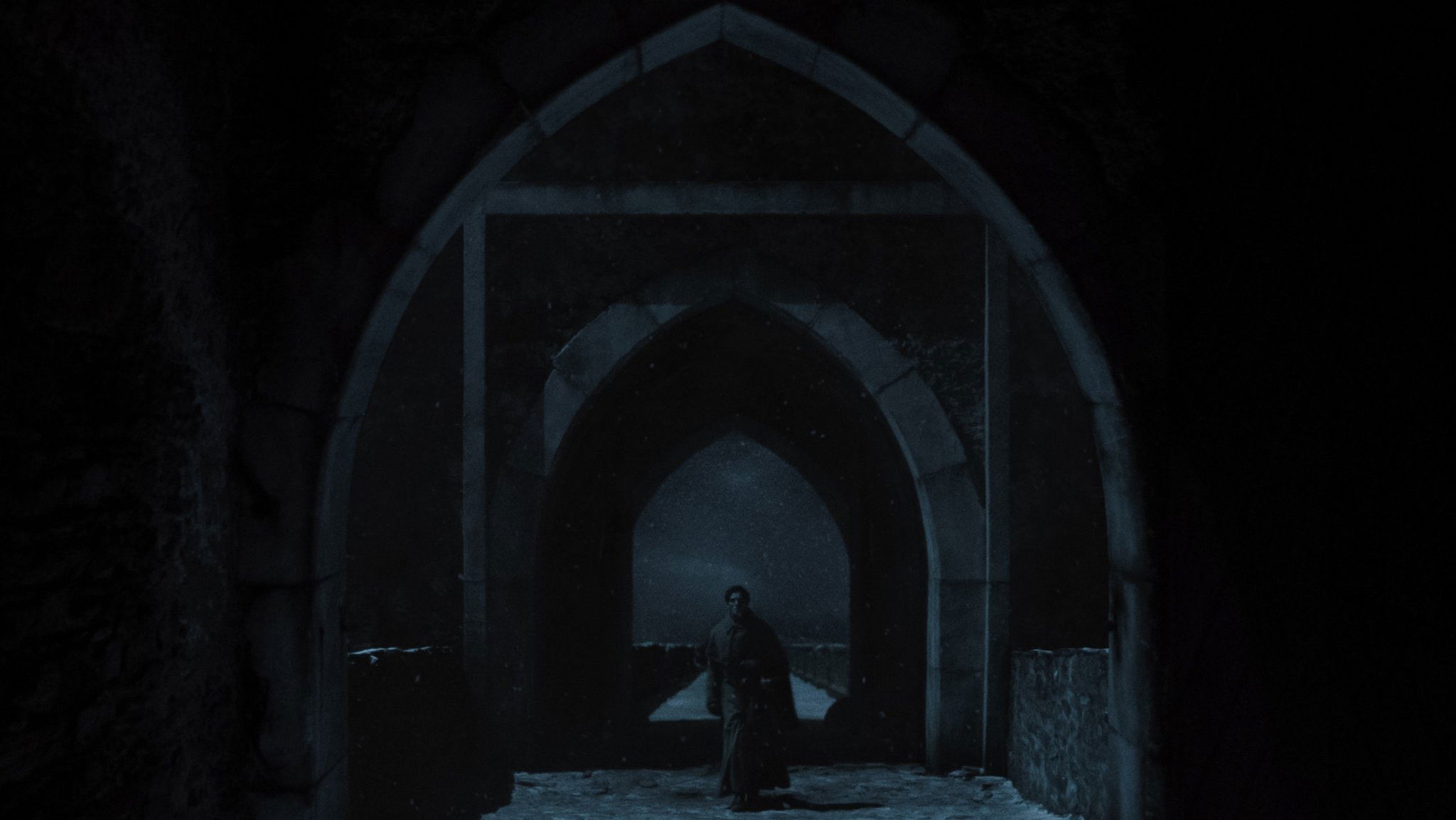
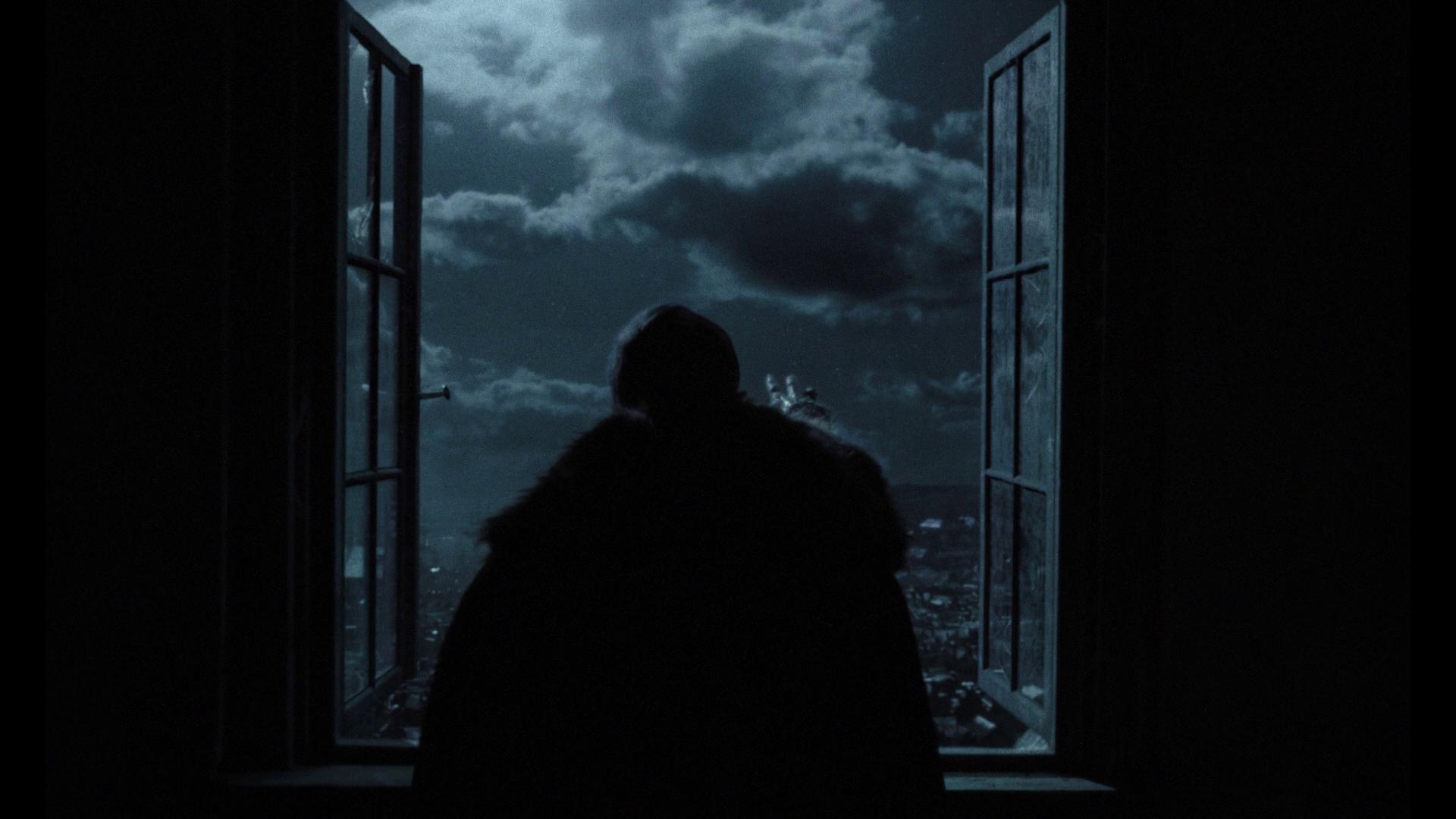
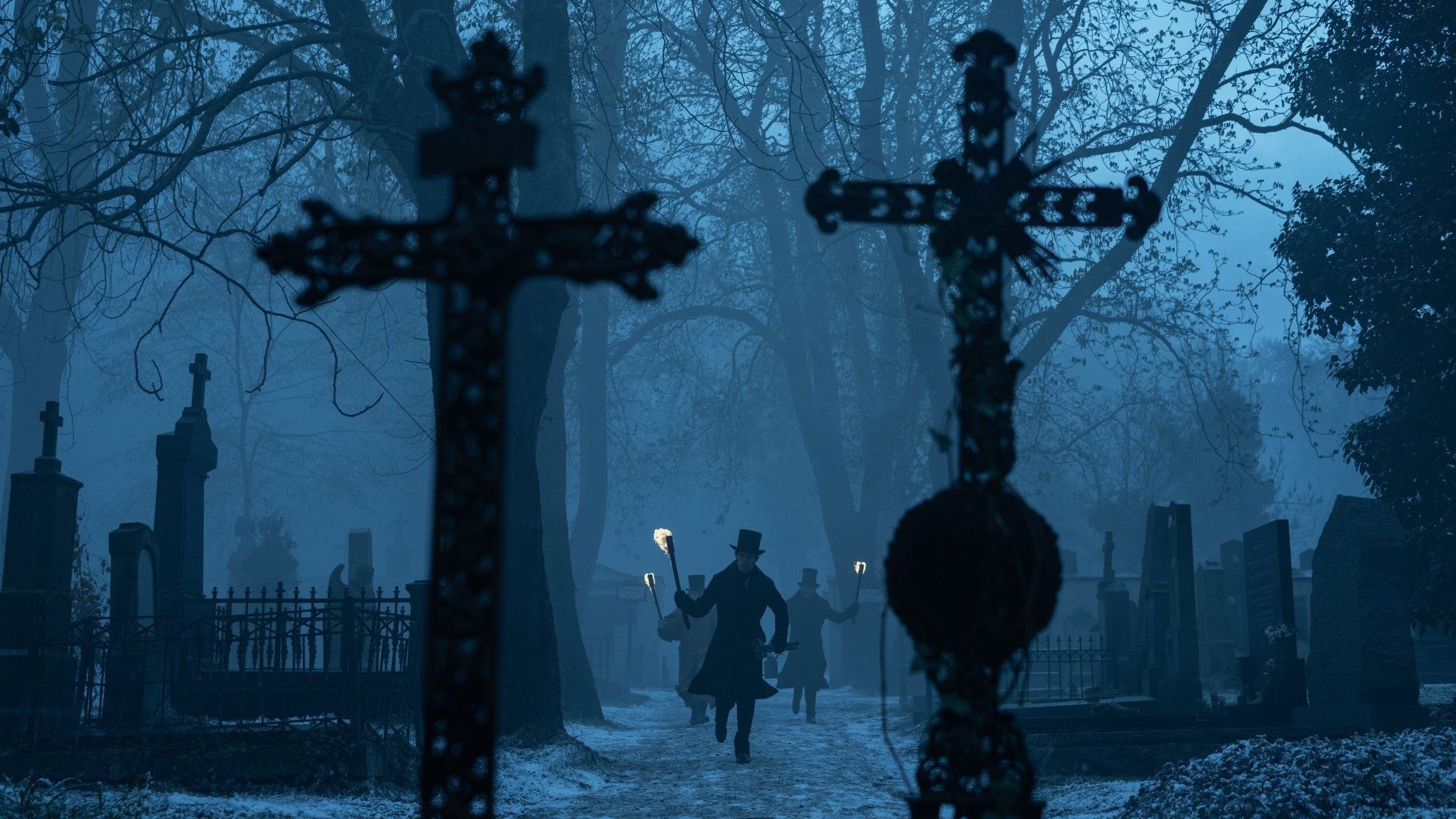
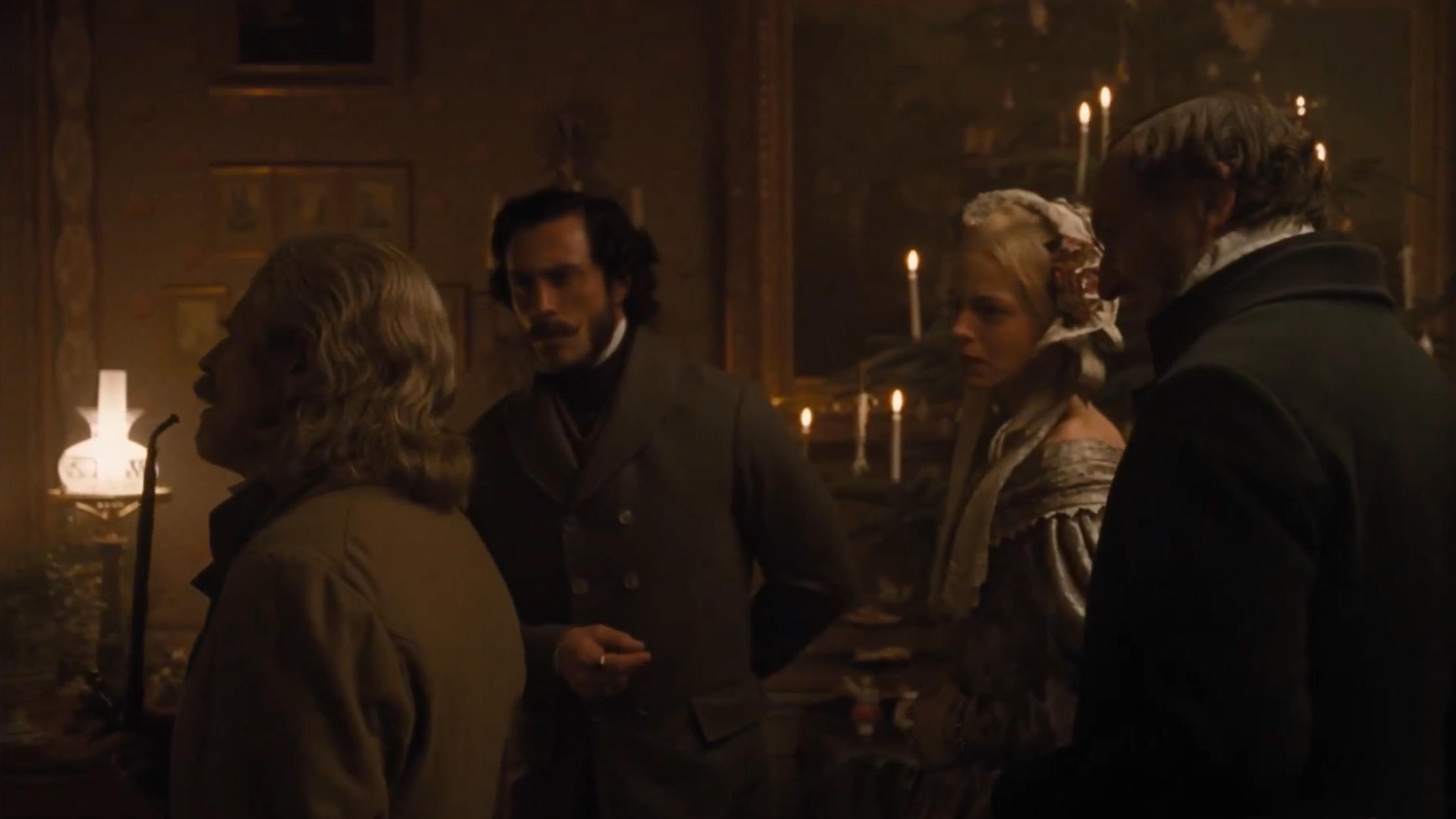
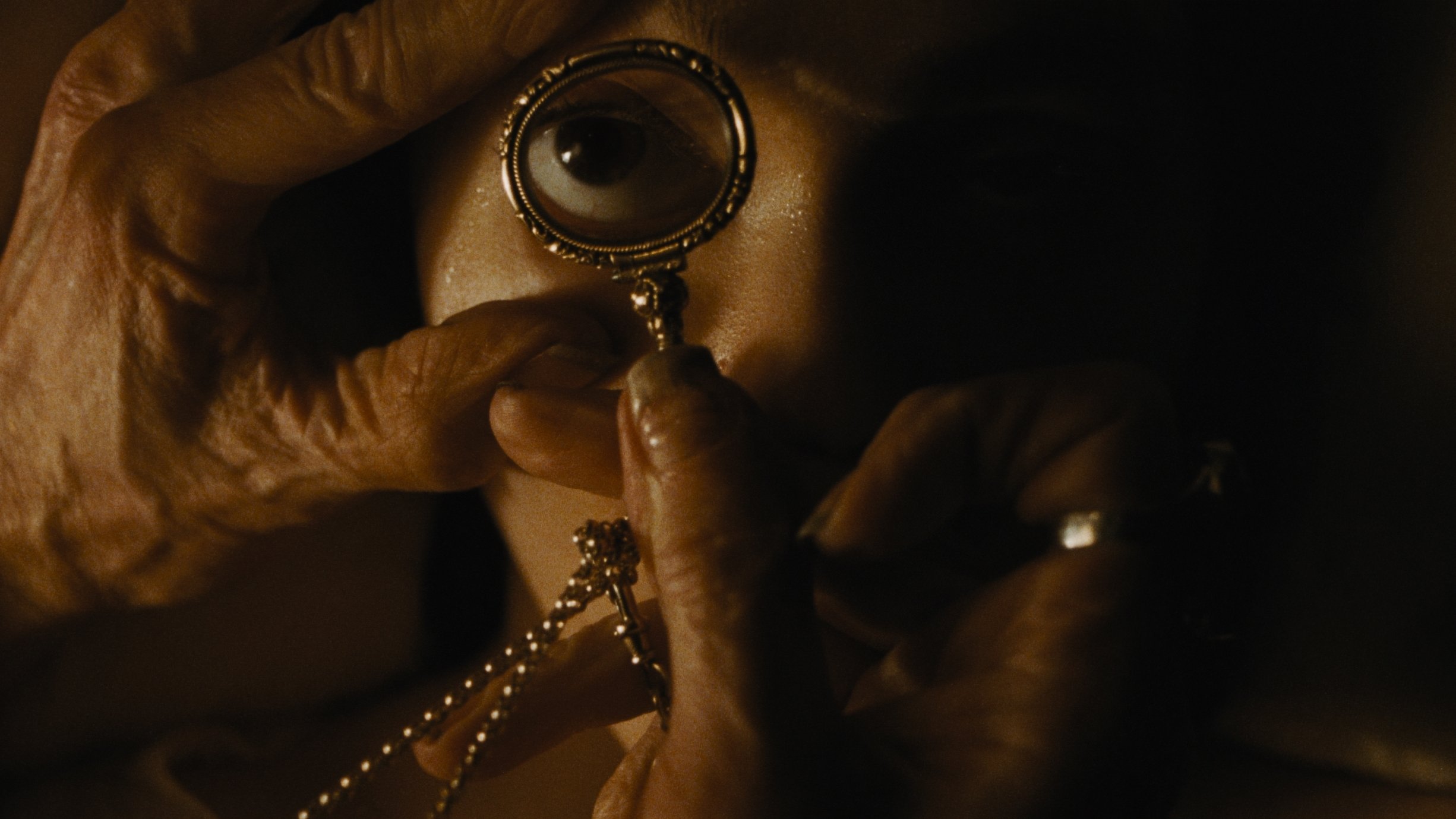
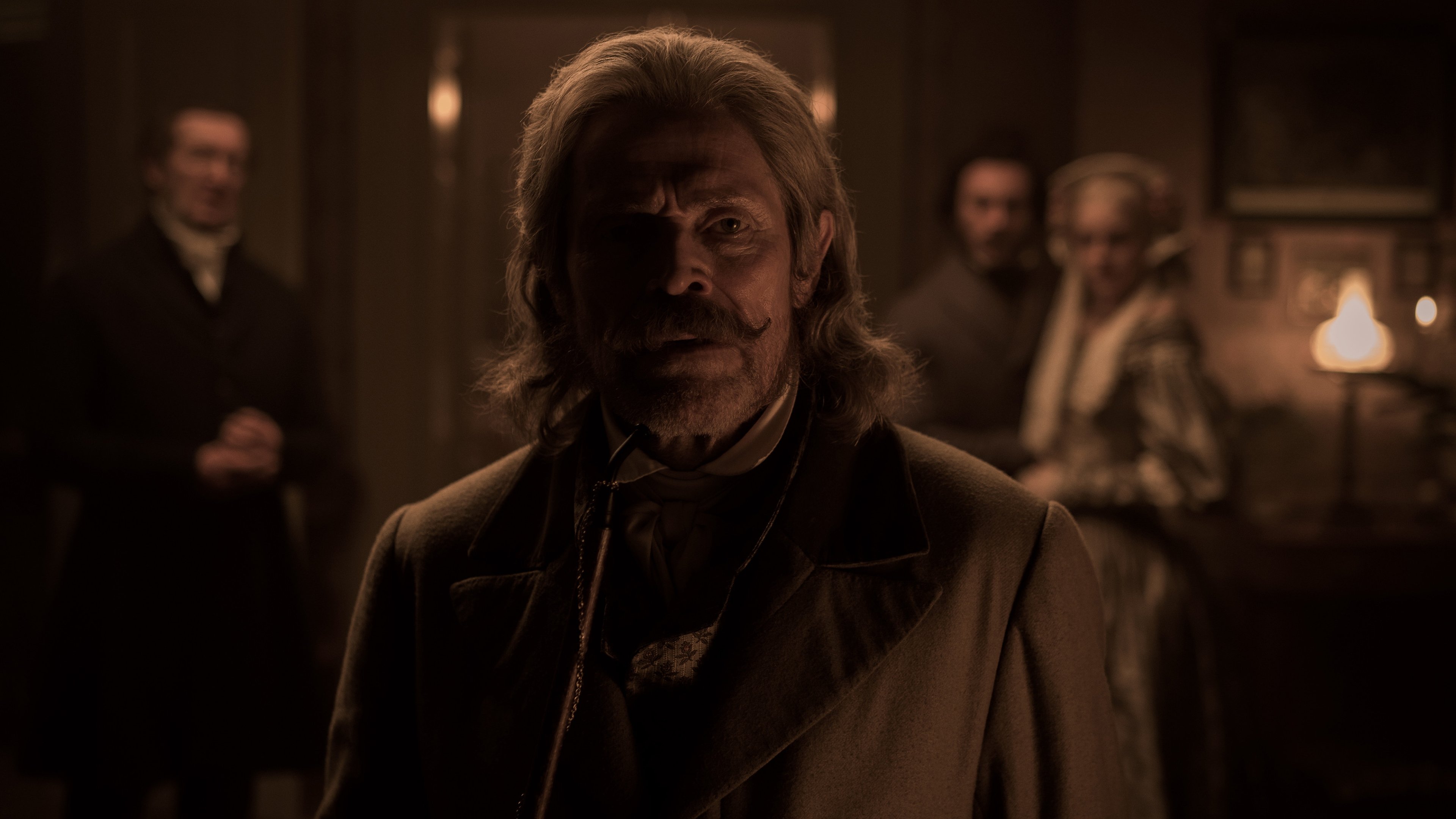
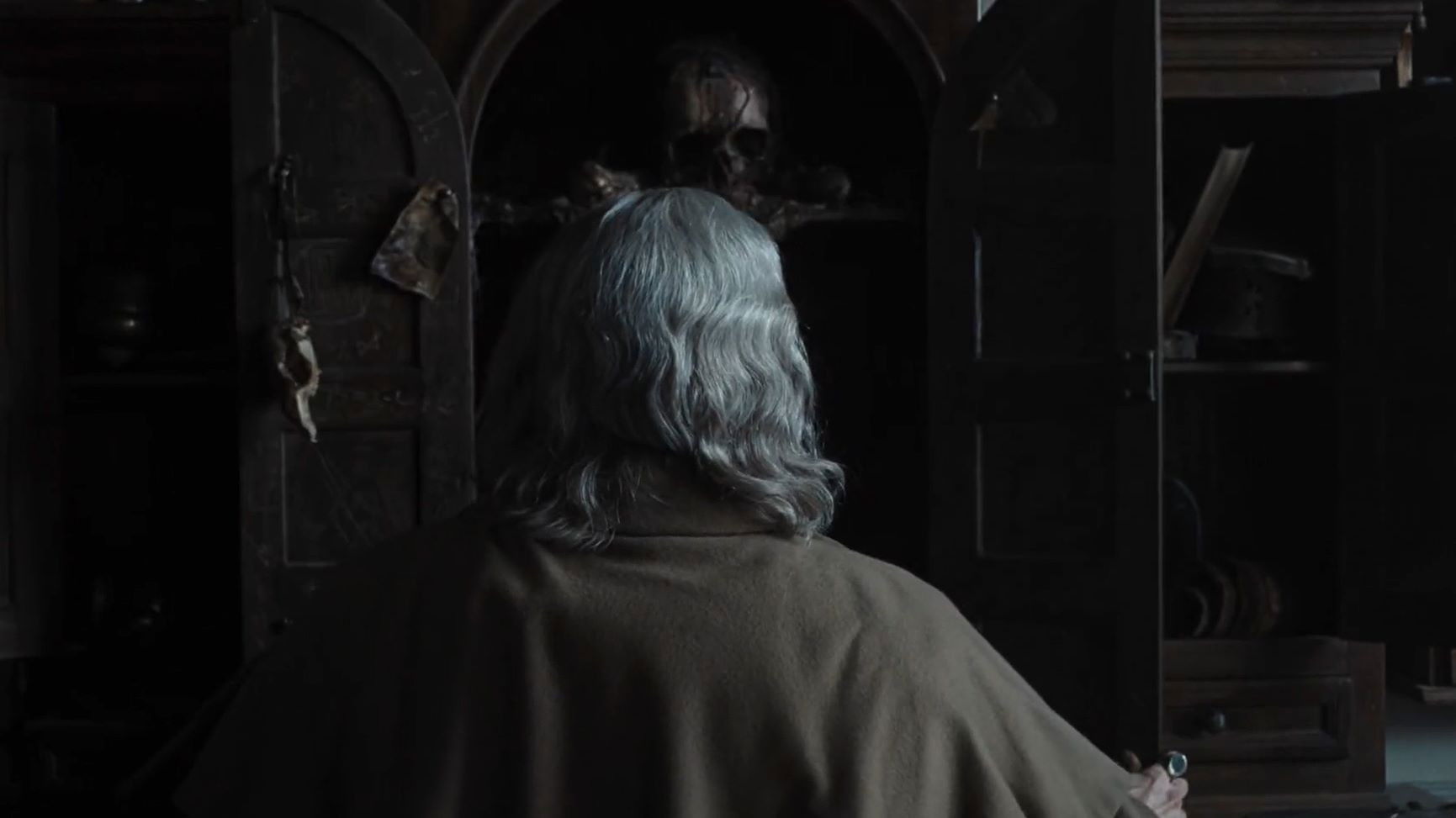
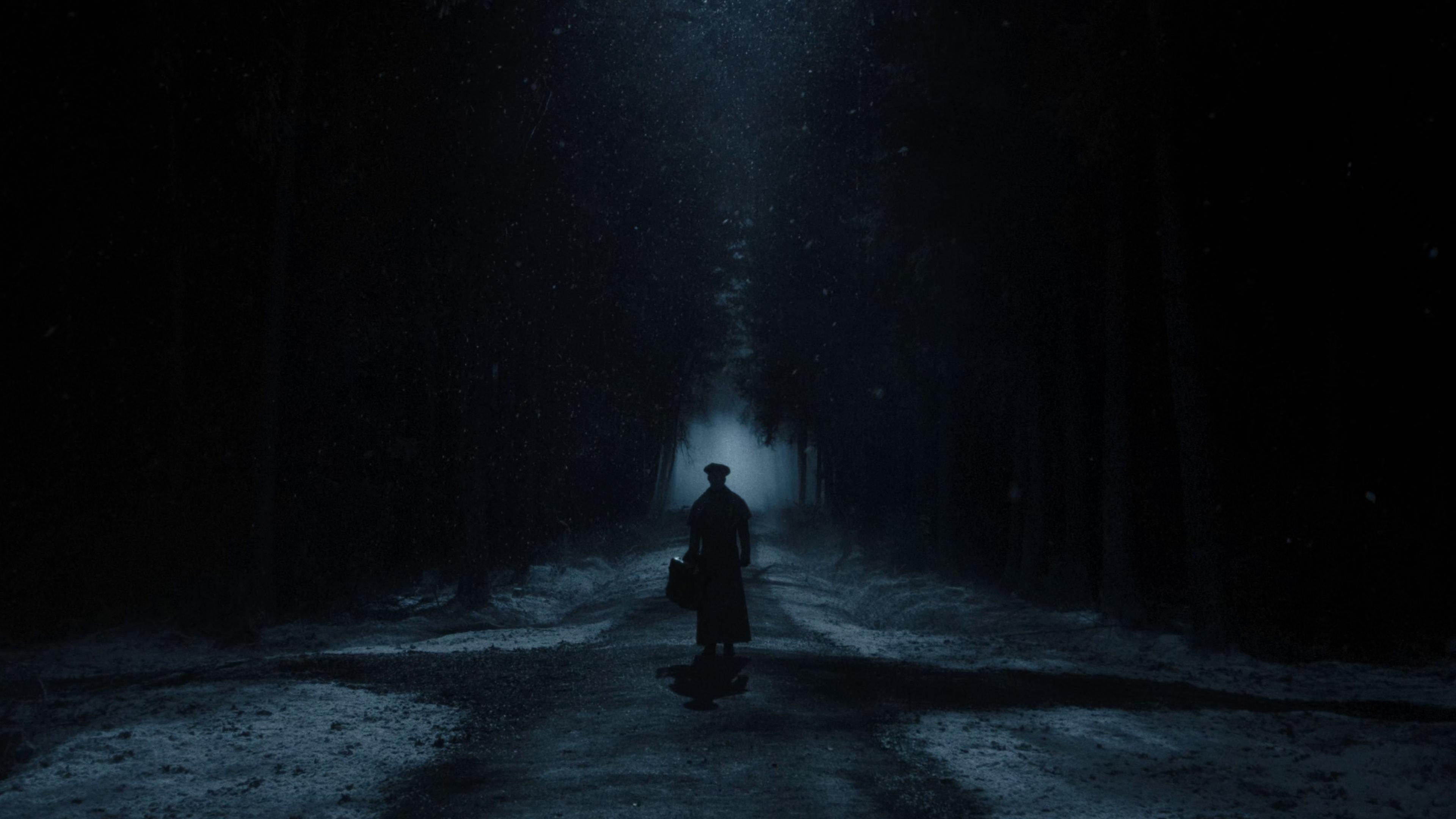
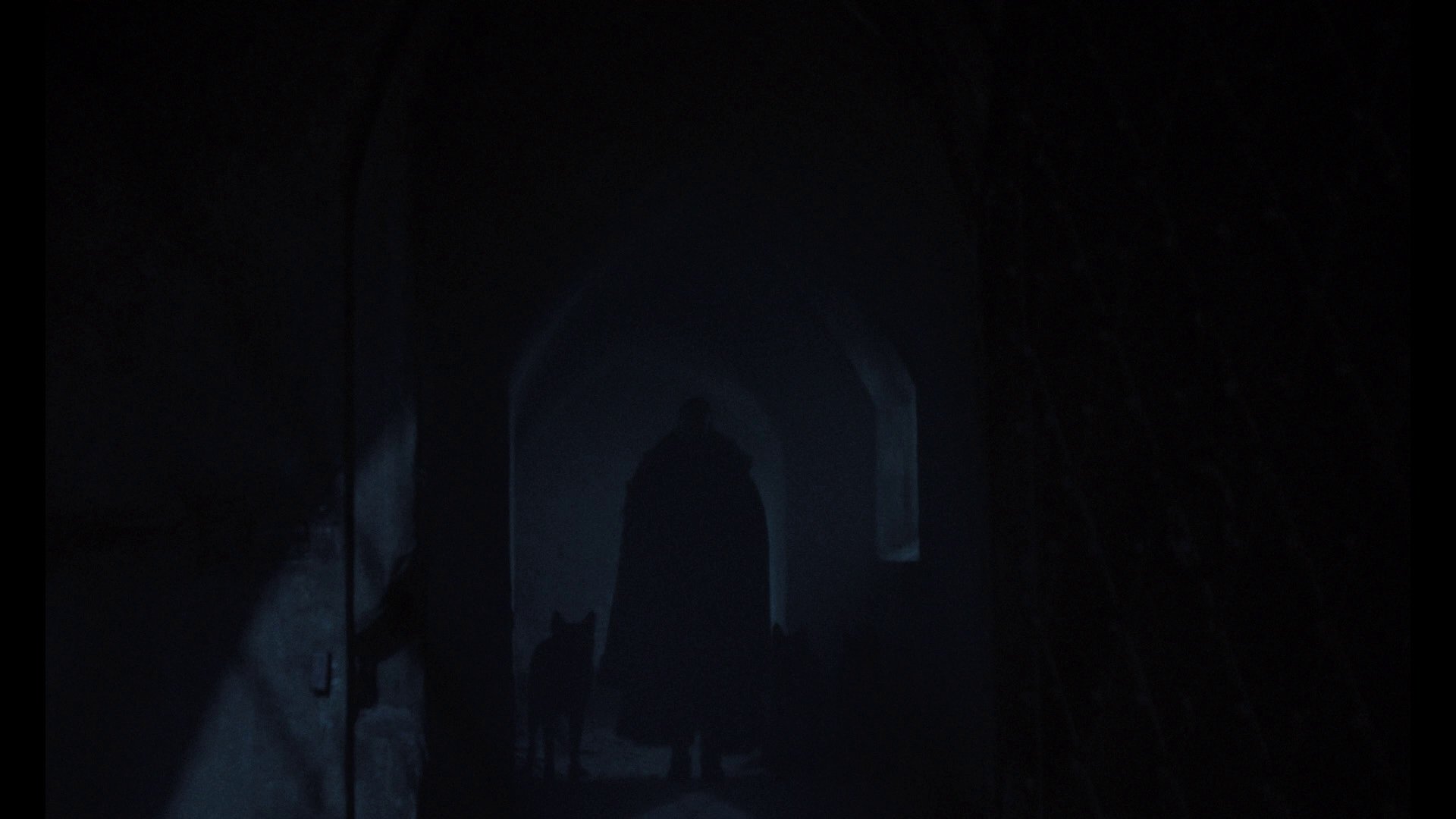
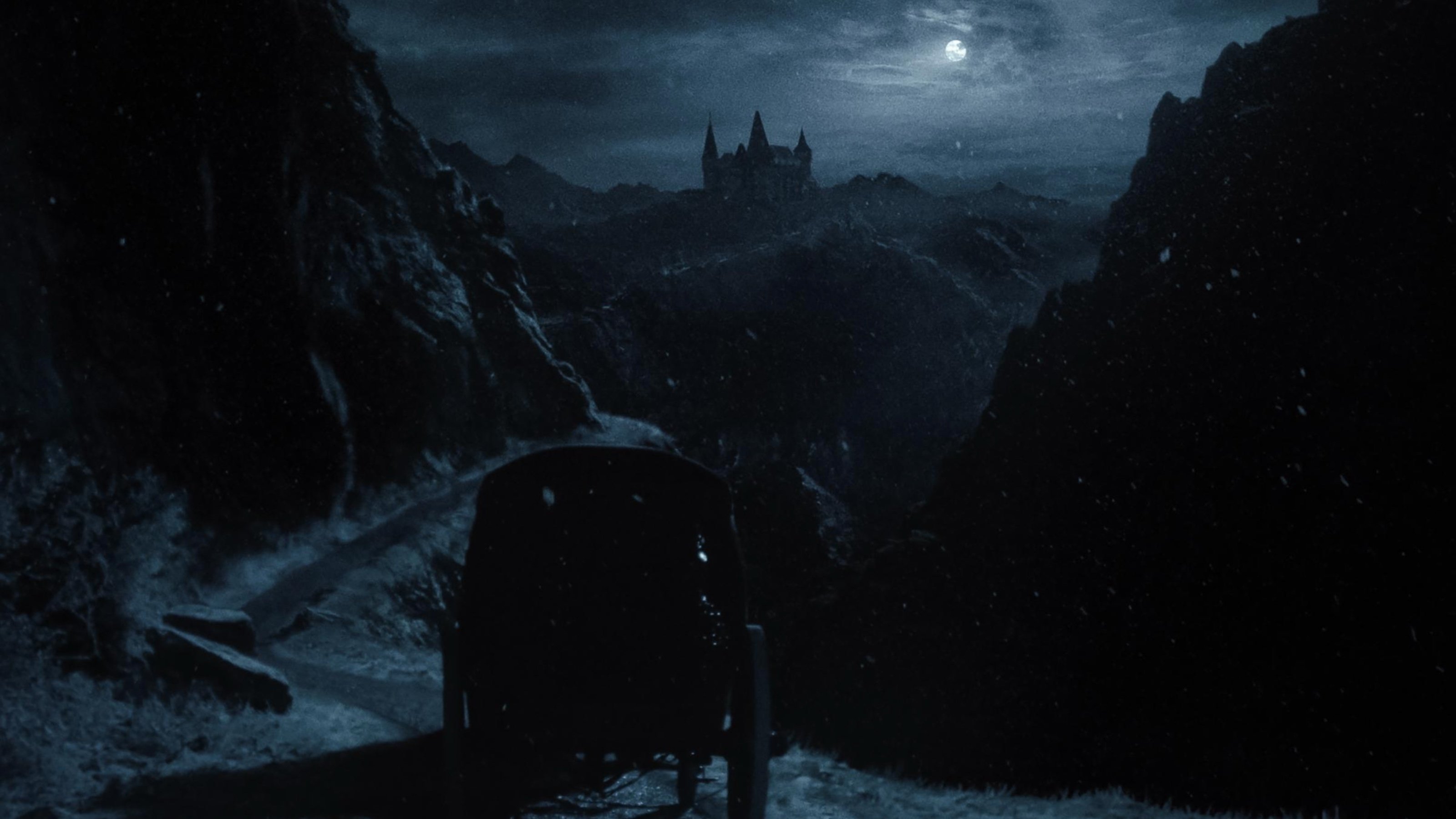
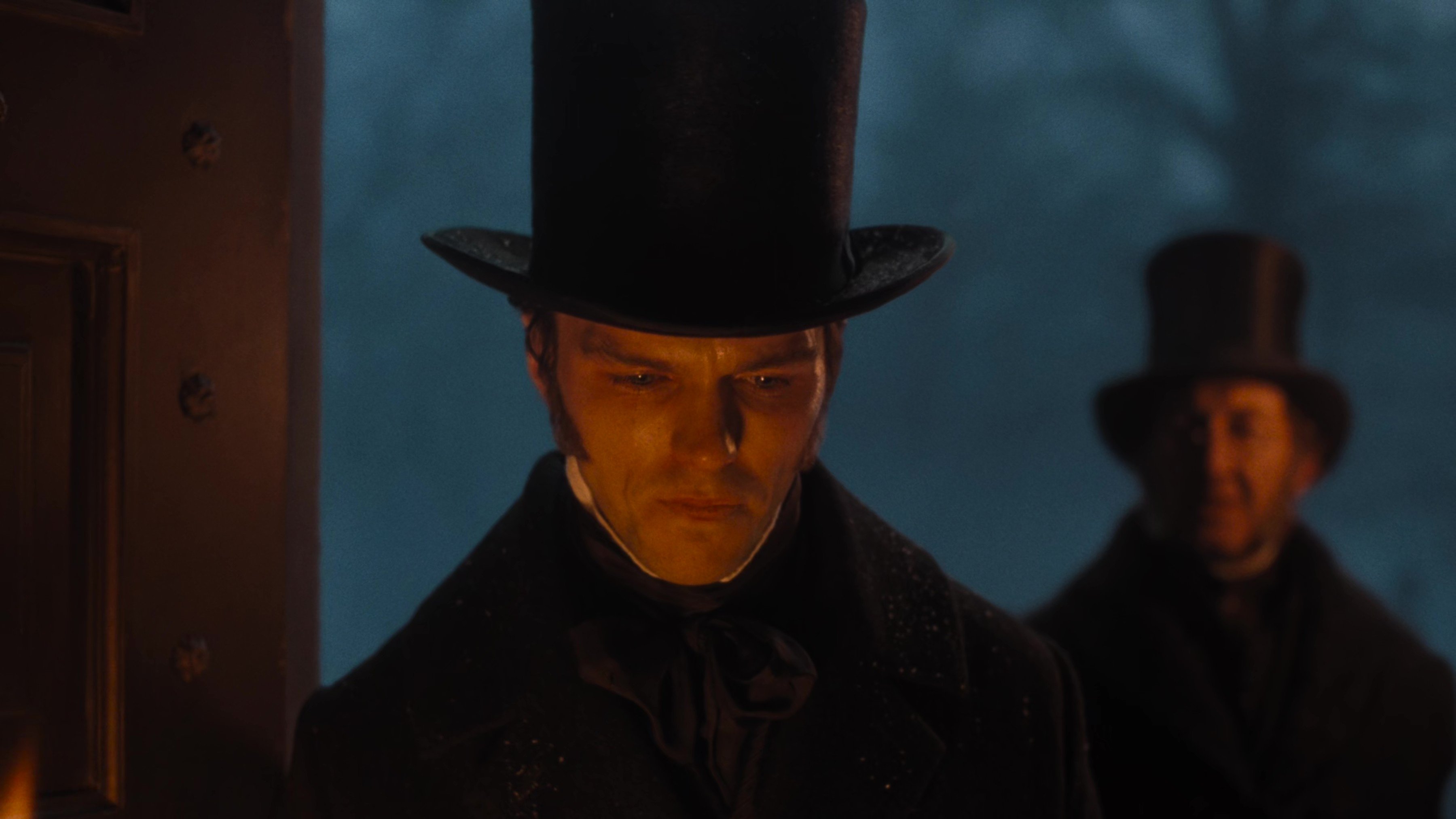
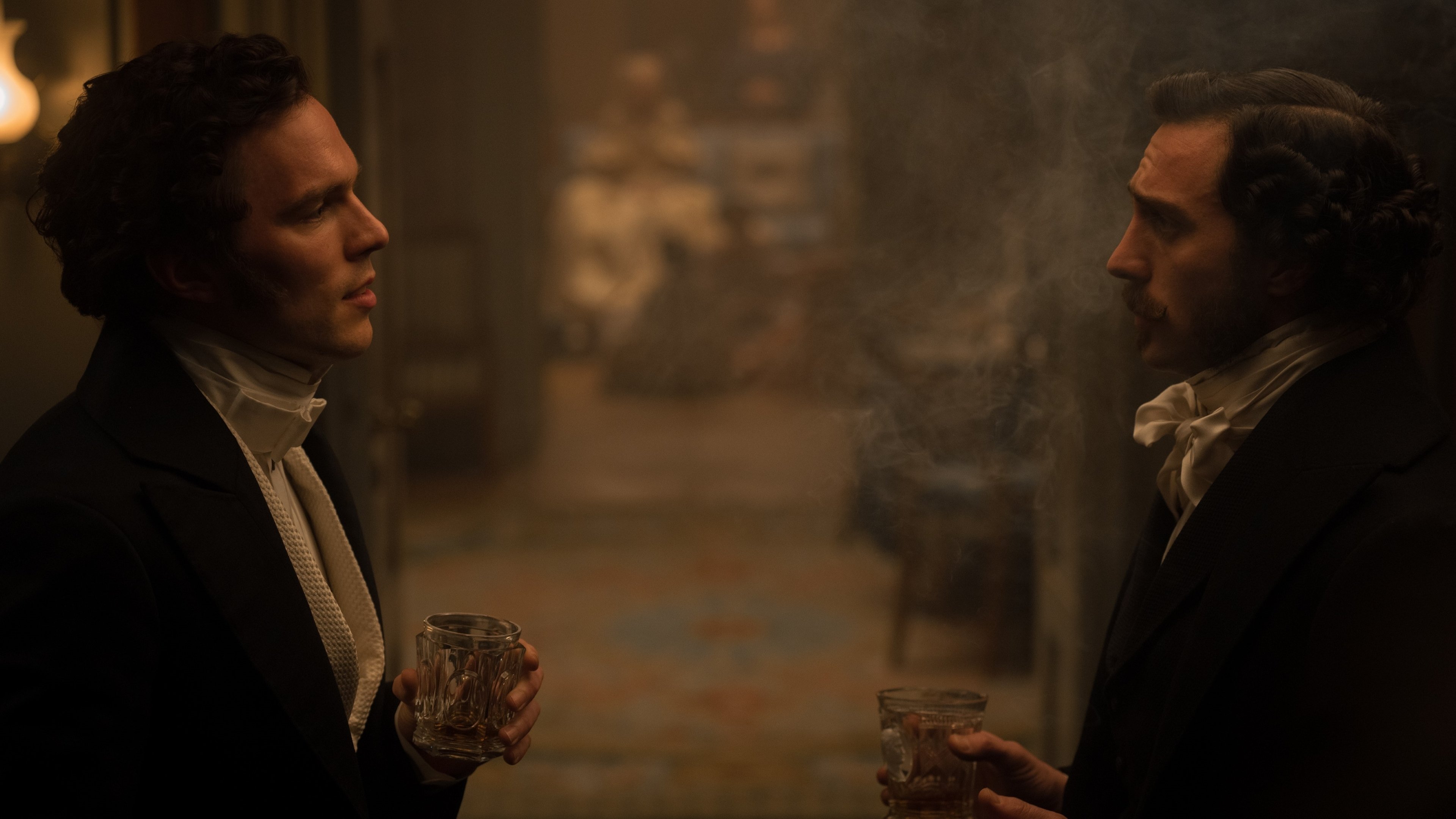
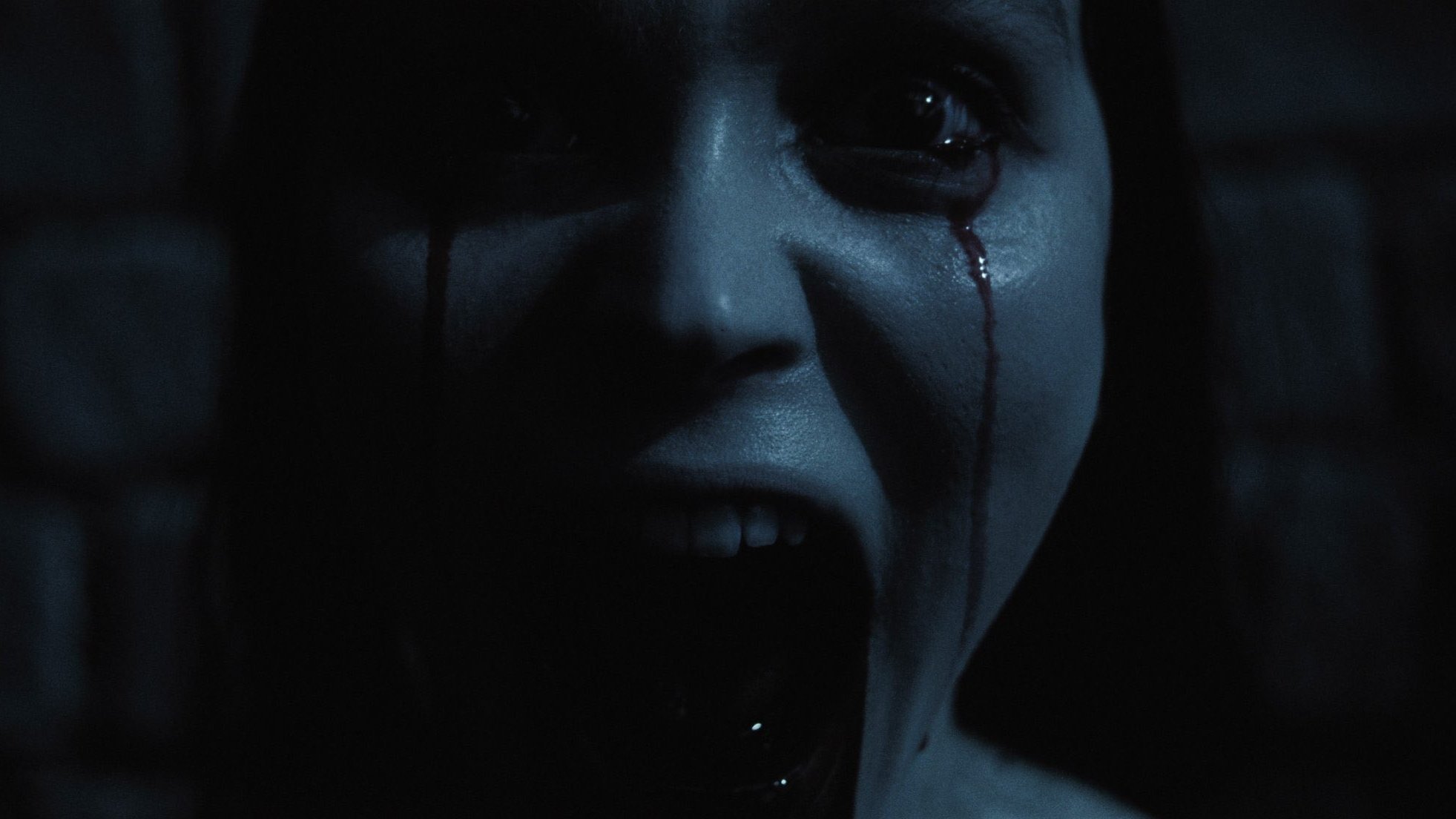
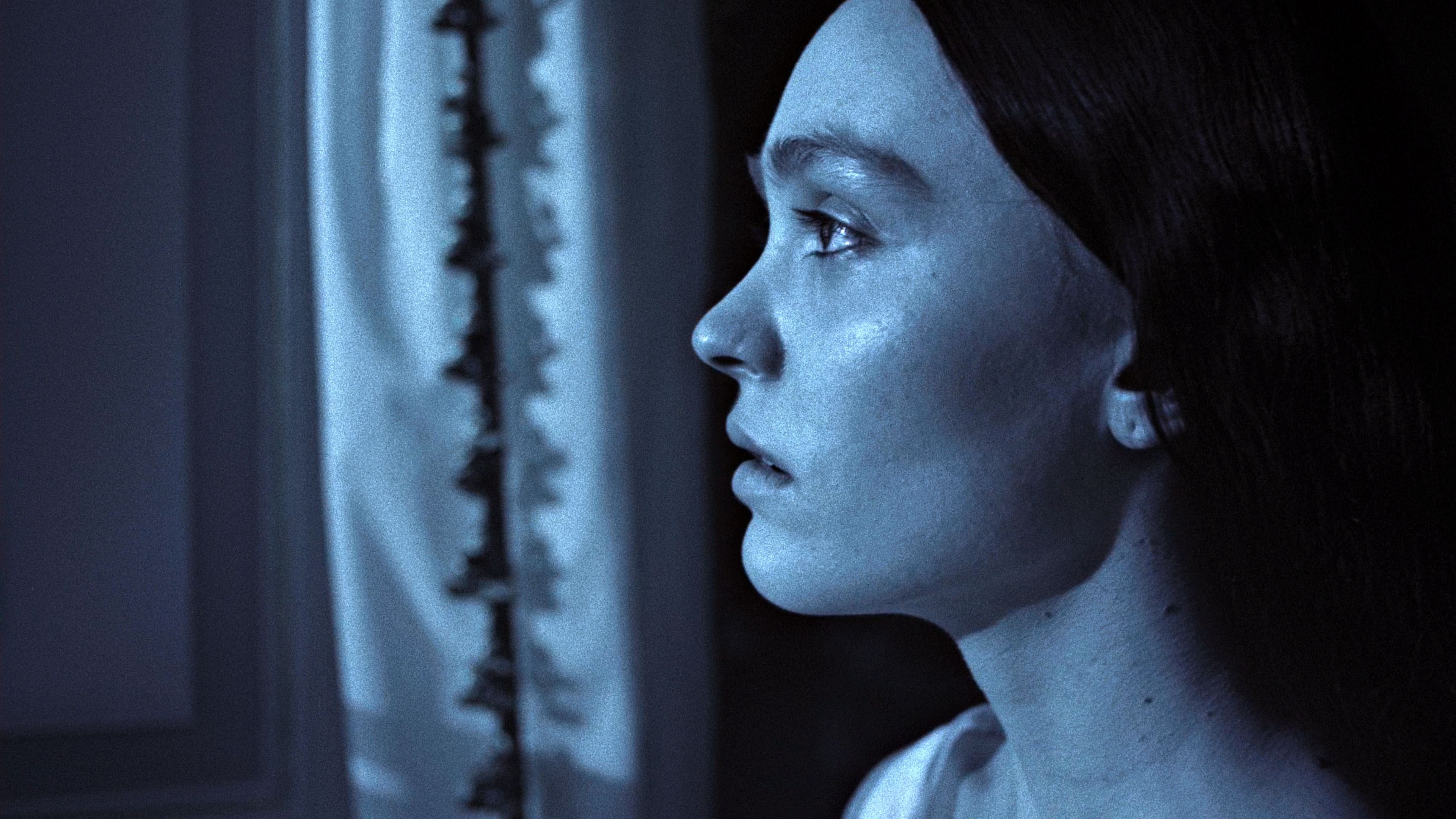
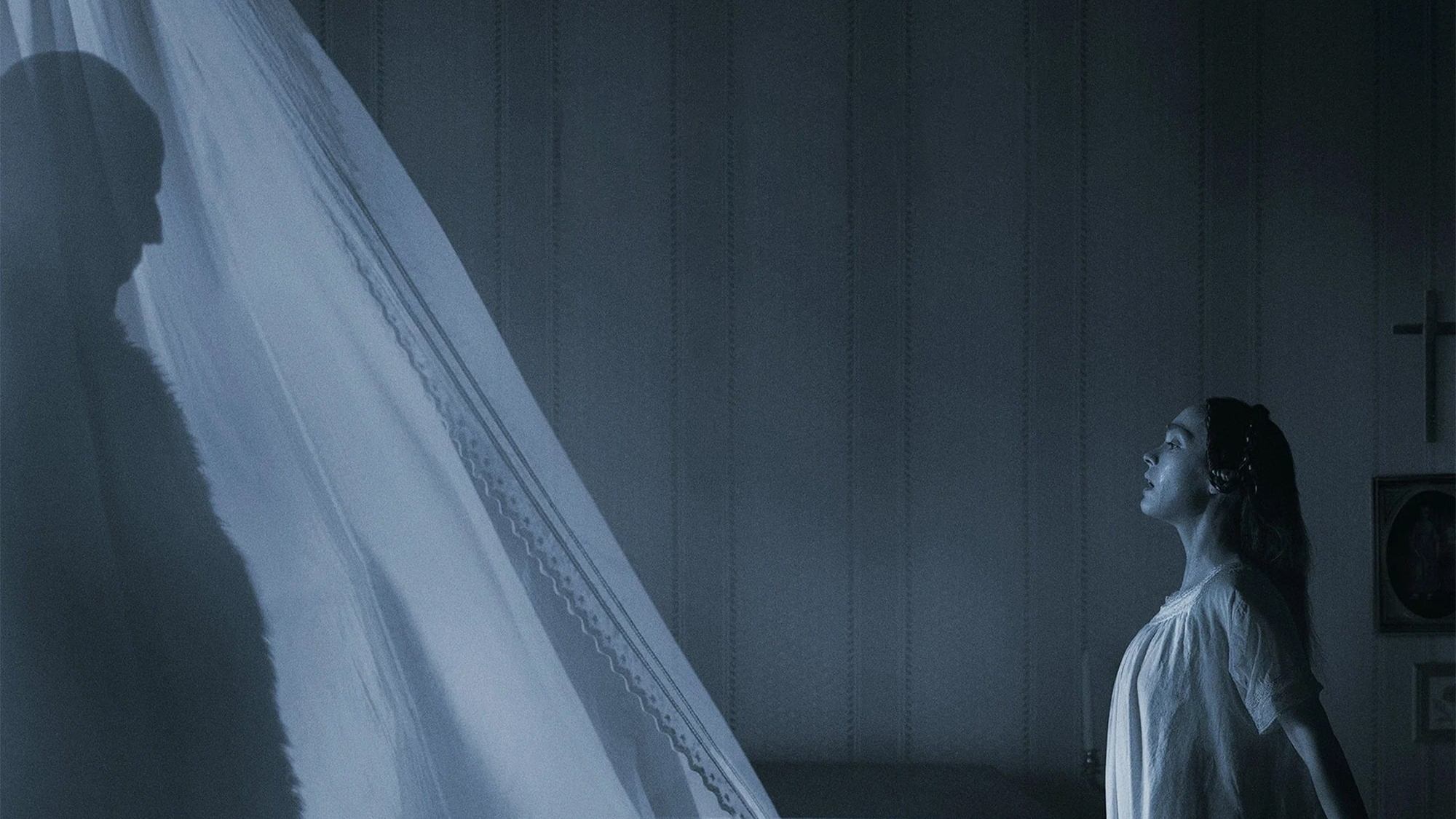
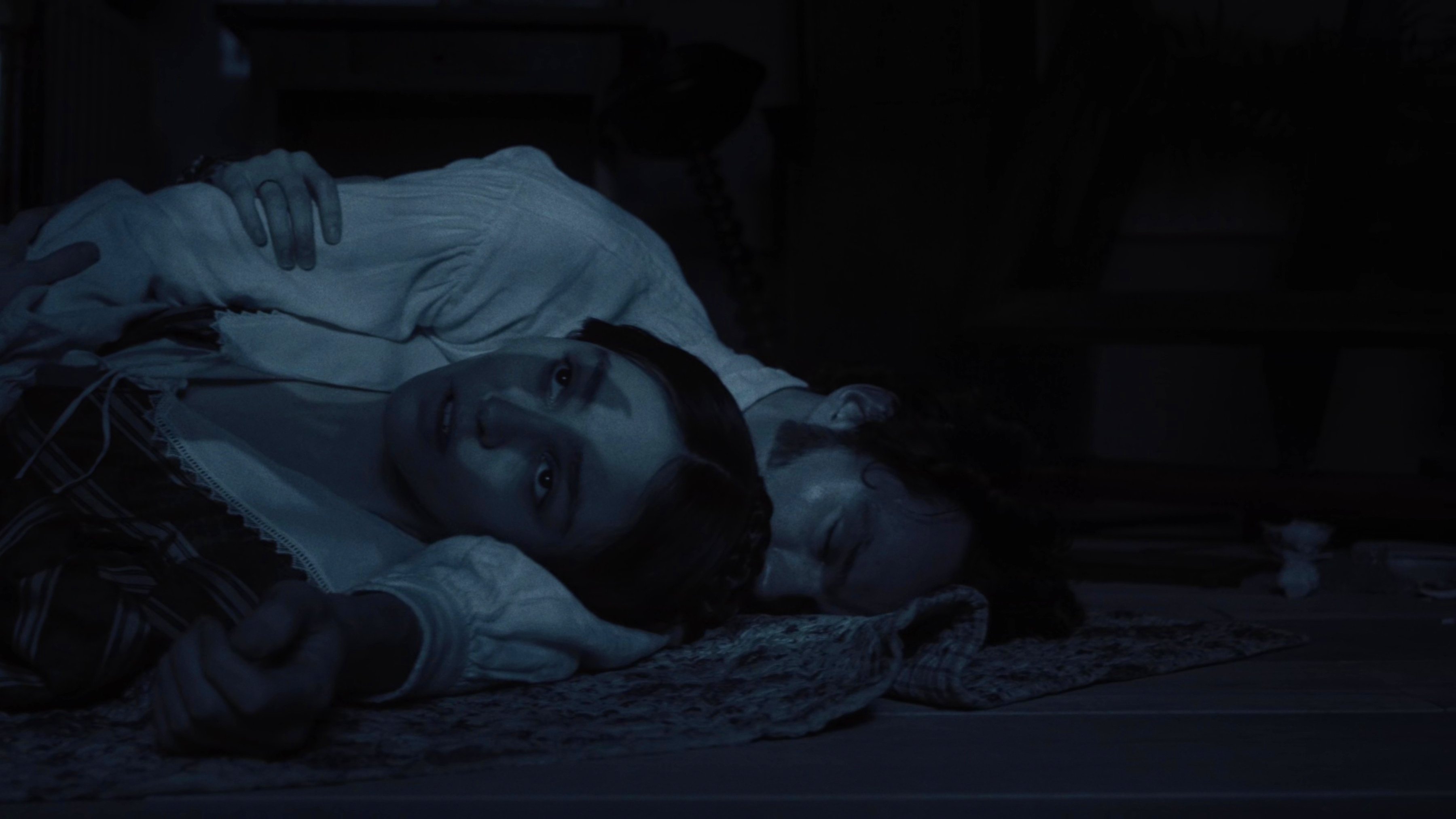
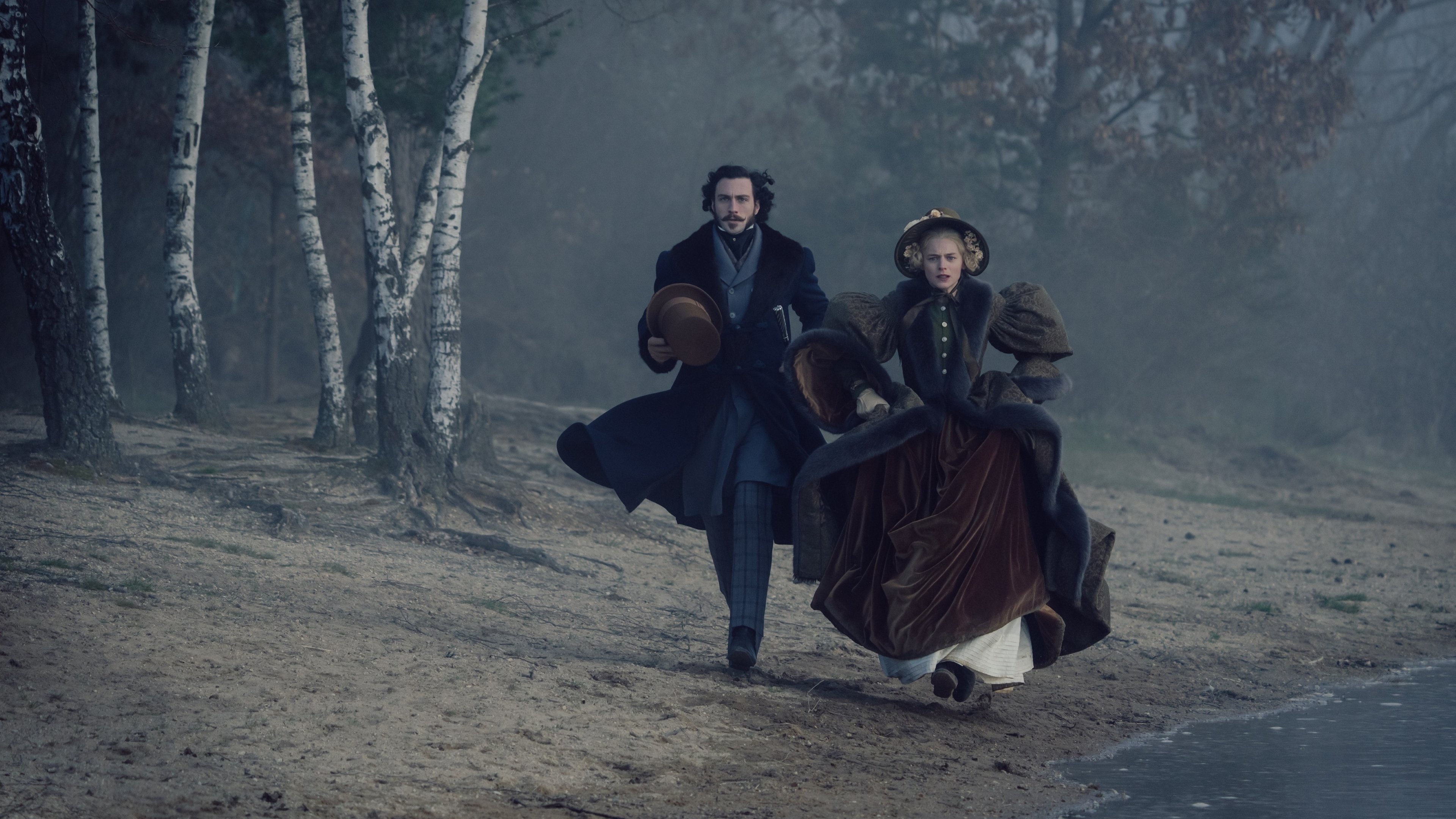
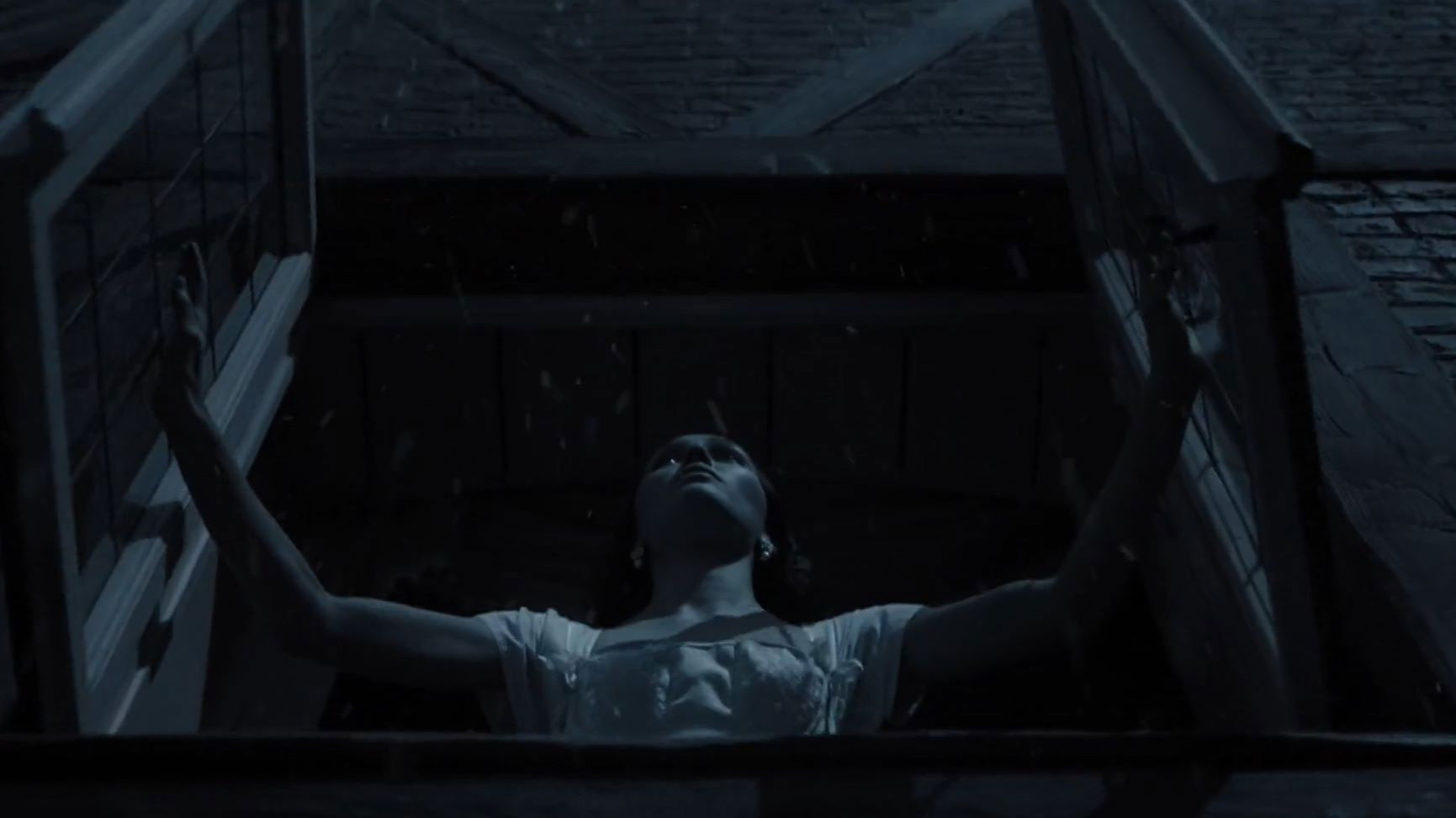
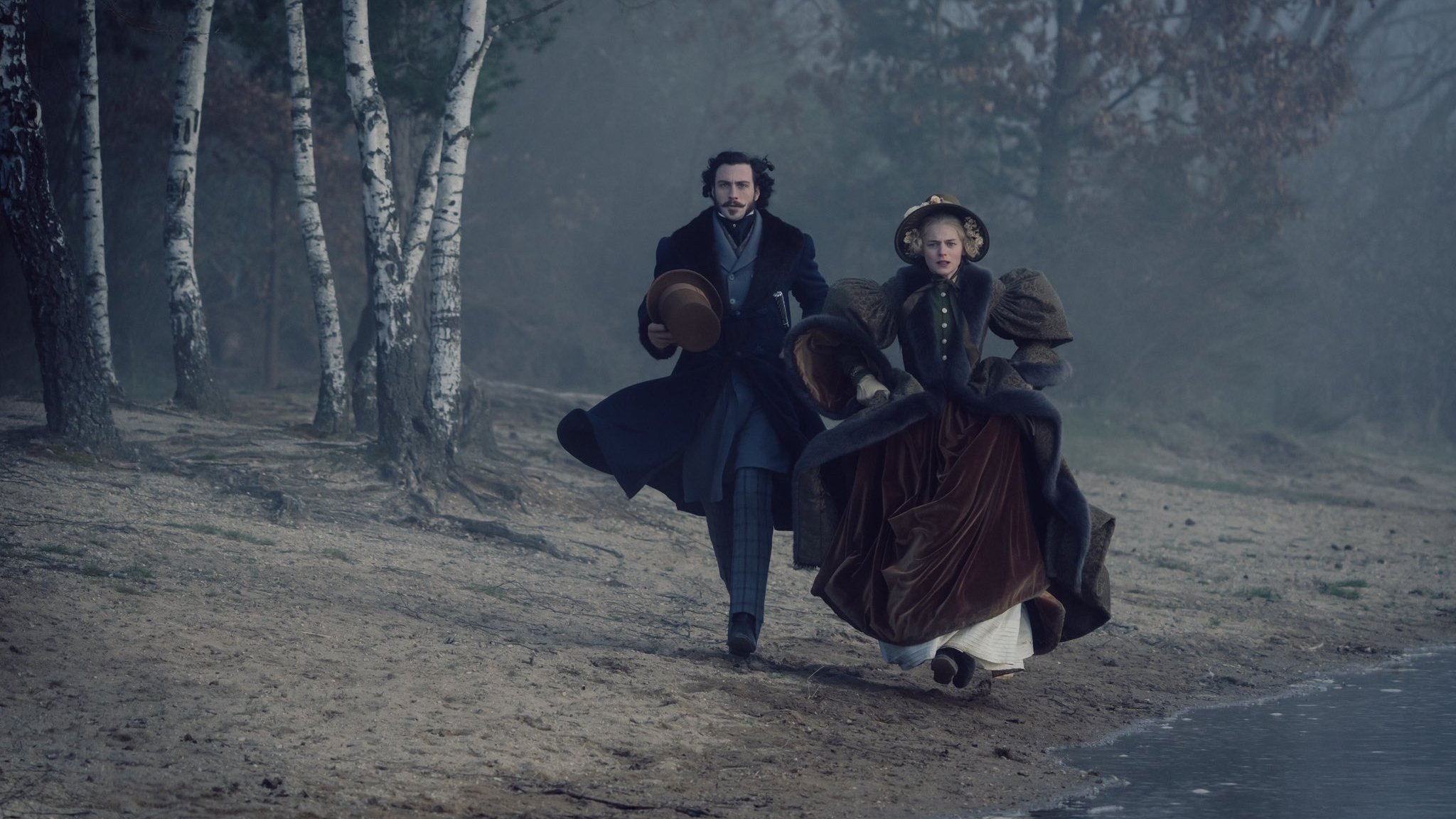
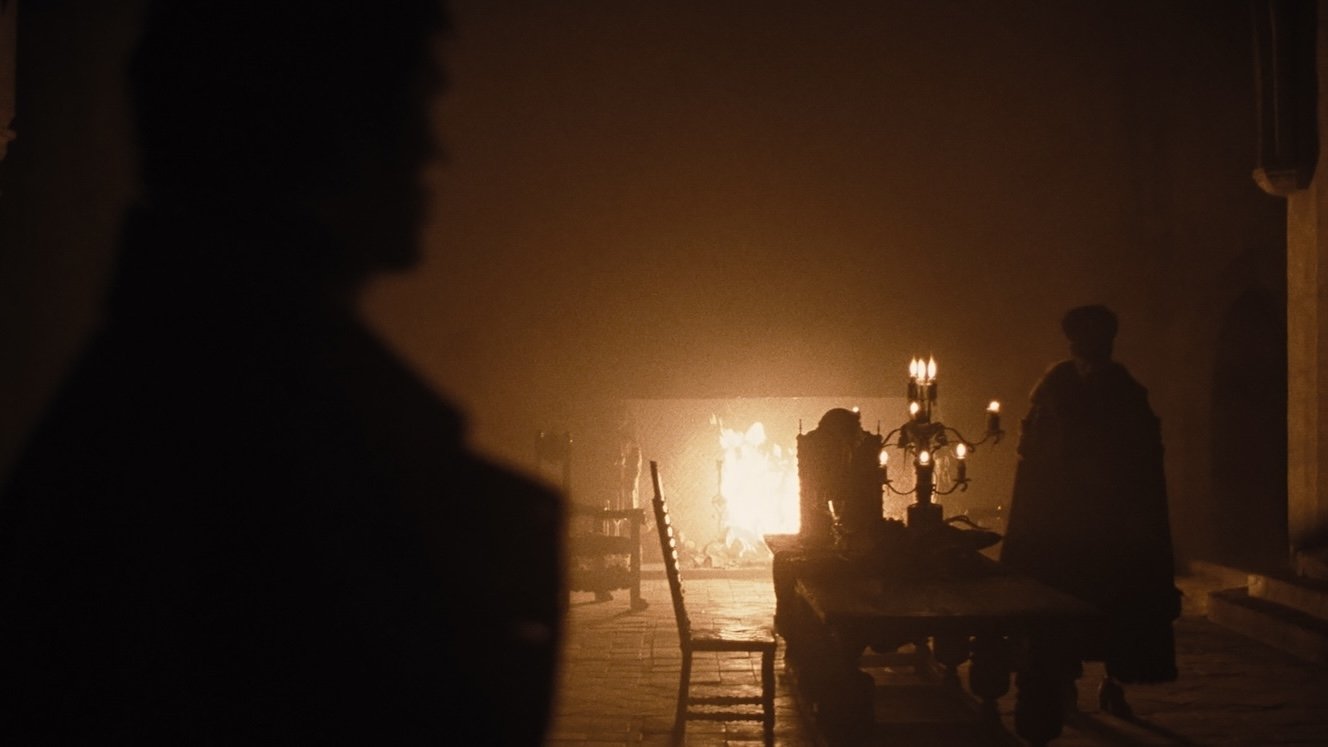
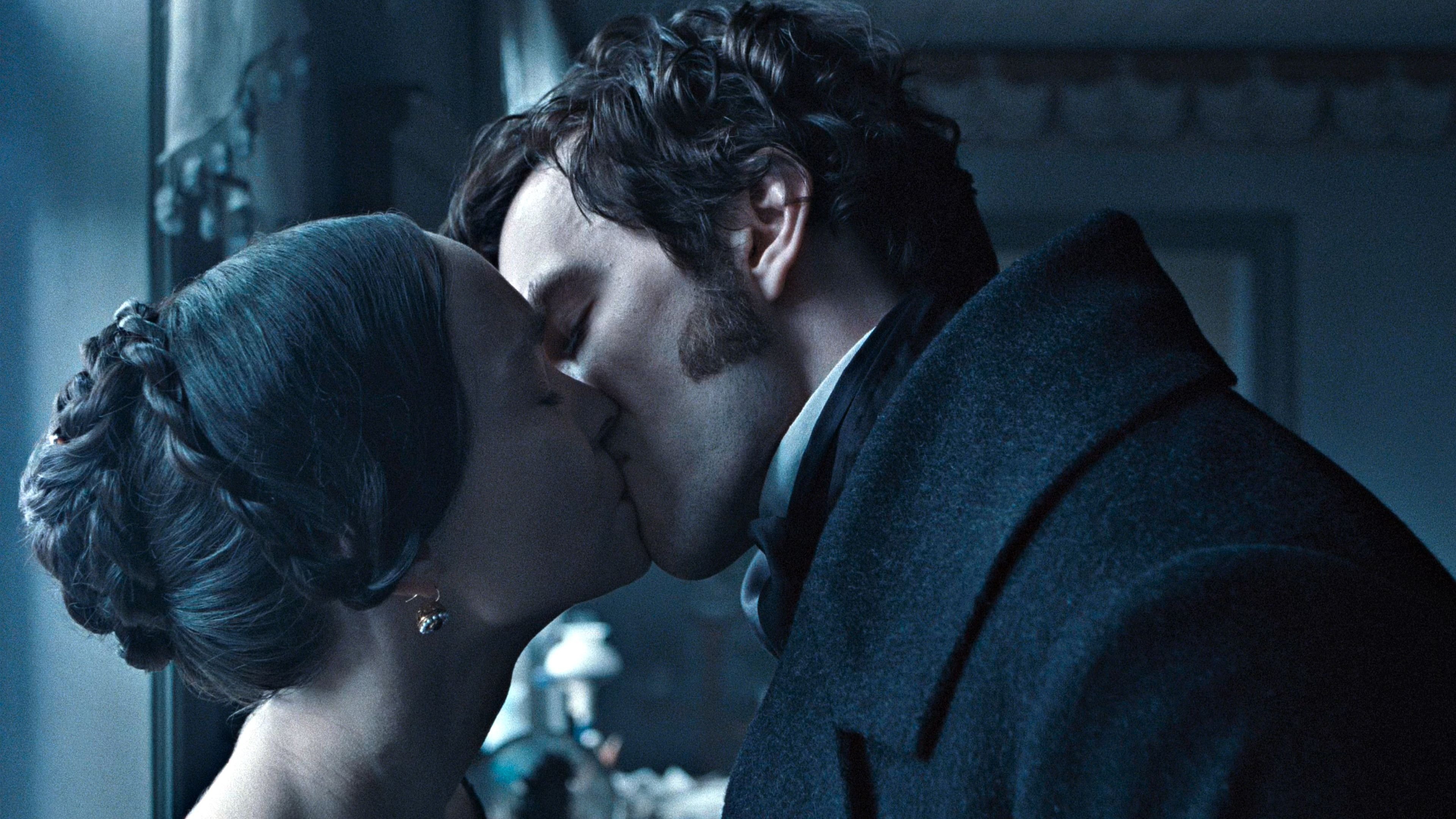
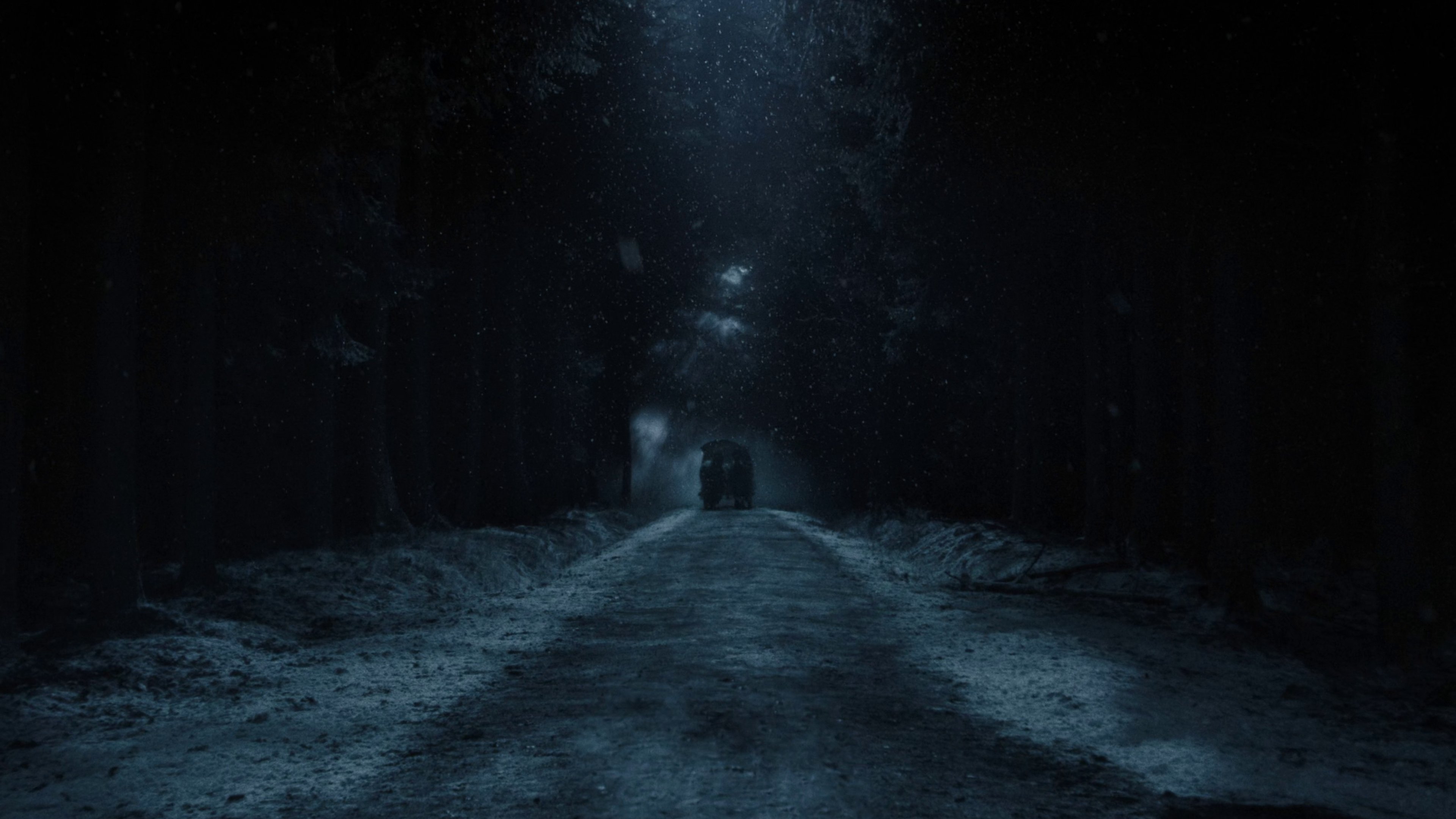
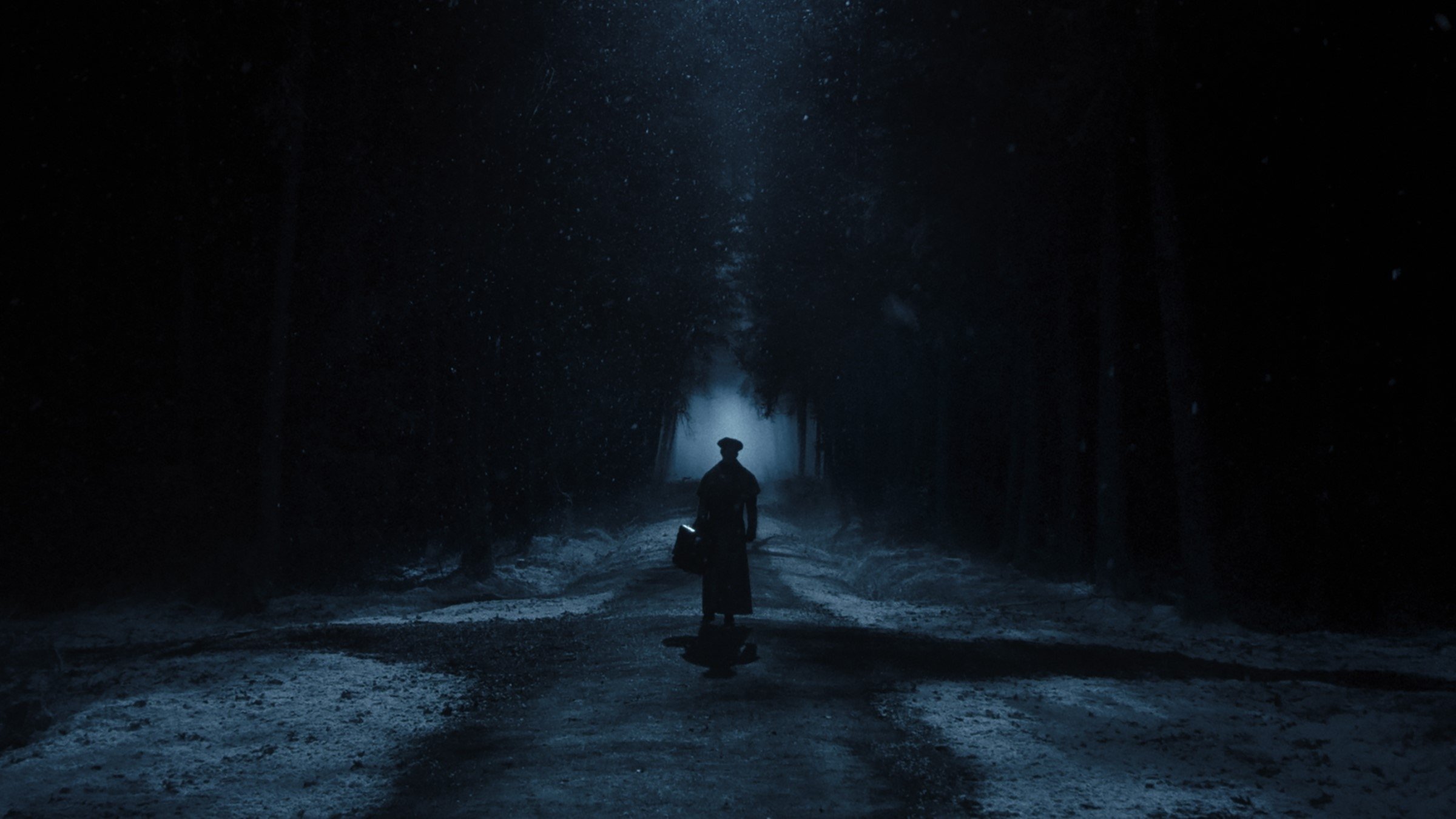
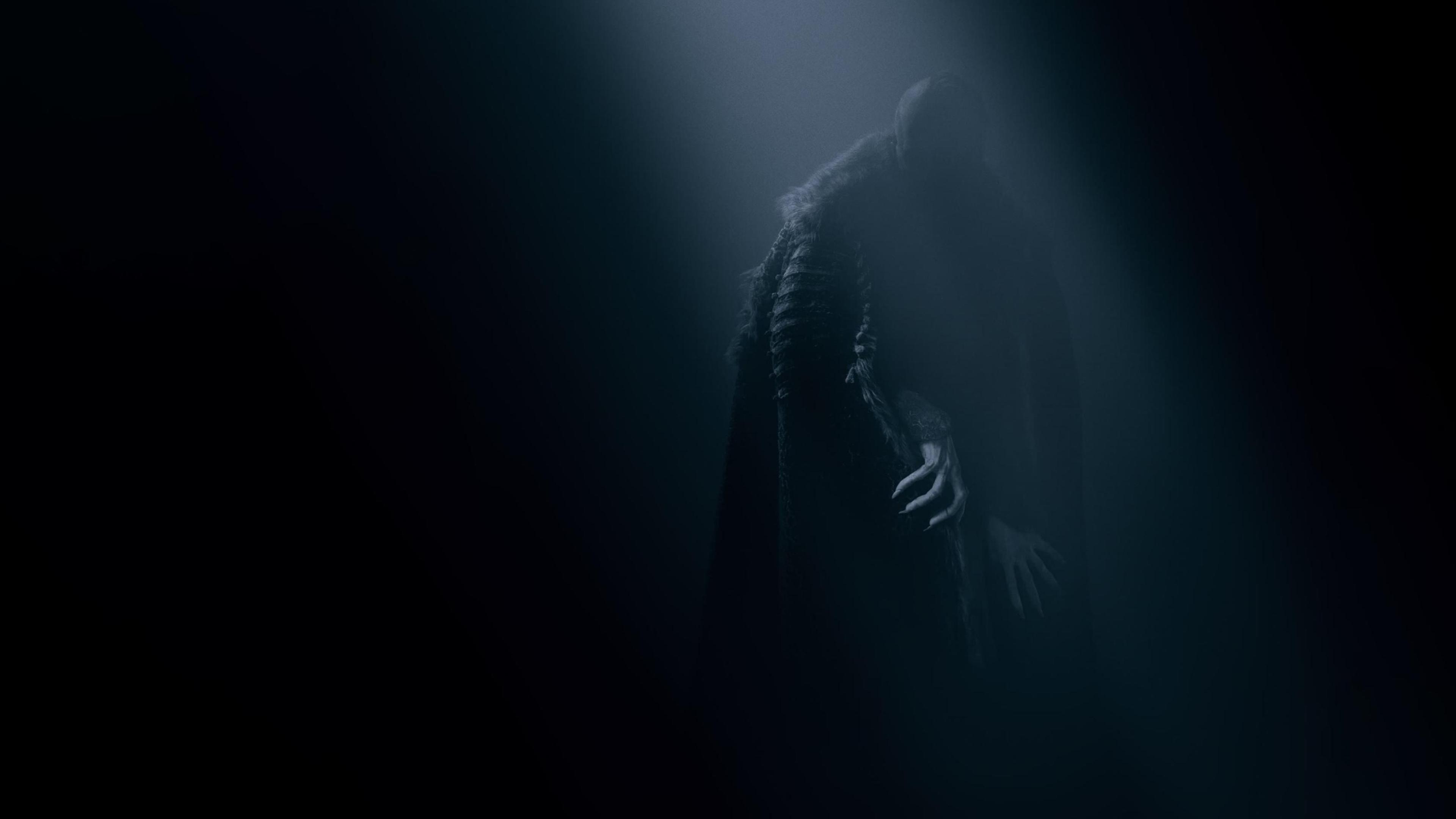
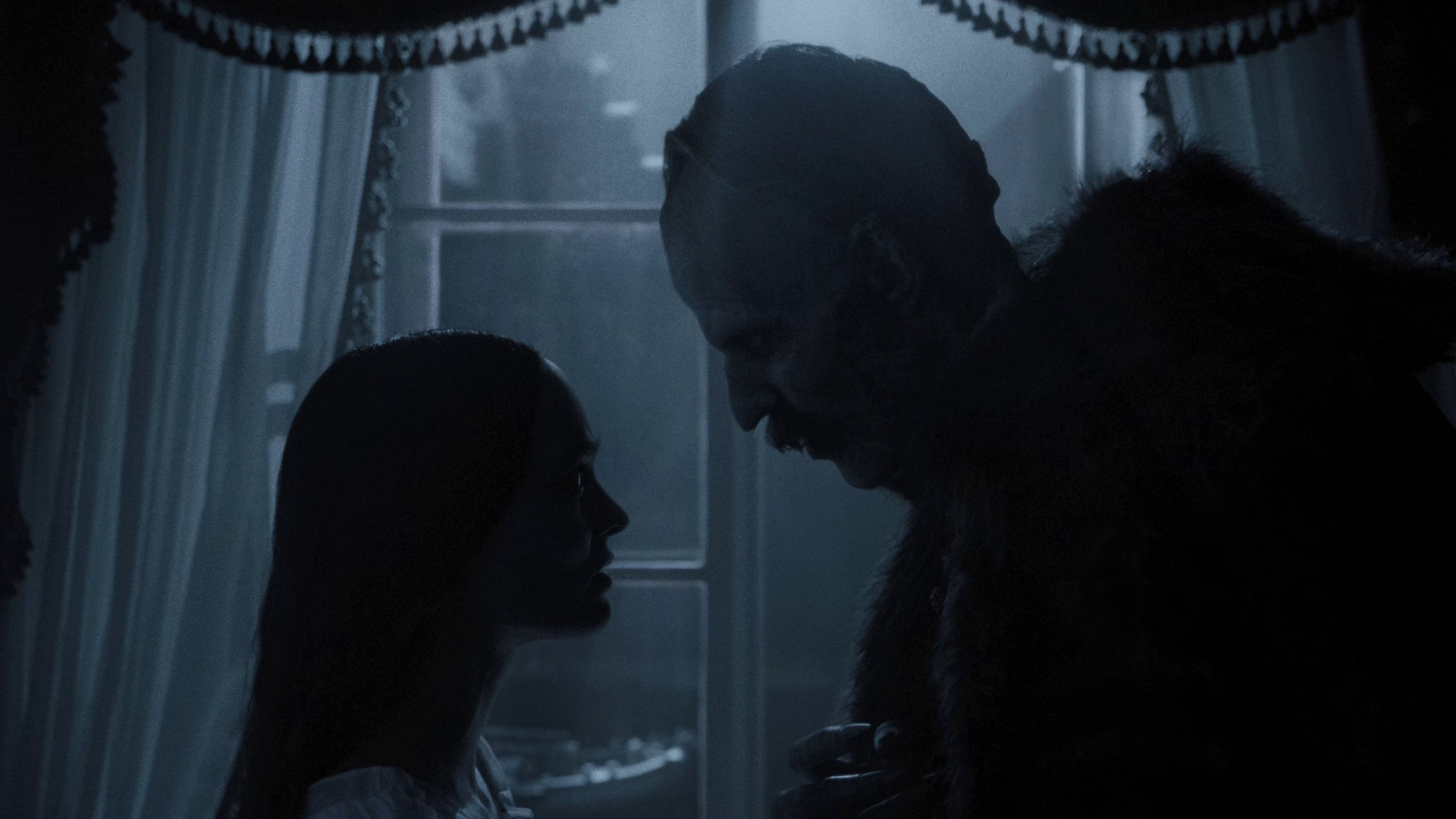
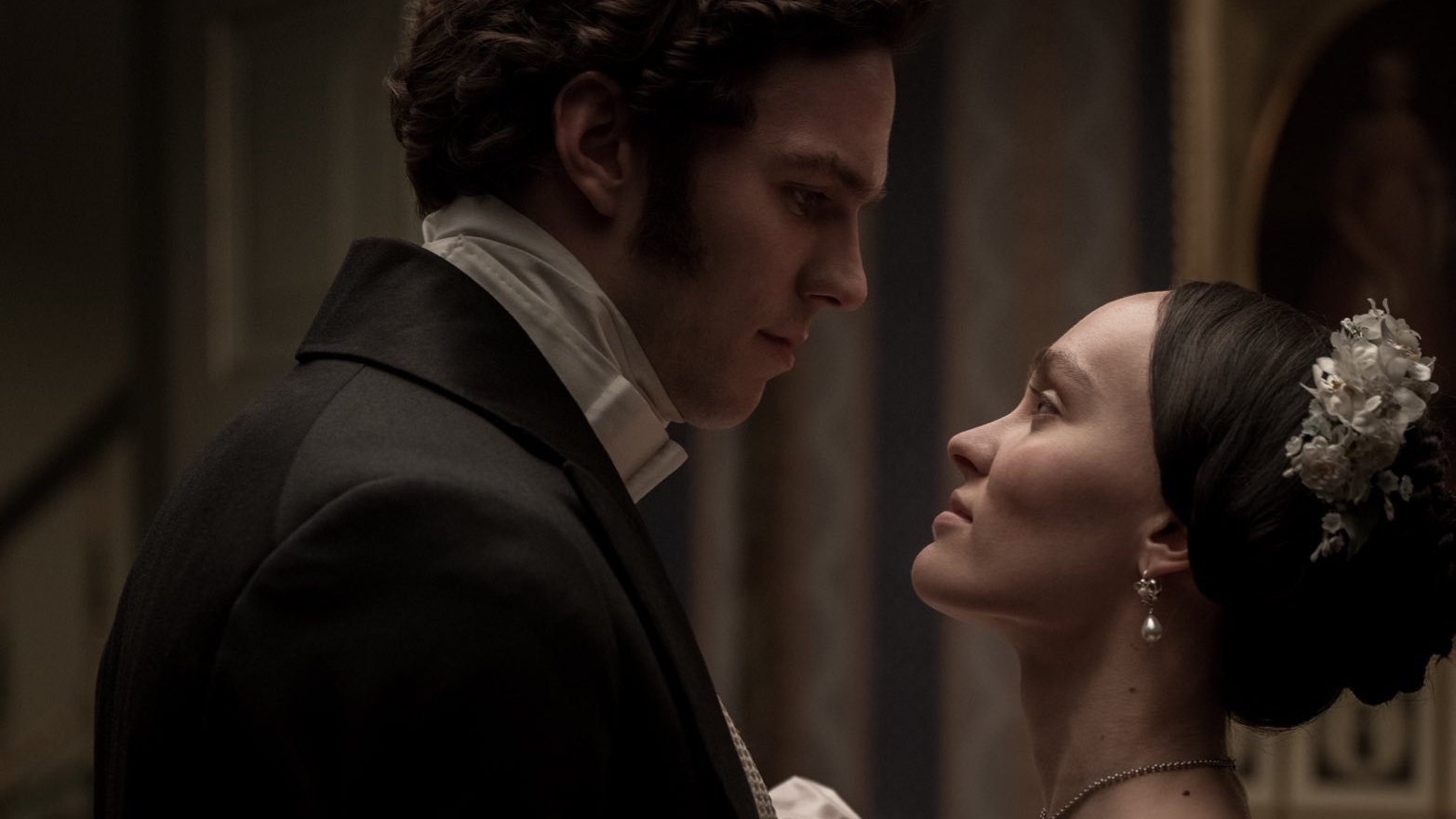
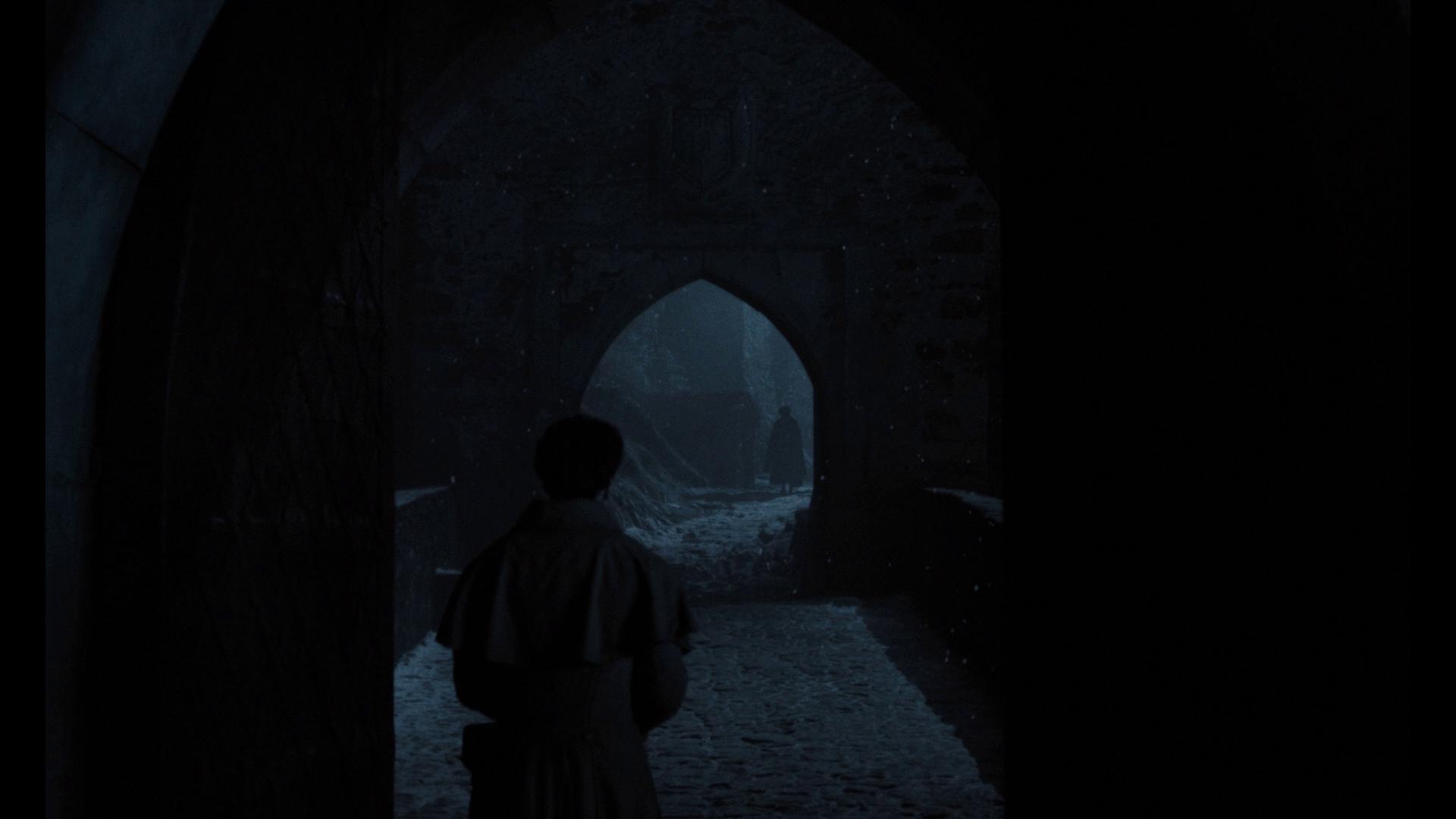
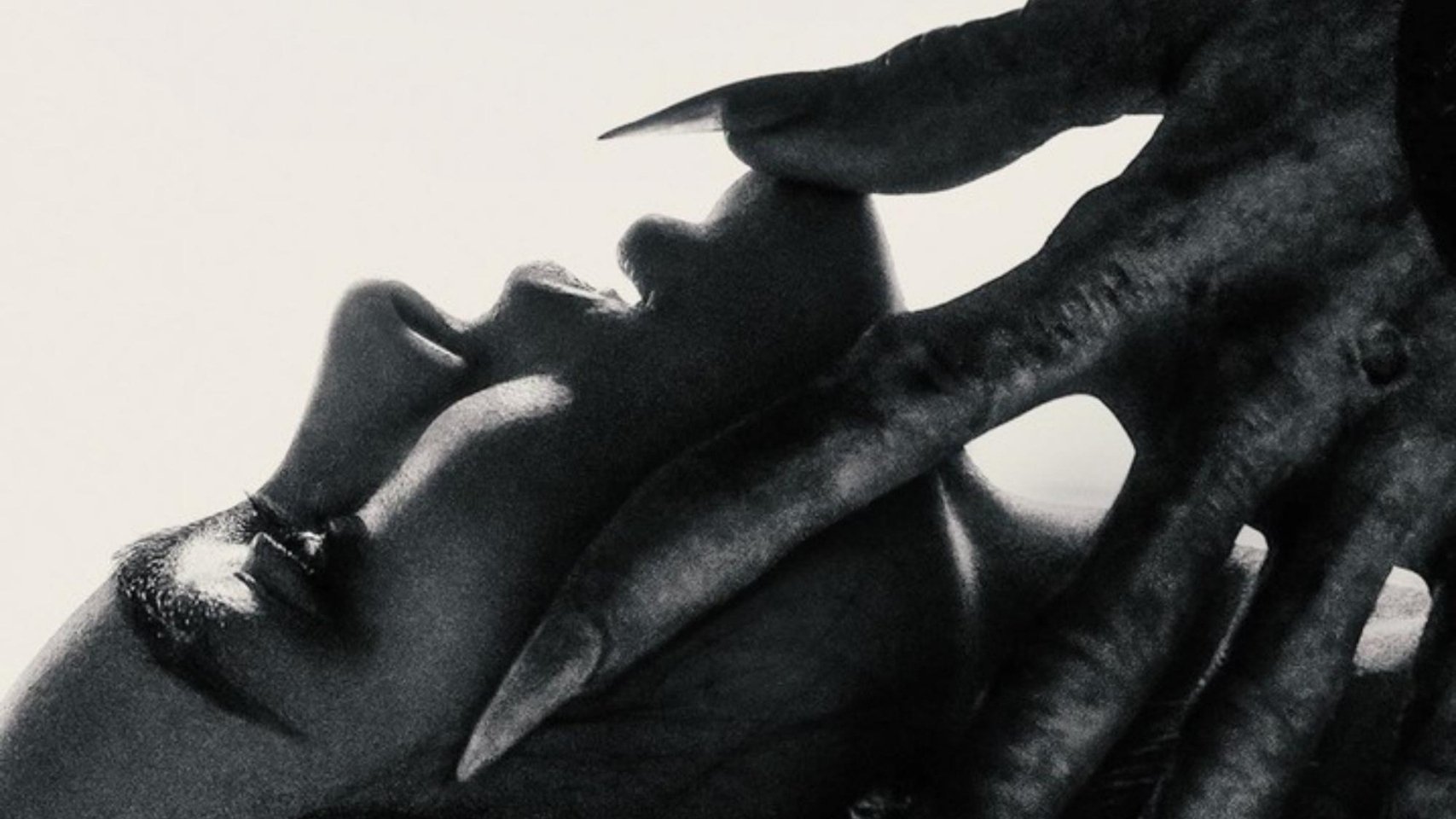
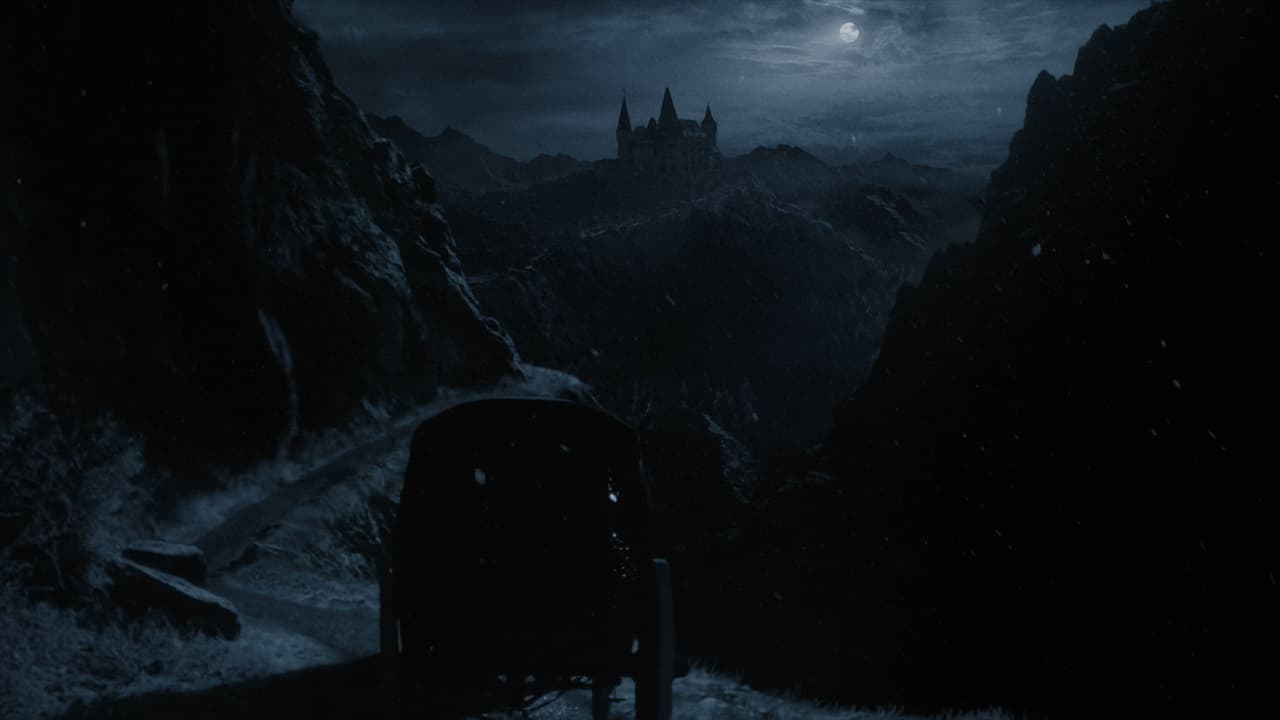
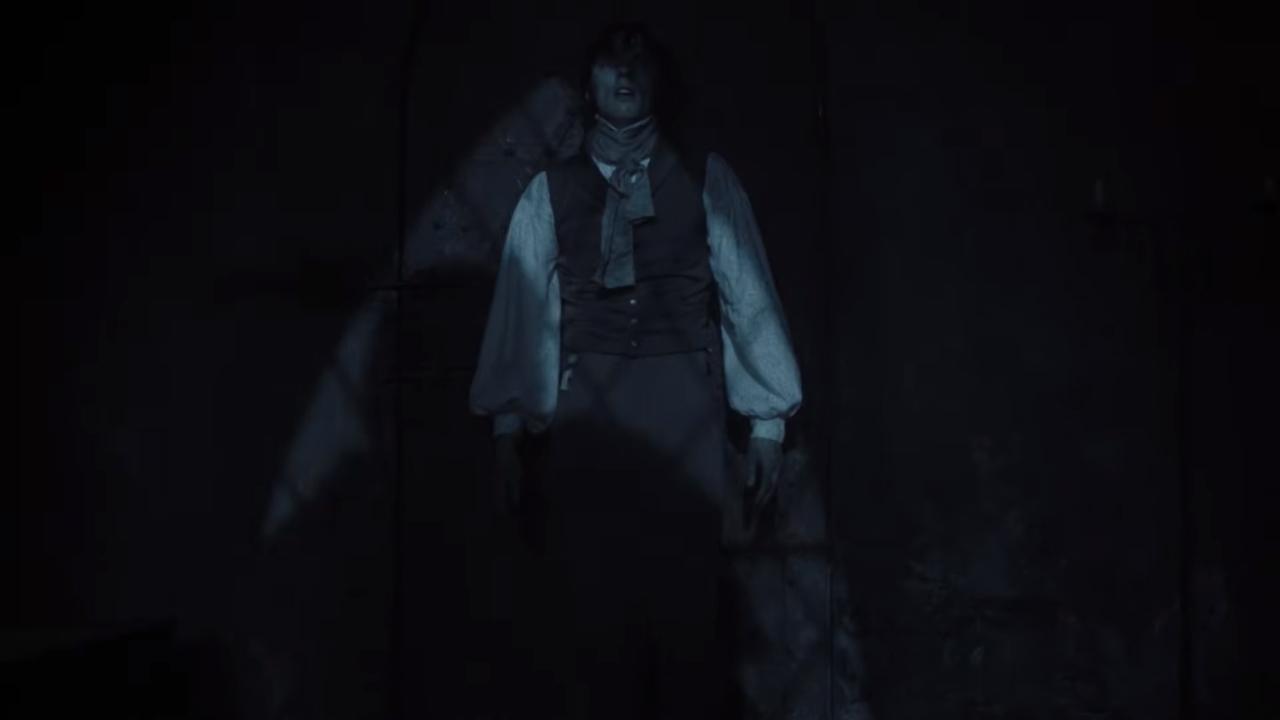
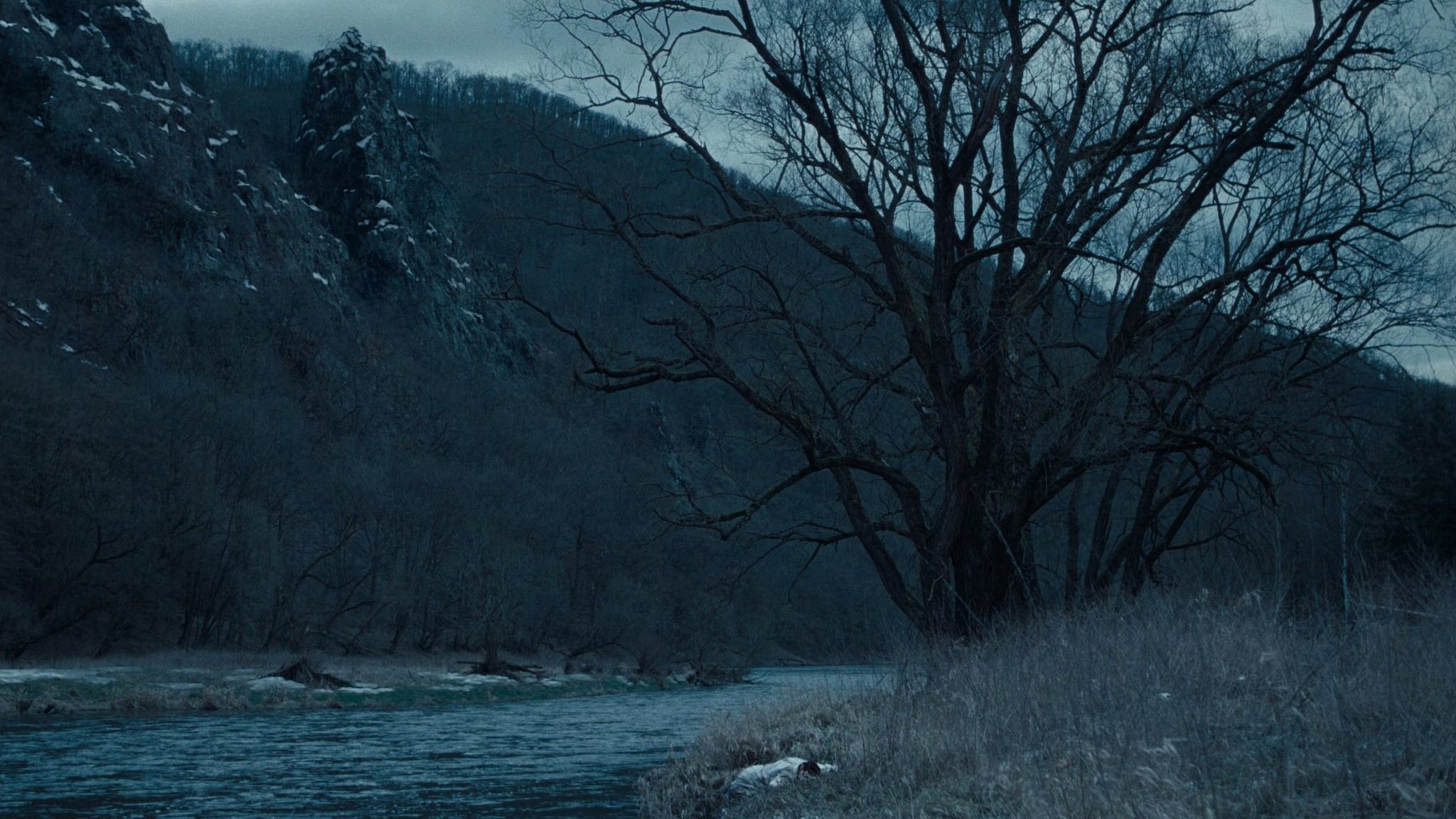
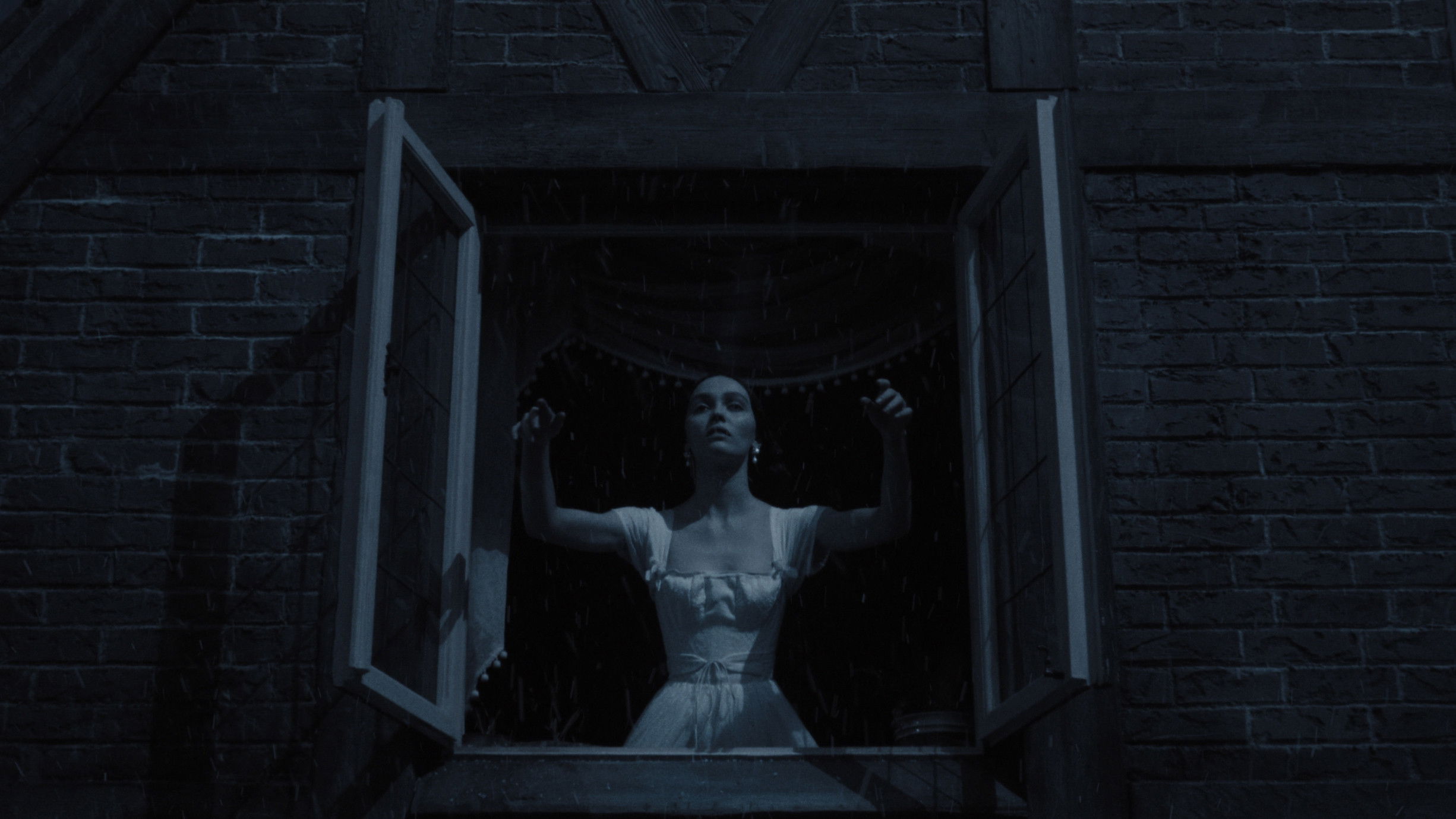
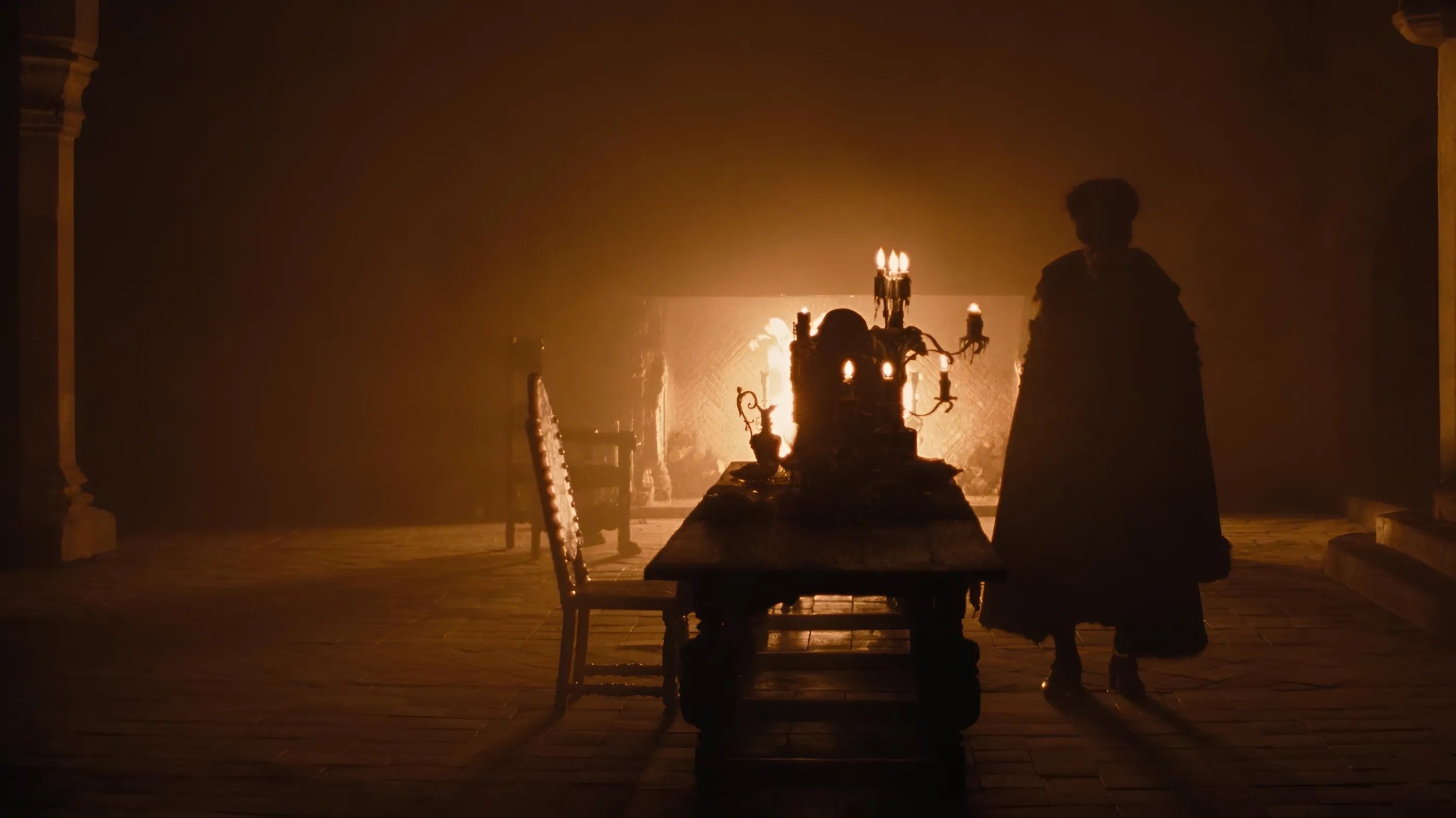
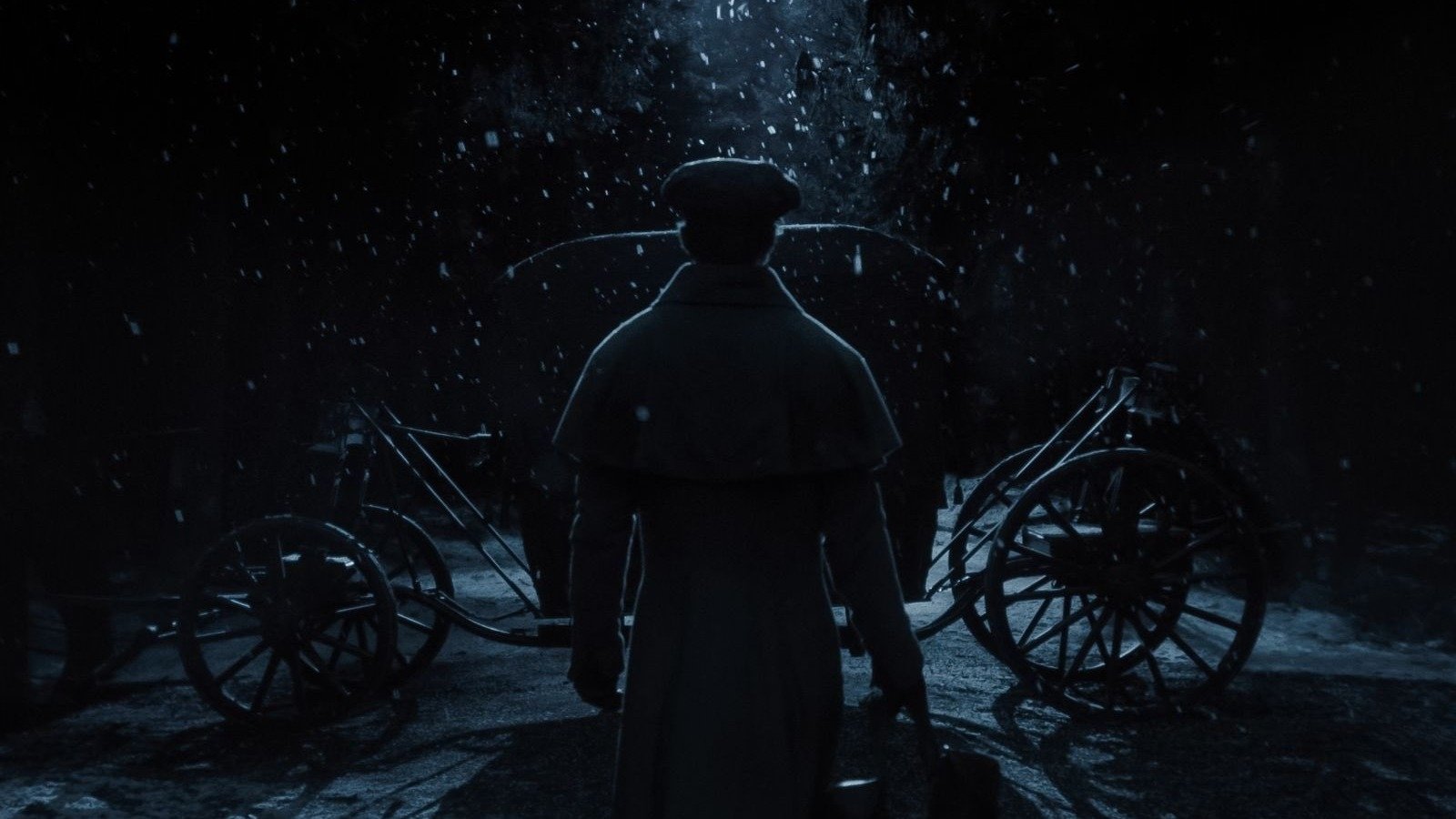
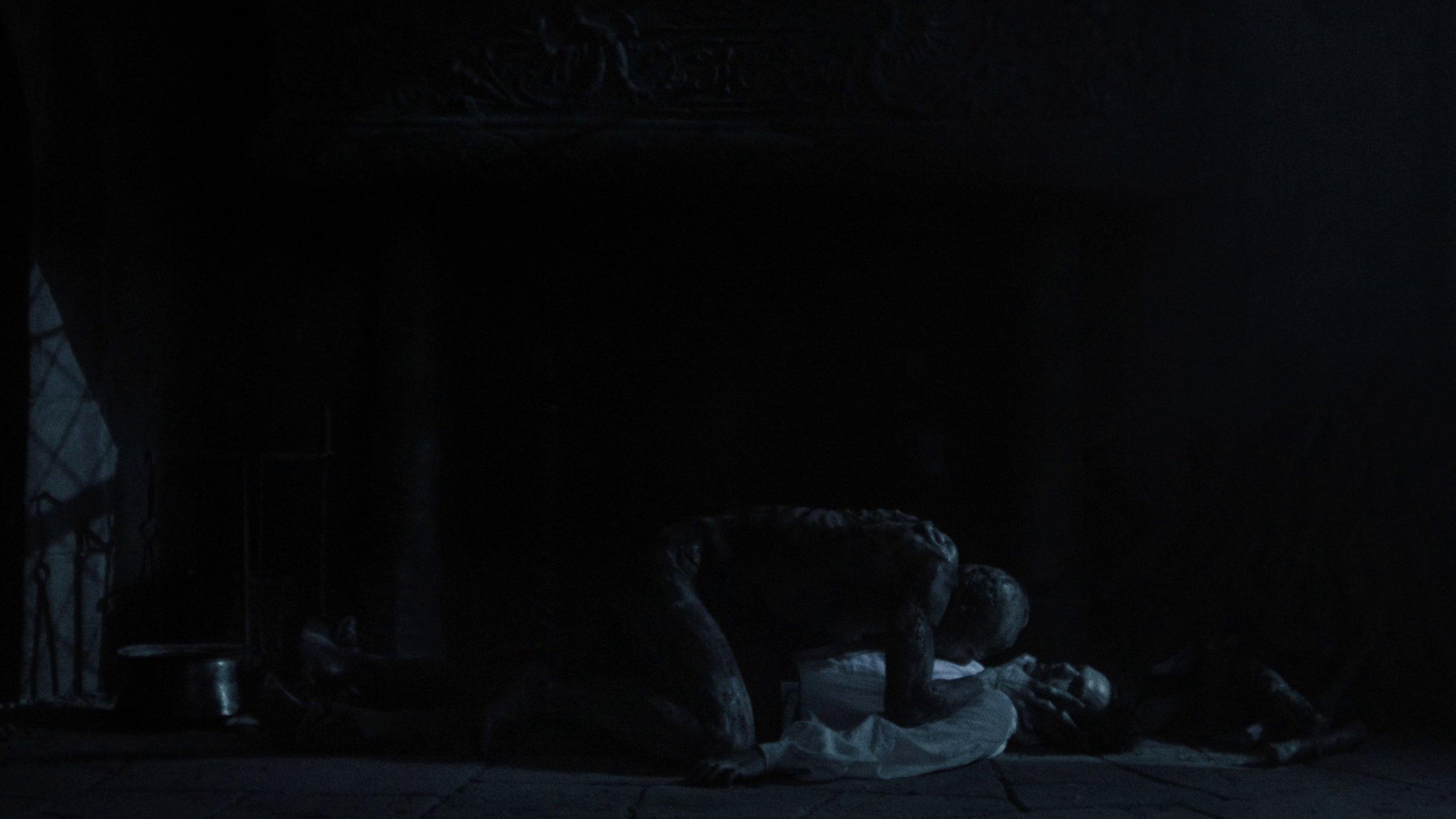
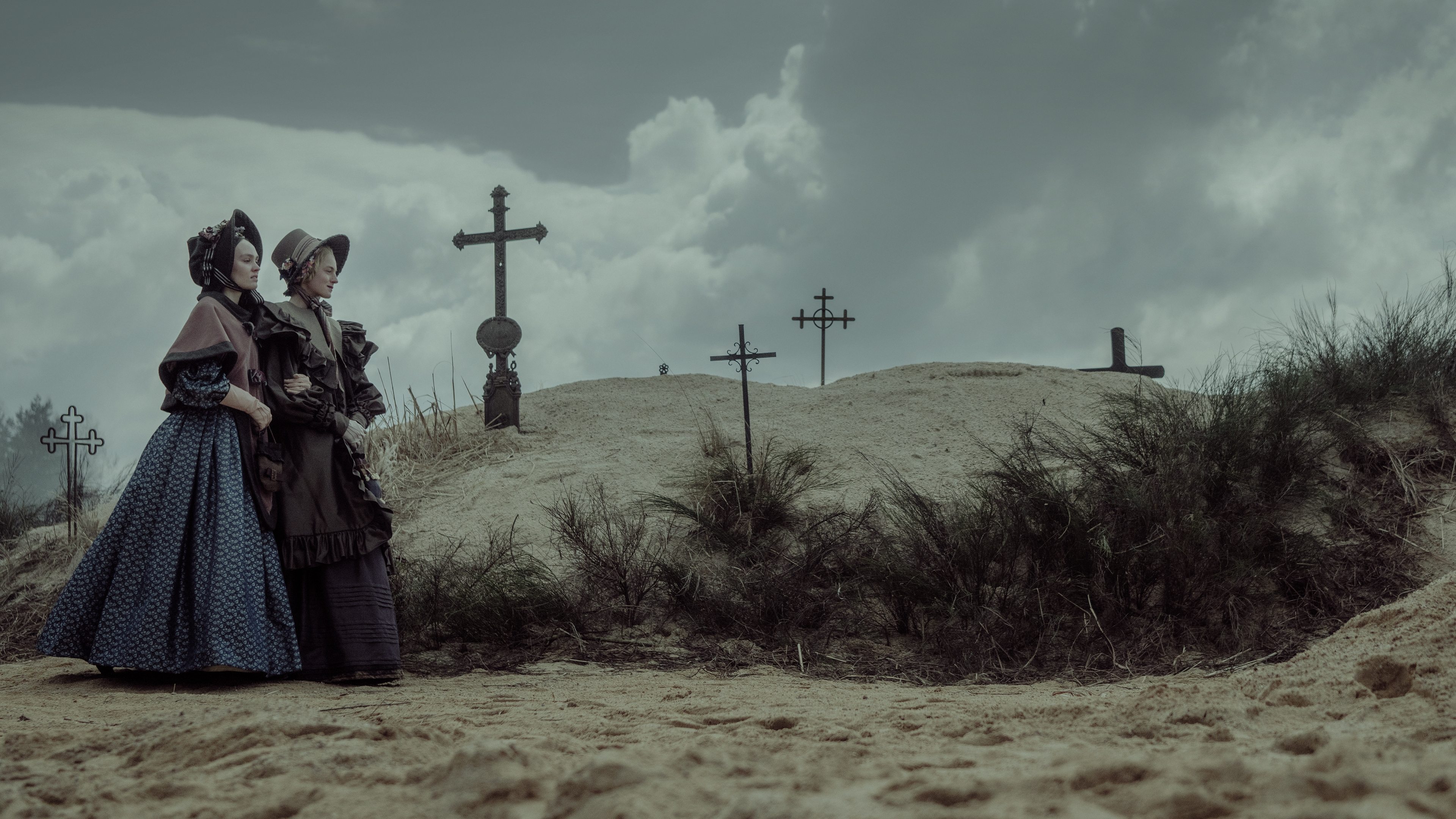
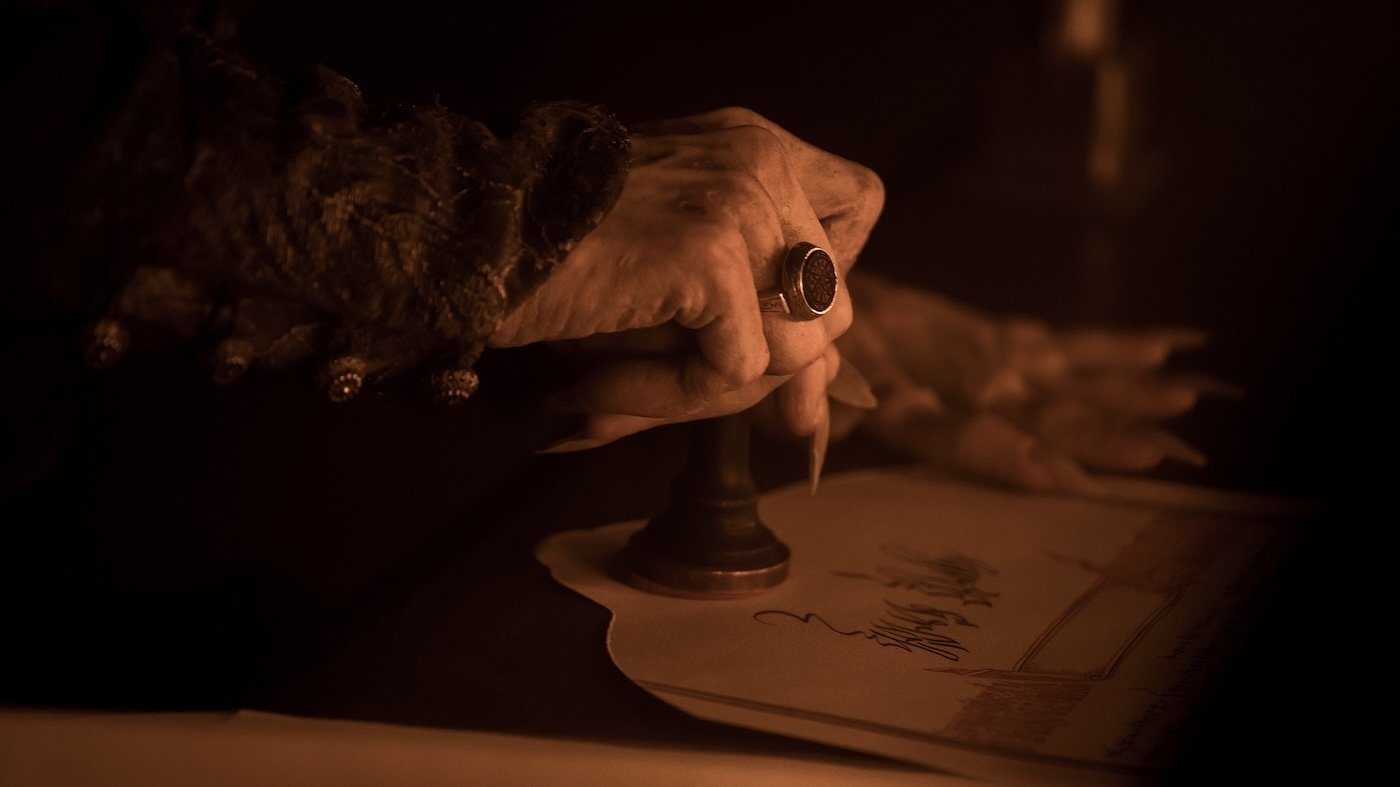
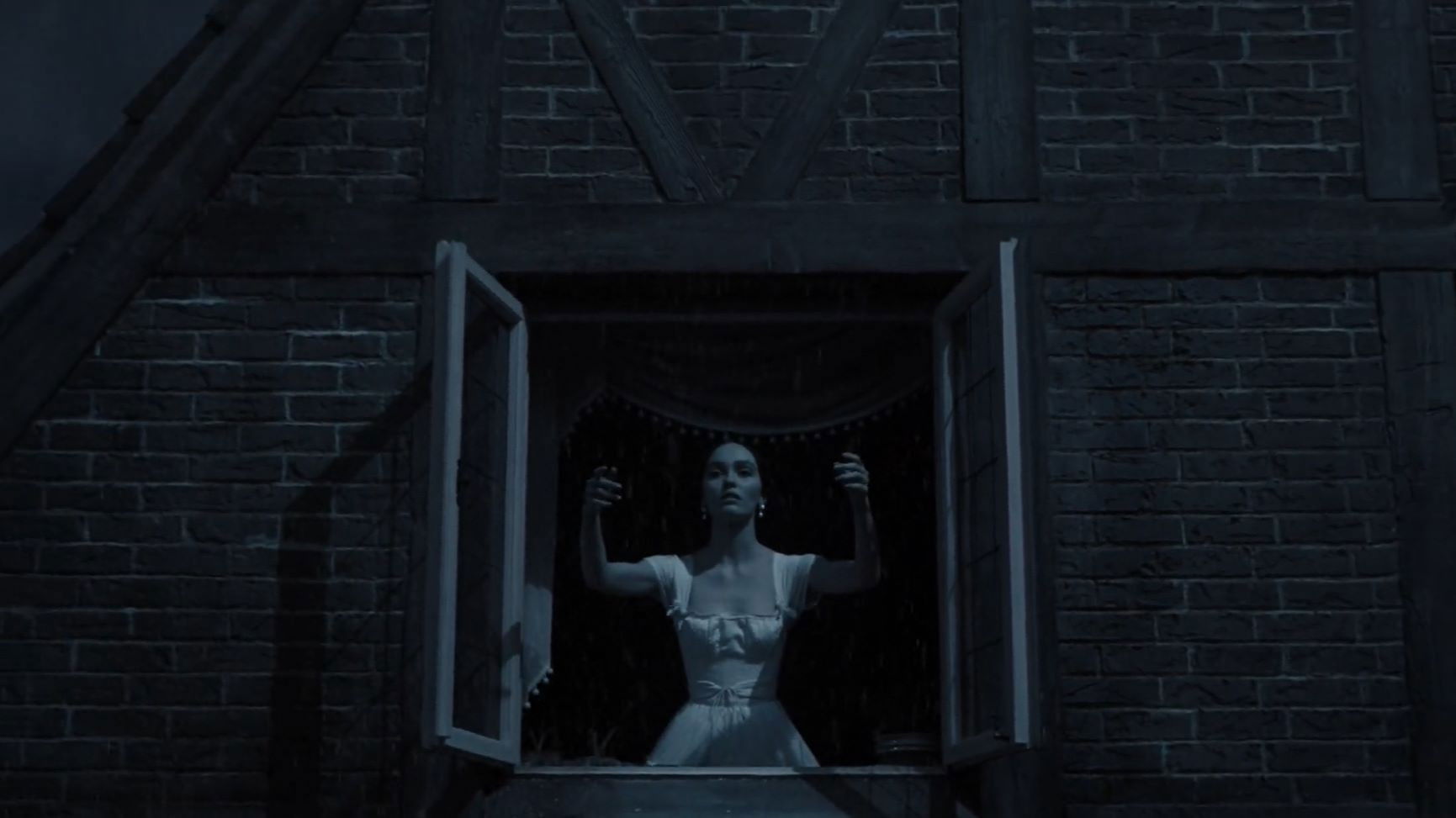
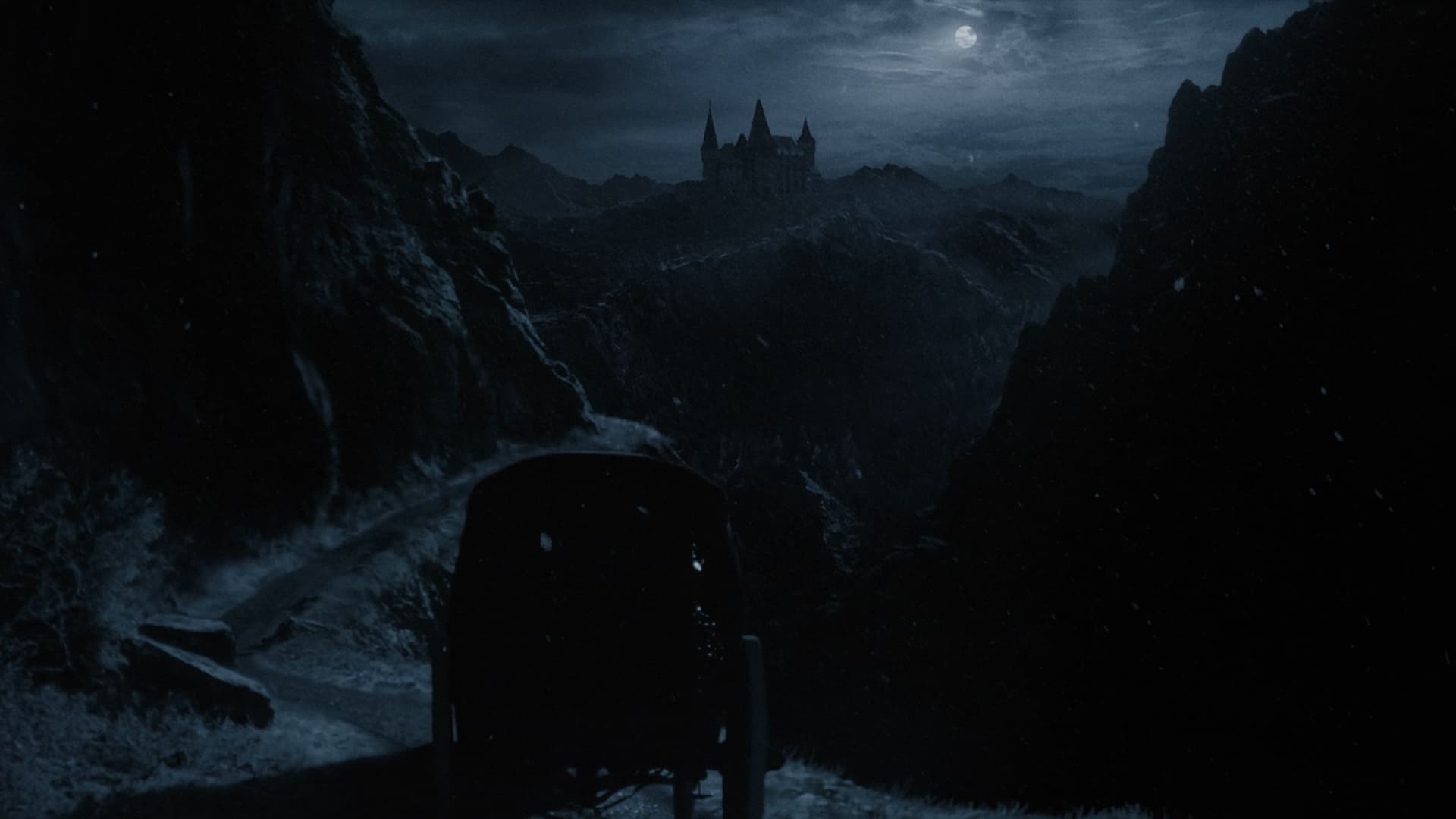
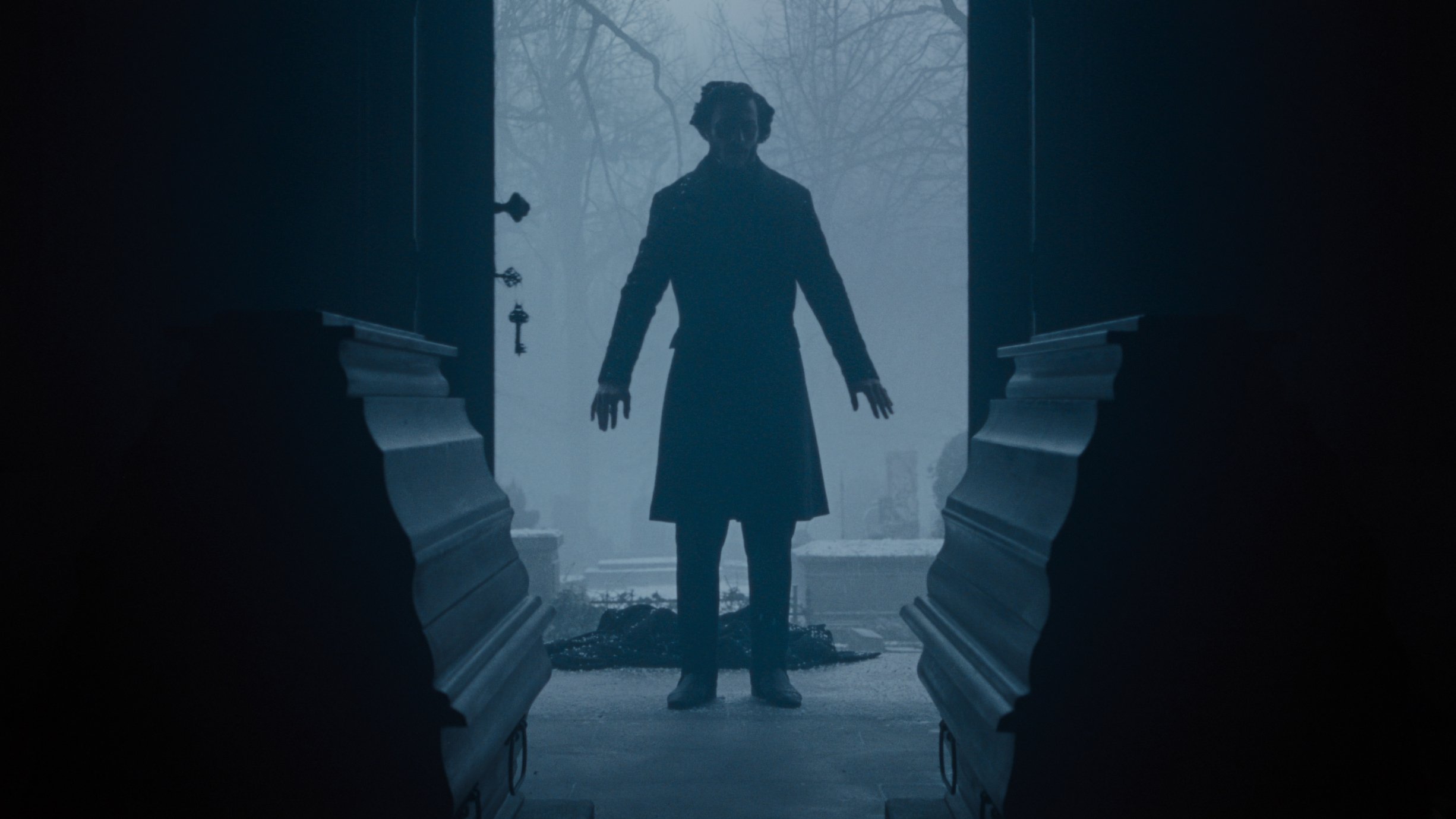
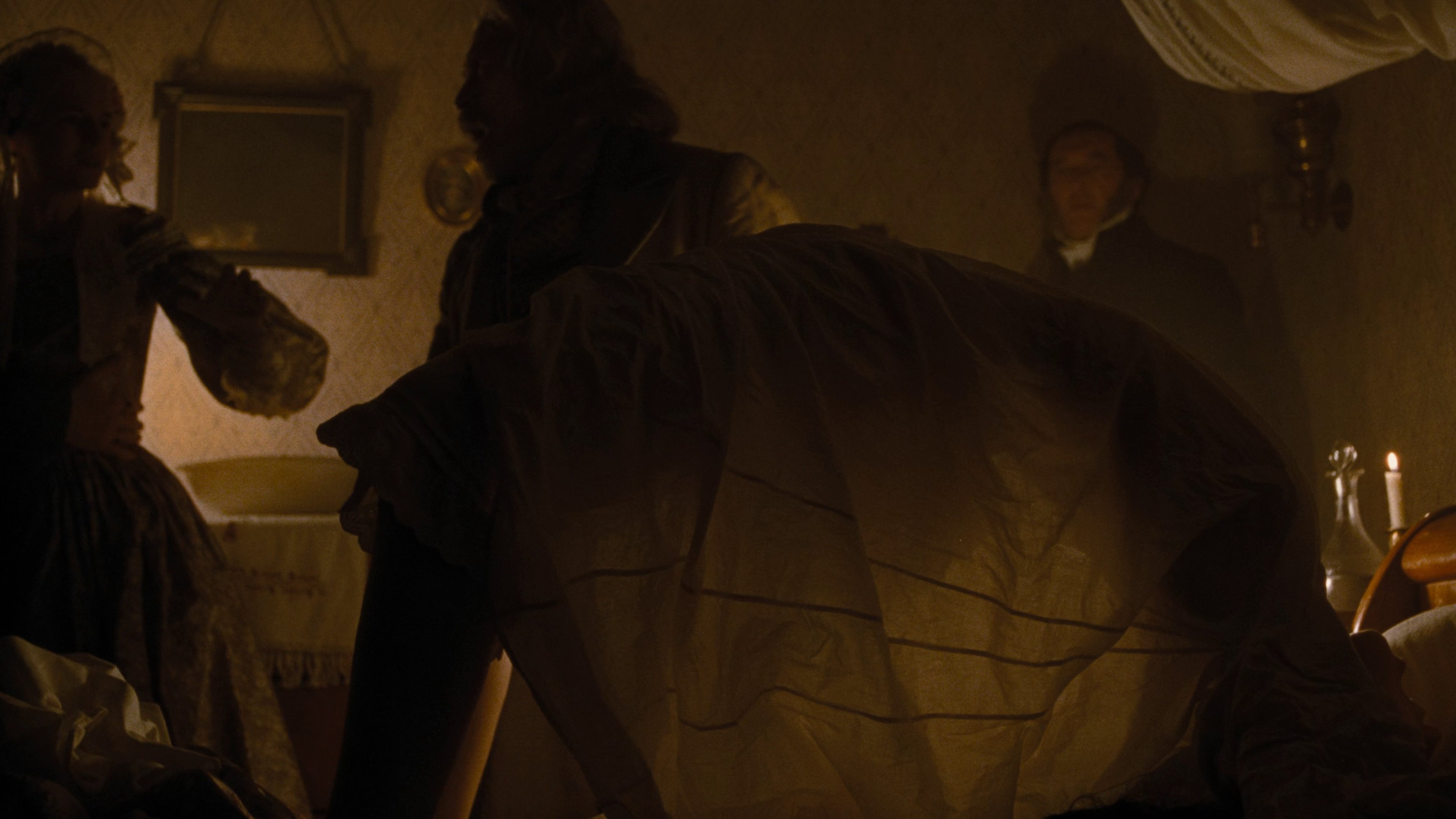
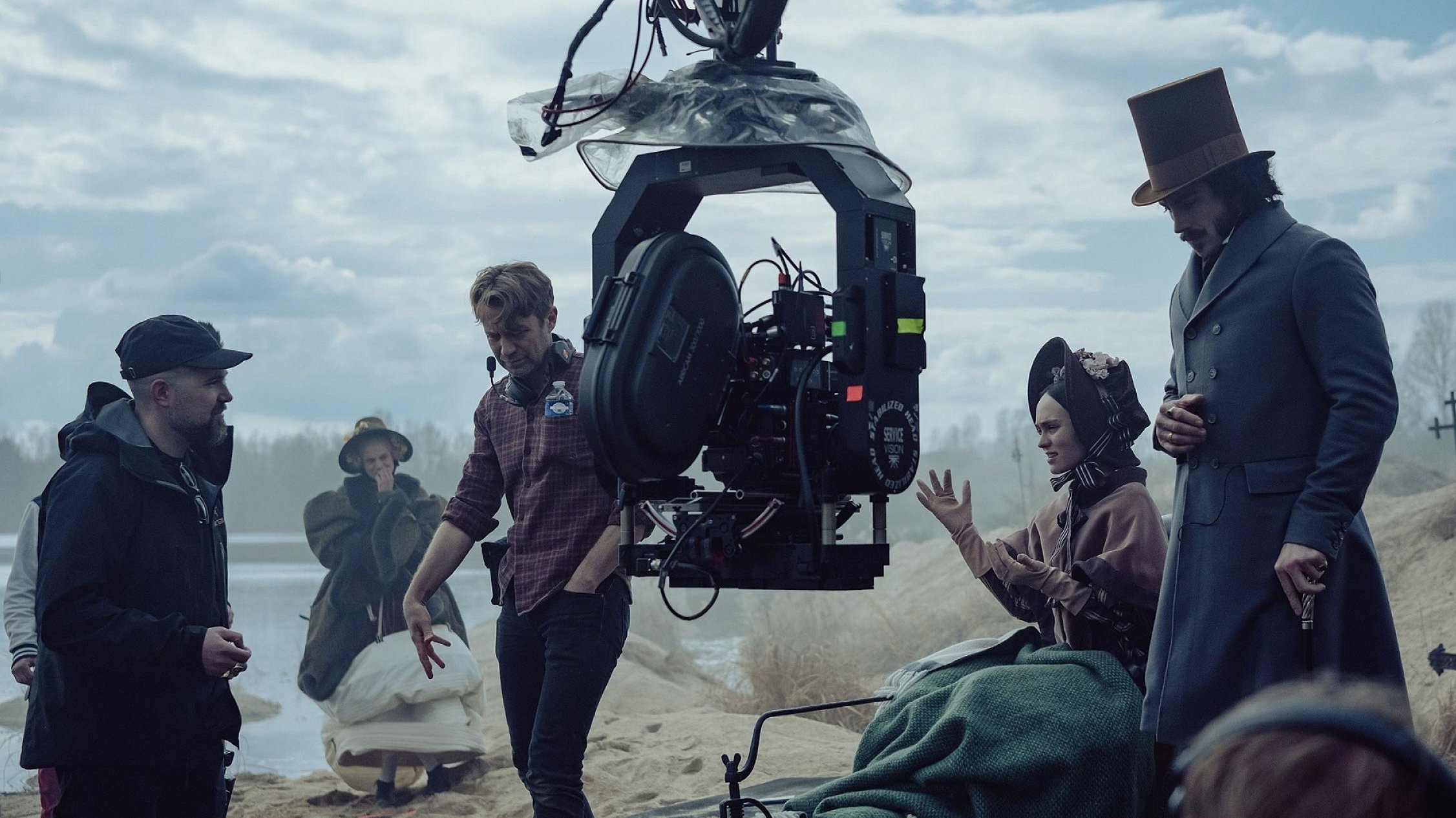
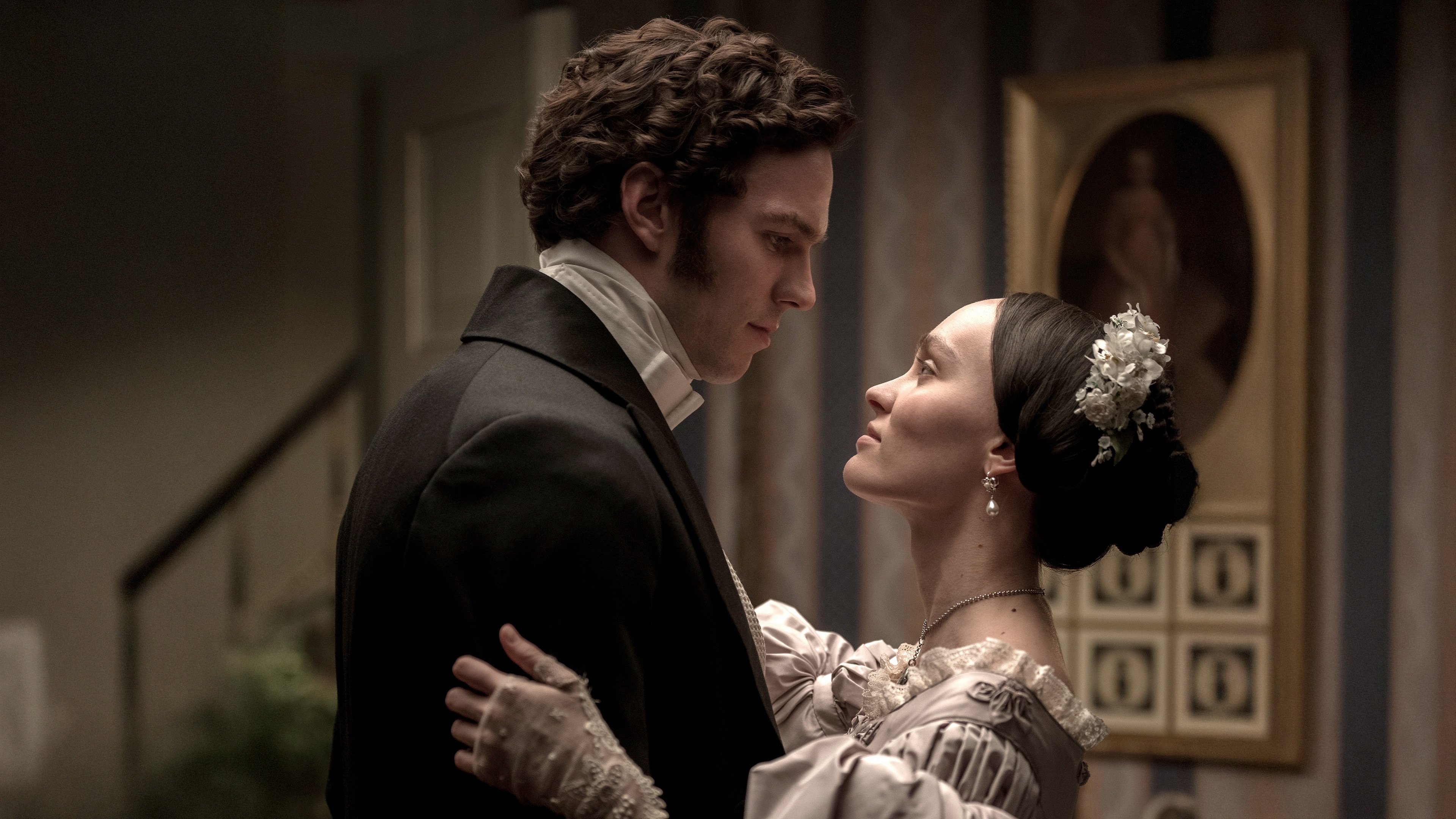
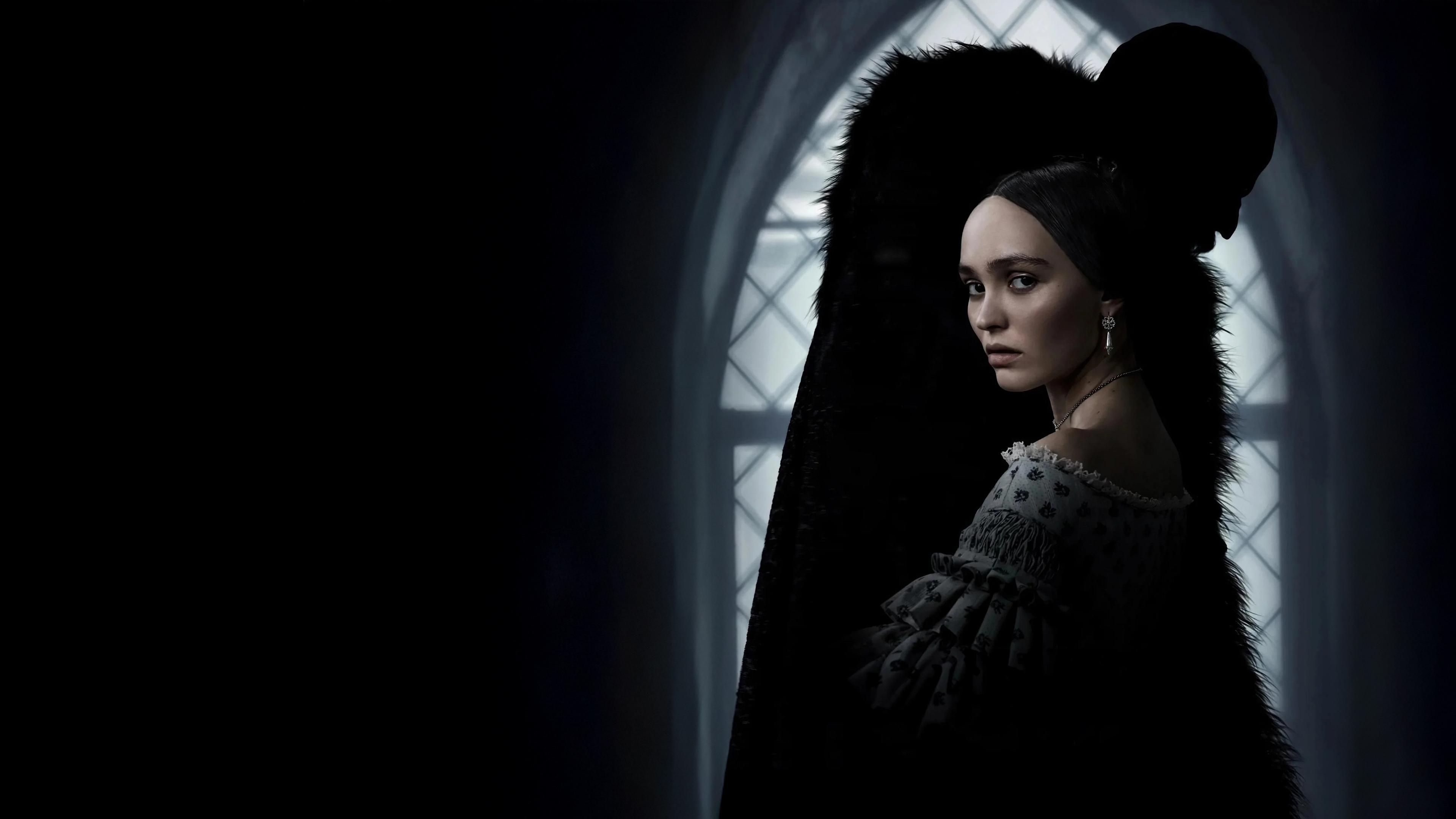
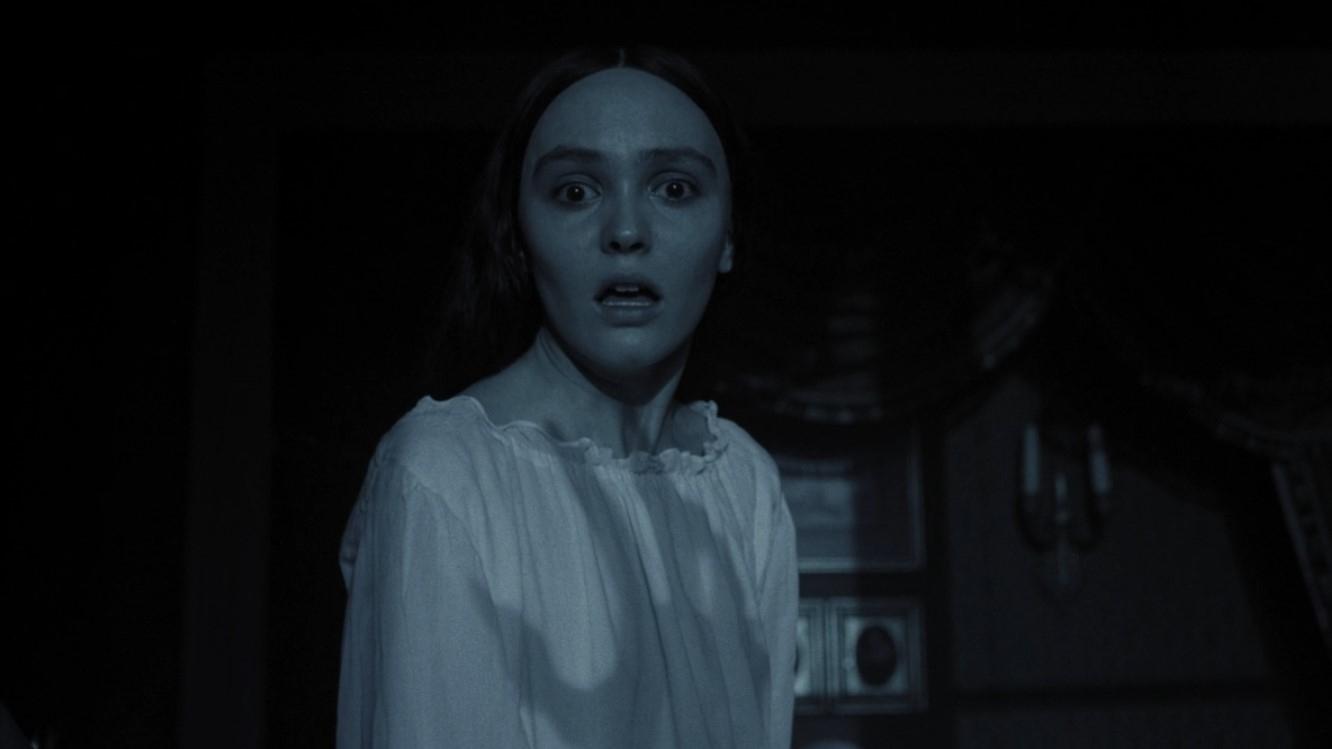
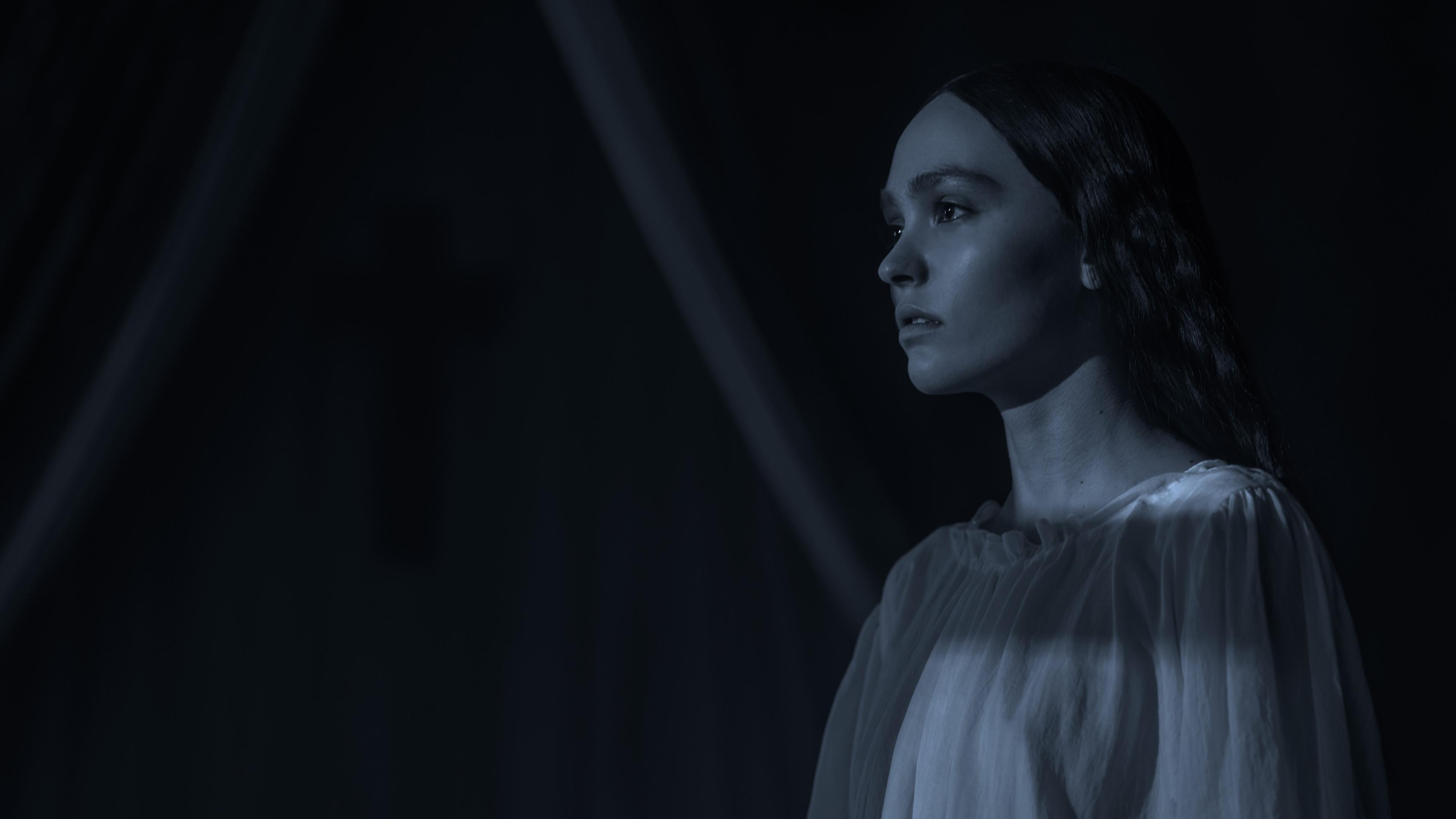
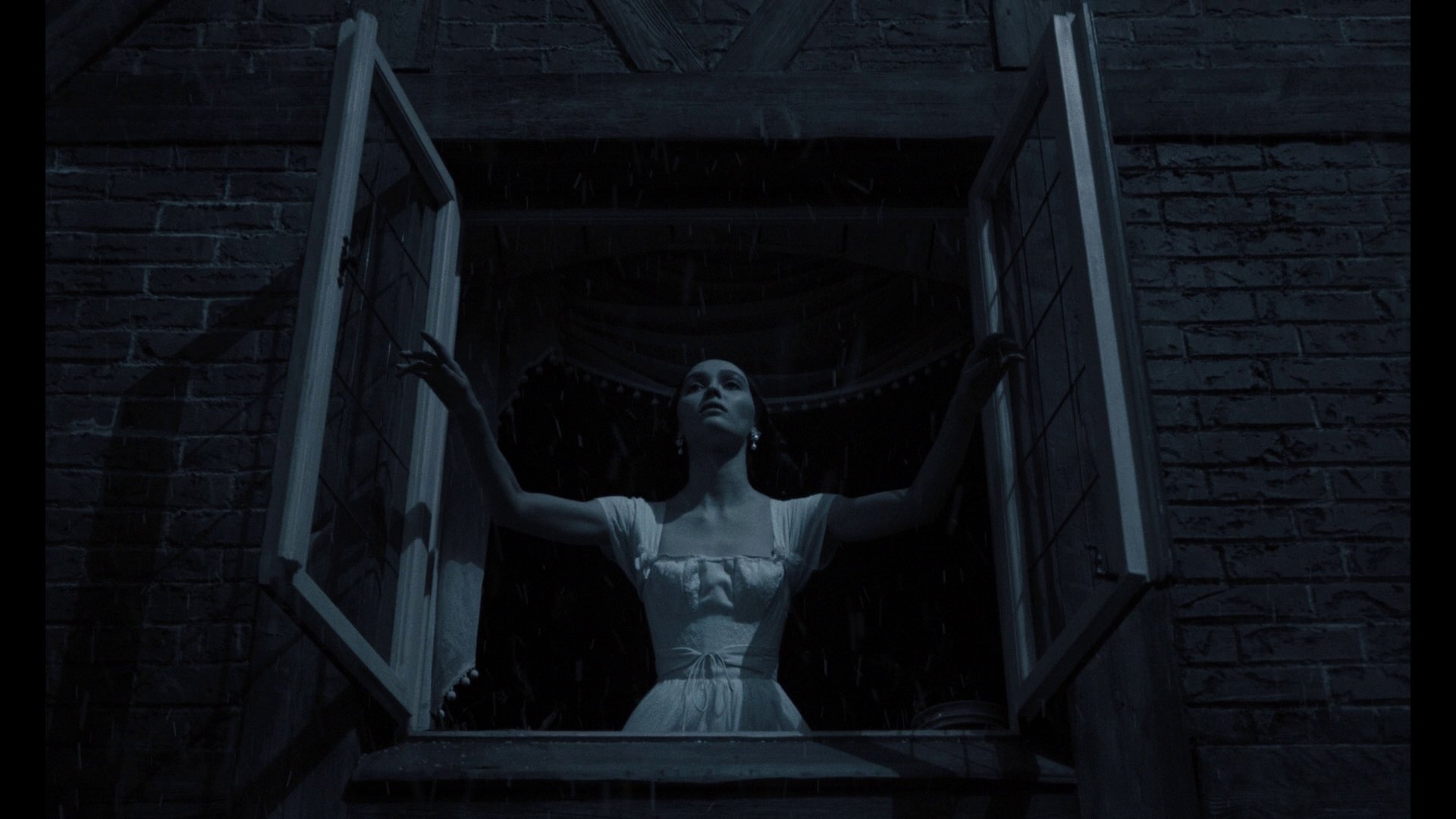
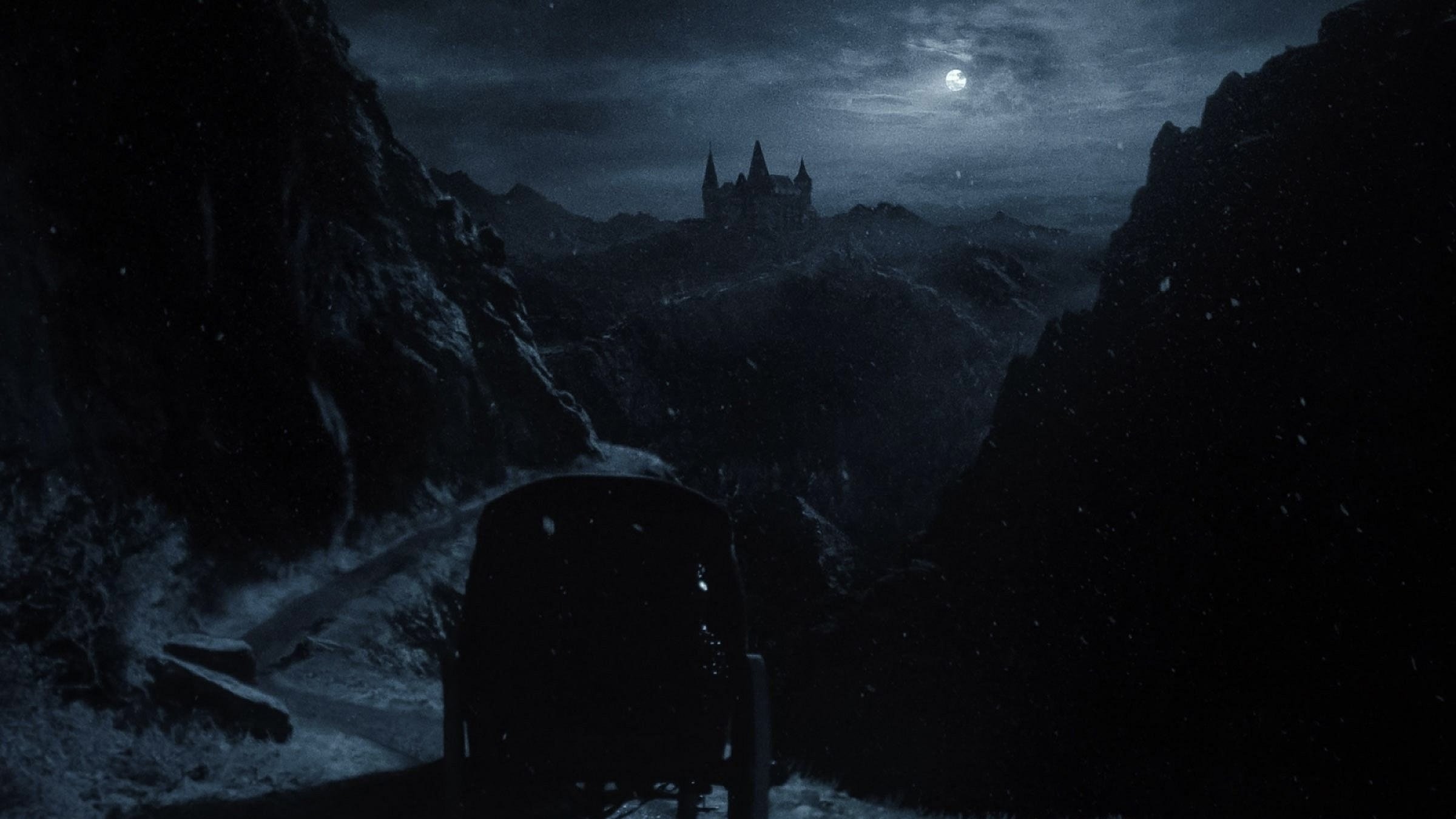
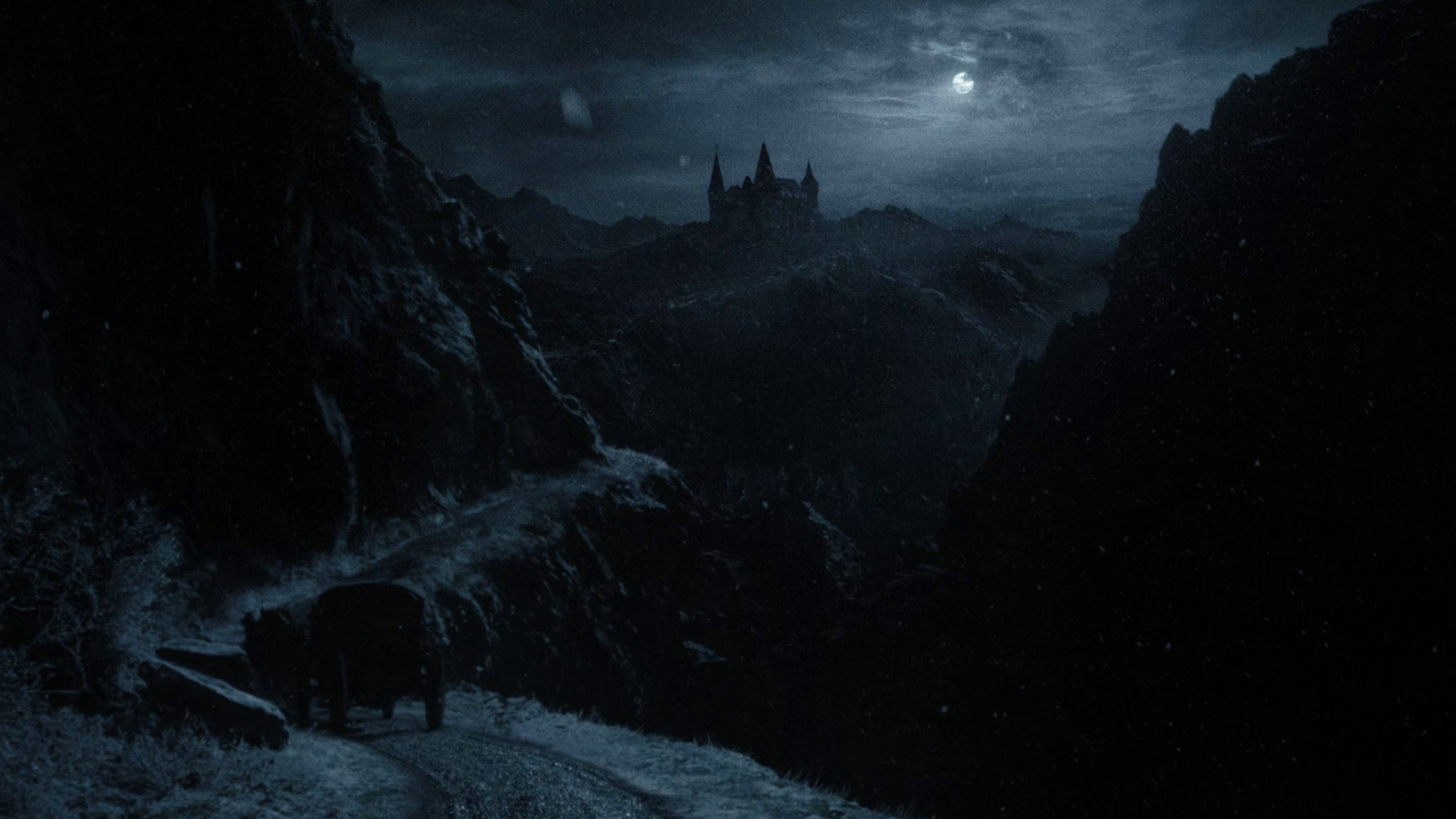
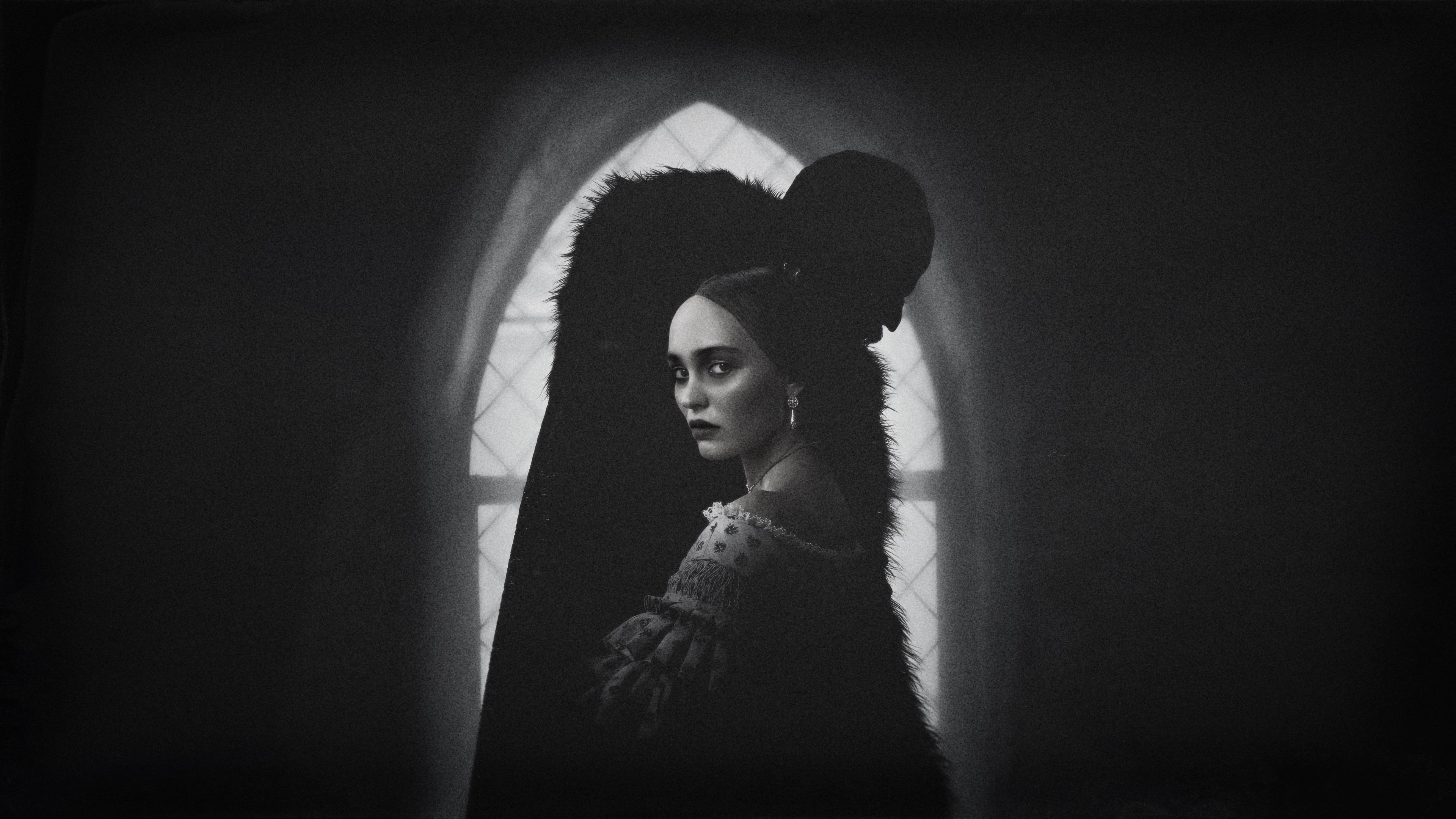
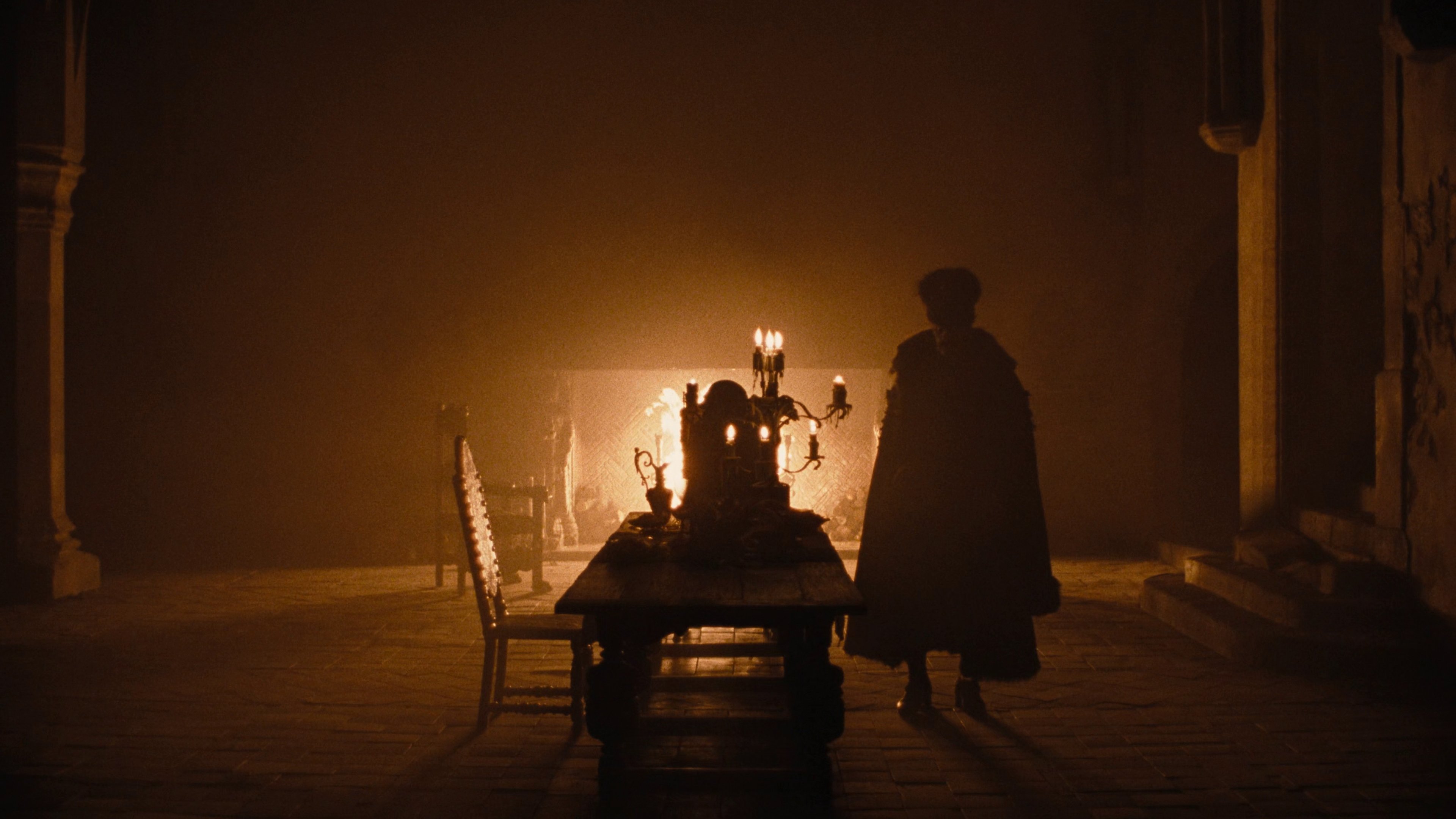
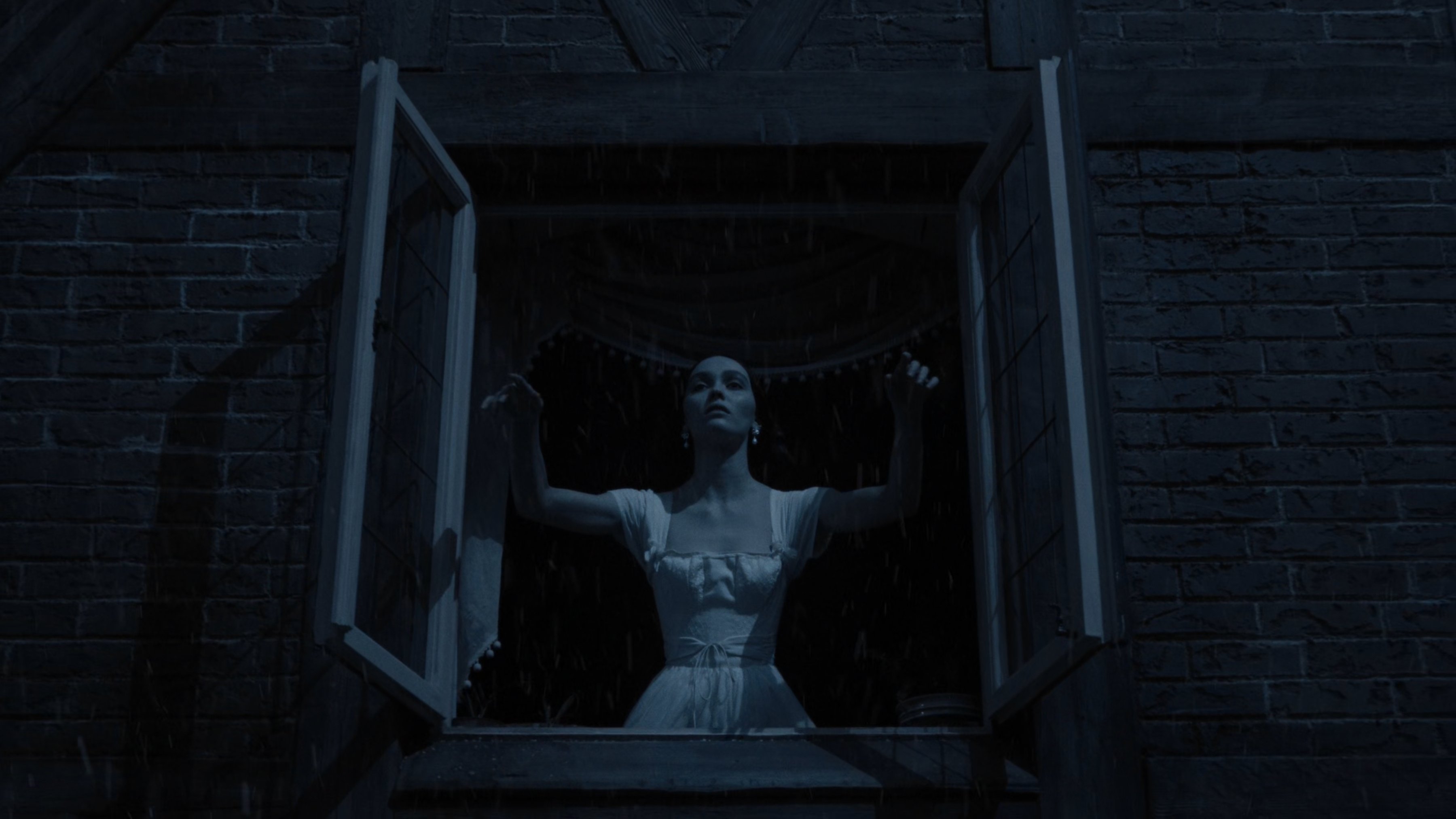
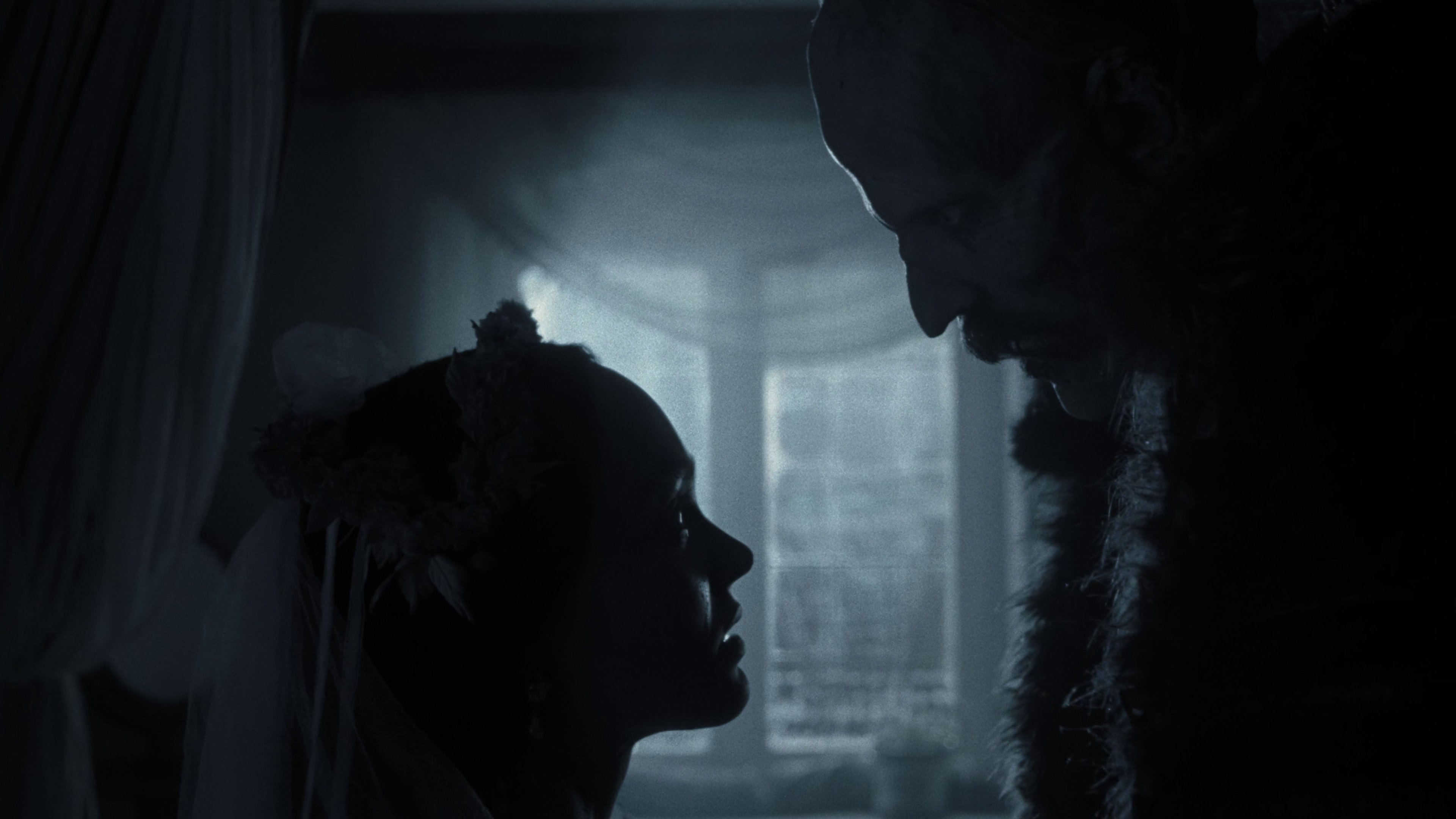
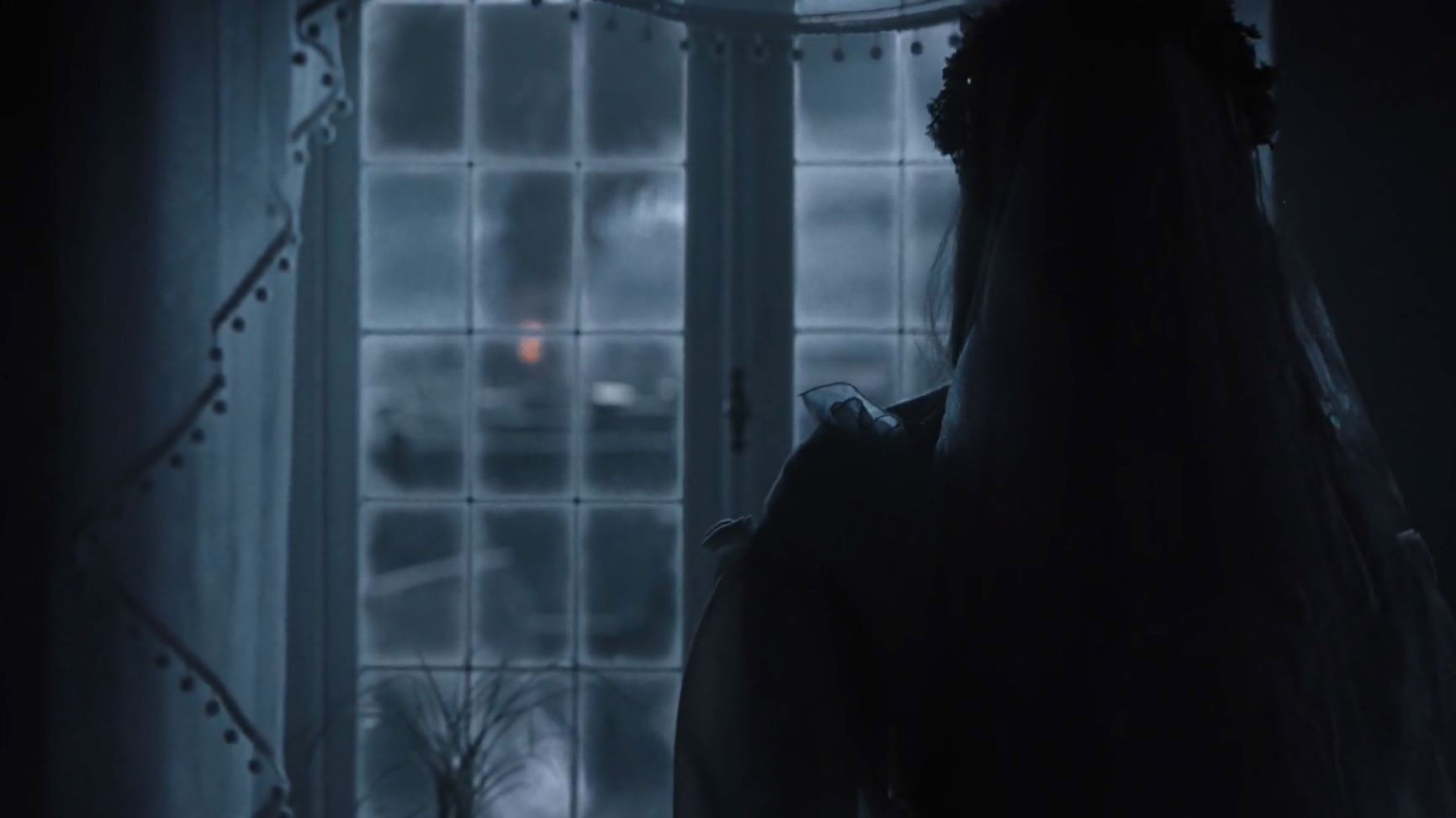
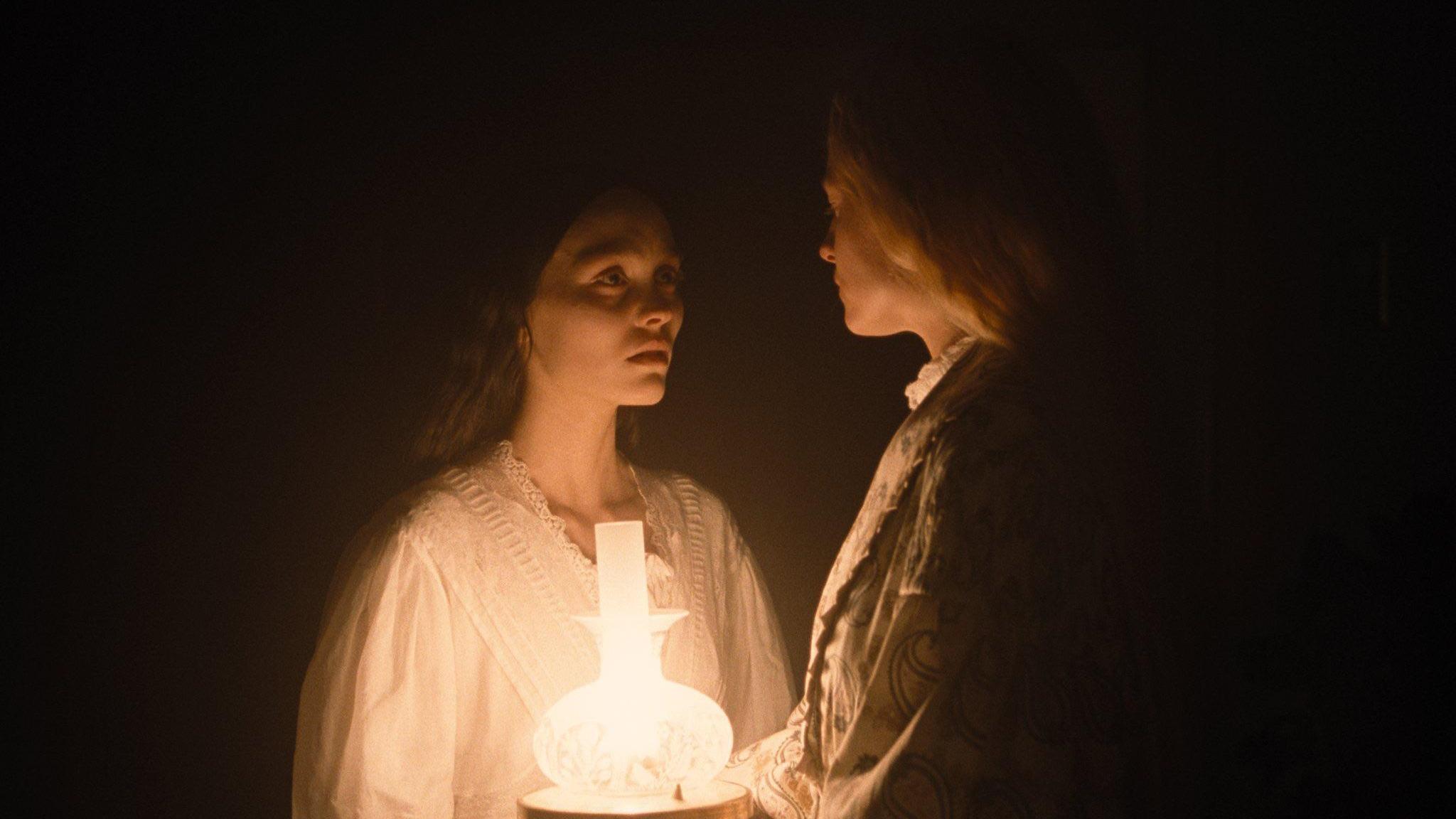
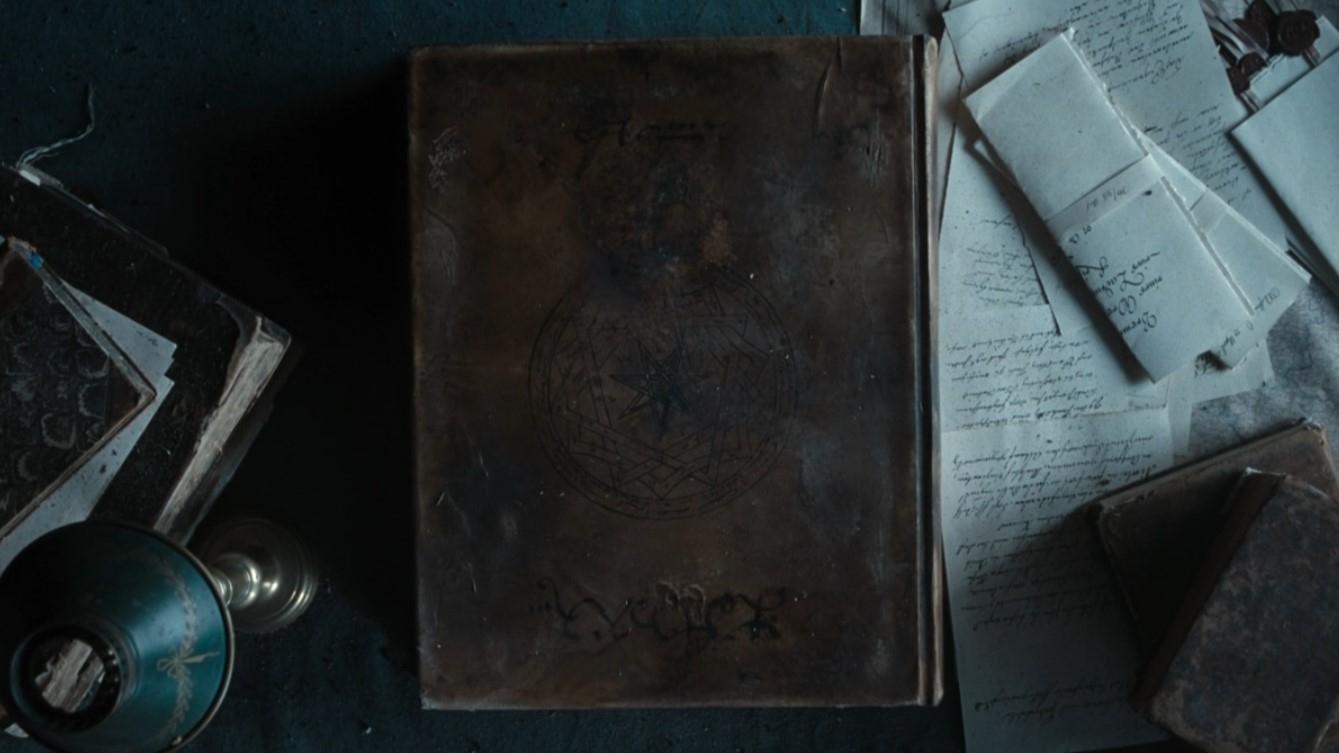
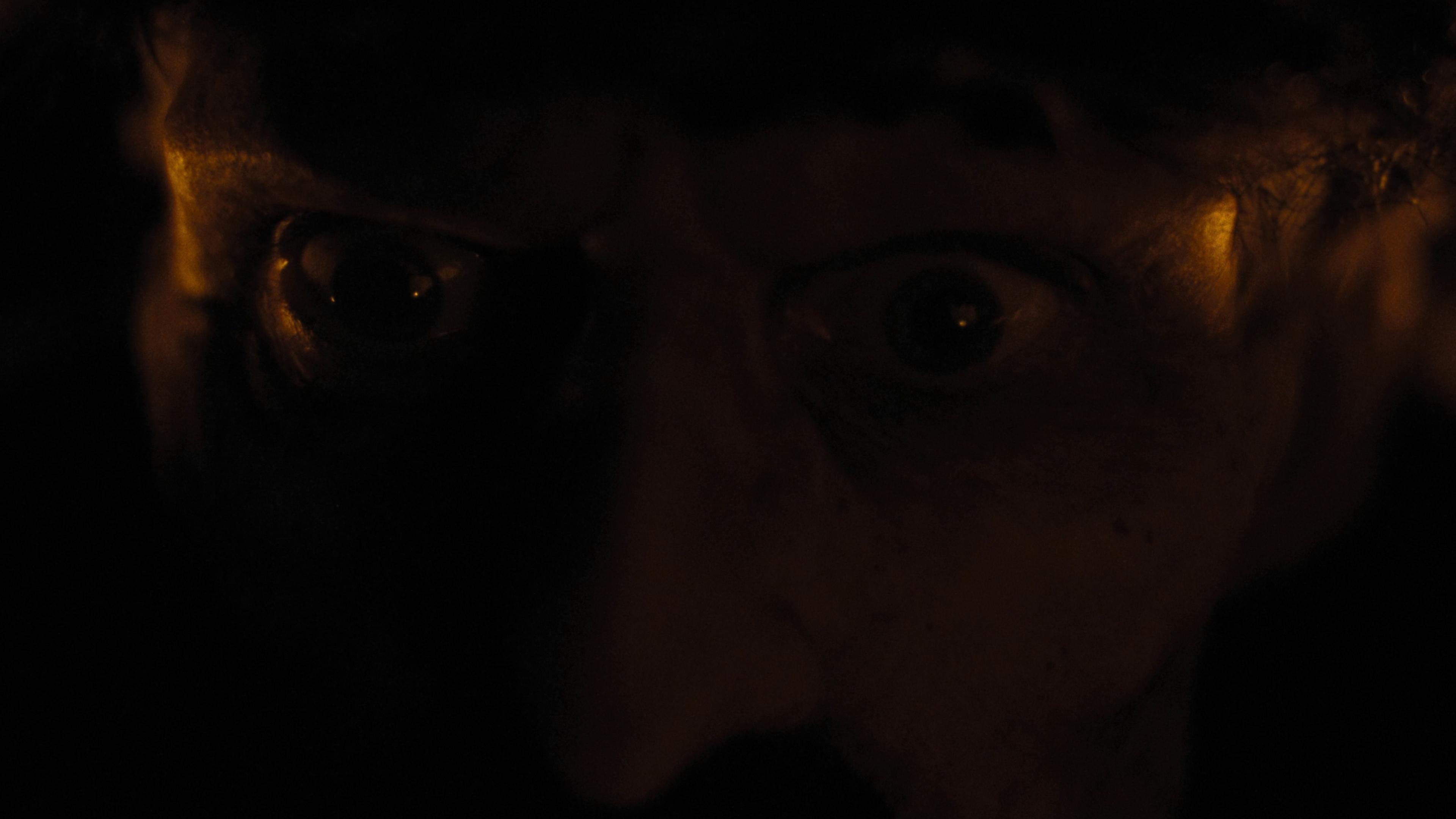
However, Eggers is a consummate professional, so even a project of his that does not fully work is still engaging enough. The camerawork skillfully communicates the time-period and flaunts a few high-class trademarks - long takes of profile shots; tableaus with some sort of framing. Surprisingly, another tool Eggers uses to garner that engagement are well-executed modern-styled jump scares. One can’t help but wonder if their use represents a surrender to commercial desires or a legitimate reconsideration of Eggers’ whole horror ethos.
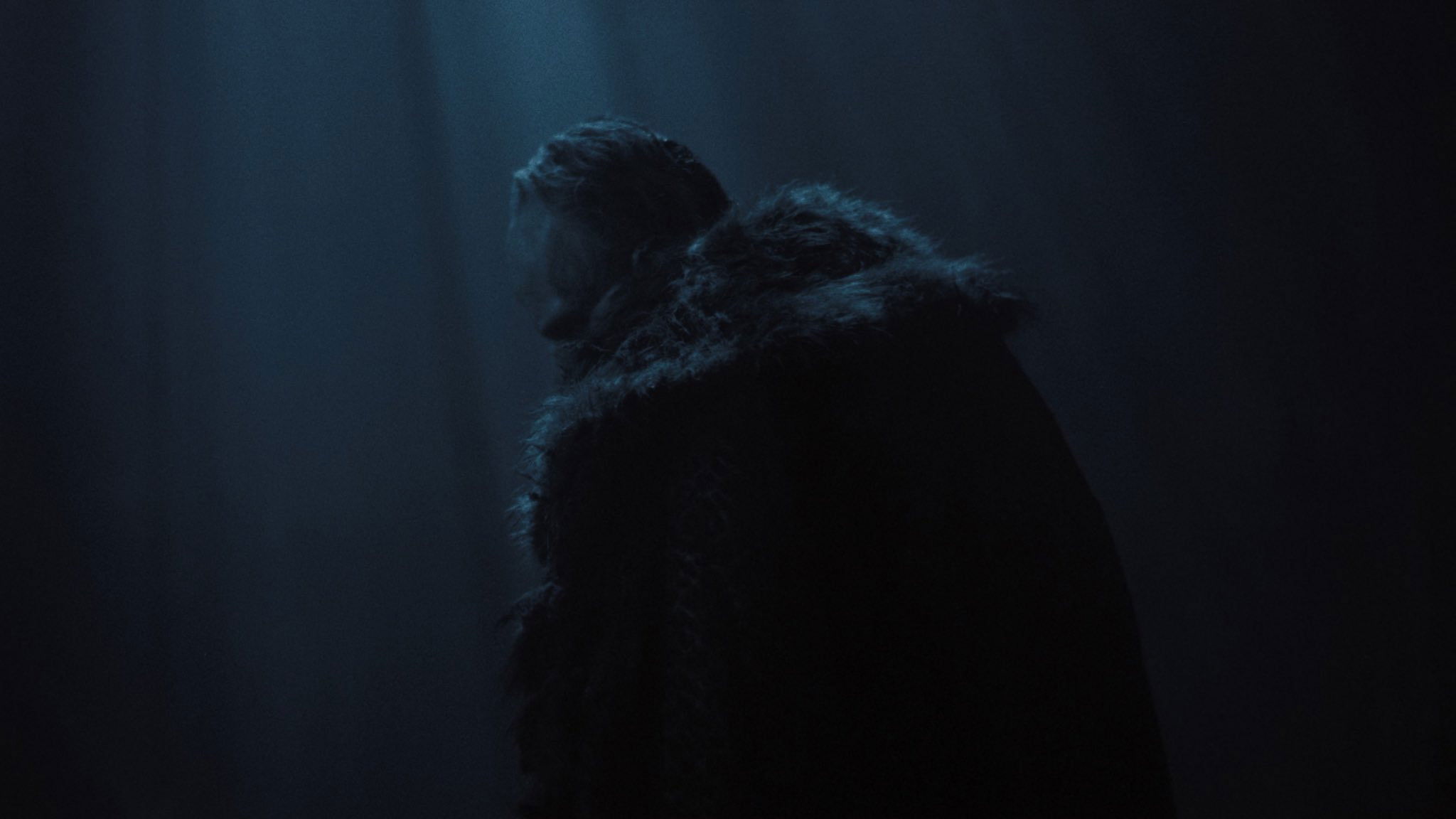
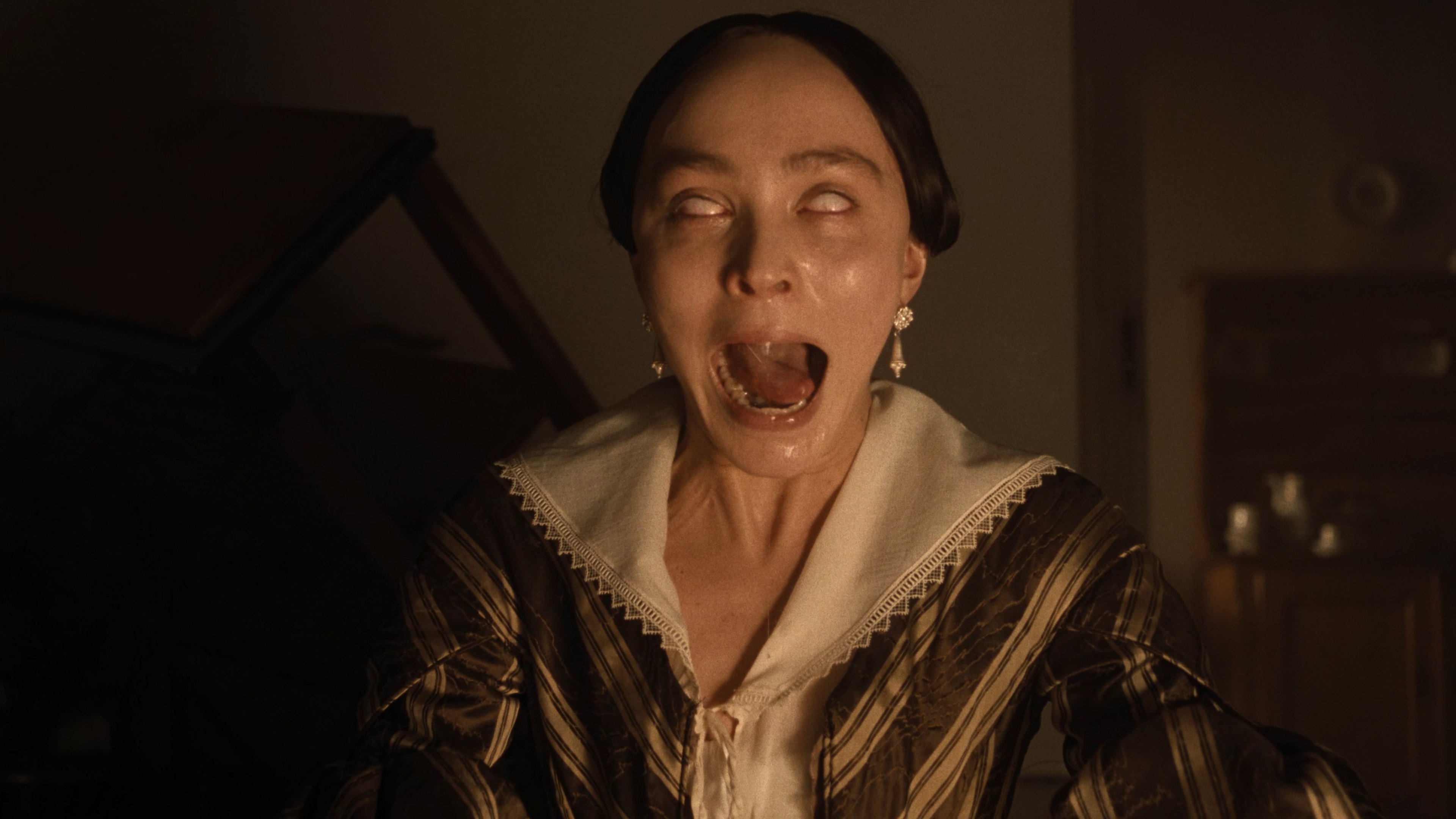
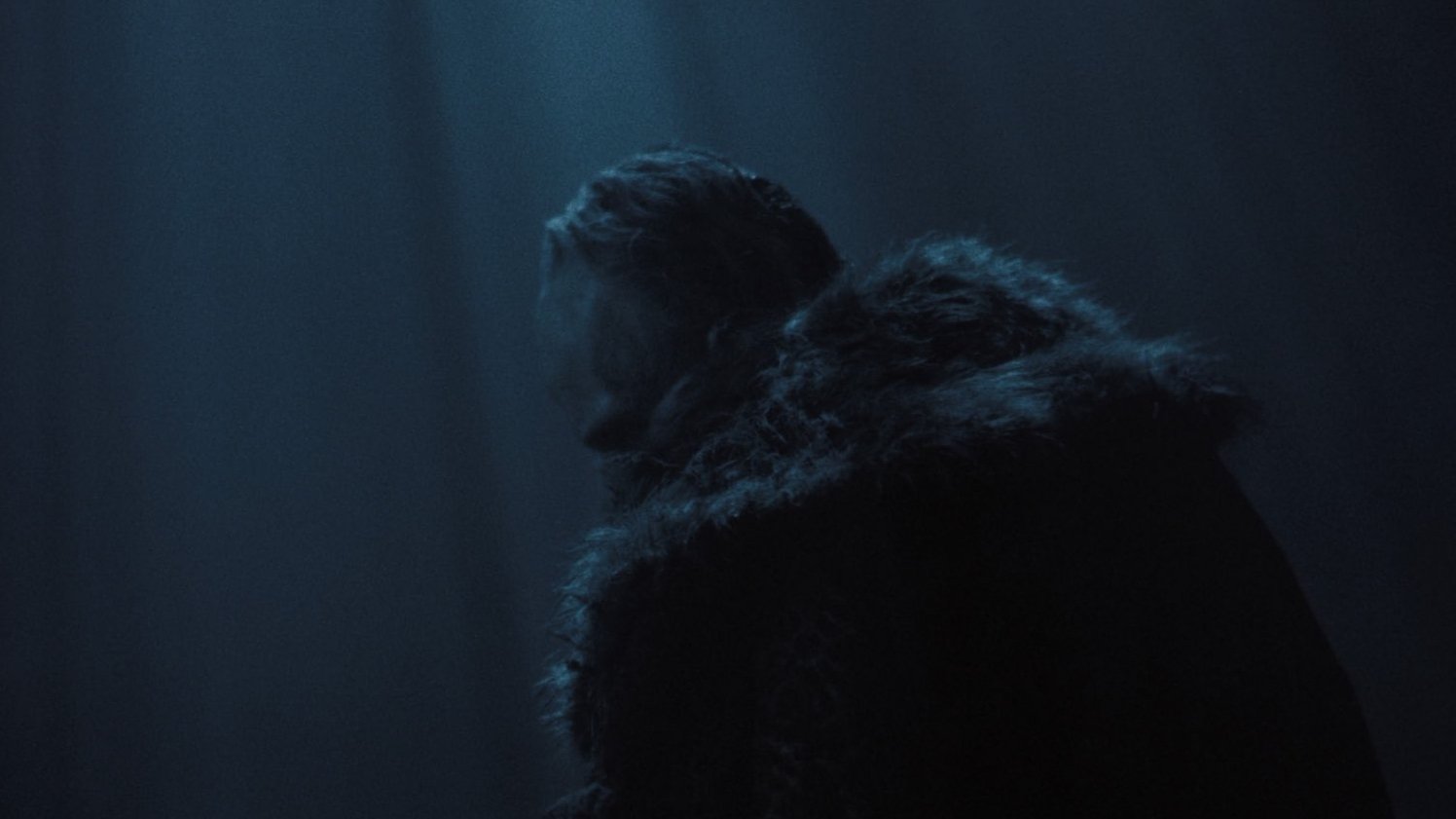
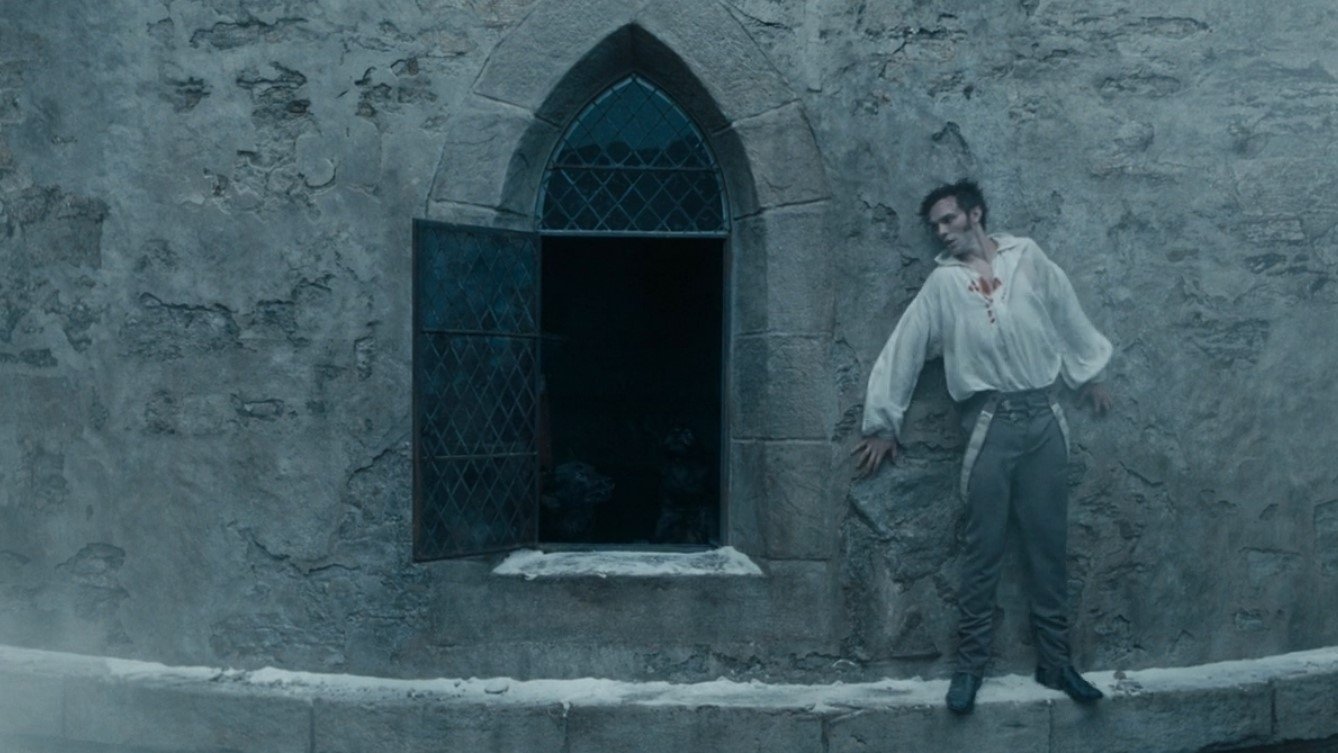
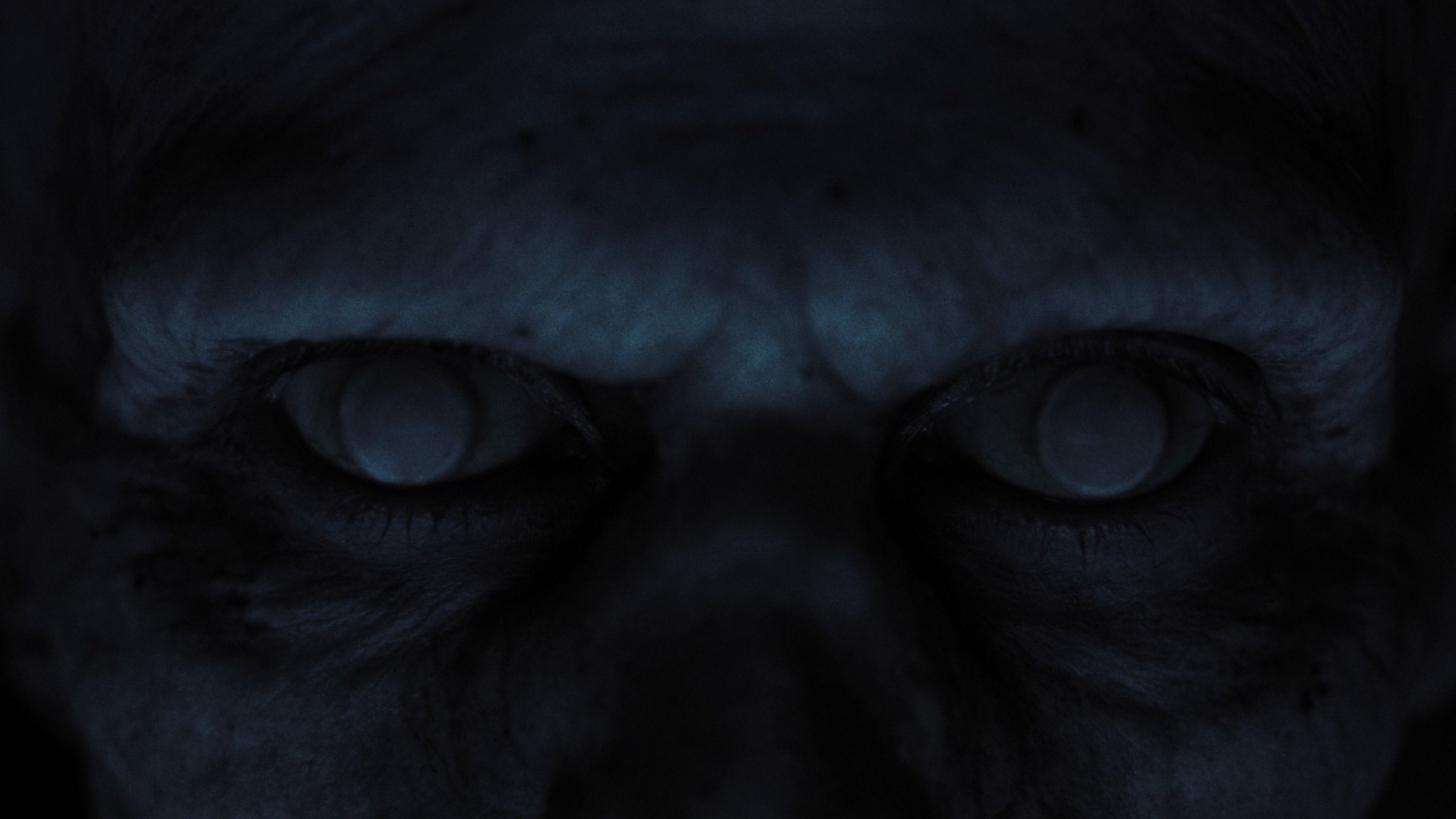
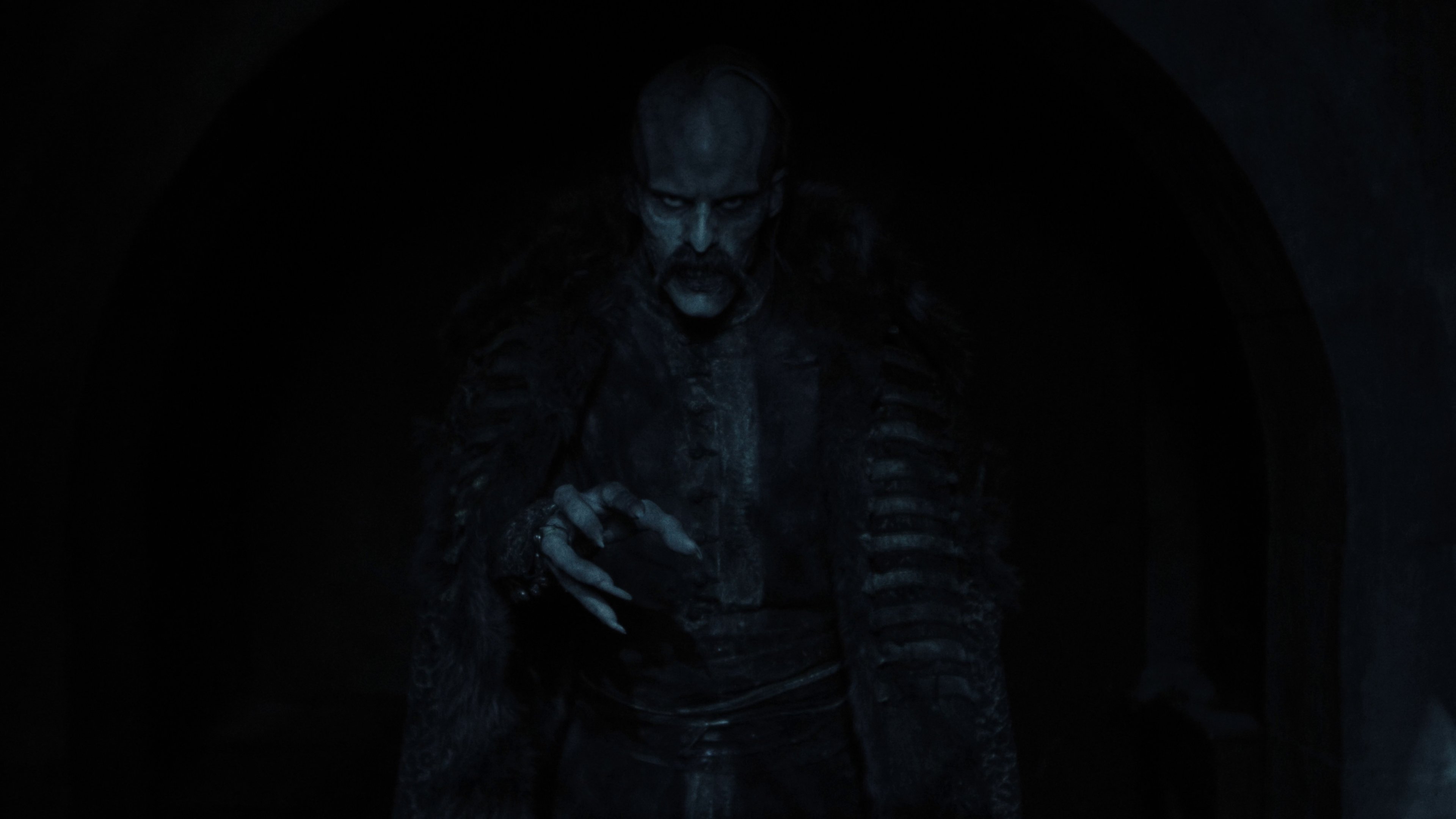
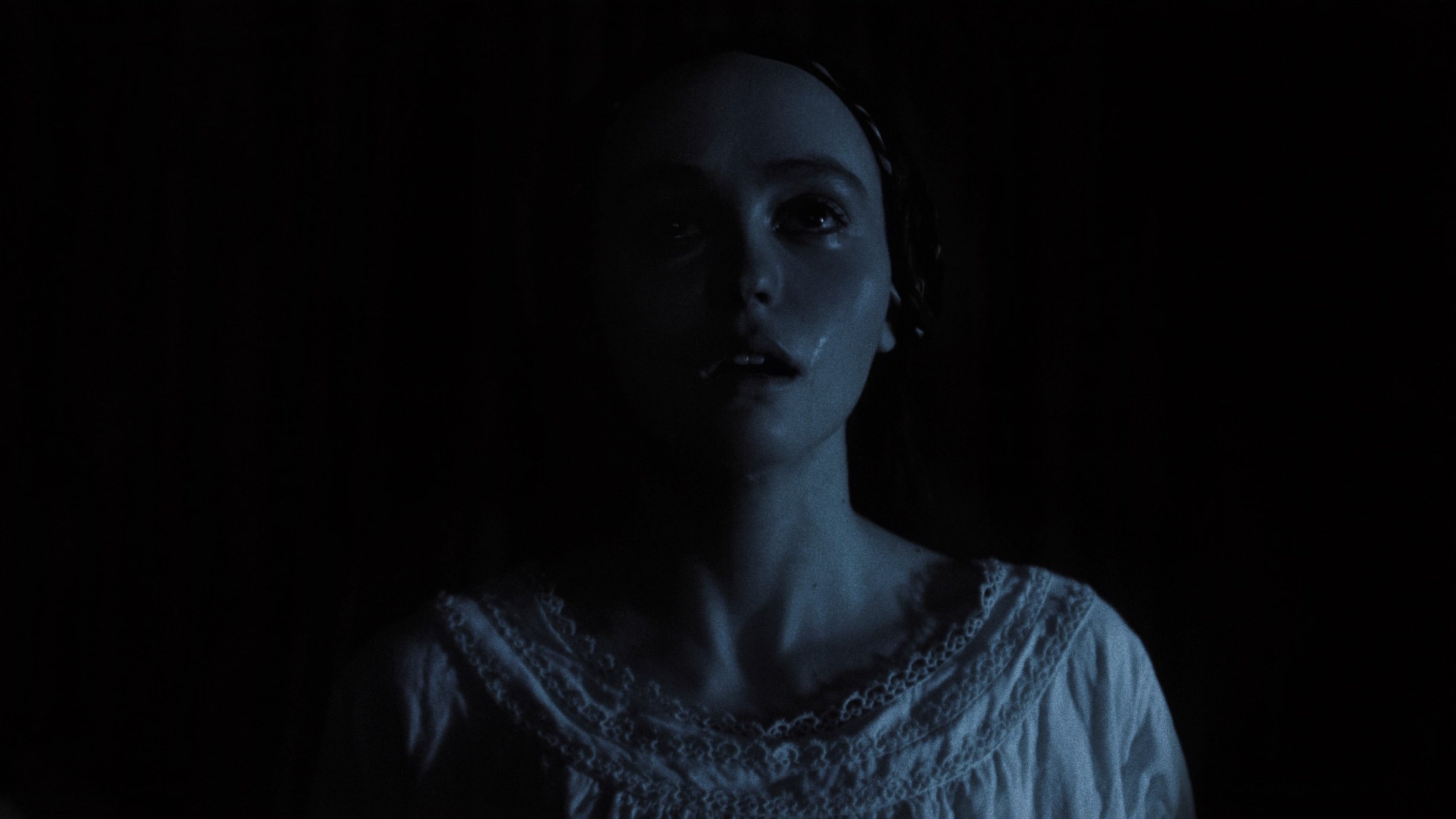
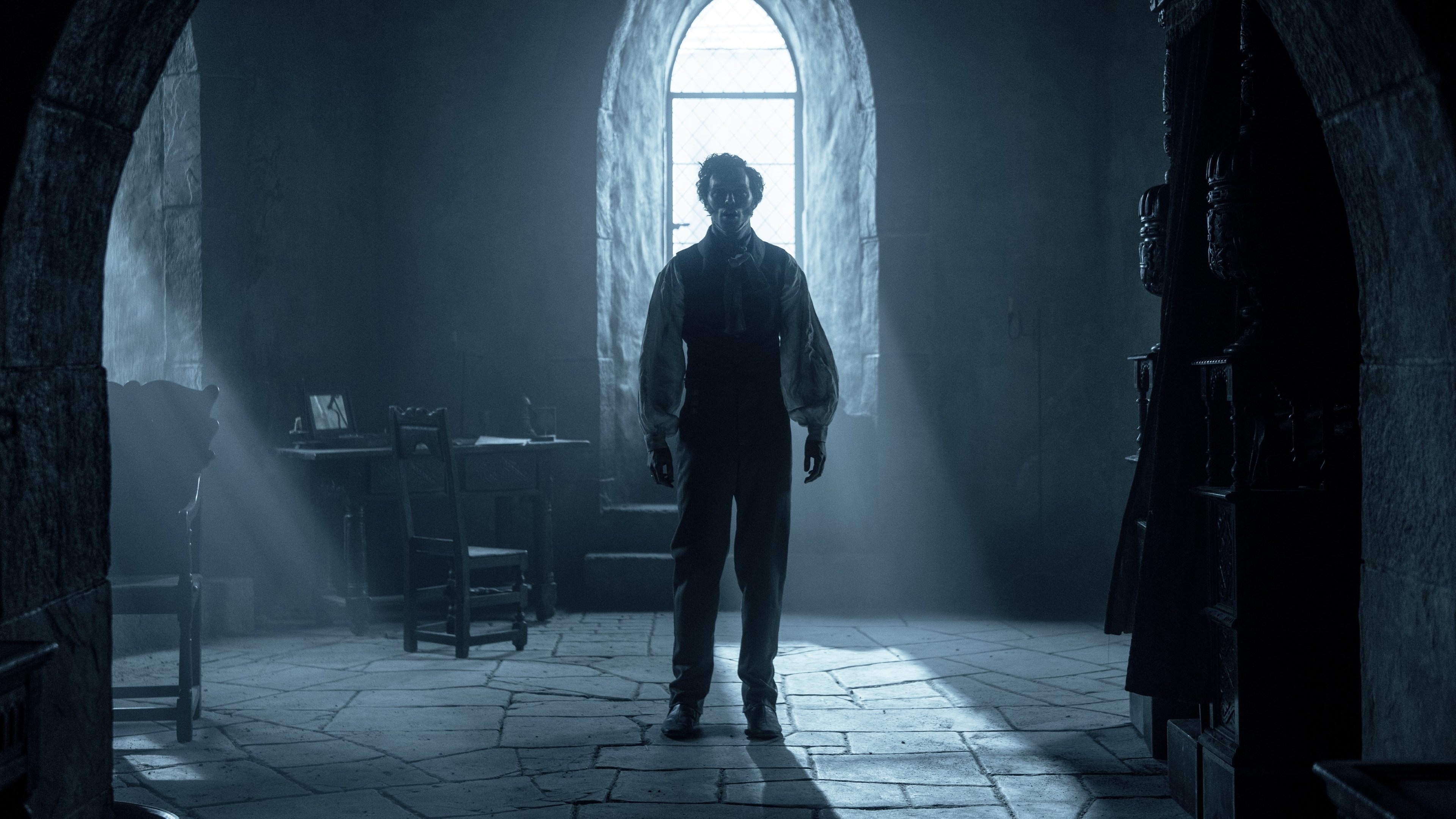
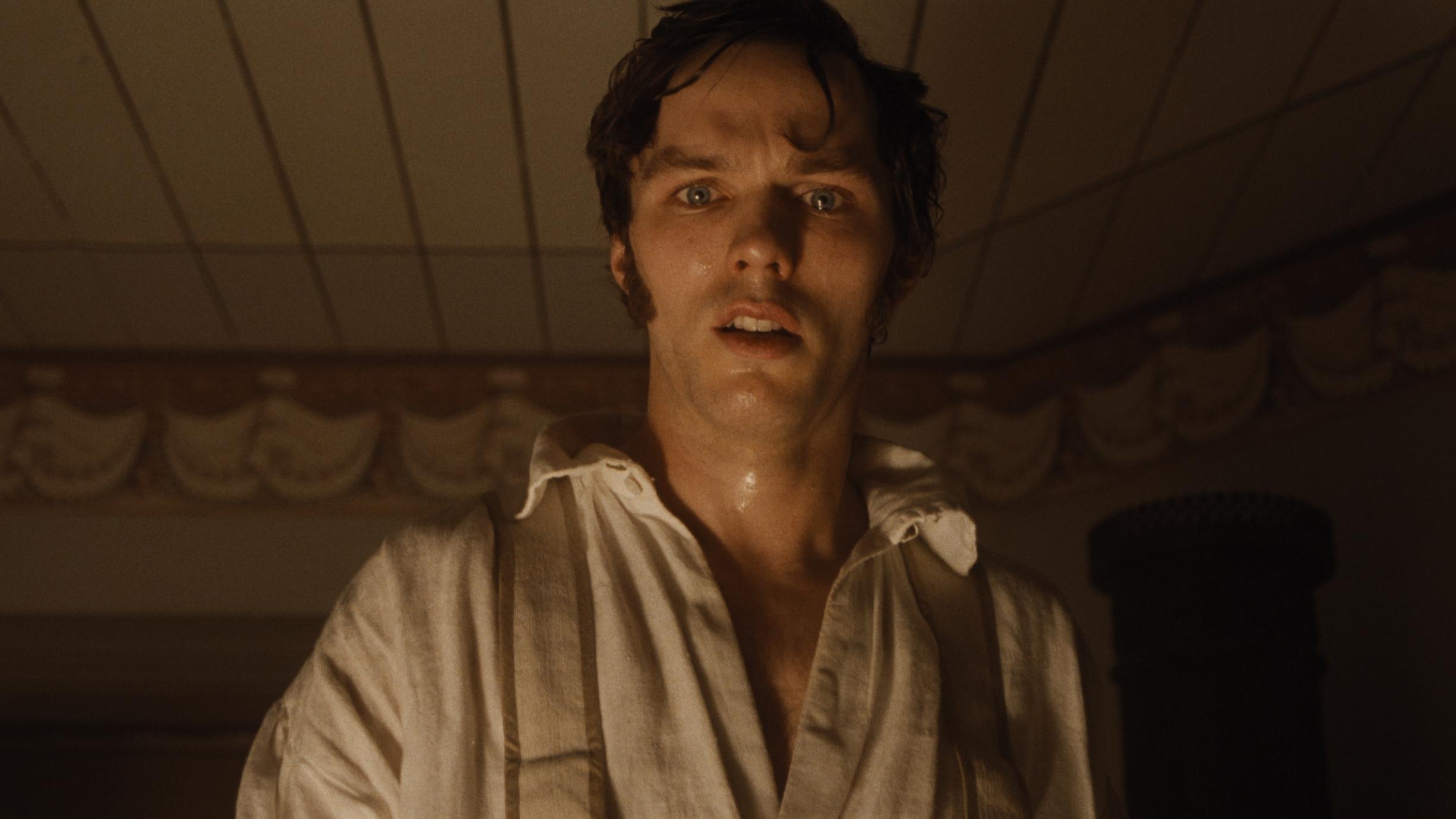
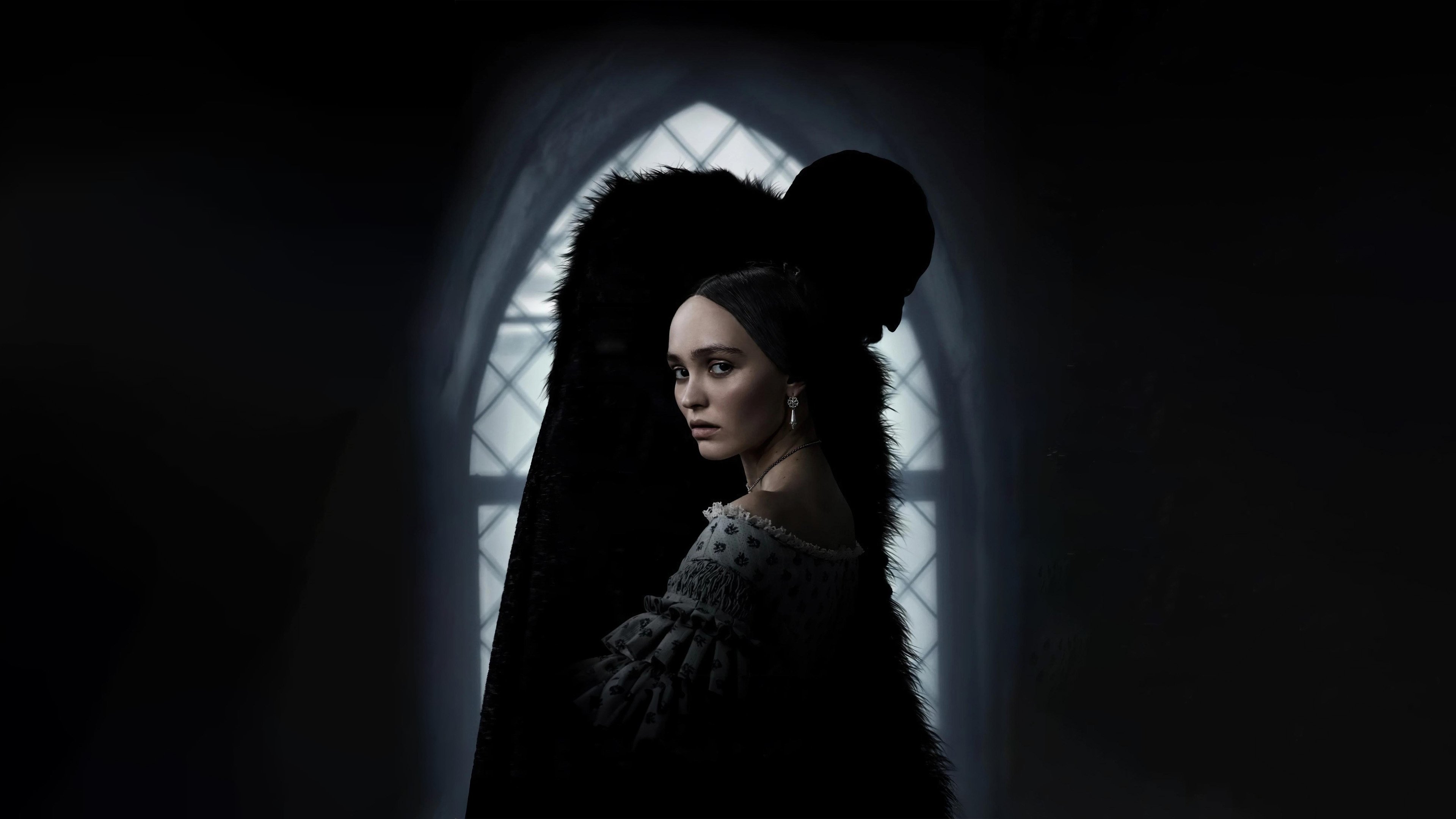
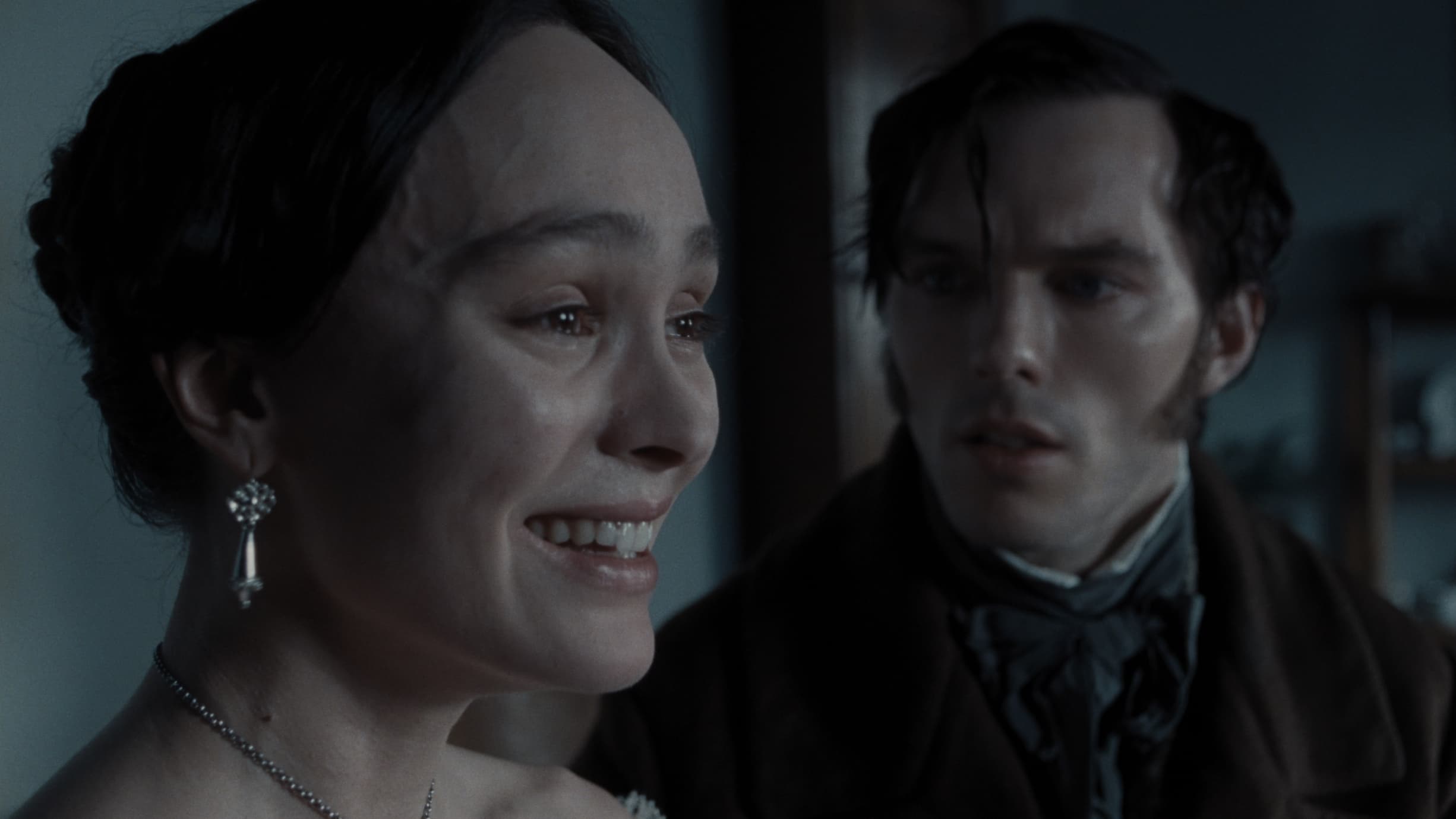
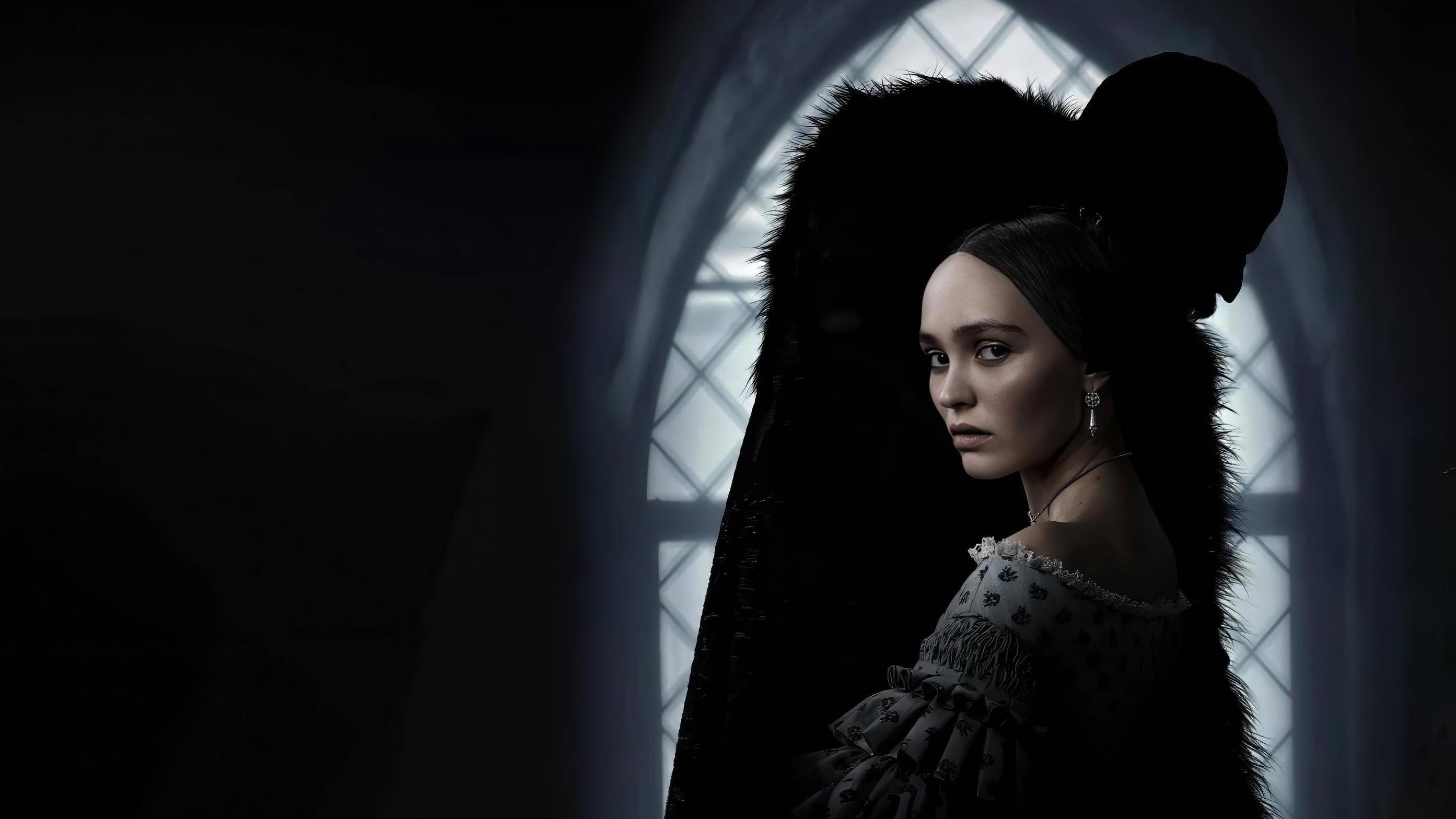
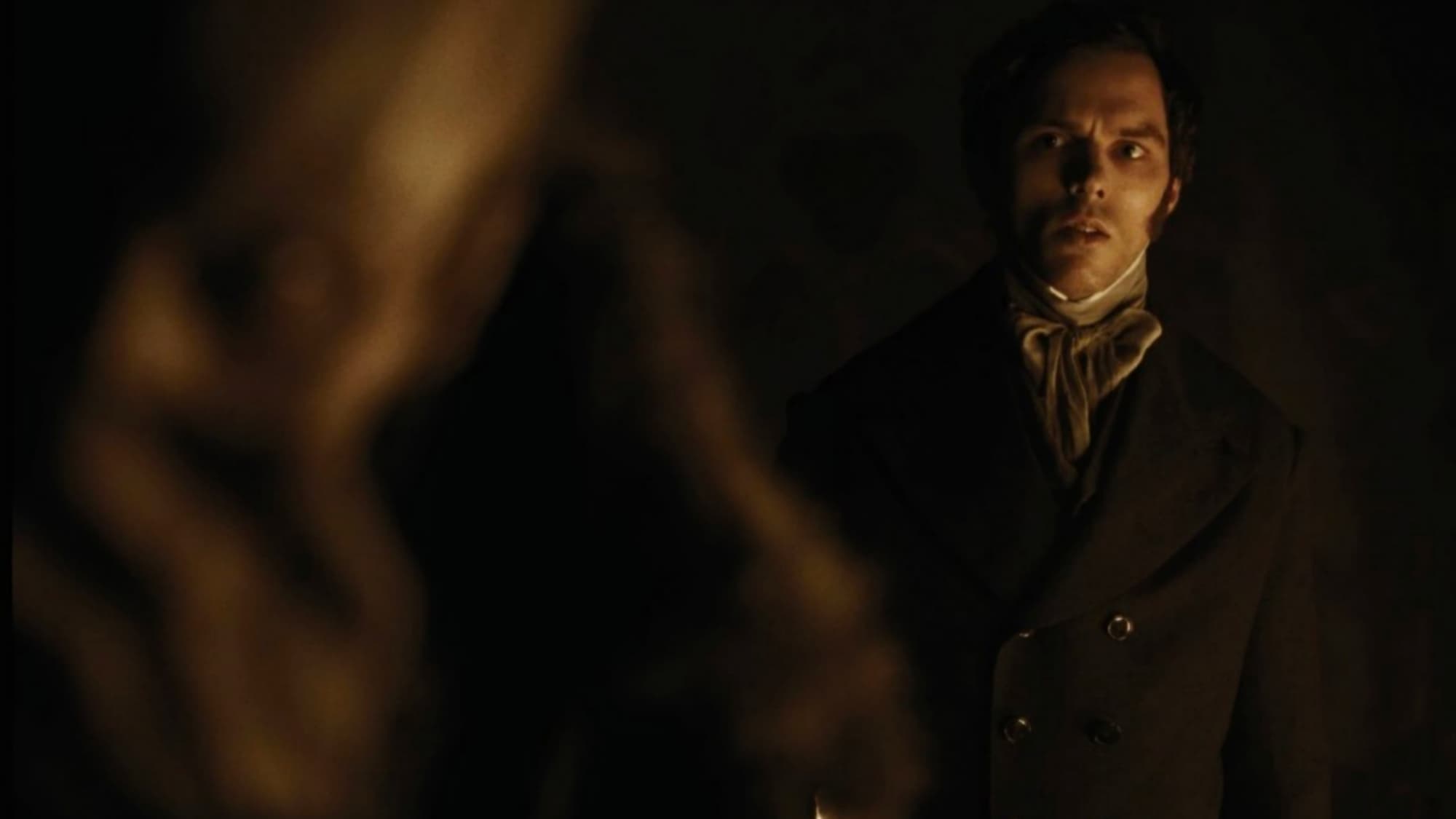
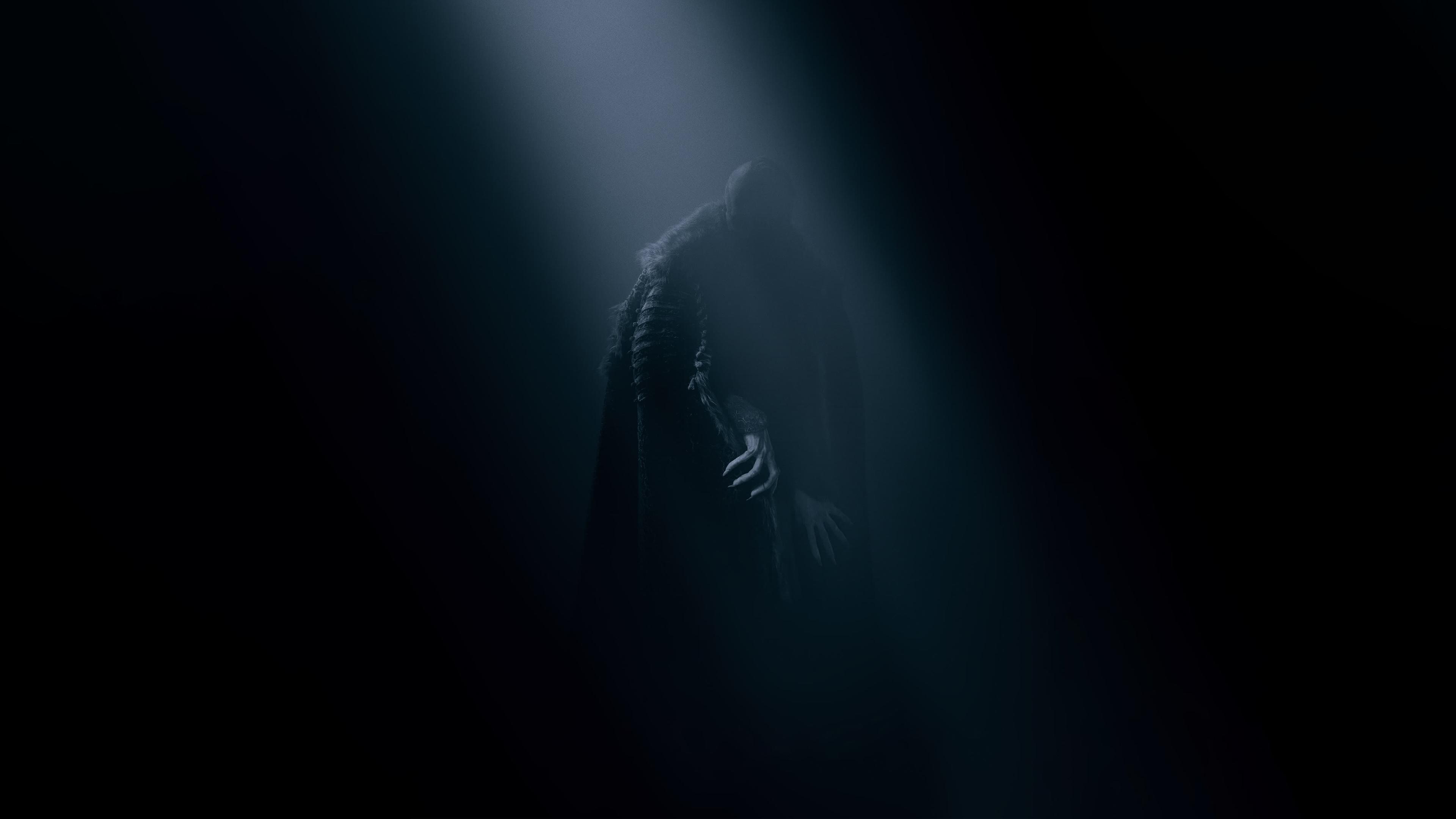
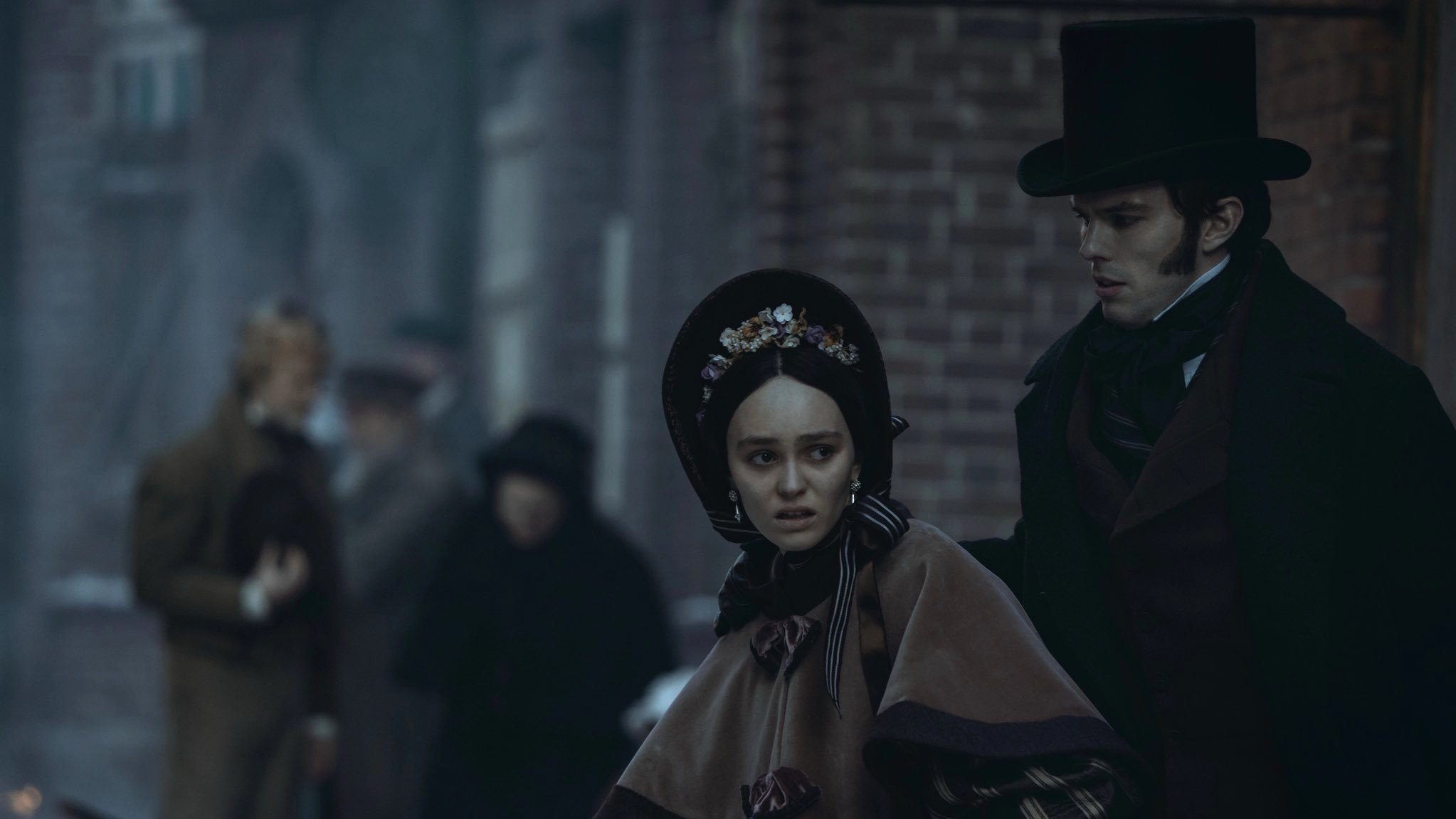
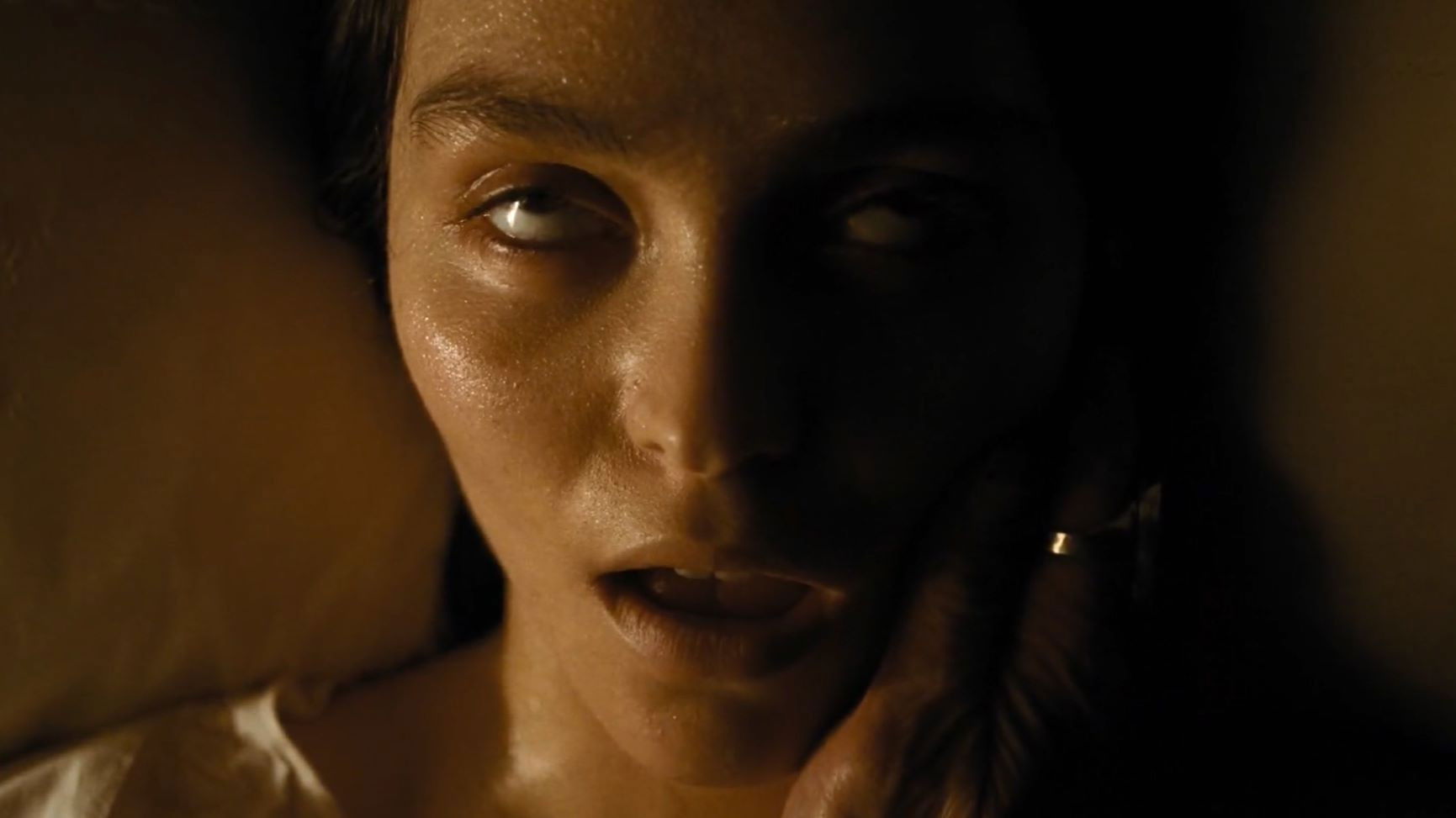
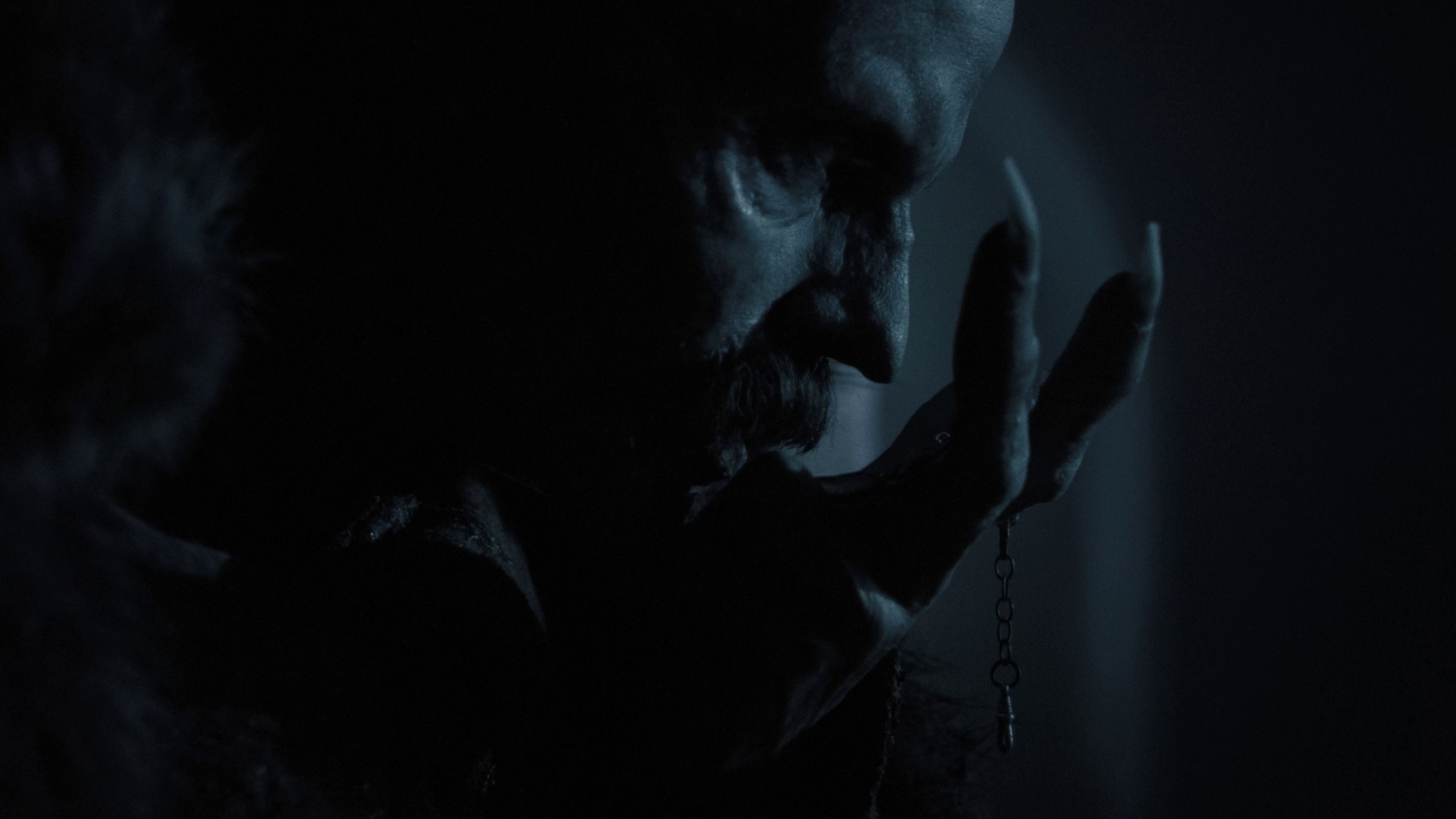
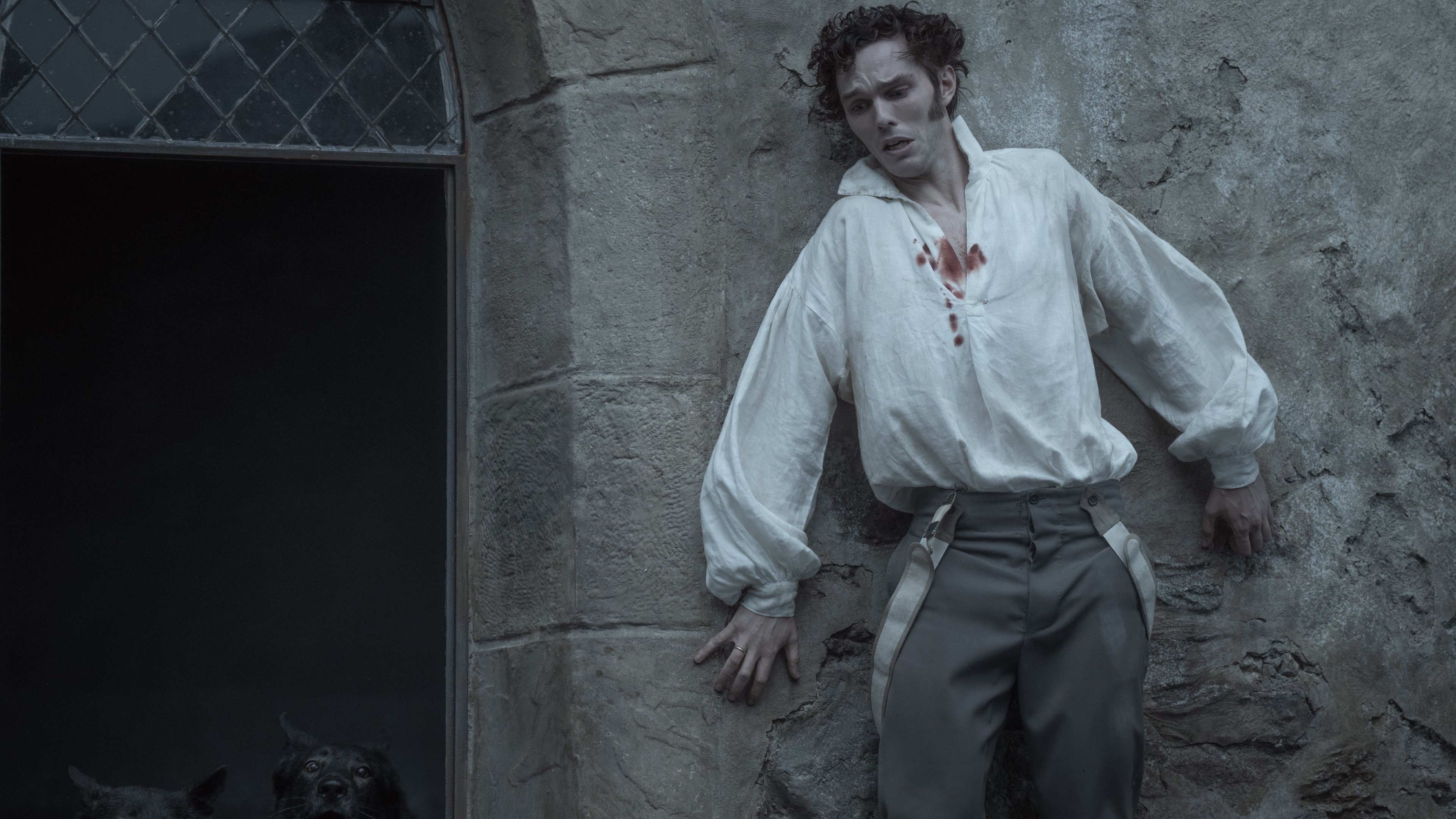
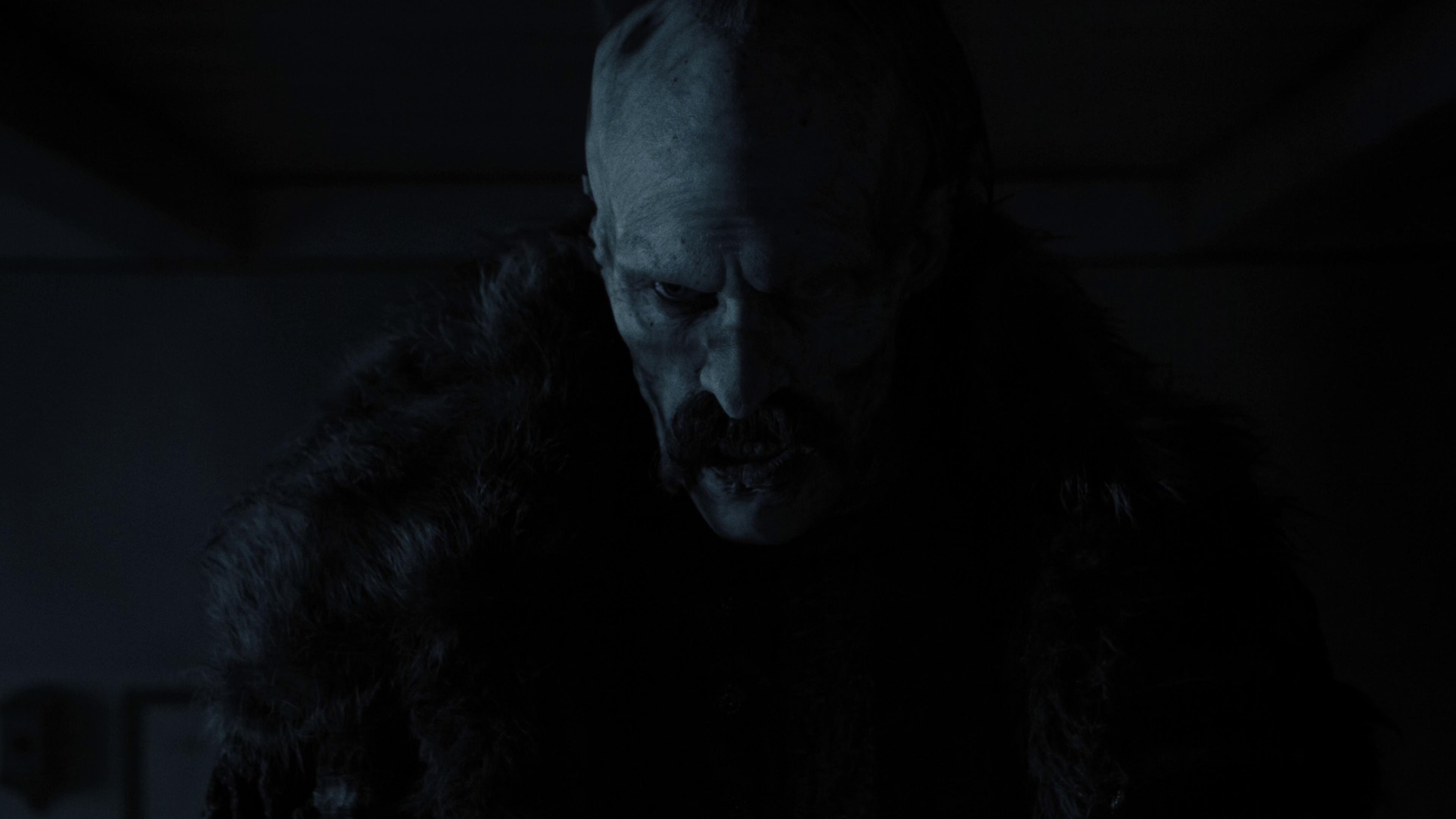
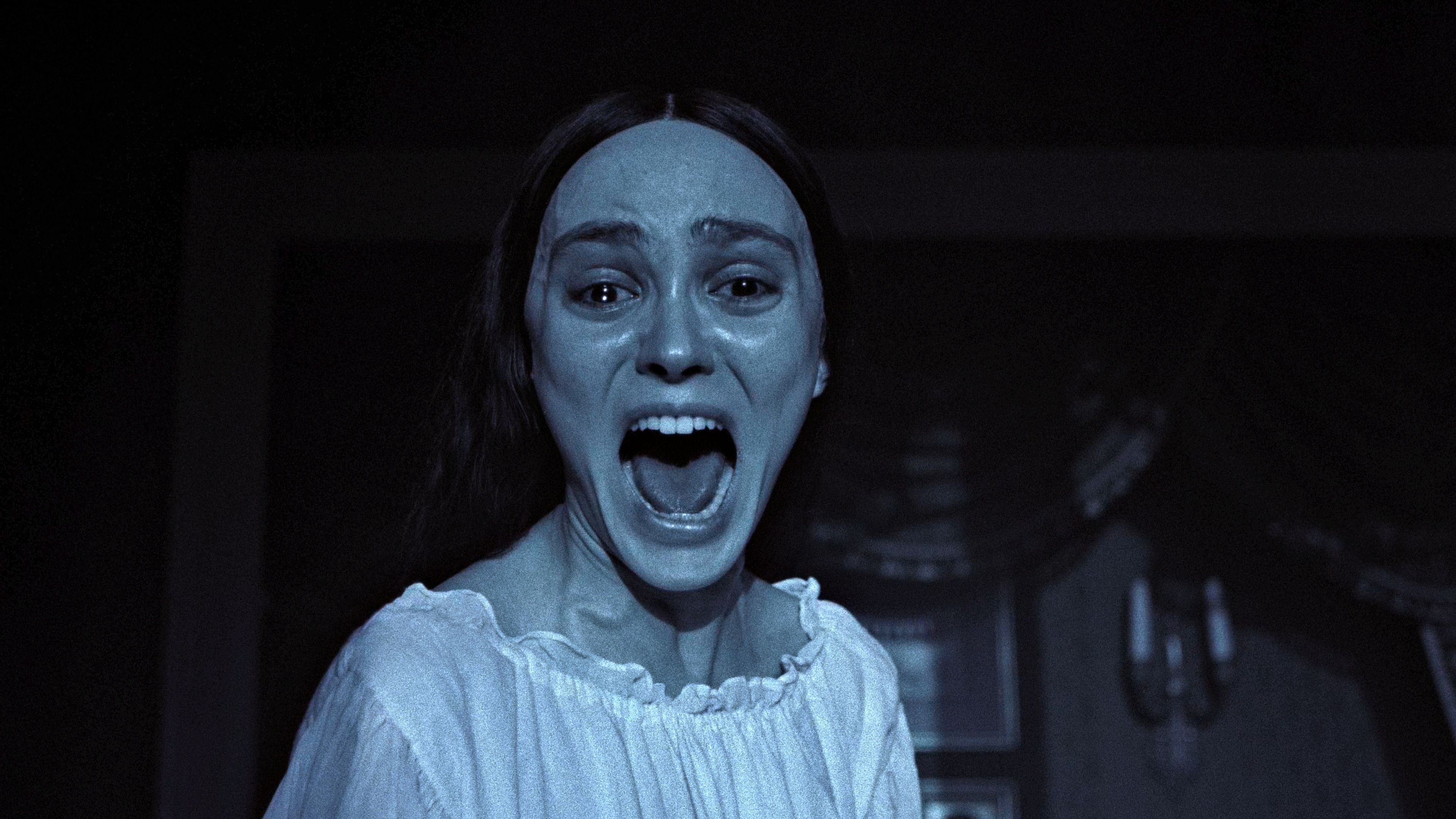
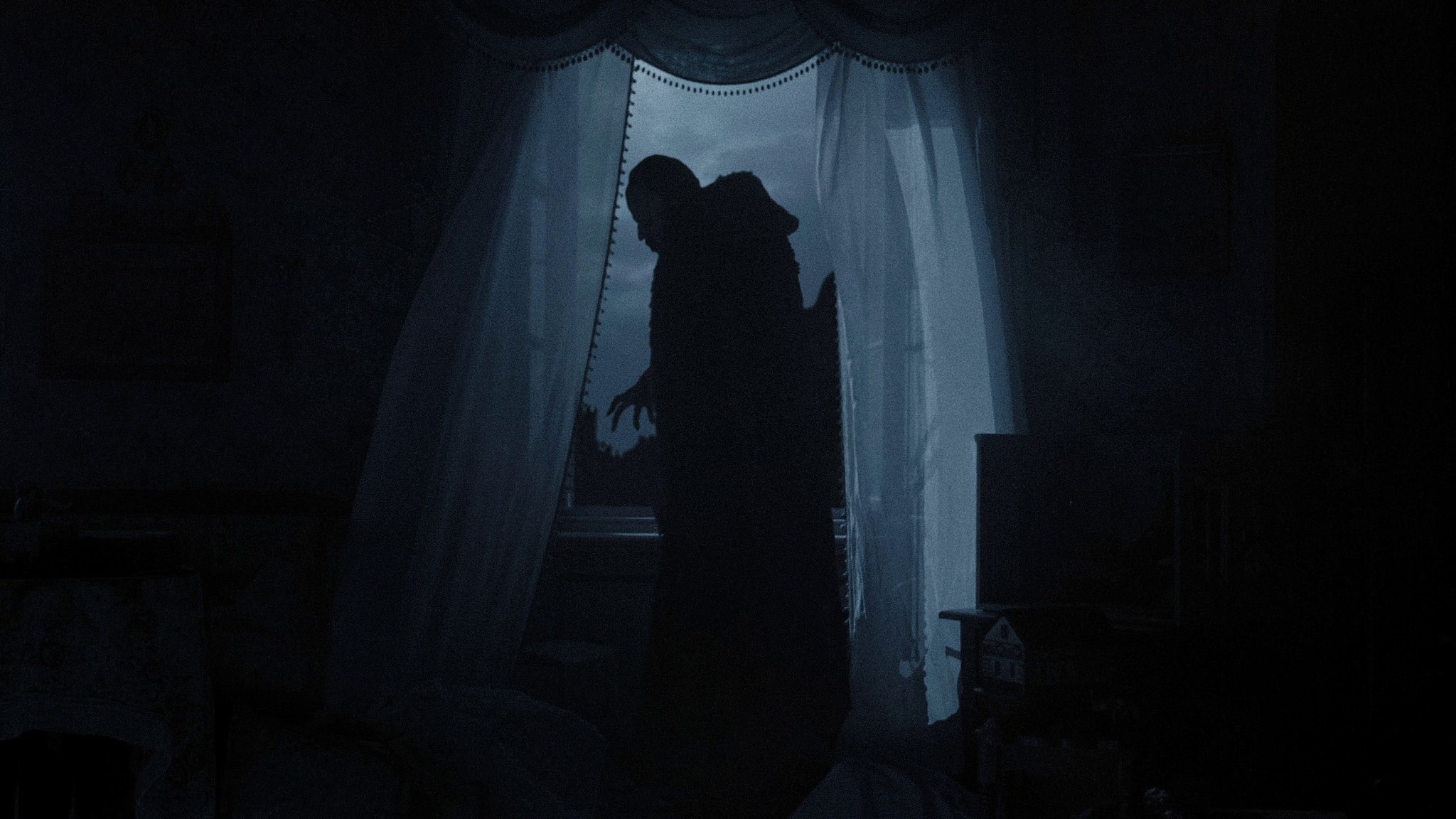
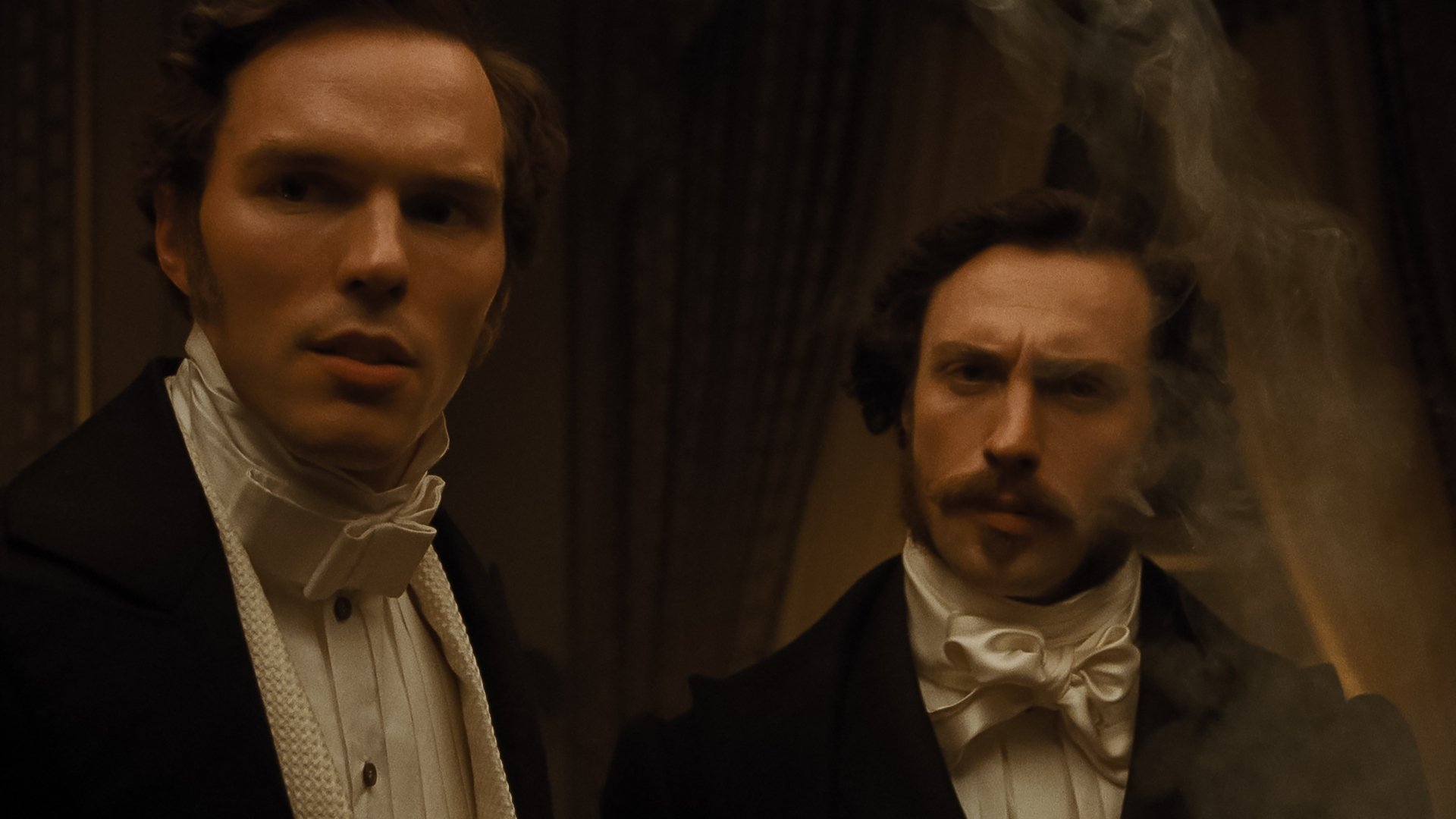
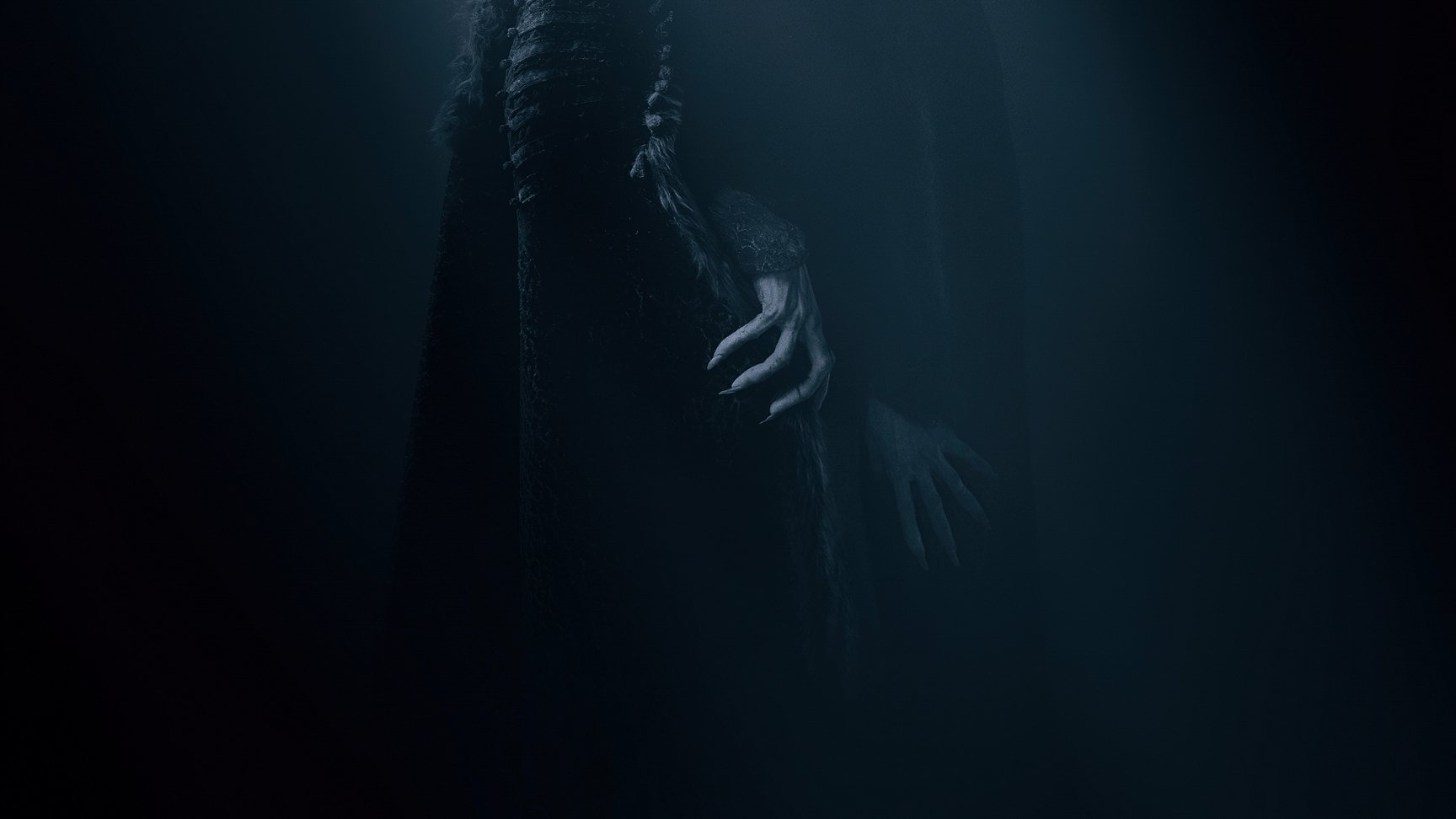
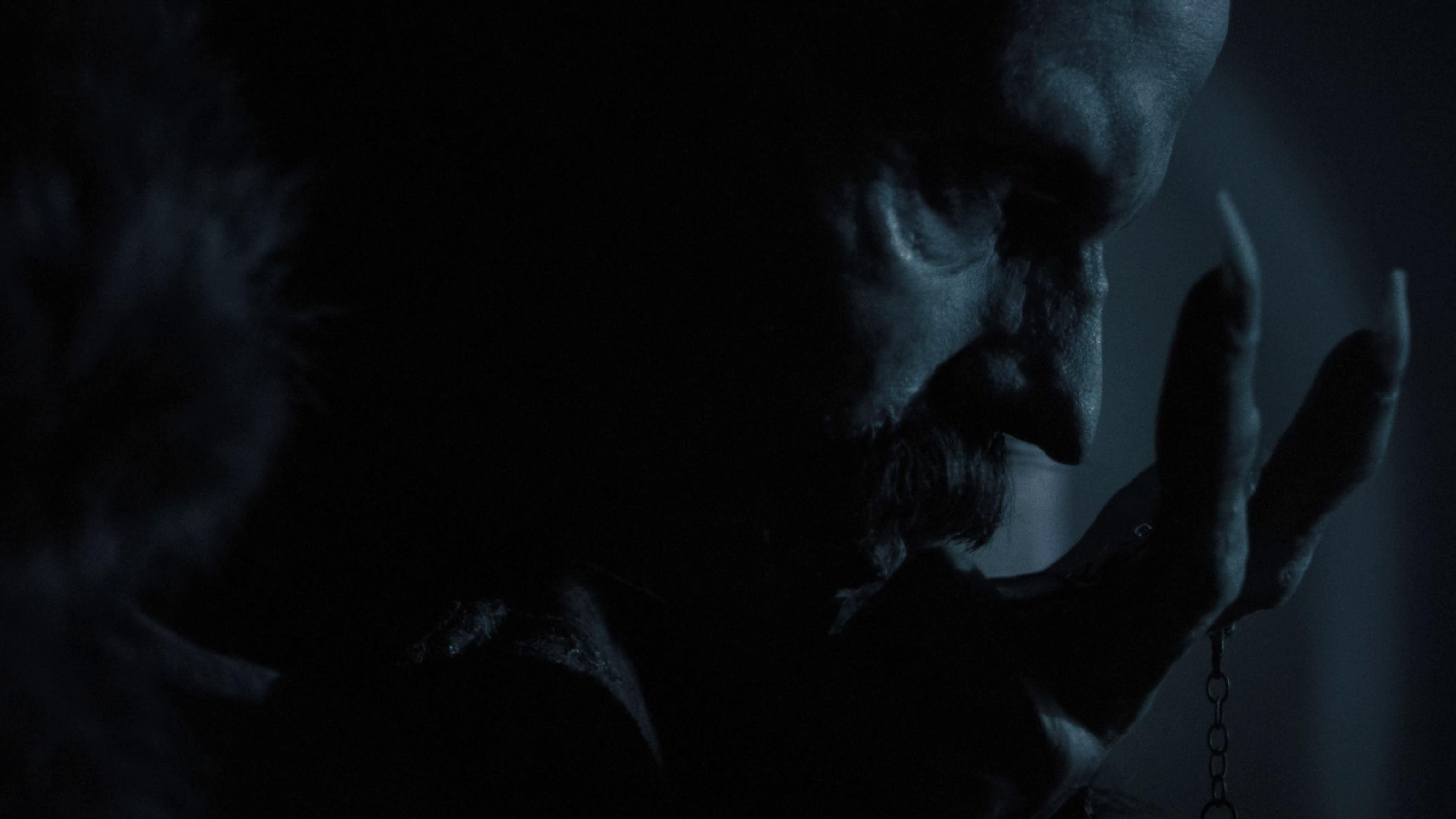
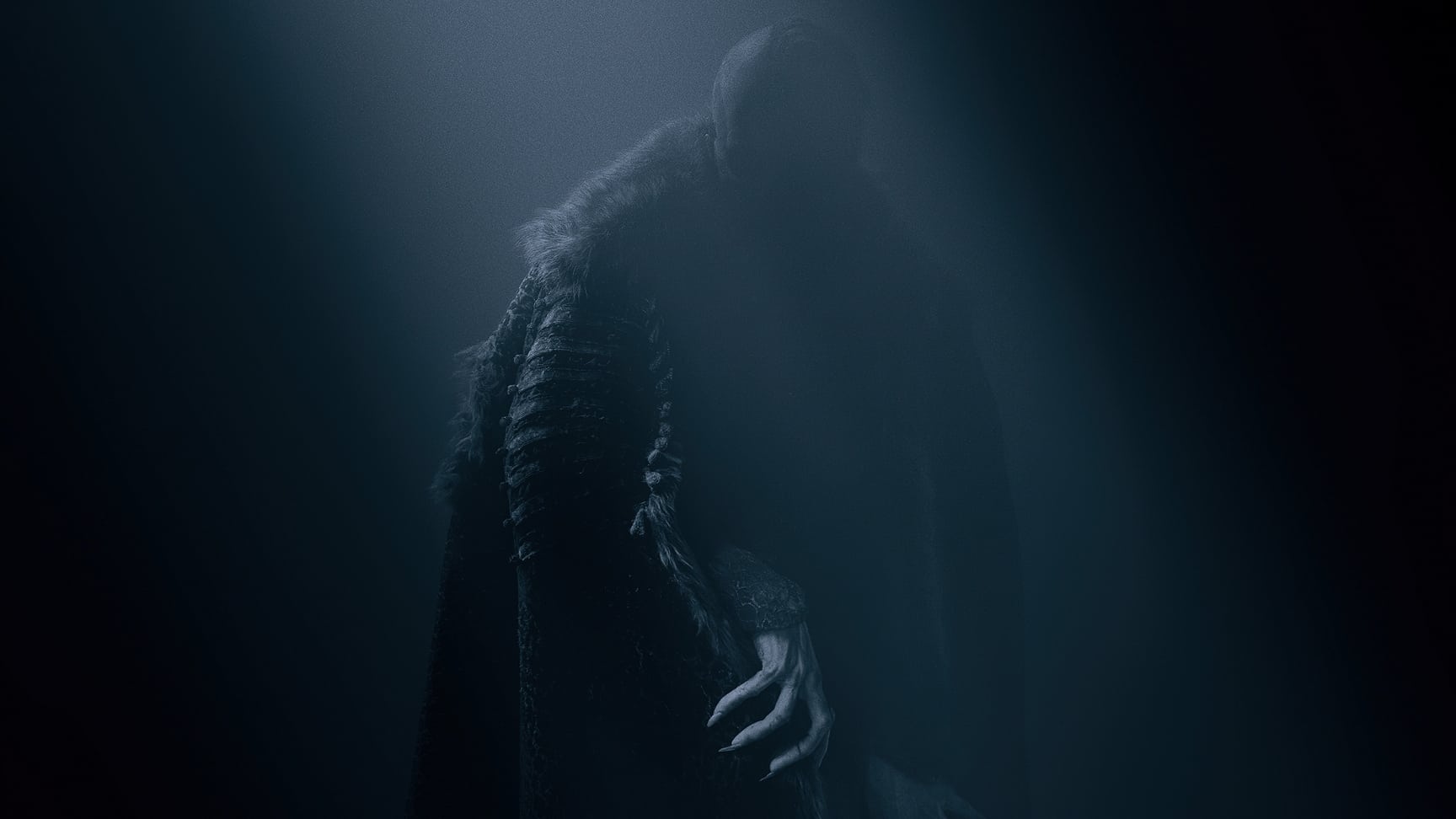
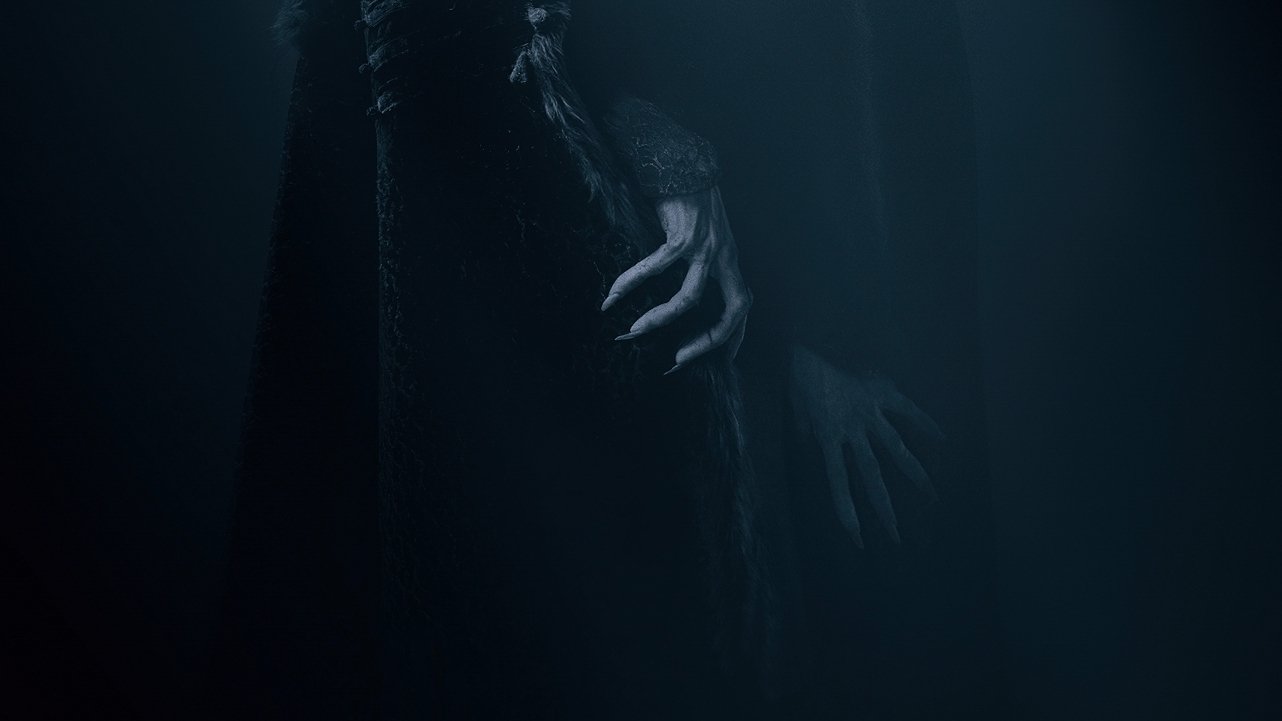
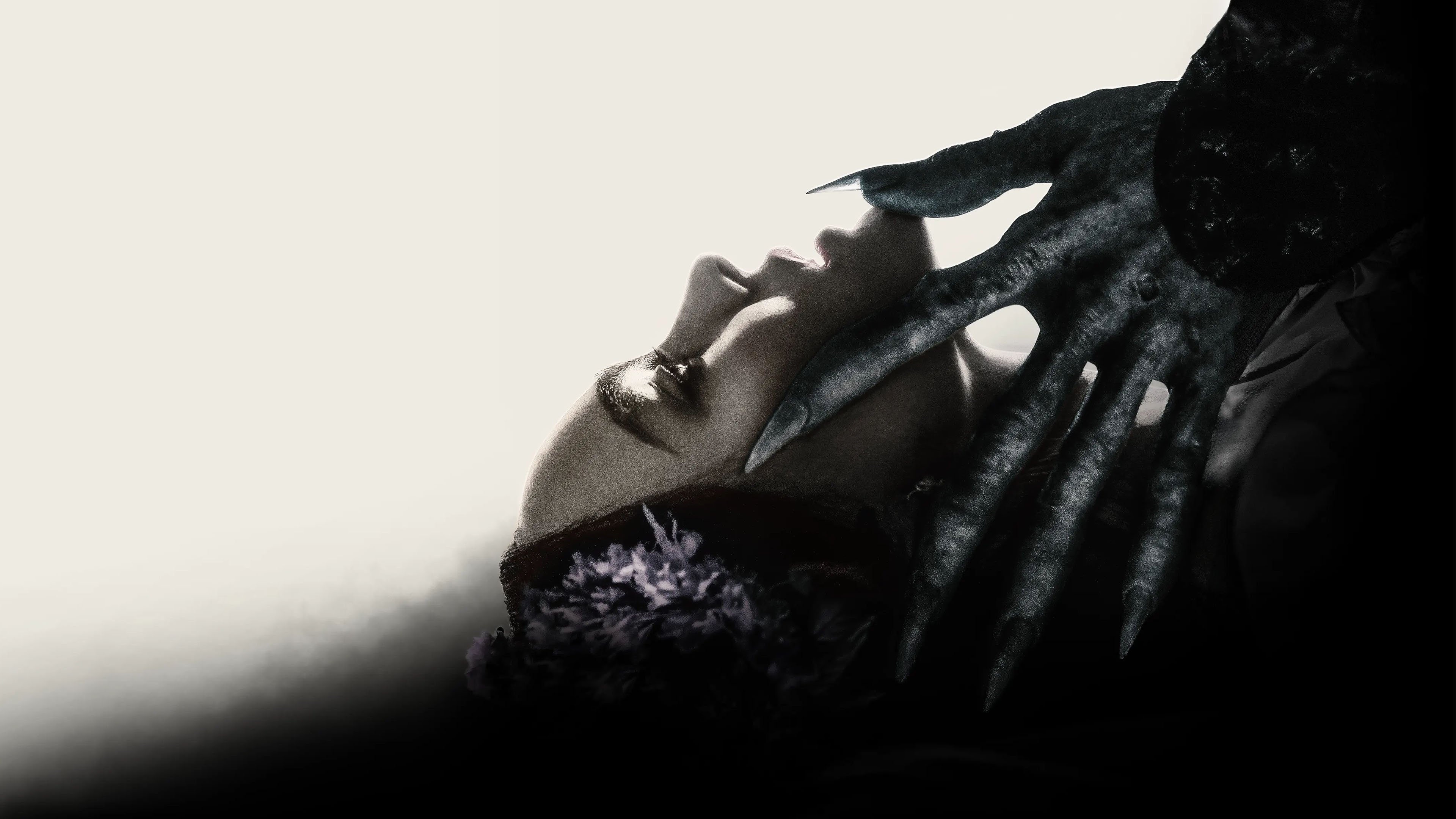
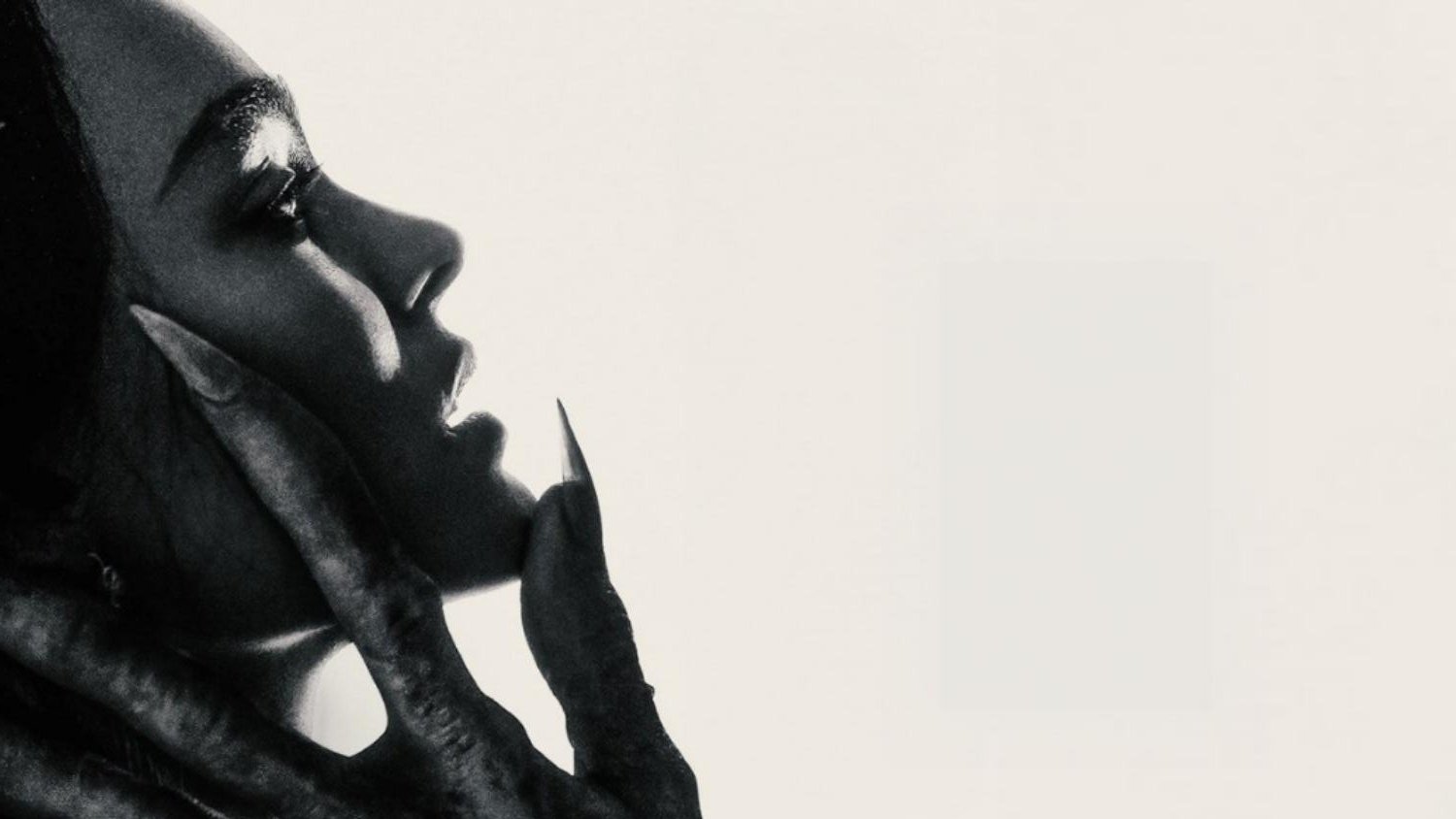
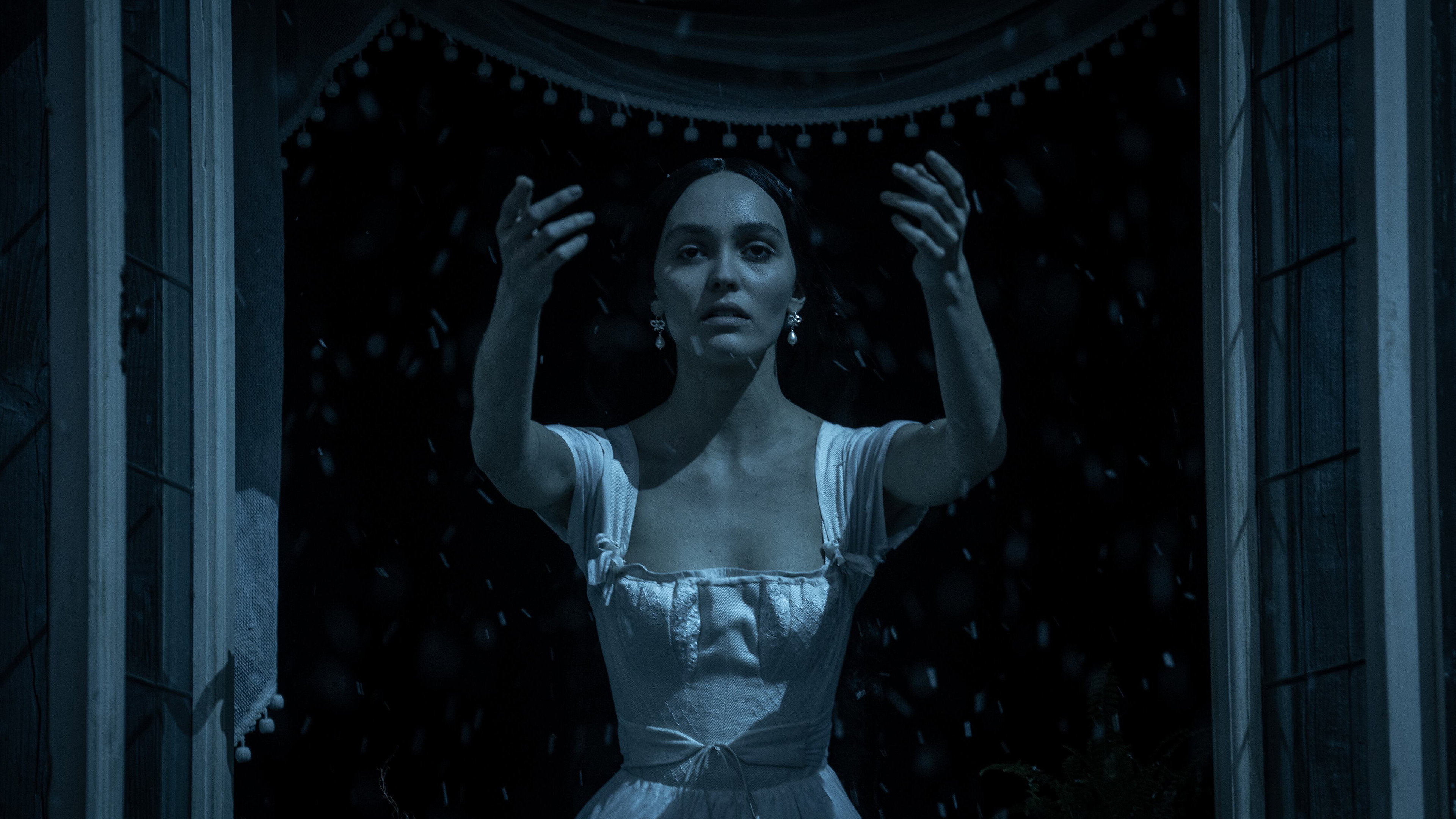
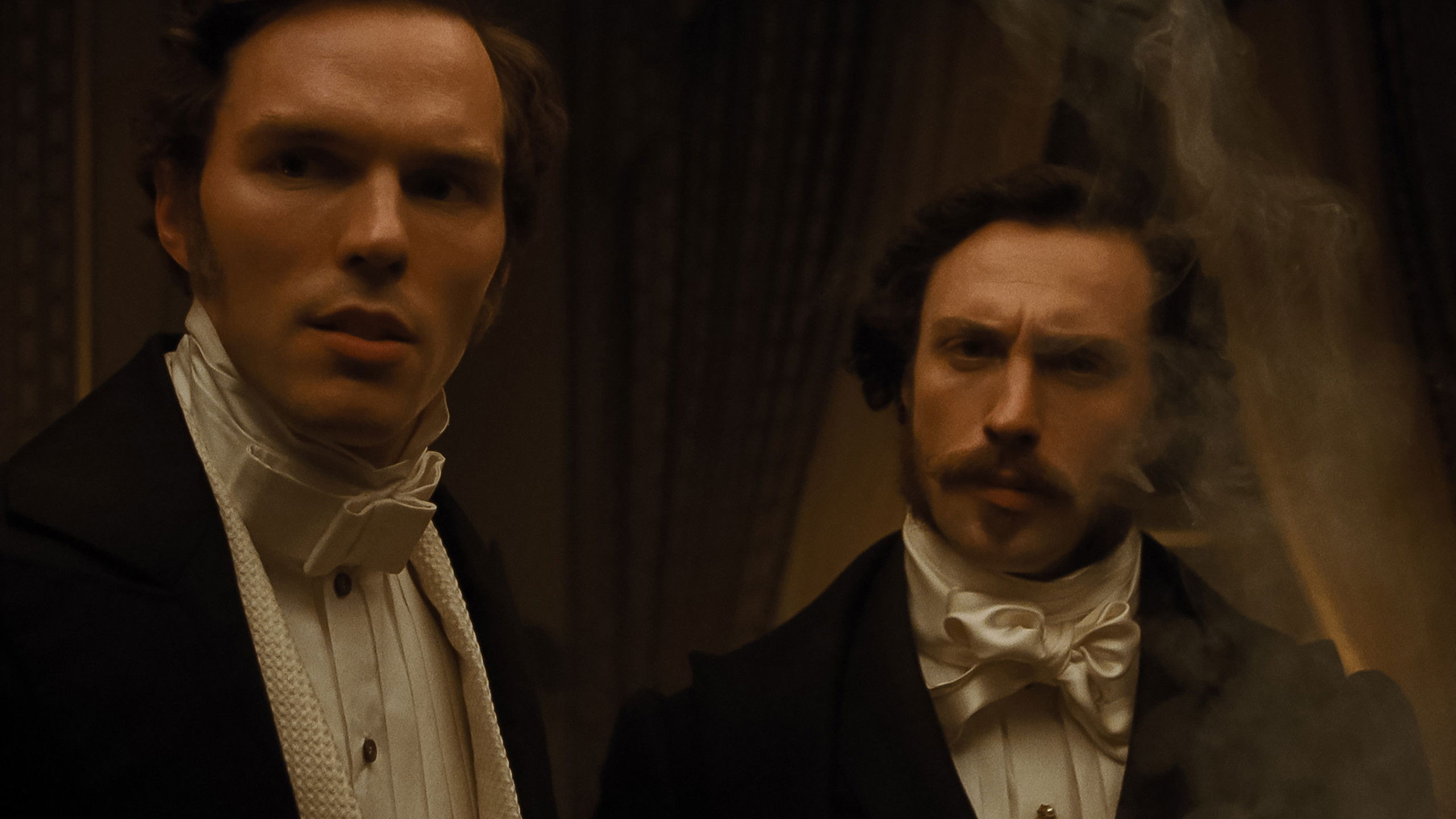
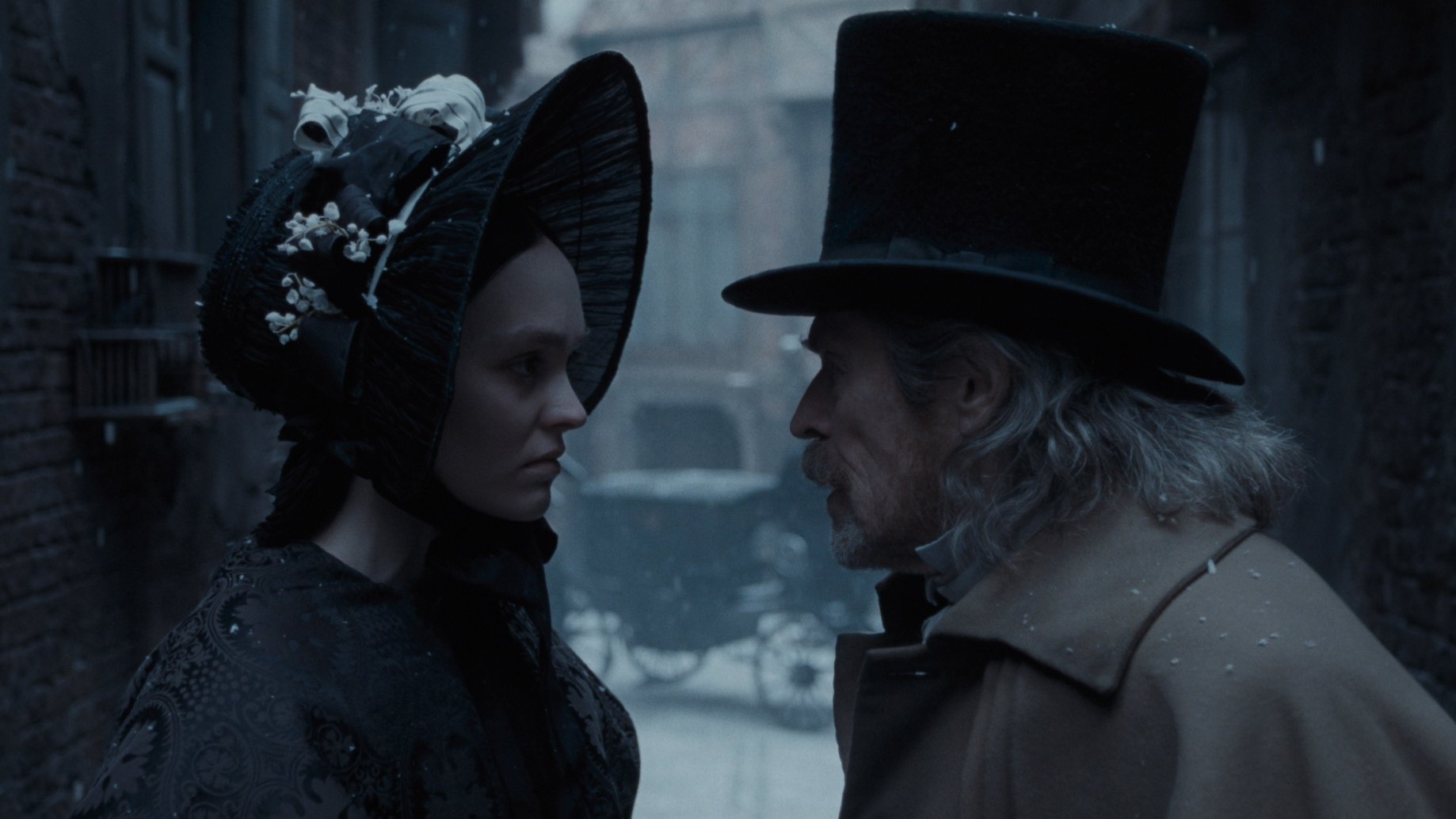
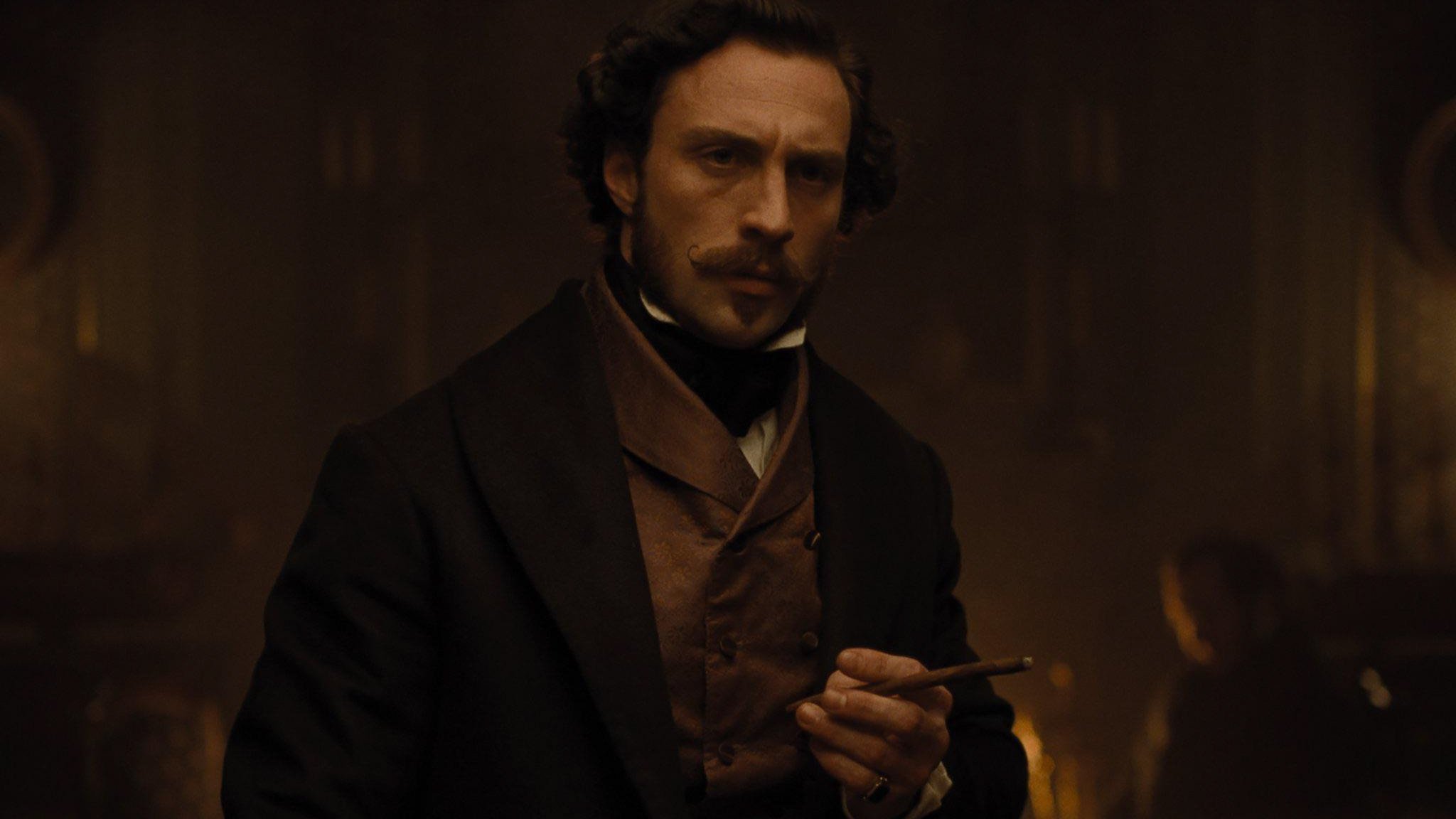
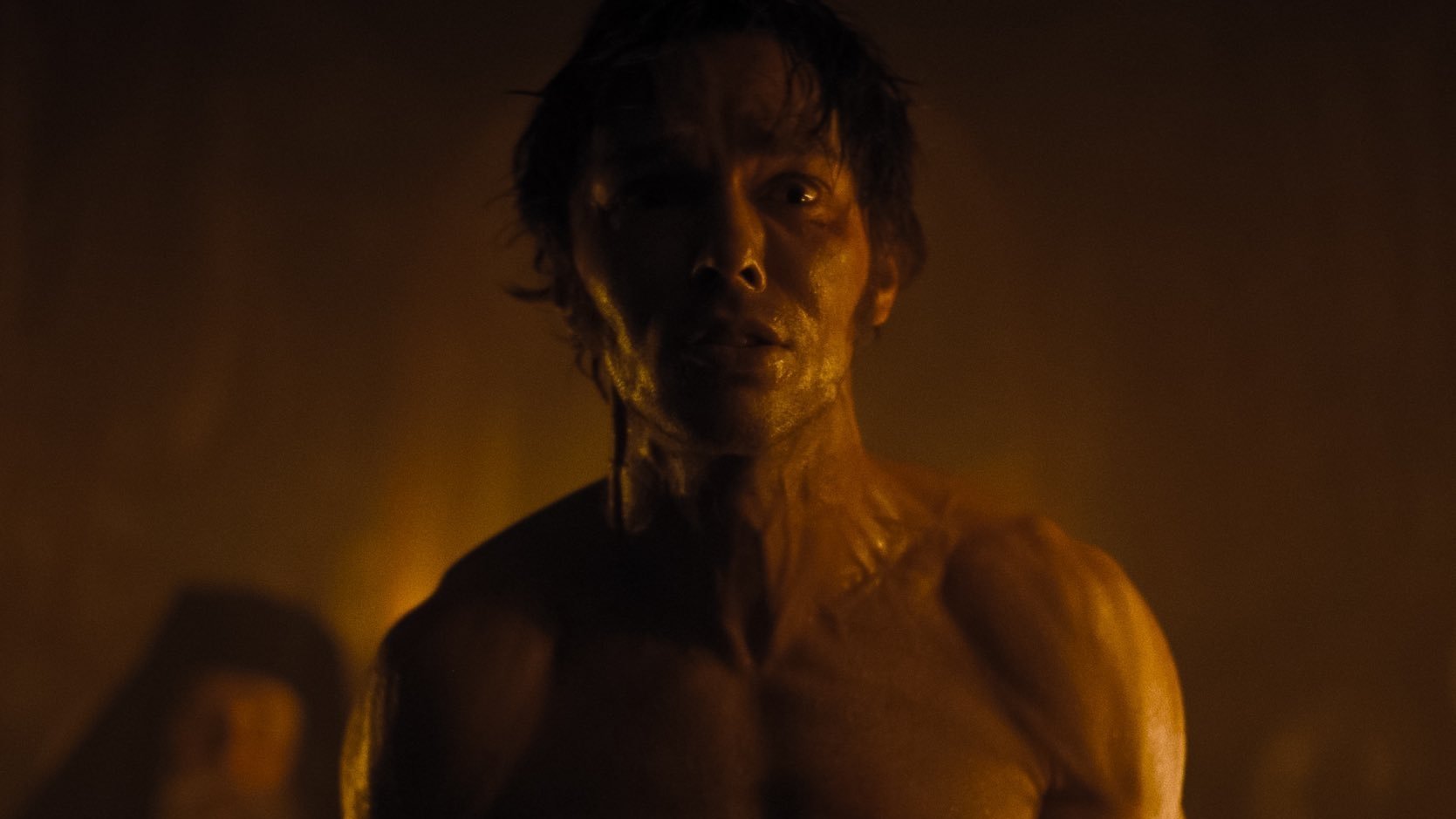
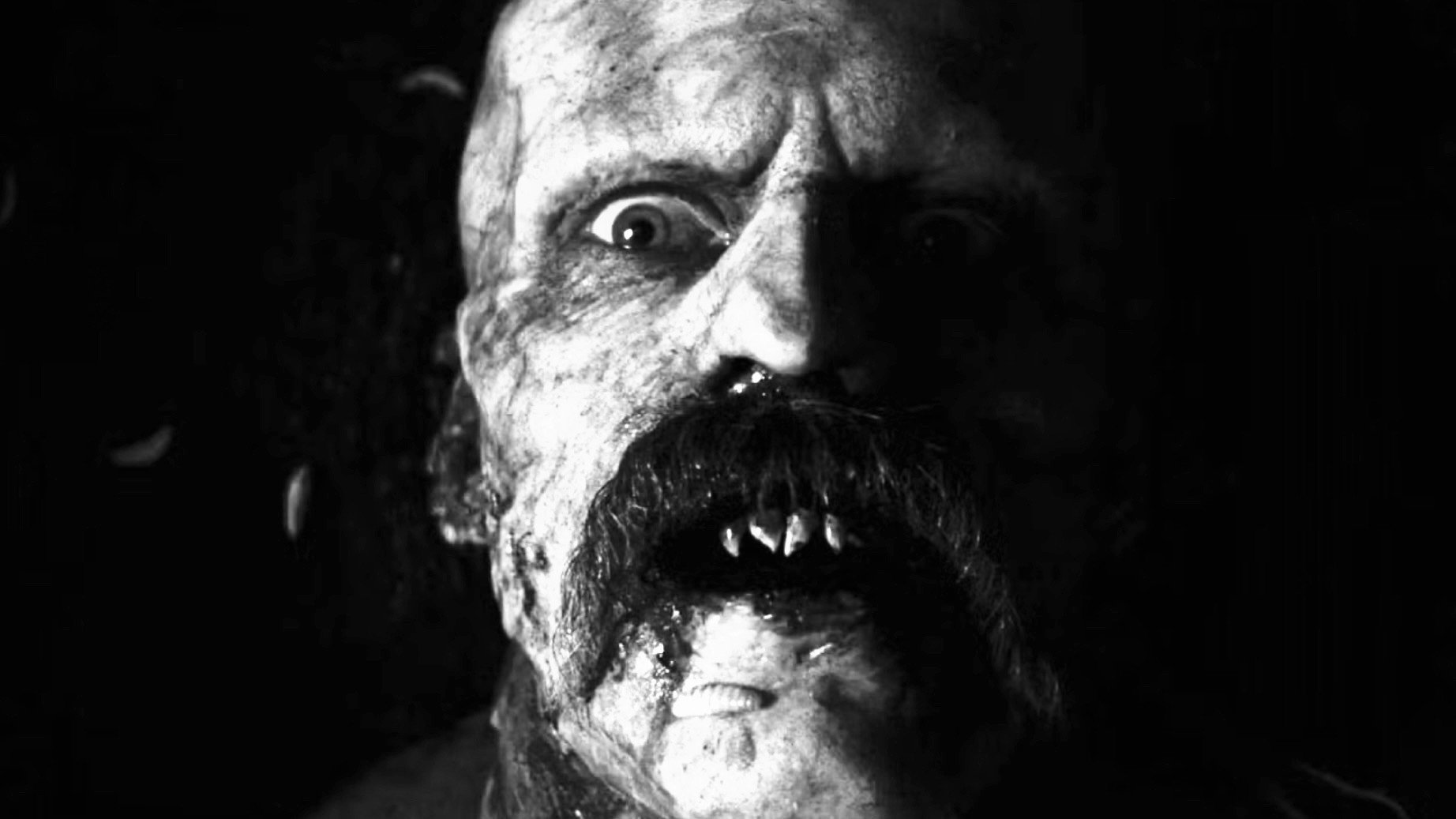
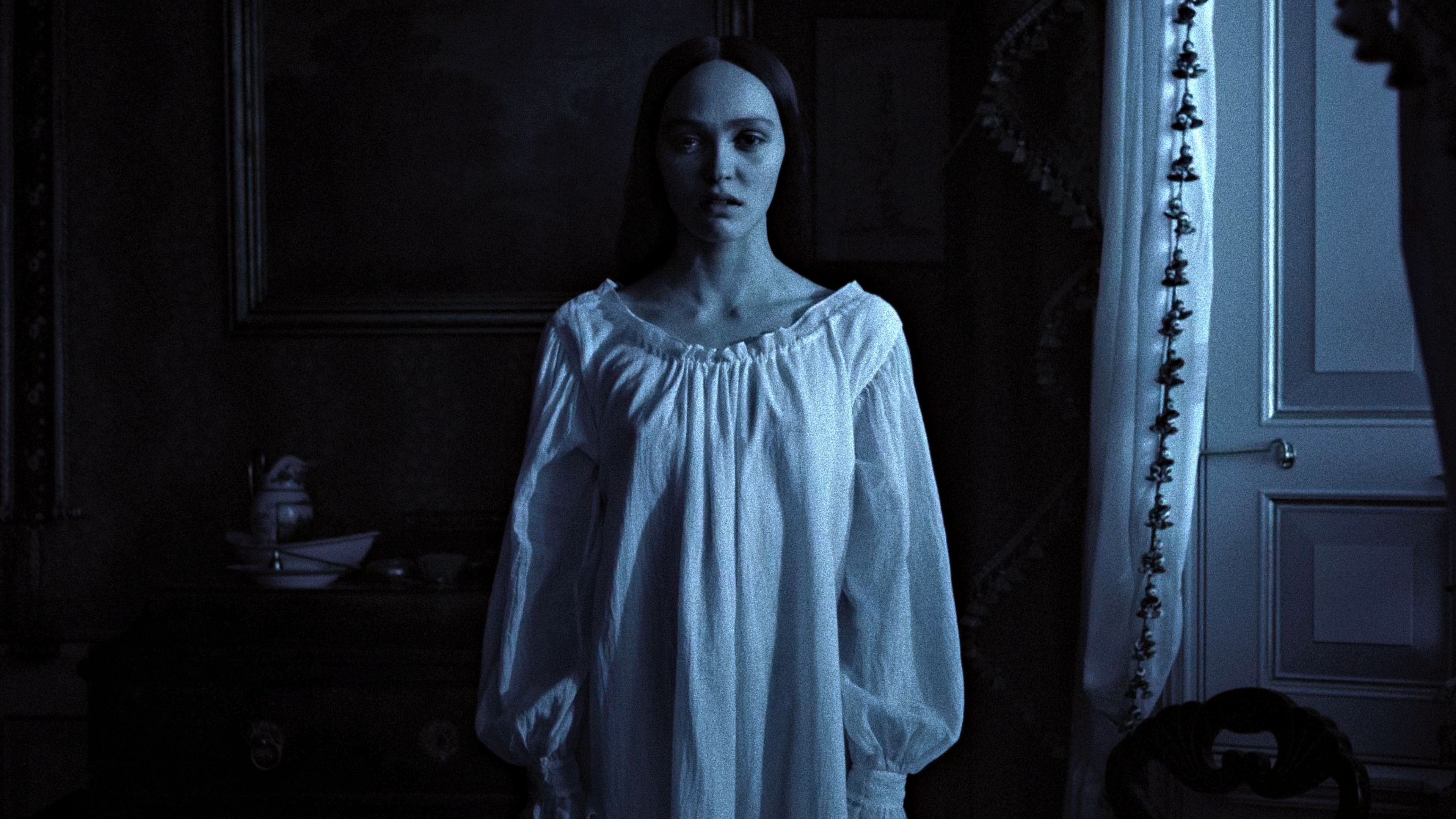
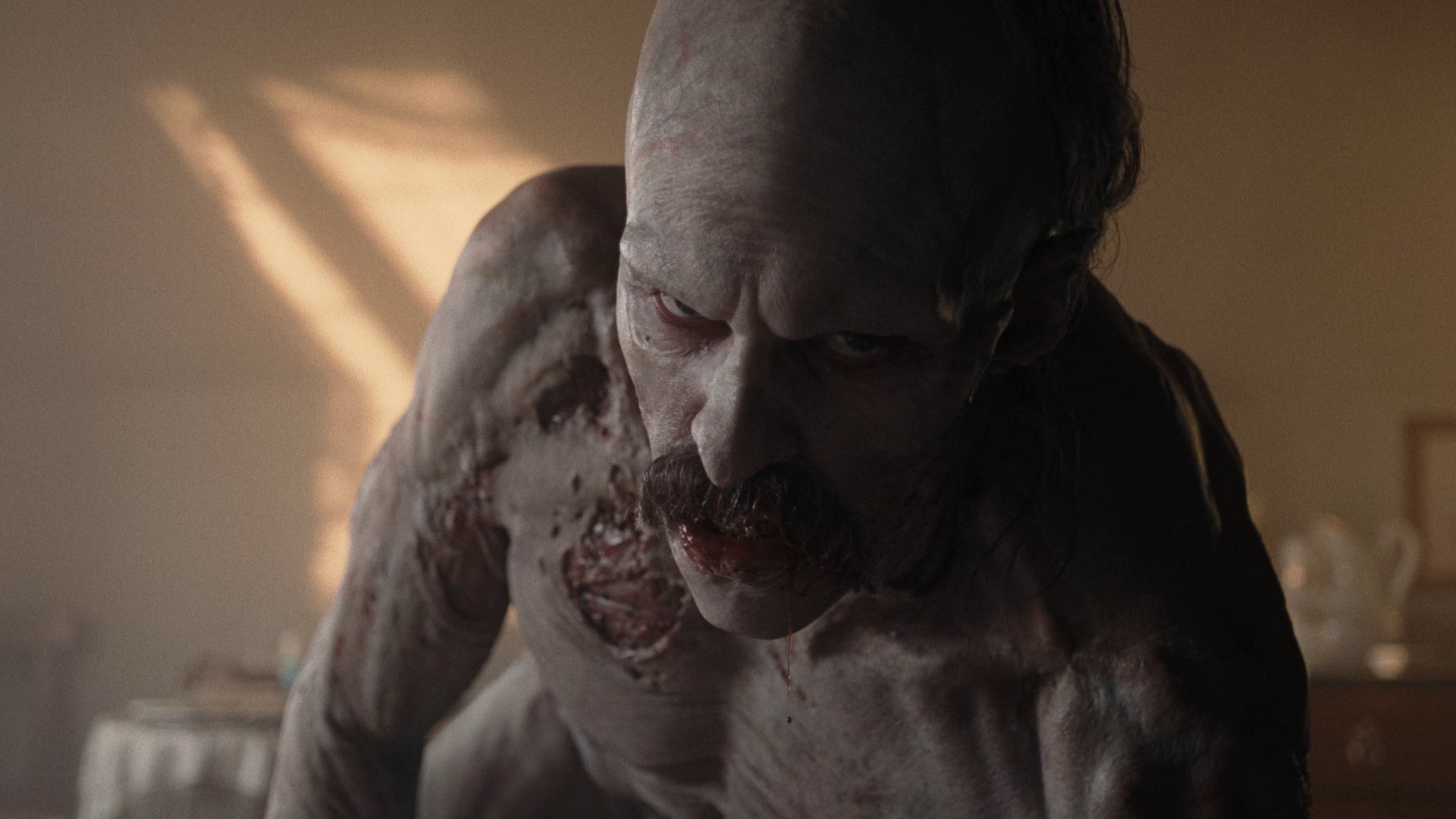
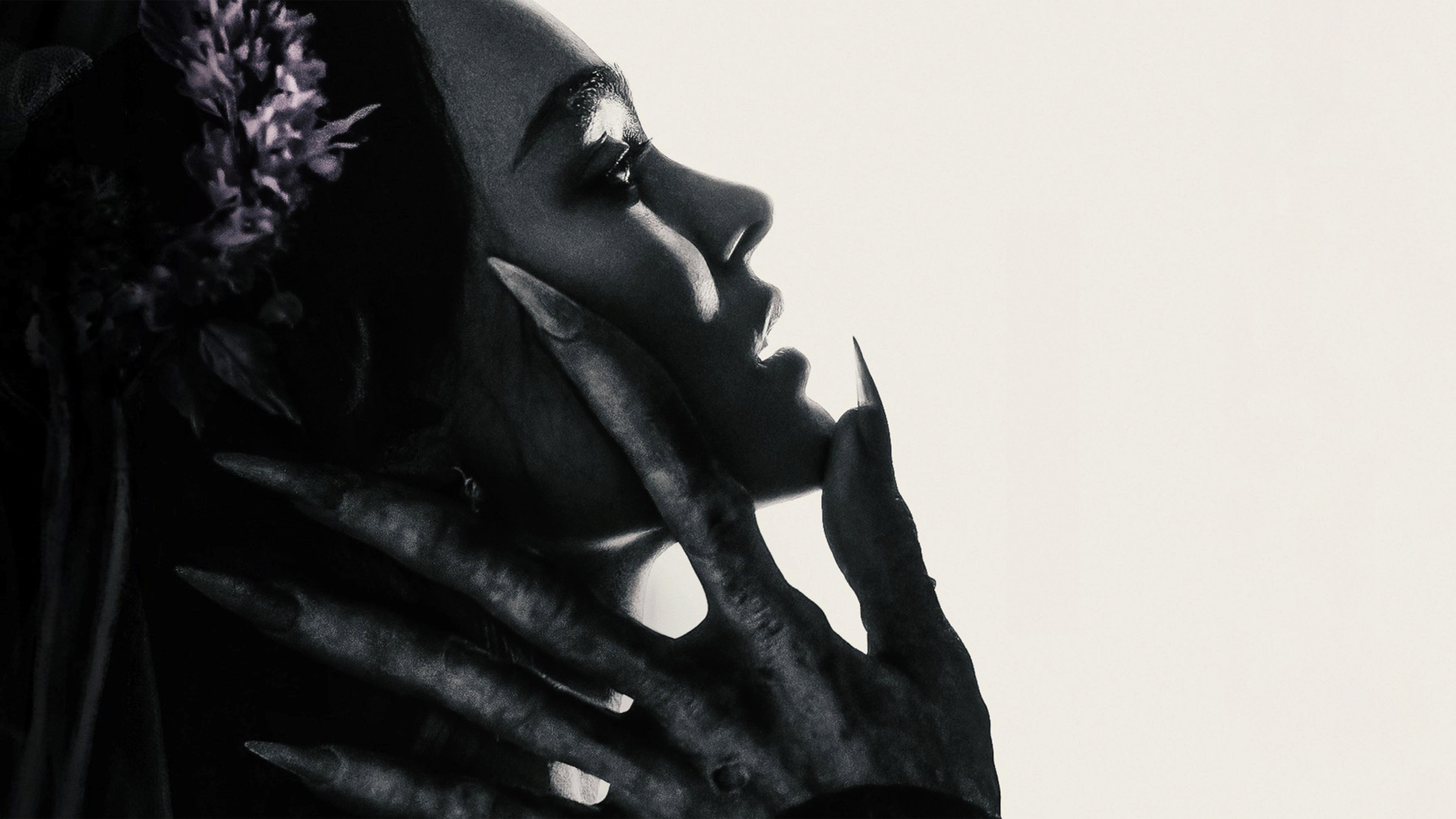
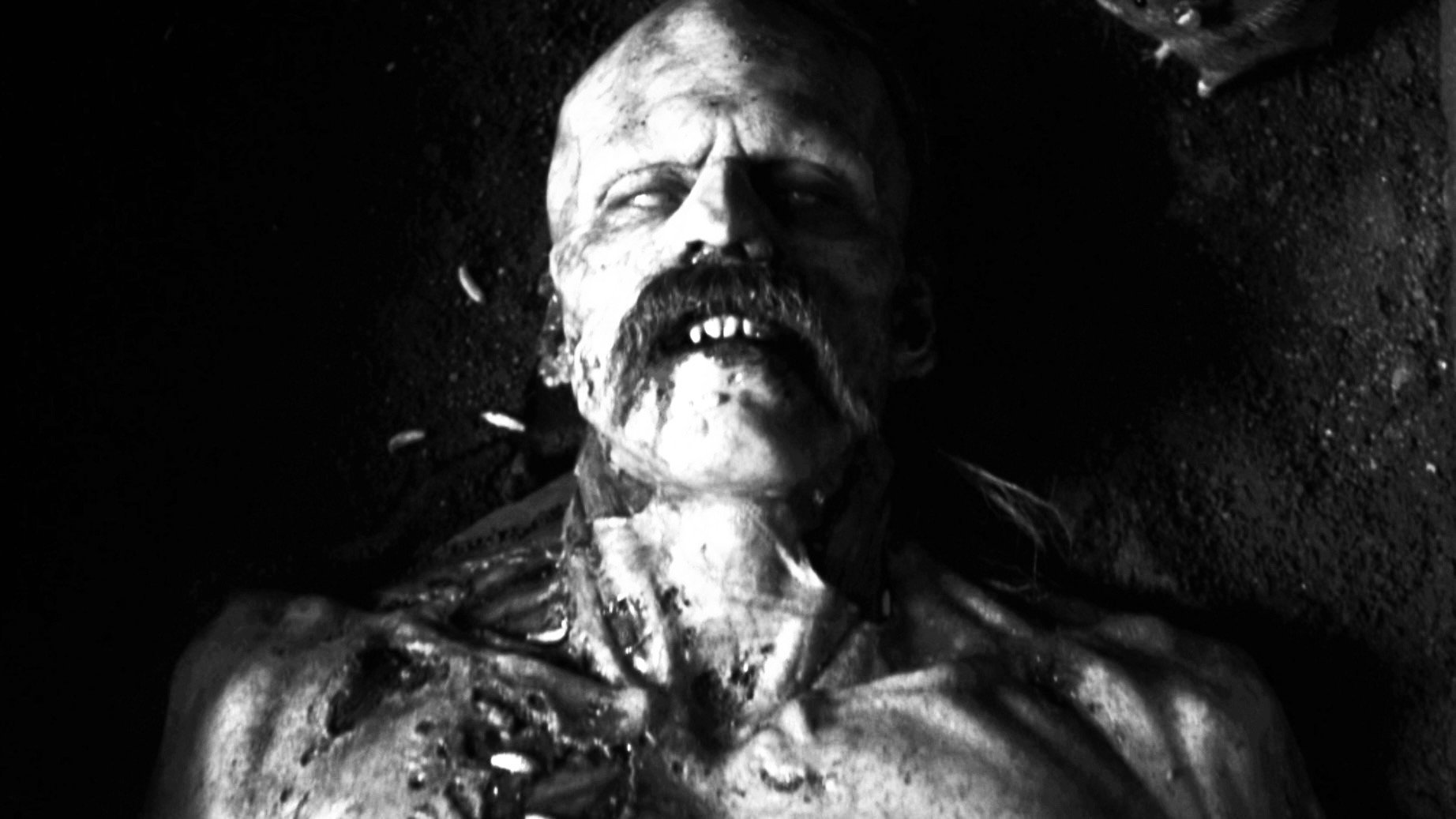
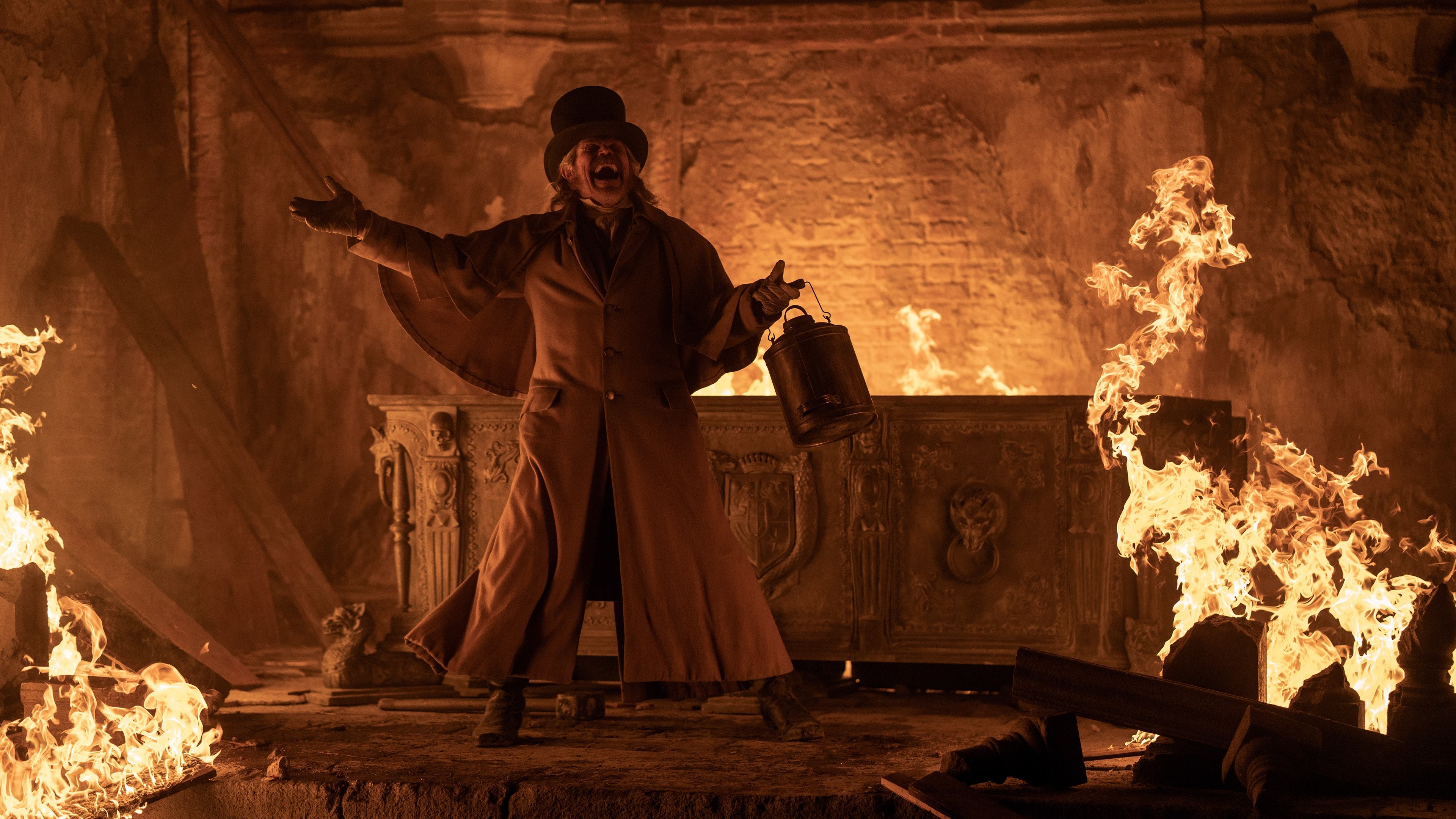
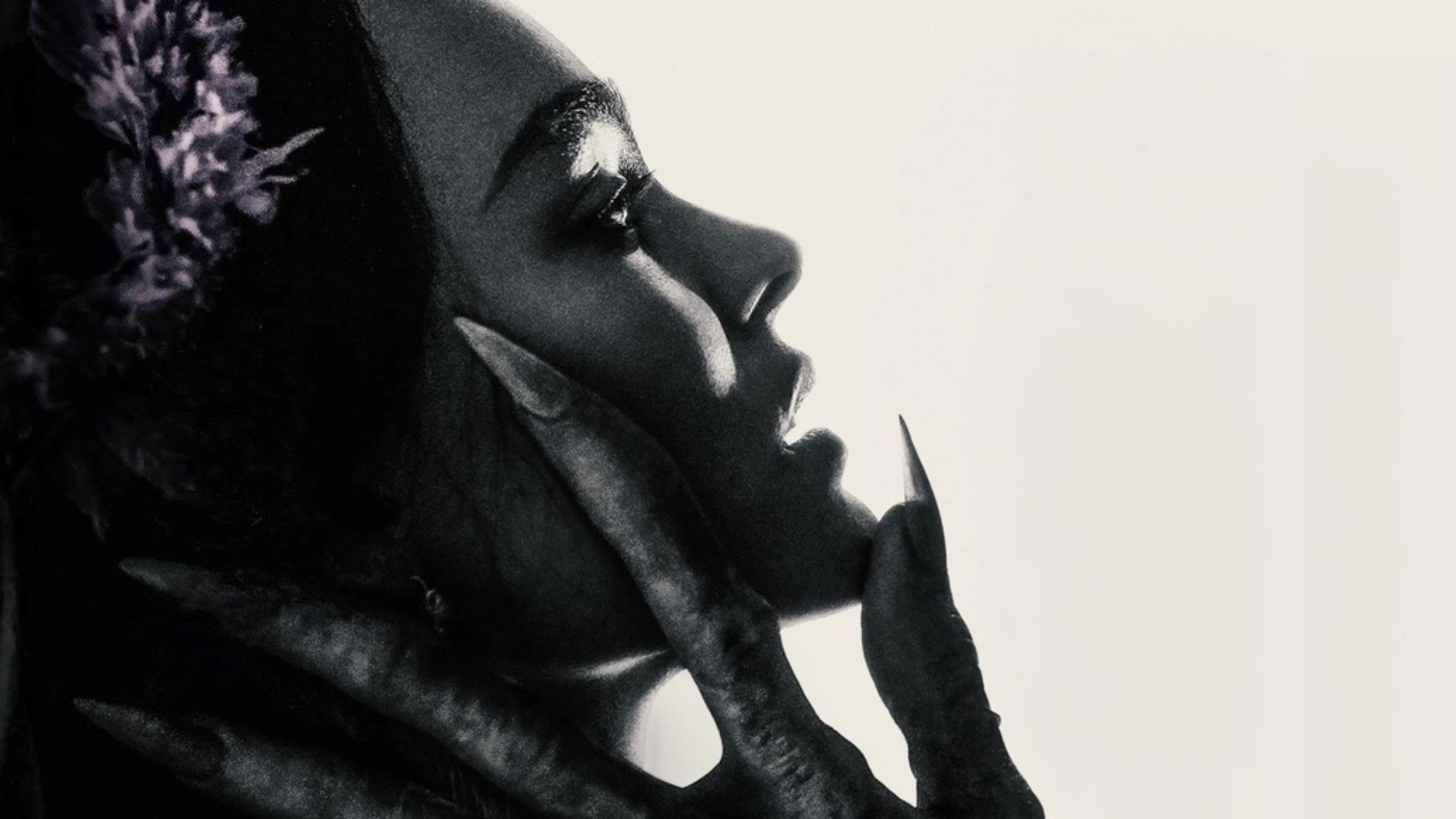
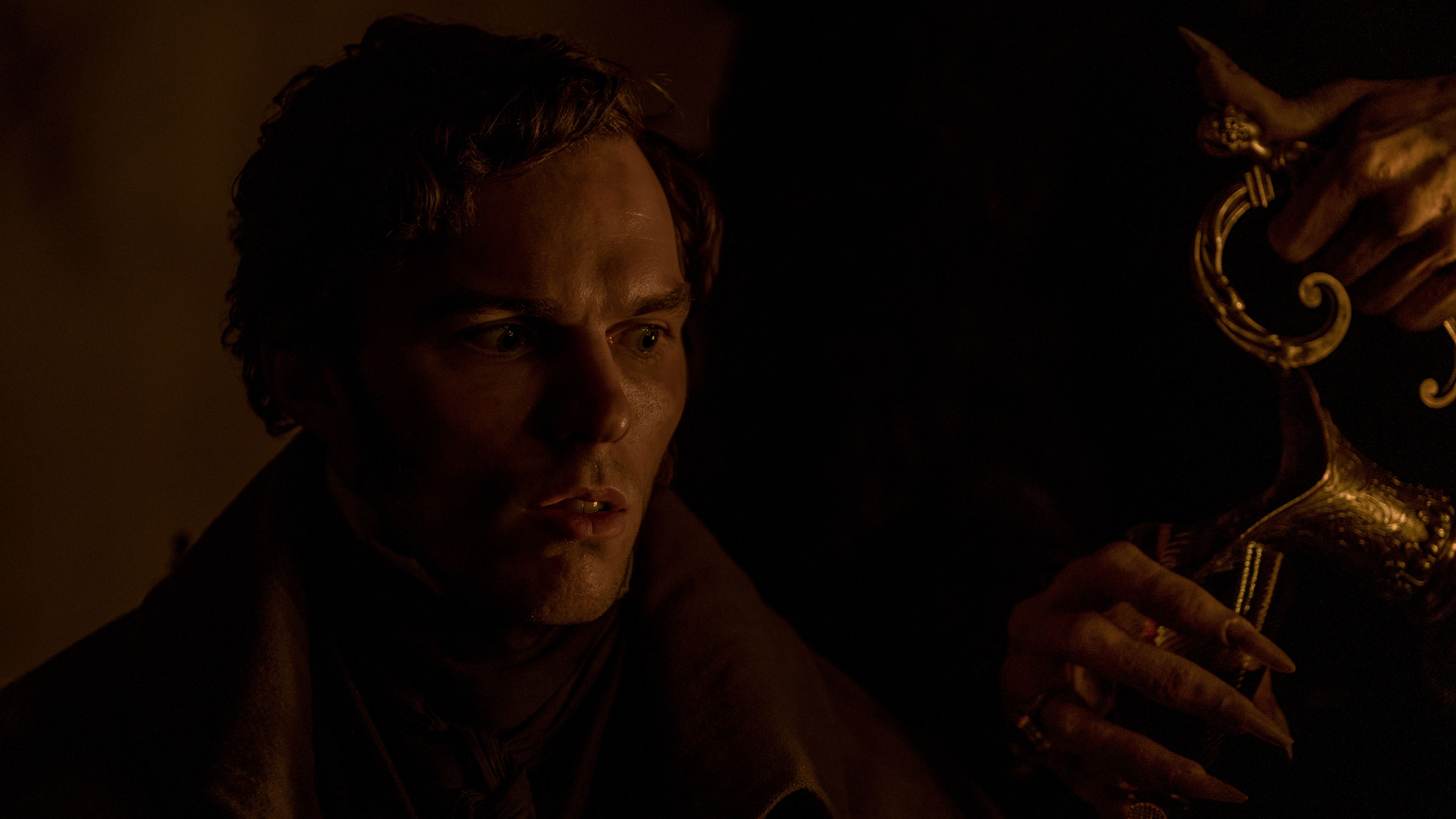
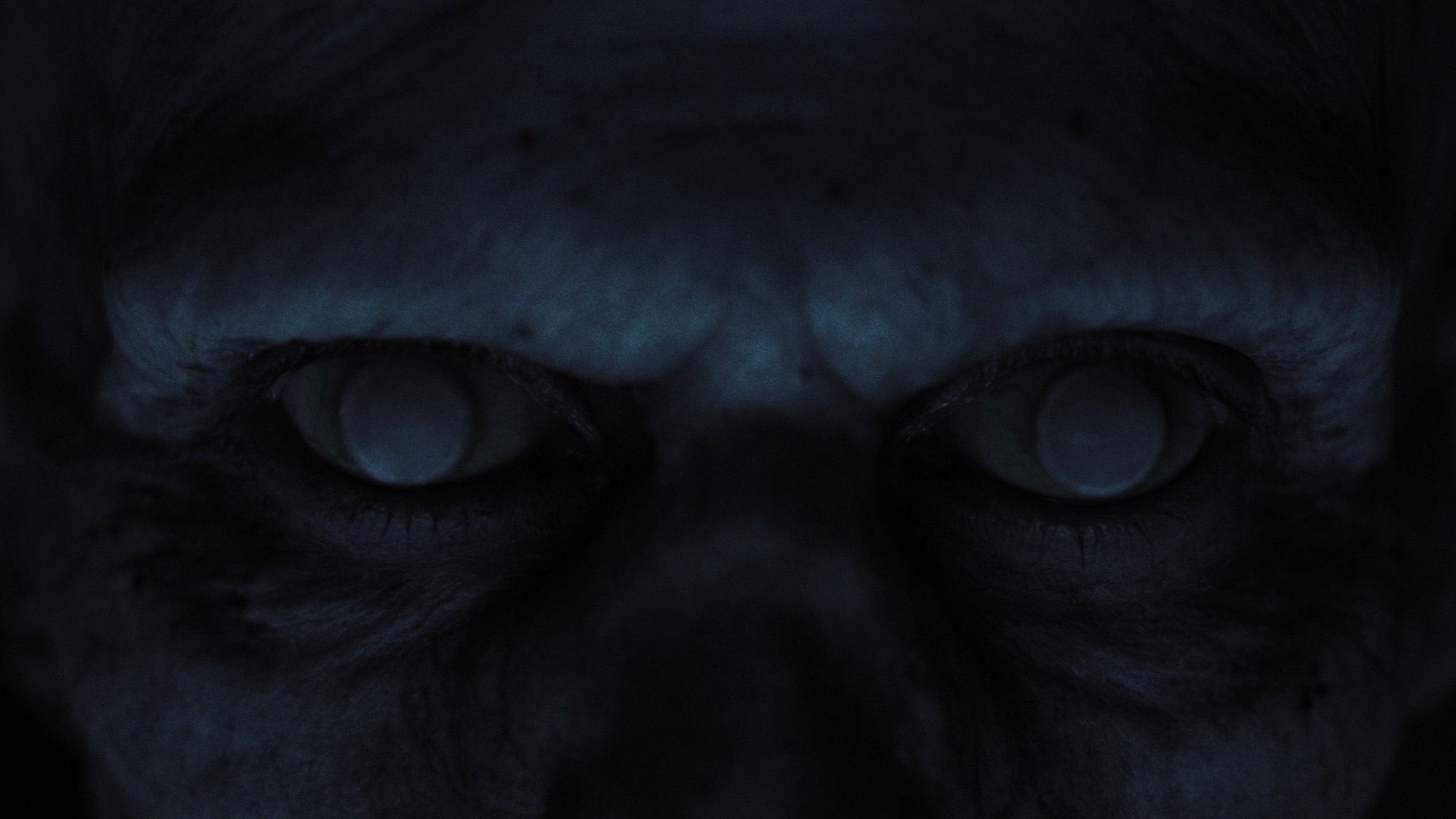
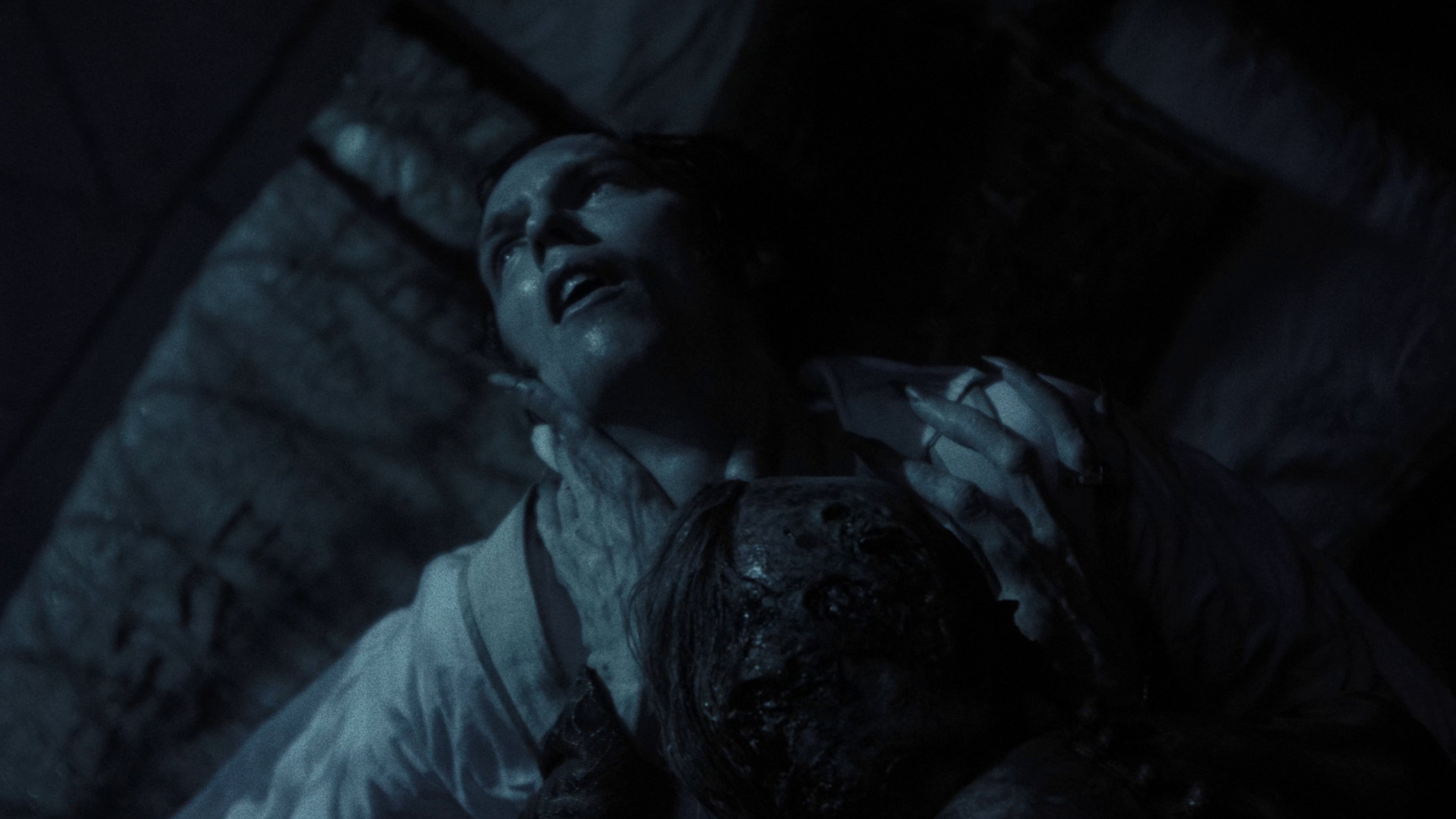
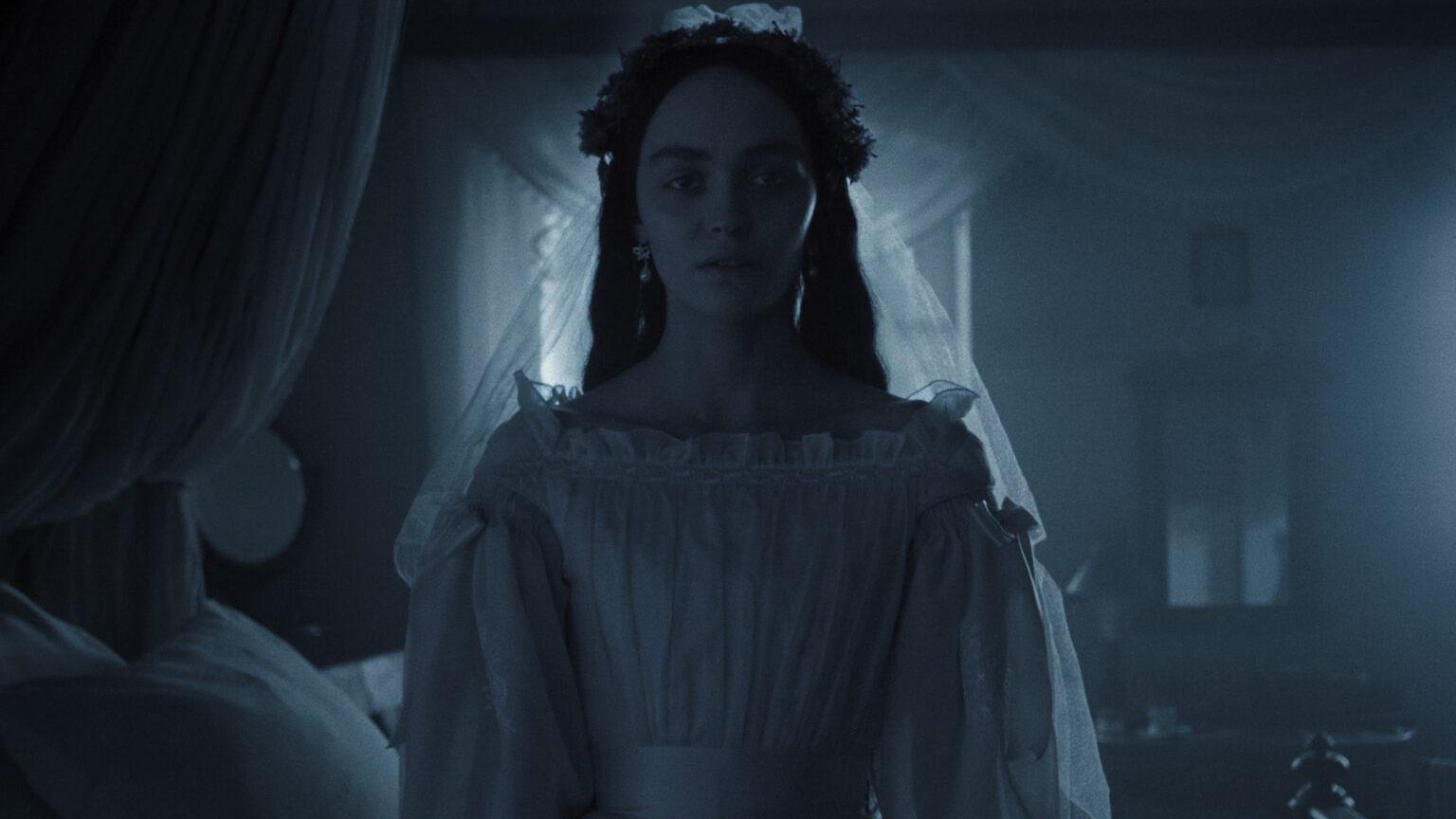
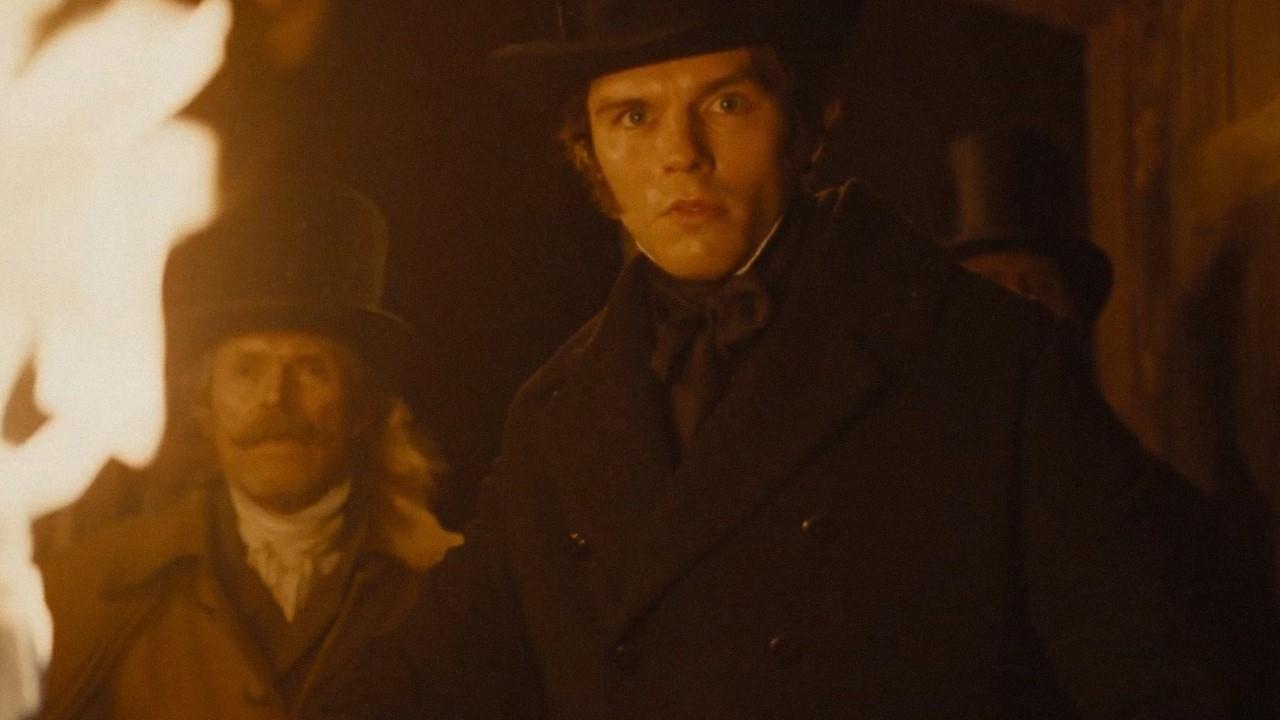
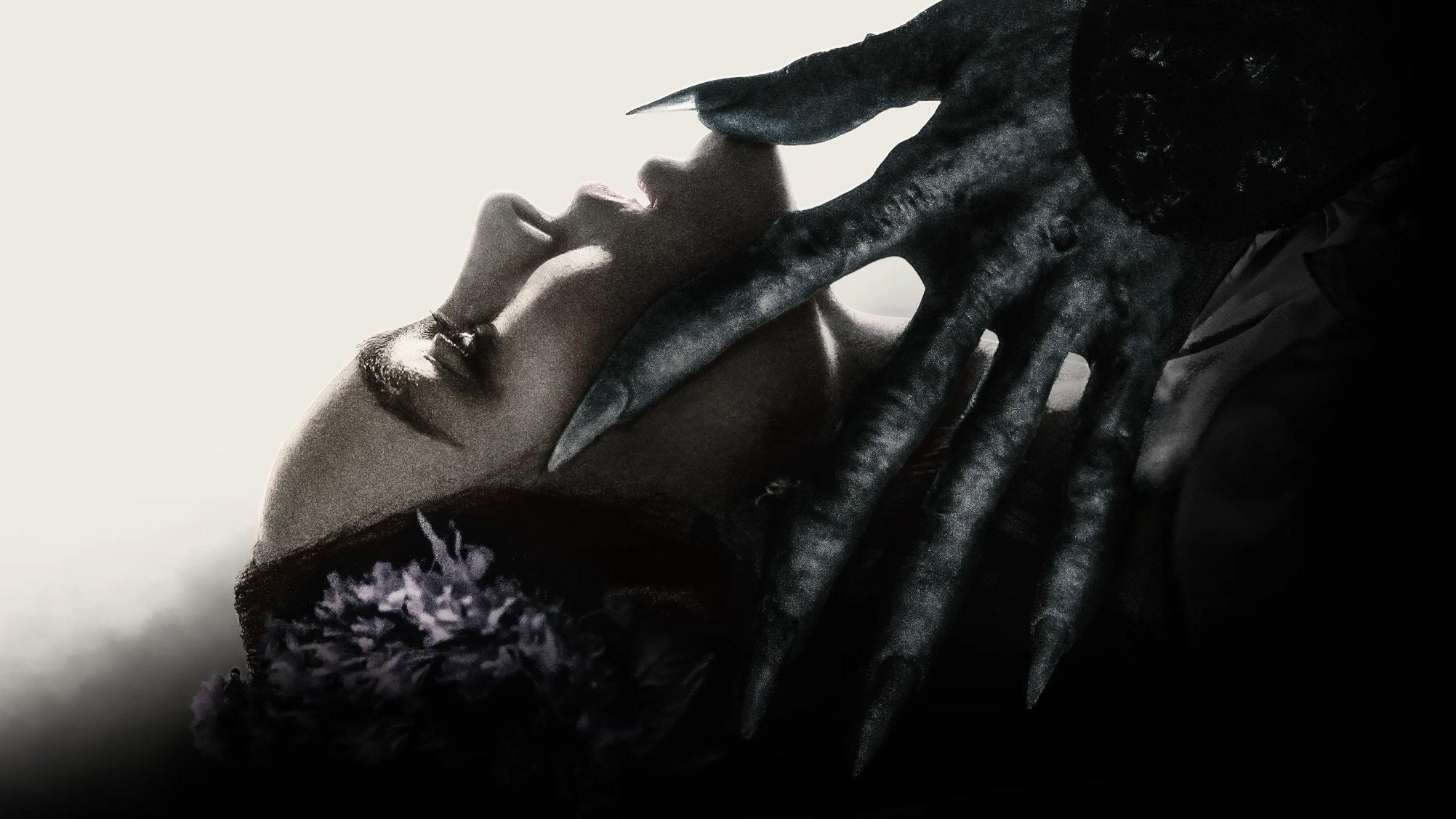
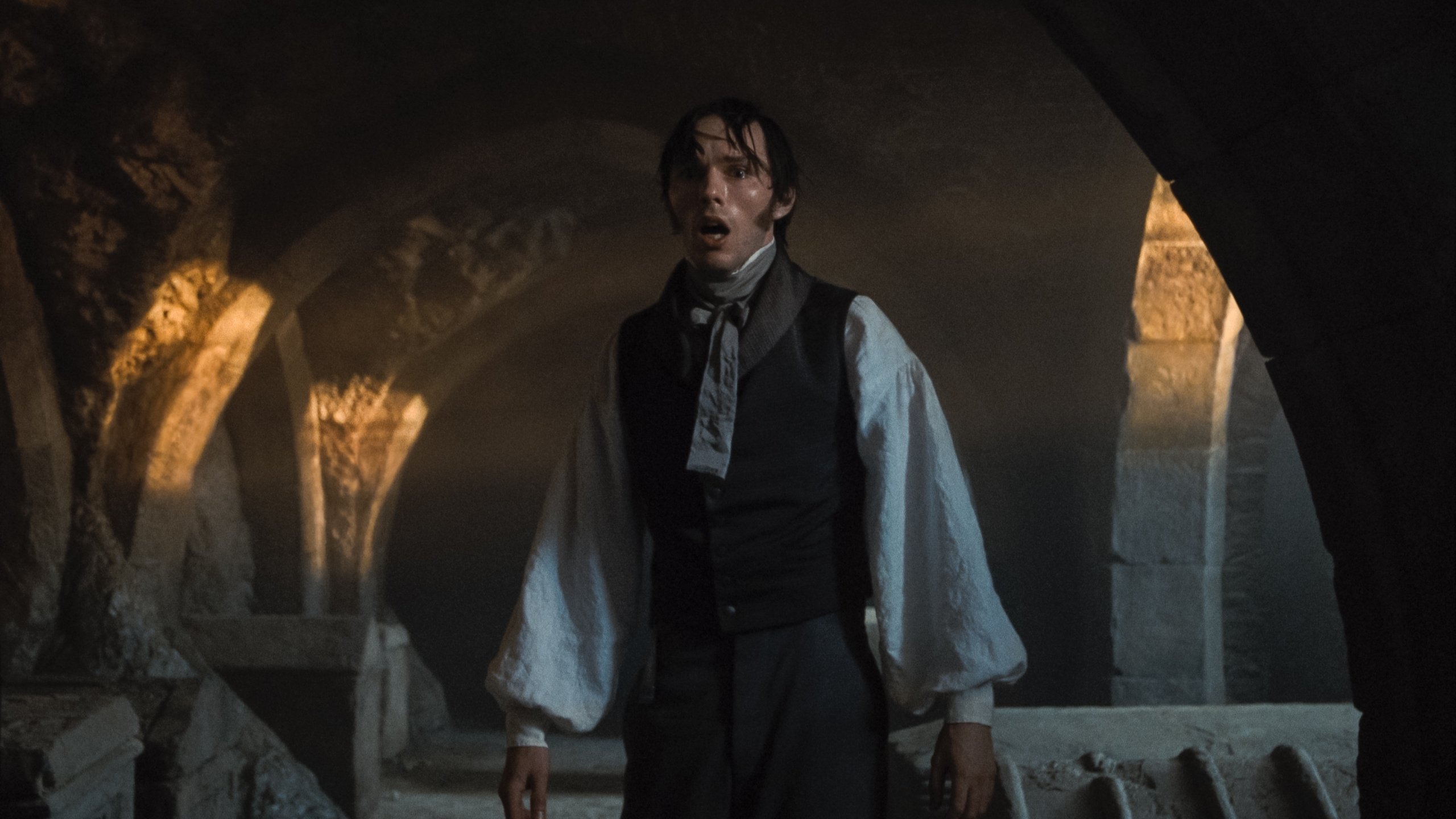
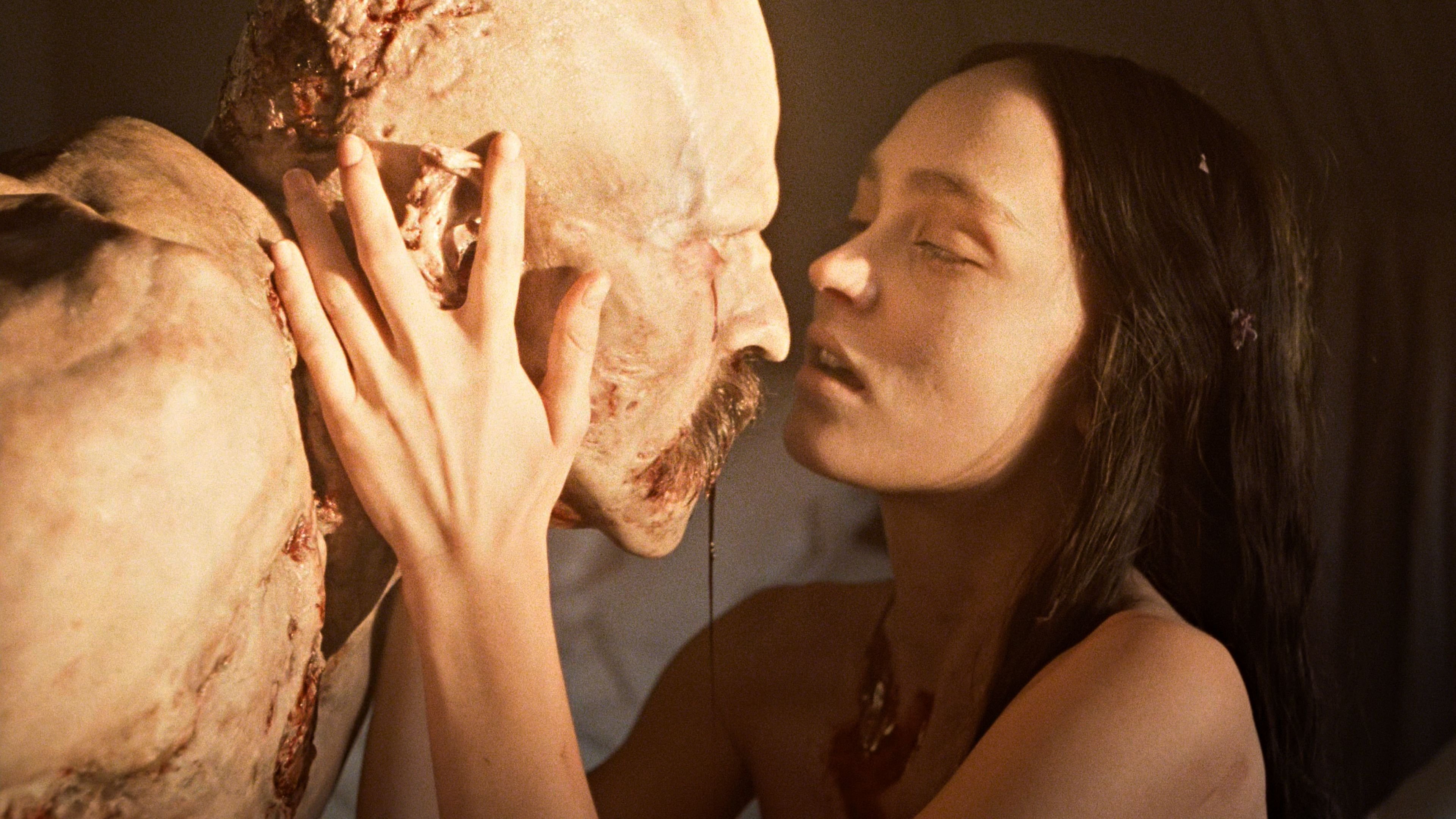
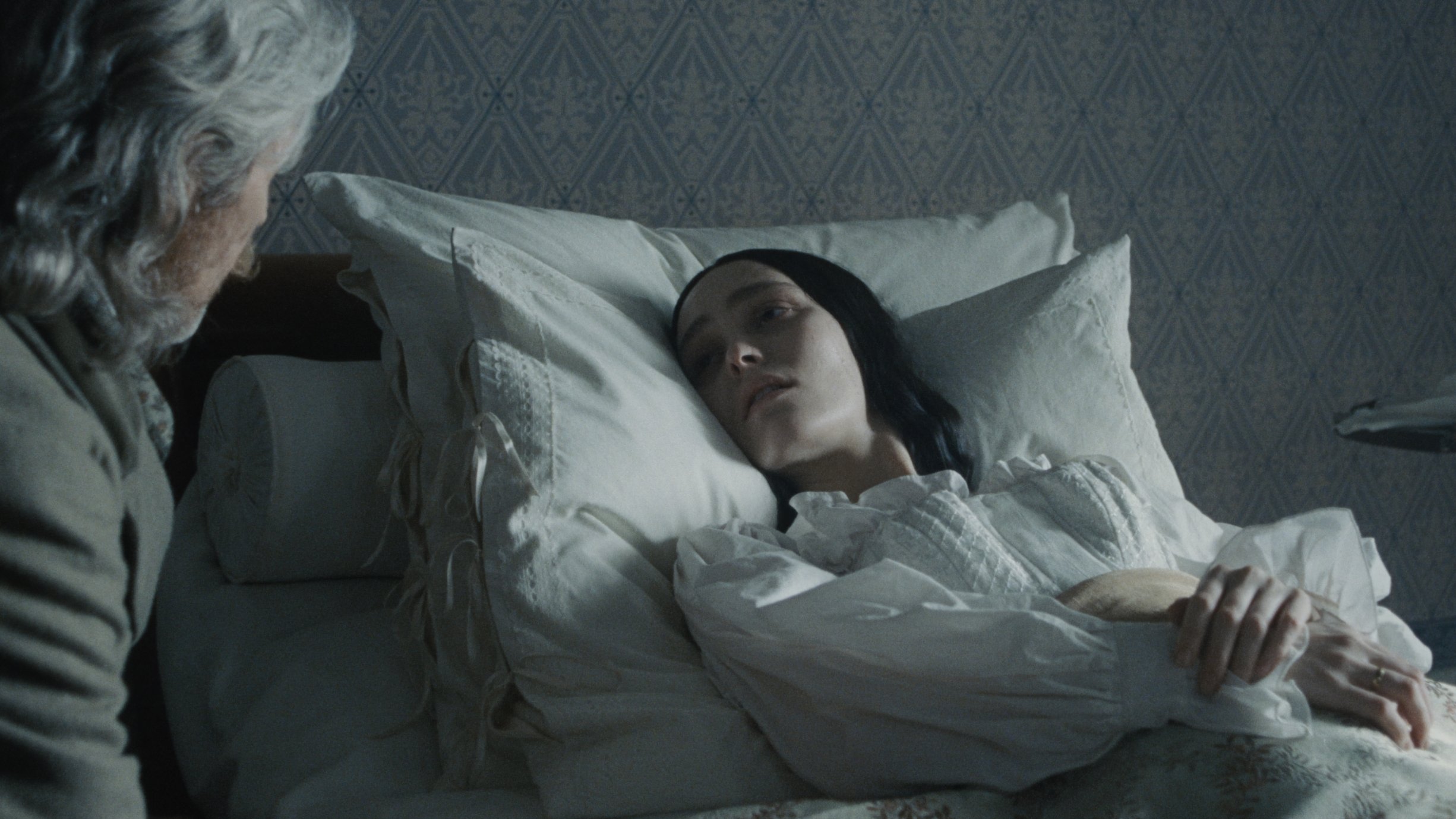
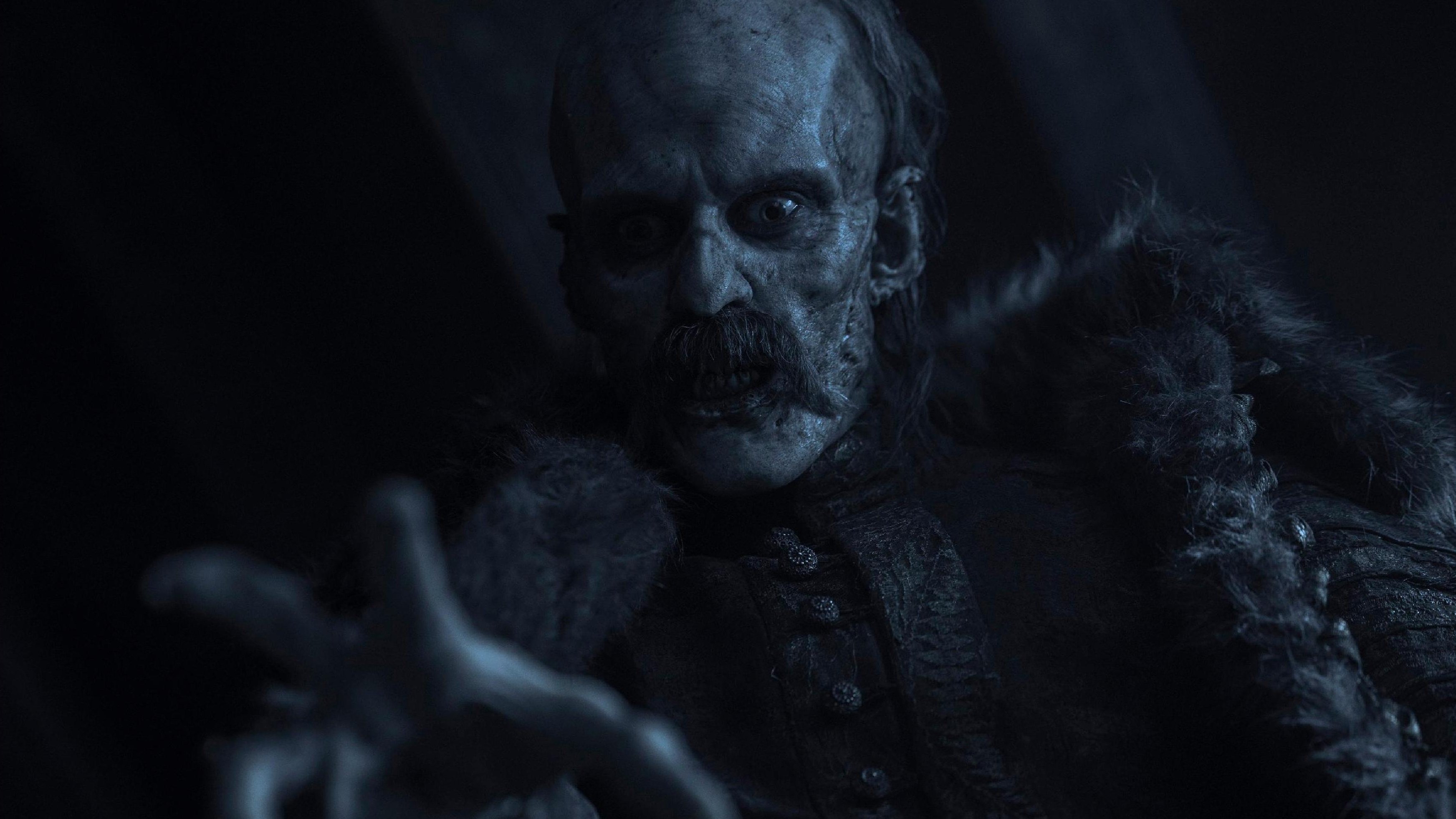
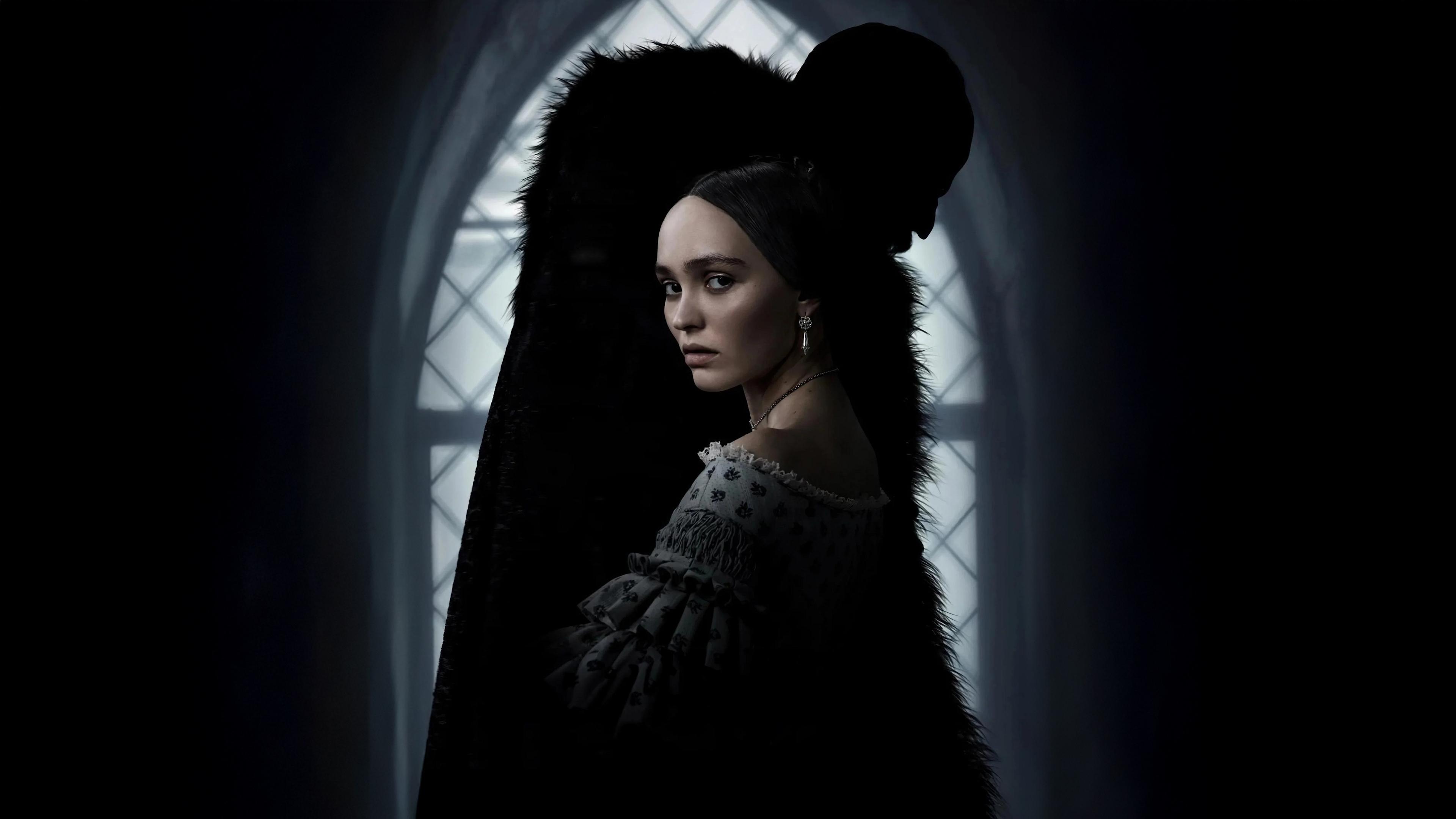
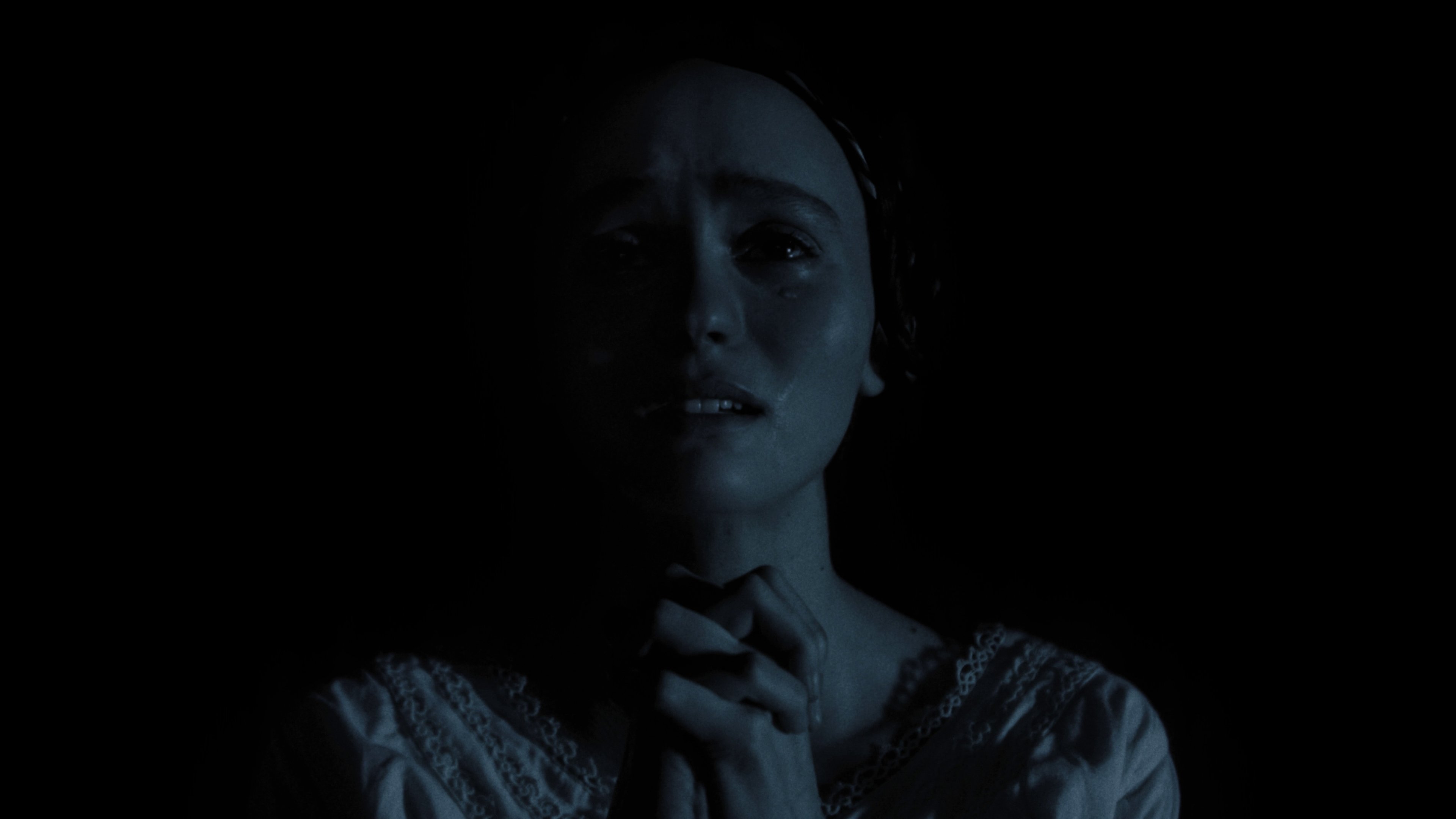
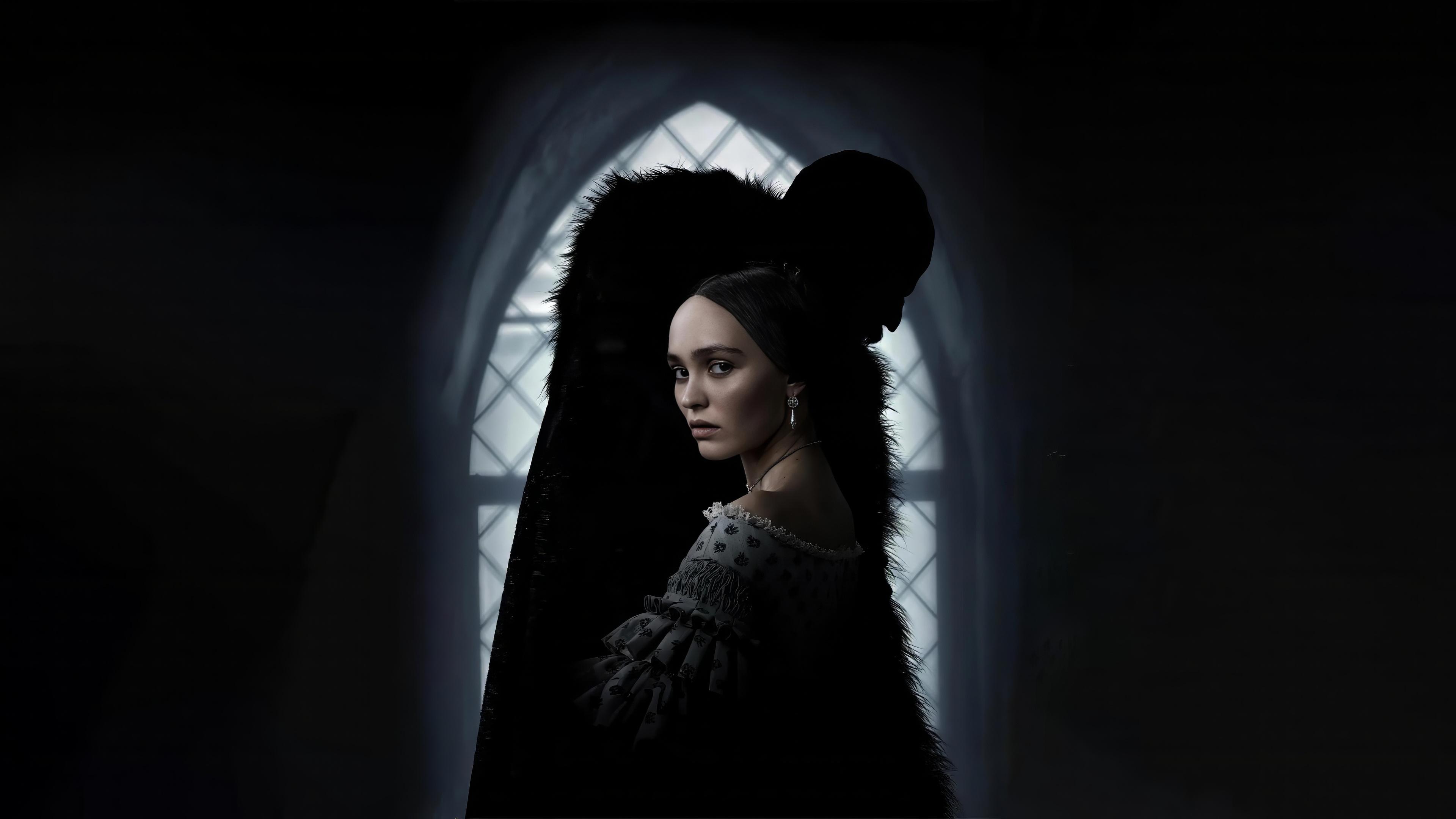
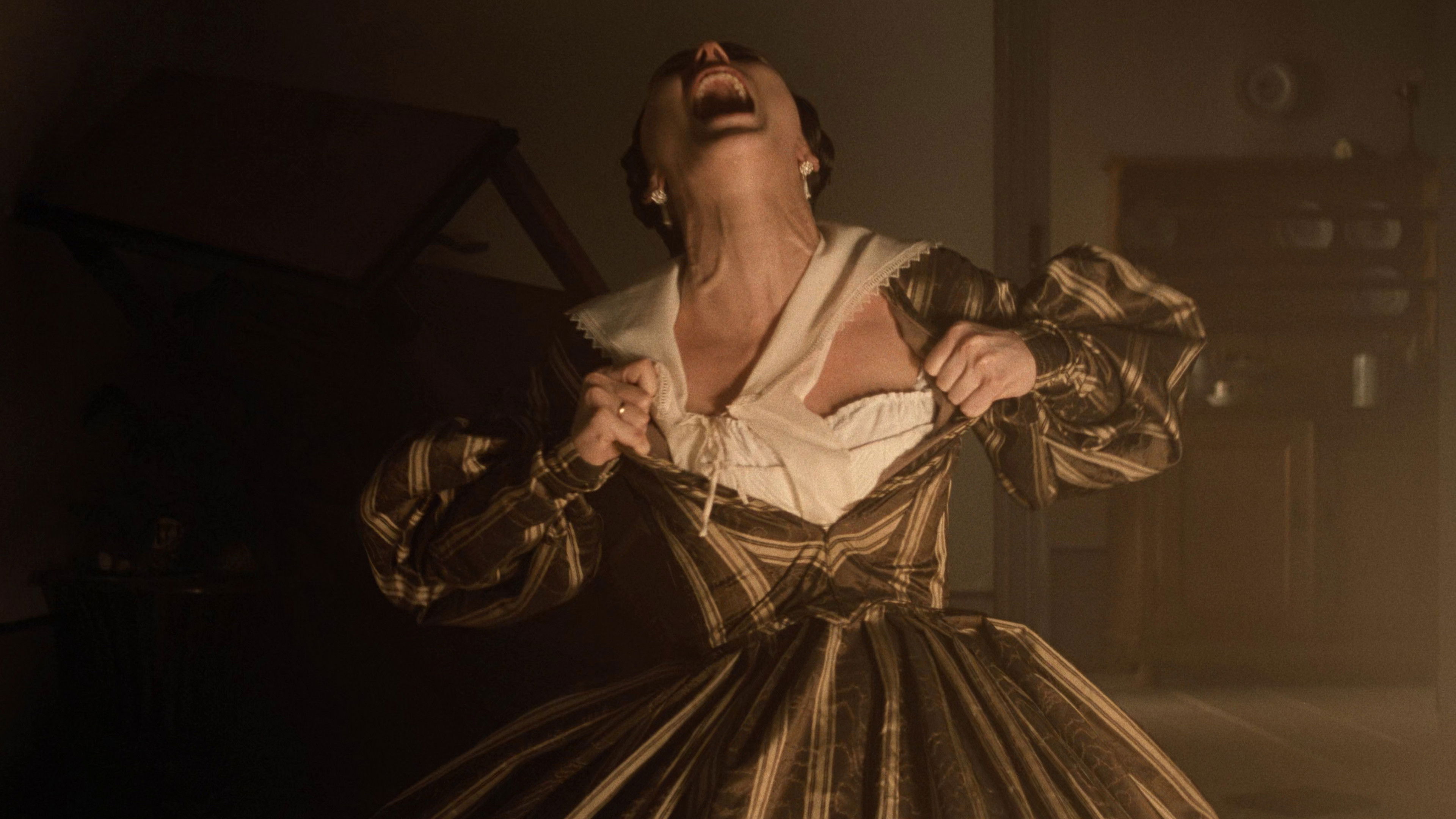
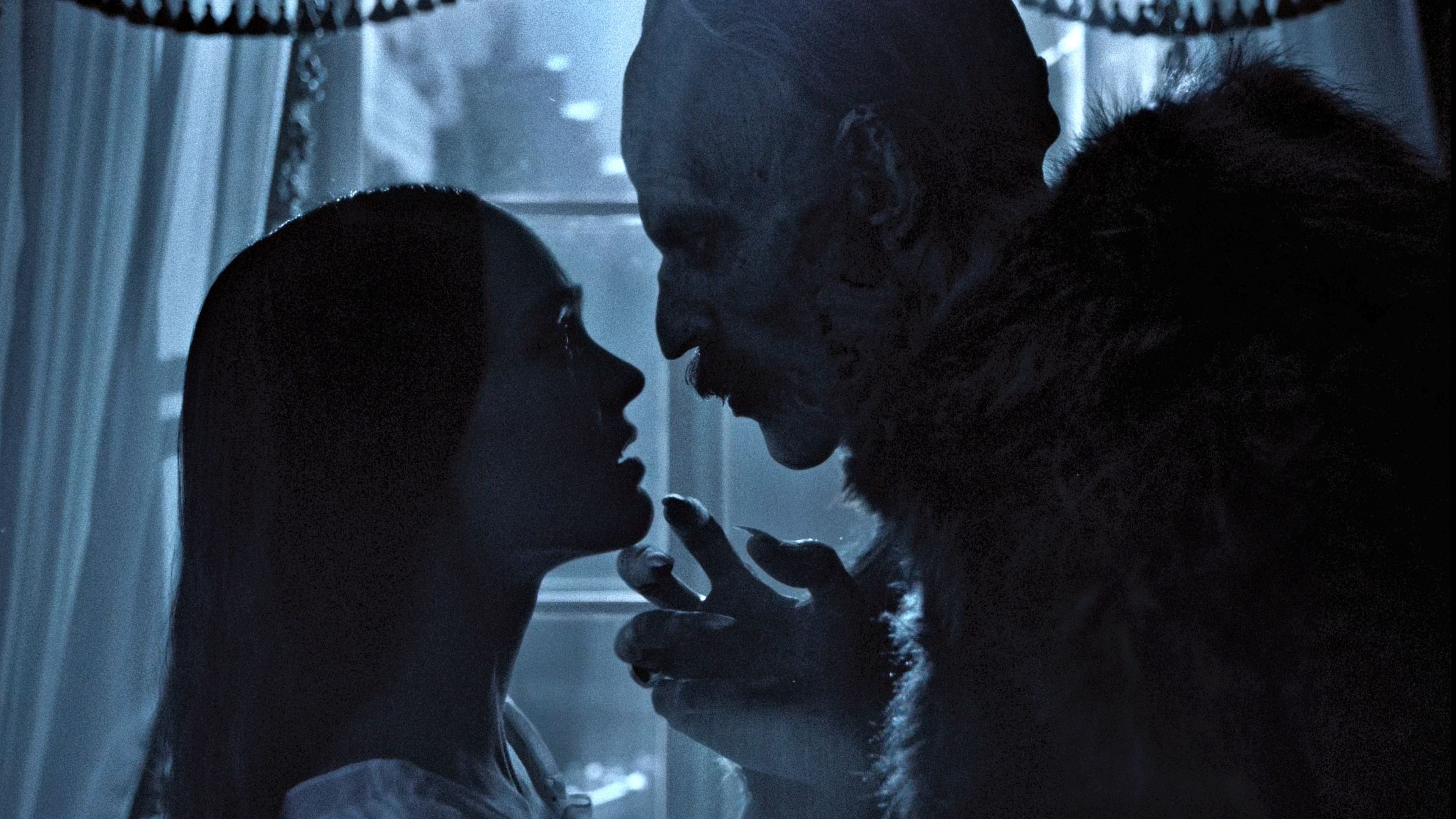
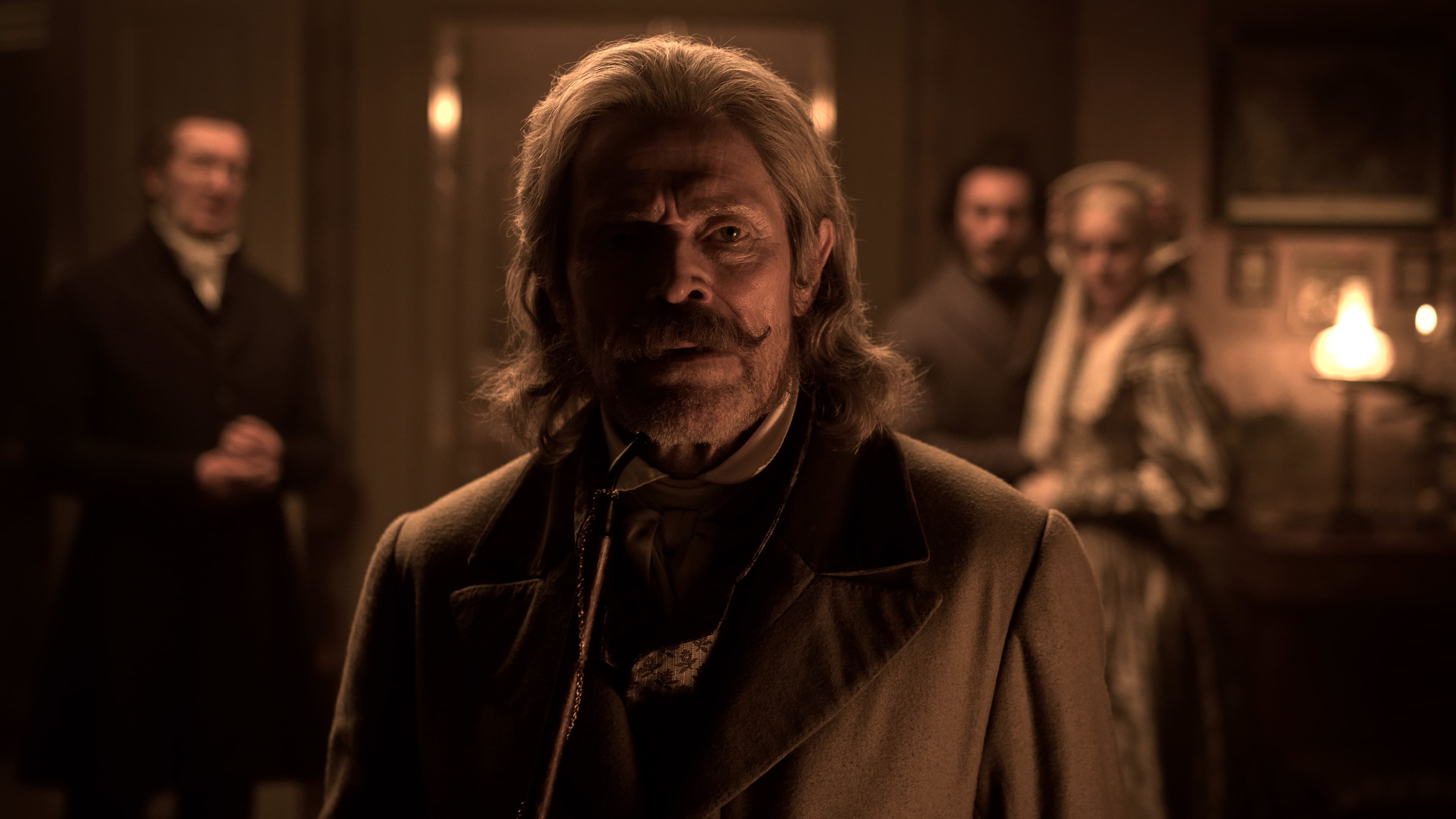
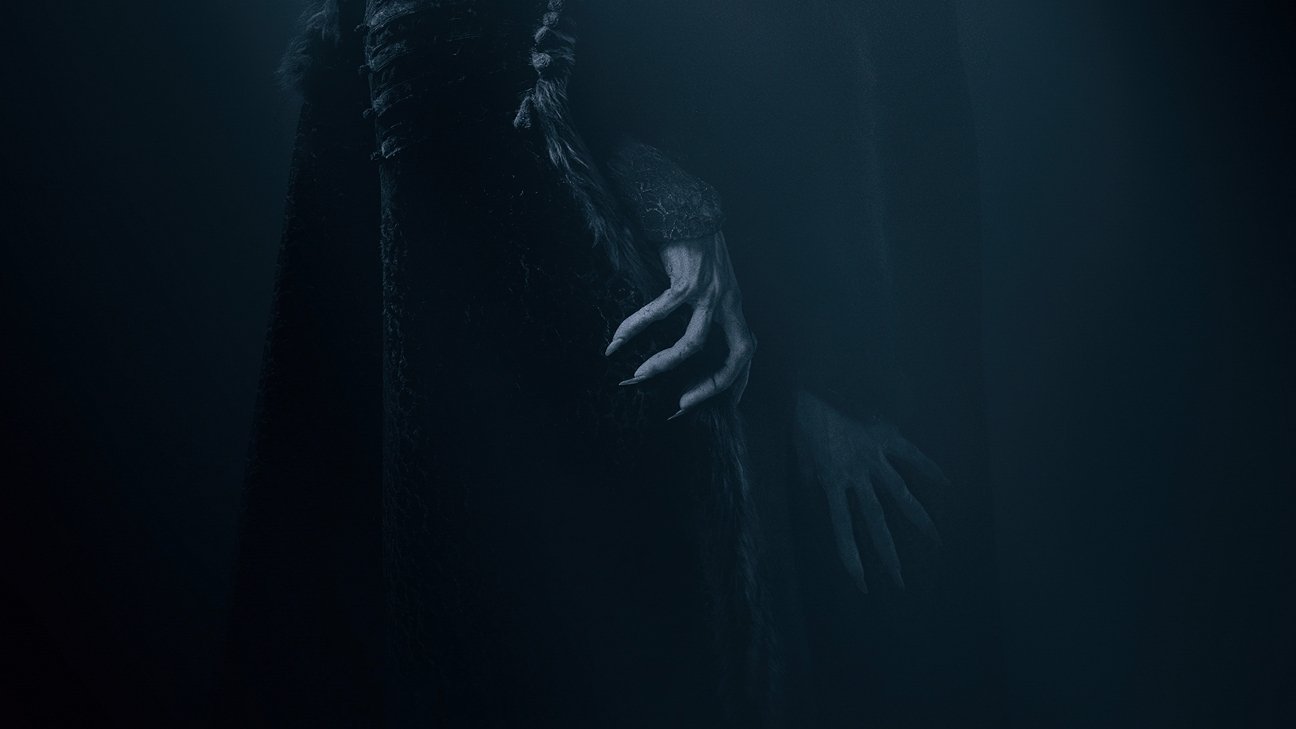
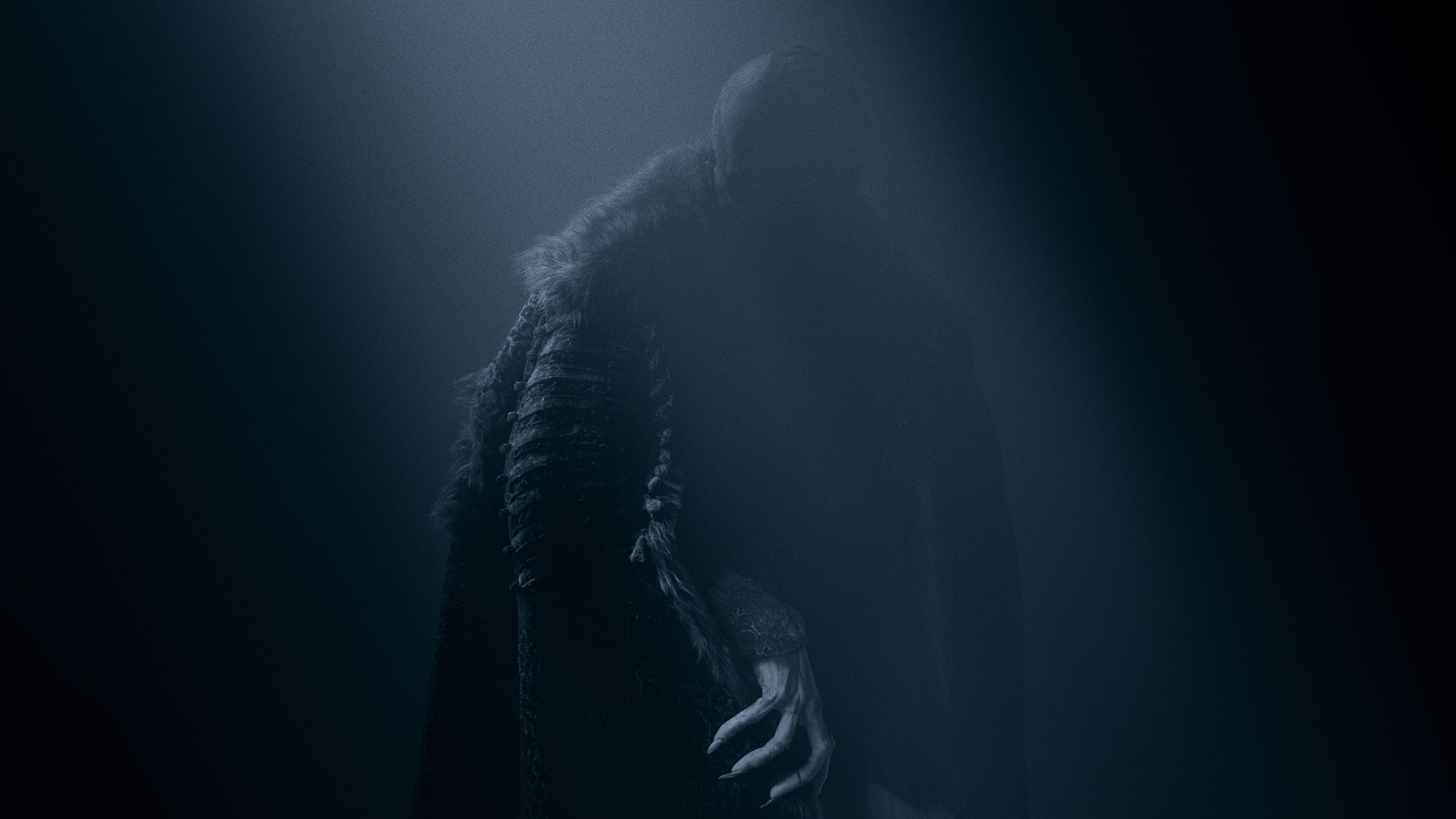
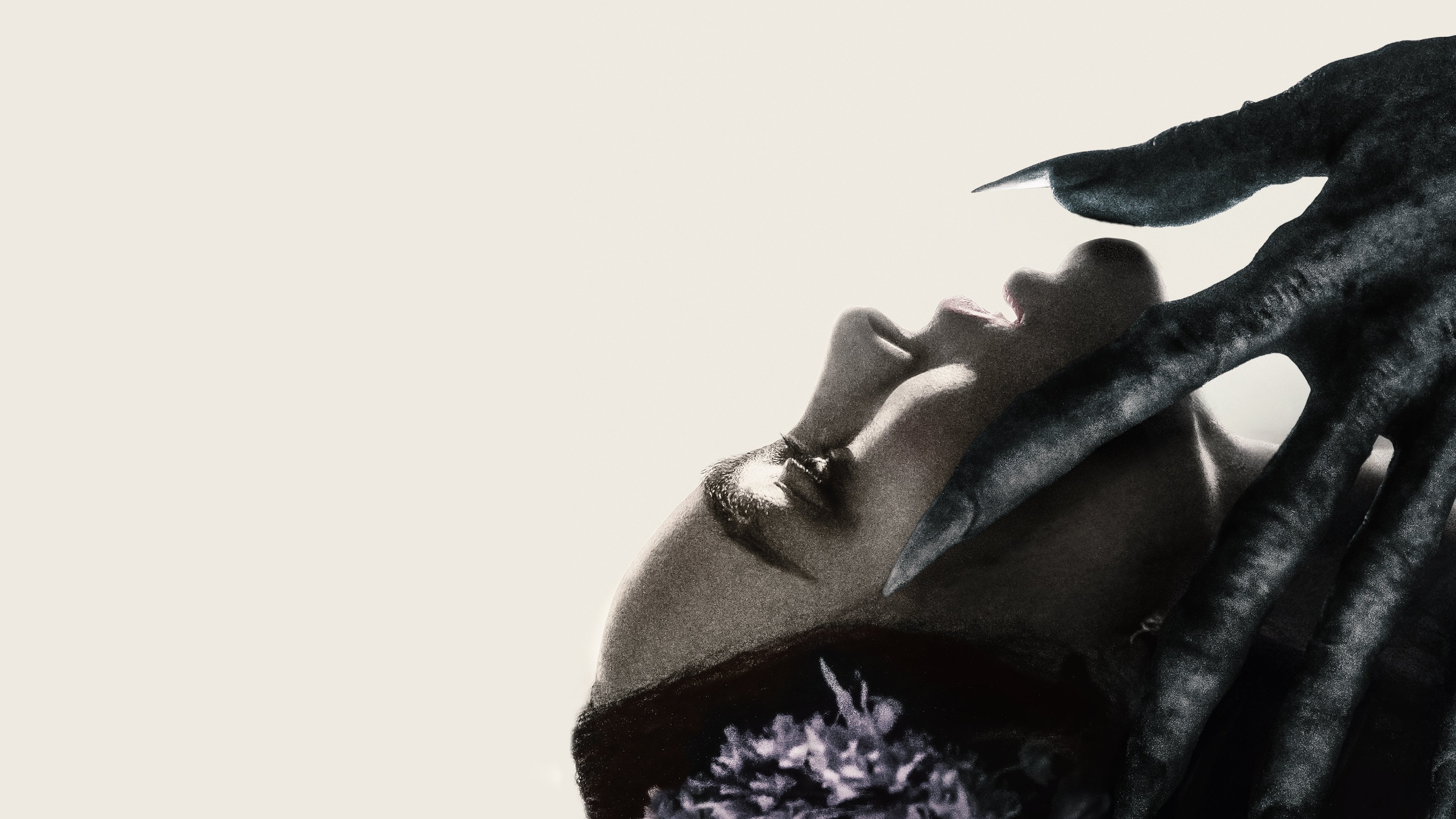
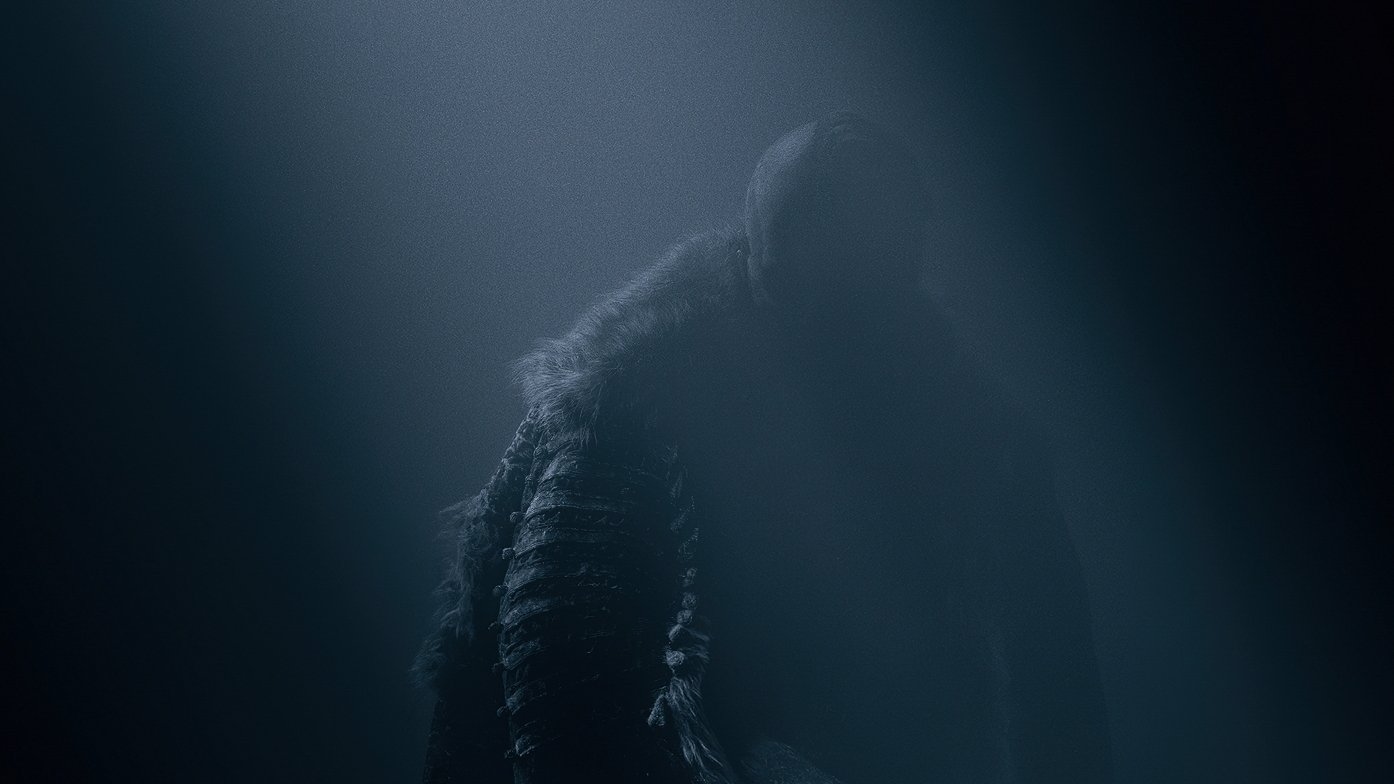
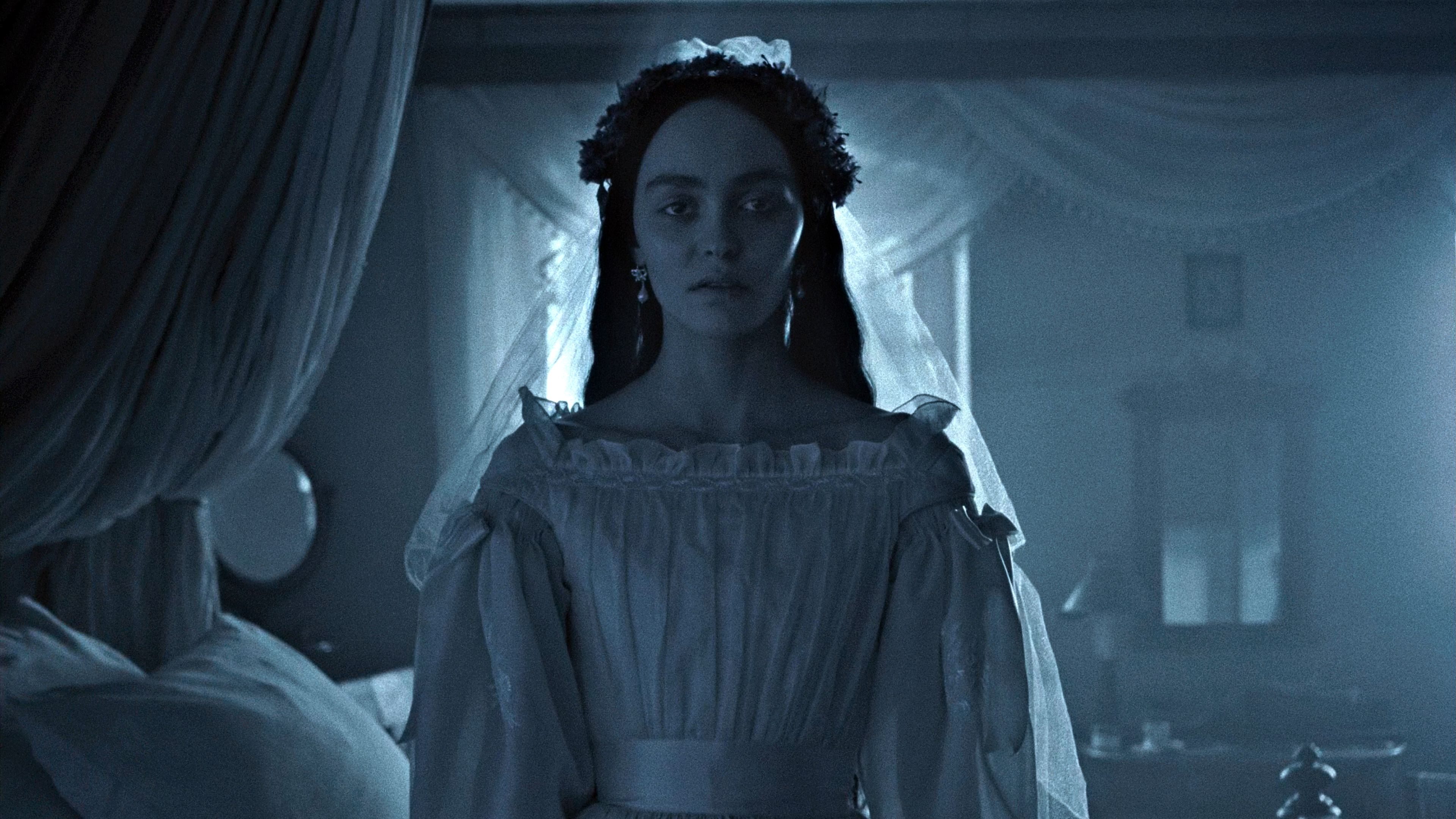
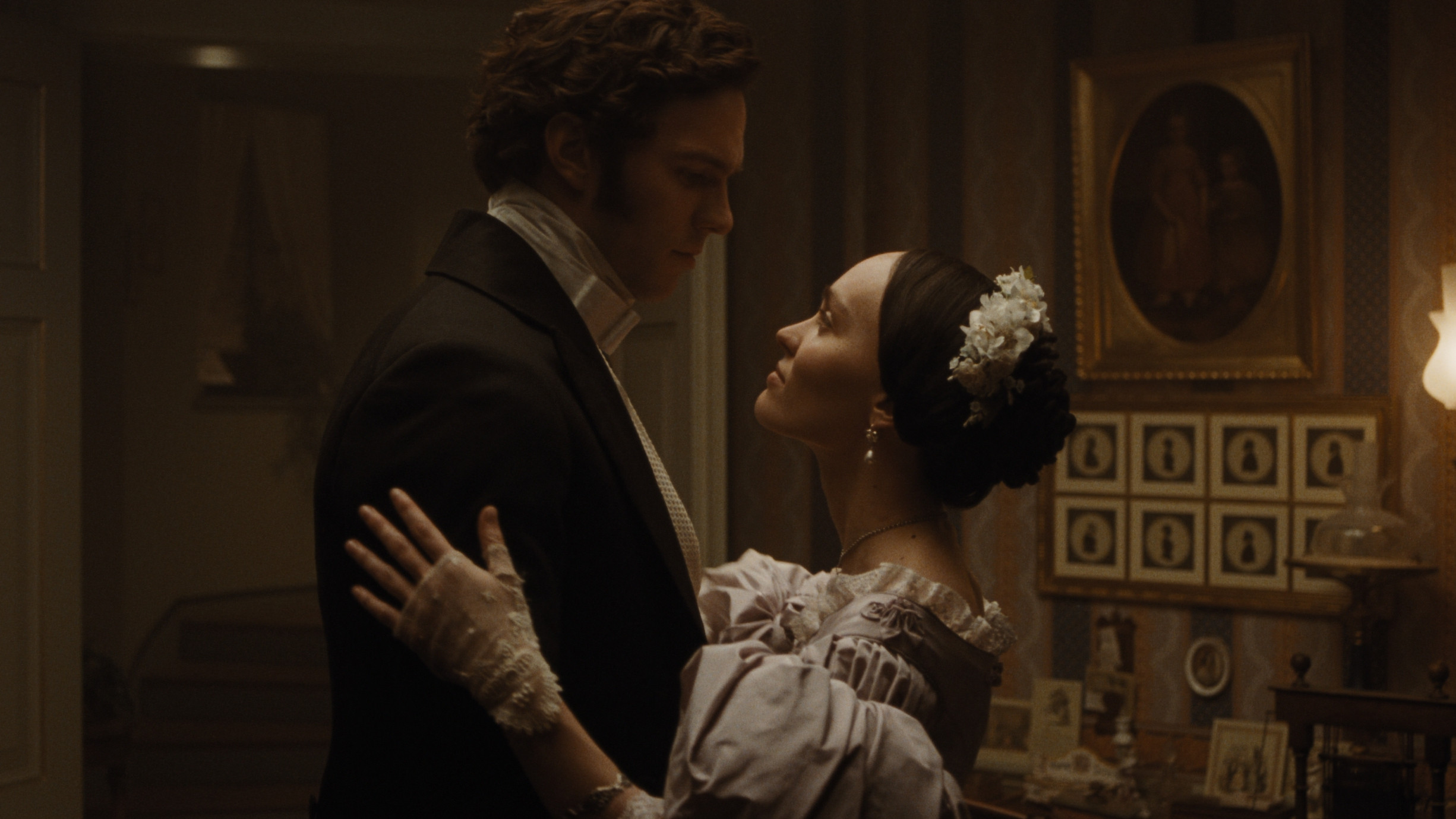
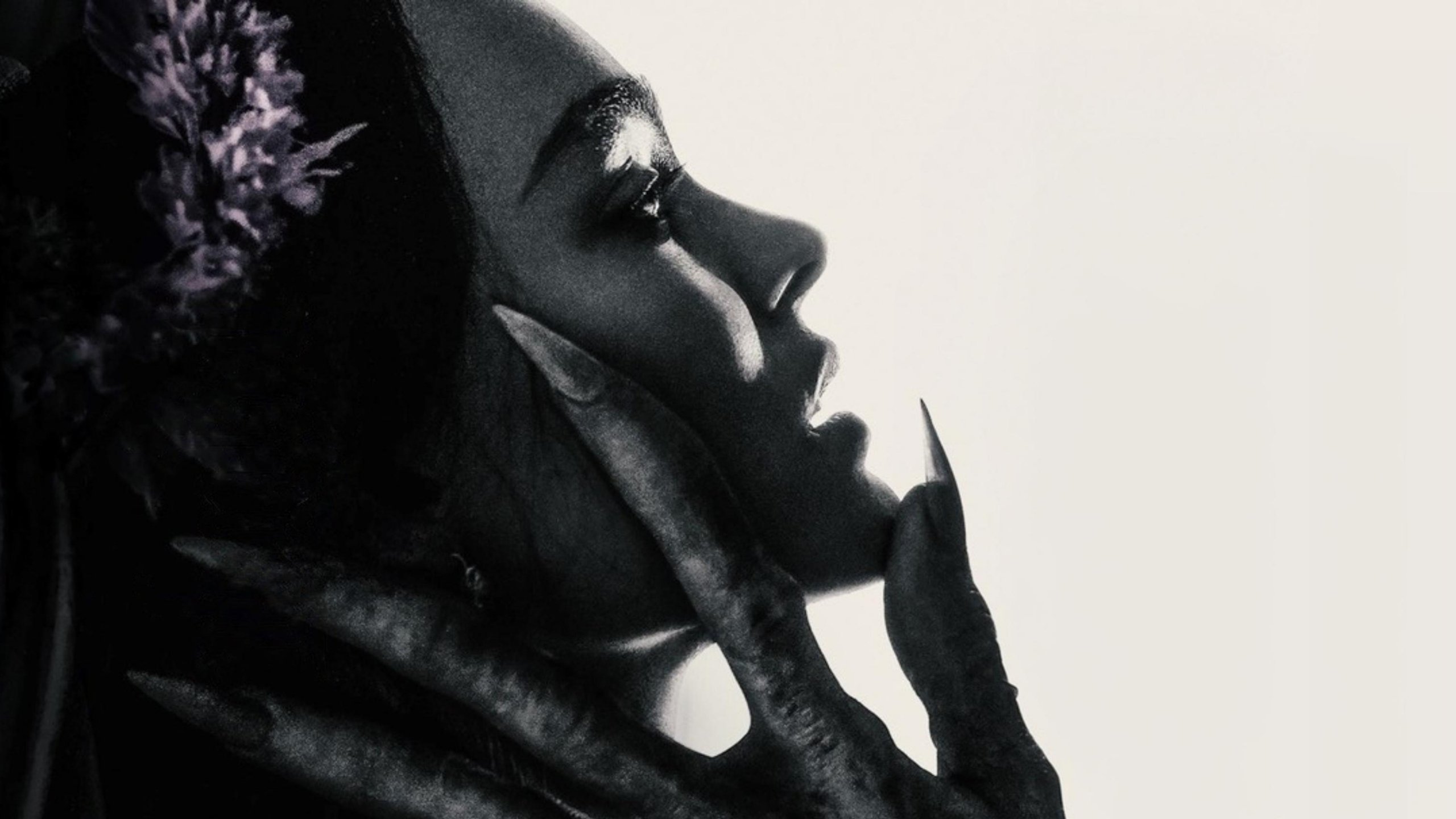
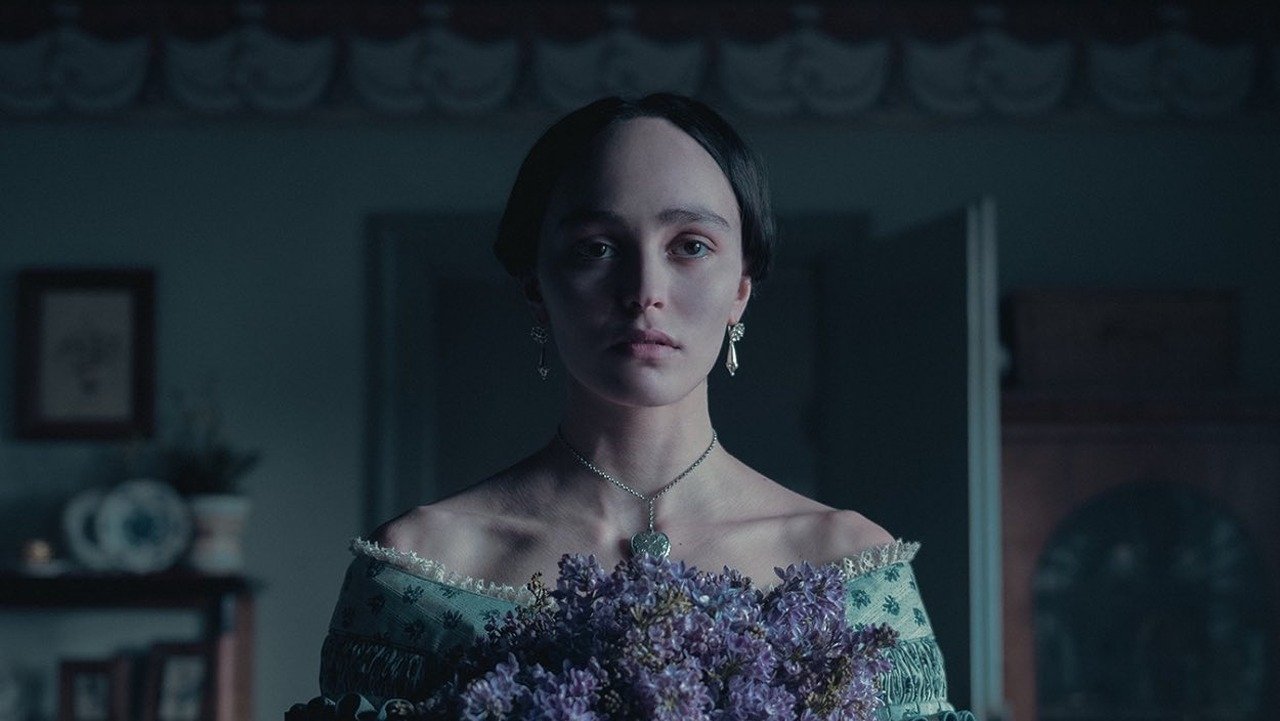
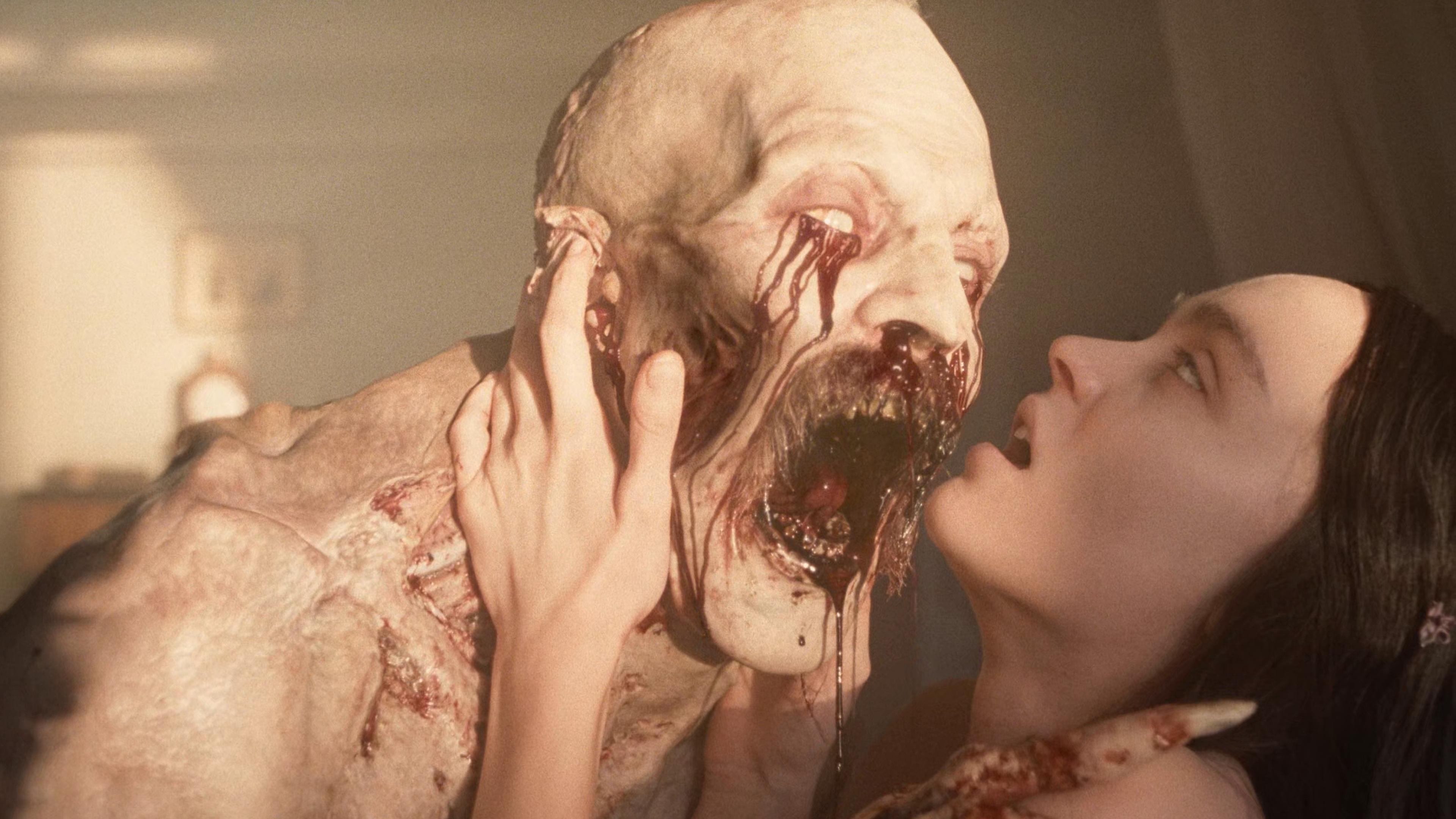
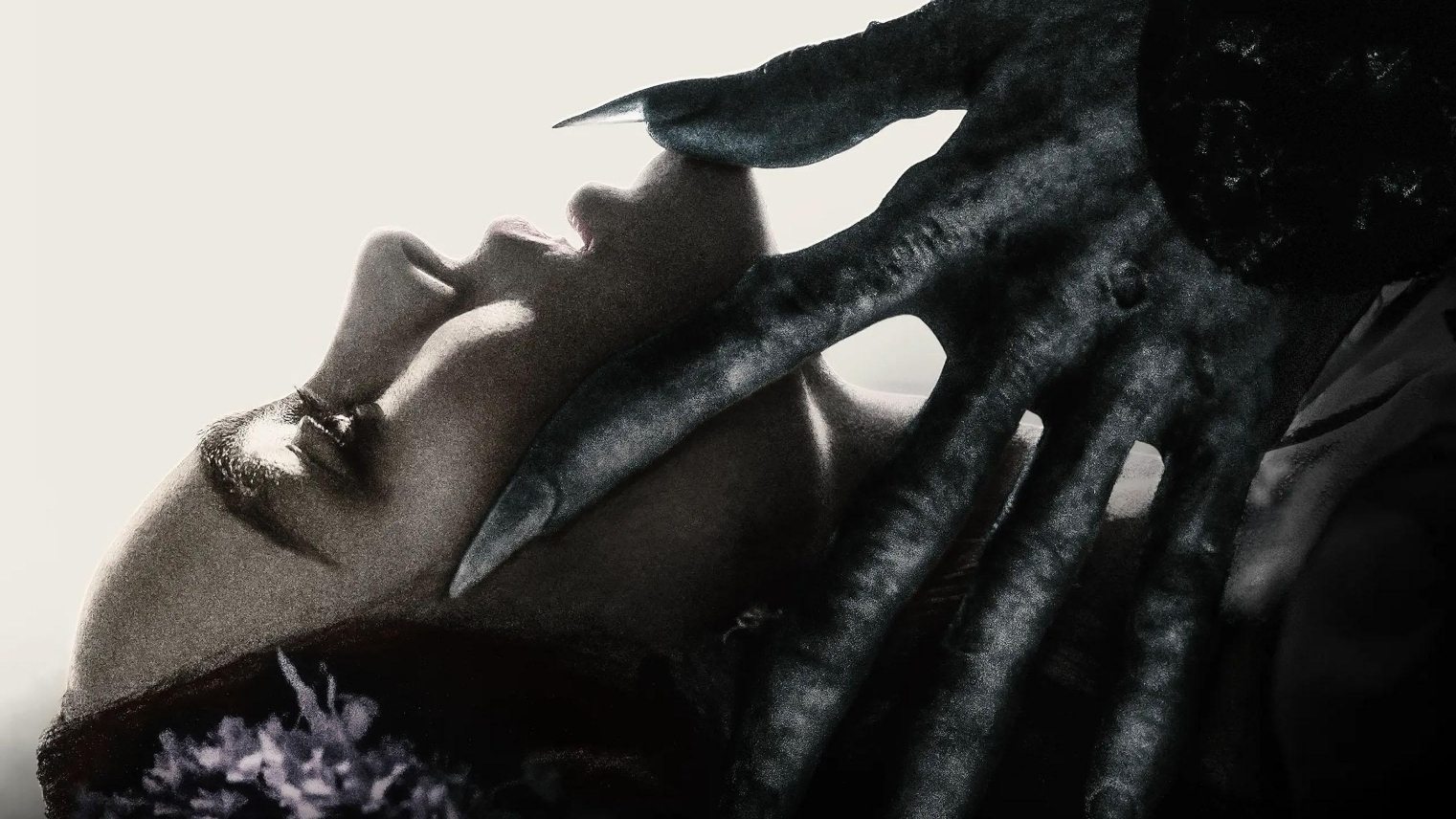
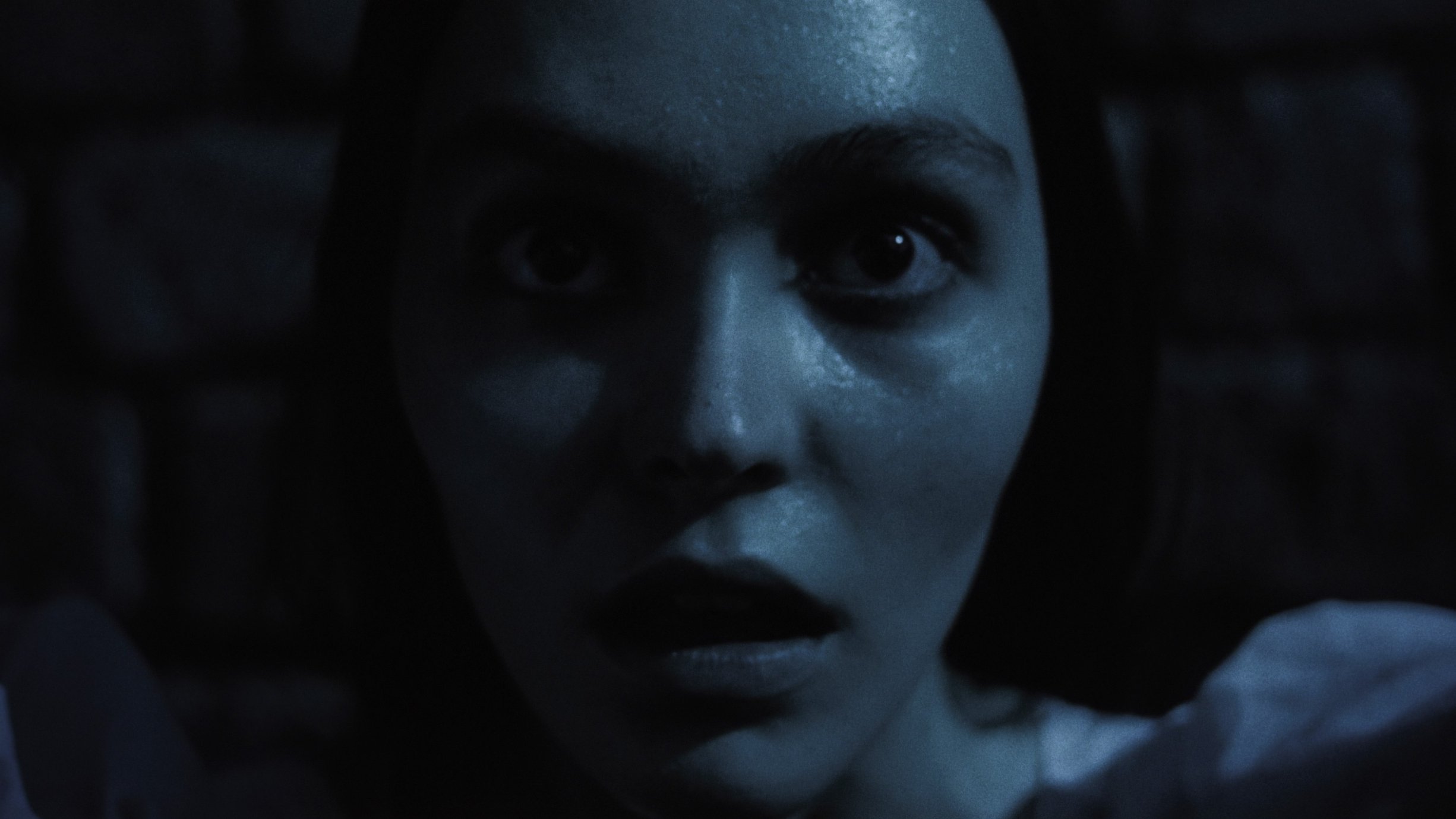
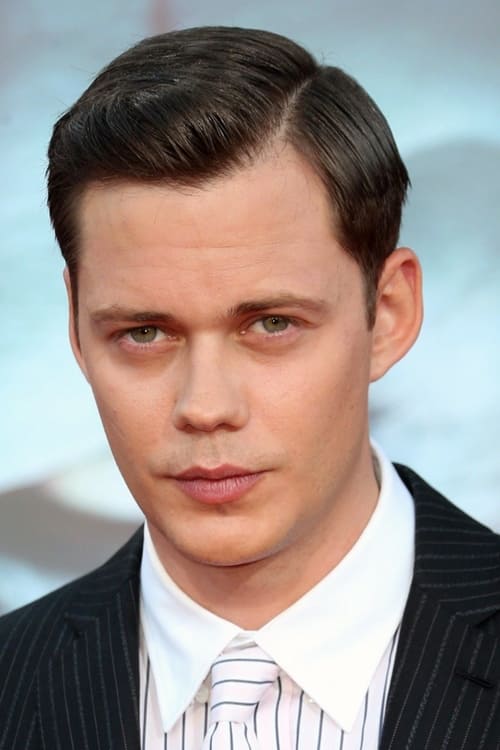
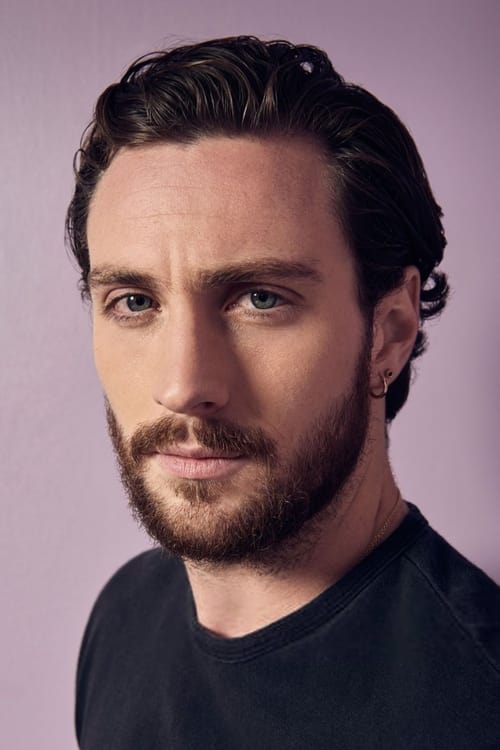
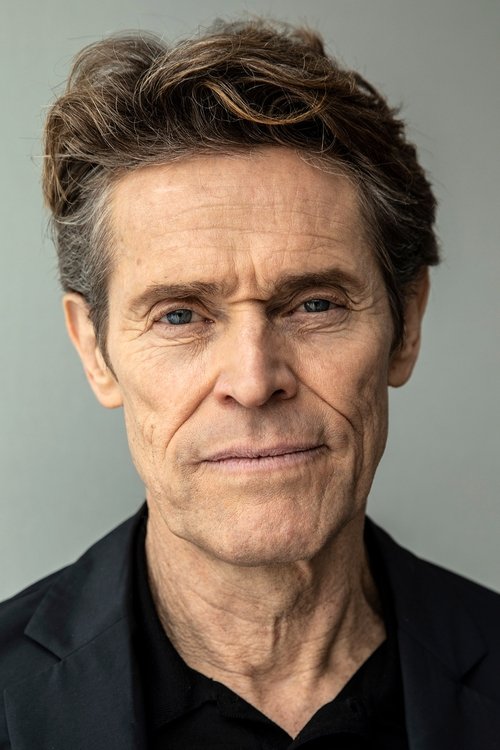
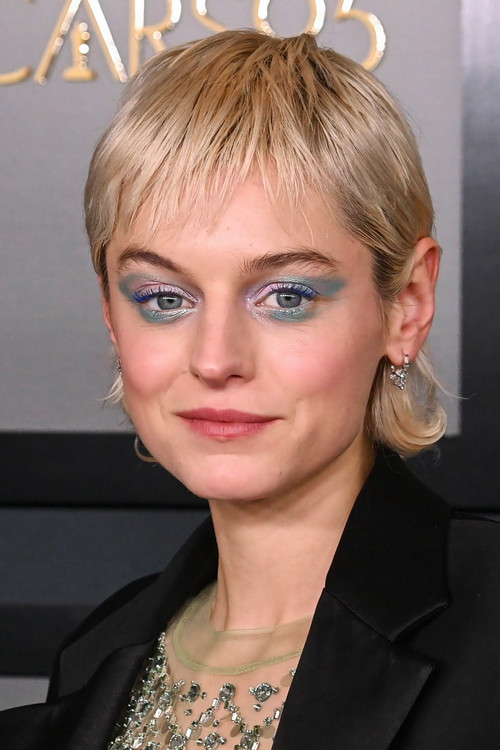
Depp, doing her best Keira Knightley impression, gives a fantastic performance: strange and alien, but fiercely watchable. Dafoe, Hoult, and Taylor-Johnson all start promising but eventually slide into their usual shtick. Skarsgard is wildly transformed, and while I don’t love his look (Murnau’s Orlok was viscerally upsetting to look at), I remain impressed by his performance contributions.
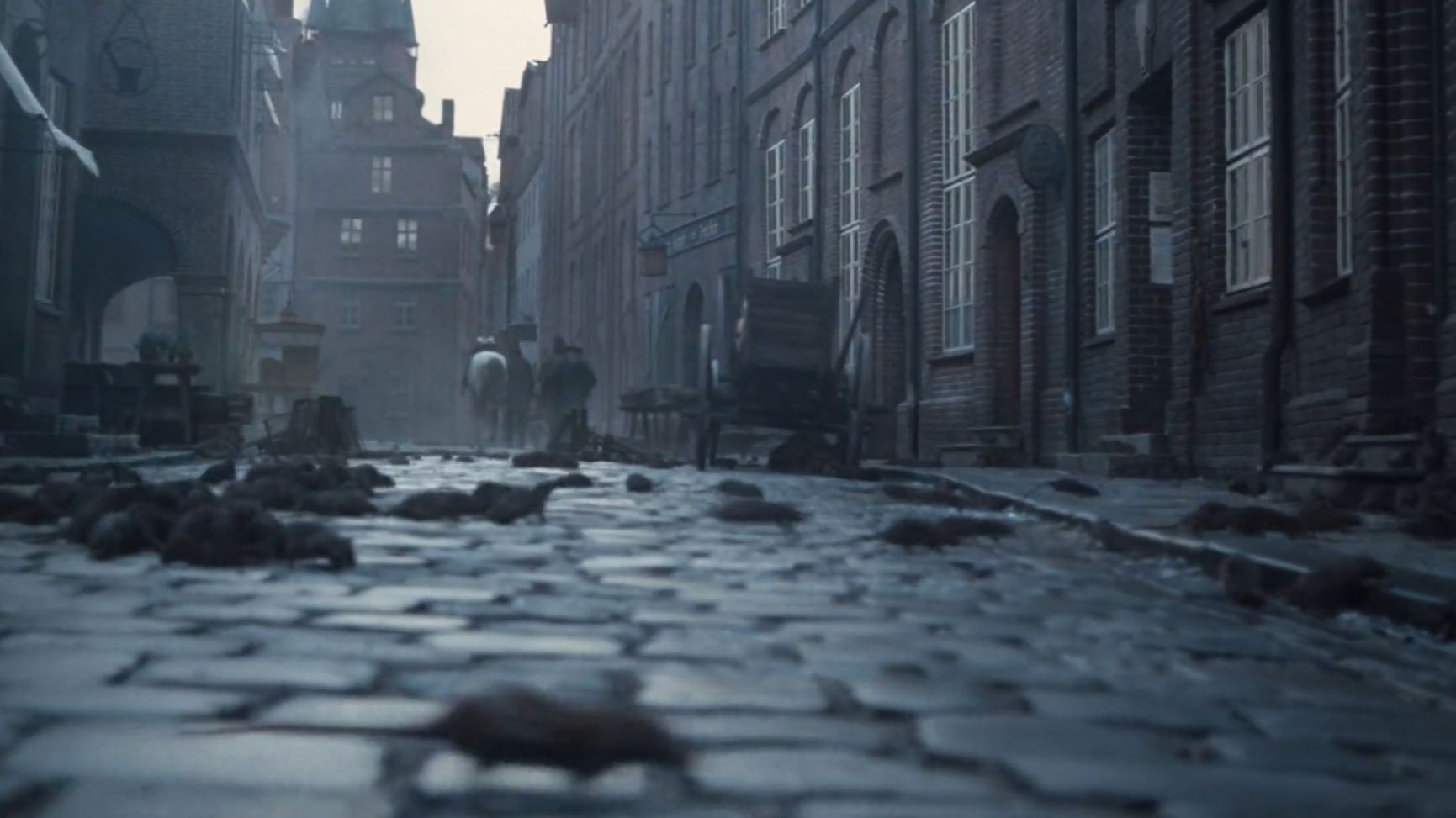
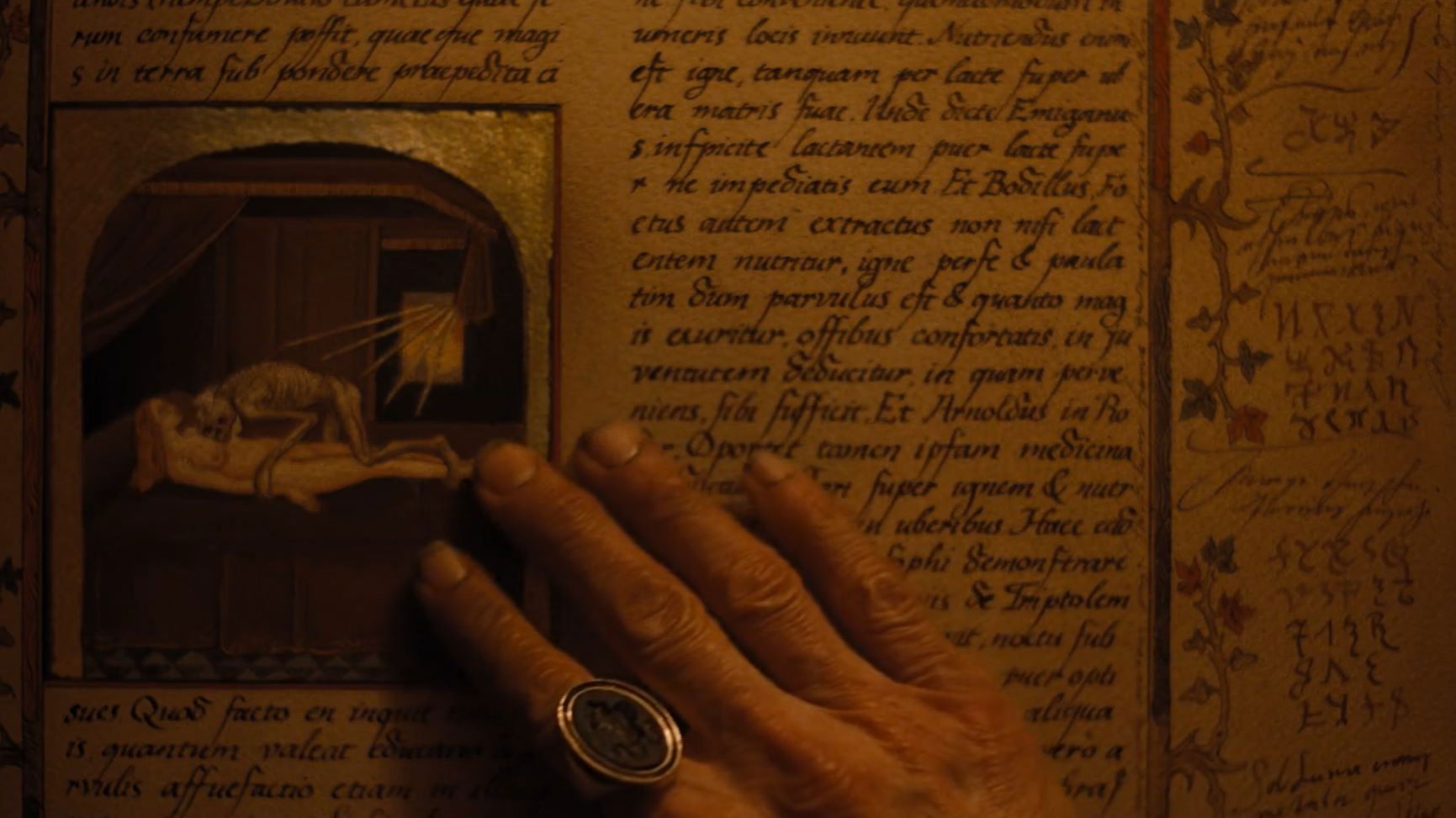
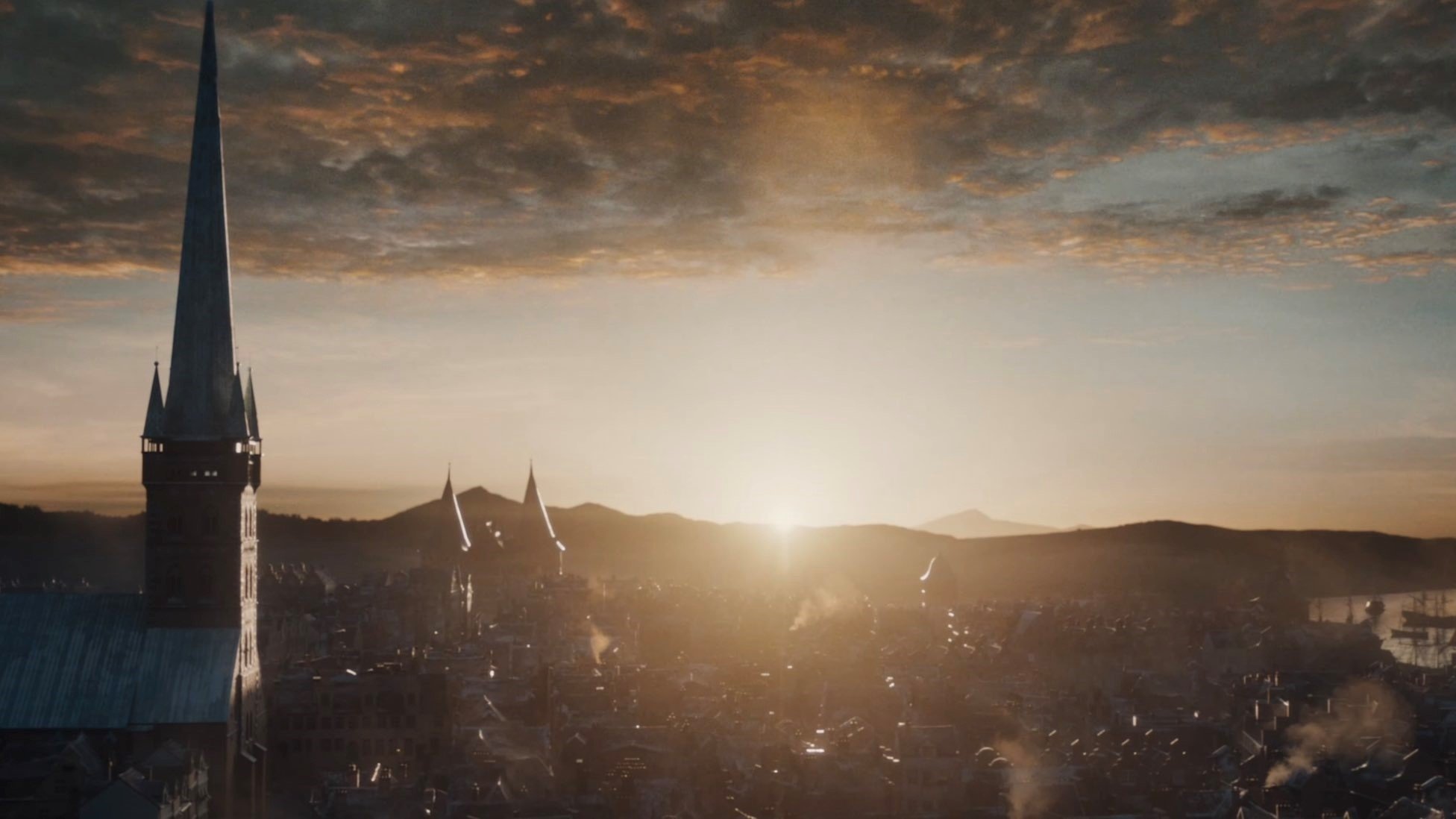
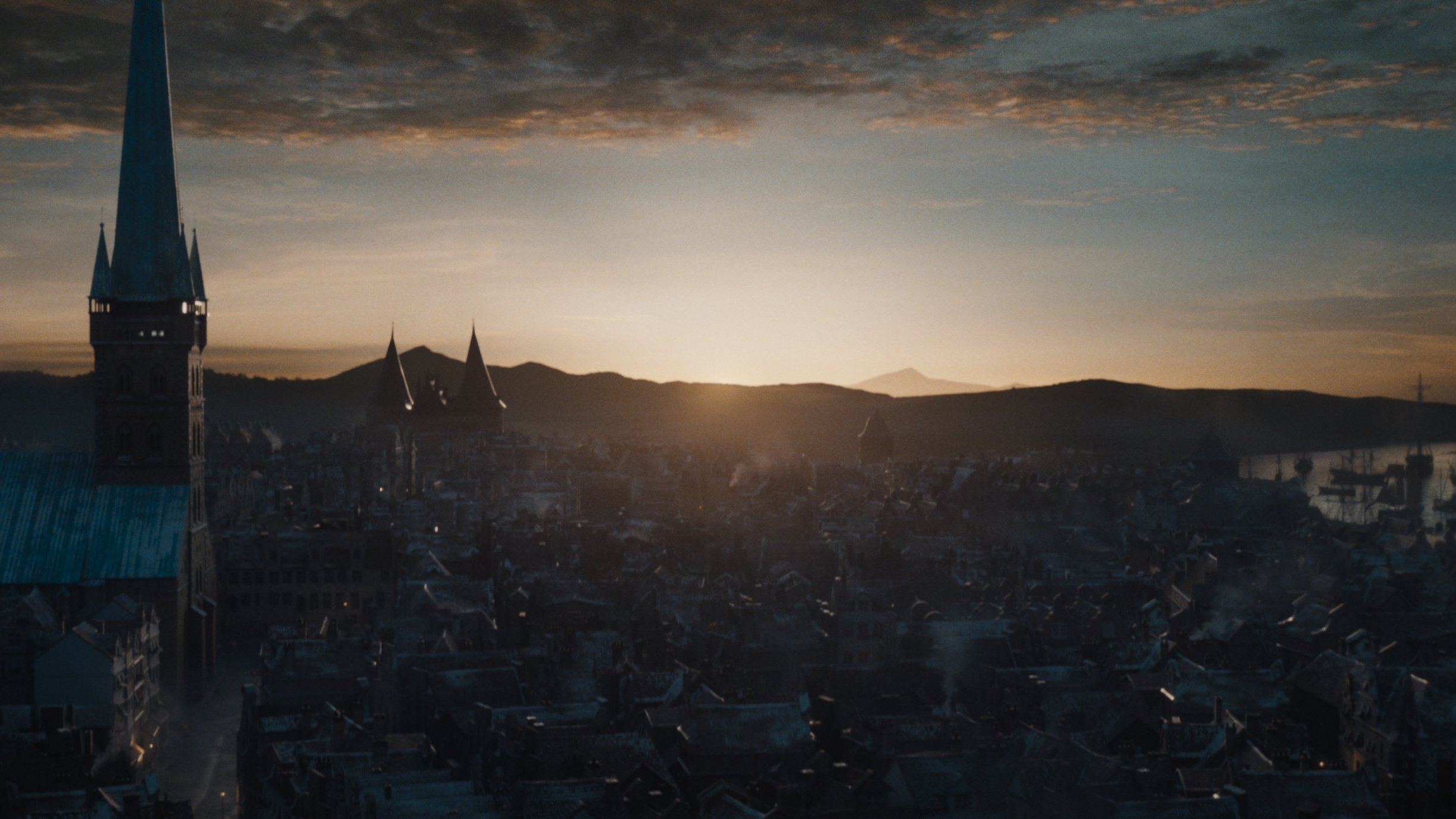
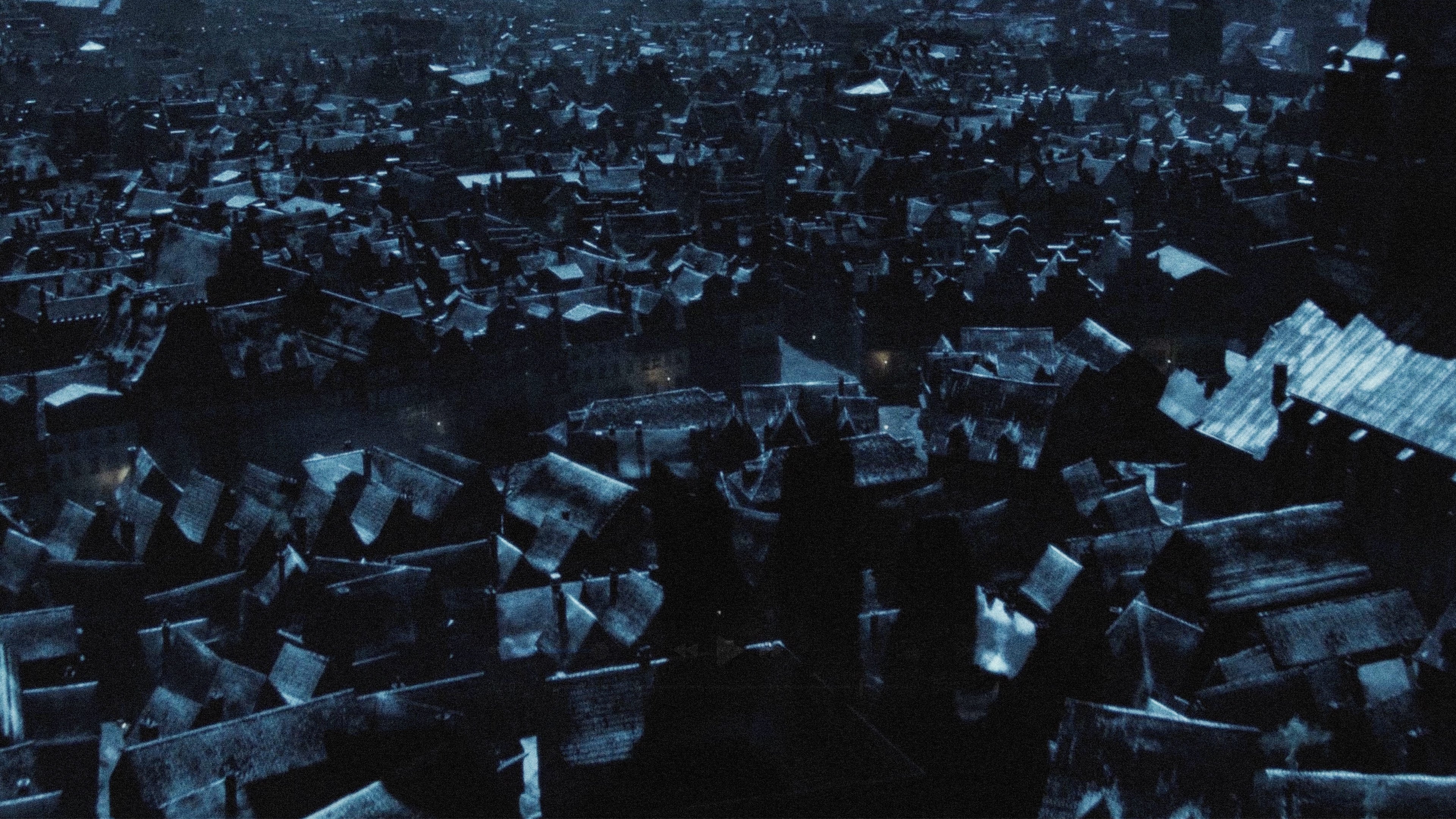
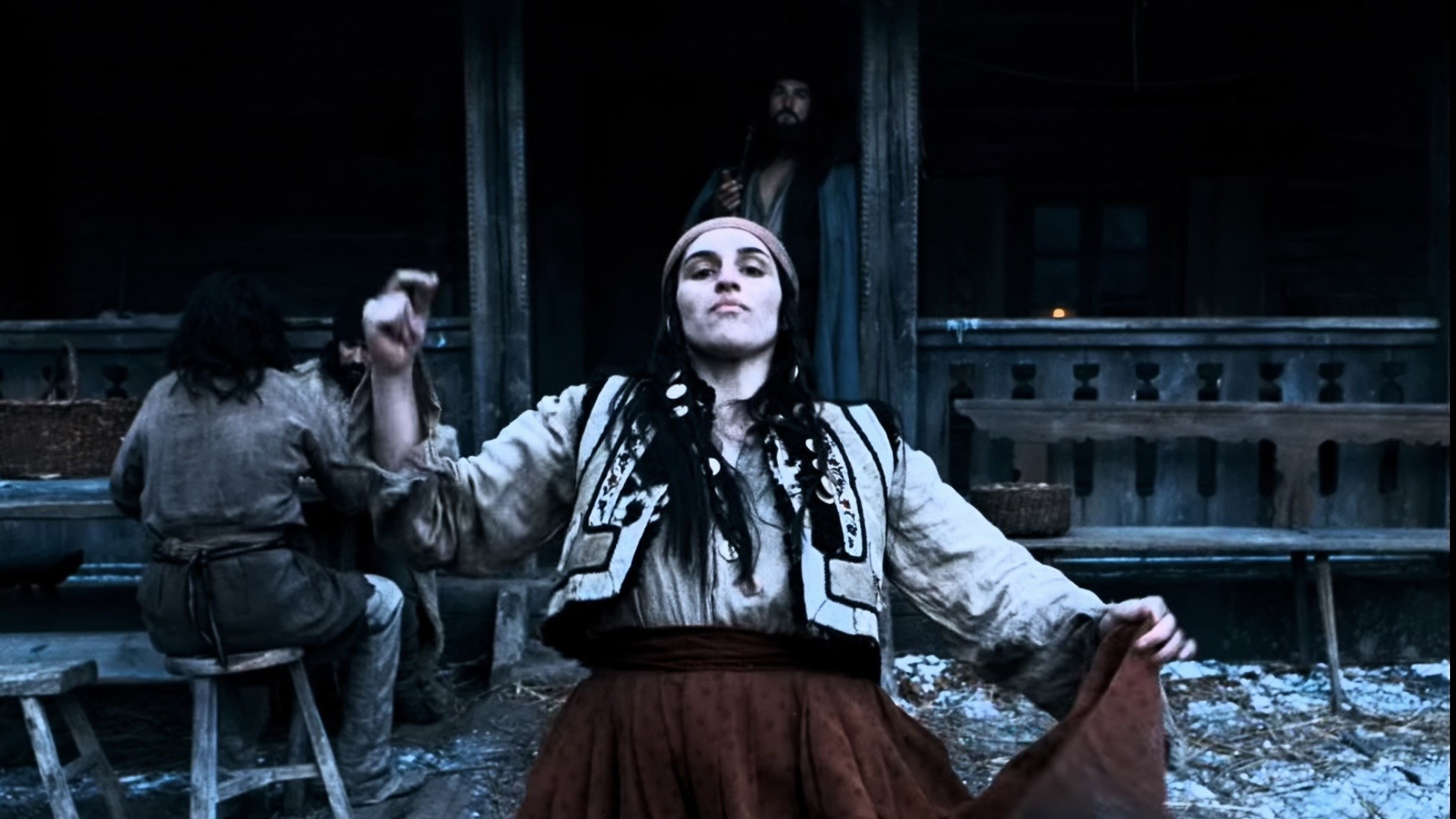
Unsurprisingly, Eggers delivers a staggering production (though the Victorian era has never really interested me). Additionally, as with the other Eggers’ outings, the moderate thrills are mostly generated via strangeness, as opposed to narrative momentum or emotional grip. The “doom metal Wes Anderson” label is amusingly fair. Give me a thrash metal Wes or a black metal Wes and I’ll be the first one in line.
Dramatically, I don’t think Nosferatu really works. Certain filmmaking choices communicate a tragic tone, and I just didn't feel it. Structurally, the film has a protagonist problem, cutting between too many plotlines in an ill-fitting manner. The finale too unfurls on a nonsensical timeline without meaningful plotting. As a storyteller, Eggers peaked with The Lighthouse, whose writing felt organic and unconstrained by an outmoded historical template.
Eggers has publicly discussed how this film has been a long time coming, a passion-project spanning his entire career. With the announcement of his new Werwulf movie slated, it’s starting to feel like each new Eggers project is more and more inevitable, and not in the good sense. We often complain about other directors mining public domain IP that no one cares about and no one is asking for, and I lament to see Eggers follow that same path.
If Eggers wants a new IP to adapt, give him Bloodborne to pair with Alex Garland’s upcoming Elden Ring. Just let Garland write both. Eggers claims he hasn’t played video games since he was 13, while Garland has accurately extolled the challenge of Malenia. Even though Eggers is 15 years his junior, I align much more closely with the youthful irreverence of Garland that, in truth, cloaks a stirring and relatable humanism.
Growing up, my mom would drag me to rug stores constantly. Money was tight-ish and rugs are stupid expensive, so a new purchase compelled a years-long search. Eventually, I got pretty good at entertaining myself on these trips, dragging my hands along the various textures, feeling the weight of the rolls. Nevertheless, those days clearly defined my aversion to visual decor. And sometimes, when I’m watching a Robert Eggers film, I kind of feel like I’m back at that rug store.
Before he was a director, Eggers was a costume designer. Ari Aster was a screenwriter before he became a director. Jordan Peele was an actor. Damien Leone was a make-up effects artist. Each of those unique pathways informed their eventual filmmaking style, and thus my various affinities for them. Nosferatu is another lavish period piece from Eggers, but it unfortunately succumbs to a diorama-driven brand of storytelling, where the pre-packaged mythos pairs with the (admittedly stellar) visual artifice to create a seemingly-alive but ultimately dead and forgettable experience. Eggers’ rabid aversion to sentimentality and middling grasp of pathos often leaves me searching for the humanity, feeling “meh” as the credits roll.
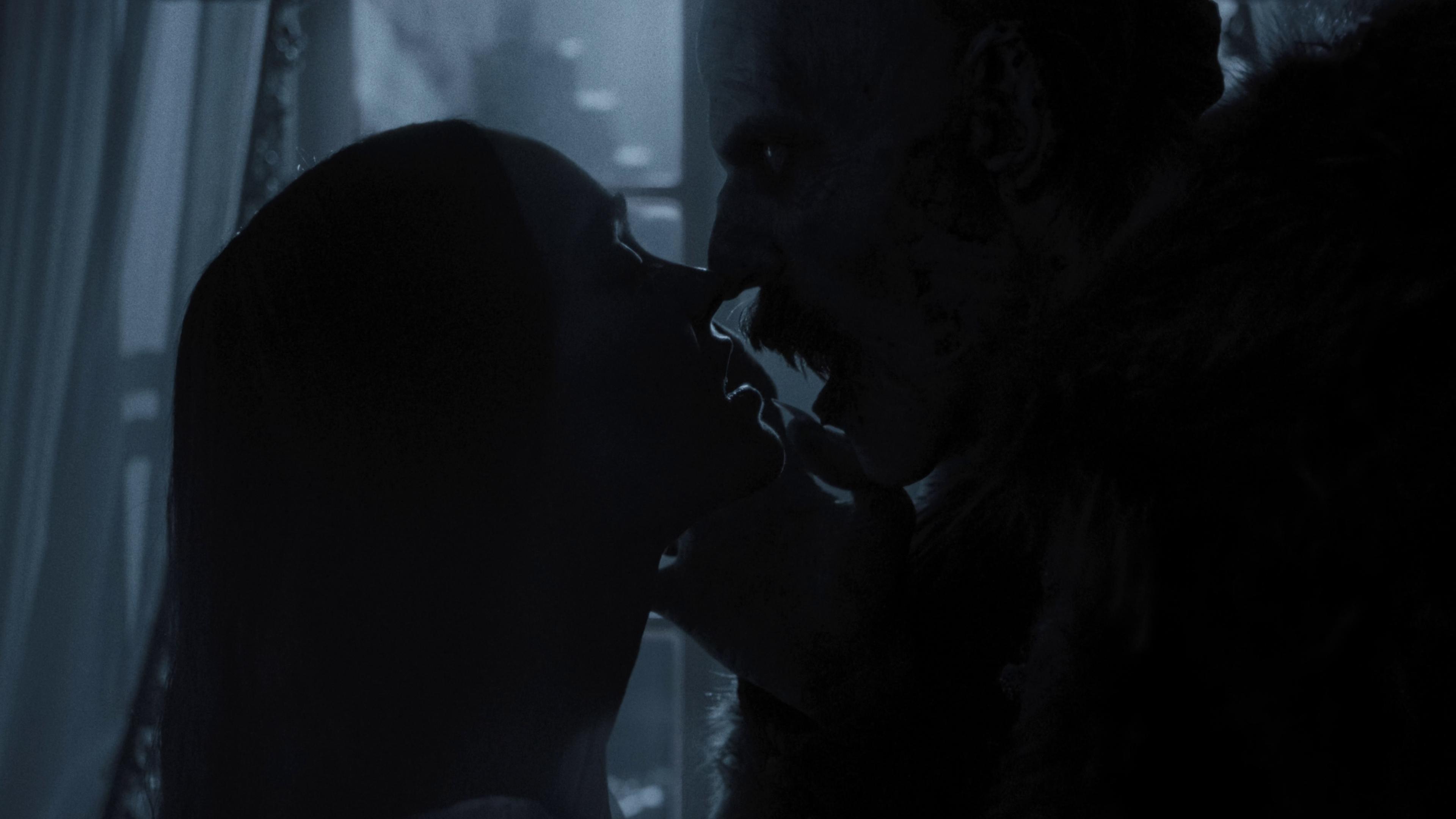
However, Eggers is a consummate professional, so even a project of his that does not fully work is still engaging enough. The camerawork skillfully communicates the time-period and flaunts a few high-class trademarks - long takes of profile shots; tableaus with some sort of framing. Surprisingly, another tool Eggers uses to garner that engagement are well-executed modern-styled jump scares. One can’t help but wonder if their use represents a surrender to commercial desires or a legitimate reconsideration of Eggers’ whole horror ethos.
Depp, doing her best Keira Knightley impression, gives a fantastic performance: strange and alien, but fiercely watchable. Dafoe, Hoult, and Taylor-Johnson all start promising but eventually slide into their usual shtick. Skarsgard is wildly transformed, and while I don’t love his look (Murnau’s Orlok was viscerally upsetting to look at), I remain impressed by his performance contributions.
Unsurprisingly, Eggers delivers a staggering production (though the Victorian era has never really interested me). Additionally, as with the other Eggers’ outings, the moderate thrills are mostly generated via strangeness, as opposed to narrative momentum or emotional grip. The “doom metal Wes Anderson” label is amusingly fair. Give me a thrash metal Wes or a black metal Wes and I’ll be the first one in line.
Dramatically, I don’t think Nosferatu really works. Certain filmmaking choices communicate a tragic tone, and I just didn't feel it. Structurally, the film has a protagonist problem, cutting between too many plotlines in an ill-fitting manner. The finale too unfurls on a nonsensical timeline without meaningful plotting. As a storyteller, Eggers peaked with The Lighthouse, whose writing felt organic and unconstrained by an outmoded historical template.
Eggers has publicly discussed how this film has been a long time coming, a passion-project spanning his entire career. With the announcement of his new Werwulf movie slated, it’s starting to feel like each new Eggers project is more and more inevitable, and not in the good sense. We often complain about other directors mining public domain IP that no one cares about and no one is asking for, and I lament to see Eggers follow that same path.
If Eggers wants a new IP to adapt, give him Bloodborne to pair with Alex Garland’s upcoming Elden Ring. Just let Garland write both. Eggers claims he hasn’t played video games since he was 13, while Garland has accurately extolled the challenge of Malenia. Even though Eggers is 15 years his junior, I align much more closely with the youthful irreverence of Garland that, in truth, cloaks a stirring and relatable humanism.

























 4
4