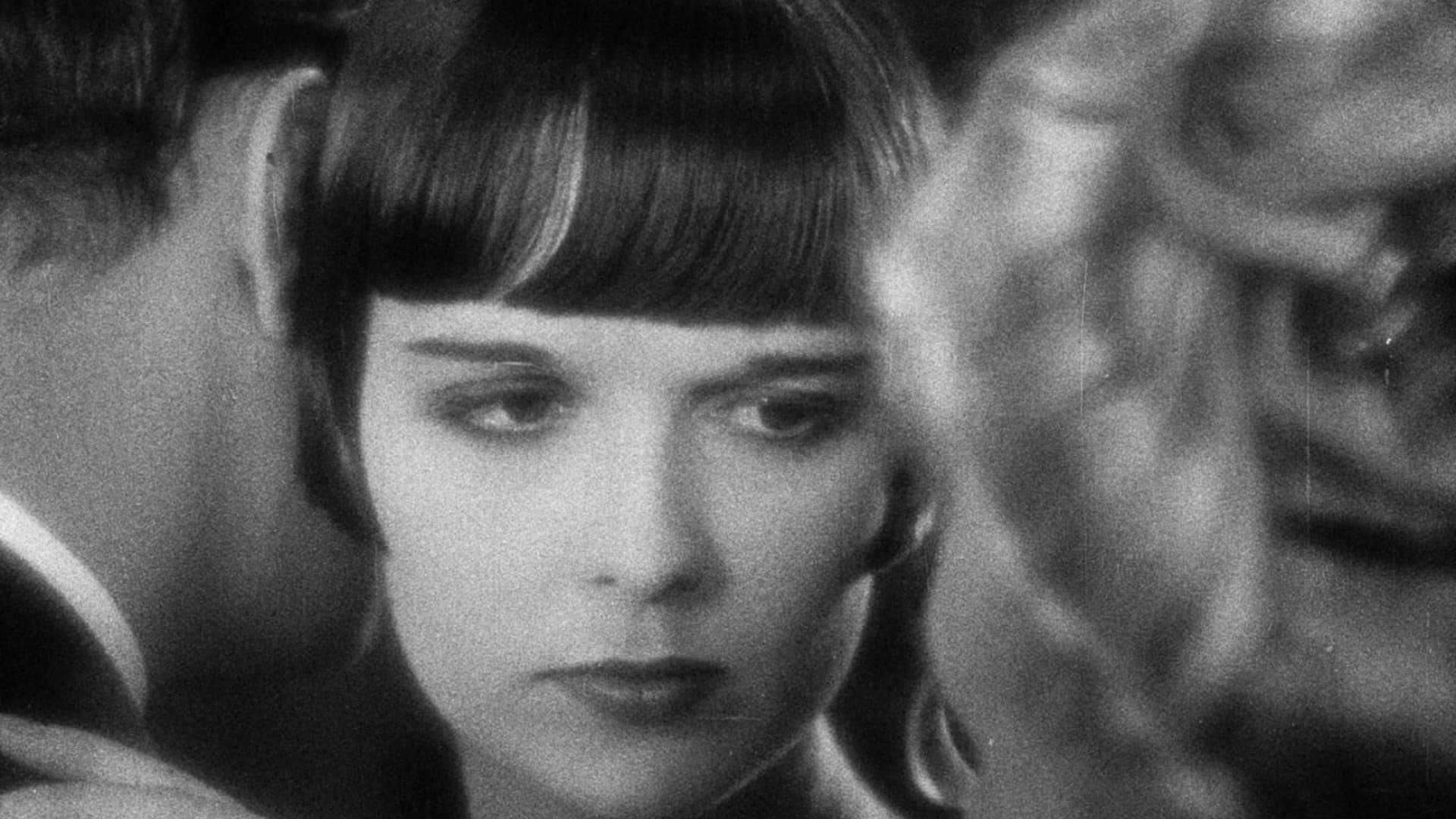
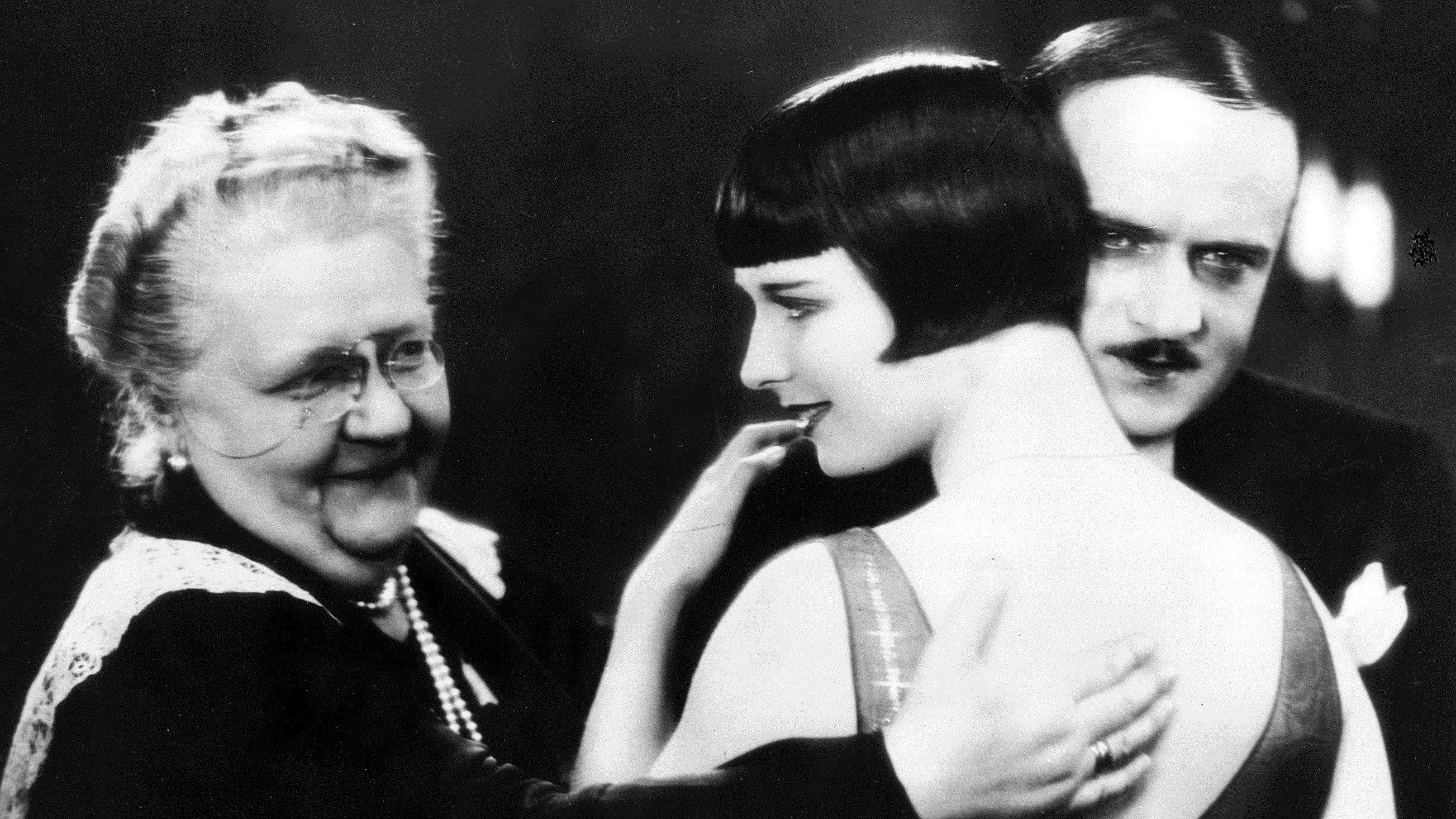
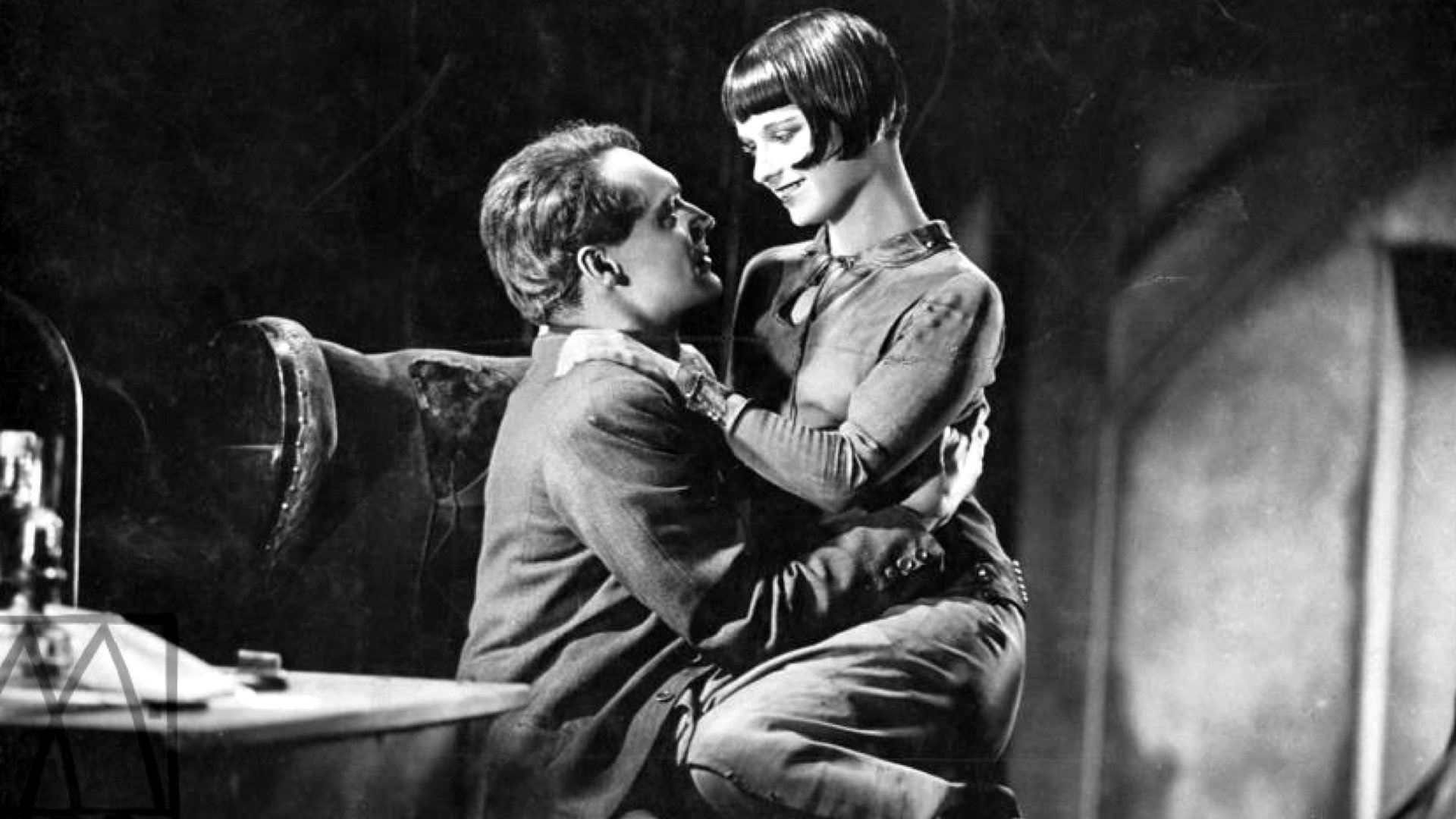
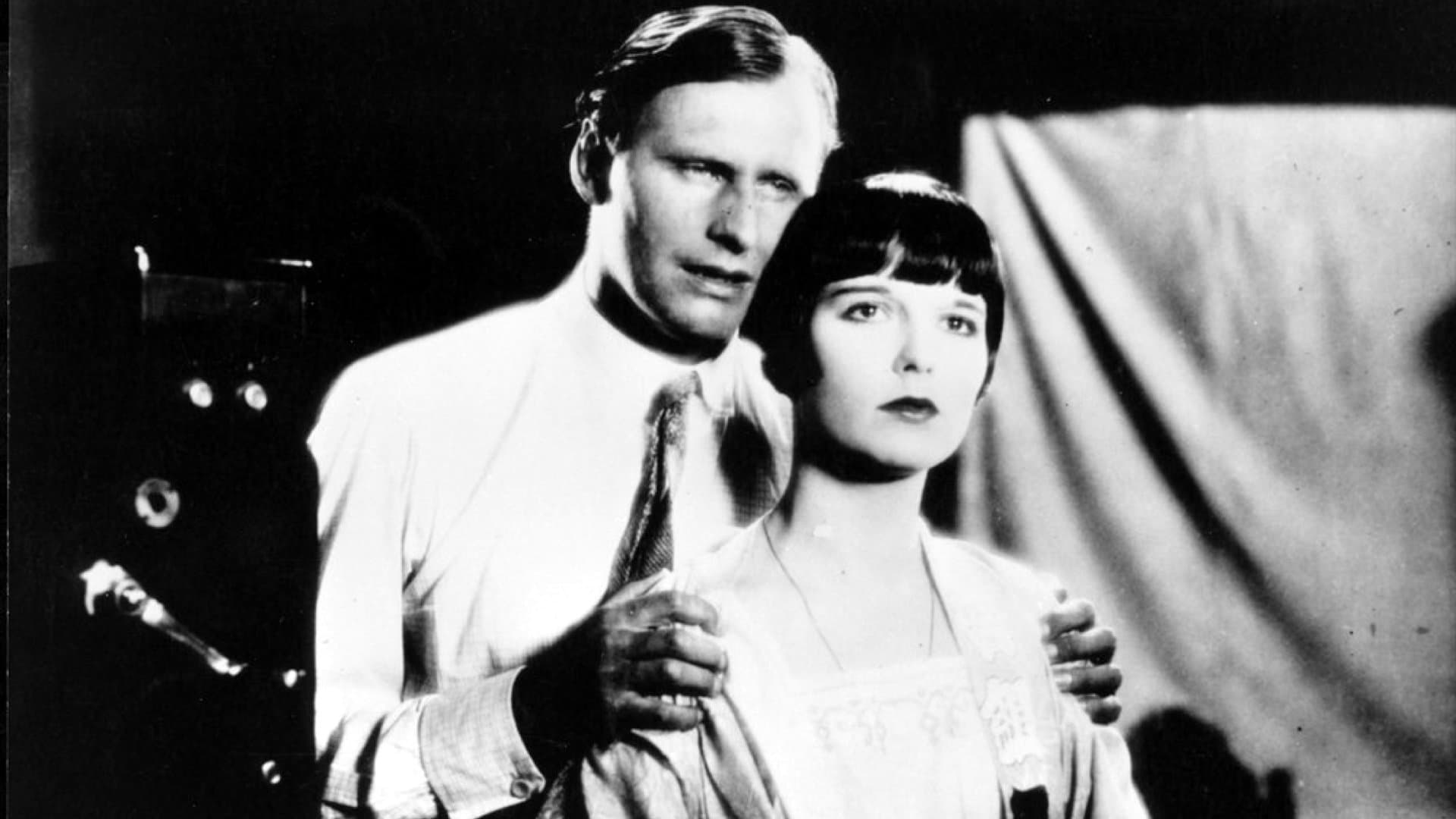
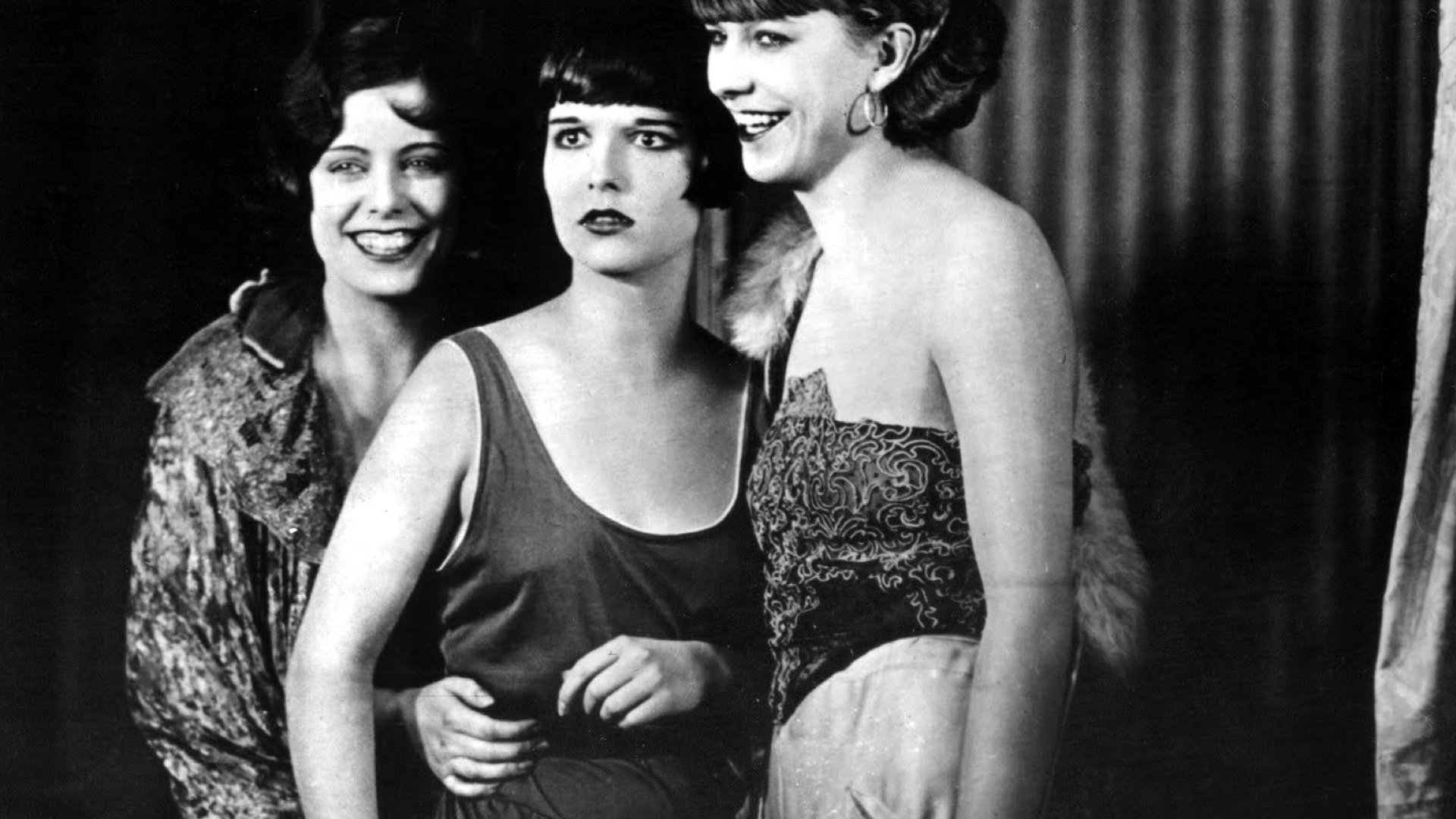
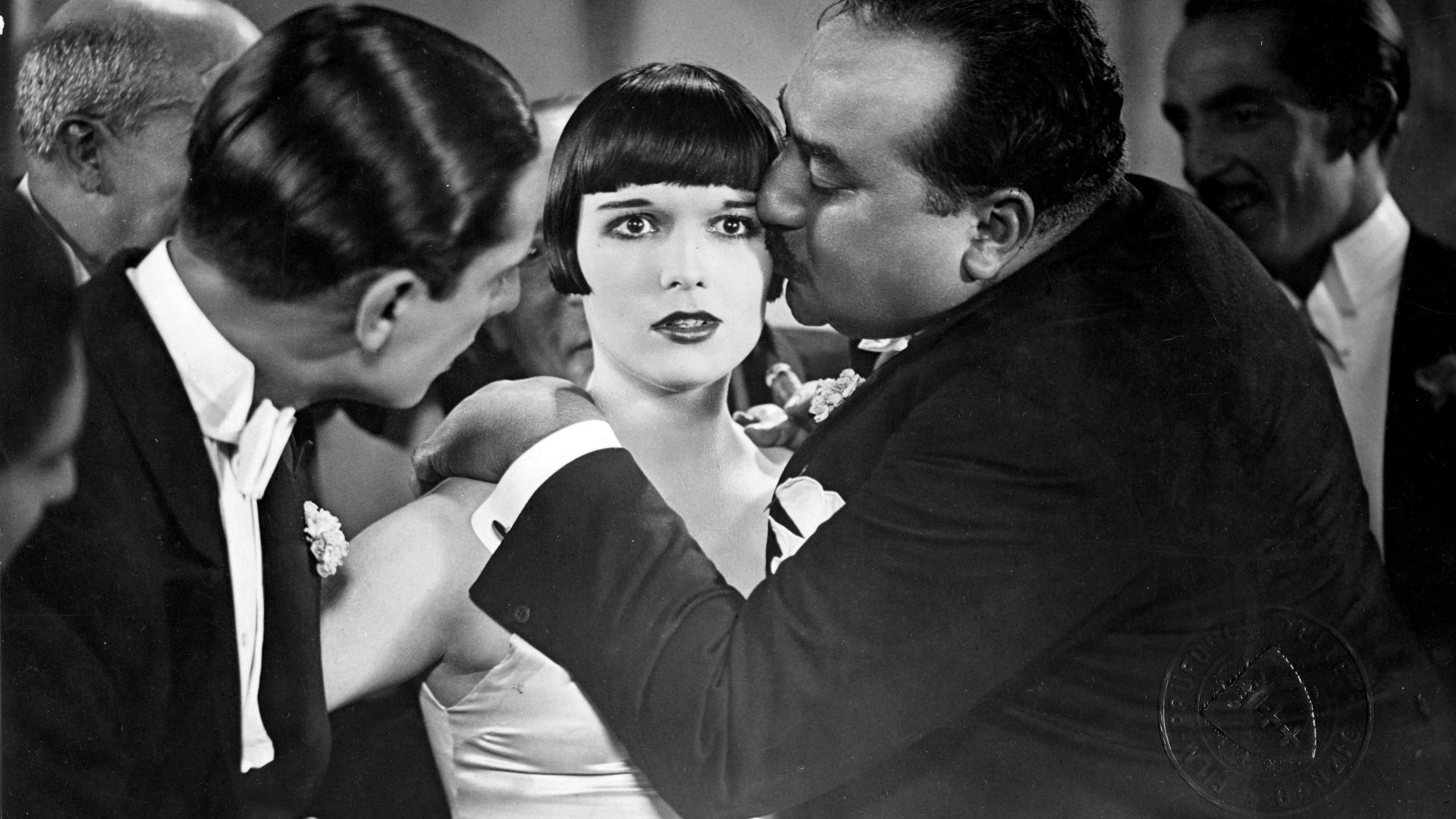
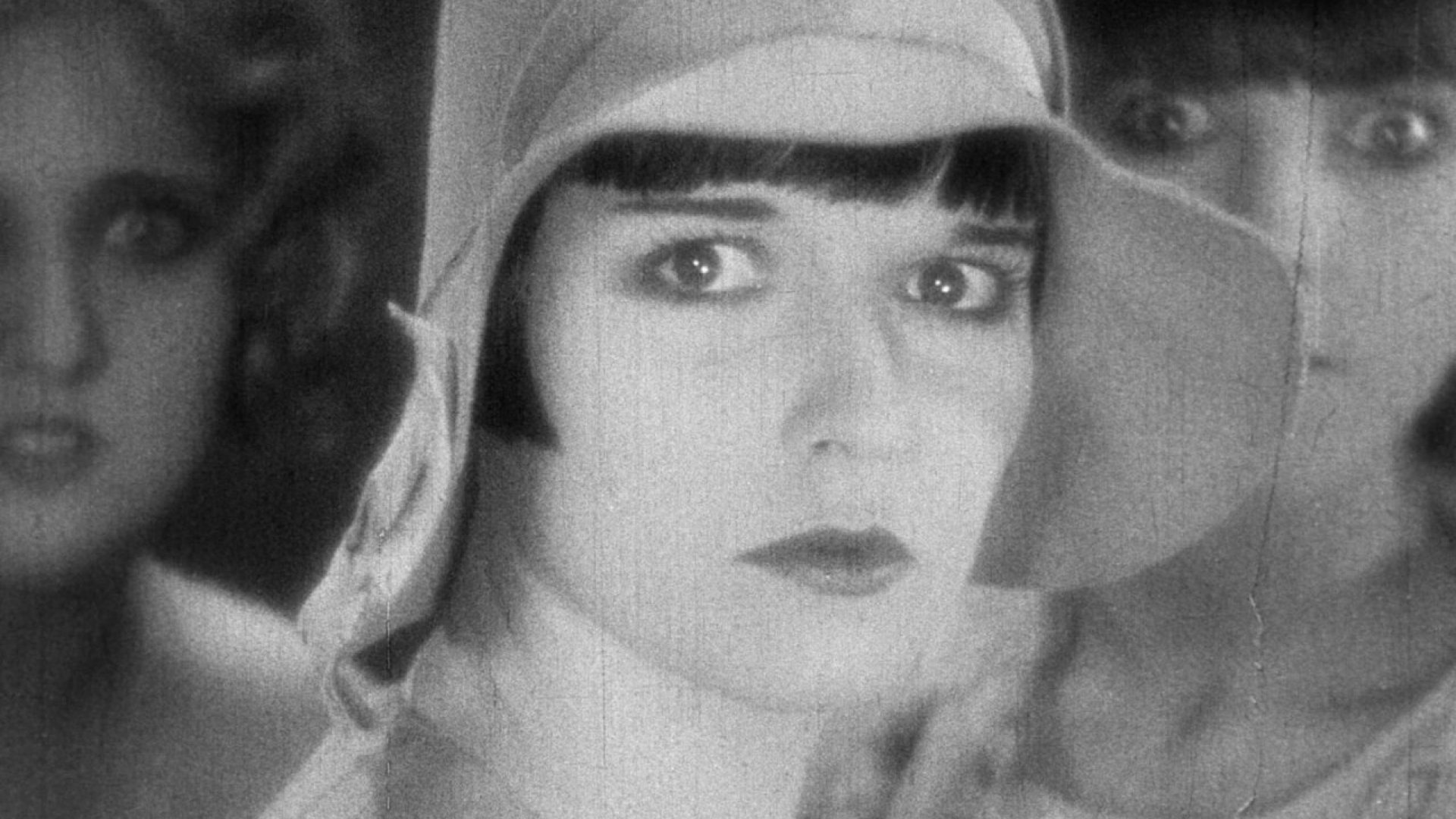
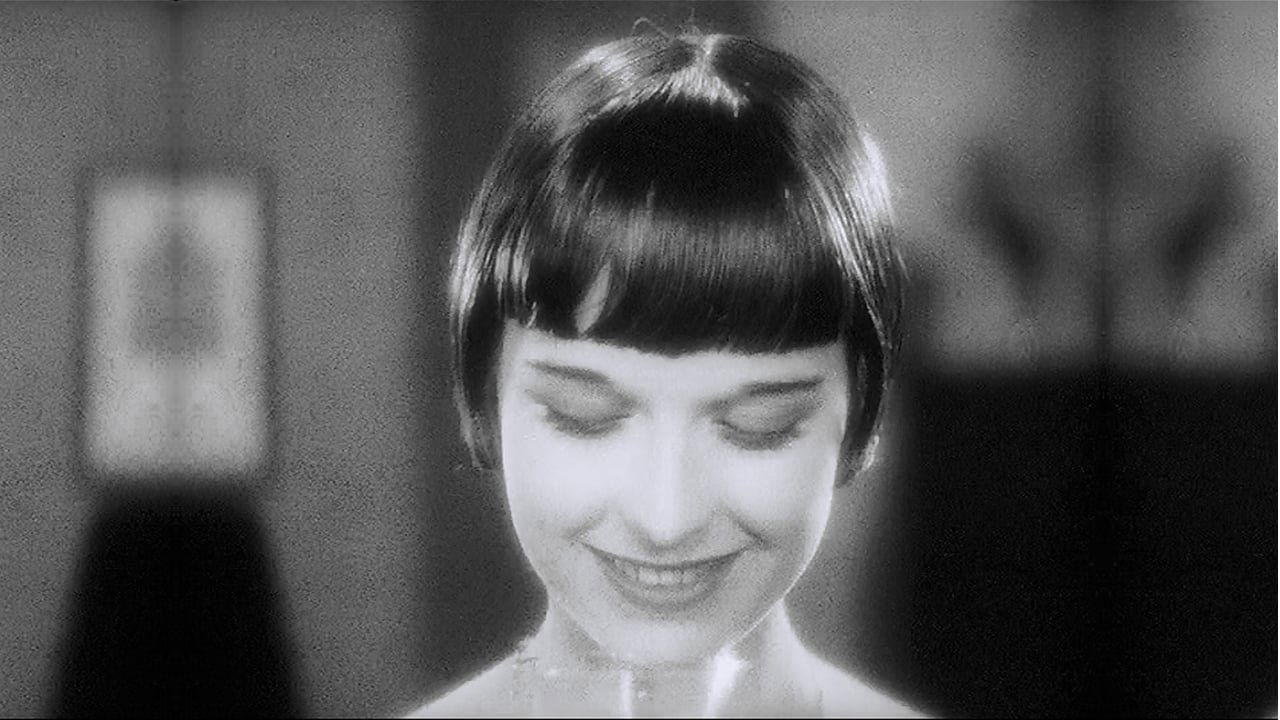
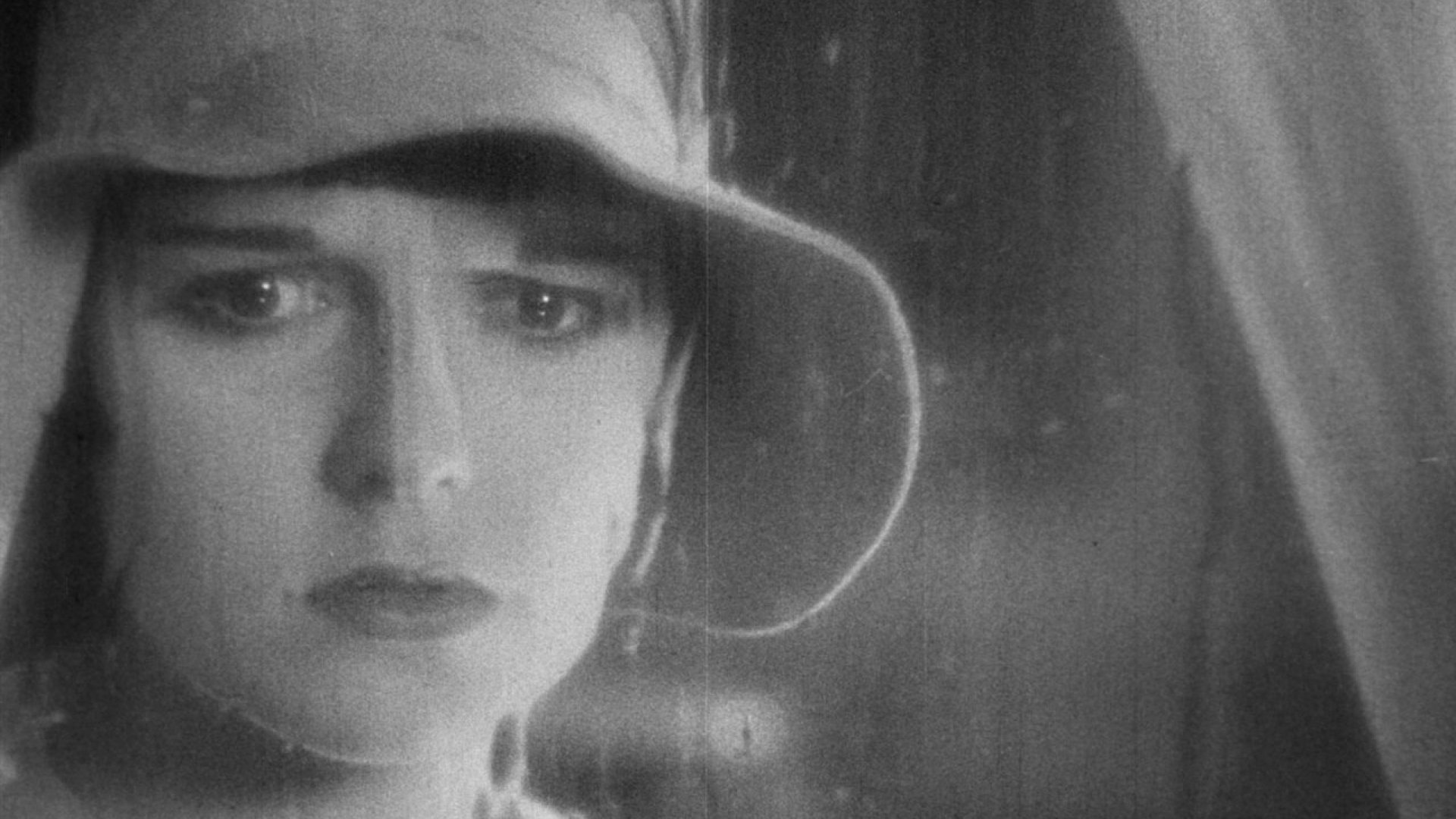
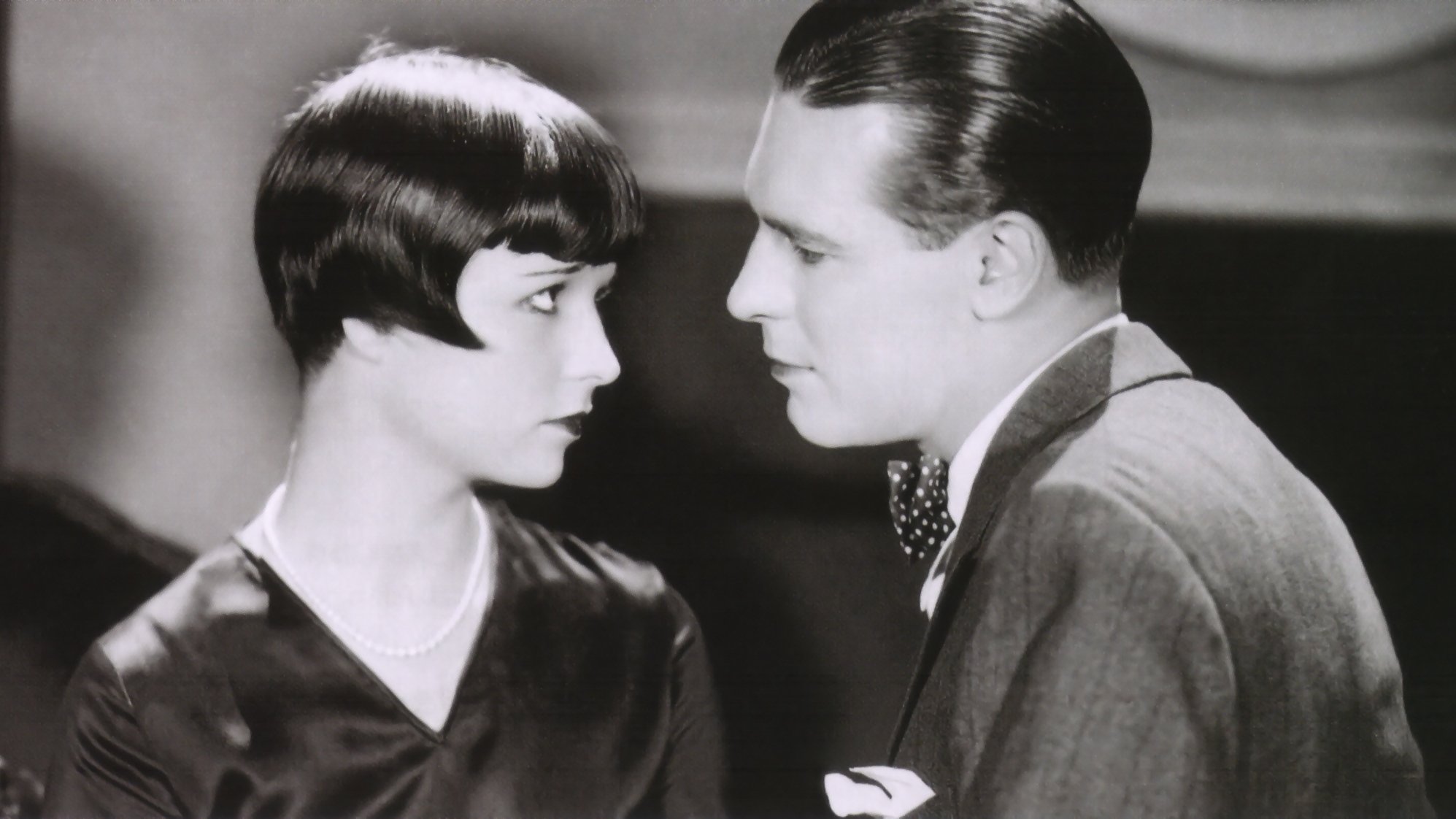
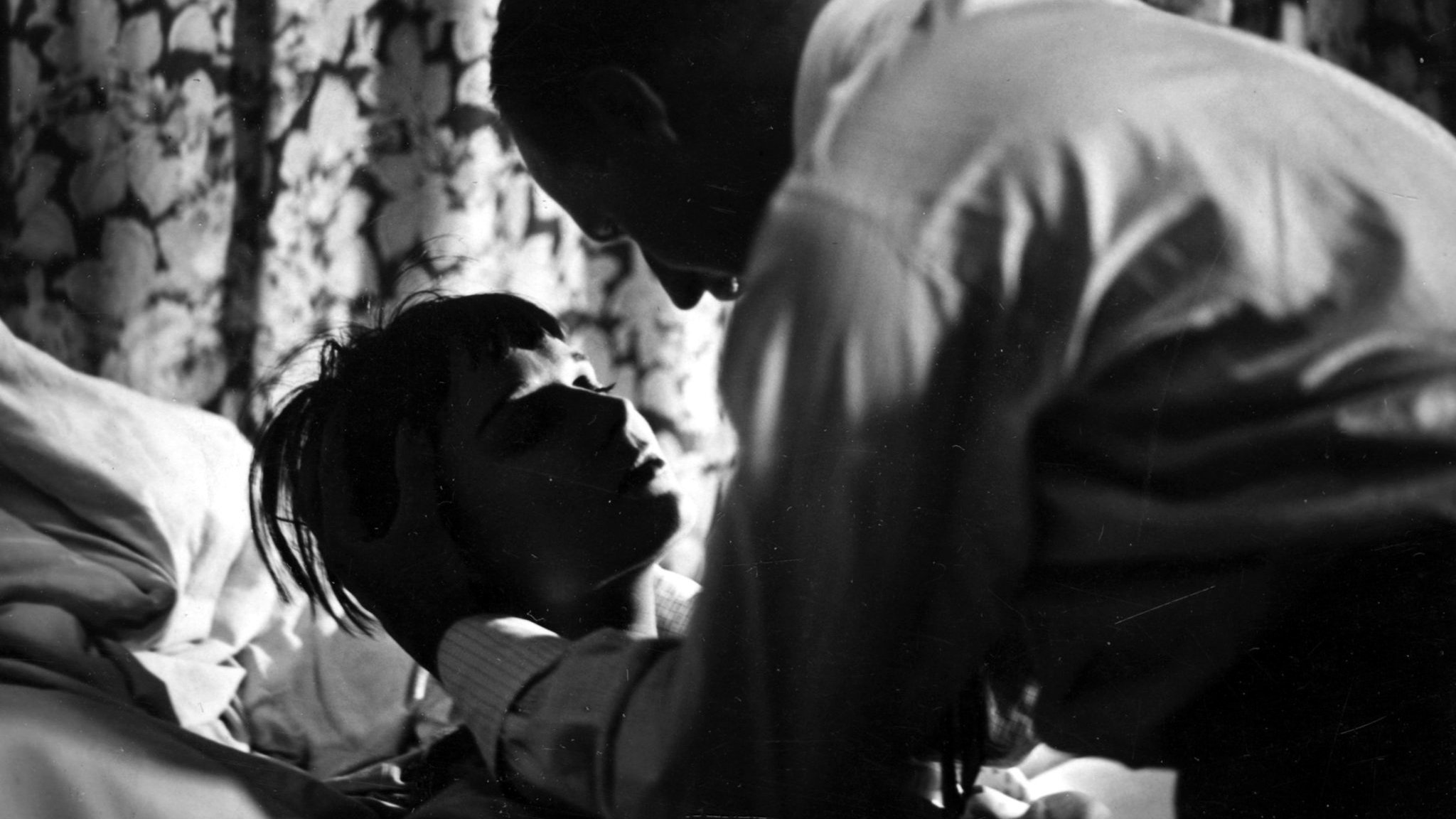
The lineage of the "fallen woman" film would become a main facet of pre-war Hollywood and European melodrama at large but Diary of a Lost Girl is among the more daring in its depiction of the brutality inflicted on its titular Lost Girl. Early in the film, she is raped and impregnated by her father's assistant and when she refuses to marry him she is sent to an horribly strict women's school and her baby passed to a midwife. From there, she continues to "fall further" into prostitution though in an interesting turn we see her regain agency and even show a surprising kindness to those who have wronged her. It's a refreshingly complex iteration of this storyline and one I found myself appreciating. Brooks has such command over her expressiveness as an actress, an important skill for the silent era. Here, she charts her character's descent and seeming loss of innocence with great pathos. It's a terrific lead performance and one that makes me eager to watch her other Pabst collaborations. Pabst himself comes off a bit less stylish than his other German contemporaries but his drier style fits this slice of social realism. Diary of a Lost Girl shows a bit of its age in the story and its pacing especially in the middle drags but it's another great example of the unique power afforded to this period of filmmaking.