
1930·Drama·2h 2m
7.1
★
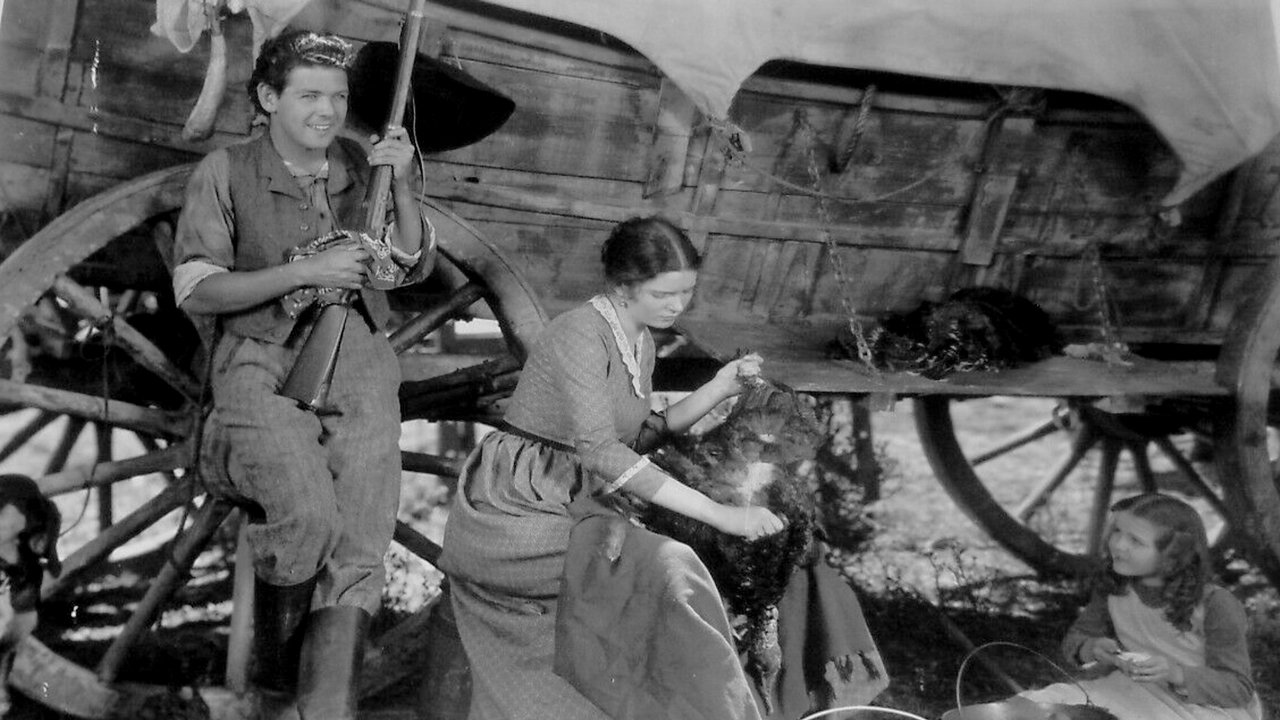
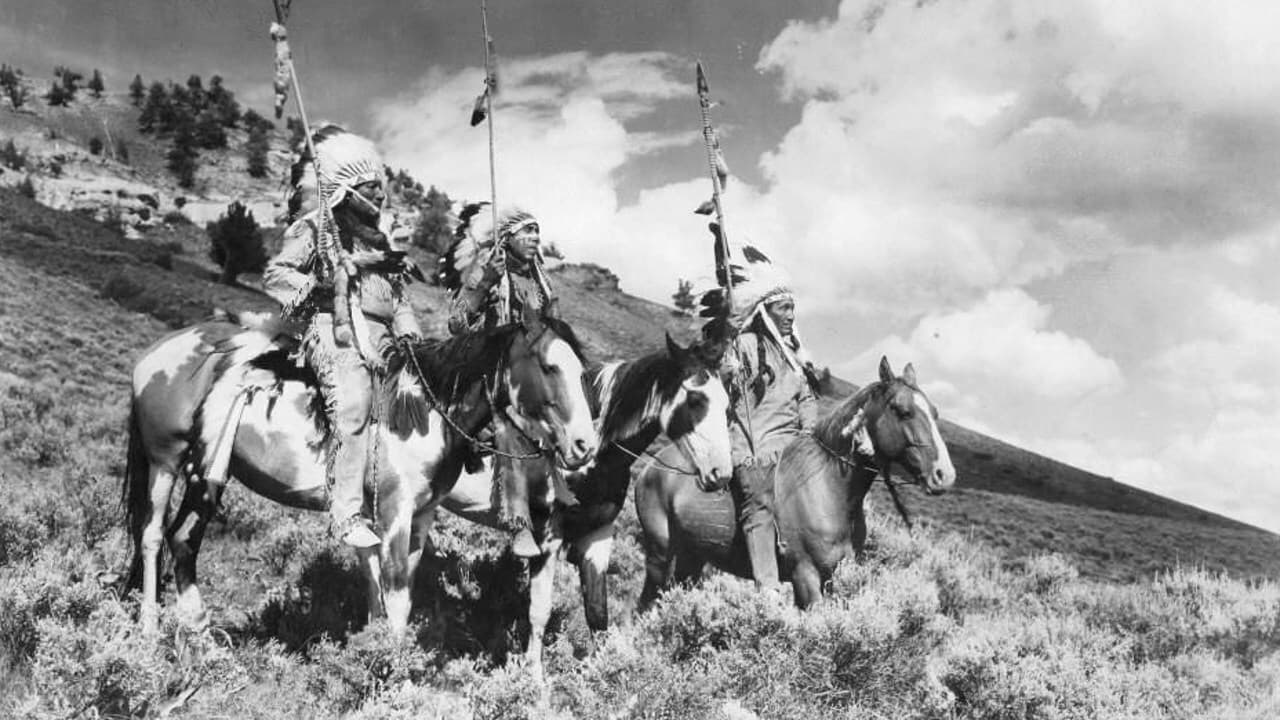
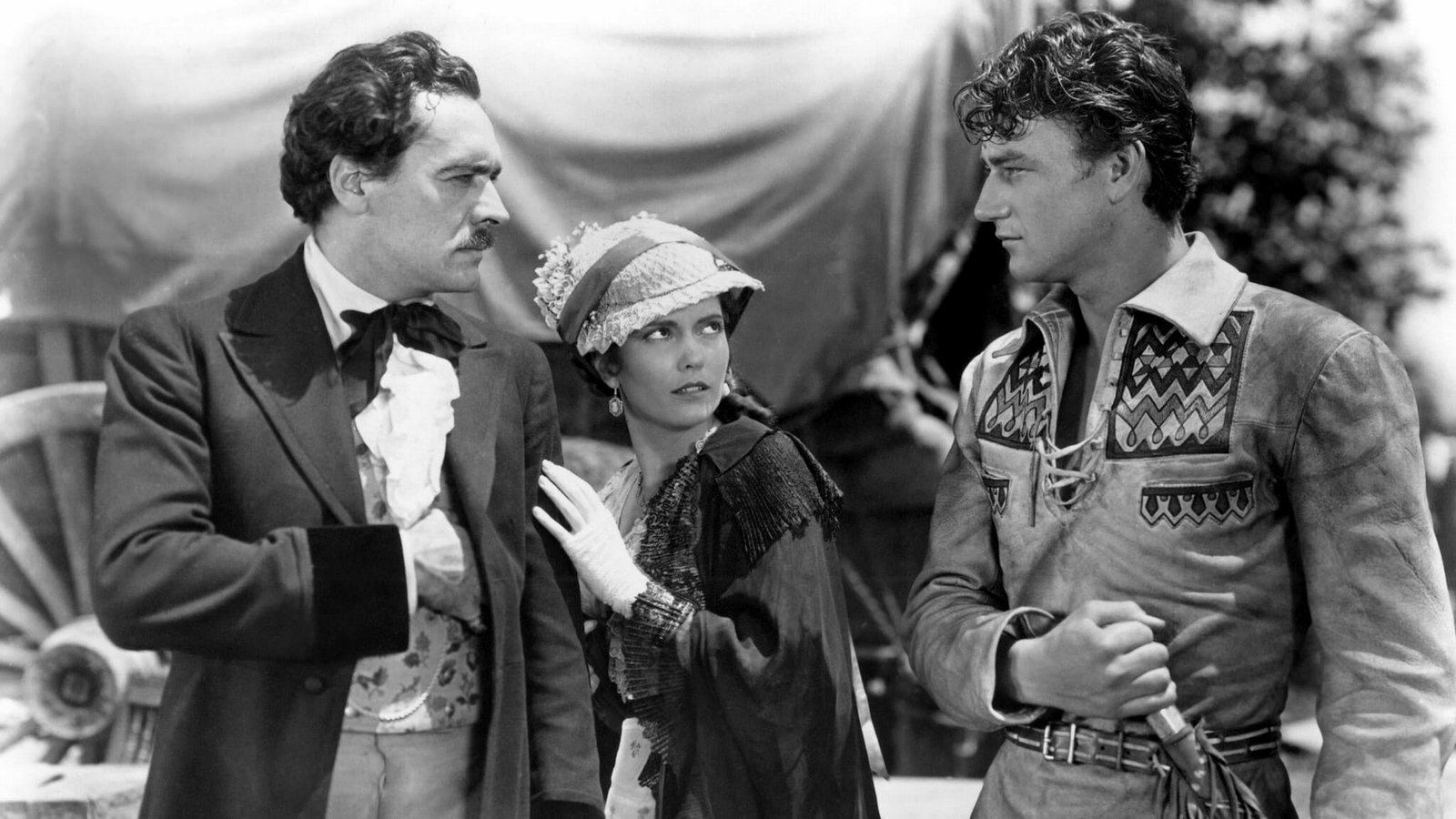
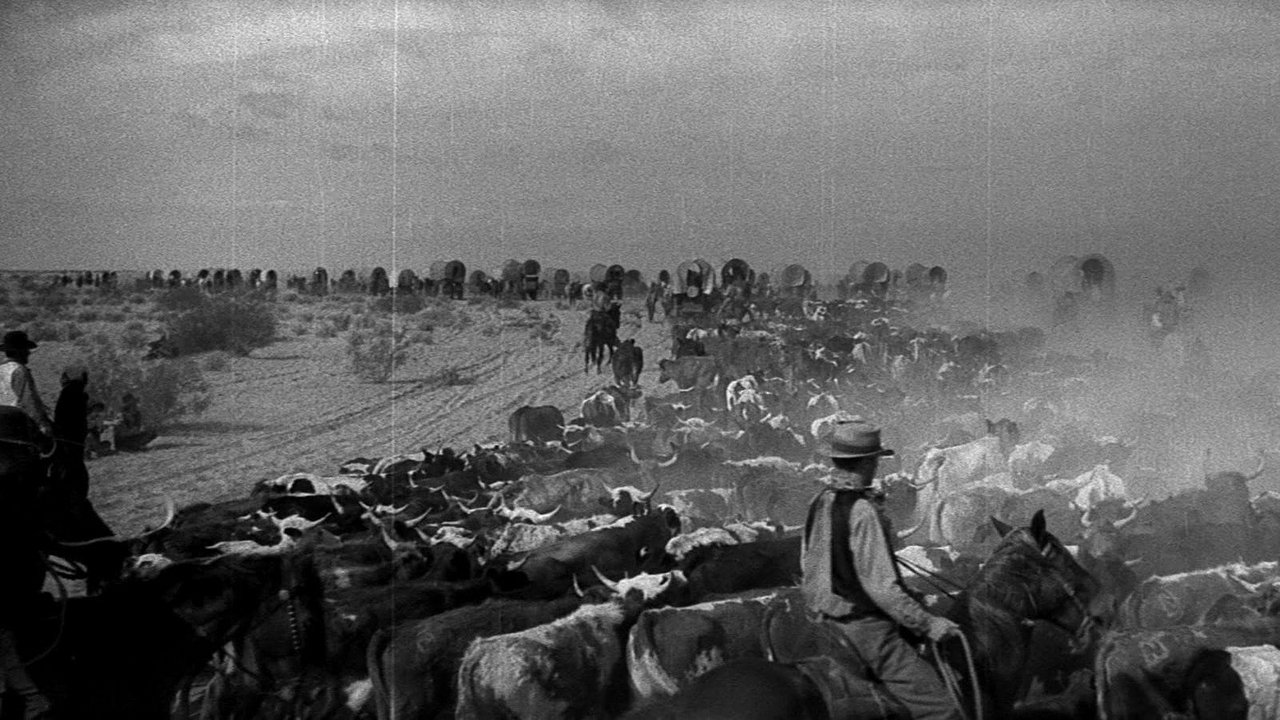
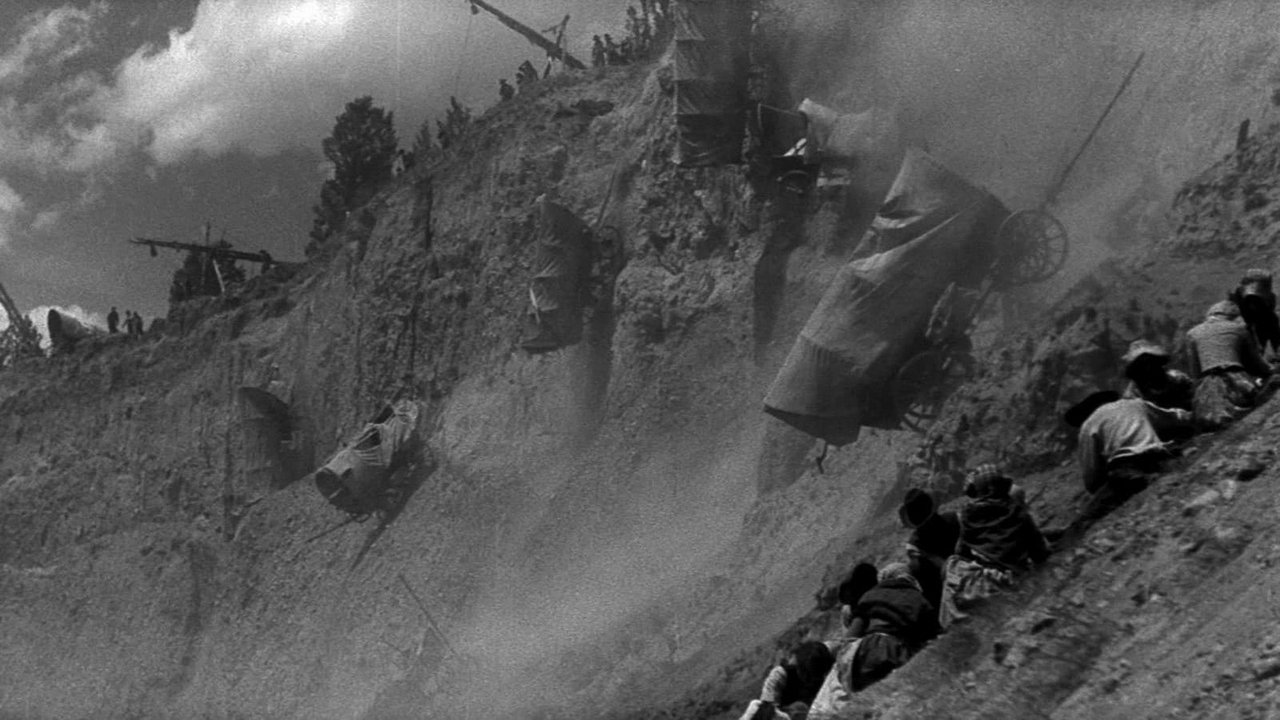
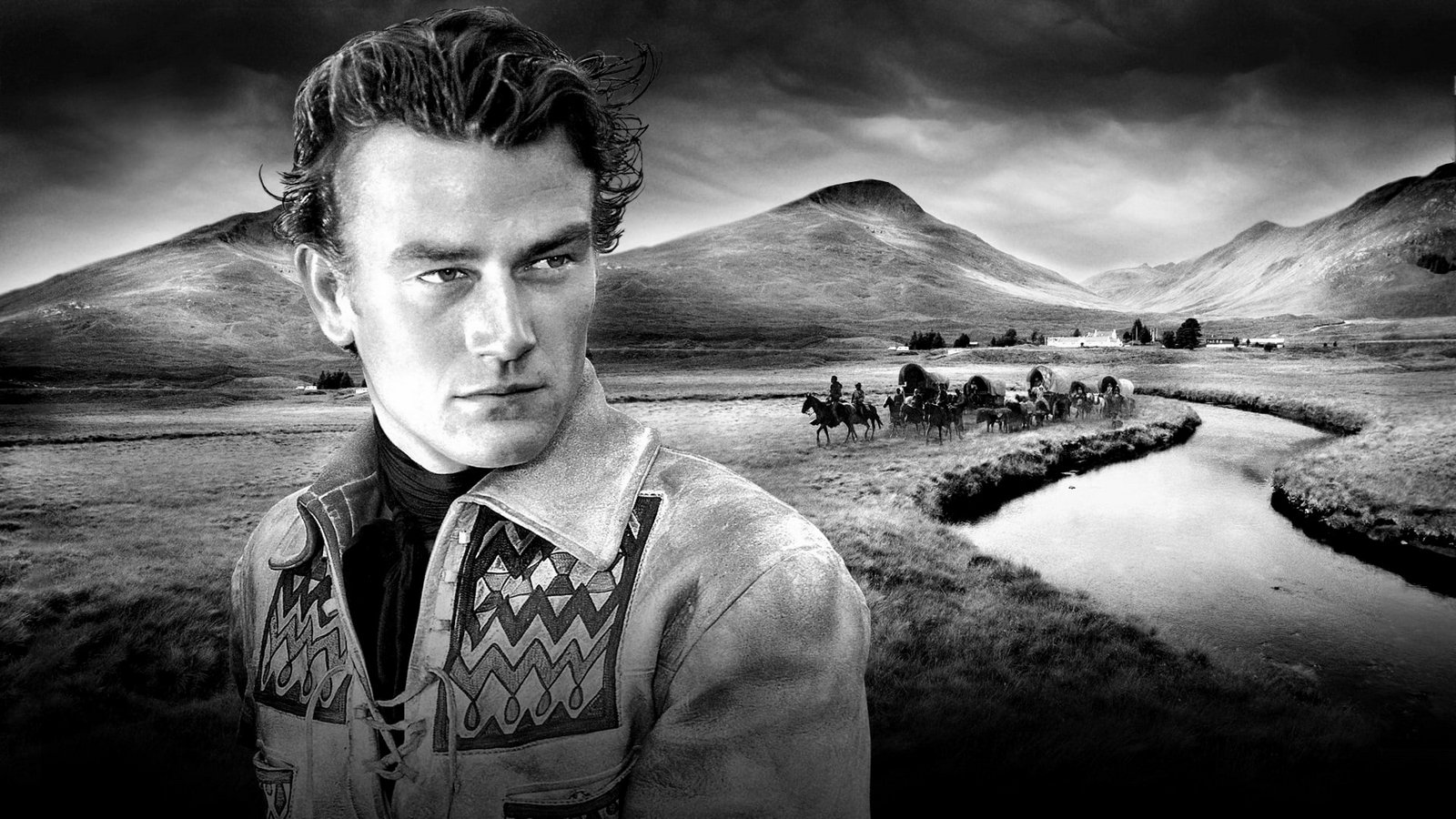
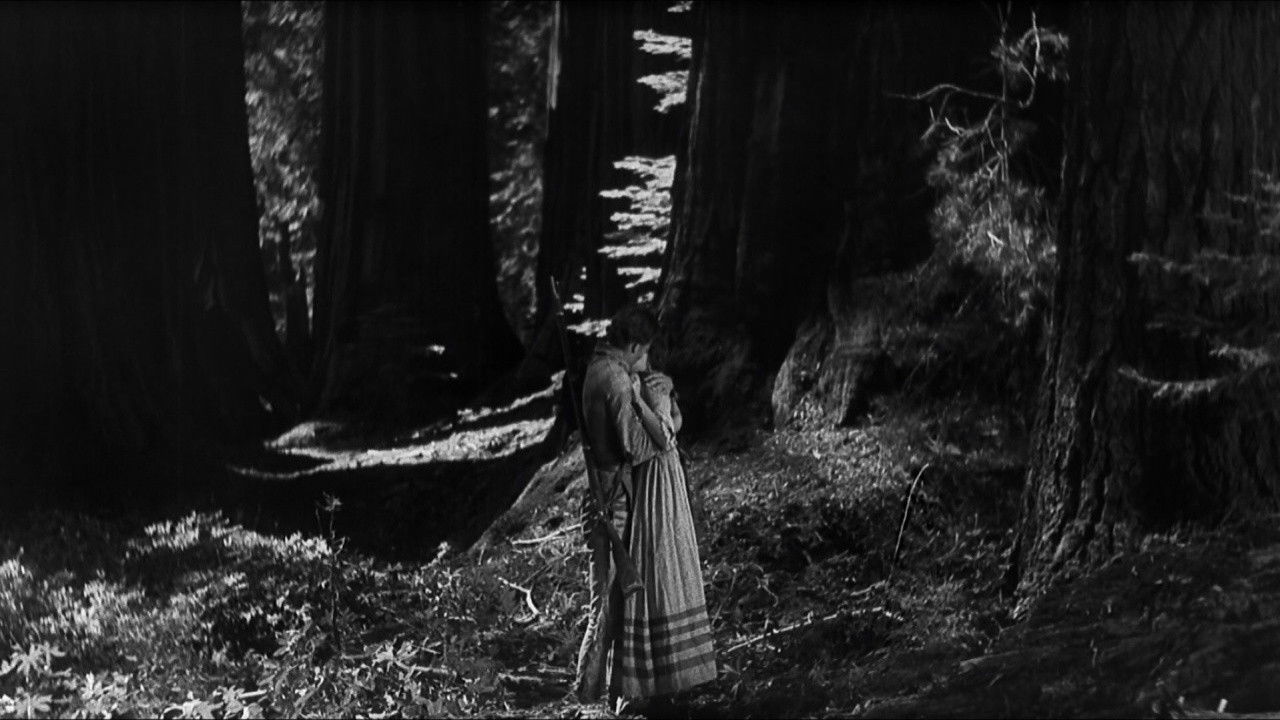
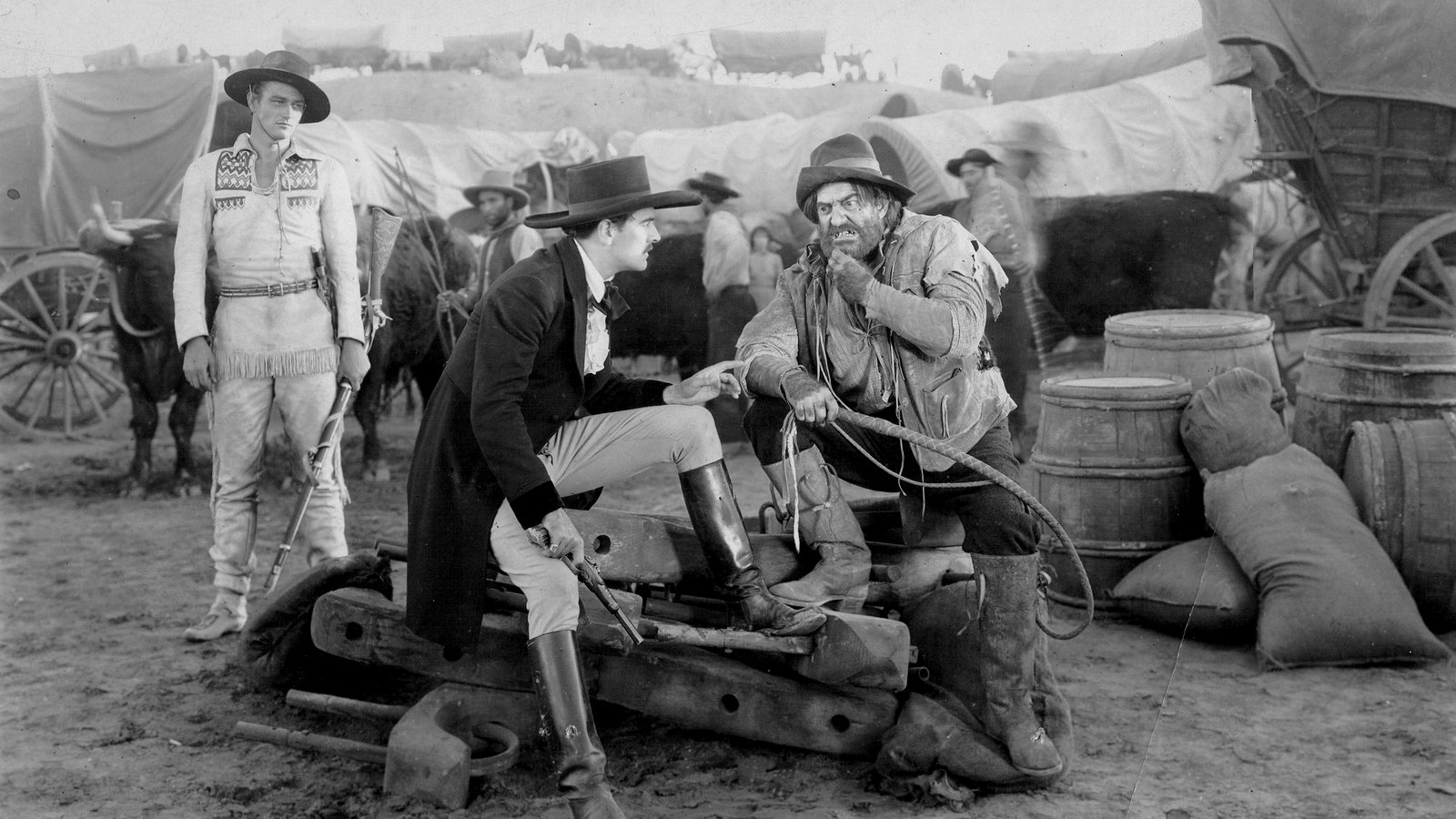
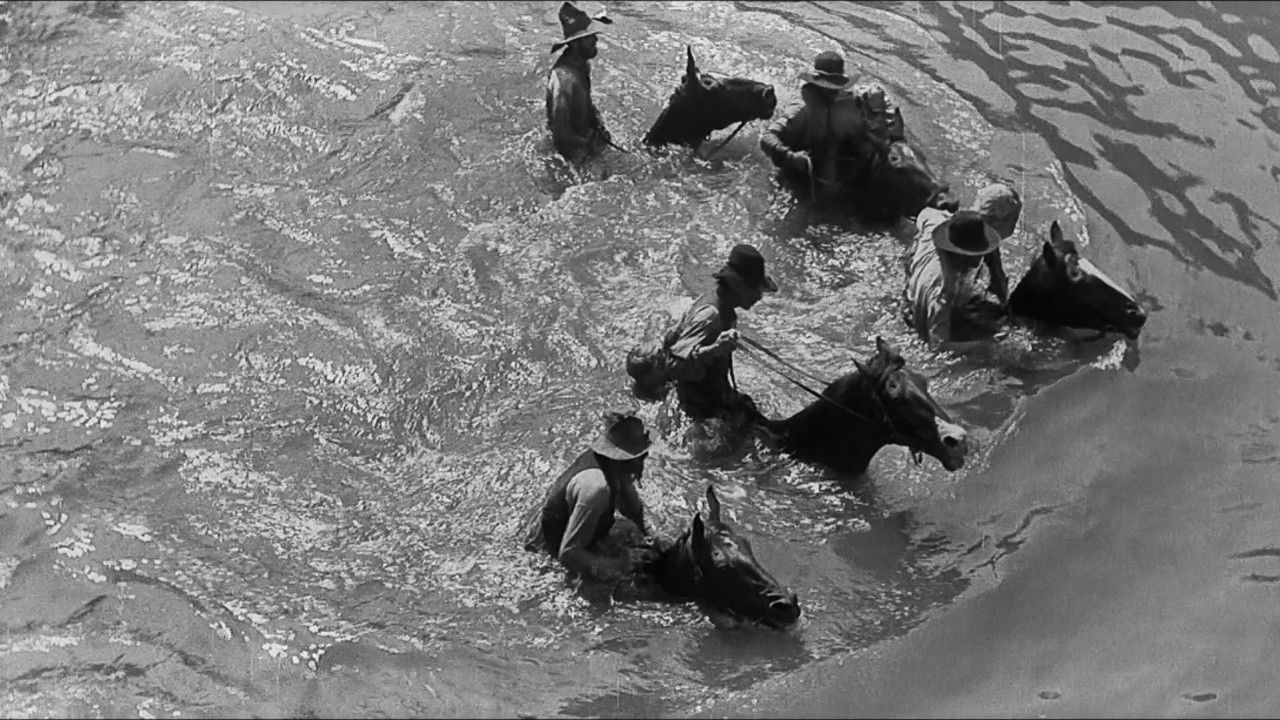
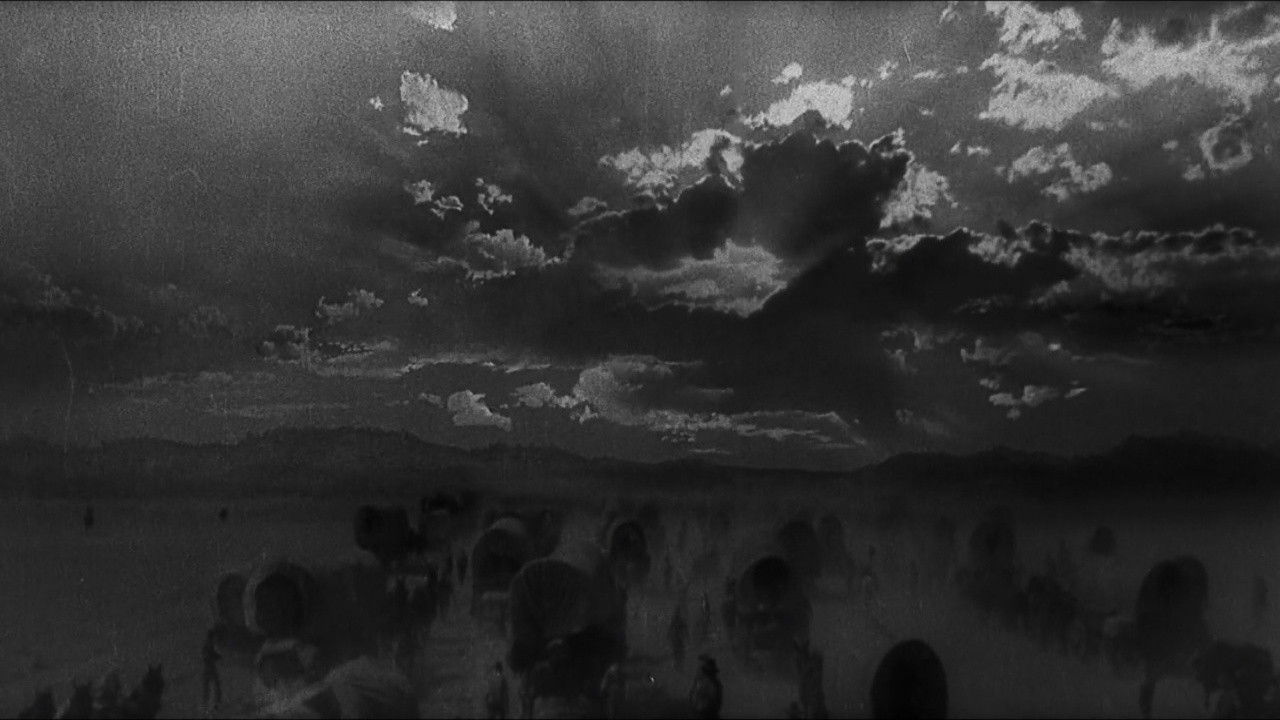
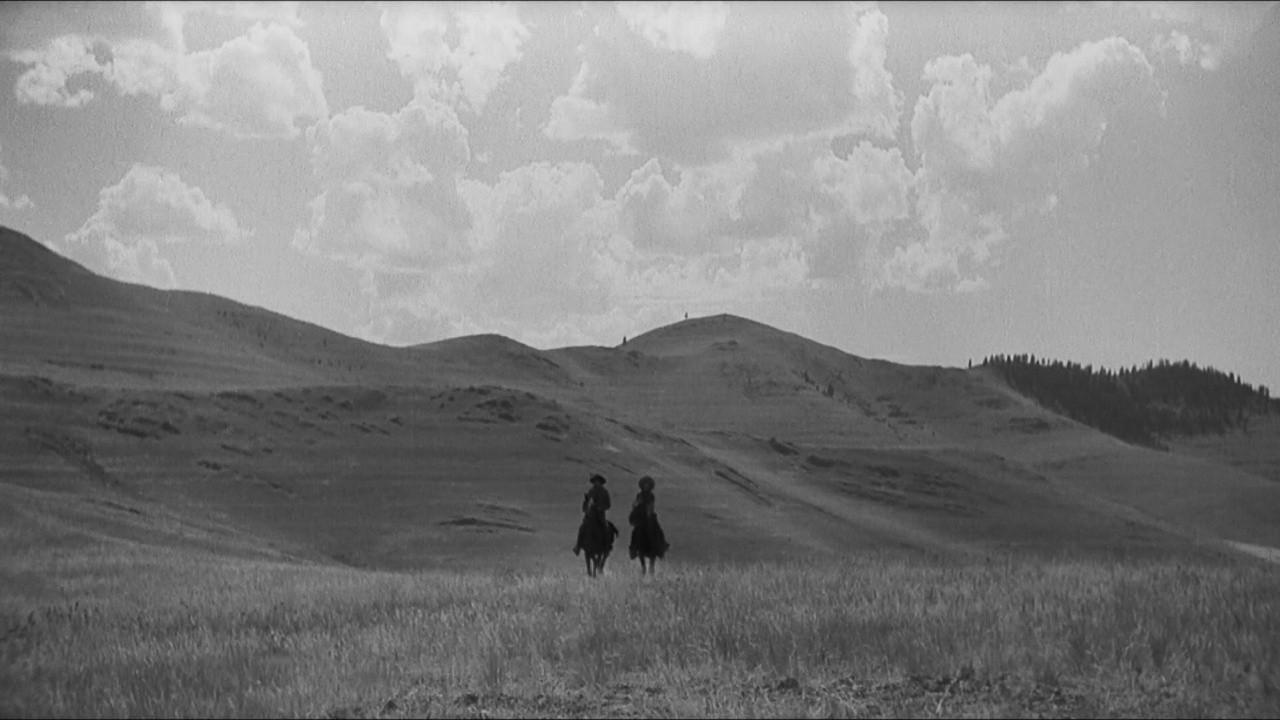
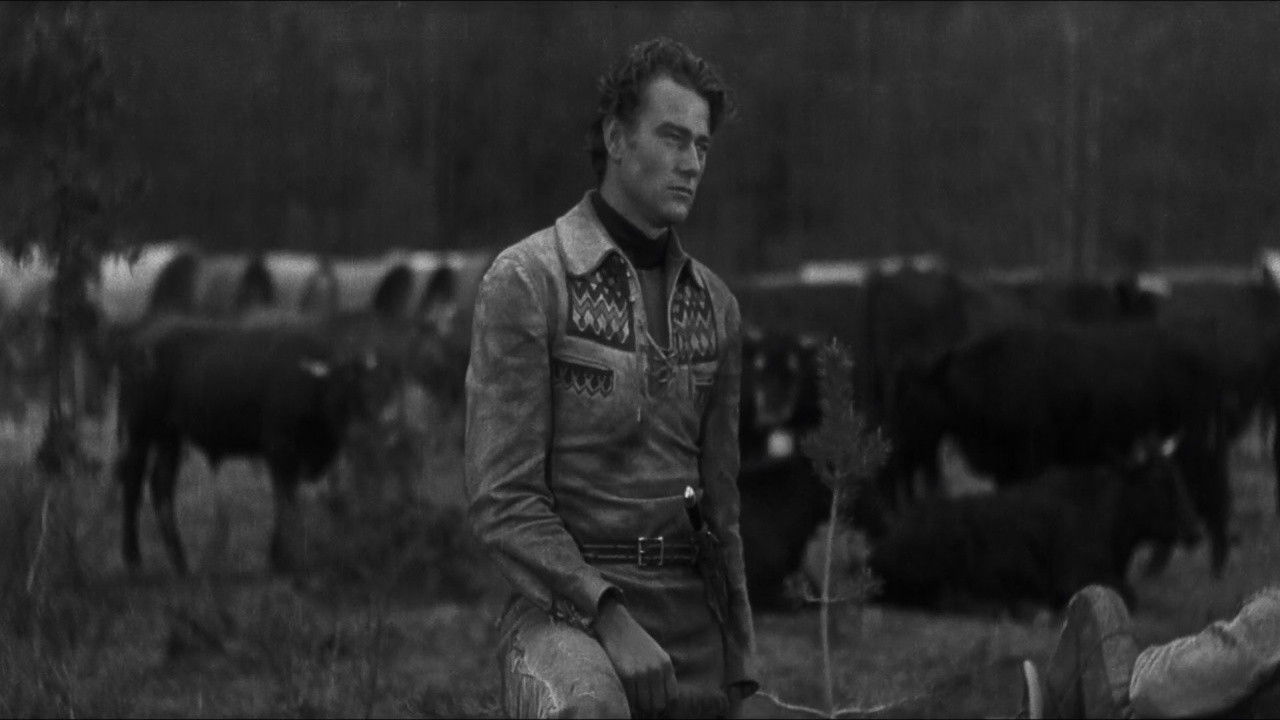
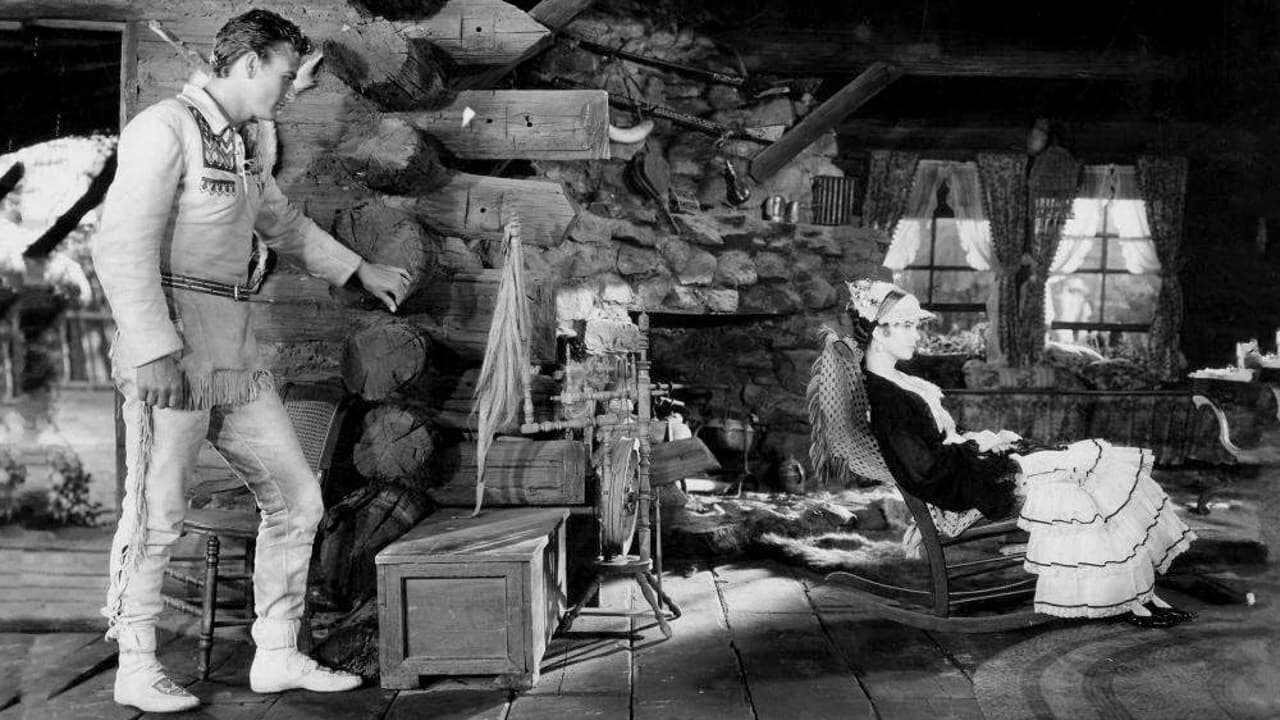
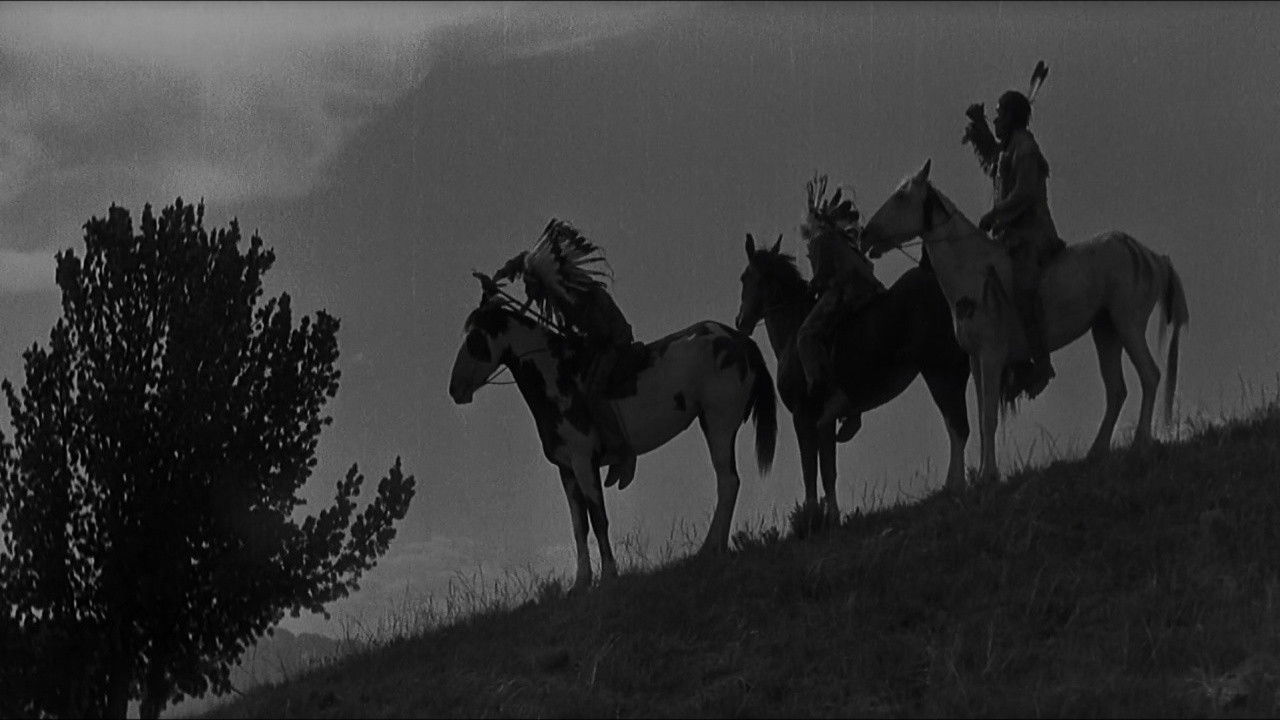
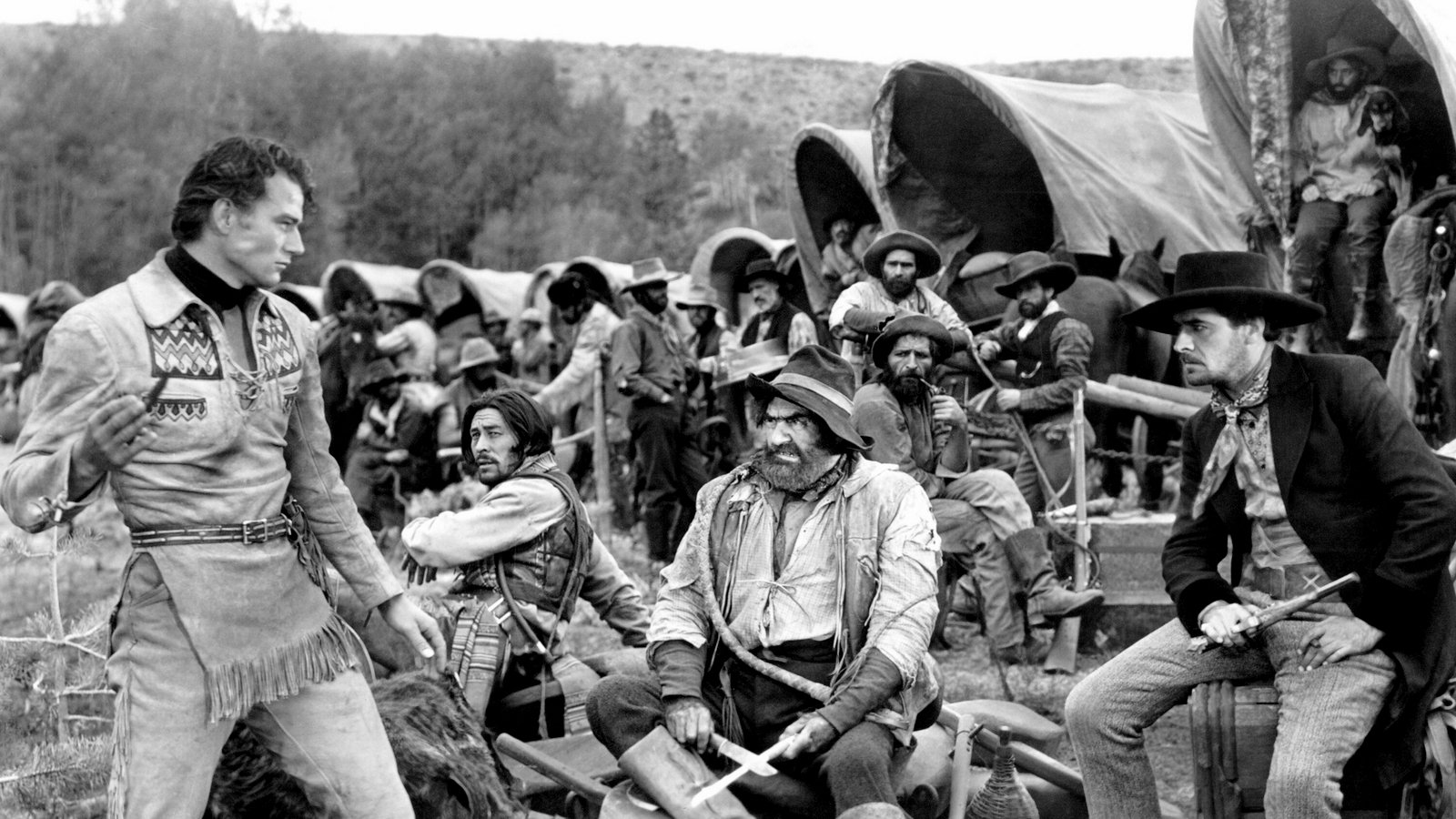
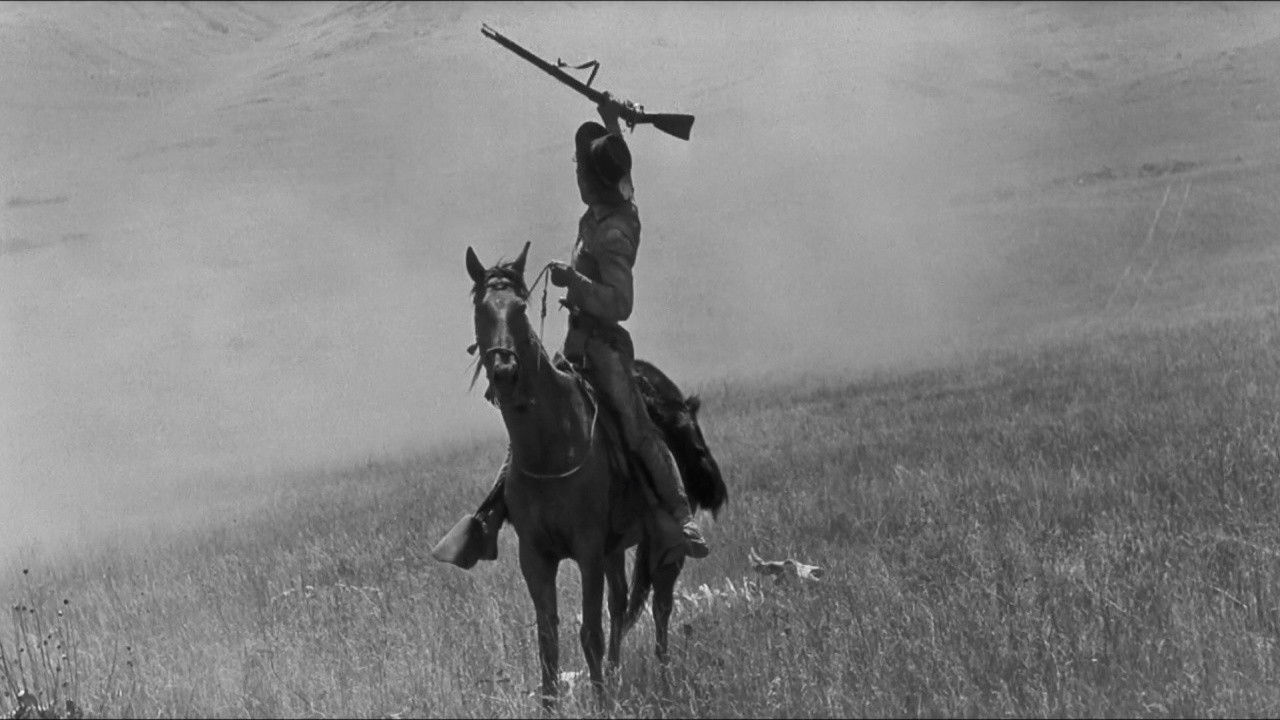
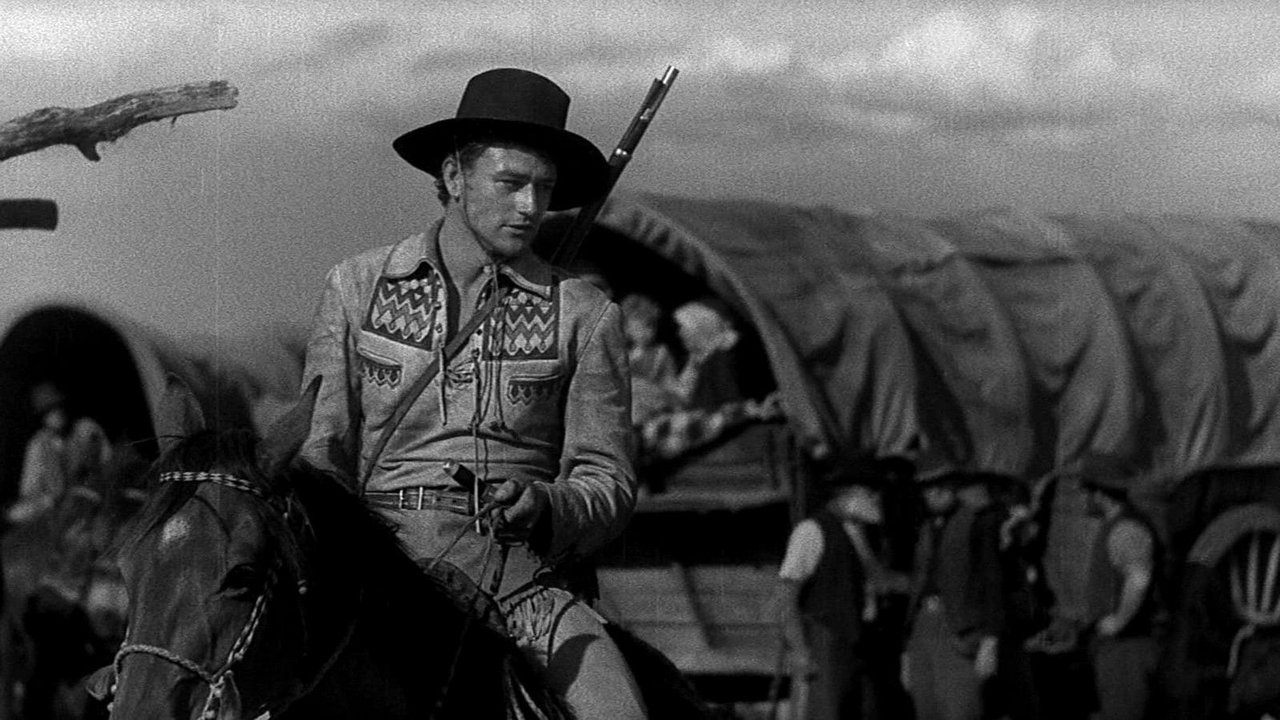
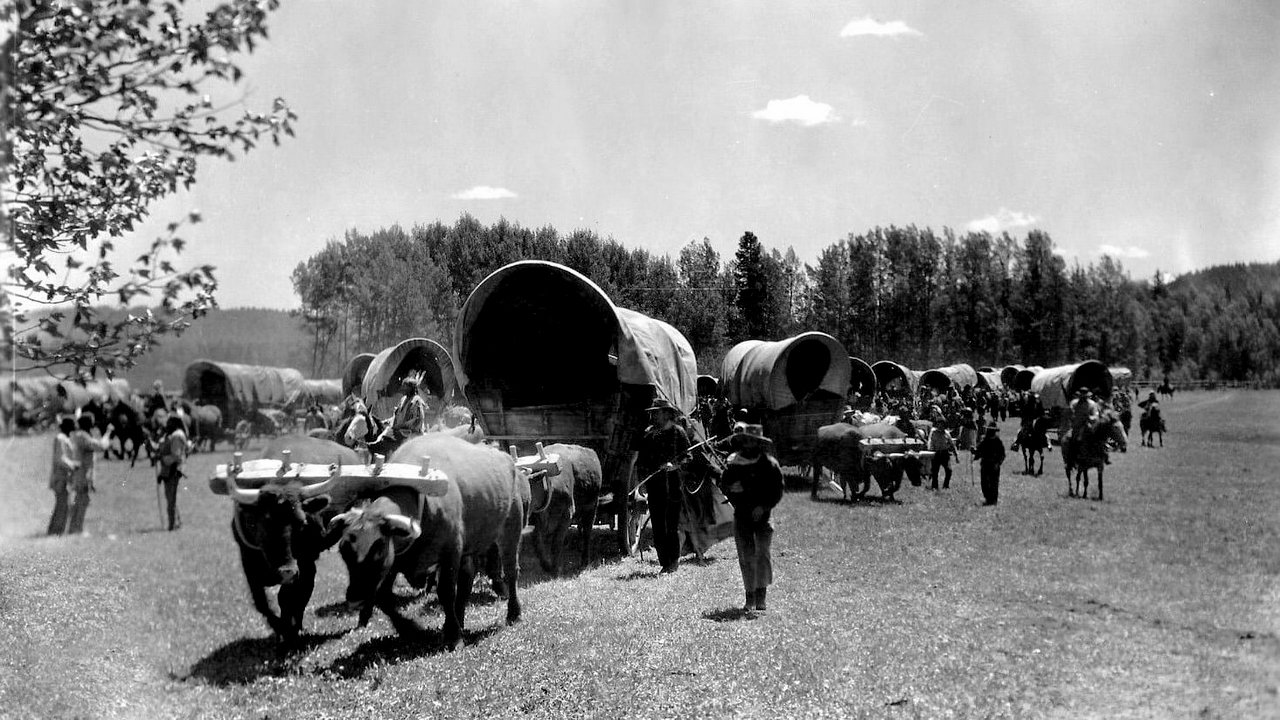
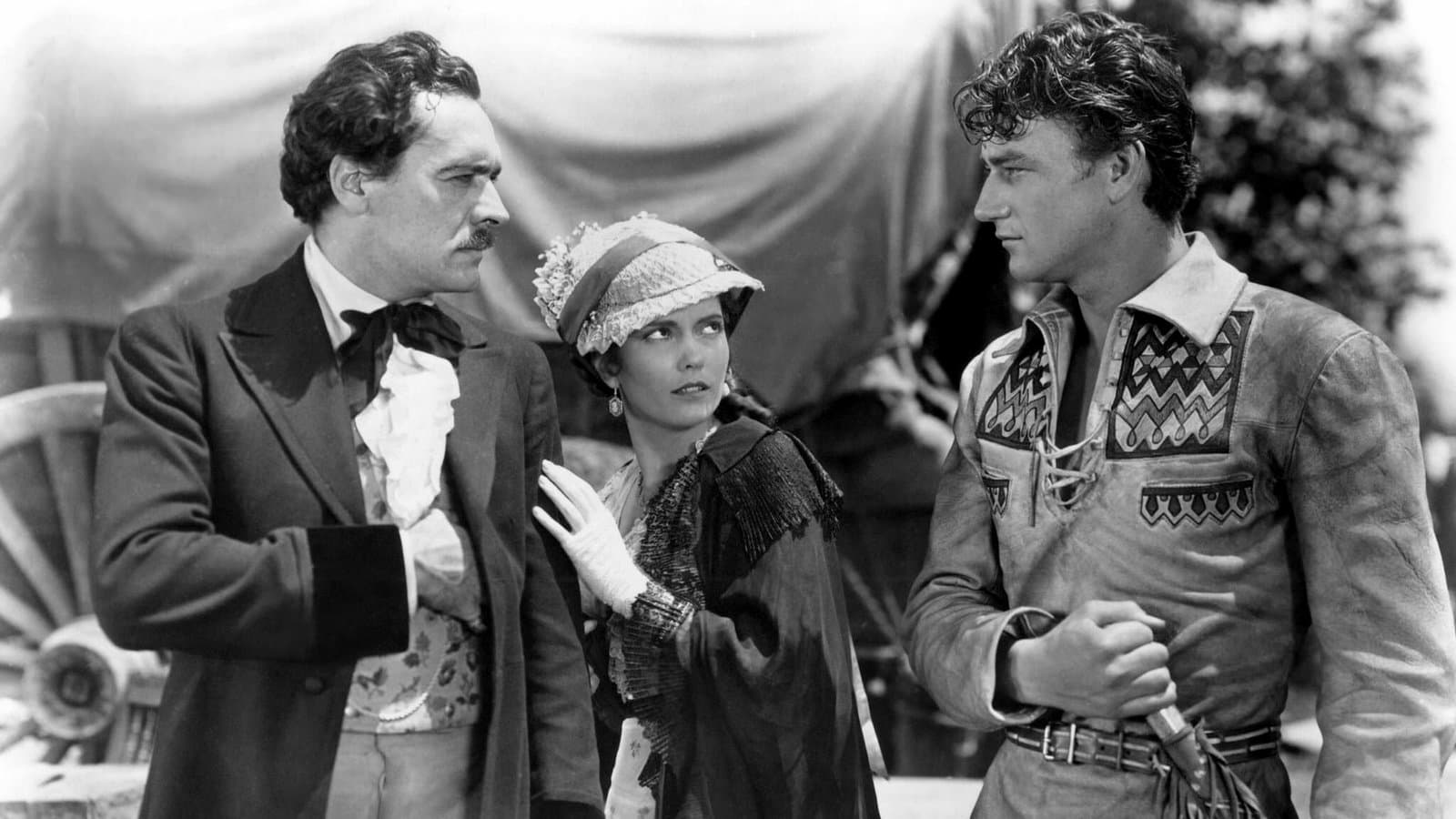
Young scout Breck Coleman leads a wagon train along the dangerous trail to Oregon as he tries to get the affection of the beautiful pioneer Ruth Cameron and plans his revenge on the harsh scoundrels who murdered a friend of his in the past.
Directed by Raoul Walsh
mississippi river
pre-code
river crossing
wagon train
frontier justice
pioneers
buffalo herd
19th century
far west
vengeance
oregon trail
western expansion
crossing frontiers

IMDB
N/A
Where to Watch


Cast
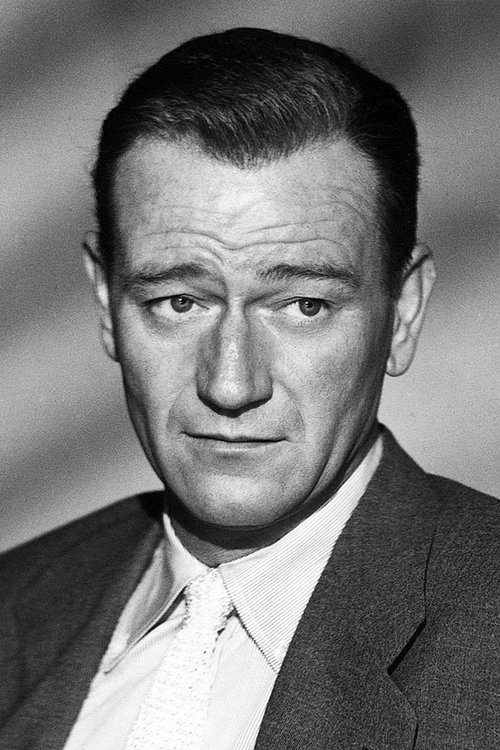
John Wayne
Breck Coleman

Marguerite Churchill
Ruth Cameron
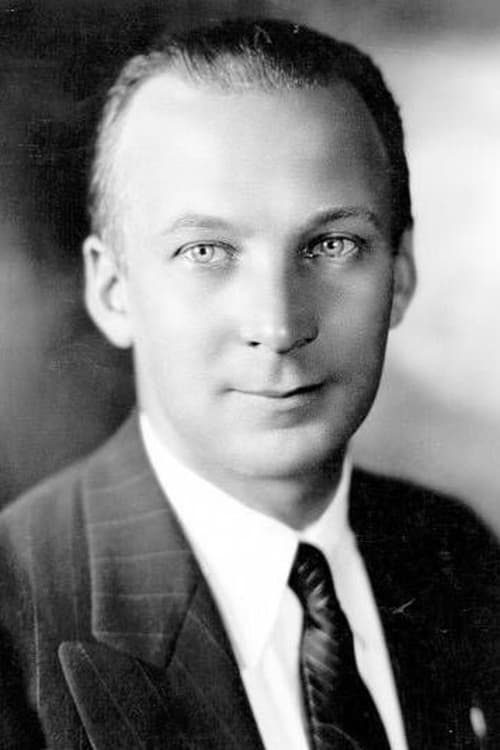
El Brendel
Gus
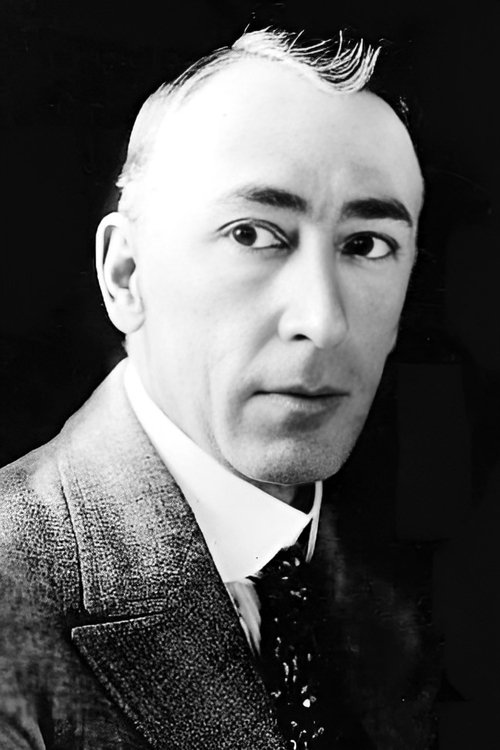
Tully Marshall
Zeke
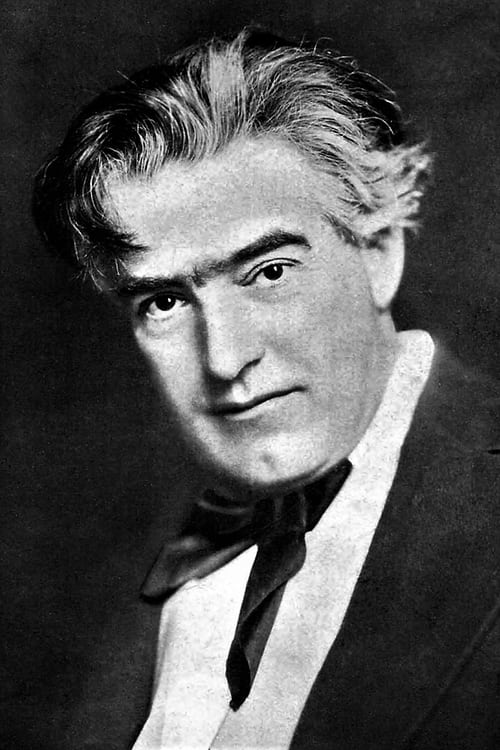
Tyrone Power Sr.
Red Flack
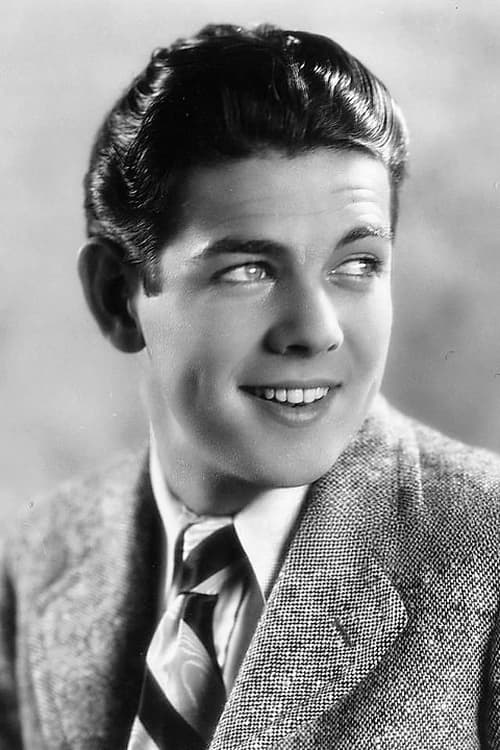
David Rollins
Dave Cameron
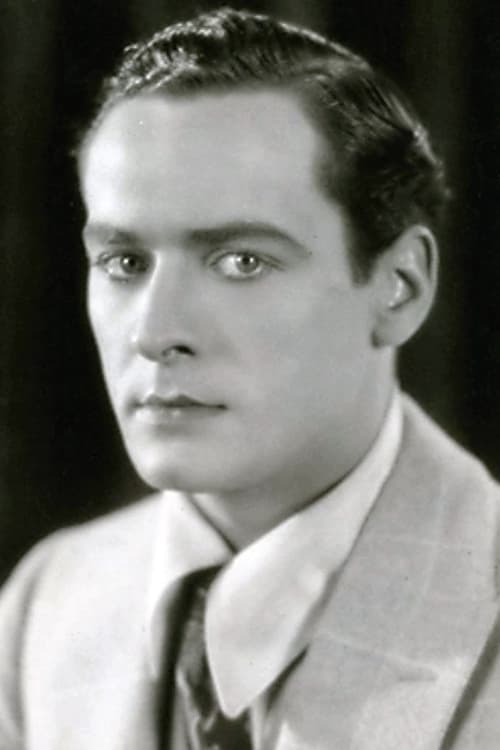
Ian Keith
Bill Thorpe
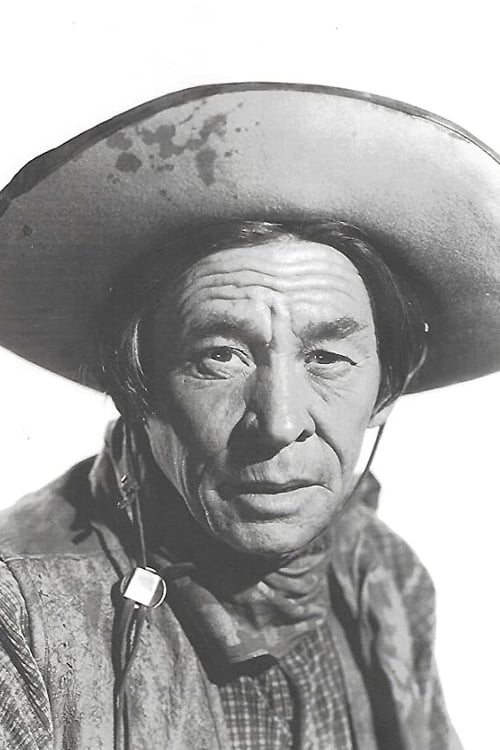
Charles Stevens
López
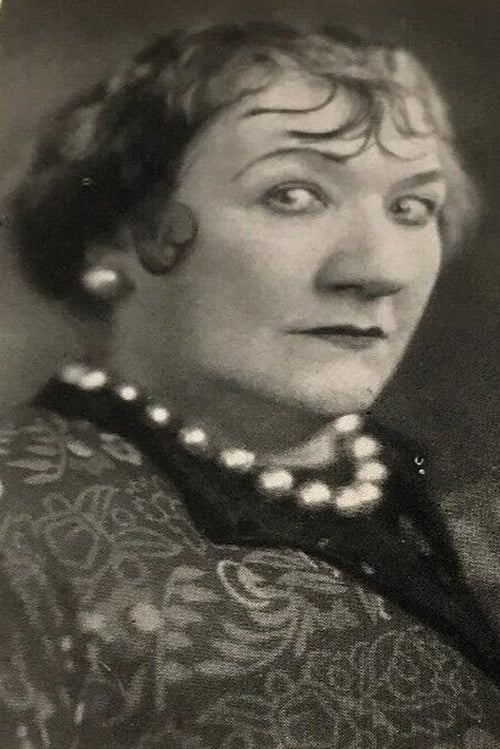
Louise Carver
Gus' Mother-in-law
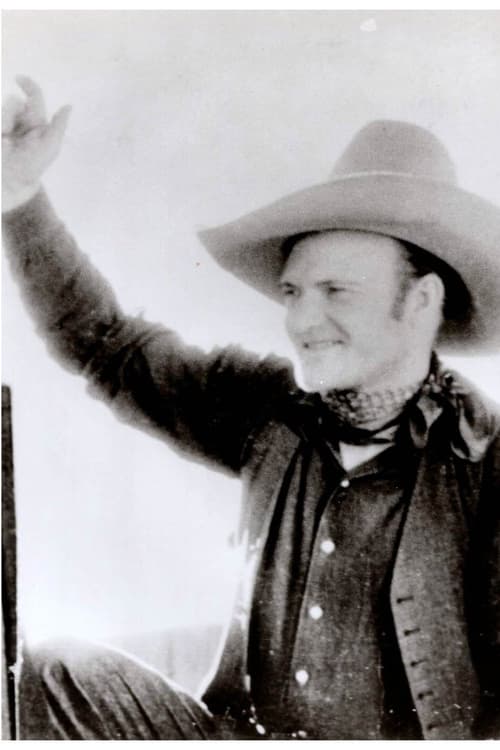
Victor Adamson
Wagon Train Man (uncredited)
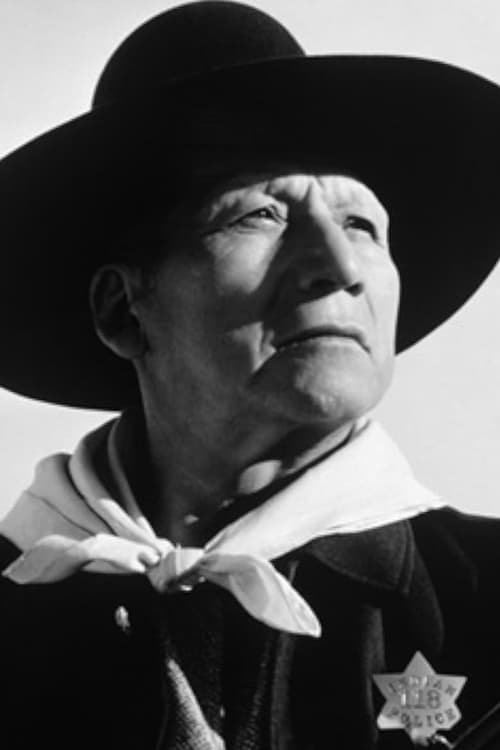
Chief John Big Tree
Indian (uncredited)
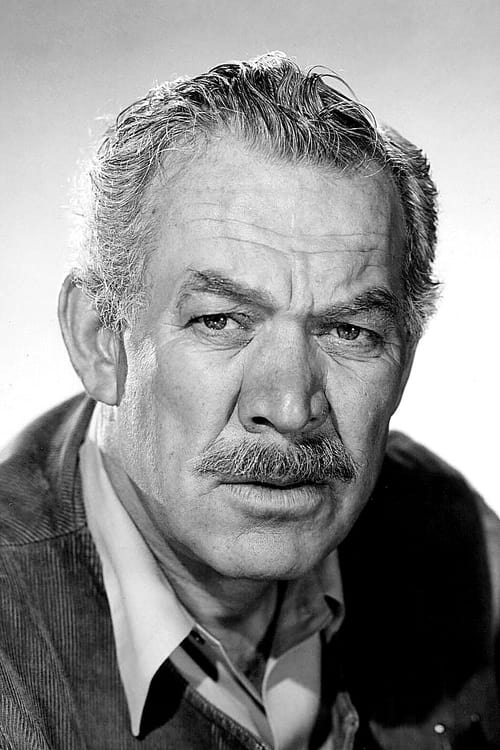
Ward Bond
Sid Bascom (uncredited)
Crew
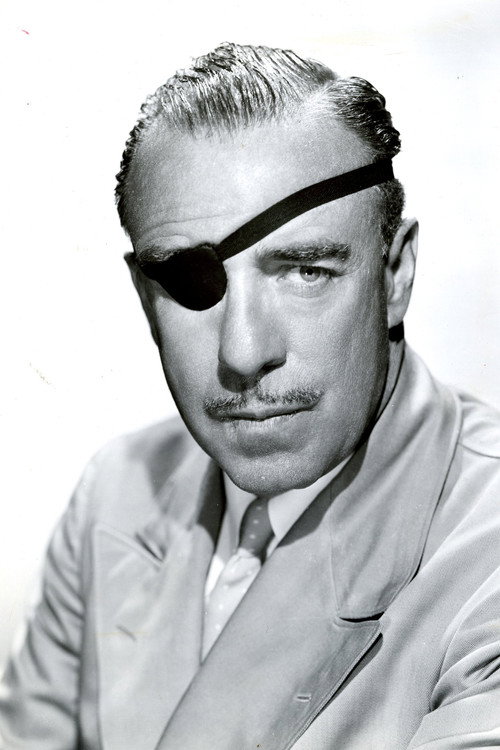
Raoul Walsh
Director
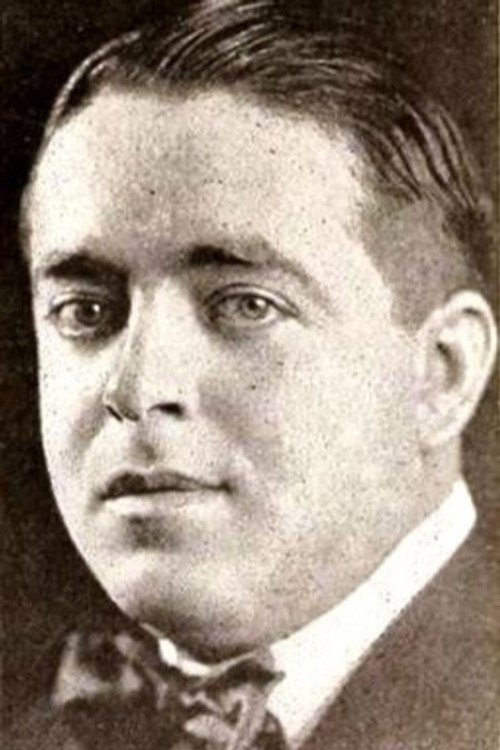
Winfield R. Sheehan
Producer
Raoul Walsh
Story
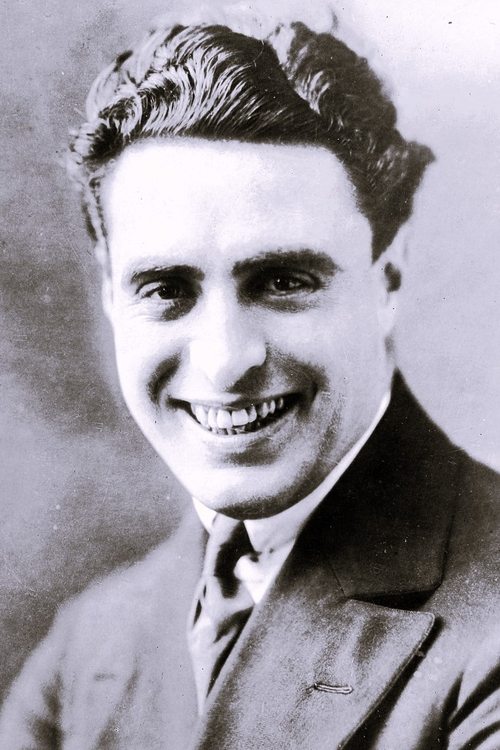
George Walsh
Assistant Director

Steve Clemente
Stunts
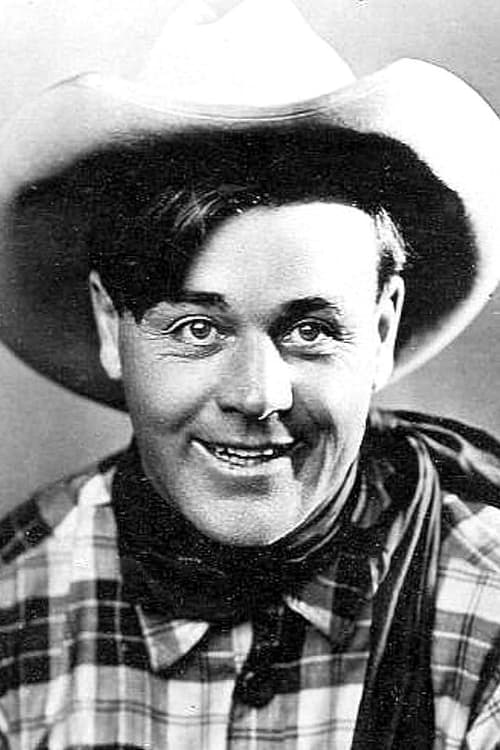
Pete Morrison
Stunts
Lumsden Hare
Dialogue Coach
Popular Reviews
12 reviews
Joao Luca
10.0★ · 05/02/26
O primeiro western que eu com certeza adorei do começo ao fim. Entendo toda a problemática que a própria narrativa impregna dentro da terra prometida dos estadunidenses, a imagem do peregrino trabalhador e devoto à religião. Porém, se tem algo que o filme consegue fazer é a simpatia por essas figuras.
Não estamos somente acompanhando John Wayne em sua busca por vingança, mas sim toda uma passagem de um povo em uma longa viagem desgastante. Até por usar uma visão panorâmica do cenário, sempre somos defrontados com o cotidiano das pessoas, salientando suas emoções, atividades, esforços e medos. Isso se intercala com a narrativa principal que sempre aparece no fundo das cenas ou retoma o foco após um tempo.
É interessante pensar também em como esse filme já parece sólido com a questão sonora que era uma novidade dentro da produção cinematográfica. Tudo isso constrói um baita épico de aventura que consegue despistar todas as problemáticas da narrativa.
Agora colocando de volta o dedo na ferida, eu acho importante destacar que nem todo o filme aborda os estereótipos de uma mesma maneira. No corrente caso, fica explicito que o conflito étnico é interno ou seja entre os brancos de descendência inglesa e protestante com os descendentes de uma linhagem hispânica. A própria presença indígena é contextualizada dentro das dinâmicas de conflitos internos das populações que se aliam de acordo com o momento com as populações brancas dentro dessa travessia no Oeste.
Por fim cabe compreender que a construção de uma imagem não o é feita de forma passiva. Todos os problemas que o gênero de western criou foram frutos de anos de exploração narrativa, com diversas representações que quando aglomeradas geraram um tratamento torpe ás populações indígenas e mexicanas. Porém, é justo definir que não é somente no plano ideológico que esse discurso toma forma é preciso também um alinhamento estético. Ou seja, para alcançar ao público o filme também precisar ser belo, o que definitivamente esse o faz.
Não estamos somente acompanhando John Wayne em sua busca por vingança, mas sim toda uma passagem de um povo em uma longa viagem desgastante. Até por usar uma visão panorâmica do cenário, sempre somos defrontados com o cotidiano das pessoas, salientando suas emoções, atividades, esforços e medos. Isso se intercala com a narrativa principal que sempre aparece no fundo das cenas ou retoma o foco após um tempo.
É interessante pensar também em como esse filme já parece sólido com a questão sonora que era uma novidade dentro da produção cinematográfica. Tudo isso constrói um baita épico de aventura que consegue despistar todas as problemáticas da narrativa.
Agora colocando de volta o dedo na ferida, eu acho importante destacar que nem todo o filme aborda os estereótipos de uma mesma maneira. No corrente caso, fica explicito que o conflito étnico é interno ou seja entre os brancos de descendência inglesa e protestante com os descendentes de uma linhagem hispânica. A própria presença indígena é contextualizada dentro das dinâmicas de conflitos internos das populações que se aliam de acordo com o momento com as populações brancas dentro dessa travessia no Oeste.
Por fim cabe compreender que a construção de uma imagem não o é feita de forma passiva. Todos os problemas que o gênero de western criou foram frutos de anos de exploração narrativa, com diversas representações que quando aglomeradas geraram um tratamento torpe ás populações indígenas e mexicanas. Porém, é justo definir que não é somente no plano ideológico que esse discurso toma forma é preciso também um alinhamento estético. Ou seja, para alcançar ao público o filme também precisar ser belo, o que definitivamente esse o faz.
O primeiro western que eu com certeza adorei do começo ao fim. Entendo toda a problemática que a própria narrativa impregna dentro da terra prometida dos estadunidenses, a imagem do peregrino trabalhador e devoto à religião. Porém, se tem algo que o filme consegue fazer é a simpatia por essas figuras.
Não estamos somente acompanhando John Wayne em sua busca por vingança, mas sim toda uma passagem de um povo em uma longa viagem desgastante. Até por usar uma visão panorâmica do cenário, sempre somos defrontados com o cotidiano das pessoas, salientando suas emoções, atividades, esforços e medos. Isso se intercala com a narrativa principal que sempre aparece no fundo das cenas ou retoma o foco após um tempo.
É interessante pensar também em como esse filme já parece sólido com a questão sonora que era uma novidade dentro da produção cinematográfica. Tudo isso constrói um baita épico de aventura que consegue despistar todas as problemáticas da narrativa.
Agora colocando de volta o dedo na ferida, eu acho importante destacar que nem todo o filme aborda os estereótipos de uma mesma maneira. No corrente caso, fica explicito que o conflito étnico é interno ou seja entre os brancos de descendência inglesa e protestante com os descendentes de uma linhagem hispânica. A própria presença indígena é contextualizada dentro das dinâmicas de conflitos internos das populações que se aliam de acordo com o momento com as populações brancas dentro dessa travessia no Oeste.
Por fim cabe compreender que a construção de uma imagem não o é feita de forma passiva. Todos os problemas que o gênero de western criou foram frutos de anos de exploração narrativa, com diversas representações que quando aglomeradas geraram um tratamento torpe ás populações indígenas e mexicanas. Porém, é justo definir que não é somente no plano ideológico que esse discurso toma forma é preciso também um alinhamento estético. Ou seja, para alcançar ao público o filme também precisar ser belo, o que definitivamente esse o faz.
Não estamos somente acompanhando John Wayne em sua busca por vingança, mas sim toda uma passagem de um povo em uma longa viagem desgastante. Até por usar uma visão panorâmica do cenário, sempre somos defrontados com o cotidiano das pessoas, salientando suas emoções, atividades, esforços e medos. Isso se intercala com a narrativa principal que sempre aparece no fundo das cenas ou retoma o foco após um tempo.
É interessante pensar também em como esse filme já parece sólido com a questão sonora que era uma novidade dentro da produção cinematográfica. Tudo isso constrói um baita épico de aventura que consegue despistar todas as problemáticas da narrativa.
Agora colocando de volta o dedo na ferida, eu acho importante destacar que nem todo o filme aborda os estereótipos de uma mesma maneira. No corrente caso, fica explicito que o conflito étnico é interno ou seja entre os brancos de descendência inglesa e protestante com os descendentes de uma linhagem hispânica. A própria presença indígena é contextualizada dentro das dinâmicas de conflitos internos das populações que se aliam de acordo com o momento com as populações brancas dentro dessa travessia no Oeste.
Por fim cabe compreender que a construção de uma imagem não o é feita de forma passiva. Todos os problemas que o gênero de western criou foram frutos de anos de exploração narrativa, com diversas representações que quando aglomeradas geraram um tratamento torpe ás populações indígenas e mexicanas. Porém, é justo definir que não é somente no plano ideológico que esse discurso toma forma é preciso também um alinhamento estético. Ou seja, para alcançar ao público o filme também precisar ser belo, o que definitivamente esse o faz.


Sean
7.0★ · 01/11/26
52 Westerns in 52 Weeks Challenge
Week 2: Starring John Wayne**
When I saw this week’s challenge was a film starring John Wayne this was one of my first thoughts for what to watch. I’ve heard it talked about as not just Wayne’s first but one of his best and shockingly I have to agree, I’ve yet to see his most acclaimed collabs with Ford so I can’t speak on Wayne’s filmography with much confidence but out of the 8 or so roles I have seen I can say this is one of the best without a doubt. The story itself doesn’t have too much going for it, even though I’m obviously not a fan of manifest destiny I can get behind the sentiment they were going for here it’s just a little rough around the edges in terms of the narrative and how they told it, and the fact it doesn’t really go anywhere doesn’t help either. The cinematography is my favorite part with so many of these shots looking ridiculously good for 1930, I enjoyed seeing how they filmed this too, it seems like it’d be a nightmare directing this but that only makes it that much more entertaining to watch, brilliant stuff across the board with this set and shot creation/design. For what could be improved narratively I’d say more focus on the stolen wolf hide storyline instead of that plot splitting time with the relationship between Churchill and Wayne, there just wasn’t much chemistry there so I was never too into it, I liked the conclusions to the storylines we got I just wish we got more focus on the stolen hides one throughout. In the end I really appreciate what they managed to achieve producing this in the late twenties and I appreciate it for introducing John Wayne who would popularize one of my favorite movie genres, but even with all of that I can’t ignore the issues and they unfortunately keep it down just a bit. It’s still a 3.5 for plenty of great reasons, from the cinematography, to Wayne’s iconic lead, and the fantastic score, and I’m very glad I chose this over something like Hondo or McClintlock! because even if it fell short on some fronts it’s still a technical masterpiece for its time which gives a base level of entertainment value to me. It may not have blown my mind or left me in awe but this watch felt important, for next week’s John Ford challenge I might go with a western even older than this.
Week 2: Starring John Wayne**
When I saw this week’s challenge was a film starring John Wayne this was one of my first thoughts for what to watch. I’ve heard it talked about as not just Wayne’s first but one of his best and shockingly I have to agree, I’ve yet to see his most acclaimed collabs with Ford so I can’t speak on Wayne’s filmography with much confidence but out of the 8 or so roles I have seen I can say this is one of the best without a doubt. The story itself doesn’t have too much going for it, even though I’m obviously not a fan of manifest destiny I can get behind the sentiment they were going for here it’s just a little rough around the edges in terms of the narrative and how they told it, and the fact it doesn’t really go anywhere doesn’t help either. The cinematography is my favorite part with so many of these shots looking ridiculously good for 1930, I enjoyed seeing how they filmed this too, it seems like it’d be a nightmare directing this but that only makes it that much more entertaining to watch, brilliant stuff across the board with this set and shot creation/design. For what could be improved narratively I’d say more focus on the stolen wolf hide storyline instead of that plot splitting time with the relationship between Churchill and Wayne, there just wasn’t much chemistry there so I was never too into it, I liked the conclusions to the storylines we got I just wish we got more focus on the stolen hides one throughout. In the end I really appreciate what they managed to achieve producing this in the late twenties and I appreciate it for introducing John Wayne who would popularize one of my favorite movie genres, but even with all of that I can’t ignore the issues and they unfortunately keep it down just a bit. It’s still a 3.5 for plenty of great reasons, from the cinematography, to Wayne’s iconic lead, and the fantastic score, and I’m very glad I chose this over something like Hondo or McClintlock! because even if it fell short on some fronts it’s still a technical masterpiece for its time which gives a base level of entertainment value to me. It may not have blown my mind or left me in awe but this watch felt important, for next week’s John Ford challenge I might go with a western even older than this.
52 Westerns in 52 Weeks Challenge
Week 2: Starring John Wayne**
When I saw this week’s challenge was a film starring John Wayne this was one of my first thoughts for what to watch. I’ve heard it talked about as not just Wayne’s first but one of his best and shockingly I have to agree, I’ve yet to see his most acclaimed collabs with Ford so I can’t speak on Wayne’s filmography with much confidence but out of the 8 or so roles I have seen I can say this is one of the best without a doubt. The story itself doesn’t have too much going for it, even though I’m obviously not a fan of manifest destiny I can get behind the sentiment they were going for here it’s just a little rough around the edges in terms of the narrative and how they told it, and the fact it doesn’t really go anywhere doesn’t help either. The cinematography is my favorite part with so many of these shots looking ridiculously good for 1930, I enjoyed seeing how they filmed this too, it seems like it’d be a nightmare directing this but that only makes it that much more entertaining to watch, brilliant stuff across the board with this set and shot creation/design. For what could be improved narratively I’d say more focus on the stolen wolf hide storyline instead of that plot splitting time with the relationship between Churchill and Wayne, there just wasn’t much chemistry there so I was never too into it, I liked the conclusions to the storylines we got I just wish we got more focus on the stolen hides one throughout. In the end I really appreciate what they managed to achieve producing this in the late twenties and I appreciate it for introducing John Wayne who would popularize one of my favorite movie genres, but even with all of that I can’t ignore the issues and they unfortunately keep it down just a bit. It’s still a 3.5 for plenty of great reasons, from the cinematography, to Wayne’s iconic lead, and the fantastic score, and I’m very glad I chose this over something like Hondo or McClintlock! because even if it fell short on some fronts it’s still a technical masterpiece for its time which gives a base level of entertainment value to me. It may not have blown my mind or left me in awe but this watch felt important, for next week’s John Ford challenge I might go with a western even older than this.
Week 2: Starring John Wayne**
When I saw this week’s challenge was a film starring John Wayne this was one of my first thoughts for what to watch. I’ve heard it talked about as not just Wayne’s first but one of his best and shockingly I have to agree, I’ve yet to see his most acclaimed collabs with Ford so I can’t speak on Wayne’s filmography with much confidence but out of the 8 or so roles I have seen I can say this is one of the best without a doubt. The story itself doesn’t have too much going for it, even though I’m obviously not a fan of manifest destiny I can get behind the sentiment they were going for here it’s just a little rough around the edges in terms of the narrative and how they told it, and the fact it doesn’t really go anywhere doesn’t help either. The cinematography is my favorite part with so many of these shots looking ridiculously good for 1930, I enjoyed seeing how they filmed this too, it seems like it’d be a nightmare directing this but that only makes it that much more entertaining to watch, brilliant stuff across the board with this set and shot creation/design. For what could be improved narratively I’d say more focus on the stolen wolf hide storyline instead of that plot splitting time with the relationship between Churchill and Wayne, there just wasn’t much chemistry there so I was never too into it, I liked the conclusions to the storylines we got I just wish we got more focus on the stolen hides one throughout. In the end I really appreciate what they managed to achieve producing this in the late twenties and I appreciate it for introducing John Wayne who would popularize one of my favorite movie genres, but even with all of that I can’t ignore the issues and they unfortunately keep it down just a bit. It’s still a 3.5 for plenty of great reasons, from the cinematography, to Wayne’s iconic lead, and the fantastic score, and I’m very glad I chose this over something like Hondo or McClintlock! because even if it fell short on some fronts it’s still a technical masterpiece for its time which gives a base level of entertainment value to me. It may not have blown my mind or left me in awe but this watch felt important, for next week’s John Ford challenge I might go with a western even older than this.
Jacob Dickens
6.5★ · 09/06/25
Watching The Big Trail is to see a possible alternate path in film history we sadly couldn't travel down. In much the same way some of the last silent films speak to what the medium could have produced if sound hadn't halted it for the next few years, The Big Trail is an experiment in one of the earliest widescreen 70mm formats made decades before it would be popularized in the 1950s. As such, it is a film visually unstuck in time in its original format, a breathtakingly deep frame capturing its landscape with a clarity and quality other films technologically couldn't match. There are points watching The Big Trail that feel almost reminiscent of modern attempts to recapture old films, a strange ouroboros of influence and recreation. Not to mention that this was the first leading role for a young John Wayne nine years before he would shoot into legendary status in Stagecoach. It's a majestic film that unfortunately suffers greatly from two contemporary issues for its production. For one, the sound on this is hellish, the kind of garbled and tinny shrillness that was unfortunately common in productions still trying to get a handle on this new added dimension to film. For another, the narrative is sorely lacking as it struggles to romanticize this time period in the script as well as it does visually. I've always found this short time period from 1928-1932 or so difficult to engage with because it's like watching what already was proving to be a mature art form stumble through an awkward growing period. The Big Trail was a flop largely due to the fact theatres were unable to capitalize on widescreen technology after already transforming to accommodate sound but seeing it almost a century later makes one wonder just what could have been possible if this had stuck. What would the great epics and period pieces of the 1930s and 1940s have looked like with this sweeping visual quality? Alas, we will never know.
Watching The Big Trail is to see a possible alternate path in film history we sadly couldn't travel down. In much the same way some of the last silent films speak to what the medium could have produced if sound hadn't halted it for the next few years, The Big Trail is an experiment in one of the earliest widescreen 70mm formats made decades before it would be popularized in the 1950s. As such, it is a film visually unstuck in time in its original format, a breathtakingly deep frame capturing its landscape with a clarity and quality other films technologically couldn't match. There are points watching The Big Trail that feel almost reminiscent of modern attempts to recapture old films, a strange ouroboros of influence and recreation. Not to mention that this was the first leading role for a young John Wayne nine years before he would shoot into legendary status in Stagecoach. It's a majestic film that unfortunately suffers greatly from two contemporary issues for its production. For one, the sound on this is hellish, the kind of garbled and tinny shrillness that was unfortunately common in productions still trying to get a handle on this new added dimension to film. For another, the narrative is sorely lacking as it struggles to romanticize this time period in the script as well as it does visually. I've always found this short time period from 1928-1932 or so difficult to engage with because it's like watching what already was proving to be a mature art form stumble through an awkward growing period. The Big Trail was a flop largely due to the fact theatres were unable to capitalize on widescreen technology after already transforming to accommodate sound but seeing it almost a century later makes one wonder just what could have been possible if this had stuck. What would the great epics and period pieces of the 1930s and 1940s have looked like with this sweeping visual quality? Alas, we will never know.
Gordon Cole
6.0★ · 05/23/23
The main antagonist of this western is literally a pirate. God bless America.
The main antagonist of this western is literally a pirate. God bless America.
Seins
5.1★ · 06/16/25