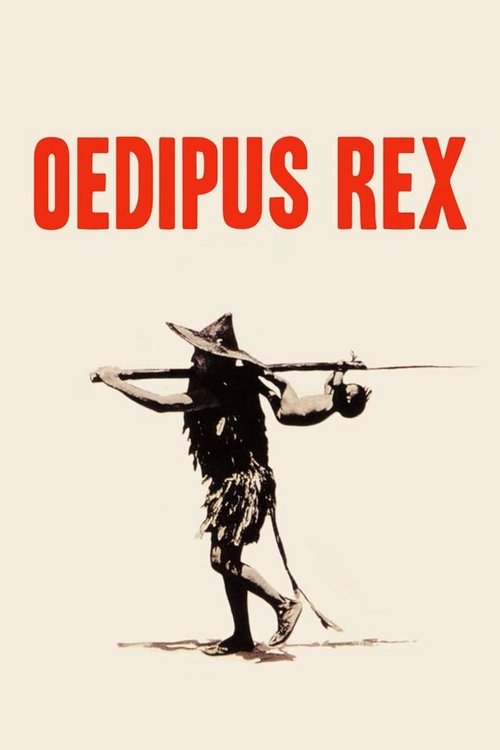
the second best adaptation of Oedipus Rex (after Funeral Parade of Roses)
Pasolini takes a classic story and twists the tone to fit his vision. the second World War and the rise of fascism in Italy adds further political (as well as personal) context to the story. on top of that, from a psychological perspective, there are so many subtle differences that make the story feel so perverse (yes, even more so than it already was).
the key difference is the character of Oedipus himself. traditionally, Oedipus is the prime example of a hero to whom tragedy befalls not just because of his shortcomings but also his virtues. it is because he is a hero that he is able to free Thebes and rule over it. but in this film, Oedipus never truly feels like a tragic hero who is a victim of fate. he never feels like a hero at all. he doesn't outsmart the sphinx. and he doesn't seem to be a particularly good leader either.
in the end, Oedipus is his own worst enemy, even in Sophocles' play. but Sophocles makes it clear that he was still a heroic figure prior to those events, which is not the case in this film. but it works. i still think people should read the play before watching the film but that's not necessarily a bad thing. the film is clearly not attempting to be an entirely faithful adaptation and even though the second half does follow the play to a great extent and even borrows some dialogue, as a whole i'd say the film feels more like a new interpretation of the myth of Oedipus than an adaptation of a classic play. which works in its favor.
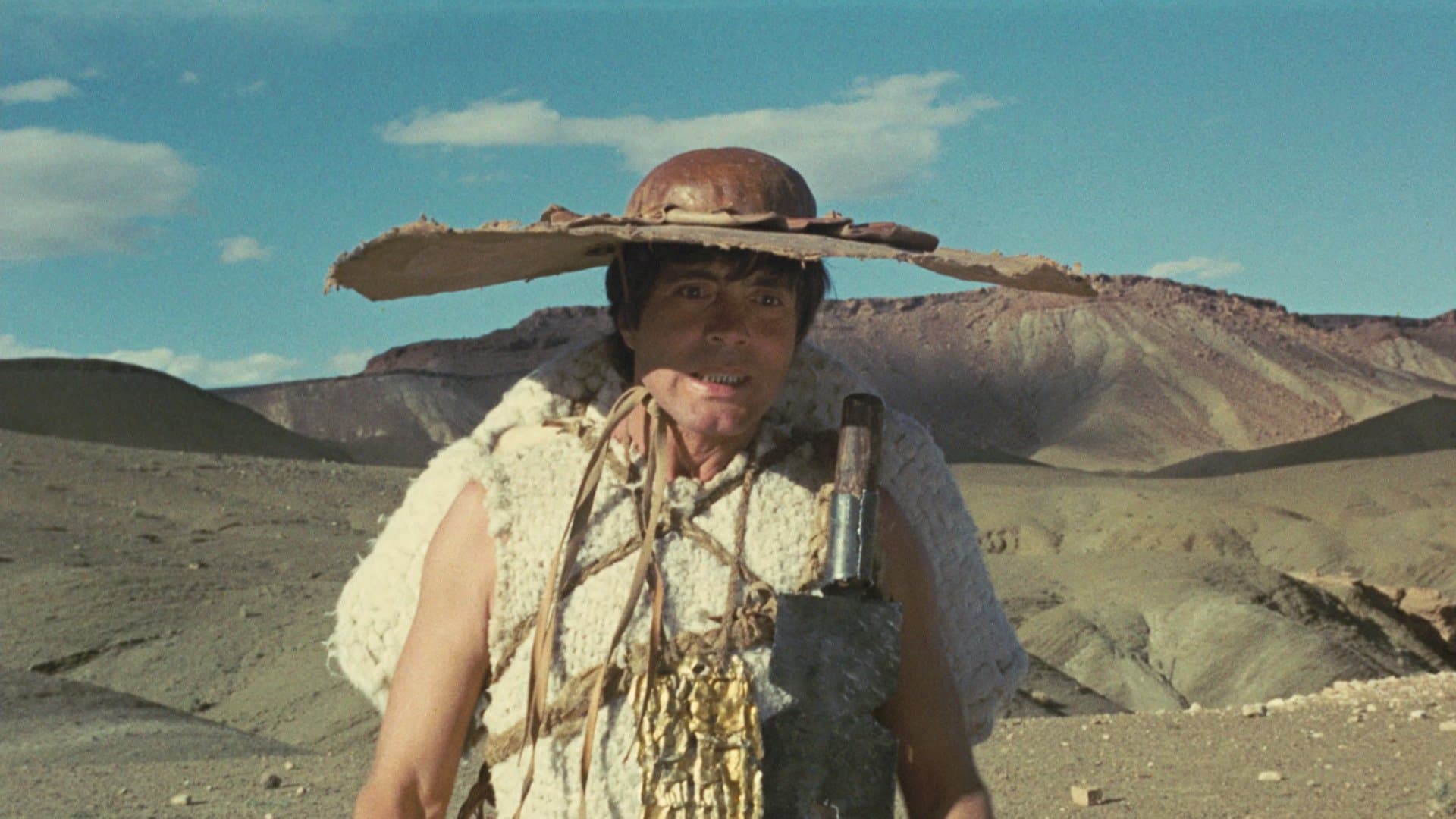
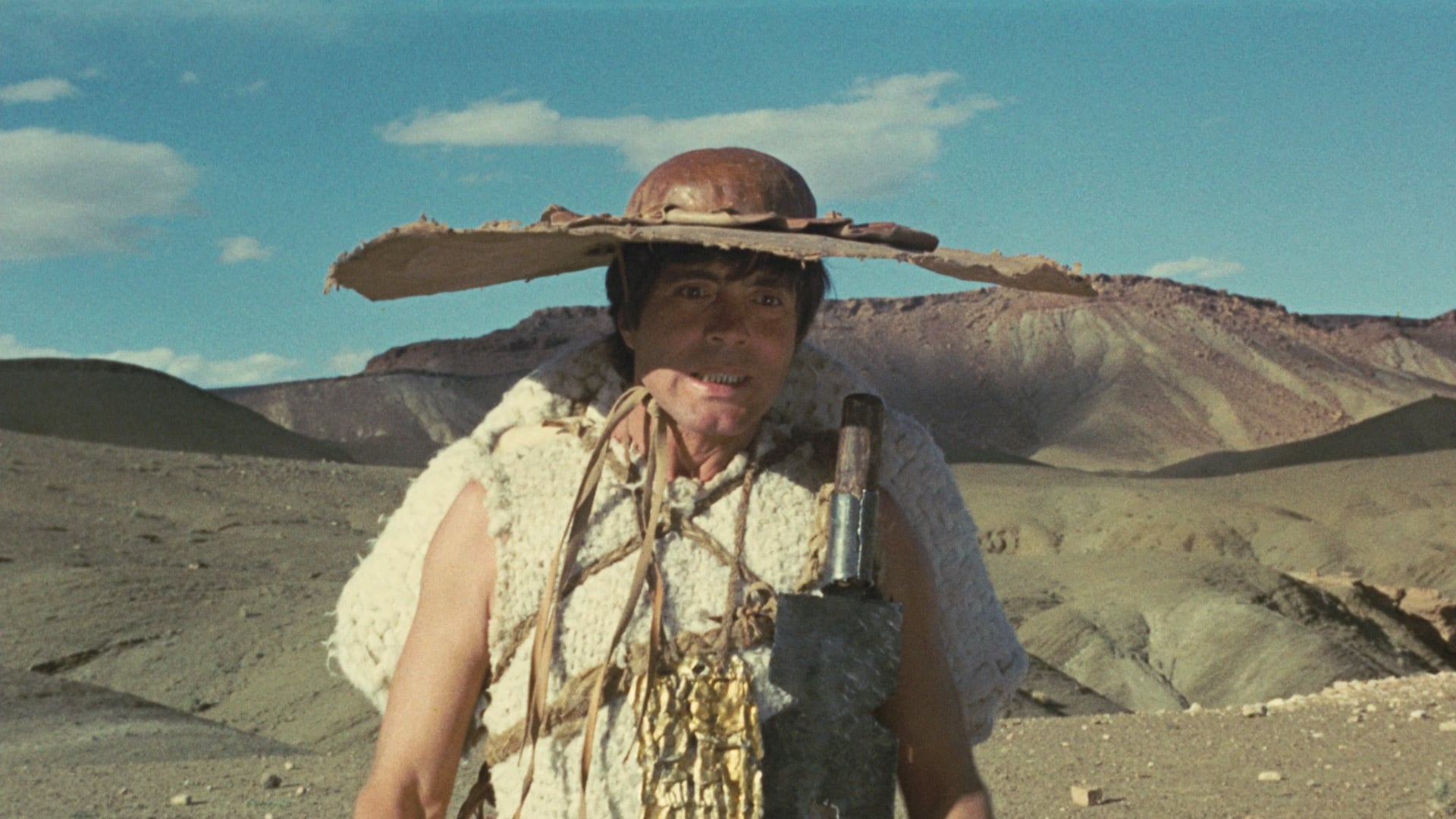
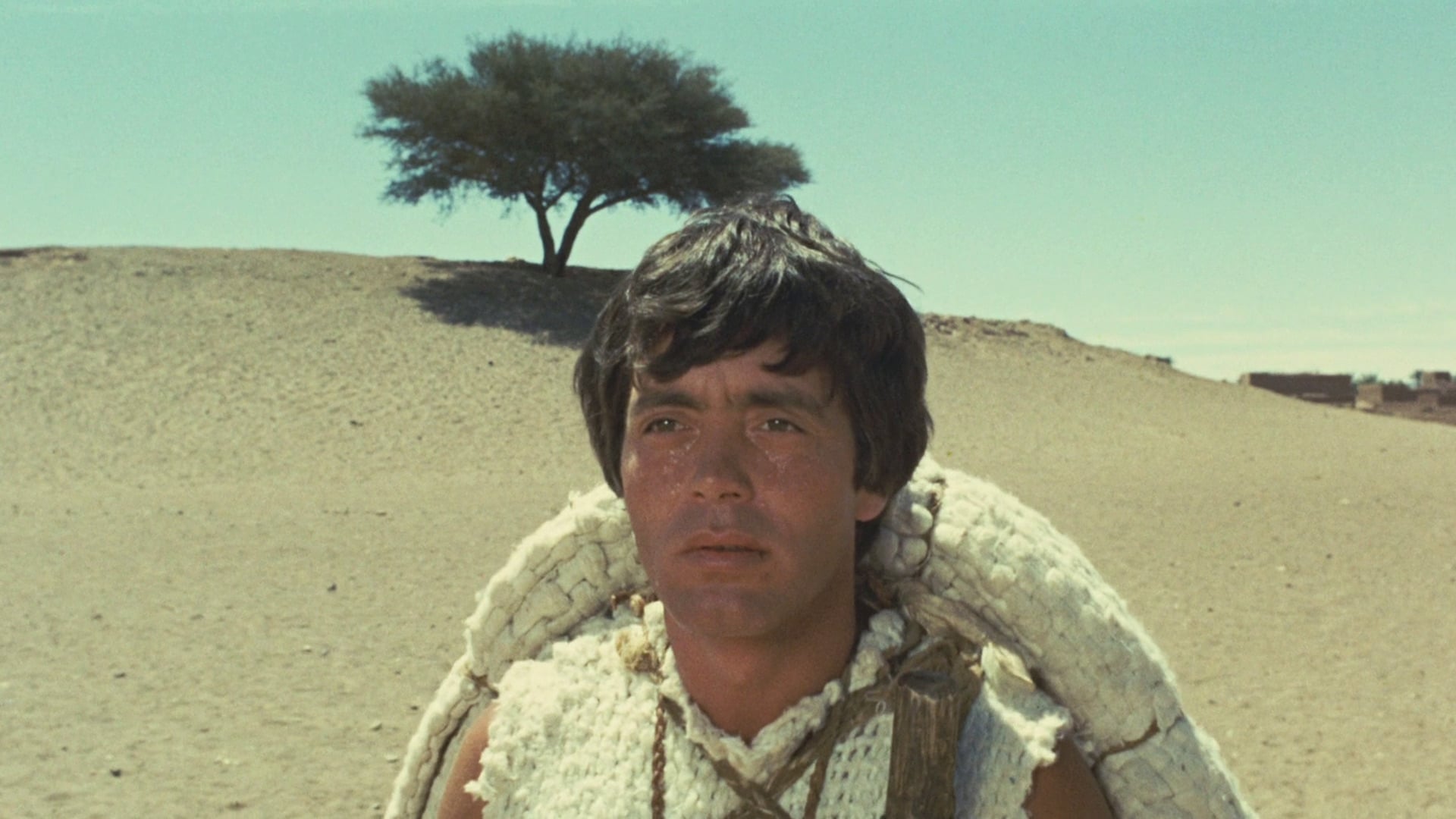
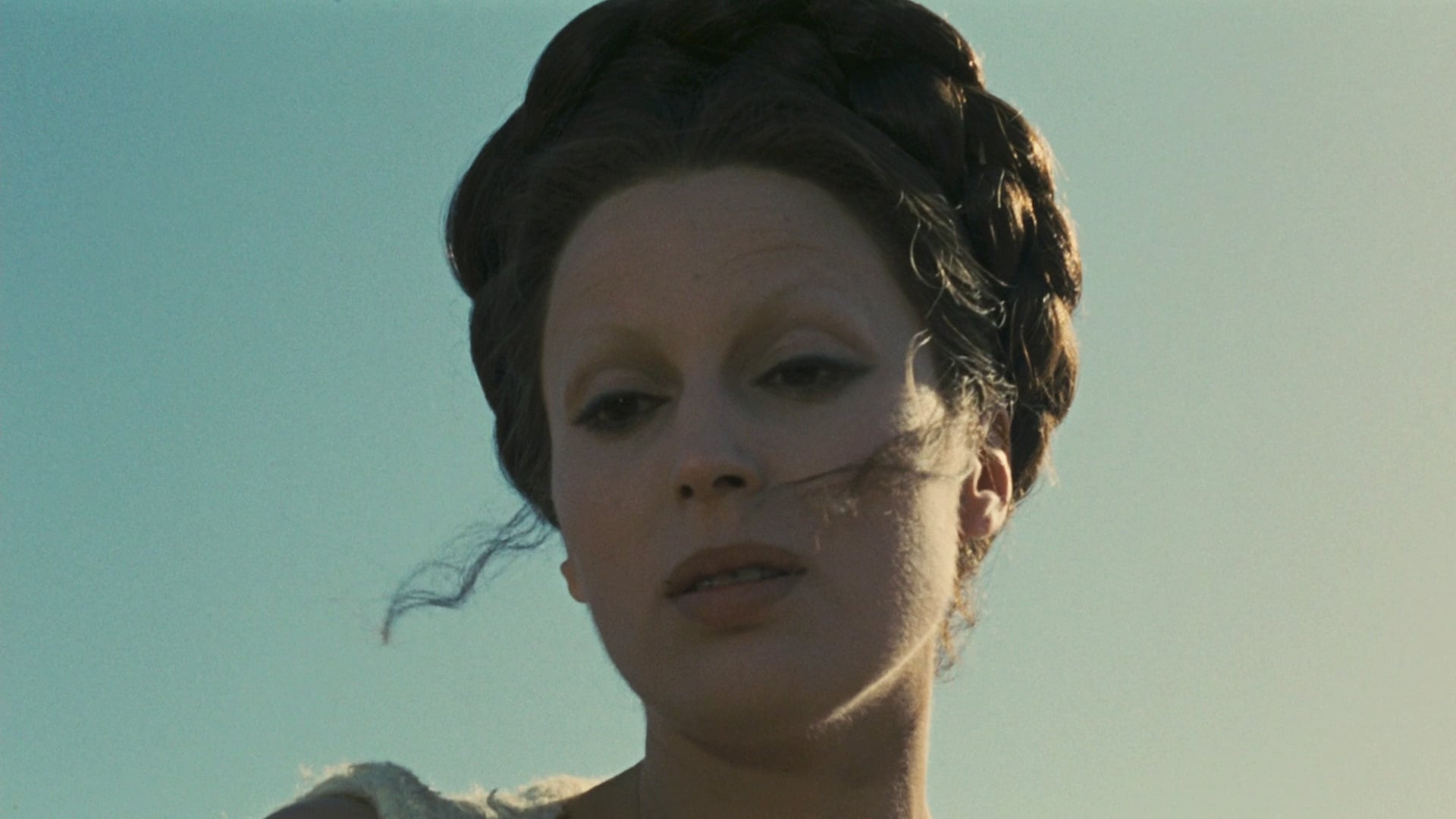
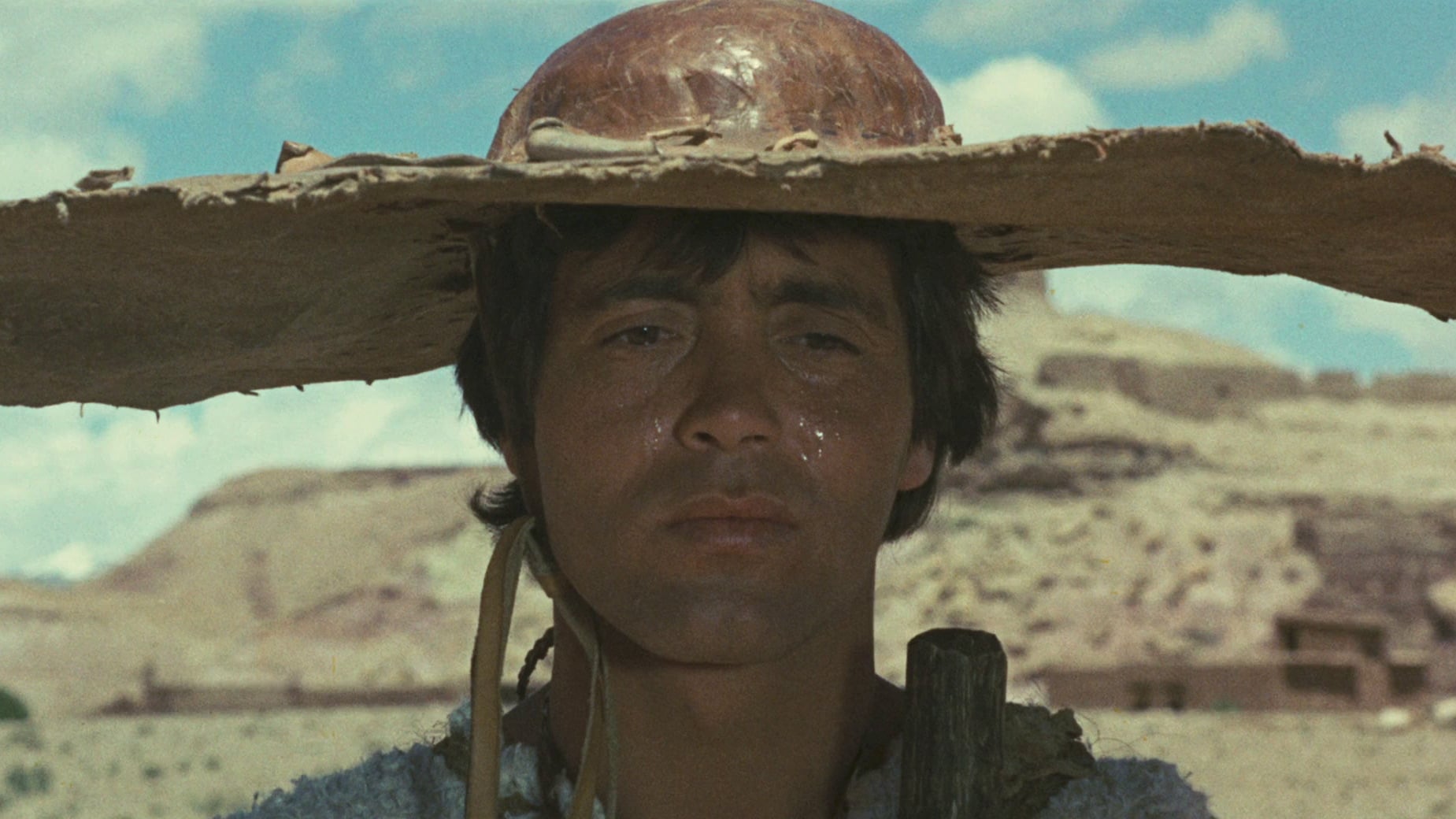
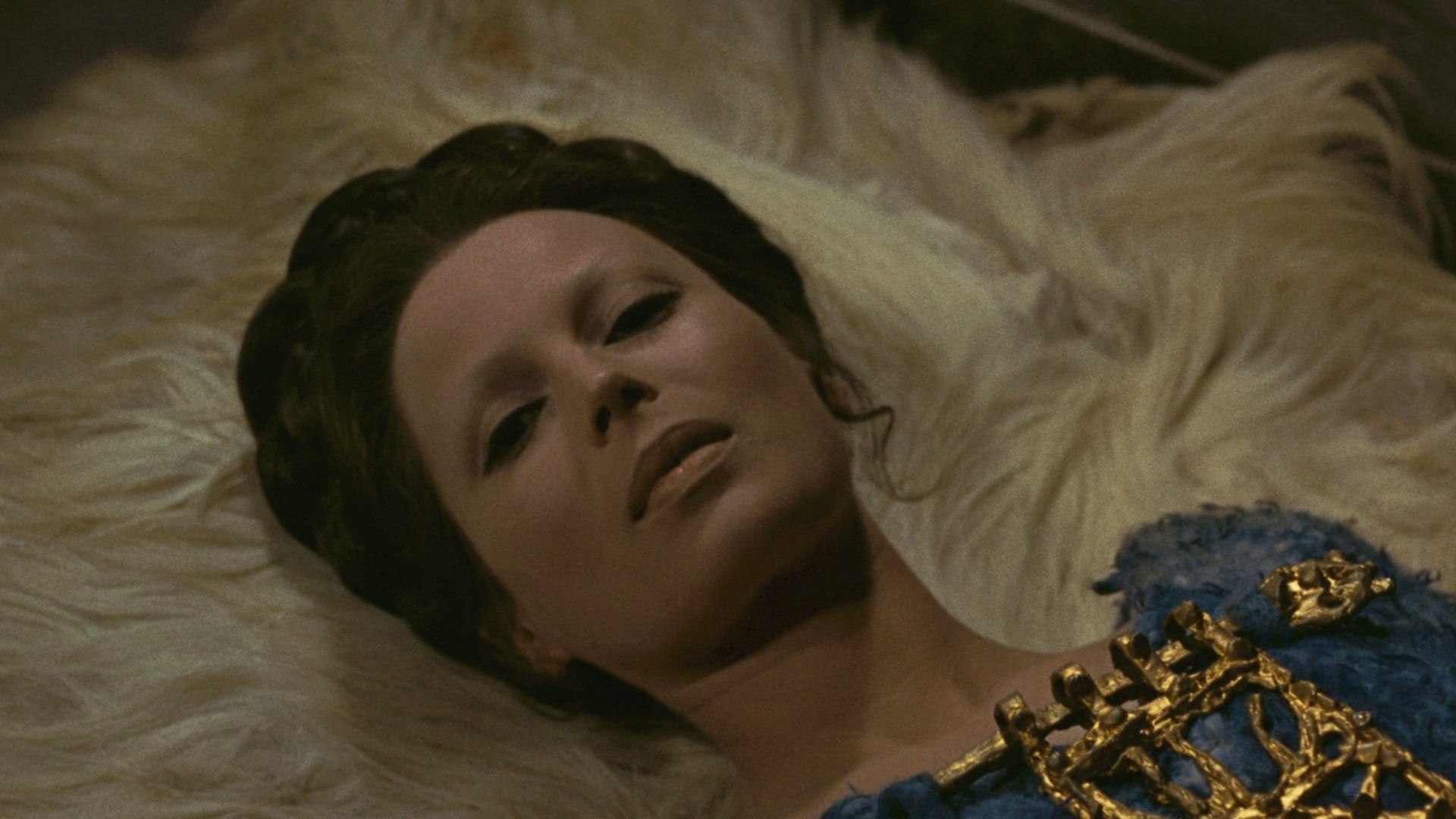
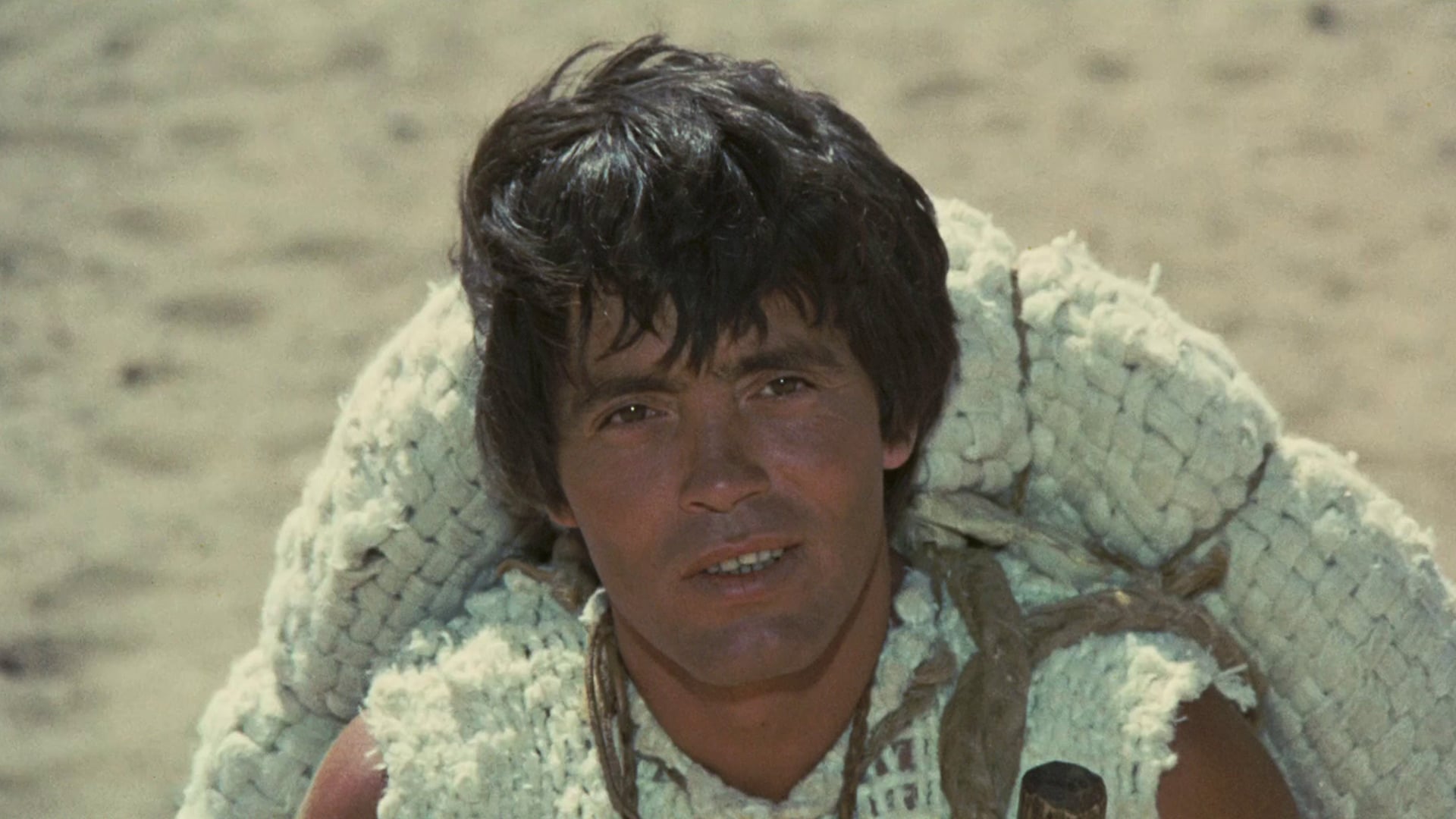
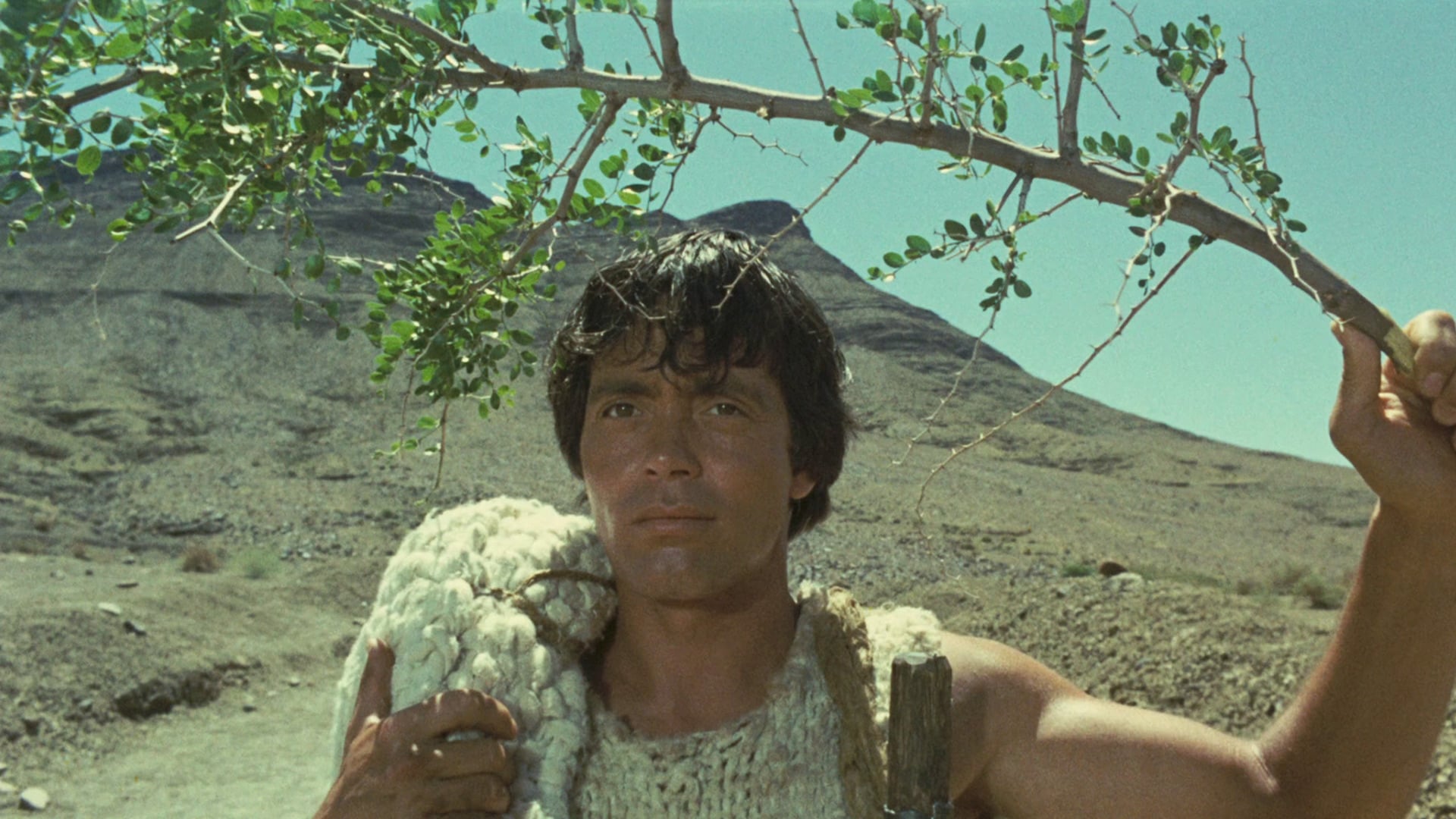
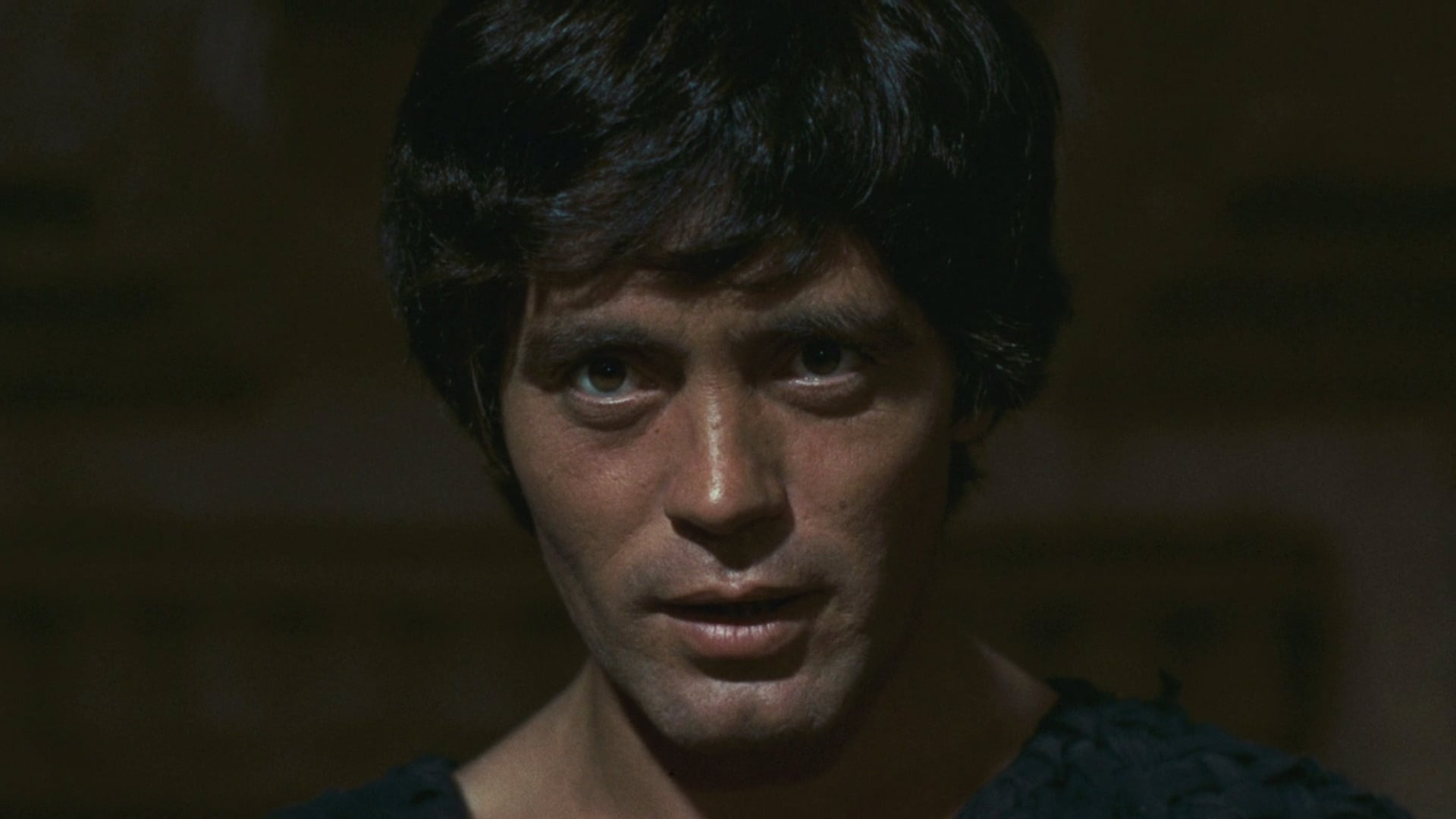
also this is one of the most beautiful looking films you'll ever watch...
the second best adaptation of Oedipus Rex (after Funeral Parade of Roses)
Pasolini takes a classic story and twists the tone to fit his vision. the second World War and the rise of fascism in Italy adds further political (as well as personal) context to the story. on top of that, from a psychological perspective, there are so many subtle differences that make the story feel so perverse (yes, even more so than it already was).
the key difference is the character of Oedipus himself. traditionally, Oedipus is the prime example of a hero to whom tragedy befalls not just because of his shortcomings but also his virtues. it is because he is a hero that he is able to free Thebes and rule over it. but in this film, Oedipus never truly feels like a tragic hero who is a victim of fate. he never feels like a hero at all. he doesn't outsmart the sphinx. and he doesn't seem to be a particularly good leader either.
in the end, Oedipus is his own worst enemy, even in Sophocles' play. but Sophocles makes it clear that he was still a heroic figure prior to those events, which is not the case in this film. but it works. i still think people should read the play before watching the film but that's not necessarily a bad thing. the film is clearly not attempting to be an entirely faithful adaptation and even though the second half does follow the play to a great extent and even borrows some dialogue, as a whole i'd say the film feels more like a new interpretation of the myth of Oedipus than an adaptation of a classic play. which works in its favor.
also this is one of the most beautiful looking films you'll ever watch...