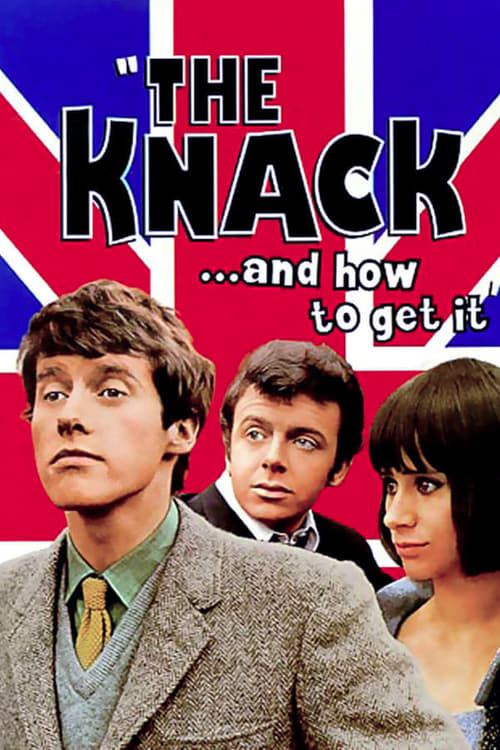
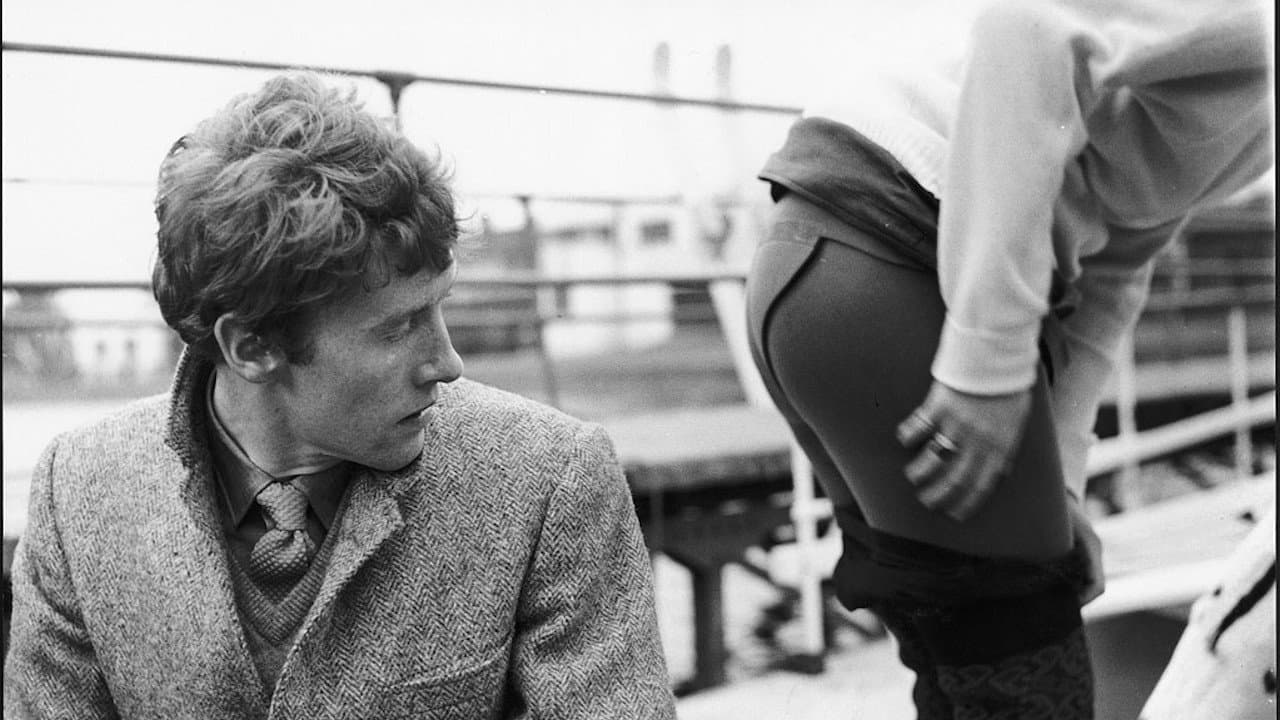
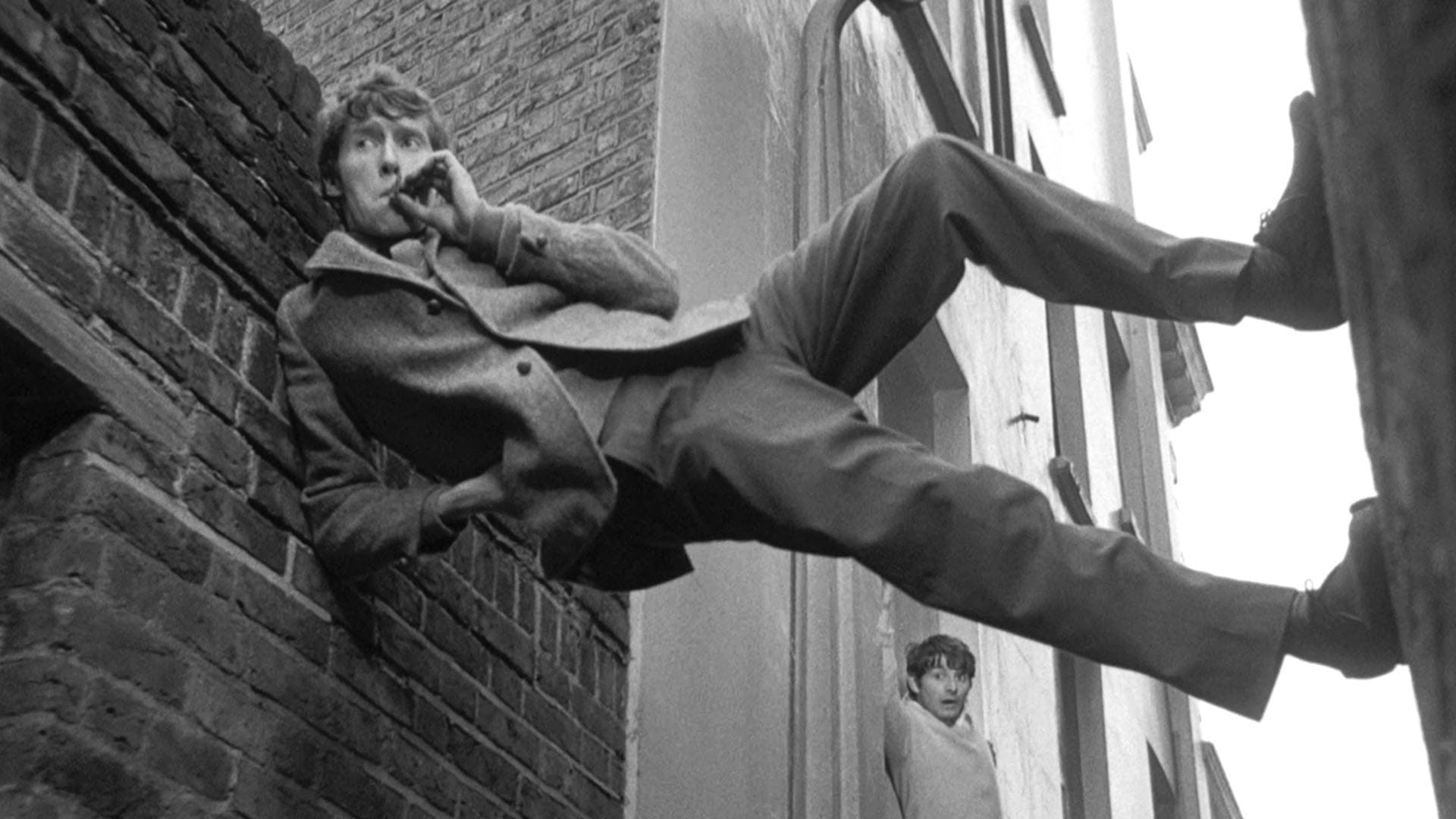
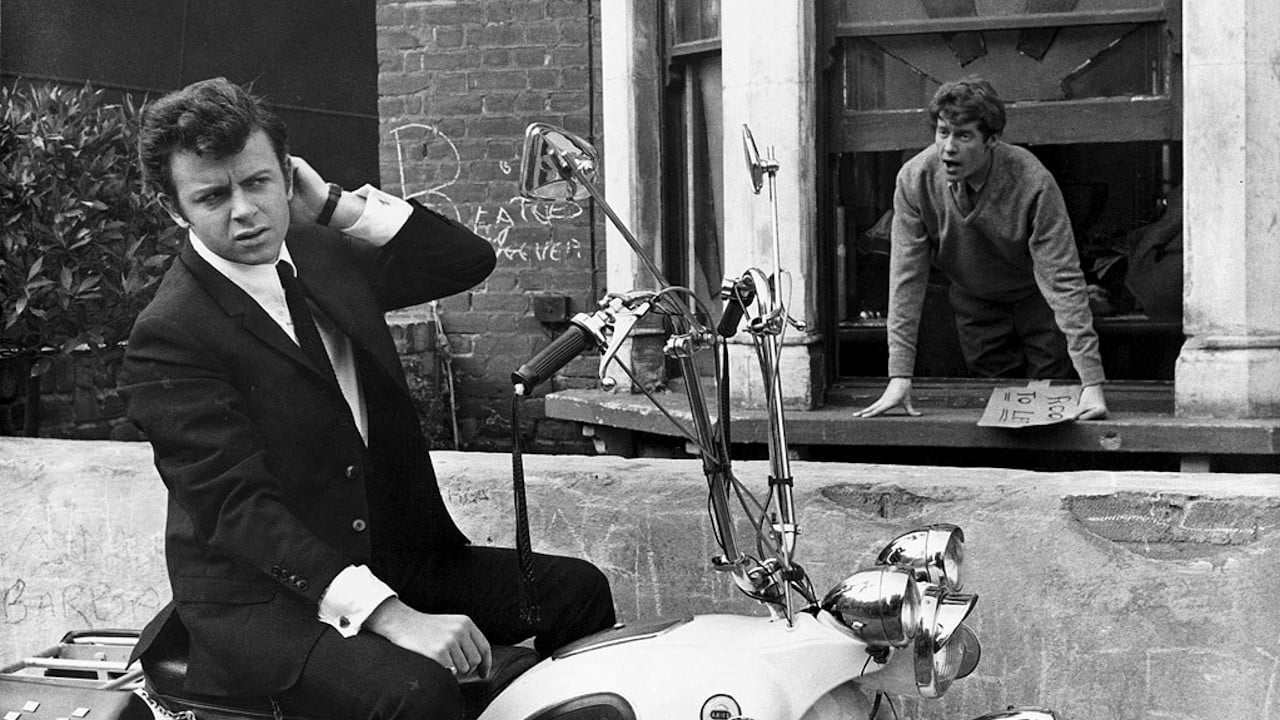
Well, I can't say I was expecting to walk into a film as thorny as this. As I sit with it, I find myself trying to find good defenses or examinations as the film takes a sudden left turn in its last half hour. Prior to this, The Knack is a rather fascinating pastiche of the French New Wave, a more overt homage than the actual British New Wave which adapted its stylings to something more grounded and class-conscious. The Knack, meanwhile, feels at times like a direct reworking of films by Godard, Truffaut, and even Tati for a sequence or two. Lester toys relentlessly with space and time, moving the flow of events back and forth at will or inserting cutaways or other impish little moments of direction. It can be a lot at first brush but I think its comedy and the radical presentation mostly fit well together. Even in the first two thirds or so, the sexual politics are rife for misinterpretation as our protagonist, Colin, asks his tenant, Tolen, how to acquire the titular knack for getting women. Tolen's advice is crude and misogynistic: women like to be dominated, women are not individuals but rather types, etc. His cool demeanor seems to work for the women he consistently brings into the apartment but Colin seems unable to find the unspoken power Tolen possesses. Throughout, there is a Greek chorus of sorts from the older generation who gawk and sneer at Colin and his friends, remarking about their immaturity and carelessness. At one point, they even treat them like animals in a zoo to be watched. There's a clear focus Lester is pointing us to during these sections about not only the generational divide but a dominant masculine view of the women and the men who fall prey to its imagery. Indeed, Tolen reminds me at many points in the film of modern pickup artists or other creeps who claim to have developed the rulebook for acquiring women like they're trophies on a shelf. Nancy, an innocent newcomer to London, crosses paths with Colin and his new tenant Tom and she seems at first like the kind of shy, sweet love interest you only see in movies. Tolen sees her as a new target of conquest while Colin and Tom don't as much though it feels like there's an unspoken competition between the two of them for who will take her. And then we reach the rape scene. Well, not really a rape scene since Nancy is never actually raped, but she begins loudly and shamelessly shouting the word rape over and over again, seeming to delight in its power. I don't think there's any hints of Lester commenting on the idea of women falsely accusing men of rape for...whatever reason people think women do that, but it slotting right into the irreverent, almost cartoony atmosphere we've already established is, to put it mildly, bizarre. More bizarre is the men's conclusion that this is simply Nancy wishing to be raped and then Nancy proudly/flirtatiously pinning the rape on Colin and then the two of them walking off into the sunset. Again, a truly baffling turn of events. It's incredibly provocative, even more so in today's climate. After the credits rolled, I began searching for explanations or defenses of the film to make sense of what had just happened. It almost felt like the surreal kineticism of this had disintegrated into pure nonsense. And I've read a few reviews talking about this as Lester and especially original writer Ann Jellicoe's attempts to comment on toxic masculinity and the way it pervades sexual politics or the linguistics of the word "rape" or specifically its relevance in 1960s London. It all feels a bit out of reach, a bit too tough of a sell for me. I don't think this is a film that is making light of rape or rape victims. The film never feels cruel or mocking, just oddly detached from it. I'm still, even now, trying to put together my thoughts on this film that presentation-wise is quite remarkable but which commits so hard to a pivot that I don't entirely understand. This is definitely a film that I'll keep chewing on for the next week or so but for now I'm left a bit bewildered by everything.