The main reason a truly scathing indictment of capitalism in film is so rare is because the understanding of capitalism, itself, is equally rare. To criticize capitalism beyond a signaling indictment requires a certain acknowledgement of truths, like supply and demand. Where humanists have every right to lambast modern-day capitalists is in their abandonment of their humanity.
The true capitalist believes it is the superior system because it leads to the greatest outcome for all. One need only recall a basic truth established in Wealth of Nations. The pursuit of self-interest, like specialization, actually ends up helping everyone.
By pursuing his own interest he frequently promotes that of the society more effectually than when he really intends to promote it.
As I mentioned, I wholeheartedly admit almost every self-proclaimed “capitalist” you meet today is far removed from the original truths. That’s because in the olden days, people were more philosophical. They thought about the big picture. The big picture is ontological.
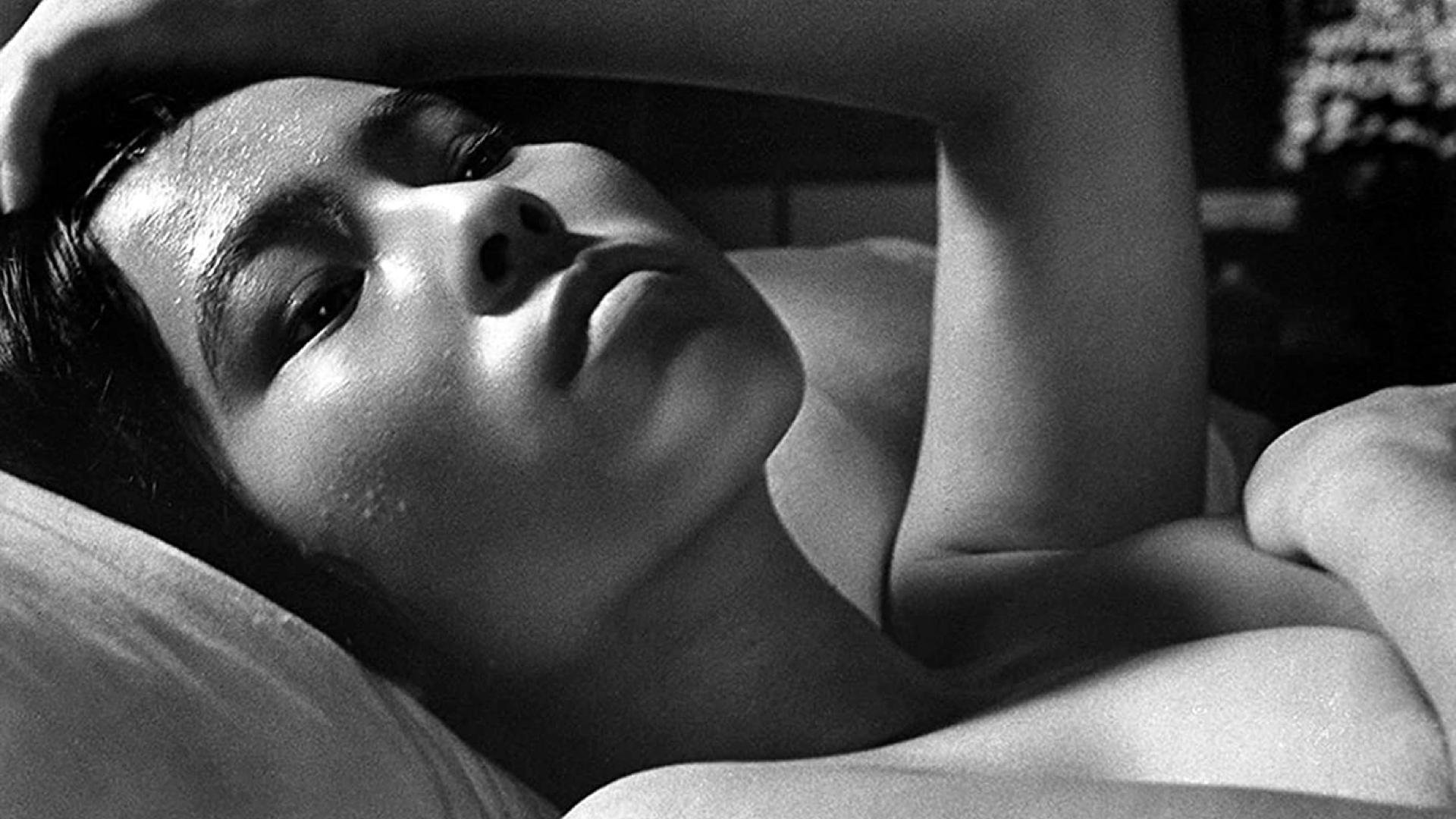
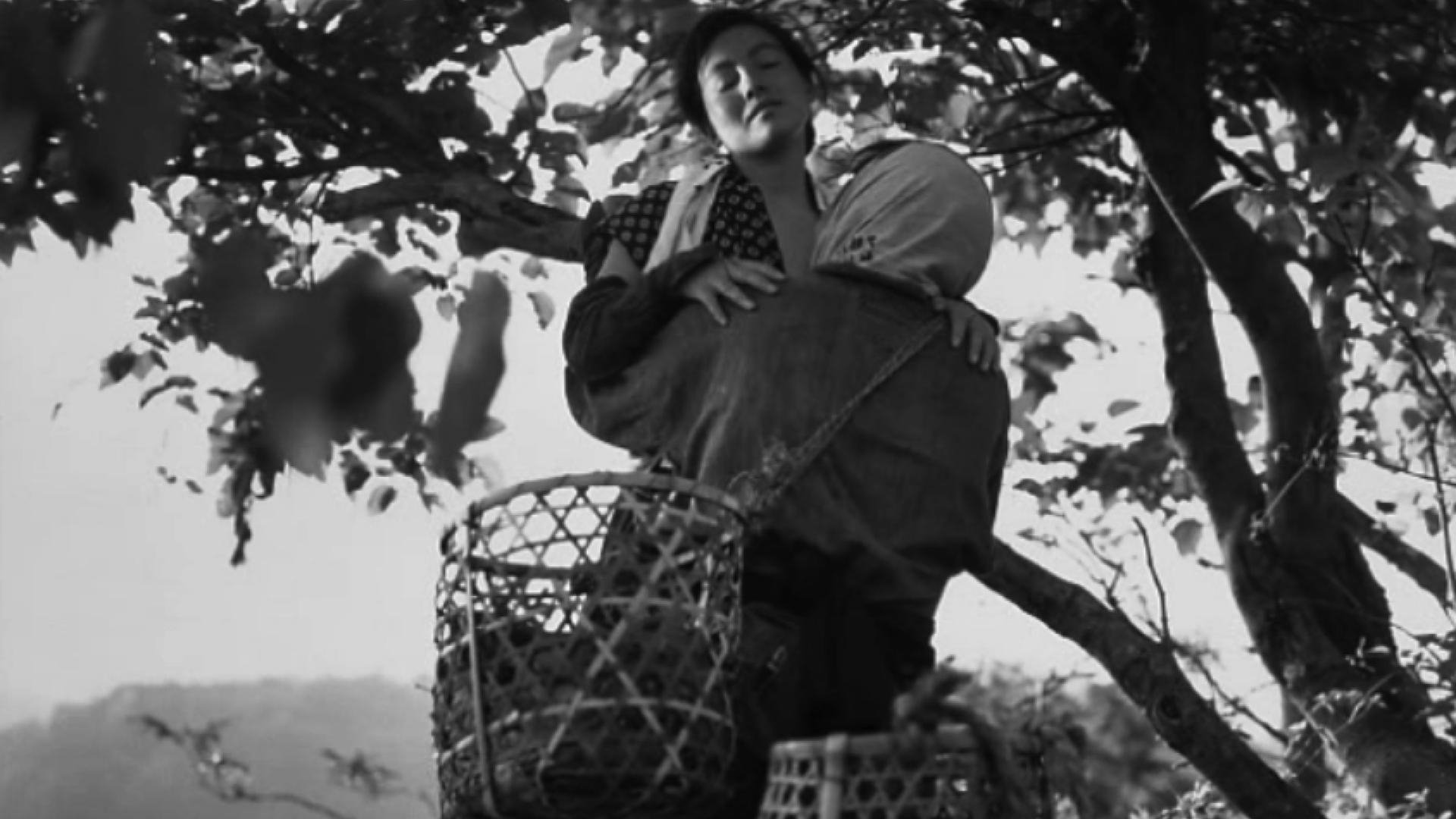
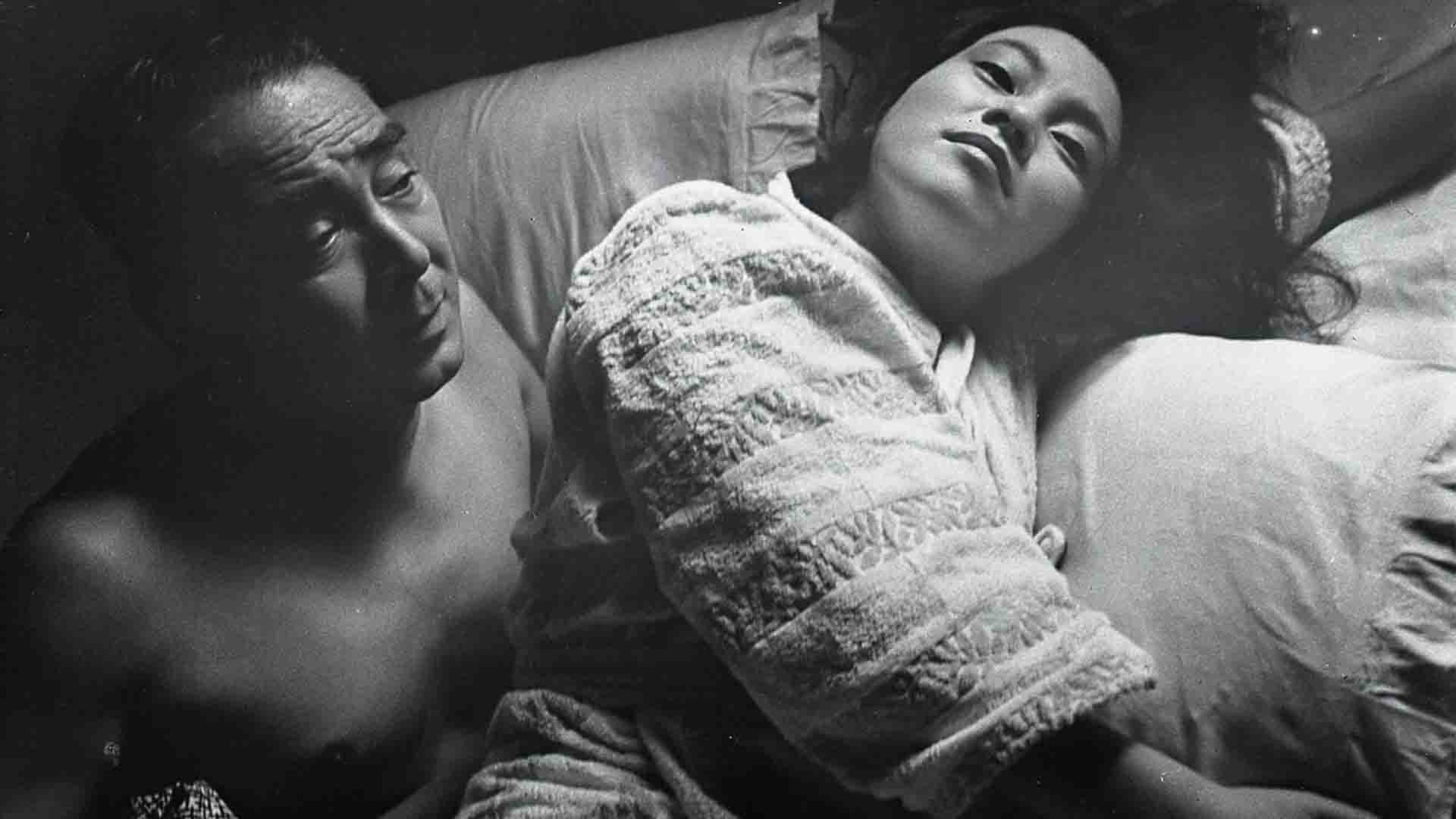
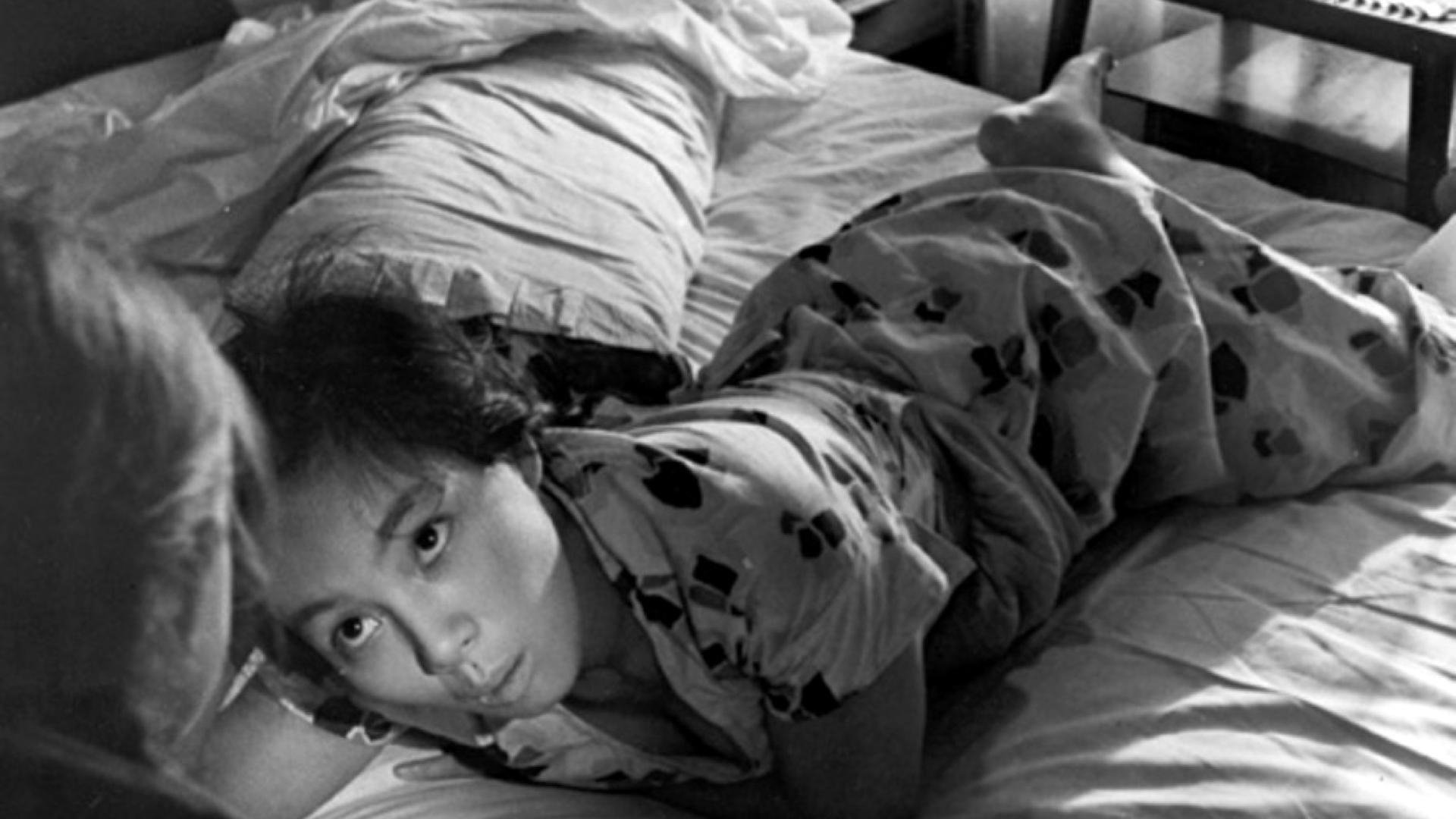
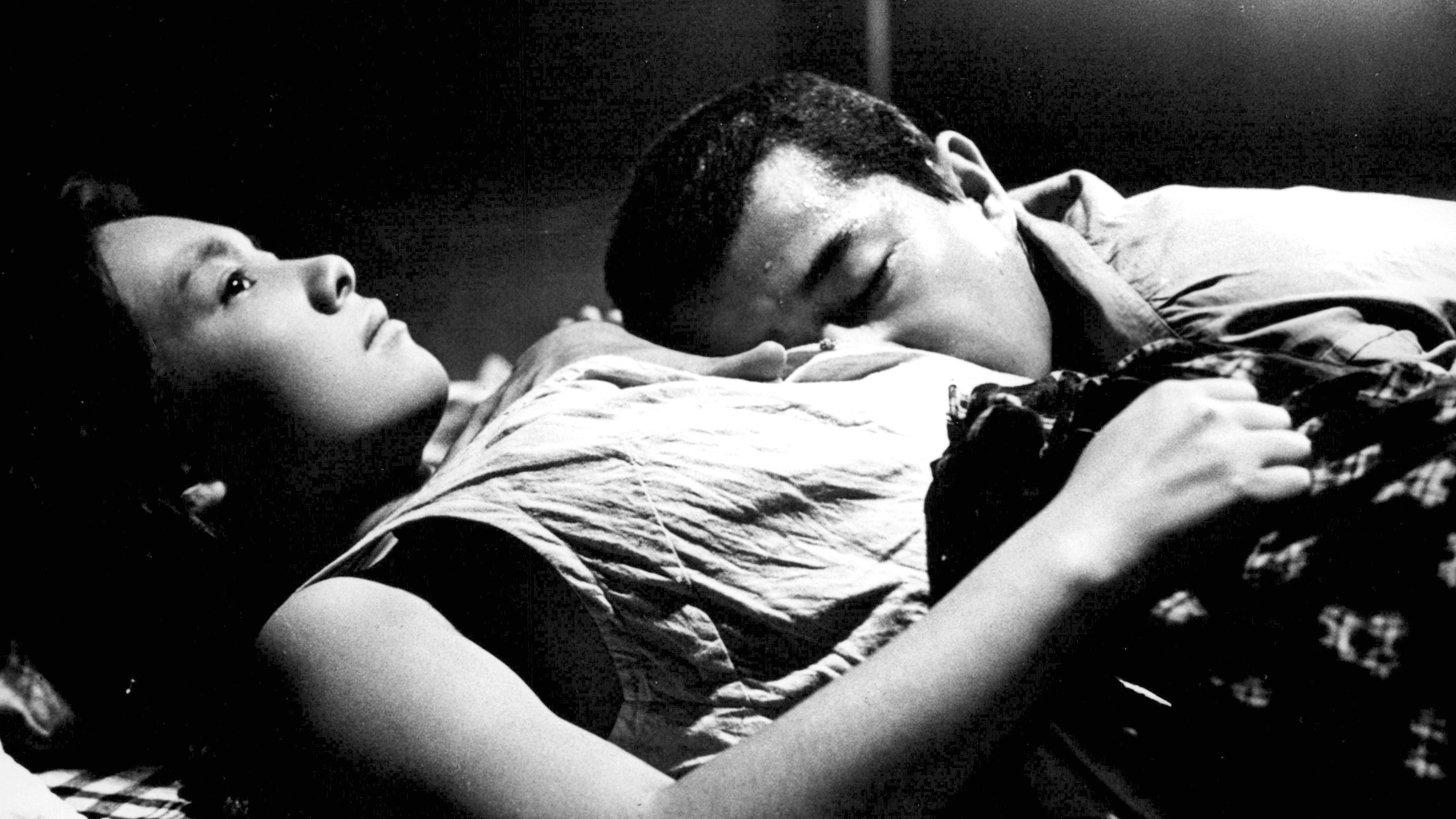
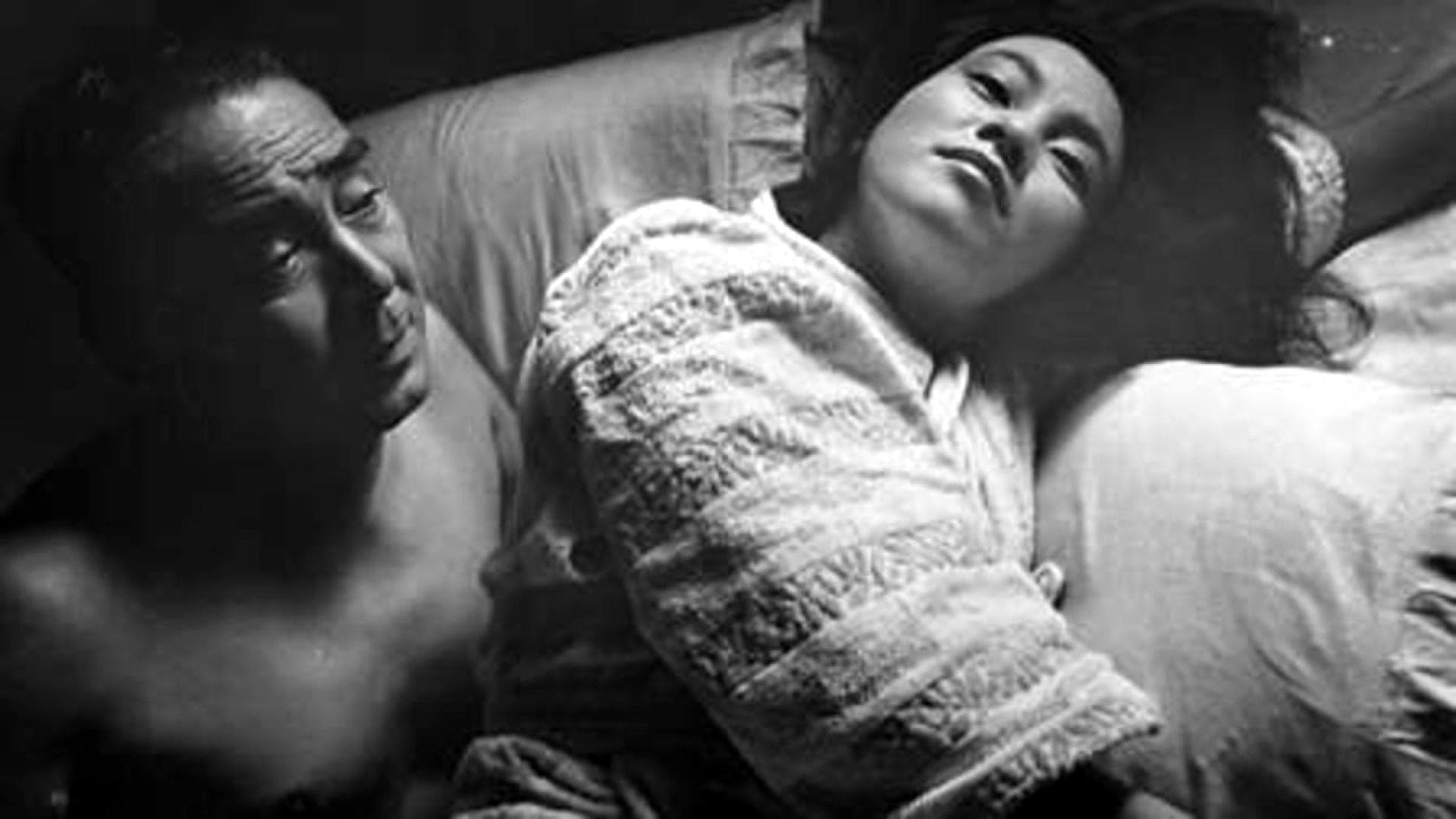
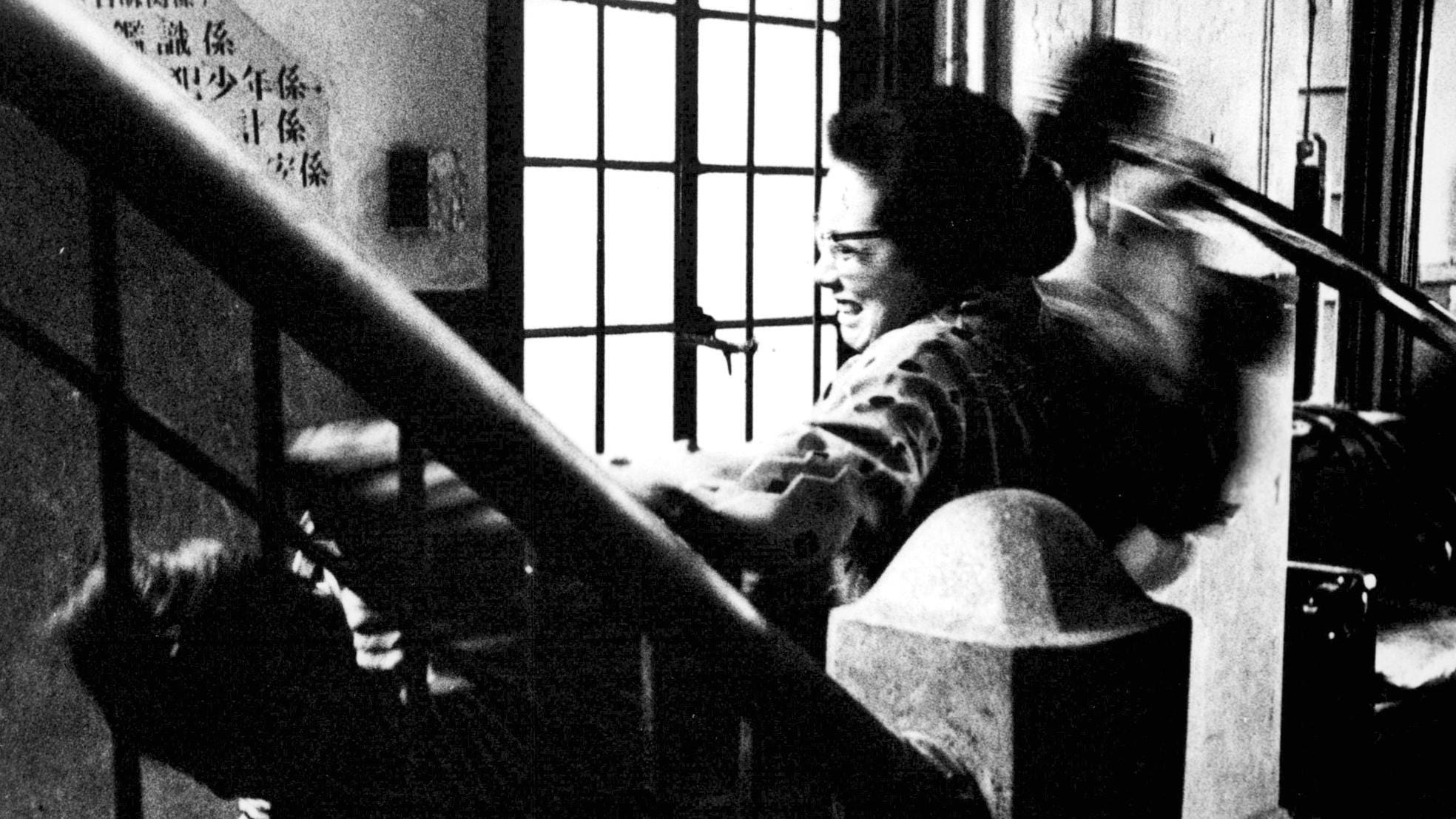
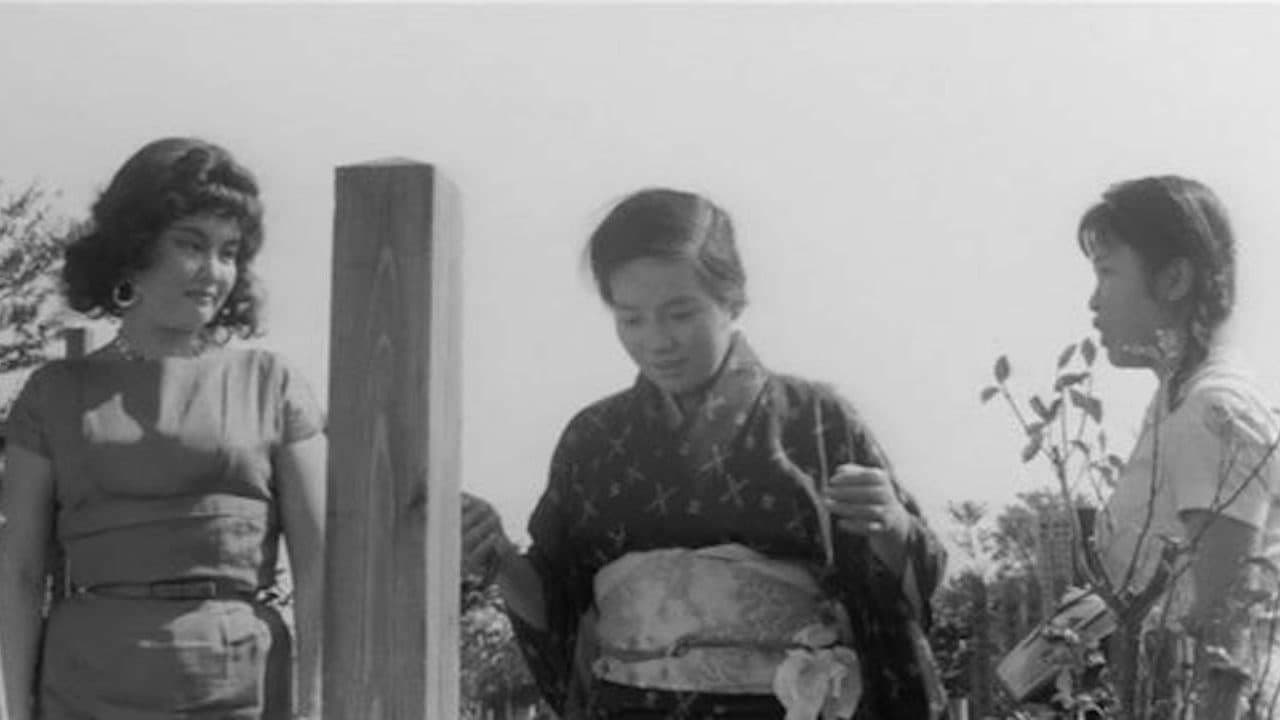
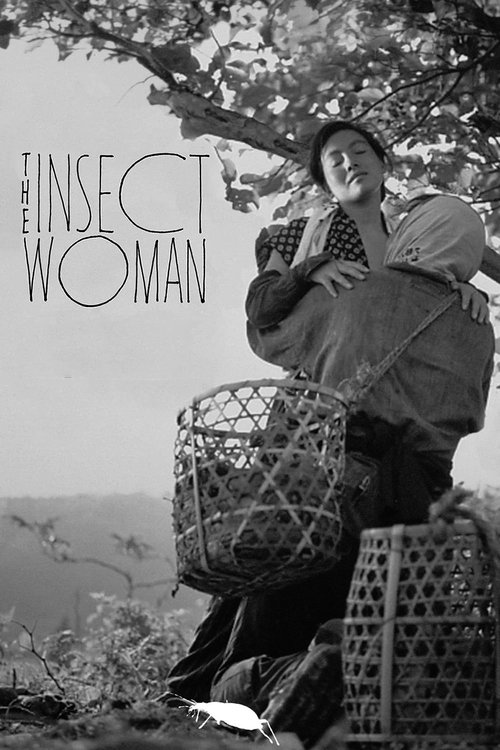
The Insect Woman asks what happens when capitalism takes over, but not all humans are equal. Capitalism assumes a free market allows for free entry and exit. But some characters, like Tome, were born without the ability to “enter.” The entire argument any sensible capitalist would make, that it’s good for everyone, is flipped on its head when forced to face blatant dehumanization. It reveals capitalism as a façade, or at least, that its anarchic integration may not follow the idealized path of the deified “invisible hand.” That’s not to say the conversation ends here. But
The Insect Woman represents a strong argument and point of discussion around the implications of capitalism and its adoption.
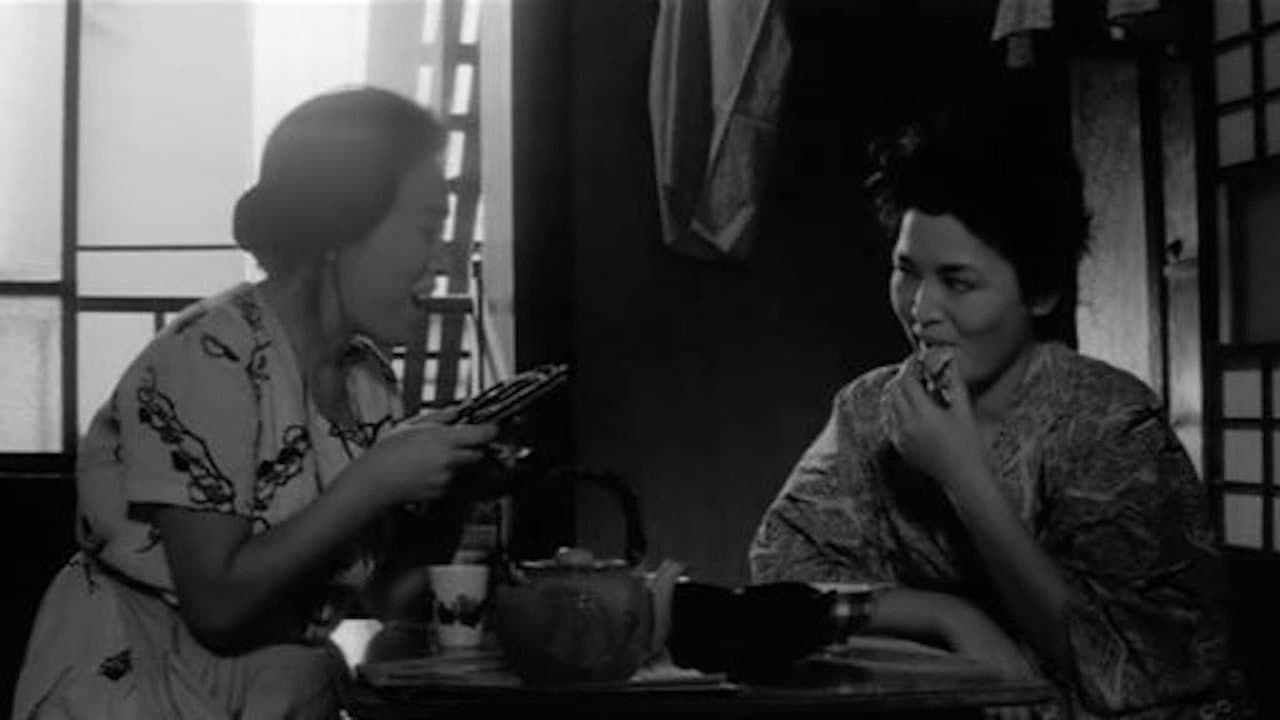
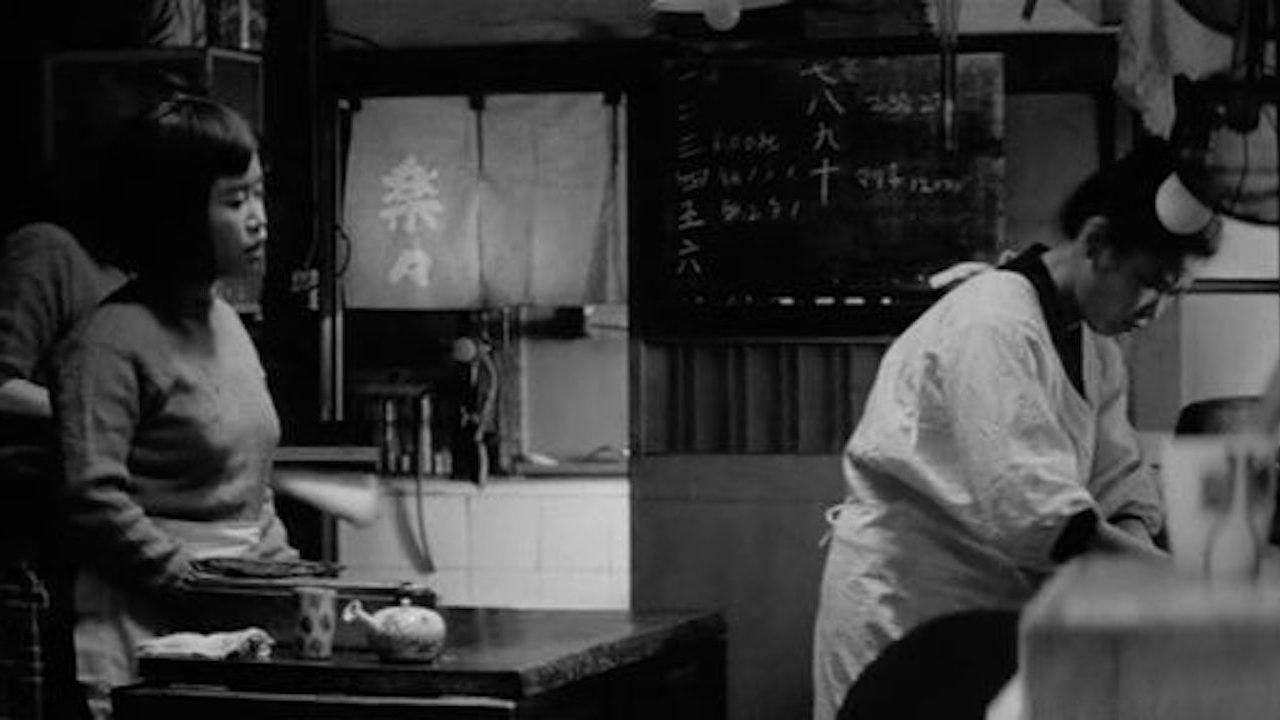
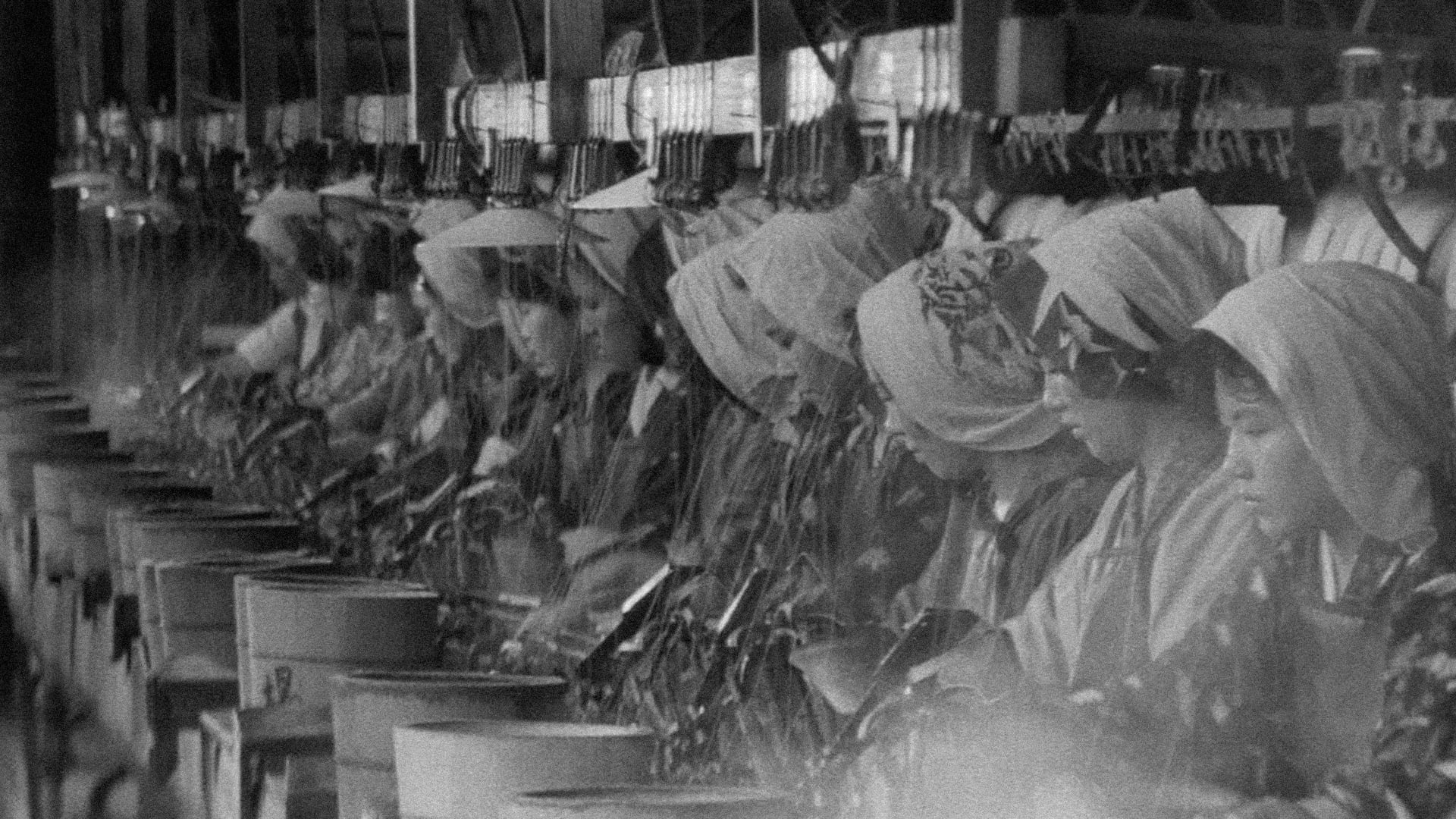
Capitalism relies upon a complex transactionary landscape where currency informs value. Note the frequency of monetary figures and percentages in conversation in the film. The normalization of speaking in figures is starkly realized. Again, more implications from the capitalistic landscape and environment are exposed. What happens when subgroups of humans, (here women), are stripped of autonomy? They are commodified. The easier it is to speak about humans in numbers and figures, the easier it is to forget the evil
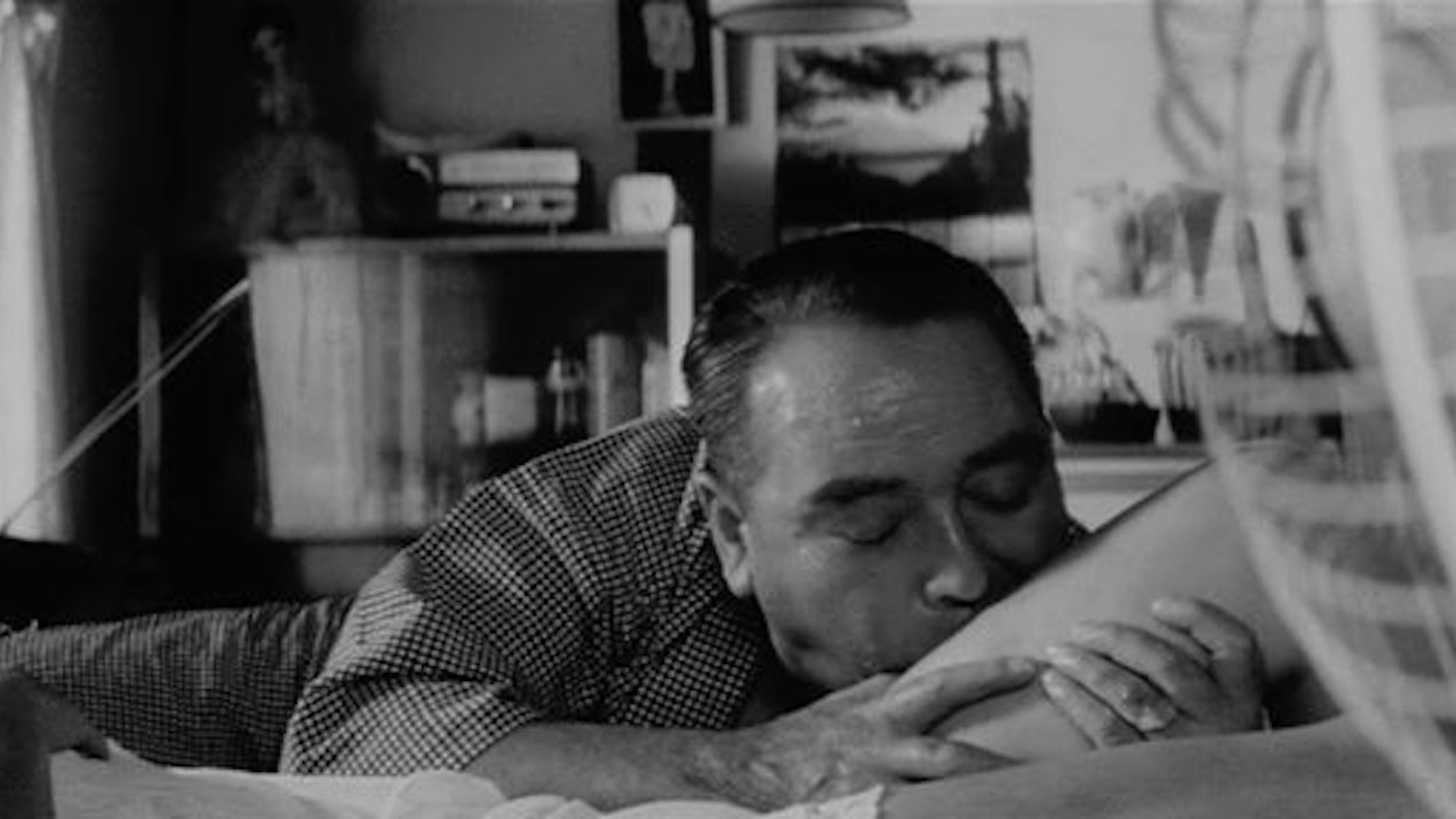
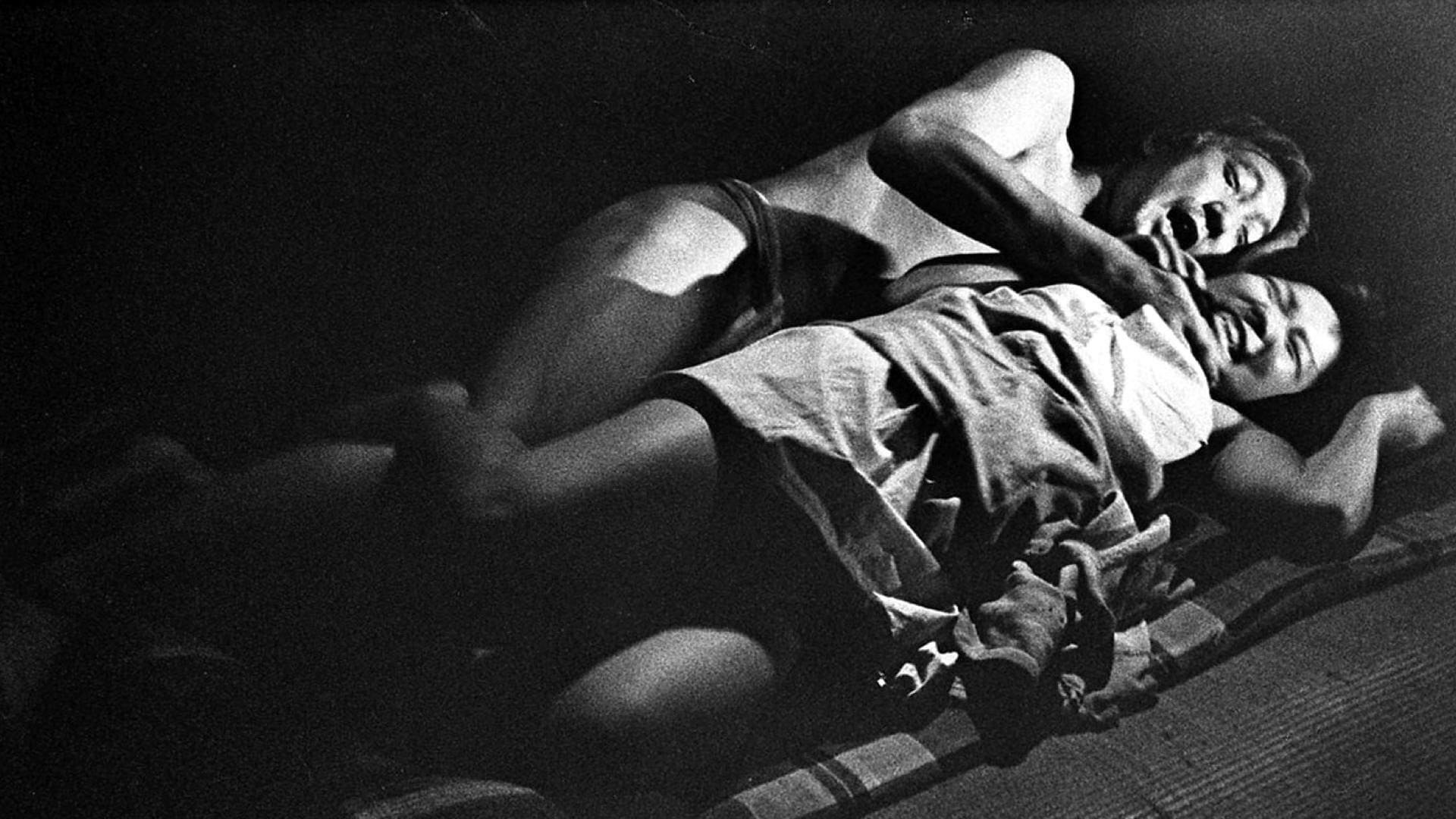
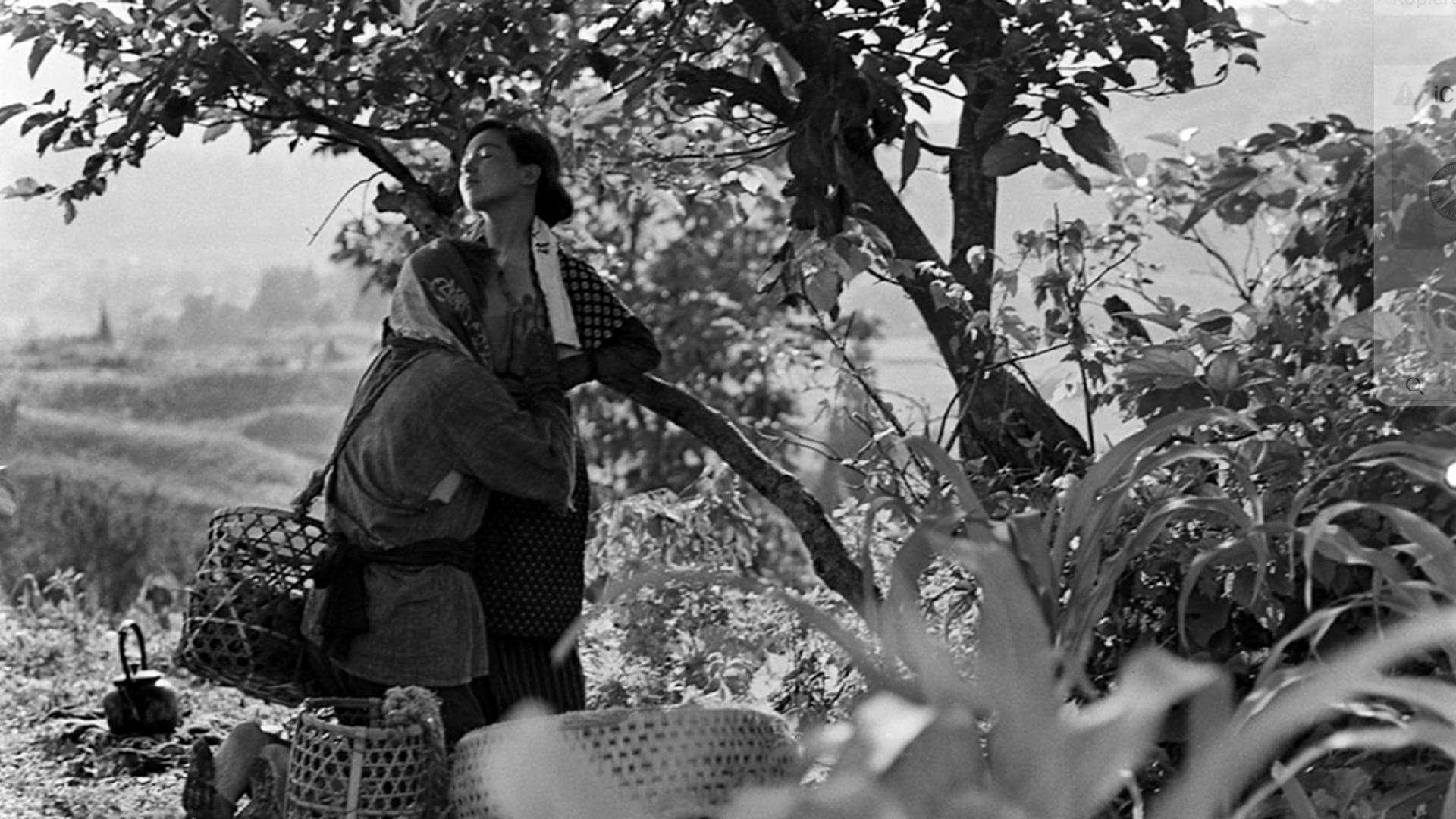
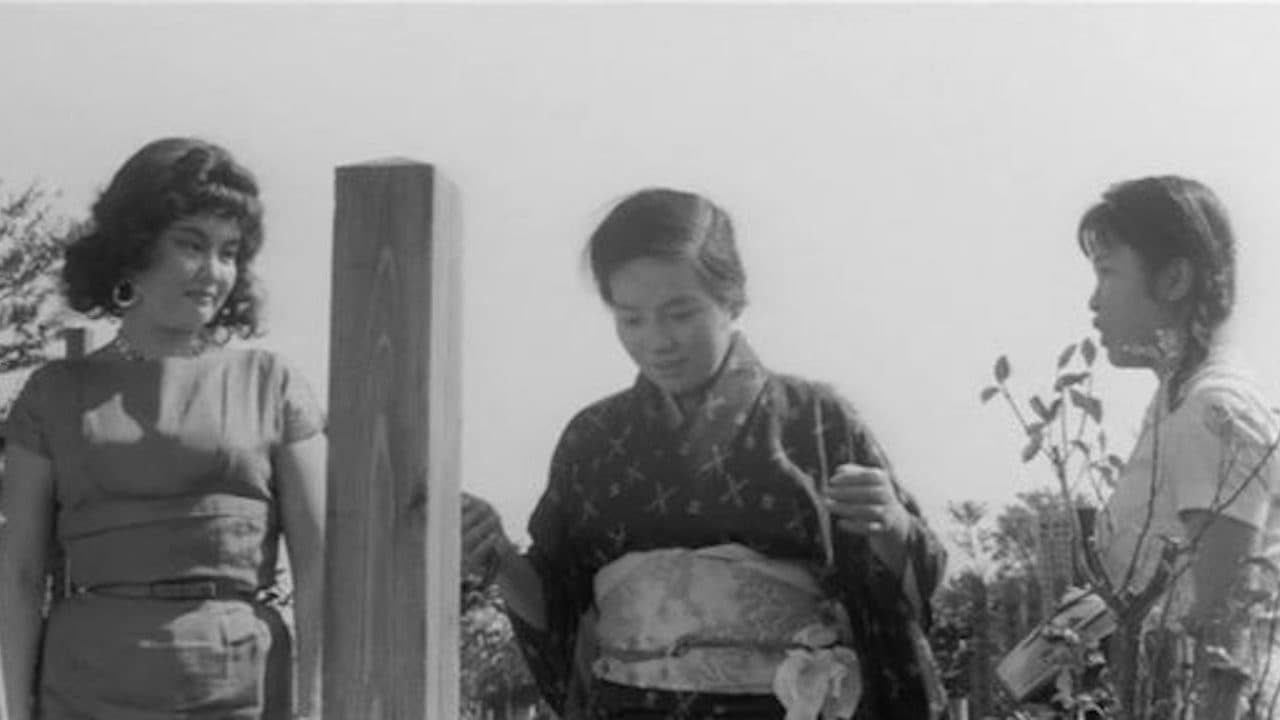
It is critical to observe how the commodification of women continues and evolves under different economic systems. This visualized timeline of behaviour reenforces the idea of constants that remain true, and only flex with change. People, even those who may belong to the
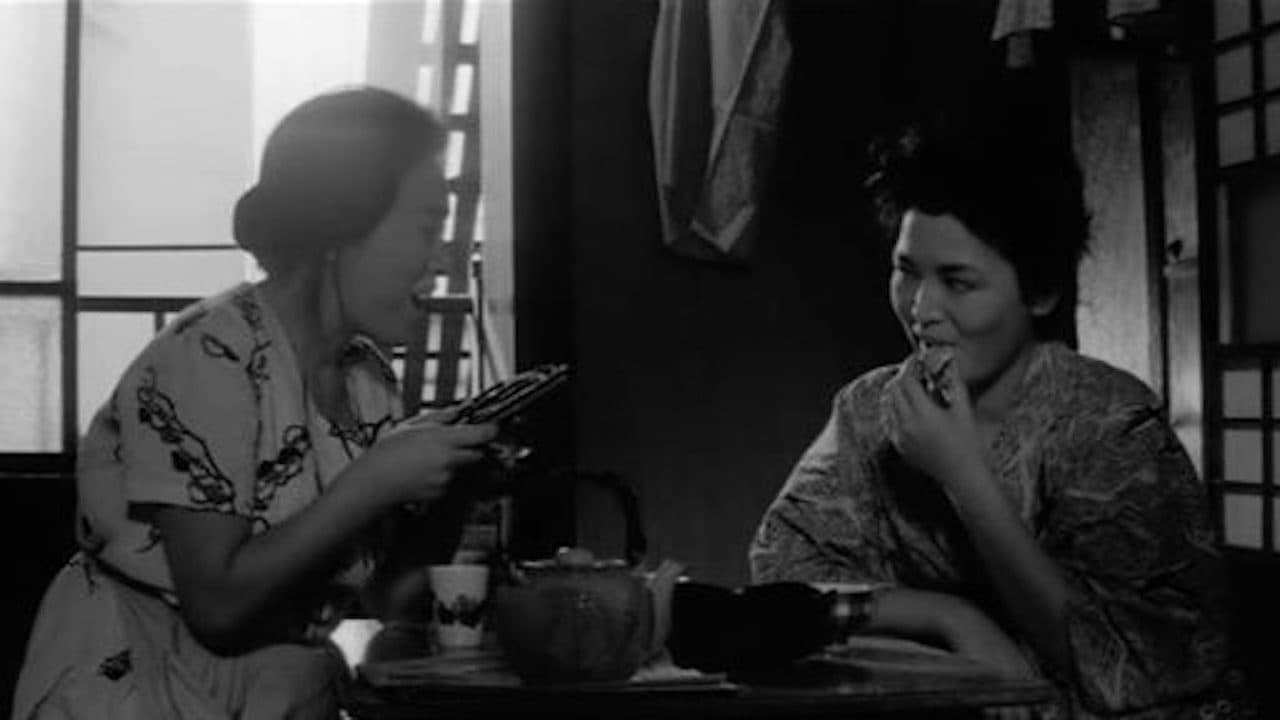
selfsame group of oppressed will engage in exploitation. Tome uses her sister as she becomes more established in her matriarchal role.
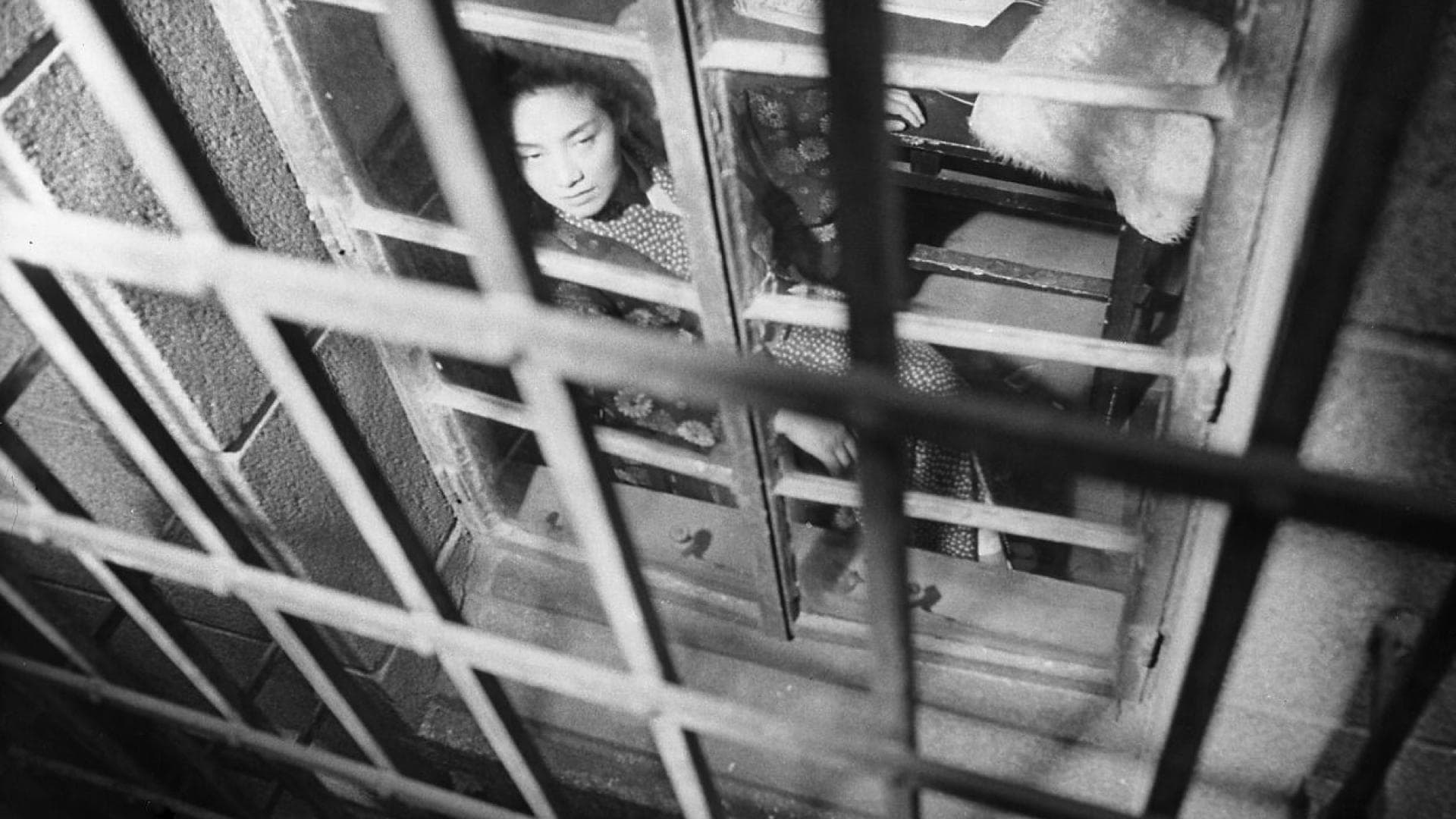
Recall another economic concept, “The Broken Window Fallacy.” It posits that the business (production) generated by a shop owner fixing a broken window could actually have been used toward something else, better, and more overall society-forwarding. The “liberty for me, but not for thee” crowd of modern-day capitalist hijackers would have you believe the dehumanization of others (mainly minorities) does not “cost” society anything. But this movie is all about the costs. Tome is the figurative price we pay as a society for our modern blind eyes.
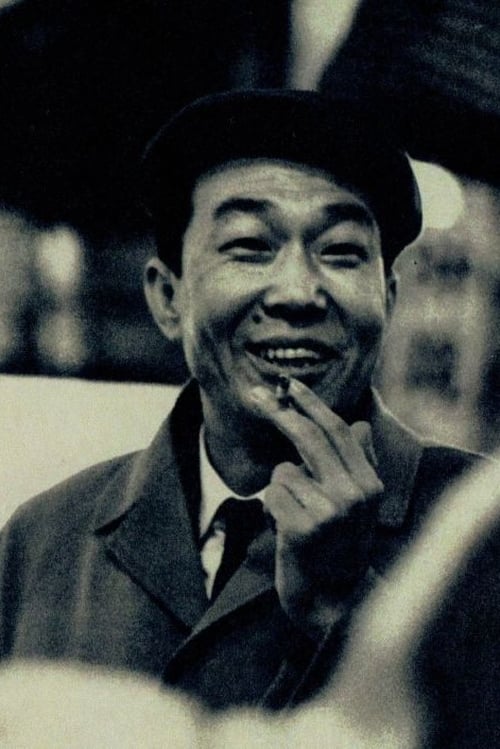
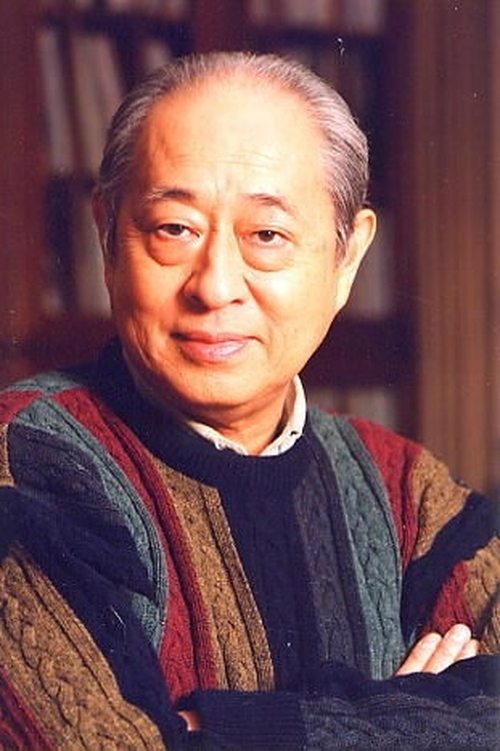
I think Imamura is asking you if you’re willing to sacrifice Tome, for your own comforts.
Imamura is no optimist. In fact, I would call him a realist in a more daring way than many of his peers. He is a realist because his films accept certain truths in a less normative light. His movies serve less as prescription, and more as exposing. Through realistic acceptances of truths, we may learn how to move forward more gracefully.