Absolutely incredible and bold filmmaking.
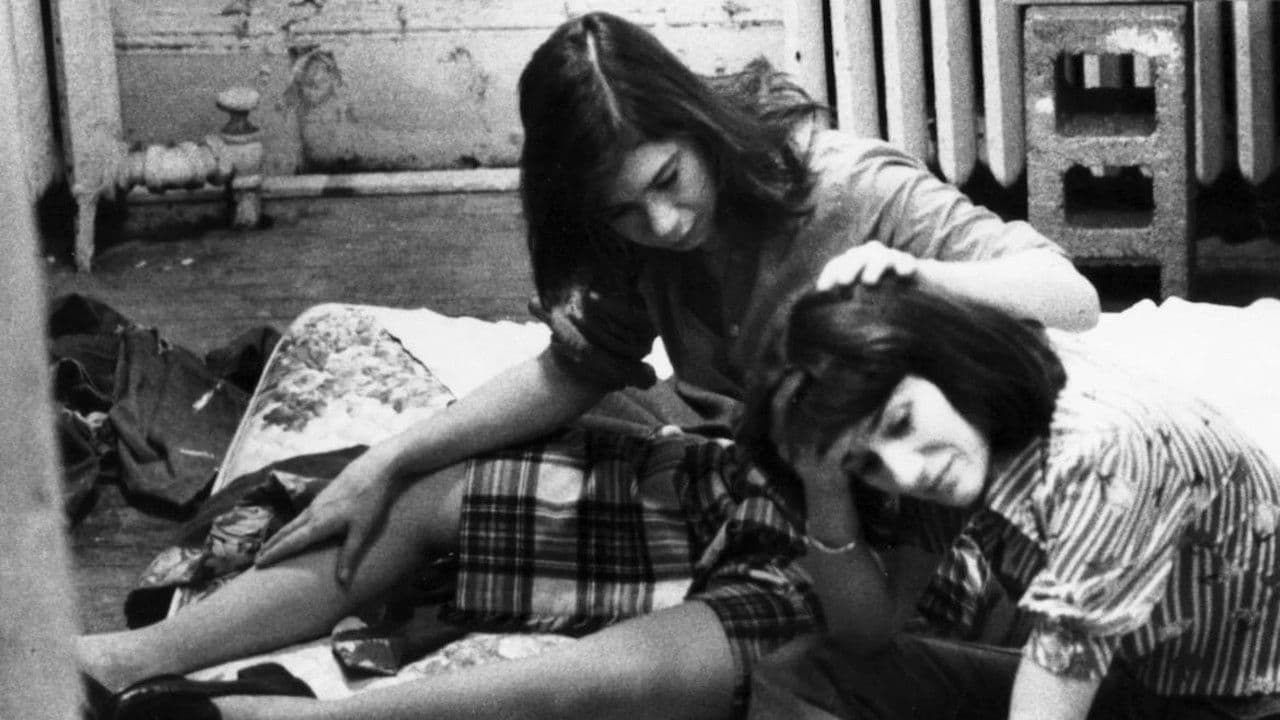
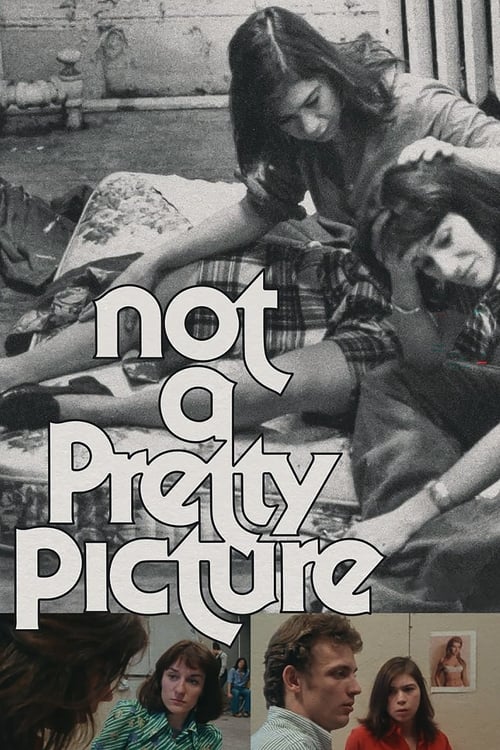
Martha Coolidge’s reenactment of her own rape is already a harrowing project for a director to take on, but to also document the processes and methods by which her actors choose to recreate it during the rehearsal process adds a whole other layer to it all. In doing so, Coolidge ends up examining how society talks about rape and sexual assault after the fact. This blending of narrative with documentary provides incredible comparison and contrast, building upon the actual events, the reenacted events, the rehearsal, and the very fact Coolidge is forcing herself to relive these moments in real time.
And then there’s the fact that Coolidge casts Michelle Manenti, another survivor, as her teenage self is further horrifying. Manenti brings something to the performance that only a survivor can draw upon whereas her male costars, talking about the same events, can only talk about it in the theoretical - and even then offer these recreated versions of Coolidge’s assailants more empathy than they can the recreated victim. It’s a fragmentation of the narrative, very much like how reported rapes are fragmented by the so-called “he said/she said” with the added obscuring element of the court of public opinion.
Absolutely incredible and bold filmmaking.
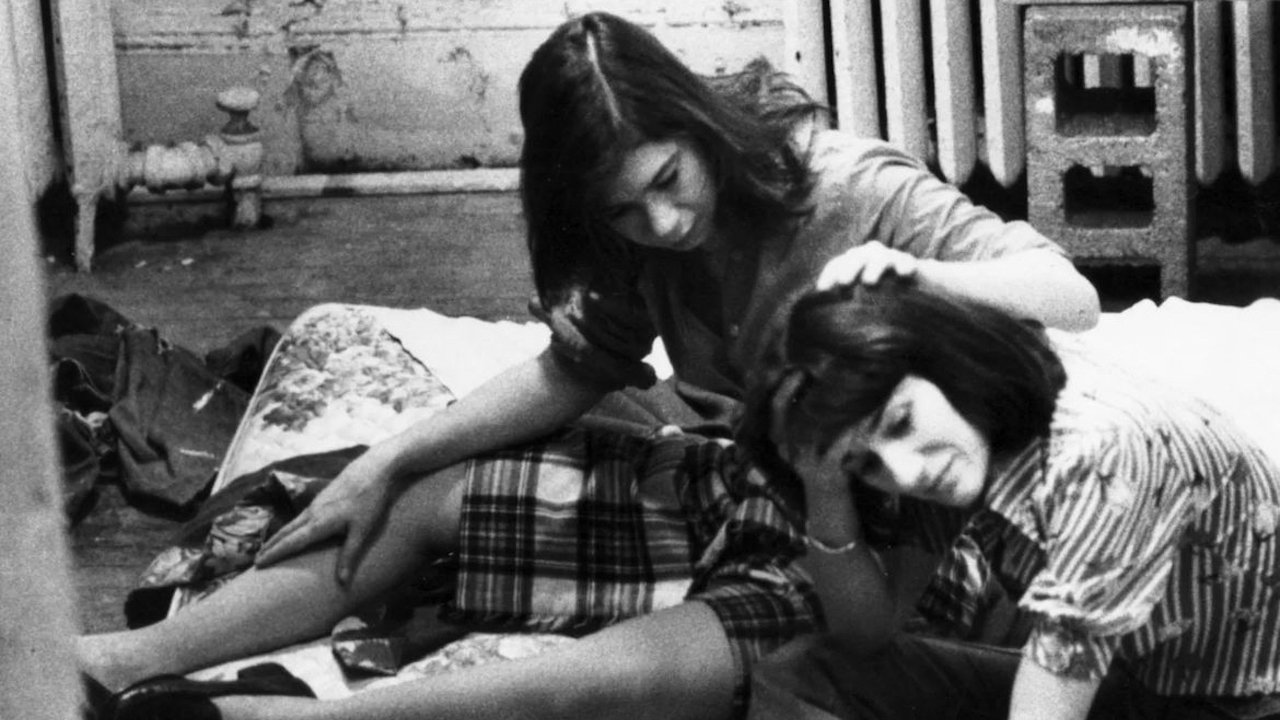
Martha Coolidge’s reenactment of her own rape is already a harrowing project for a director to take on, but to also document the processes and methods by which her actors choose to recreate it during the rehearsal process adds a whole other layer to it all. In doing so, Coolidge ends up examining how society talks about rape and sexual assault after the fact. This blending of narrative with documentary provides incredible comparison and contrast, building upon the actual events, the reenacted events, the rehearsal, and the very fact Coolidge is forcing herself to relive these moments in real time.
And then there’s the fact that Coolidge casts Michelle Manenti, another survivor, as her teenage self is further horrifying. Manenti brings something to the performance that only a survivor can draw upon whereas her male costars, talking about the same events, can only talk about it in the theoretical - and even then offer these recreated versions of Coolidge’s assailants more empathy than they can the recreated victim. It’s a fragmentation of the narrative, very much like how reported rapes are fragmented by the so-called “he said/she said” with the added obscuring element of the court of public opinion.