
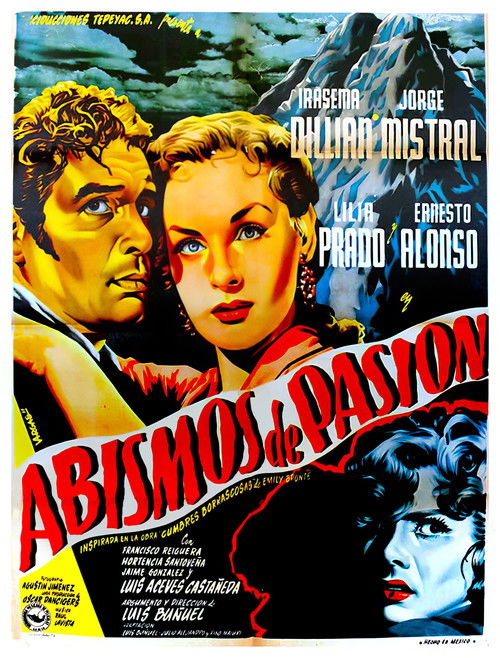
Wuthering Heights
1954·Drama·1h 31m
7.1
★
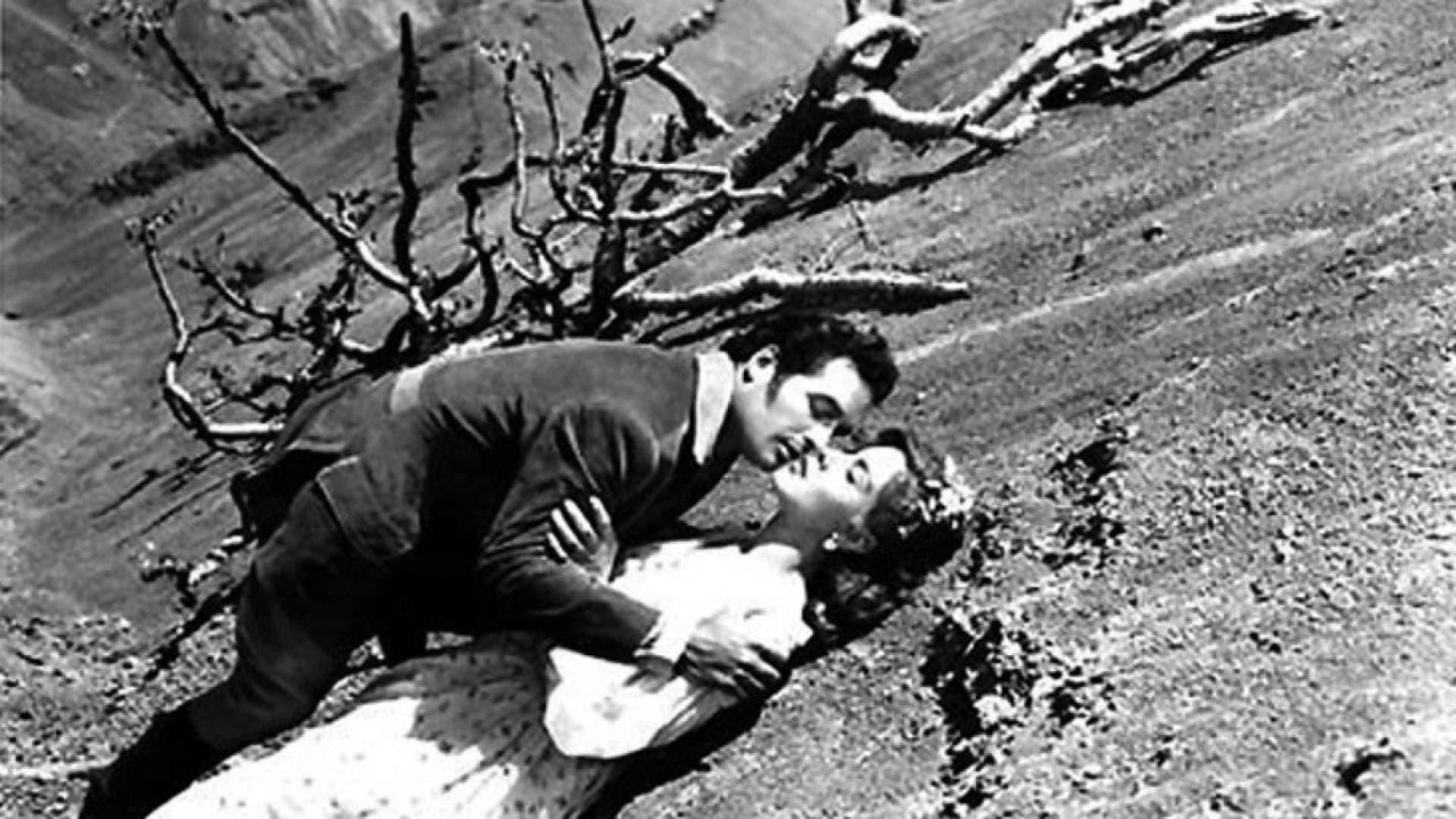
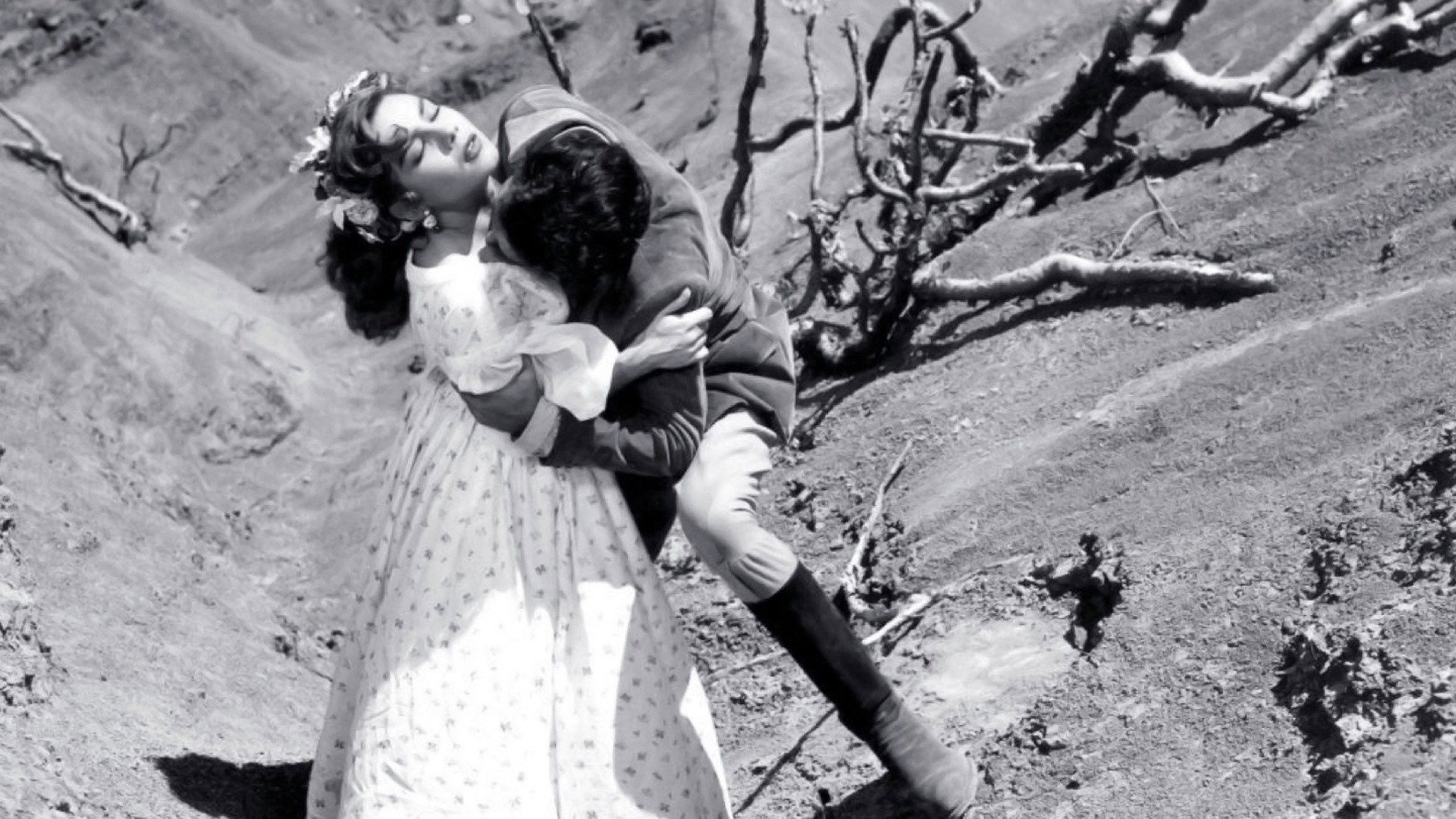
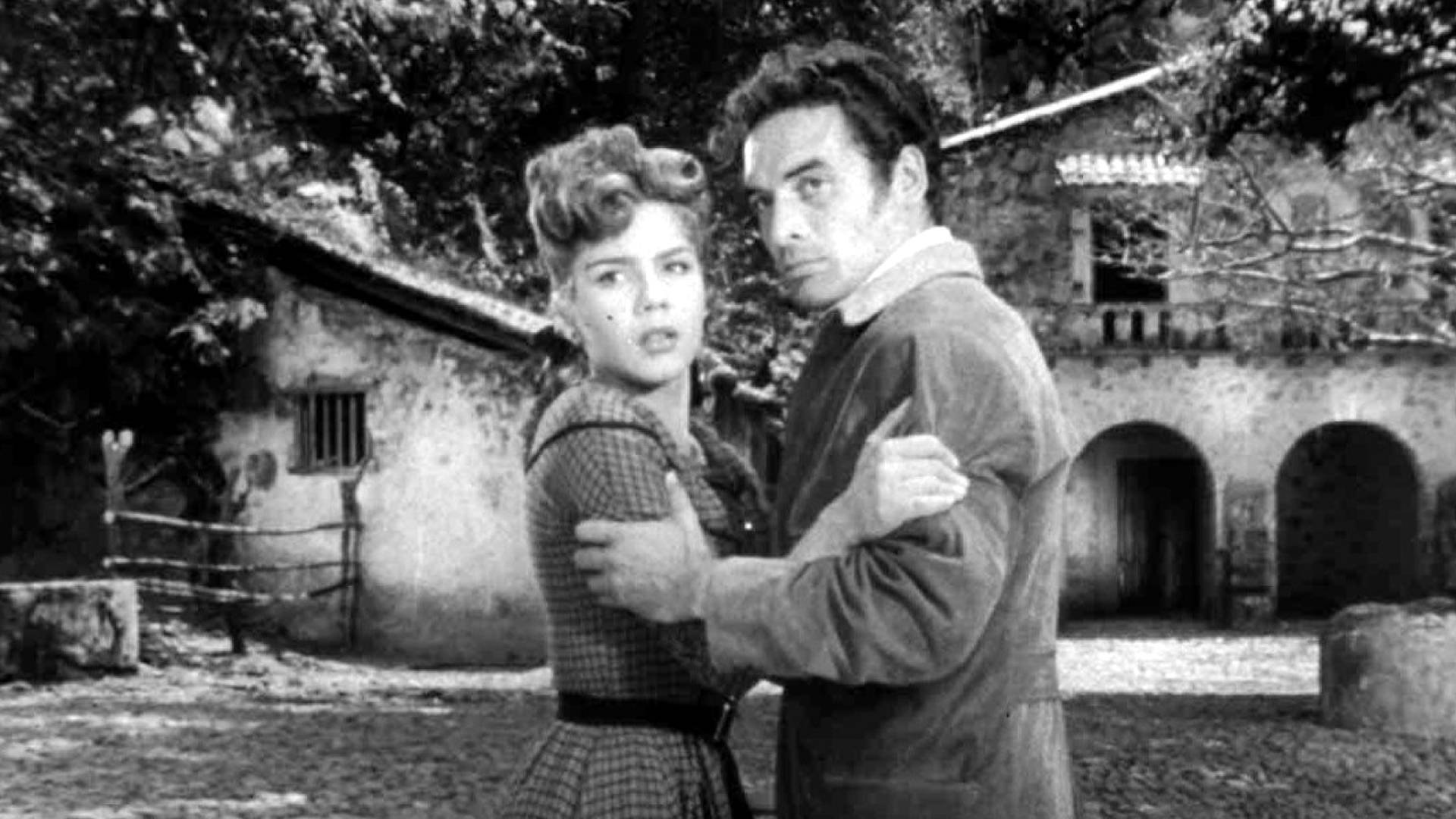
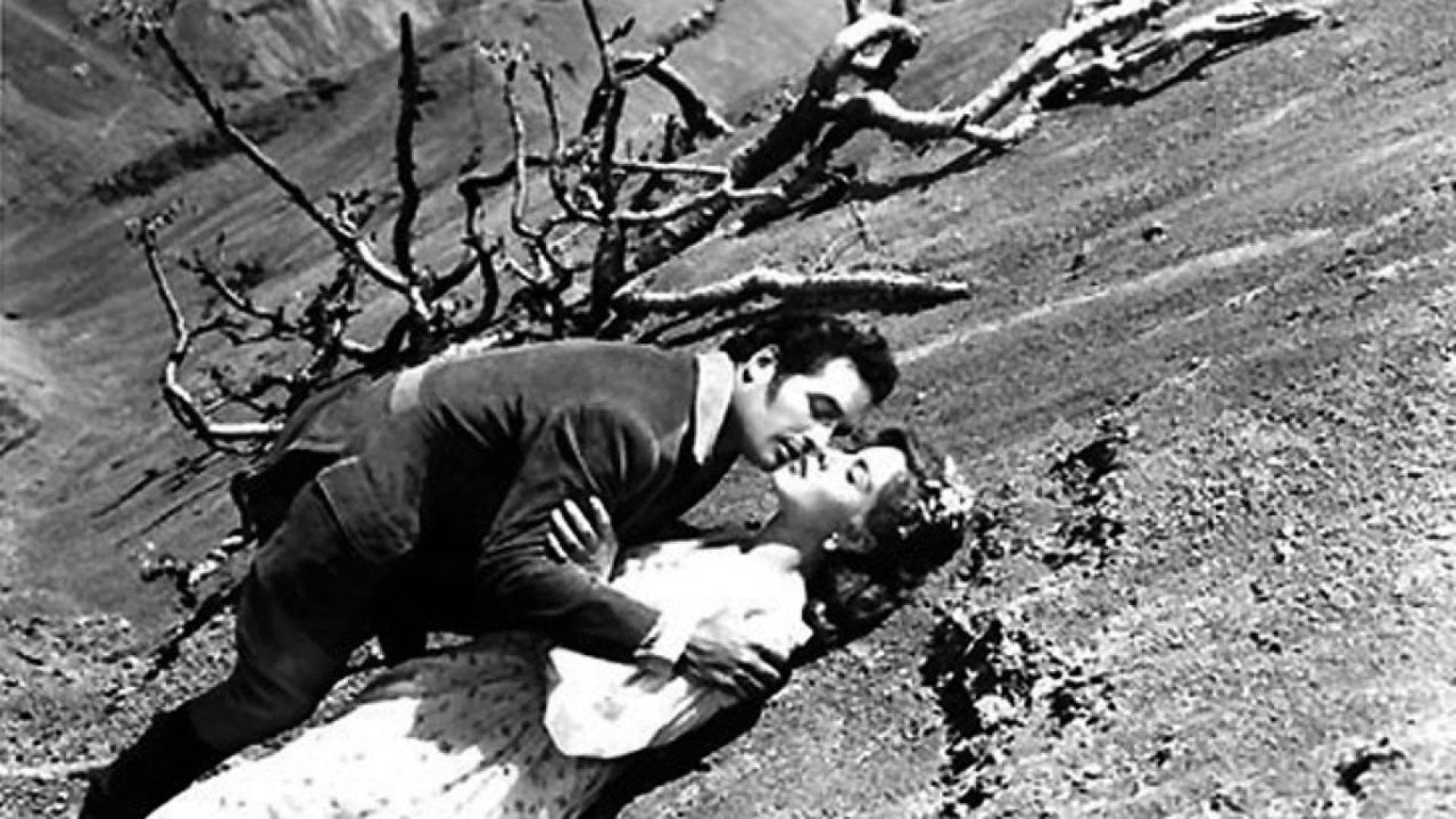
In 19th-century Mexico, young orphan Alejandro is adopted by the wealthy, landowning Earnshaw family and moves into their estate, Wuthering Heights. Soon, the new resident falls for his compassionate foster sister, Catalina. The two share a remarkable bond that seems unbreakable until Catalina, feeling the pressure of social convention, suppresses her feelings and marries Eduardo, a man of means who befits her stature. Alejandro vows to win her back.
Directed by Luis Buñuel
gambling debt
cemetery
abusive father
love-hate relationship
revenge
debt
deathbed
death of wife
unhappy marriage

IMDB
N/A
Cast

Irasema Dilián
Catalina
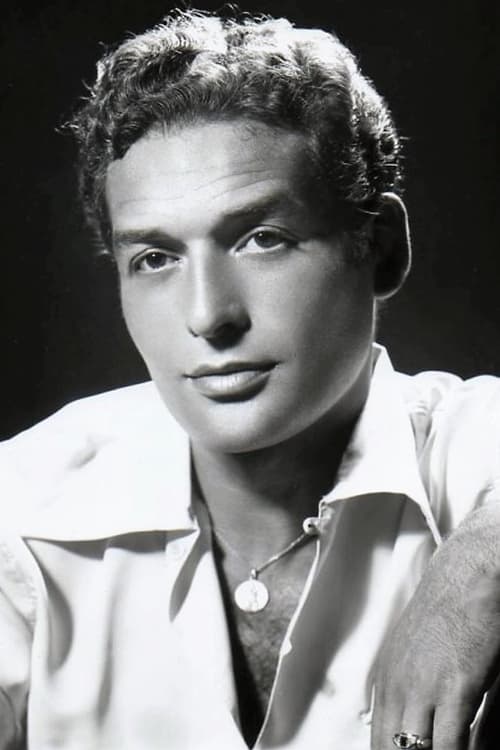
Jorge Mistral
Alejandro
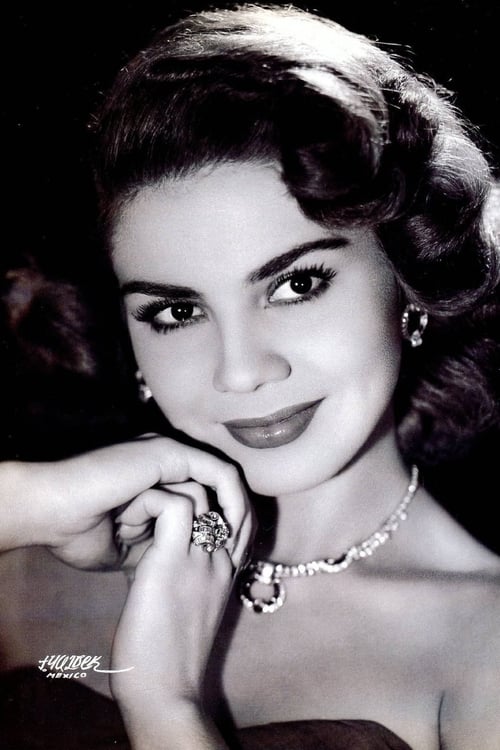
Lilia Prado
Isabel
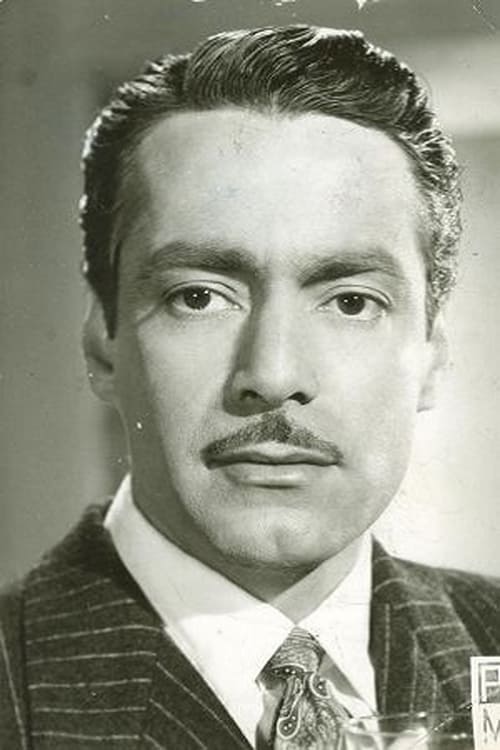
Ernesto Alonso
Eduardo
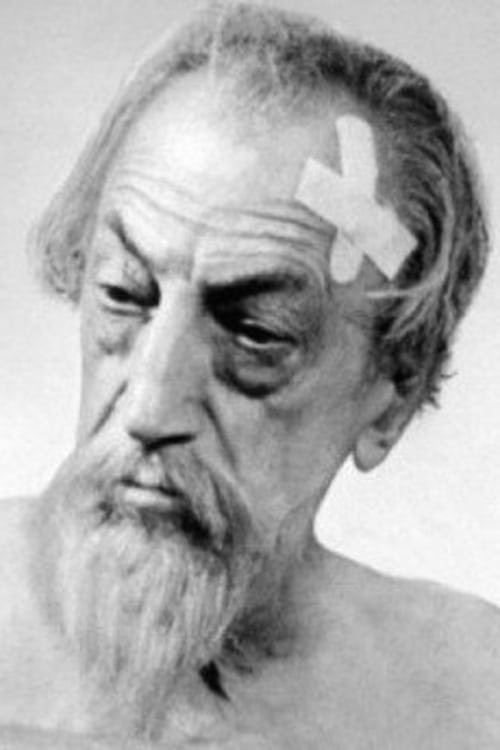
Francisco Reiguera
José
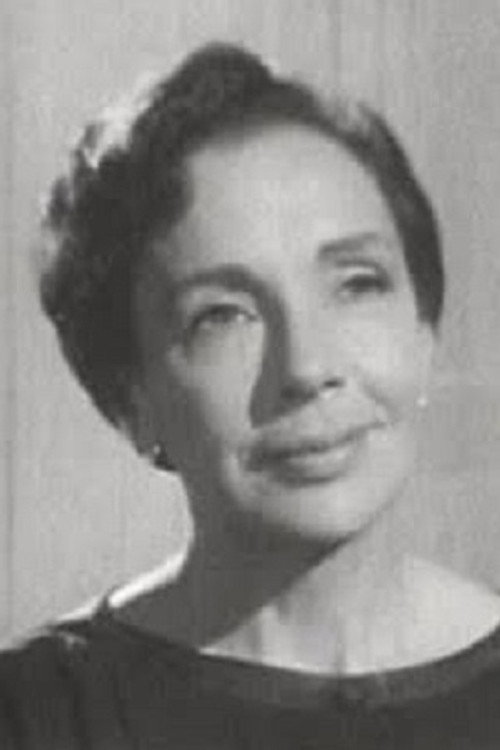
Hortensia Santoveña
María
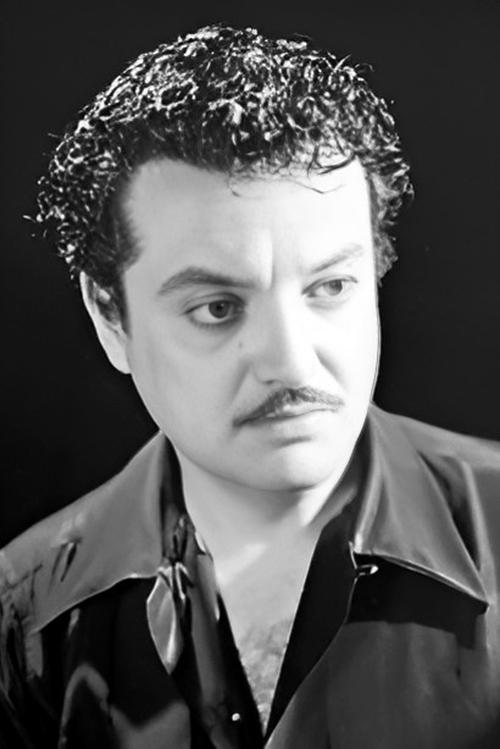
Luis Aceves Castañeda
Ricardo
Crew

Luis Buñuel
Director

Agustín Jiménez
Director of Photography
Luis Buñuel
Adaptation
Luis Buñuel
Story
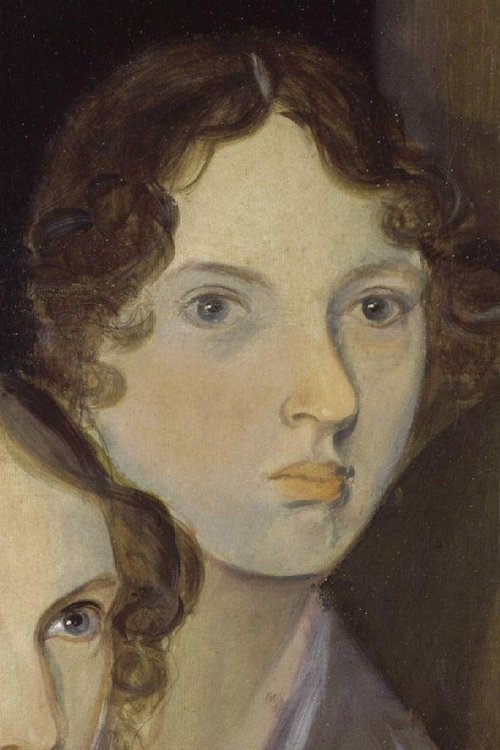
Emily Brontë
Novel

Sergio Véjar
Camera Operator
Raúl Lavista
Music
Dino Maiuri
Adaptation
Julio Alejandro
Adaptation
Popular Reviews
12 reviews
Juan Maria
8.0★ · 02/14/26
Por dios.
Los Linton y los Earnshaw pero en México.
Es como volver a leer Cumbres. Mantiene la esencia enfermiza de la novela en todos los sentidos, desde la ambientación a la caracterización de los personajes. El recorte de las subtramas me parece acorde para la hora y media de película, se le da mayor importancia a las relaciones de los protagonistas además de ser muy amena para quien la vea. De las mejores adaptaciones de clásicos que vi en el cine.
los nombres por favor 🙏🏻 🙏🏻 que heathcliff pase a llamarse ALEJANDRO nowayyy que FANTASÍA.
Los Linton y los Earnshaw pero en México.
Es como volver a leer Cumbres. Mantiene la esencia enfermiza de la novela en todos los sentidos, desde la ambientación a la caracterización de los personajes. El recorte de las subtramas me parece acorde para la hora y media de película, se le da mayor importancia a las relaciones de los protagonistas además de ser muy amena para quien la vea. De las mejores adaptaciones de clásicos que vi en el cine.
los nombres por favor 🙏🏻 🙏🏻 que heathcliff pase a llamarse ALEJANDRO nowayyy que FANTASÍA.
Por dios.
Los Linton y los Earnshaw pero en México.
Es como volver a leer Cumbres. Mantiene la esencia enfermiza de la novela en todos los sentidos, desde la ambientación a la caracterización de los personajes. El recorte de las subtramas me parece acorde para la hora y media de película, se le da mayor importancia a las relaciones de los protagonistas además de ser muy amena para quien la vea. De las mejores adaptaciones de clásicos que vi en el cine.
los nombres por favor 🙏🏻 🙏🏻 que heathcliff pase a llamarse ALEJANDRO nowayyy que FANTASÍA.
Los Linton y los Earnshaw pero en México.
Es como volver a leer Cumbres. Mantiene la esencia enfermiza de la novela en todos los sentidos, desde la ambientación a la caracterización de los personajes. El recorte de las subtramas me parece acorde para la hora y media de película, se le da mayor importancia a las relaciones de los protagonistas además de ser muy amena para quien la vea. De las mejores adaptaciones de clásicos que vi en el cine.
los nombres por favor 🙏🏻 🙏🏻 que heathcliff pase a llamarse ALEJANDRO nowayyy que FANTASÍA.


Nick
6.0★ · 11/02/25
Buñuel channels Brontë’s novel with striking fidelity. Although truncated to focus on Alejandro’s (Heathcliff) return, the spirit of damned and hate-fueled passion brews with as much fury as its source material.
But that’s kind of the problem. As one who is suspicious of Brontë’s work, the weaknesses are its primary attributes. The thing about the novel, and this movie… there is no interior. That’s what I hated about the book. There’s no substance to any character’s motivation. What’s so funny about art, narratively-driven art, specifically, is that authors get to write whatever and it’s… “true.” So when Isabel falls in love and marries Alejandro, we must accept it. Even within the movie, Catalina sensibly questions Isabela’s instantaneous evolution of love for Alejandro. But this happens in the book too. It’s flooring and galling. How can this character be so naive? We, the audience/reader, are coerced into going with the tumultuous emotional flow despite being devoid of any logic. But that’s what the opening crawl text guarantees.
It further frustrates me in how helpless and relentless the suffering is. But it’s all so self-propelling and self-condeming. The film takes place in a vaccuum where characters explode with, cling to, live and breathe extreme melodrama. Take Eduardo’s first jealous breakdown as he buries his face into his bourgeois pillows lamenting the love his wife has for Alejandro.
Watching the melodrama here reminded me of when I was a kid and my grandma would watch Days of Our Lives. Then I got it. Not that I liked it, to be clear. But some people like this inexplicable vaccuum of passion. I’m logic-obsessed and also probably at least a little autistic, so this abstract ubiquitous level of emotion is distancing, understandable only at an academic level. I should probably reiterate it is the void of internal dialogue/motivation which creates such unfamiliarity between all the characters and myself.
Buñuel is not without his own charm and genius though. While faithful to the retelling, he skillfully infuses his own surrealist slant. There is a scene of Ricardo tossing a moth into a spider web. Imo, no moment, in even the book, is as potent as this to the central macro-representative themes.
Buñuel sorta saves all his personally flavoured genius for the end. If the spider scene wasn’t enough, the literal ending crystallizes the “true” spirit of the story. It’s the biggest departure from the novel, but it also elevates Alejandro and Catalina’s central romance. It finally does something for the characters which broaches anything beyond suffocating solipsism. Where Brontë, for me, never escaped the trappings of flawed secondhand narration, Buñuel ends with a visualized interior of destined damnation.
But that’s kind of the problem. As one who is suspicious of Brontë’s work, the weaknesses are its primary attributes. The thing about the novel, and this movie… there is no interior. That’s what I hated about the book. There’s no substance to any character’s motivation. What’s so funny about art, narratively-driven art, specifically, is that authors get to write whatever and it’s… “true.” So when Isabel falls in love and marries Alejandro, we must accept it. Even within the movie, Catalina sensibly questions Isabela’s instantaneous evolution of love for Alejandro. But this happens in the book too. It’s flooring and galling. How can this character be so naive? We, the audience/reader, are coerced into going with the tumultuous emotional flow despite being devoid of any logic. But that’s what the opening crawl text guarantees.
It further frustrates me in how helpless and relentless the suffering is. But it’s all so self-propelling and self-condeming. The film takes place in a vaccuum where characters explode with, cling to, live and breathe extreme melodrama. Take Eduardo’s first jealous breakdown as he buries his face into his bourgeois pillows lamenting the love his wife has for Alejandro.
Watching the melodrama here reminded me of when I was a kid and my grandma would watch Days of Our Lives. Then I got it. Not that I liked it, to be clear. But some people like this inexplicable vaccuum of passion. I’m logic-obsessed and also probably at least a little autistic, so this abstract ubiquitous level of emotion is distancing, understandable only at an academic level. I should probably reiterate it is the void of internal dialogue/motivation which creates such unfamiliarity between all the characters and myself.
Buñuel is not without his own charm and genius though. While faithful to the retelling, he skillfully infuses his own surrealist slant. There is a scene of Ricardo tossing a moth into a spider web. Imo, no moment, in even the book, is as potent as this to the central macro-representative themes.
Buñuel sorta saves all his personally flavoured genius for the end. If the spider scene wasn’t enough, the literal ending crystallizes the “true” spirit of the story. It’s the biggest departure from the novel, but it also elevates Alejandro and Catalina’s central romance. It finally does something for the characters which broaches anything beyond suffocating solipsism. Where Brontë, for me, never escaped the trappings of flawed secondhand narration, Buñuel ends with a visualized interior of destined damnation.
Buñuel channels Brontë’s novel with striking fidelity. Although truncated to focus on Alejandro’s (Heathcliff) return, the spirit of damned and hate-fueled passion brews with as much fury as its source material.
But that’s kind of the problem. As one who is suspicious of Brontë’s work, the weaknesses are its primary attributes. The thing about the novel, and this movie… there is no interior. That’s what I hated about the book. There’s no substance to any character’s motivation. What’s so funny about art, narratively-driven art, specifically, is that authors get to write whatever and it’s… “true.” So when Isabel falls in love and marries Alejandro, we must accept it. Even within the movie, Catalina sensibly questions Isabela’s instantaneous evolution of love for Alejandro. But this happens in the book too. It’s flooring and galling. How can this character be so naive? We, the audience/reader, are coerced into going with the tumultuous emotional flow despite being devoid of any logic. But that’s what the opening crawl text guarantees.
It further frustrates me in how helpless and relentless the suffering is. But it’s all so self-propelling and self-condeming. The film takes place in a vaccuum where characters explode with, cling to, live and breathe extreme melodrama. Take Eduardo’s first jealous breakdown as he buries his face into his bourgeois pillows lamenting the love his wife has for Alejandro.
Watching the melodrama here reminded me of when I was a kid and my grandma would watch Days of Our Lives. Then I got it. Not that I liked it, to be clear. But some people like this inexplicable vaccuum of passion. I’m logic-obsessed and also probably at least a little autistic, so this abstract ubiquitous level of emotion is distancing, understandable only at an academic level. I should probably reiterate it is the void of internal dialogue/motivation which creates such unfamiliarity between all the characters and myself.
Buñuel is not without his own charm and genius though. While faithful to the retelling, he skillfully infuses his own surrealist slant. There is a scene of Ricardo tossing a moth into a spider web. Imo, no moment, in even the book, is as potent as this to the central macro-representative themes.
Buñuel sorta saves all his personally flavoured genius for the end. If the spider scene wasn’t enough, the literal ending crystallizes the “true” spirit of the story. It’s the biggest departure from the novel, but it also elevates Alejandro and Catalina’s central romance. It finally does something for the characters which broaches anything beyond suffocating solipsism. Where Brontë, for me, never escaped the trappings of flawed secondhand narration, Buñuel ends with a visualized interior of destined damnation.
But that’s kind of the problem. As one who is suspicious of Brontë’s work, the weaknesses are its primary attributes. The thing about the novel, and this movie… there is no interior. That’s what I hated about the book. There’s no substance to any character’s motivation. What’s so funny about art, narratively-driven art, specifically, is that authors get to write whatever and it’s… “true.” So when Isabel falls in love and marries Alejandro, we must accept it. Even within the movie, Catalina sensibly questions Isabela’s instantaneous evolution of love for Alejandro. But this happens in the book too. It’s flooring and galling. How can this character be so naive? We, the audience/reader, are coerced into going with the tumultuous emotional flow despite being devoid of any logic. But that’s what the opening crawl text guarantees.
It further frustrates me in how helpless and relentless the suffering is. But it’s all so self-propelling and self-condeming. The film takes place in a vaccuum where characters explode with, cling to, live and breathe extreme melodrama. Take Eduardo’s first jealous breakdown as he buries his face into his bourgeois pillows lamenting the love his wife has for Alejandro.
Watching the melodrama here reminded me of when I was a kid and my grandma would watch Days of Our Lives. Then I got it. Not that I liked it, to be clear. But some people like this inexplicable vaccuum of passion. I’m logic-obsessed and also probably at least a little autistic, so this abstract ubiquitous level of emotion is distancing, understandable only at an academic level. I should probably reiterate it is the void of internal dialogue/motivation which creates such unfamiliarity between all the characters and myself.
Buñuel is not without his own charm and genius though. While faithful to the retelling, he skillfully infuses his own surrealist slant. There is a scene of Ricardo tossing a moth into a spider web. Imo, no moment, in even the book, is as potent as this to the central macro-representative themes.
Buñuel sorta saves all his personally flavoured genius for the end. If the spider scene wasn’t enough, the literal ending crystallizes the “true” spirit of the story. It’s the biggest departure from the novel, but it also elevates Alejandro and Catalina’s central romance. It finally does something for the characters which broaches anything beyond suffocating solipsism. Where Brontë, for me, never escaped the trappings of flawed secondhand narration, Buñuel ends with a visualized interior of destined damnation.
Naomi
8.0★ · 10/21/25
***Día 2 viendo una adaptación de Cumbres Borrascosas para mi ensayo de literatura europea
***
Okay, esta adaptación es bastante decente; funciona de forma independiente y considero que hace un mejor trabajo que su predecesora en términos generales. Luis Buñuel logra trasladar de forma espectacular la novela al cine. Si bien omite bastantes cosas, es capaz de capturar la esencia de la obra y de cada uno de sus personajes.
La oscuridad dentro del carácter de Alejandro y Catalina es palpable en esta versión; ambos, como dos mitades de un mismo ser, resultan despreciables a ratos, pero no hay duda del amor que los une. Por otro lado, personajes secundarios como Eduardo, Isabel, María, e incluso José y Jorgito, también son capturados con sumo acierto.
Mis únicas quejas son las siguientes: hasta el momento, ninguna de las dos adaptaciones se ha molestado en mostrar que la decadencia de Hindley (Ricardo) está estrechamente relacionada con la envidia y el odio hacia Heathcliff. Tampoco se aborda el origen de estos sentimientos, ni que su verdadero punto de quiebre es la muerte de su esposa. (Menciono esto porque Hindley es una pieza clave en el nacimiento de la ira y el deseo de venganza dentro de Heathcliff).
Mi segunda queja es que la historia de la última generación de los Earnshaw y los Linton es tan importante como la de sus padres para el cierre de todo. Cumbres borrascosas no es solo la historia del amor turbulento entre Catherine y Heathcliff: es una historia sobre cómo las emociones destruyen vidas cuando uno es consumido por ellas; una novela sobre las consecuencias de ser prisionero de tus propios sentimientos.
***
Okay, esta adaptación es bastante decente; funciona de forma independiente y considero que hace un mejor trabajo que su predecesora en términos generales. Luis Buñuel logra trasladar de forma espectacular la novela al cine. Si bien omite bastantes cosas, es capaz de capturar la esencia de la obra y de cada uno de sus personajes.
La oscuridad dentro del carácter de Alejandro y Catalina es palpable en esta versión; ambos, como dos mitades de un mismo ser, resultan despreciables a ratos, pero no hay duda del amor que los une. Por otro lado, personajes secundarios como Eduardo, Isabel, María, e incluso José y Jorgito, también son capturados con sumo acierto.
Mis únicas quejas son las siguientes: hasta el momento, ninguna de las dos adaptaciones se ha molestado en mostrar que la decadencia de Hindley (Ricardo) está estrechamente relacionada con la envidia y el odio hacia Heathcliff. Tampoco se aborda el origen de estos sentimientos, ni que su verdadero punto de quiebre es la muerte de su esposa. (Menciono esto porque Hindley es una pieza clave en el nacimiento de la ira y el deseo de venganza dentro de Heathcliff).
Mi segunda queja es que la historia de la última generación de los Earnshaw y los Linton es tan importante como la de sus padres para el cierre de todo. Cumbres borrascosas no es solo la historia del amor turbulento entre Catherine y Heathcliff: es una historia sobre cómo las emociones destruyen vidas cuando uno es consumido por ellas; una novela sobre las consecuencias de ser prisionero de tus propios sentimientos.
***Día 2 viendo una adaptación de Cumbres Borrascosas para mi ensayo de literatura europea
***
Okay, esta adaptación es bastante decente; funciona de forma independiente y considero que hace un mejor trabajo que su predecesora en términos generales. Luis Buñuel logra trasladar de forma espectacular la novela al cine. Si bien omite bastantes cosas, es capaz de capturar la esencia de la obra y de cada uno de sus personajes.
La oscuridad dentro del carácter de Alejandro y Catalina es palpable en esta versión; ambos, como dos mitades de un mismo ser, resultan despreciables a ratos, pero no hay duda del amor que los une. Por otro lado, personajes secundarios como Eduardo, Isabel, María, e incluso José y Jorgito, también son capturados con sumo acierto.
Mis únicas quejas son las siguientes: hasta el momento, ninguna de las dos adaptaciones se ha molestado en mostrar que la decadencia de Hindley (Ricardo) está estrechamente relacionada con la envidia y el odio hacia Heathcliff. Tampoco se aborda el origen de estos sentimientos, ni que su verdadero punto de quiebre es la muerte de su esposa. (Menciono esto porque Hindley es una pieza clave en el nacimiento de la ira y el deseo de venganza dentro de Heathcliff).
Mi segunda queja es que la historia de la última generación de los Earnshaw y los Linton es tan importante como la de sus padres para el cierre de todo. Cumbres borrascosas no es solo la historia del amor turbulento entre Catherine y Heathcliff: es una historia sobre cómo las emociones destruyen vidas cuando uno es consumido por ellas; una novela sobre las consecuencias de ser prisionero de tus propios sentimientos.
***
Okay, esta adaptación es bastante decente; funciona de forma independiente y considero que hace un mejor trabajo que su predecesora en términos generales. Luis Buñuel logra trasladar de forma espectacular la novela al cine. Si bien omite bastantes cosas, es capaz de capturar la esencia de la obra y de cada uno de sus personajes.
La oscuridad dentro del carácter de Alejandro y Catalina es palpable en esta versión; ambos, como dos mitades de un mismo ser, resultan despreciables a ratos, pero no hay duda del amor que los une. Por otro lado, personajes secundarios como Eduardo, Isabel, María, e incluso José y Jorgito, también son capturados con sumo acierto.
Mis únicas quejas son las siguientes: hasta el momento, ninguna de las dos adaptaciones se ha molestado en mostrar que la decadencia de Hindley (Ricardo) está estrechamente relacionada con la envidia y el odio hacia Heathcliff. Tampoco se aborda el origen de estos sentimientos, ni que su verdadero punto de quiebre es la muerte de su esposa. (Menciono esto porque Hindley es una pieza clave en el nacimiento de la ira y el deseo de venganza dentro de Heathcliff).
Mi segunda queja es que la historia de la última generación de los Earnshaw y los Linton es tan importante como la de sus padres para el cierre de todo. Cumbres borrascosas no es solo la historia del amor turbulento entre Catherine y Heathcliff: es una historia sobre cómo las emociones destruyen vidas cuando uno es consumido por ellas; una novela sobre las consecuencias de ser prisionero de tus propios sentimientos.
Erik
8.0★ · 10/09/25
“Ante todo se ha procurado respetar en esta película el espíritu de la novela de Emily Brontë.”
Tras semejante premisa, me deja de importar toda libertad creativa. Buñuel no adapta la forma sino el espíritu. El polvo del desierto sustituye la niebla de los paramos ingleses. Aquí de verdad no queda espacio para el sentimentalismo ni el lirismo, solo pulsión, deseo y odio.
Con menos recursos y mas libertades que Wyler consigue una adaptación más fiel a Brönte. Se nota cuando alguien lleva décadas cocinando en la cabeza.
Tras semejante premisa, me deja de importar toda libertad creativa. Buñuel no adapta la forma sino el espíritu. El polvo del desierto sustituye la niebla de los paramos ingleses. Aquí de verdad no queda espacio para el sentimentalismo ni el lirismo, solo pulsión, deseo y odio.
Con menos recursos y mas libertades que Wyler consigue una adaptación más fiel a Brönte. Se nota cuando alguien lleva décadas cocinando en la cabeza.
“Ante todo se ha procurado respetar en esta película el espíritu de la novela de Emily Brontë.”
Tras semejante premisa, me deja de importar toda libertad creativa. Buñuel no adapta la forma sino el espíritu. El polvo del desierto sustituye la niebla de los paramos ingleses. Aquí de verdad no queda espacio para el sentimentalismo ni el lirismo, solo pulsión, deseo y odio.
Con menos recursos y mas libertades que Wyler consigue una adaptación más fiel a Brönte. Se nota cuando alguien lleva décadas cocinando en la cabeza.
Tras semejante premisa, me deja de importar toda libertad creativa. Buñuel no adapta la forma sino el espíritu. El polvo del desierto sustituye la niebla de los paramos ingleses. Aquí de verdad no queda espacio para el sentimentalismo ni el lirismo, solo pulsión, deseo y odio.
Con menos recursos y mas libertades que Wyler consigue una adaptación más fiel a Brönte. Se nota cuando alguien lleva décadas cocinando en la cabeza.
Sr.devuelta
7.0★ · 04/09/18
Se deja ver la pasión a borbotones en ese final tan necrófilo.
Se deja ver la pasión a borbotones en ese final tan necrófilo.