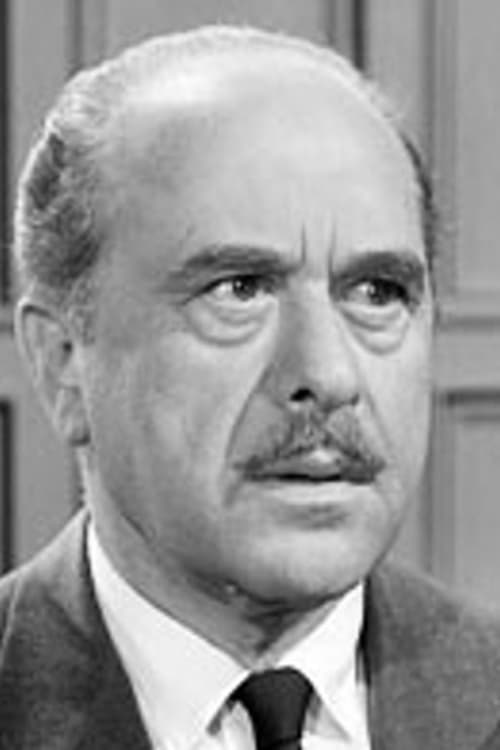
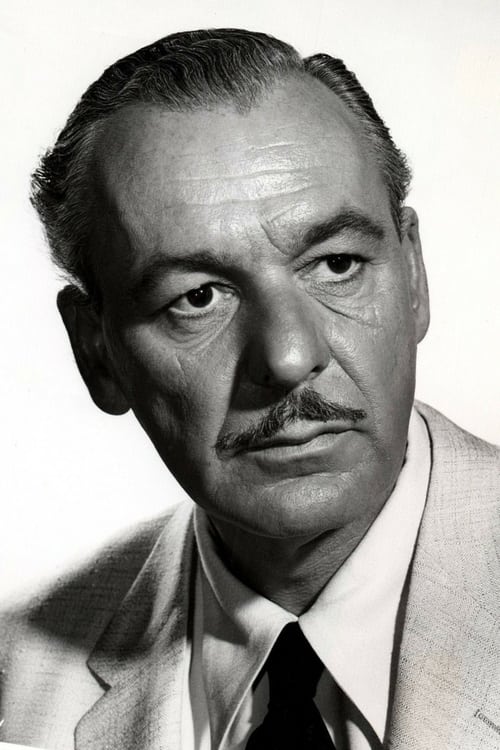
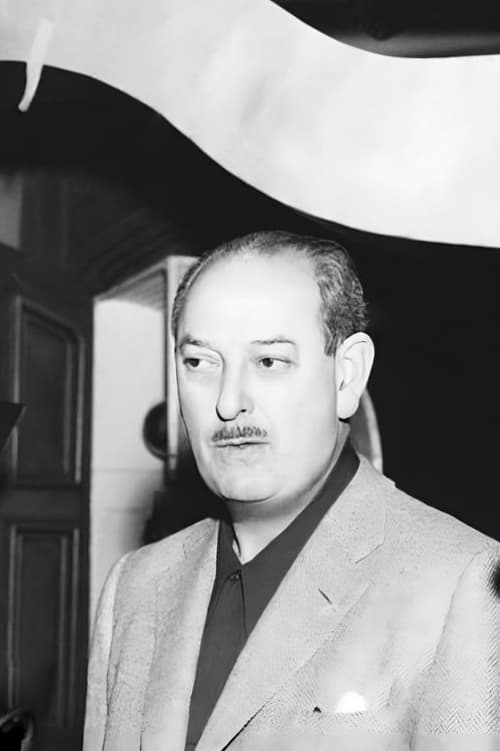
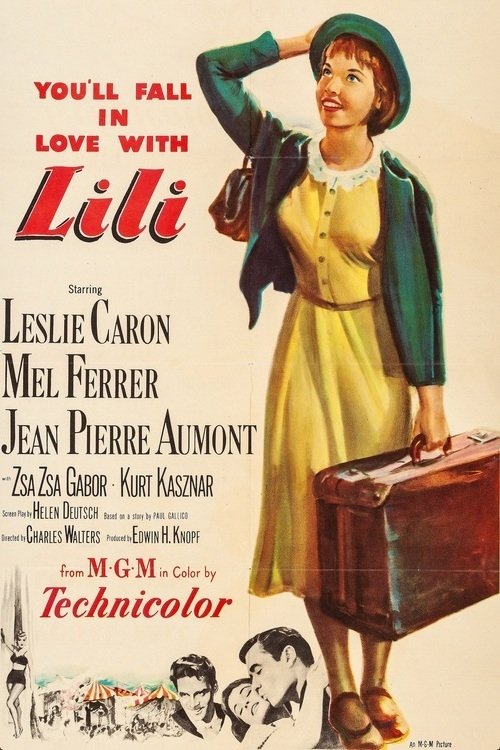
The overly sentimental tone easily comes across as corny, if not downright creepy, to modern audiences. To me, the entire ending dream sequence feels like a major cop-out. Caron’s performance, however, radiates sincerity, and that sincerity becomes the film’s anchor. Mel Ferrer, imagine Ted Bundy cast as a moody bitch, plays the puppeteer’s bitterness with conviction, which gives the film surprising psychological depth. Despite its drawn-out passages, there's a dance going on with these two characters.
Caron invests Lili with fragile vulnerability that feels both innocent and raw. In the opening, Caron wanders through a city, grief-stricken, but doesn't seem to have the vocabulary to fully articulate her emotions. For instance, she projects her longing for love onto men who, ultimately, exploit her. The magician dazzles her, but he treats her as a child. The puppeteer, meanwhile, directs his feelings into performance. His puppets allow him to express tenderness while masking insecurity and jealousy. It's clever, but it also ruins the vibe.
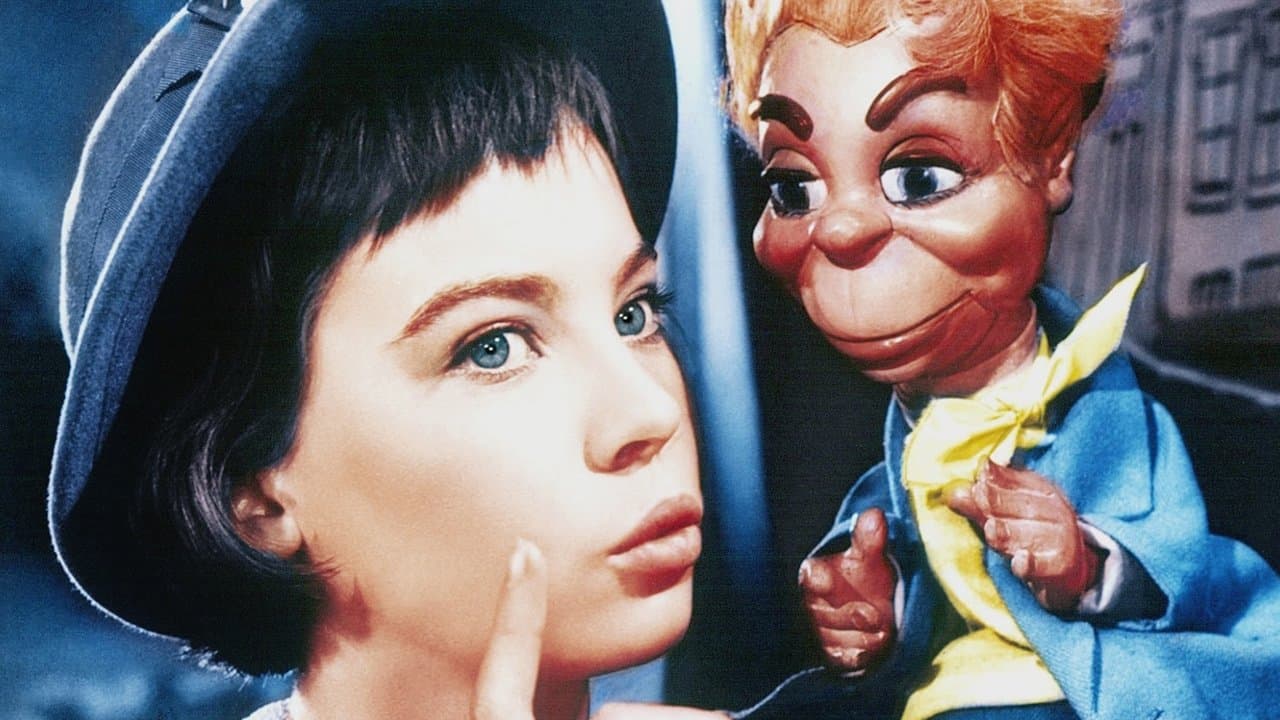
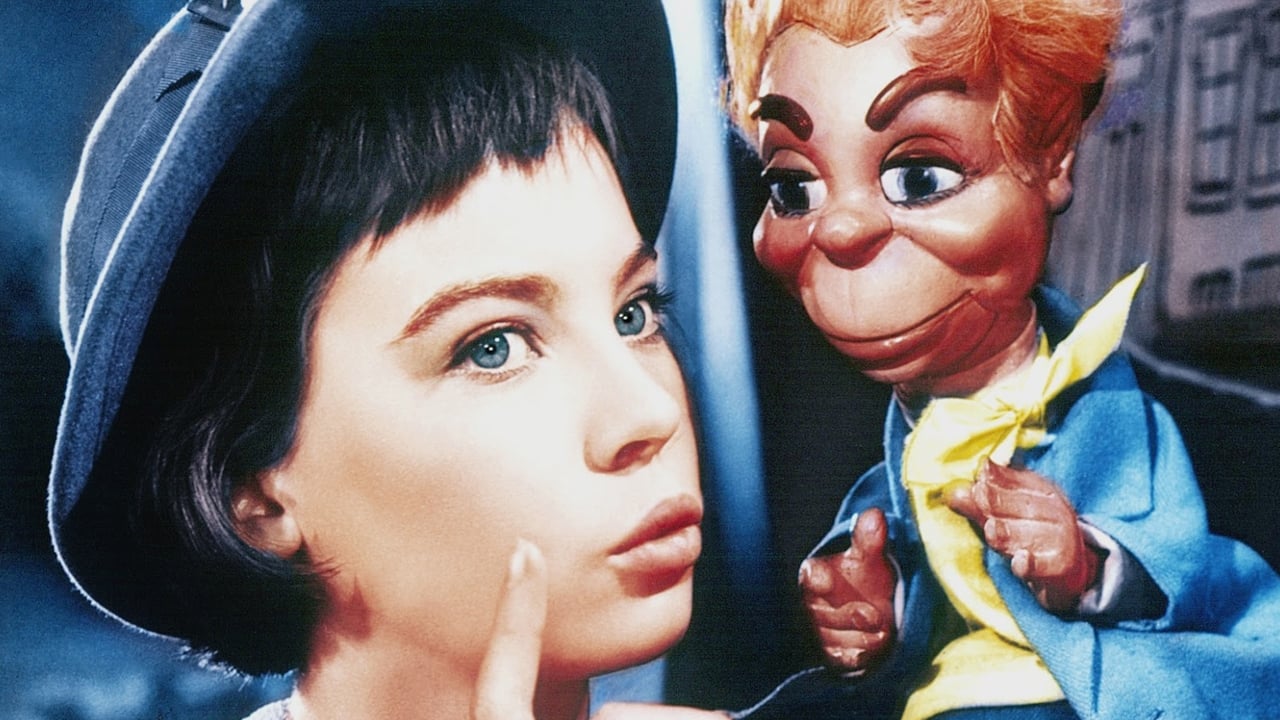
The puppets carry the film’s symbolism. They create a safe distance for the puppeteer to confess what he cannot admit face-to-face. For Lili, the puppets embody companionship and empathy. Friends who console her when human beings fail. In this sense, Lili dramatizes a truth that resonates beyond its dated romance: intimacy often hides behind performance. We confess most when disguised. Of course, in Lili, love is less about connection and more about elaborate ventriloquism, but you get the idea.
The final dream sequence almost answers the question of what the film is truly about. It suggests that her imagination is not a childish escape but a survival mechanism. In a world where men treat her as disposable, she reshapes trauma into a fable she can live inside. Rather than grapple with the fact that her “choices” are all terrible, the film lets her run back to the puppeteer. The dream suggests she doesn’t simply choose a man; she’s choosing the self that can endure. Like, how do you fuck up the idea of interpersonal connection, but simultaneously, circlejerk back to the idea?
Taken together, Lili functions less as a conventional romance than as a bittersweet fable about longing. The song “Hi-Lili, Hi-Lo” distills it. The song itself feels like a lullaby to remind us that fantasy can soothe but never erase reality. Enchantment paired with pain, dreams shadowed by loss. Its corny framing and sentimental tone are obvious flaws, yet its strangeness makes it linger. Beneath the whimsy, it captures something profoundly human: the way innocence collides with desire, the way we protect ourselves by disguising love, and the way imagination becomes a tool for survival.
The overly sentimental tone easily comes across as corny, if not downright creepy, to modern audiences. To me, the entire ending dream sequence feels like a major cop-out. Caron’s performance, however, radiates sincerity, and that sincerity becomes the film’s anchor. Mel Ferrer, imagine Ted Bundy cast as a moody bitch, plays the puppeteer’s bitterness with conviction, which gives the film surprising psychological depth. Despite its drawn-out passages, there's a dance going on with these two characters.
Caron invests Lili with fragile vulnerability that feels both innocent and raw. In the opening, Caron wanders through a city, grief-stricken, but doesn't seem to have the vocabulary to fully articulate her emotions. For instance, she projects her longing for love onto men who, ultimately, exploit her. The magician dazzles her, but he treats her as a child. The puppeteer, meanwhile, directs his feelings into performance. His puppets allow him to express tenderness while masking insecurity and jealousy. It's clever, but it also ruins the vibe.
The puppets carry the film’s symbolism. They create a safe distance for the puppeteer to confess what he cannot admit face-to-face. For Lili, the puppets embody companionship and empathy. Friends who console her when human beings fail. In this sense, Lili dramatizes a truth that resonates beyond its dated romance: intimacy often hides behind performance. We confess most when disguised. Of course, in Lili, love is less about connection and more about elaborate ventriloquism, but you get the idea.
The final dream sequence almost answers the question of what the film is truly about. It suggests that her imagination is not a childish escape but a survival mechanism. In a world where men treat her as disposable, she reshapes trauma into a fable she can live inside. Rather than grapple with the fact that her “choices” are all terrible, the film lets her run back to the puppeteer. The dream suggests she doesn’t simply choose a man; she’s choosing the self that can endure. Like, how do you fuck up the idea of interpersonal connection, but simultaneously, circlejerk back to the idea?
Taken together, Lili functions less as a conventional romance than as a bittersweet fable about longing. The song “Hi-Lili, Hi-Lo” distills it. The song itself feels like a lullaby to remind us that fantasy can soothe but never erase reality. Enchantment paired with pain, dreams shadowed by loss. Its corny framing and sentimental tone are obvious flaws, yet its strangeness makes it linger. Beneath the whimsy, it captures something profoundly human: the way innocence collides with desire, the way we protect ourselves by disguising love, and the way imagination becomes a tool for survival.