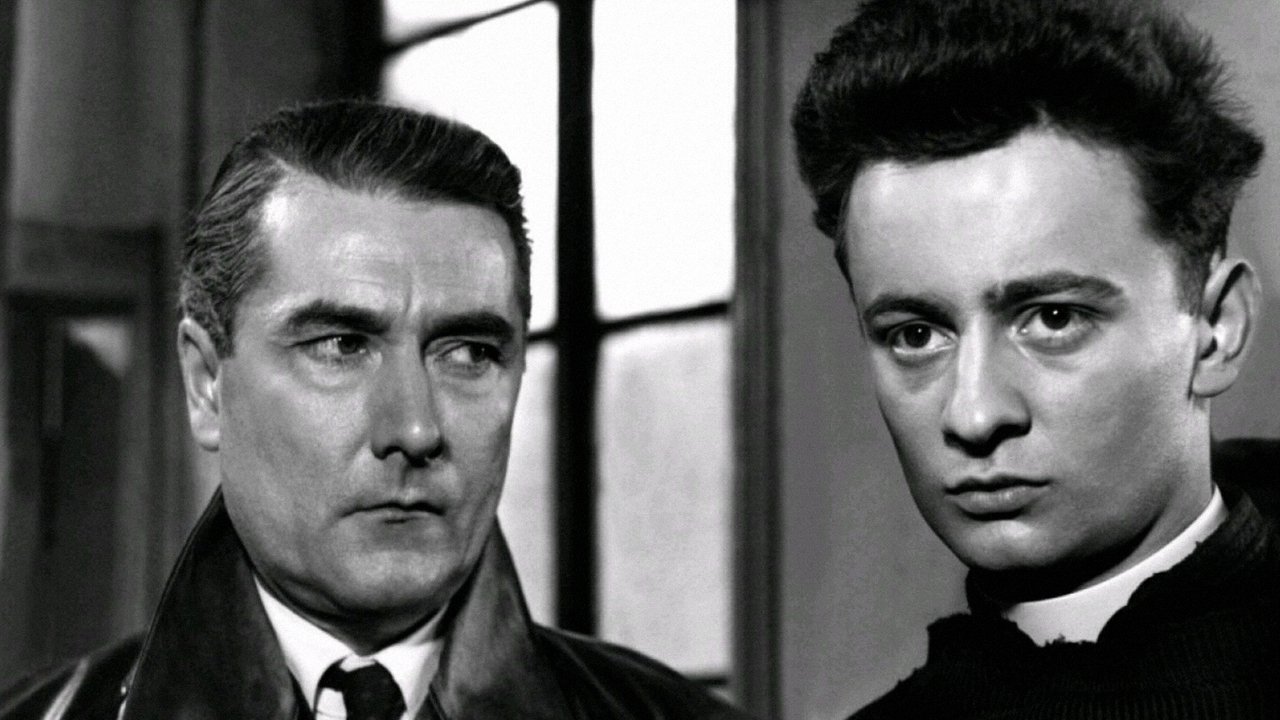
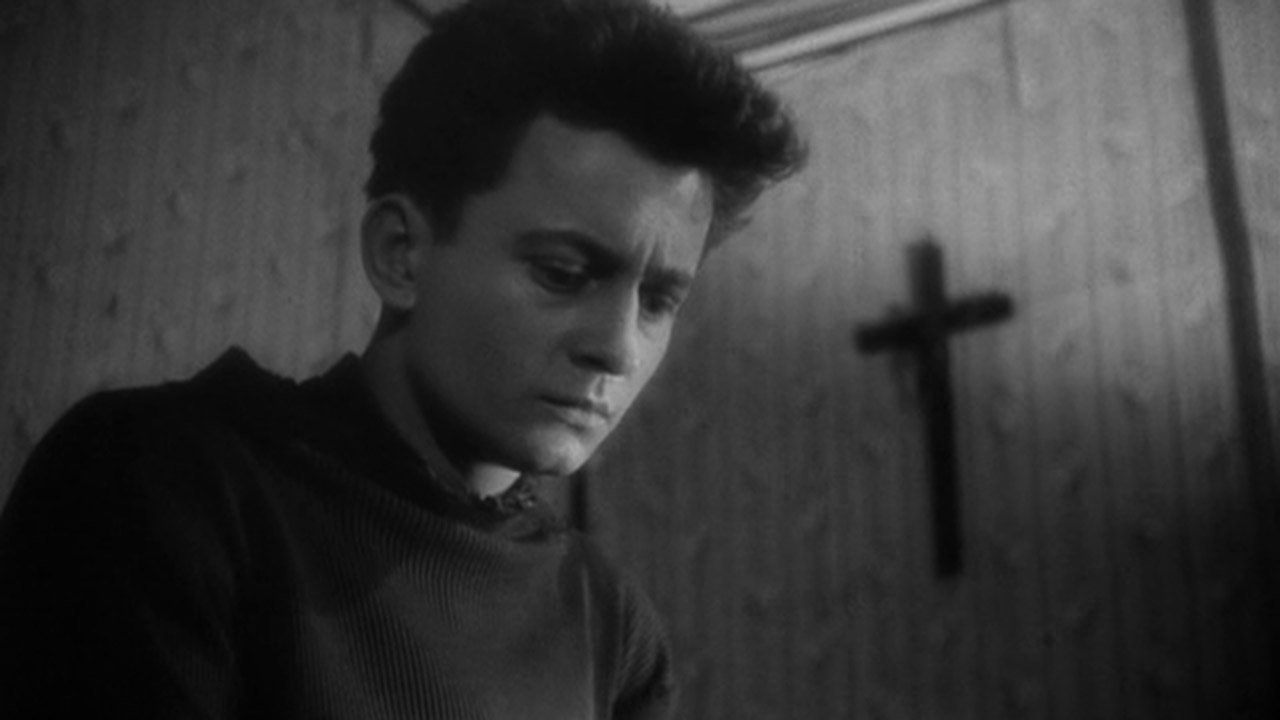
The way you shoot your enviroment has as much of a purpose as a proformace.
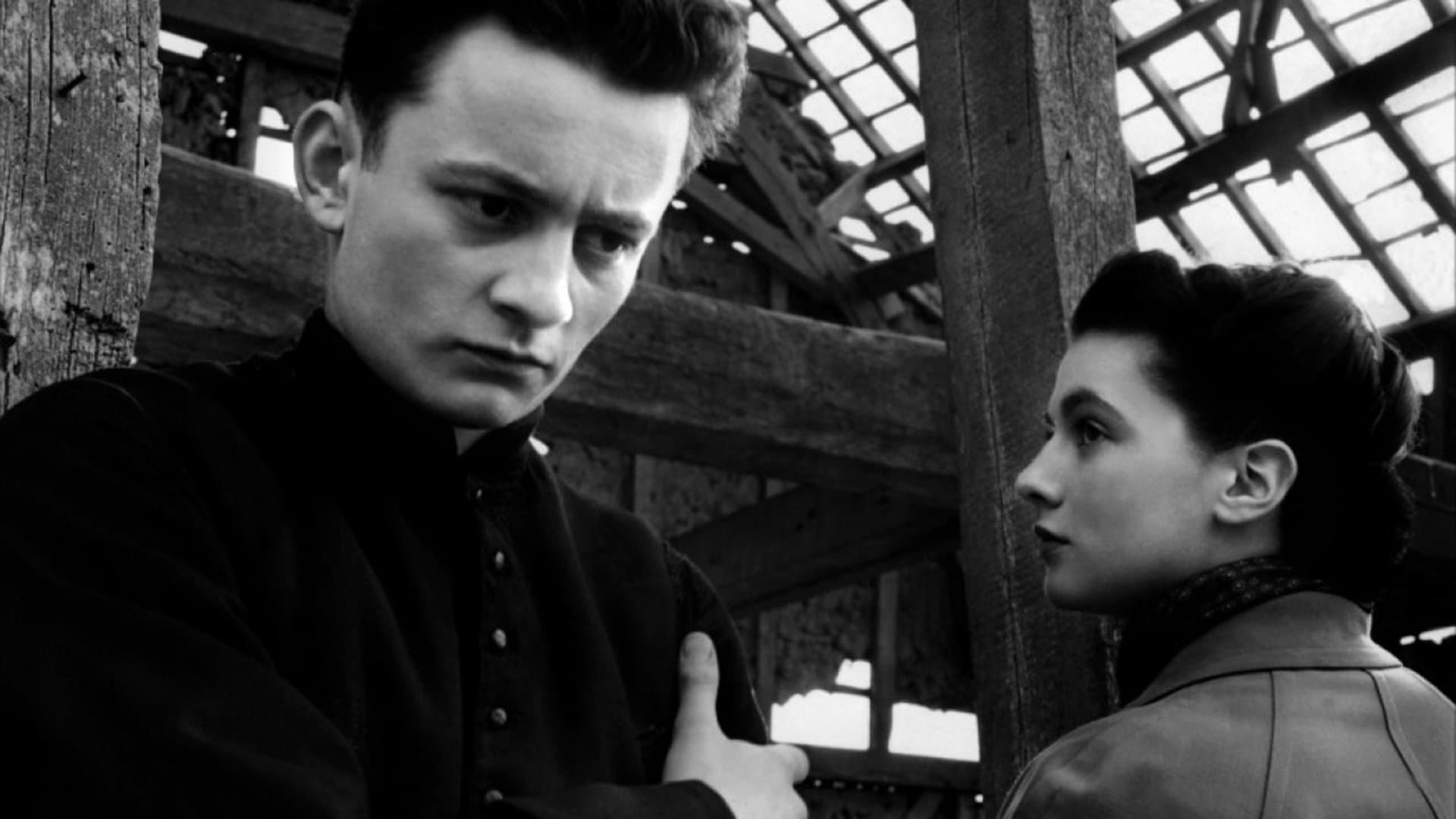
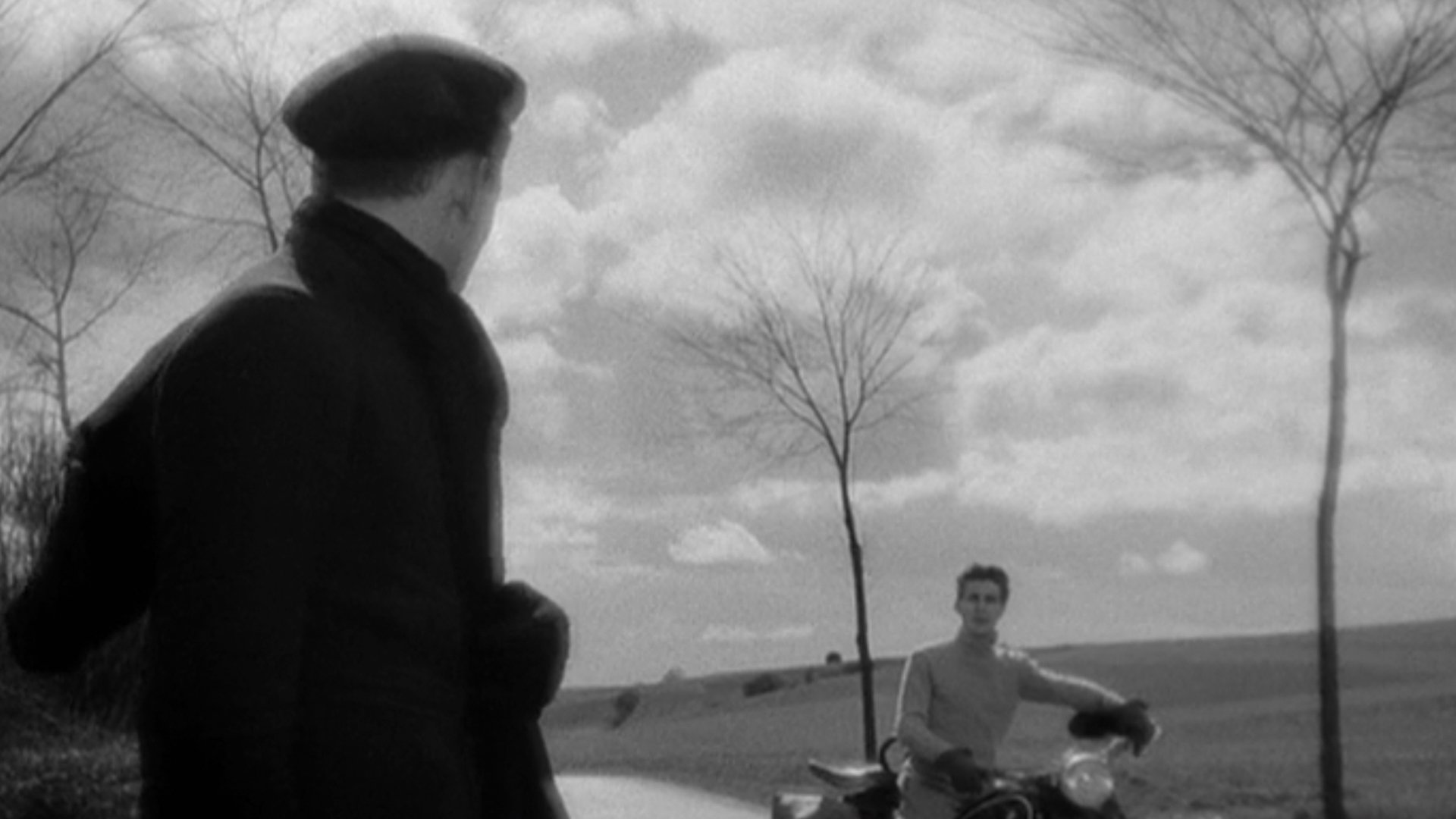
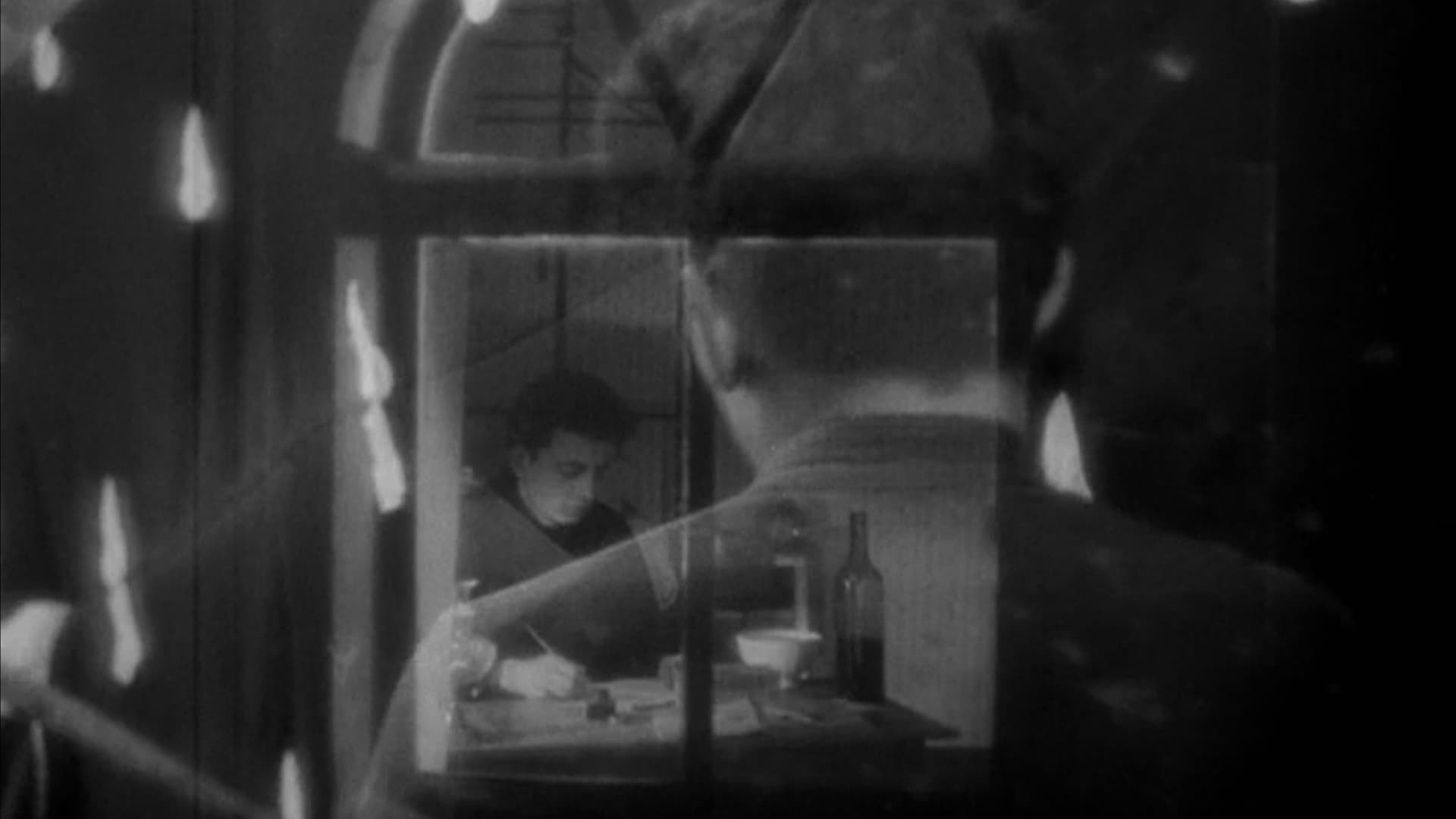
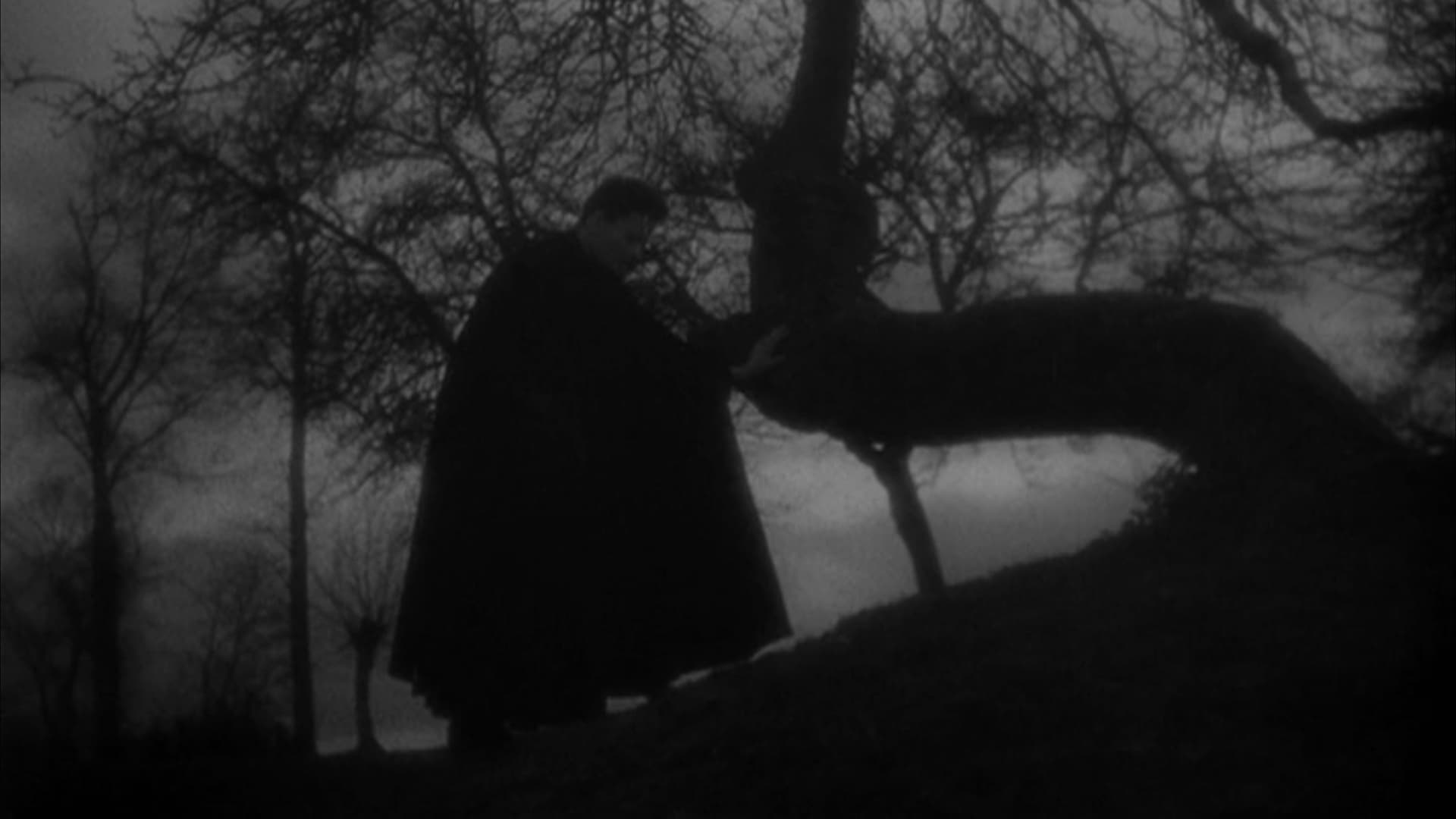
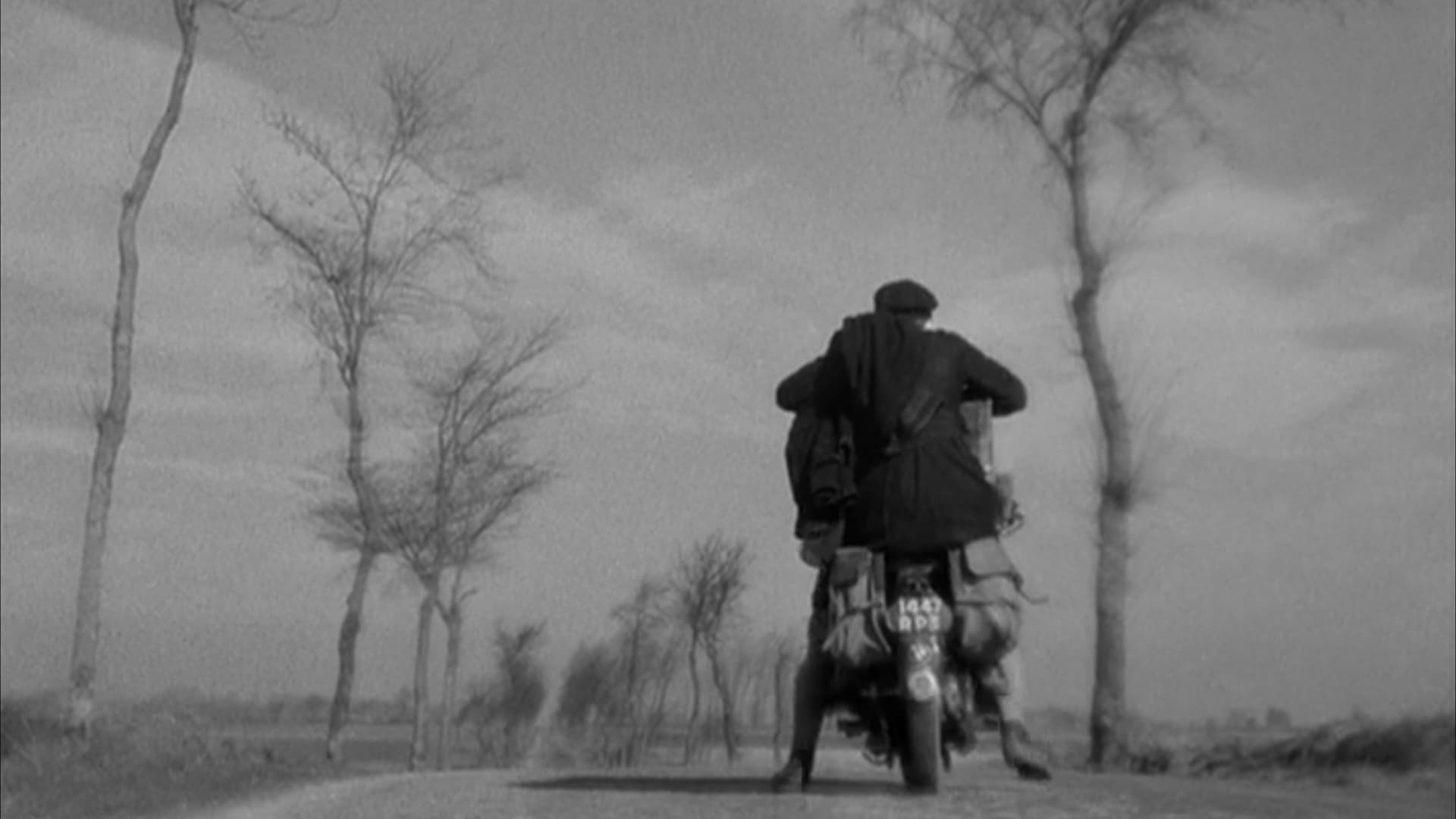
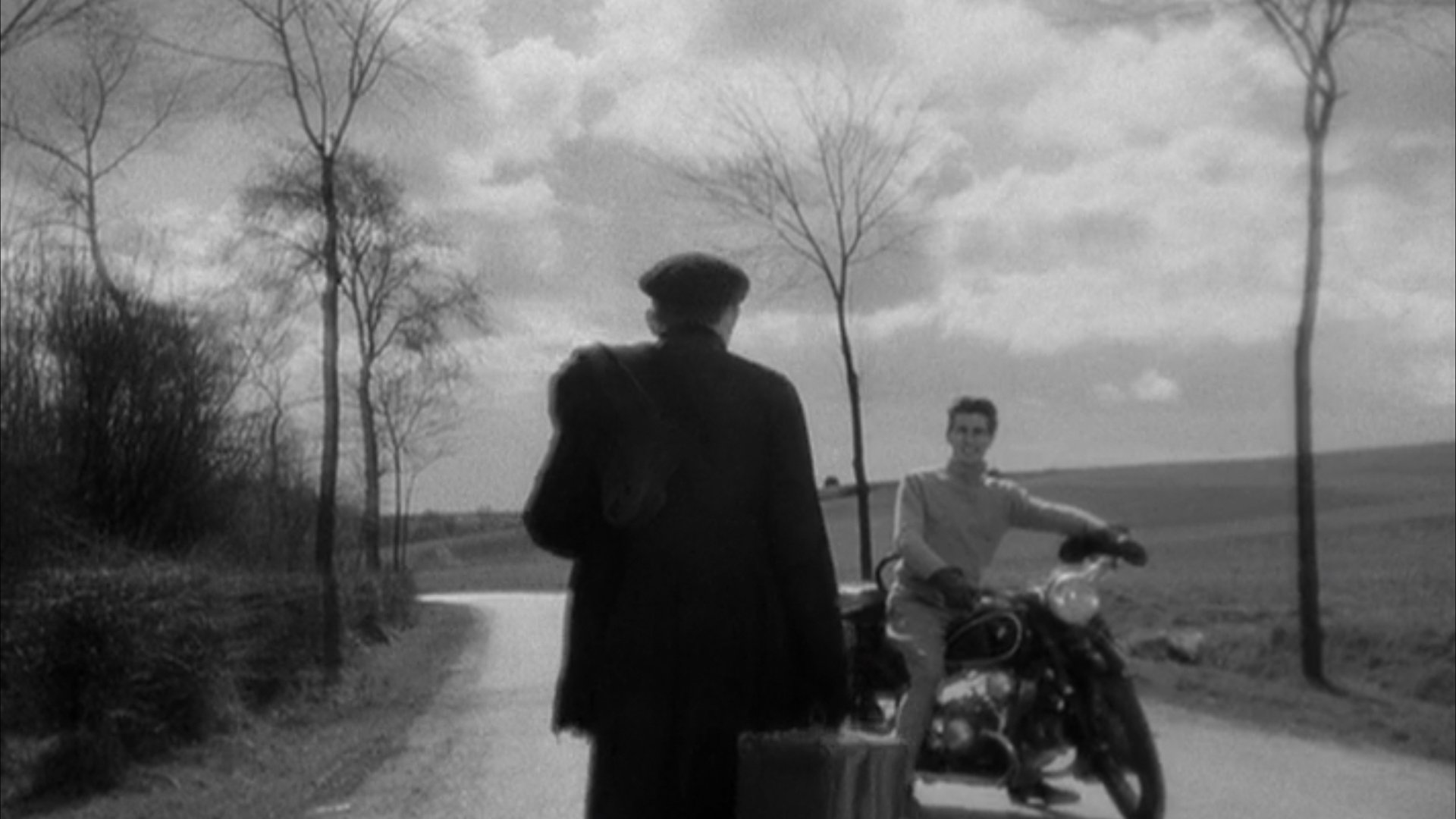
From Angels of sin to Ladies of the park it's presumably clear that bresson has a drive to implement the strength of a set piece that no matter how small has a way of exposing the inner ills of a character that morphs in vulnerability as much as the expansion of perspective in each scene, it isn't necessarily a cold principle in facial detail as much as it is a vicersal display of suppressive faith or desire. In here everything displayed with these elements is in full force.
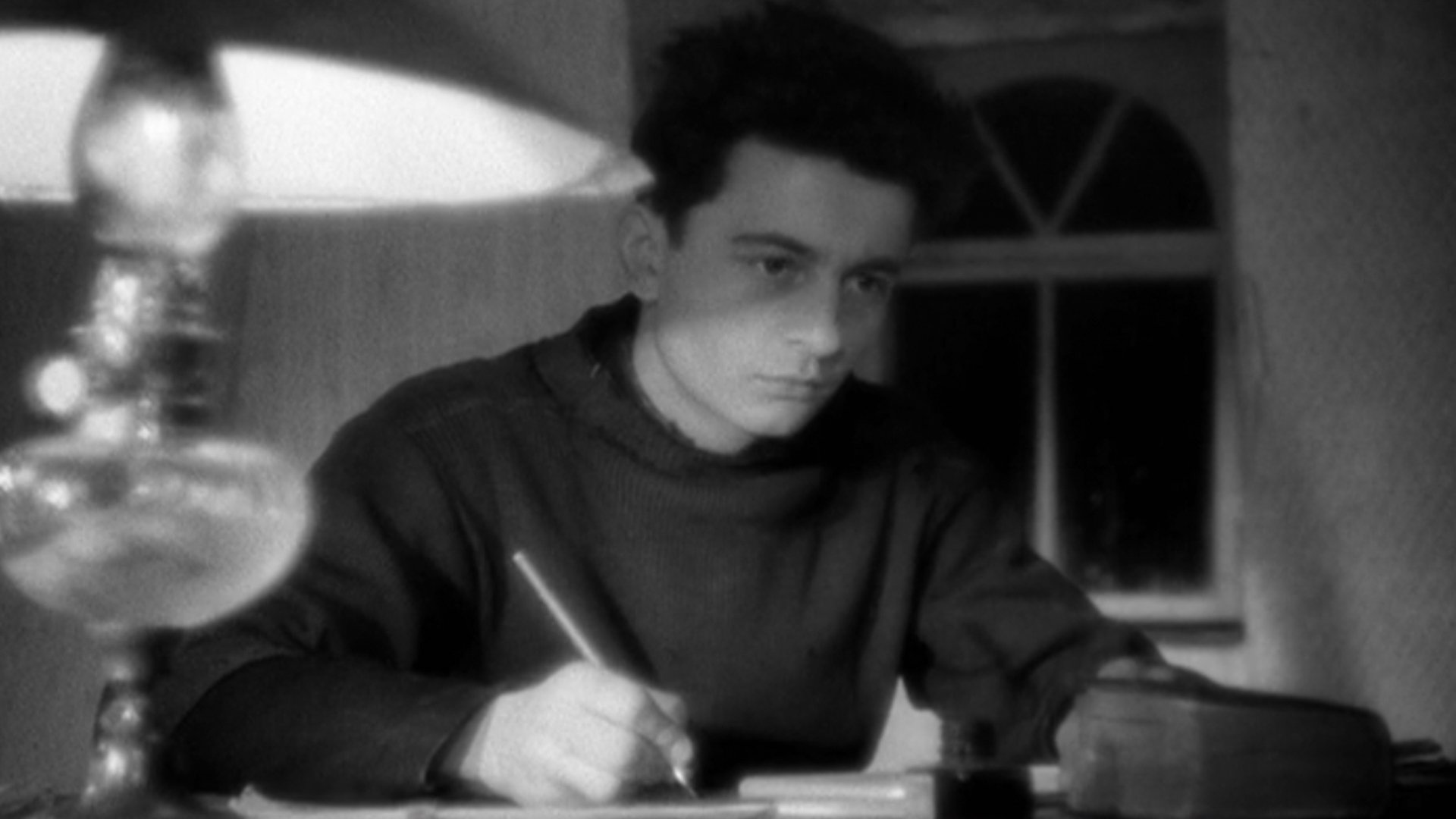
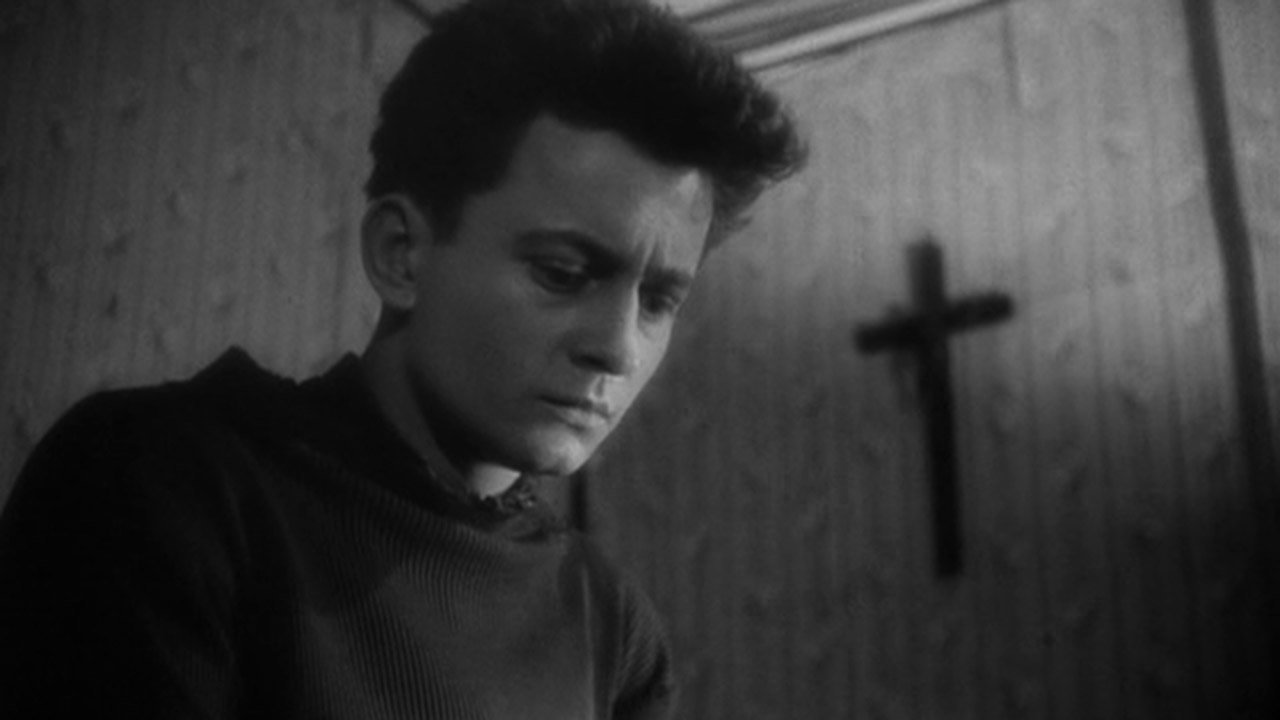
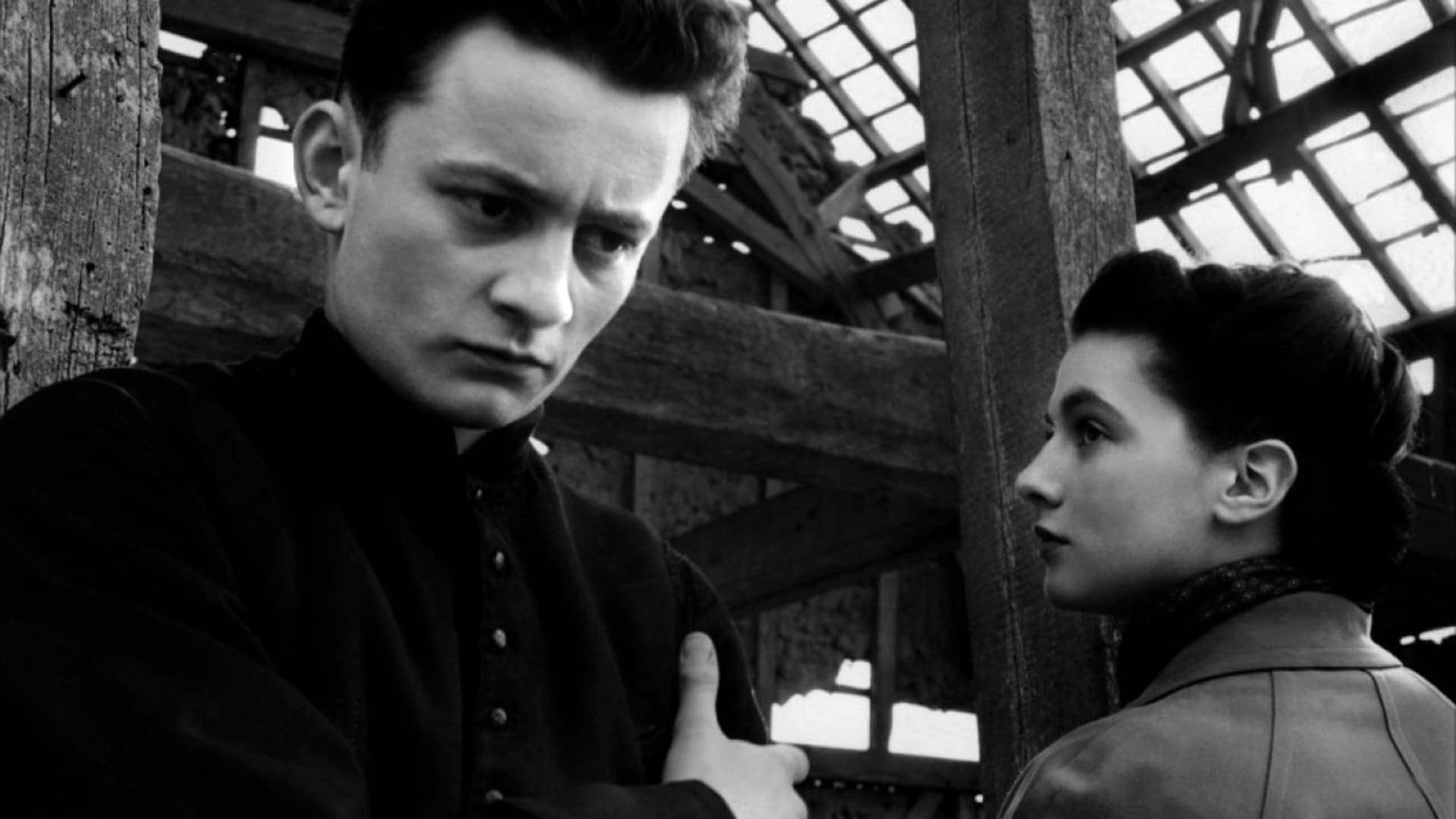
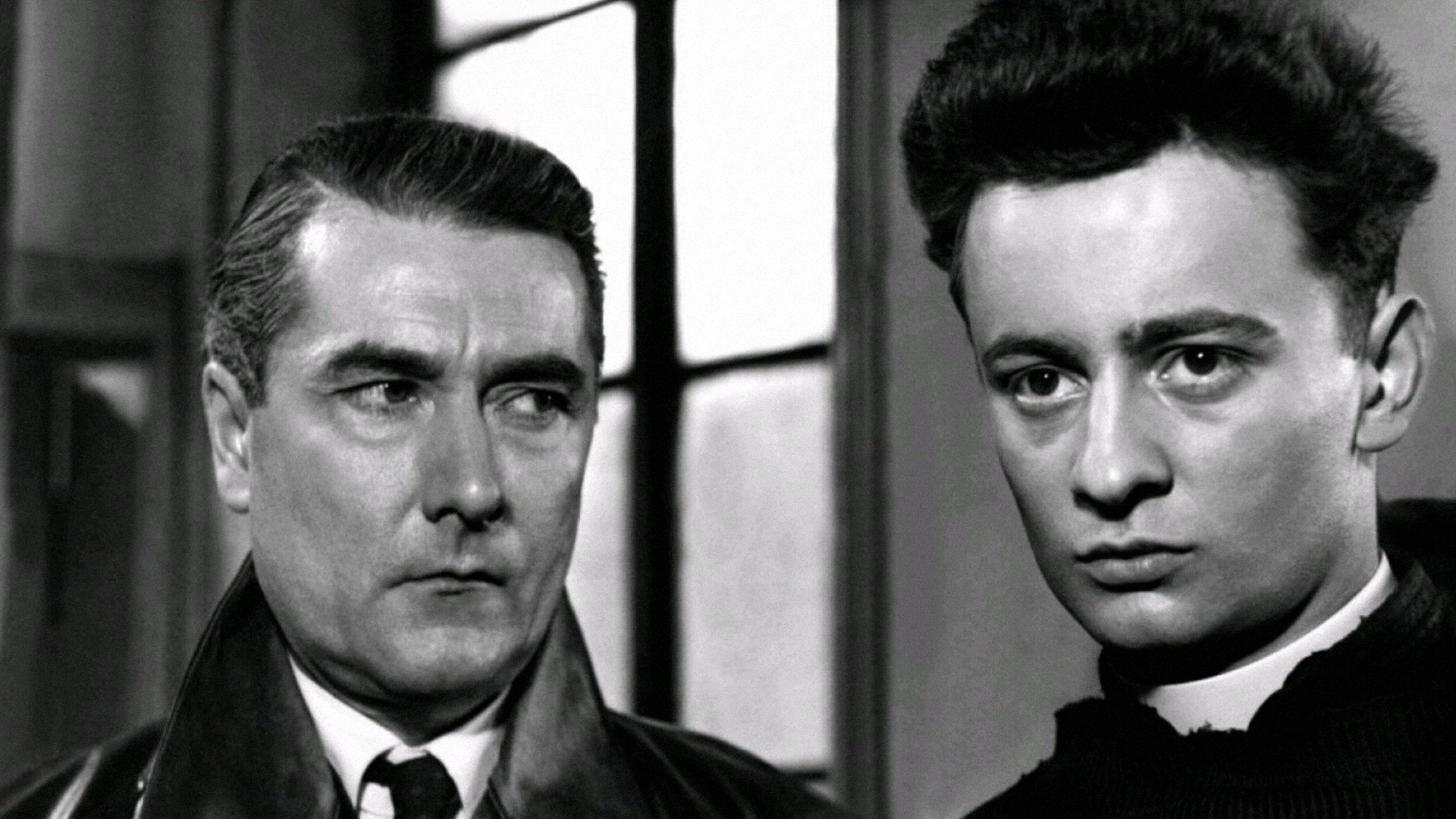
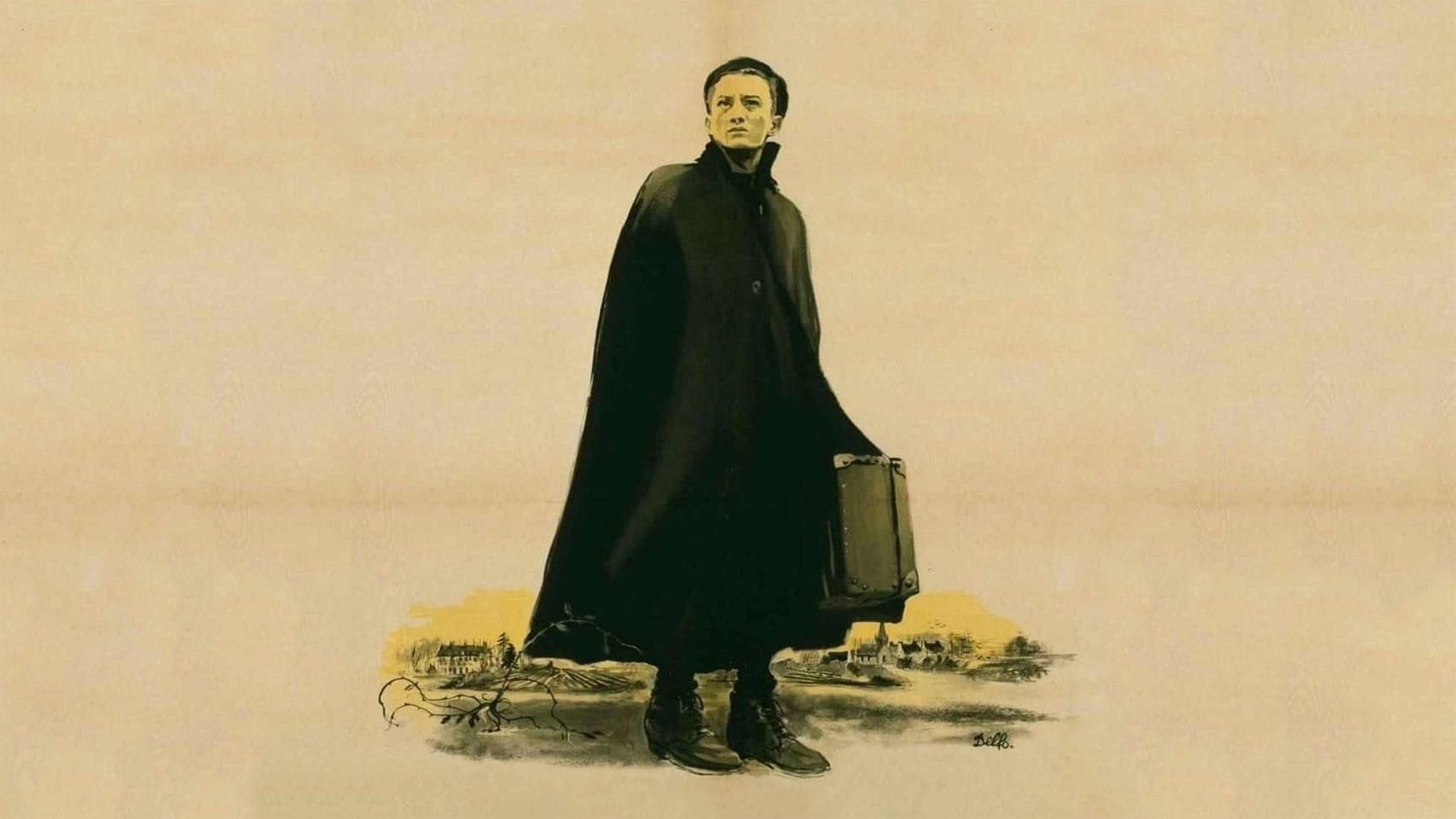
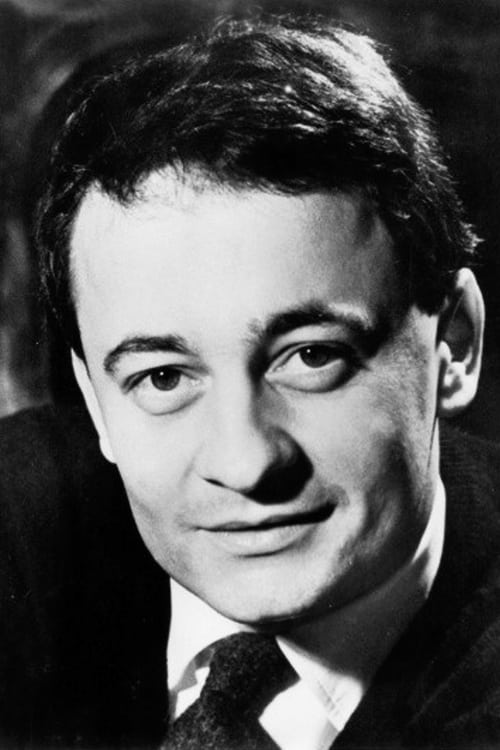
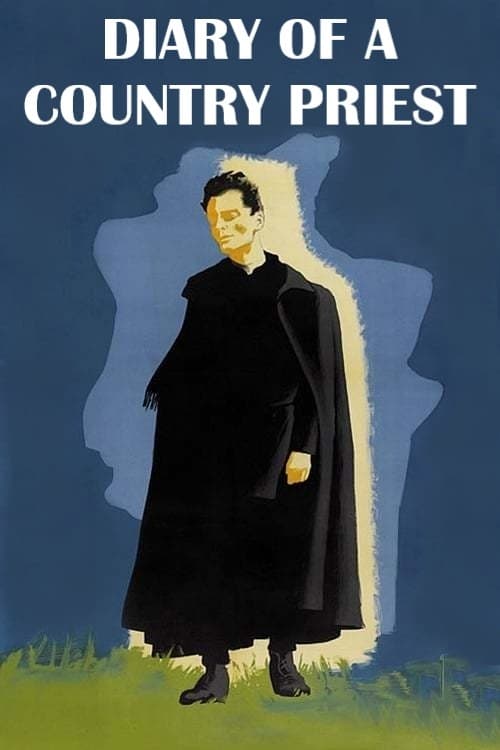
Claude Laydu has, if not one of the most perpetually layered proformances i've ever seen. Both in audio and on screen does he manage to convey such heavier weight of his hardship on faith as much as his own dire facial presence, but even then he occasionally opens up to provide a vulnerable perspective within his futility on health and mental drainage get's apparent more on. The world he lives in is just as cramped and no matter who he effects, everyone is no less isolated with or without the faith he preaches.
It might also have bresson's best usage of music thus far, thing's are not shown too frequently nor aren't acknowledged whenever music is playing and for the indifference of bresson it's all the better for this choice here as it's used without the priests control over his actions, his eventual outcome or the events that motivate his decline all ring the importance of sound when used. But in here it's played whenever the viewer can't notice because it isn't the impact of sound that can be exploited but by a violation of choice that gives it a distinction within this story. Dour as it can be
3 films in and the bresson hype might certainly be an understatement.
The way you shoot your enviroment has as much of a purpose as a proformace.
From Angels of sin to Ladies of the park it's presumably clear that bresson has a drive to implement the strength of a set piece that no matter how small has a way of exposing the inner ills of a character that morphs in vulnerability as much as the expansion of perspective in each scene, it isn't necessarily a cold principle in facial detail as much as it is a vicersal display of suppressive faith or desire. In here everything displayed with these elements is in full force.
Claude Laydu has, if not one of the most perpetually layered proformances i've ever seen. Both in audio and on screen does he manage to convey such heavier weight of his hardship on faith as much as his own dire facial presence, but even then he occasionally opens up to provide a vulnerable perspective within his futility on health and mental drainage get's apparent more on. The world he lives in is just as cramped and no matter who he effects, everyone is no less isolated with or without the faith he preaches.
It might also have bresson's best usage of music thus far, thing's are not shown too frequently nor aren't acknowledged whenever music is playing and for the indifference of bresson it's all the better for this choice here as it's used without the priests control over his actions, his eventual outcome or the events that motivate his decline all ring the importance of sound when used. But in here it's played whenever the viewer can't notice because it isn't the impact of sound that can be exploited but by a violation of choice that gives it a distinction within this story. Dour as it can be
3 films in and the bresson hype might certainly be an understatement.