**
March Around the World 2025: 2/31, Argentina 🇦🇷**
I don't want to go to trial, because you don't want to go to trial.
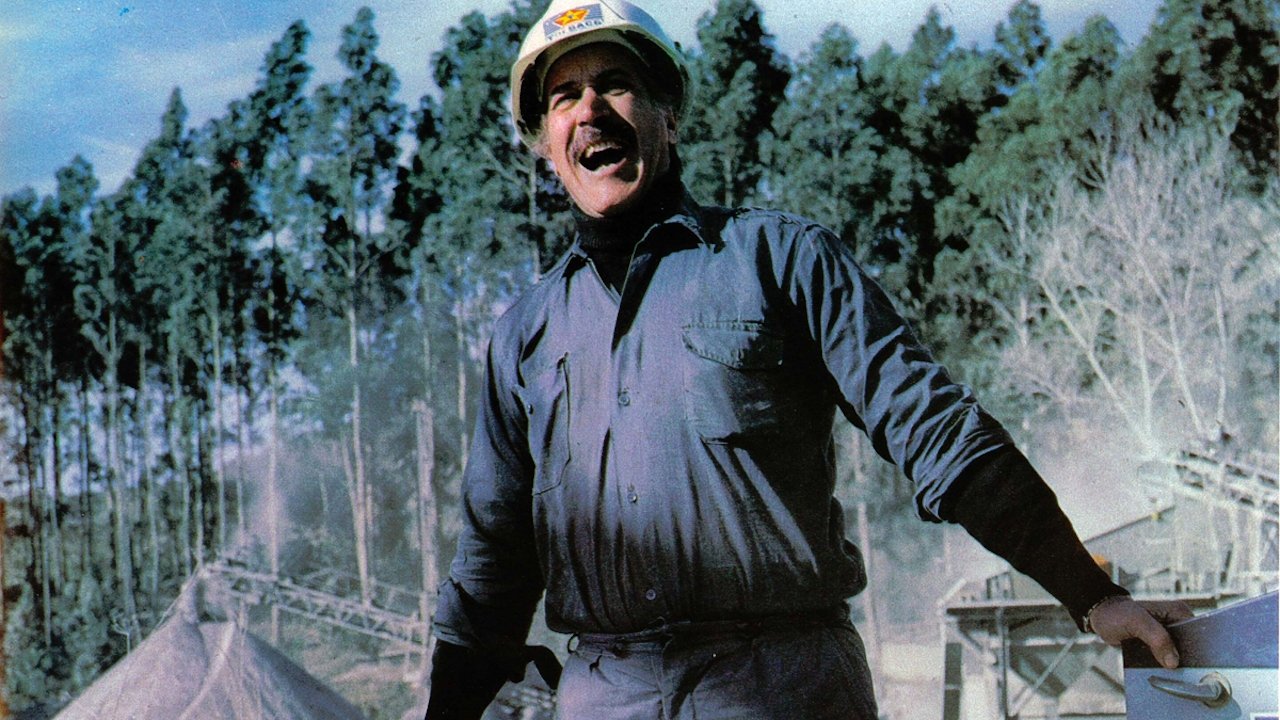
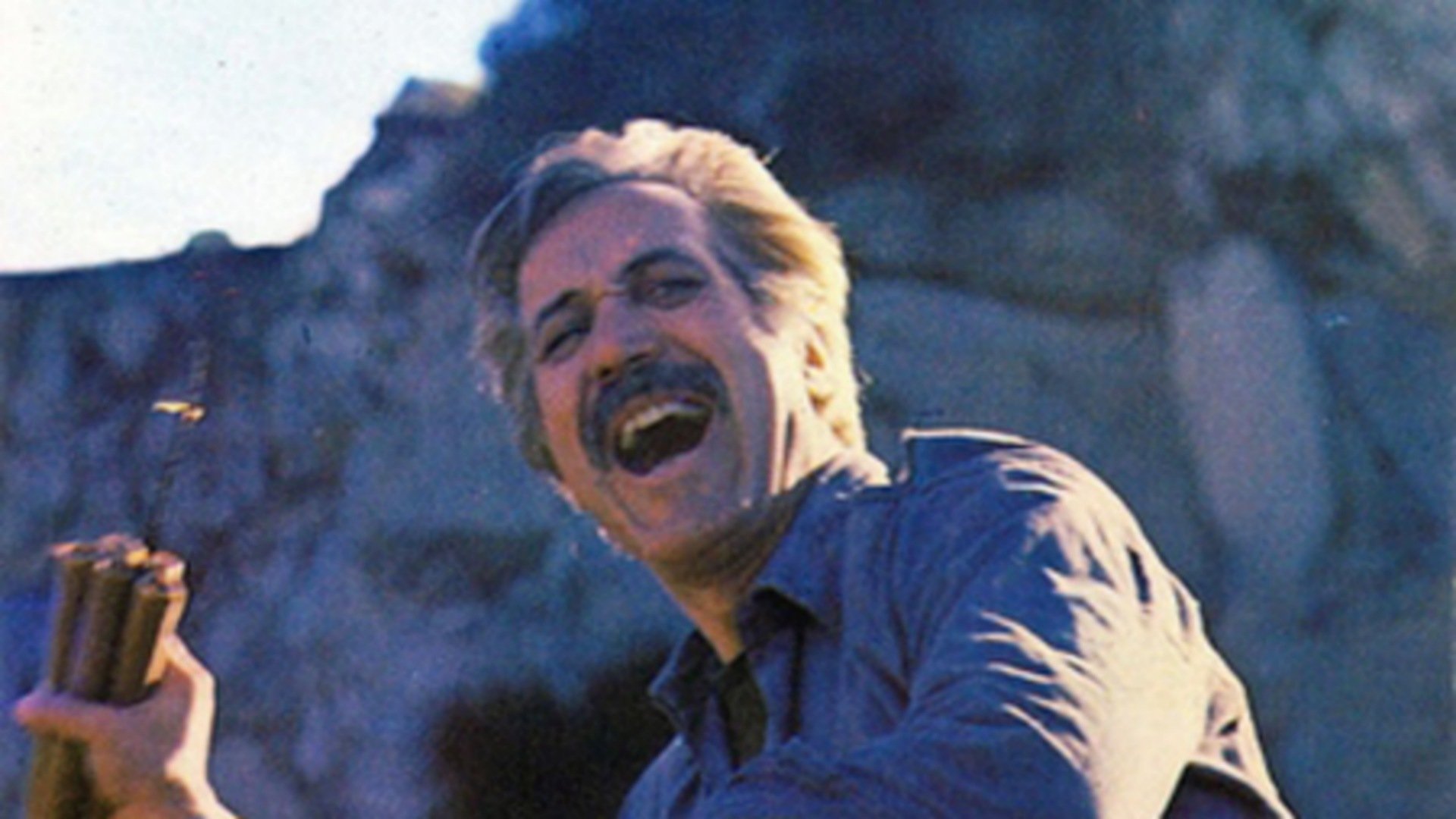
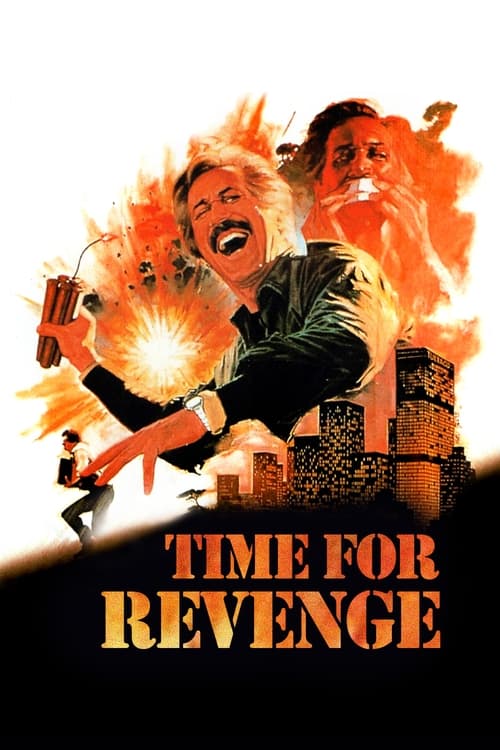
In Time for Revenge, a certain mastery of Argentina at that time is shown for the scam, the dirty business, for stealing from the rich which is nothing but a desperate and unique way of social justice. But, together with the underhanded business and the collusion, there appears the most absolute honesty, the fight head on, and by right, against corruption, against the system. The curious thing about the character of Pedro Bengoa
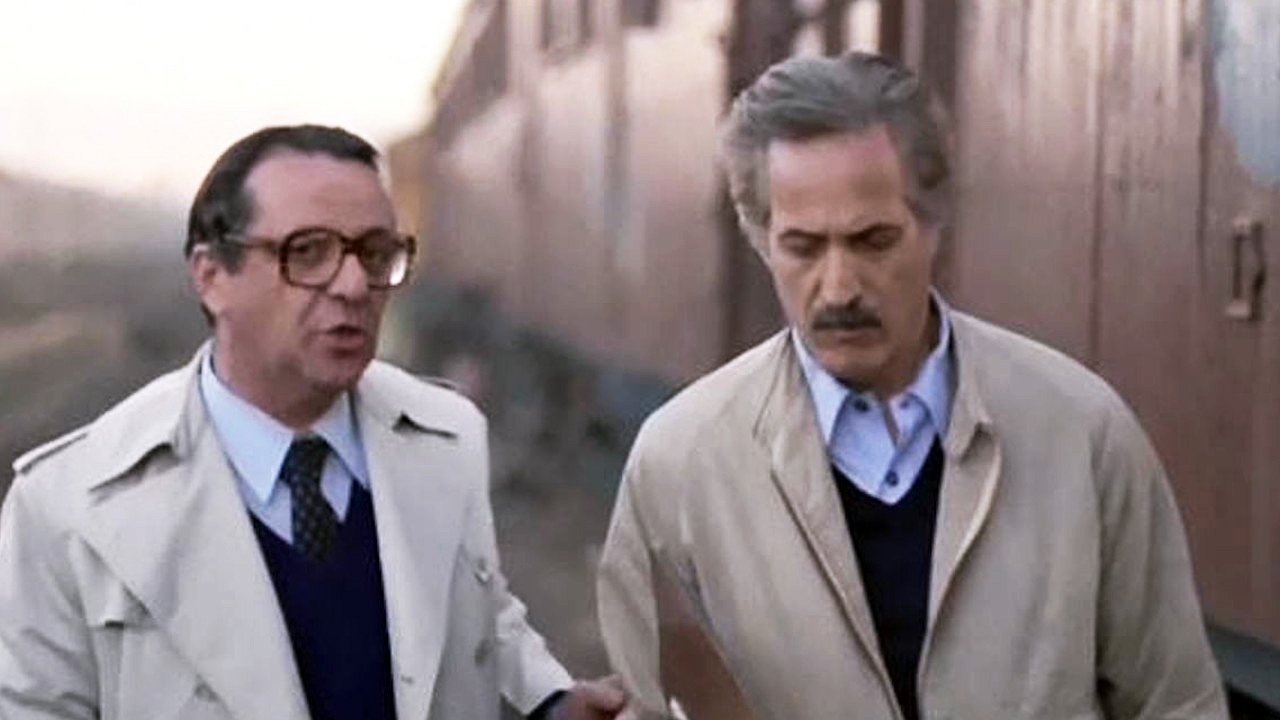
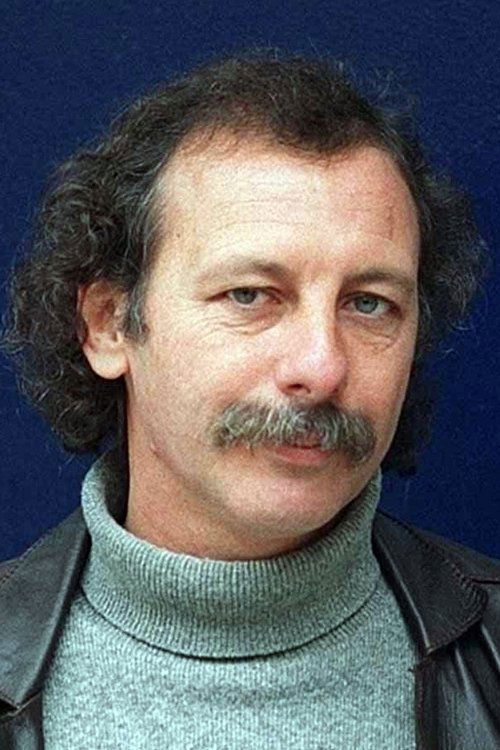
interpreted by the genius of Federico Luppi is that he is always understandable, no matter how much he changes, no matter how many contradictions he shows. If first he is a man who wants, or better, needs to integrate into the system, then he will be the opposite, a rebel, but a rebel with a cause. He is a man who is seen to be going through economic problems who moves from Buenos Aires to the interior of the country to work with the Tulsaco company, which controls a copper mine; his job practically consists of directing the explosions.
In this place he quickly realizes the terrible working conditions of his subordinates, who risk their lives every day, as well as how his bosses pretend to ignore him in order to get the most out of the mine. An accident in which he is involved changes the entire perspective of the film.
Time for Revenge is clearly a protest film, where the struggle between workers and big businessmen is explicitly visualized, the oppression and persecution carried out by these unscrupulous people who only care about making more money in less time, no matter how.
Adolfo Aristarain is, for me, without a doubt, one of the best Argentine directors in history. I deeply adore Martin (Hache), but here he shines, here he creates a monumental work, with a good rhythm from the first minutes, a precise development and a shocking ending, a tense film that becomes smaller every minute, some small funny moments that make it even more enjoyable.