


1949·Drama·2h 40m
7.1
★
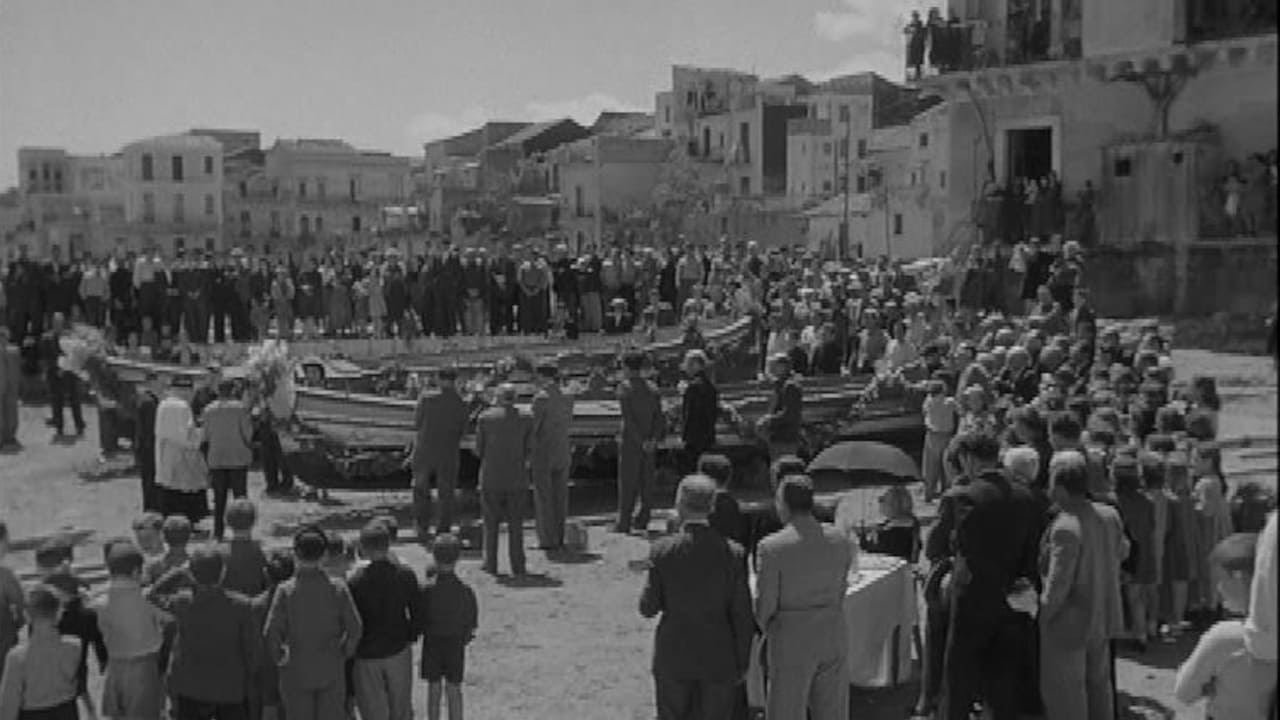
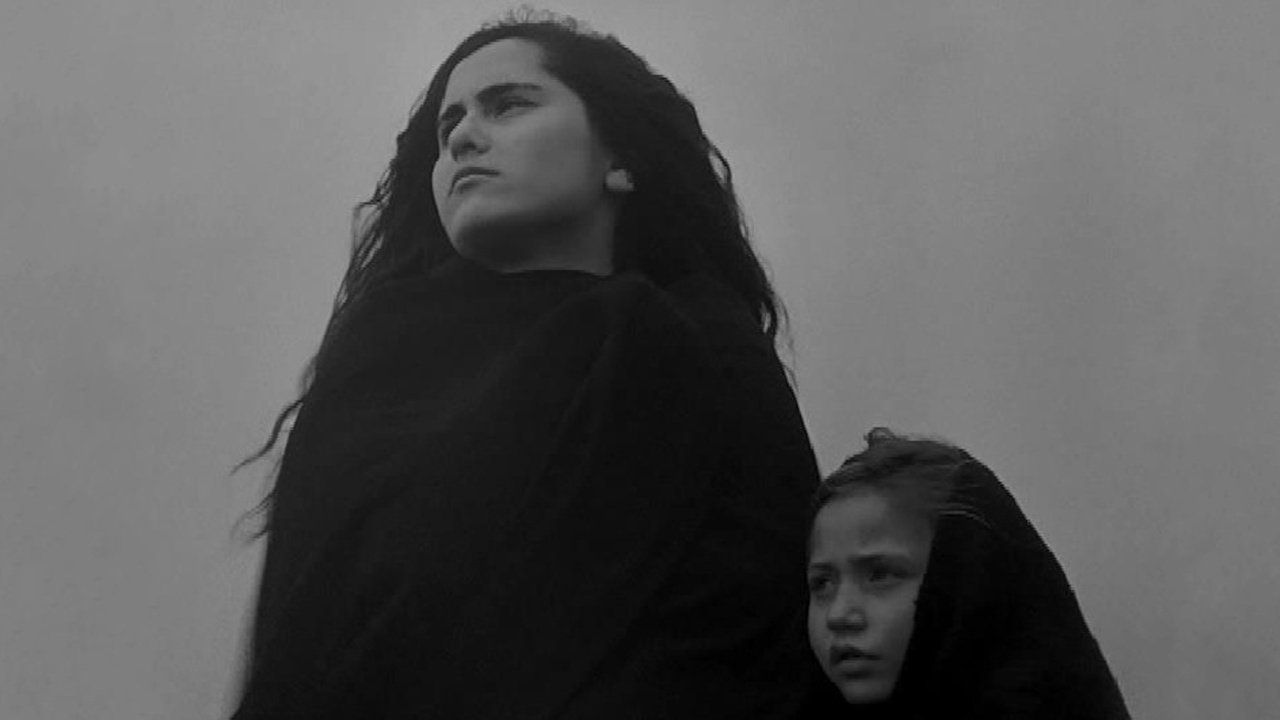
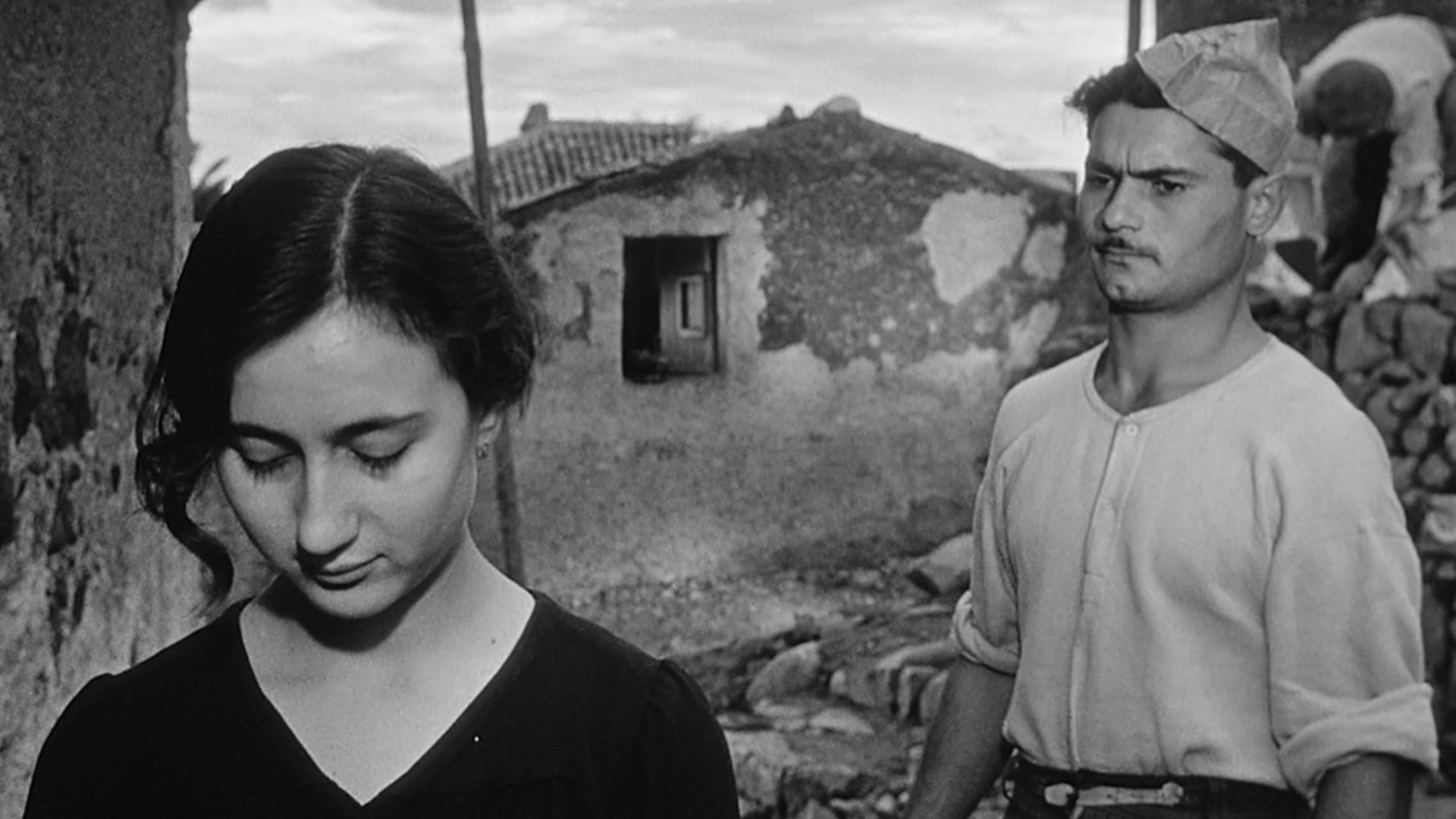

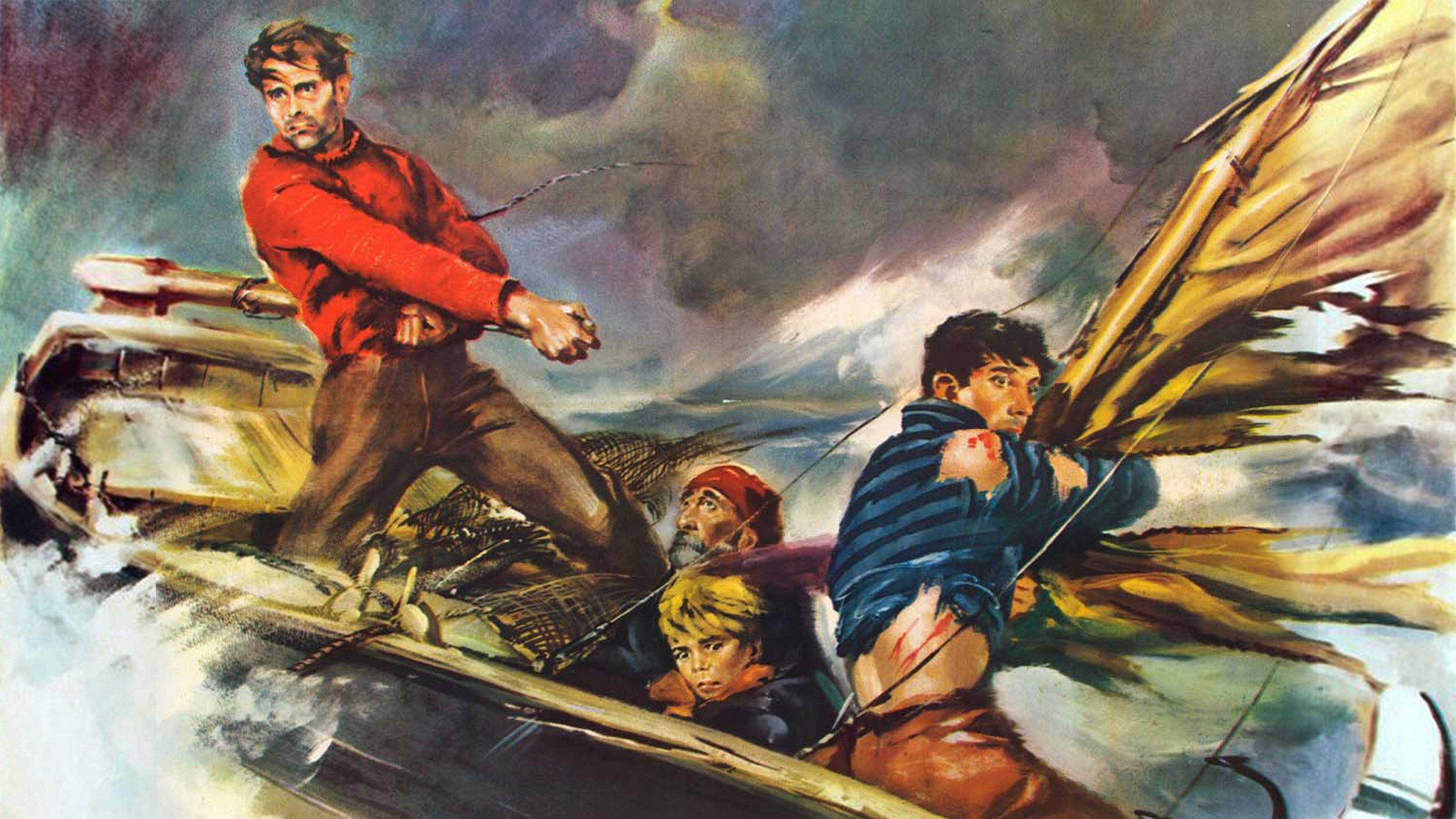
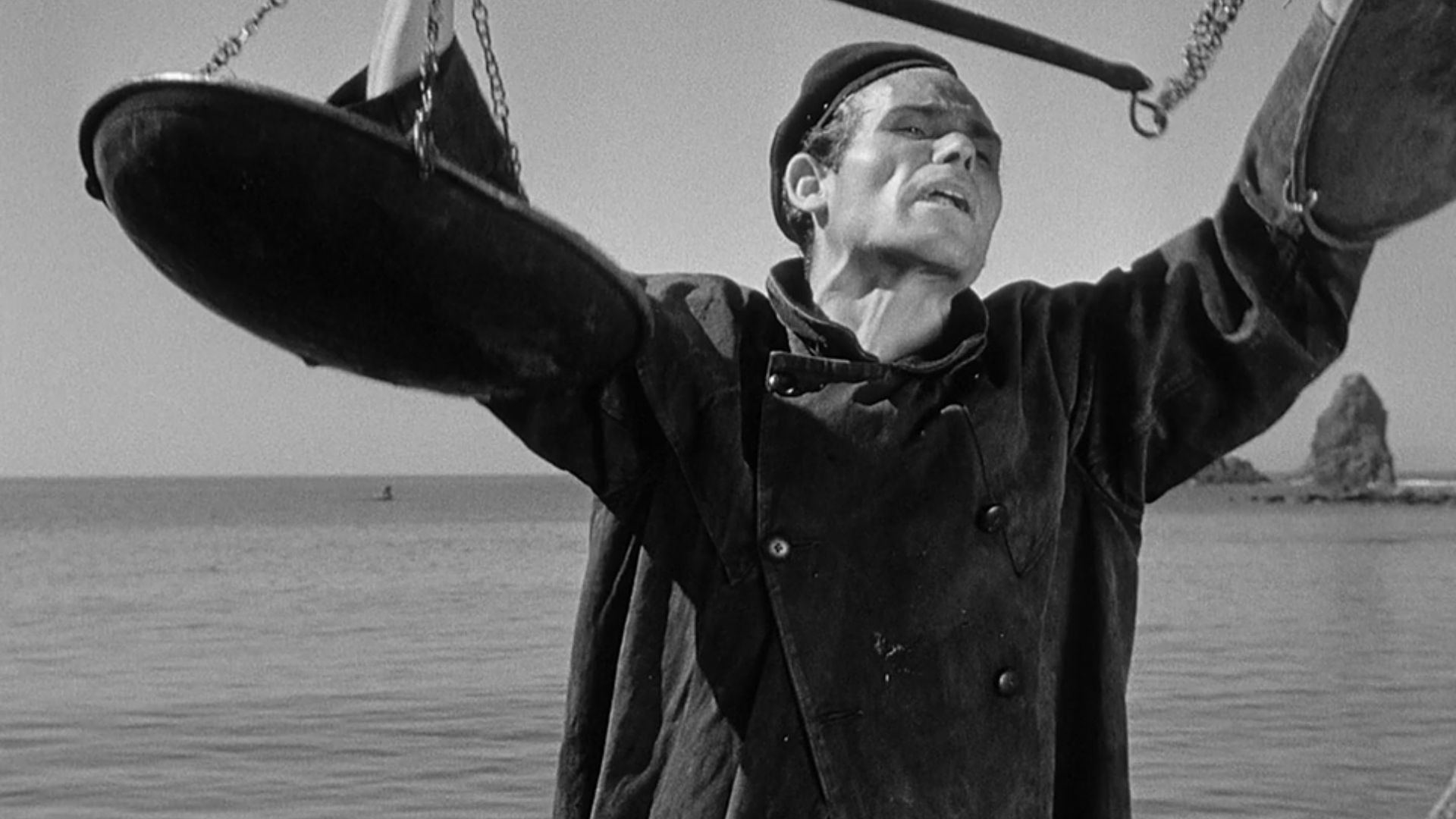
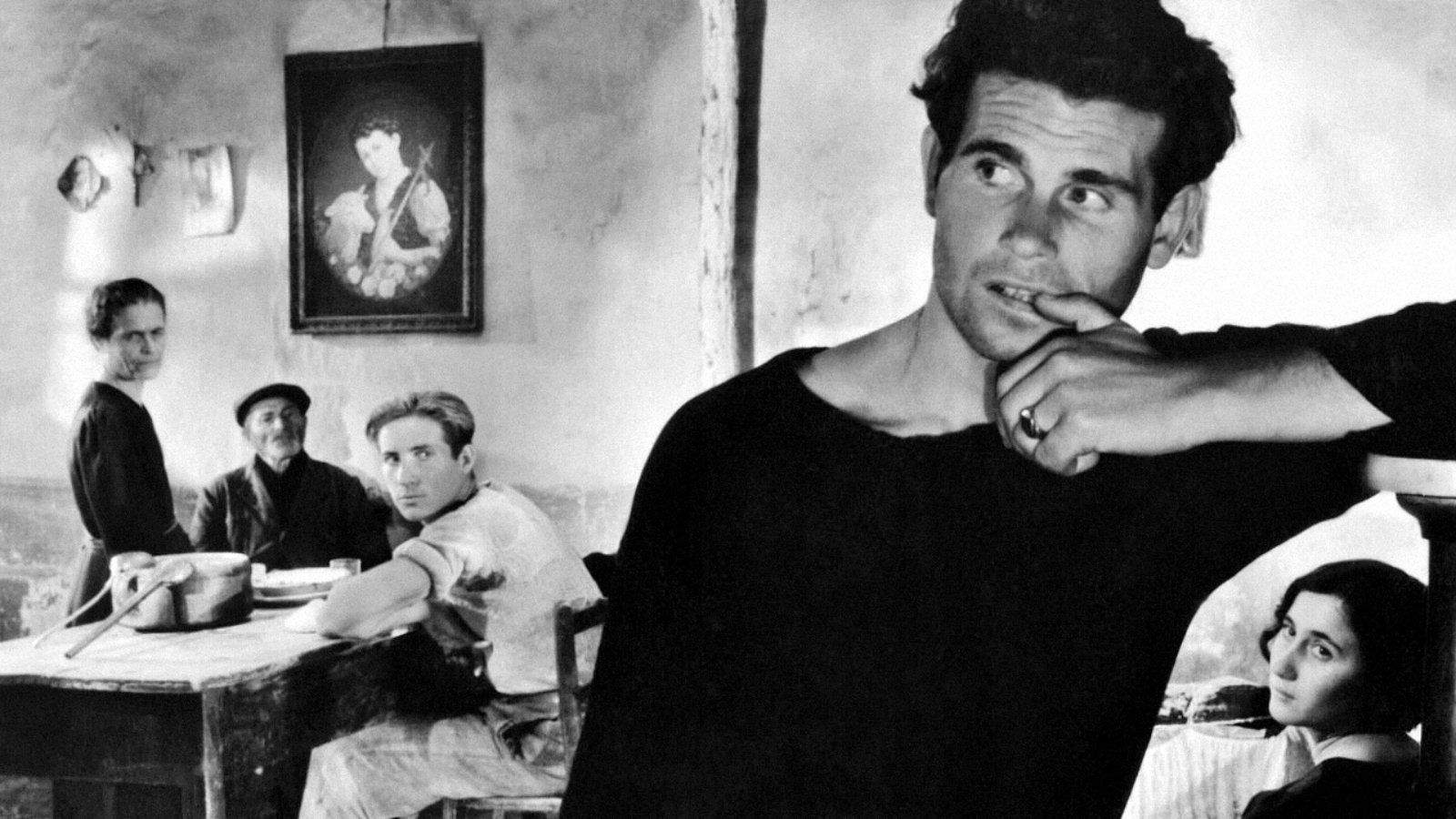


In rural Sicily, the fishermen live at the mercy of the greedy wholesalers. One family risks everything to buy their own boat and operate independently.
Directed by Luchino Visconti
fish
sicily, italy
boat
fisherman
neo realism
italian neo realism

IMDB
N/A
Where to Watch

Cast

Antonio Arcidiacono
Ntoni (uncredited)

Giuseppe Arcidiacono
Cola (uncredited)

Venera Bonaccorso
La Vecchia Che Ride (uncredited)

Nicola Castorino
Nicola (uncredited)

Antonio Pietrangeli
Narrator (voice) (uncredited)
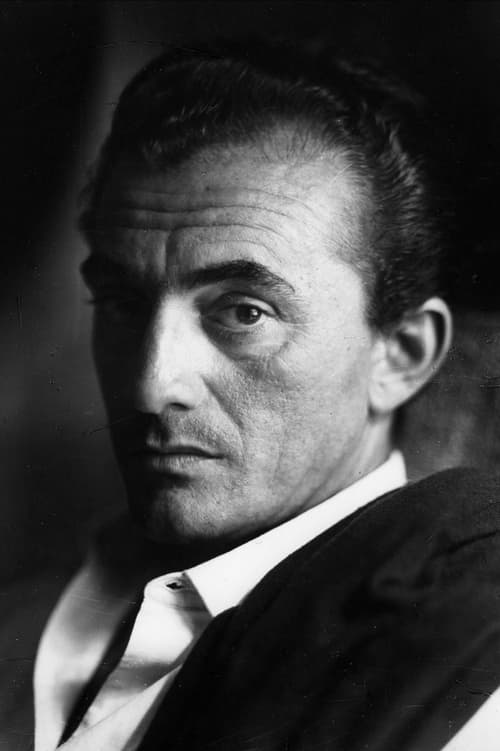
Luchino Visconti
Narrator (voice) (uncredited)
Crew
Luchino Visconti
Director
Luchino Visconti
Screenplay
Antonio Pietrangeli
Screenplay
Luchino Visconti
Producer
Luchino Visconti
Music Coordinator

Giovanni Verga
Novel

Gianni Di Venanzo
Camera Operator

Francesco Rosi
Assistant Director
Luchino Visconti
Story

Franco Zeffirelli
Assistant Director
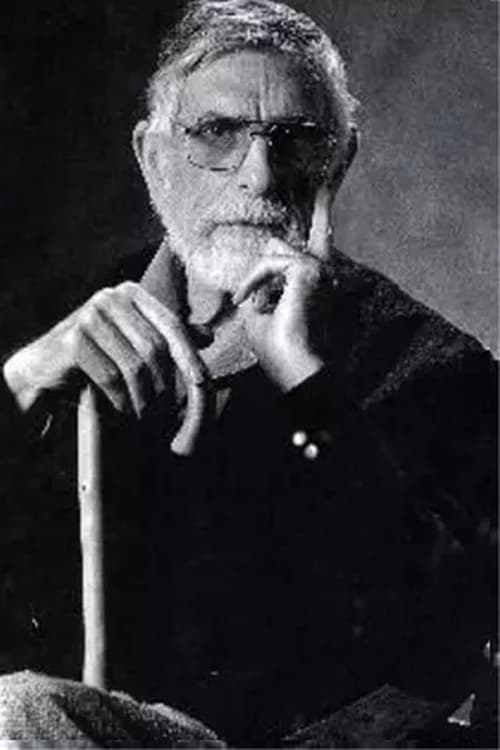
Demofilo Fidani
Assistant Director Trainee
Popular Reviews
35 reviews
Joao Luca
9.0★ · 01/06/26

Como só o neo realismo italiano pode fazer, se mostra completamente arrasada a sociedade italiano do pós guerra. Como o próprio filme sugere, as marcas do abuso de poder fascista se mantém, o capitalismo continua a explorar o homem pelo homem. A vida por sua parte também é resultado da sorte, sorte essa que nunca acolhe os desafortunados, a tragédia está no retorno ao ciclo eterno da miséria empregada do mais forte ao mais fraco.
Como só o neo realismo italiano pode fazer, se mostra completamente arrasada a sociedade italiano do pós guerra. Como o próprio filme sugere, as marcas do abuso de poder fascista se mantém, o capitalismo continua a explorar o homem pelo homem. A vida por sua parte também é resultado da sorte, sorte essa que nunca acolhe os desafortunados, a tragédia está no retorno ao ciclo eterno da miséria empregada do mais forte ao mais fraco.


Franek Łuczak
10.0★ · 09/17/25
Powtórka po paru latach, bo wreszcie znalazłem w internecie kopię i nie muszę czekać, aż obudzi się dyrektor programowy w TVP KULTURA.
Neorealizm w pełnym rozkwicie!
Neorealizm w pełnym rozkwicie!
Powtórka po paru latach, bo wreszcie znalazłem w internecie kopię i nie muszę czekać, aż obudzi się dyrektor programowy w TVP KULTURA.
Neorealizm w pełnym rozkwicie!
Neorealizm w pełnym rozkwicie!
alex glifford
7.0★ · 08/20/25
Really had me in the first half, it was just the vibe I was looking for
However, even tho not much changed, if anything it got better, it really overstayed its welcome
It was gruelling for some parts and I really lost interest in hearing the same things over and over
It hit all of its notes in its own way, but through a specific style I really couldn’t get behind
Strange disjointed dialogue that barely trudges along
While the plot pacing was slow it still made sense was absolutely fair, but the pacing of individual scenes and sequences was really jarring
Few faults but really didn’t mesh with me at all
However, even tho not much changed, if anything it got better, it really overstayed its welcome
It was gruelling for some parts and I really lost interest in hearing the same things over and over
It hit all of its notes in its own way, but through a specific style I really couldn’t get behind
Strange disjointed dialogue that barely trudges along
While the plot pacing was slow it still made sense was absolutely fair, but the pacing of individual scenes and sequences was really jarring
Few faults but really didn’t mesh with me at all
Really had me in the first half, it was just the vibe I was looking for
However, even tho not much changed, if anything it got better, it really overstayed its welcome
It was gruelling for some parts and I really lost interest in hearing the same things over and over
It hit all of its notes in its own way, but through a specific style I really couldn’t get behind
Strange disjointed dialogue that barely trudges along
While the plot pacing was slow it still made sense was absolutely fair, but the pacing of individual scenes and sequences was really jarring
Few faults but really didn’t mesh with me at all
However, even tho not much changed, if anything it got better, it really overstayed its welcome
It was gruelling for some parts and I really lost interest in hearing the same things over and over
It hit all of its notes in its own way, but through a specific style I really couldn’t get behind
Strange disjointed dialogue that barely trudges along
While the plot pacing was slow it still made sense was absolutely fair, but the pacing of individual scenes and sequences was really jarring
Few faults but really didn’t mesh with me at all
Pretentious
10.0★ · 07/18/25
A call for solidarity veiled in sorrow
La Terra Trema quietly harmonizes into a meditation on labor and despair. Marxist ideology intersects with operatic romanticism to create a reflection of social immobility. Emerging from the neorealist tradition, the film finds its soul not in grand revolution but in the slow erosion of individual hope under the weight of structural inequality. At once documentary and myth, the film chronicles the lives of Sicilian fishermen whose aspirations for economic independence end in tragic futility. It functions as a case study in the suffocating codes of tradition and hierarchy. Historically, it was conceived in the shadow of Italy’s postwar Communist movement. The film does turn the mundane fishing village into an emotional crucible of terminal disappointment.
Viewers should be aware of its dual identity. Though adapted from I Malavoglia, Visconti transforms the source material into a cinematic parable about failed revolution. Originally intended as part of a trilogy on working-class struggle, the film instead became a monumental statement; commissioned as propaganda, but subverted by its philosophical complexity. The film infuses a Romantic fatalism, a belief that individual heroism cannot outpace collective failure. Visconti’s camera moves slowly, often statically, capturing a community frozen in place by economic circumstance. The result is a harrowing symphony of muted rage and enduring beauty—less a call to arms than a requiem for resistance unfulfilled.
The narrative begins as the eldest son, Ntoni, tries to organize the fishermen to demand better prices from exploitative wholesalers, introducing progressive ideas learned from the mainland. When his appeal to collective action fails, he persuades his family to mortgage their home and become independent, starting a fishing cooperative. But the dream collapses under the weight of debt, storms, and social ostracization. The tragedy is not personal failure, but the total absence of structural change.
La Terra Trema explores the cultural tensions between tradition and transformation in a society deeply rooted in generational labor and fatalism. By casting real villagers speaking their local Sicilian dialect, Visconti captures an ethnographic portrait of Aci Trezza as a microcosm of Southern Italy’s rigid social structures. The villagers’ unwillingness to support Ntoni’s cooperative effort speaks to a cultural inertia—where shared suffering is more familiar than collective resistance. This fatalistic attitude, inherited over centuries of exploitation and reinforced by Catholic values of submission, prevents the birth of class solidarity. The family’s attempt at change is seen not as bravery but betrayal. Visconti imbues this cultural stagnation with a tragic grandeur, showing how cultural identity, rather than liberating, can become complicit in maintaining economic oppression. The very earth that roots them also traps them—a metaphor that elevates this regional story into a universal tale of cultural paralysis.
La Terra Trema emerges from a pivotal moment in Italy’s postwar identity crisis, forged in the ideological struggle between fascism and communism. Commissioned originally as a propaganda project by the Italian Communist Party, the film took on deeper dimensions under Visconti’s direction, transforming into a historically resonant critique of capitalism’s stranglehold over labor. In documenting the Valastro family’s failed rebellion against the fish wholesalers, Visconti dramatizes the economic immobility of Italy’s rural proletariat, exposing how free-market liberalism promises autonomy while reproducing dependency. Visconti’s decision to adapt I Malavoglia recontextualizes a realist literary tradition into a Marxist framework, linking feudalistic hardship with modern economic exploitation. As a result, La Terra Trema becomes both a record of a vanishing way of life and a cinematic act of resistance against postwar neoliberal ideology. Its neorealist form was not just stylistic, but a historical intervention meant to awaken class consciousness in its contemporary audience.
The film adopts the aesthetics of neorealism while infusing them with operatic grandeur. The camera lingers in long takes, often with deep focus compositions that frame individuals against the vast, unforgiving sea—transforming nature into a symbolic antagonist. Interiors, often static and dimly lit, contrast with the expansive exterior sequences, creating a sense of claustrophobia even in open air. This tension between human fragility and environmental vastness speaks not only to social entrapment, but to the mythic scale of the family's tragedy. The use of the local dialect (unsubtitled in many original prints) and the measured, near-documentary pacing eliminate narrative convenience, demanding patience and empathy from the viewer. These choices render the film austere—its slow collapse of hope unfolding with a crushing inevitability that aligns form with message. Through such visual and sonic restraint, Visconti elevates a seemingly simple story of fishermen into a lament for dignity lost in the machinery of capitalism.
La Terra Trema is not merely a neorealist artifact — it is a haunting meditation on the cruelty of economic systems that punish aspiration. Through its poetic compositions and documentary realism, the film frames individual suffering as both a personal and political tragedy. Visconti’s humanism resists sensationalism; he offers no heroes or villains, only the quiet devastation wrought by a society indifferent to collective uplift. In portraying a family’s slow collapse under the weight of idealism and poverty, the film becomes a kind of Marxist elegy. Its legacy endures not simply as a cinematic milestone but as a somber reminder that resistance, no matter how noble, must contend with forces far beyond the individual. It is a beautiful, punishing work — and still one of the most ideologically coherent and emotionally resonant pieces in the history of political cinema.
La Terra Trema quietly harmonizes into a meditation on labor and despair. Marxist ideology intersects with operatic romanticism to create a reflection of social immobility. Emerging from the neorealist tradition, the film finds its soul not in grand revolution but in the slow erosion of individual hope under the weight of structural inequality. At once documentary and myth, the film chronicles the lives of Sicilian fishermen whose aspirations for economic independence end in tragic futility. It functions as a case study in the suffocating codes of tradition and hierarchy. Historically, it was conceived in the shadow of Italy’s postwar Communist movement. The film does turn the mundane fishing village into an emotional crucible of terminal disappointment.
Viewers should be aware of its dual identity. Though adapted from I Malavoglia, Visconti transforms the source material into a cinematic parable about failed revolution. Originally intended as part of a trilogy on working-class struggle, the film instead became a monumental statement; commissioned as propaganda, but subverted by its philosophical complexity. The film infuses a Romantic fatalism, a belief that individual heroism cannot outpace collective failure. Visconti’s camera moves slowly, often statically, capturing a community frozen in place by economic circumstance. The result is a harrowing symphony of muted rage and enduring beauty—less a call to arms than a requiem for resistance unfulfilled.
The narrative begins as the eldest son, Ntoni, tries to organize the fishermen to demand better prices from exploitative wholesalers, introducing progressive ideas learned from the mainland. When his appeal to collective action fails, he persuades his family to mortgage their home and become independent, starting a fishing cooperative. But the dream collapses under the weight of debt, storms, and social ostracization. The tragedy is not personal failure, but the total absence of structural change.
La Terra Trema explores the cultural tensions between tradition and transformation in a society deeply rooted in generational labor and fatalism. By casting real villagers speaking their local Sicilian dialect, Visconti captures an ethnographic portrait of Aci Trezza as a microcosm of Southern Italy’s rigid social structures. The villagers’ unwillingness to support Ntoni’s cooperative effort speaks to a cultural inertia—where shared suffering is more familiar than collective resistance. This fatalistic attitude, inherited over centuries of exploitation and reinforced by Catholic values of submission, prevents the birth of class solidarity. The family’s attempt at change is seen not as bravery but betrayal. Visconti imbues this cultural stagnation with a tragic grandeur, showing how cultural identity, rather than liberating, can become complicit in maintaining economic oppression. The very earth that roots them also traps them—a metaphor that elevates this regional story into a universal tale of cultural paralysis.
La Terra Trema emerges from a pivotal moment in Italy’s postwar identity crisis, forged in the ideological struggle between fascism and communism. Commissioned originally as a propaganda project by the Italian Communist Party, the film took on deeper dimensions under Visconti’s direction, transforming into a historically resonant critique of capitalism’s stranglehold over labor. In documenting the Valastro family’s failed rebellion against the fish wholesalers, Visconti dramatizes the economic immobility of Italy’s rural proletariat, exposing how free-market liberalism promises autonomy while reproducing dependency. Visconti’s decision to adapt I Malavoglia recontextualizes a realist literary tradition into a Marxist framework, linking feudalistic hardship with modern economic exploitation. As a result, La Terra Trema becomes both a record of a vanishing way of life and a cinematic act of resistance against postwar neoliberal ideology. Its neorealist form was not just stylistic, but a historical intervention meant to awaken class consciousness in its contemporary audience.
The film adopts the aesthetics of neorealism while infusing them with operatic grandeur. The camera lingers in long takes, often with deep focus compositions that frame individuals against the vast, unforgiving sea—transforming nature into a symbolic antagonist. Interiors, often static and dimly lit, contrast with the expansive exterior sequences, creating a sense of claustrophobia even in open air. This tension between human fragility and environmental vastness speaks not only to social entrapment, but to the mythic scale of the family's tragedy. The use of the local dialect (unsubtitled in many original prints) and the measured, near-documentary pacing eliminate narrative convenience, demanding patience and empathy from the viewer. These choices render the film austere—its slow collapse of hope unfolding with a crushing inevitability that aligns form with message. Through such visual and sonic restraint, Visconti elevates a seemingly simple story of fishermen into a lament for dignity lost in the machinery of capitalism.
La Terra Trema is not merely a neorealist artifact — it is a haunting meditation on the cruelty of economic systems that punish aspiration. Through its poetic compositions and documentary realism, the film frames individual suffering as both a personal and political tragedy. Visconti’s humanism resists sensationalism; he offers no heroes or villains, only the quiet devastation wrought by a society indifferent to collective uplift. In portraying a family’s slow collapse under the weight of idealism and poverty, the film becomes a kind of Marxist elegy. Its legacy endures not simply as a cinematic milestone but as a somber reminder that resistance, no matter how noble, must contend with forces far beyond the individual. It is a beautiful, punishing work — and still one of the most ideologically coherent and emotionally resonant pieces in the history of political cinema.
A call for solidarity veiled in sorrow
La Terra Trema quietly harmonizes into a meditation on labor and despair. Marxist ideology intersects with operatic romanticism to create a reflection of social immobility. Emerging from the neorealist tradition, the film finds its soul not in grand revolution but in the slow erosion of individual hope under the weight of structural inequality. At once documentary and myth, the film chronicles the lives of Sicilian fishermen whose aspirations for economic independence end in tragic futility. It functions as a case study in the suffocating codes of tradition and hierarchy. Historically, it was conceived in the shadow of Italy’s postwar Communist movement. The film does turn the mundane fishing village into an emotional crucible of terminal disappointment.
Viewers should be aware of its dual identity. Though adapted from I Malavoglia, Visconti transforms the source material into a cinematic parable about failed revolution. Originally intended as part of a trilogy on working-class struggle, the film instead became a monumental statement; commissioned as propaganda, but subverted by its philosophical complexity. The film infuses a Romantic fatalism, a belief that individual heroism cannot outpace collective failure. Visconti’s camera moves slowly, often statically, capturing a community frozen in place by economic circumstance. The result is a harrowing symphony of muted rage and enduring beauty—less a call to arms than a requiem for resistance unfulfilled.
The narrative begins as the eldest son, Ntoni, tries to organize the fishermen to demand better prices from exploitative wholesalers, introducing progressive ideas learned from the mainland. When his appeal to collective action fails, he persuades his family to mortgage their home and become independent, starting a fishing cooperative. But the dream collapses under the weight of debt, storms, and social ostracization. The tragedy is not personal failure, but the total absence of structural change.
La Terra Trema explores the cultural tensions between tradition and transformation in a society deeply rooted in generational labor and fatalism. By casting real villagers speaking their local Sicilian dialect, Visconti captures an ethnographic portrait of Aci Trezza as a microcosm of Southern Italy’s rigid social structures. The villagers’ unwillingness to support Ntoni’s cooperative effort speaks to a cultural inertia—where shared suffering is more familiar than collective resistance. This fatalistic attitude, inherited over centuries of exploitation and reinforced by Catholic values of submission, prevents the birth of class solidarity. The family’s attempt at change is seen not as bravery but betrayal. Visconti imbues this cultural stagnation with a tragic grandeur, showing how cultural identity, rather than liberating, can become complicit in maintaining economic oppression. The very earth that roots them also traps them—a metaphor that elevates this regional story into a universal tale of cultural paralysis.
La Terra Trema emerges from a pivotal moment in Italy’s postwar identity crisis, forged in the ideological struggle between fascism and communism. Commissioned originally as a propaganda project by the Italian Communist Party, the film took on deeper dimensions under Visconti’s direction, transforming into a historically resonant critique of capitalism’s stranglehold over labor. In documenting the Valastro family’s failed rebellion against the fish wholesalers, Visconti dramatizes the economic immobility of Italy’s rural proletariat, exposing how free-market liberalism promises autonomy while reproducing dependency. Visconti’s decision to adapt I Malavoglia recontextualizes a realist literary tradition into a Marxist framework, linking feudalistic hardship with modern economic exploitation. As a result, La Terra Trema becomes both a record of a vanishing way of life and a cinematic act of resistance against postwar neoliberal ideology. Its neorealist form was not just stylistic, but a historical intervention meant to awaken class consciousness in its contemporary audience.
The film adopts the aesthetics of neorealism while infusing them with operatic grandeur. The camera lingers in long takes, often with deep focus compositions that frame individuals against the vast, unforgiving sea—transforming nature into a symbolic antagonist. Interiors, often static and dimly lit, contrast with the expansive exterior sequences, creating a sense of claustrophobia even in open air. This tension between human fragility and environmental vastness speaks not only to social entrapment, but to the mythic scale of the family's tragedy. The use of the local dialect (unsubtitled in many original prints) and the measured, near-documentary pacing eliminate narrative convenience, demanding patience and empathy from the viewer. These choices render the film austere—its slow collapse of hope unfolding with a crushing inevitability that aligns form with message. Through such visual and sonic restraint, Visconti elevates a seemingly simple story of fishermen into a lament for dignity lost in the machinery of capitalism.
La Terra Trema is not merely a neorealist artifact — it is a haunting meditation on the cruelty of economic systems that punish aspiration. Through its poetic compositions and documentary realism, the film frames individual suffering as both a personal and political tragedy. Visconti’s humanism resists sensationalism; he offers no heroes or villains, only the quiet devastation wrought by a society indifferent to collective uplift. In portraying a family’s slow collapse under the weight of idealism and poverty, the film becomes a kind of Marxist elegy. Its legacy endures not simply as a cinematic milestone but as a somber reminder that resistance, no matter how noble, must contend with forces far beyond the individual. It is a beautiful, punishing work — and still one of the most ideologically coherent and emotionally resonant pieces in the history of political cinema.
La Terra Trema quietly harmonizes into a meditation on labor and despair. Marxist ideology intersects with operatic romanticism to create a reflection of social immobility. Emerging from the neorealist tradition, the film finds its soul not in grand revolution but in the slow erosion of individual hope under the weight of structural inequality. At once documentary and myth, the film chronicles the lives of Sicilian fishermen whose aspirations for economic independence end in tragic futility. It functions as a case study in the suffocating codes of tradition and hierarchy. Historically, it was conceived in the shadow of Italy’s postwar Communist movement. The film does turn the mundane fishing village into an emotional crucible of terminal disappointment.
Viewers should be aware of its dual identity. Though adapted from I Malavoglia, Visconti transforms the source material into a cinematic parable about failed revolution. Originally intended as part of a trilogy on working-class struggle, the film instead became a monumental statement; commissioned as propaganda, but subverted by its philosophical complexity. The film infuses a Romantic fatalism, a belief that individual heroism cannot outpace collective failure. Visconti’s camera moves slowly, often statically, capturing a community frozen in place by economic circumstance. The result is a harrowing symphony of muted rage and enduring beauty—less a call to arms than a requiem for resistance unfulfilled.
The narrative begins as the eldest son, Ntoni, tries to organize the fishermen to demand better prices from exploitative wholesalers, introducing progressive ideas learned from the mainland. When his appeal to collective action fails, he persuades his family to mortgage their home and become independent, starting a fishing cooperative. But the dream collapses under the weight of debt, storms, and social ostracization. The tragedy is not personal failure, but the total absence of structural change.
La Terra Trema explores the cultural tensions between tradition and transformation in a society deeply rooted in generational labor and fatalism. By casting real villagers speaking their local Sicilian dialect, Visconti captures an ethnographic portrait of Aci Trezza as a microcosm of Southern Italy’s rigid social structures. The villagers’ unwillingness to support Ntoni’s cooperative effort speaks to a cultural inertia—where shared suffering is more familiar than collective resistance. This fatalistic attitude, inherited over centuries of exploitation and reinforced by Catholic values of submission, prevents the birth of class solidarity. The family’s attempt at change is seen not as bravery but betrayal. Visconti imbues this cultural stagnation with a tragic grandeur, showing how cultural identity, rather than liberating, can become complicit in maintaining economic oppression. The very earth that roots them also traps them—a metaphor that elevates this regional story into a universal tale of cultural paralysis.
La Terra Trema emerges from a pivotal moment in Italy’s postwar identity crisis, forged in the ideological struggle between fascism and communism. Commissioned originally as a propaganda project by the Italian Communist Party, the film took on deeper dimensions under Visconti’s direction, transforming into a historically resonant critique of capitalism’s stranglehold over labor. In documenting the Valastro family’s failed rebellion against the fish wholesalers, Visconti dramatizes the economic immobility of Italy’s rural proletariat, exposing how free-market liberalism promises autonomy while reproducing dependency. Visconti’s decision to adapt I Malavoglia recontextualizes a realist literary tradition into a Marxist framework, linking feudalistic hardship with modern economic exploitation. As a result, La Terra Trema becomes both a record of a vanishing way of life and a cinematic act of resistance against postwar neoliberal ideology. Its neorealist form was not just stylistic, but a historical intervention meant to awaken class consciousness in its contemporary audience.
The film adopts the aesthetics of neorealism while infusing them with operatic grandeur. The camera lingers in long takes, often with deep focus compositions that frame individuals against the vast, unforgiving sea—transforming nature into a symbolic antagonist. Interiors, often static and dimly lit, contrast with the expansive exterior sequences, creating a sense of claustrophobia even in open air. This tension between human fragility and environmental vastness speaks not only to social entrapment, but to the mythic scale of the family's tragedy. The use of the local dialect (unsubtitled in many original prints) and the measured, near-documentary pacing eliminate narrative convenience, demanding patience and empathy from the viewer. These choices render the film austere—its slow collapse of hope unfolding with a crushing inevitability that aligns form with message. Through such visual and sonic restraint, Visconti elevates a seemingly simple story of fishermen into a lament for dignity lost in the machinery of capitalism.
La Terra Trema is not merely a neorealist artifact — it is a haunting meditation on the cruelty of economic systems that punish aspiration. Through its poetic compositions and documentary realism, the film frames individual suffering as both a personal and political tragedy. Visconti’s humanism resists sensationalism; he offers no heroes or villains, only the quiet devastation wrought by a society indifferent to collective uplift. In portraying a family’s slow collapse under the weight of idealism and poverty, the film becomes a kind of Marxist elegy. Its legacy endures not simply as a cinematic milestone but as a somber reminder that resistance, no matter how noble, must contend with forces far beyond the individual. It is a beautiful, punishing work — and still one of the most ideologically coherent and emotionally resonant pieces in the history of political cinema.
Sergio
9.9★ · 04/09/25
160 minutes of sicily, is this what people perceive when i speak?
amazing movie that portrays everything i hate bout my place. social immobilism at his finest. hating on who wants to have a life far from the already paved pathway.
“cu cancia a vecchia pa nova, sapi chiddu chi lassa ma no chiddu c’attrova”, who changes the old one for the new one, knows what it’s leaving but not what it will find. The movie, and “I Malavoglia” too, are the representation of this sicilian depressing concept. “Leave, never come back, and forget about us”, to quote Cinema Paradiso
amazing movie that portrays everything i hate bout my place. social immobilism at his finest. hating on who wants to have a life far from the already paved pathway.
“cu cancia a vecchia pa nova, sapi chiddu chi lassa ma no chiddu c’attrova”, who changes the old one for the new one, knows what it’s leaving but not what it will find. The movie, and “I Malavoglia” too, are the representation of this sicilian depressing concept. “Leave, never come back, and forget about us”, to quote Cinema Paradiso
160 minutes of sicily, is this what people perceive when i speak?
amazing movie that portrays everything i hate bout my place. social immobilism at his finest. hating on who wants to have a life far from the already paved pathway.
“cu cancia a vecchia pa nova, sapi chiddu chi lassa ma no chiddu c’attrova”, who changes the old one for the new one, knows what it’s leaving but not what it will find. The movie, and “I Malavoglia” too, are the representation of this sicilian depressing concept. “Leave, never come back, and forget about us”, to quote Cinema Paradiso
amazing movie that portrays everything i hate bout my place. social immobilism at his finest. hating on who wants to have a life far from the already paved pathway.
“cu cancia a vecchia pa nova, sapi chiddu chi lassa ma no chiddu c’attrova”, who changes the old one for the new one, knows what it’s leaving but not what it will find. The movie, and “I Malavoglia” too, are the representation of this sicilian depressing concept. “Leave, never come back, and forget about us”, to quote Cinema Paradiso