
1948·Crime·1h 14m
7.1
★
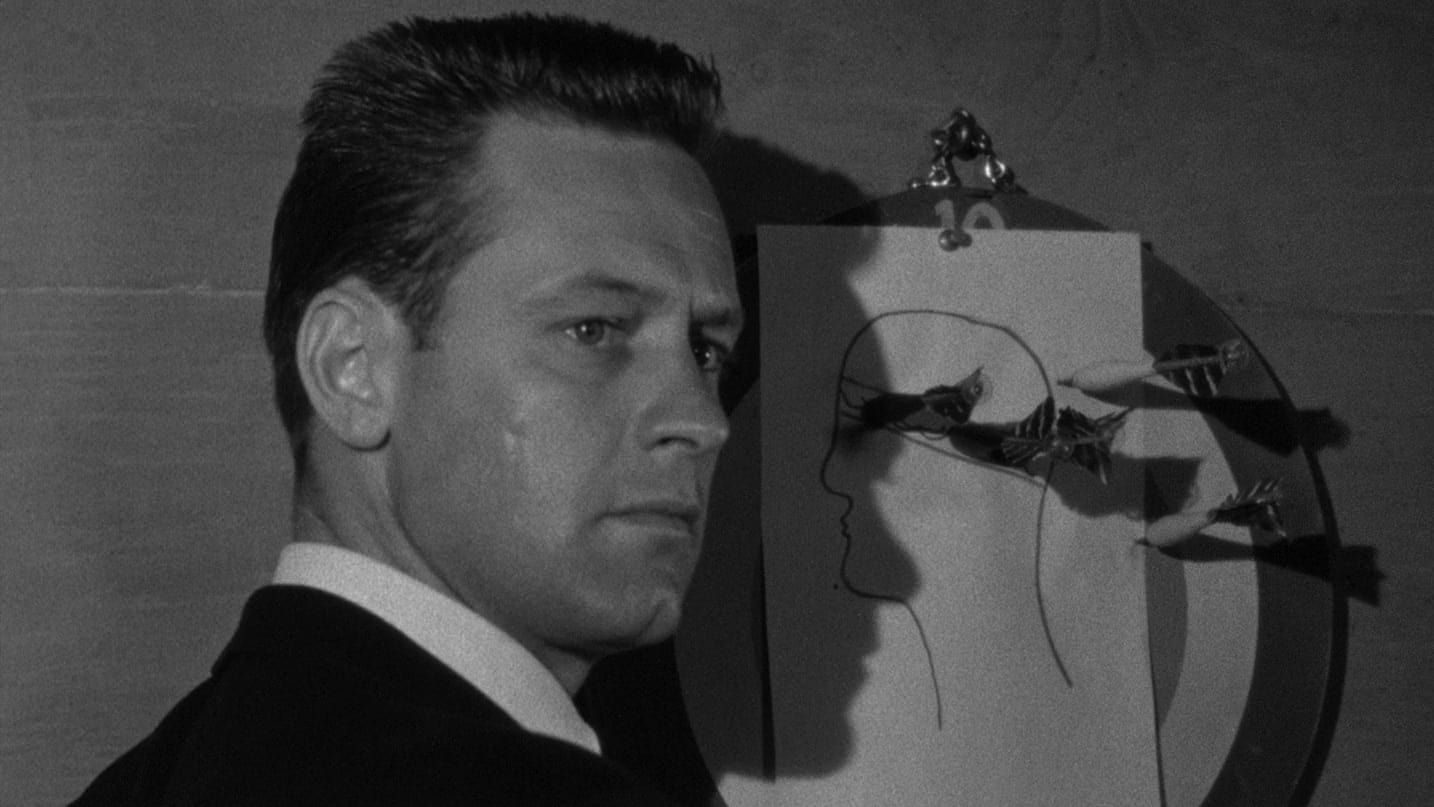
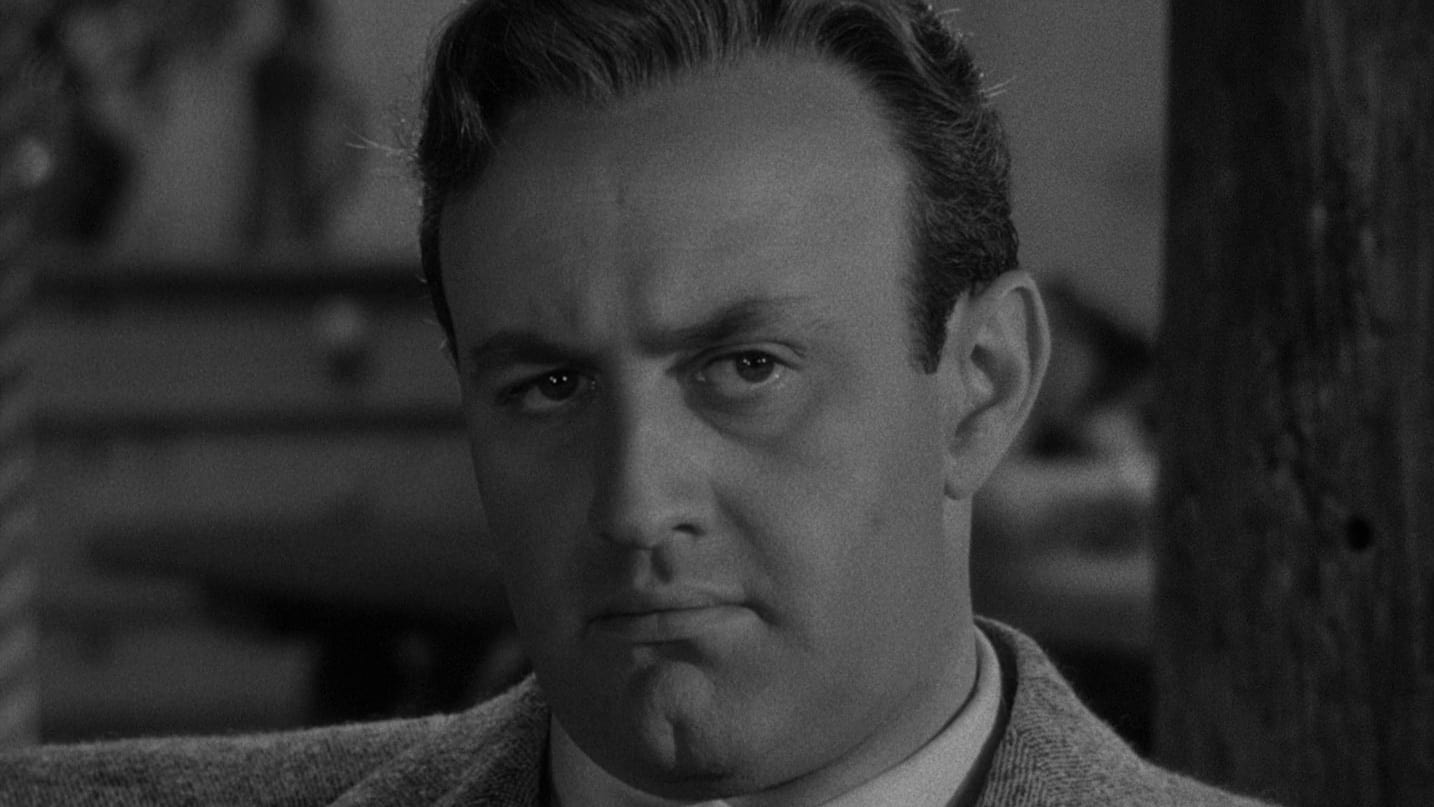
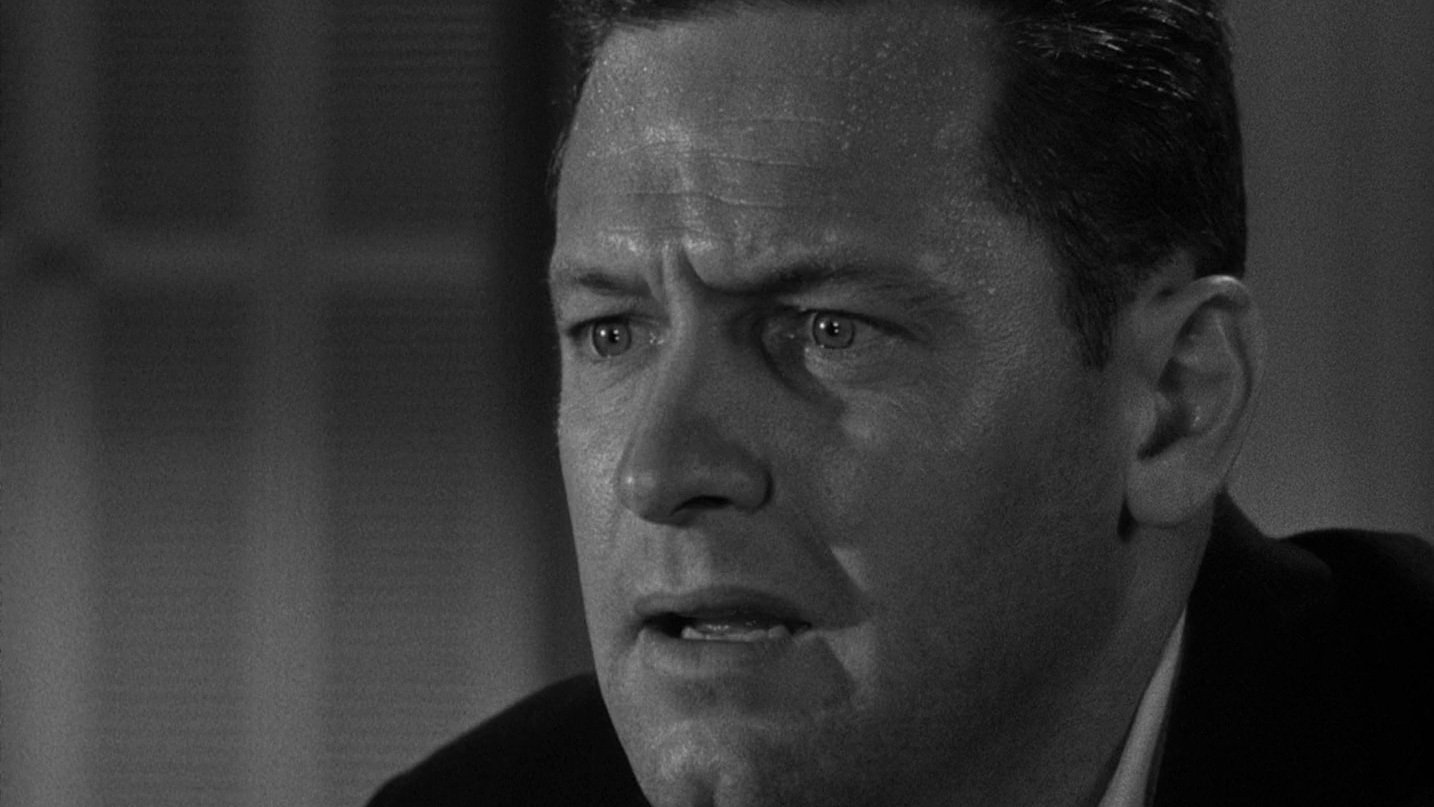
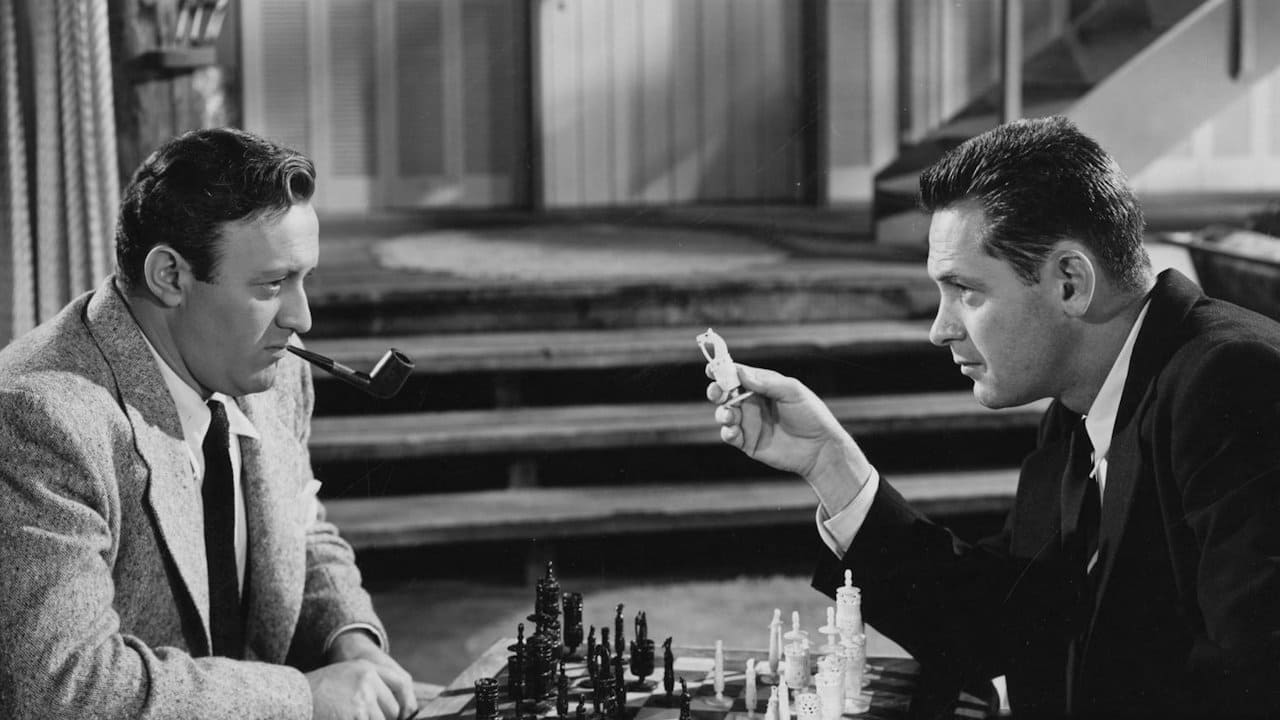
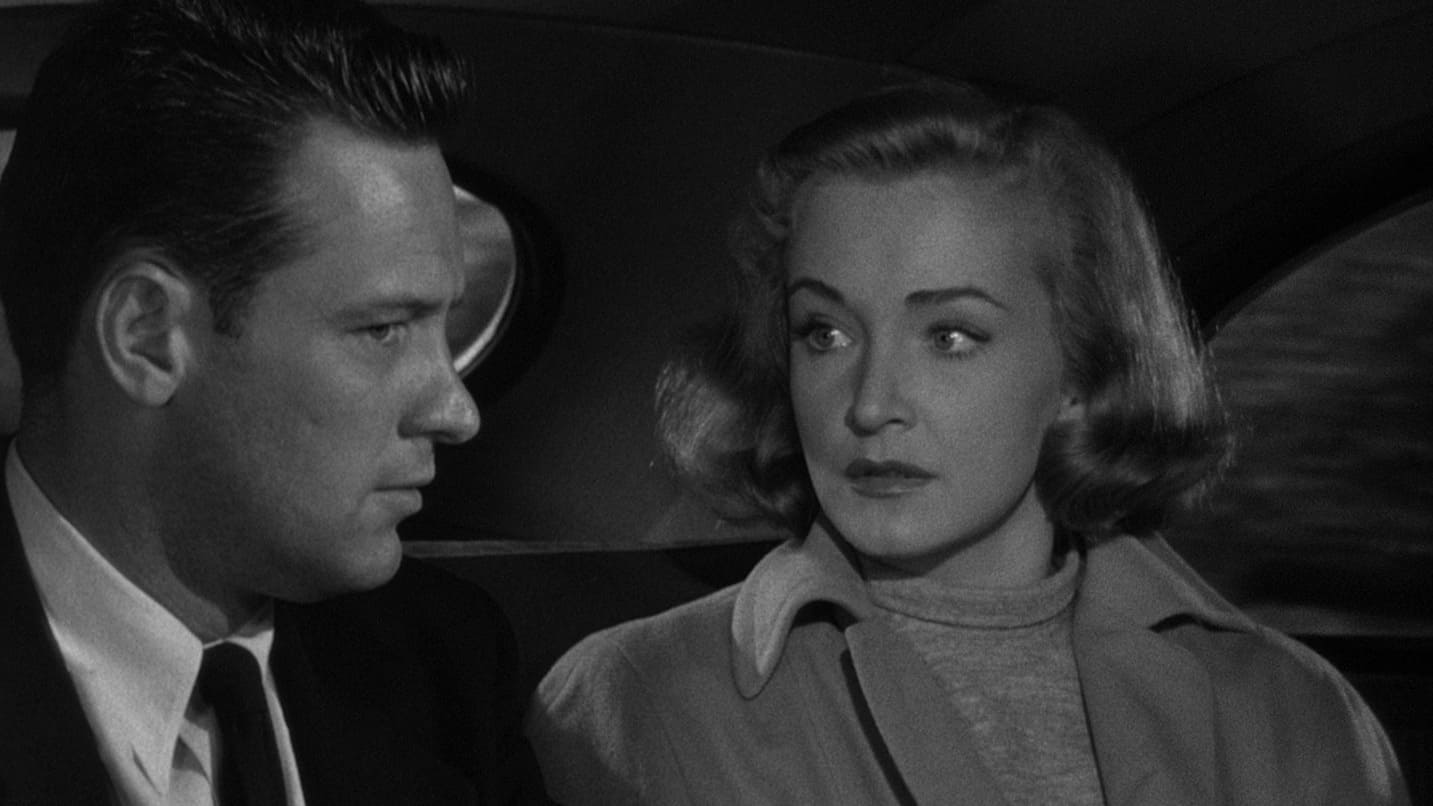
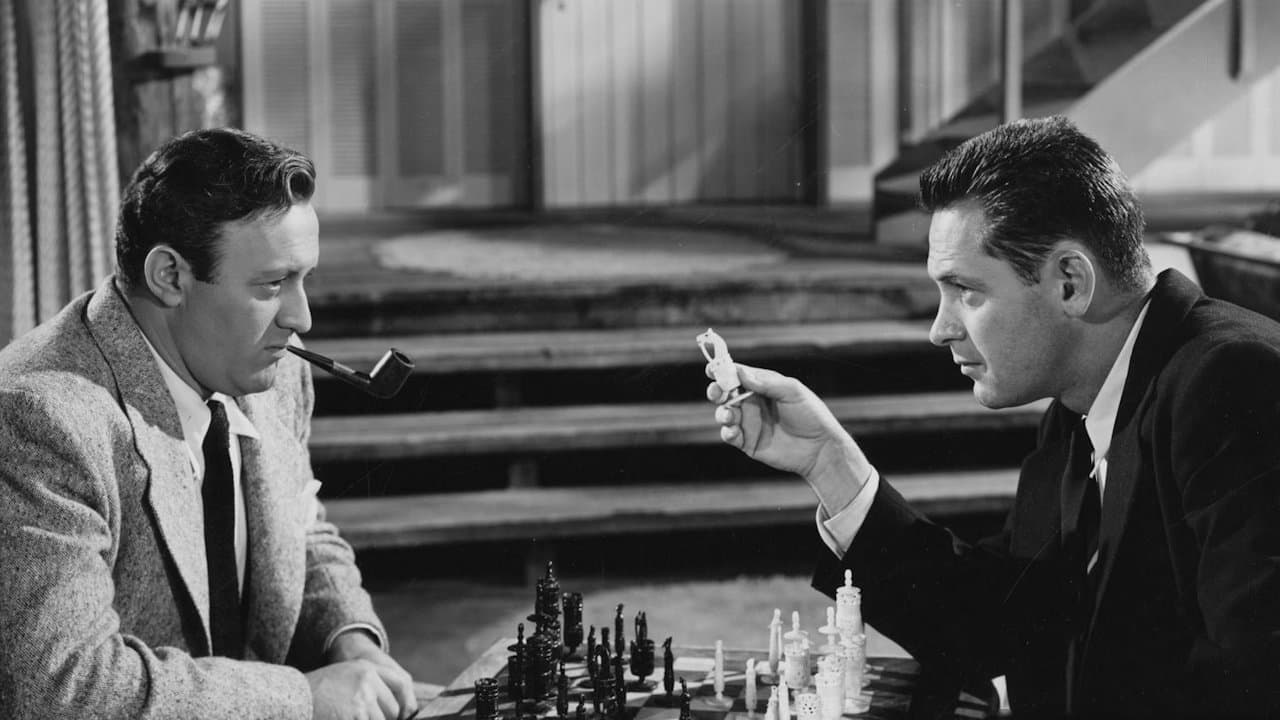
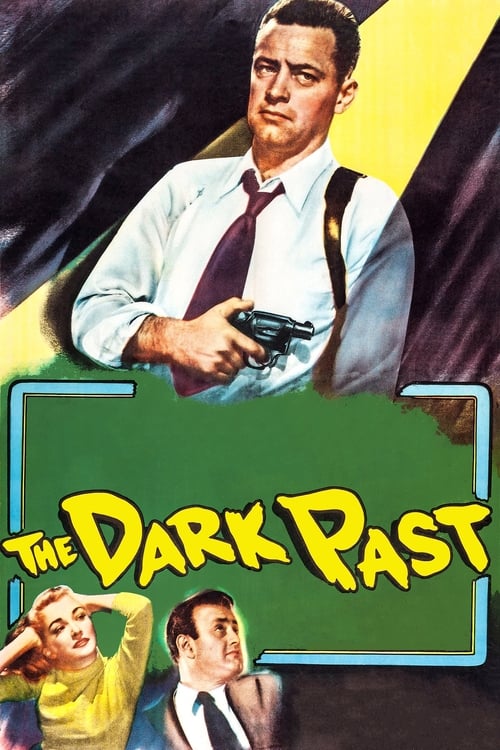
A gang hold a family hostage in their own home. The leader of the escaped cons is bothered by a recurring dream that the doctor of the house may be able to analyze.
Directed by Rudolph Maté
remake
film noir
family hostage

Trailer

IMDB
N/A
Cast

William Holden
Al Walker
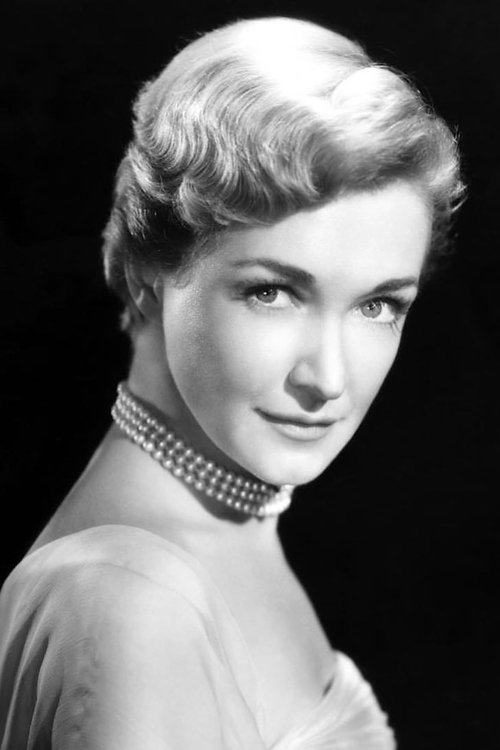
Nina Foch
Betty
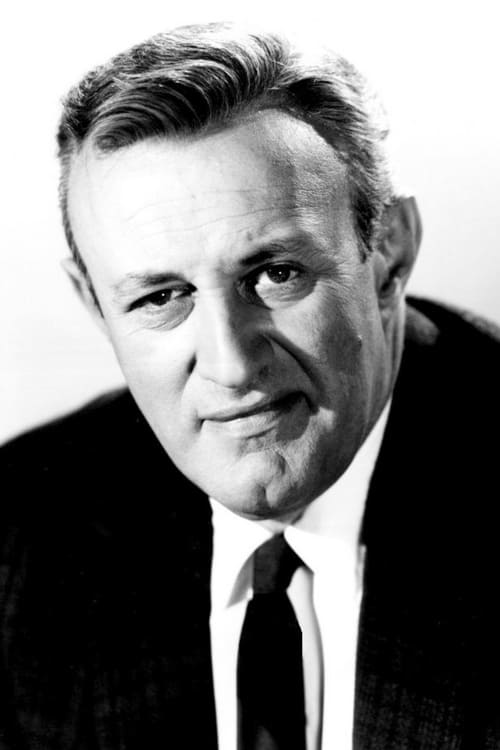
Lee J. Cobb
Dr. Andrew Collins

Adele Jergens
Laura Stevens
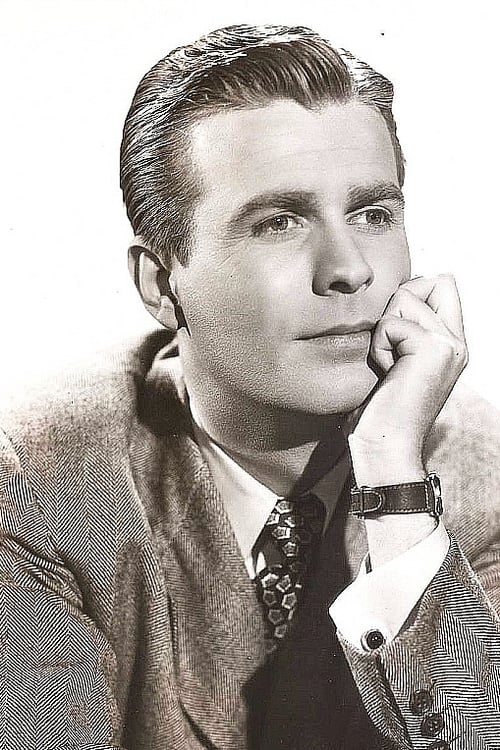
Stephen Dunne
Owen Talbot
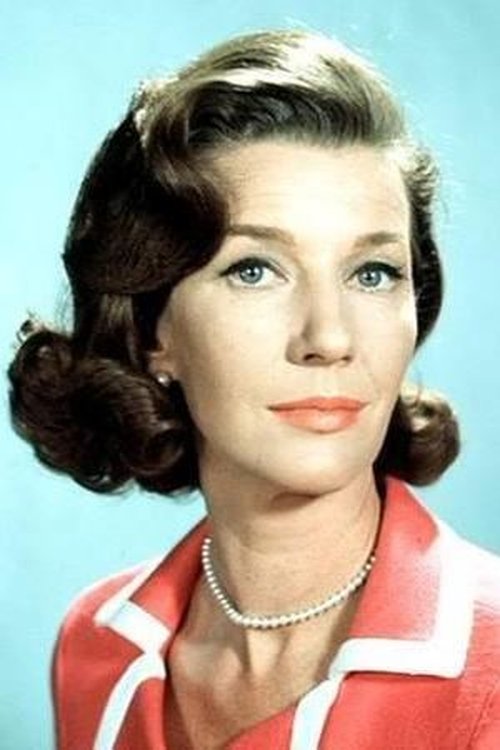
Lois Maxwell
Ruth Collins
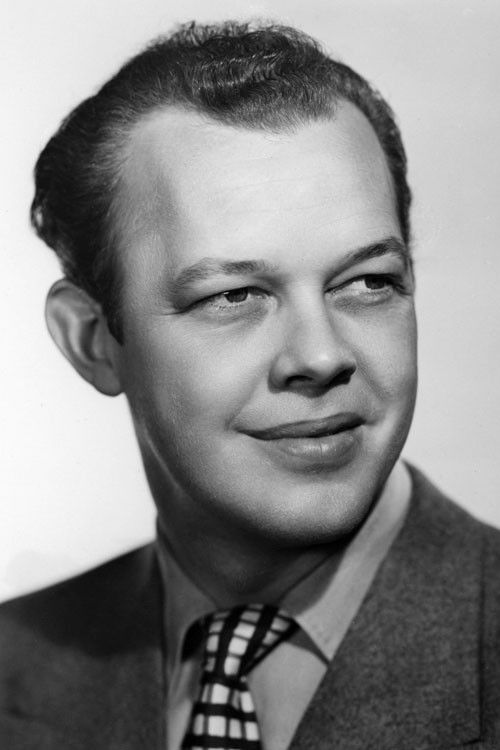
Berry Kroeger
Mike
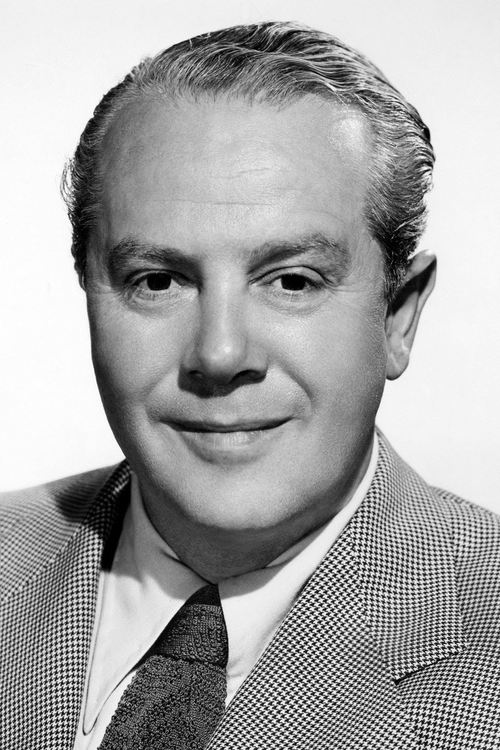
Steven Geray
Prof. Fred Linder
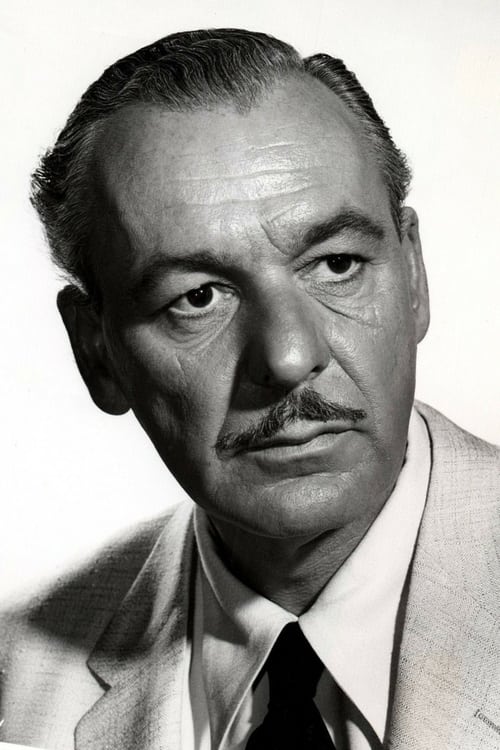
Wilton Graff
Frank Stevens
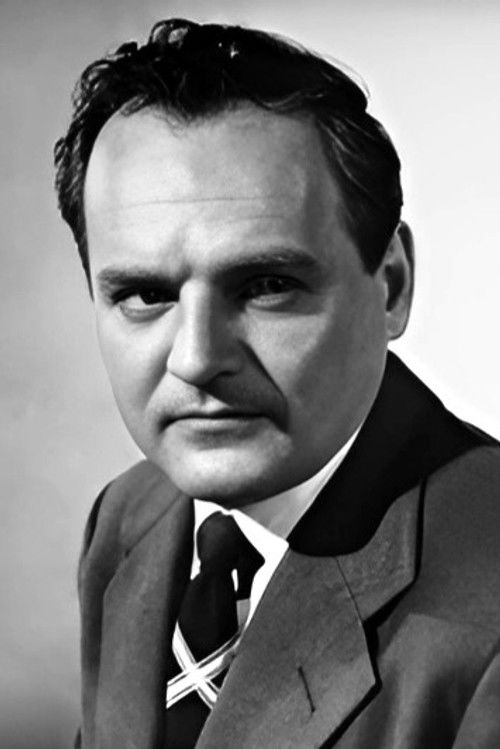
Robert Osterloh
Pete

Kathryn Card
Nora
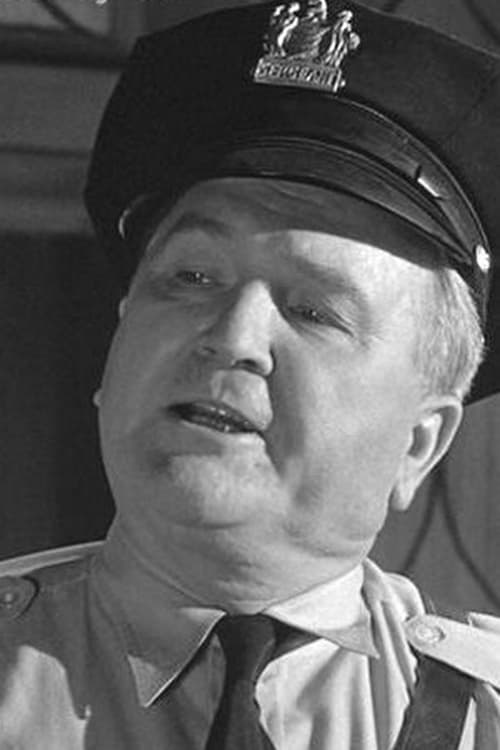
Charles Cane
Sheriff (uncredited)
Crew
Rudolph Maté
Director
George Duning
Original Music Composer
Viola Lawrence
Editor
Buddy Adler
Producer
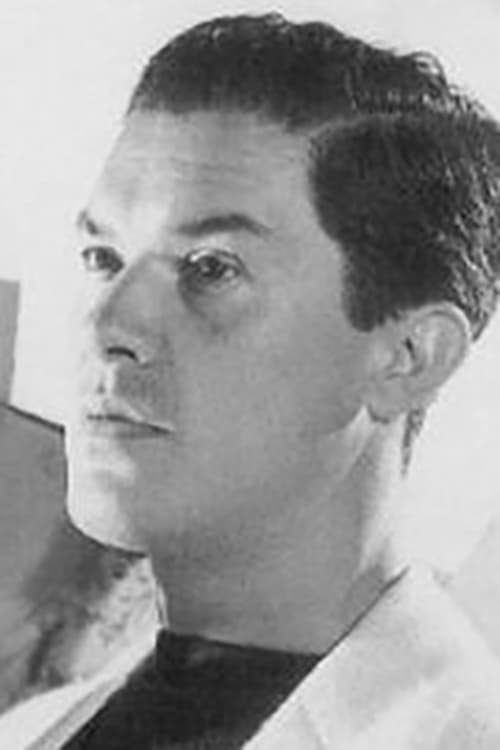
Jean Louis
Costume Design
Popular Reviews
2 reviews
Kev
Like a play revival, The Dark Past is a slightly updated version of 1939’s *Blind Alley, with very few changes and minor upgrades to the original story and the play upon which this is based. In fact, both films are so alike that dialogues seemed to be more or less the same and the dream sequence just as the earlier version was represented through negative colors. Moreover, the big revelation scene where Al Walker recalls the beginning of his mental decline, uses the exact same footage as the first. But even though The Dark Past is an almost shot by shot remake of Blind Alley, it does get better at some things, particularly on the acting department. There’s no question William Holden understands his character better than Chester Morris did. While Chester’s Al Walker was a jumpy paranoid, Bill Holden’s is more aggressive and smart yet sensitive enough to open up to Dr. Collin’s (Lee J. Cobb) psychiatric experiments. On the other hand, his girlfriend (played by Nina Foch), perhaps in an attempt to get more in line with the narrative’s demands—she’s a subconscious substitute to Al’s mother—plays her too motherly and babysits his lover more than a realistic situation would allow. Ann Dvorak too was quite attendant to his partner but she portrayed her character according to the circumstances—They’re all a gang of criminals on the run holding a family hostage for god’s sake! There’s more to worry about than a poor devil’s nightmares. Though the biggest difference in the end, is that The Dark Past* tries to prove something more complex than a [fictionalised] examination of a serial killer’s undeciphered dreams; its purpose is to create a moral lesson on the benefits of professional treatments for delinquent teenagers before it’s too late for them to be “cured”.
Like a play revival, The Dark Past is a slightly updated version of 1939’s *Blind Alley, with very few changes and minor upgrades to the original story and the play upon which this is based. In fact, both films are so alike that dialogues seemed to be more or less the same and the dream sequence just as the earlier version was represented through negative colors. Moreover, the big revelation scene where Al Walker recalls the beginning of his mental decline, uses the exact same footage as the first. But even though The Dark Past is an almost shot by shot remake of Blind Alley, it does get better at some things, particularly on the acting department. There’s no question William Holden understands his character better than Chester Morris did. While Chester’s Al Walker was a jumpy paranoid, Bill Holden’s is more aggressive and smart yet sensitive enough to open up to Dr. Collin’s (Lee J. Cobb) psychiatric experiments. On the other hand, his girlfriend (played by Nina Foch), perhaps in an attempt to get more in line with the narrative’s demands—she’s a subconscious substitute to Al’s mother—plays her too motherly and babysits his lover more than a realistic situation would allow. Ann Dvorak too was quite attendant to his partner but she portrayed her character according to the circumstances—They’re all a gang of criminals on the run holding a family hostage for god’s sake! There’s more to worry about than a poor devil’s nightmares. Though the biggest difference in the end, is that The Dark Past* tries to prove something more complex than a [fictionalised] examination of a serial killer’s undeciphered dreams; its purpose is to create a moral lesson on the benefits of professional treatments for delinquent teenagers before it’s too late for them to be “cured”.


Kiki
5.0★ · 08/28/24
David Brook
6.0★ · 04/22/21