A quiet, devastating masterpiece of stillness
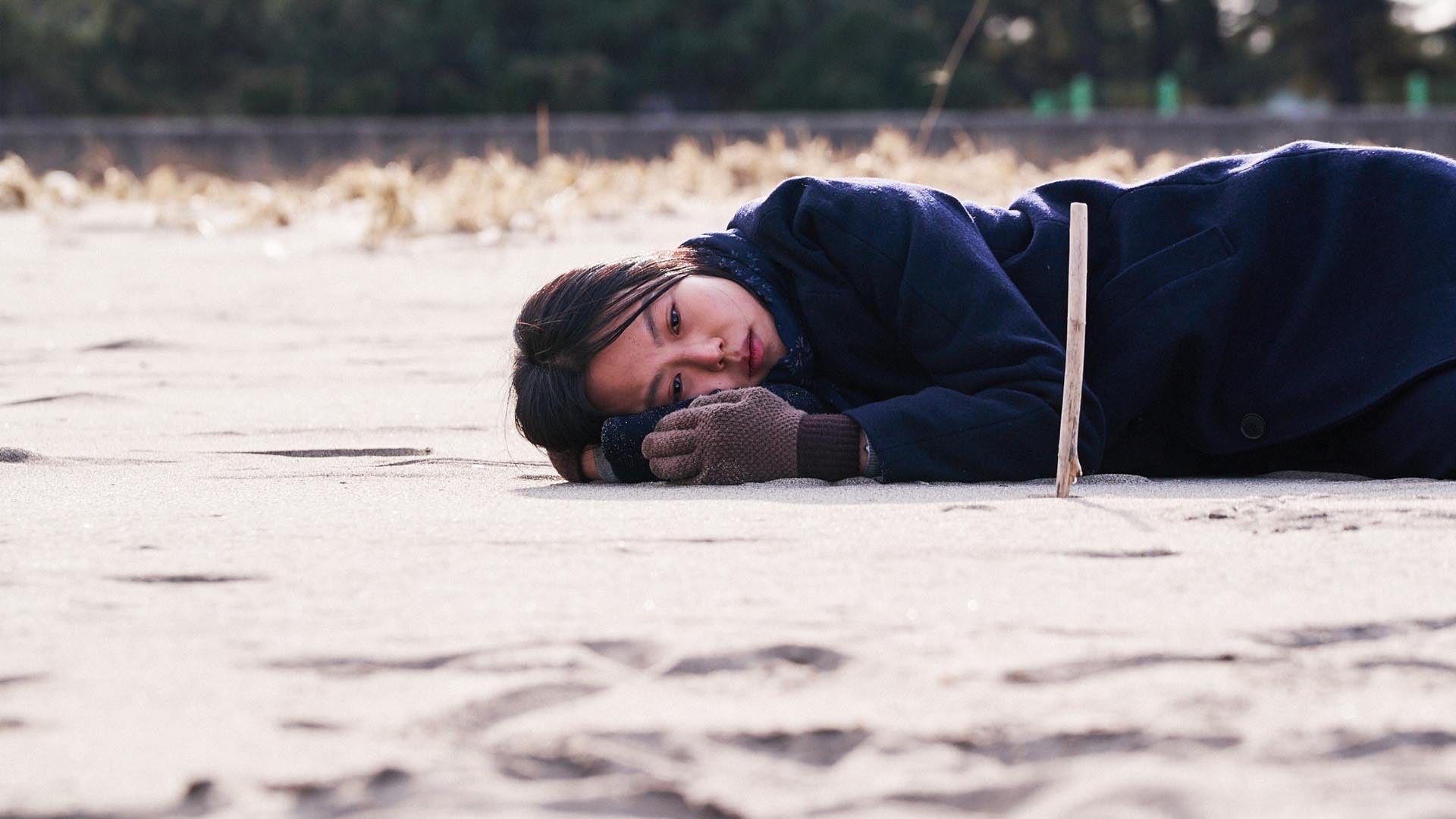
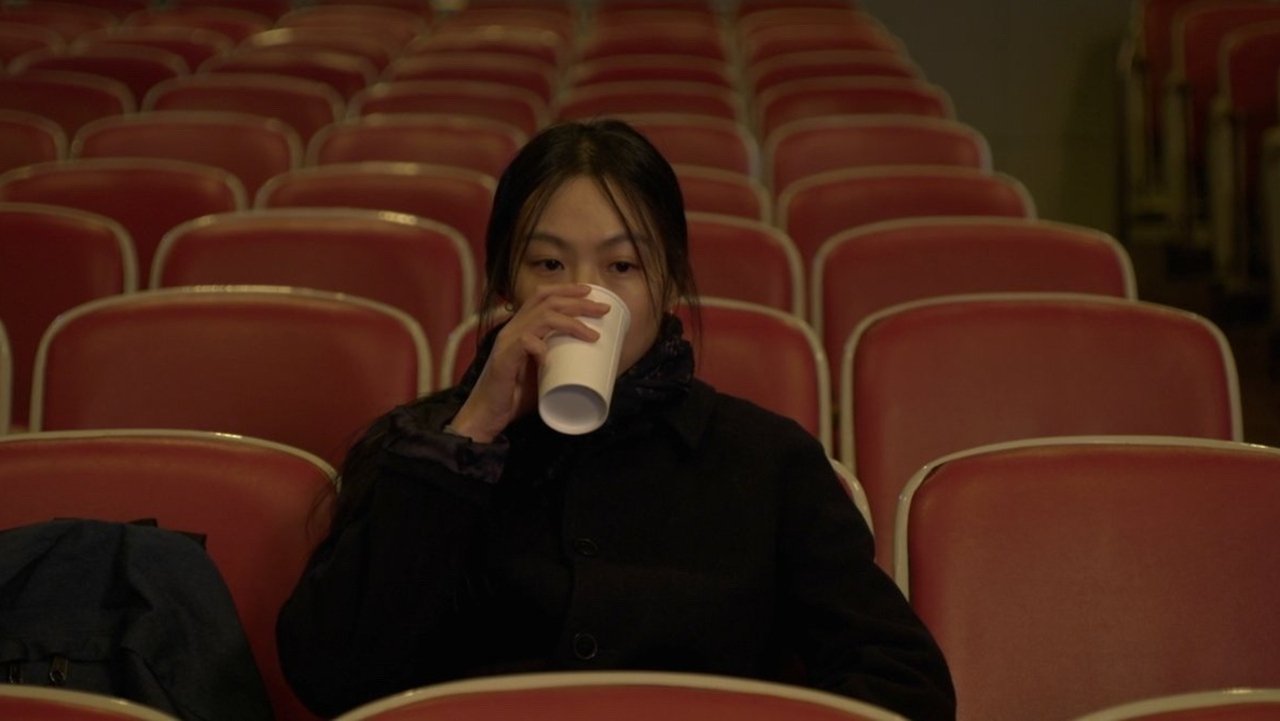
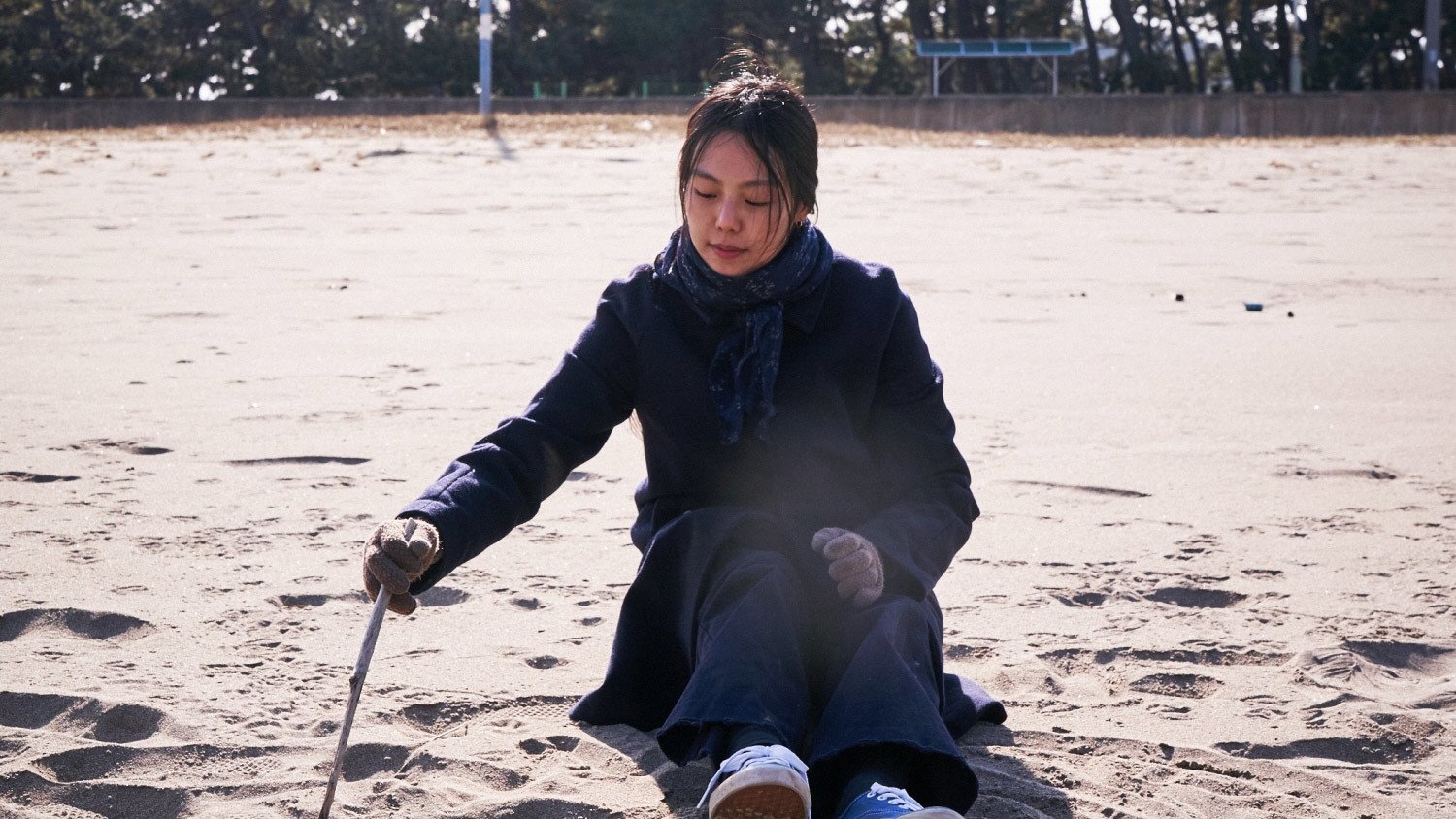
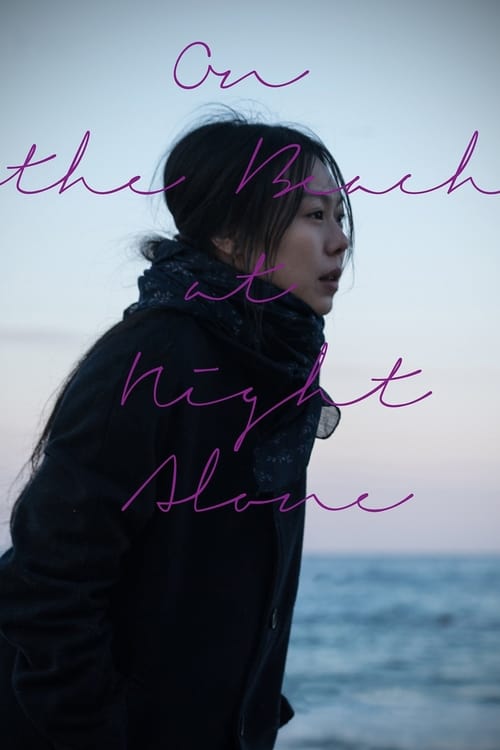
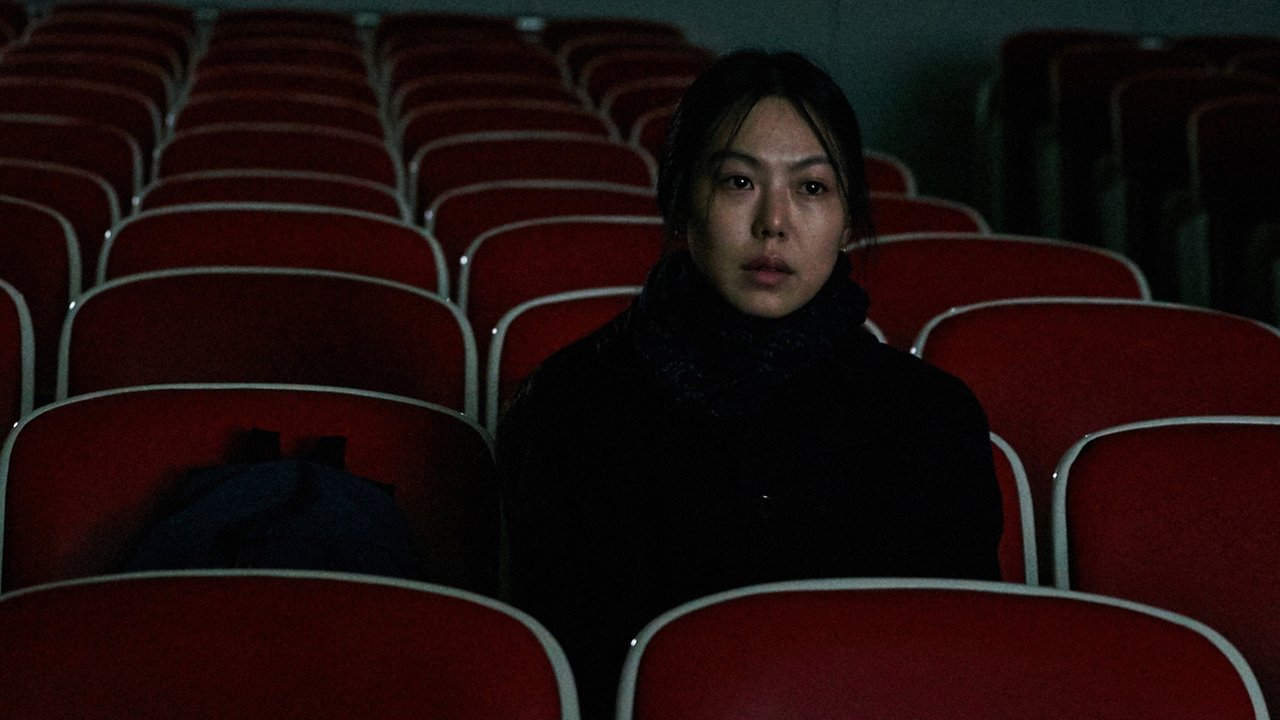
Hong Sang-soo's On the Beach at Night Alone is the rare film that finds its power not in what happens, but in what lingers between the words. Anchored by an extraordinary, deeply felt performance from Kim Min-hee — one of the most honest, lived-in pieces of acting I've seen in years — this is a film about solitude, longing, and the slow, unglamorous work of putting yourself back together.
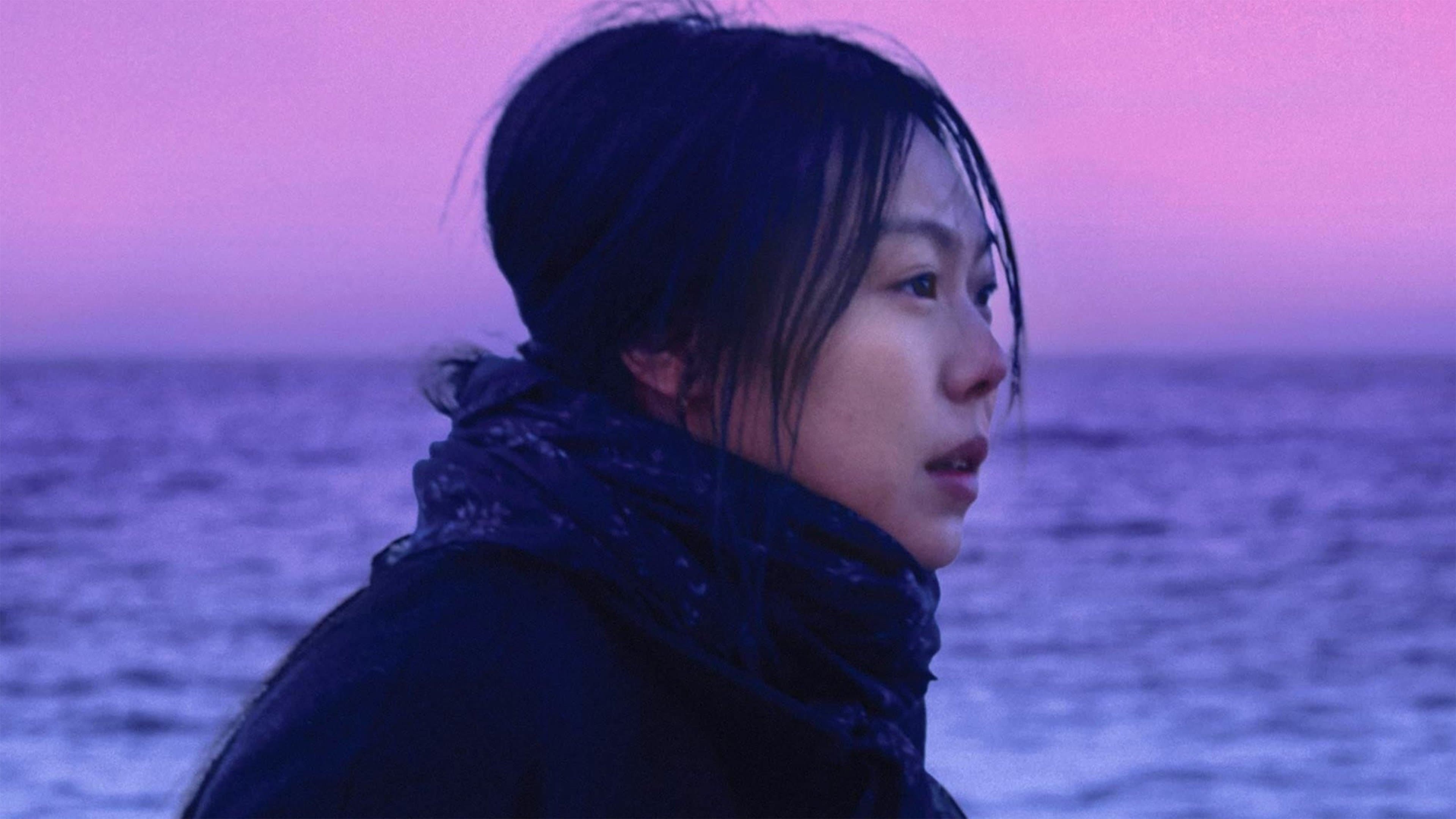
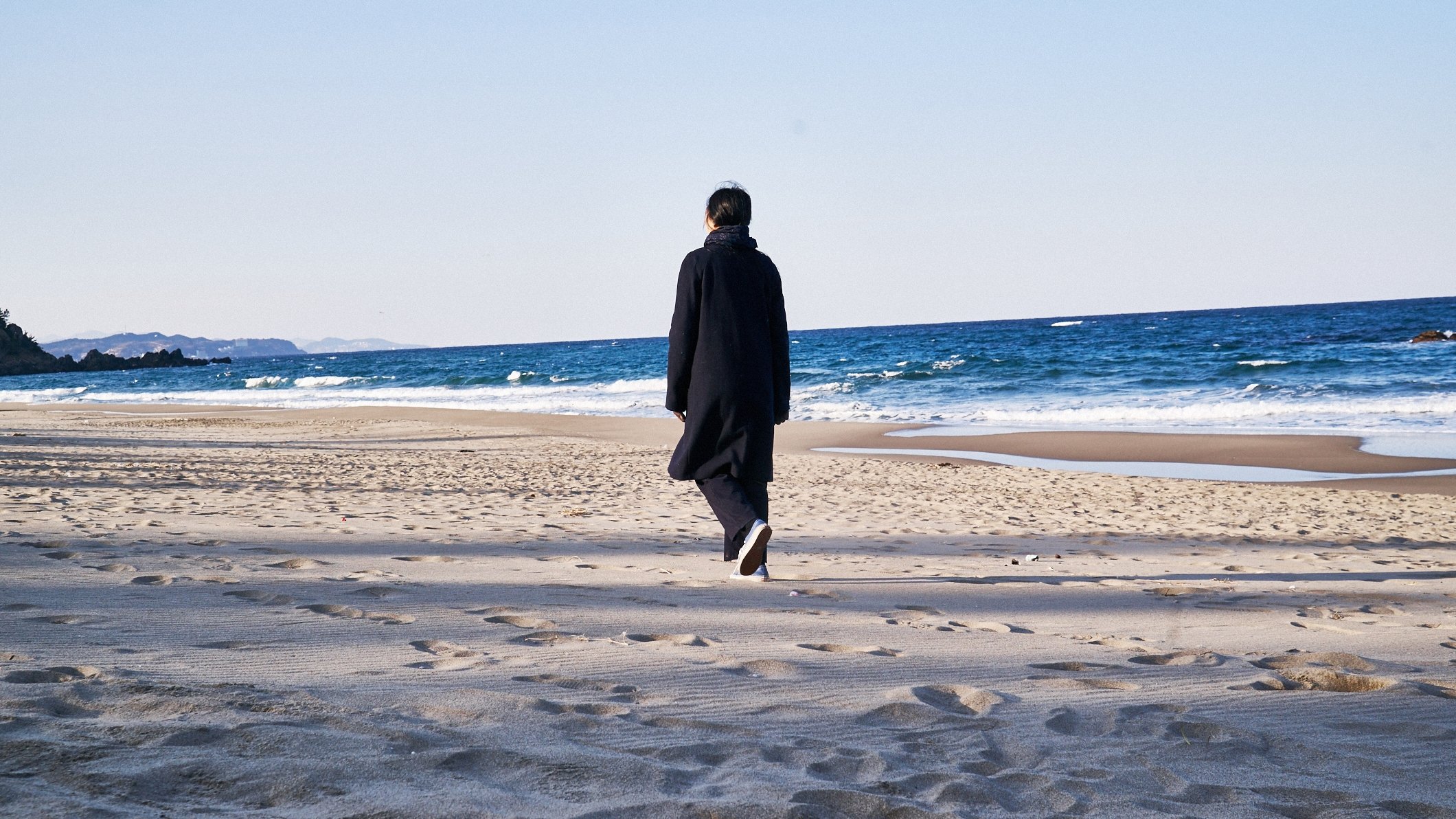
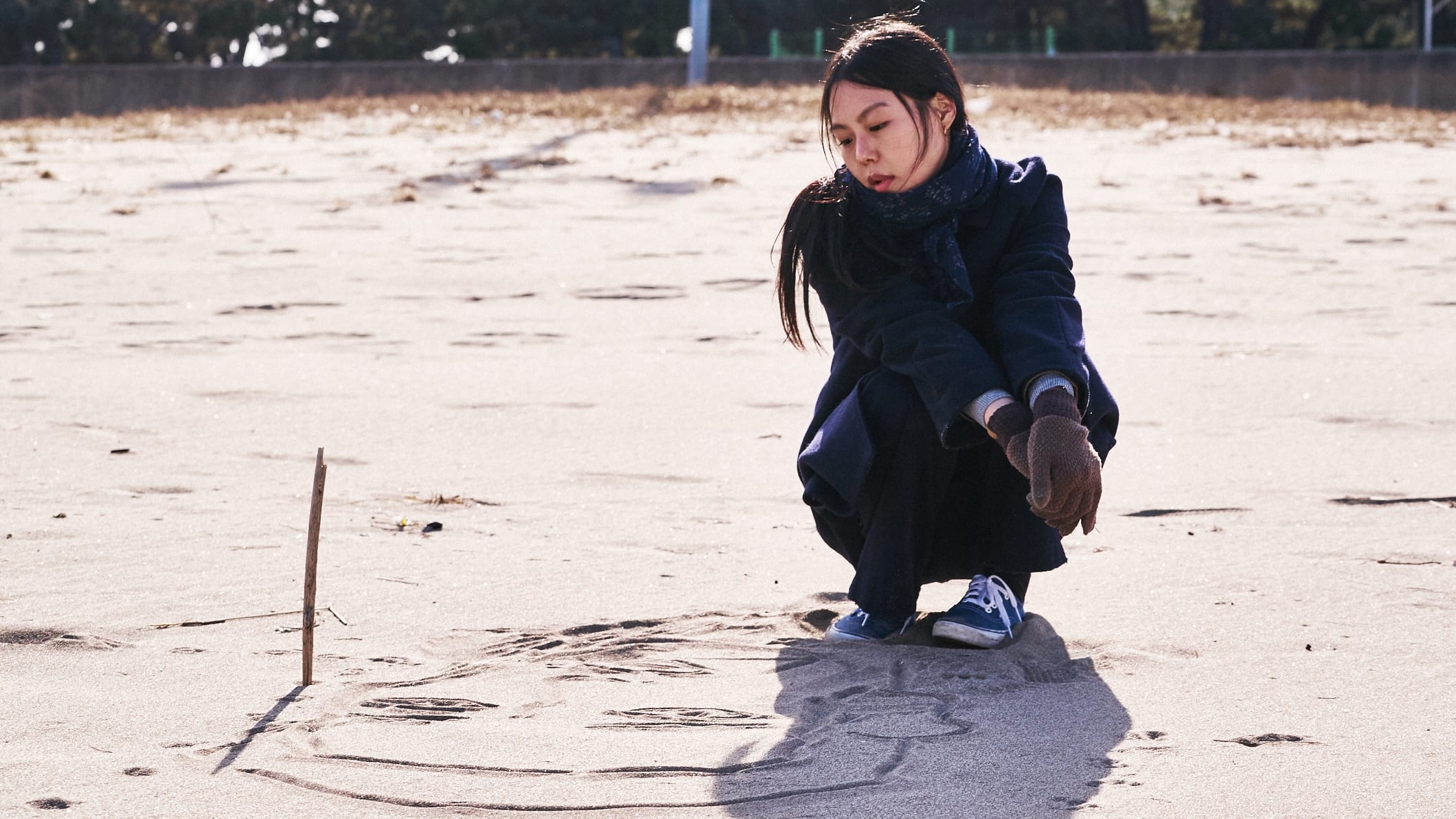
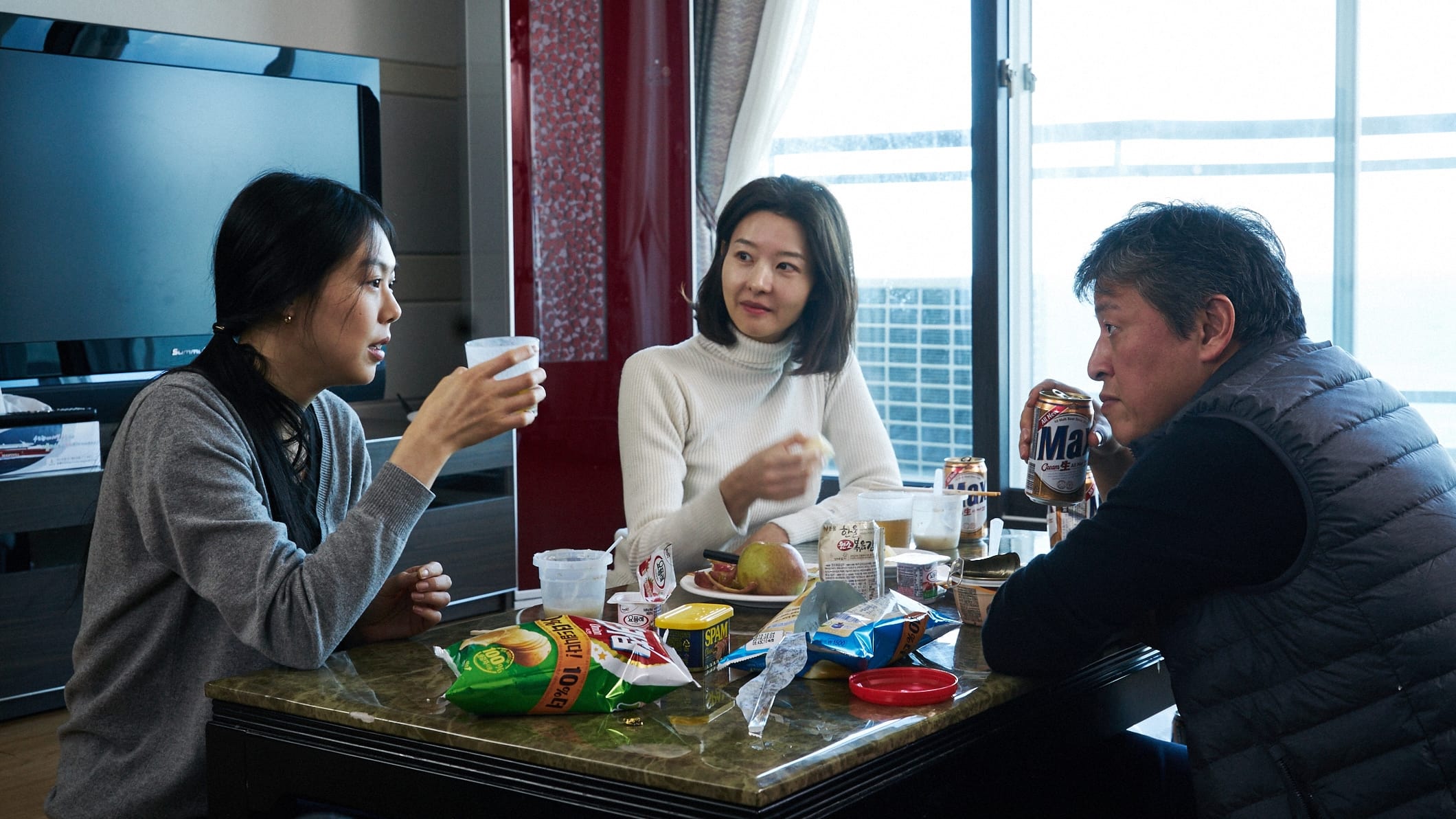
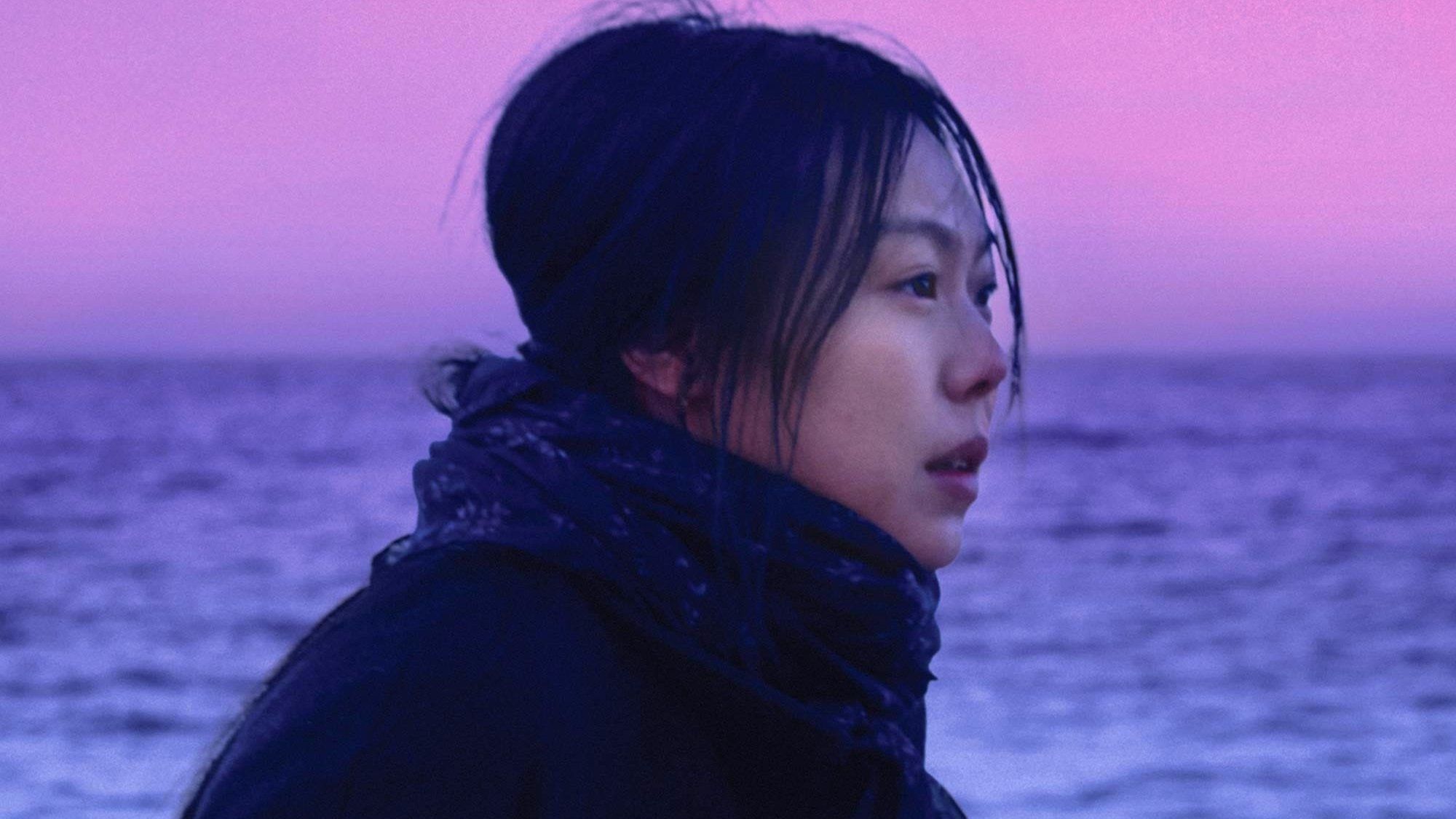
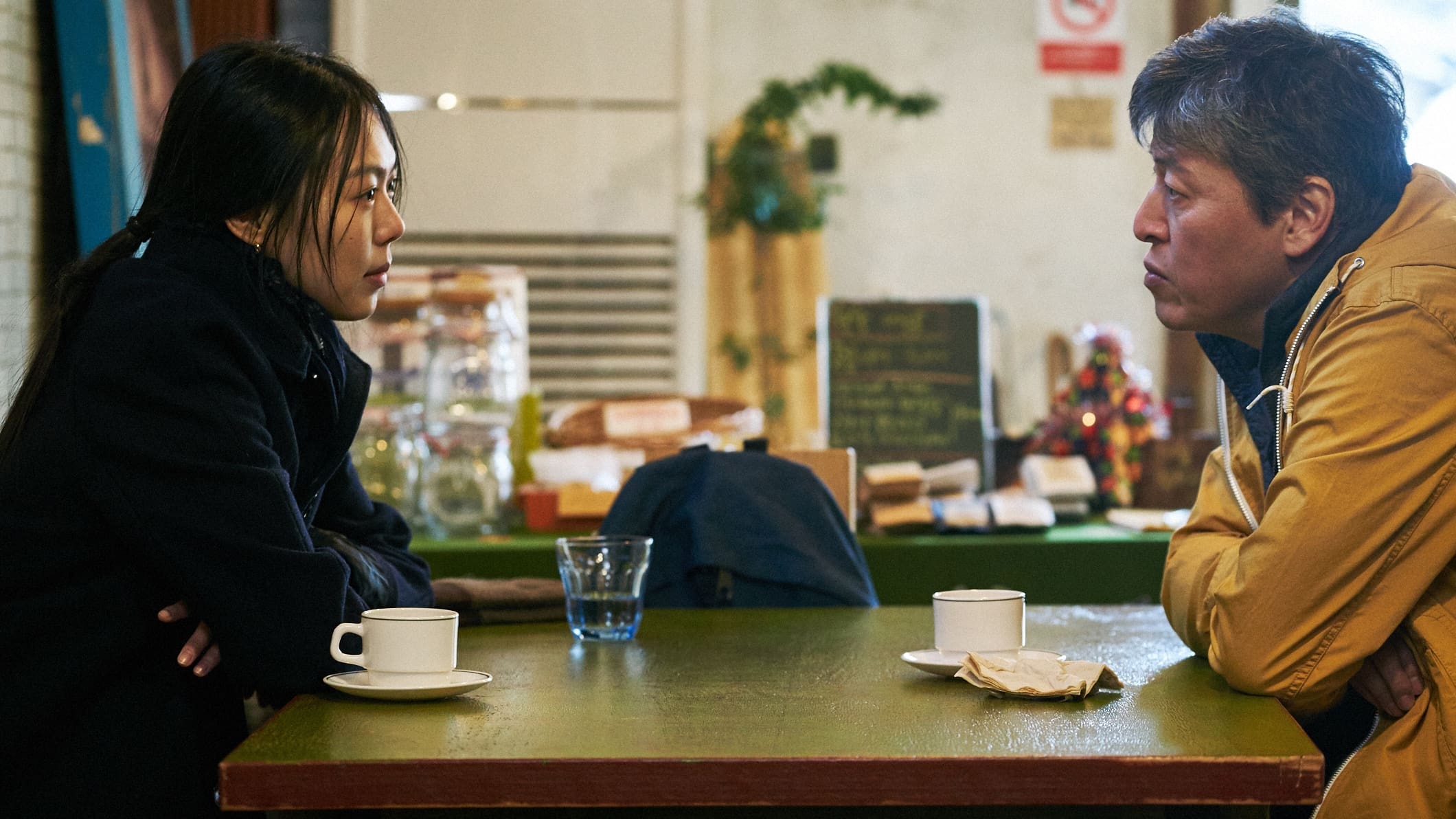
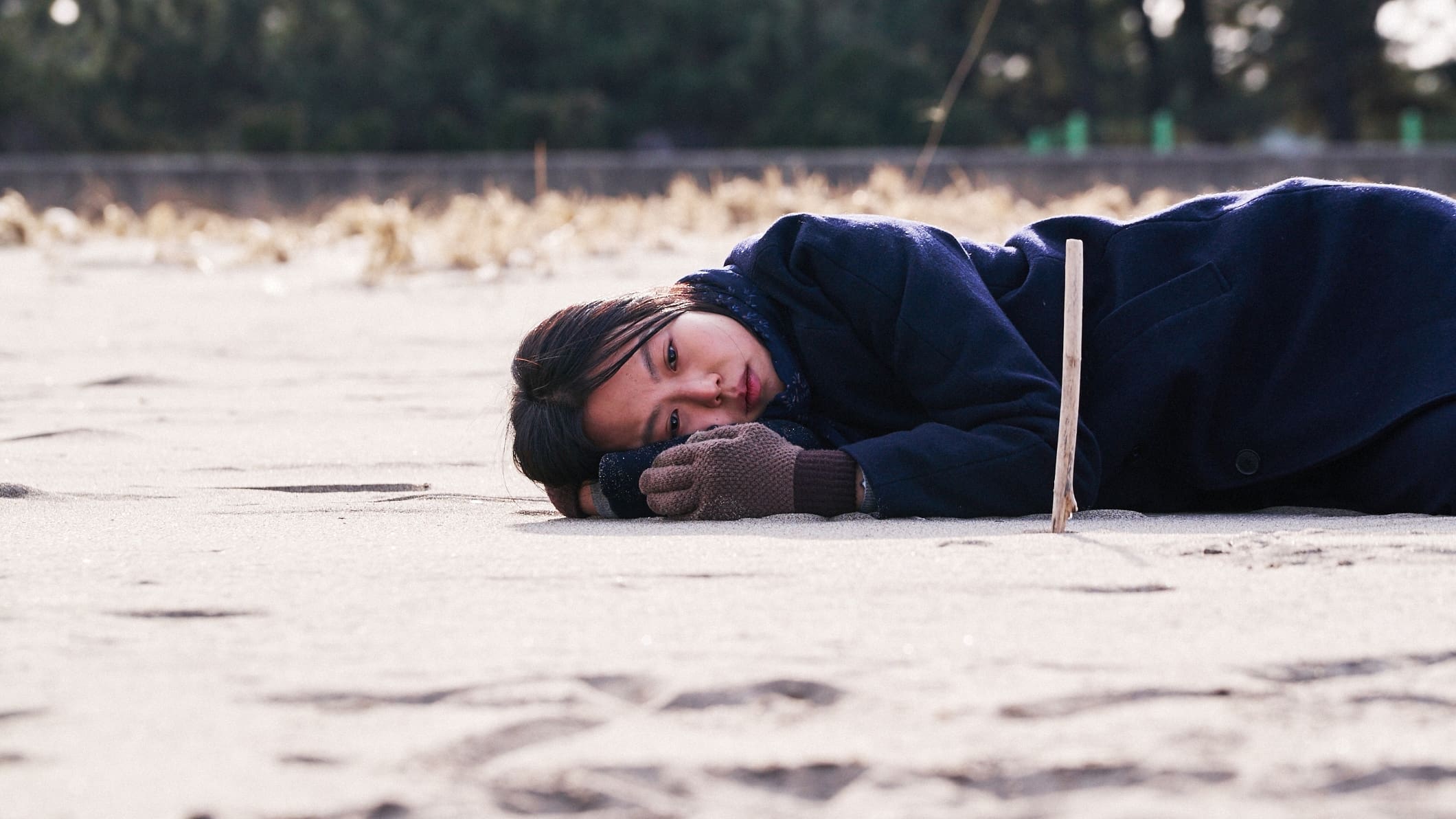
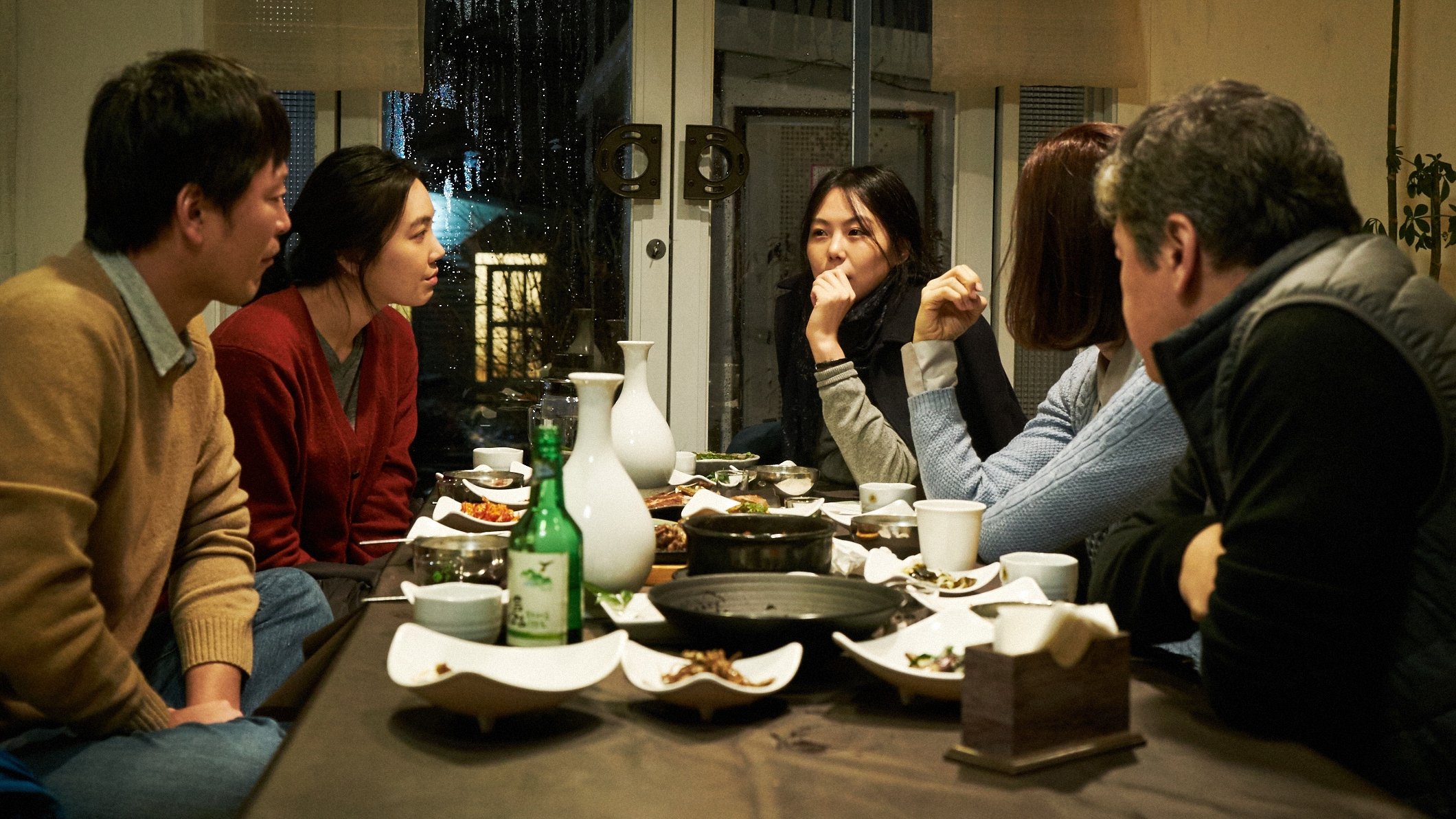
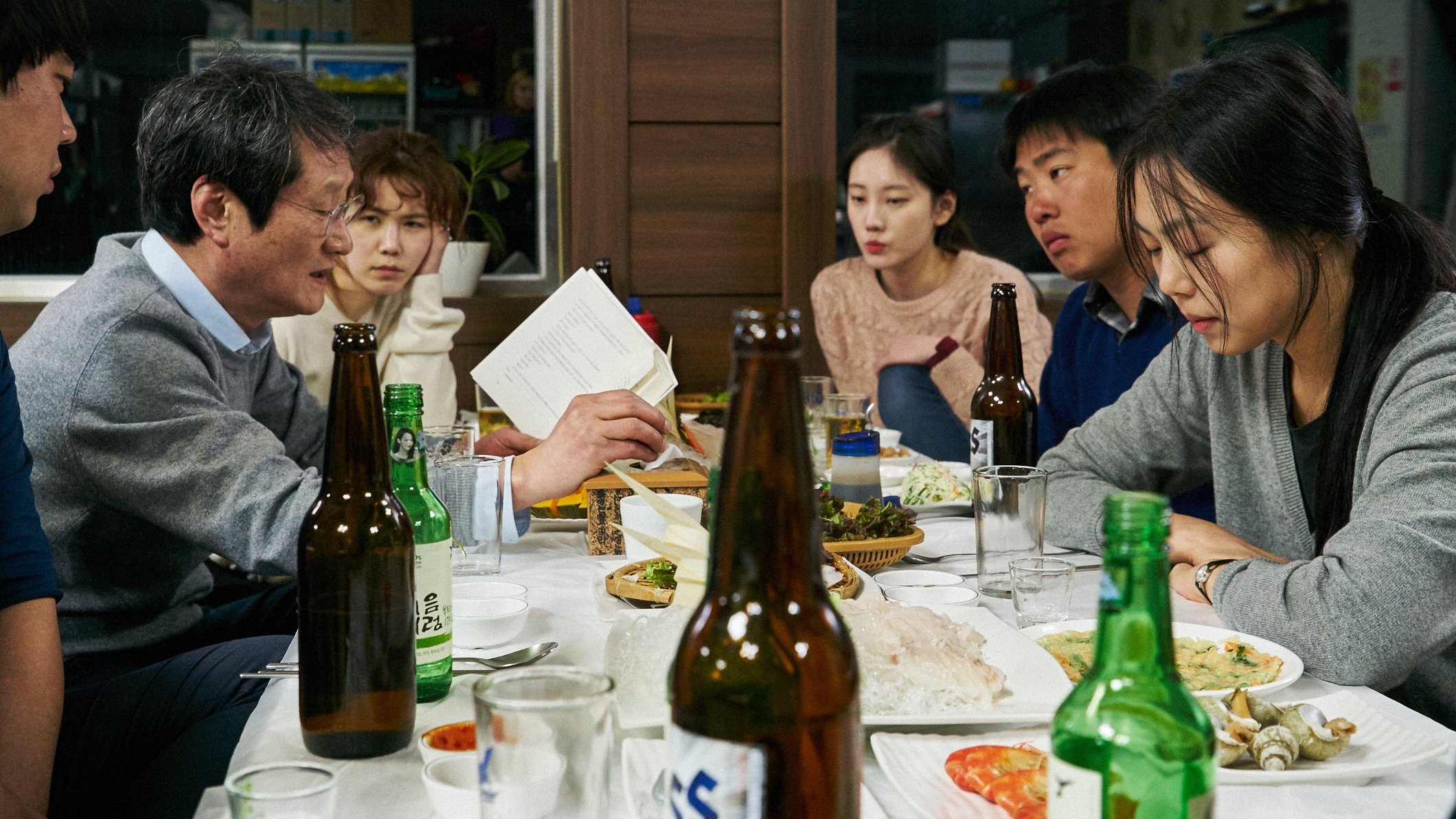
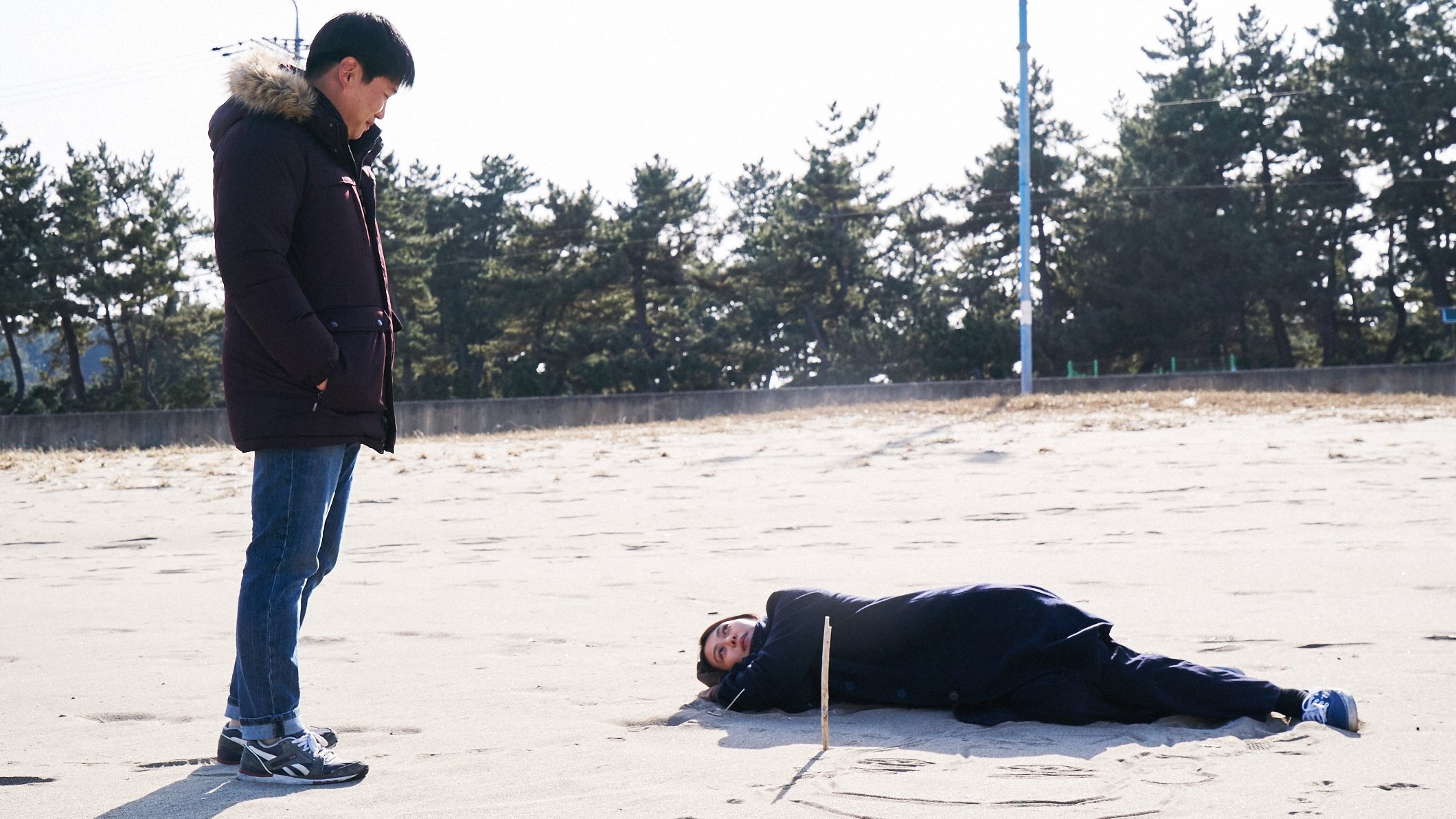
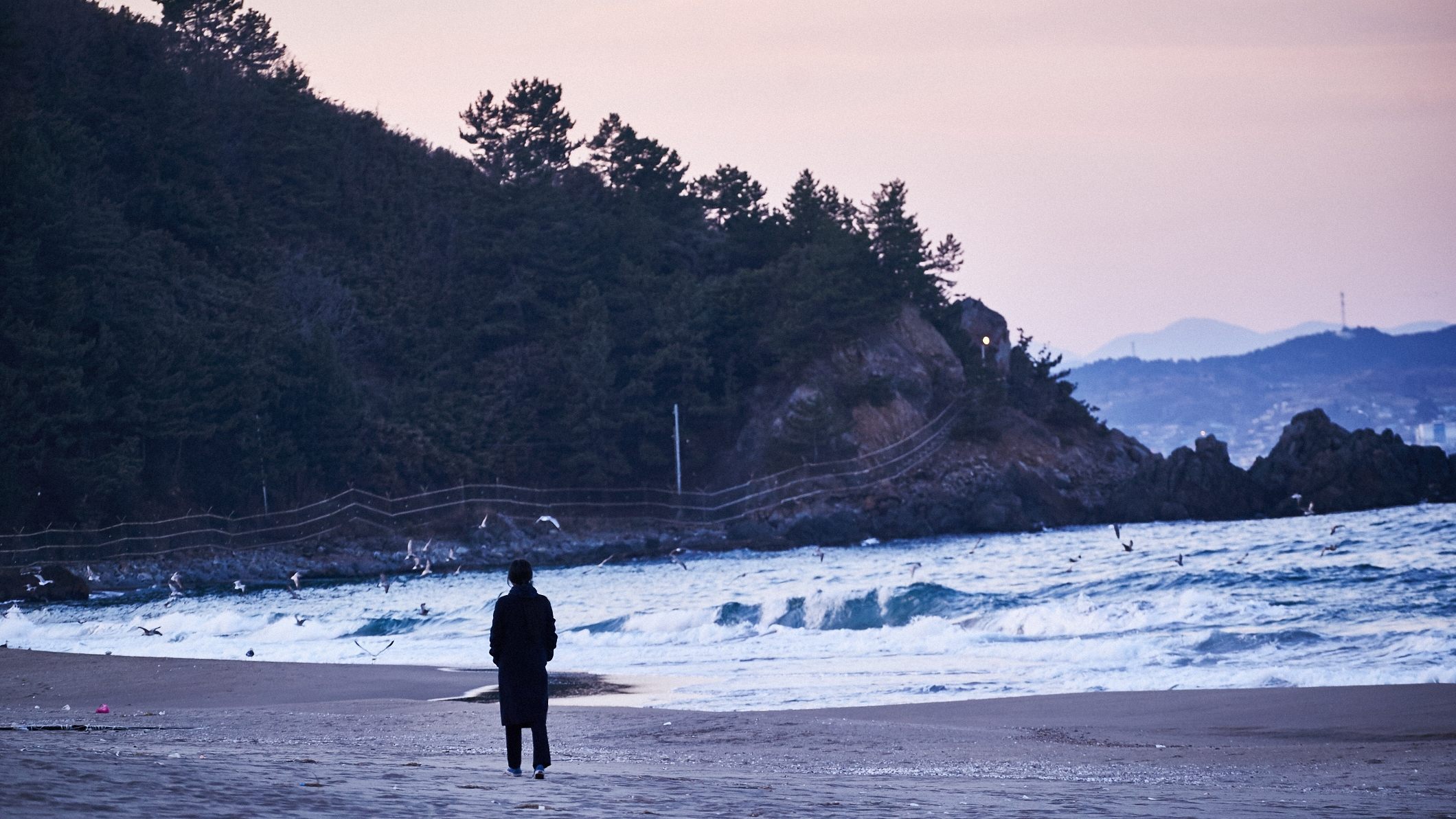
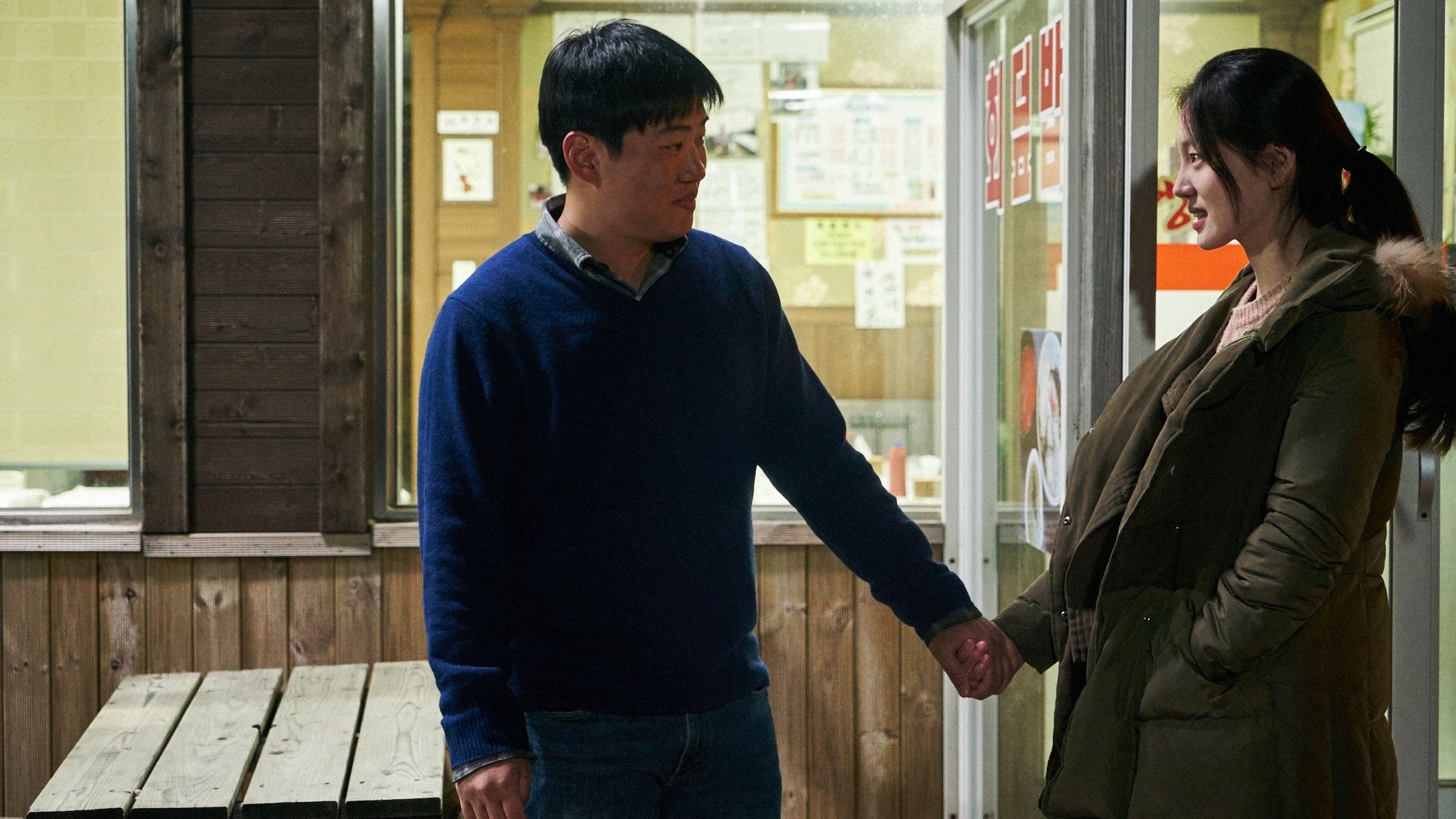
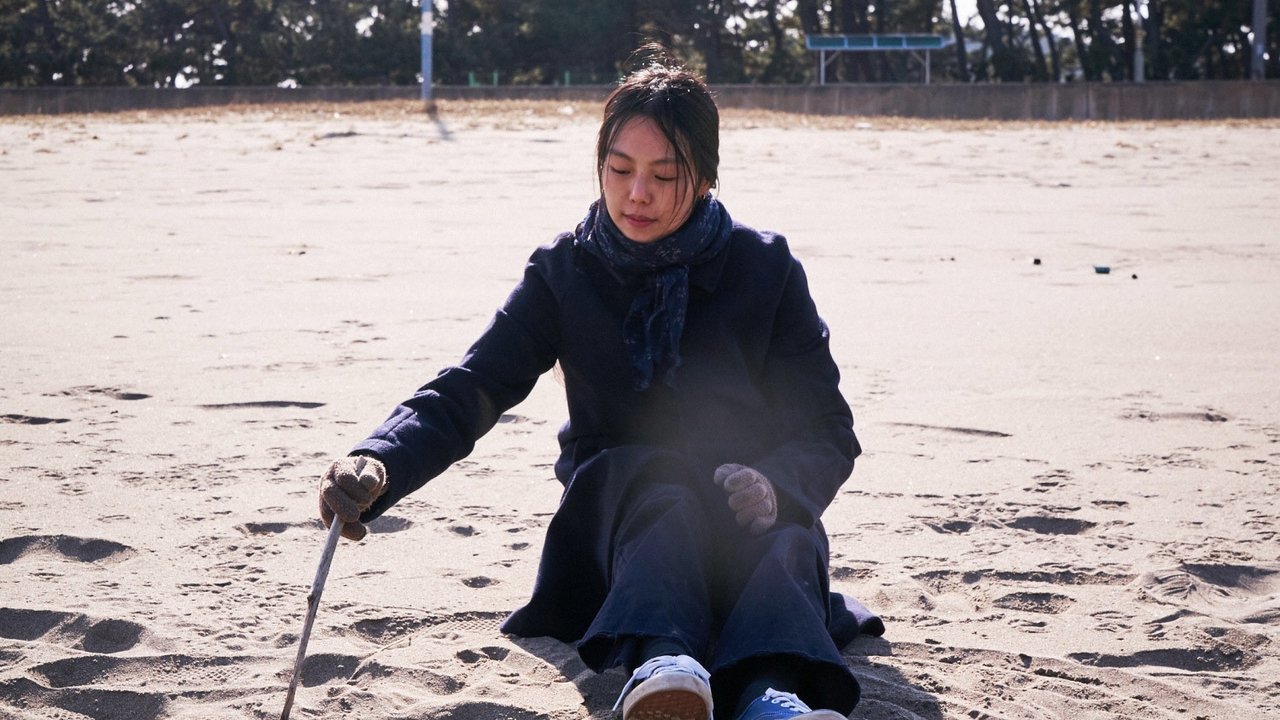
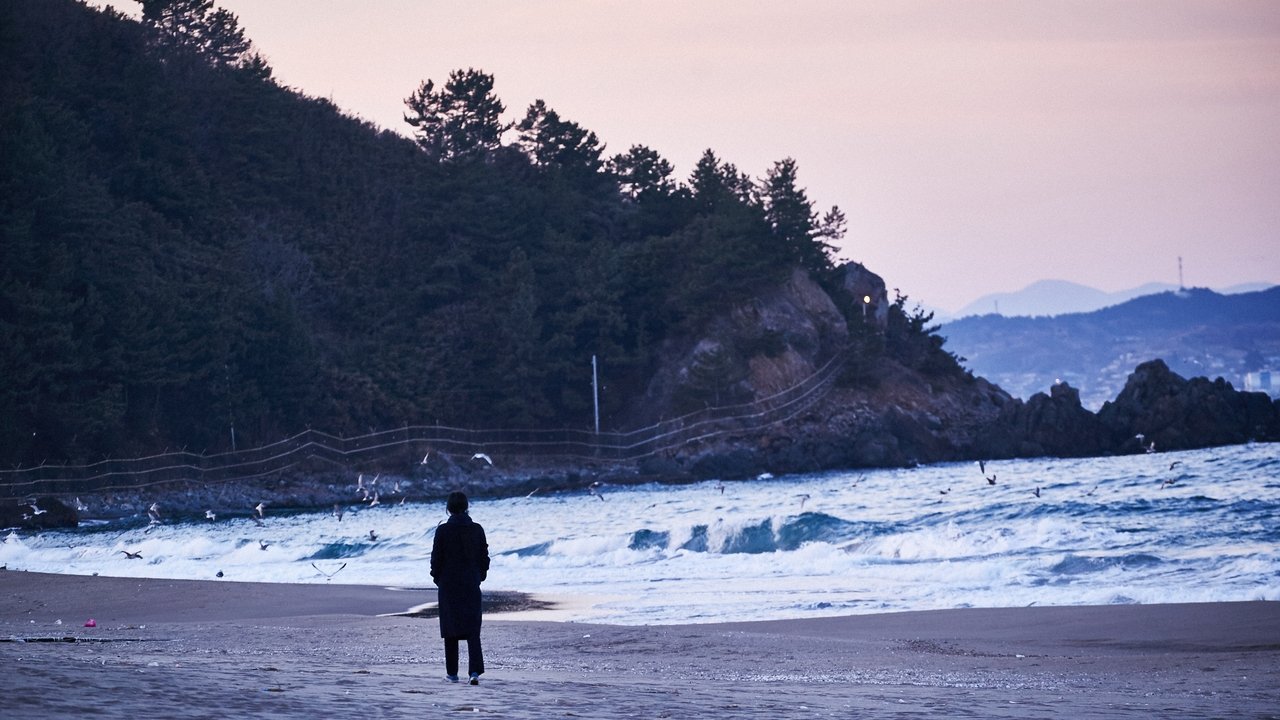
The structure is elegant in its simplicity: two halves, two cinematographers, two different rhythms of grief, bound together by recurring images of the sea and the unhurried intimacy of shared meals and quiet conversation. Hong has always had a gift for naturalistic dialogue, but here it feels especially raw and unguarded — funny one moment, aching the next, never announcing its own emotional weight.
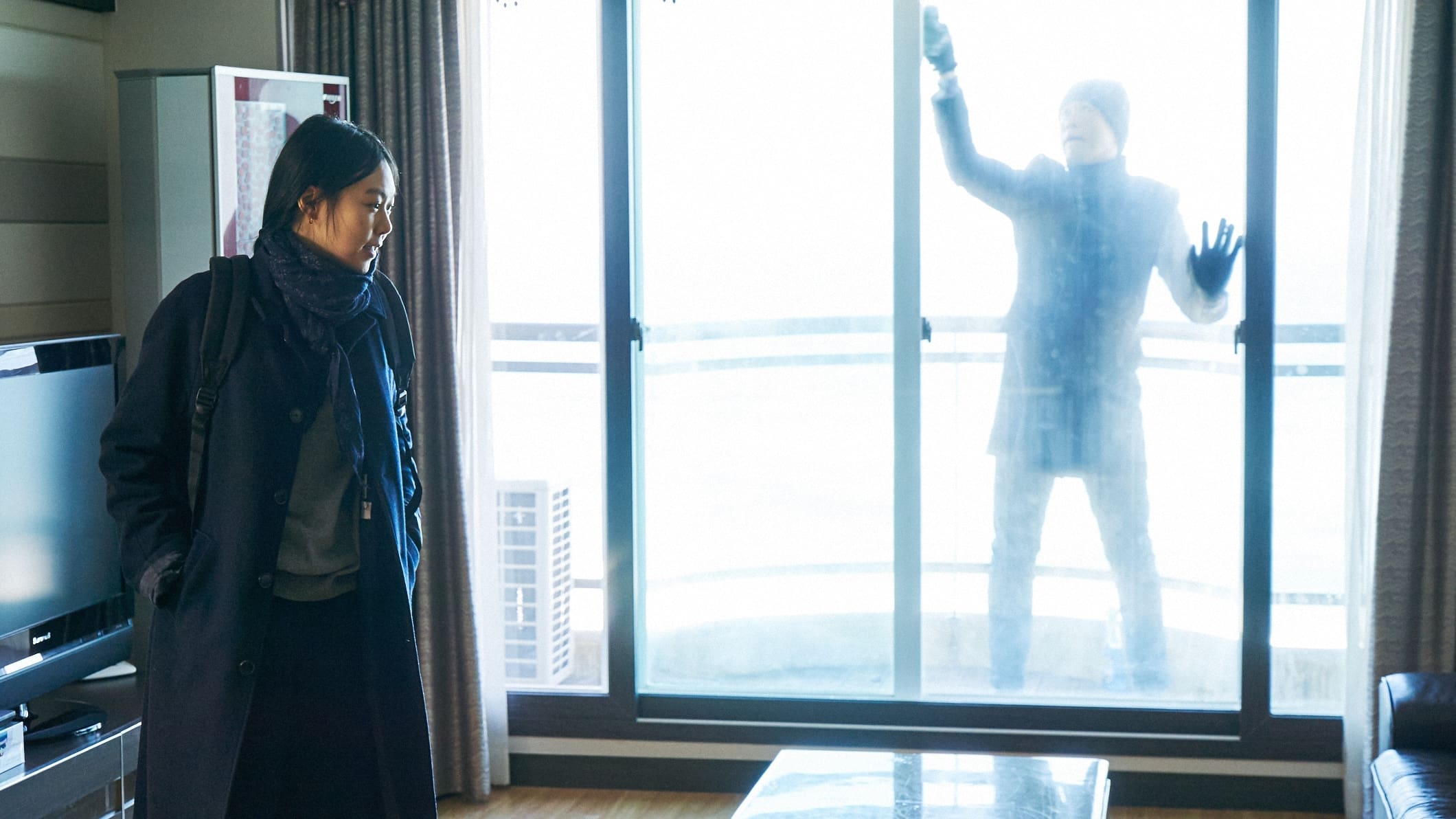
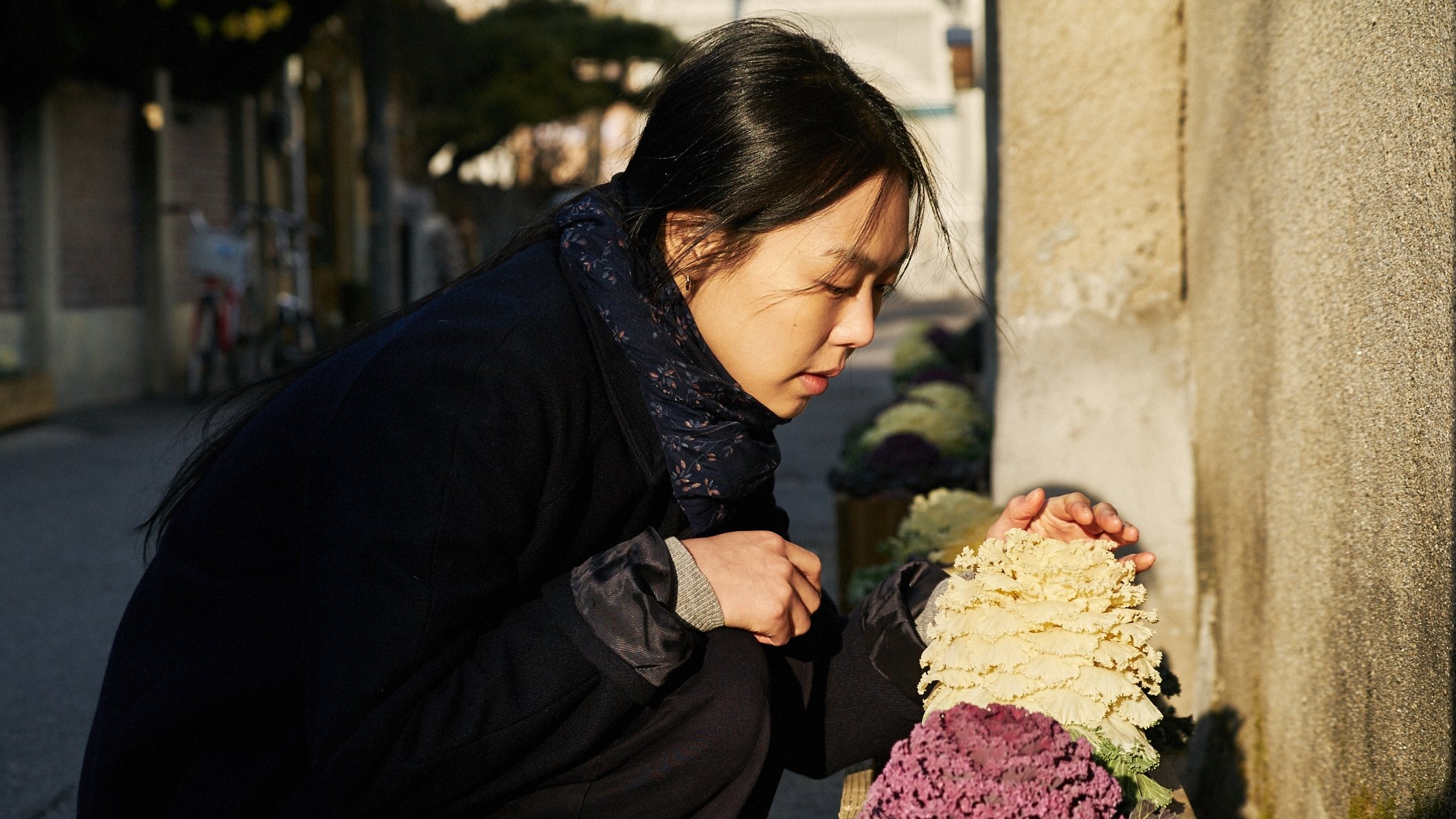
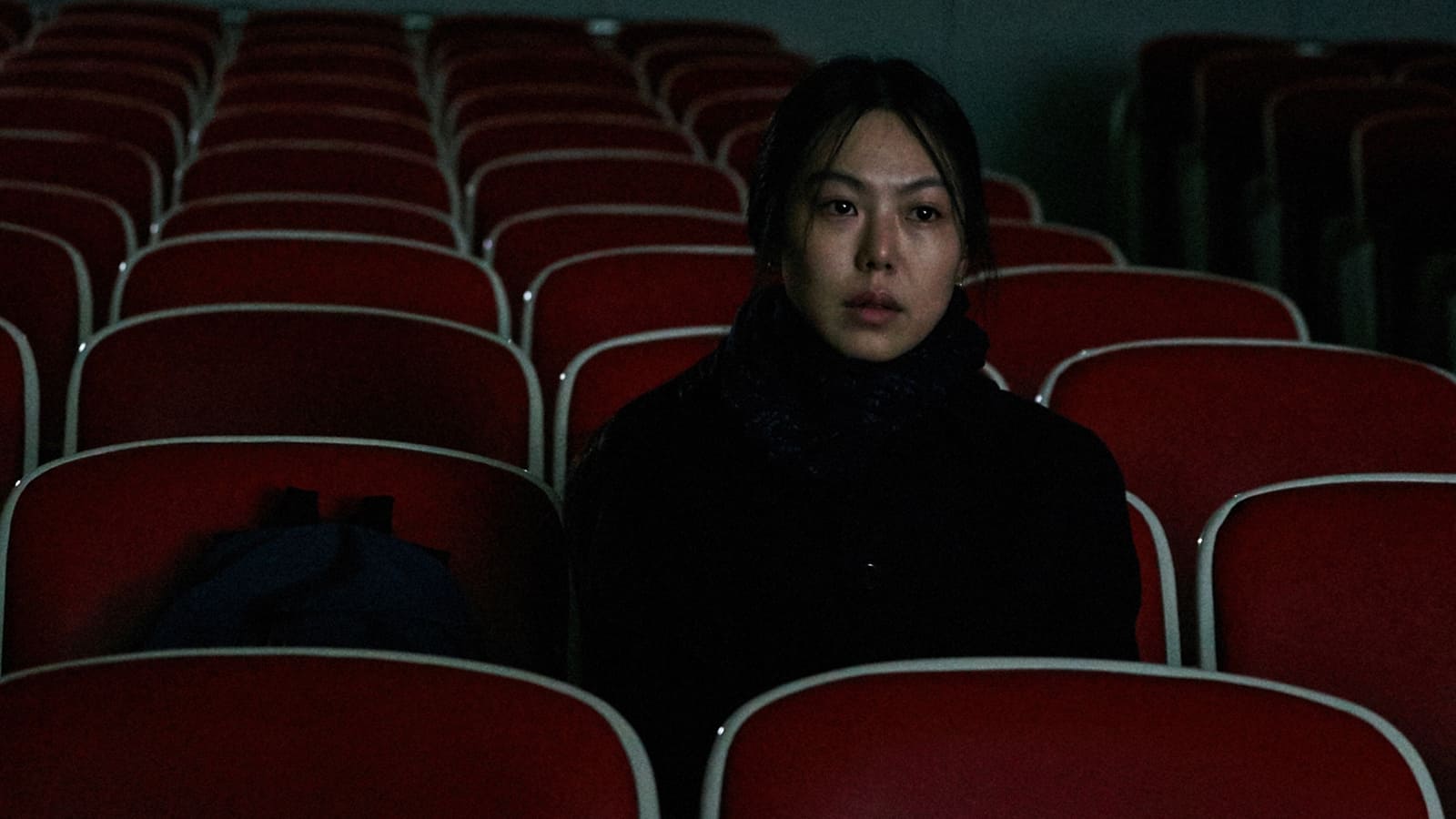
What struck me most is the patience of it all. Long takes let scenes breathe; the camera observes rather than directs your feelings. It's a film that trusts its audience to sit with ambiguity, to read meaning into silences and glances rather than exposition. The result is something that feels less like a constructed drama and more like a genuine emotional record — intimate, melancholic, occasionally wry, and ultimately quite moving.
If you're drawn to character-driven cinema that prioritizes atmosphere and interiority over plot mechanics, this is essential viewing. It rewards close attention and lingers long after the credits roll. A beautiful, unhurried meditation on heartbreak and self-reclamation — five stars, easily.
A quiet, devastating masterpiece of stillness
Hong Sang-soo's On the Beach at Night Alone is the rare film that finds its power not in what happens, but in what lingers between the words. Anchored by an extraordinary, deeply felt performance from Kim Min-hee — one of the most honest, lived-in pieces of acting I've seen in years — this is a film about solitude, longing, and the slow, unglamorous work of putting yourself back together.
The structure is elegant in its simplicity: two halves, two cinematographers, two different rhythms of grief, bound together by recurring images of the sea and the unhurried intimacy of shared meals and quiet conversation. Hong has always had a gift for naturalistic dialogue, but here it feels especially raw and unguarded — funny one moment, aching the next, never announcing its own emotional weight.
What struck me most is the patience of it all. Long takes let scenes breathe; the camera observes rather than directs your feelings. It's a film that trusts its audience to sit with ambiguity, to read meaning into silences and glances rather than exposition. The result is something that feels less like a constructed drama and more like a genuine emotional record — intimate, melancholic, occasionally wry, and ultimately quite moving.
If you're drawn to character-driven cinema that prioritizes atmosphere and interiority over plot mechanics, this is essential viewing. It rewards close attention and lingers long after the credits roll. A beautiful, unhurried meditation on heartbreak and self-reclamation — five stars, easily.