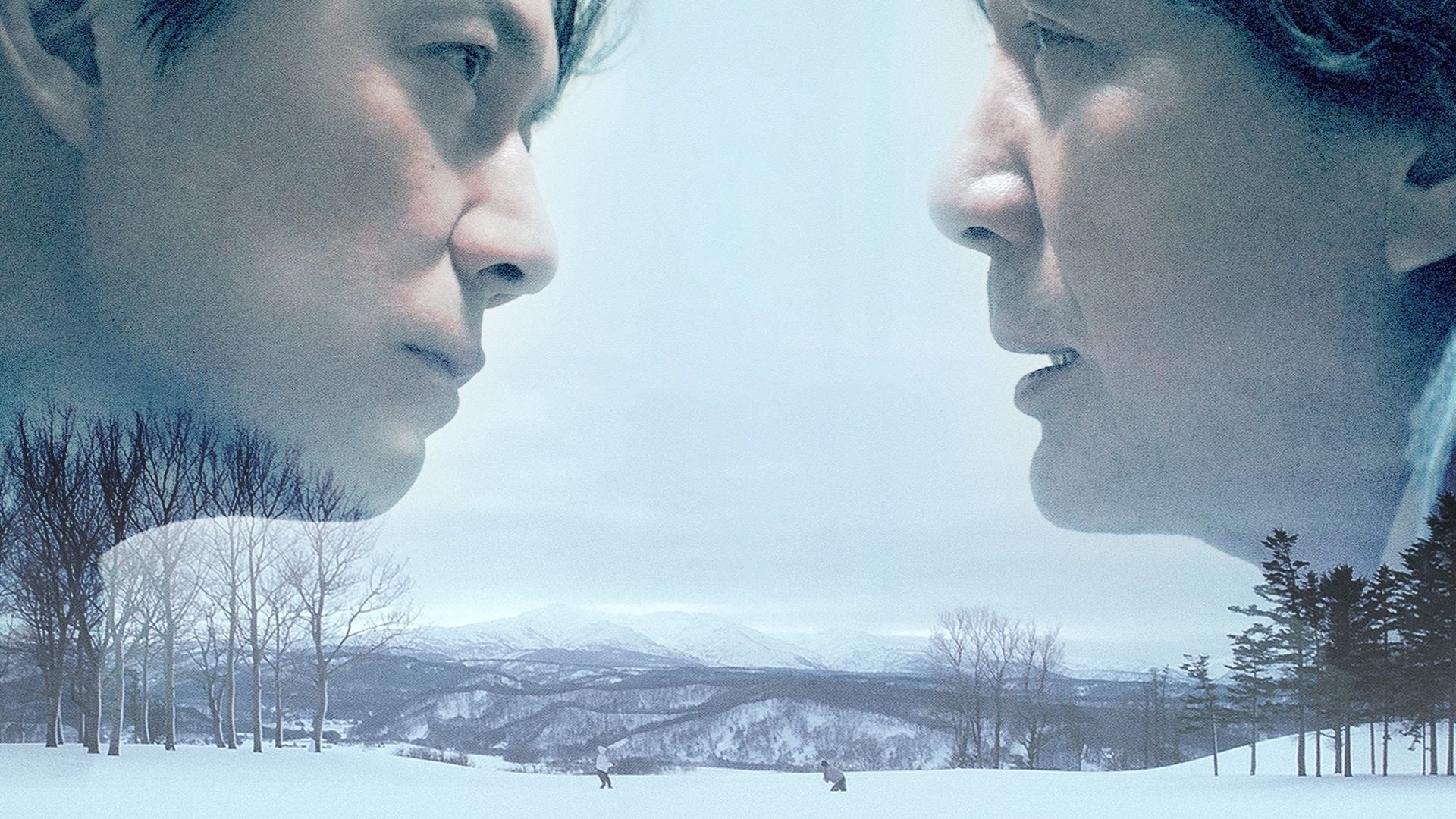
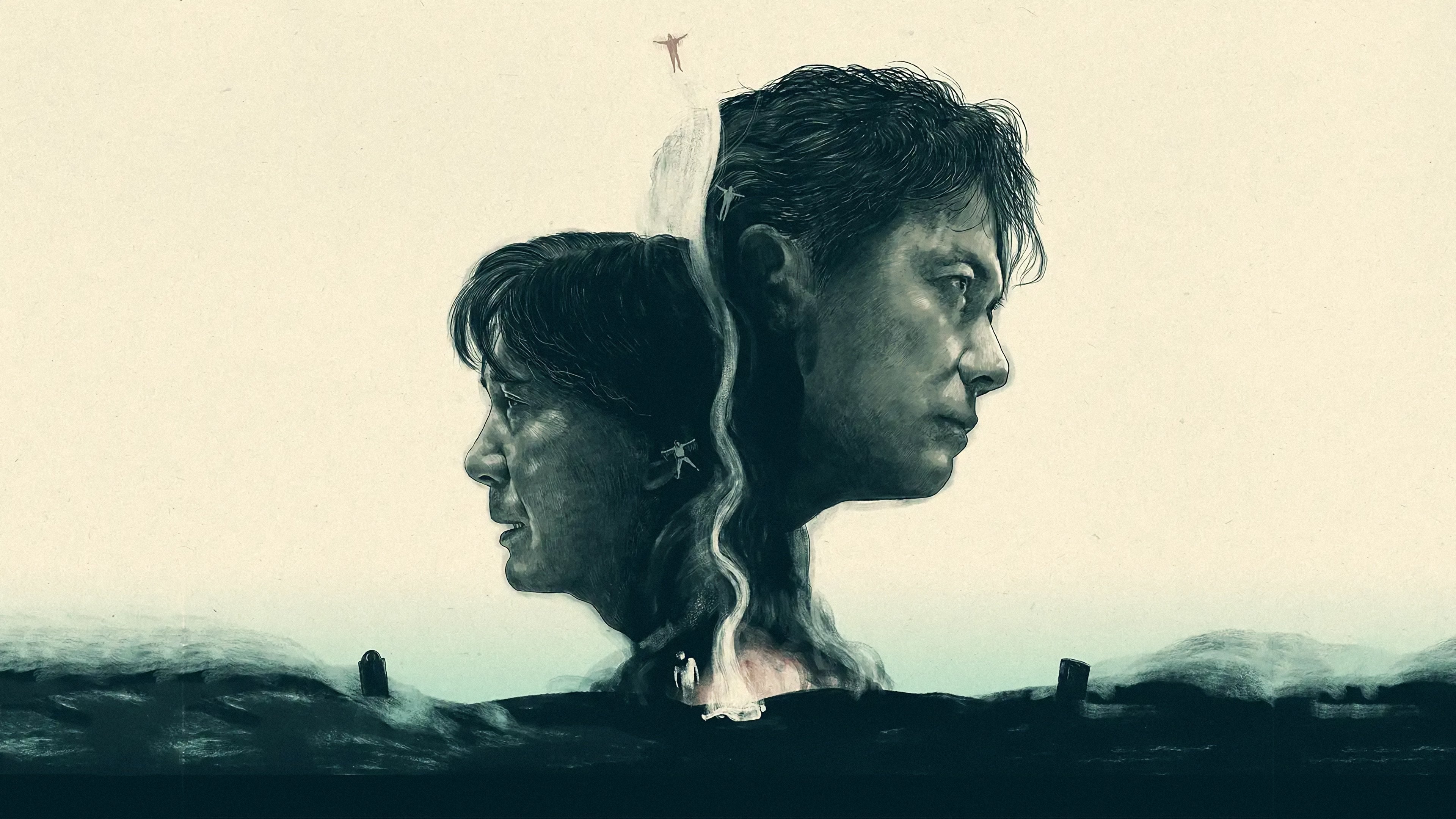
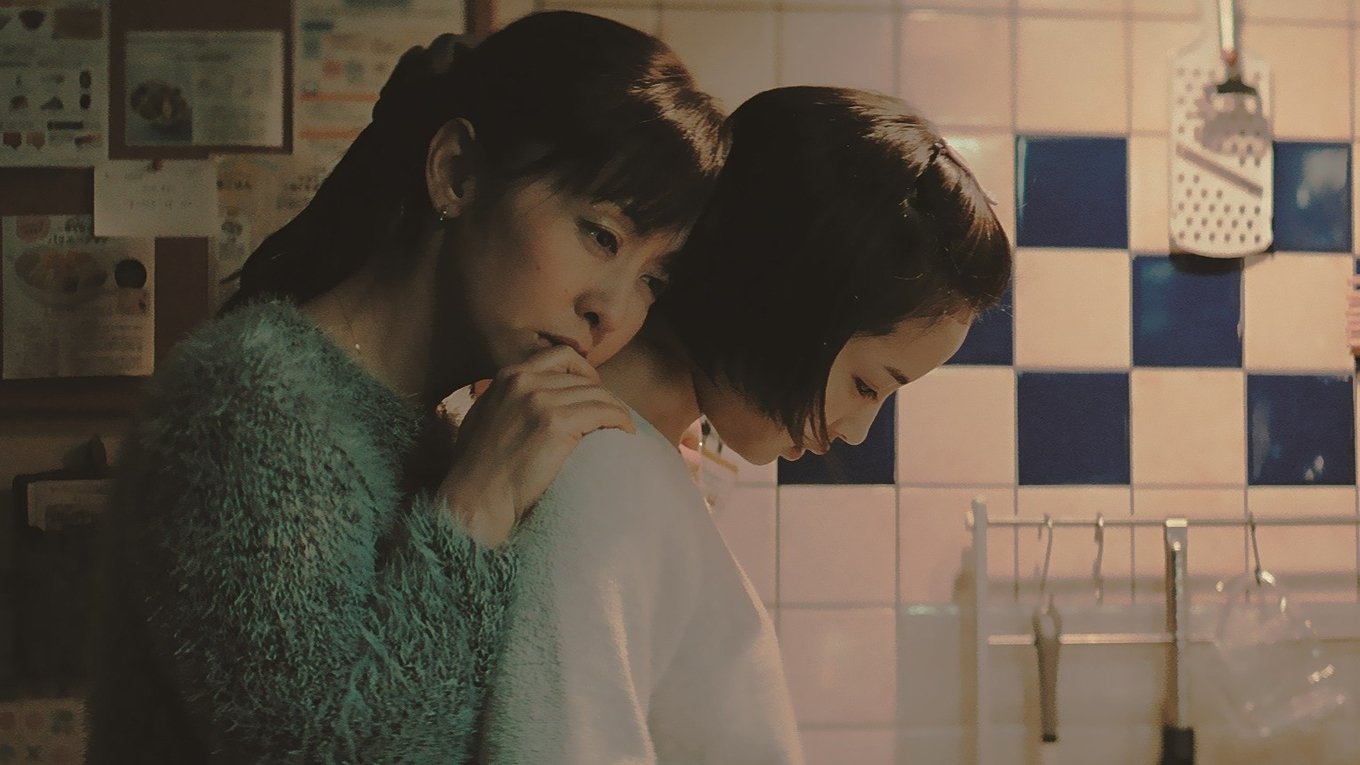
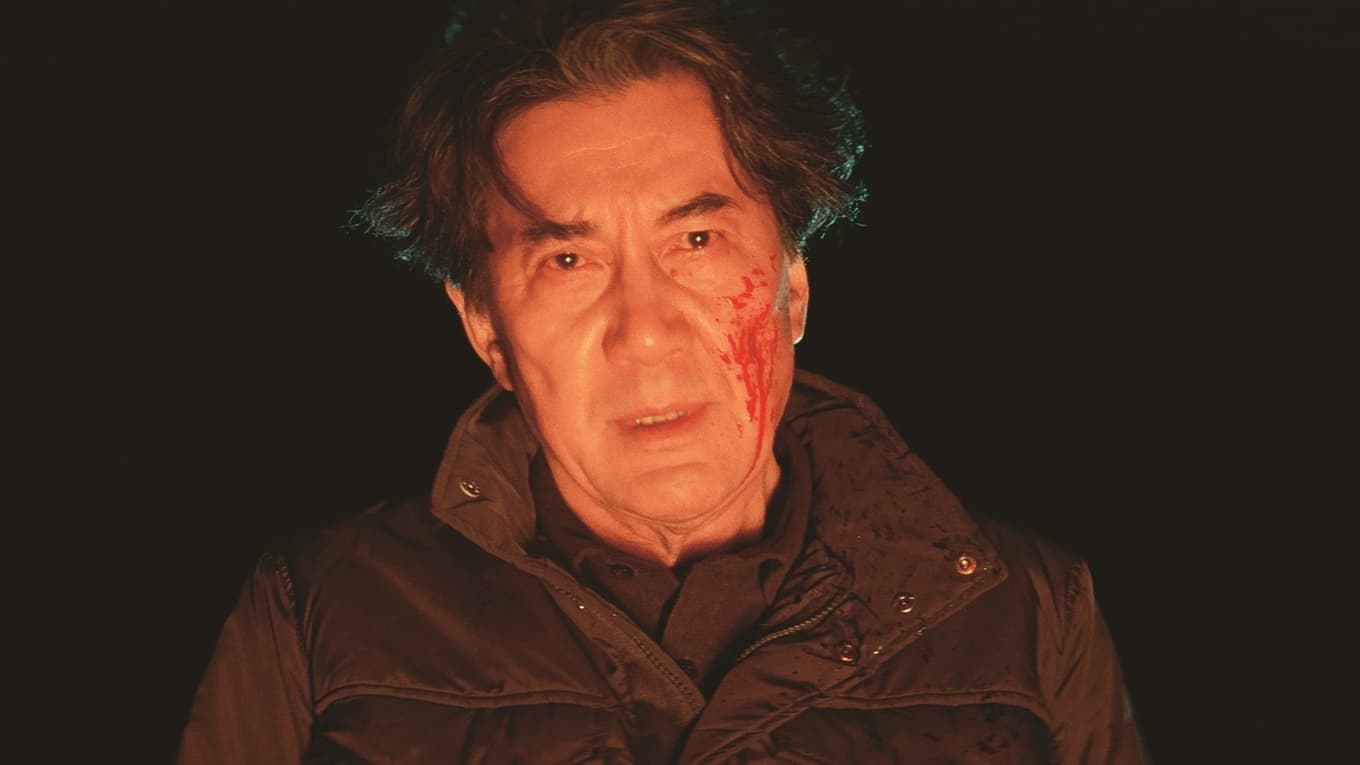
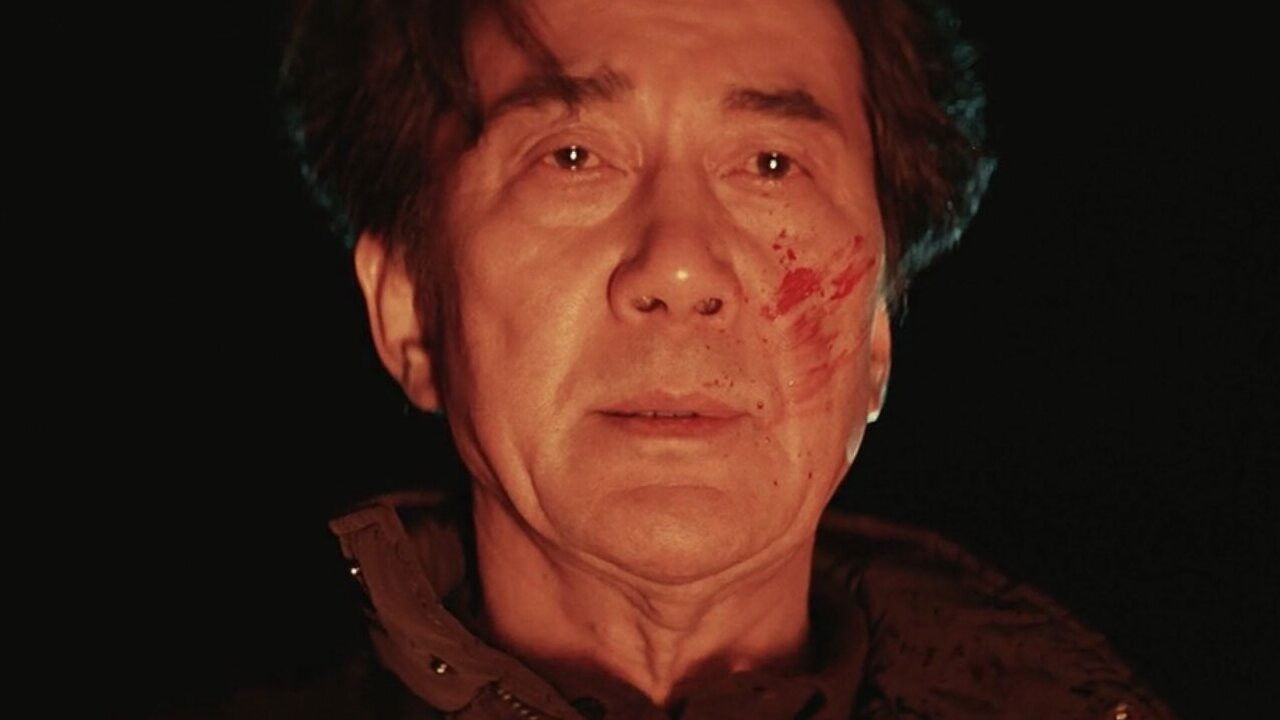
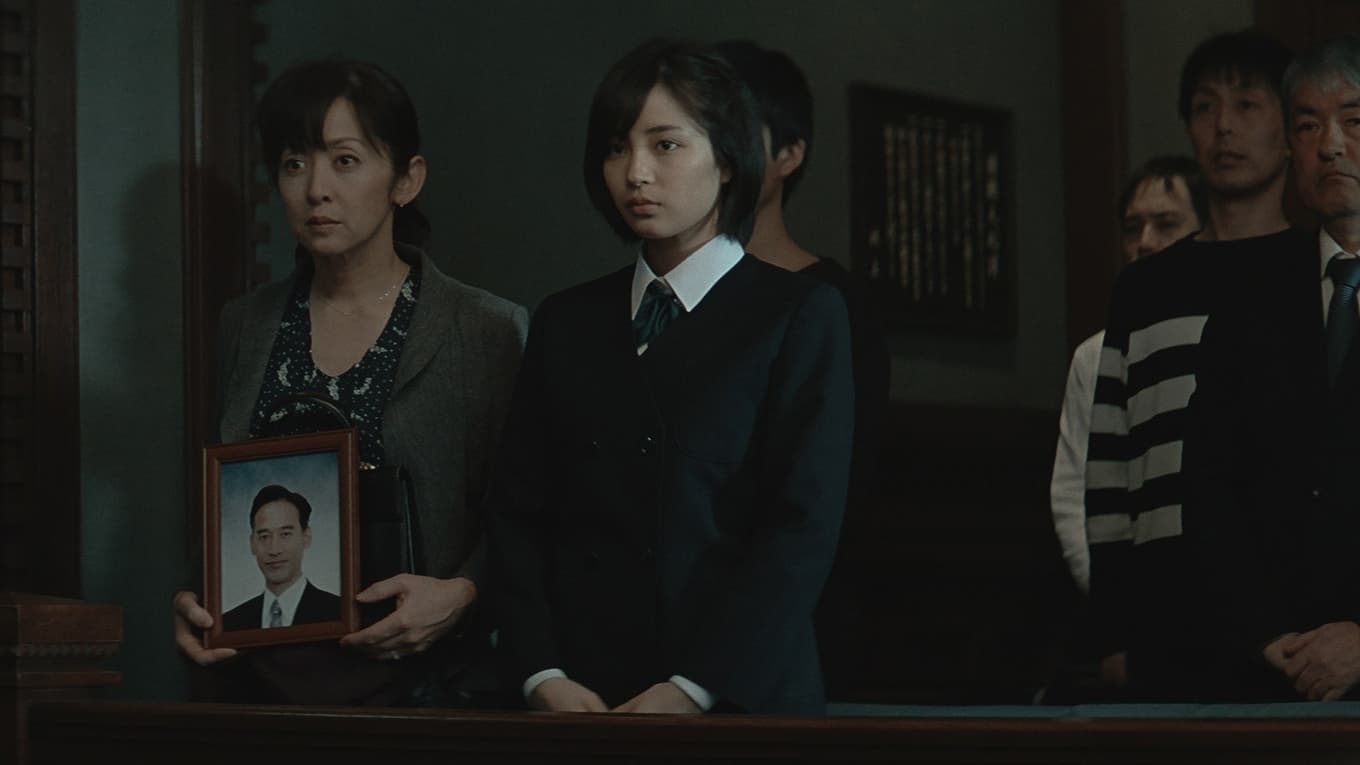
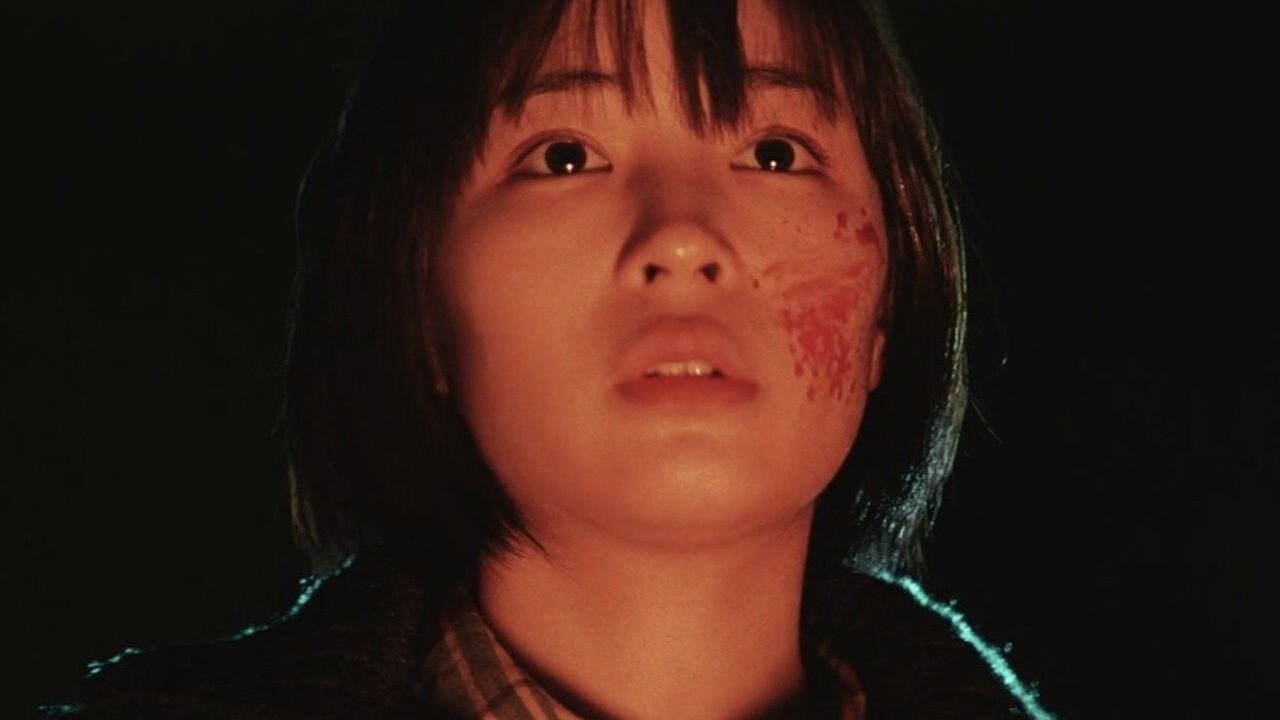
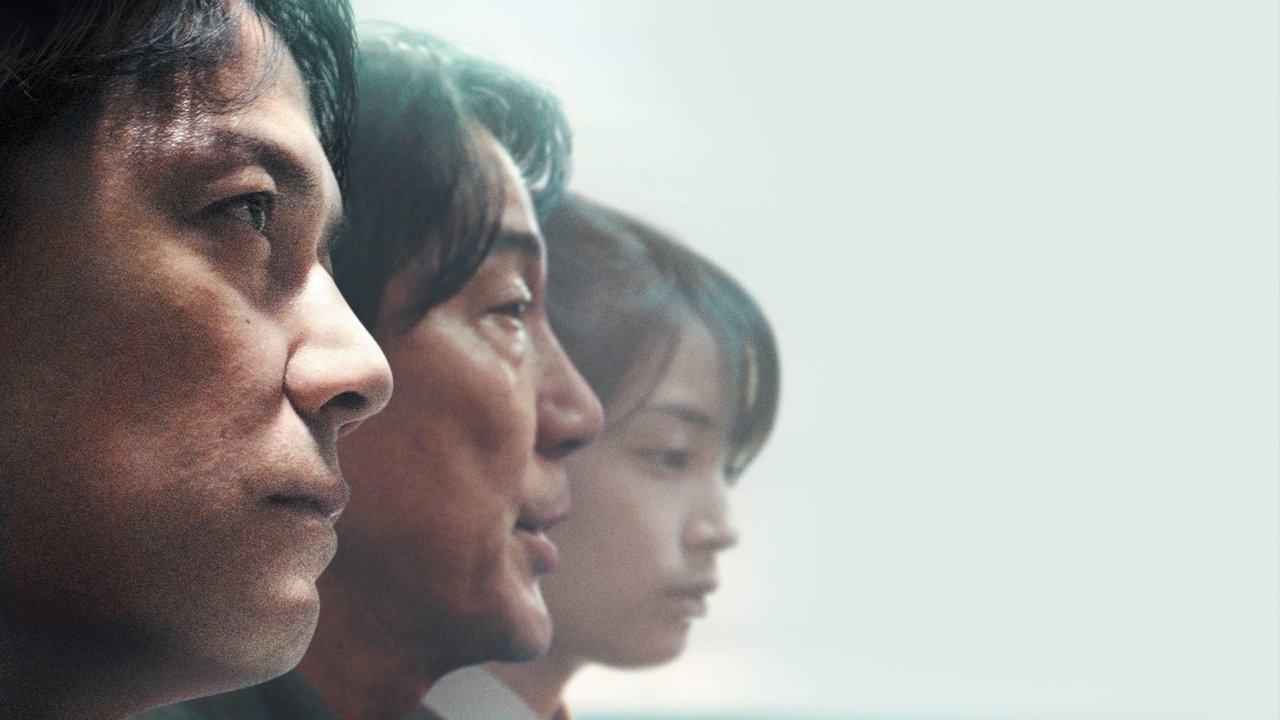
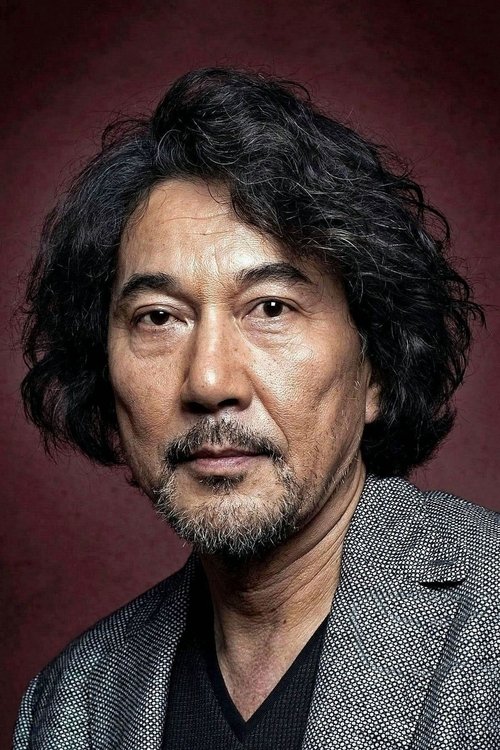
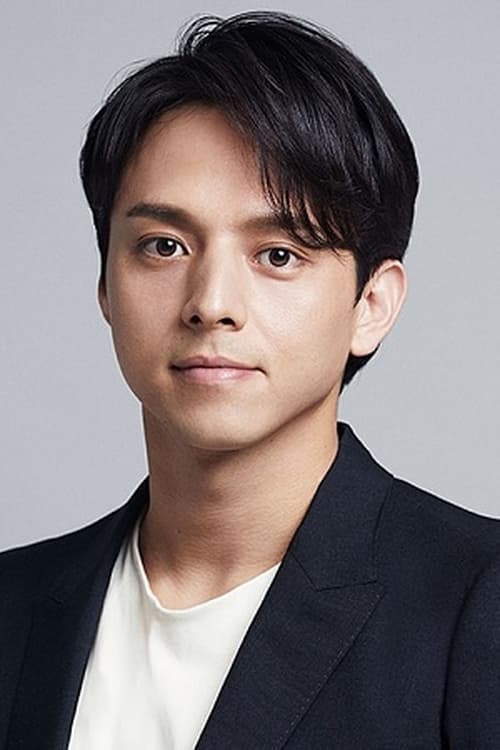
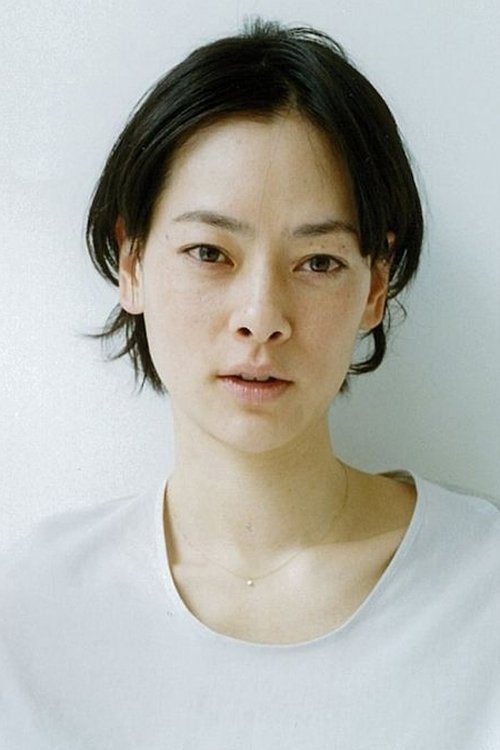
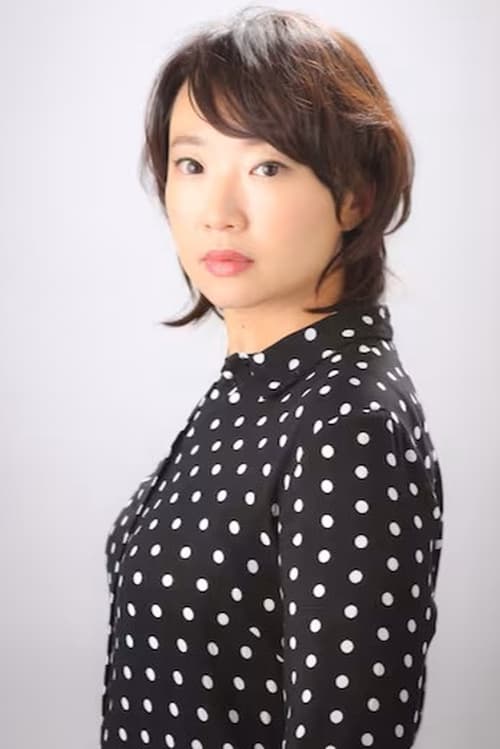
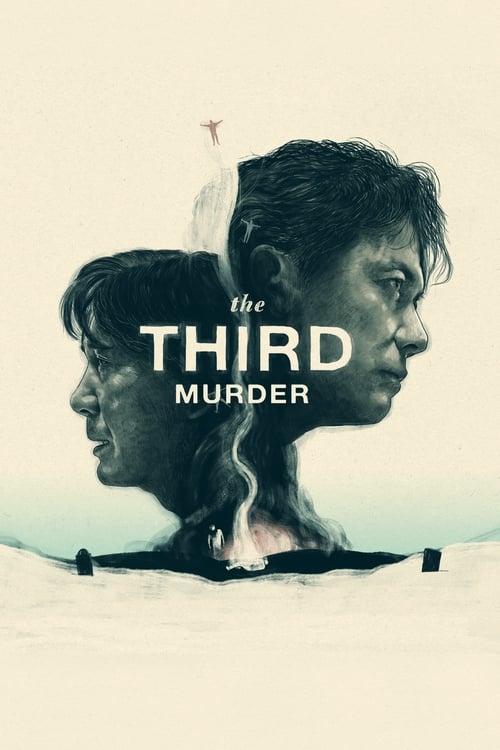
Wow, was this an absolute 180 of a Koreeda film. Usually, a classic Koreeda film is a melodramatic and subtle family or people-focused film with lots of inspiration from documentary films. While this film still had a lot of focus on the people in typical Koreeda fashion, this is completely unlike all of the film sthat he has made previously, and I think that this is a really good thing because it felt like a breath of fresh air to have such a different Koreeda film when a lot of his films have the same tropes and narratives. This felt like a more normal blockbuster crime thriller, which may sound generic, but honestly, the story is so good and interesting that it really isn't. There are so many different twists and turns throughout the whole film that it'll have you guessing who really committed the murder. As Shigemori, the lawyer, is trying to build a defense for his client, we, the audience, slowly get to uncover what happened to the victim and who truly killed him. I like how Koreeda really goes into the characters in his classic fashion, only this time, we found out about the characters from an outside perspective instead of the actual characters themselves. This adds an intersting third party middle man sort of situation. I like how we found out about the characters at the same time as Shigemori, because when he is confused as to what is going on, we are even more confused. Shigemori is the audience of sorts in the sense that this story is told completely through his perspective. The daughter of the murder victim and her role in the crime were definitely the best part of this film for me, because we get to see how the crime actually affects her personally, and how her life has changed because of it. The convicted suspect, as well, was played really well by Kōji Yakusho of Perfect Days fame. He plays the main suspect so well that you start to question whether this guy really committed the crime. Or did he just take the fall for somebody else? This narrative will keep you guessing til the very end who actually did it, even if it is super ambiguous.
I really liked the pacing of this film as well. Everything is revealed at the exact right time, and nothing really drags or is too fast throughout the film.
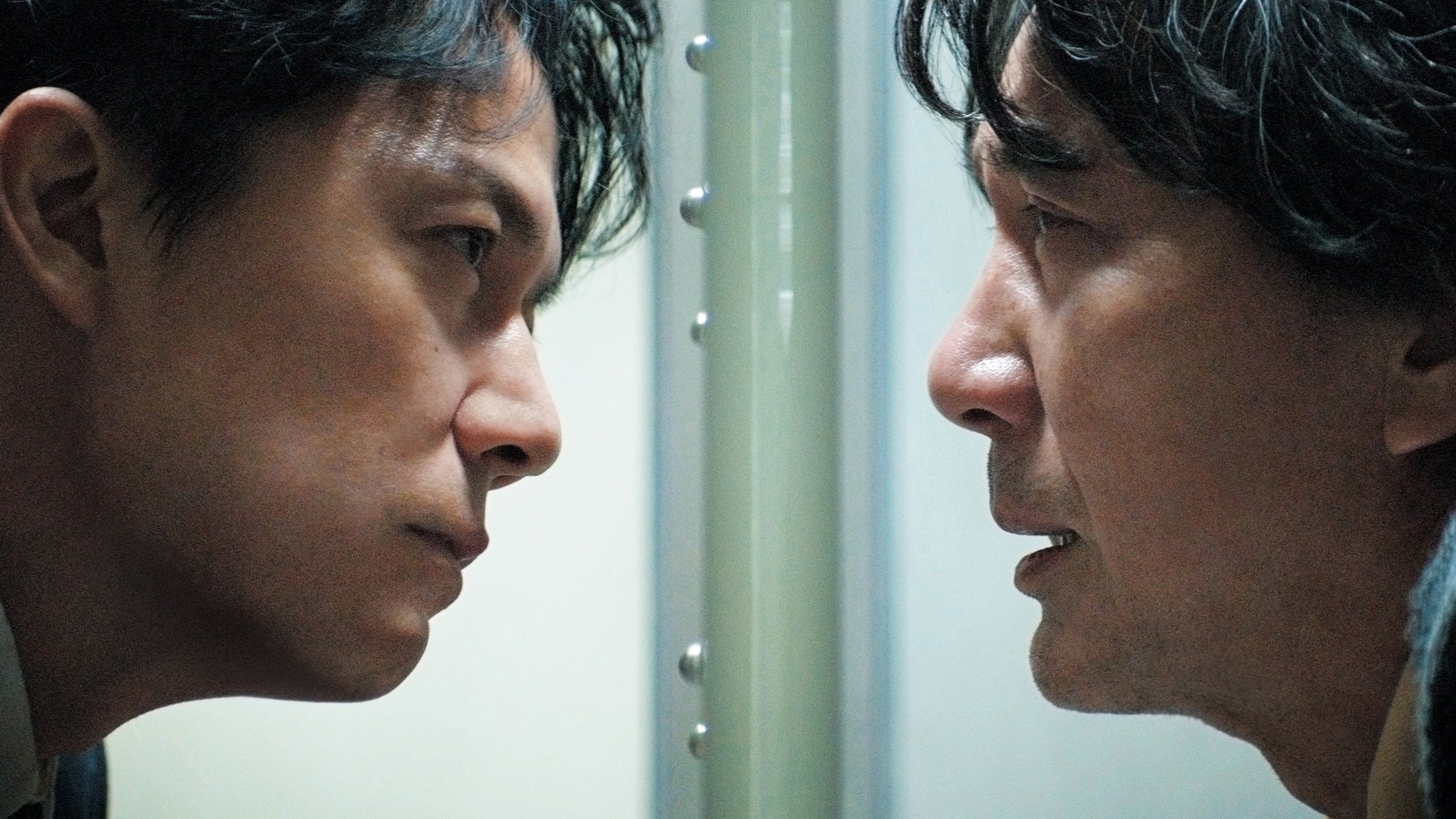
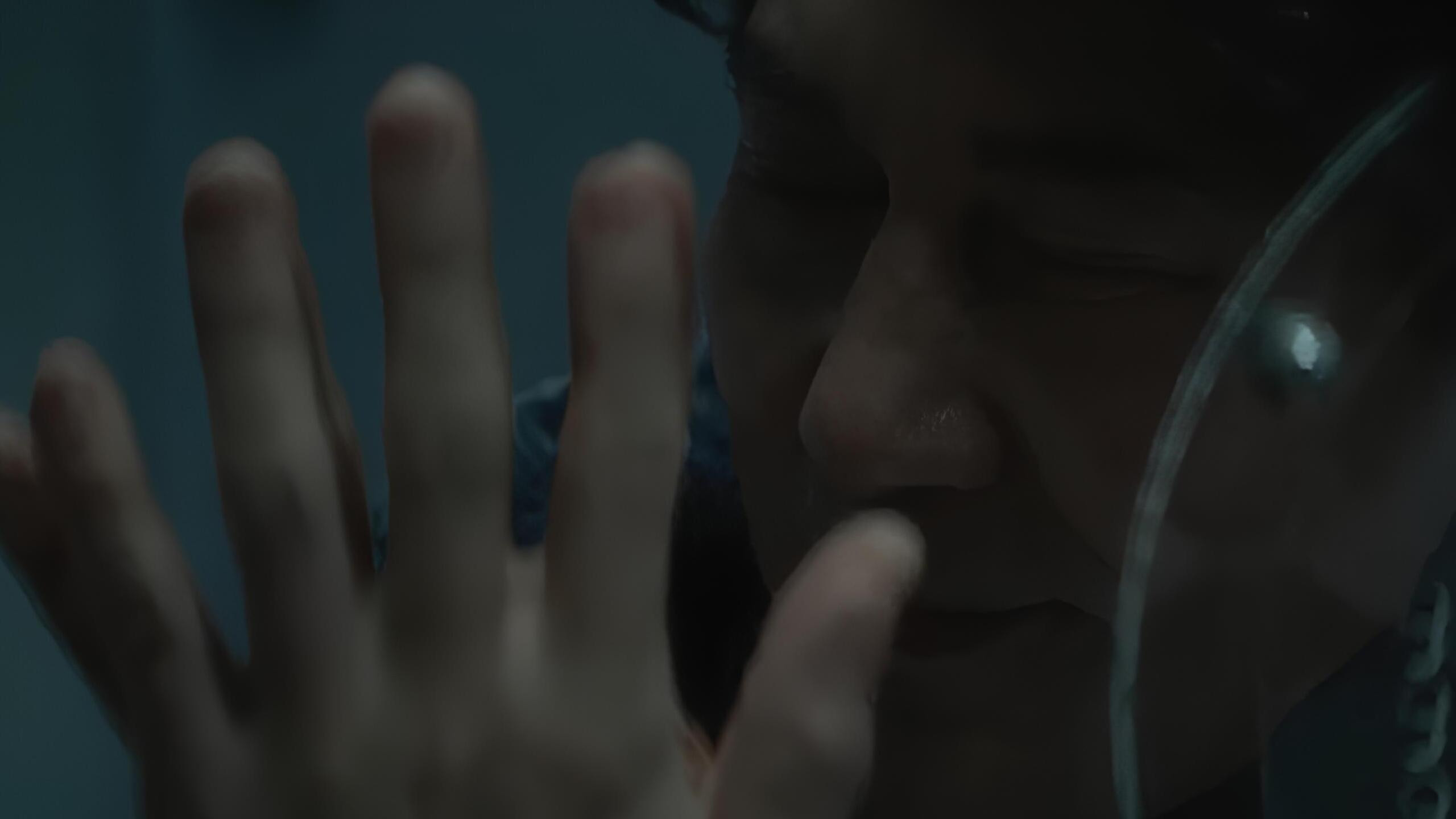
The way that this is filmed is completely different from how Koreeda usually films his films. He usually has a simple and peaceful location, but this film skips all over Tokyo, to the prison, to the victim's house, to the crime scene. There are a lot of different locations instead of just one hub where all of the characters spend time. The cinematography of this film is also super different from other Koreeda films, and this was the thing that I wasn't expecting at all. Instead of having his usual long, drawn-out one-takes of dialogue with little to no shot reverse shot, there is shot reverse shot, as well as multiple angles of dialouge scenes. This really blew my mind because not having the shot reverse shot to me is quintessential Koreeda, and yet this film doesn't have any of that. I don't think that this takes away from the film, but I don't think it adds anything either, just a very interesting creative decision by someone who always has such a distinct look to his films.
I feel like this film was a passion project for Koreeda where he wanted to challenge himself to make something different and make something more thrilling, and I think he does a good job of it.
Wow, was this an absolute 180 of a Koreeda film. Usually, a classic Koreeda film is a melodramatic and subtle family or people-focused film with lots of inspiration from documentary films. While this film still had a lot of focus on the people in typical Koreeda fashion, this is completely unlike all of the film sthat he has made previously, and I think that this is a really good thing because it felt like a breath of fresh air to have such a different Koreeda film when a lot of his films have the same tropes and narratives. This felt like a more normal blockbuster crime thriller, which may sound generic, but honestly, the story is so good and interesting that it really isn't. There are so many different twists and turns throughout the whole film that it'll have you guessing who really committed the murder. As Shigemori, the lawyer, is trying to build a defense for his client, we, the audience, slowly get to uncover what happened to the victim and who truly killed him. I like how Koreeda really goes into the characters in his classic fashion, only this time, we found out about the characters from an outside perspective instead of the actual characters themselves. This adds an intersting third party middle man sort of situation. I like how we found out about the characters at the same time as Shigemori, because when he is confused as to what is going on, we are even more confused. Shigemori is the audience of sorts in the sense that this story is told completely through his perspective. The daughter of the murder victim and her role in the crime were definitely the best part of this film for me, because we get to see how the crime actually affects her personally, and how her life has changed because of it. The convicted suspect, as well, was played really well by Kōji Yakusho of Perfect Days fame. He plays the main suspect so well that you start to question whether this guy really committed the crime. Or did he just take the fall for somebody else? This narrative will keep you guessing til the very end who actually did it, even if it is super ambiguous.
I really liked the pacing of this film as well. Everything is revealed at the exact right time, and nothing really drags or is too fast throughout the film.
The way that this is filmed is completely different from how Koreeda usually films his films. He usually has a simple and peaceful location, but this film skips all over Tokyo, to the prison, to the victim's house, to the crime scene. There are a lot of different locations instead of just one hub where all of the characters spend time. The cinematography of this film is also super different from other Koreeda films, and this was the thing that I wasn't expecting at all. Instead of having his usual long, drawn-out one-takes of dialogue with little to no shot reverse shot, there is shot reverse shot, as well as multiple angles of dialouge scenes. This really blew my mind because not having the shot reverse shot to me is quintessential Koreeda, and yet this film doesn't have any of that. I don't think that this takes away from the film, but I don't think it adds anything either, just a very interesting creative decision by someone who always has such a distinct look to his films.
I feel like this film was a passion project for Koreeda where he wanted to challenge himself to make something different and make something more thrilling, and I think he does a good job of it.