
No Regrets for Our Youth
1946·Drama·1h 51m
7.0
★
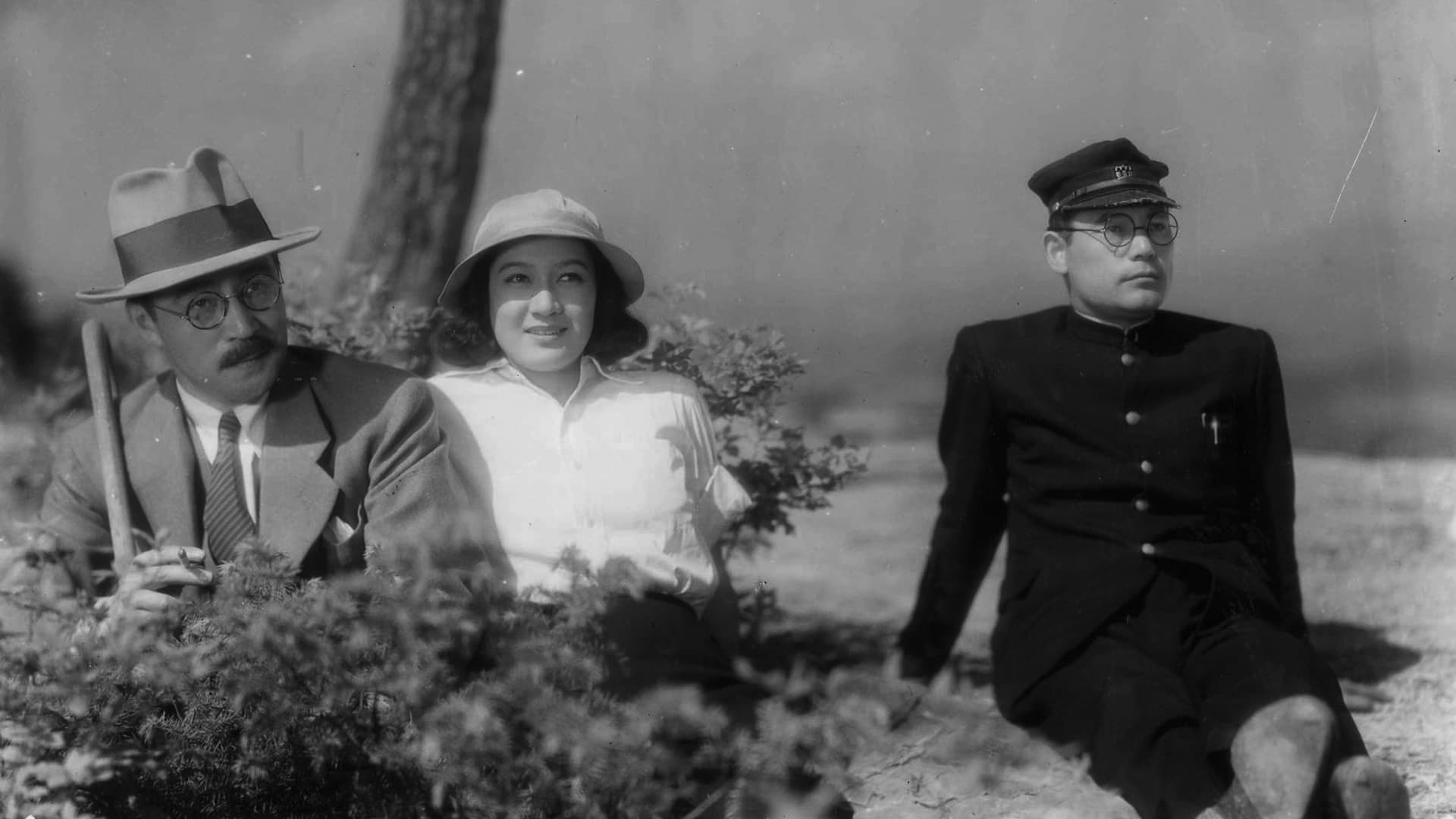
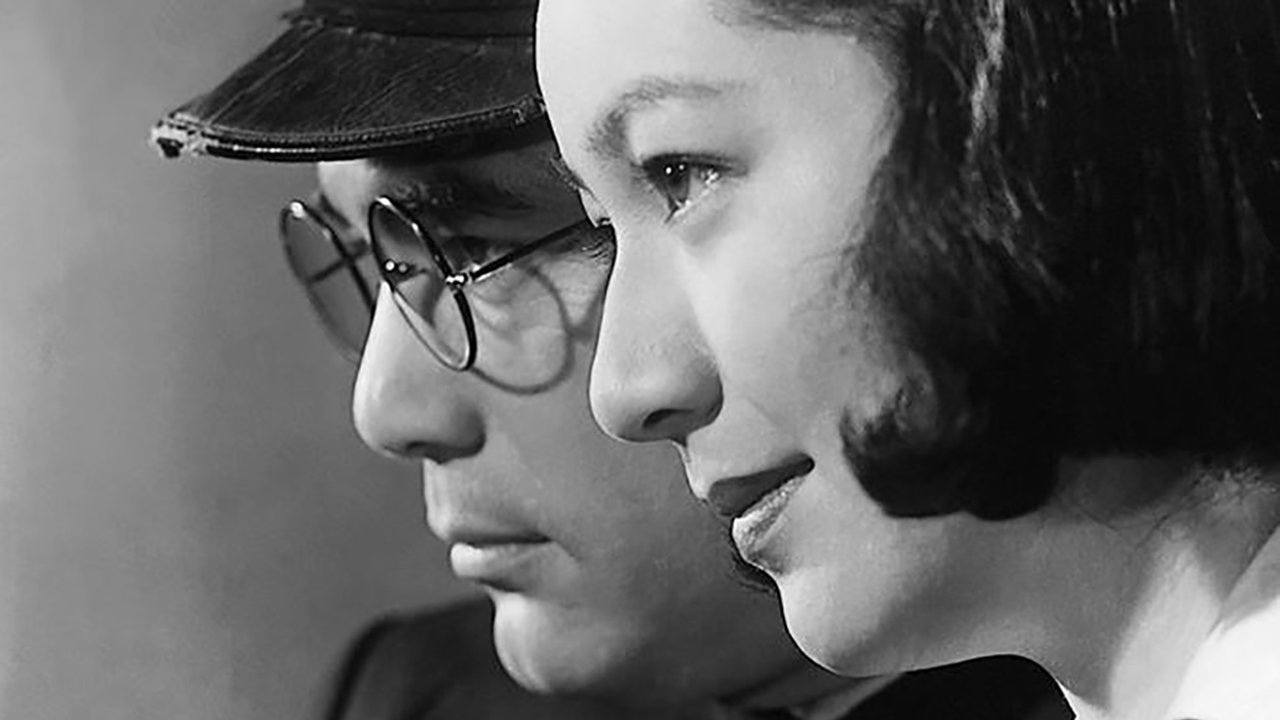
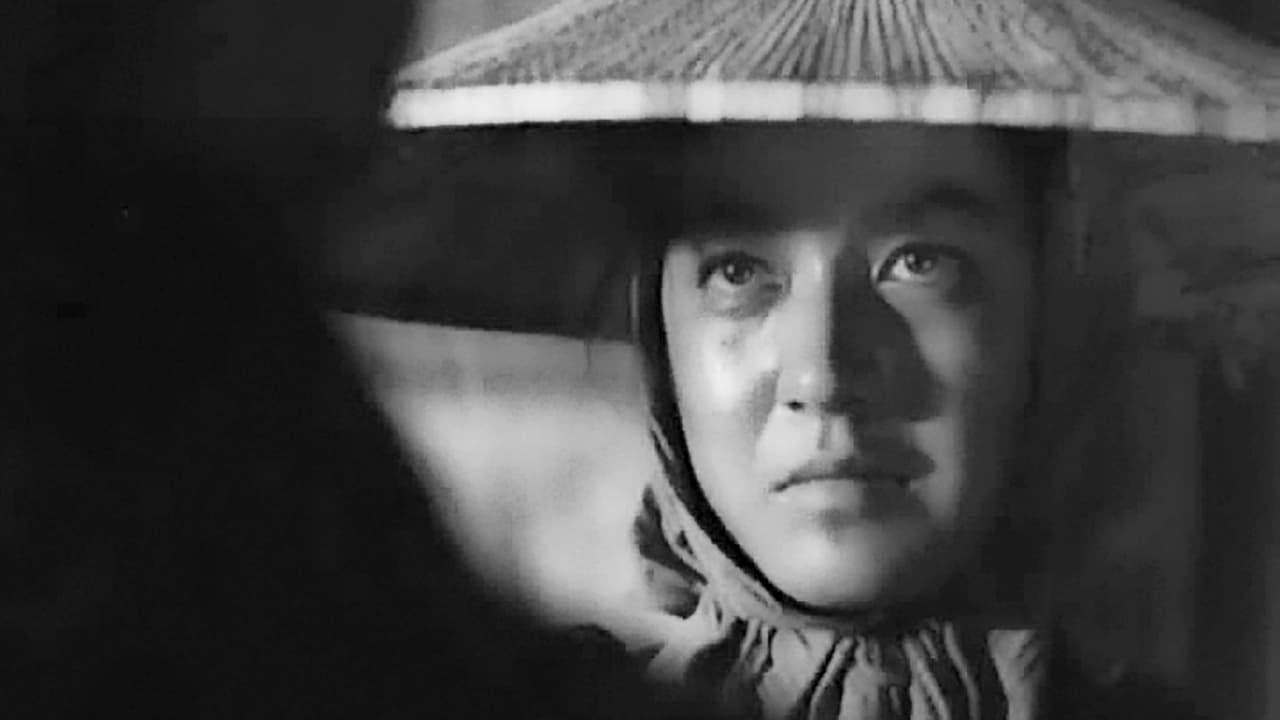
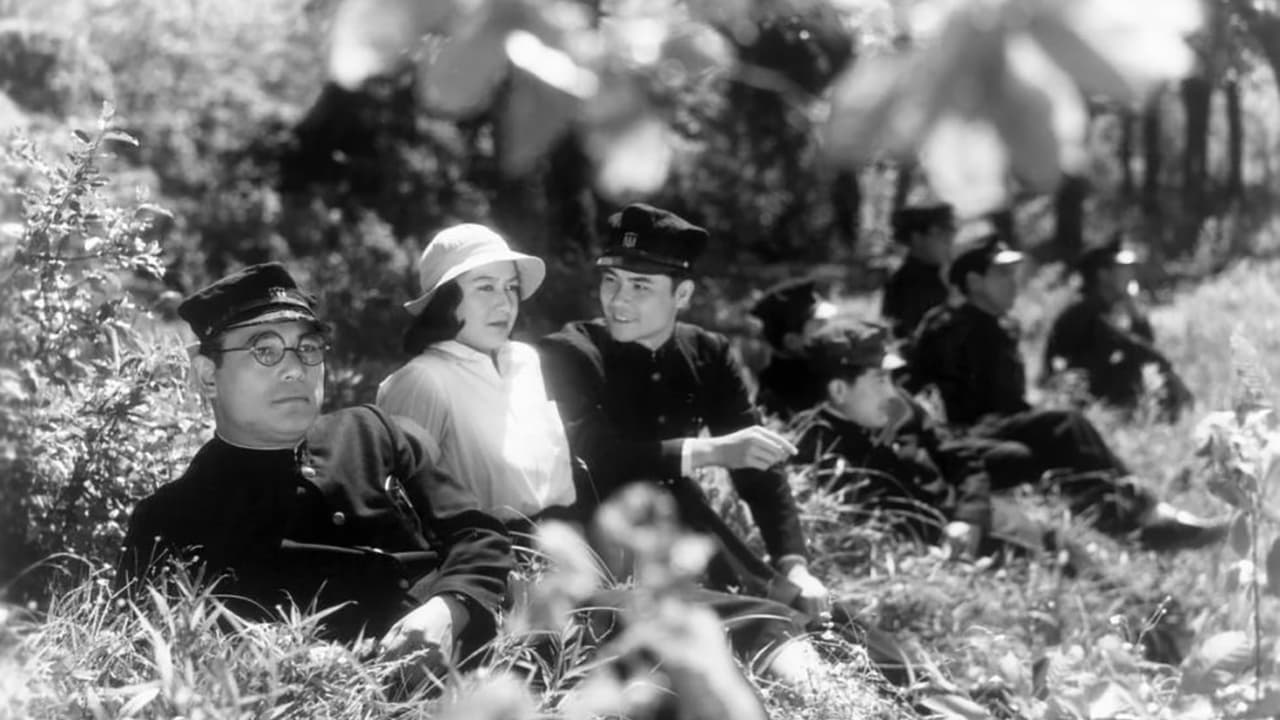

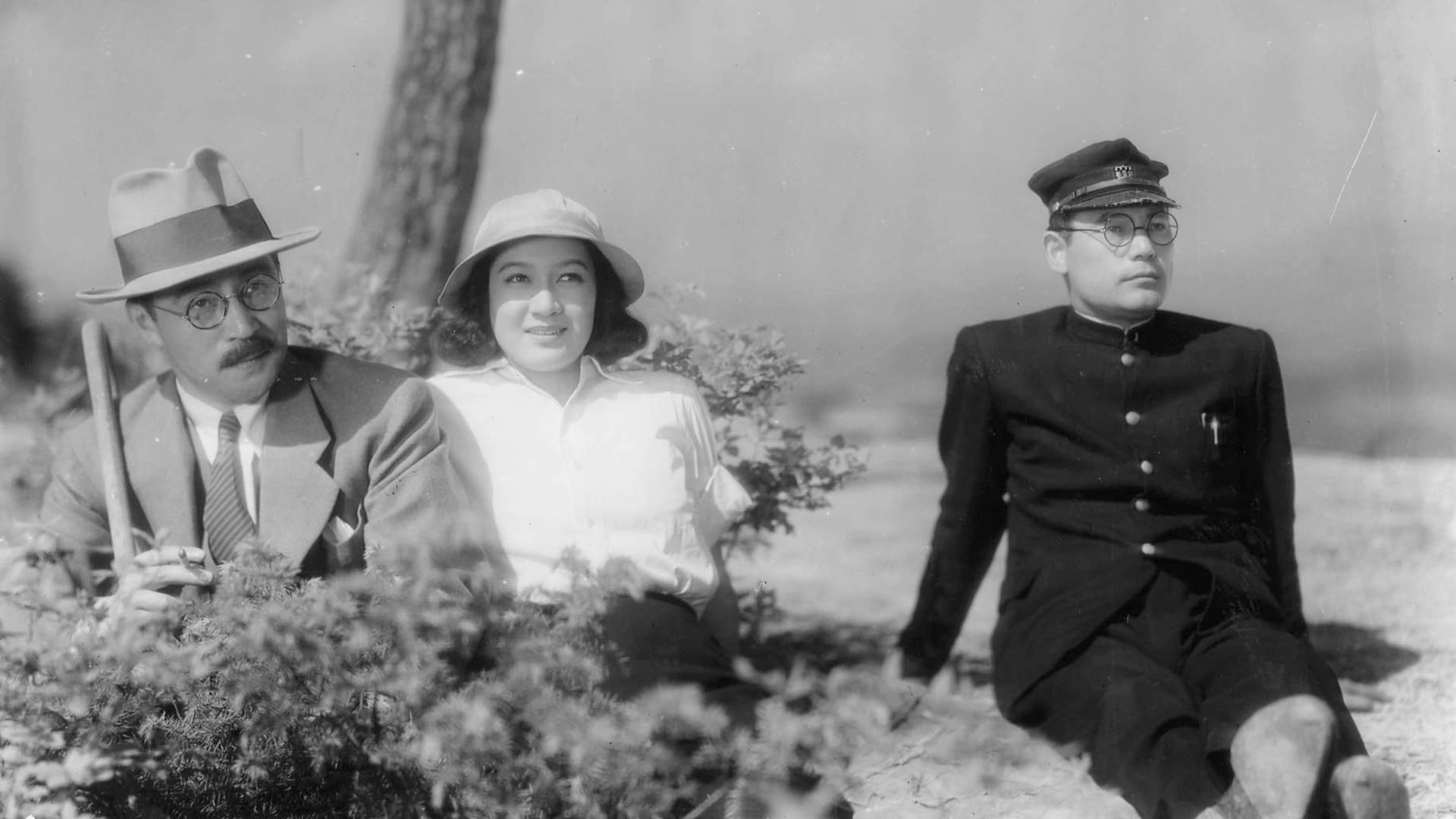
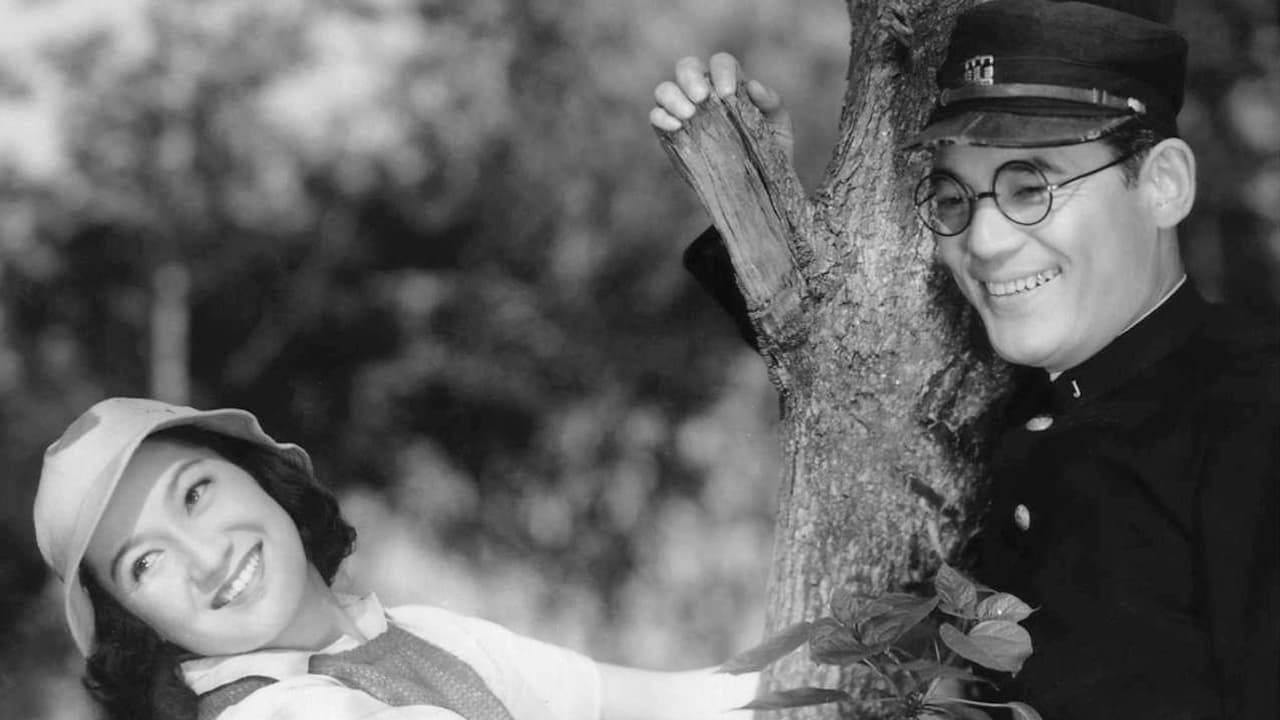

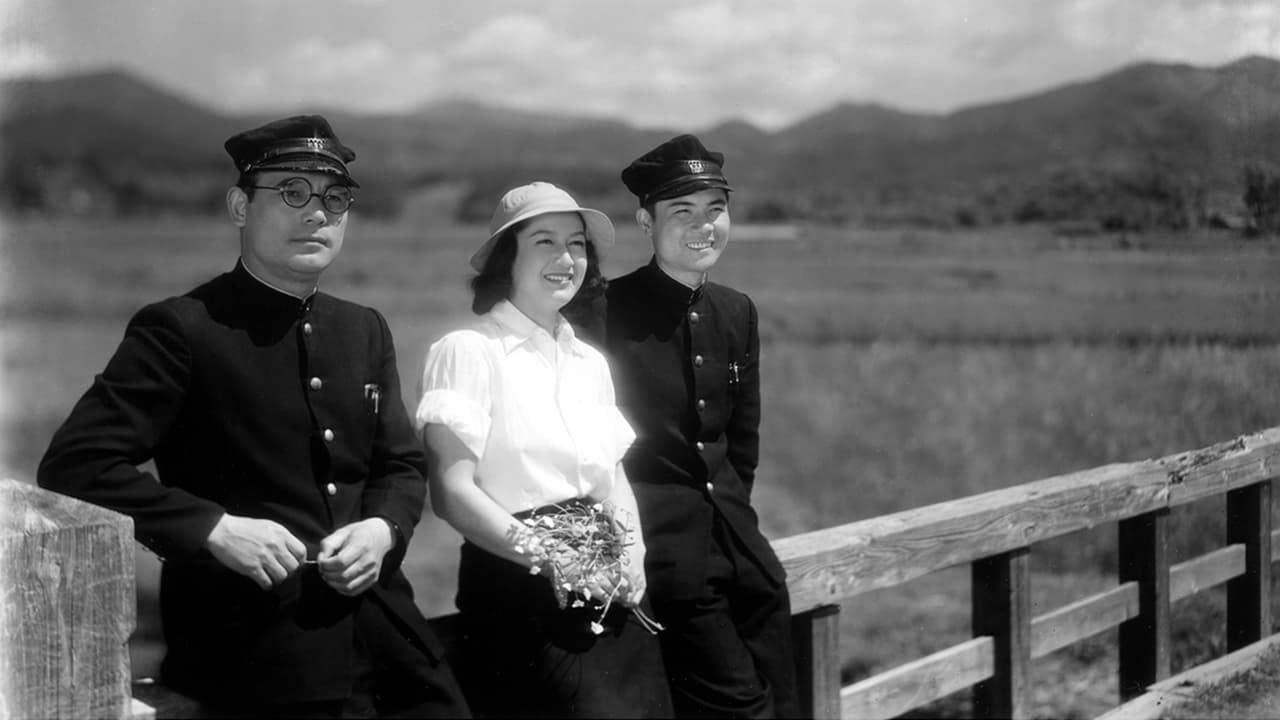
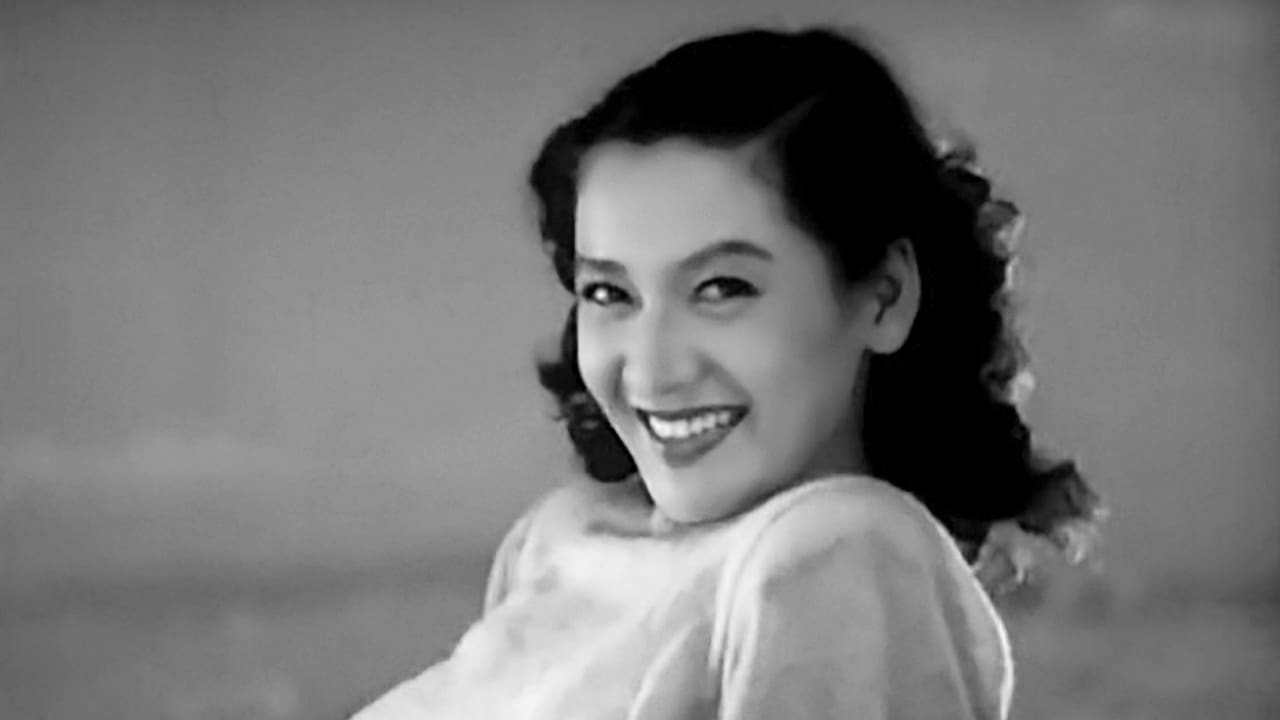

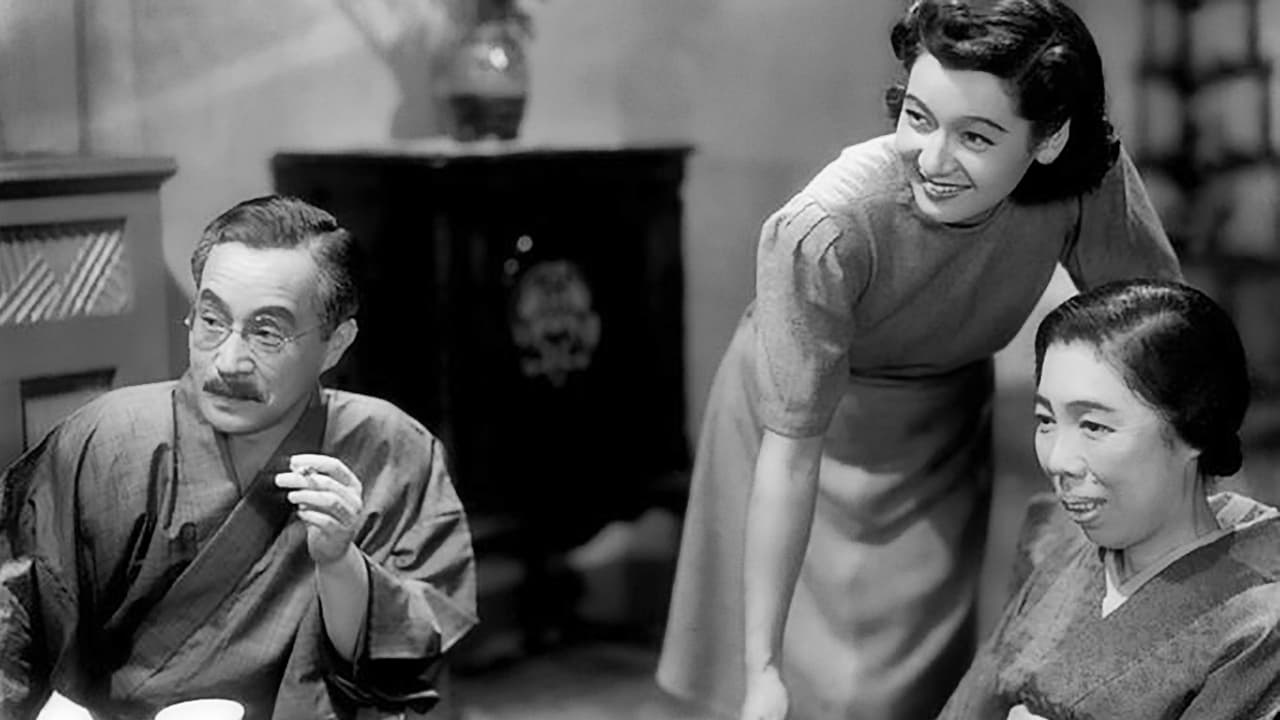
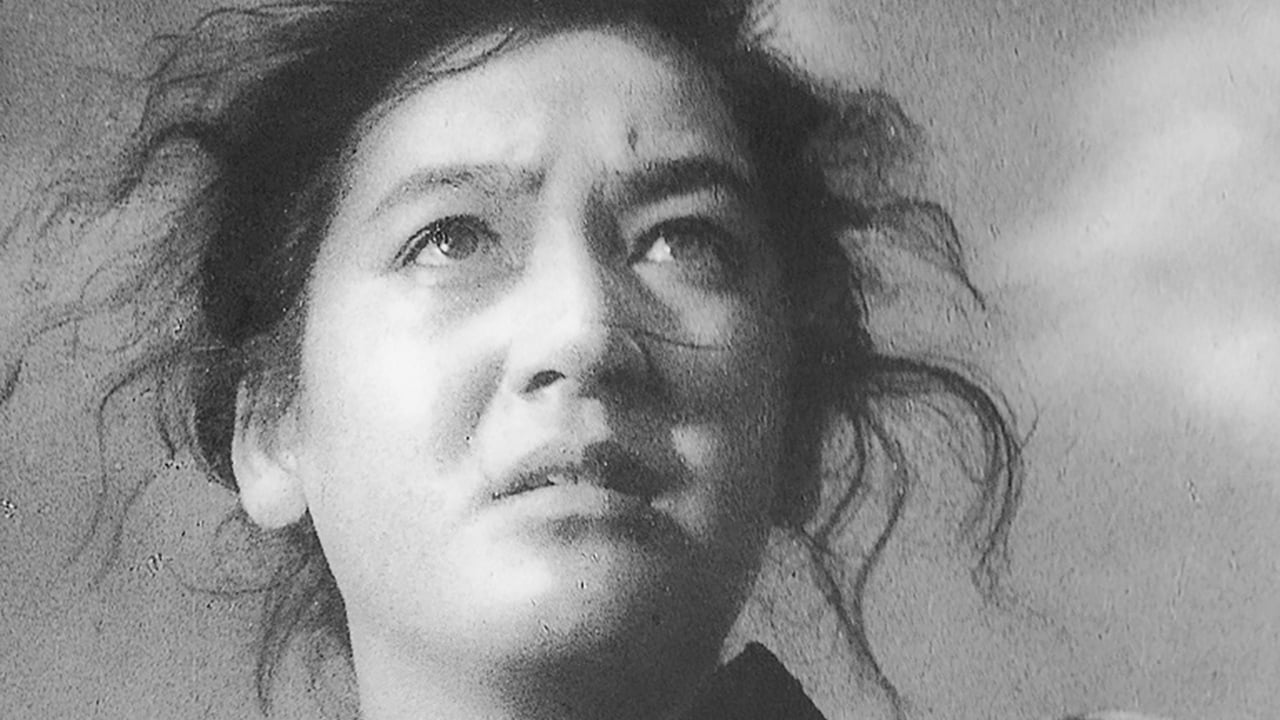

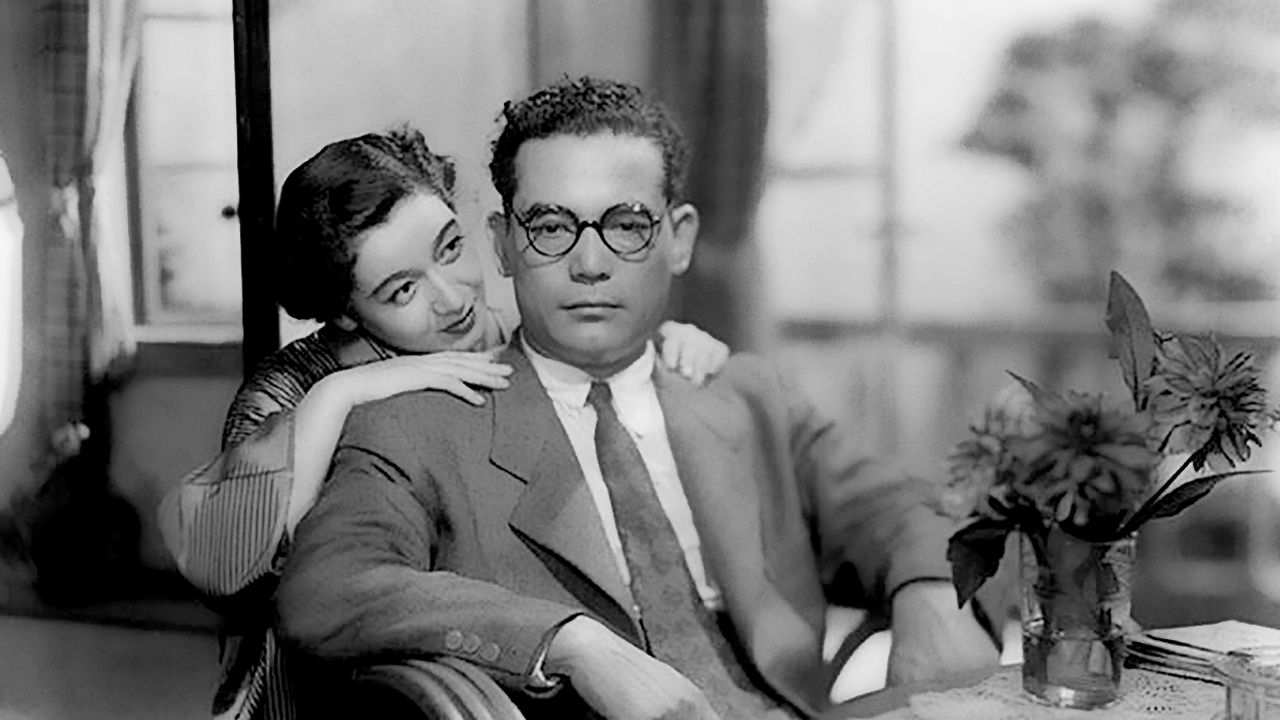
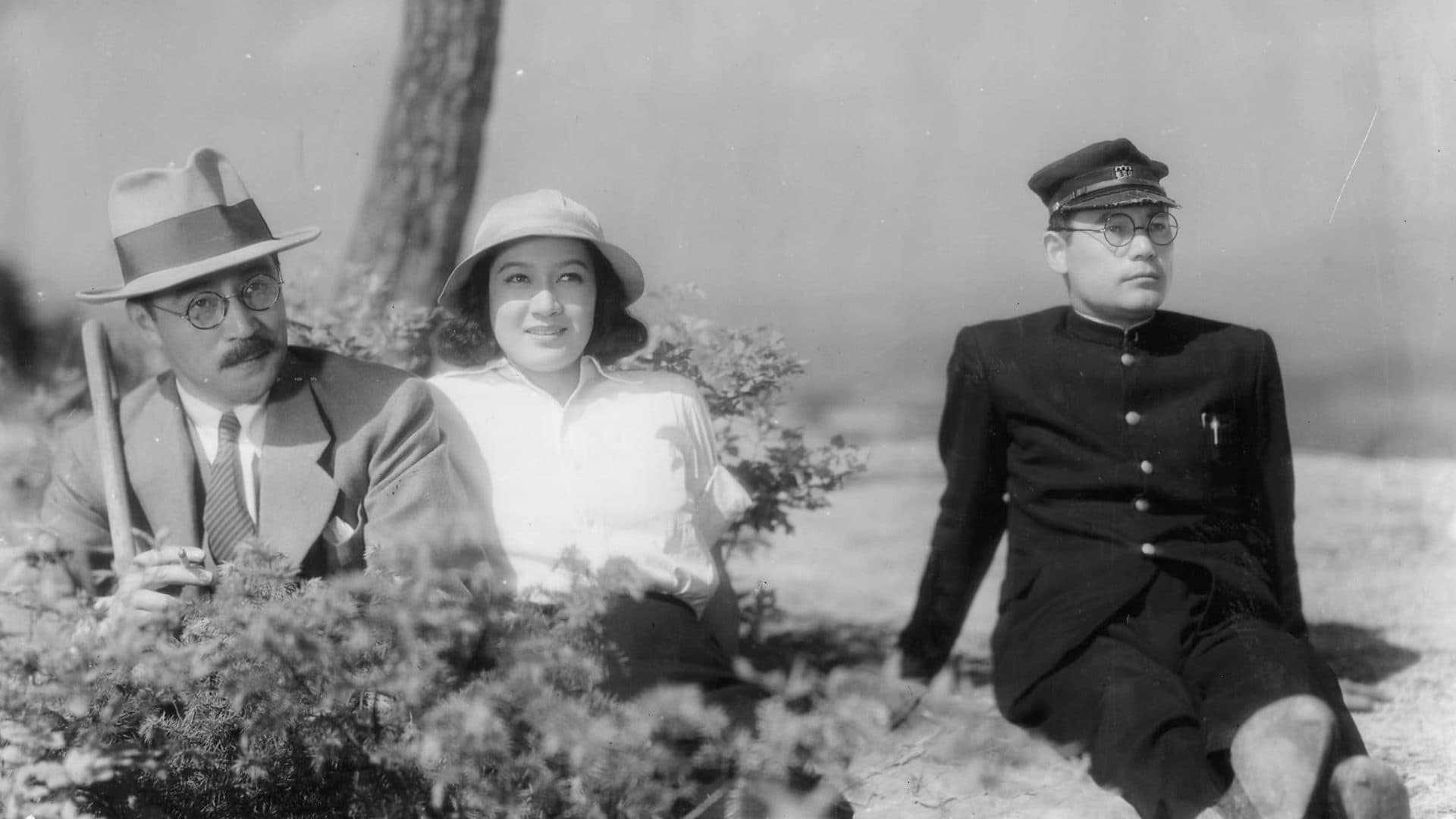
After her anti-fascist professor father is dismissed, Yukie navigates love, political repression, and wartime upheaval—ultimately forging her own path in pre- and post-WWII Japan.
Directed by Akira Kurosawa
student protest
kyoto, japan
1940s
1930s
friends love same woman
flower arrangements
anti-war
retired professor

Trailer

IMDB
N/A
Cast
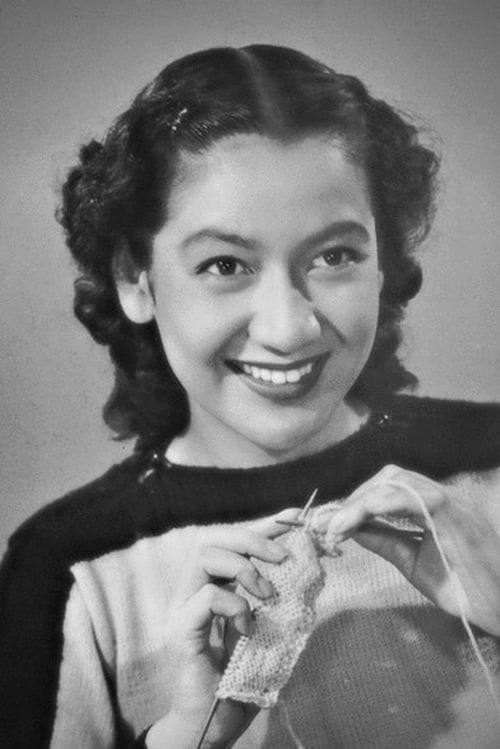
Setsuko Hara
Yukie Yagihara
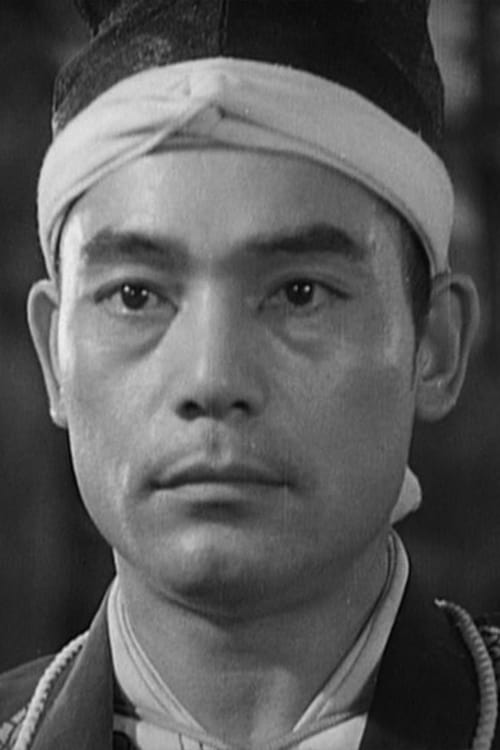
Susumu Fujita
Ruykichi Noge

Denjirō Ōkōchi
Professor Yagihara
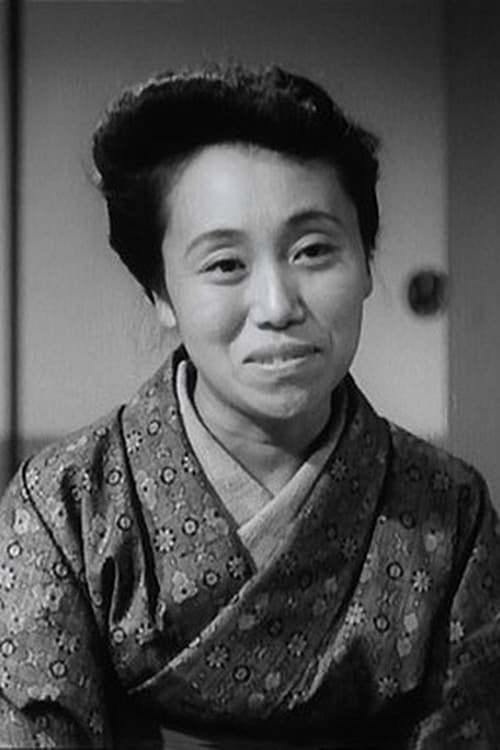
Haruko Sugimura
Madame Noge
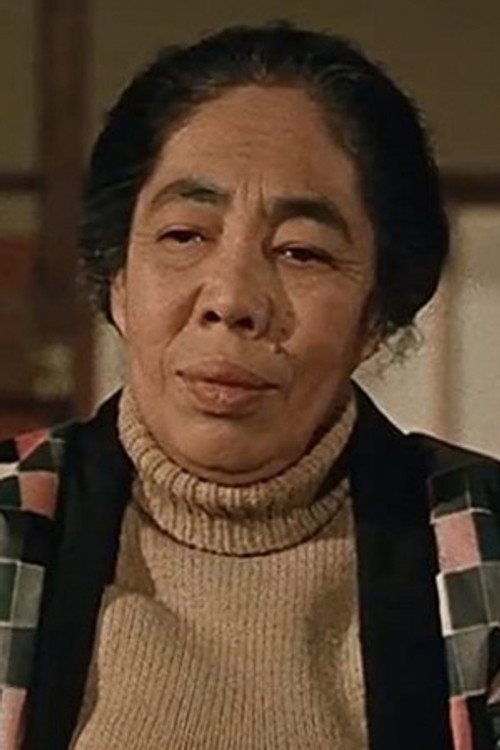
Eiko Miyoshi
Madame Yagihara
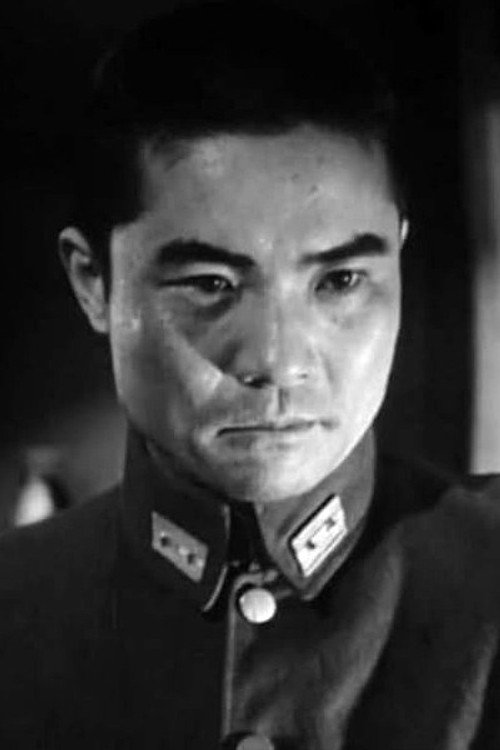
Akitake Kōno
Itokawa
Kokuten Kōdō
Mr. Noge

Takashi Shimura
Police Commissioner 'Poison Strawberry' Dokuichigo
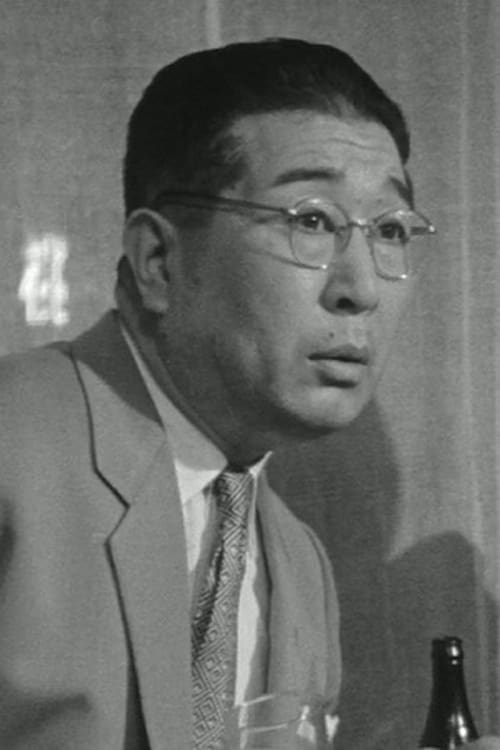
Taizō Fukami
Minister of Education
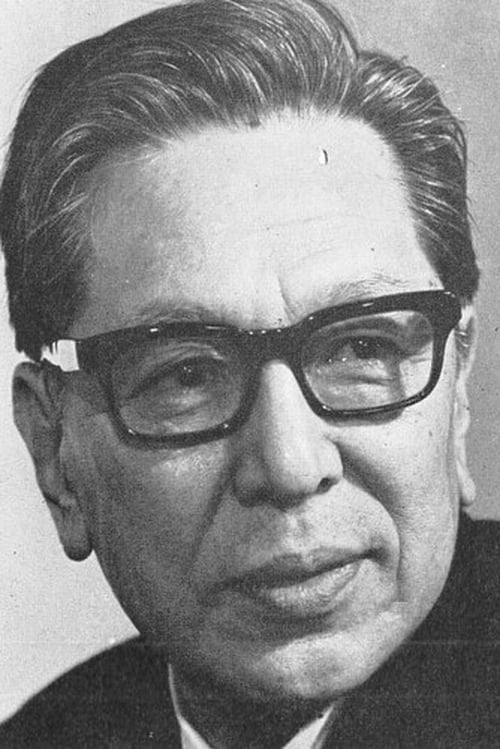
Masao Shimizu
Professor Hakozaki

Haruo Tanaka
Student
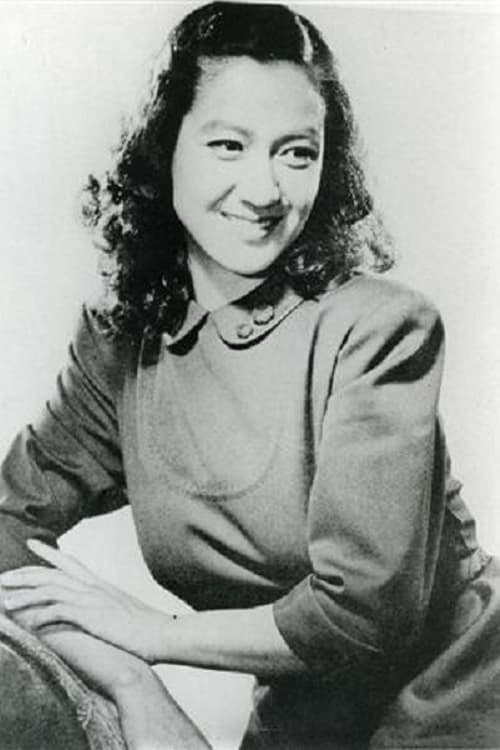
Hisako Hara
Itokawa's Mother
Crew
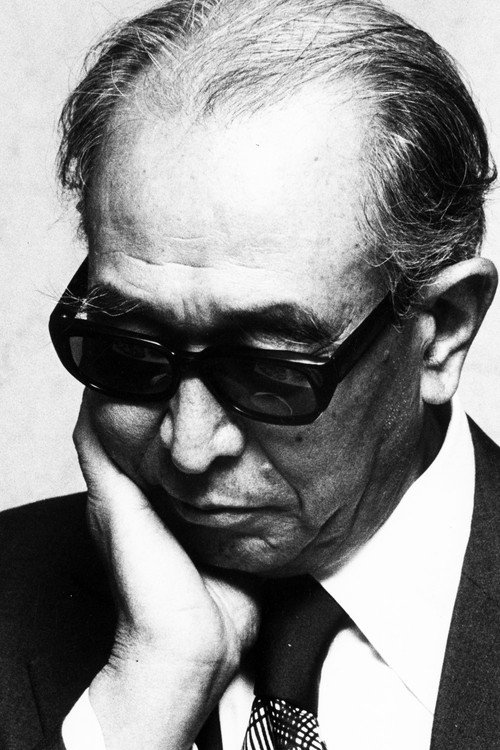
Akira Kurosawa
Director
Akira Kurosawa
Writer
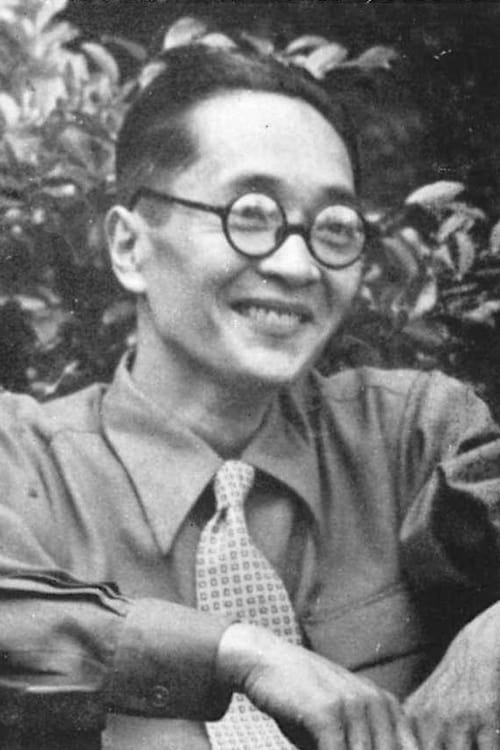
Eijiro Hisaita
Writer
Akira Kurosawa
Editor
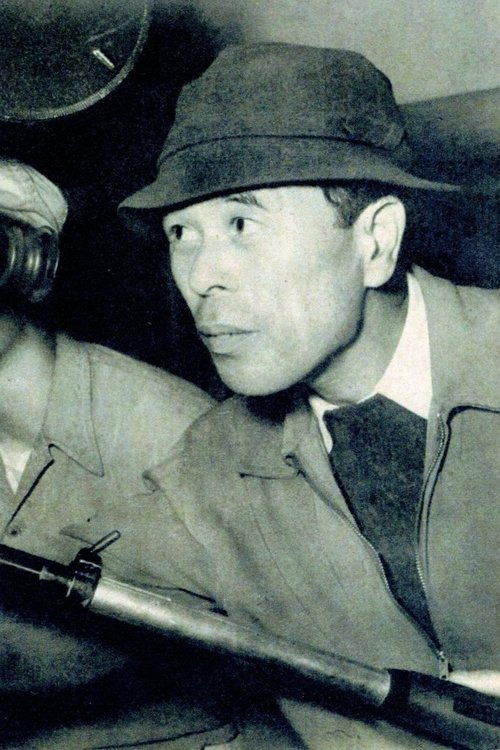
Asakazu Nakai
Director of Photography
Popular Reviews
38 reviews
Matt Brammer
5.0★ · 04/12/24

***2024 Goals***
No Regrets for Our Youth is another Kurosawa film I have watched recently that just never really clicked with me at any point.
I've discovered that I don't care for some of the romance stories of older Japanese films. They feel very over dramaticized and unrealistic. When it's the focus of the story like it is for the case of this film, it can feel like a chore to get through because the characters and writing can be frustrating. No Regrets is extremely slow paced and doesn't pick up or do much to get your attention at any point. My lack of knowledge of the politcal tension during the time period was the only thing keeping me engaged. Similar to The Most Beautiful, but not as extreme, this has elements of propaganda in it. It's less tied into the plot and shoved down your throat, but it's also less interesting than the factory worker setting in the previous film.
I will say that since I've started watching some of his earlier works, I've been able to appreciate the star of Kurosawa's career especially since it started during WWII. Regardless of the quality and credibilty of the film it's still awesome to get a glimpse at what life might have been like. Kurosawa's film making quality had increased and you can really start to see some of his signature elements here. However, even though I'm giving this a higher rating than Sanshiro Sugata Part II because it's a more cohesive film, I'd rather watch that again over this. It's shorter and more entertaining.
No Regrets for Our Youth is another Kurosawa film I have watched recently that just never really clicked with me at any point.
I've discovered that I don't care for some of the romance stories of older Japanese films. They feel very over dramaticized and unrealistic. When it's the focus of the story like it is for the case of this film, it can feel like a chore to get through because the characters and writing can be frustrating. No Regrets is extremely slow paced and doesn't pick up or do much to get your attention at any point. My lack of knowledge of the politcal tension during the time period was the only thing keeping me engaged. Similar to The Most Beautiful, but not as extreme, this has elements of propaganda in it. It's less tied into the plot and shoved down your throat, but it's also less interesting than the factory worker setting in the previous film.
I will say that since I've started watching some of his earlier works, I've been able to appreciate the star of Kurosawa's career especially since it started during WWII. Regardless of the quality and credibilty of the film it's still awesome to get a glimpse at what life might have been like. Kurosawa's film making quality had increased and you can really start to see some of his signature elements here. However, even though I'm giving this a higher rating than Sanshiro Sugata Part II because it's a more cohesive film, I'd rather watch that again over this. It's shorter and more entertaining.
***2024 Goals***
No Regrets for Our Youth is another Kurosawa film I have watched recently that just never really clicked with me at any point.
I've discovered that I don't care for some of the romance stories of older Japanese films. They feel very over dramaticized and unrealistic. When it's the focus of the story like it is for the case of this film, it can feel like a chore to get through because the characters and writing can be frustrating. No Regrets is extremely slow paced and doesn't pick up or do much to get your attention at any point. My lack of knowledge of the politcal tension during the time period was the only thing keeping me engaged. Similar to The Most Beautiful, but not as extreme, this has elements of propaganda in it. It's less tied into the plot and shoved down your throat, but it's also less interesting than the factory worker setting in the previous film.
I will say that since I've started watching some of his earlier works, I've been able to appreciate the star of Kurosawa's career especially since it started during WWII. Regardless of the quality and credibilty of the film it's still awesome to get a glimpse at what life might have been like. Kurosawa's film making quality had increased and you can really start to see some of his signature elements here. However, even though I'm giving this a higher rating than Sanshiro Sugata Part II because it's a more cohesive film, I'd rather watch that again over this. It's shorter and more entertaining.
No Regrets for Our Youth is another Kurosawa film I have watched recently that just never really clicked with me at any point.
I've discovered that I don't care for some of the romance stories of older Japanese films. They feel very over dramaticized and unrealistic. When it's the focus of the story like it is for the case of this film, it can feel like a chore to get through because the characters and writing can be frustrating. No Regrets is extremely slow paced and doesn't pick up or do much to get your attention at any point. My lack of knowledge of the politcal tension during the time period was the only thing keeping me engaged. Similar to The Most Beautiful, but not as extreme, this has elements of propaganda in it. It's less tied into the plot and shoved down your throat, but it's also less interesting than the factory worker setting in the previous film.
I will say that since I've started watching some of his earlier works, I've been able to appreciate the star of Kurosawa's career especially since it started during WWII. Regardless of the quality and credibilty of the film it's still awesome to get a glimpse at what life might have been like. Kurosawa's film making quality had increased and you can really start to see some of his signature elements here. However, even though I'm giving this a higher rating than Sanshiro Sugata Part II because it's a more cohesive film, I'd rather watch that again over this. It's shorter and more entertaining.

1

Kanekuri
7.0★ · 04/08/26
I really loved the first act of No Regrets for Our Youth. It creates an incredible sense of unease as Japan edges toward war. The tension runs thick, setting a sense of impending death and sadness. It felt sadly relevant to conversations I've had over the last few months. After this engaging opening, the film takes something of a dip in quality. It's not particularly bad, but everything seems unnecessarily prolonged, weary, and unfocused.
I really loved the first act of No Regrets for Our Youth. It creates an incredible sense of unease as Japan edges toward war. The tension runs thick, setting a sense of impending death and sadness. It felt sadly relevant to conversations I've had over the last few months. After this engaging opening, the film takes something of a dip in quality. It's not particularly bad, but everything seems unnecessarily prolonged, weary, and unfocused.
judgmentjo
7.0★ · 12/16/25
Freedom is something you have to fight for..
Freedom is something you have to fight for..
Jonathan Rönnkvist
Första 75 min är en typisk romantisk historia, men vi lär inte känna våra karaktärer alls så alla deras repliker och känslor känns tomma. Lite annat sker efter det men jag halvkollade bara då jag inte gillade första timmen och jag tror att jag skulle varit väldigt uttråkad av sista delen också. Slutet är ksk lite neat men idk. Skådespeleriet är inte heller anything to write home about.
Jag vet i princip ingenting om den historiska kontexten vilket nog är rätt viktigt för att till fullo hänga med.
Jag vet i princip ingenting om den historiska kontexten vilket nog är rätt viktigt för att till fullo hänga med.
Första 75 min är en typisk romantisk historia, men vi lär inte känna våra karaktärer alls så alla deras repliker och känslor känns tomma. Lite annat sker efter det men jag halvkollade bara då jag inte gillade första timmen och jag tror att jag skulle varit väldigt uttråkad av sista delen också. Slutet är ksk lite neat men idk. Skådespeleriet är inte heller anything to write home about.
Jag vet i princip ingenting om den historiska kontexten vilket nog är rätt viktigt för att till fullo hänga med.
Jag vet i princip ingenting om den historiska kontexten vilket nog är rätt viktigt för att till fullo hänga med.
Eclectic Sorcerer
8.0★ · 09/22/25
What is, for all intents and purposes. An apology for his propaganda films, but also a complex analogy for the socio-economic state of Japan from 1933-1946 and the imperialism the government was subjugating East Asia to. This being what I would call his first anti-war film is really great and if the World War 2 films were him getting into his groove, this is the beginning of being within his groove.
What is, for all intents and purposes. An apology for his propaganda films, but also a complex analogy for the socio-economic state of Japan from 1933-1946 and the imperialism the government was subjugating East Asia to. This being what I would call his first anti-war film is really great and if the World War 2 films were him getting into his groove, this is the beginning of being within his groove.