


1940·Drama·2h 21m
7.1
★
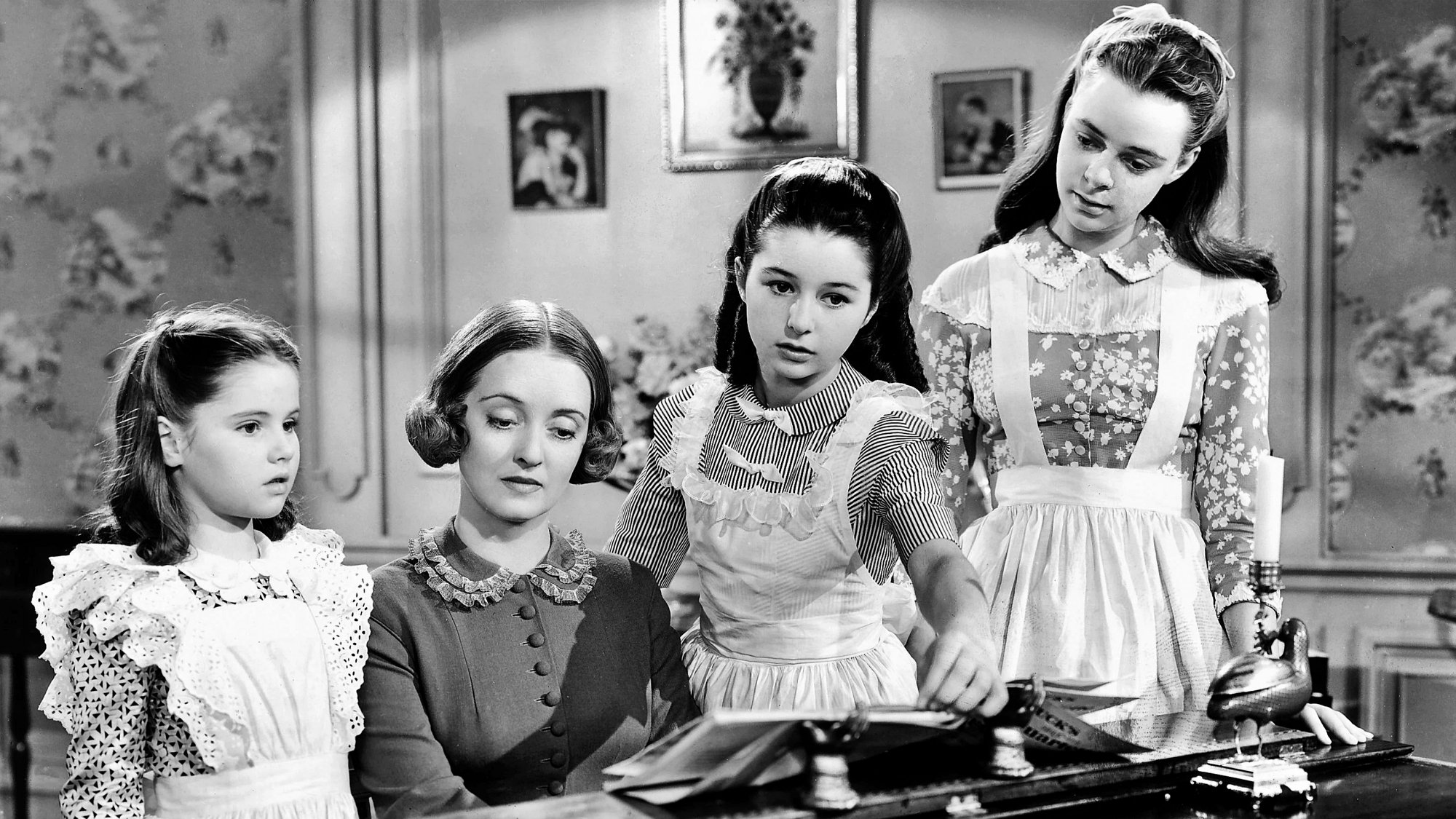
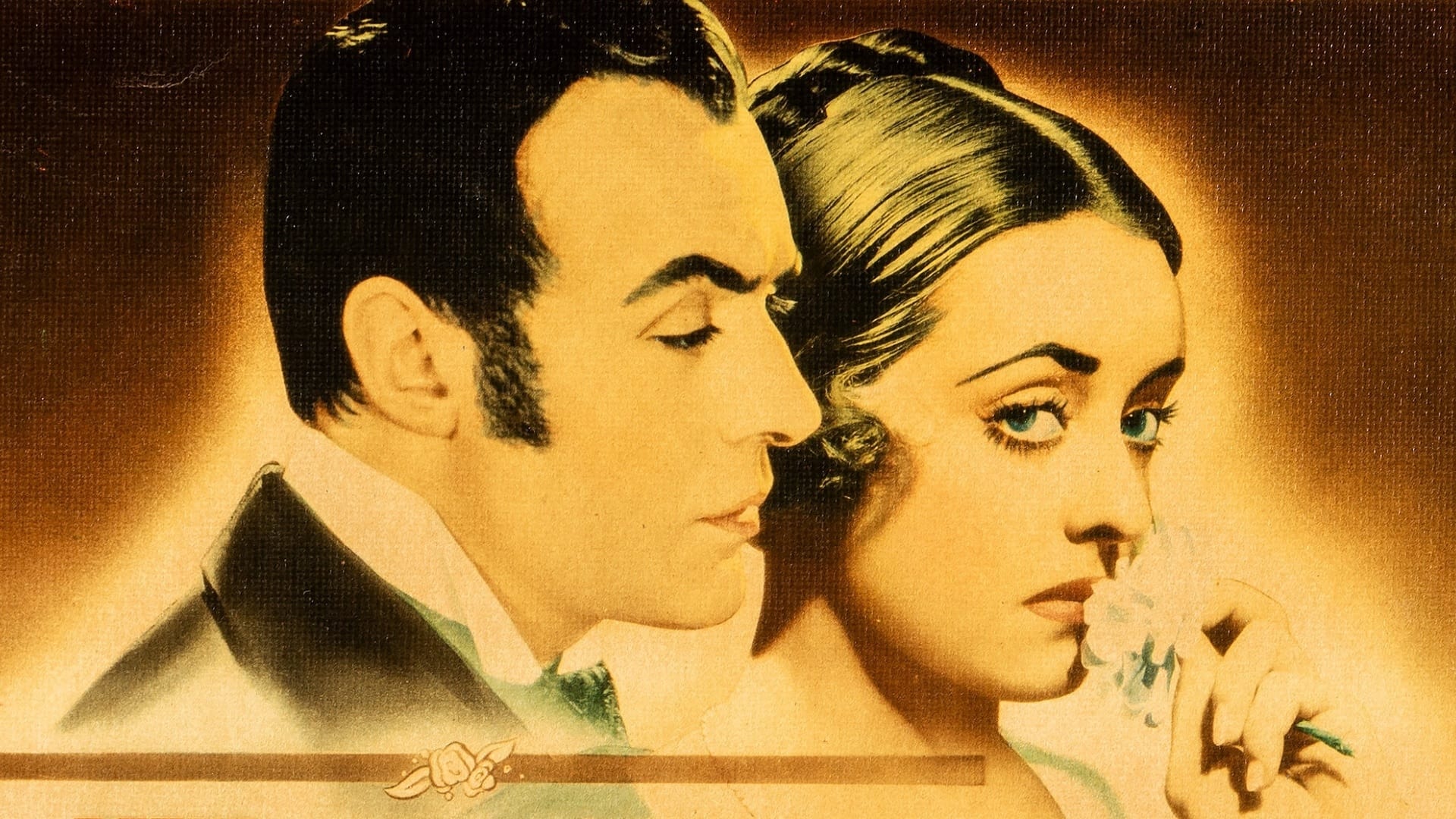
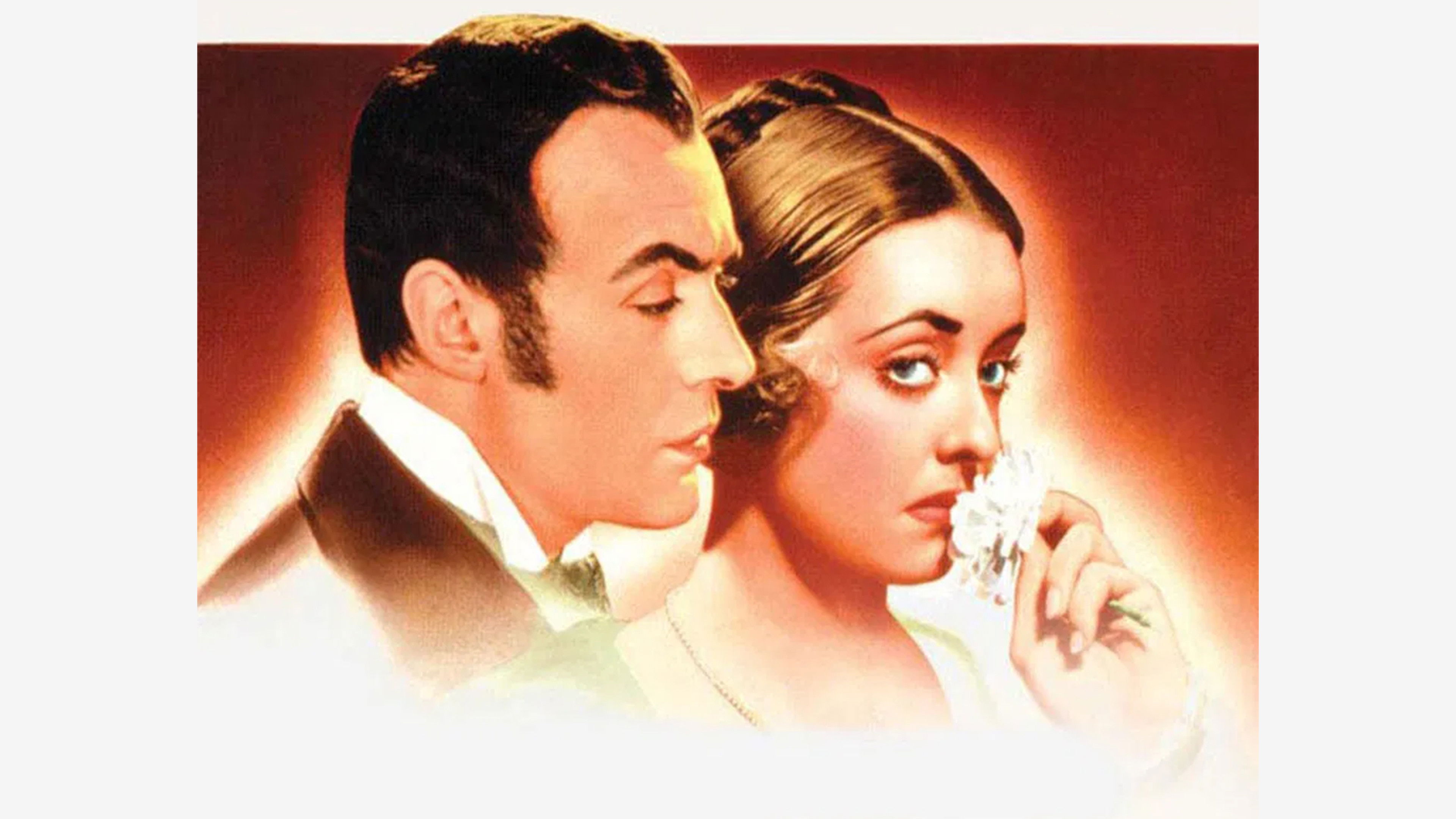

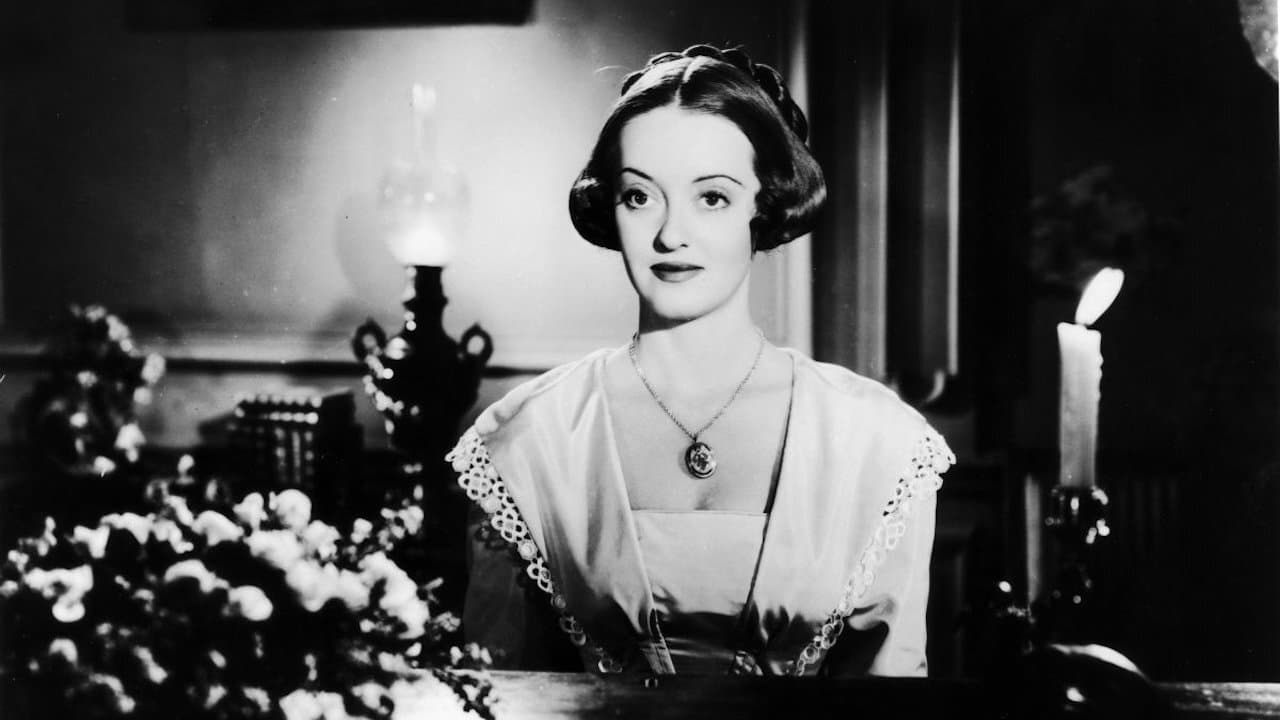
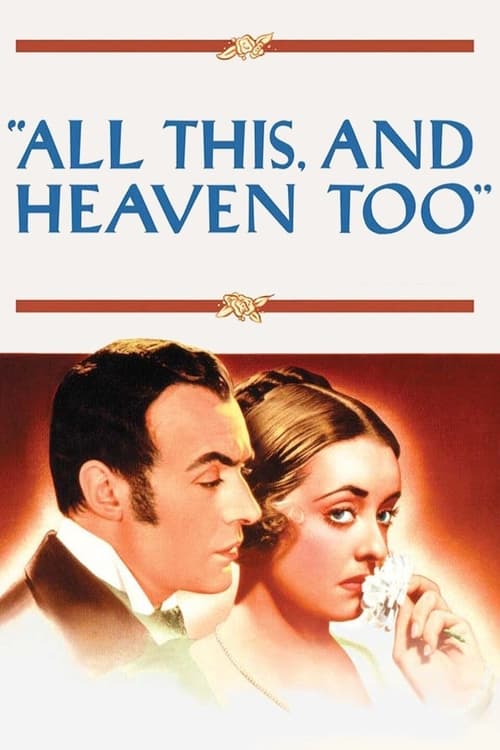
When lovely and virtuous governess Henriette Deluzy comes to educate the children of the debonair Duc de Praslin, a royal subject to King Louis-Philippe and the husband of the volatile and obsessive Duchesse de Praslin, she instantly incurs the wrath of her mistress, who is insanely jealous of anyone who comes near her estranged husband. Though she saves the duchess's little son from a near-death illness and warms herself to all the children, she is nevertheless dismissed by the vengeful duchess as the attraction between the duke and Henriette continues to grow.
Directed by Anatole Litvak
france
based on novel or book
duke
governess
girls' school

Trailer

IMDB
N/A
Where to Watch


Cast

Bette Davis
Henriette Deluzy-Desportes
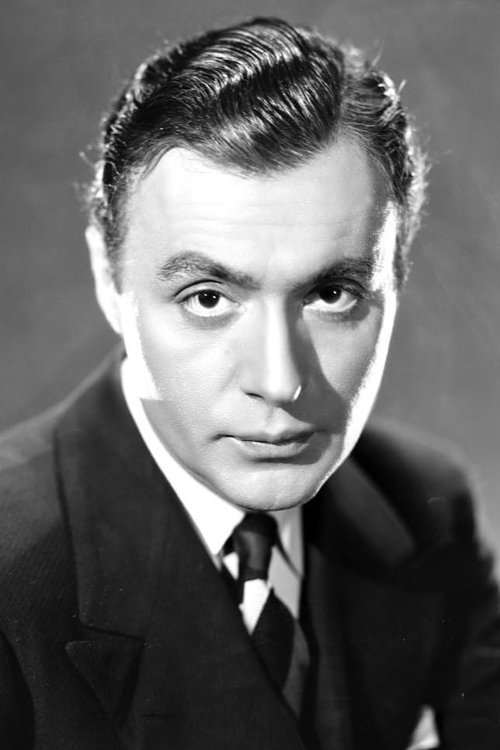
Charles Boyer
Duc de Praslin

Jeffrey Lynn
Henry Martyn Field

Barbara O'Neil
Duchesse de Praslin

Virginia Weidler
Louise
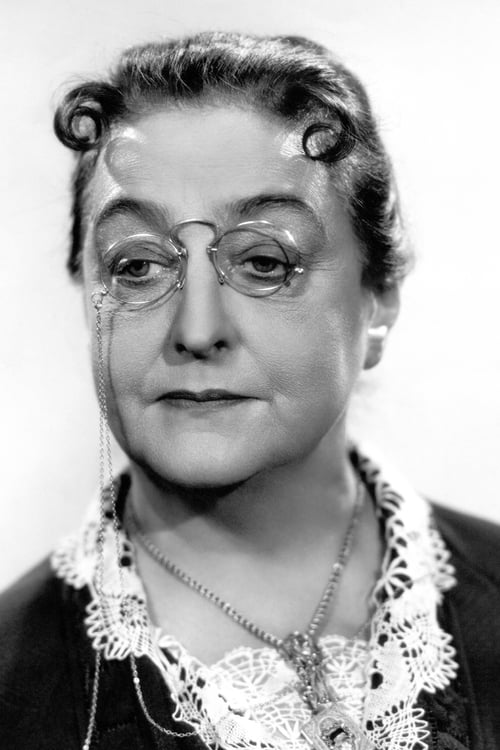
Helen Westley
Madame LeMaire
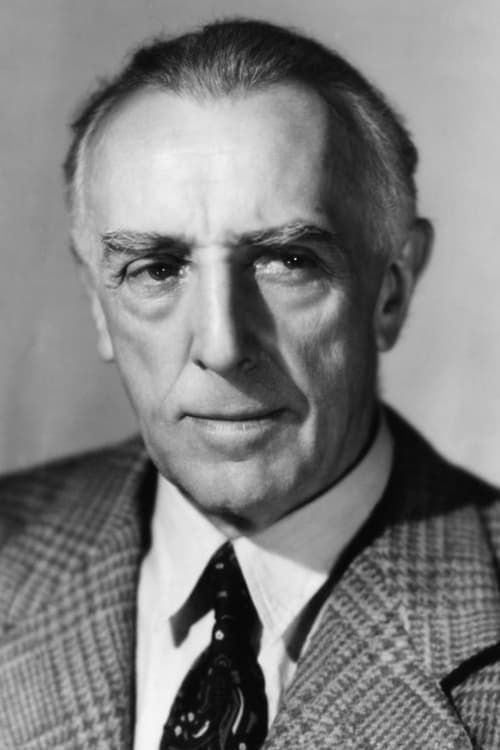
Walter Hampden
Pasquier
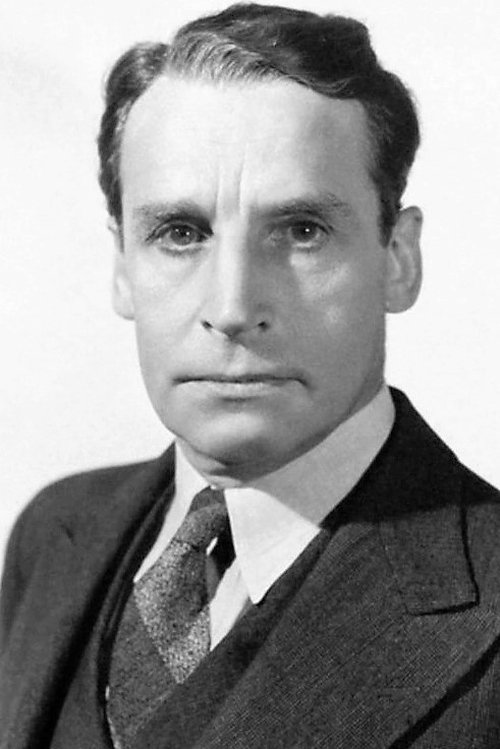
Henry Daniell
Broussais
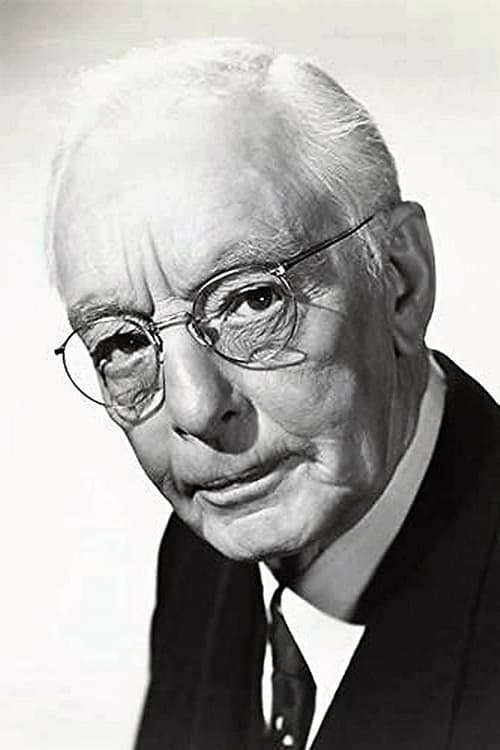
Harry Davenport
Pierre
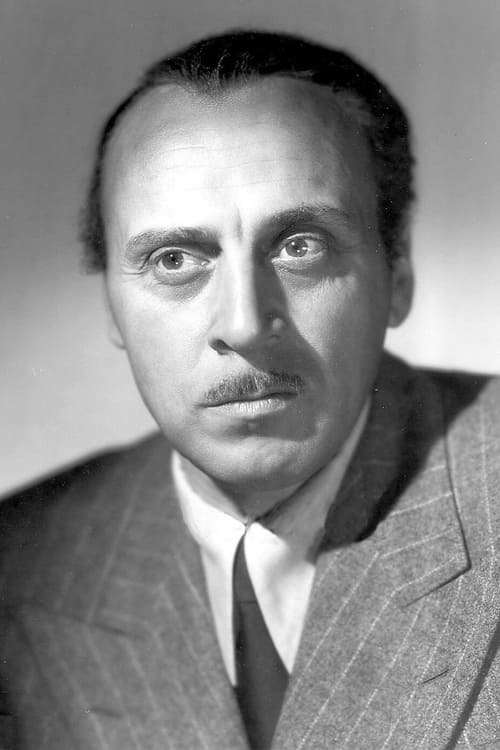
George Coulouris
Charpentier
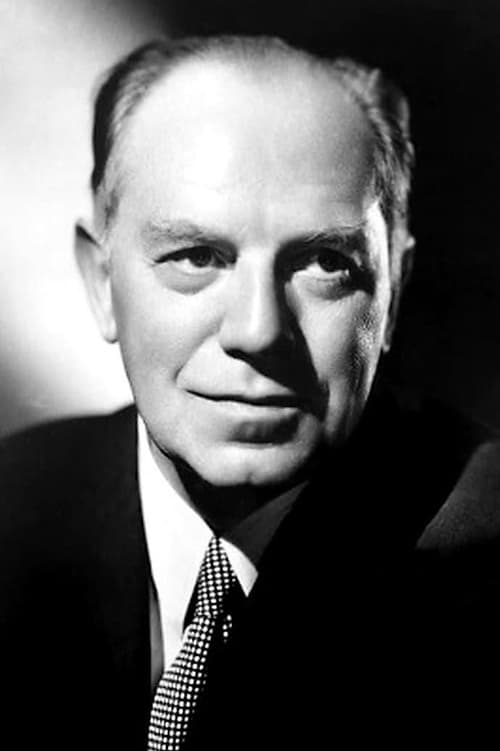
Montagu Love
Marechal Sebastiani
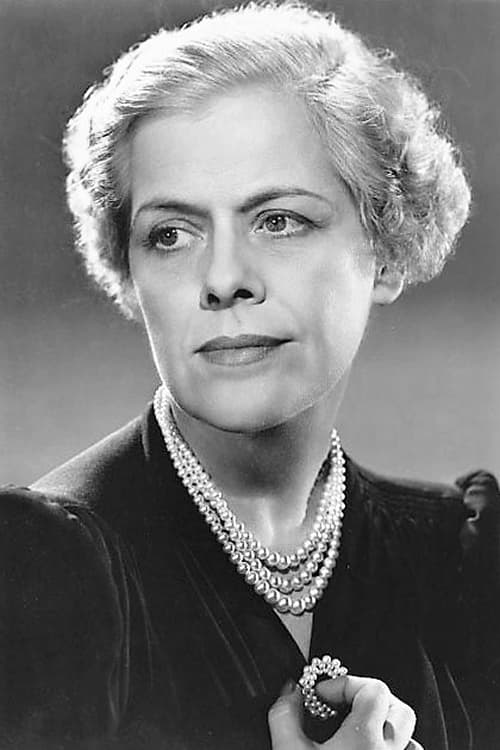
Janet Beecher
Miss Haines
Crew
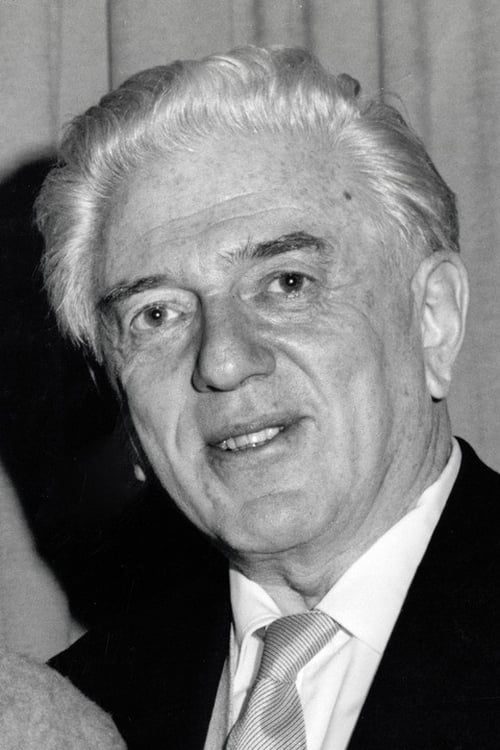
Anatole Litvak
Director
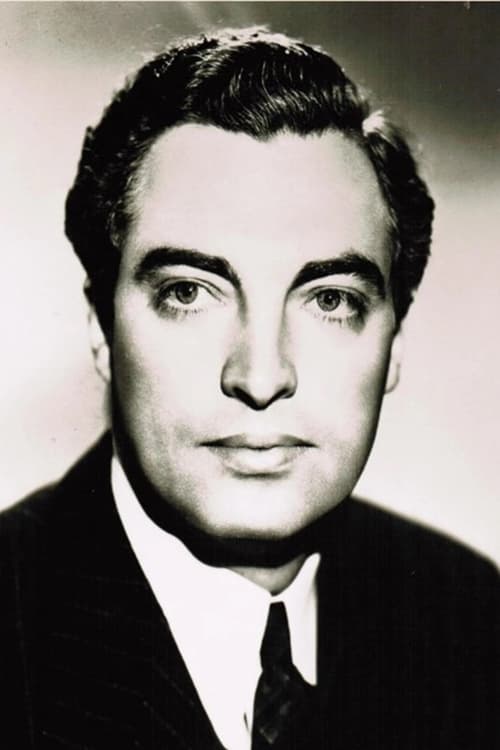
Casey Robinson
Screenplay
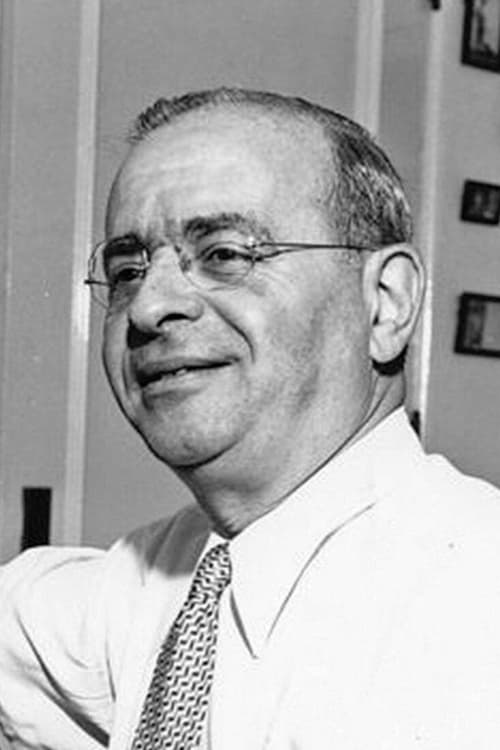
Max Steiner
Original Music Composer
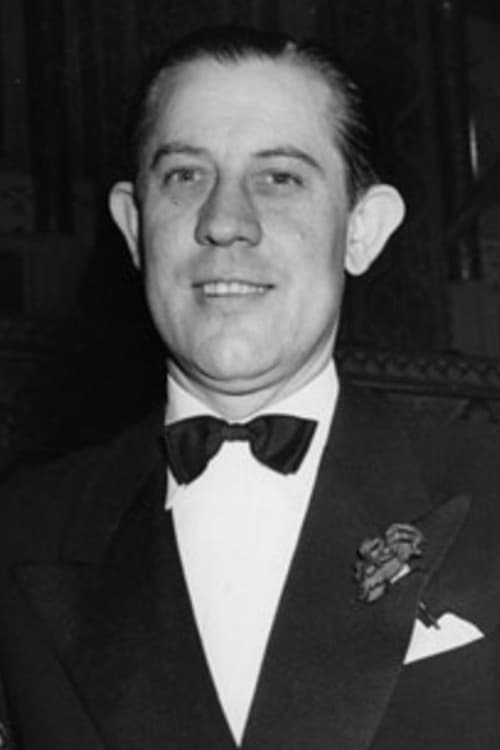
Ernest Haller
Director of Photography
Anatole Litvak
Producer
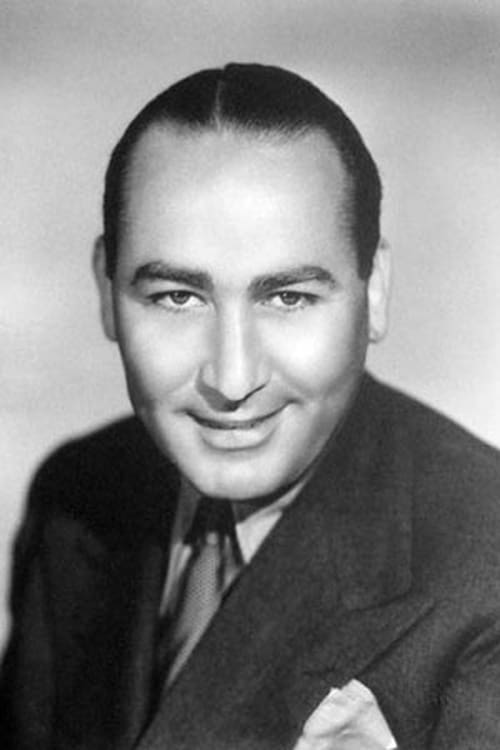
Hal B. Wallis
Executive Producer
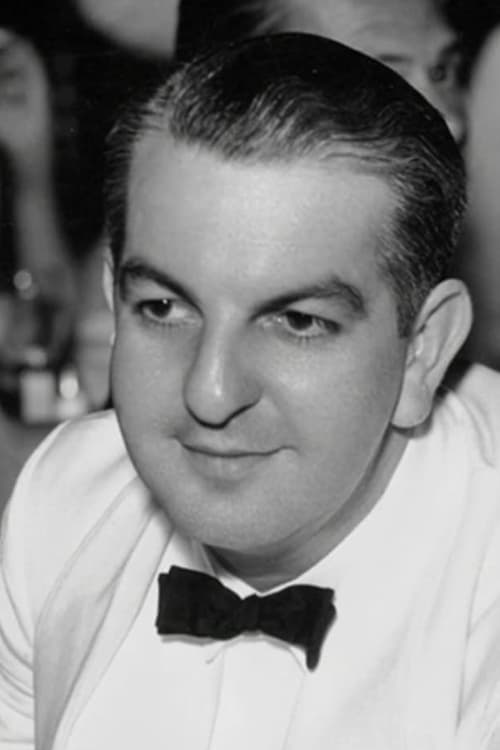
Orry-Kelly
Costume Design
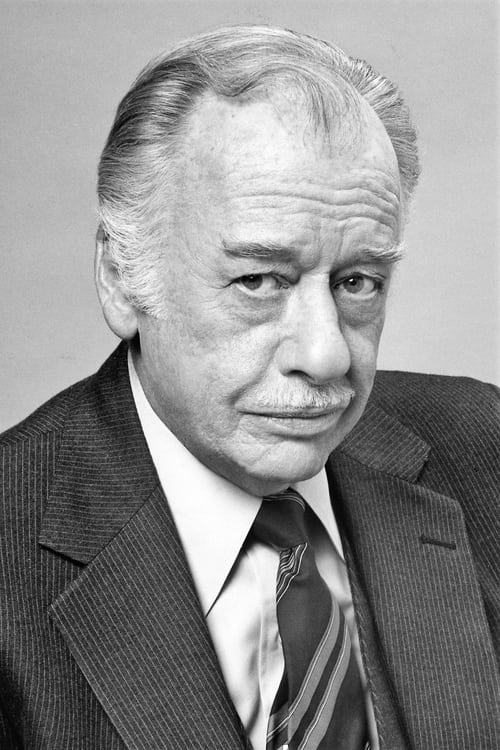
David Lewis
Associate Producer
Irving Rapper
Assistant Director
Popular Reviews
14 reviews
Erik Olsson
6.0★ · 03/22/26
One of those classic films that is all very impressive, strong performances, amazing production design, but in the end it's just kinda there and way too long. Maybe I can get into this on a different day, I do find the history interesting, but otherwise this was a bit of a chore.
One of those classic films that is all very impressive, strong performances, amazing production design, but in the end it's just kinda there and way too long. Maybe I can get into this on a different day, I do find the history interesting, but otherwise this was a bit of a chore.


Pretentious
7.0★ · 07/14/25
Such a long movie to make an abstract point
The screenplay's portrayal of Henriette and Duc de Praslin's affection for each other, which remains unconsummated, examines how tenderness and empathy are misread as sin. Instead of the film being about adultery, it's about class. Bette Davis's bond with the neglected children examines the throughline of the film. Her maternal instinct to care for the children reflects that parenthood demands empathy rather than blood lineage. The children adore Henriette because she treats them as humans, not props for aristocratic display. This reflects Duc's position in the family. Duc de Praslin turns to Henriette because she supplies the warmth his brittle marriage lacks; Henriette responds because his gentleness validates her worth in a society that treats her as disposable help. Thereby, each "noble" renunciation only fuels the duchess’s paranoia and, later, society’s appetite for scandal. The film asks whether saintly self-abnegation actually helps anyone or merely hands power to the cruel.
The screenplay's portrayal of Henriette and Duc de Praslin's affection for each other, which remains unconsummated, examines how tenderness and empathy are misread as sin. Instead of the film being about adultery, it's about class. Bette Davis's bond with the neglected children examines the throughline of the film. Her maternal instinct to care for the children reflects that parenthood demands empathy rather than blood lineage. The children adore Henriette because she treats them as humans, not props for aristocratic display. This reflects Duc's position in the family. Duc de Praslin turns to Henriette because she supplies the warmth his brittle marriage lacks; Henriette responds because his gentleness validates her worth in a society that treats her as disposable help. Thereby, each "noble" renunciation only fuels the duchess’s paranoia and, later, society’s appetite for scandal. The film asks whether saintly self-abnegation actually helps anyone or merely hands power to the cruel.
Such a long movie to make an abstract point
The screenplay's portrayal of Henriette and Duc de Praslin's affection for each other, which remains unconsummated, examines how tenderness and empathy are misread as sin. Instead of the film being about adultery, it's about class. Bette Davis's bond with the neglected children examines the throughline of the film. Her maternal instinct to care for the children reflects that parenthood demands empathy rather than blood lineage. The children adore Henriette because she treats them as humans, not props for aristocratic display. This reflects Duc's position in the family. Duc de Praslin turns to Henriette because she supplies the warmth his brittle marriage lacks; Henriette responds because his gentleness validates her worth in a society that treats her as disposable help. Thereby, each "noble" renunciation only fuels the duchess’s paranoia and, later, society’s appetite for scandal. The film asks whether saintly self-abnegation actually helps anyone or merely hands power to the cruel.
The screenplay's portrayal of Henriette and Duc de Praslin's affection for each other, which remains unconsummated, examines how tenderness and empathy are misread as sin. Instead of the film being about adultery, it's about class. Bette Davis's bond with the neglected children examines the throughline of the film. Her maternal instinct to care for the children reflects that parenthood demands empathy rather than blood lineage. The children adore Henriette because she treats them as humans, not props for aristocratic display. This reflects Duc's position in the family. Duc de Praslin turns to Henriette because she supplies the warmth his brittle marriage lacks; Henriette responds because his gentleness validates her worth in a society that treats her as disposable help. Thereby, each "noble" renunciation only fuels the duchess’s paranoia and, later, society’s appetite for scandal. The film asks whether saintly self-abnegation actually helps anyone or merely hands power to the cruel.
Bea
8.4★ · 06/13/25
Eu achei que eu ia ficar no tédio, mas me prendeu do início ao fim!Chorei muito com uma coisa muito específica, nossa!!
Bette Davis, eu te amo!
Bette Davis, eu te amo!
Eu achei que eu ia ficar no tédio, mas me prendeu do início ao fim!Chorei muito com uma coisa muito específica, nossa!!
Bette Davis, eu te amo!
Bette Davis, eu te amo!
arwa
8.4★ · 01/21/25
The writing is so good!!! Such a romantic film (weirdly enough). It's so sincere, something I think lots of new films lack. To explain: the school girls after a lesson's worth-how long is a French lesson exactly?-smother Harrienet with kisses and say they love her? It seems so ridiculous but why the hell not, I love it.
(Finished Rebecca a few days ago and Question: Are all the good 40s films about murdering your crazy beautiful well-dressed wife?)
(Finished Rebecca a few days ago and Question: Are all the good 40s films about murdering your crazy beautiful well-dressed wife?)
The writing is so good!!! Such a romantic film (weirdly enough). It's so sincere, something I think lots of new films lack. To explain: the school girls after a lesson's worth-how long is a French lesson exactly?-smother Harrienet with kisses and say they love her? It seems so ridiculous but why the hell not, I love it.
(Finished Rebecca a few days ago and Question: Are all the good 40s films about murdering your crazy beautiful well-dressed wife?)
(Finished Rebecca a few days ago and Question: Are all the good 40s films about murdering your crazy beautiful well-dressed wife?)
ChaiclassicsPRO
9.0★ · 04/08/22
Wow!
Wow!