"Perhaps the saddest thing about happiness is that we only realize how precious it was once it becomes a memory."
*
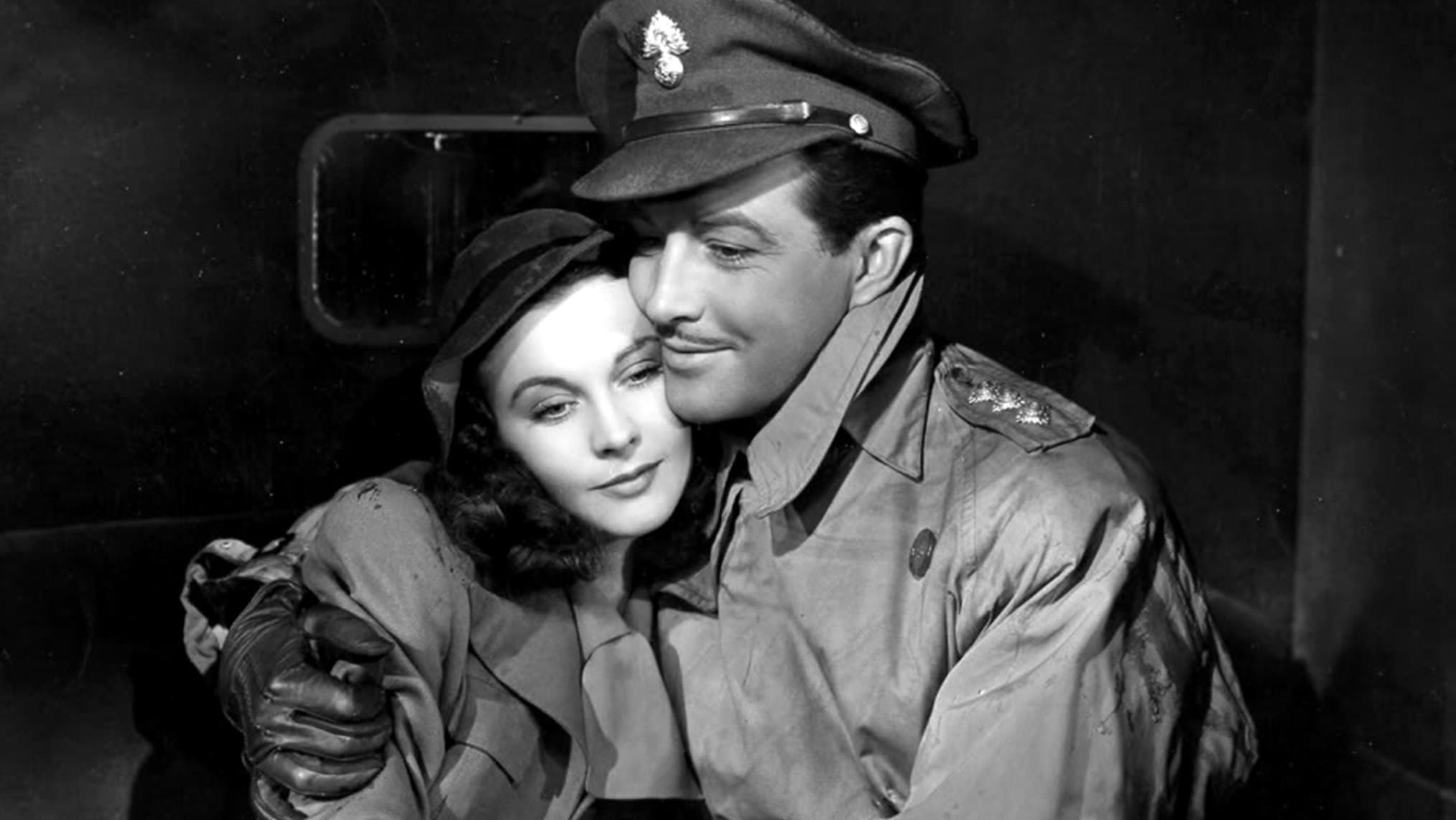
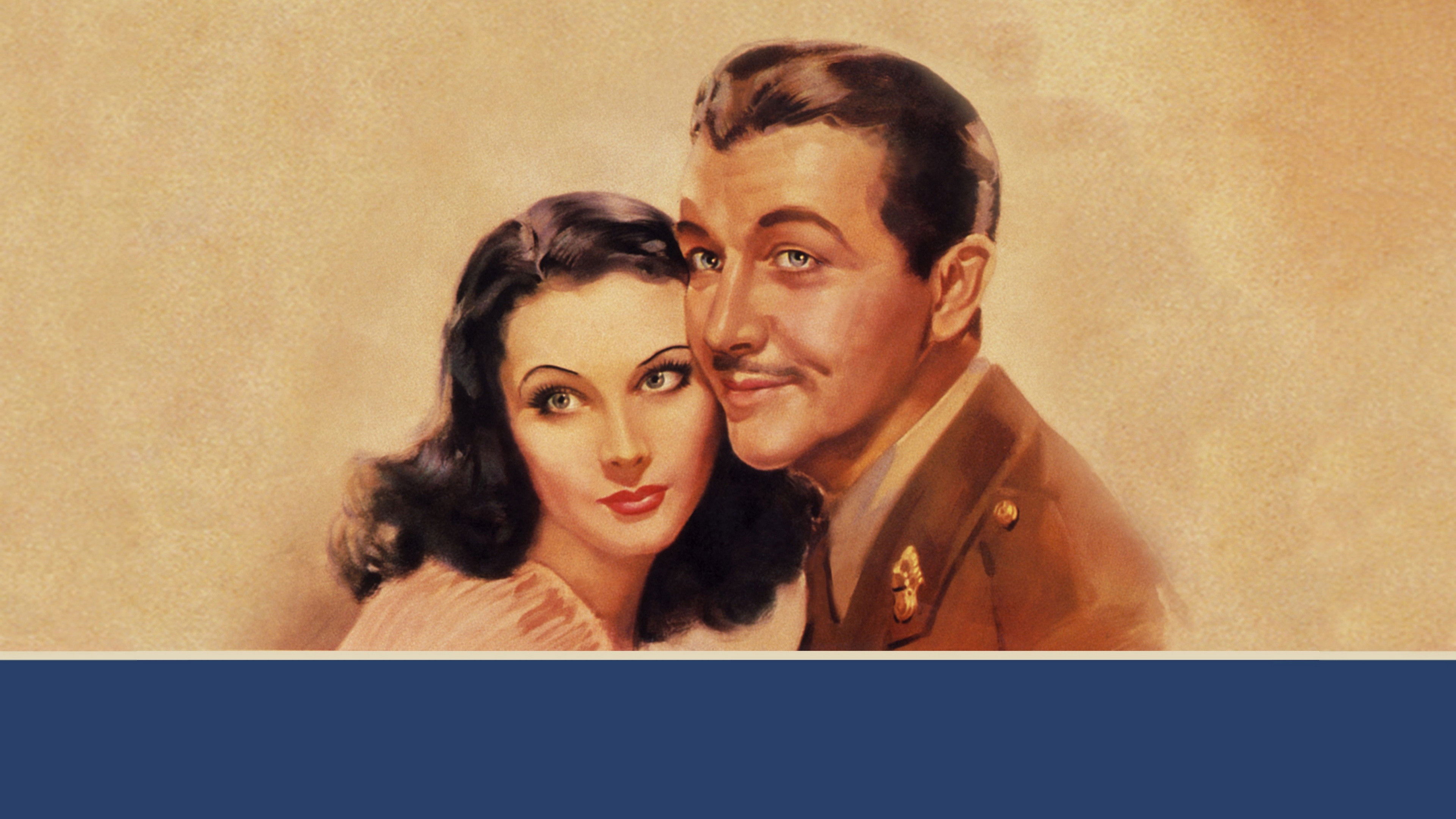
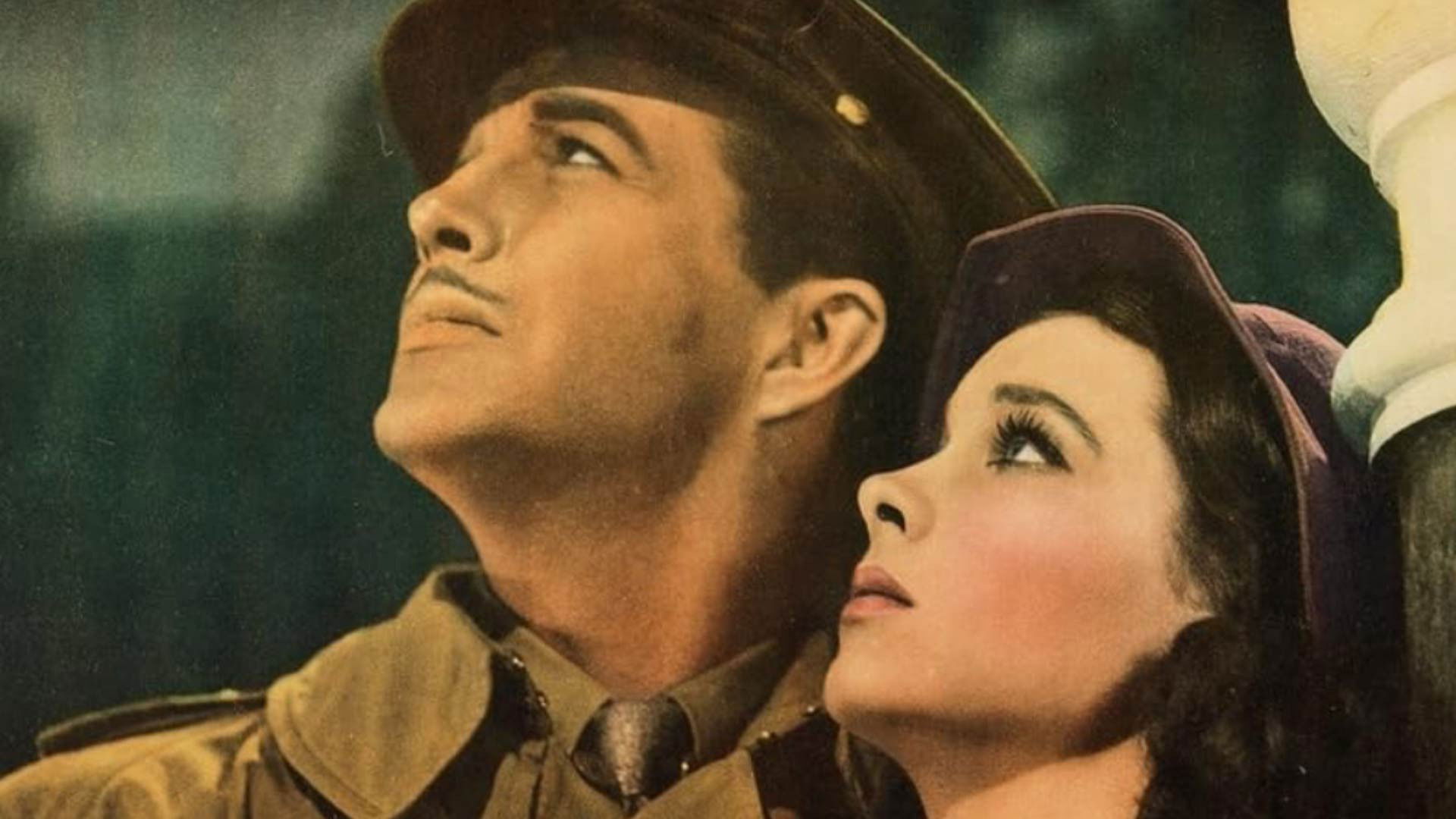
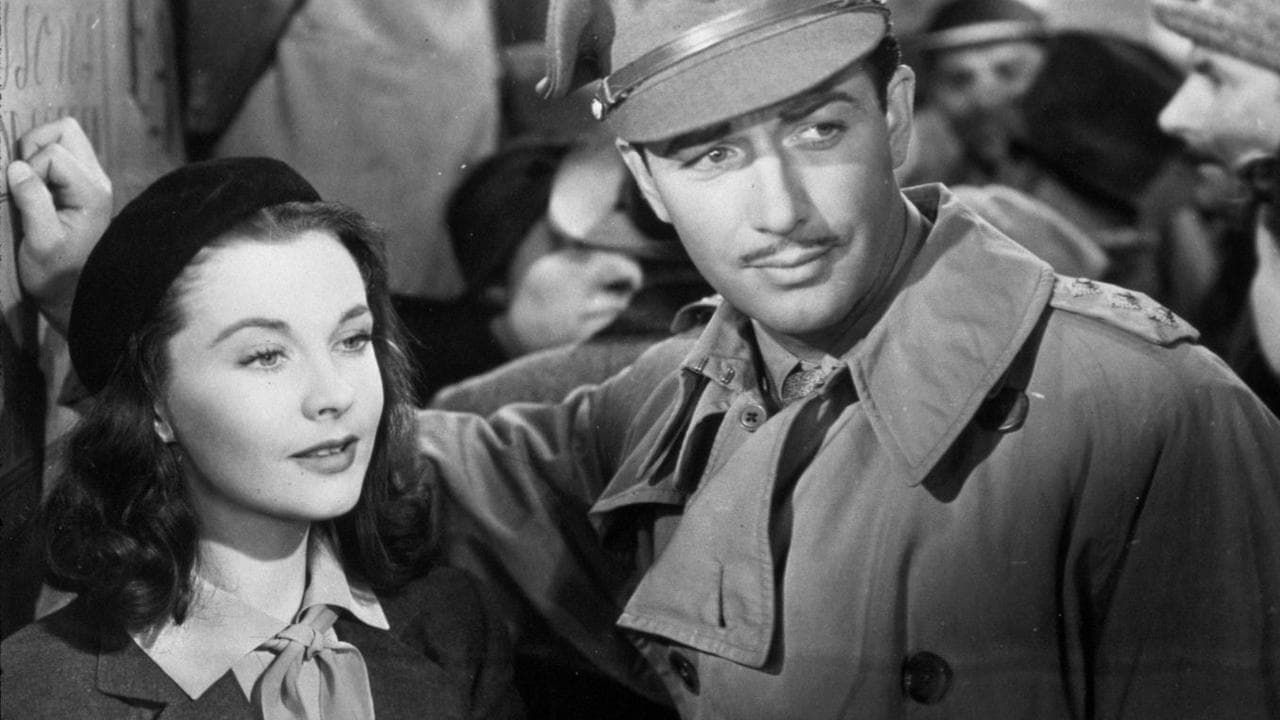
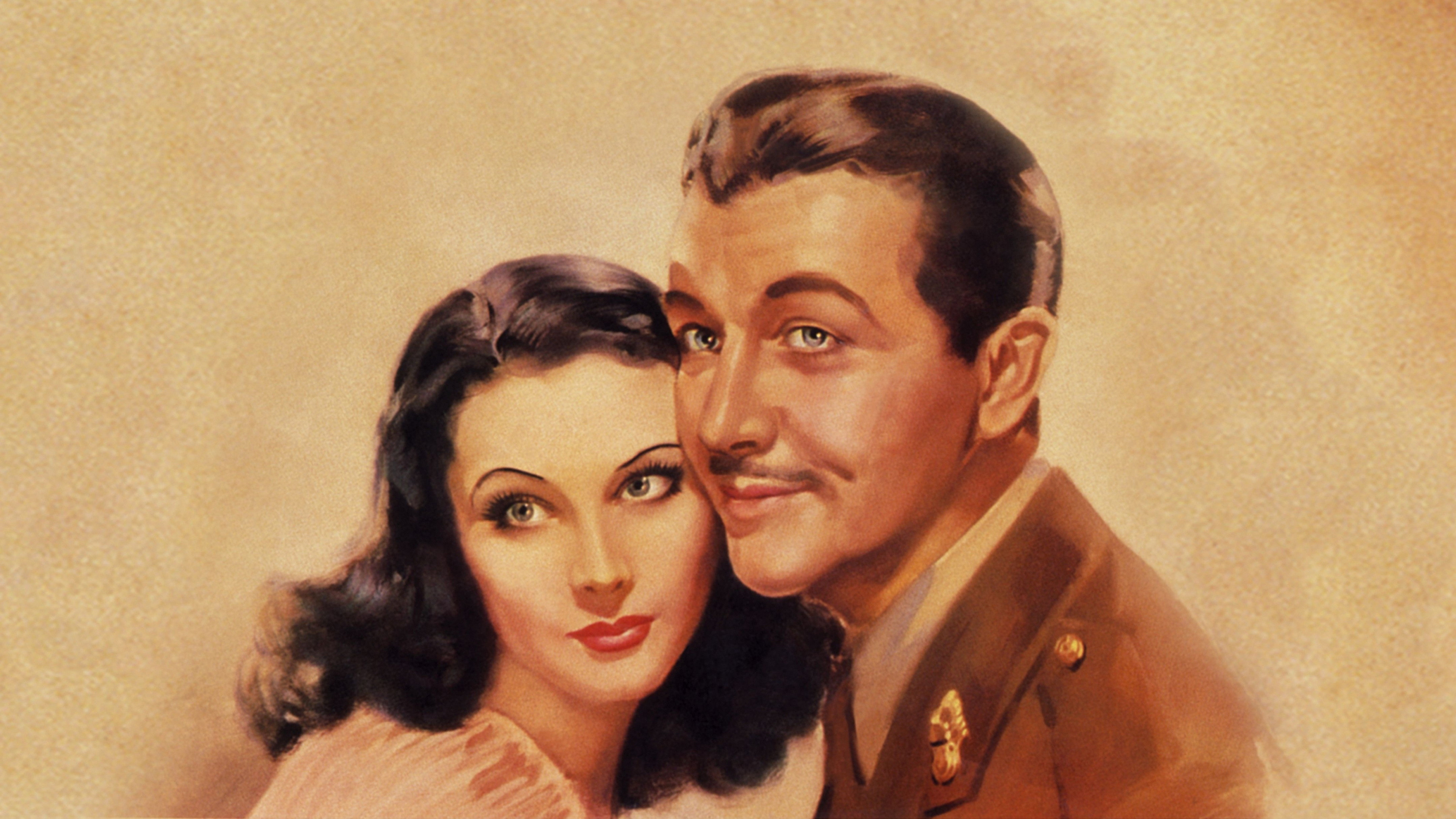
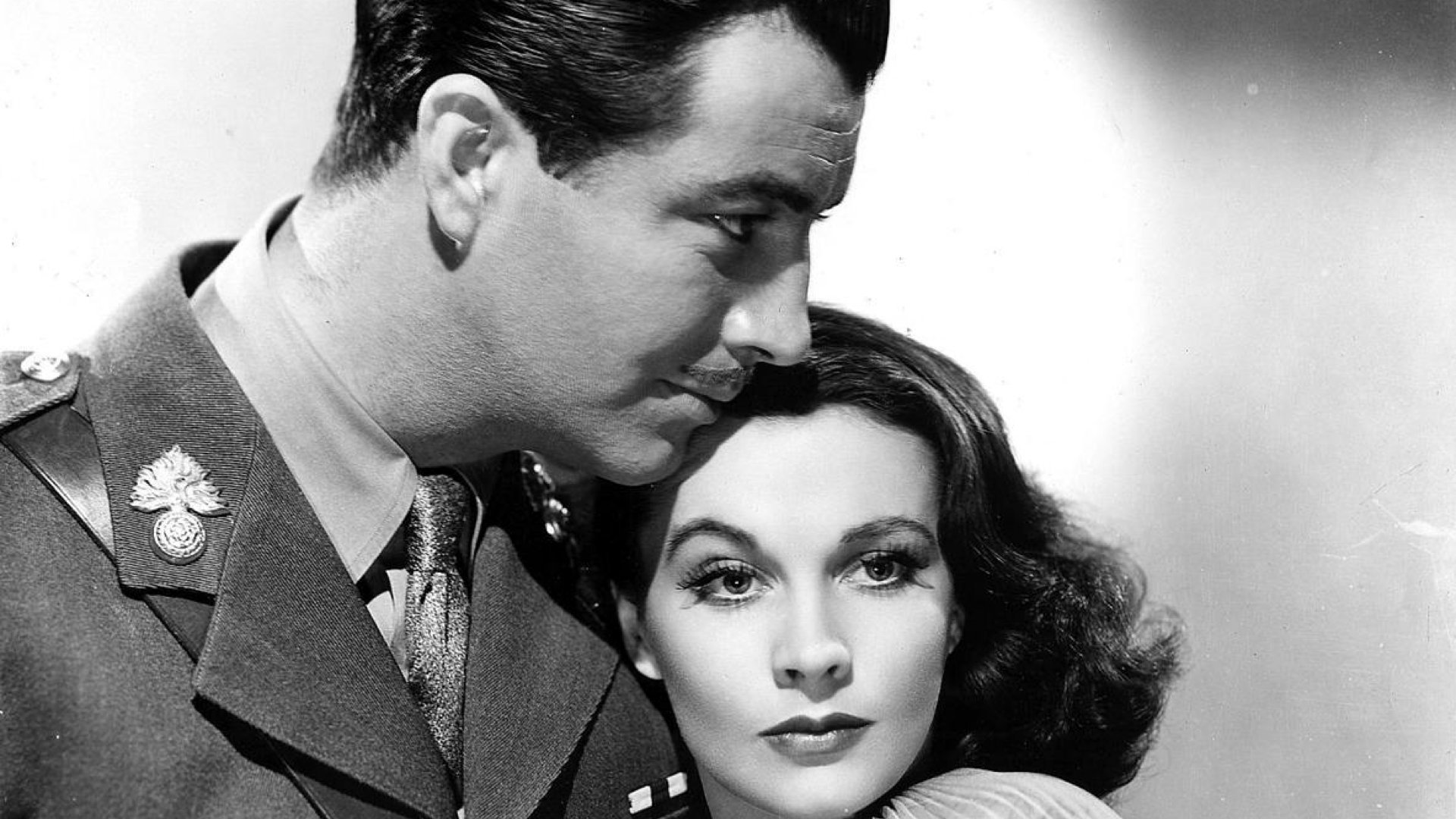
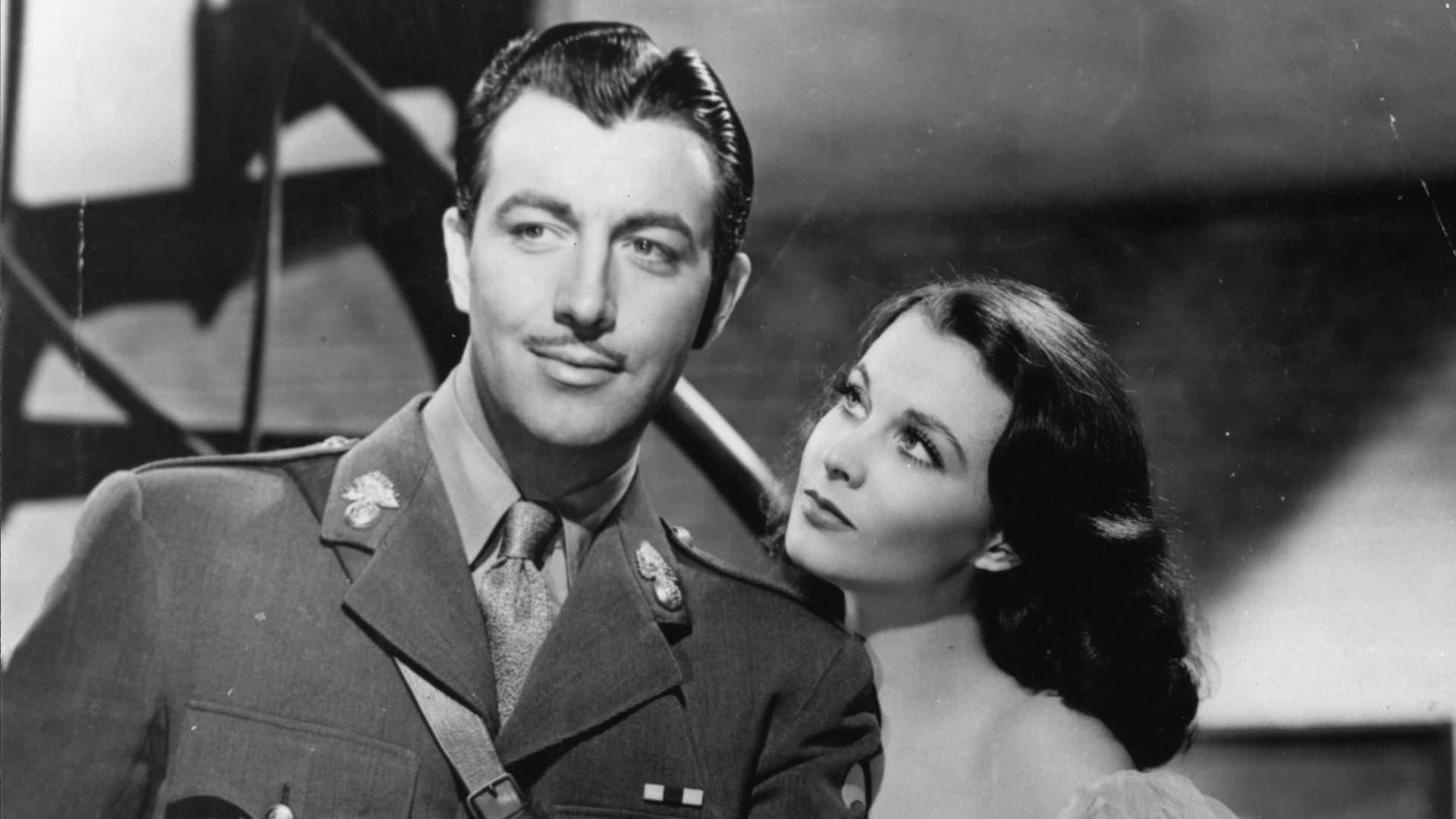
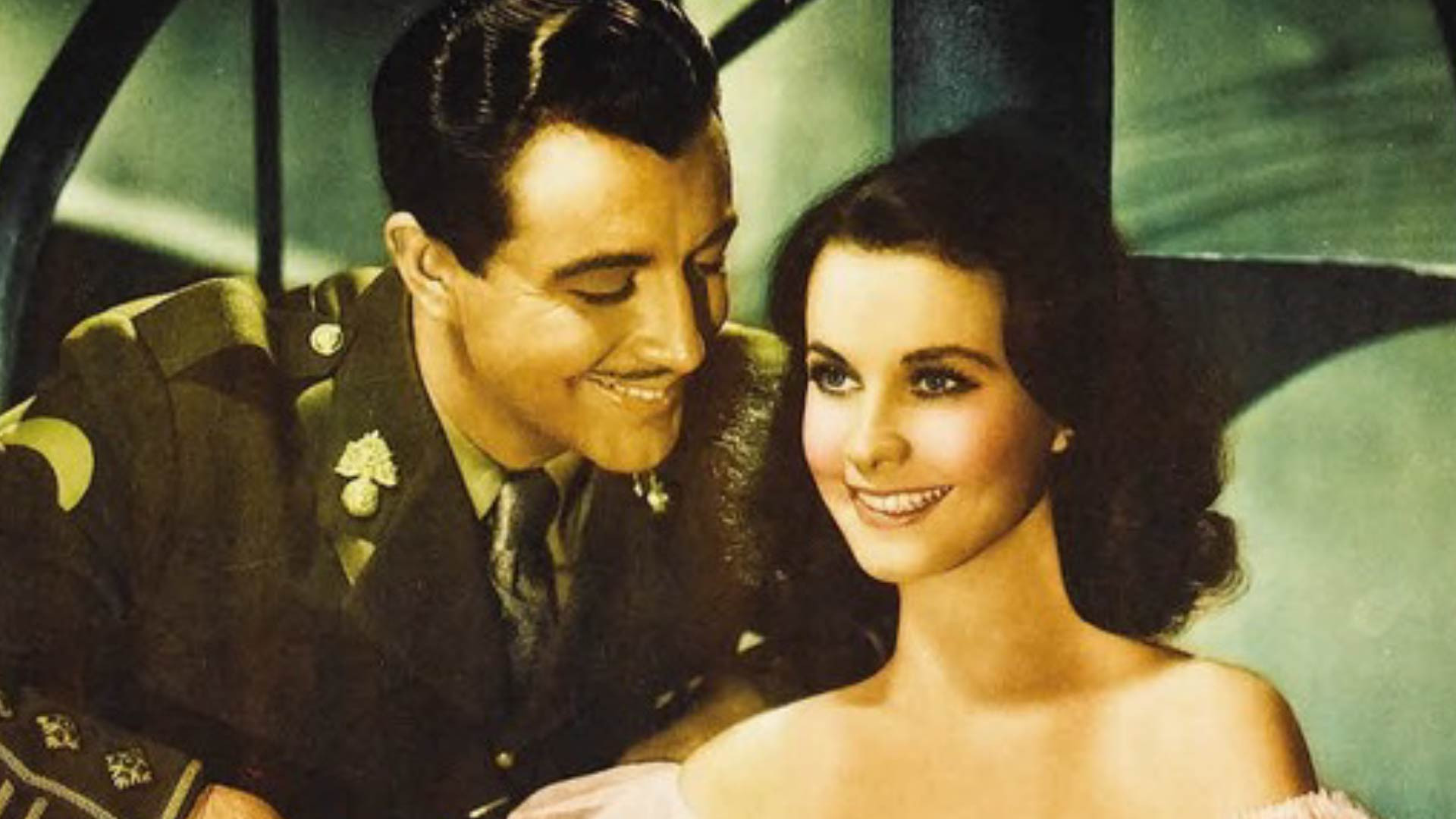
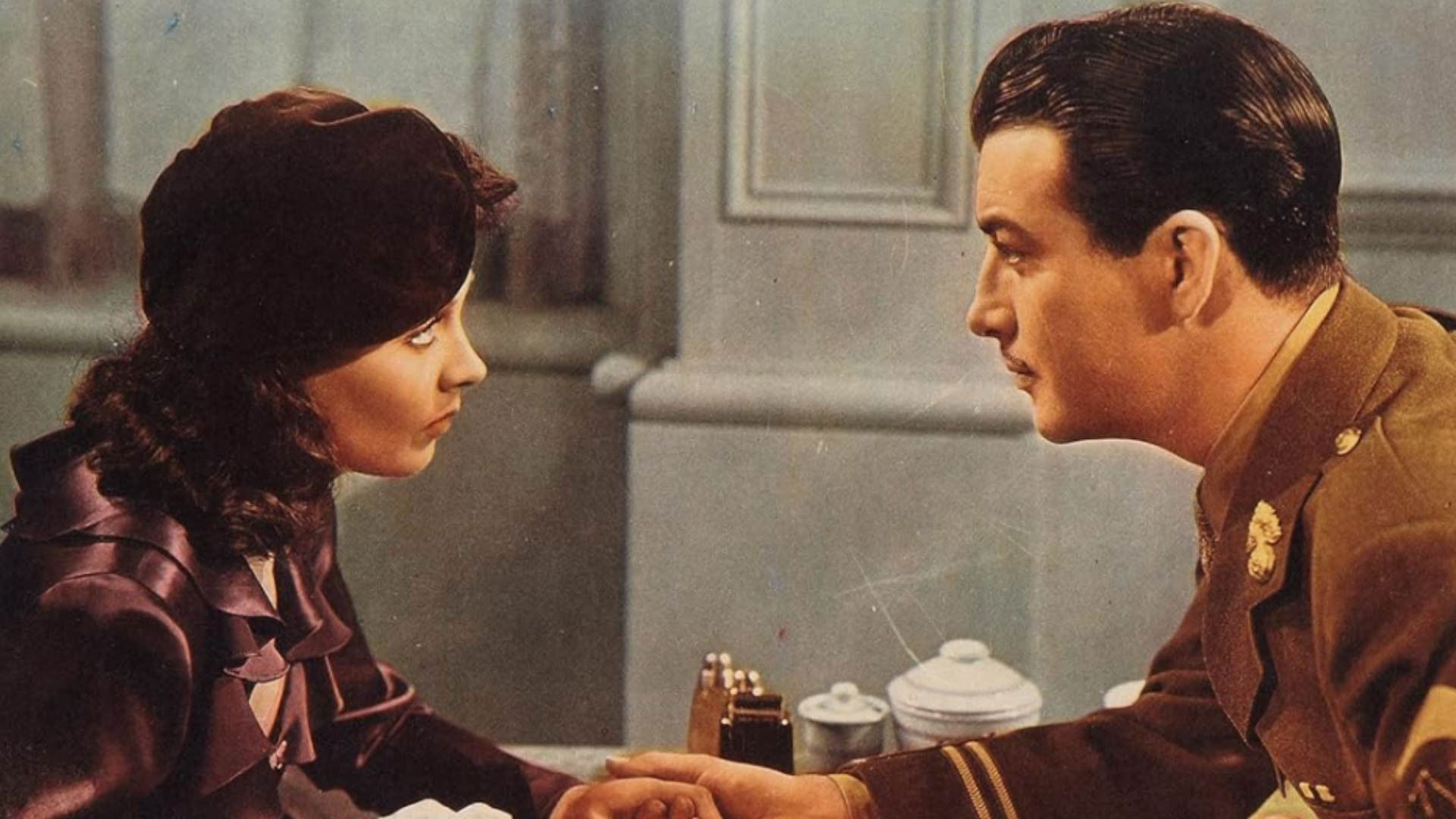
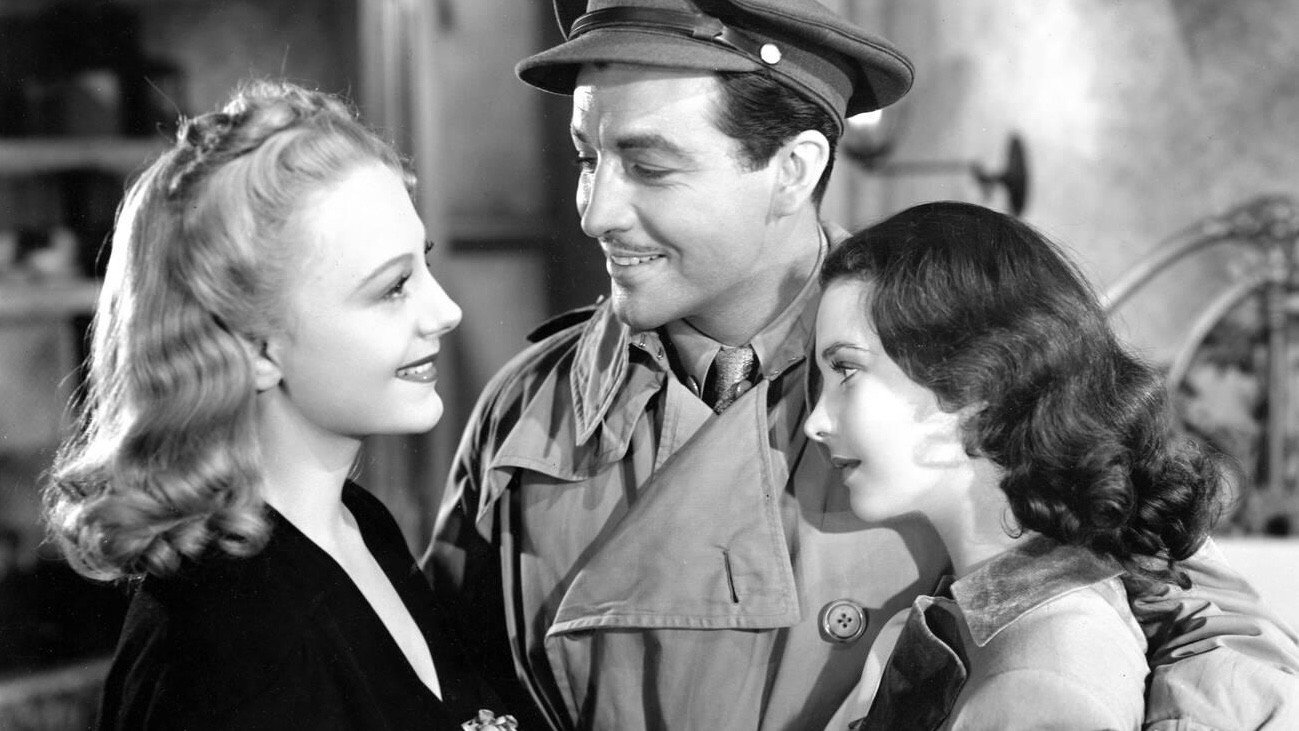
*To me, this film is a tragic romance about love, fate, and the cruel passage of time, but what struck me most was its understanding of memory. This is not simply a story about two lovers separated by circumstances; it is a story about cherishing moments that were never meant to last.
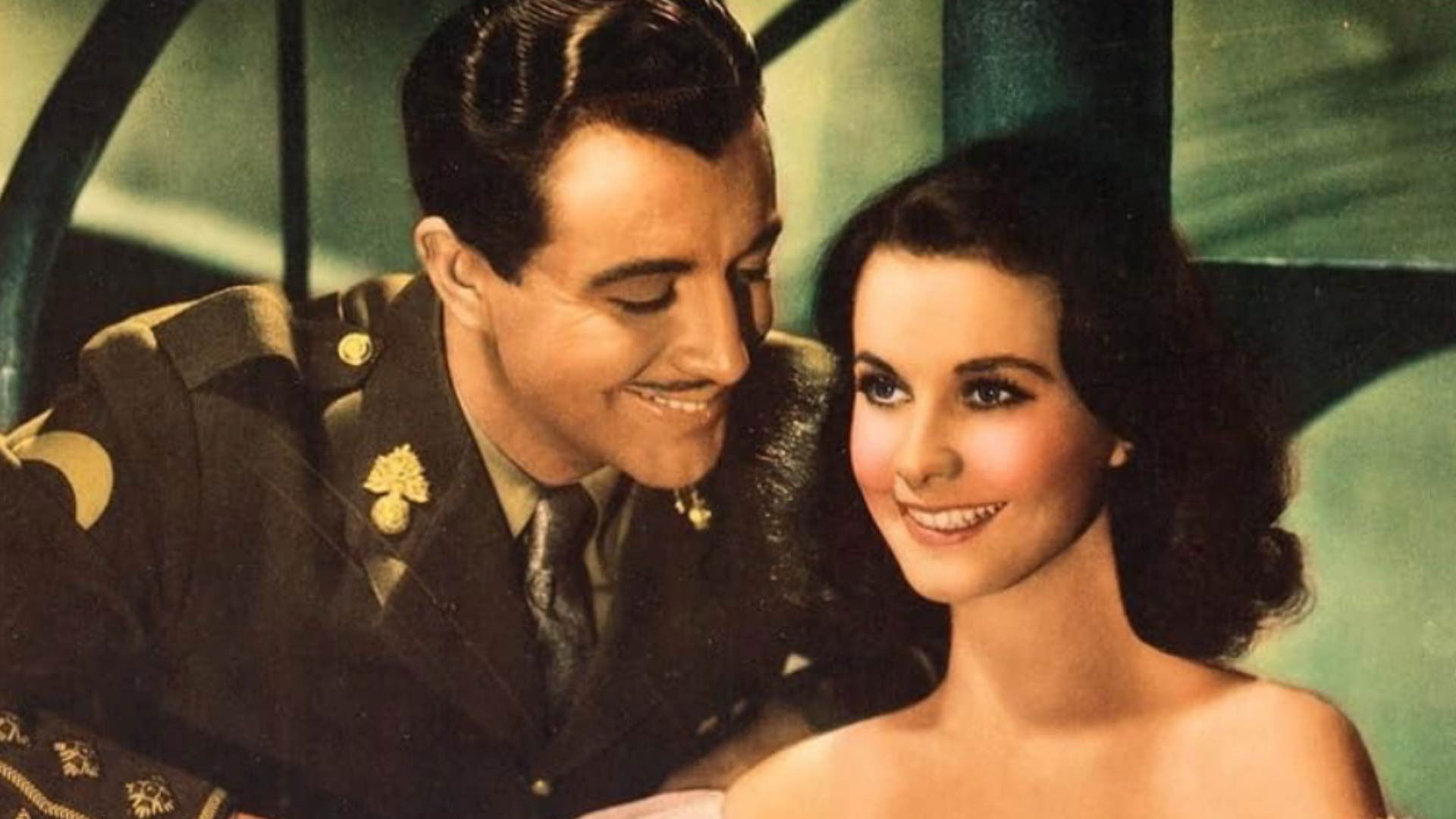
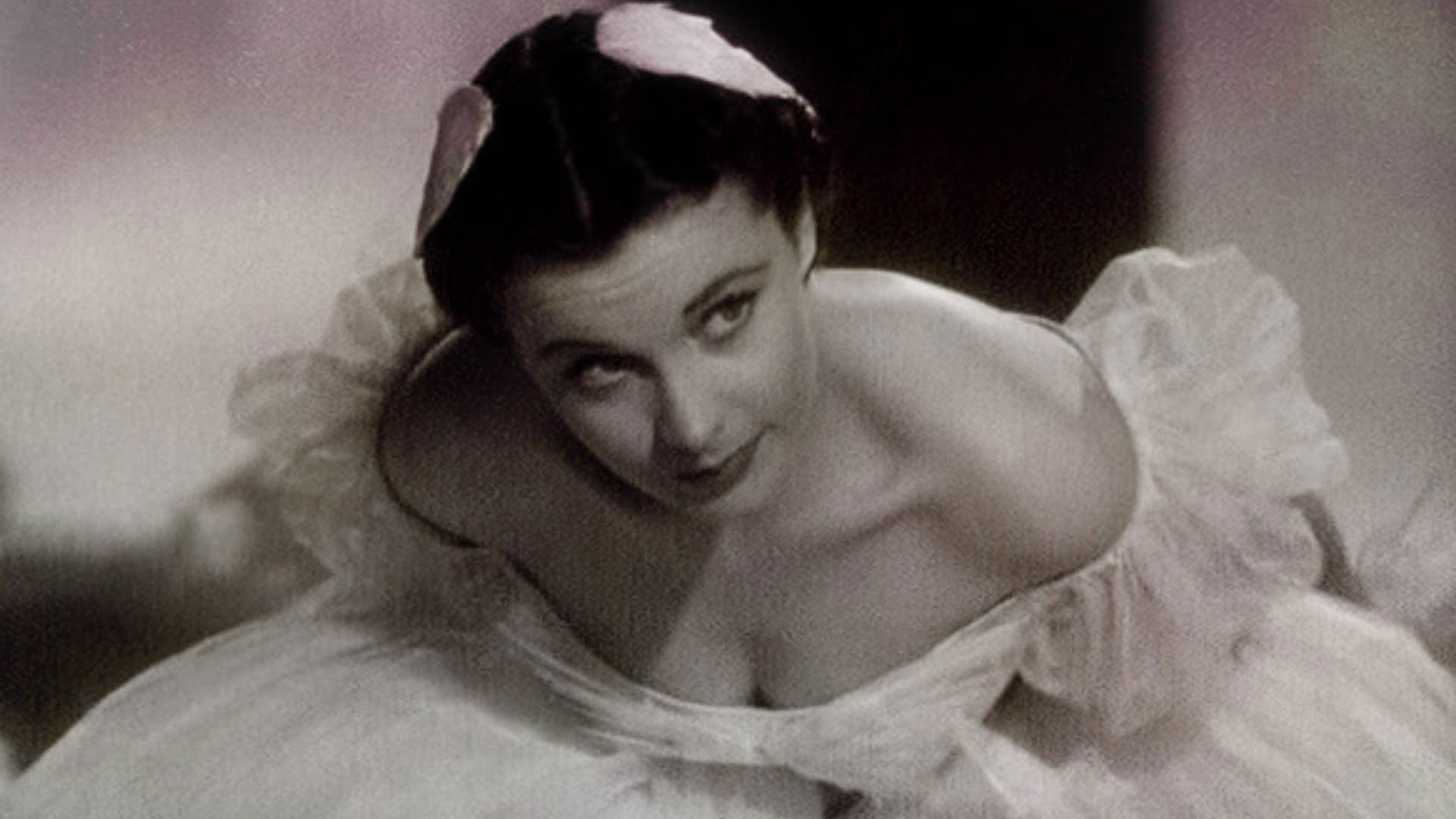
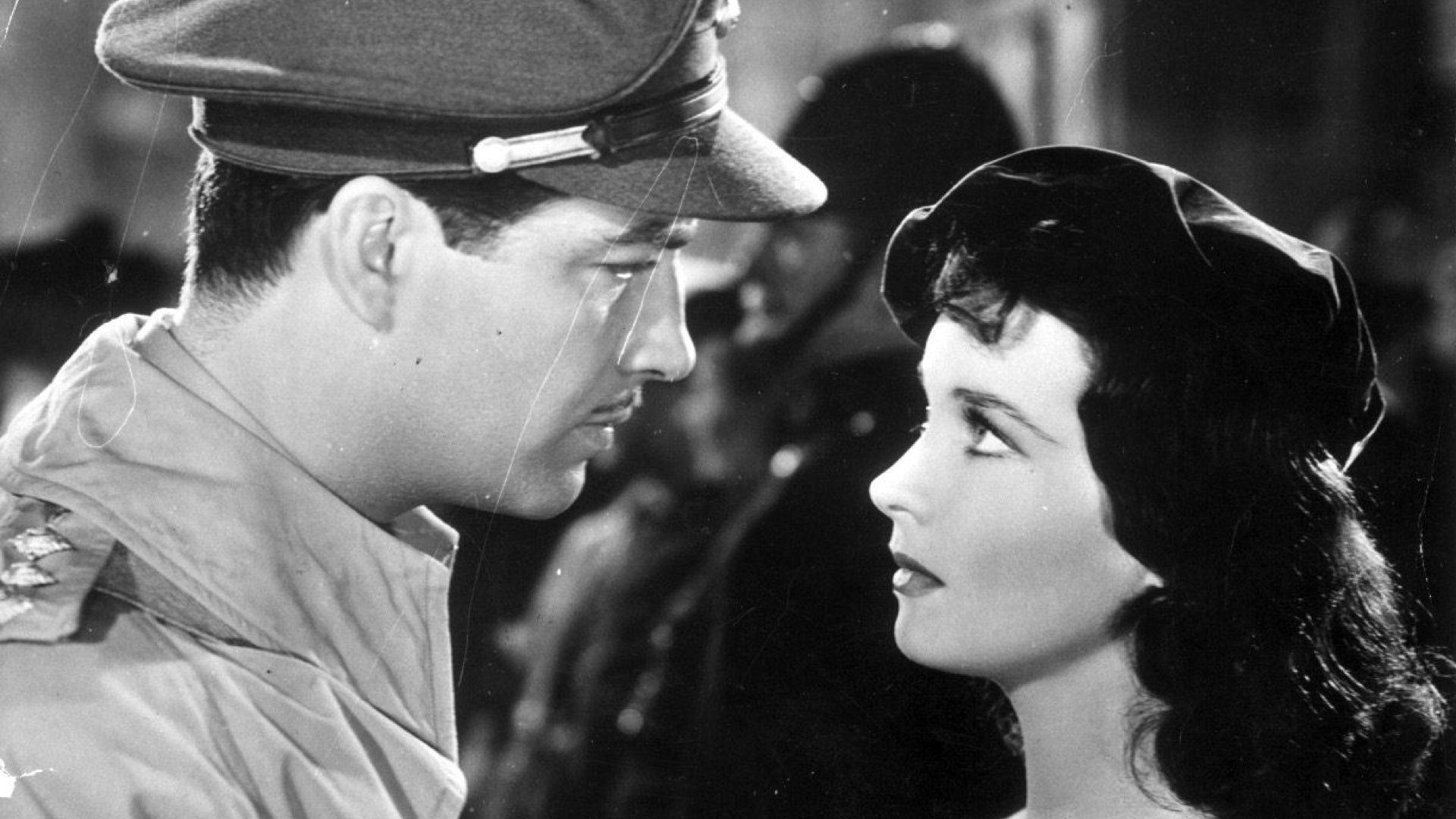
One of the most beautiful scenes in the film which stuck upon me is the "Auld Lang Syne" sequence. While the song is often associated with farewells, I did not interpret the scene as purely sad. Instead, I found it warm and comforting. The dimmed lighting creates an atmosphere of intimacy, almost as if the world around Myra and Roy disappears for a brief moment. To me, the farewell represented remembrance rather than loss alone. Good things do not last forever, but that does not diminish their value. In fact, their temporary nature is what makes them precious. The scene feels like the film gently asking us to cherish happiness while it is still present, because one day it will become a memory.
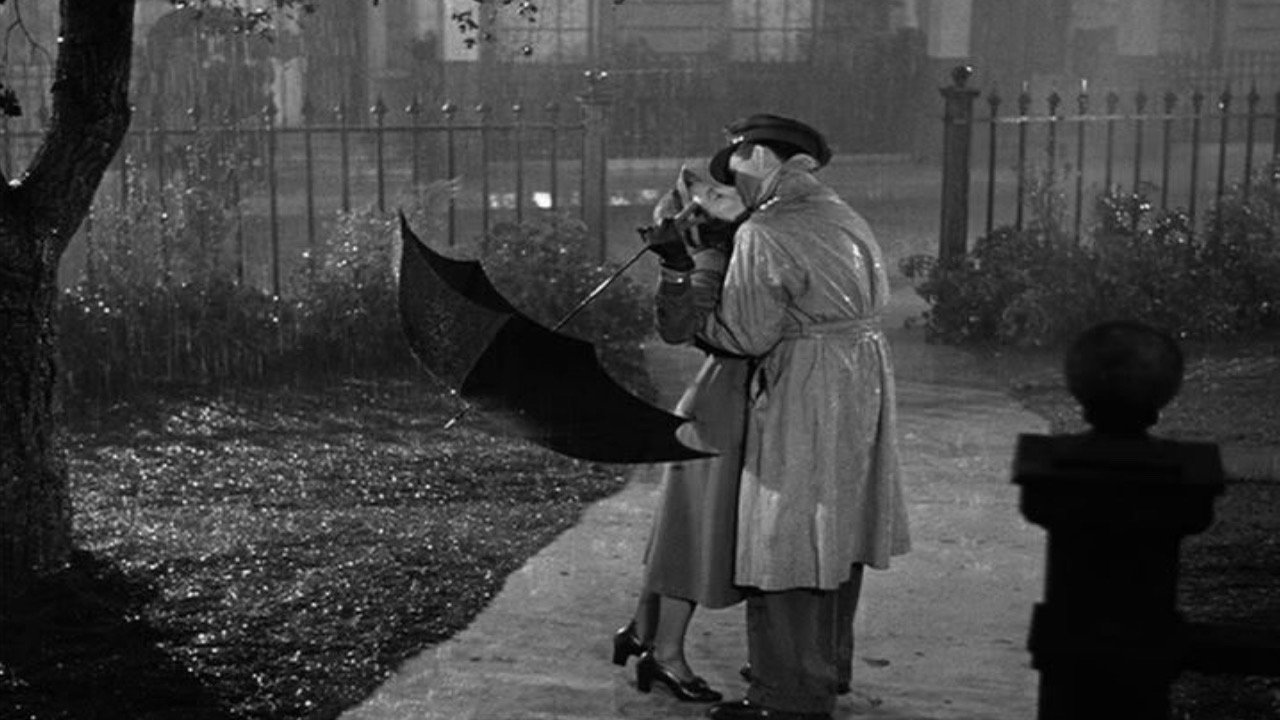
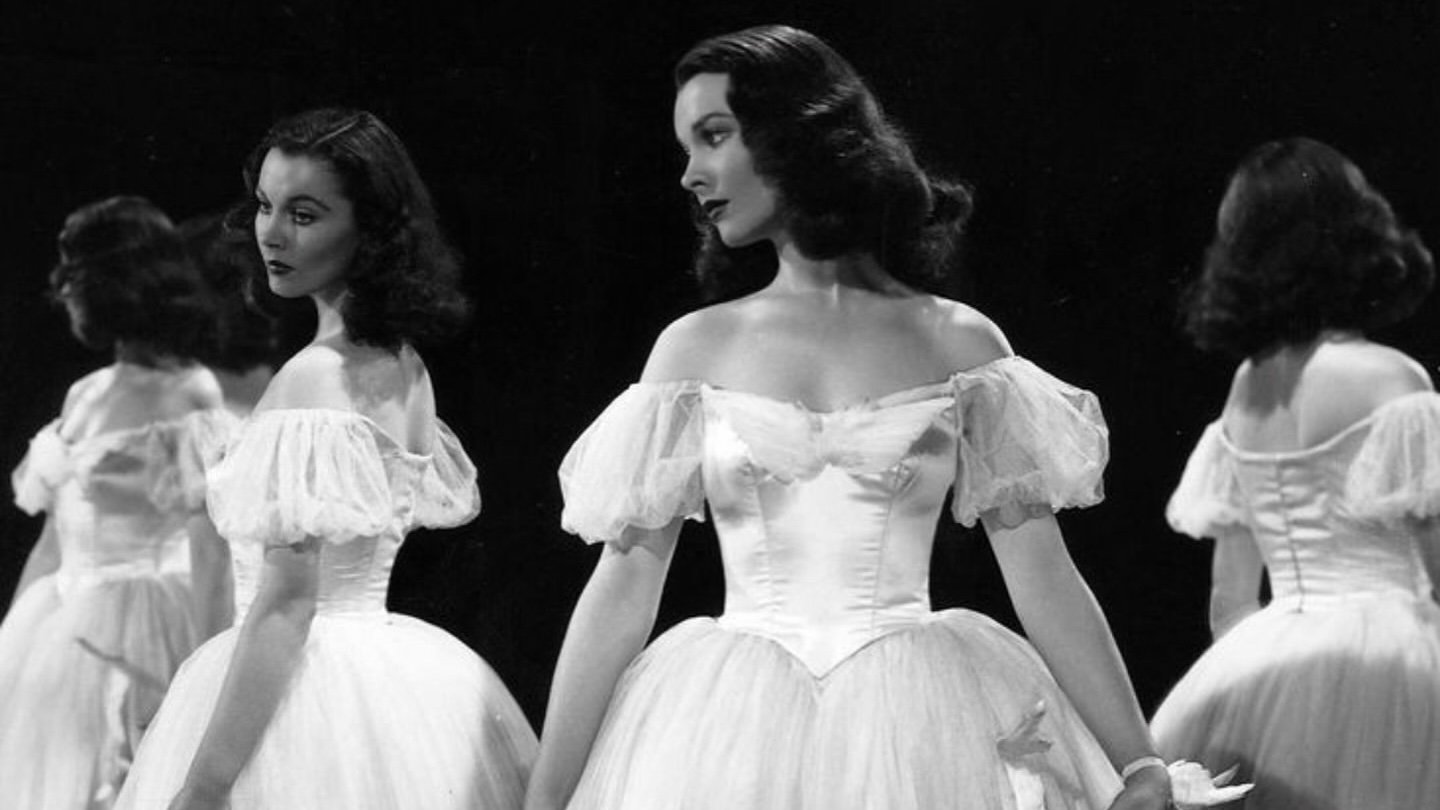
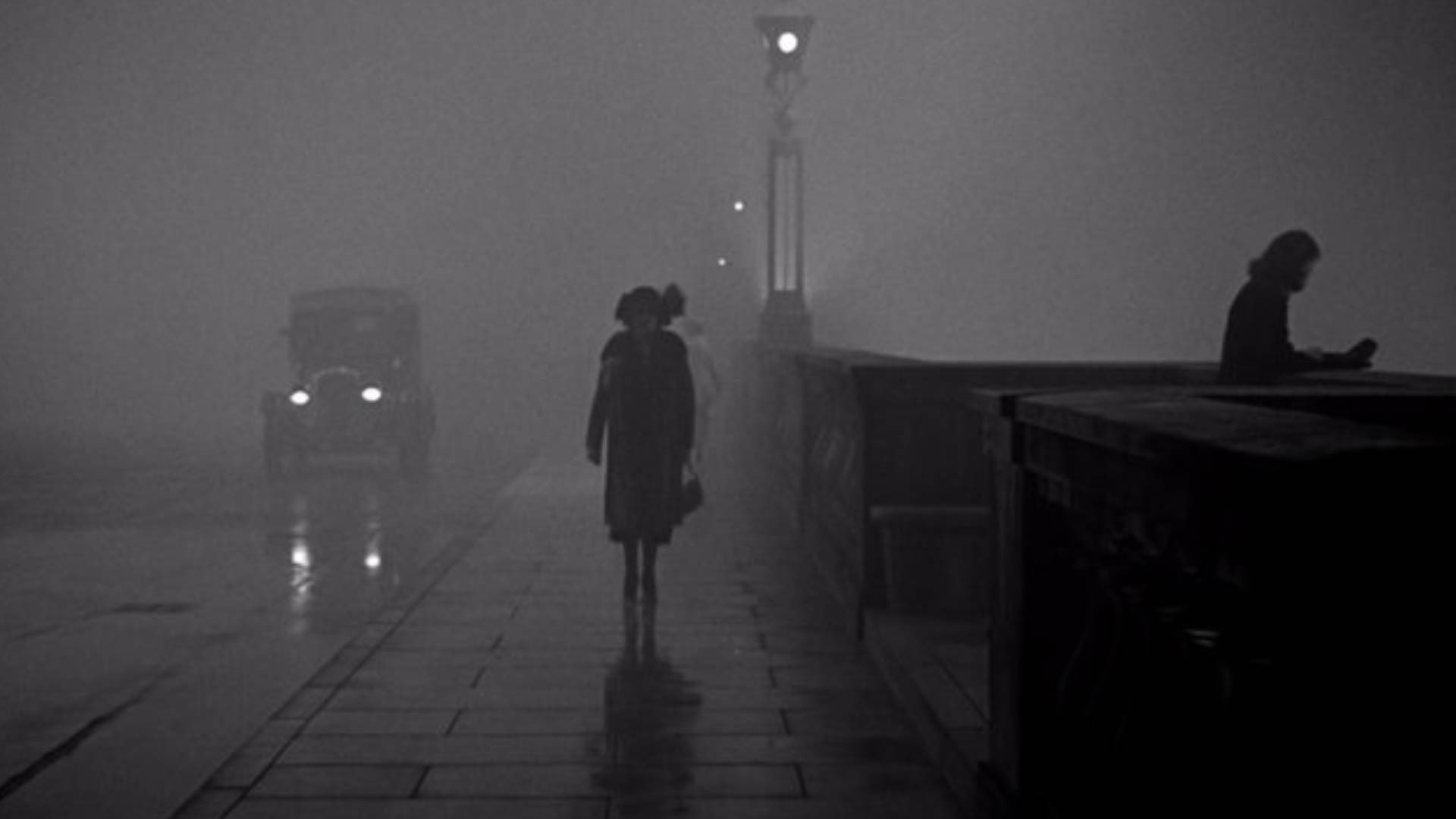
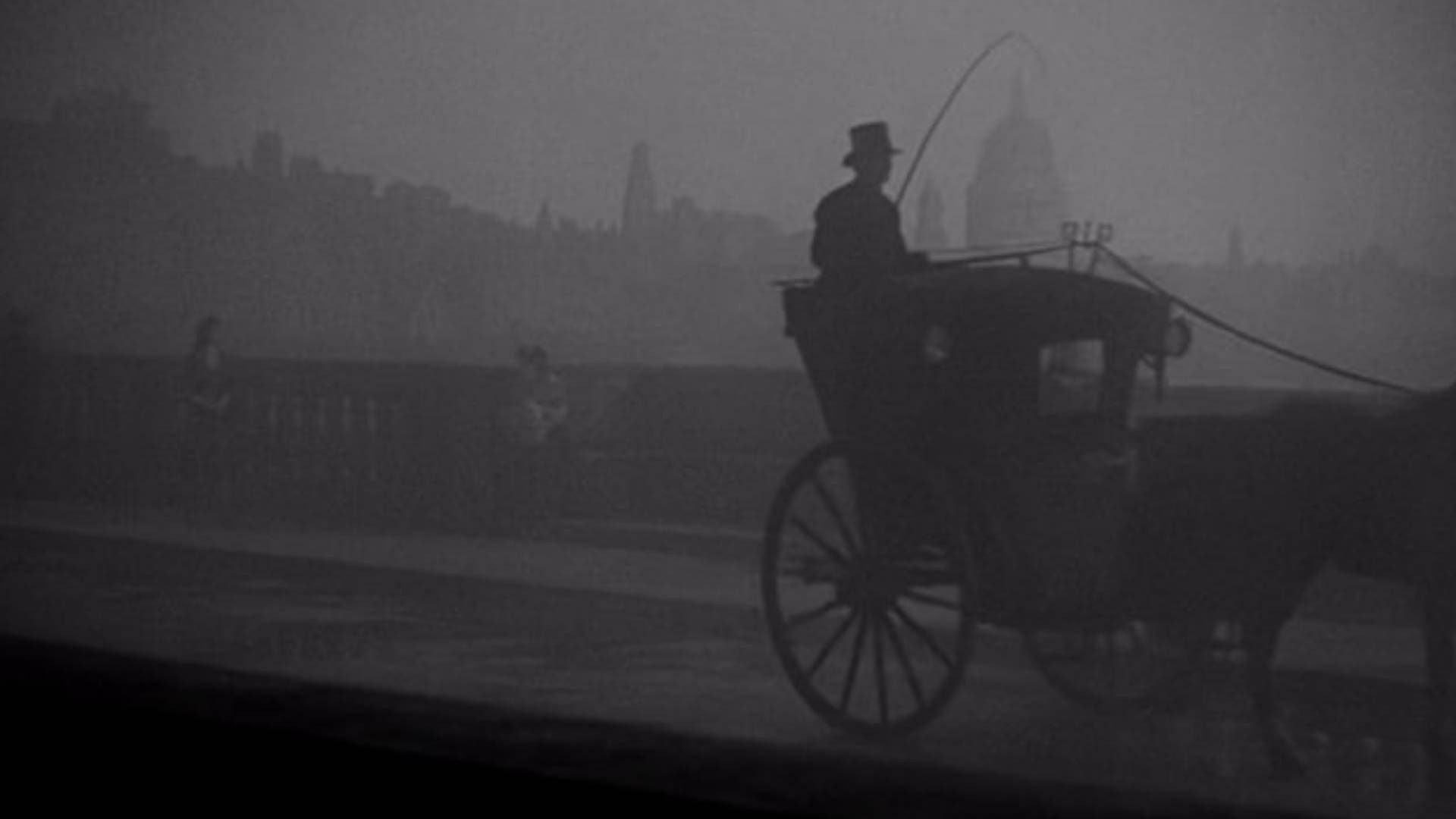
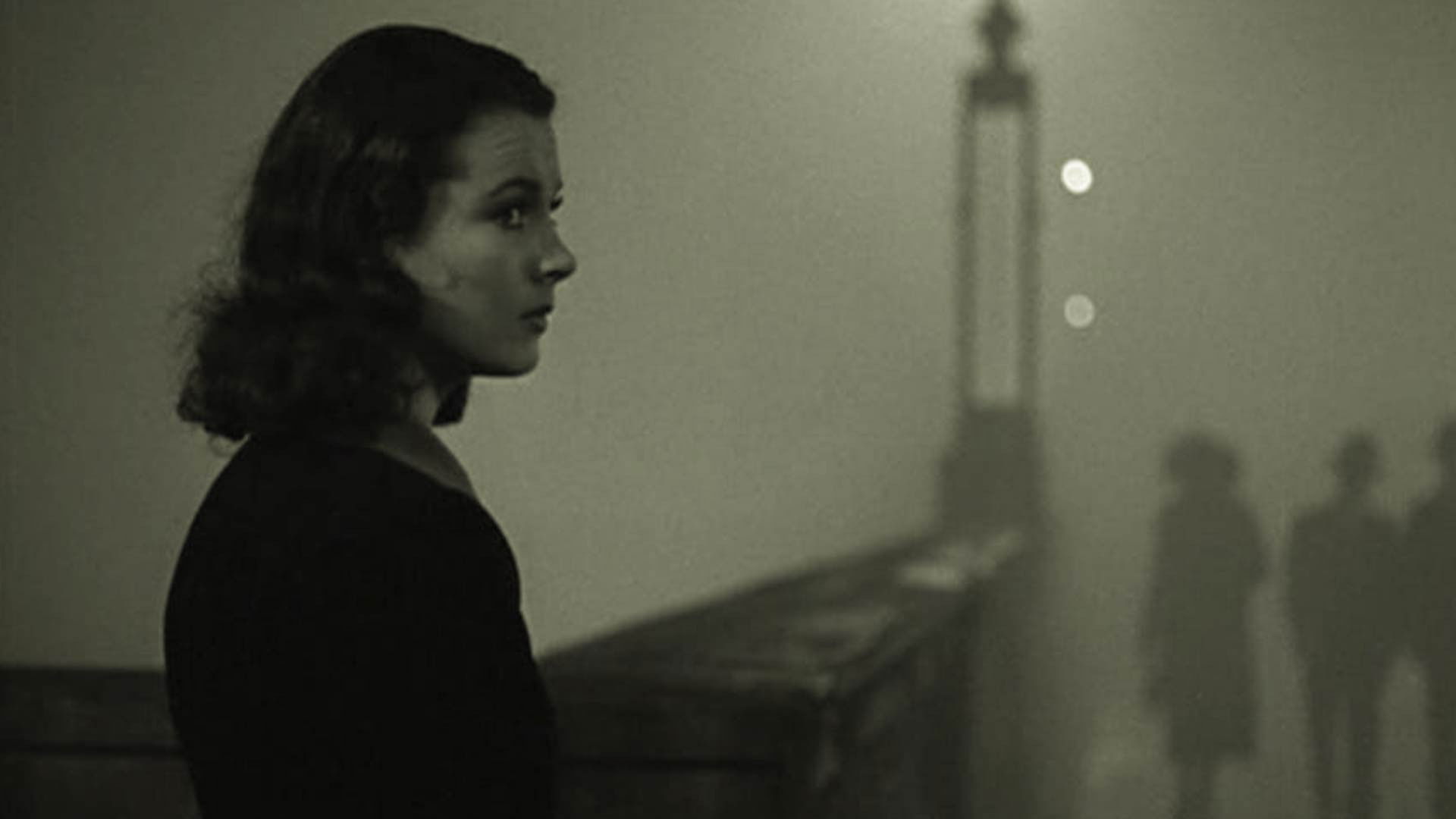
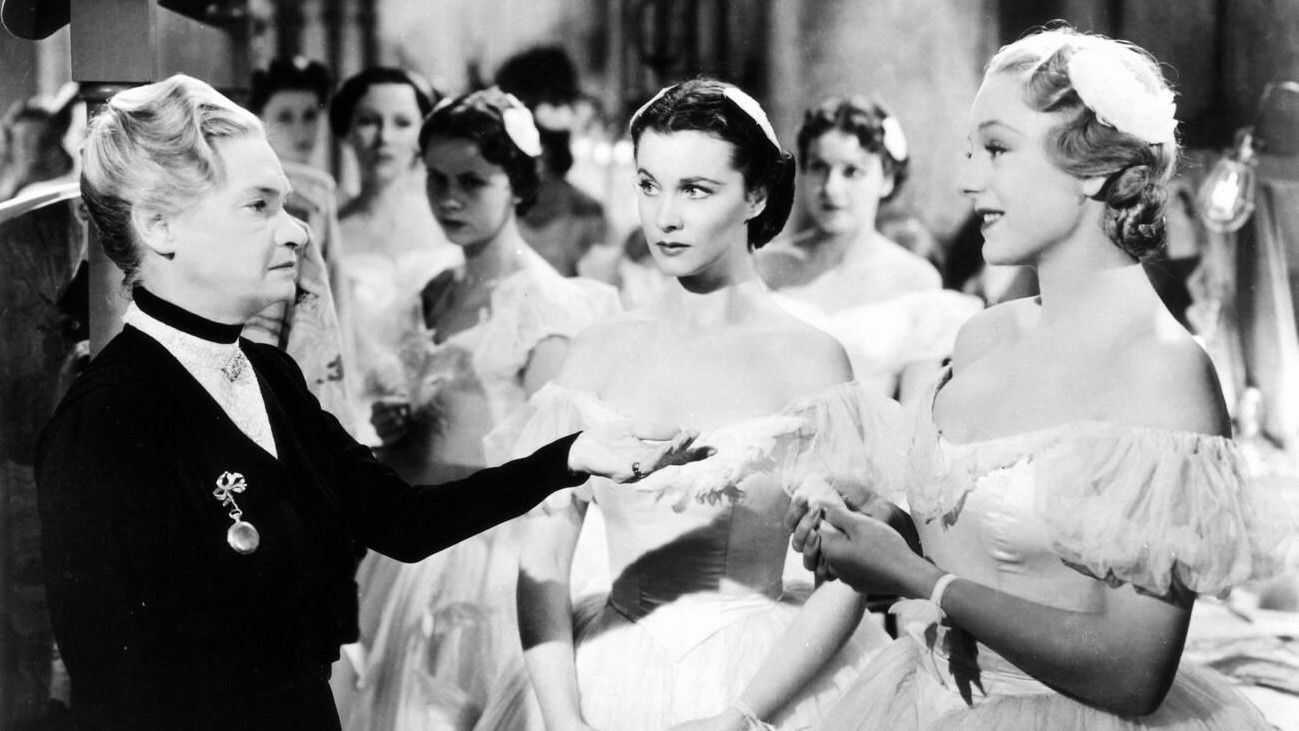
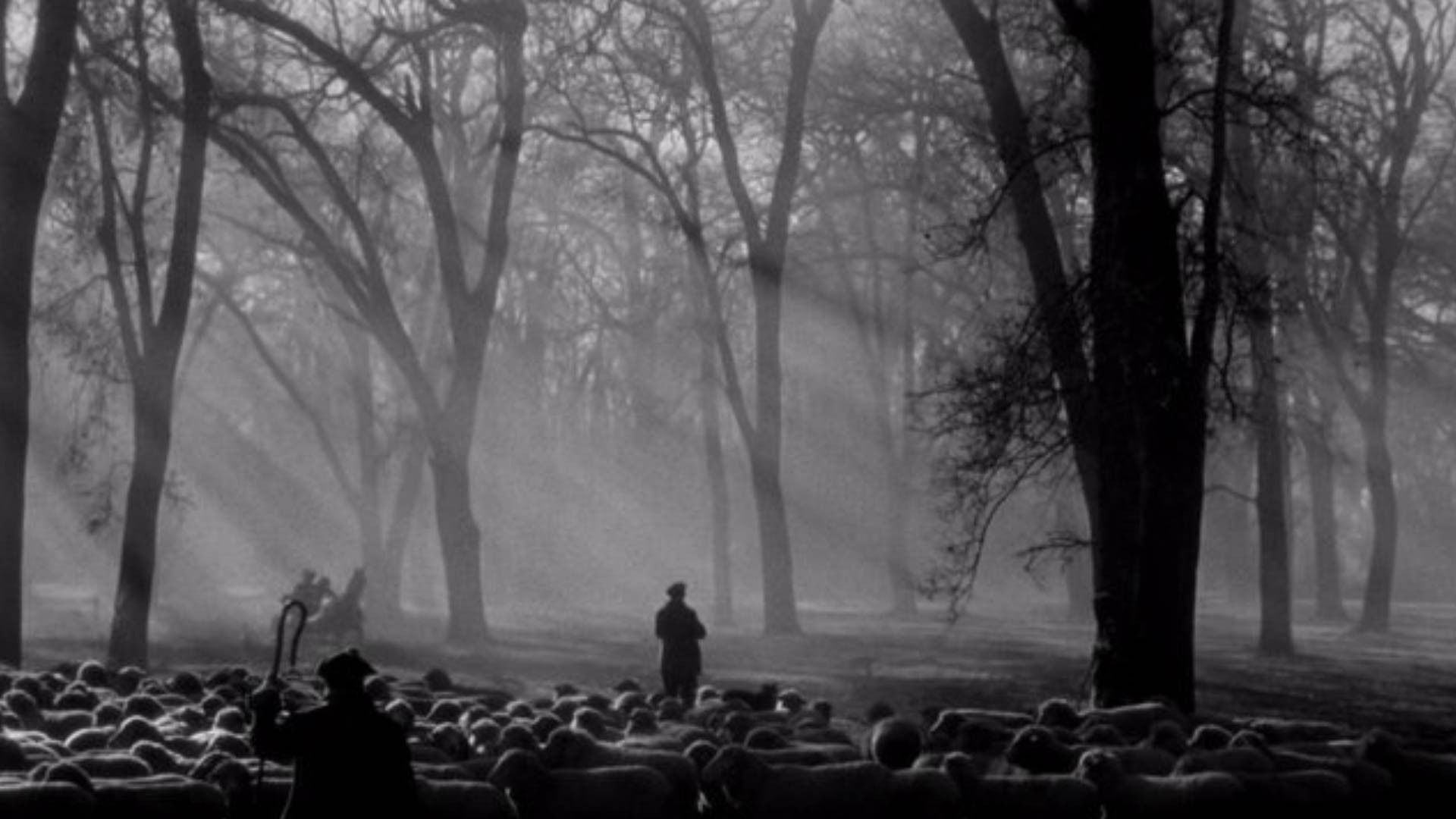
The cinematography throughout the film is equally remarkable. The lighting often acts as an extension of Myra's emotional state, communicating feelings that words cannot. During moments of hope and romance, the soft lighting gives the film a dreamlike warmth. As Myra's despair deepens, shadows become more prominent and the visual atmosphere grows heavier.
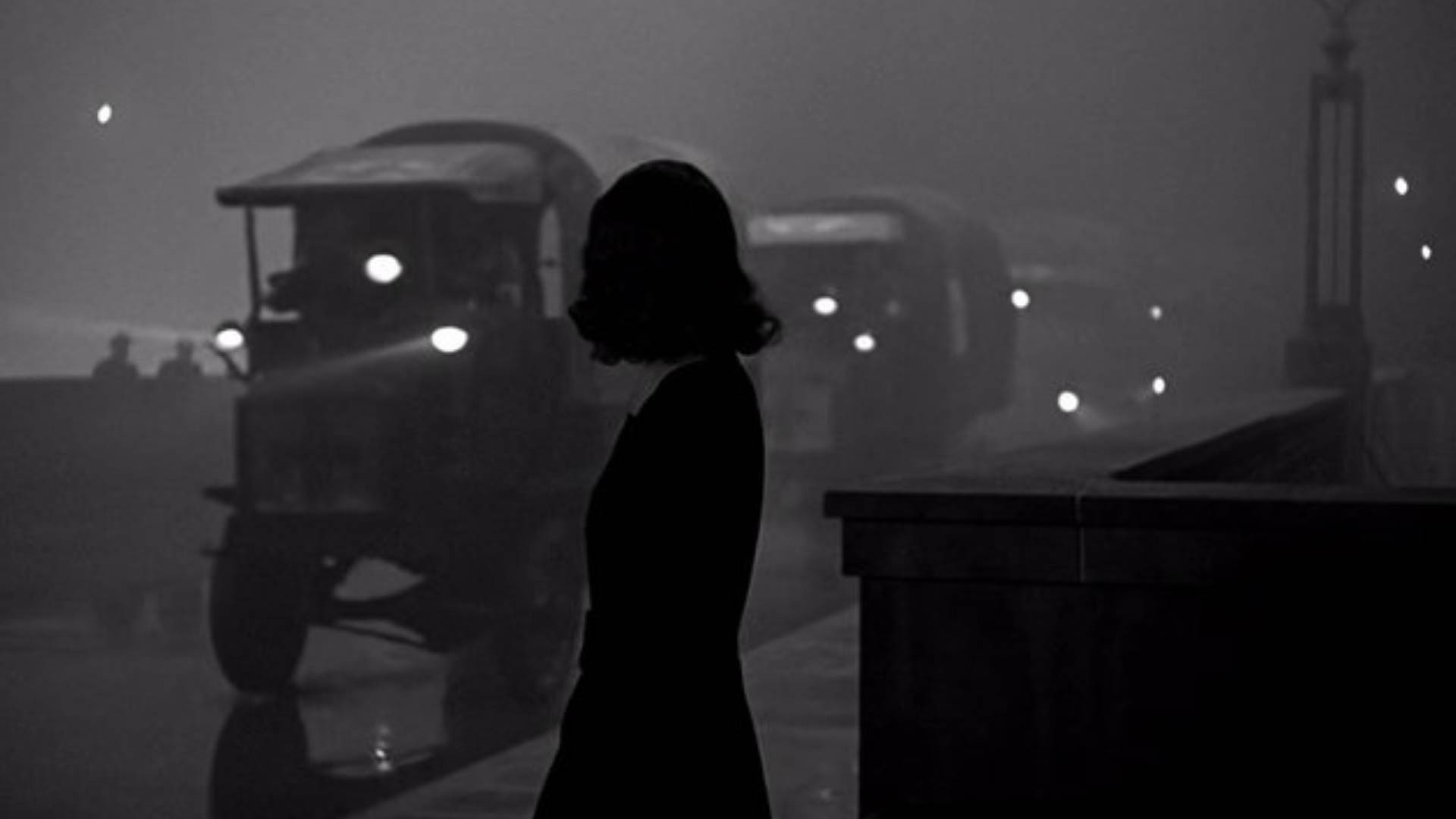
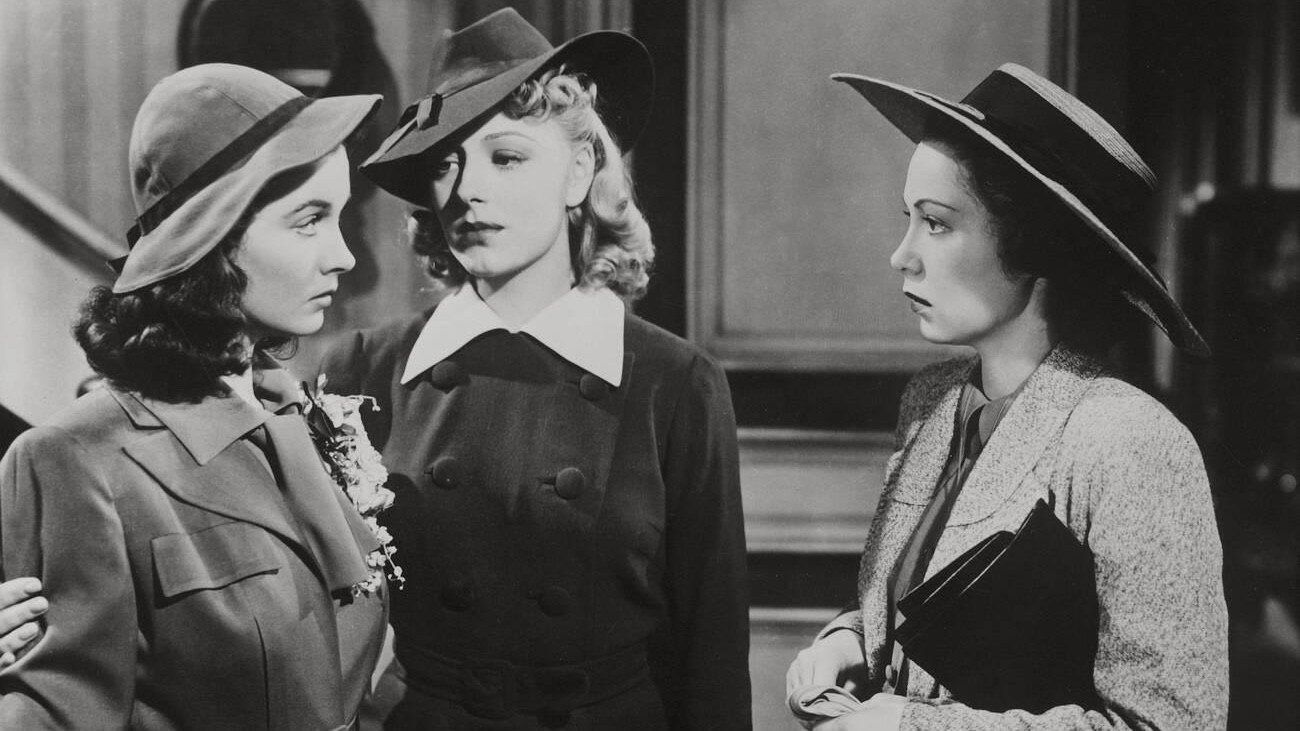
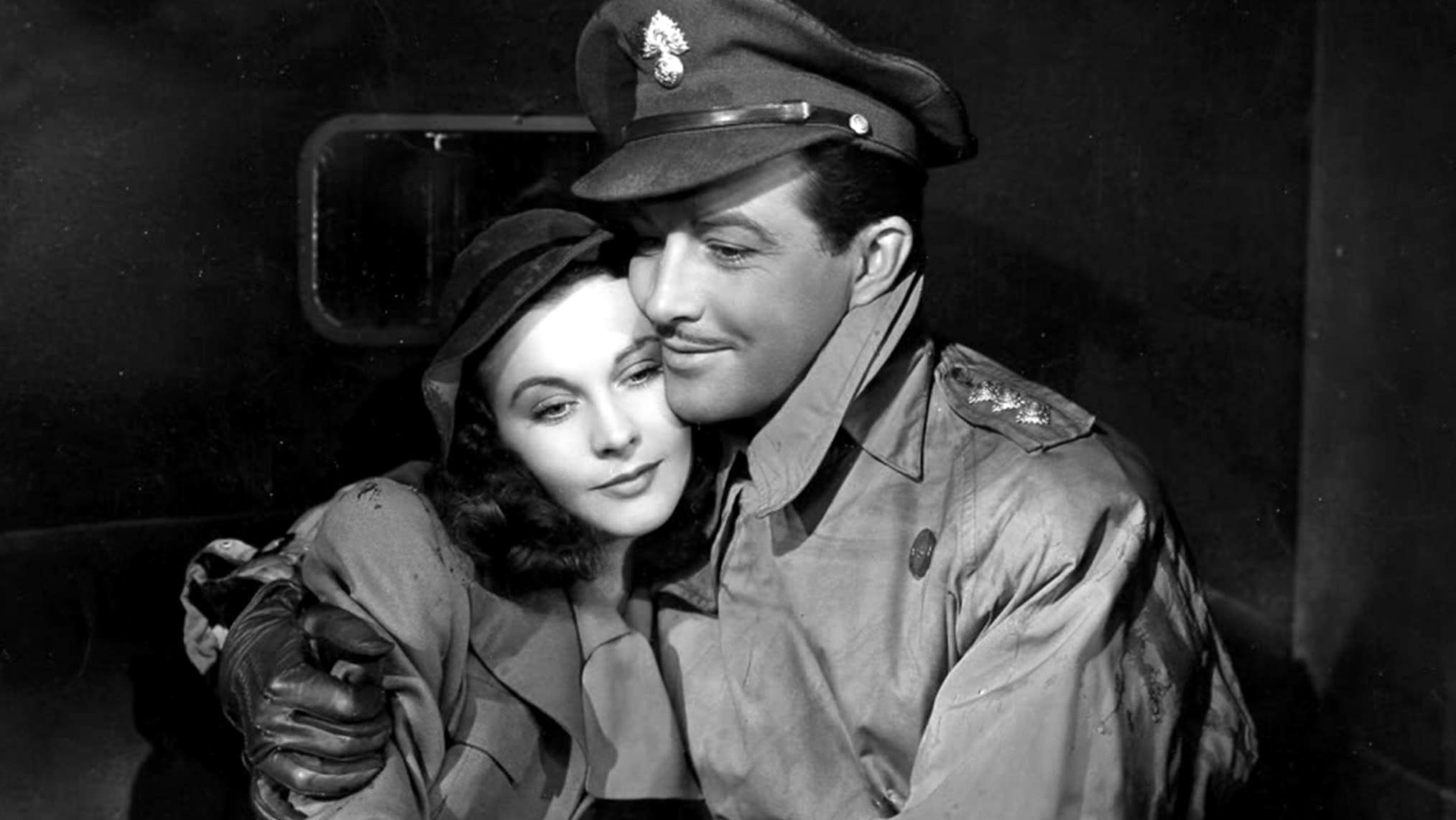
One detail that particularly stood out to me was the ending. When Myra chooses to throw herself in front of the military truck, she is dressed in much darker clothing than the clothes she typically wear. It feels symbolic of how all hope has drained from her life. Long before her death, she already seems emotionally dead inside, and the dark costume visually reflects the hopelessness consuming her.
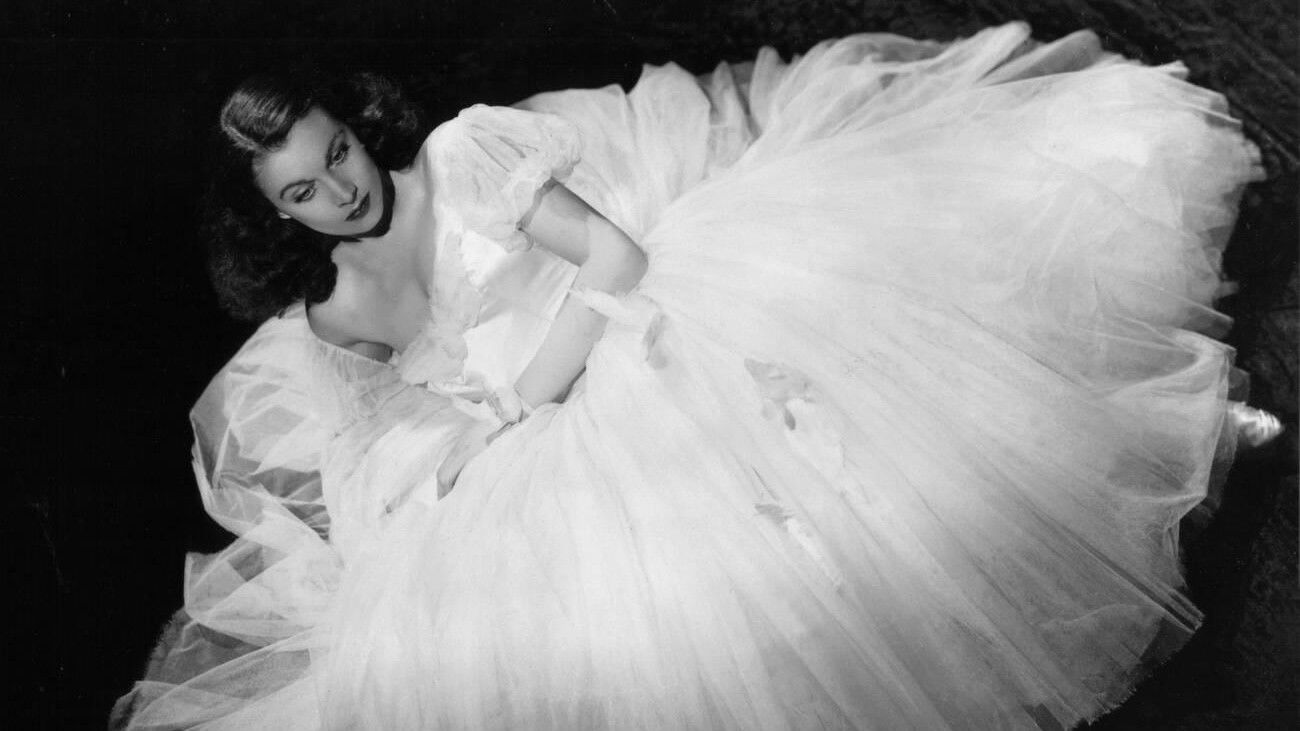
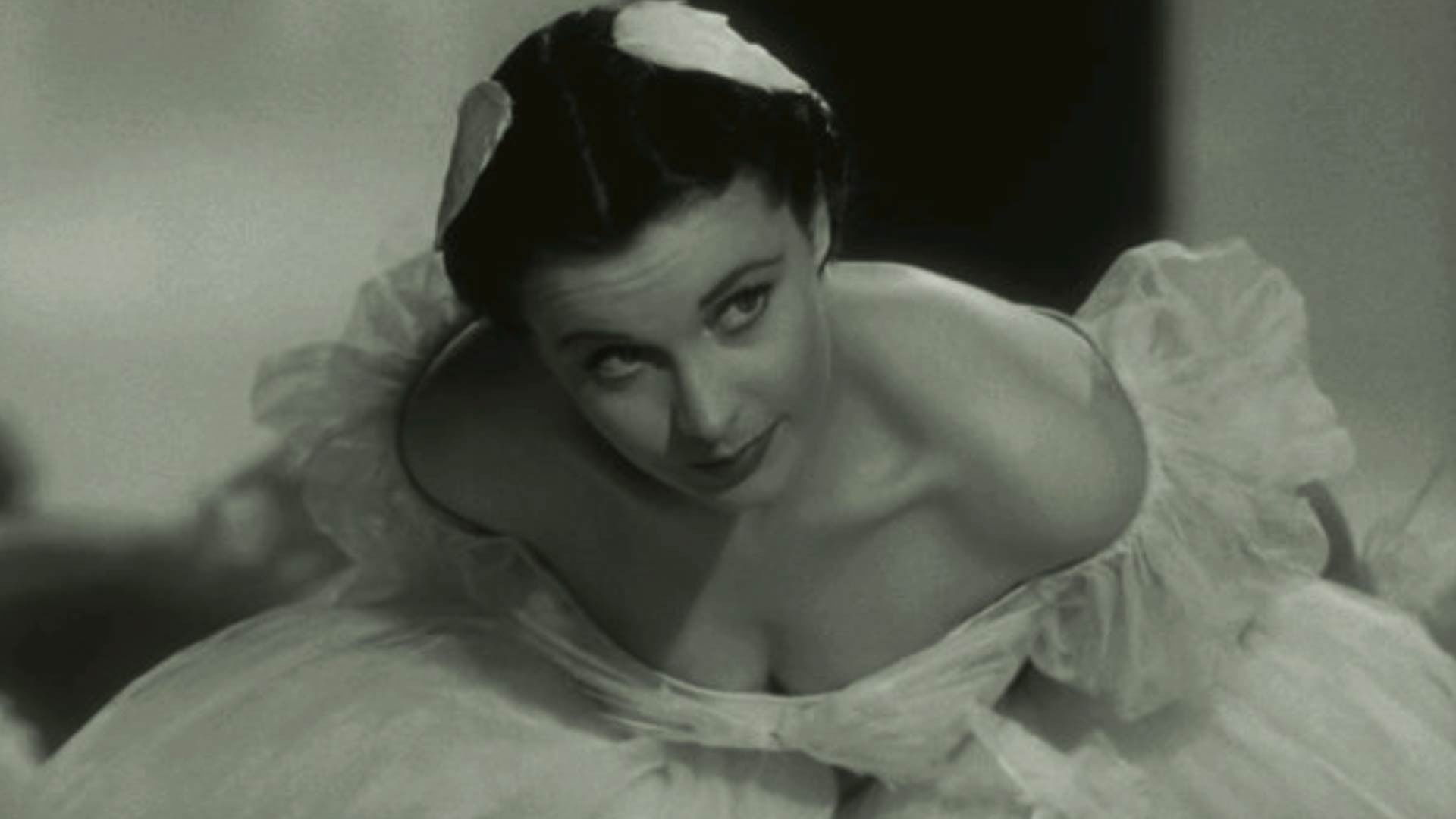
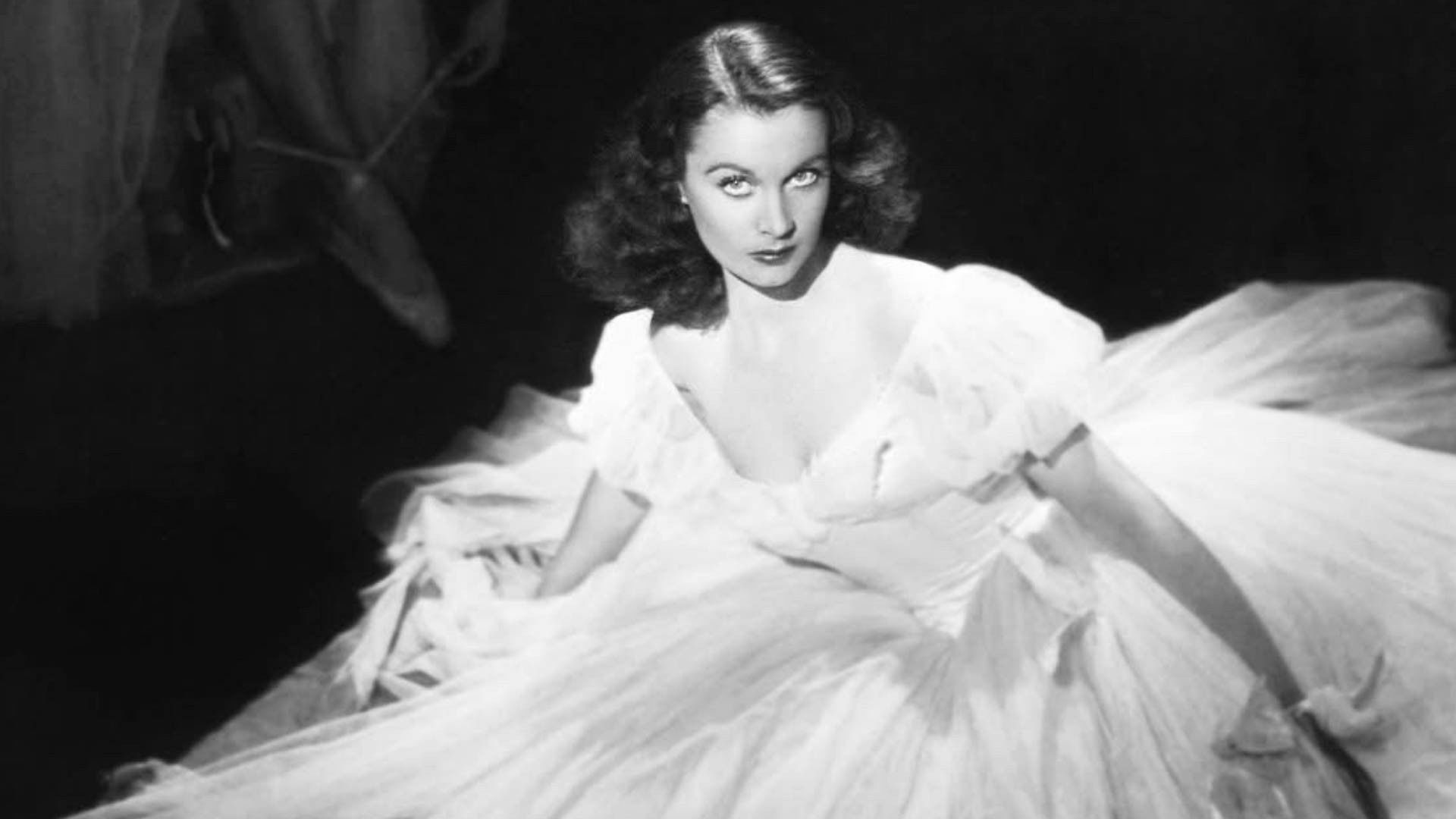
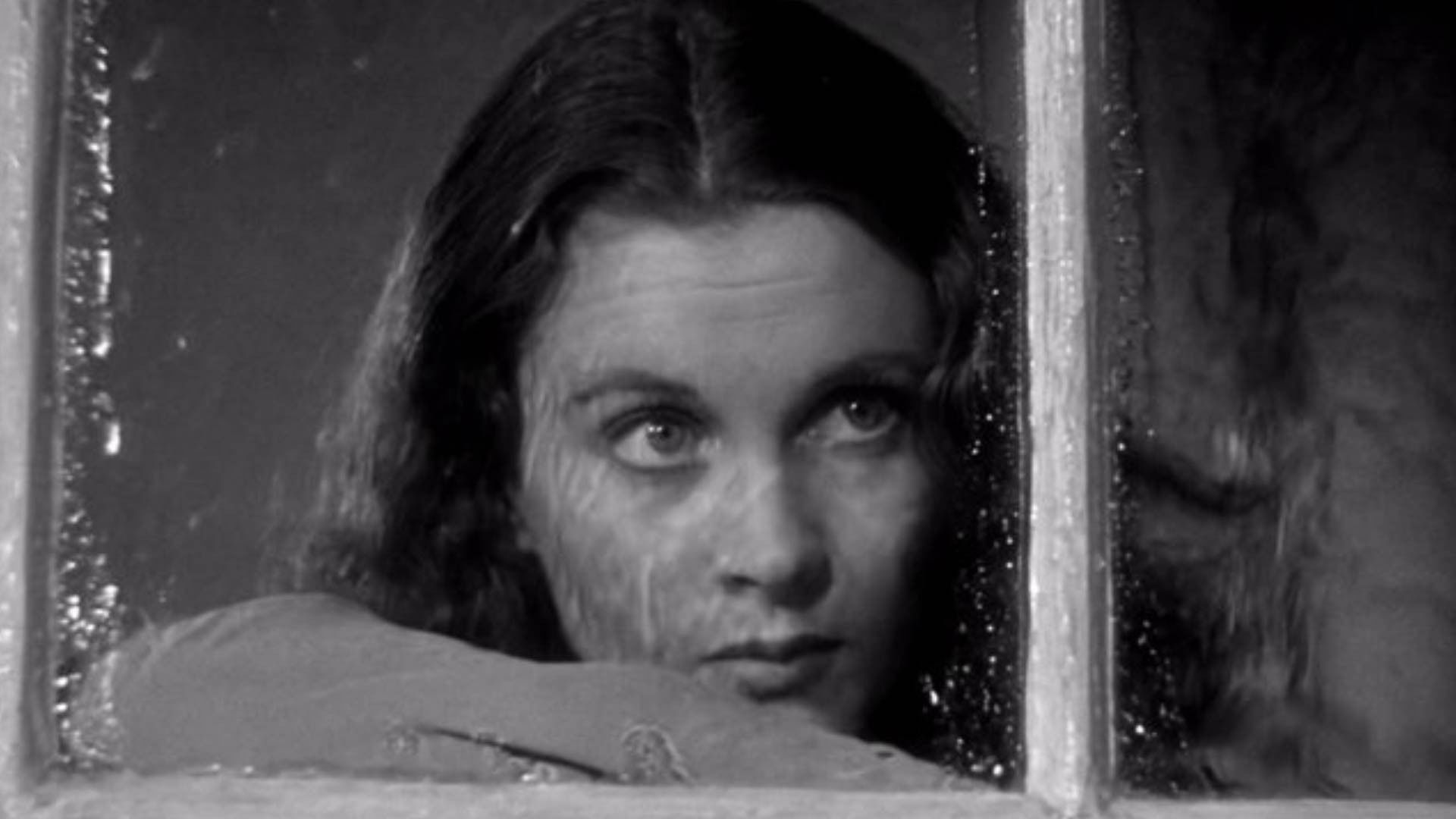
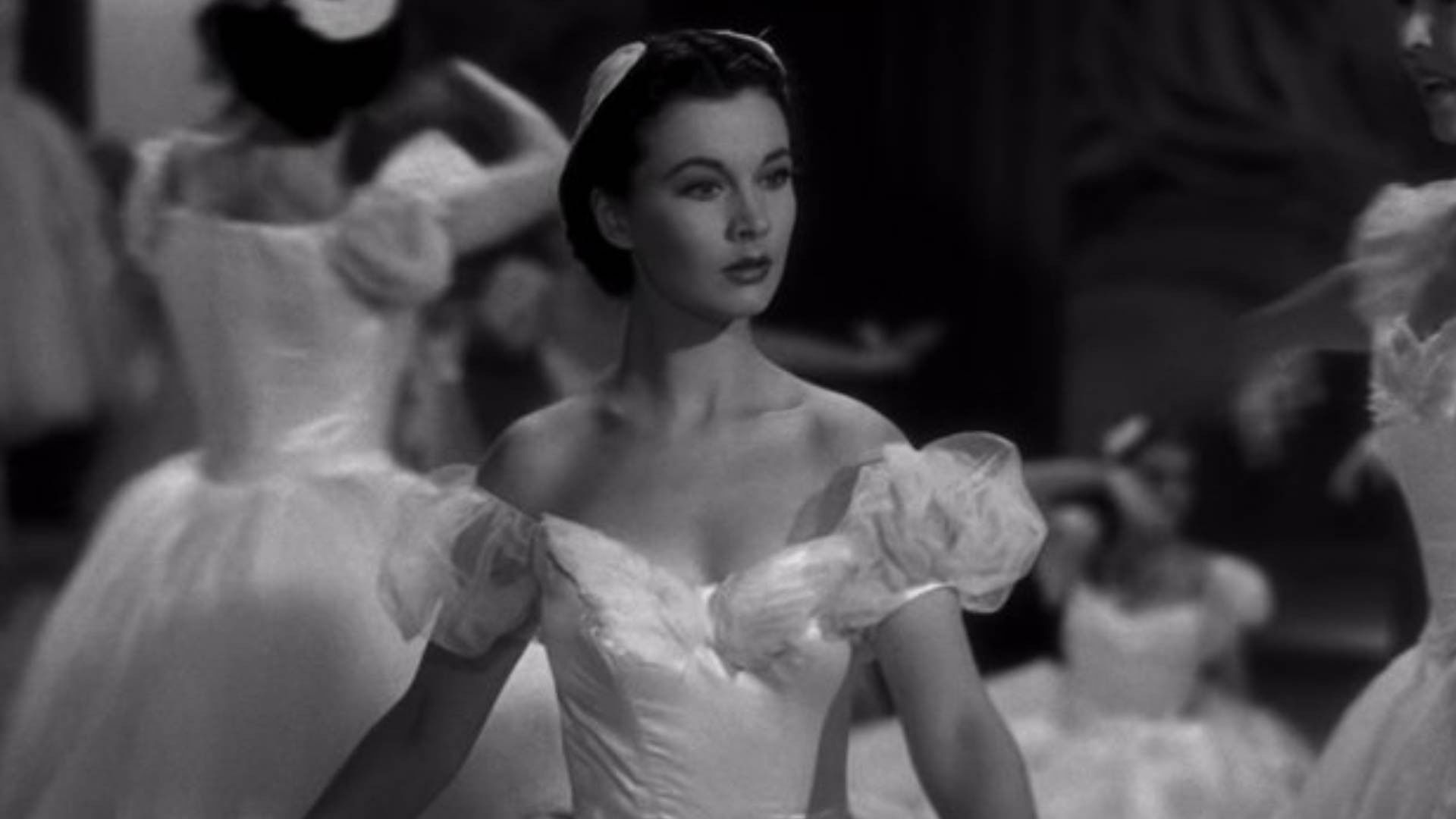
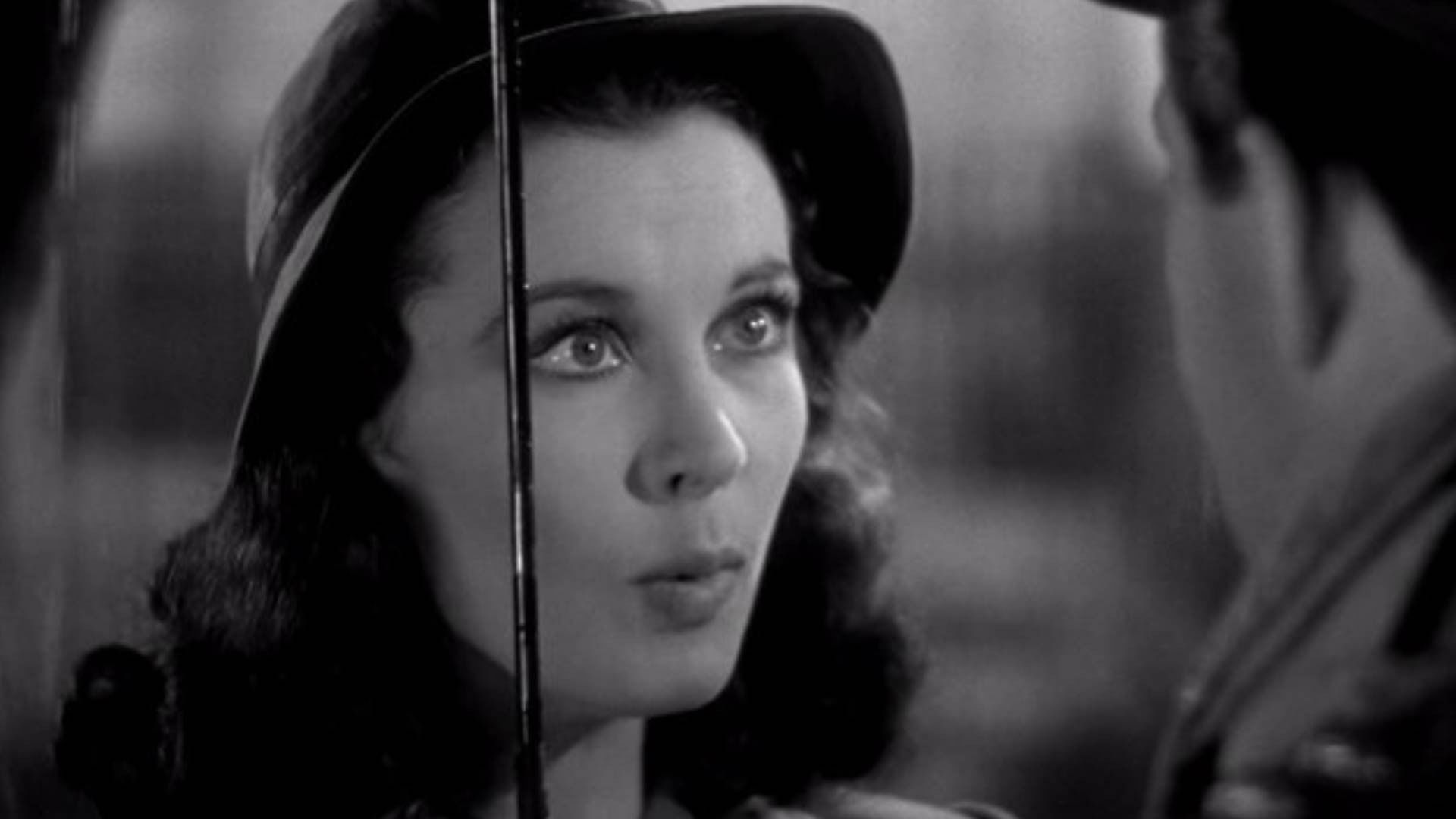
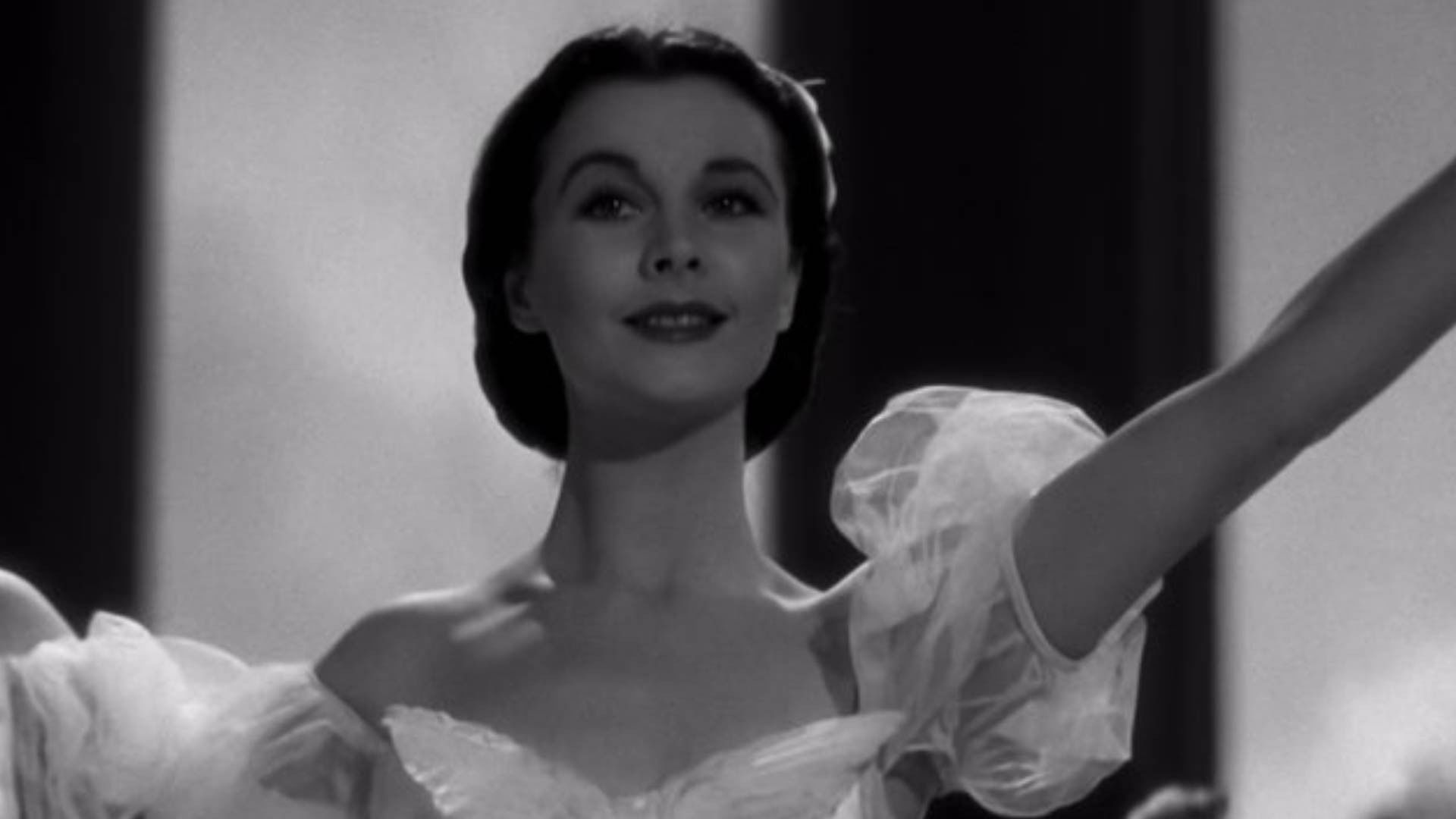
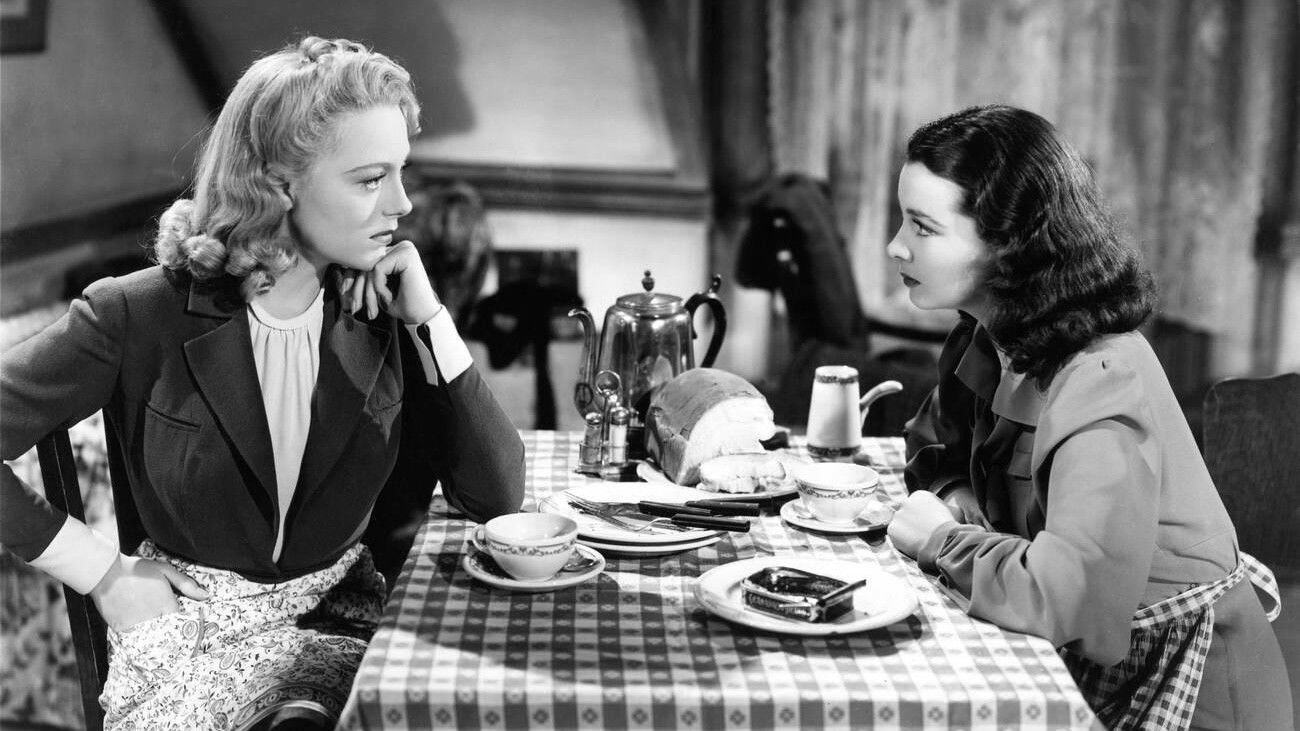
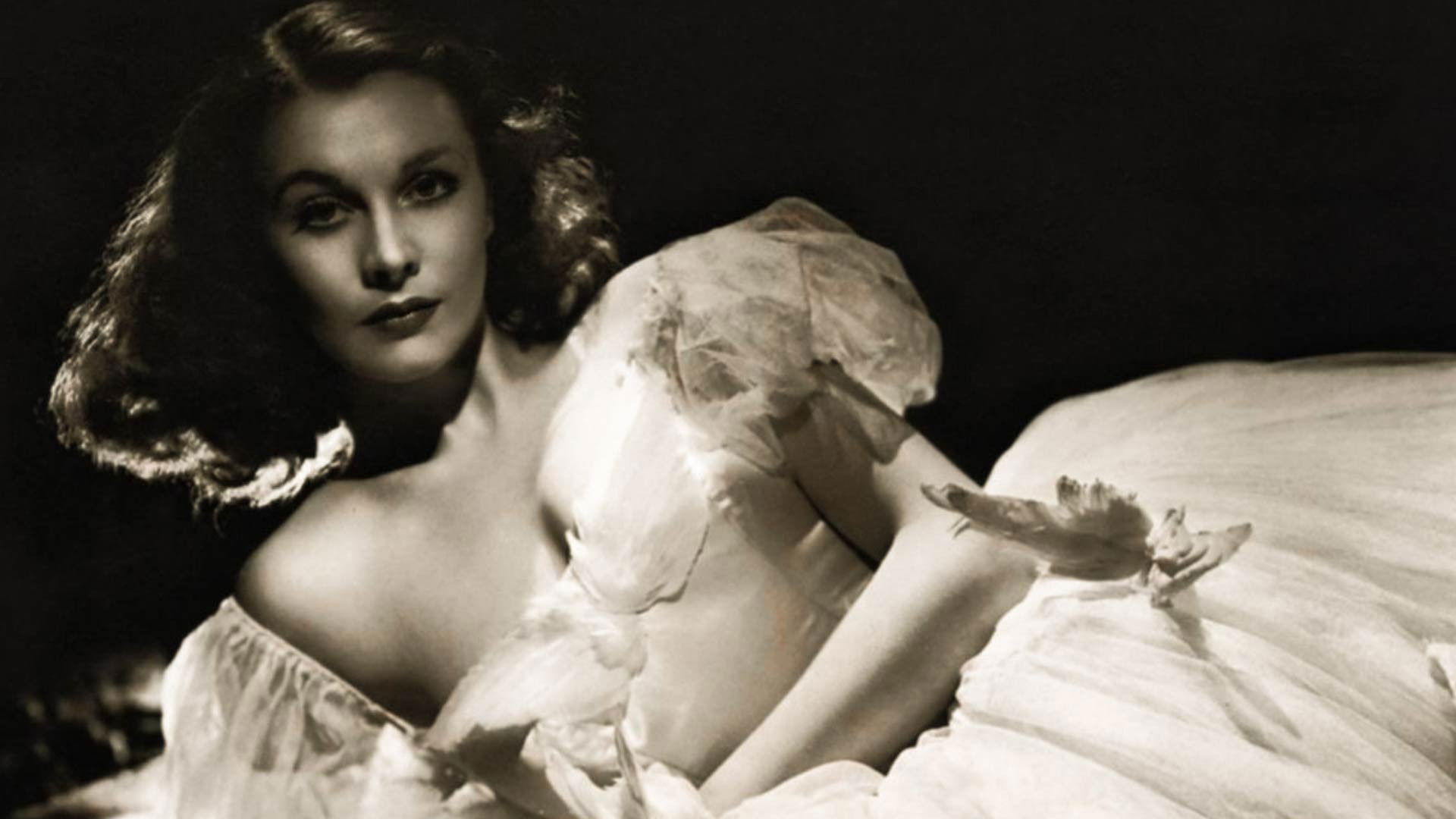
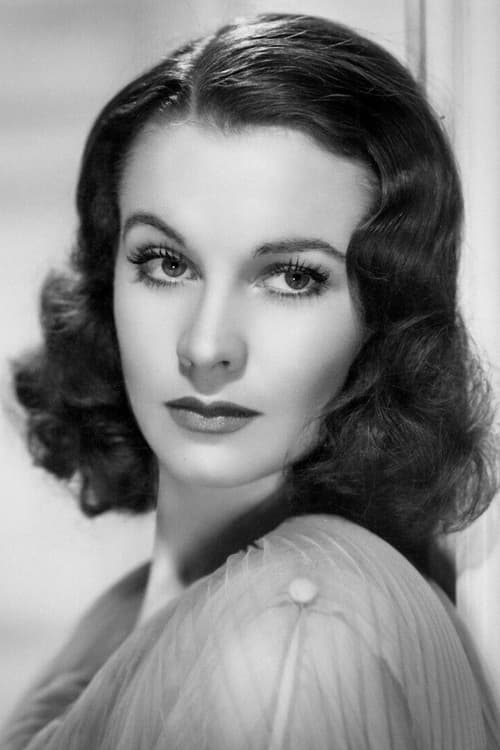
Dear, I LOVE Vivien Leigh's performance SO MUCH—it is another reason why the film remains so powerful. For an era often associated with theatrical performances and grand gestures, Leigh's acting feels remarkably subtle and modern. She communicates entire emotional conflicts through the smallest changes in expression. There are moments when she says very little, yet her eyes reveal fear, longing, shame, and heartbreak all at once. Her performance never feels forced; instead, it feels deeply human. It is one of those rare performances where the audience understands a character's inner world even when the character cannot bring herself to speak about it.
What makes this film endure is its understanding that tragedy is not only about death or separation. It is about knowing that something beautiful existed and being unable to hold onto it. The film's romance is heartbreaking not because it ends, but because it reminds us that all moments, no matter how wonderful, eventually become memories.
Like the melody of "Auld Lang Syne" echoing through the ballroom, Waterloo Bridge lingers long after the credits roll—a gentle reminder that some of life's most meaningful moments are meaningful precisely because they cannot last forever.
"Perhaps the saddest thing about happiness is that we only realize how precious it was once it becomes a memory."
*
*To me, this film is a tragic romance about love, fate, and the cruel passage of time, but what struck me most was its understanding of memory. This is not simply a story about two lovers separated by circumstances; it is a story about cherishing moments that were never meant to last.
One of the most beautiful scenes in the film which stuck upon me is the "Auld Lang Syne" sequence. While the song is often associated with farewells, I did not interpret the scene as purely sad. Instead, I found it warm and comforting. The dimmed lighting creates an atmosphere of intimacy, almost as if the world around Myra and Roy disappears for a brief moment. To me, the farewell represented remembrance rather than loss alone. Good things do not last forever, but that does not diminish their value. In fact, their temporary nature is what makes them precious. The scene feels like the film gently asking us to cherish happiness while it is still present, because one day it will become a memory.
The cinematography throughout the film is equally remarkable. The lighting often acts as an extension of Myra's emotional state, communicating feelings that words cannot. During moments of hope and romance, the soft lighting gives the film a dreamlike warmth. As Myra's despair deepens, shadows become more prominent and the visual atmosphere grows heavier.
One detail that particularly stood out to me was the ending. When Myra chooses to throw herself in front of the military truck, she is dressed in much darker clothing than the clothes she typically wear. It feels symbolic of how all hope has drained from her life. Long before her death, she already seems emotionally dead inside, and the dark costume visually reflects the hopelessness consuming her.
Dear, I LOVE Vivien Leigh's performance SO MUCH—it is another reason why the film remains so powerful. For an era often associated with theatrical performances and grand gestures, Leigh's acting feels remarkably subtle and modern. She communicates entire emotional conflicts through the smallest changes in expression. There are moments when she says very little, yet her eyes reveal fear, longing, shame, and heartbreak all at once. Her performance never feels forced; instead, it feels deeply human. It is one of those rare performances where the audience understands a character's inner world even when the character cannot bring herself to speak about it.
What makes this film endure is its understanding that tragedy is not only about death or separation. It is about knowing that something beautiful existed and being unable to hold onto it. The film's romance is heartbreaking not because it ends, but because it reminds us that all moments, no matter how wonderful, eventually become memories.
Like the melody of "Auld Lang Syne" echoing through the ballroom, Waterloo Bridge lingers long after the credits roll—a gentle reminder that some of life's most meaningful moments are meaningful precisely because they cannot last forever.