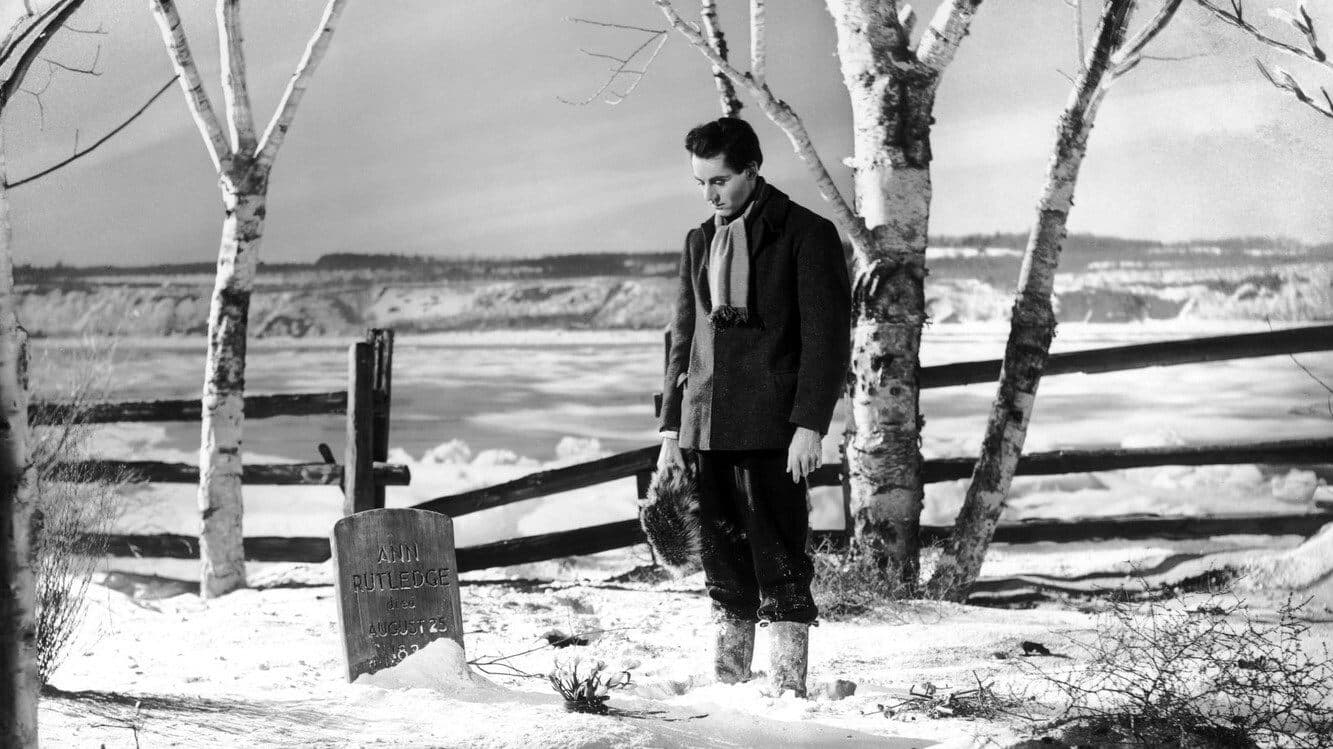
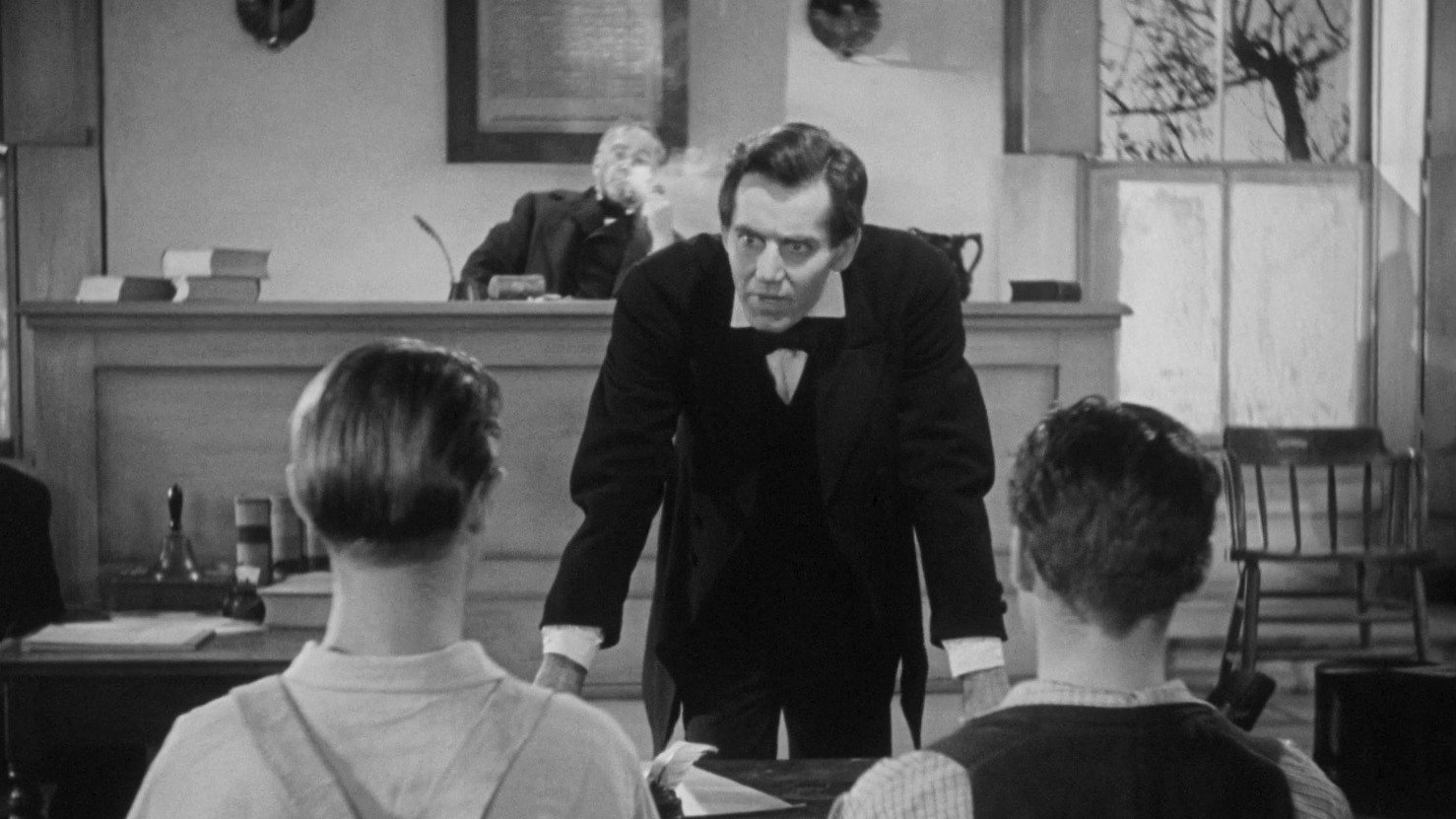
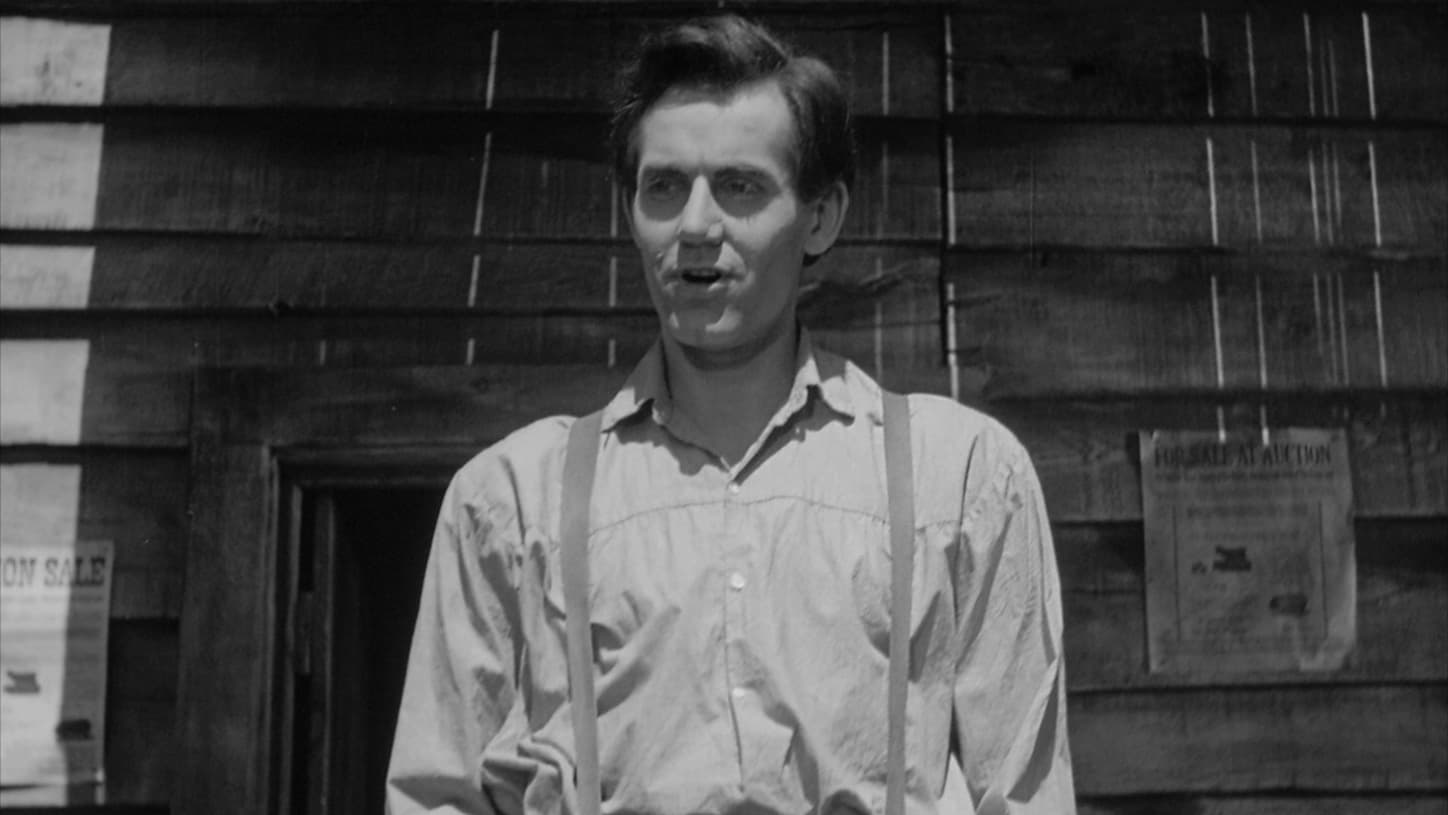
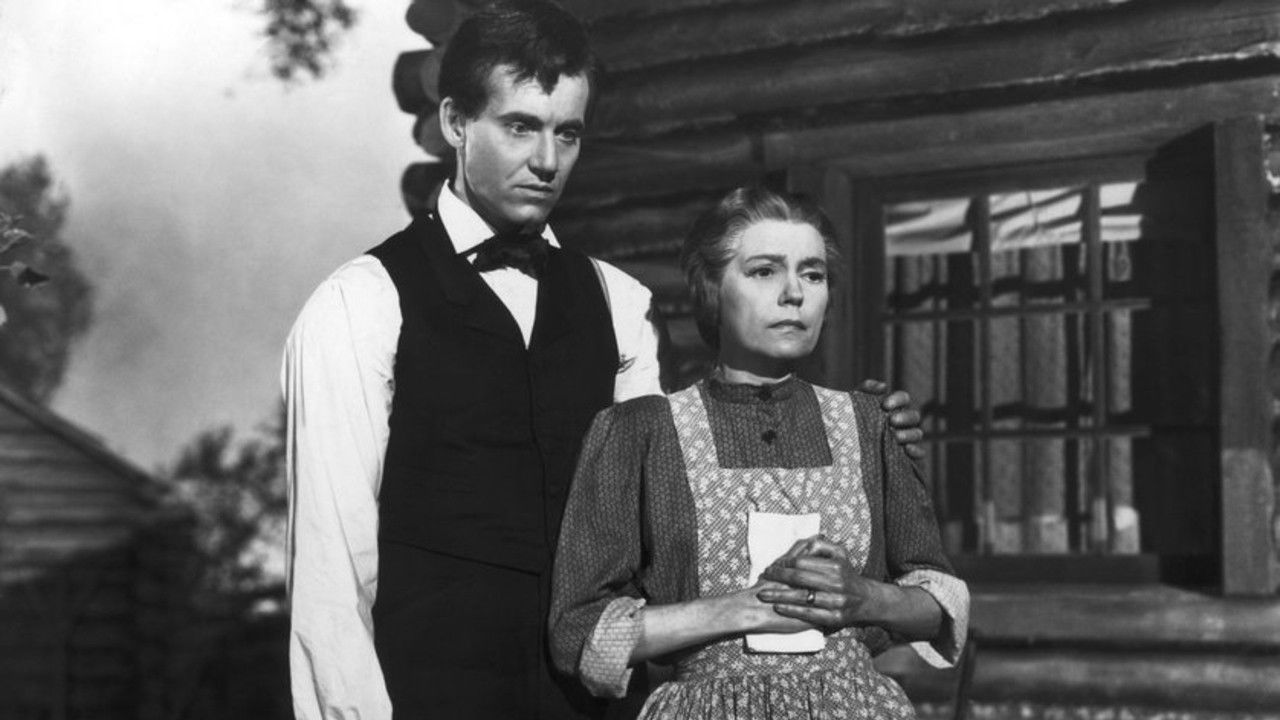
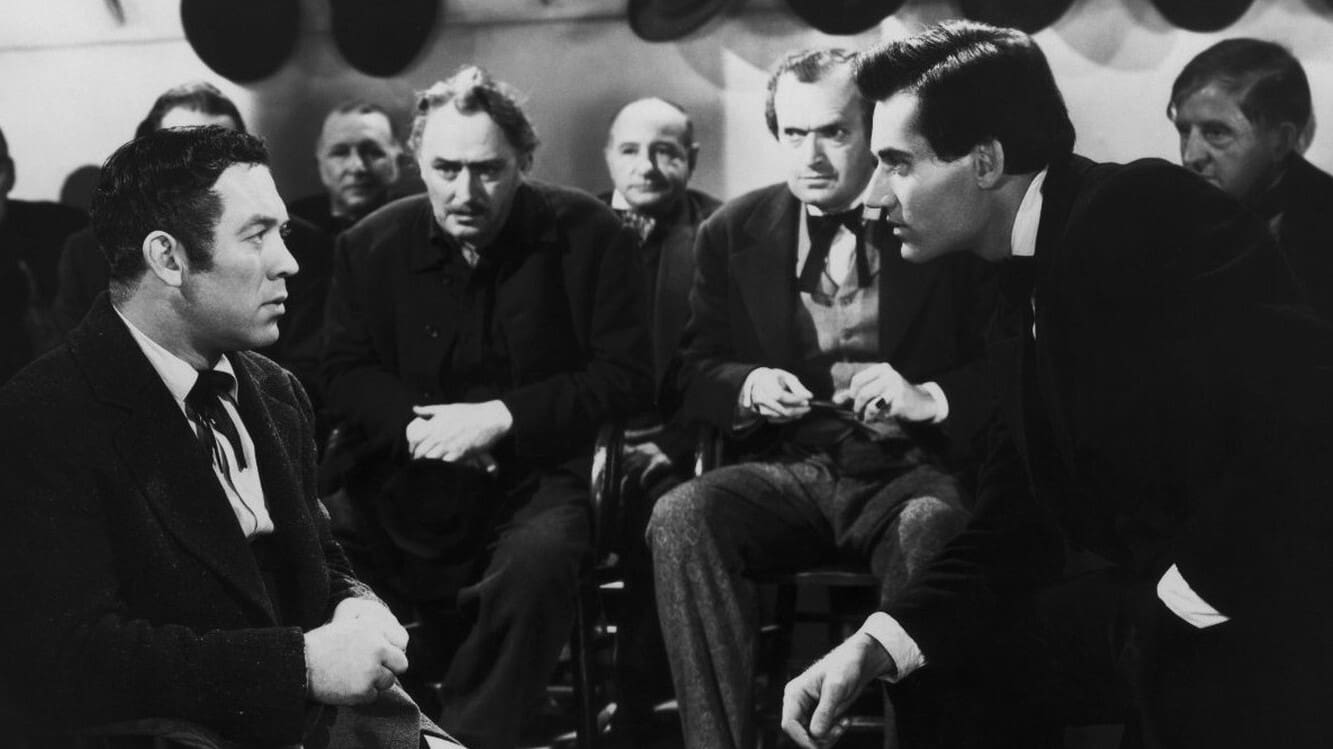
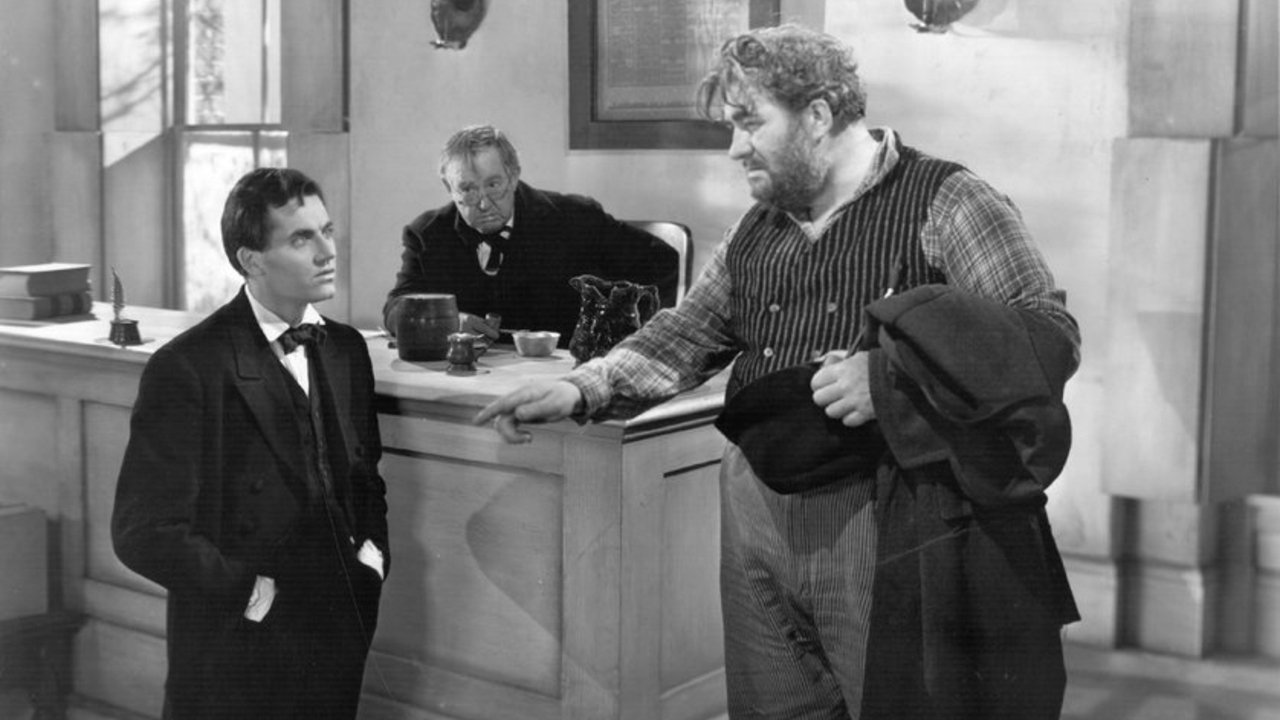
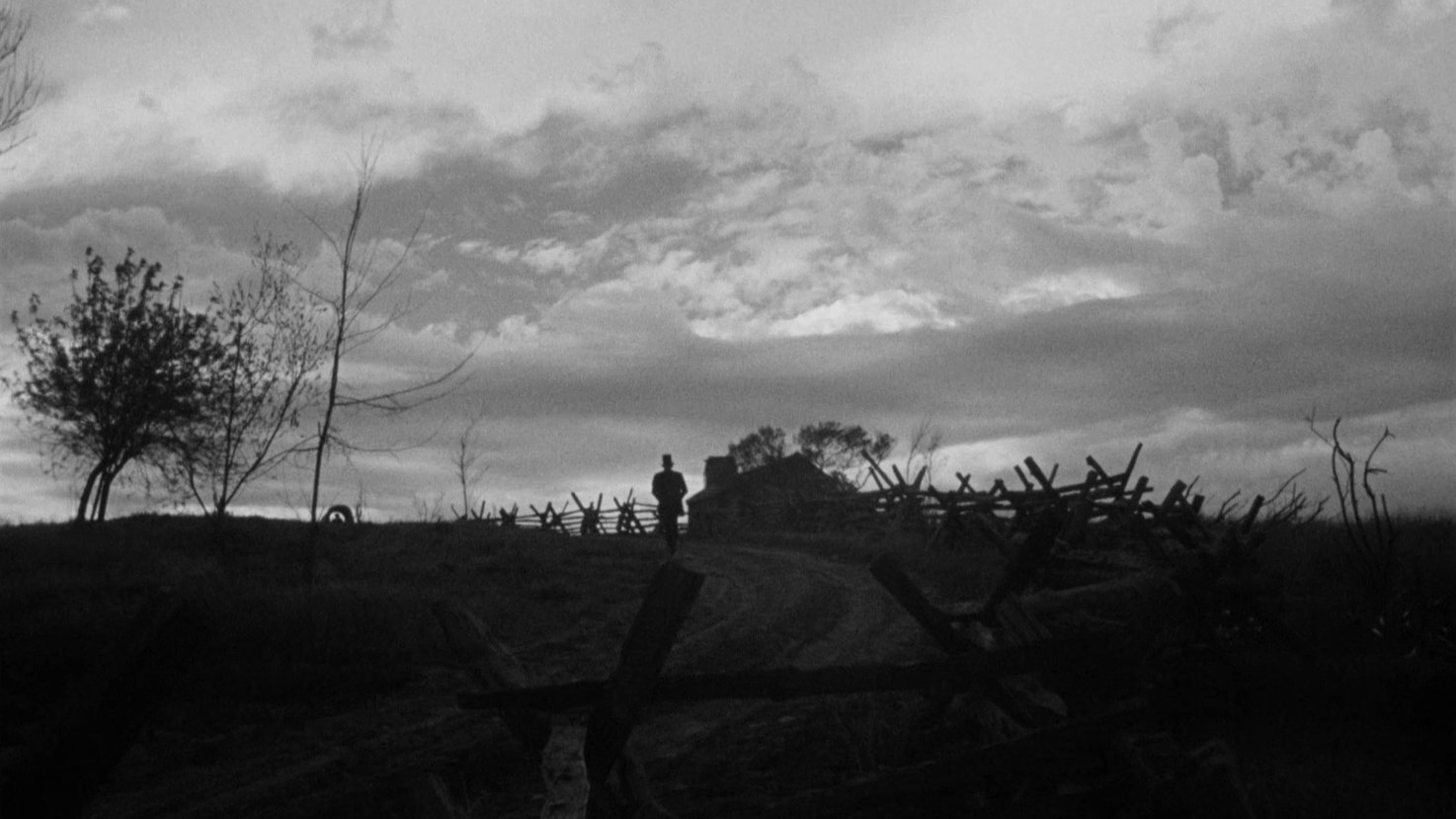
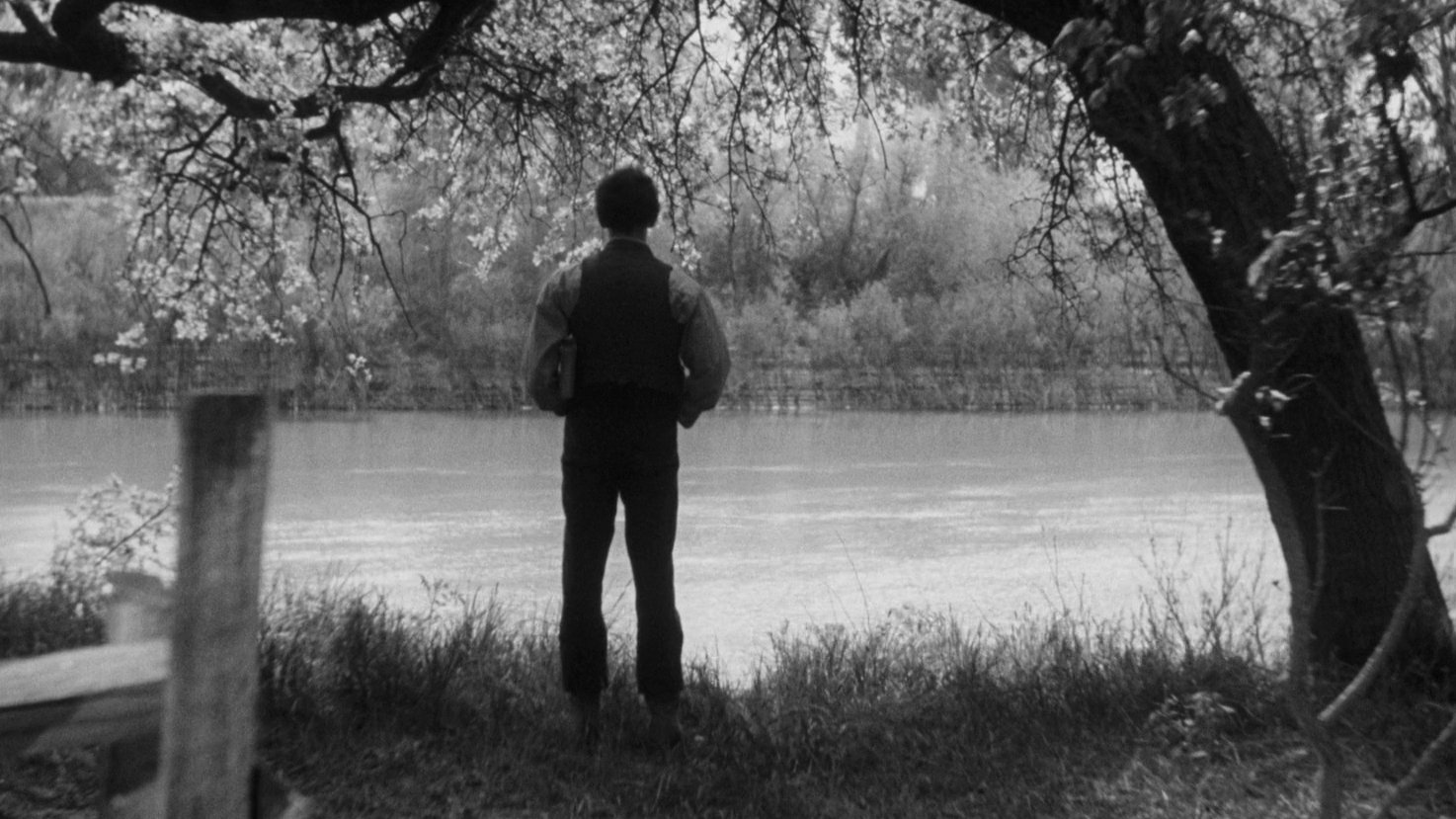
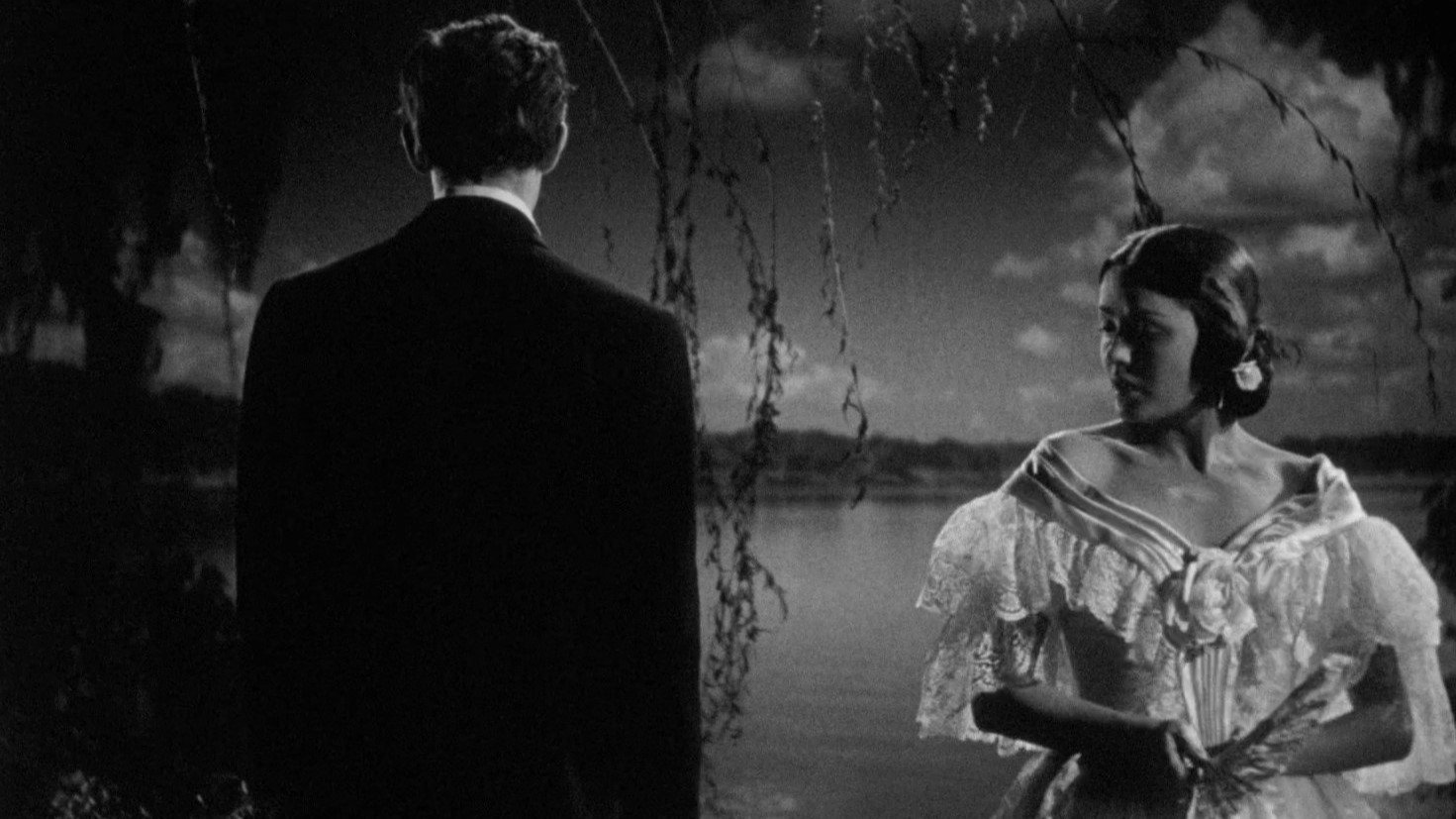
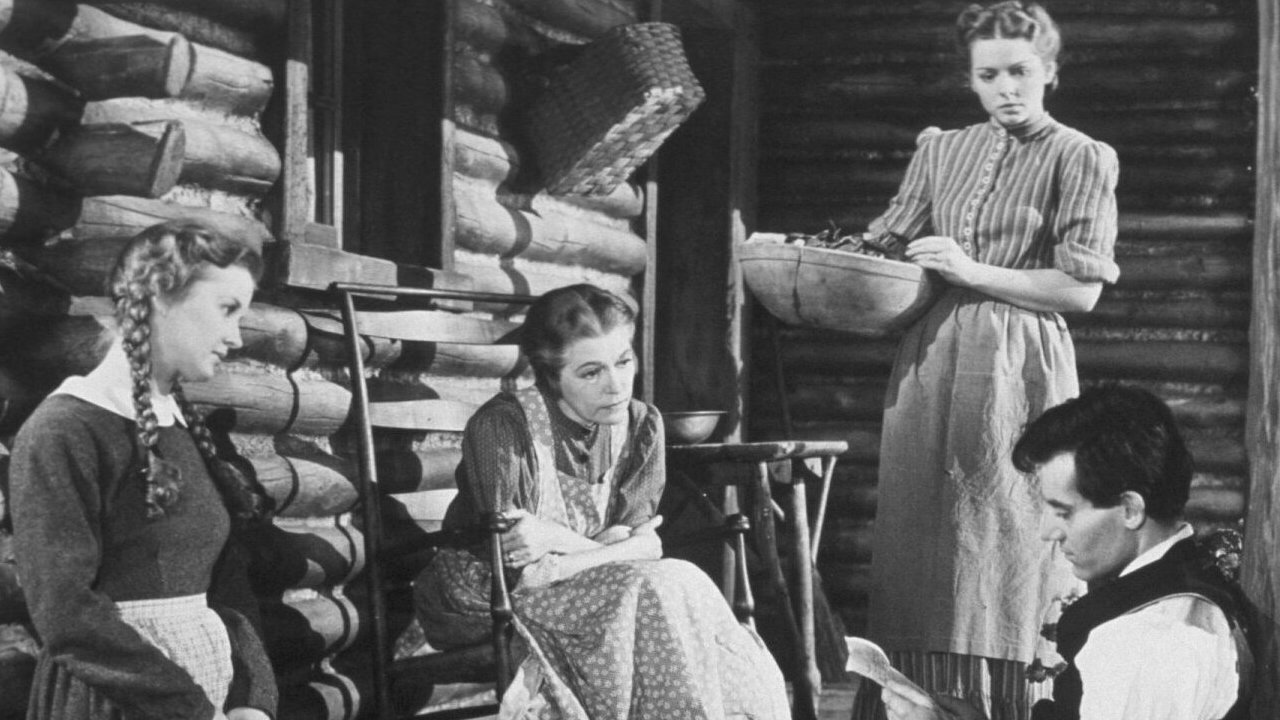
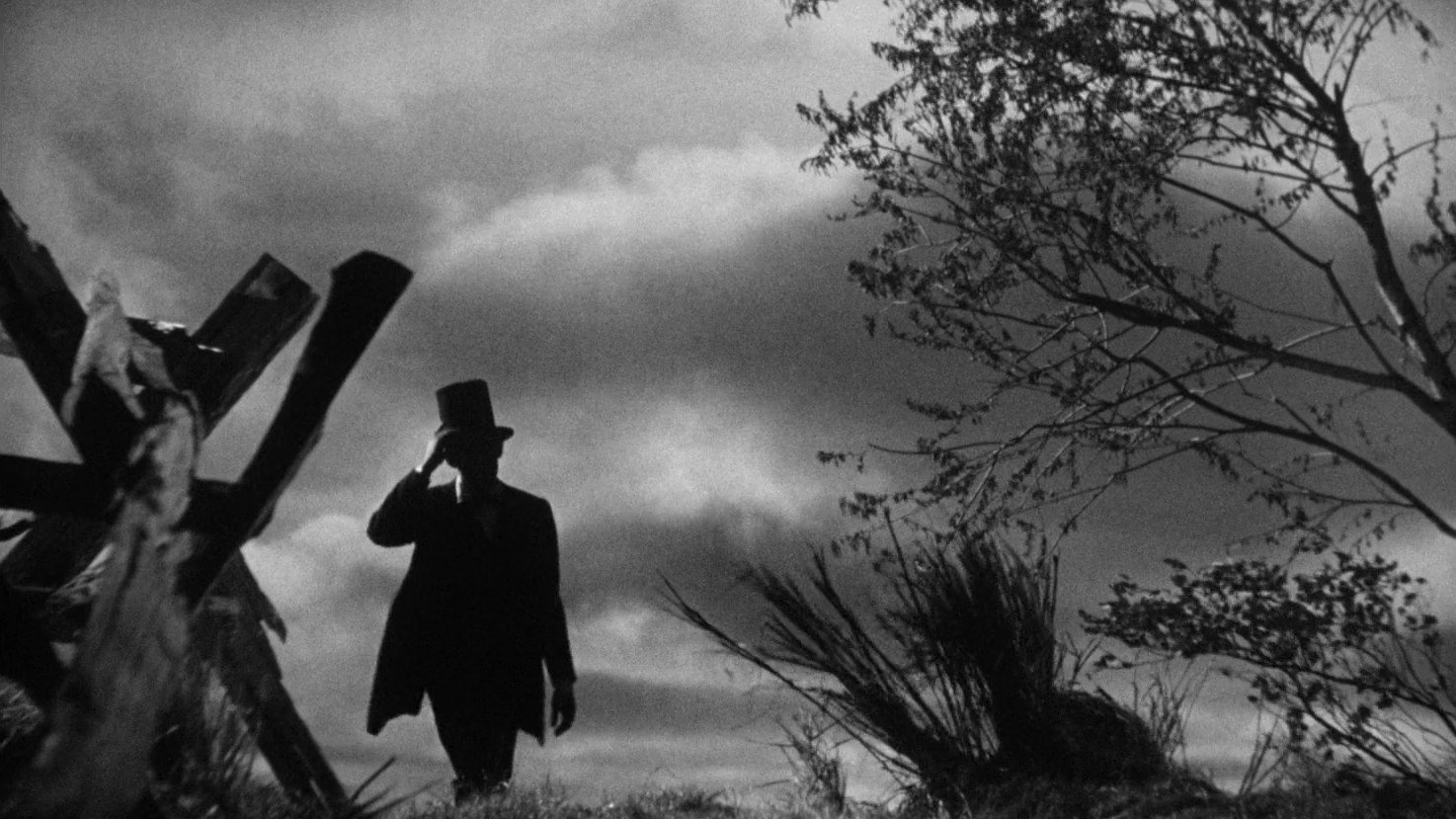
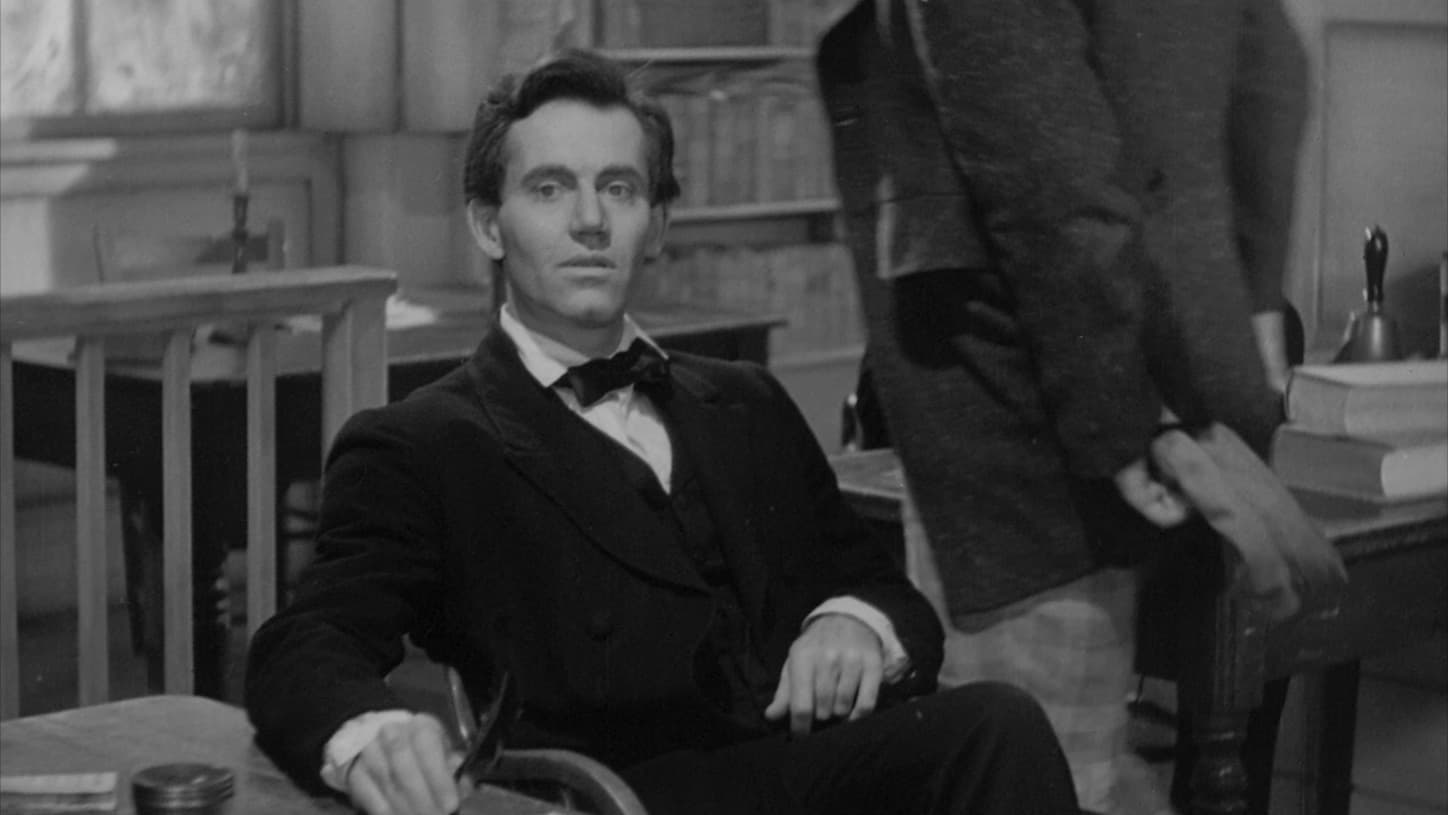
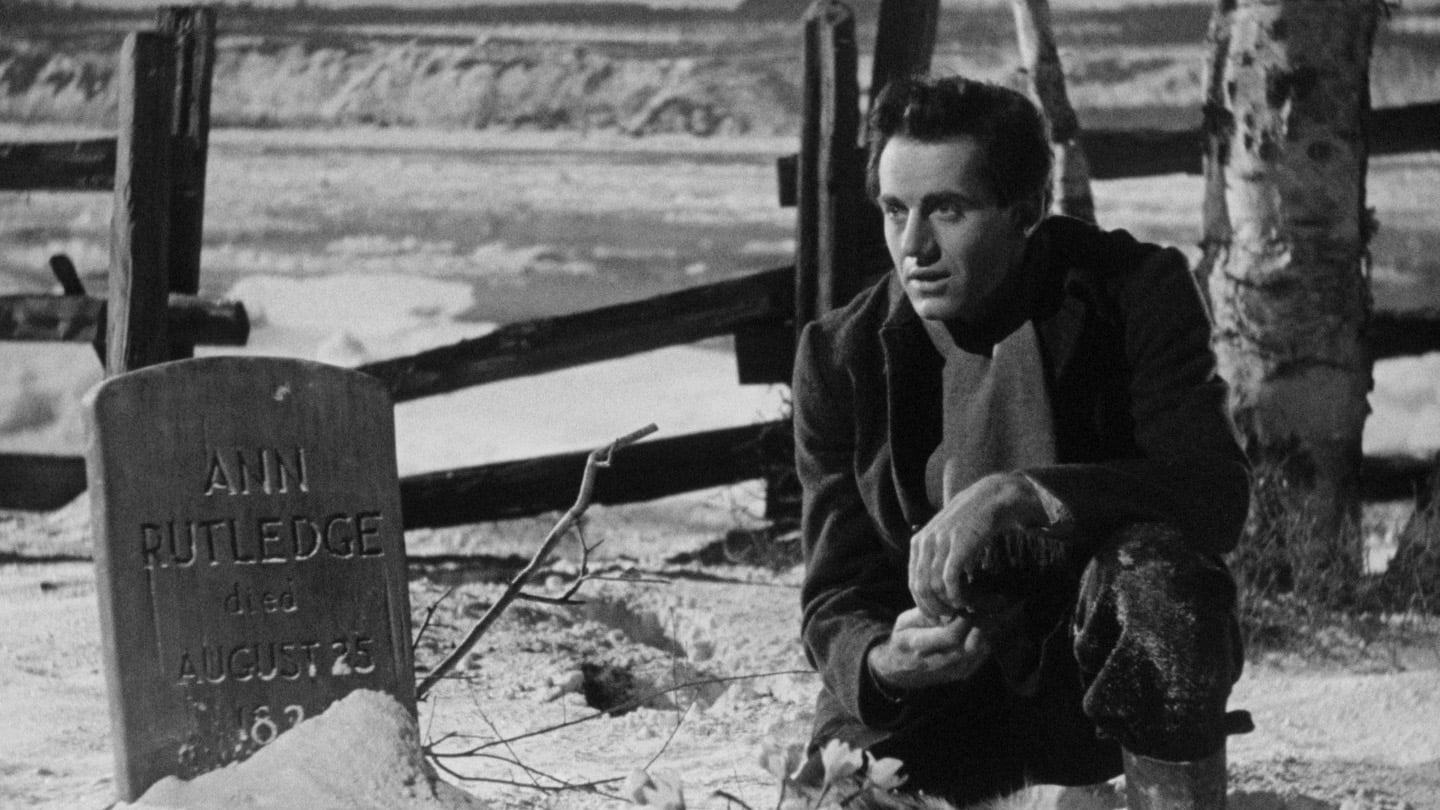
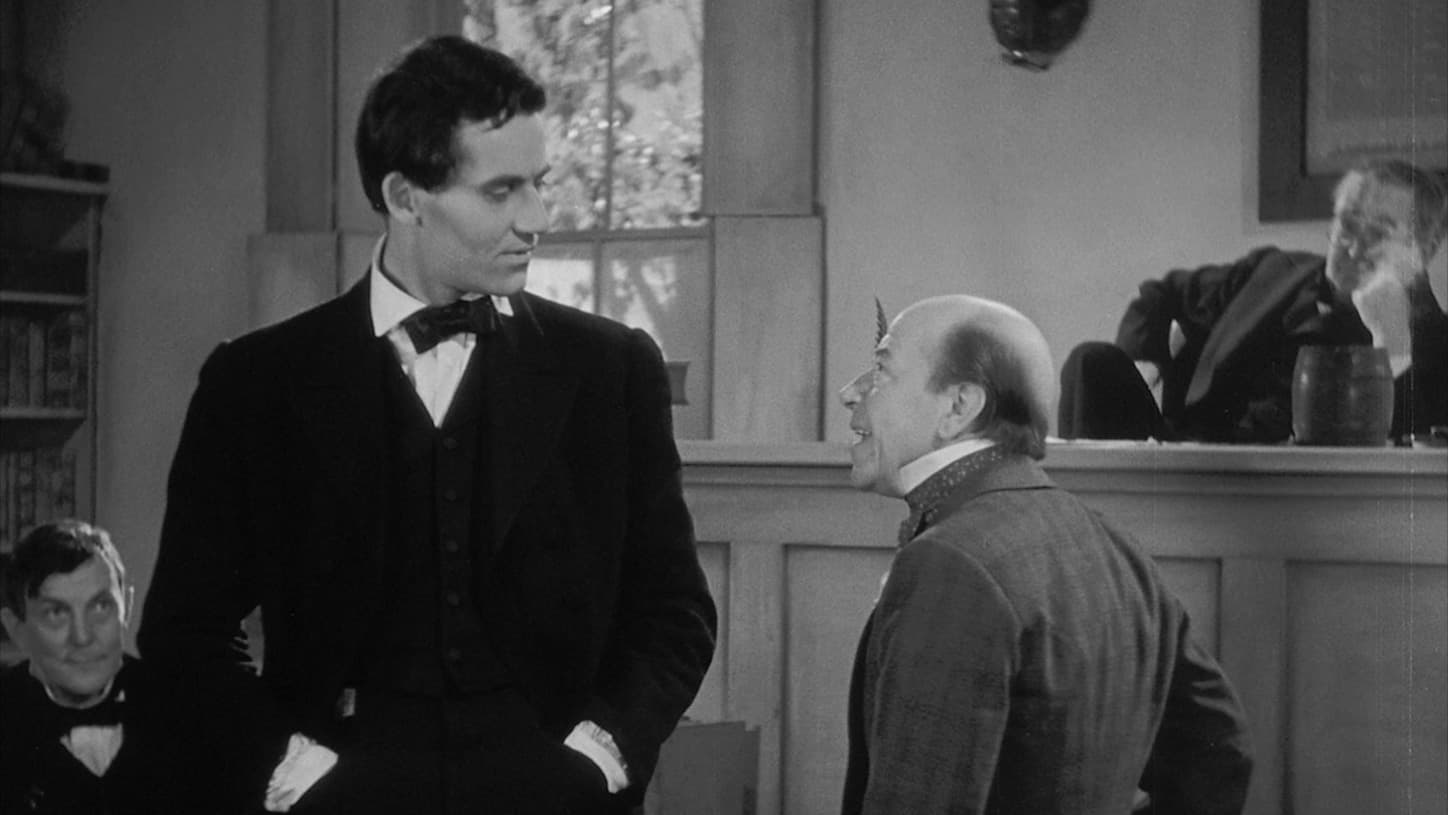
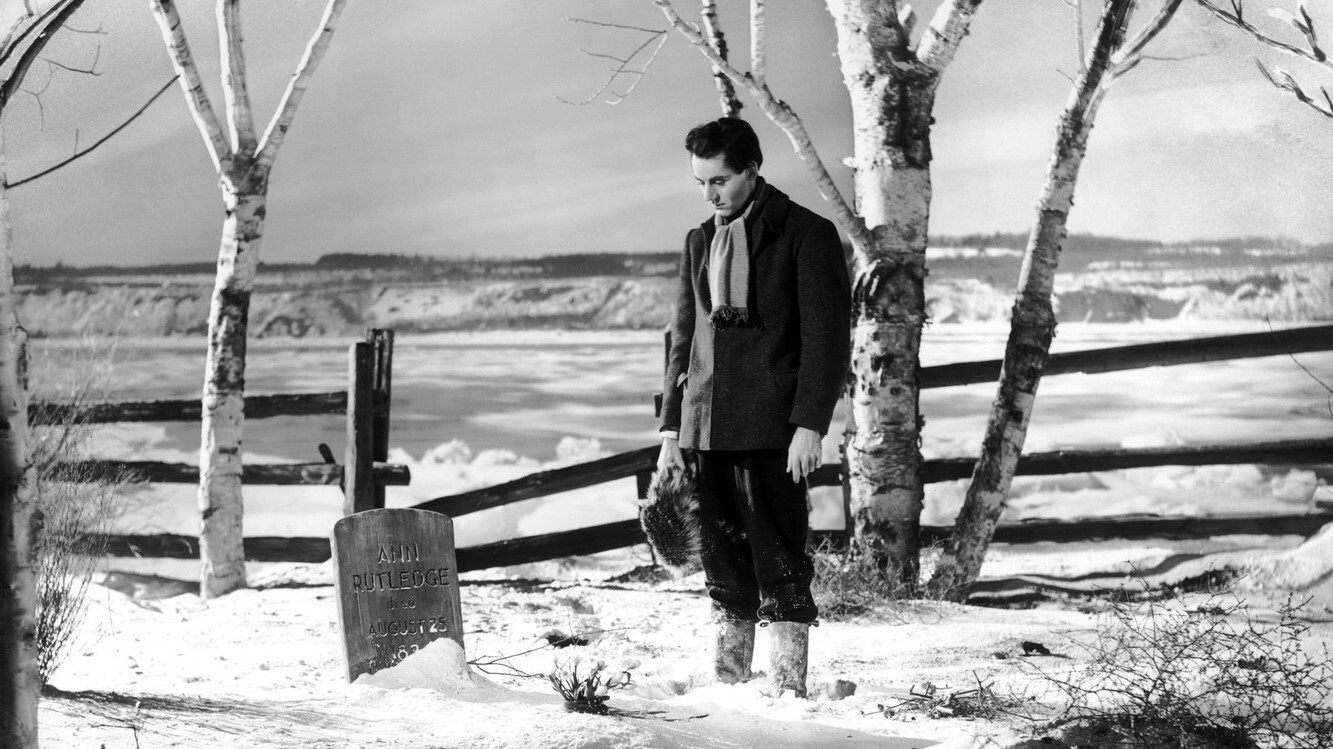
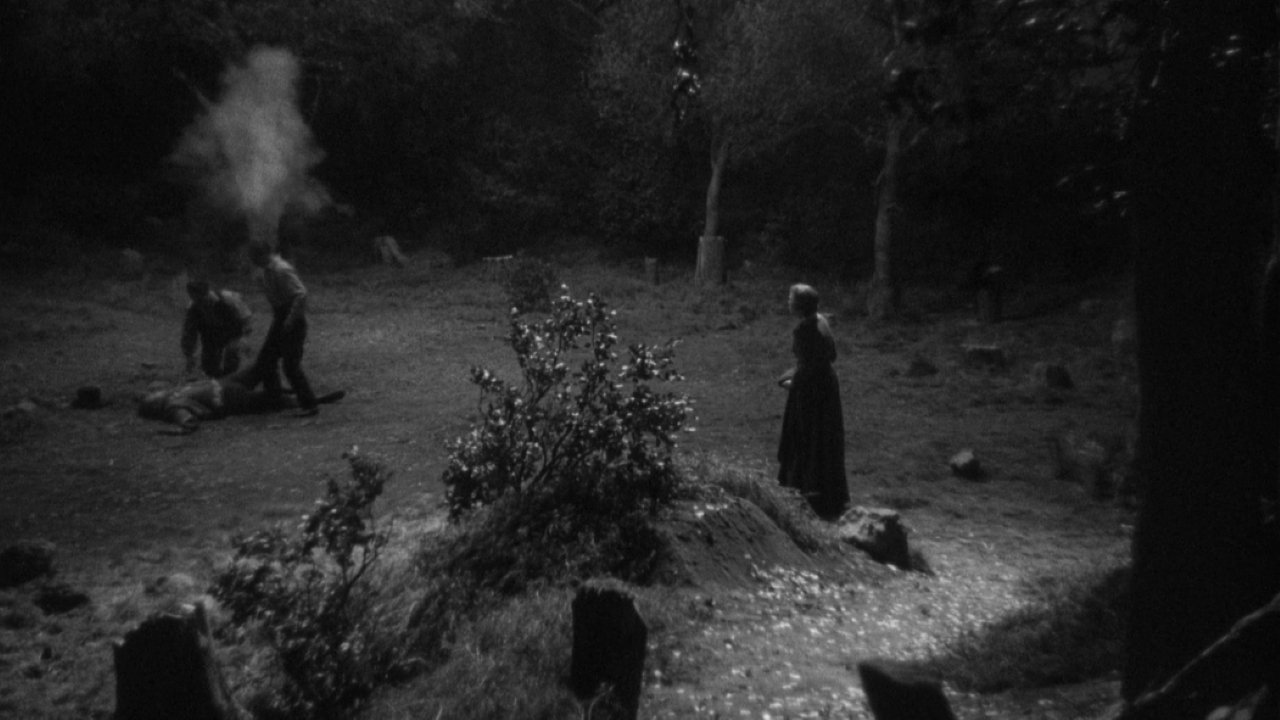
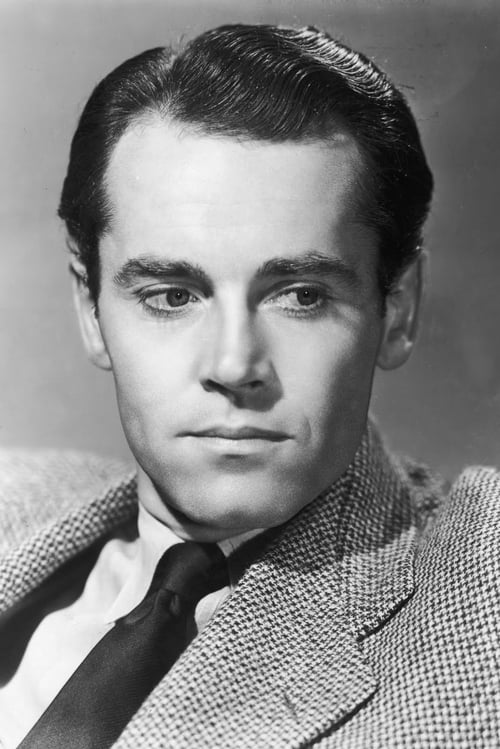
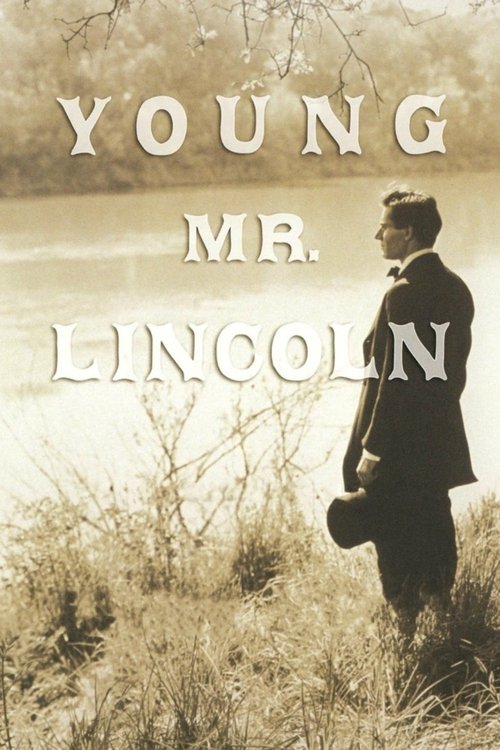
Been watching a lot of downer cinema lately. I like the stuff that makes one a little sad, I guess. Not sure what that says about me internally, but I’ve noticed a bit of an affinity for stuff that leaves me feeling a little heavy after it’s over. But even so— in our current times, every now and then it helps to feed yourself something that has a heart. John Ford’s work on the formative years and decades of this country, or at least the best of such works, often confront what came with us as America molded itself into something resembling a nation. I would never dare to present or rehabilitate Ford’s image into that of a bleeding heart progressive— he very obviously was not, and frequently collaborated with people who were not. But even such a Conservative worldview seemed to not blind him to the obvious truth that America’s formative journey had an innumerable amount of elements at play— many of them good, and many of them bad. And I suppose you could make the argument he is still reckoning with that ugly part of things even here, because you know what eventually is going to happen to Abraham Lincoln and that knowledge cannot help but loom over the narrative. However, for the most part, Ford seems to really prop up the myth and the legend of Honest Abe via his younger days as an inexperienced attorney, believes in his enduring image as a righteous man with an unambiguous desire to do good. I’m not sure if naivety is the right word for it, but there is a simplicity to the film’s morals and emotions that is very comforting. Even when you know it’s not quite true. The idea that the justice system is truly so beholden to “right and wrong” as a simple, unbreakable concept is a noble one that we know is a farce. But for a little under two hours, Ford invites you in to live in that kind of world and linger with the idea that maybe things are truly that simple. And when you take him up on that invitation, it’s an incredibly bittersweet feeling. Henry Fonda, one of Old Hollywood’s absolute giants, is just pitch perfect as Lincoln. Admittedly, he is not always the most obvious 1:1 lookalike for the man— and yet there are shots of him where it looks uncanny. Towers over every other player in the film both physically and spiritually. There’s something very gentle about his performance, as if he’s playing any other man and not the man who would become perhaps history’s single most cherished President. An excruciatingly humble, kindhearted man who doesn’t hesitate to leap to the defense of two boys accused of murder at the sight of their mother in despair. Whether Abe Lincoln was or wasn’t these things, only time and a long gone generation of people truly have the answer. But to be reminded that there was a time when a man with such alleged decency did make his way to the White House and desperately fought to keep the country from eating itself alive as it was breaking in two, rather than stoking the flames of dissension and hatred, makes one feel incredibly melancholy. My mind keeps dwelling on Fonda’s Abe Lincoln feeling like an outsider among high society and more at home during a pie eating contest, who disarms a community wanting revenge for a crime they can’t even prove with good natured jokes and mild mannered discretion. It’s the kind of myth you’re raised to believe in. Even if the myth might not hold up under thorough investigation, sometimes you just desperately need an escape from unfeeling and unflinching reality for a bit. That last shot of Fonda walking up that hill just as thunder and lightning rolls in before it fades into its final image of the Lincoln Memorial is just dizzying. John Ford using what was still an incredibly young art form and propelling it forward with such force. A deeply lovely, beautifully hopeful film. Makes me yearn and hope for better times.
“We seem to lose our heads in times like this. We do things together that we'd be mighty ashamed to do by ourselves.”