
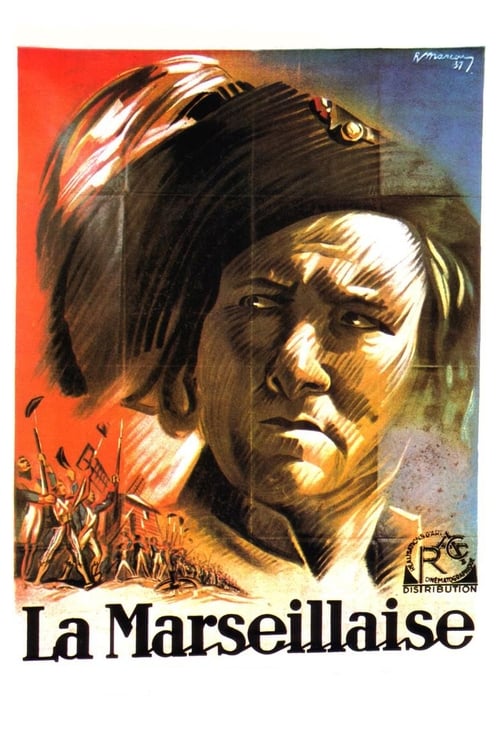
La Marseillaise
1938·History·2h 11m
7.1
★
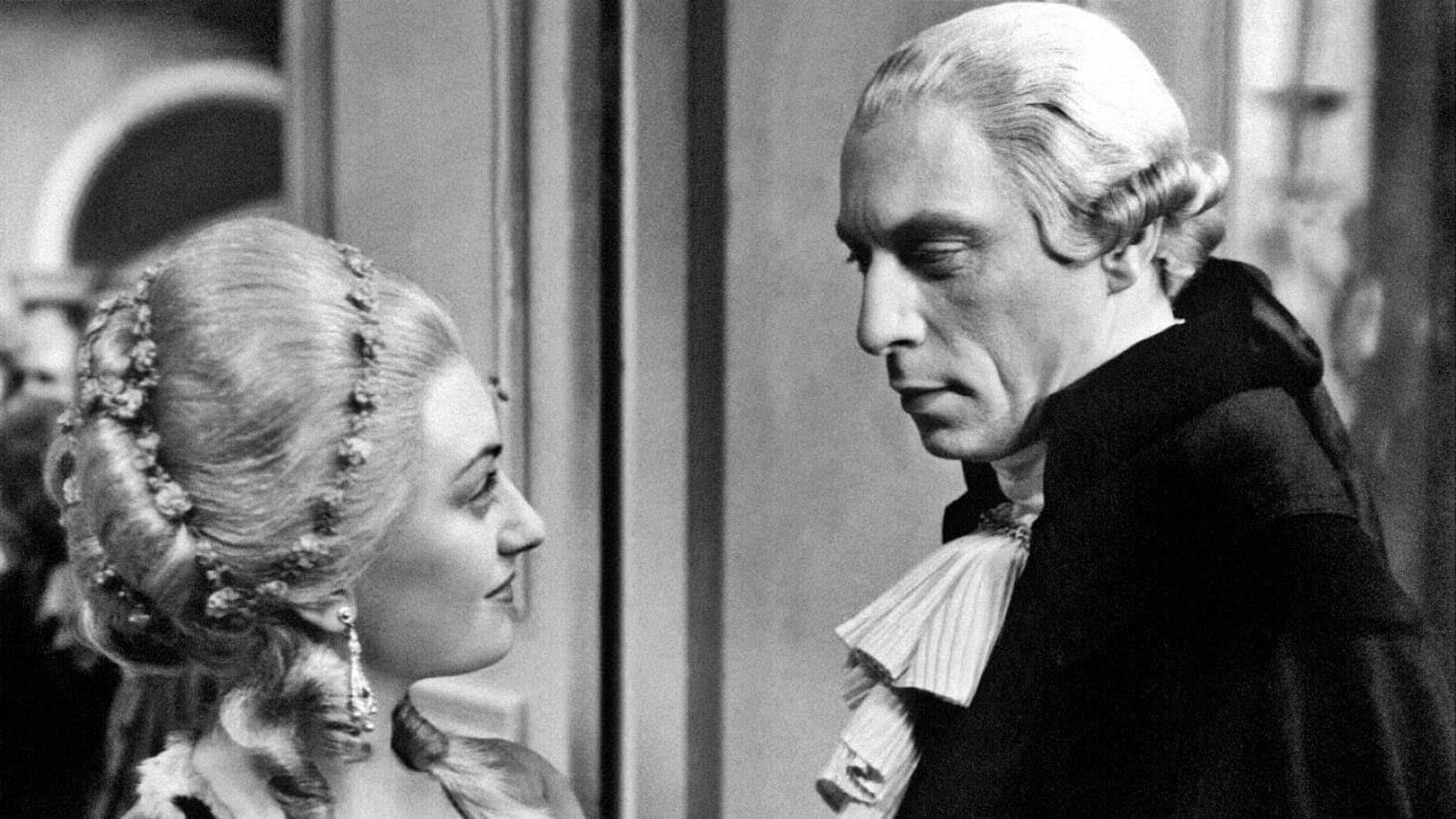
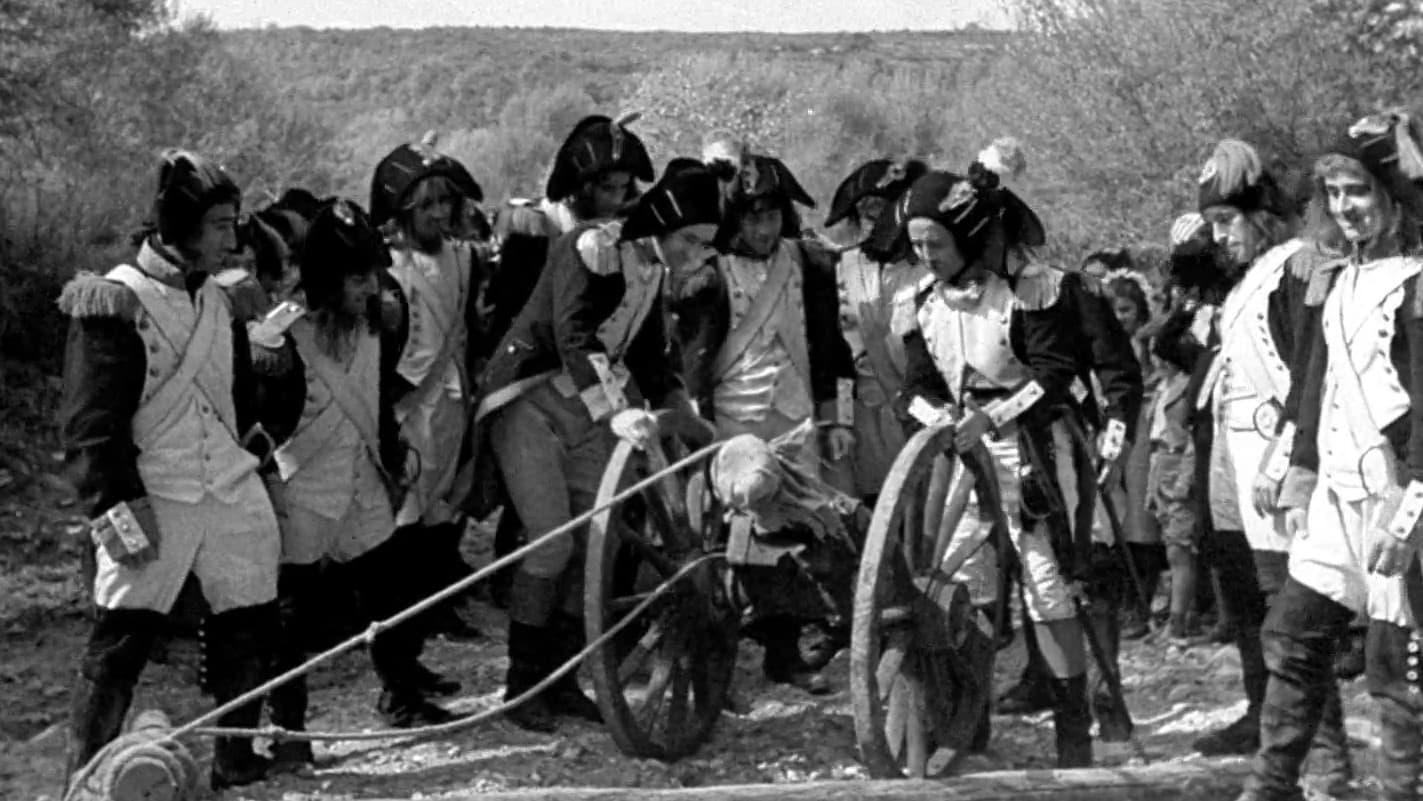
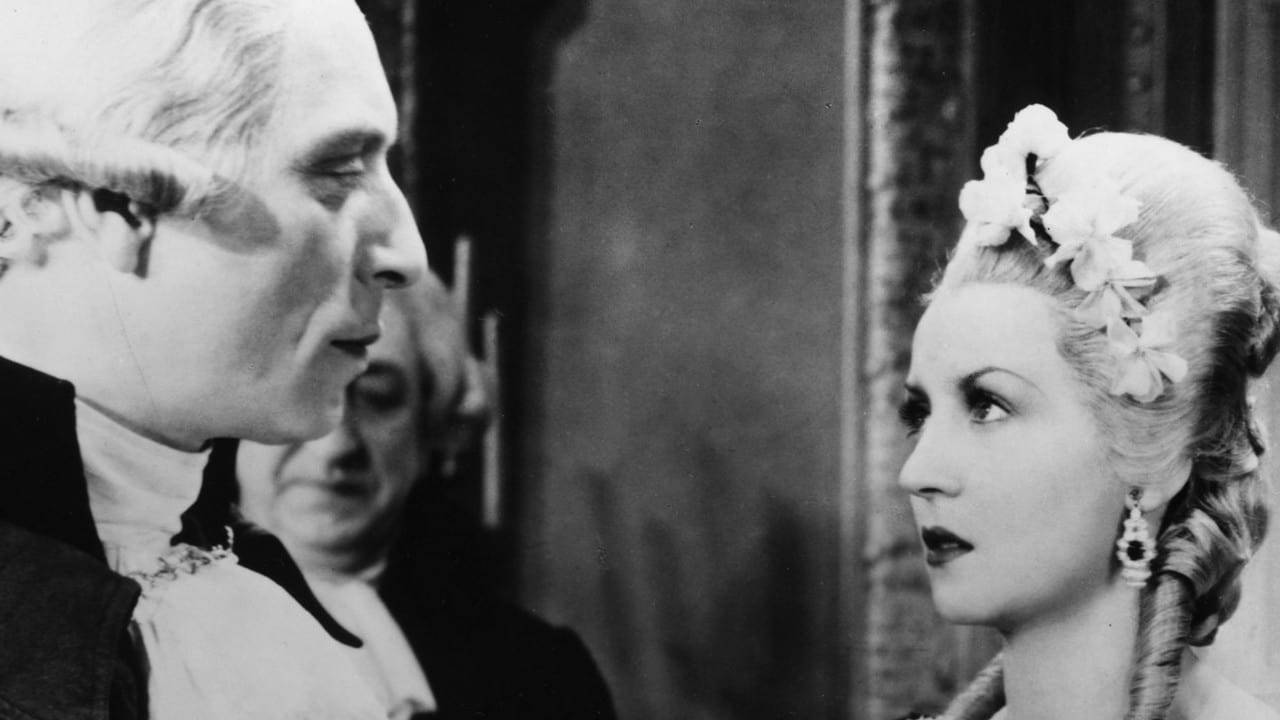
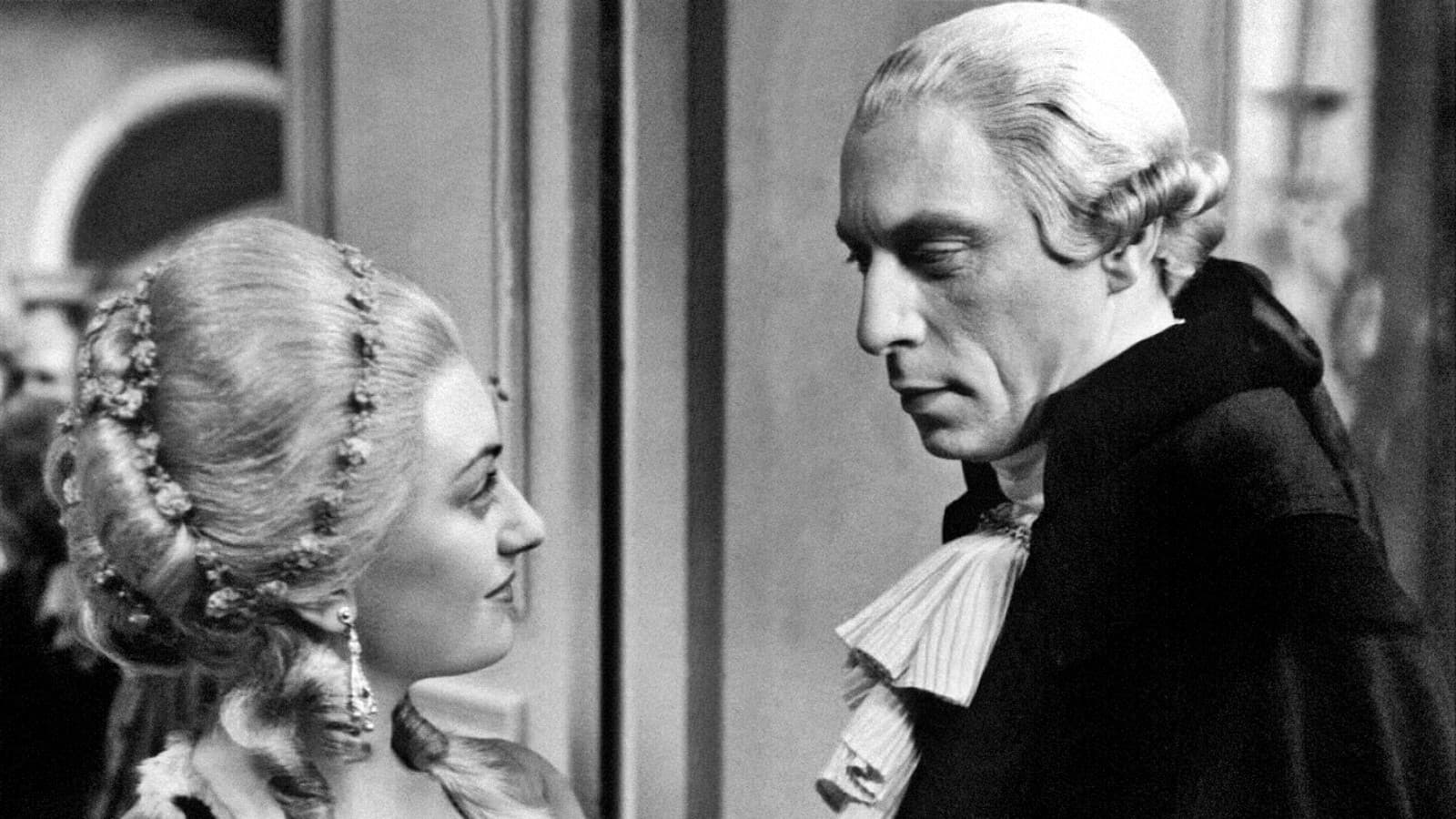
The early days of the French Revolution, as seen through the eyes of the ordinary citizens in Marseille and the royal court, including King Louis XVI and Marie Antoinette.
Directed by Jean Renoir
french revolution
18th century
national anthem
la marseillaise
marseille

IMDB
N/A
Cast
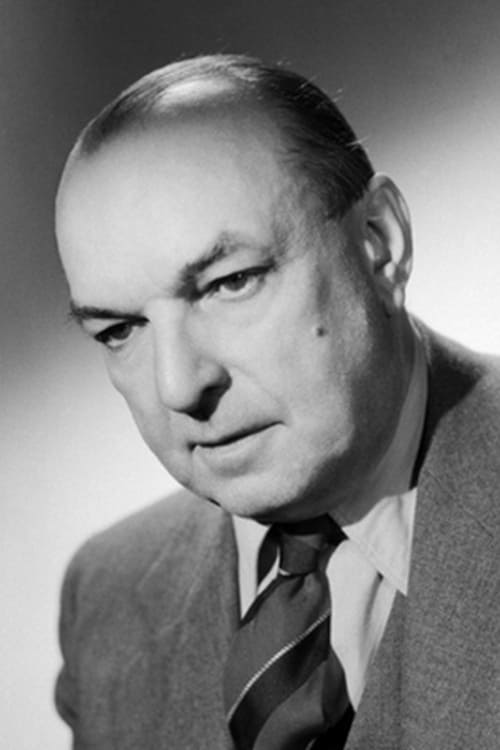
Pierre Renoir
Louis XVI King of France

Lise Delamare
Queen Marie-Antoinette
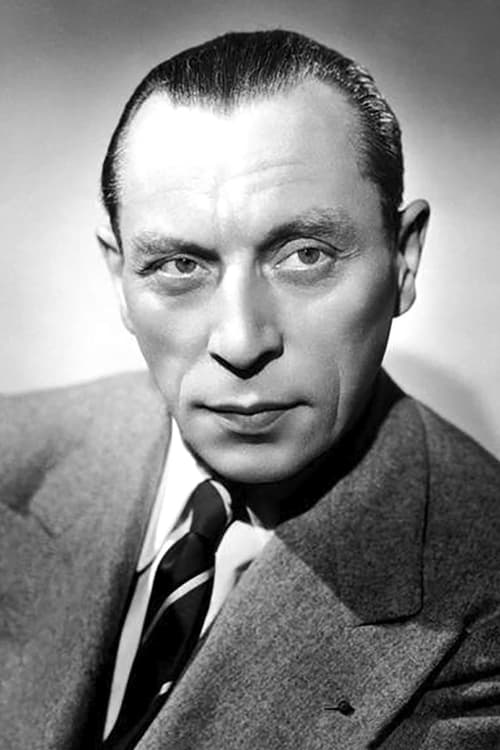
Louis Jouvet
Roederer
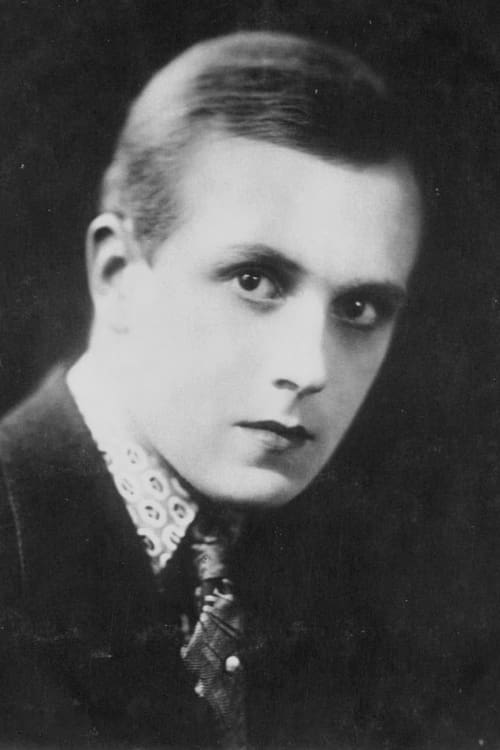
Jaque Catelain
Capitaine Langlade
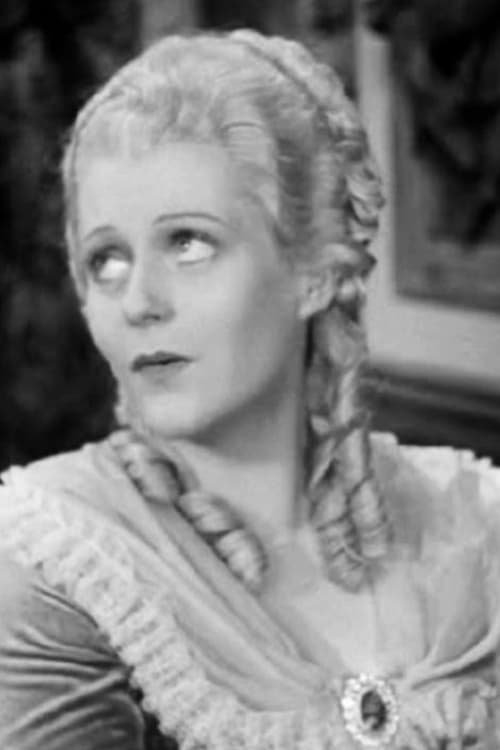
Elisa Ruis
La princesse de Lamballe
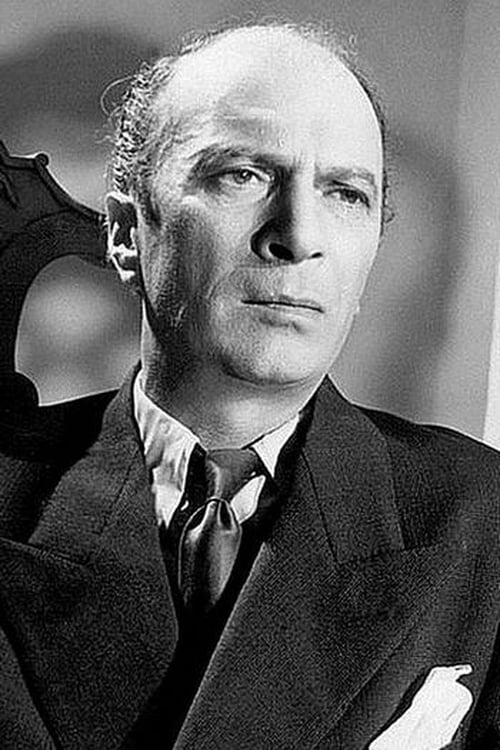
Aimé Clariond
Monsieur de Saint Laurent
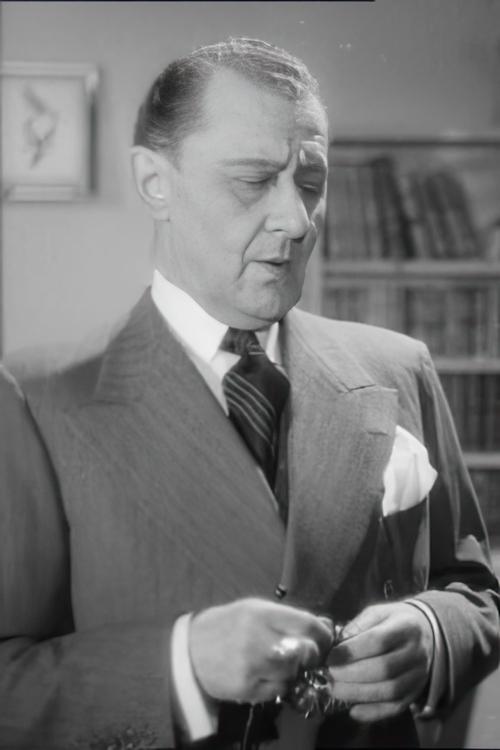
Jean Aymé
Monsieur de Fouguerolles
Léon Larive
Picard, le valet du roi

Pamela Stirling
Une suivante

Jean Aquistapace
Paul Giraud, le maire du village
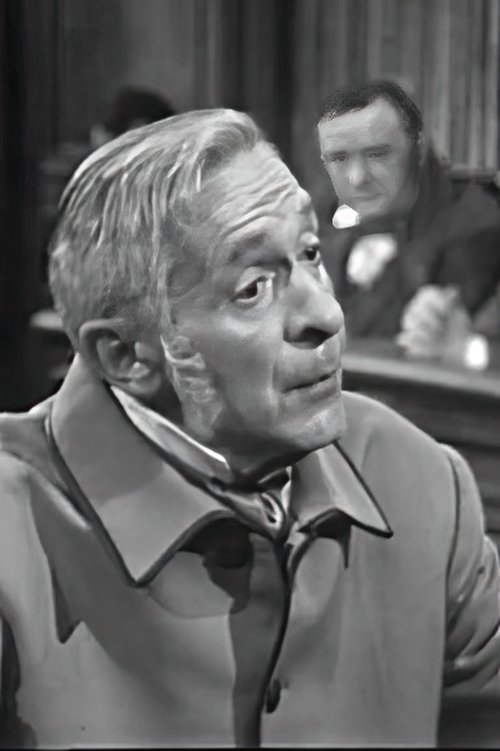
Georges Spanelly
La Chesnaye

Pierre Nay
Dubouchage
Crew
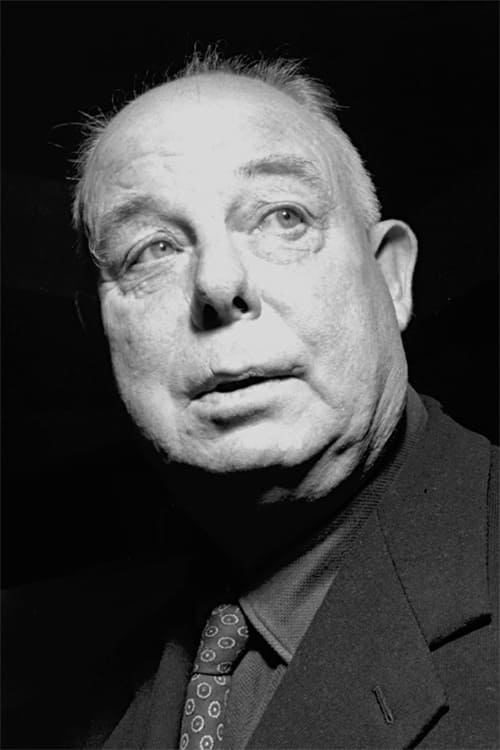
Jean Renoir
Director
Jean Renoir
Writer
Marguerite Renoir
Editor

Alain Douarinou
Director of Photography
Jean Renoir
Producer
André Zwobada
Executive Producer

Roger Desormière
Conductor
Popular Reviews
3 reviews
Muztang
9.0★ · 05/20/26
j'ai le FOMO
j'ai le FOMO


JBPRO
8.0★ · 08/20/25
Only Jean Renoir could make a Front populaire-era film commemorating the French Revolution, and manage to make Louis XVI come off as a tragic and ultimately dignified character. It is surprising that La Marseillaise, an historical epic made at Renoir’s absolute peak in between The Grand Illusion and The Rules of the Game, is virtually forgotten outside of Renoir scholarship. There are, granted, some fairly apparent reasons why this is the case. First of all, this is a propaganda film. Whilst all of Renoir’s work in the ‘30s are propagandistic to one degree or another (especially The Grand Illusion), La Marseillaise is far more explicitly so. Indeed, it was even commissioned by the CGT trade union. A base-level reading of this film would almost certainly leave the viewer with the overarching impression that Renoir’s ultimate message is ‘Vive la Révolution’ which isn’t necessarily false, but certainly isn’t the whole picture. Another reason for the decidedly lacking impression La Marseillaise has made on film history is its narrative structure. Unlike every other Renoir film of this era, La Marseillaise is loose, assorted into vignettes, with only a handful of truly central characters. It is a film carried more-so by the tides of historical chronology than the contrivances of narrative. Characters will be introduced for a scene before folding back into the broader milieu of history, never to be seen again. This episodic approach is vastly different from the elaborately intricate narratives of The Grand Illusion or The Rules of the Game, and is naturally more alienating to modern viewers. In La Marseillaise, Renoir does not search for pathos in the traditional sense. I myself would even argue that to some degree, the episodic historical-event driven nature of the structure makes it difficult for the viewer to conceptually synthesise the film as a completed whole.
But there is one thing that Renoir certainly retains from his other works of this period. I alluded to it in the first sentence of this review: that unwavering respect which he retains for all characters at all times and in all cases. As per usual, Renoir delightfully toes the line between scathingly penetrative class commentary and unflinching, class-blind humanist sympathy. It works so tremendously well in La Marseillaise because of the historical boiling point in which it is situated. At an unprecedented epoch in history, at a point where action is both historically inevitable and absolutely necessary, Renoir harnesses his own prescience to give us a glimpse of the fleeting human faces that flicker into sight amid this stampede of historical happening. We observe peasants, aristocrats, royalist soldiers, revolutionary soldiers, Swiss guards, civilians, and even the King himself through a humanist lens endowed with a vision of equality. This is why the episodic structure still manages to be mostly effective. We aren’t watching the film unfold with characters who drive history, but with people who experience it. One of the few central characters, a revolutionary, scoffs when they first hear La Marseillaise; King Louis picks up ‘lower’ tastes, discovering toothbrushing and learning to enjoy tomatoes; Marie Antoinette, far from her popular caricature, is levelled and intelligent; it is equally as tragic to see Louis solemnly regarding his child playing with Autumn leaves as they are fleeing the Revolution, as it is to see one of the protagonists gasp his dying gasps, disappointed that he will not see the Revolution through; as, indeed, is it tragic to see an exiled aristocrat suffering his fellow exiles as they ignorantly anticipate a return to the social order and eagerly redirect their allegiances from France to Prussia.
La Marseillaise is as formally elaborate as any of Renoir’s other films from this era. The camera is just as emancipated as ever, and his tendency toward the long take is stronger than in any of his other films. All the technical motifs are present: shooting geometrically through open windows, using smooth and timed movements between compositions as an alternative to editing, having multiple sequences of action occur simultaneously across different planes of focus. It’s all there. Especially notable is how effectively Renoir frames collectives, how his camera cranes and sweeps over crowds, circling rooms, ascending floors, descending levels. He has this brilliant method of beginning movements with wider high-angled establishing shots, and gradually craning downwards, redirecting focus, until the camera is singularly concentrated on one subject. La Marseillaise overflows with a collective sense of the comradely. One thing I would, however, say about these movements in La Marseillaise, is that they don’t serve the same function of visually developing narrative through movement in the same way that they do in Renoir’s other films of this era. I would argue that this narrational function is one of the keystones to Renoir’s cinematic method, and so the fact that there isn’t too much of a narrative for it to drive in this film can sometimes make the craft feel slightly less purposeful in comparison, but it is still sublime regardless. The final shot says it all: a ceaseless parade of marching men, beating their drums into a united and impenetrable aural blur. The camera pans along with them, but not fast enough to follow any one man. Fin, and fade to black.
But there is one thing that Renoir certainly retains from his other works of this period. I alluded to it in the first sentence of this review: that unwavering respect which he retains for all characters at all times and in all cases. As per usual, Renoir delightfully toes the line between scathingly penetrative class commentary and unflinching, class-blind humanist sympathy. It works so tremendously well in La Marseillaise because of the historical boiling point in which it is situated. At an unprecedented epoch in history, at a point where action is both historically inevitable and absolutely necessary, Renoir harnesses his own prescience to give us a glimpse of the fleeting human faces that flicker into sight amid this stampede of historical happening. We observe peasants, aristocrats, royalist soldiers, revolutionary soldiers, Swiss guards, civilians, and even the King himself through a humanist lens endowed with a vision of equality. This is why the episodic structure still manages to be mostly effective. We aren’t watching the film unfold with characters who drive history, but with people who experience it. One of the few central characters, a revolutionary, scoffs when they first hear La Marseillaise; King Louis picks up ‘lower’ tastes, discovering toothbrushing and learning to enjoy tomatoes; Marie Antoinette, far from her popular caricature, is levelled and intelligent; it is equally as tragic to see Louis solemnly regarding his child playing with Autumn leaves as they are fleeing the Revolution, as it is to see one of the protagonists gasp his dying gasps, disappointed that he will not see the Revolution through; as, indeed, is it tragic to see an exiled aristocrat suffering his fellow exiles as they ignorantly anticipate a return to the social order and eagerly redirect their allegiances from France to Prussia.
La Marseillaise is as formally elaborate as any of Renoir’s other films from this era. The camera is just as emancipated as ever, and his tendency toward the long take is stronger than in any of his other films. All the technical motifs are present: shooting geometrically through open windows, using smooth and timed movements between compositions as an alternative to editing, having multiple sequences of action occur simultaneously across different planes of focus. It’s all there. Especially notable is how effectively Renoir frames collectives, how his camera cranes and sweeps over crowds, circling rooms, ascending floors, descending levels. He has this brilliant method of beginning movements with wider high-angled establishing shots, and gradually craning downwards, redirecting focus, until the camera is singularly concentrated on one subject. La Marseillaise overflows with a collective sense of the comradely. One thing I would, however, say about these movements in La Marseillaise, is that they don’t serve the same function of visually developing narrative through movement in the same way that they do in Renoir’s other films of this era. I would argue that this narrational function is one of the keystones to Renoir’s cinematic method, and so the fact that there isn’t too much of a narrative for it to drive in this film can sometimes make the craft feel slightly less purposeful in comparison, but it is still sublime regardless. The final shot says it all: a ceaseless parade of marching men, beating their drums into a united and impenetrable aural blur. The camera pans along with them, but not fast enough to follow any one man. Fin, and fade to black.
Only Jean Renoir could make a Front populaire-era film commemorating the French Revolution, and manage to make Louis XVI come off as a tragic and ultimately dignified character. It is surprising that La Marseillaise, an historical epic made at Renoir’s absolute peak in between The Grand Illusion and The Rules of the Game, is virtually forgotten outside of Renoir scholarship. There are, granted, some fairly apparent reasons why this is the case. First of all, this is a propaganda film. Whilst all of Renoir’s work in the ‘30s are propagandistic to one degree or another (especially The Grand Illusion), La Marseillaise is far more explicitly so. Indeed, it was even commissioned by the CGT trade union. A base-level reading of this film would almost certainly leave the viewer with the overarching impression that Renoir’s ultimate message is ‘Vive la Révolution’ which isn’t necessarily false, but certainly isn’t the whole picture. Another reason for the decidedly lacking impression La Marseillaise has made on film history is its narrative structure. Unlike every other Renoir film of this era, La Marseillaise is loose, assorted into vignettes, with only a handful of truly central characters. It is a film carried more-so by the tides of historical chronology than the contrivances of narrative. Characters will be introduced for a scene before folding back into the broader milieu of history, never to be seen again. This episodic approach is vastly different from the elaborately intricate narratives of The Grand Illusion or The Rules of the Game, and is naturally more alienating to modern viewers. In La Marseillaise, Renoir does not search for pathos in the traditional sense. I myself would even argue that to some degree, the episodic historical-event driven nature of the structure makes it difficult for the viewer to conceptually synthesise the film as a completed whole.
But there is one thing that Renoir certainly retains from his other works of this period. I alluded to it in the first sentence of this review: that unwavering respect which he retains for all characters at all times and in all cases. As per usual, Renoir delightfully toes the line between scathingly penetrative class commentary and unflinching, class-blind humanist sympathy. It works so tremendously well in La Marseillaise because of the historical boiling point in which it is situated. At an unprecedented epoch in history, at a point where action is both historically inevitable and absolutely necessary, Renoir harnesses his own prescience to give us a glimpse of the fleeting human faces that flicker into sight amid this stampede of historical happening. We observe peasants, aristocrats, royalist soldiers, revolutionary soldiers, Swiss guards, civilians, and even the King himself through a humanist lens endowed with a vision of equality. This is why the episodic structure still manages to be mostly effective. We aren’t watching the film unfold with characters who drive history, but with people who experience it. One of the few central characters, a revolutionary, scoffs when they first hear La Marseillaise; King Louis picks up ‘lower’ tastes, discovering toothbrushing and learning to enjoy tomatoes; Marie Antoinette, far from her popular caricature, is levelled and intelligent; it is equally as tragic to see Louis solemnly regarding his child playing with Autumn leaves as they are fleeing the Revolution, as it is to see one of the protagonists gasp his dying gasps, disappointed that he will not see the Revolution through; as, indeed, is it tragic to see an exiled aristocrat suffering his fellow exiles as they ignorantly anticipate a return to the social order and eagerly redirect their allegiances from France to Prussia.
La Marseillaise is as formally elaborate as any of Renoir’s other films from this era. The camera is just as emancipated as ever, and his tendency toward the long take is stronger than in any of his other films. All the technical motifs are present: shooting geometrically through open windows, using smooth and timed movements between compositions as an alternative to editing, having multiple sequences of action occur simultaneously across different planes of focus. It’s all there. Especially notable is how effectively Renoir frames collectives, how his camera cranes and sweeps over crowds, circling rooms, ascending floors, descending levels. He has this brilliant method of beginning movements with wider high-angled establishing shots, and gradually craning downwards, redirecting focus, until the camera is singularly concentrated on one subject. La Marseillaise overflows with a collective sense of the comradely. One thing I would, however, say about these movements in La Marseillaise, is that they don’t serve the same function of visually developing narrative through movement in the same way that they do in Renoir’s other films of this era. I would argue that this narrational function is one of the keystones to Renoir’s cinematic method, and so the fact that there isn’t too much of a narrative for it to drive in this film can sometimes make the craft feel slightly less purposeful in comparison, but it is still sublime regardless. The final shot says it all: a ceaseless parade of marching men, beating their drums into a united and impenetrable aural blur. The camera pans along with them, but not fast enough to follow any one man. Fin, and fade to black.
But there is one thing that Renoir certainly retains from his other works of this period. I alluded to it in the first sentence of this review: that unwavering respect which he retains for all characters at all times and in all cases. As per usual, Renoir delightfully toes the line between scathingly penetrative class commentary and unflinching, class-blind humanist sympathy. It works so tremendously well in La Marseillaise because of the historical boiling point in which it is situated. At an unprecedented epoch in history, at a point where action is both historically inevitable and absolutely necessary, Renoir harnesses his own prescience to give us a glimpse of the fleeting human faces that flicker into sight amid this stampede of historical happening. We observe peasants, aristocrats, royalist soldiers, revolutionary soldiers, Swiss guards, civilians, and even the King himself through a humanist lens endowed with a vision of equality. This is why the episodic structure still manages to be mostly effective. We aren’t watching the film unfold with characters who drive history, but with people who experience it. One of the few central characters, a revolutionary, scoffs when they first hear La Marseillaise; King Louis picks up ‘lower’ tastes, discovering toothbrushing and learning to enjoy tomatoes; Marie Antoinette, far from her popular caricature, is levelled and intelligent; it is equally as tragic to see Louis solemnly regarding his child playing with Autumn leaves as they are fleeing the Revolution, as it is to see one of the protagonists gasp his dying gasps, disappointed that he will not see the Revolution through; as, indeed, is it tragic to see an exiled aristocrat suffering his fellow exiles as they ignorantly anticipate a return to the social order and eagerly redirect their allegiances from France to Prussia.
La Marseillaise is as formally elaborate as any of Renoir’s other films from this era. The camera is just as emancipated as ever, and his tendency toward the long take is stronger than in any of his other films. All the technical motifs are present: shooting geometrically through open windows, using smooth and timed movements between compositions as an alternative to editing, having multiple sequences of action occur simultaneously across different planes of focus. It’s all there. Especially notable is how effectively Renoir frames collectives, how his camera cranes and sweeps over crowds, circling rooms, ascending floors, descending levels. He has this brilliant method of beginning movements with wider high-angled establishing shots, and gradually craning downwards, redirecting focus, until the camera is singularly concentrated on one subject. La Marseillaise overflows with a collective sense of the comradely. One thing I would, however, say about these movements in La Marseillaise, is that they don’t serve the same function of visually developing narrative through movement in the same way that they do in Renoir’s other films of this era. I would argue that this narrational function is one of the keystones to Renoir’s cinematic method, and so the fact that there isn’t too much of a narrative for it to drive in this film can sometimes make the craft feel slightly less purposeful in comparison, but it is still sublime regardless. The final shot says it all: a ceaseless parade of marching men, beating their drums into a united and impenetrable aural blur. The camera pans along with them, but not fast enough to follow any one man. Fin, and fade to black.
Raph
7.0★ · 11/04/24