
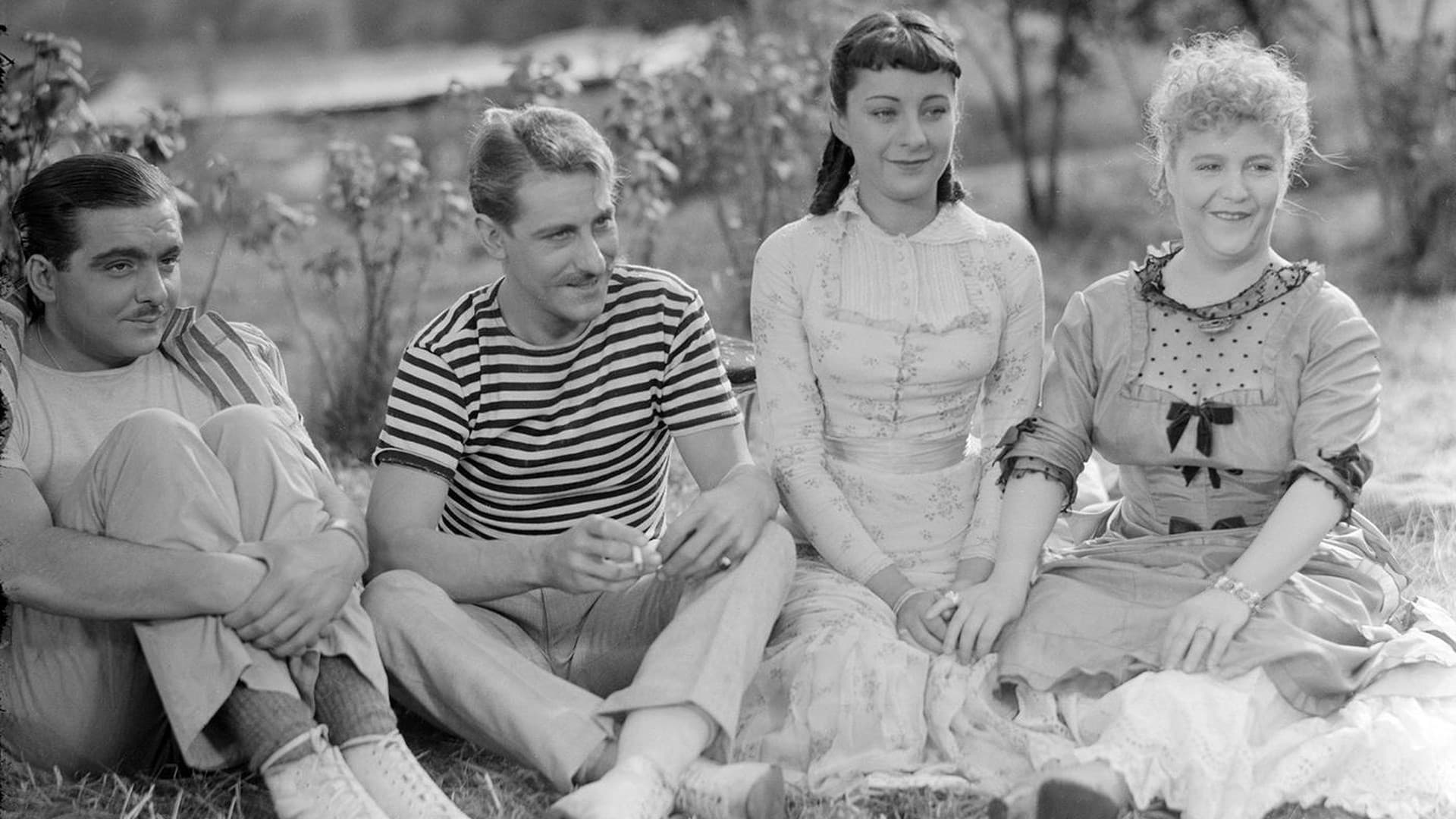
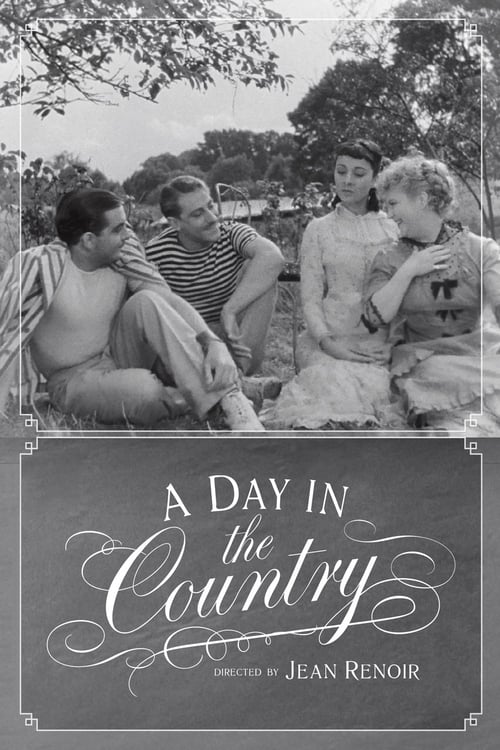
A Day in the Country
1946·Drama·41m
7.1
★
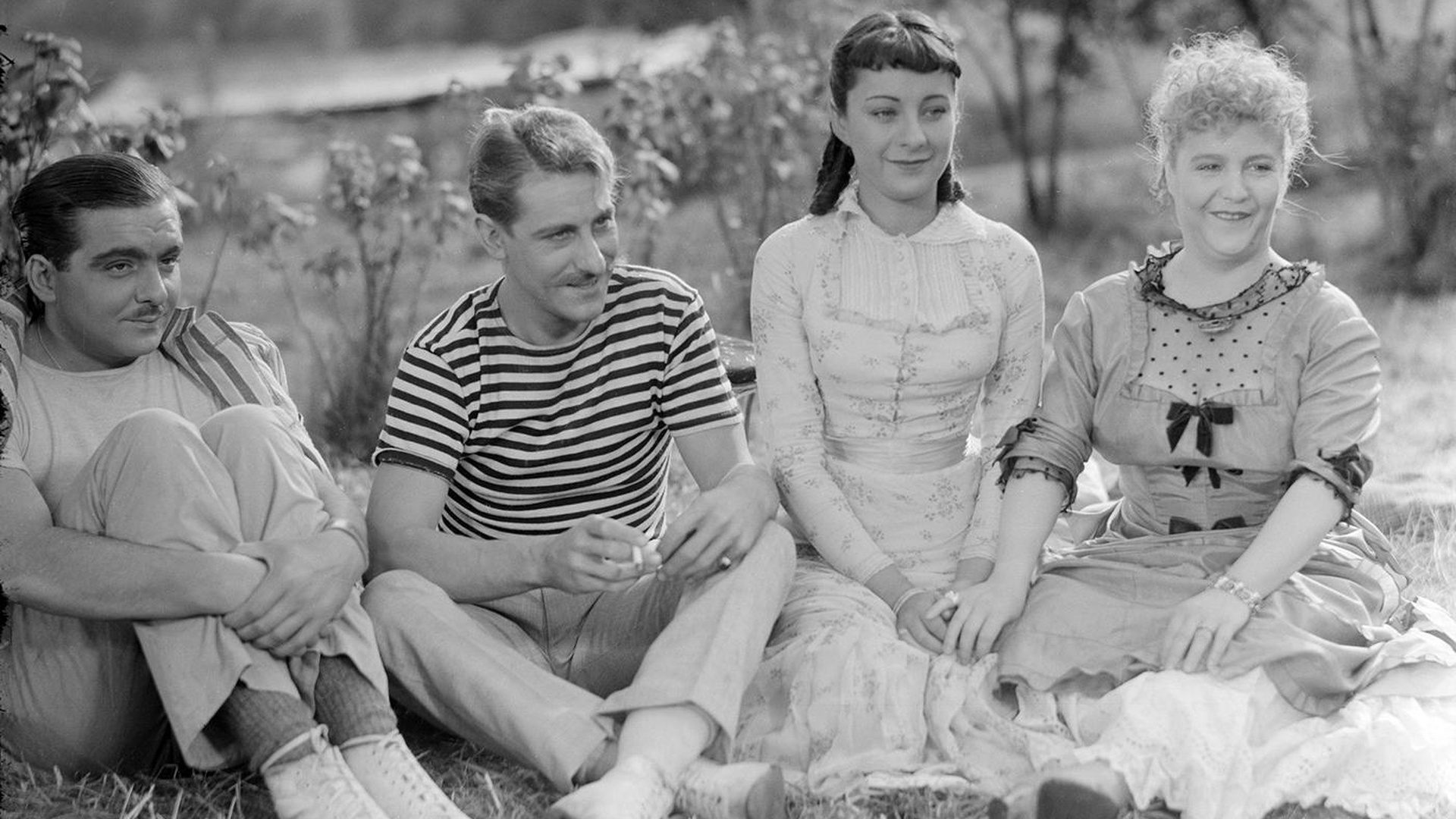
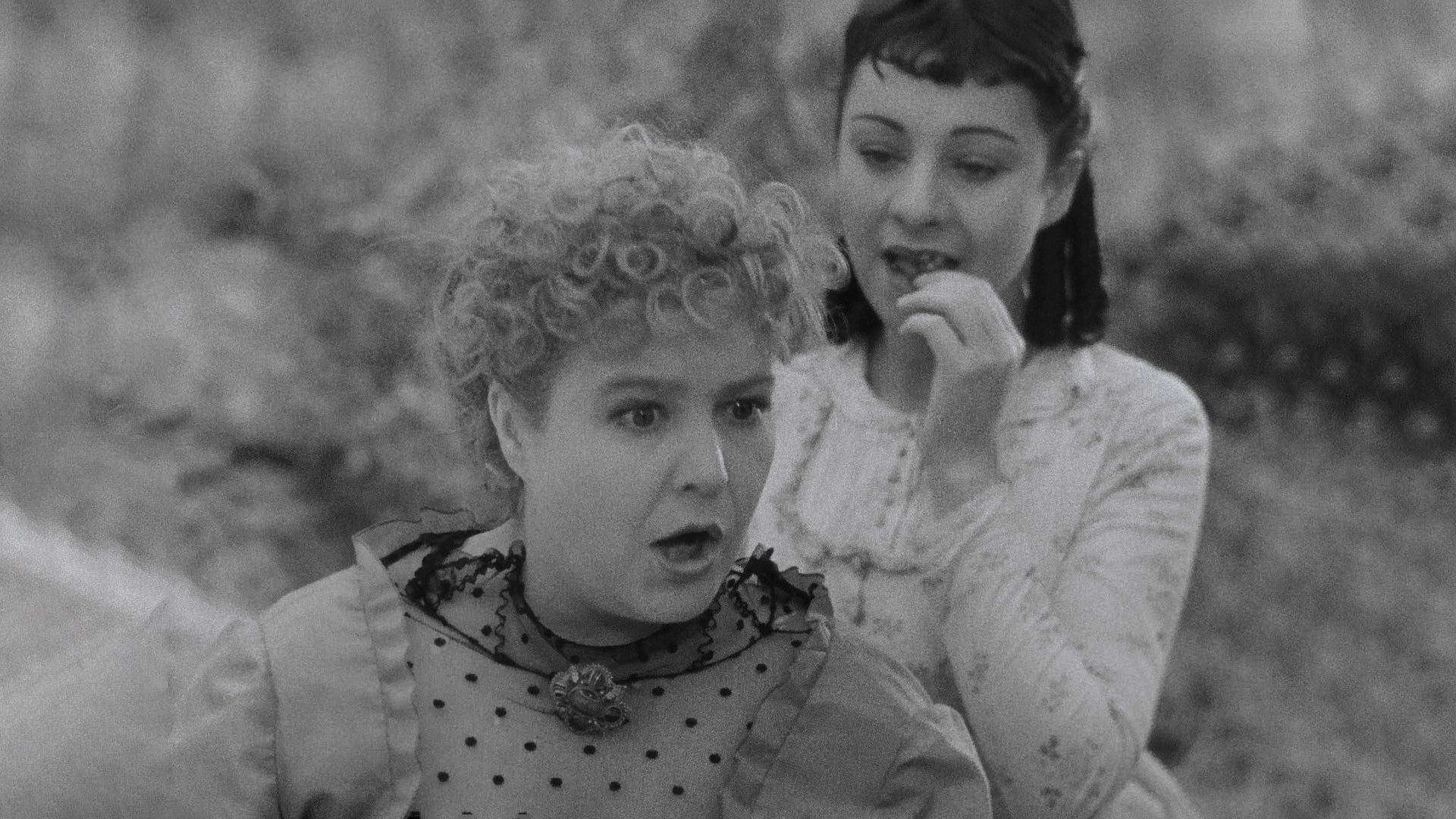
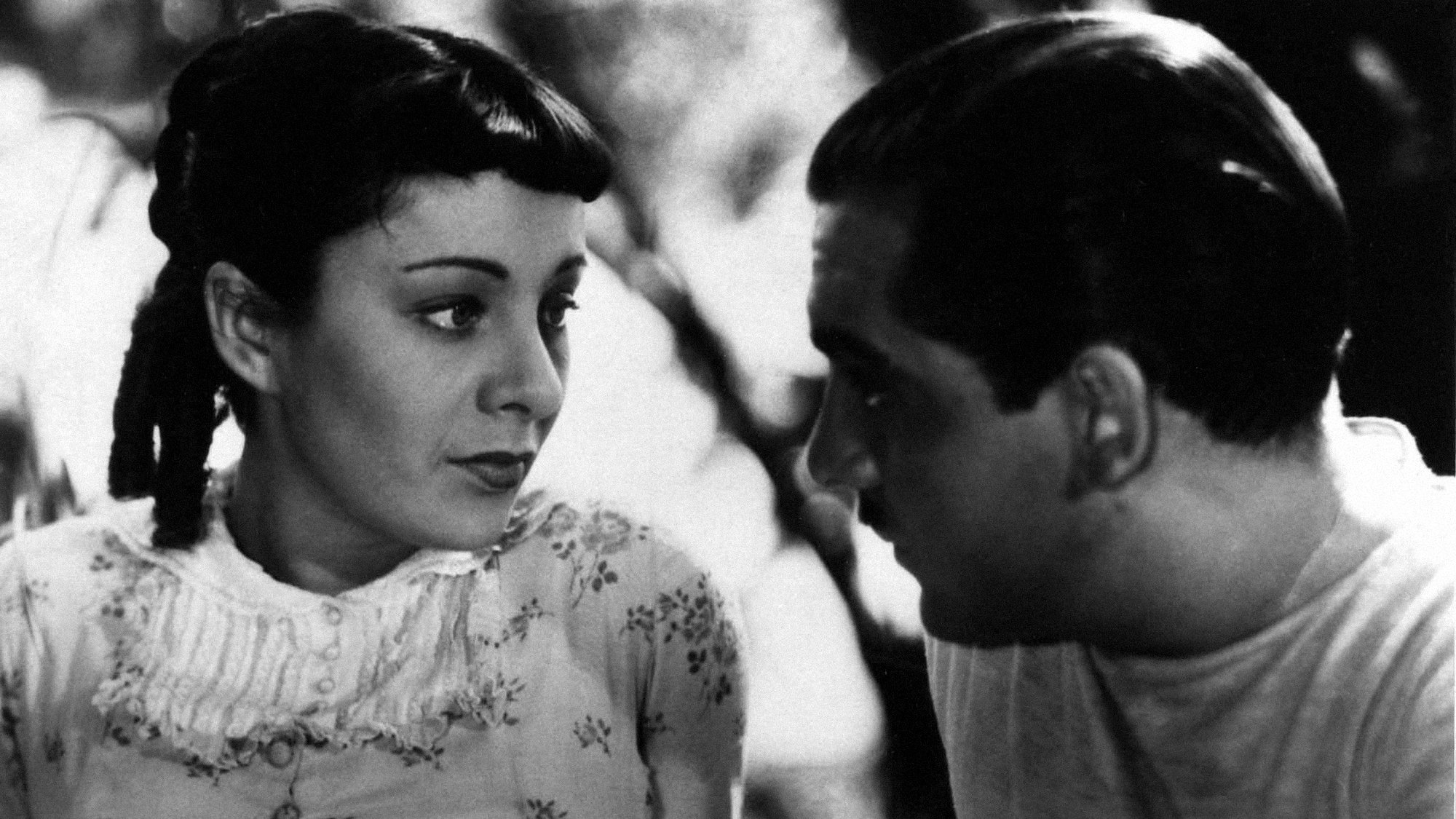

The family of a Parisian shop-owner spends a day in the country. The daughter falls in love with a man at the inn, where they spend the day.
Directed by Jean Renoir
countryside
picnic
flash forward
inn
rowboat
fishing poll

IMDB
N/A
Where to Watch



Cast
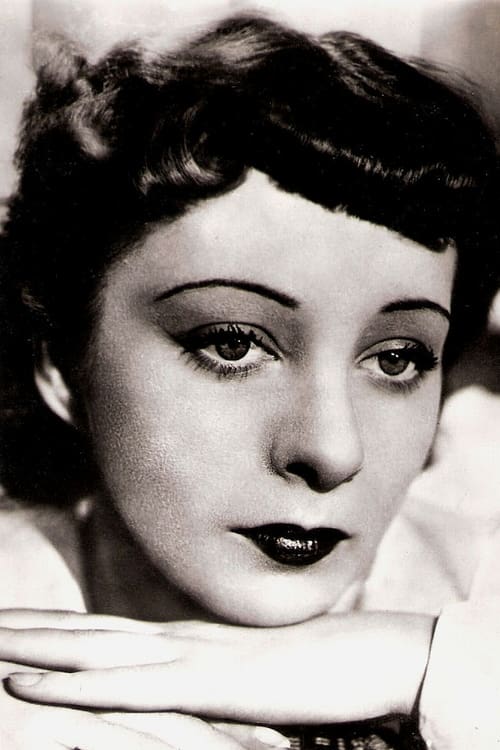
Sylvia Bataille
Henriette
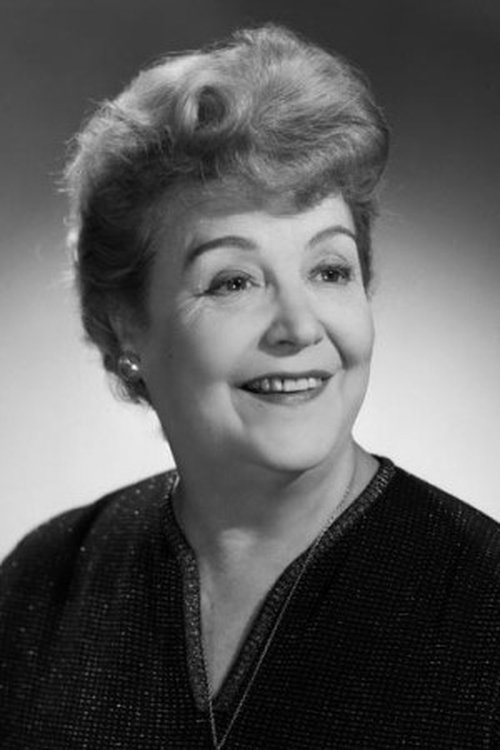
Jane Marken
Madame Dufour
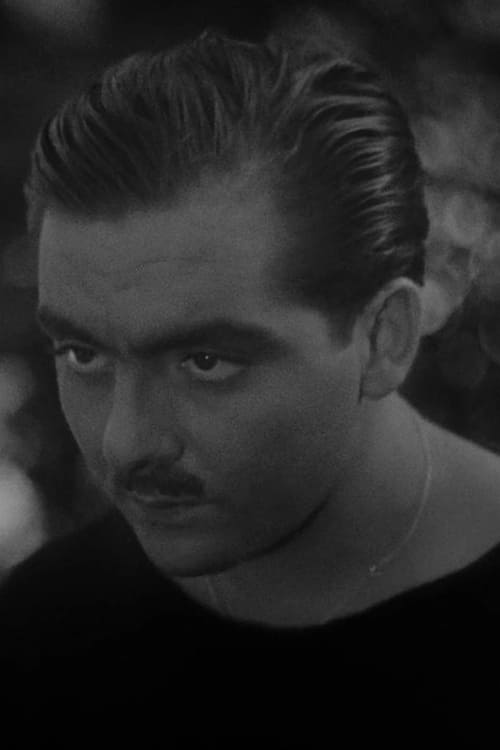
Georges D'Arnoux
Henri

Jacques Brunius
Rodolphe
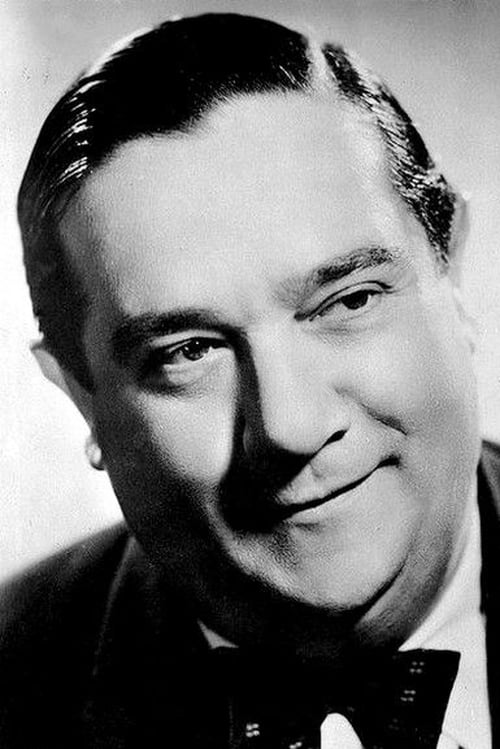
André Gabriello
Monsieur Dufour
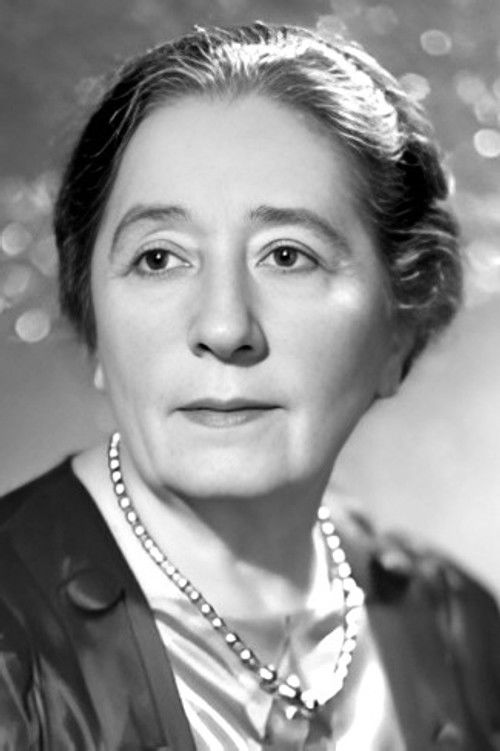
Gabrielle Fontan
La Grand' Mère
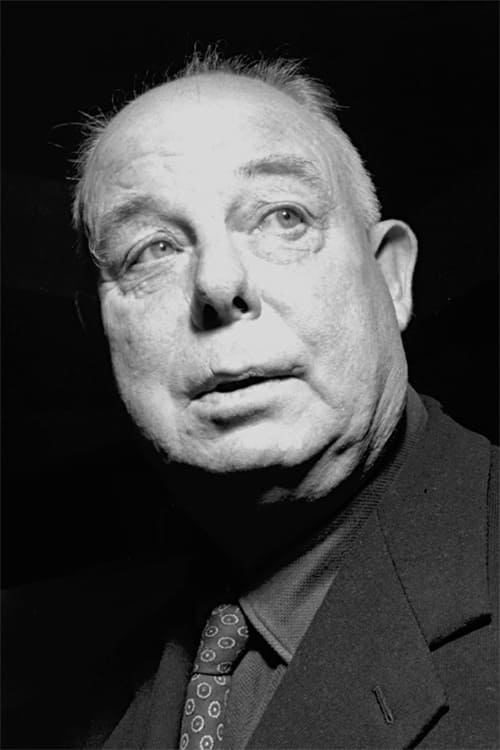
Jean Renoir
Père Poulain
Marguerite Renoir
La Servante
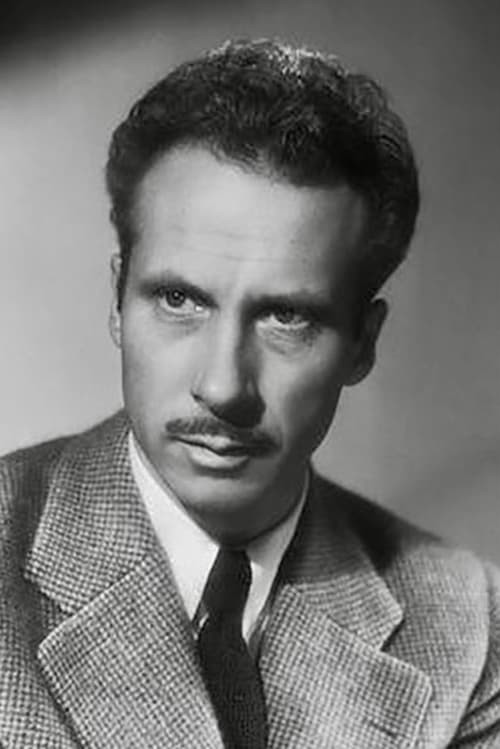
Jacques Becker
Seminarian (uncredited)
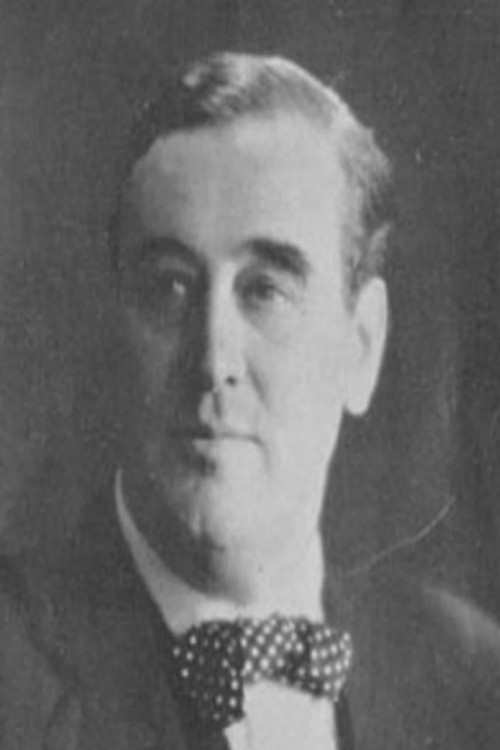
Pierre Lestringuez
Un Vieux Curé
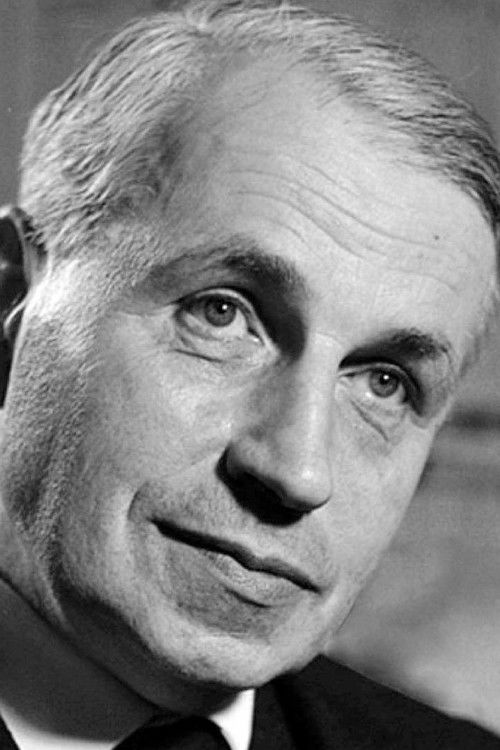
Georges Bataille
Seminarian (uncredited)
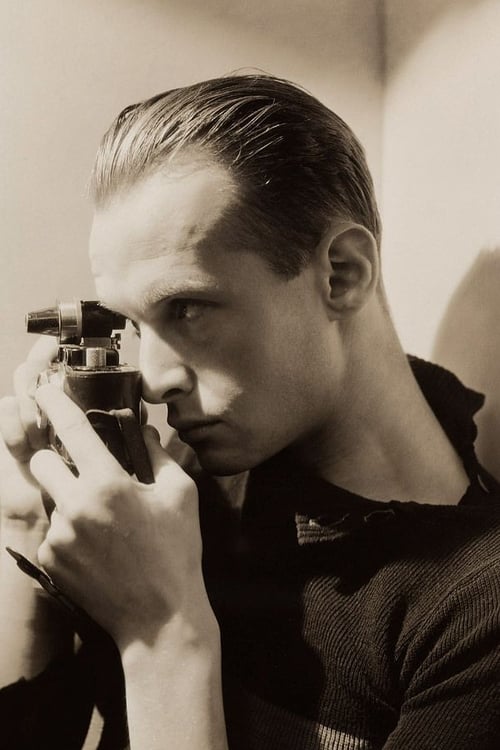
Henri Cartier-Bresson
Seminarian (uncredited)
Crew
Jean Renoir
Director
Jean Renoir
Writer
Marguerite Renoir
Editor
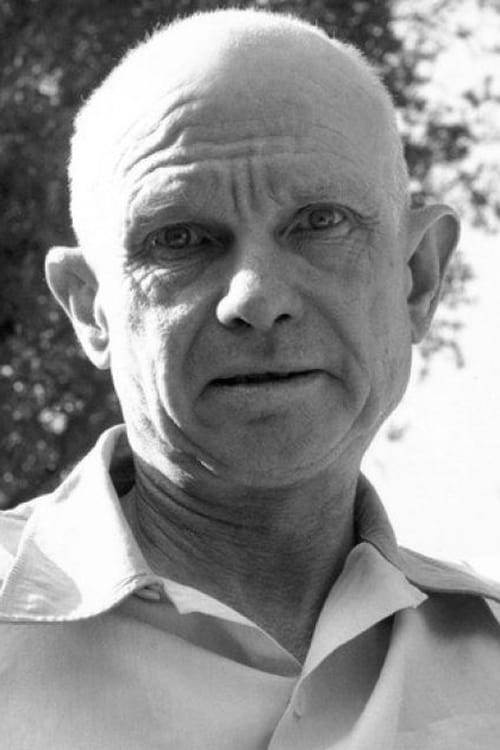
Claude Renoir
Director of Photography
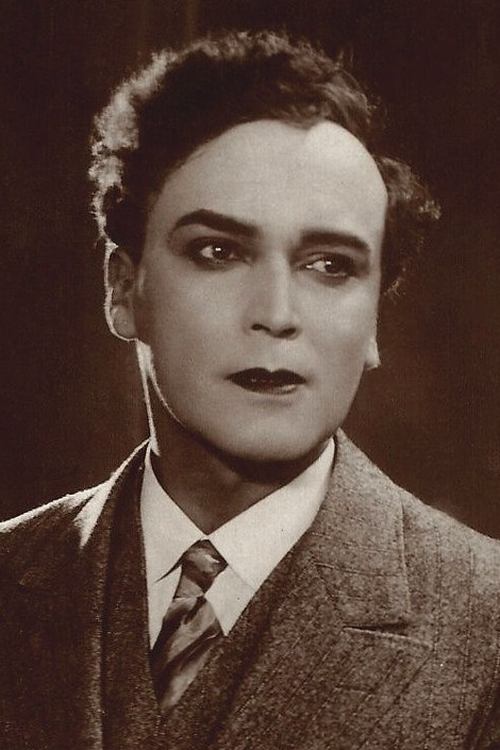
Vladimir Gajdarov
Makeup Artist

Roger Desormière
Conductor
Jacques Becker
First Assistant Director
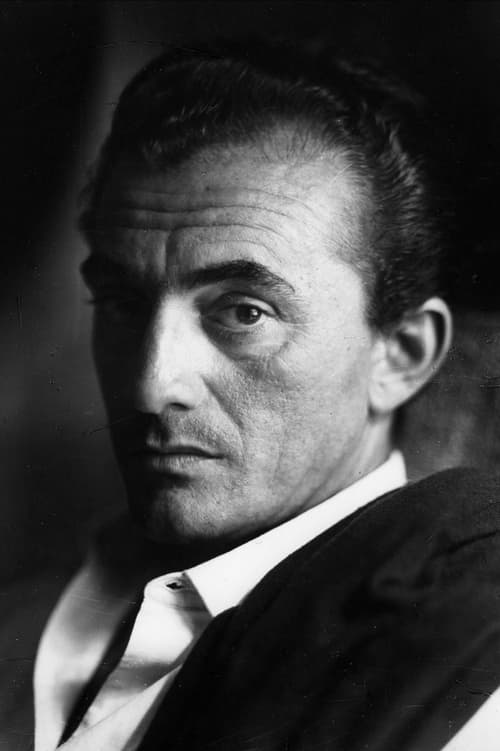
Luchino Visconti
Assistant Director
Henri Cartier-Bresson
Second Assistant Director
Jacques Brunius
Administration

Yves Allégret
Assistant Director

Guy de Maupassant
Short Story
Popular Reviews
61 reviews
SKTUD
6.0★ · 04/08/26
"How amazing the country is, dozens of tiny things under each blade of grass, living and moving. We risk crushing them with each step."
Jean Renoir's films really scratch the academic part of my brain. the social commentary is so deeply embedded into the characters: the way they act, and the way they talk, the way they treat each other. everything is a reflection of the wider society and it makes it so interesting to analyze their actions and what they represent.
and obviously, when you take this approach to class consciousness, it leads to characters being... not exactly likeable. it's probably why a lot of people these days are not a fan of The Rules of the Game. even though that film is very entertaining to me, you have to look beyond the surface to understand why it is considered one of the best films of all time. but what's interesting to me is that even though most of Renoir's films can be approached with the same methodology, they are still very unique. the dynamics between the characters in Grand Illusion and The Rules of the Game and in this film are completely different. a lot of films take a similar approach but end up boiling down to "look at these rich assholes and these nice working class people." and of course, rich people being portrayed as assholes isn't something i have a problem with, but from a storytelling perspective, that kind of writing usually tends to run thin.
this film, just like the other films i've mentioned, is quite brilliant. it looks beautiful and there are some very memorable shots. but it's hard to fully appreciate it in its unfinished state. the father and the son-in-law characters did seem a bit like caricatures but they were very funny so i don't really mind it. but that one scene did leave a bitter taste.
Jean Renoir's films really scratch the academic part of my brain. the social commentary is so deeply embedded into the characters: the way they act, and the way they talk, the way they treat each other. everything is a reflection of the wider society and it makes it so interesting to analyze their actions and what they represent.
and obviously, when you take this approach to class consciousness, it leads to characters being... not exactly likeable. it's probably why a lot of people these days are not a fan of The Rules of the Game. even though that film is very entertaining to me, you have to look beyond the surface to understand why it is considered one of the best films of all time. but what's interesting to me is that even though most of Renoir's films can be approached with the same methodology, they are still very unique. the dynamics between the characters in Grand Illusion and The Rules of the Game and in this film are completely different. a lot of films take a similar approach but end up boiling down to "look at these rich assholes and these nice working class people." and of course, rich people being portrayed as assholes isn't something i have a problem with, but from a storytelling perspective, that kind of writing usually tends to run thin.
this film, just like the other films i've mentioned, is quite brilliant. it looks beautiful and there are some very memorable shots. but it's hard to fully appreciate it in its unfinished state. the father and the son-in-law characters did seem a bit like caricatures but they were very funny so i don't really mind it. but that one scene did leave a bitter taste.
"How amazing the country is, dozens of tiny things under each blade of grass, living and moving. We risk crushing them with each step."
Jean Renoir's films really scratch the academic part of my brain. the social commentary is so deeply embedded into the characters: the way they act, and the way they talk, the way they treat each other. everything is a reflection of the wider society and it makes it so interesting to analyze their actions and what they represent.
and obviously, when you take this approach to class consciousness, it leads to characters being... not exactly likeable. it's probably why a lot of people these days are not a fan of The Rules of the Game. even though that film is very entertaining to me, you have to look beyond the surface to understand why it is considered one of the best films of all time. but what's interesting to me is that even though most of Renoir's films can be approached with the same methodology, they are still very unique. the dynamics between the characters in Grand Illusion and The Rules of the Game and in this film are completely different. a lot of films take a similar approach but end up boiling down to "look at these rich assholes and these nice working class people." and of course, rich people being portrayed as assholes isn't something i have a problem with, but from a storytelling perspective, that kind of writing usually tends to run thin.
this film, just like the other films i've mentioned, is quite brilliant. it looks beautiful and there are some very memorable shots. but it's hard to fully appreciate it in its unfinished state. the father and the son-in-law characters did seem a bit like caricatures but they were very funny so i don't really mind it. but that one scene did leave a bitter taste.
Jean Renoir's films really scratch the academic part of my brain. the social commentary is so deeply embedded into the characters: the way they act, and the way they talk, the way they treat each other. everything is a reflection of the wider society and it makes it so interesting to analyze their actions and what they represent.
and obviously, when you take this approach to class consciousness, it leads to characters being... not exactly likeable. it's probably why a lot of people these days are not a fan of The Rules of the Game. even though that film is very entertaining to me, you have to look beyond the surface to understand why it is considered one of the best films of all time. but what's interesting to me is that even though most of Renoir's films can be approached with the same methodology, they are still very unique. the dynamics between the characters in Grand Illusion and The Rules of the Game and in this film are completely different. a lot of films take a similar approach but end up boiling down to "look at these rich assholes and these nice working class people." and of course, rich people being portrayed as assholes isn't something i have a problem with, but from a storytelling perspective, that kind of writing usually tends to run thin.
this film, just like the other films i've mentioned, is quite brilliant. it looks beautiful and there are some very memorable shots. but it's hard to fully appreciate it in its unfinished state. the father and the son-in-law characters did seem a bit like caricatures but they were very funny so i don't really mind it. but that one scene did leave a bitter taste.


Flavia Huerta
7.0★ · 11/18/25
Maria bottle doppelgänger
Maria bottle doppelgänger
Nico
9.0★ · 10/28/25
Ce moyen-métrage est très poétique, le langage est probablement l’aspect le plus important du film avec les nombreuses utilisations du comique de situation.
Ce moyen-métrage est très poétique, le langage est probablement l’aspect le plus important du film avec les nombreuses utilisations du comique de situation.
Nick
7.0★ · 09/02/25
Contrasting with my recent watch of Touch of Evil, this similarly feels like a tight cinematic exercise, but instead very much in touch with its own mission. I bet crowds went nuts for those swing shots. The belied ugliness of the idyllic Paraisian lifestyle is slyly conveyed over the story’s short course. Much is made of the potential blessing-in-disguise of the film’s incompleteness. I’m inclined to agree. The near entirety of the countryside escapade cements with unspokeness the realized lamentations of Henriette we see at the end. I think it’s worth noting the actual realization of the sexual politics is problematic, by today’s standards, to say the least. I’m not trying to sabotage the film’s legacy, but hope the asterisk attached to the film’s moral grace is noted with regularity. This certainly seems worthy of being part of film canon, but with its reverence coupled by a suspiciously raised eyebrow.
Contrasting with my recent watch of Touch of Evil, this similarly feels like a tight cinematic exercise, but instead very much in touch with its own mission. I bet crowds went nuts for those swing shots. The belied ugliness of the idyllic Paraisian lifestyle is slyly conveyed over the story’s short course. Much is made of the potential blessing-in-disguise of the film’s incompleteness. I’m inclined to agree. The near entirety of the countryside escapade cements with unspokeness the realized lamentations of Henriette we see at the end. I think it’s worth noting the actual realization of the sexual politics is problematic, by today’s standards, to say the least. I’m not trying to sabotage the film’s legacy, but hope the asterisk attached to the film’s moral grace is noted with regularity. This certainly seems worthy of being part of film canon, but with its reverence coupled by a suspiciously raised eyebrow.
Erik Olsson
8.0★ · 08/28/25
Simple yet effective. The unfinished nature is somewhat apparent, but not much of a detriment. The visuals are quite gorgeous. Just barely qualifies as a feature rather than as a short film, hence why I'm actually writing a review for it.
Simple yet effective. The unfinished nature is somewhat apparent, but not much of a detriment. The visuals are quite gorgeous. Just barely qualifies as a feature rather than as a short film, hence why I'm actually writing a review for it.