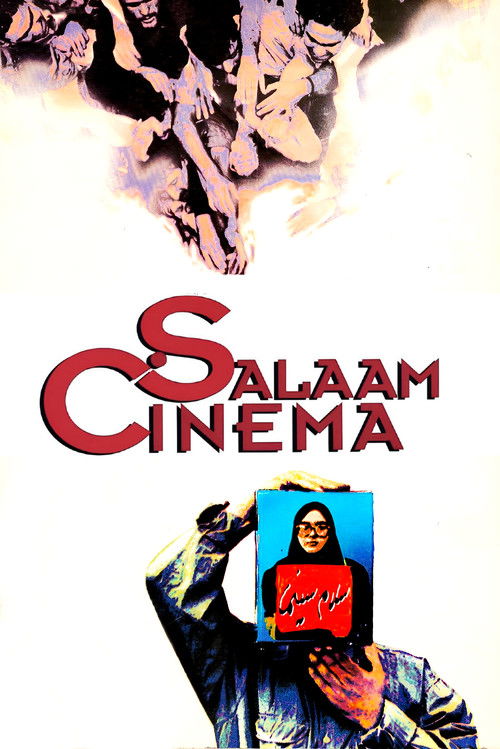
Stripping cinematic manipulation to the bone and melting all of the refuse
It’s intensely critical, but it at the same time probably offers the clearest roadmap toward a grounded and investing cinema that I’ve ever seen… it’s very forward about that, about the standards that a filmmaker must strive toward in order to find a worthy subject, but it surprised me with how subtly powerful the editing is… it doesn’t really go anywhere so to say, but its strength is in its repetition/repurposing/renewals
Like you could certainly shrug this off as a Nathan Fielder-like work, it is kinda like him in the sense that it’s a guy with a higher plan humorously torturing bleeding heart believers in their ability to actualize the plan (or a plan adjacent), but I think the feedback loop between filmmaker and participant is a little different… while Fielder uses the setup as a means to dramatize the scenario toward his image of the film/episode, Makhmalbaf gives the participant the opportunity to act out the drama of their presence on their own terms and he merely scaffolds it toward its emotional core
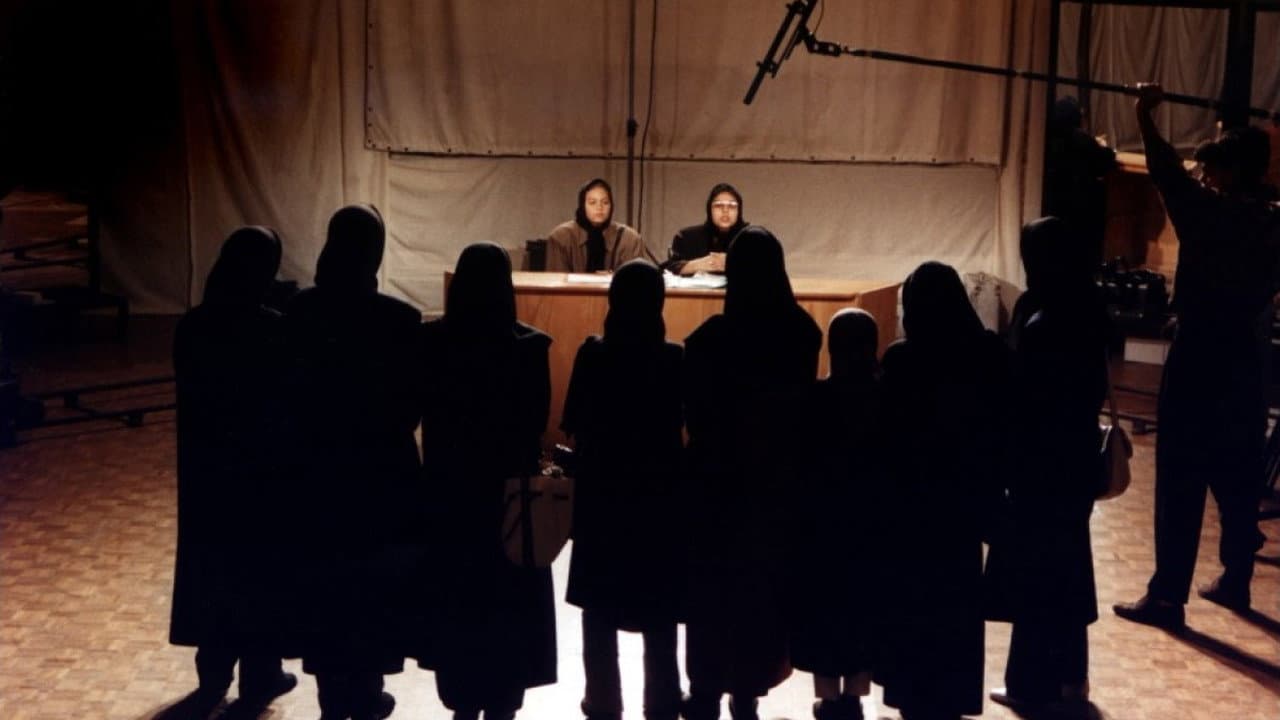
The director, as a concept, is certainly at times a villain… they occupy time and space only to reconstruct each by unclear guidelines, but that lack of clarity really only arises without a grounded performance… when someone steps into Makhmalbaf‘s square and is completely absorbed by western illusions of grand filmic spectacle, he feeds that absorption (positively or negatively, usually the latter, but always cruelly lol) and sends them on their way in a dissatisfied tone… but when someone honest and true and vulnerable steps/grows into Makhmalbaf‘s square and faces the same scrutiny they always meet his standard of acting… it’s almost magical watching emotion unfold so predictably in both serious and superficial people because Makhmalbaf is really tapping into that primordial emotional gravity of cinema—like the sort of stuff you feel when you watch Murnau’s The Last Laugh—and when someone delivers a real cry, he can simply cut in with “you didn’t get the part” and the audience will recoil in anger and sympathy
I think this film sorta lives in contrast to a lot of American independent and New German cinema, which often rely on the audience developing some externalized sympathy for the fractured imaginary of its characters and expects you to revere the idle subjects from which that imaginary arises (Korine)… it winks, it knows what’s up, but the film cannot bring about change for the character, it only expects knowingness from an audience who was from the start made to understand the subject better than the dehumanized subject itself… meanwhile Makhmalbaf will discard an actor instantly if they don’t dig and analyze and make the change undergirding their performance
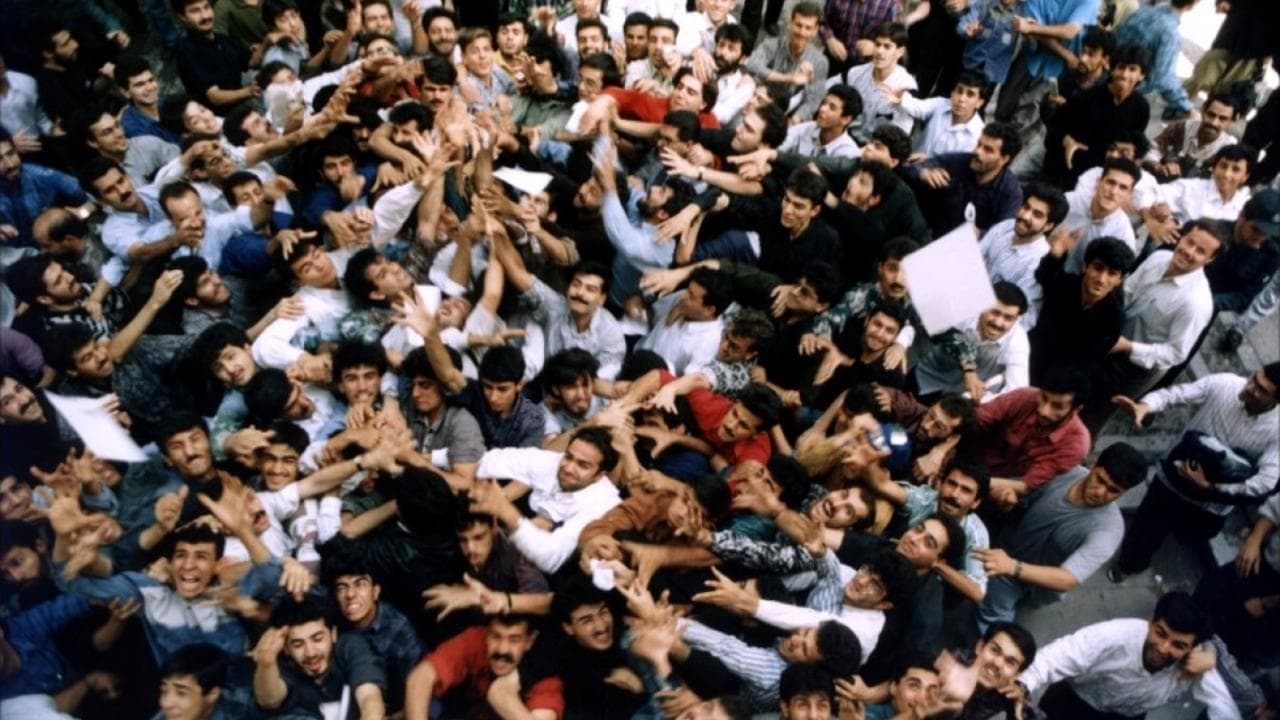
It’s also kinda anti-cinema-of-duration in the sense that thousands of ppl walked thru those doors, and in making the film a slim 75 minutes he’s basically cutting them off lol… like how Bela Tarr cared about cinema’s representation of time, but instead of making the audience feel time Salaam Cinema is basically in part an exercise in how the edit transcends and distorts time
Stripping cinematic manipulation to the bone and melting all of the refuse
It’s intensely critical, but it at the same time probably offers the clearest roadmap toward a grounded and investing cinema that I’ve ever seen… it’s very forward about that, about the standards that a filmmaker must strive toward in order to find a worthy subject, but it surprised me with how subtly powerful the editing is… it doesn’t really go anywhere so to say, but its strength is in its repetition/repurposing/renewals
Like you could certainly shrug this off as a Nathan Fielder-like work, it is kinda like him in the sense that it’s a guy with a higher plan humorously torturing bleeding heart believers in their ability to actualize the plan (or a plan adjacent), but I think the feedback loop between filmmaker and participant is a little different… while Fielder uses the setup as a means to dramatize the scenario toward his image of the film/episode, Makhmalbaf gives the participant the opportunity to act out the drama of their presence on their own terms and he merely scaffolds it toward its emotional core
The director, as a concept, is certainly at times a villain… they occupy time and space only to reconstruct each by unclear guidelines, but that lack of clarity really only arises without a grounded performance… when someone steps into Makhmalbaf‘s square and is completely absorbed by western illusions of grand filmic spectacle, he feeds that absorption (positively or negatively, usually the latter, but always cruelly lol) and sends them on their way in a dissatisfied tone… but when someone honest and true and vulnerable steps/grows into Makhmalbaf‘s square and faces the same scrutiny they always meet his standard of acting… it’s almost magical watching emotion unfold so predictably in both serious and superficial people because Makhmalbaf is really tapping into that primordial emotional gravity of cinema—like the sort of stuff you feel when you watch Murnau’s The Last Laugh—and when someone delivers a real cry, he can simply cut in with “you didn’t get the part” and the audience will recoil in anger and sympathy
I think this film sorta lives in contrast to a lot of American independent and New German cinema, which often rely on the audience developing some externalized sympathy for the fractured imaginary of its characters and expects you to revere the idle subjects from which that imaginary arises (Korine)… it winks, it knows what’s up, but the film cannot bring about change for the character, it only expects knowingness from an audience who was from the start made to understand the subject better than the dehumanized subject itself… meanwhile Makhmalbaf will discard an actor instantly if they don’t dig and analyze and make the change undergirding their performance
It’s also kinda anti-cinema-of-duration in the sense that thousands of ppl walked thru those doors, and in making the film a slim 75 minutes he’s basically cutting them off lol… like how Bela Tarr cared about cinema’s representation of time, but instead of making the audience feel time Salaam Cinema is basically in part an exercise in how the edit transcends and distorts time