62/100
Mr. Arkadin is a strange, beguiling wreck of a film. It plays like a noir filtered through a nightmare, stitched together with voiceovers, flashbacks, and abrupt tonal shifts. Watching it feels less like following a plot and more like wandering through the half-collapsed memory of a man who might be lying to himself.
Orson Welles plays Gregory Arkadin, a wealthy, shadowy figure who hires a small-time grifter to investigate his own past, supposedly because he can’t remember it. That setup should lead to a traditional mystery, but Welles isn’t interested in clarity or payoff. What unfolds is closer to a psychological ghost story, where every answer leads to another question, and every encounter feels staged, artificial, or deliberately off. Characters appear and vanish without rhythm. Scenes shift location, time, and tone with no warning. It’s messy, yes, but also hypnotic in its own way.
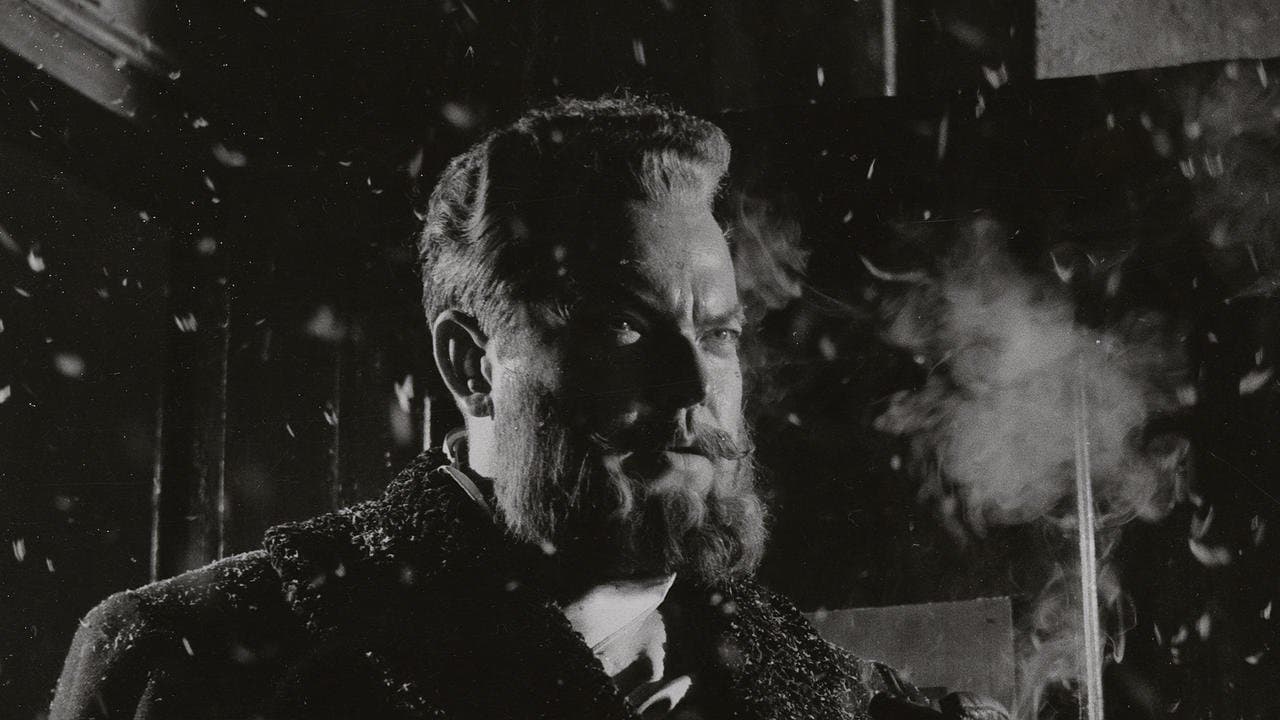
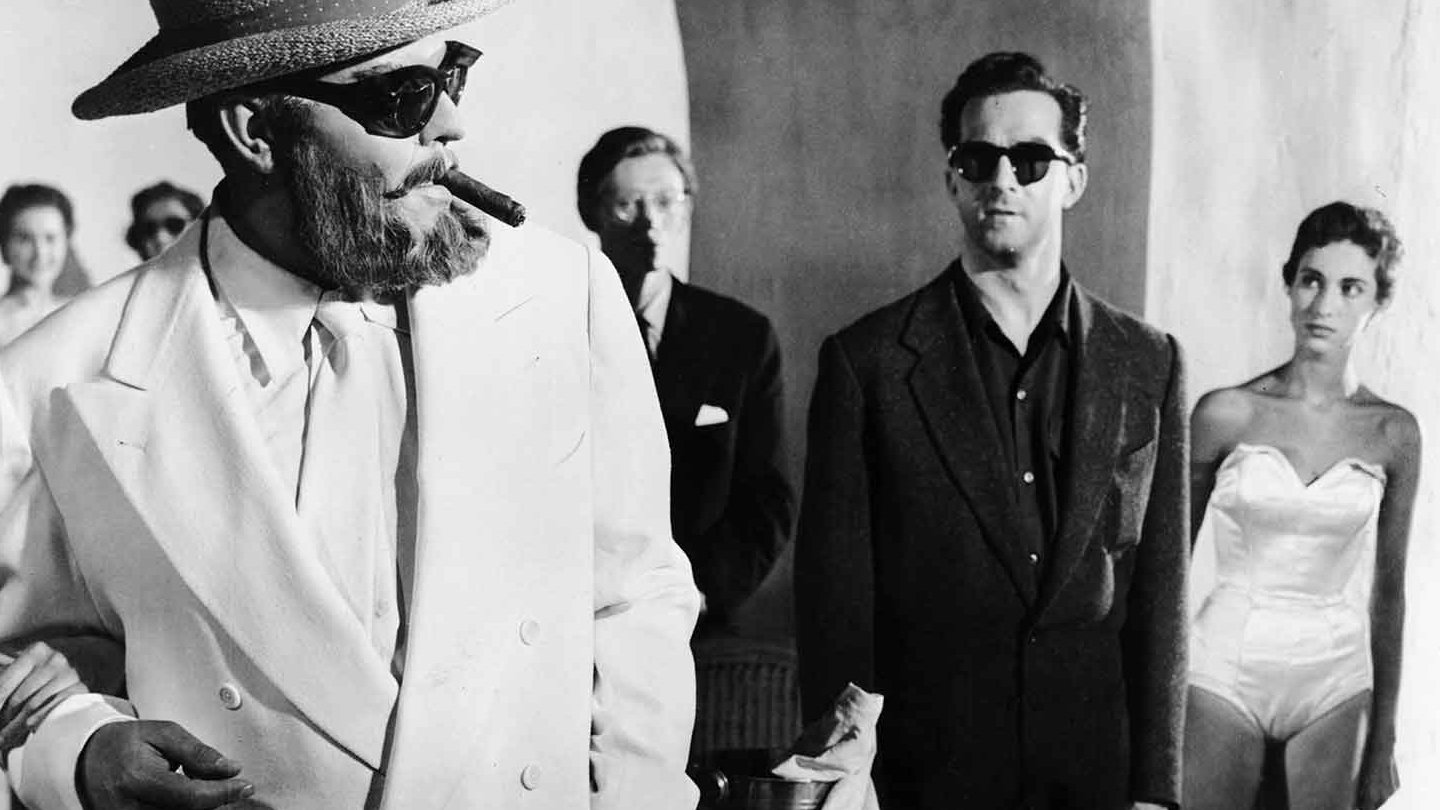
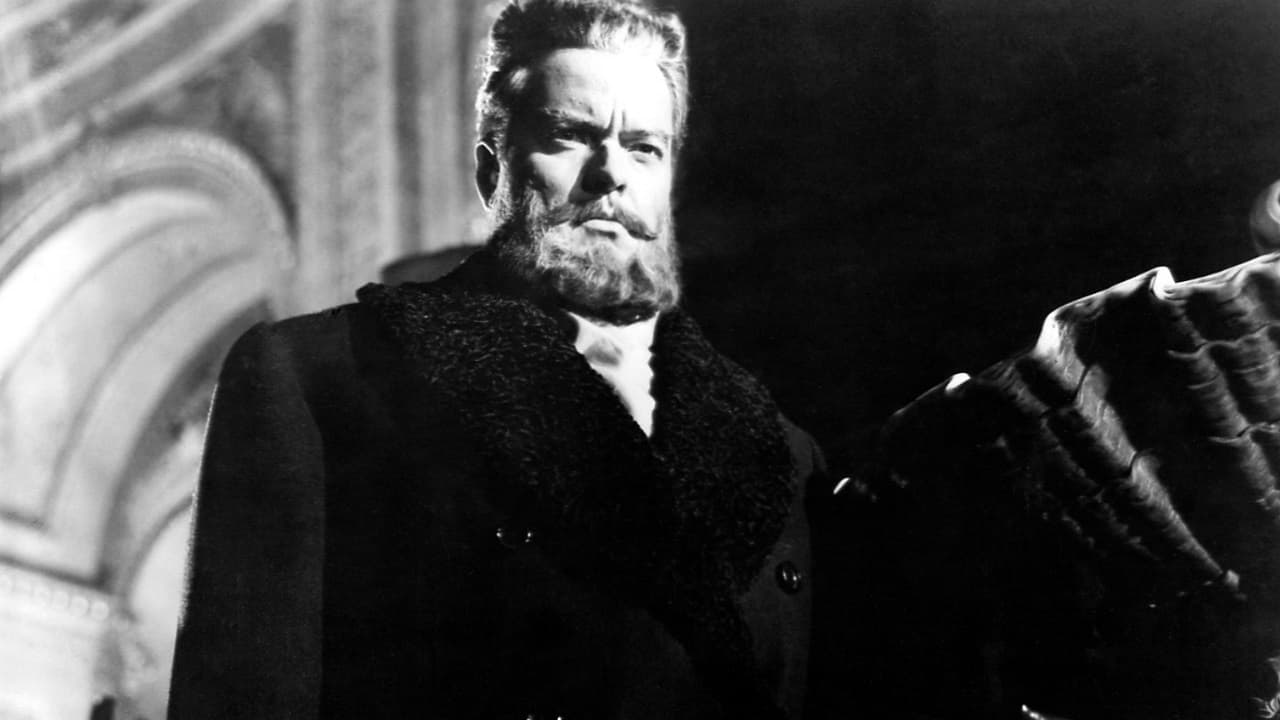
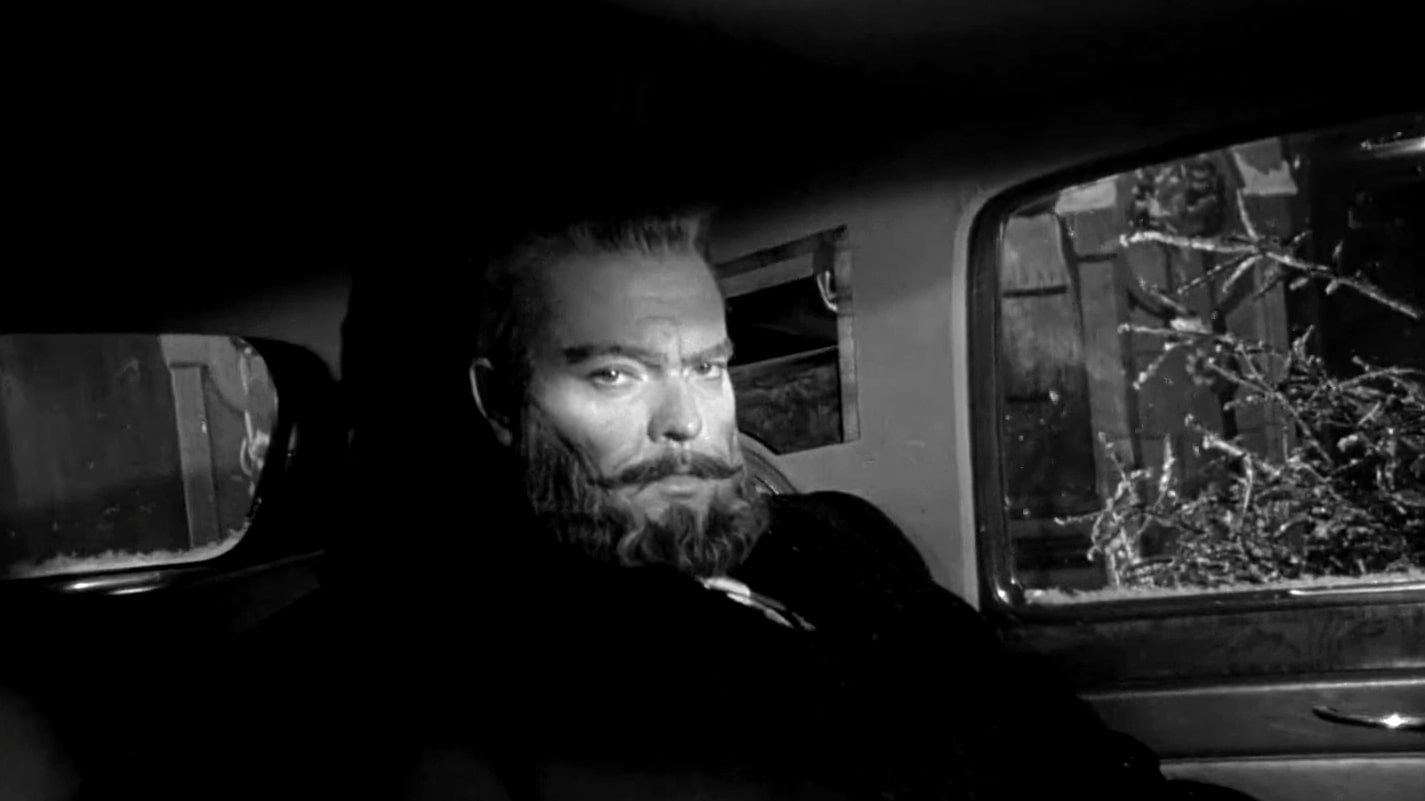
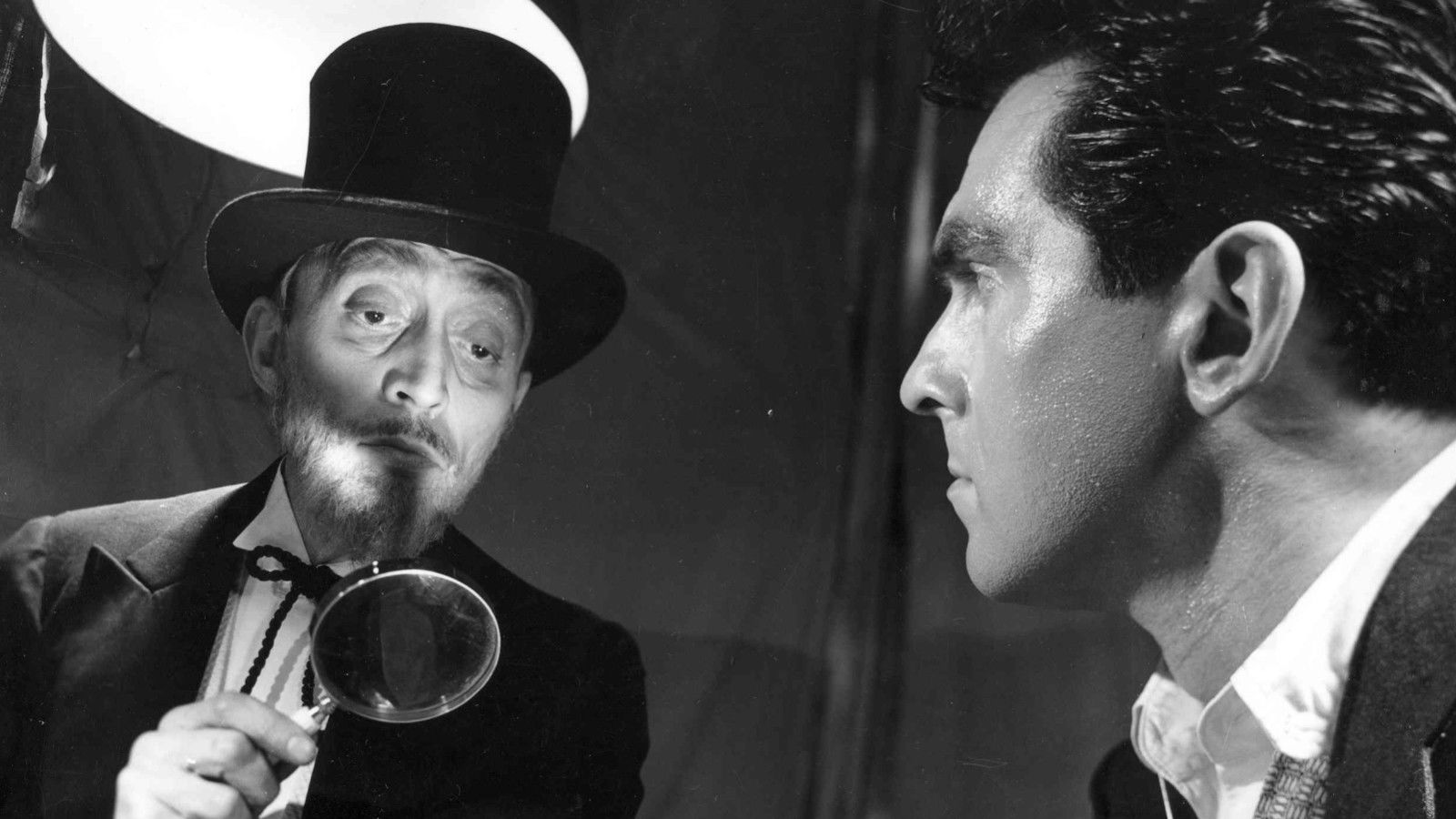
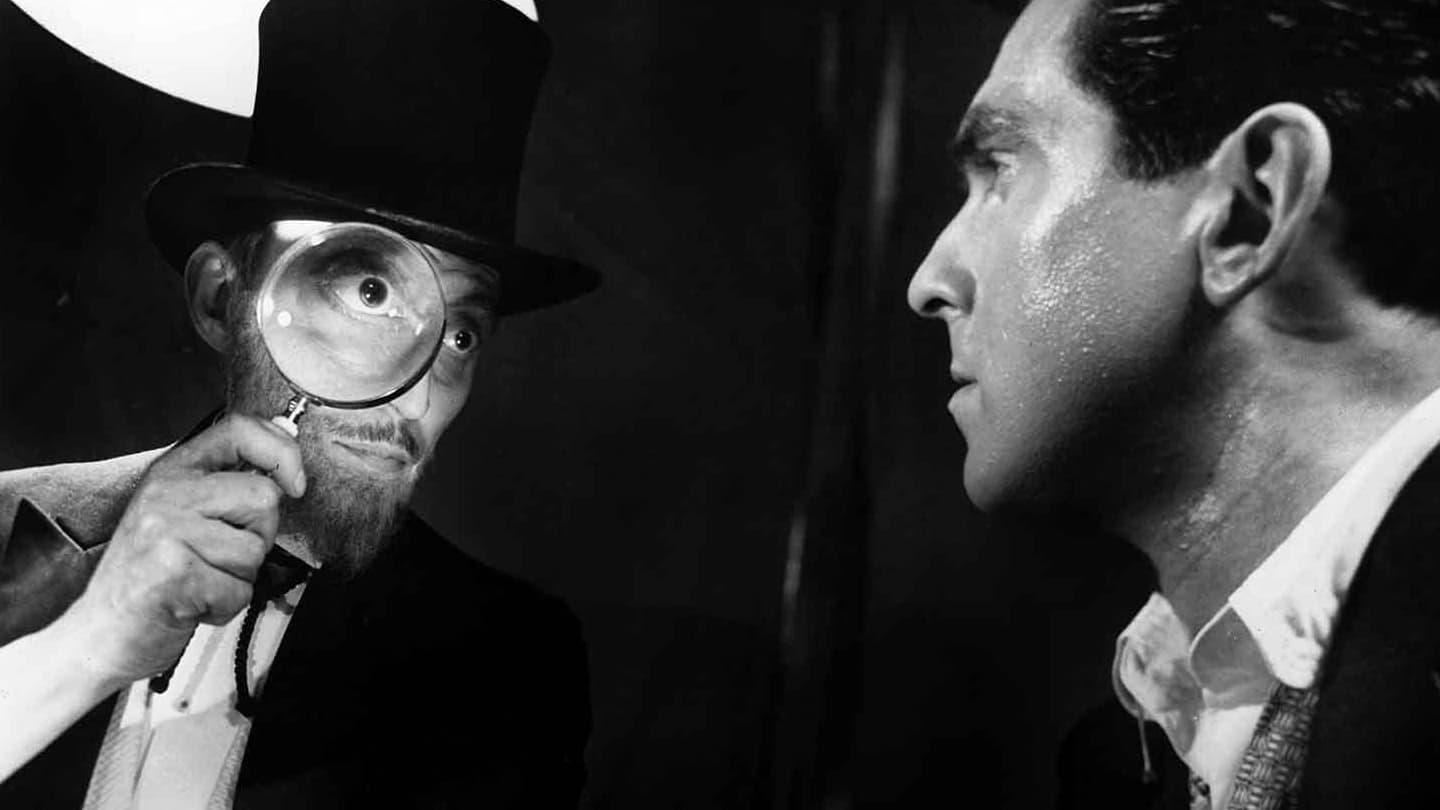
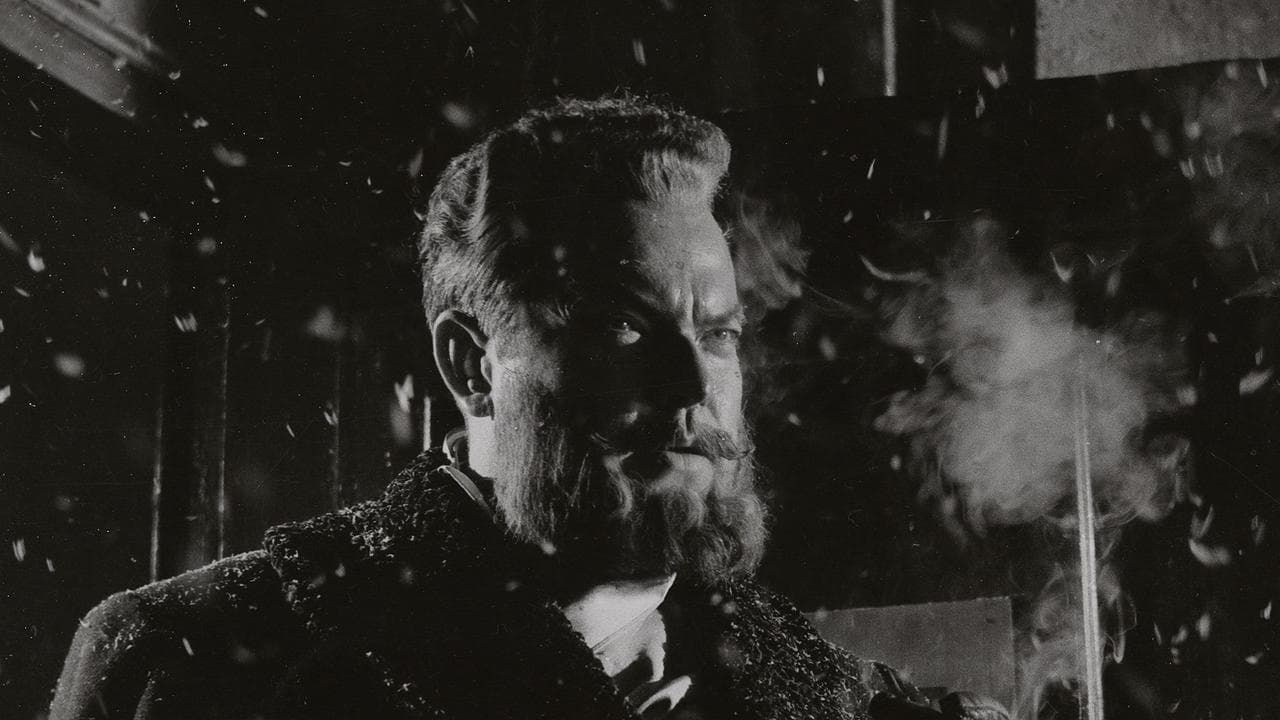
Visually, the film is often astonishing. Welles uses wide angles, deep shadows, and tilted compositions that make even casual conversations feel like interrogations. Faces loom out of darkness. Architecture towers and suffocates. There’s real paranoia in the way he frames space, as if the world itself is conspiring to collapse in on you. The camera work may be uneven, but the high points are pure Welles, impressionistic, charged, and full of dread.
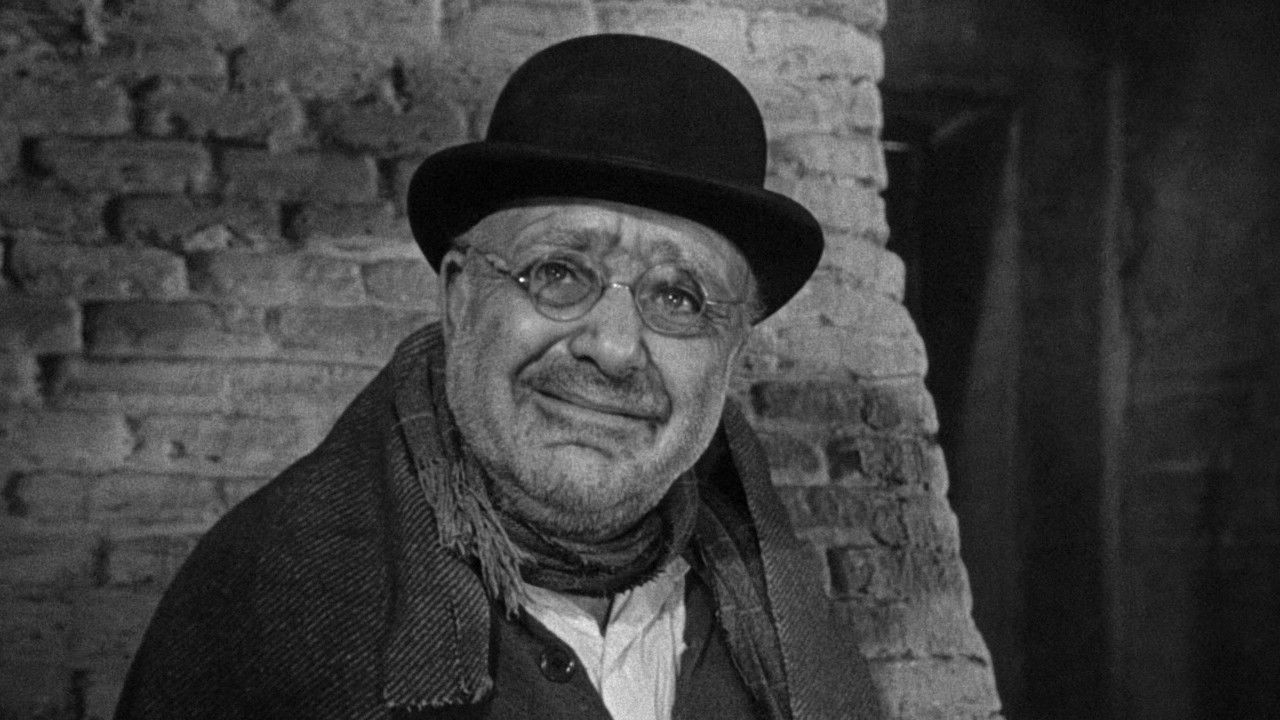
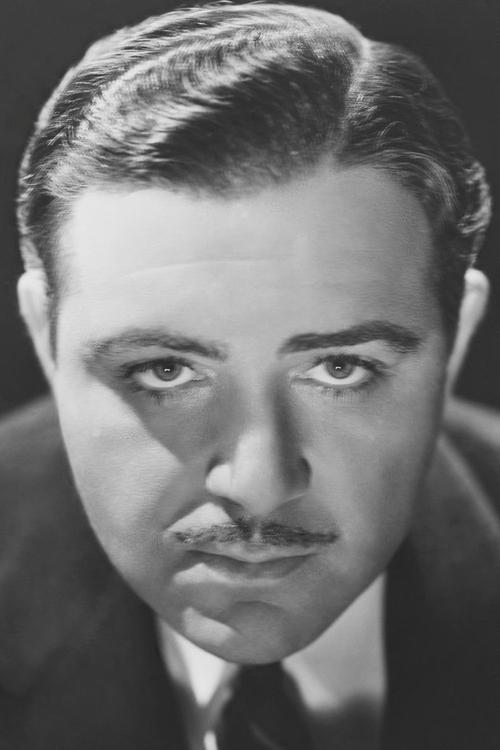
The acting is uneven, especially in the supporting cast, and the dubbing can be jarring. This is not a clean film. It’s a patchwork. It was made across several countries, shot in fits and starts, and completed by others after Welles lost control in post-production. You can feel that in the edits, in the missing connective tissue, in the way certain scenes seem to leap over emotional beats that were never filmed.
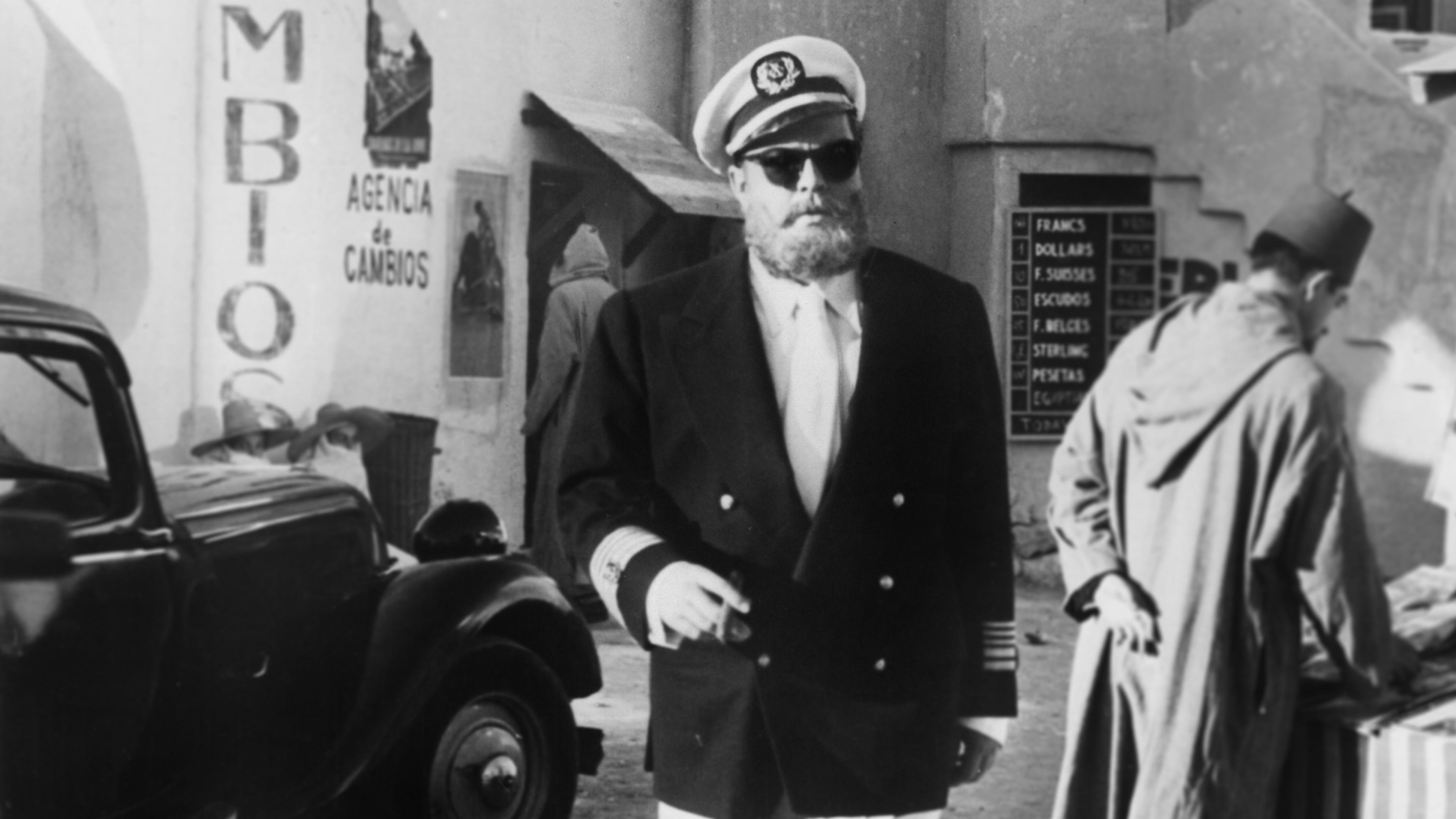
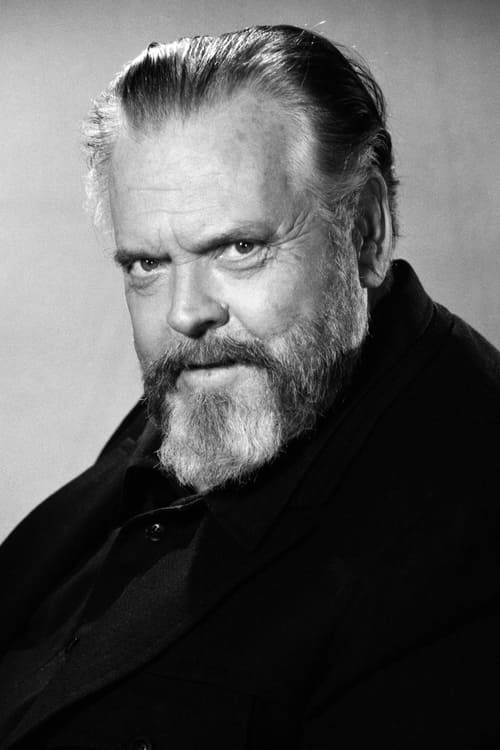
And yet, it lingers. There’s something eerie and captivating about Arkadin, even when it doesn’t make sense. Welles, in full beard and booming accent, is electric. He plays Arkadin like a haunted puppet master, part tycoon, part vampire, part myth. The themes are classic Welles: power, memory, identity, the stories we build to protect ourselves from the truth.
It’s not a great film in the traditional sense. It’s too broken for that. But it’s fascinating. It’s haunted by ambition, by missed opportunities, by a director trying to hold onto vision while the floor falls out from under him. Mr. Arkadin isn’t a completed film.
62/100
Mr. Arkadin is a strange, beguiling wreck of a film. It plays like a noir filtered through a nightmare, stitched together with voiceovers, flashbacks, and abrupt tonal shifts. Watching it feels less like following a plot and more like wandering through the half-collapsed memory of a man who might be lying to himself.
Orson Welles plays Gregory Arkadin, a wealthy, shadowy figure who hires a small-time grifter to investigate his own past, supposedly because he can’t remember it. That setup should lead to a traditional mystery, but Welles isn’t interested in clarity or payoff. What unfolds is closer to a psychological ghost story, where every answer leads to another question, and every encounter feels staged, artificial, or deliberately off. Characters appear and vanish without rhythm. Scenes shift location, time, and tone with no warning. It’s messy, yes, but also hypnotic in its own way.
Visually, the film is often astonishing. Welles uses wide angles, deep shadows, and tilted compositions that make even casual conversations feel like interrogations. Faces loom out of darkness. Architecture towers and suffocates. There’s real paranoia in the way he frames space, as if the world itself is conspiring to collapse in on you. The camera work may be uneven, but the high points are pure Welles, impressionistic, charged, and full of dread.
The acting is uneven, especially in the supporting cast, and the dubbing can be jarring. This is not a clean film. It’s a patchwork. It was made across several countries, shot in fits and starts, and completed by others after Welles lost control in post-production. You can feel that in the edits, in the missing connective tissue, in the way certain scenes seem to leap over emotional beats that were never filmed.
And yet, it lingers. There’s something eerie and captivating about Arkadin, even when it doesn’t make sense. Welles, in full beard and booming accent, is electric. He plays Arkadin like a haunted puppet master, part tycoon, part vampire, part myth. The themes are classic Welles: power, memory, identity, the stories we build to protect ourselves from the truth.
It’s not a great film in the traditional sense. It’s too broken for that. But it’s fascinating. It’s haunted by ambition, by missed opportunities, by a director trying to hold onto vision while the floor falls out from under him. Mr. Arkadin isn’t a completed film.