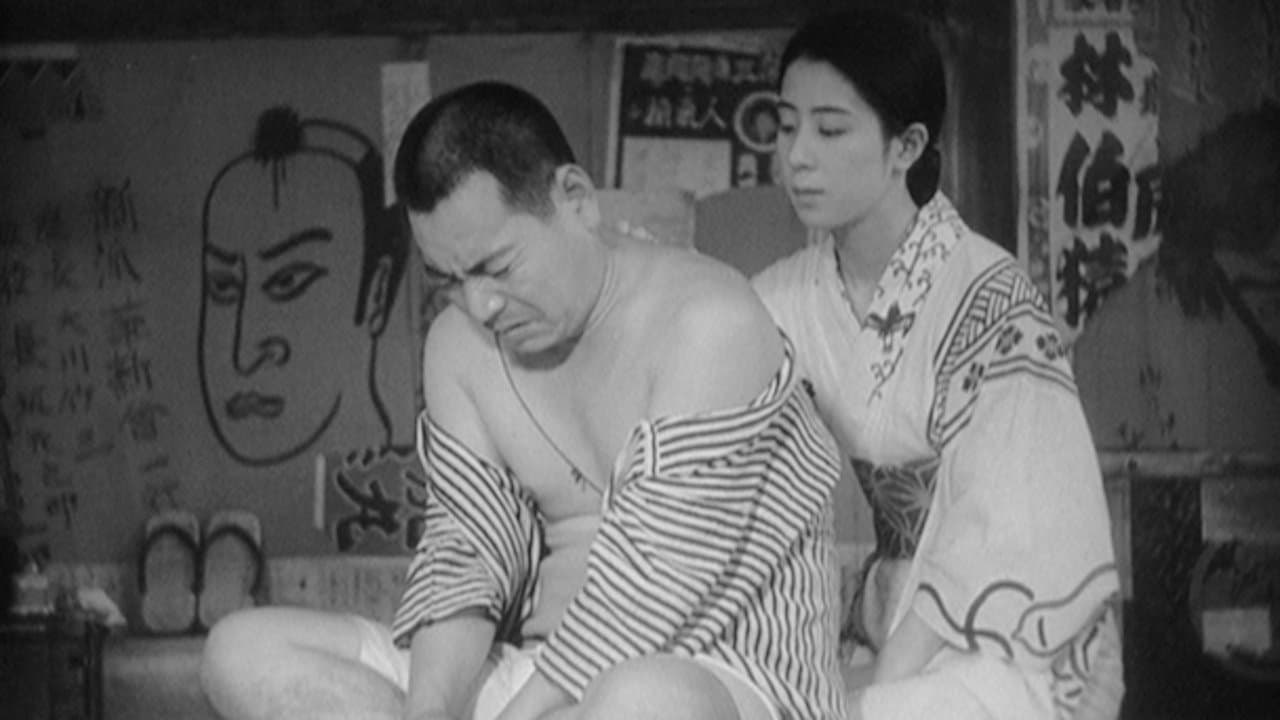
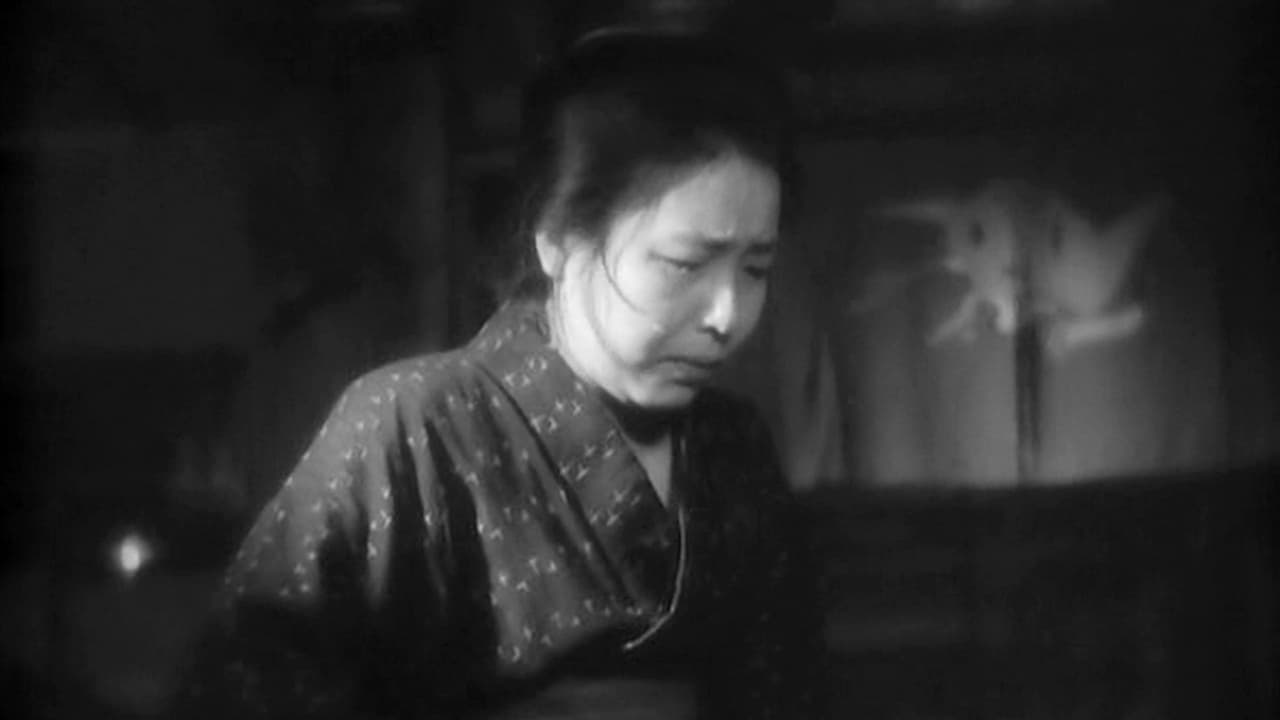
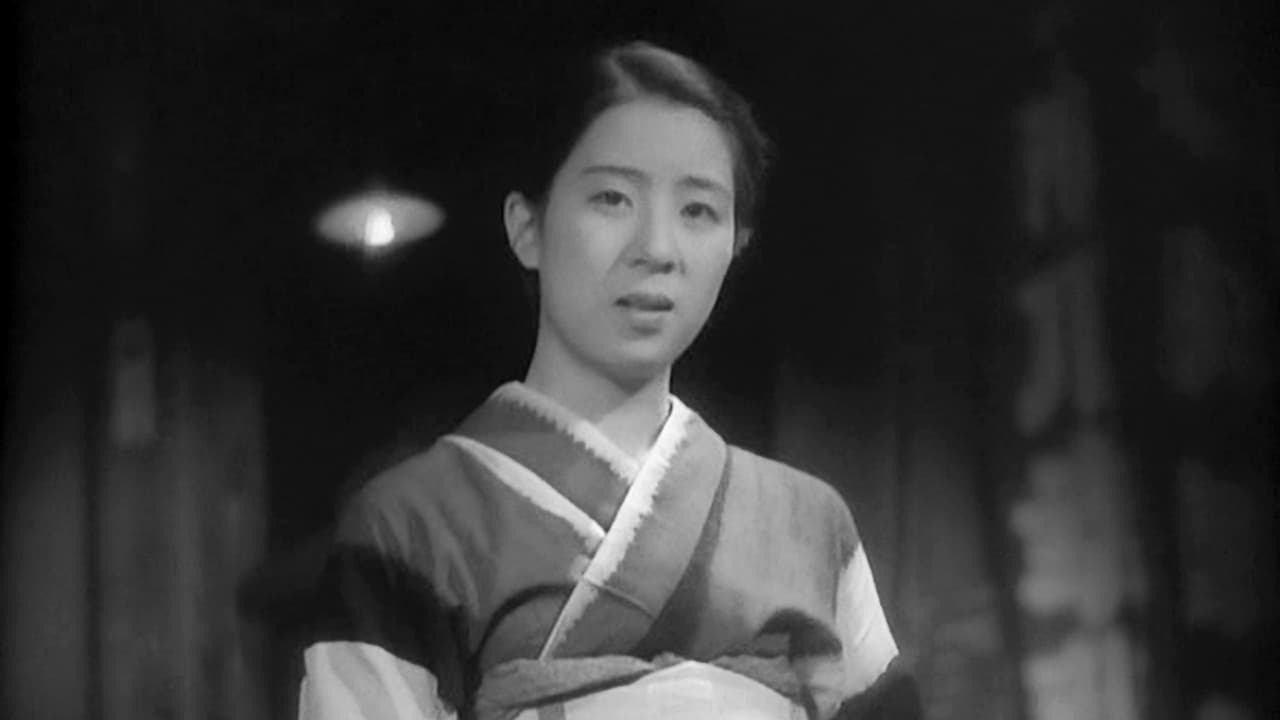
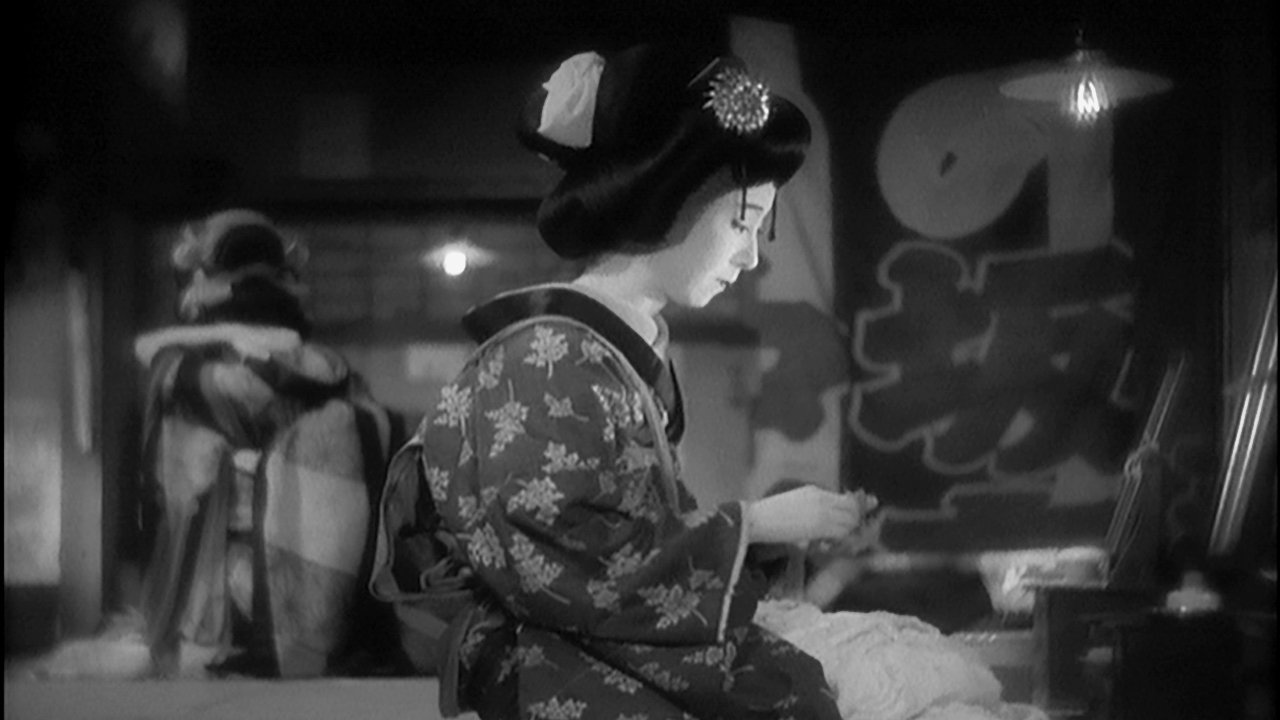
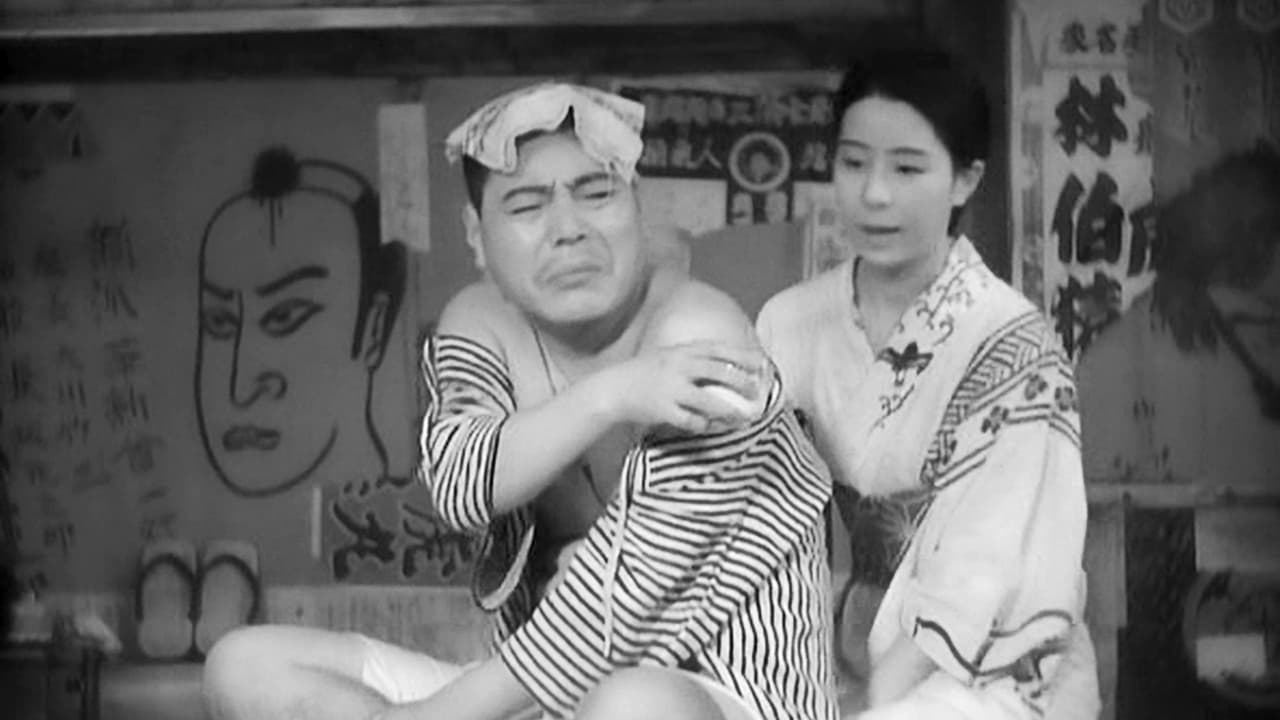
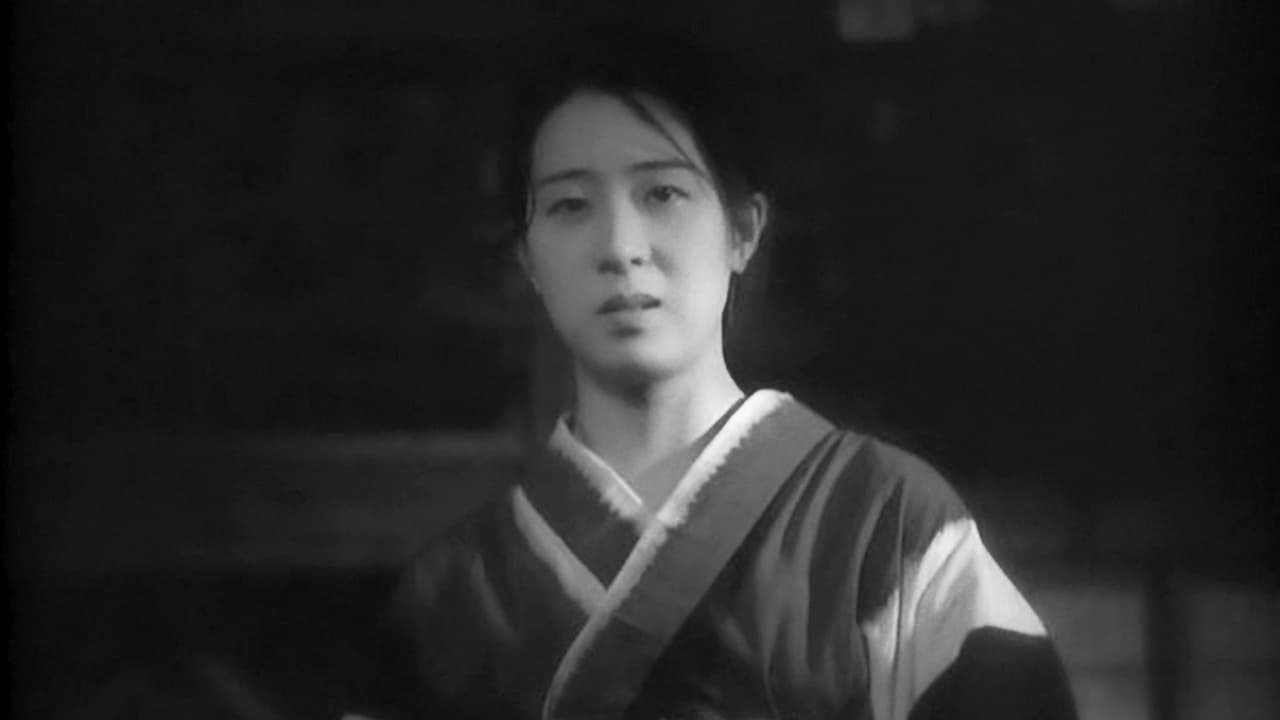
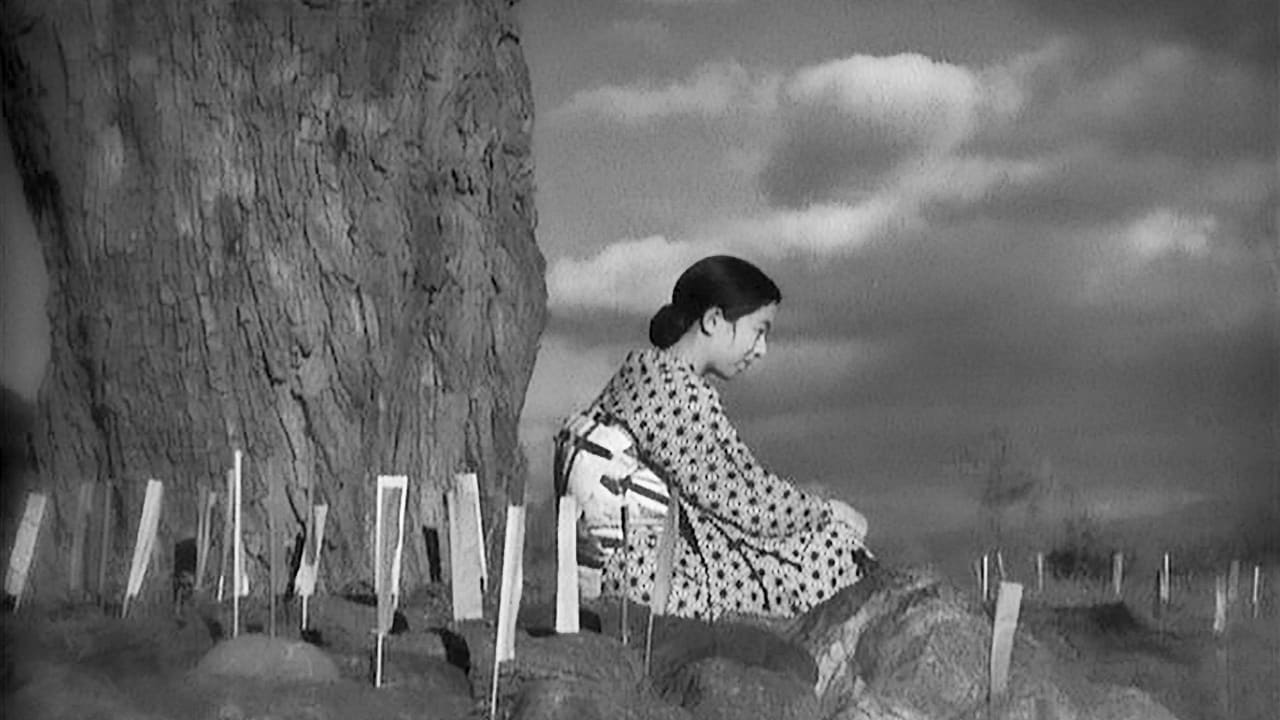
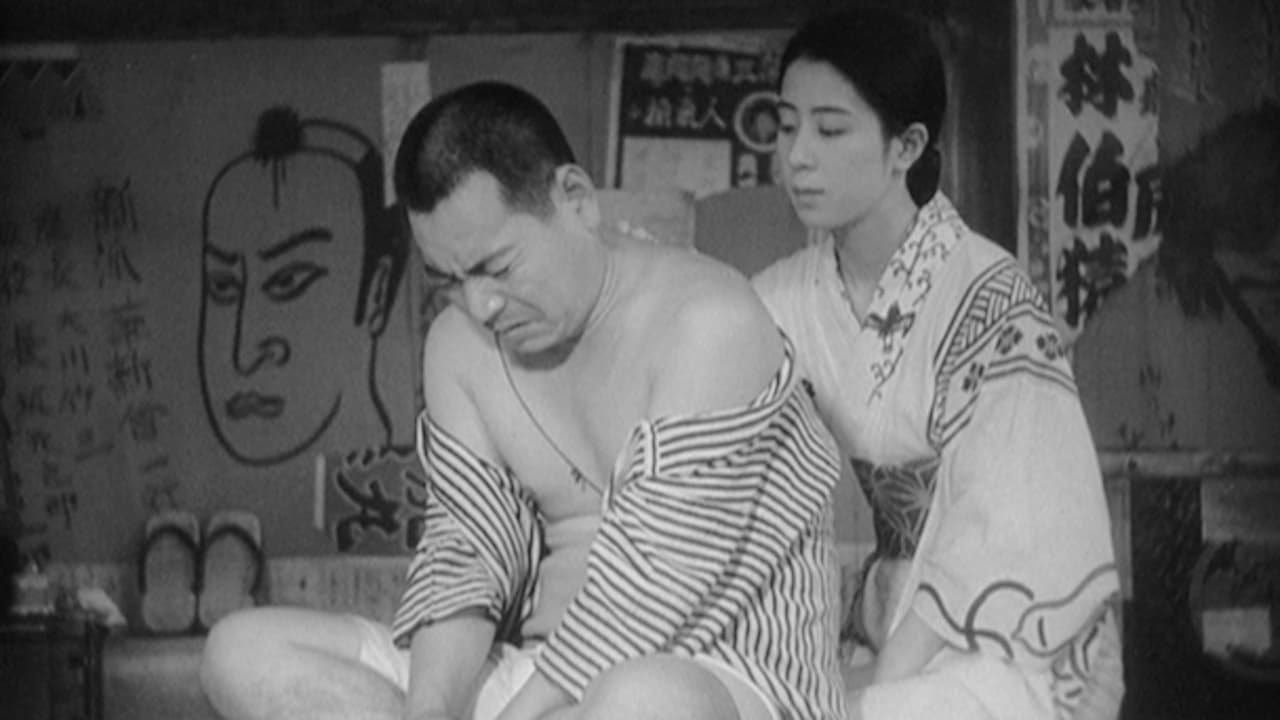
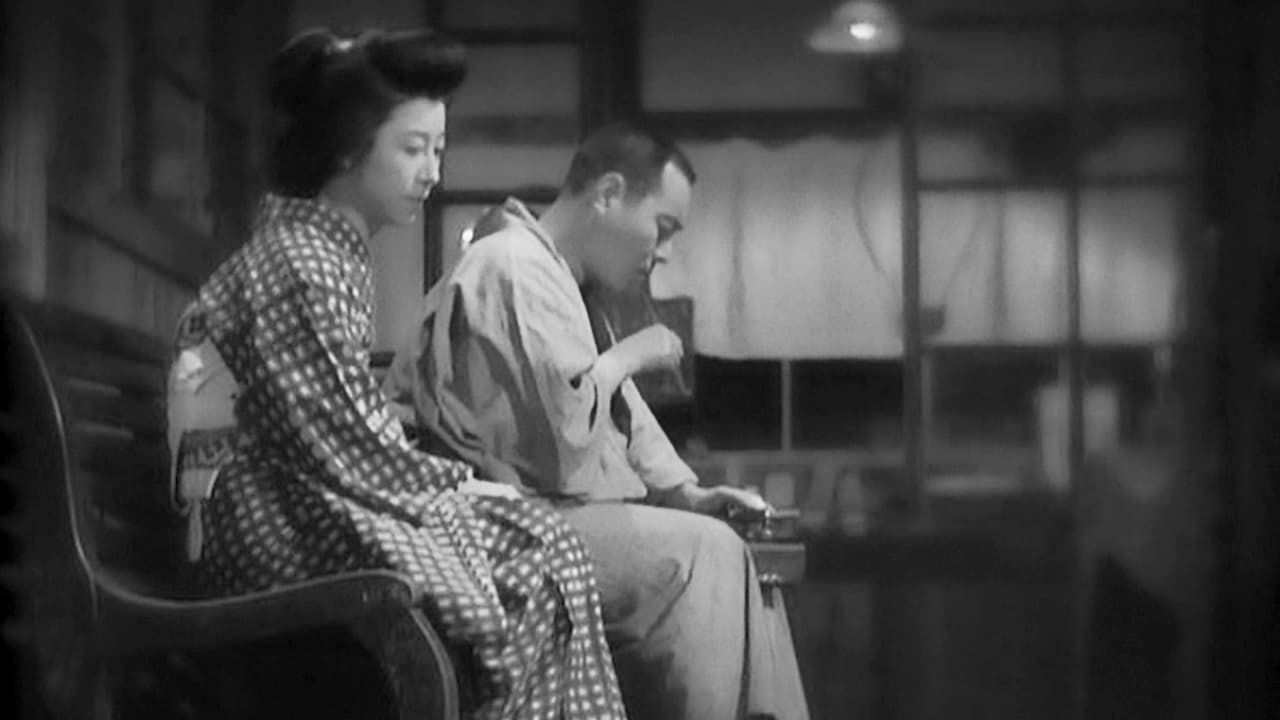
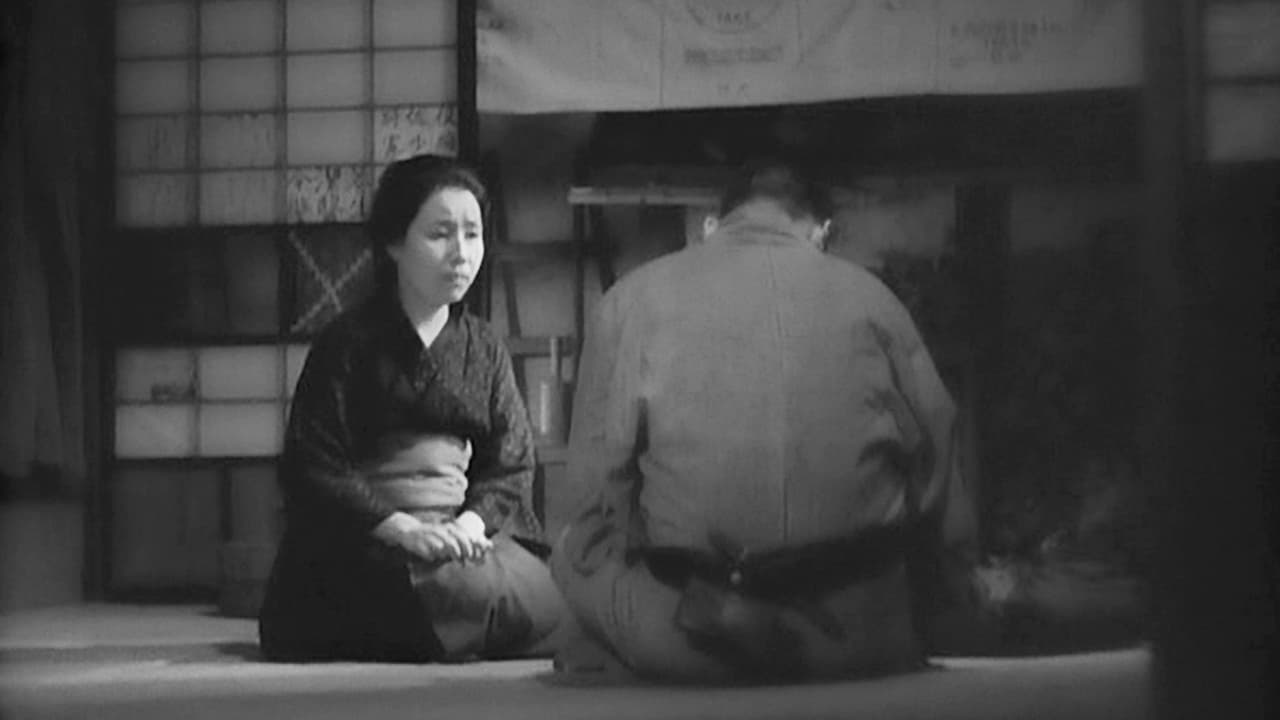
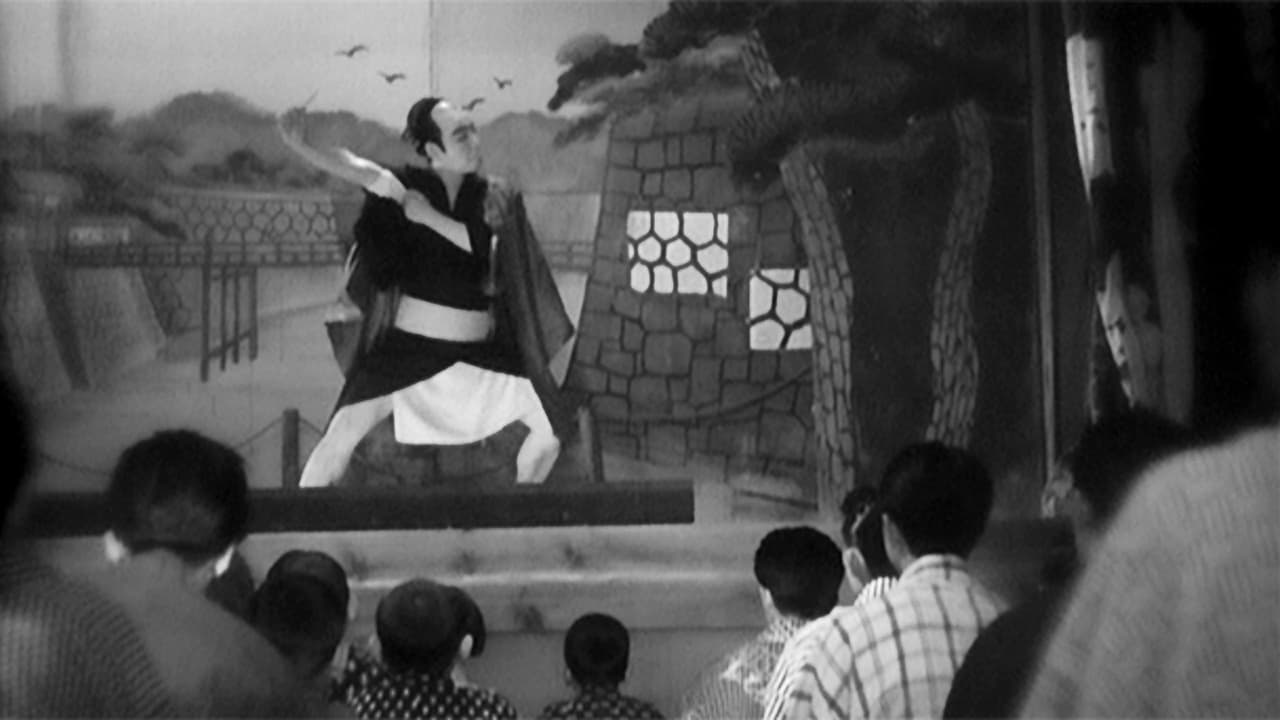
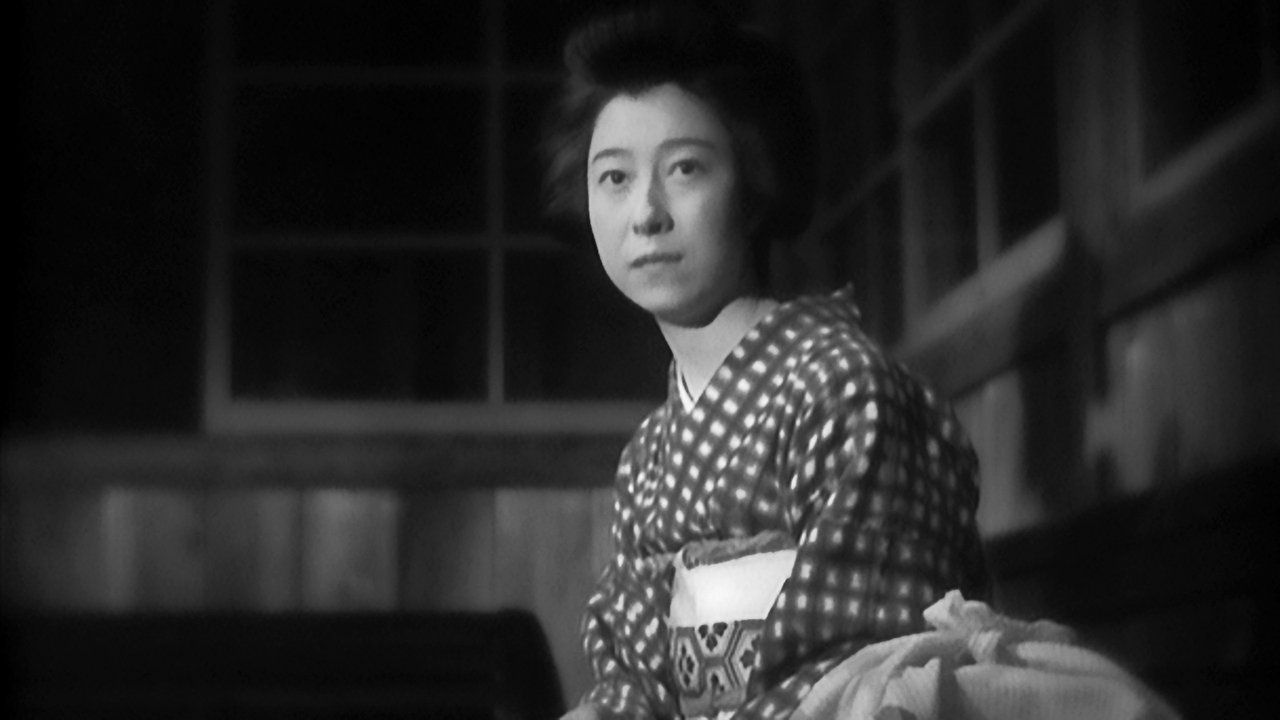
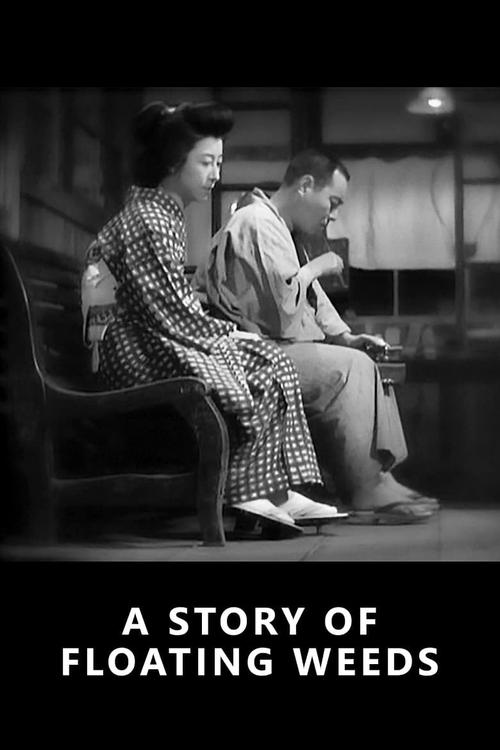
Feels completely realized of true Ozu. Nearly every hallmark except a daughter needing to get married is covered. Flooring visual poetry of insignificant objects weave the tapestry of underyling humanity. In the empty spaces everywhere is the everything. There’s a dinner scene in Tokyo Story which I always feel as one of Ozu’s most violent moments. Here, though, we have a surprising amount of literal violent outbursts, shocking and relentless for a brief moment at the end. The tatami matt-level framing’s effectiveness is totally felt along with some awesome exterior footage. I can’t believe Ozu tapped into this completeness so early, even here in the silent age. Another shot of two people separated by a rain-covered pathway, each standing beneath a pouring roof feels classically Ozu. It seems a common question I have after each Ozu film, is he the humanist director?
Feels completely realized of true Ozu. Nearly every hallmark except a daughter needing to get married is covered. Flooring visual poetry of insignificant objects weave the tapestry of underyling humanity. In the empty spaces everywhere is the everything. There’s a dinner scene in Tokyo Story which I always feel as one of Ozu’s most violent moments. Here, though, we have a surprising amount of literal violent outbursts, shocking and relentless for a brief moment at the end. The tatami matt-level framing’s effectiveness is totally felt along with some awesome exterior footage. I can’t believe Ozu tapped into this completeness so early, even here in the silent age. Another shot of two people separated by a rain-covered pathway, each standing beneath a pouring roof feels classically Ozu. It seems a common question I have after each Ozu film, is he the humanist director?