

1986·Drama·1h 24m
7.1
★

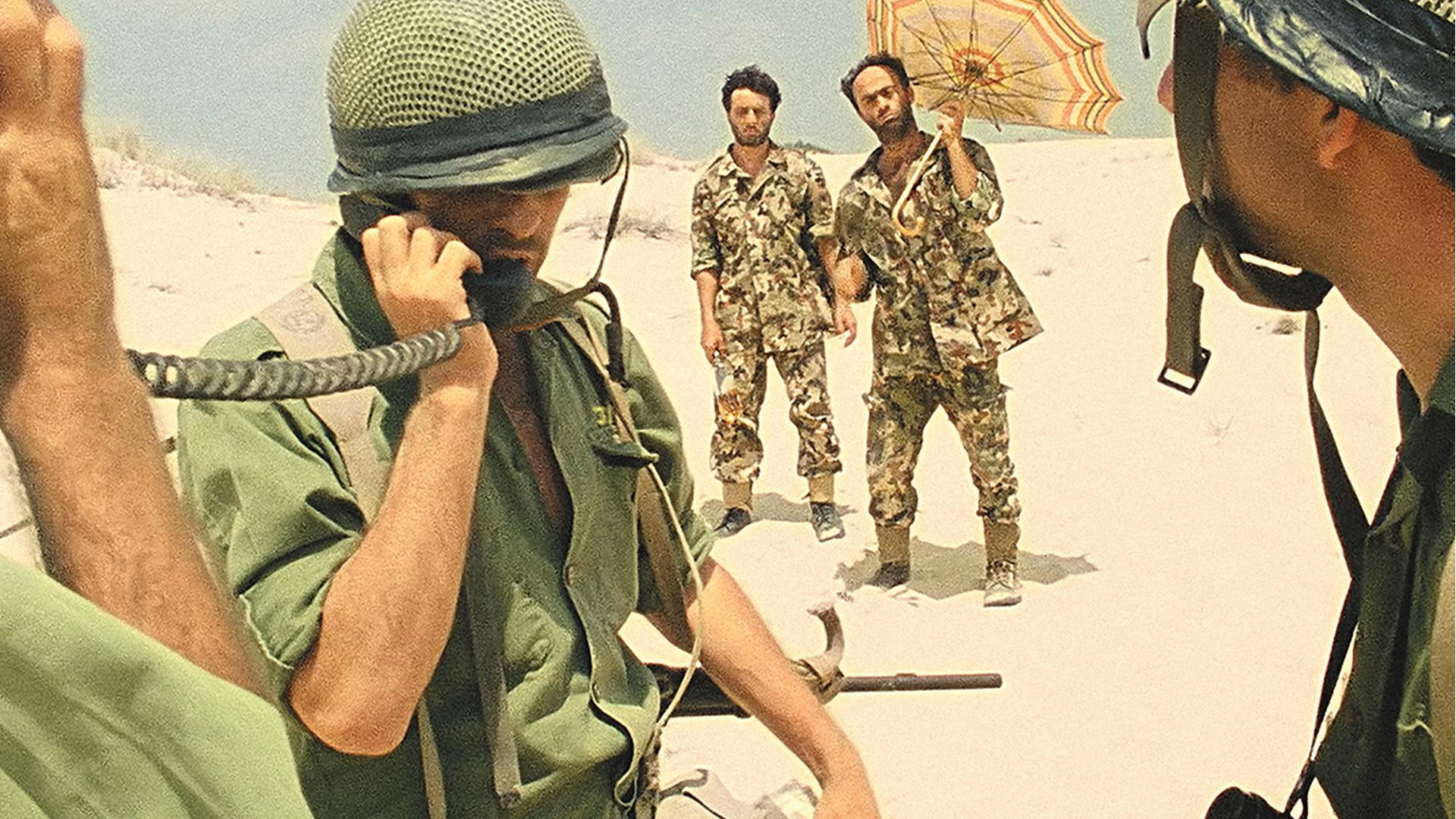

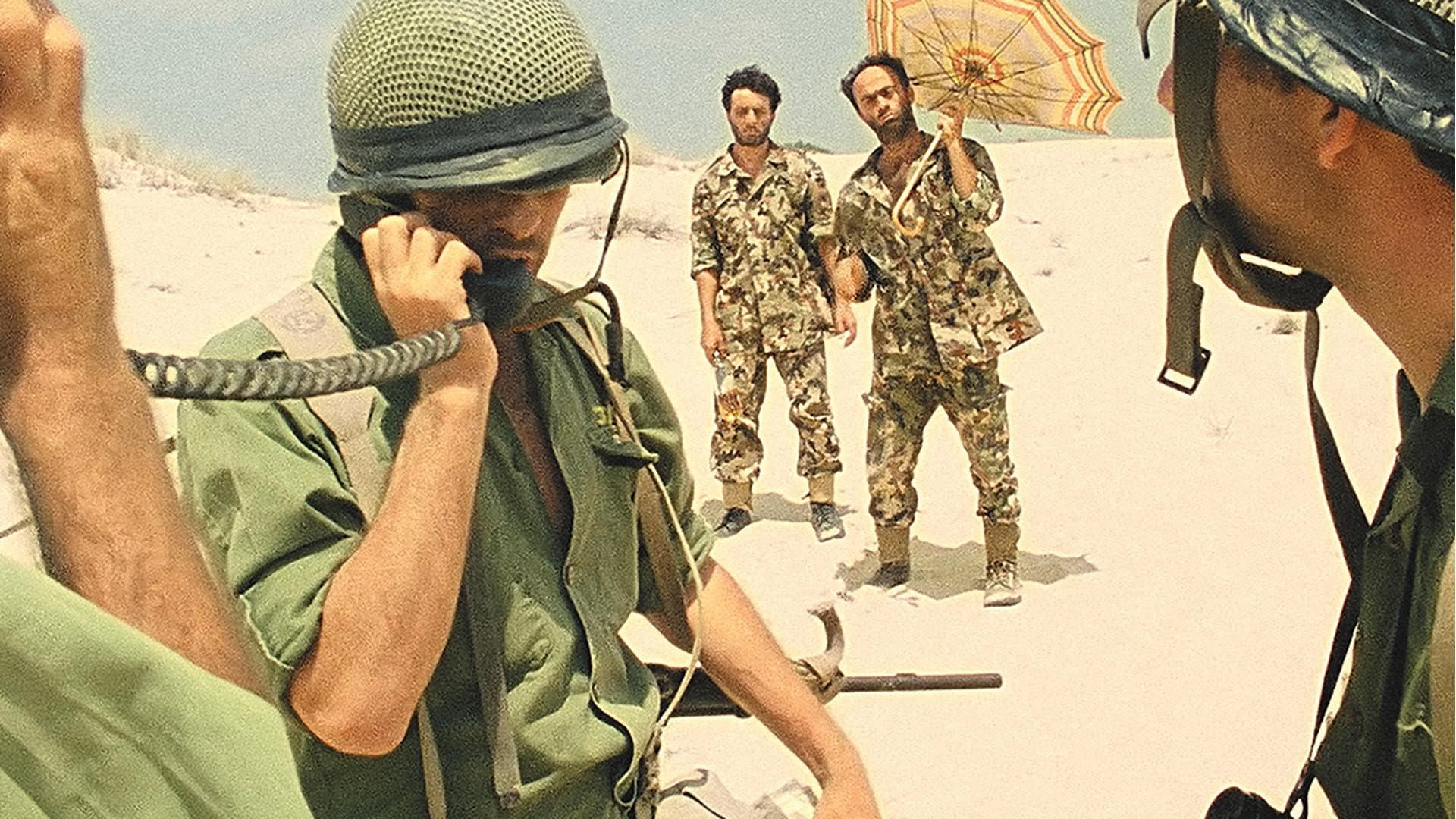
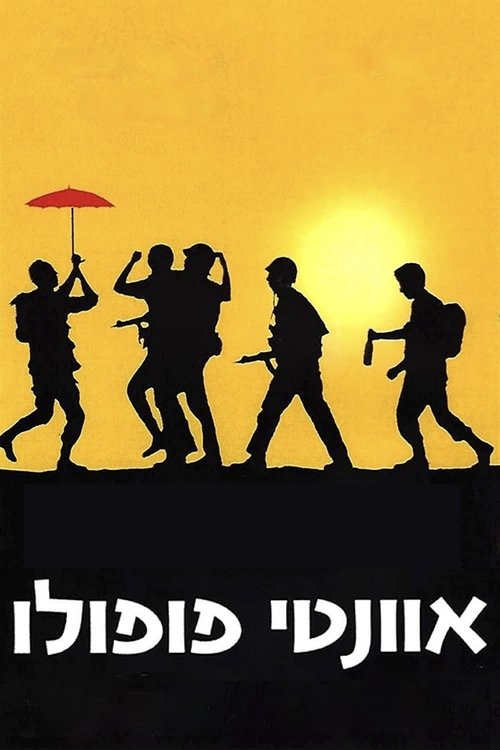
On June 11, 1967, the Six-Day War ended and ceasefire began. Egyptian soldiers Gassan and Haled journey through the Sinai desert to reach the Suez Canal, encountering Israeli soldiers and a news reporter.
Directed by Rafi Bukai

IMDB
N/A
Cast
Salim Daw
Haled el Asmar
Danny Segev
Yacaov Hirsh

Shalom Shmuelov
Driver
Popular Reviews
2 reviews
Shahar metzer
8.0★ · 12/28/24
“I am a Jew. Hath not a Jew eyes? Hath not a Jew hands, organs, dimensions, senses, affections, passions? If you prick us, do we not bleed? If you tickle us, do we not laugh? If you poison us, do we not die? And if you wrong us, shall we not revenge?”
Haled and Gassan, two Egyptian soldiers trying to reach Cairo under the ceasefire of the Six-Day War. As an Israeli, I found myself connecting to this film, partly because Egypt is a country with a vast and diverse population. This makes it easier to empathize with Haled and Gassan as genuinely ״good people״ who simply wanted to survive and live. They aspired to progress in their lives, but the Egyptian army and its decision-makers, driven by their interests, called them up for reserve duty, putting their lives at risk.
This film is incredibly powerful, but it’s not perfectly written and suffers from significant plot issues that detract from its otherwise breathtaking cinematic moments. Is Raffi Buki criticizing the IDF here? I don’t think he’s criticizing the IDF in a negative sense. After all, the story includes two Egyptian soldiers alongside Israeli soldiers who lost their lives—there’s something profound in that. However, I do believe Raffi isn’t afraid to critique the political views of the soldiers, who were understandably wary of the Egyptian soldiers joining them. The film explores the inner logic of war, the personalities of the soldiers, and their political views.
We see that some soldiers are more moderate, while others were deeply afraid of the Egyptian soldiers present with them—and I can’t blame them for that. Yet, Raffi does criticize this fear, adding to the film’s intensity in a way that enriches it. Some people hold an ideology that views every Arab as a terrorist. As someone with right-wing views, I’ve never said that every Arab is a terrorist. When it comes to the Egyptian army, it’s easier to empathize with their soldiers, considering Egypt is a large country with a diverse population. If, for example, Egypt were replaced with Hezbollah or Hamas in this narrative, I’d likely be very angry with this film.
But I have nothing to say; this film also doesn’t provide answers to what if the Egyptian soldiers were in a position of power. It also critiques the soldiers’ behavior, such as when they mocked the Swedish man, showing that they were empathetic only to survive. However, when we see the scene with the mines where they decided to save the soldier, it raises many questions about their true empathy. This is a film that really leaves a lot of room for thought and does so in an excellent way.
It’s an excellent movie that I’d love to revisit in the future. At the moment, I’d rate it 3.5 because of the numerous plot issues that undermine part of its authenticity.
Haled and Gassan, two Egyptian soldiers trying to reach Cairo under the ceasefire of the Six-Day War. As an Israeli, I found myself connecting to this film, partly because Egypt is a country with a vast and diverse population. This makes it easier to empathize with Haled and Gassan as genuinely ״good people״ who simply wanted to survive and live. They aspired to progress in their lives, but the Egyptian army and its decision-makers, driven by their interests, called them up for reserve duty, putting their lives at risk.
This film is incredibly powerful, but it’s not perfectly written and suffers from significant plot issues that detract from its otherwise breathtaking cinematic moments. Is Raffi Buki criticizing the IDF here? I don’t think he’s criticizing the IDF in a negative sense. After all, the story includes two Egyptian soldiers alongside Israeli soldiers who lost their lives—there’s something profound in that. However, I do believe Raffi isn’t afraid to critique the political views of the soldiers, who were understandably wary of the Egyptian soldiers joining them. The film explores the inner logic of war, the personalities of the soldiers, and their political views.
We see that some soldiers are more moderate, while others were deeply afraid of the Egyptian soldiers present with them—and I can’t blame them for that. Yet, Raffi does criticize this fear, adding to the film’s intensity in a way that enriches it. Some people hold an ideology that views every Arab as a terrorist. As someone with right-wing views, I’ve never said that every Arab is a terrorist. When it comes to the Egyptian army, it’s easier to empathize with their soldiers, considering Egypt is a large country with a diverse population. If, for example, Egypt were replaced with Hezbollah or Hamas in this narrative, I’d likely be very angry with this film.
But I have nothing to say; this film also doesn’t provide answers to what if the Egyptian soldiers were in a position of power. It also critiques the soldiers’ behavior, such as when they mocked the Swedish man, showing that they were empathetic only to survive. However, when we see the scene with the mines where they decided to save the soldier, it raises many questions about their true empathy. This is a film that really leaves a lot of room for thought and does so in an excellent way.
It’s an excellent movie that I’d love to revisit in the future. At the moment, I’d rate it 3.5 because of the numerous plot issues that undermine part of its authenticity.
“I am a Jew. Hath not a Jew eyes? Hath not a Jew hands, organs, dimensions, senses, affections, passions? If you prick us, do we not bleed? If you tickle us, do we not laugh? If you poison us, do we not die? And if you wrong us, shall we not revenge?”
Haled and Gassan, two Egyptian soldiers trying to reach Cairo under the ceasefire of the Six-Day War. As an Israeli, I found myself connecting to this film, partly because Egypt is a country with a vast and diverse population. This makes it easier to empathize with Haled and Gassan as genuinely ״good people״ who simply wanted to survive and live. They aspired to progress in their lives, but the Egyptian army and its decision-makers, driven by their interests, called them up for reserve duty, putting their lives at risk.
This film is incredibly powerful, but it’s not perfectly written and suffers from significant plot issues that detract from its otherwise breathtaking cinematic moments. Is Raffi Buki criticizing the IDF here? I don’t think he’s criticizing the IDF in a negative sense. After all, the story includes two Egyptian soldiers alongside Israeli soldiers who lost their lives—there’s something profound in that. However, I do believe Raffi isn’t afraid to critique the political views of the soldiers, who were understandably wary of the Egyptian soldiers joining them. The film explores the inner logic of war, the personalities of the soldiers, and their political views.
We see that some soldiers are more moderate, while others were deeply afraid of the Egyptian soldiers present with them—and I can’t blame them for that. Yet, Raffi does criticize this fear, adding to the film’s intensity in a way that enriches it. Some people hold an ideology that views every Arab as a terrorist. As someone with right-wing views, I’ve never said that every Arab is a terrorist. When it comes to the Egyptian army, it’s easier to empathize with their soldiers, considering Egypt is a large country with a diverse population. If, for example, Egypt were replaced with Hezbollah or Hamas in this narrative, I’d likely be very angry with this film.
But I have nothing to say; this film also doesn’t provide answers to what if the Egyptian soldiers were in a position of power. It also critiques the soldiers’ behavior, such as when they mocked the Swedish man, showing that they were empathetic only to survive. However, when we see the scene with the mines where they decided to save the soldier, it raises many questions about their true empathy. This is a film that really leaves a lot of room for thought and does so in an excellent way.
It’s an excellent movie that I’d love to revisit in the future. At the moment, I’d rate it 3.5 because of the numerous plot issues that undermine part of its authenticity.
Haled and Gassan, two Egyptian soldiers trying to reach Cairo under the ceasefire of the Six-Day War. As an Israeli, I found myself connecting to this film, partly because Egypt is a country with a vast and diverse population. This makes it easier to empathize with Haled and Gassan as genuinely ״good people״ who simply wanted to survive and live. They aspired to progress in their lives, but the Egyptian army and its decision-makers, driven by their interests, called them up for reserve duty, putting their lives at risk.
This film is incredibly powerful, but it’s not perfectly written and suffers from significant plot issues that detract from its otherwise breathtaking cinematic moments. Is Raffi Buki criticizing the IDF here? I don’t think he’s criticizing the IDF in a negative sense. After all, the story includes two Egyptian soldiers alongside Israeli soldiers who lost their lives—there’s something profound in that. However, I do believe Raffi isn’t afraid to critique the political views of the soldiers, who were understandably wary of the Egyptian soldiers joining them. The film explores the inner logic of war, the personalities of the soldiers, and their political views.
We see that some soldiers are more moderate, while others were deeply afraid of the Egyptian soldiers present with them—and I can’t blame them for that. Yet, Raffi does criticize this fear, adding to the film’s intensity in a way that enriches it. Some people hold an ideology that views every Arab as a terrorist. As someone with right-wing views, I’ve never said that every Arab is a terrorist. When it comes to the Egyptian army, it’s easier to empathize with their soldiers, considering Egypt is a large country with a diverse population. If, for example, Egypt were replaced with Hezbollah or Hamas in this narrative, I’d likely be very angry with this film.
But I have nothing to say; this film also doesn’t provide answers to what if the Egyptian soldiers were in a position of power. It also critiques the soldiers’ behavior, such as when they mocked the Swedish man, showing that they were empathetic only to survive. However, when we see the scene with the mines where they decided to save the soldier, it raises many questions about their true empathy. This is a film that really leaves a lot of room for thought and does so in an excellent way.
It’s an excellent movie that I’d love to revisit in the future. At the moment, I’d rate it 3.5 because of the numerous plot issues that undermine part of its authenticity.


Sergio Peña
8.0★ · 04/25/22