

1991·Thriller·1h 52m
7.1
★
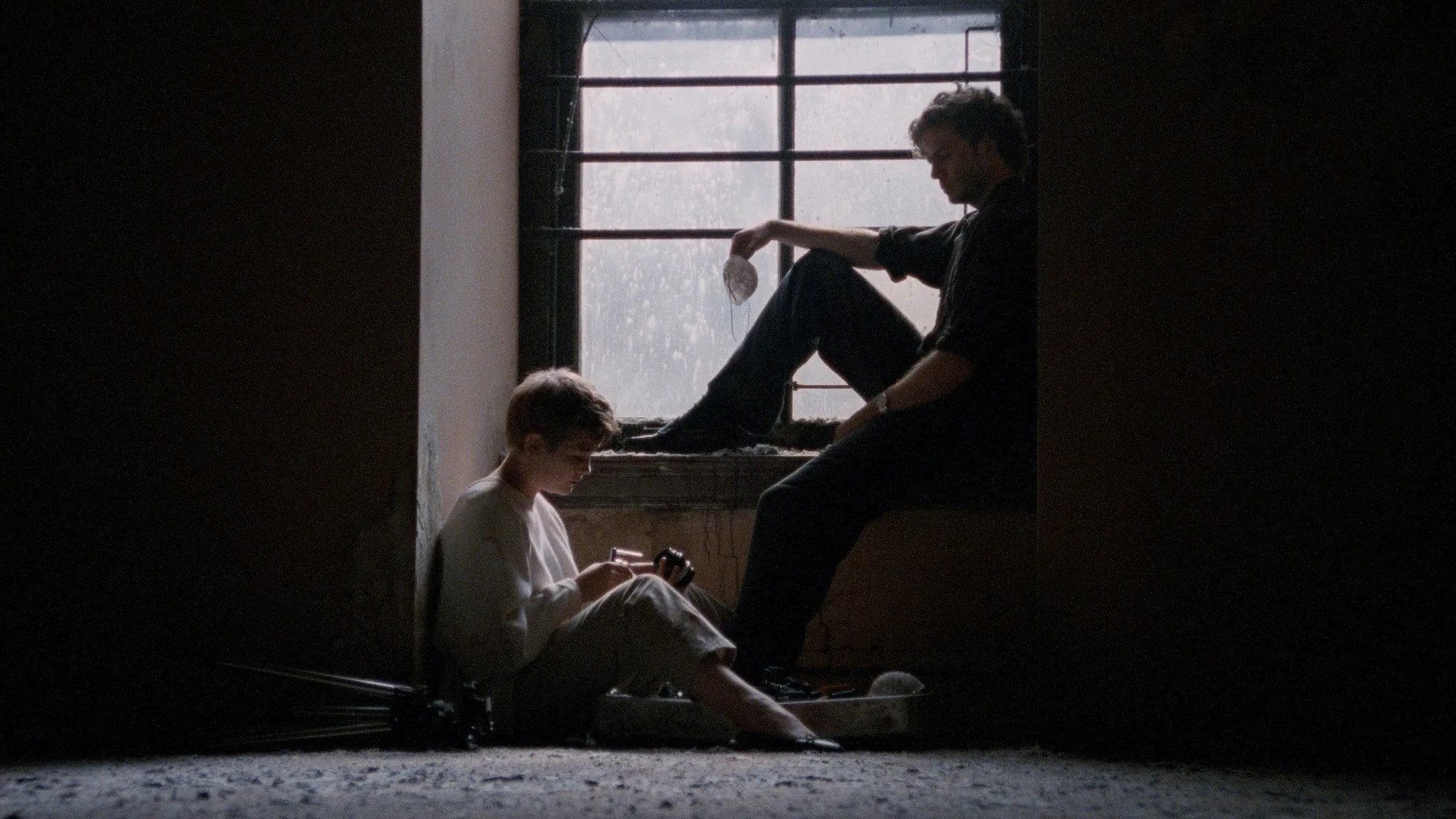



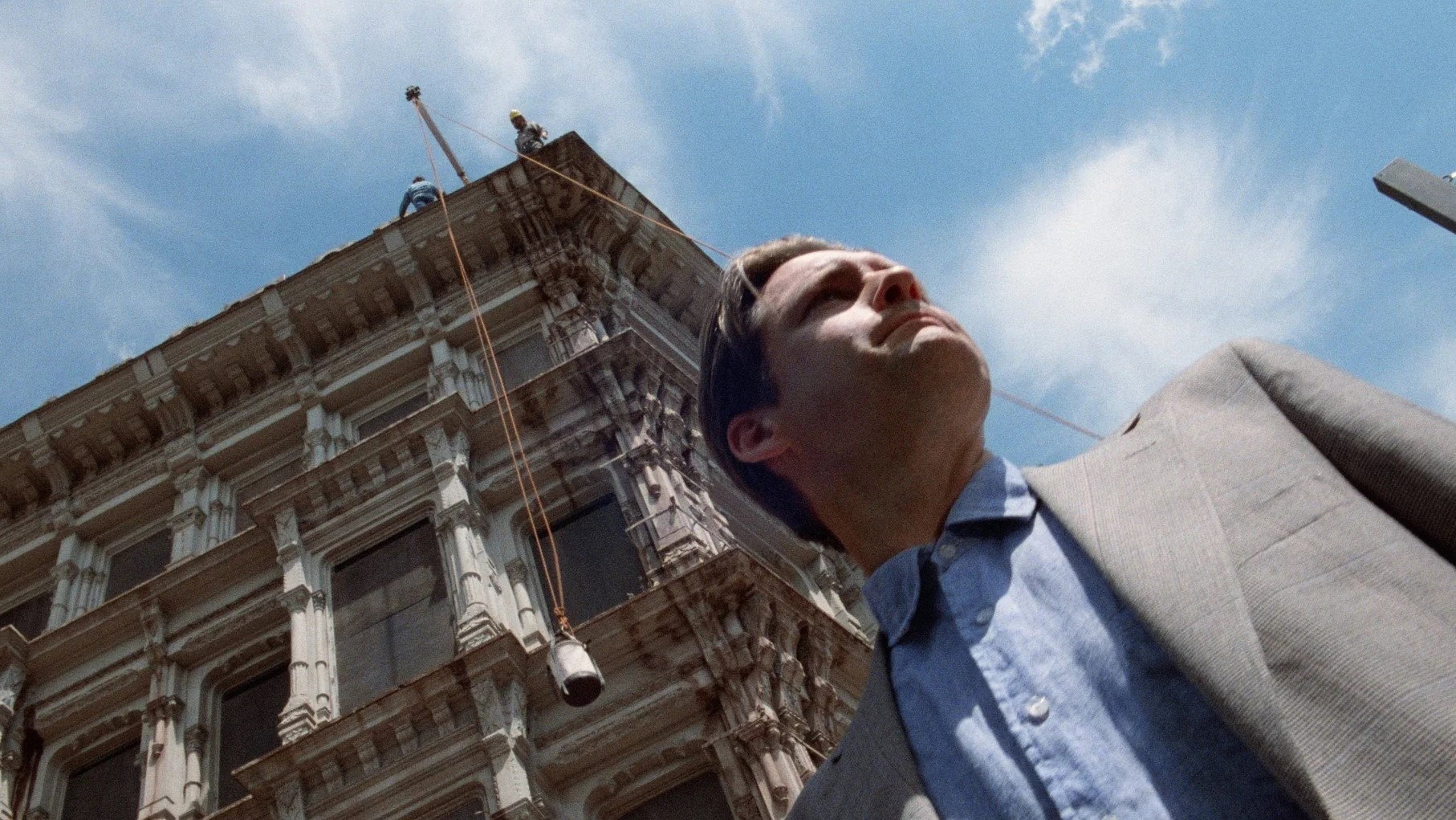
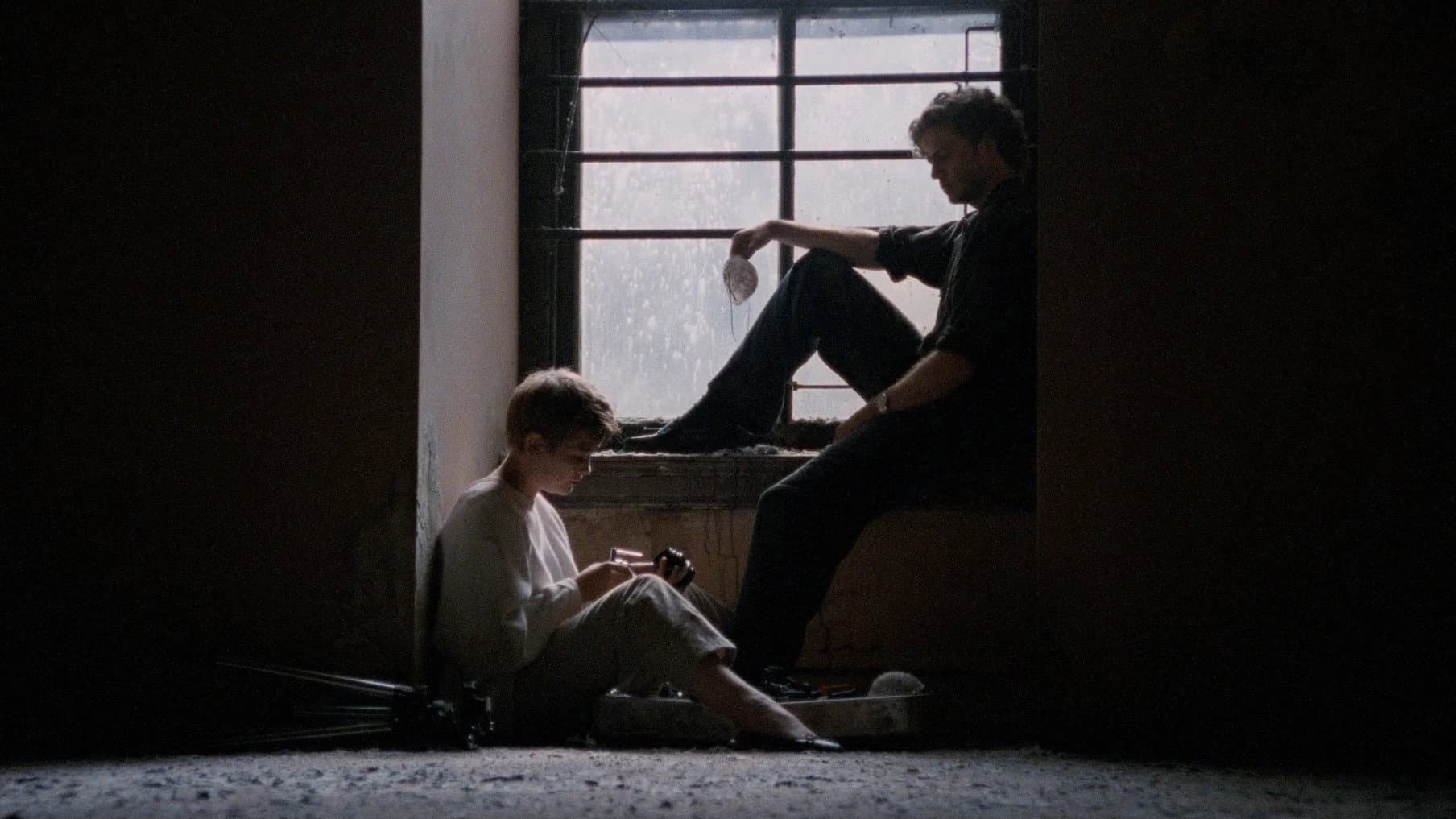
A man returns to his hometown and a series of dark secrets are revealed.
Directed by Mike Figgis
mother
illinois
friends
murder
architecture
lust
extramarital affair
illness
occult
adopted
neo-noir

Trailer

IMDB
N/A
Cast

Kevin Anderson
Nick Kaminsky

Pamela Gidley
Jane Kessler

Bill Pullman
Paul Kessler

Kim Novak
Lillian Anderson Munnsen

Graham Beckel
Sheriff Pete Ricker

Zach Grenier
Barnard Ralston IV

Thomas Kopache
Dr. Parker

Anne Lange
Nurse #1

Jack Wallace
Mike
Max Perlich
Orderly #1

Catherine Hicks
Mary Parker

Taina Elg
Old Mother Ralston
Crew

Eric Fellner
Producer

Michael Flynn
Production Design
Popular Reviews
1 review
Ghoulie
8.0★ · 08/05/24

First things first, let's address the surrealism on display in this early Figgis work. I love dreamlike stories, those whose fluidity allows them to drift outside the lines of traditional character and plot development. Yet the important aspect remains that I need these yarns to have something to say when they drink from the ocean of the subconscious. Dreams and fantasies underscore the true desires of a person, whether they be passion, youth, sex, or whatever. In the case of this film and in a great many surrealist works, dreams can also be utilized to clear fear from the mind and return to visions of distant horizons filled with possibility.
We've got everything on display for a great noir in LIEBESTRAUM; dreams and nightmares serve as narrative devices the way that would make Lynch proud. These nocturnal visions are all haunting displays of passion that distort reality in the aforementioned subconscious ocean. Figgis directs this film as a thriller, but writes with a muted energy, giving the story a dark, translucent hue that shows visually through the odd acting and luscious neon set design and stunning mise-en-scene.
Moving to the film's story, LIEBESTRAUM begins like a typical noir, with our protagonist Kaminsky starting an investigation into some hijinks. We find quickly that Instead of the classical private investigator-femme fatale routine, Kaminsky is actually investigating the dying mother he has only recently become aware of.
Kaminsky is an architectural expert, and soon begins an illicit affair with his friend's wife. This woman is a photographer, and they both begin to explore a building her husband is in the process of demolishing. This building, like every character in the film, holds a treasure trove of secrets, specifically a tale of discreet lovers who are discovered. There's lot of juicy symbolism on display as well, with Kaminsky's wanderings about the building reflecting the Kafka-esque journey to awakening through a maze of corridors in search of a cure for unending anxiety.
The scenes with Kaminsky in the building also evoke the notion of the old story becoming the new story, creating an almost new genre of noir, post-noir. The film does not obey neo-noir tropes either, as we find the femme fatale here to not be evil; she is seductive but she is burdened by the same pain as he. The real path of the story works against all the classic ideas, because the more the protagonist drowns in passion, the more his dreams become the main focal point of the story. In neo-noir, it's all about the machinations, but here there is a deliberate lack of shape to the proceedings, not due to slack but a result of care and attitude.
As Kaminsky and the woman fall in love, he begins to learn more about his dreams, slowly recalling a horrific event that destroyed many lives; he unravels the truth that he is connected through his parents. The cause of his mother's impending demise is never clarified, and an intuitive viewer may find the cause to be a spiritual collapse, brought about by guilt and trauma that manifest through the recurrence of the man whose name resides on the soon-to-be-demolished structure. This brings us to the most overtly Lynchian character in the film, a black-suited Reaper-esque man in a limousine whose appearance suggests imminent demise. This man's eeriness cannot be overstated; every scene involving him is appropriately tense, disturbing and chilling, especially one memorable set piece in a mannequin factory that called to mind the conclusion of Kubrick's KILLER'S KISS.
At the end of the story, all threads come together in a great scene at the hospital, when another body is rolled out of a room, central to the film's events. There is a philosophical connection between this corpse and the overarching theme, and we are left to wonder if what we have seen is but a pointless fragment of the past or a damning horror of the present.
Truth be told, I wasn't sure how to feel about LIEBESTRAUM at first, but the more I find my thoughts swarming to it, the more rich and textural I find it to be.
We've got everything on display for a great noir in LIEBESTRAUM; dreams and nightmares serve as narrative devices the way that would make Lynch proud. These nocturnal visions are all haunting displays of passion that distort reality in the aforementioned subconscious ocean. Figgis directs this film as a thriller, but writes with a muted energy, giving the story a dark, translucent hue that shows visually through the odd acting and luscious neon set design and stunning mise-en-scene.
Moving to the film's story, LIEBESTRAUM begins like a typical noir, with our protagonist Kaminsky starting an investigation into some hijinks. We find quickly that Instead of the classical private investigator-femme fatale routine, Kaminsky is actually investigating the dying mother he has only recently become aware of.
Kaminsky is an architectural expert, and soon begins an illicit affair with his friend's wife. This woman is a photographer, and they both begin to explore a building her husband is in the process of demolishing. This building, like every character in the film, holds a treasure trove of secrets, specifically a tale of discreet lovers who are discovered. There's lot of juicy symbolism on display as well, with Kaminsky's wanderings about the building reflecting the Kafka-esque journey to awakening through a maze of corridors in search of a cure for unending anxiety.
The scenes with Kaminsky in the building also evoke the notion of the old story becoming the new story, creating an almost new genre of noir, post-noir. The film does not obey neo-noir tropes either, as we find the femme fatale here to not be evil; she is seductive but she is burdened by the same pain as he. The real path of the story works against all the classic ideas, because the more the protagonist drowns in passion, the more his dreams become the main focal point of the story. In neo-noir, it's all about the machinations, but here there is a deliberate lack of shape to the proceedings, not due to slack but a result of care and attitude.
As Kaminsky and the woman fall in love, he begins to learn more about his dreams, slowly recalling a horrific event that destroyed many lives; he unravels the truth that he is connected through his parents. The cause of his mother's impending demise is never clarified, and an intuitive viewer may find the cause to be a spiritual collapse, brought about by guilt and trauma that manifest through the recurrence of the man whose name resides on the soon-to-be-demolished structure. This brings us to the most overtly Lynchian character in the film, a black-suited Reaper-esque man in a limousine whose appearance suggests imminent demise. This man's eeriness cannot be overstated; every scene involving him is appropriately tense, disturbing and chilling, especially one memorable set piece in a mannequin factory that called to mind the conclusion of Kubrick's KILLER'S KISS.
At the end of the story, all threads come together in a great scene at the hospital, when another body is rolled out of a room, central to the film's events. There is a philosophical connection between this corpse and the overarching theme, and we are left to wonder if what we have seen is but a pointless fragment of the past or a damning horror of the present.
Truth be told, I wasn't sure how to feel about LIEBESTRAUM at first, but the more I find my thoughts swarming to it, the more rich and textural I find it to be.
First things first, let's address the surrealism on display in this early Figgis work. I love dreamlike stories, those whose fluidity allows them to drift outside the lines of traditional character and plot development. Yet the important aspect remains that I need these yarns to have something to say when they drink from the ocean of the subconscious. Dreams and fantasies underscore the true desires of a person, whether they be passion, youth, sex, or whatever. In the case of this film and in a great many surrealist works, dreams can also be utilized to clear fear from the mind and return to visions of distant horizons filled with possibility.
We've got everything on display for a great noir in LIEBESTRAUM; dreams and nightmares serve as narrative devices the way that would make Lynch proud. These nocturnal visions are all haunting displays of passion that distort reality in the aforementioned subconscious ocean. Figgis directs this film as a thriller, but writes with a muted energy, giving the story a dark, translucent hue that shows visually through the odd acting and luscious neon set design and stunning mise-en-scene.
Moving to the film's story, LIEBESTRAUM begins like a typical noir, with our protagonist Kaminsky starting an investigation into some hijinks. We find quickly that Instead of the classical private investigator-femme fatale routine, Kaminsky is actually investigating the dying mother he has only recently become aware of.
Kaminsky is an architectural expert, and soon begins an illicit affair with his friend's wife. This woman is a photographer, and they both begin to explore a building her husband is in the process of demolishing. This building, like every character in the film, holds a treasure trove of secrets, specifically a tale of discreet lovers who are discovered. There's lot of juicy symbolism on display as well, with Kaminsky's wanderings about the building reflecting the Kafka-esque journey to awakening through a maze of corridors in search of a cure for unending anxiety.
The scenes with Kaminsky in the building also evoke the notion of the old story becoming the new story, creating an almost new genre of noir, post-noir. The film does not obey neo-noir tropes either, as we find the femme fatale here to not be evil; she is seductive but she is burdened by the same pain as he. The real path of the story works against all the classic ideas, because the more the protagonist drowns in passion, the more his dreams become the main focal point of the story. In neo-noir, it's all about the machinations, but here there is a deliberate lack of shape to the proceedings, not due to slack but a result of care and attitude.
As Kaminsky and the woman fall in love, he begins to learn more about his dreams, slowly recalling a horrific event that destroyed many lives; he unravels the truth that he is connected through his parents. The cause of his mother's impending demise is never clarified, and an intuitive viewer may find the cause to be a spiritual collapse, brought about by guilt and trauma that manifest through the recurrence of the man whose name resides on the soon-to-be-demolished structure. This brings us to the most overtly Lynchian character in the film, a black-suited Reaper-esque man in a limousine whose appearance suggests imminent demise. This man's eeriness cannot be overstated; every scene involving him is appropriately tense, disturbing and chilling, especially one memorable set piece in a mannequin factory that called to mind the conclusion of Kubrick's KILLER'S KISS.
At the end of the story, all threads come together in a great scene at the hospital, when another body is rolled out of a room, central to the film's events. There is a philosophical connection between this corpse and the overarching theme, and we are left to wonder if what we have seen is but a pointless fragment of the past or a damning horror of the present.
Truth be told, I wasn't sure how to feel about LIEBESTRAUM at first, but the more I find my thoughts swarming to it, the more rich and textural I find it to be.
We've got everything on display for a great noir in LIEBESTRAUM; dreams and nightmares serve as narrative devices the way that would make Lynch proud. These nocturnal visions are all haunting displays of passion that distort reality in the aforementioned subconscious ocean. Figgis directs this film as a thriller, but writes with a muted energy, giving the story a dark, translucent hue that shows visually through the odd acting and luscious neon set design and stunning mise-en-scene.
Moving to the film's story, LIEBESTRAUM begins like a typical noir, with our protagonist Kaminsky starting an investigation into some hijinks. We find quickly that Instead of the classical private investigator-femme fatale routine, Kaminsky is actually investigating the dying mother he has only recently become aware of.
Kaminsky is an architectural expert, and soon begins an illicit affair with his friend's wife. This woman is a photographer, and they both begin to explore a building her husband is in the process of demolishing. This building, like every character in the film, holds a treasure trove of secrets, specifically a tale of discreet lovers who are discovered. There's lot of juicy symbolism on display as well, with Kaminsky's wanderings about the building reflecting the Kafka-esque journey to awakening through a maze of corridors in search of a cure for unending anxiety.
The scenes with Kaminsky in the building also evoke the notion of the old story becoming the new story, creating an almost new genre of noir, post-noir. The film does not obey neo-noir tropes either, as we find the femme fatale here to not be evil; she is seductive but she is burdened by the same pain as he. The real path of the story works against all the classic ideas, because the more the protagonist drowns in passion, the more his dreams become the main focal point of the story. In neo-noir, it's all about the machinations, but here there is a deliberate lack of shape to the proceedings, not due to slack but a result of care and attitude.
As Kaminsky and the woman fall in love, he begins to learn more about his dreams, slowly recalling a horrific event that destroyed many lives; he unravels the truth that he is connected through his parents. The cause of his mother's impending demise is never clarified, and an intuitive viewer may find the cause to be a spiritual collapse, brought about by guilt and trauma that manifest through the recurrence of the man whose name resides on the soon-to-be-demolished structure. This brings us to the most overtly Lynchian character in the film, a black-suited Reaper-esque man in a limousine whose appearance suggests imminent demise. This man's eeriness cannot be overstated; every scene involving him is appropriately tense, disturbing and chilling, especially one memorable set piece in a mannequin factory that called to mind the conclusion of Kubrick's KILLER'S KISS.
At the end of the story, all threads come together in a great scene at the hospital, when another body is rolled out of a room, central to the film's events. There is a philosophical connection between this corpse and the overarching theme, and we are left to wonder if what we have seen is but a pointless fragment of the past or a damning horror of the present.
Truth be told, I wasn't sure how to feel about LIEBESTRAUM at first, but the more I find my thoughts swarming to it, the more rich and textural I find it to be.

