
Mughal-e-Azam
1960·Drama·3h 17m
7.2
★
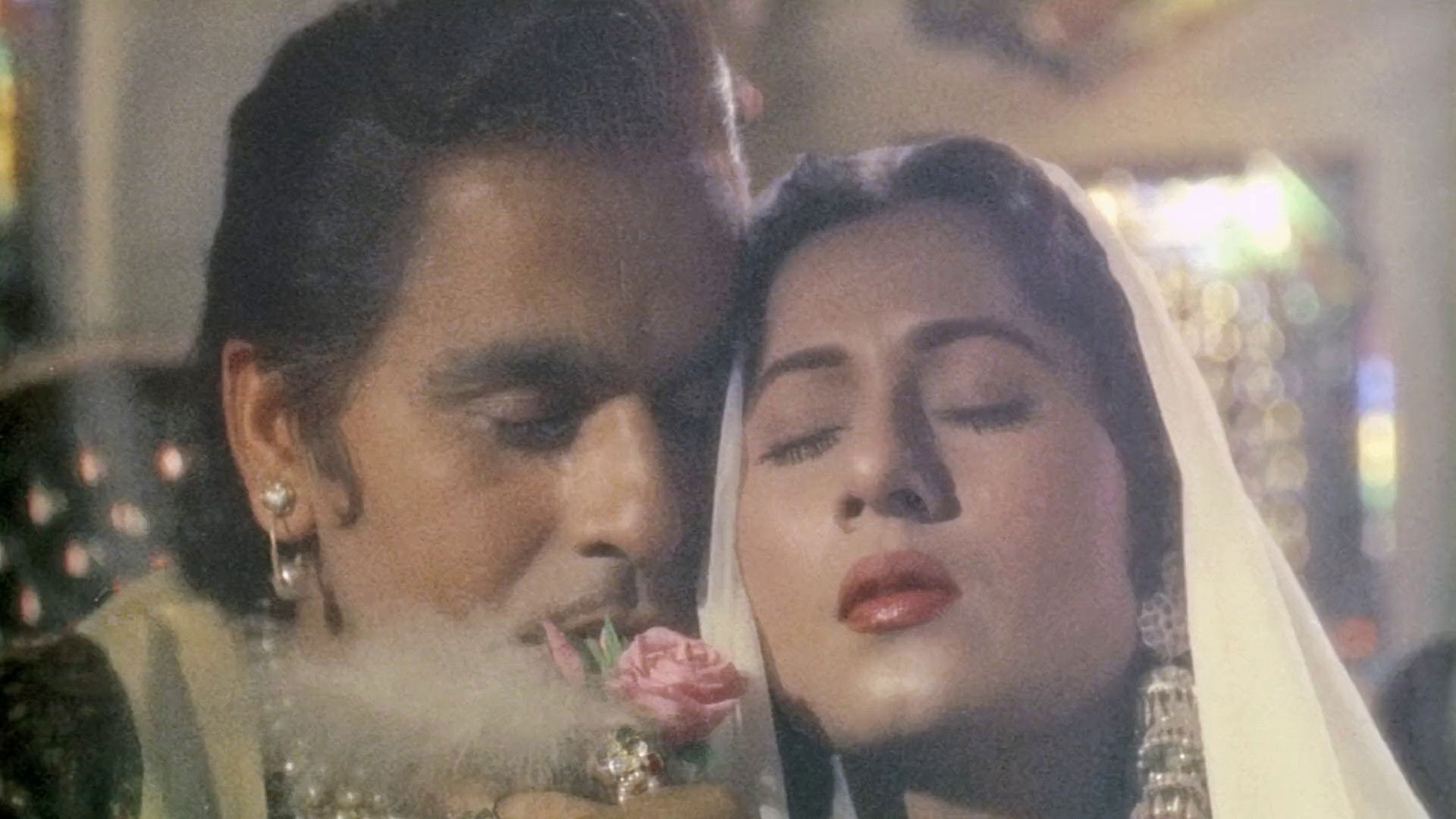
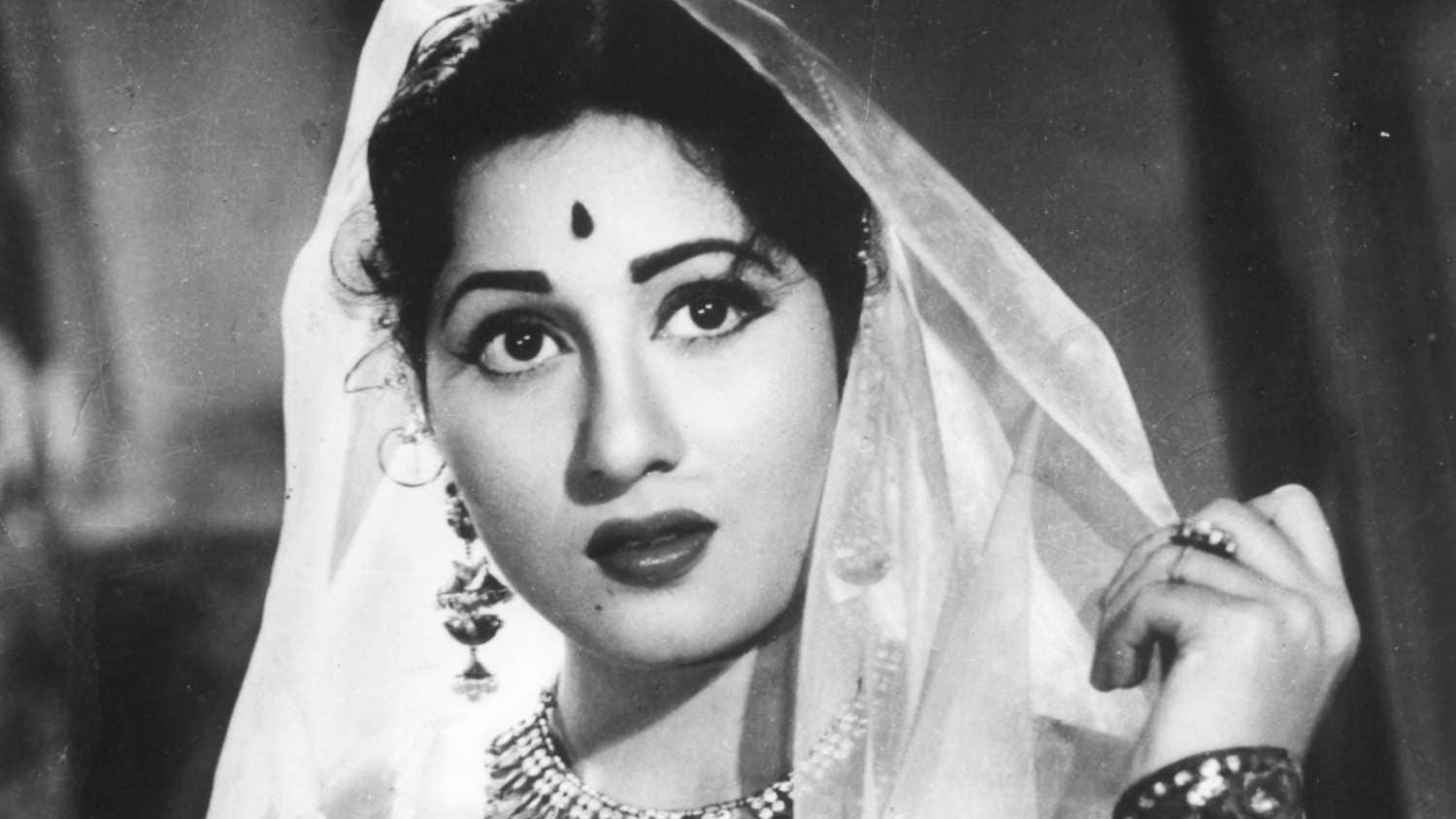
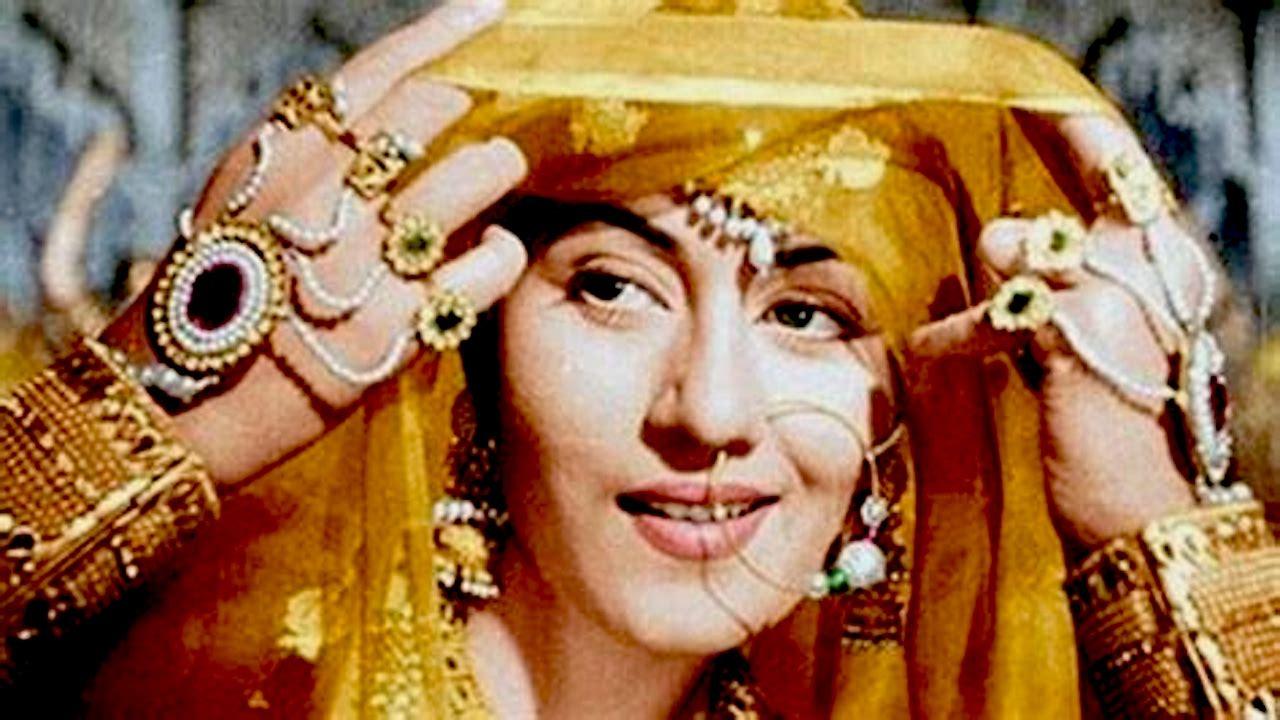
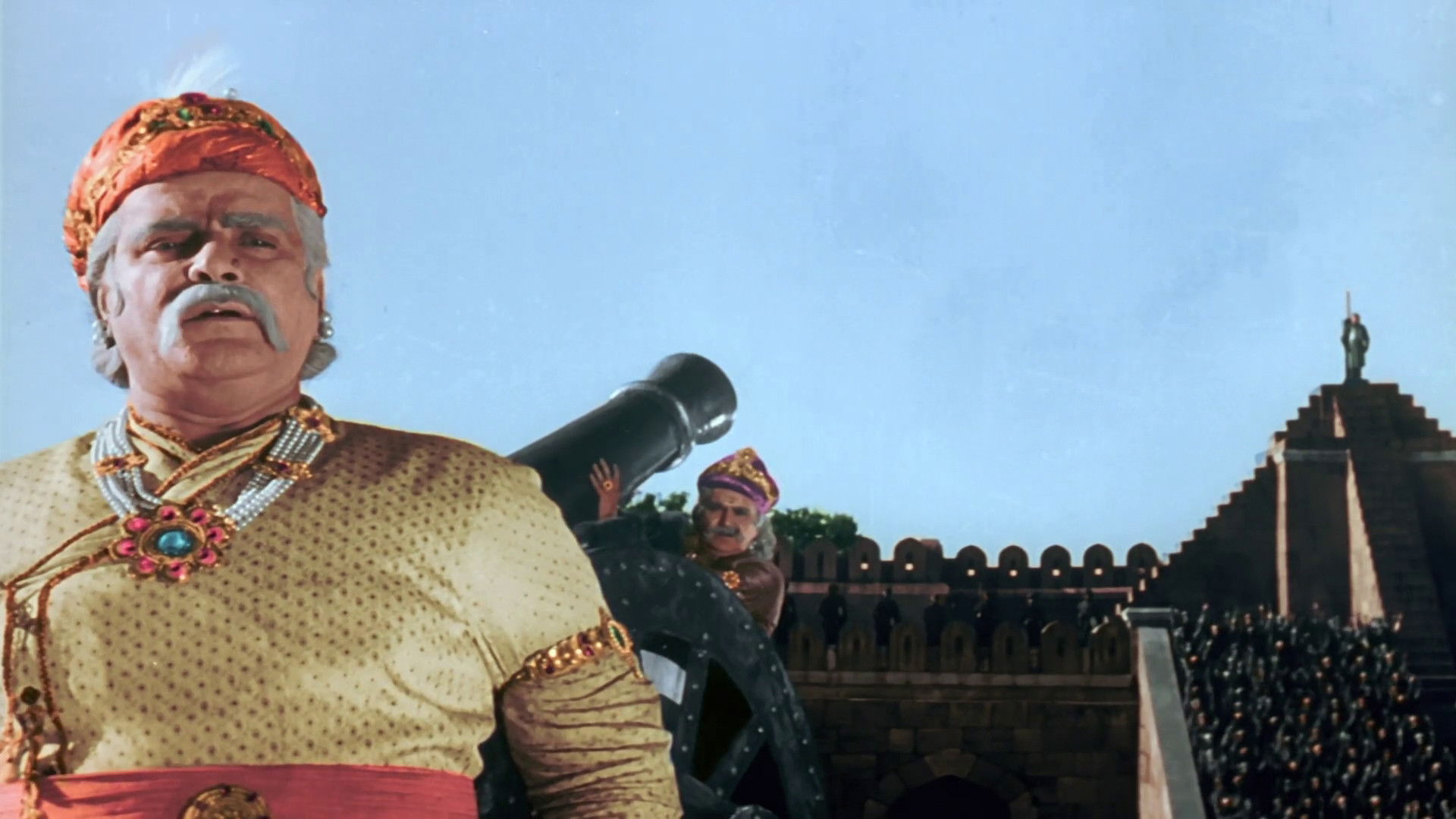
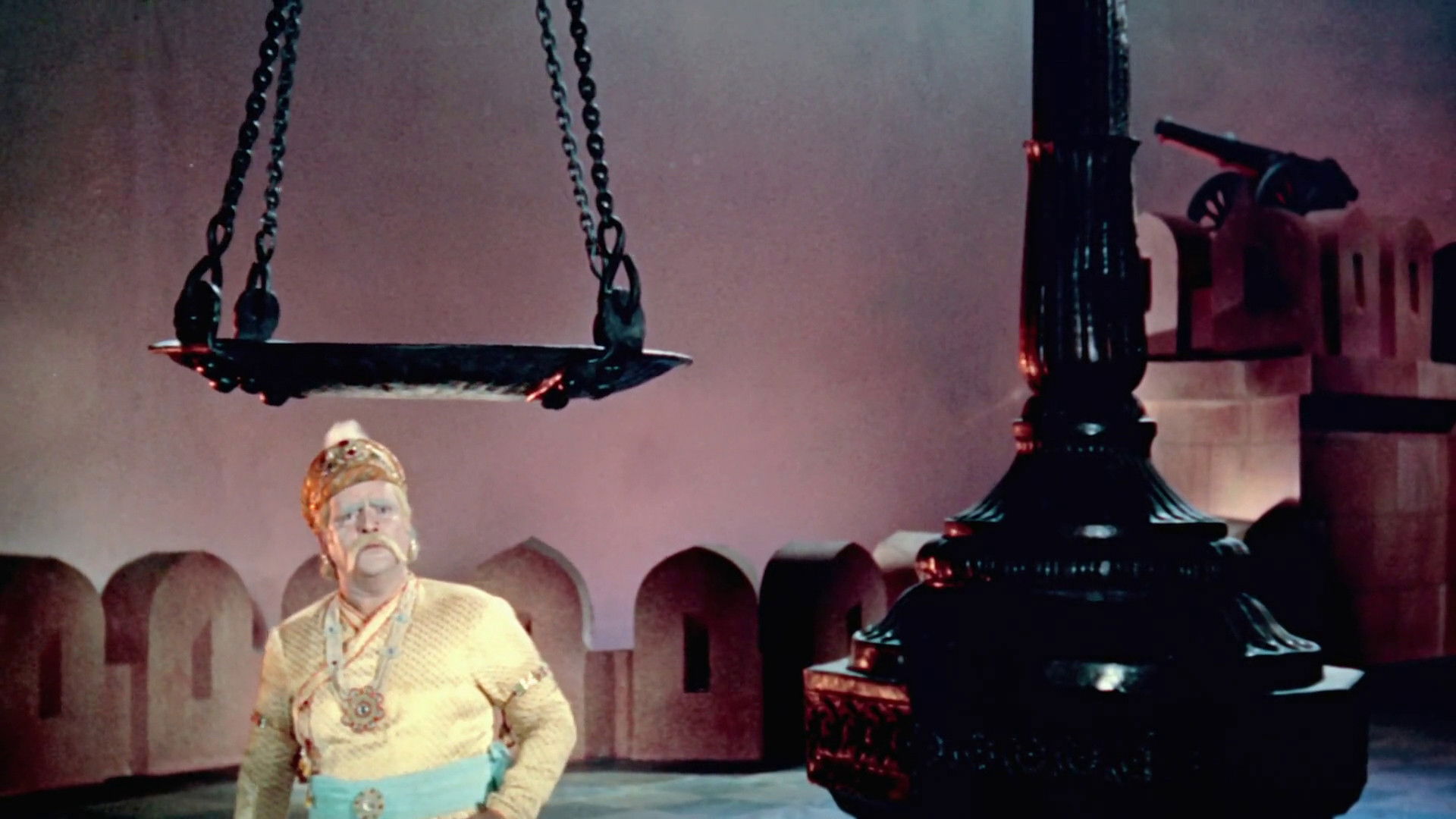
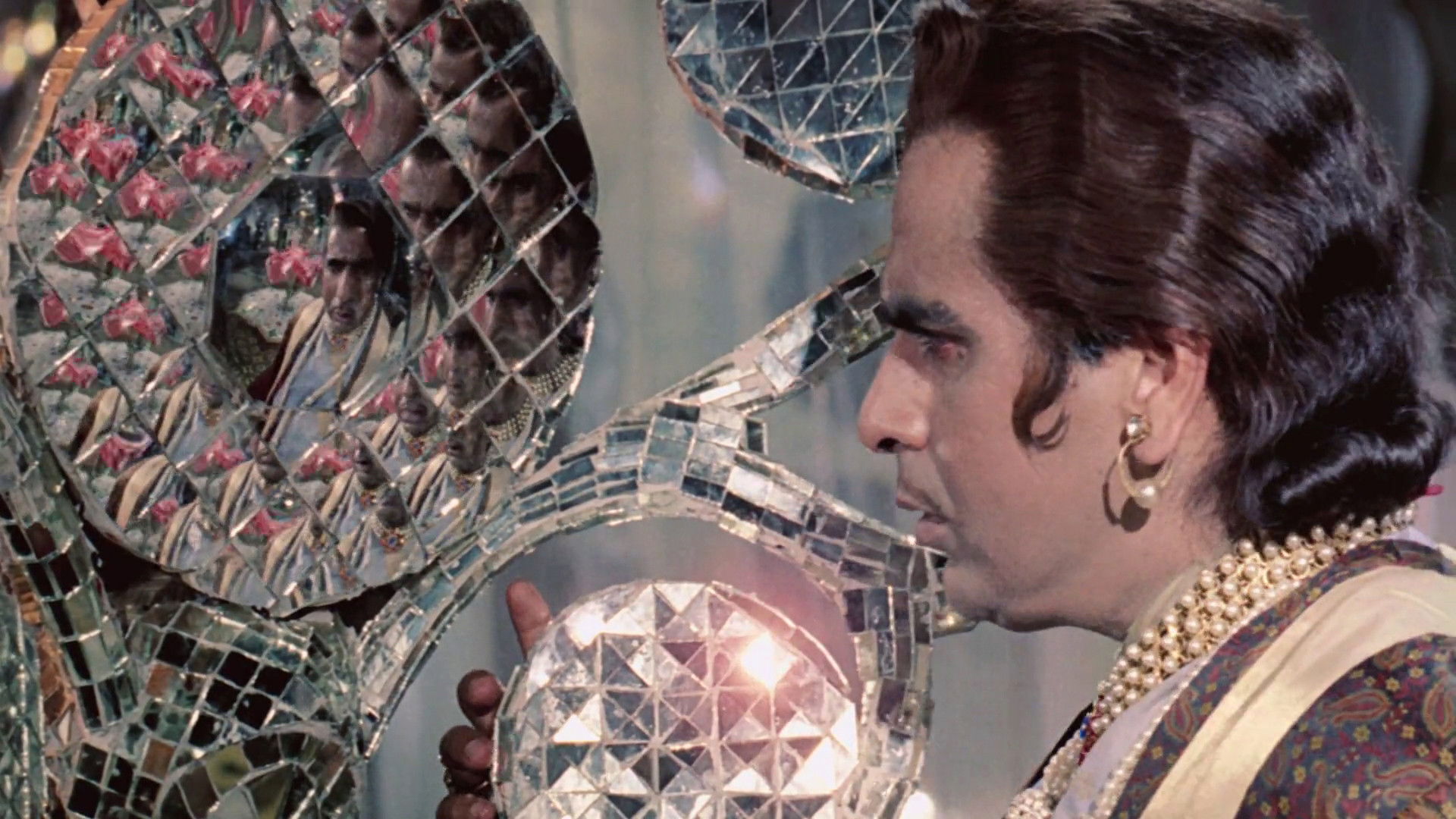
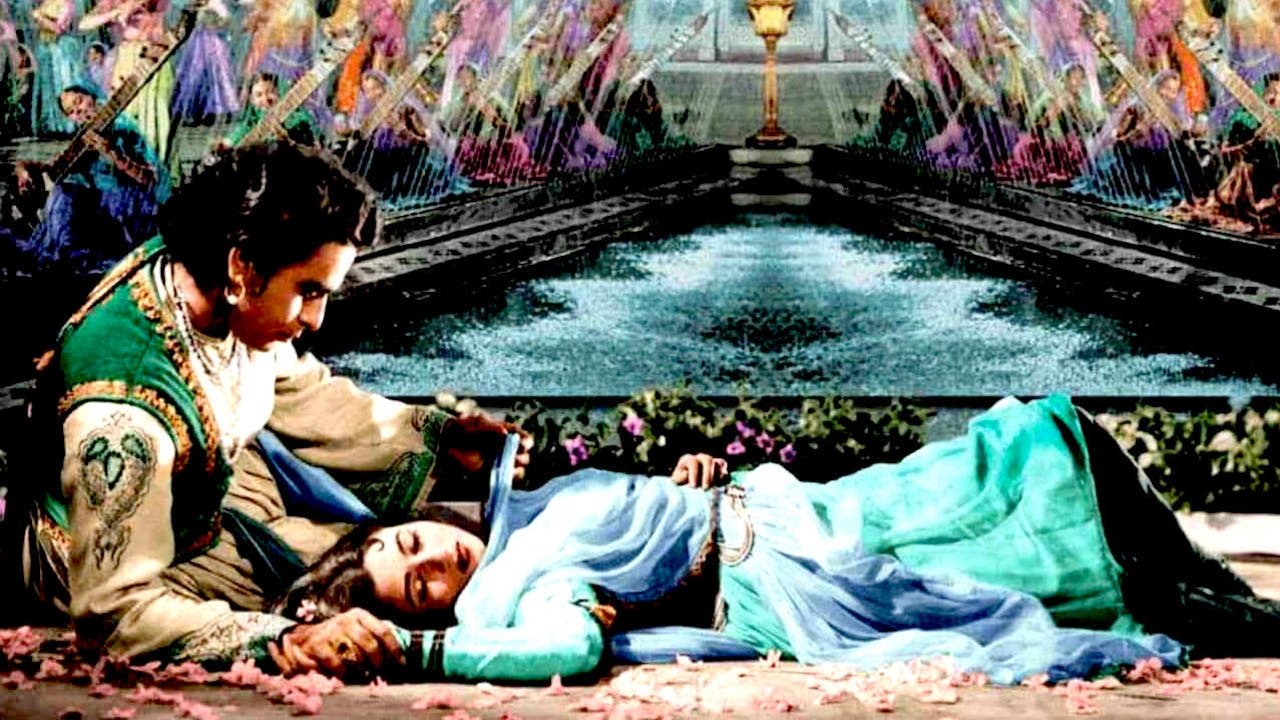
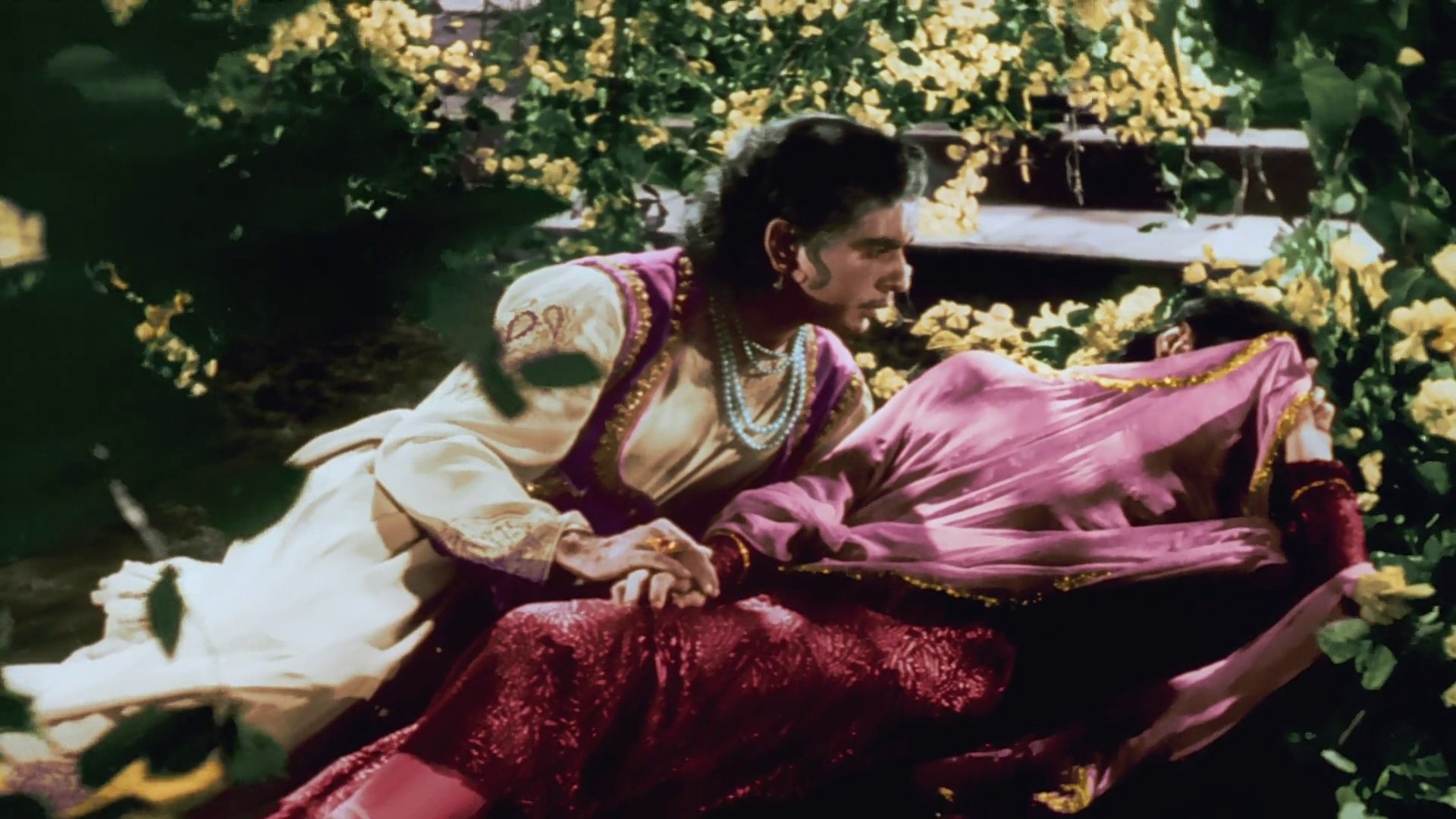
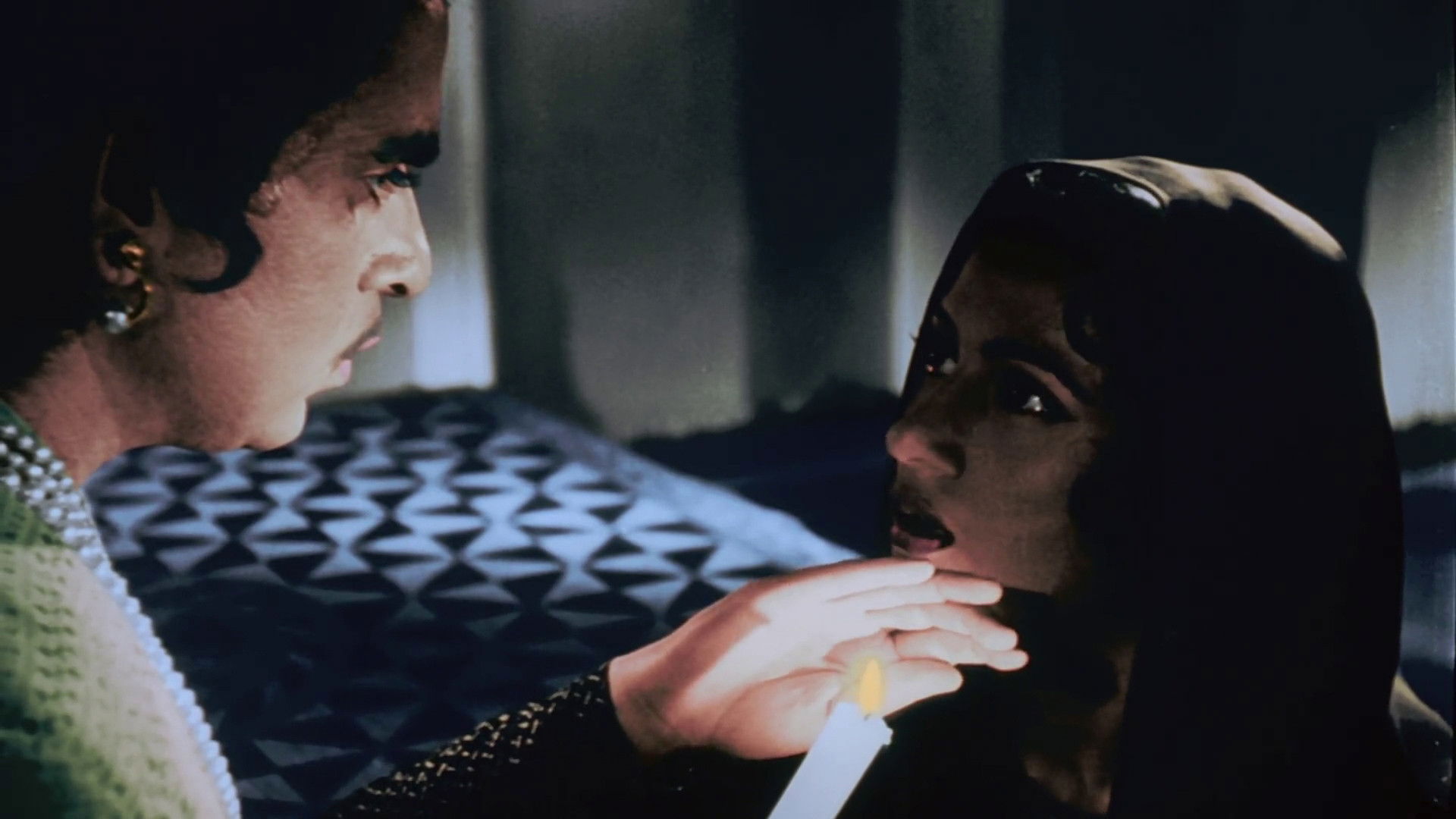
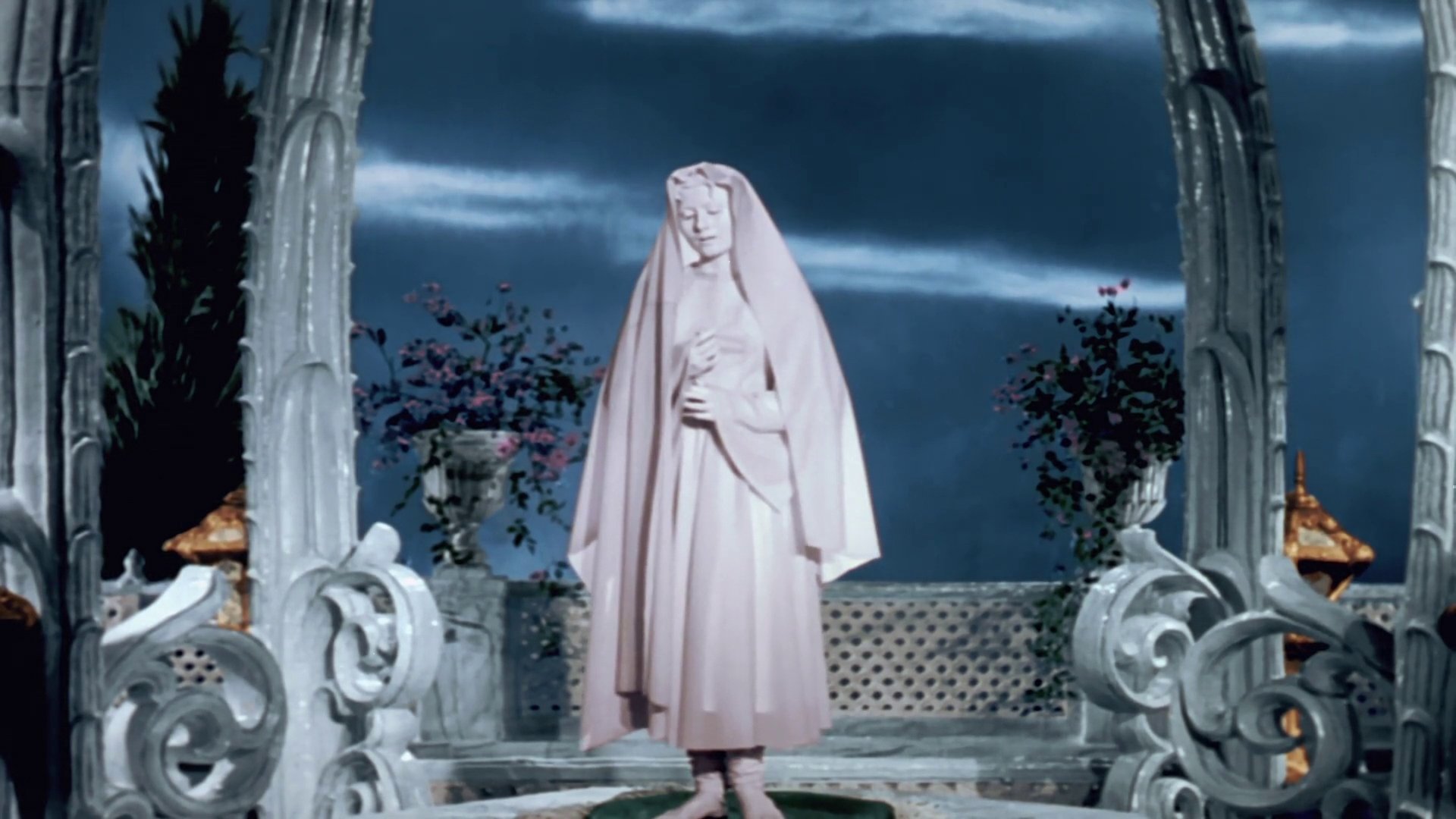
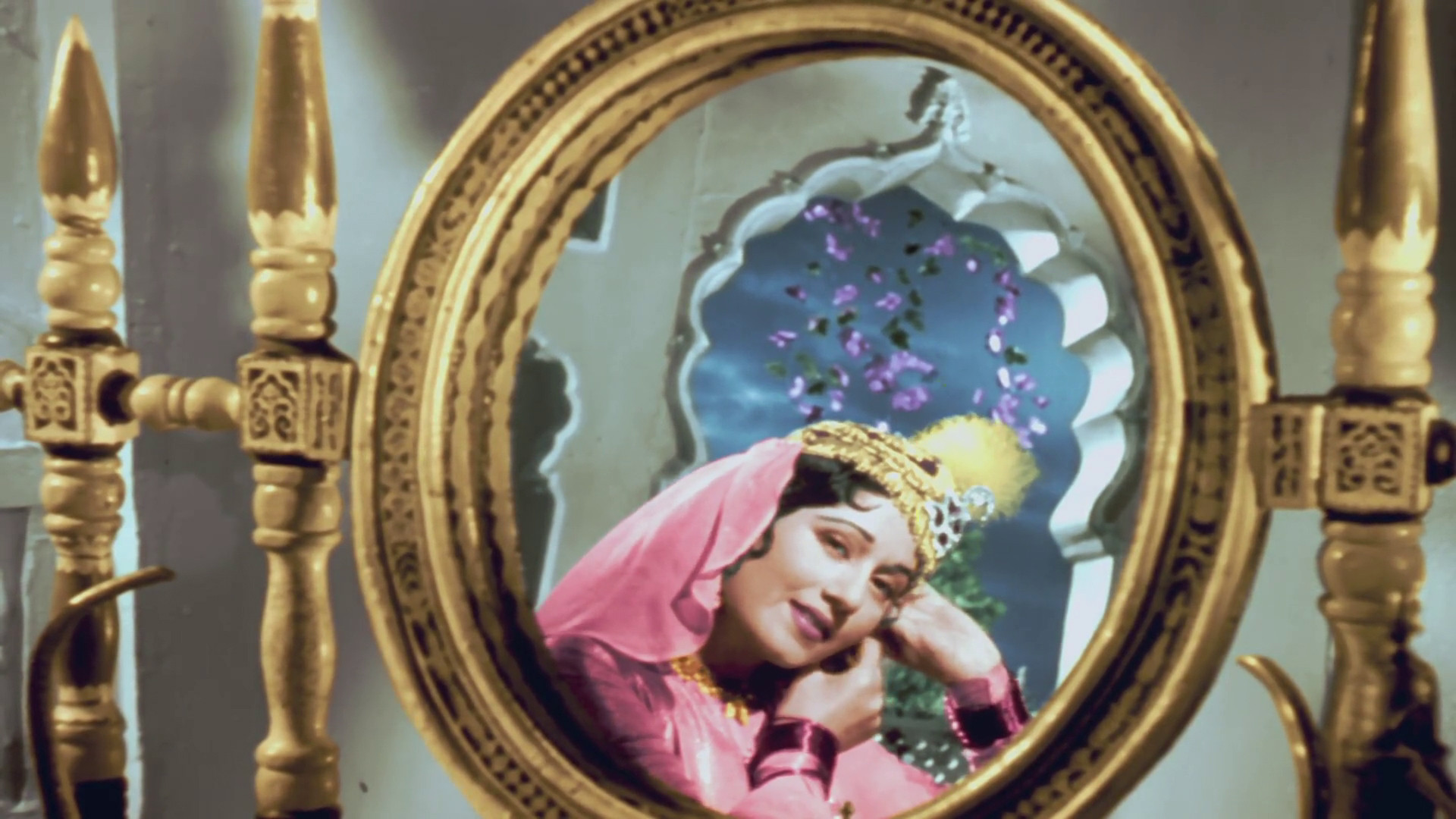
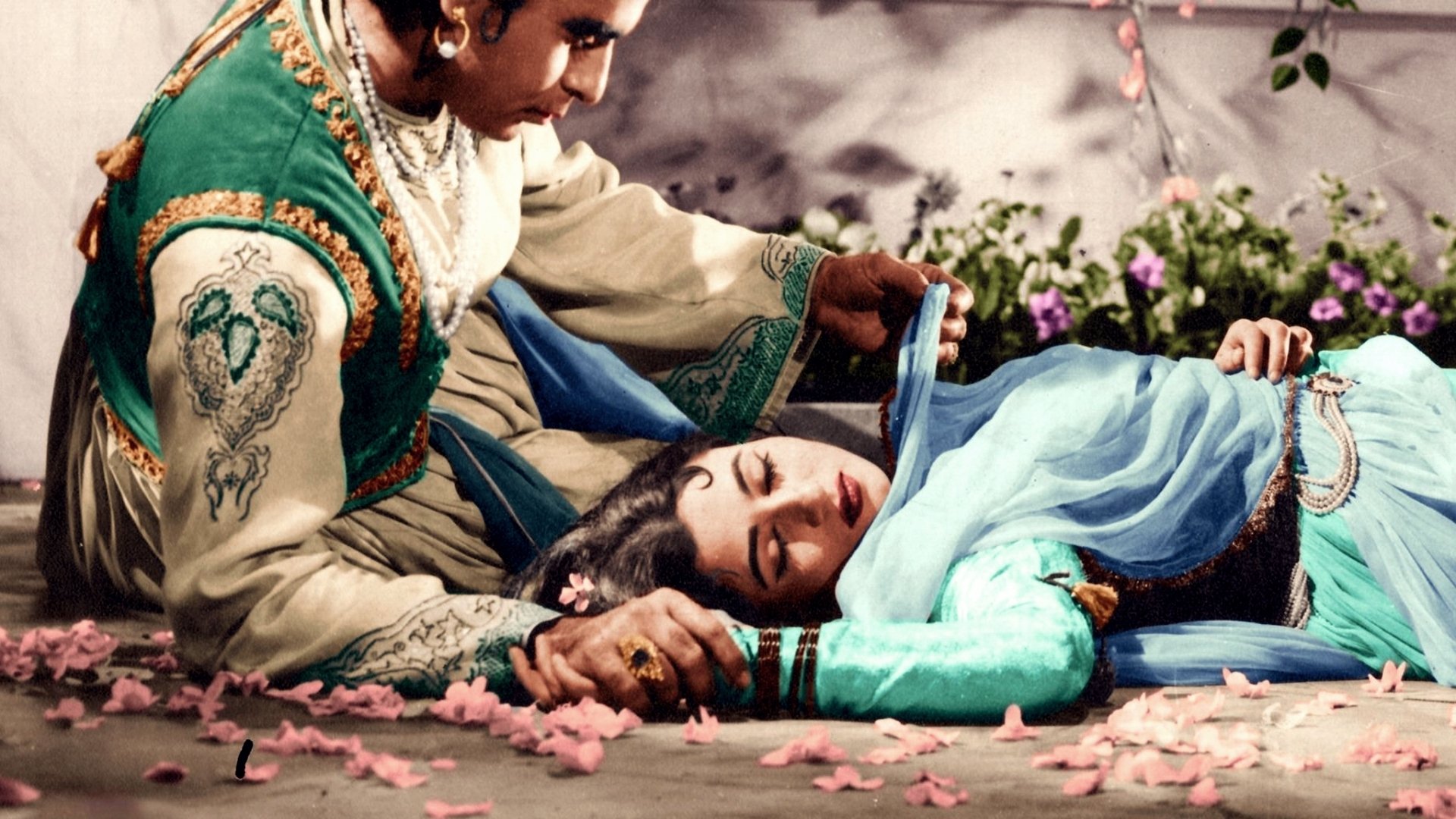
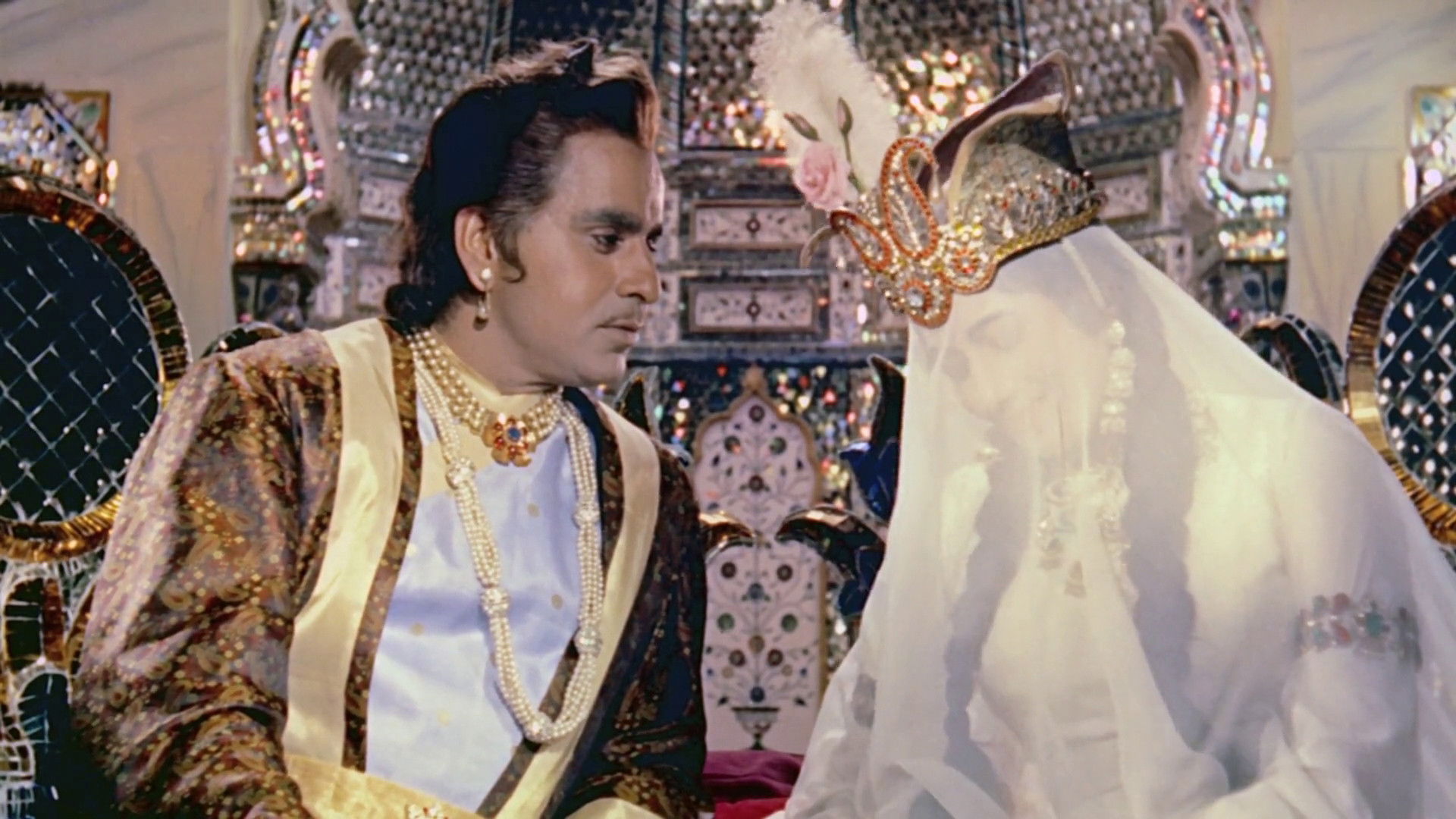

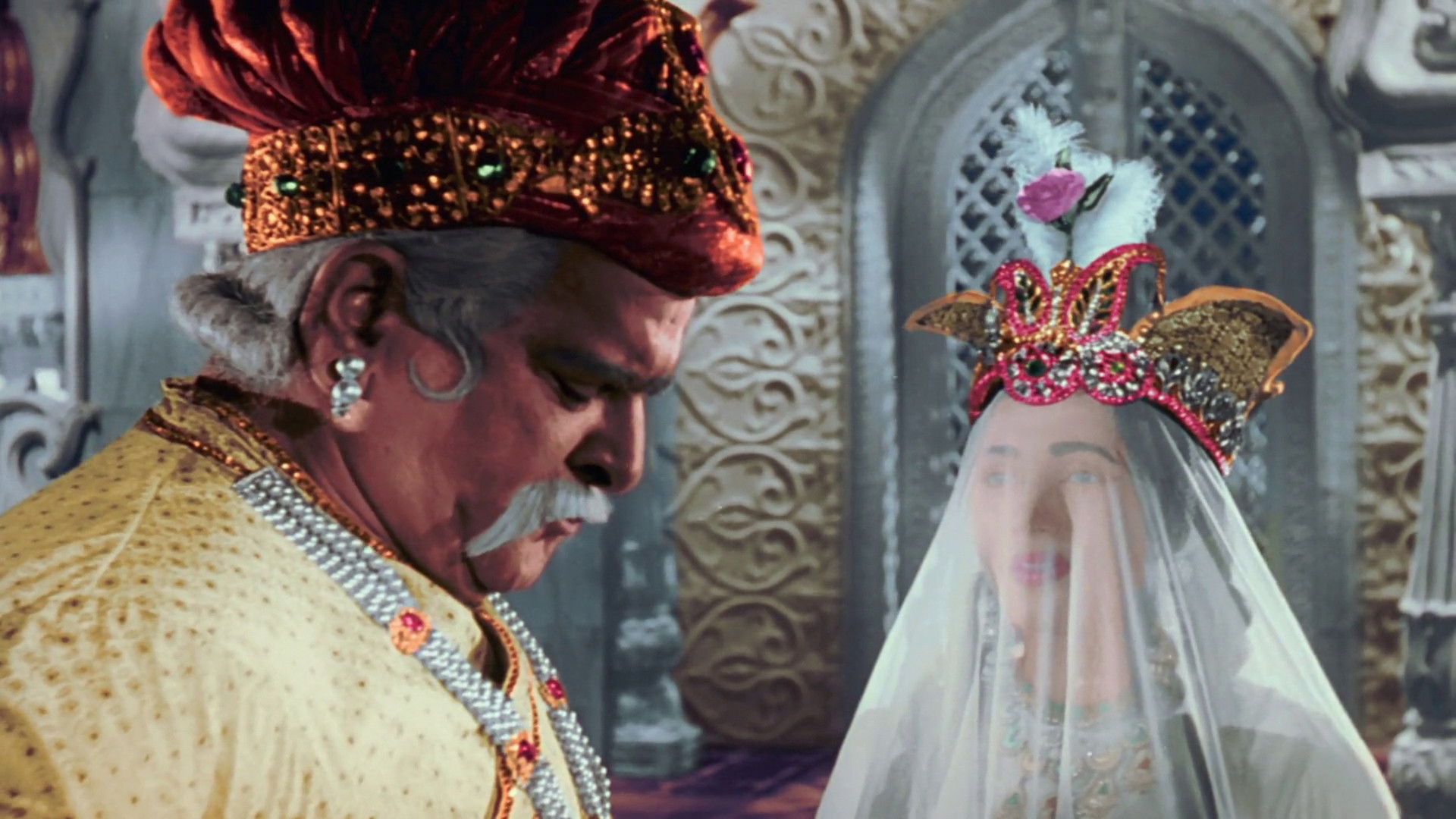
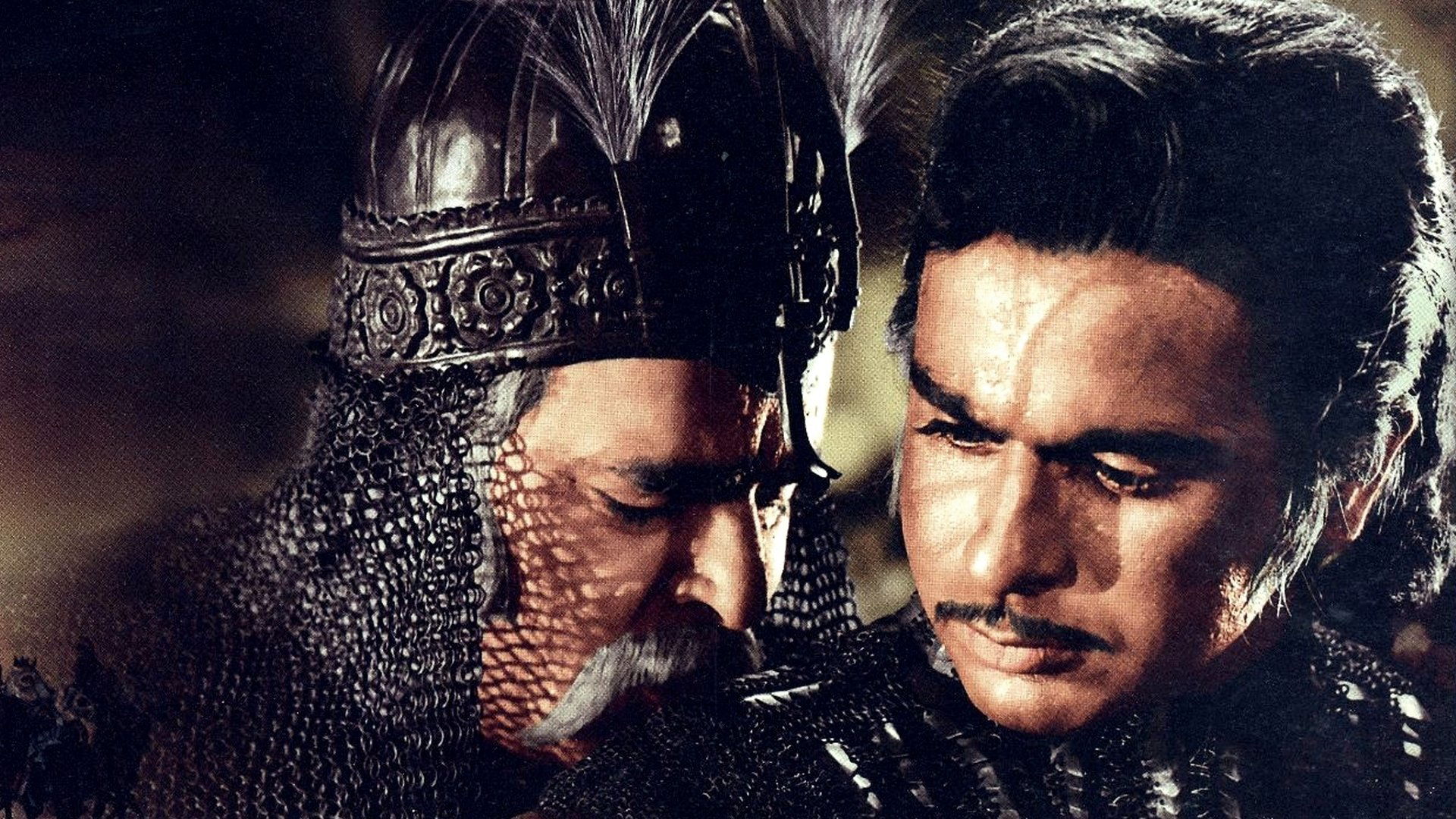
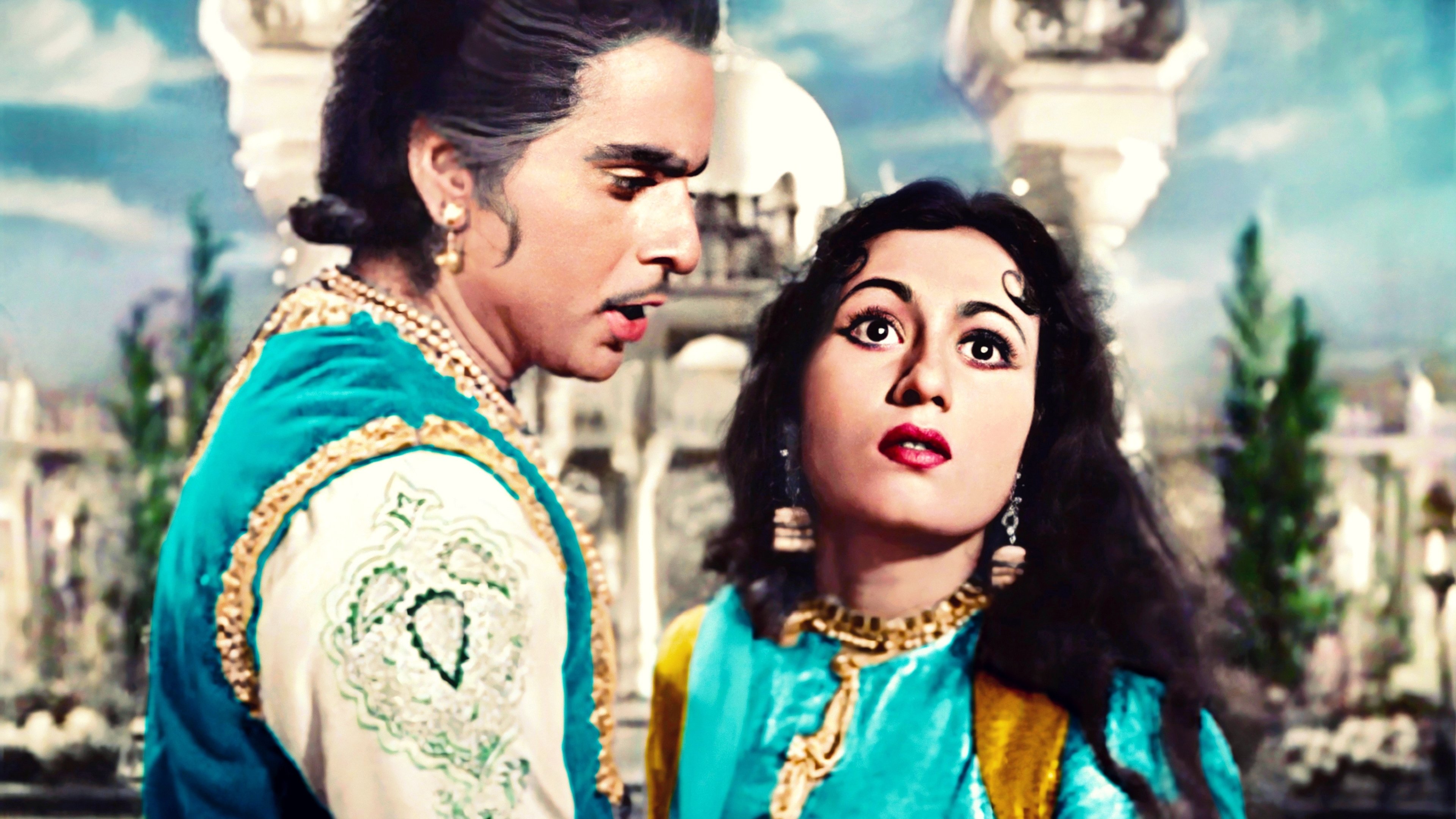
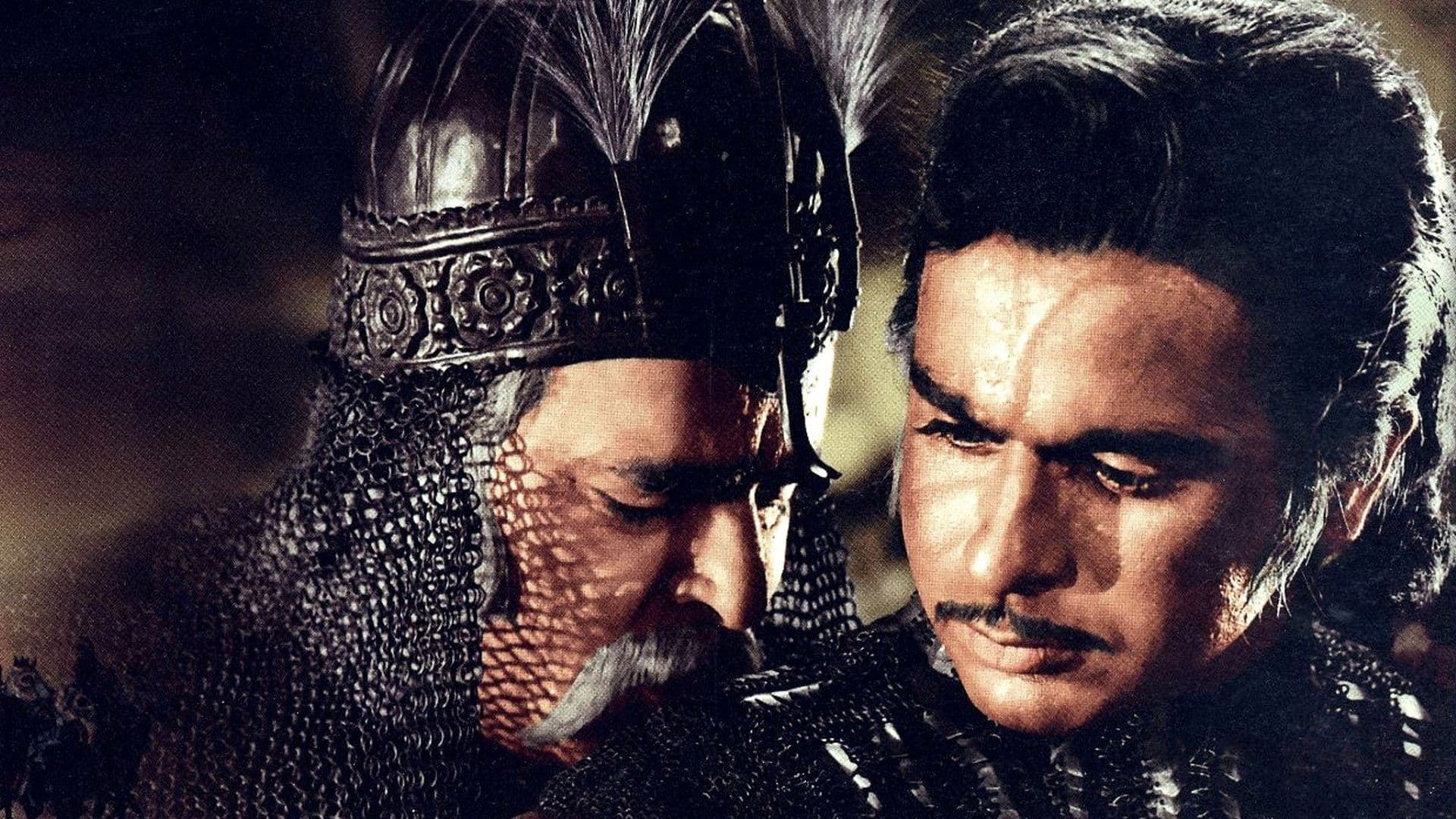
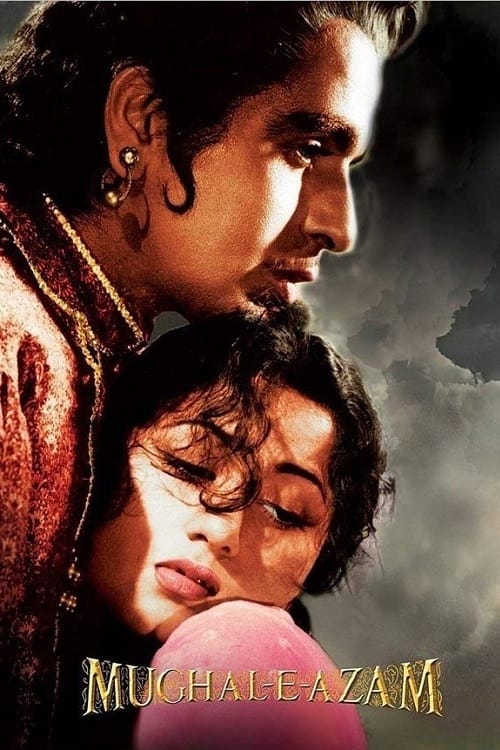
In the 16th century, when Prince Salim falls in love with a beautiful courtesan named Anarkali, Emperor Akbar's disapproval leads to a battle between father and son.
Directed by K. Asif
empire
dancer
emperor
prince
forbidden love
courtesan
love
tragedy
unrequited love
tragic love
based on myths, legends or folklore
mughal empire
16th century
father son conflict
defiance

Trailer

IMDB
N/A
Cast
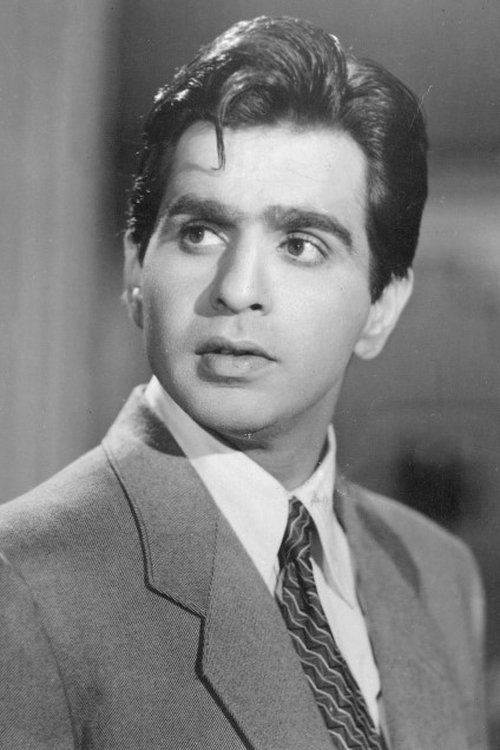
Dilip Kumar
Prince Salim
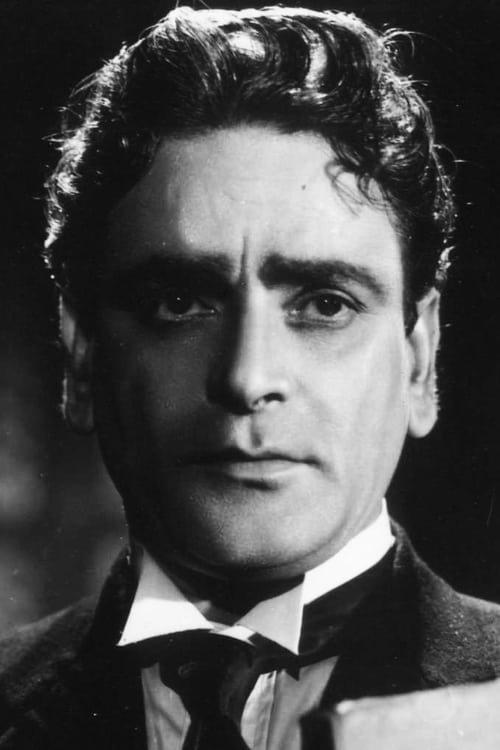
Prithviraj Kapoor
Emperor Akbar

Madhubala
Anarkali
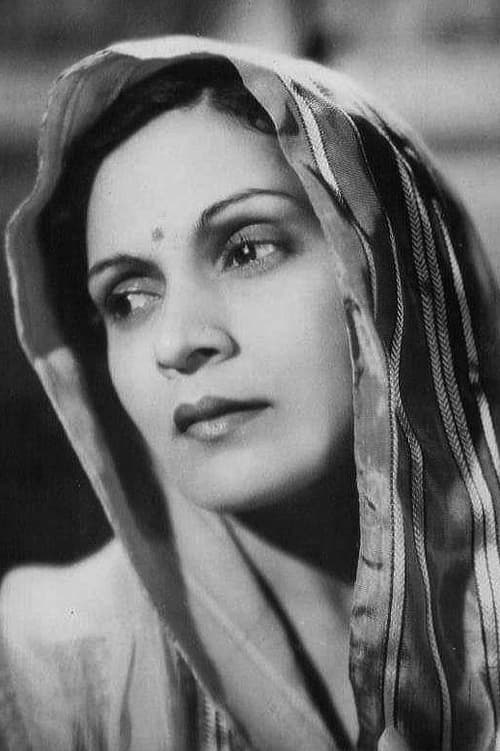
Durga Khote
Maharani Jodha Bai
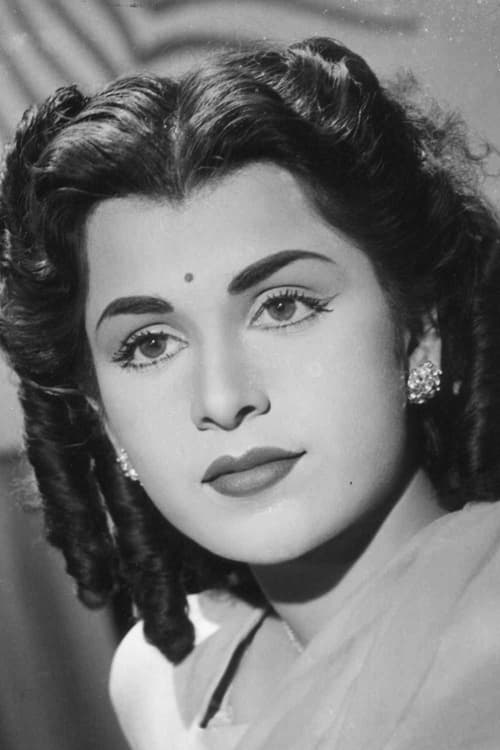
Nigar Sultana
Bahar
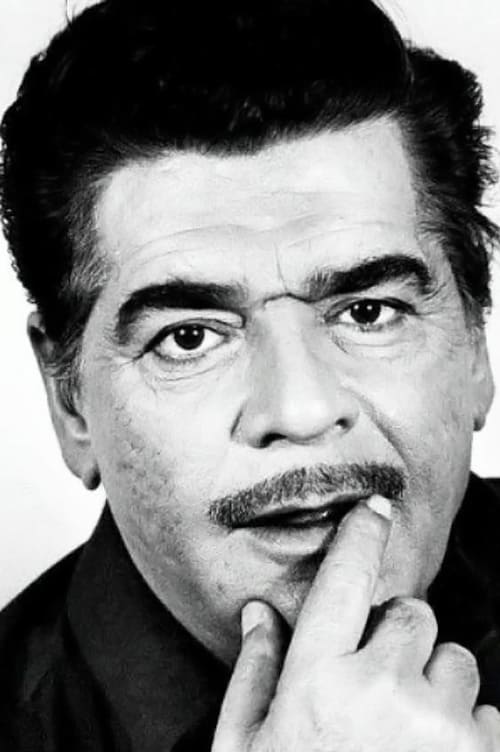
Ajit Khan
Durjan Singh
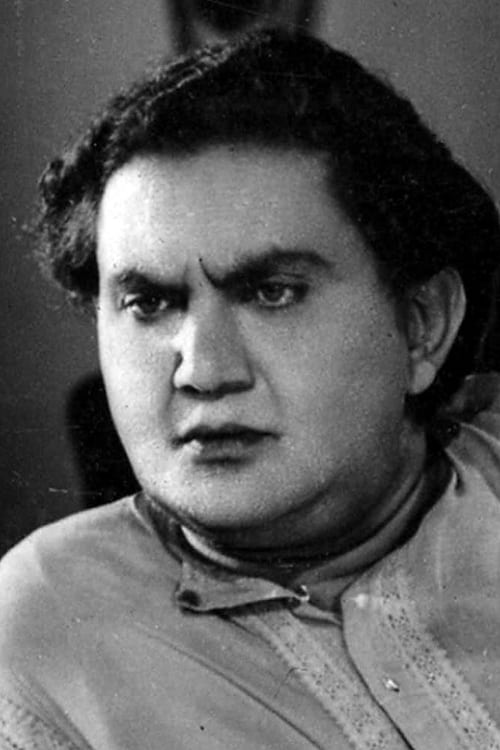
Murad
Raja Man Singh
Surendra
Tansen

Johnny Walker
Courtesan
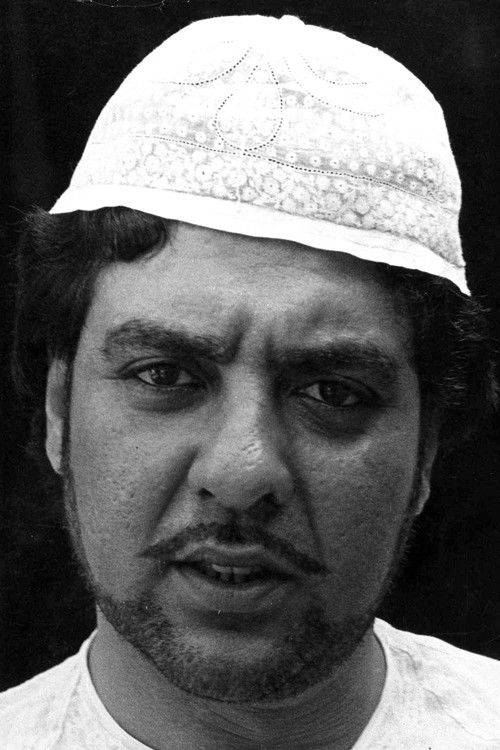
Jalal Agha
Young Prince Salim
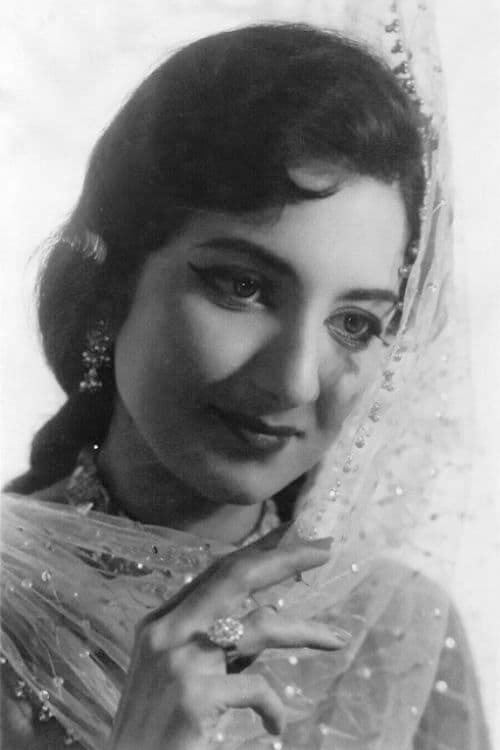
Tabassum
Courtesan
Crew
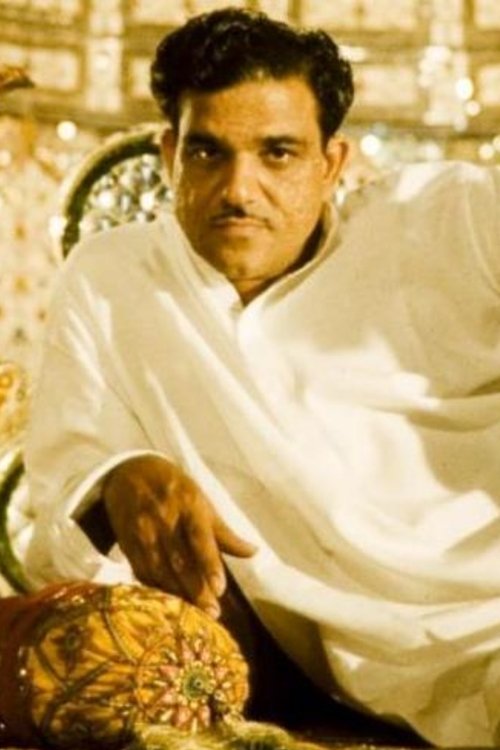
K. Asif
Director
K. Asif
Screenplay
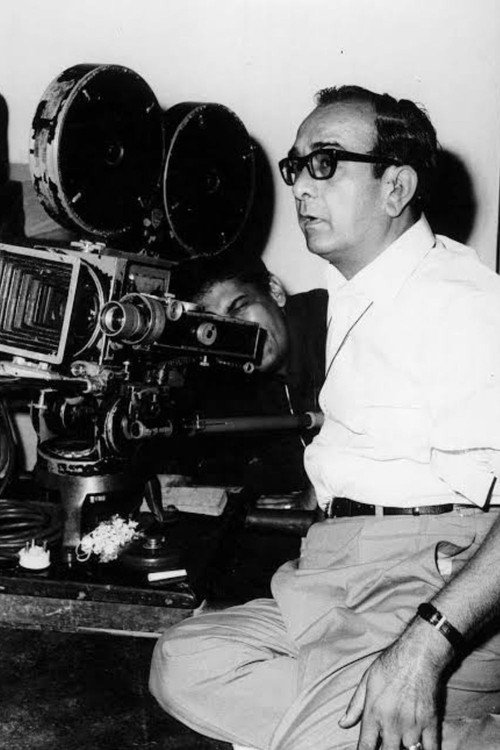
R.D. Mathur
Director of Photography
K. Asif
Producer
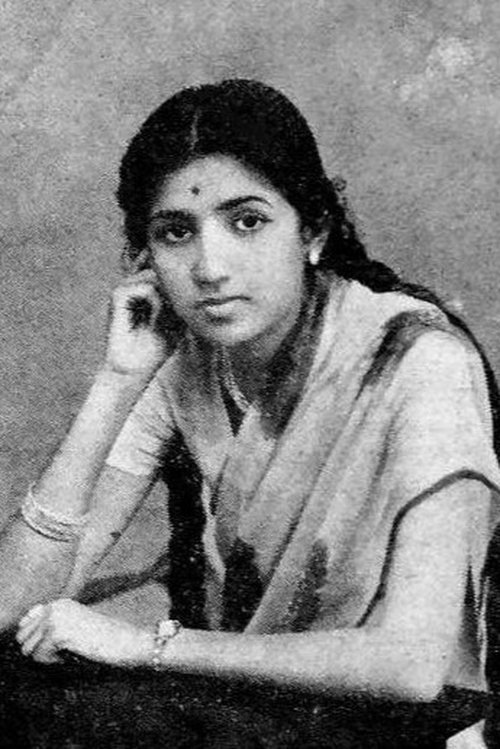
Lata Mangeshkar
Playback Singer
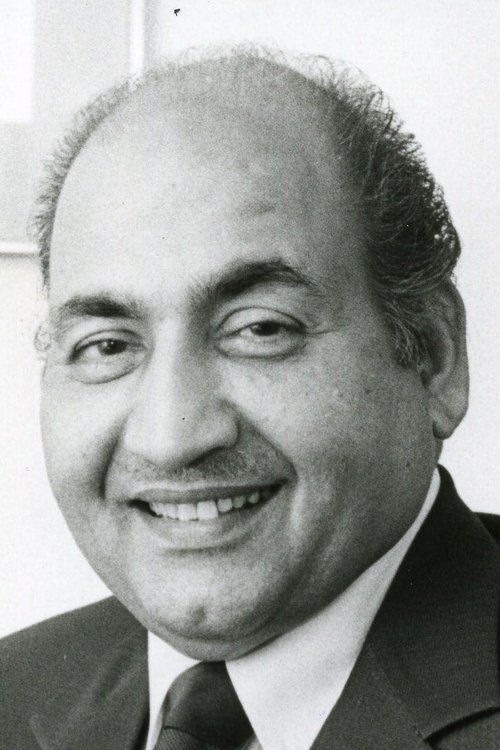
Mohammed Rafi
Playback Singer
Popular Reviews
31 reviews
Dipesh Dahal
10.0★ · 05/10/26
holy shit, the grandiosity of this movie is unparalleled
holy shit, the grandiosity of this movie is unparalleled


grace
10.0★ · 01/12/26
A doomed romance that puts all other yearners to shame.
A doomed romance that puts all other yearners to shame.
Susuhangma
10.0★ · 08/27/25
I know Prince salim got some daddy issues
I know Prince salim got some daddy issues
Kay DeePRO
10.0★ · 08/08/25
I saw this in a sold out auditorium with a ton of aunties, uncles, and younger people, mostly but not all desi. A fantastic theater experience for a fantastic, larger than life movie - everyone laughed, clapped, and gasped at all the right moments. The version we saw was colorized and even though it felt a little weird at first, you quickly get used to it.
I love epics, and everything about this is so dramatic and intricate - from the weighty dialogue to the longing gaze of Madhubala as Anarkali and all of the incredible dance numbers to the battle scenes. All of it! You can tell how much work they put into every aspect of this.
I feel like this not being as well known/well regarded in the west is definitely because of racism! Siddhant Adlakha introduced the movie and told a great story - K Asif literally brought the director of Lawrence of Arabia in for one scene and asked him how to film it; he said “you can’t” and then K Asif FUCKING DID IT ANYWAY! And the scene is probably top ten most beautiful sequences put on film.
It is honestly so ridiculous that this isn’t available for streaming. It’s on YouTube but without subtitles, so it probably isn’t helpful for anyone unfamiliar with Hindi/Urdu. Criterion Collection WHEN?
I love epics, and everything about this is so dramatic and intricate - from the weighty dialogue to the longing gaze of Madhubala as Anarkali and all of the incredible dance numbers to the battle scenes. All of it! You can tell how much work they put into every aspect of this.
I feel like this not being as well known/well regarded in the west is definitely because of racism! Siddhant Adlakha introduced the movie and told a great story - K Asif literally brought the director of Lawrence of Arabia in for one scene and asked him how to film it; he said “you can’t” and then K Asif FUCKING DID IT ANYWAY! And the scene is probably top ten most beautiful sequences put on film.
It is honestly so ridiculous that this isn’t available for streaming. It’s on YouTube but without subtitles, so it probably isn’t helpful for anyone unfamiliar with Hindi/Urdu. Criterion Collection WHEN?
I saw this in a sold out auditorium with a ton of aunties, uncles, and younger people, mostly but not all desi. A fantastic theater experience for a fantastic, larger than life movie - everyone laughed, clapped, and gasped at all the right moments. The version we saw was colorized and even though it felt a little weird at first, you quickly get used to it.
I love epics, and everything about this is so dramatic and intricate - from the weighty dialogue to the longing gaze of Madhubala as Anarkali and all of the incredible dance numbers to the battle scenes. All of it! You can tell how much work they put into every aspect of this.
I feel like this not being as well known/well regarded in the west is definitely because of racism! Siddhant Adlakha introduced the movie and told a great story - K Asif literally brought the director of Lawrence of Arabia in for one scene and asked him how to film it; he said “you can’t” and then K Asif FUCKING DID IT ANYWAY! And the scene is probably top ten most beautiful sequences put on film.
It is honestly so ridiculous that this isn’t available for streaming. It’s on YouTube but without subtitles, so it probably isn’t helpful for anyone unfamiliar with Hindi/Urdu. Criterion Collection WHEN?
I love epics, and everything about this is so dramatic and intricate - from the weighty dialogue to the longing gaze of Madhubala as Anarkali and all of the incredible dance numbers to the battle scenes. All of it! You can tell how much work they put into every aspect of this.
I feel like this not being as well known/well regarded in the west is definitely because of racism! Siddhant Adlakha introduced the movie and told a great story - K Asif literally brought the director of Lawrence of Arabia in for one scene and asked him how to film it; he said “you can’t” and then K Asif FUCKING DID IT ANYWAY! And the scene is probably top ten most beautiful sequences put on film.
It is honestly so ridiculous that this isn’t available for streaming. It’s on YouTube but without subtitles, so it probably isn’t helpful for anyone unfamiliar with Hindi/Urdu. Criterion Collection WHEN?
ChaiclassicsPRO
10.0★ · 05/03/25
Don't snatch my dreams away from my eyes, it would kill me
Mughal-e-Azam is perhaps one of the most studied films ever, or if it isn't then that's insanely shocking because seriously it should be. The themes, the visuals, the dialogues are so appealing today to the viewer. Such film fail to display a level of epicness. Sure the epicness is visually but there's a different layer to this film especially considering the themes it endures. One theme that I was so interested in was the forbidden love story, which constituted the majority of the plot and also the circumstances of the characters. Prince Salim, based on Emperor Jahangir is the son of Emperor Akbar the Great, the real emperor of the Mughal empire. Now Anarkali is a woman who may have not existed, we don't have much proof besides a tomb in Lahore which in enscripted Emperor Salim said "could I behold the face of my beloved once more, I would thank God until the day of resurrection". I found it so interesting to consider this era in the context of Hindi film cinema, most of the films like Mother India, Ganga Jamuna and Naya Daur often focused on the plight of poor people, yet Mughal-e-Azam also employs that same theme. Anarkali is the slave girl who falls for the rich prince, in the Shakespearean sense it's a tragedy doomed for the ages. There's such a discussion of class consciousness which does contradict the film's opulent look, but perhaps a reason this story appealed to everyone.
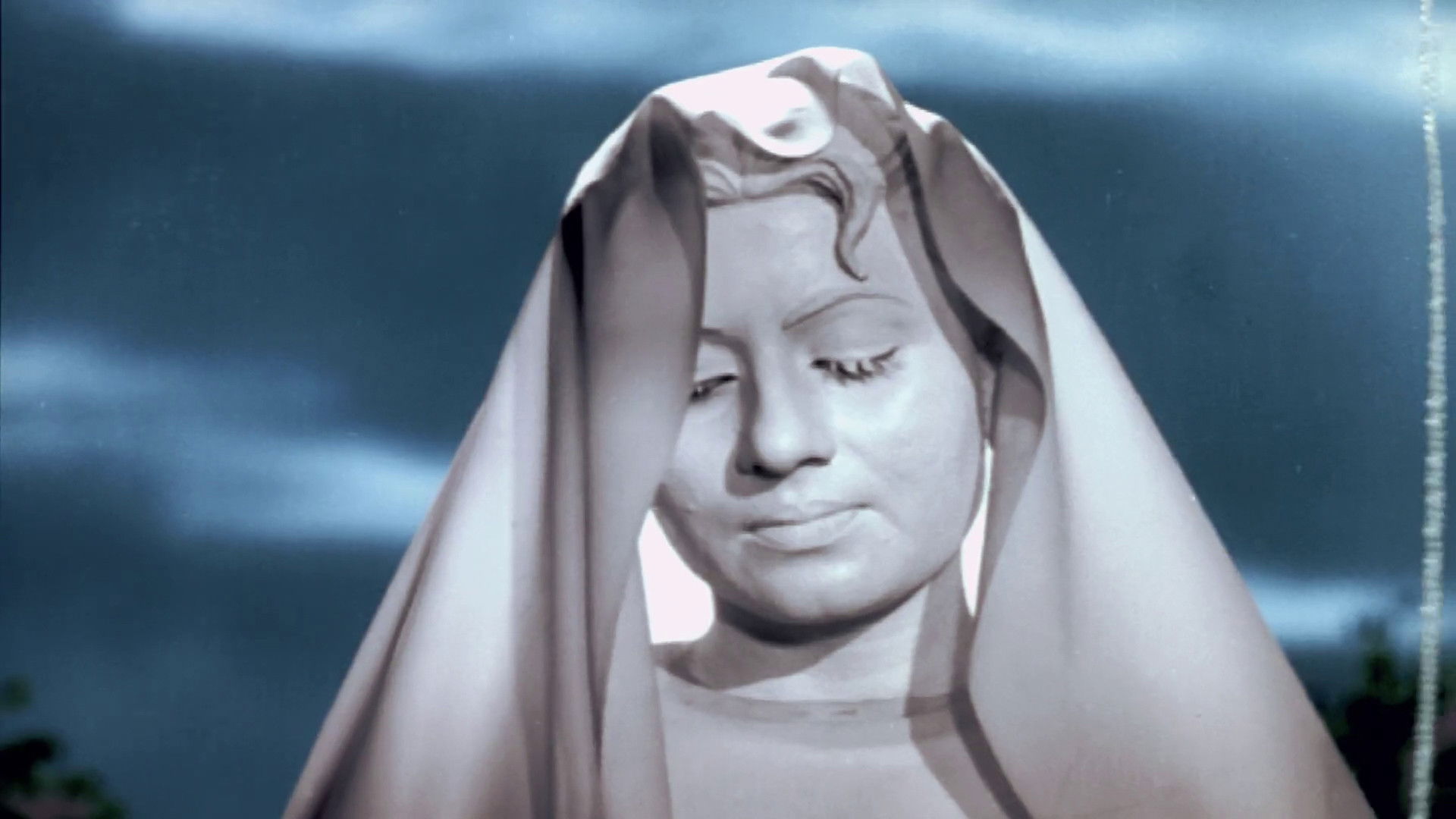
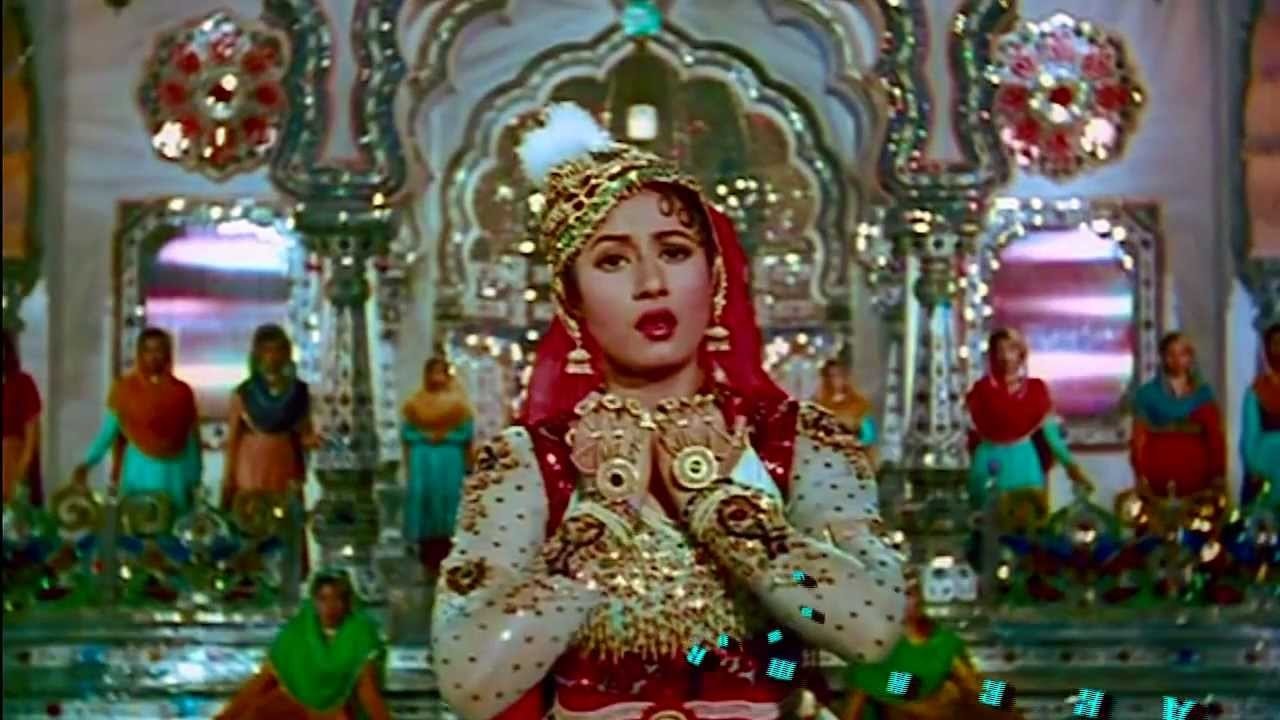
Anarkali is hopeful, optimistic and wishes to be with her love. Salim too wishes to break down barriers so he can marry his love. The idea of forbidden love is heightened by Akbar's refusal to make Anarkali the wife of Salim. Anarkali is frequently arrested. But in perhaps the film's most famous scene, the Pyar Kiya To Darna Kya sequence, she dances and sings "why fear when in love" she has the courage to berate the king saying "why should we create barriers between humans?". The idea of love being fulfilling and soul transcendent is prevalent, there's the scene when the sculptor sings aye mohabbat zindabad, which translates to "long live love". The crowd joins along to sing with them. Even Akbar, who isn't really a villain but someone who is forced to act the way he does because of the harsh world that it is, he tells Anarkali that she has given love to the Mughals, and that her name and Salim's name will live on. That he realises love does transcend the soul, even with his wife he had a relationship with her that is reported to have been a great one. One of my favourite sequences was when Anarkali last saw Salim, it's so tragic and so amazing at the same time. As she betrays him but because she is forced to but because she wishes the best for him while she is forced to be executed. It's such an amazing scene when Madhubala removes her jewelry and the music lifts off into an emotional melody as she marches of to her death while Salim lays on the ground not knowing what is going to happen to the woman he loves. Ugh it's such a perfect sequence almost made me sob, it's so amazing what films can make people feel.
There's some lesser talked about themes but I found them so fascinating and crucial to the films impact. Maybe one of the reasons why this made such an impact was because it promoted secularism in Indian society. Indian culture is so vast, diverse and so beautiful in a way, the languages different, the complexions etc. Jodhaa is a Hindu woman who is married to Akbar, a Muslim man. The idea that religion does not strict love. Akbar celebrates Hindu celebrations such as the janam din of Krishna, whereas Jodhaa takes part in Muslim activities. There's the use of Hindus as high ranking officials in the court. The close friend of Salim is a Rajput Hindu who will give up his life for his close friend Salim. So there's themes of religious tolerance which I think is so crucial especially today considering India barely makes films like this where Muslims and Hindus live together harmoniously and rather Muslims are portrayed the be the bad guys or vice versa but mostly that way tbh.
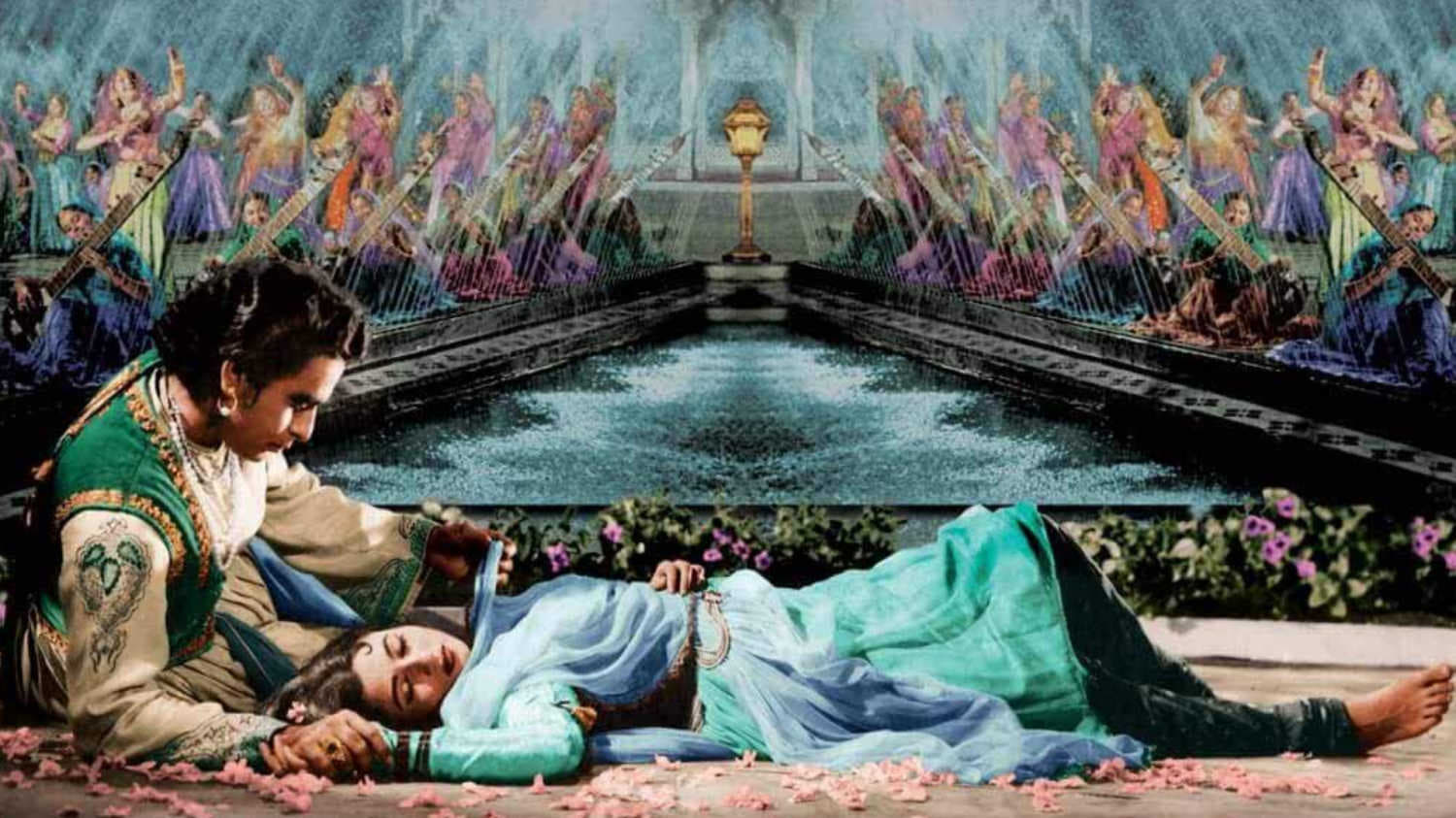
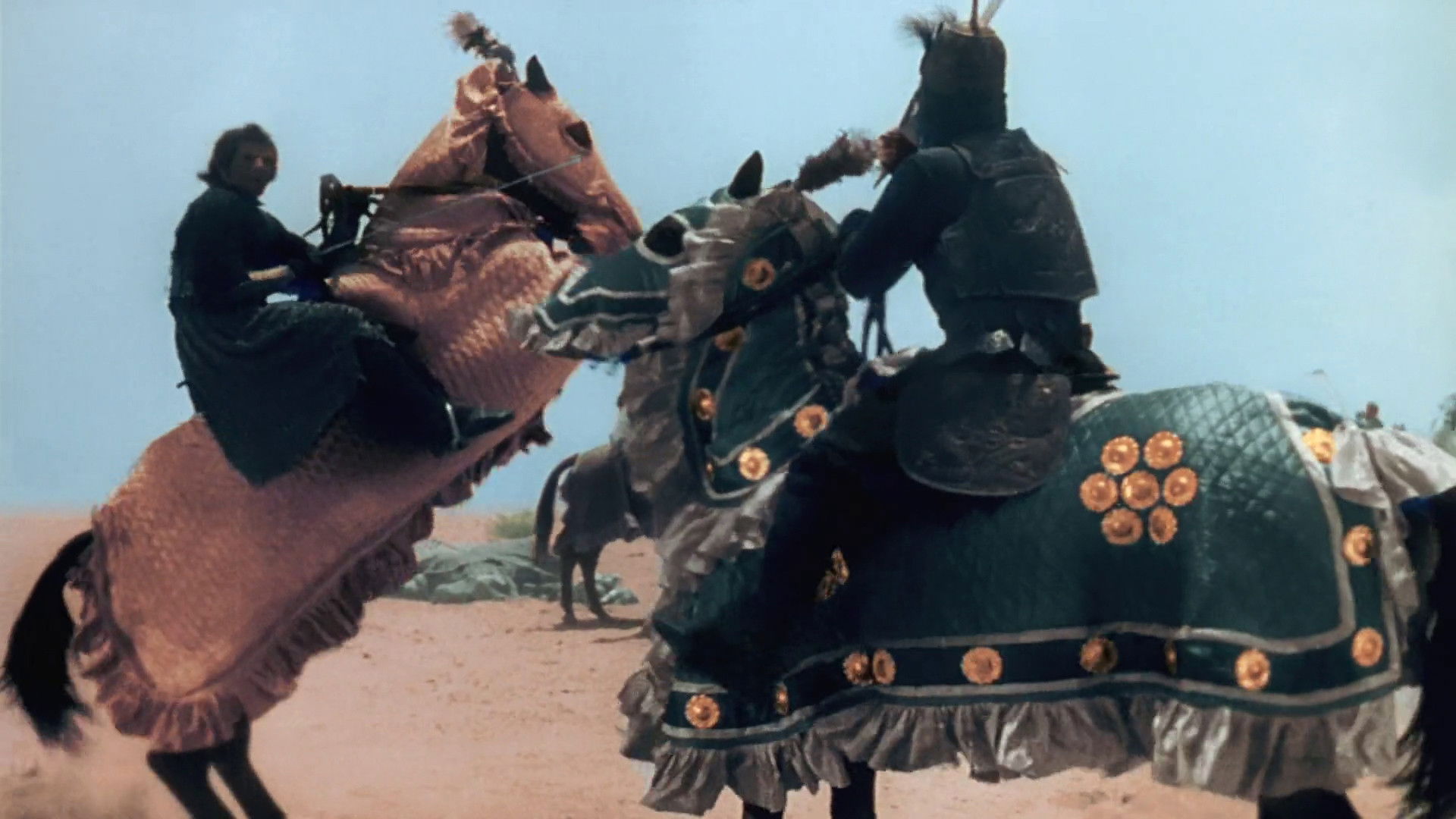
The film is a masterclass in filmmaking seriously am sitting here thinking about it so much. I think I have genuinely enjoyed it so much on a rewatch that I have been able to appreciate the vast beauty. Can we take a minute to yap about the sheer scale and the impressive feat that this film is. Made in 1960, no cgi, the set designs are impressive, all the intricate details, the islamic architecture which honestly has to be one of the most beautiful styles of architecture. The sheesh mahal set, which was in 1960, the only part of the film that was featured in technicolour has to be one of the most impressive sets I have ever seen. Apparently its a bathroom in real life which is kinda funny but seriously you can tell the people in this film had so much passion and fire to do this. The colour was stunning, it's so vibrant, and in it's opulence it's beautiful. The costumes are stunning, not only the women's but the mens. The sarees are beautiful, the anarkali dresses are filled to the brim of such beautiful designs. Also the battle scene had to be one of my favourite sequences, to think they directed that so well when it all could have gone chaotic, like the use of the horses, the special effects literally immerse you in this film, it feels as if you are living in the Mughal era.
The music is amazing, truly classical Indian music to the brim. From the lively Mohe Panghat He, to the sadness of Mohabbat ki jhooti, to the defying badass contest of tere mehfil, to the amazing ae mohabbat zindabad, to the defiance and proclamation of love of pyar Kiya to darna kiya. The song pyar Kiya to darna kiya and tere mehfil mein are my favourites of the film. The singers, Mohammad Rafi, Shamshad Begum, Lata Mangeshkar, and Bade Ghulam Ali Khan are amazing and icons in their own right with such versatile and the depth to do such tragic songs. The music is the soul of the film in a way besides the epicness and the enormous scale of it.
The cast has to be so amazing! One of the best casts ever. Durga Khote is the classical Hindi film mother but she's amazing honestly, she offers such an emotional complexity to the character who could have easily been surface level. Honestly Prithviraj Kapoor delivered such a great performance and he is honestly so overlooked. The truth is it's so hard to play such a stoic character who could easily come across as a villain yet we understand him because he is an emotional character, Prithviraj helps make him be seen as human and it's such an important aspect of the performance that I often see overlooked. He seriously commands aura and a lot of prescence as his deep voice sways you when he recites his dialogues. Some of the dialogues are amazing and etched into Indian society and culture, written by people including Kamal Amrohi (Meena Kumari's husband) and Aman (yes Zeenat Aman's dad!). The dialogue is so poetic in a way and shakespearean it's beautiful. Dilip Kumar is an amazing actor one doesn't doubt why he has lived on in Indian cinema. He commands so much sway and prescence in his scenes. When he's angry we feel angry, when he's reciting his passions we understand him. He is truly the tragedy king and he is so good as giving a myriad of complex expressions and he has so much meanings of the lines he says.
Okay Madhubala hands down overshadowed everyone especially when you consider that this film was the most taxing on her. Seriously let's speak about it 14 years to make, 8 years to film, her love relationship with Dilip Kumar breaks down, she's engaged in a massive court case which results in a huge scandal, she was hurt by the weight of iron chains, extinguished candles with her palm, and had water flung to her face. In this film she performed dance sequences often regarded as the best despite the fact she was advised not to. She literally almost died because of this film, she had a whole in her heart yet gave this her 100%, even at emotionally troubling moments of her life like the breakdown of her relationship. Madhubala is so vibrant, one doesn't doubt she is often regarded as one of the most beautiful actresses ever. Her face is so luminous and she literally has so much light, is as if she has diamonds in her skin, and they're trying to break out because she has that effervescence and beauty to her. Still she does such an amazing performance, she shut up all the critics that suggested she was just a beauty queen. She depicted anguish and sadness unlike anyone. The way she delivered her dialogues are amazing honestly. There's the scene when she betrays Salim, which is an emotional masterclass in acting, Madhubala is rinsed out with her tears, and it's such a beautiful scene, one that lives on. It's so gut wrenching and she makes you believe this character will never get the happiness she deserves because in real perhaps that character was her. Honestly this was the crowning glory of Madhubala's career. The film ended up becoming a cultural phenomenon, so popular patrons from Pakistan and Bangladesh migrated to see this film, it was mobbed in every theatre. Madhubala became the biggest female film star in India, but she was dying. Mughal-e-Azam was one of the final films of the 27 year old Madhubala, who would tragically die a decade later at age 36. A decade away from the screen, but never to be forgotten. Madhubala lingers on in the eye after the film reels has ended and that is a star.
Don't snatch my dreams away from my eyes, it would kill me
Mughal-e-Azam is perhaps one of the most studied films ever, or if it isn't then that's insanely shocking because seriously it should be. The themes, the visuals, the dialogues are so appealing today to the viewer. Such film fail to display a level of epicness. Sure the epicness is visually but there's a different layer to this film especially considering the themes it endures. One theme that I was so interested in was the forbidden love story, which constituted the majority of the plot and also the circumstances of the characters. Prince Salim, based on Emperor Jahangir is the son of Emperor Akbar the Great, the real emperor of the Mughal empire. Now Anarkali is a woman who may have not existed, we don't have much proof besides a tomb in Lahore which in enscripted Emperor Salim said "could I behold the face of my beloved once more, I would thank God until the day of resurrection". I found it so interesting to consider this era in the context of Hindi film cinema, most of the films like Mother India, Ganga Jamuna and Naya Daur often focused on the plight of poor people, yet Mughal-e-Azam also employs that same theme. Anarkali is the slave girl who falls for the rich prince, in the Shakespearean sense it's a tragedy doomed for the ages. There's such a discussion of class consciousness which does contradict the film's opulent look, but perhaps a reason this story appealed to everyone.
Anarkali is hopeful, optimistic and wishes to be with her love. Salim too wishes to break down barriers so he can marry his love. The idea of forbidden love is heightened by Akbar's refusal to make Anarkali the wife of Salim. Anarkali is frequently arrested. But in perhaps the film's most famous scene, the Pyar Kiya To Darna Kya sequence, she dances and sings "why fear when in love" she has the courage to berate the king saying "why should we create barriers between humans?". The idea of love being fulfilling and soul transcendent is prevalent, there's the scene when the sculptor sings aye mohabbat zindabad, which translates to "long live love". The crowd joins along to sing with them. Even Akbar, who isn't really a villain but someone who is forced to act the way he does because of the harsh world that it is, he tells Anarkali that she has given love to the Mughals, and that her name and Salim's name will live on. That he realises love does transcend the soul, even with his wife he had a relationship with her that is reported to have been a great one. One of my favourite sequences was when Anarkali last saw Salim, it's so tragic and so amazing at the same time. As she betrays him but because she is forced to but because she wishes the best for him while she is forced to be executed. It's such an amazing scene when Madhubala removes her jewelry and the music lifts off into an emotional melody as she marches of to her death while Salim lays on the ground not knowing what is going to happen to the woman he loves. Ugh it's such a perfect sequence almost made me sob, it's so amazing what films can make people feel.
There's some lesser talked about themes but I found them so fascinating and crucial to the films impact. Maybe one of the reasons why this made such an impact was because it promoted secularism in Indian society. Indian culture is so vast, diverse and so beautiful in a way, the languages different, the complexions etc. Jodhaa is a Hindu woman who is married to Akbar, a Muslim man. The idea that religion does not strict love. Akbar celebrates Hindu celebrations such as the janam din of Krishna, whereas Jodhaa takes part in Muslim activities. There's the use of Hindus as high ranking officials in the court. The close friend of Salim is a Rajput Hindu who will give up his life for his close friend Salim. So there's themes of religious tolerance which I think is so crucial especially today considering India barely makes films like this where Muslims and Hindus live together harmoniously and rather Muslims are portrayed the be the bad guys or vice versa but mostly that way tbh.
The film is a masterclass in filmmaking seriously am sitting here thinking about it so much. I think I have genuinely enjoyed it so much on a rewatch that I have been able to appreciate the vast beauty. Can we take a minute to yap about the sheer scale and the impressive feat that this film is. Made in 1960, no cgi, the set designs are impressive, all the intricate details, the islamic architecture which honestly has to be one of the most beautiful styles of architecture. The sheesh mahal set, which was in 1960, the only part of the film that was featured in technicolour has to be one of the most impressive sets I have ever seen. Apparently its a bathroom in real life which is kinda funny but seriously you can tell the people in this film had so much passion and fire to do this. The colour was stunning, it's so vibrant, and in it's opulence it's beautiful. The costumes are stunning, not only the women's but the mens. The sarees are beautiful, the anarkali dresses are filled to the brim of such beautiful designs. Also the battle scene had to be one of my favourite sequences, to think they directed that so well when it all could have gone chaotic, like the use of the horses, the special effects literally immerse you in this film, it feels as if you are living in the Mughal era.
The music is amazing, truly classical Indian music to the brim. From the lively Mohe Panghat He, to the sadness of Mohabbat ki jhooti, to the defying badass contest of tere mehfil, to the amazing ae mohabbat zindabad, to the defiance and proclamation of love of pyar Kiya to darna kiya. The song pyar Kiya to darna kiya and tere mehfil mein are my favourites of the film. The singers, Mohammad Rafi, Shamshad Begum, Lata Mangeshkar, and Bade Ghulam Ali Khan are amazing and icons in their own right with such versatile and the depth to do such tragic songs. The music is the soul of the film in a way besides the epicness and the enormous scale of it.
The cast has to be so amazing! One of the best casts ever. Durga Khote is the classical Hindi film mother but she's amazing honestly, she offers such an emotional complexity to the character who could have easily been surface level. Honestly Prithviraj Kapoor delivered such a great performance and he is honestly so overlooked. The truth is it's so hard to play such a stoic character who could easily come across as a villain yet we understand him because he is an emotional character, Prithviraj helps make him be seen as human and it's such an important aspect of the performance that I often see overlooked. He seriously commands aura and a lot of prescence as his deep voice sways you when he recites his dialogues. Some of the dialogues are amazing and etched into Indian society and culture, written by people including Kamal Amrohi (Meena Kumari's husband) and Aman (yes Zeenat Aman's dad!). The dialogue is so poetic in a way and shakespearean it's beautiful. Dilip Kumar is an amazing actor one doesn't doubt why he has lived on in Indian cinema. He commands so much sway and prescence in his scenes. When he's angry we feel angry, when he's reciting his passions we understand him. He is truly the tragedy king and he is so good as giving a myriad of complex expressions and he has so much meanings of the lines he says.
Okay Madhubala hands down overshadowed everyone especially when you consider that this film was the most taxing on her. Seriously let's speak about it 14 years to make, 8 years to film, her love relationship with Dilip Kumar breaks down, she's engaged in a massive court case which results in a huge scandal, she was hurt by the weight of iron chains, extinguished candles with her palm, and had water flung to her face. In this film she performed dance sequences often regarded as the best despite the fact she was advised not to. She literally almost died because of this film, she had a whole in her heart yet gave this her 100%, even at emotionally troubling moments of her life like the breakdown of her relationship. Madhubala is so vibrant, one doesn't doubt she is often regarded as one of the most beautiful actresses ever. Her face is so luminous and she literally has so much light, is as if she has diamonds in her skin, and they're trying to break out because she has that effervescence and beauty to her. Still she does such an amazing performance, she shut up all the critics that suggested she was just a beauty queen. She depicted anguish and sadness unlike anyone. The way she delivered her dialogues are amazing honestly. There's the scene when she betrays Salim, which is an emotional masterclass in acting, Madhubala is rinsed out with her tears, and it's such a beautiful scene, one that lives on. It's so gut wrenching and she makes you believe this character will never get the happiness she deserves because in real perhaps that character was her. Honestly this was the crowning glory of Madhubala's career. The film ended up becoming a cultural phenomenon, so popular patrons from Pakistan and Bangladesh migrated to see this film, it was mobbed in every theatre. Madhubala became the biggest female film star in India, but she was dying. Mughal-e-Azam was one of the final films of the 27 year old Madhubala, who would tragically die a decade later at age 36. A decade away from the screen, but never to be forgotten. Madhubala lingers on in the eye after the film reels has ended and that is a star.