**
March Around the World 2025 - 24/30, Spain 🇪🇸**
- And where is the humanity in that famous chair?
- I believe people should die at home in their beds.
- Naturally, but if the penalty exists, someone has to apply it.
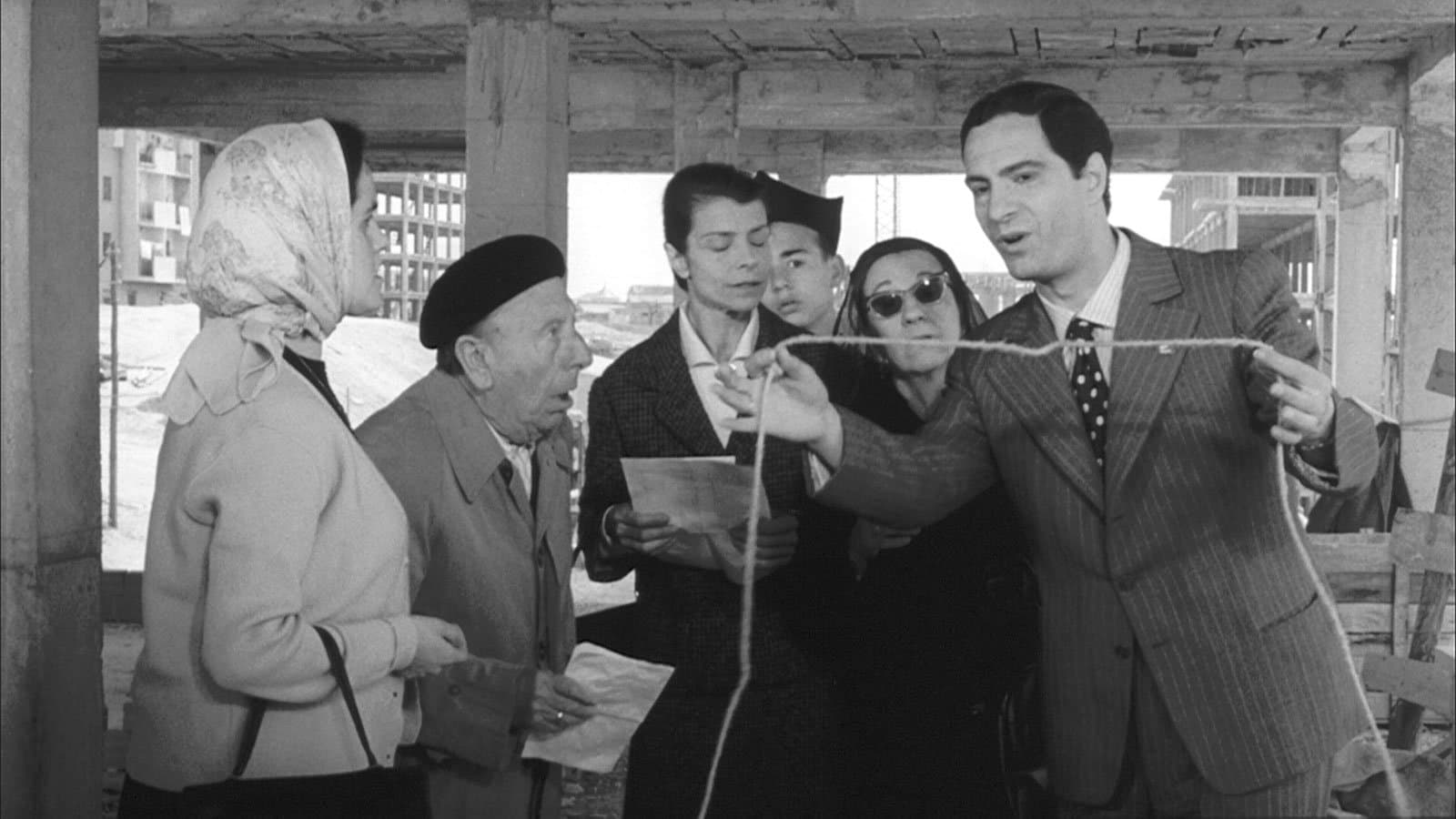
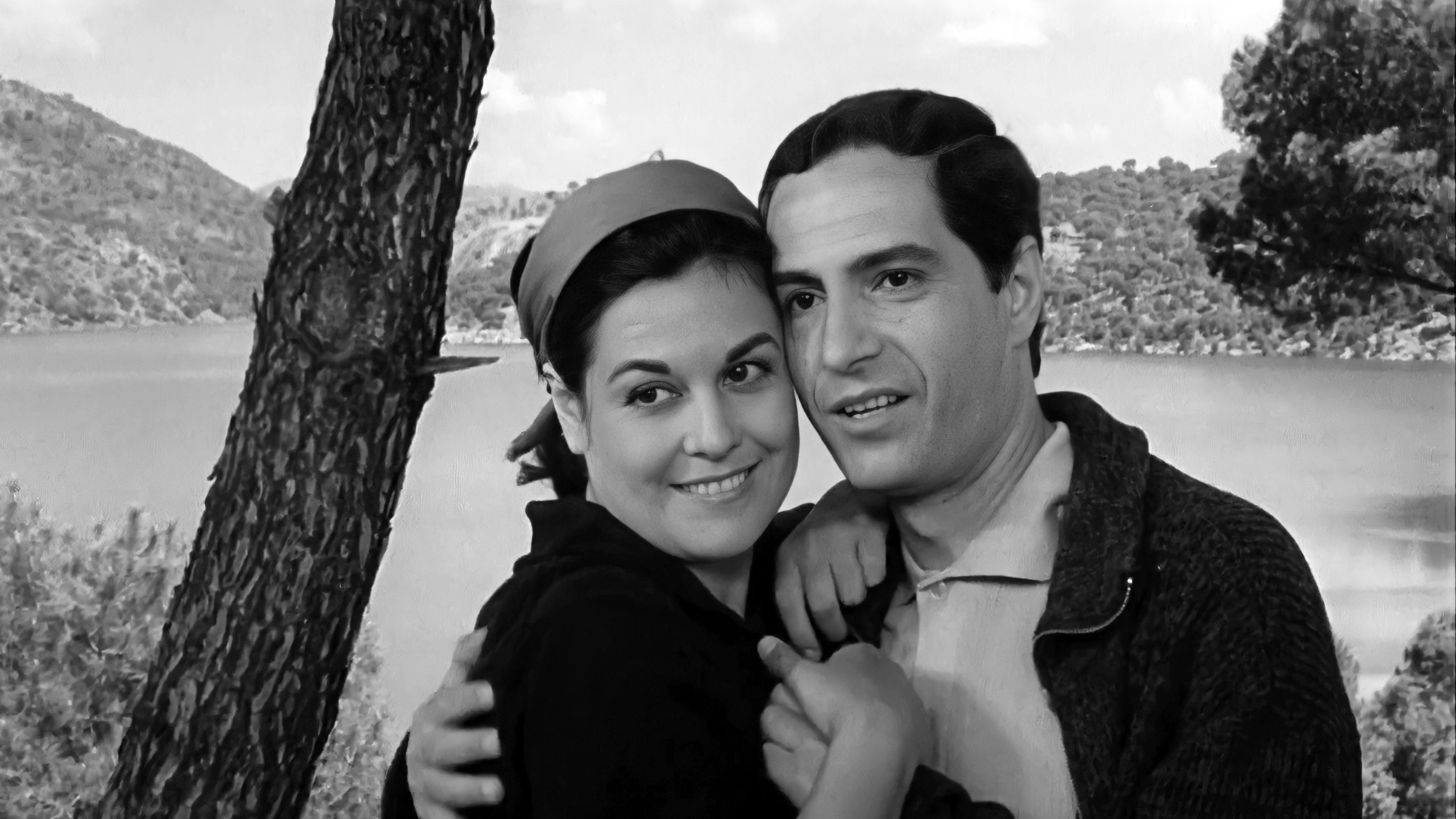
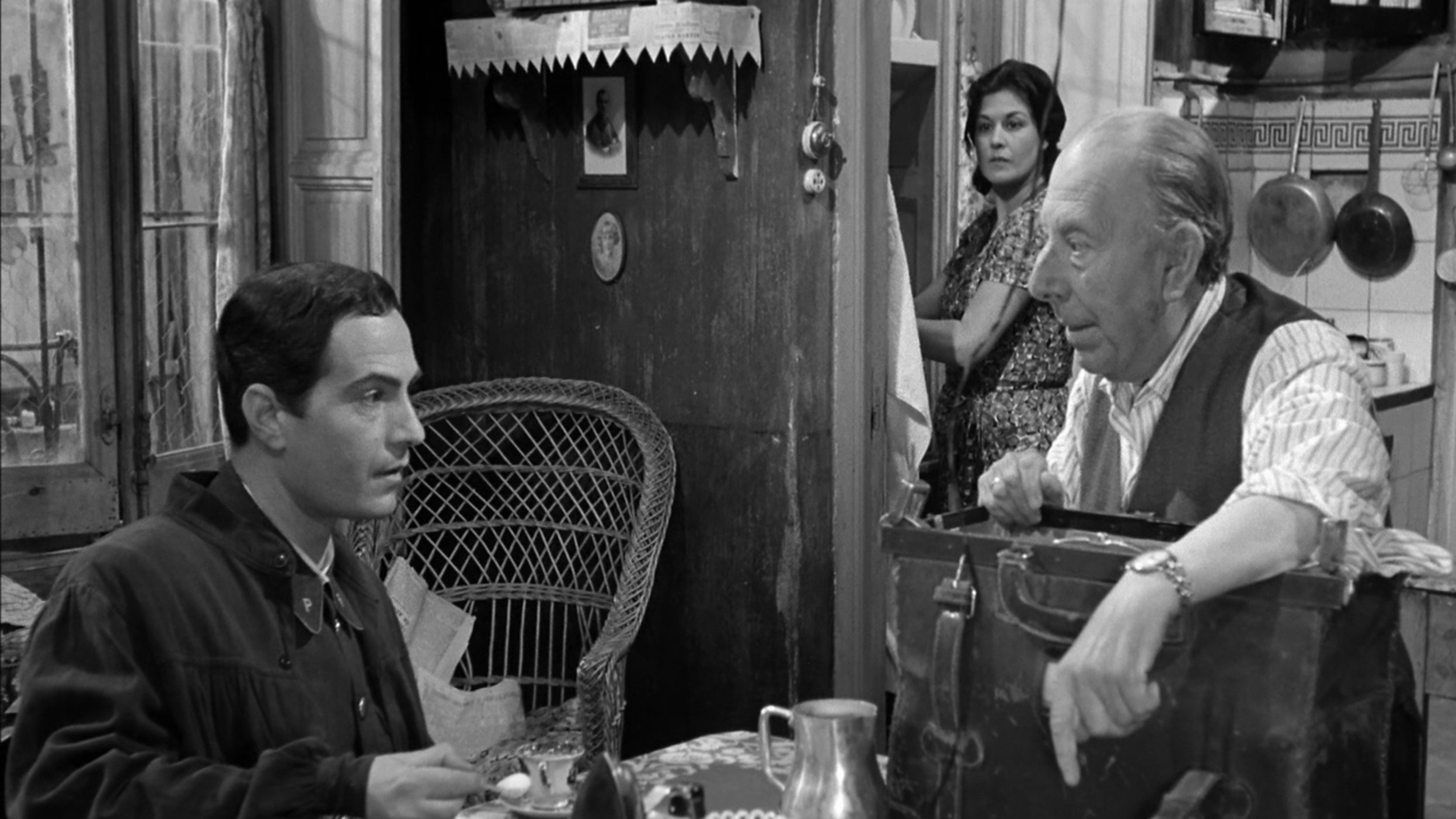
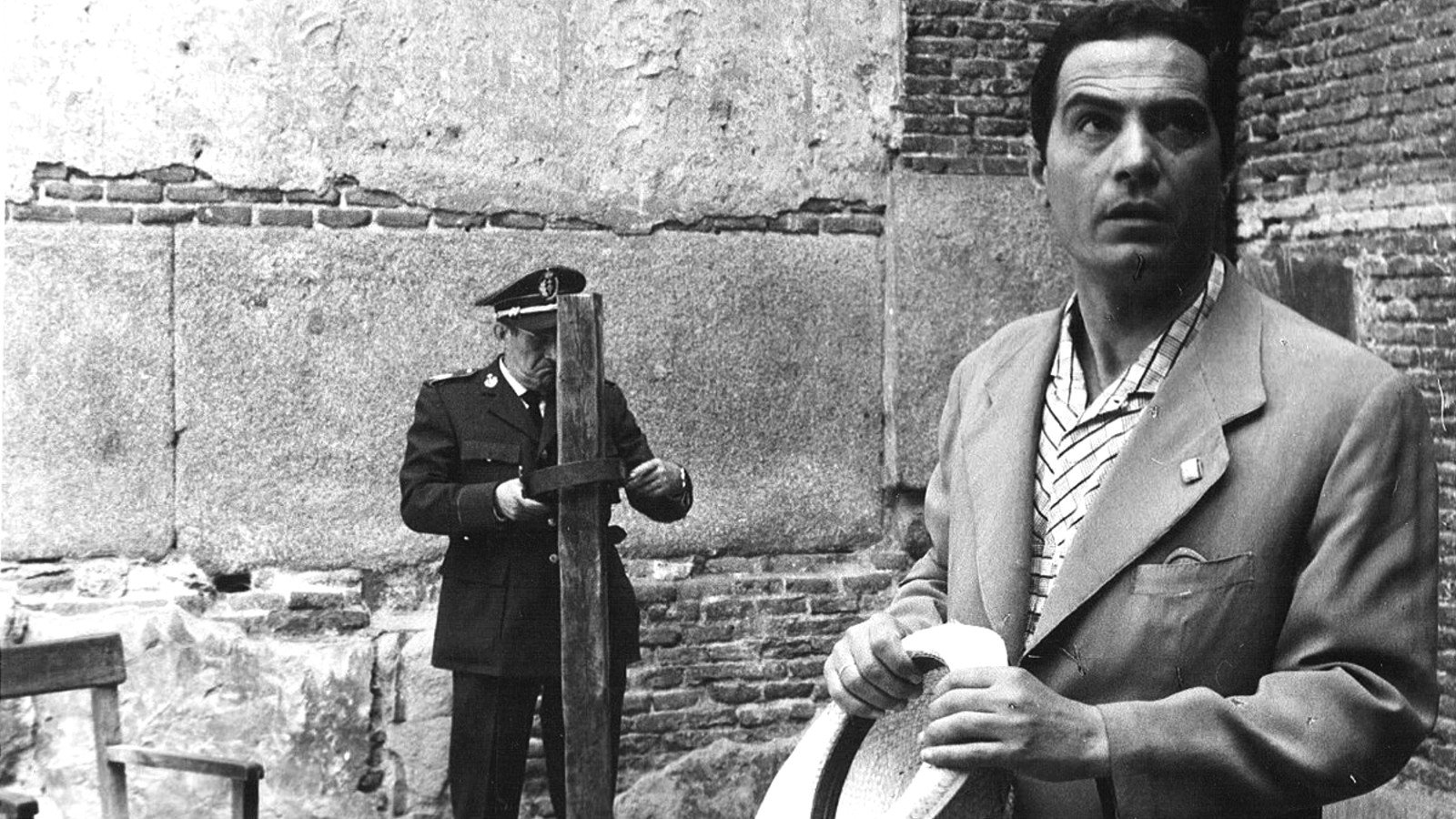
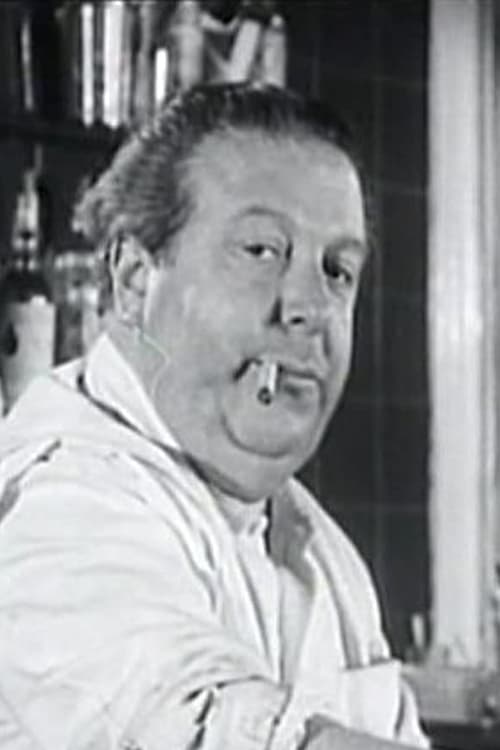
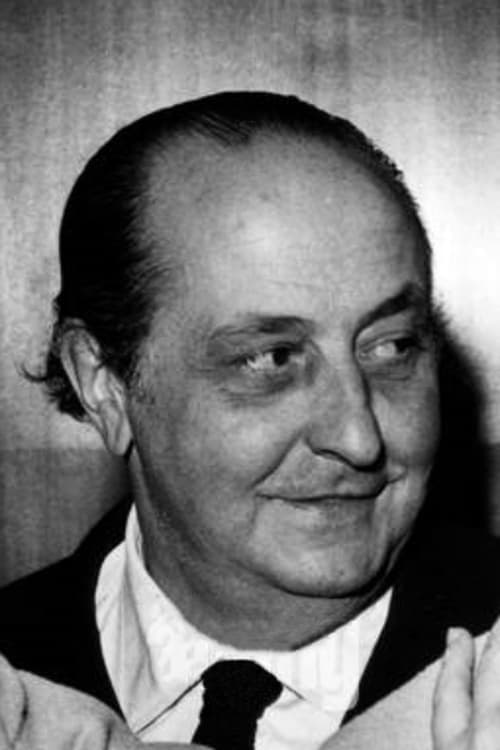
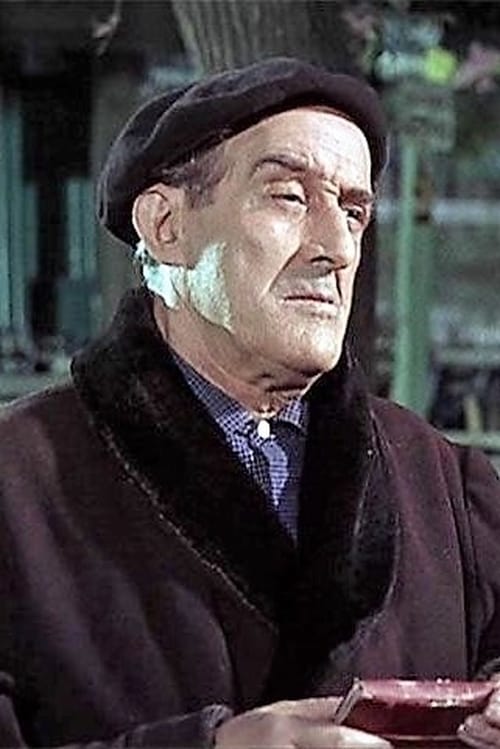
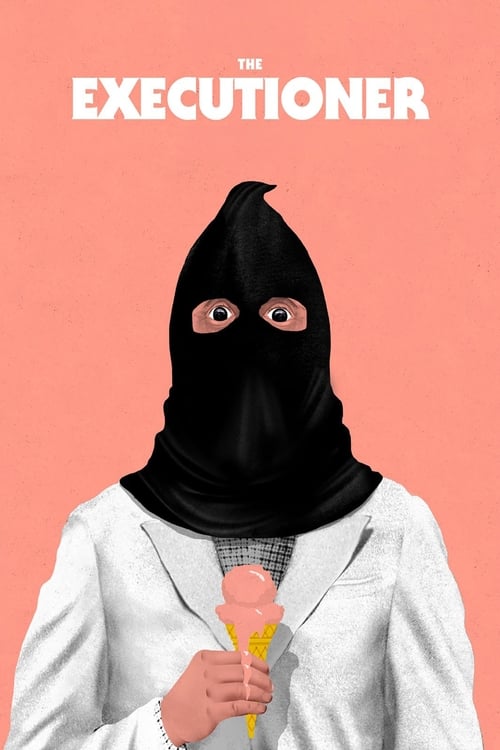
Could the issue of the death penalty be addressed during Franco's regime? Is the death penalty a reason for a comedy? If you answer no, you obviously haven't seen this masterpiece. Berlanga undoes the Gordian knot by sharpening his scalpel on the comic situations that arise around the figure of the executioner. The perfect script is by Rafael Azcona, and the film wouldn't have been possible without José Isbert. Have you ever wondered who can choose executioner as a profession? This film also has the answer.
The film overflows with irony, exuding that dark humor that, even without causing laughter, makes you connect with the director, the actors, and the story, thanks to the smile that clings to your throat from beginning to end. Berlanga invites you to feel intelligent. Because the film pushes you toward satisfaction. Everything appears for a reason and for almost nothing. That's why everything ends up having a meaning, and why almost nothing escapes the viewer's attentive eye.
It's incredible that such a critique of capital punishment evaded the strict controls of Franco's censorship. It's surely because some eyes would only see yet another comedy in which, coincidentally, this time the protagonist was an executioner. But other eyes can see that this film, in addition to reflecting certain aspects of a hypocritical society, allows itself the luxury of showing how ridiculous and absurd the profession of killing people really is.
Berlanga makes such a good film that he's able to score a goal in the top corner of the censorship. It's one of the best arguments against the death penalty ever filmed.