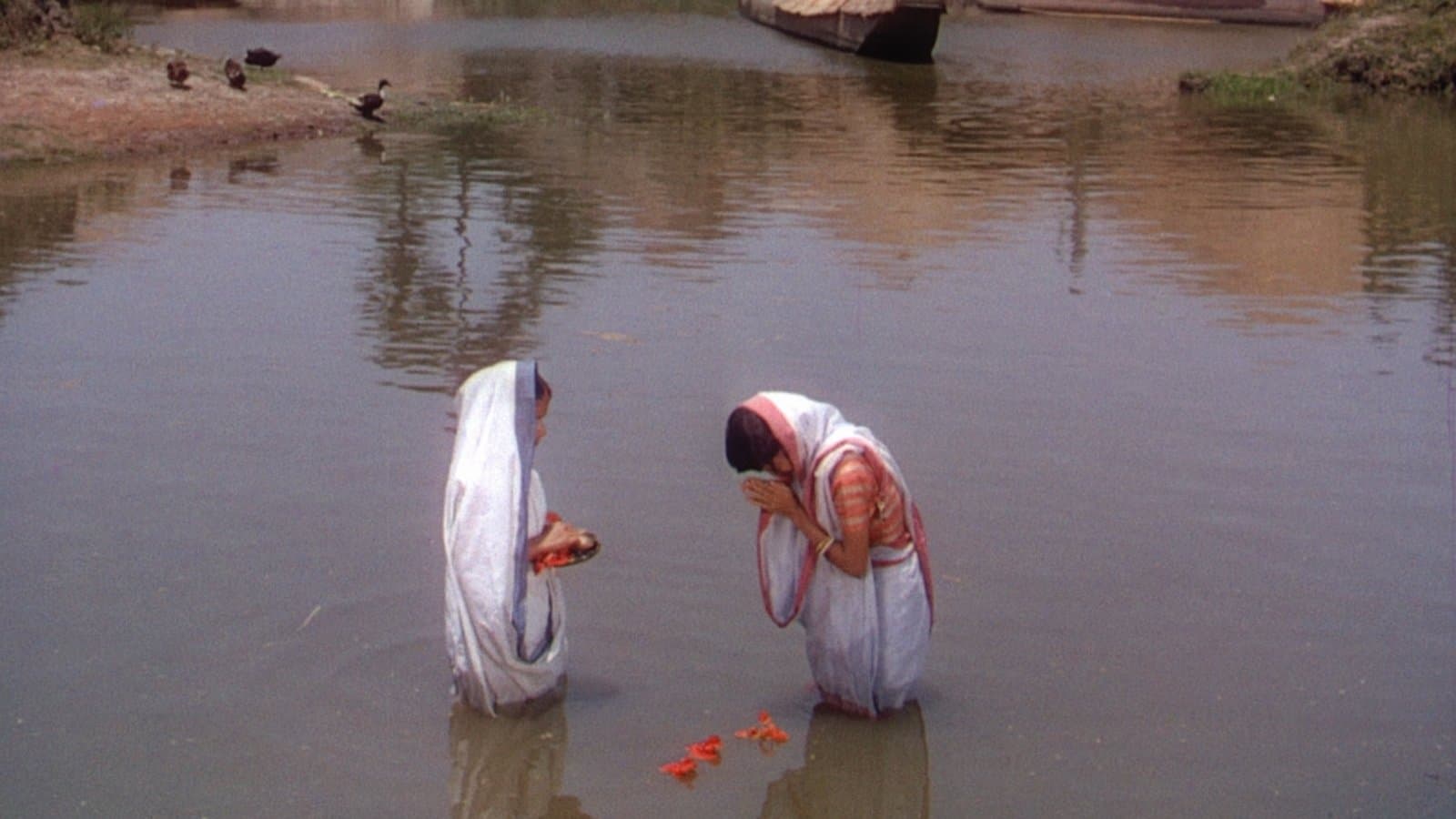
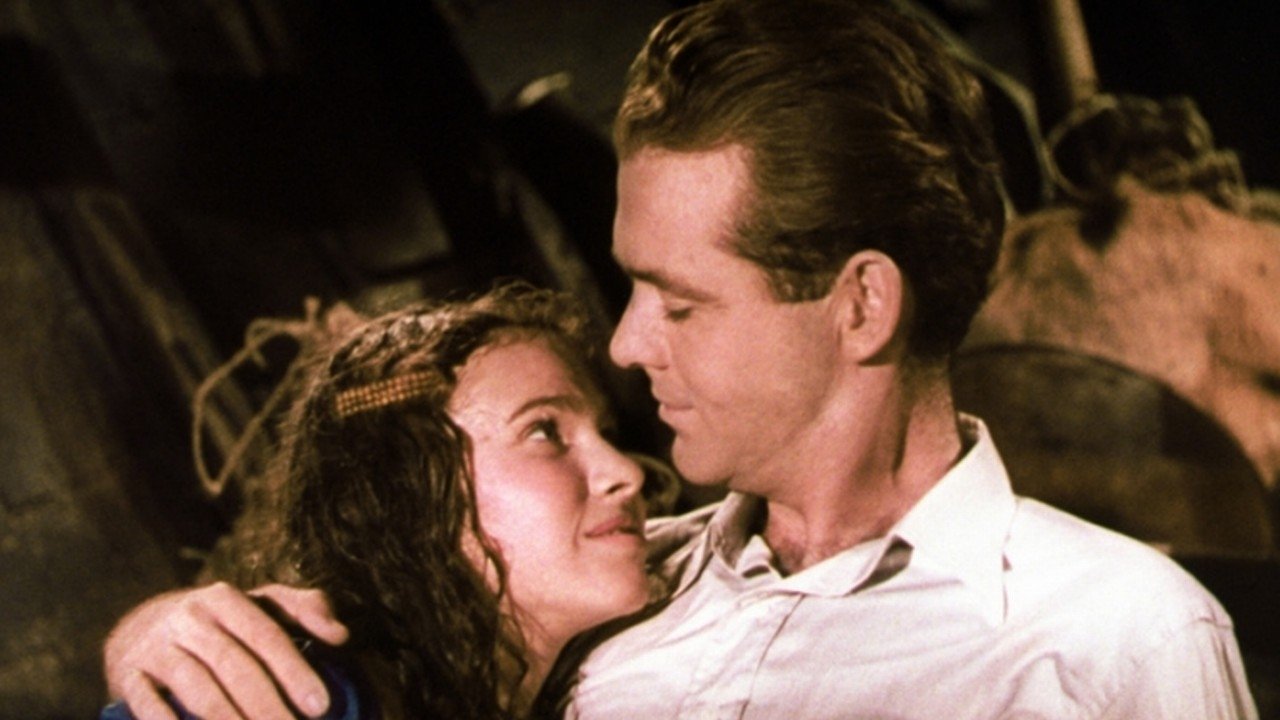
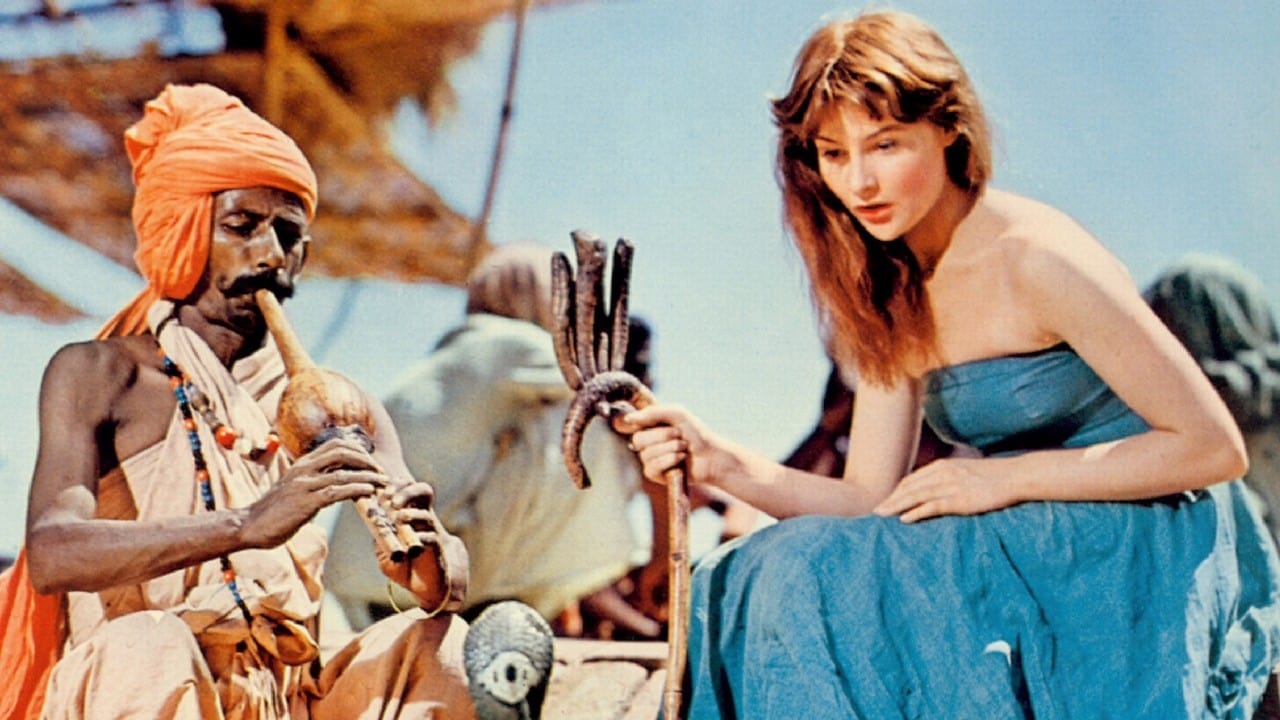
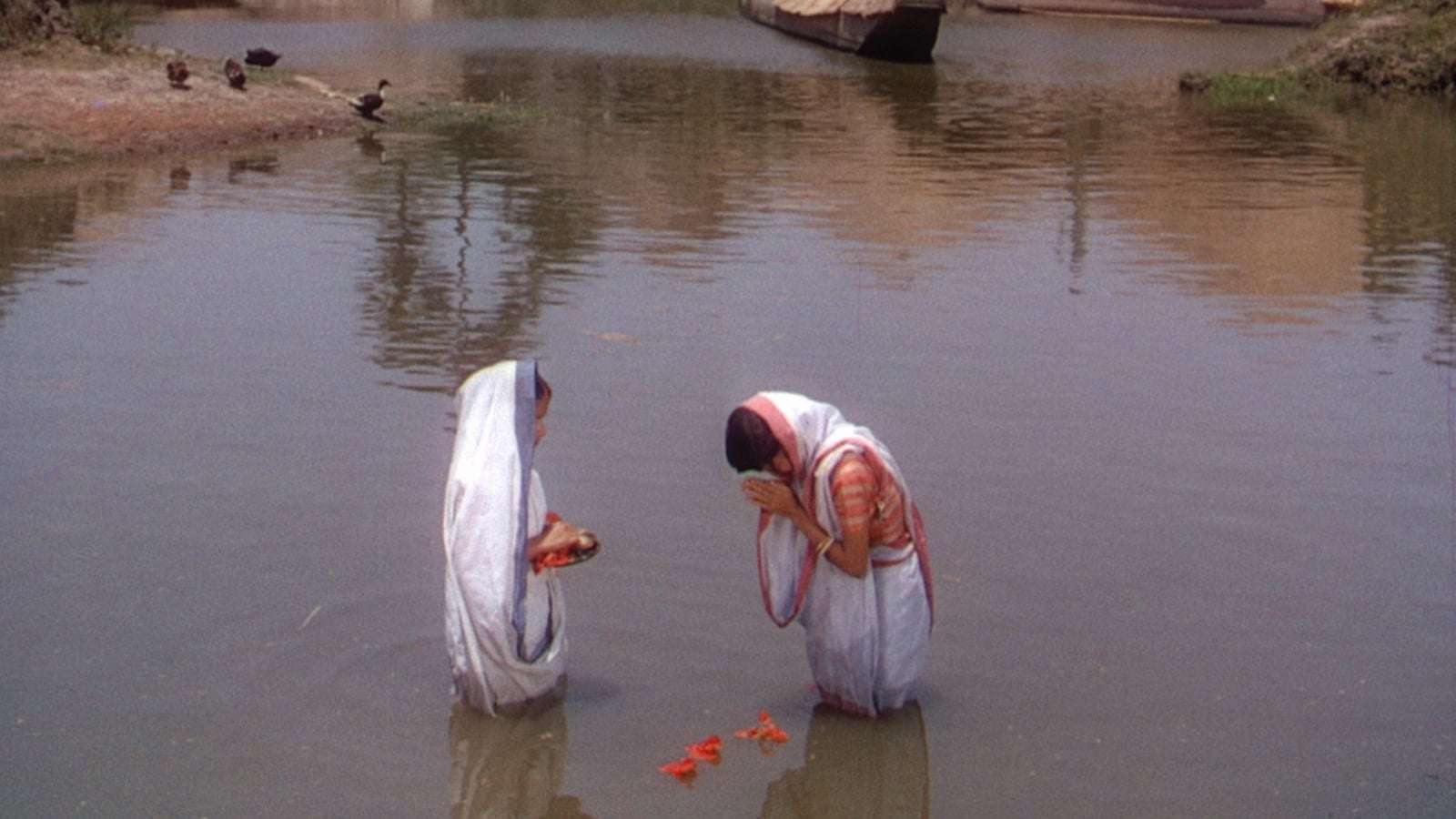
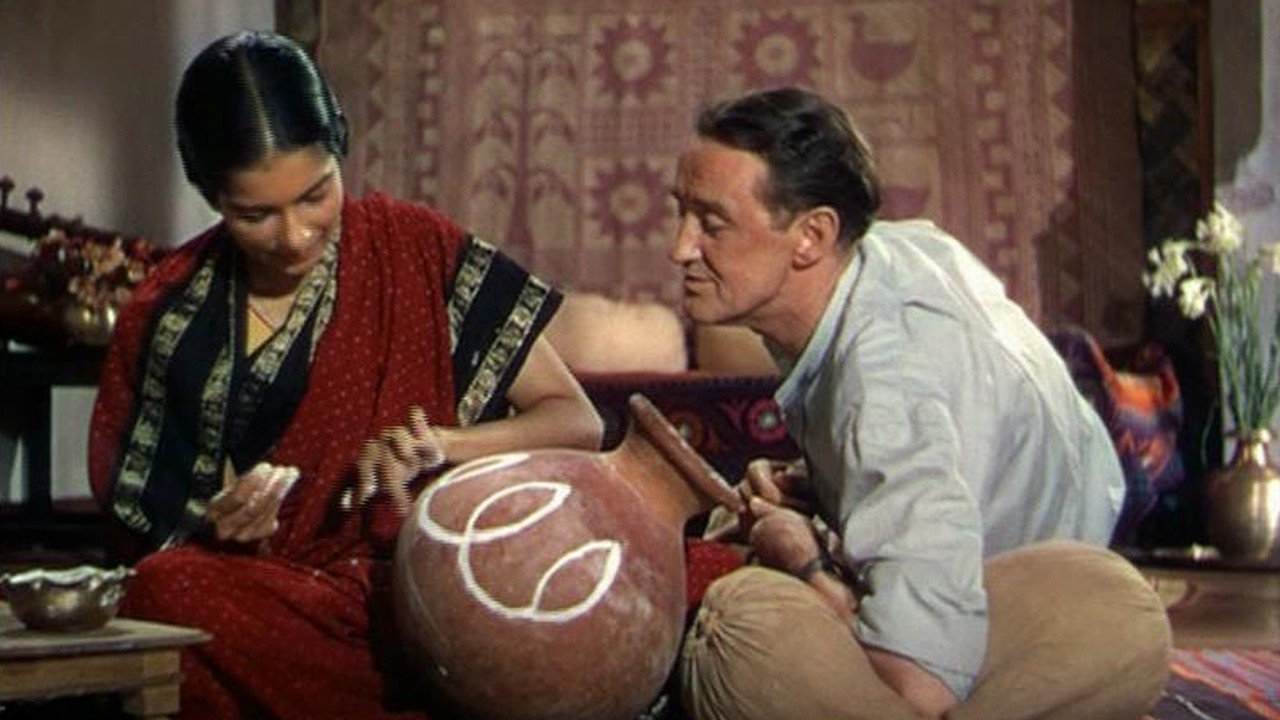
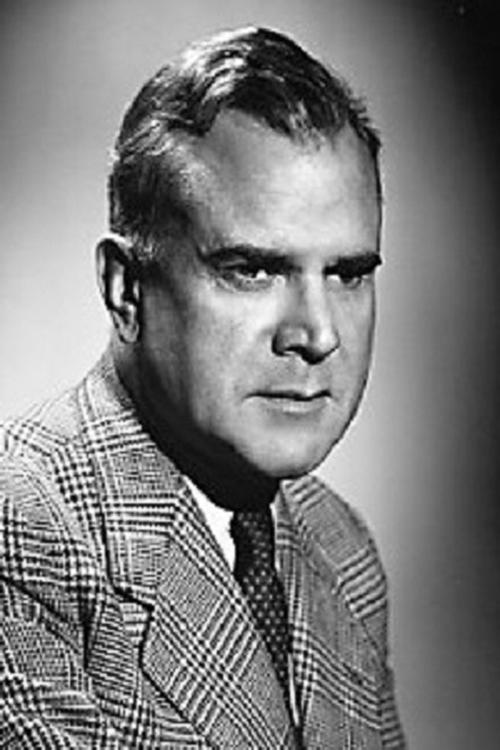
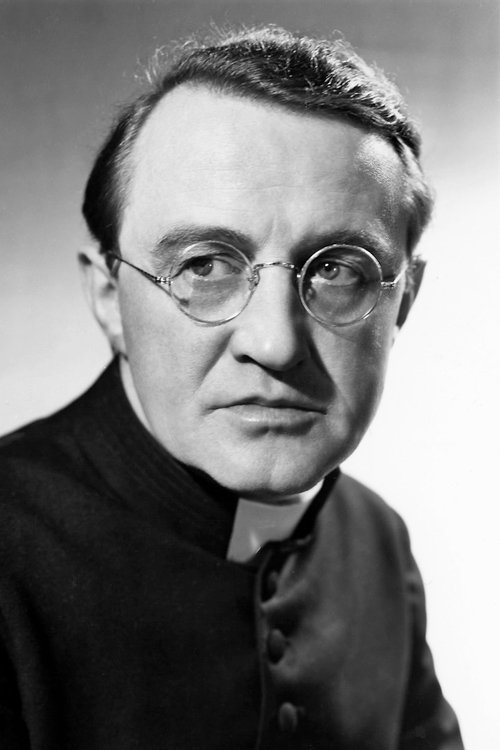
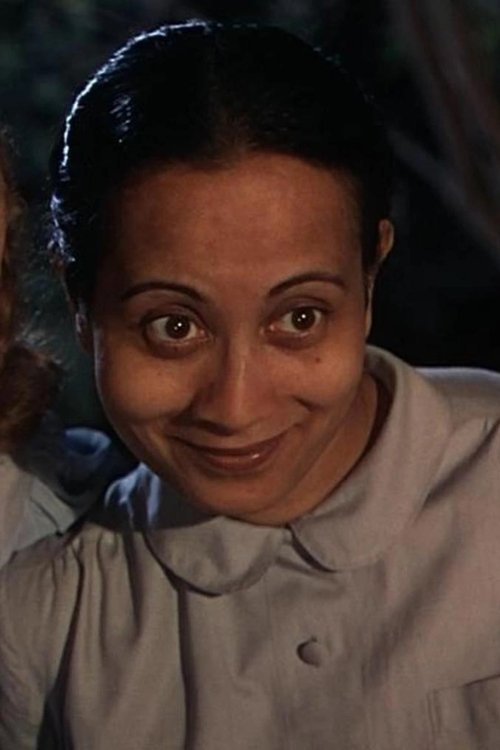
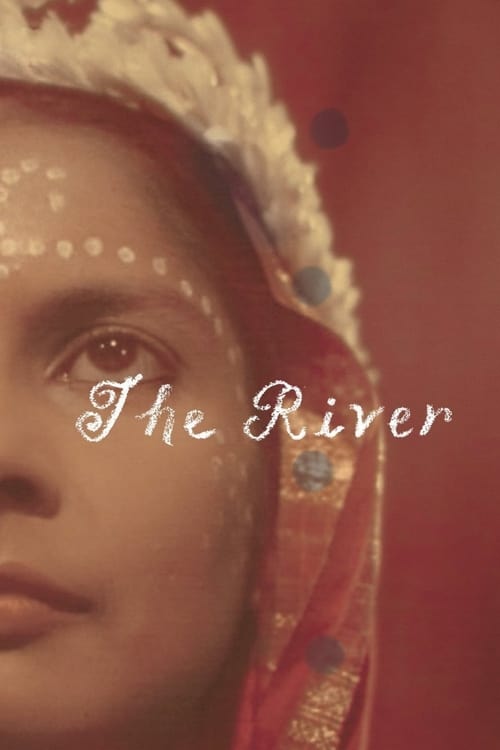
A wholly fascinating film, especially from a multi-faceted conversational standpoint. Its self-awareness (or lack thereof?), ethnography, philosophy, gender politics, and temporal film canon/importance all feel quite present and dissectible.
The first thing that stands out is its extremely Anglified center, feeling very old timey Hollywood in its rose-coloured ignorance. The death of the film is double-edged and bespeaks the woeful ignorance of the well-intentioned. To add salt to the wound, that death is followed up by one of the worst scenes in the movie, feeling like a comedic interlude of failed tone.
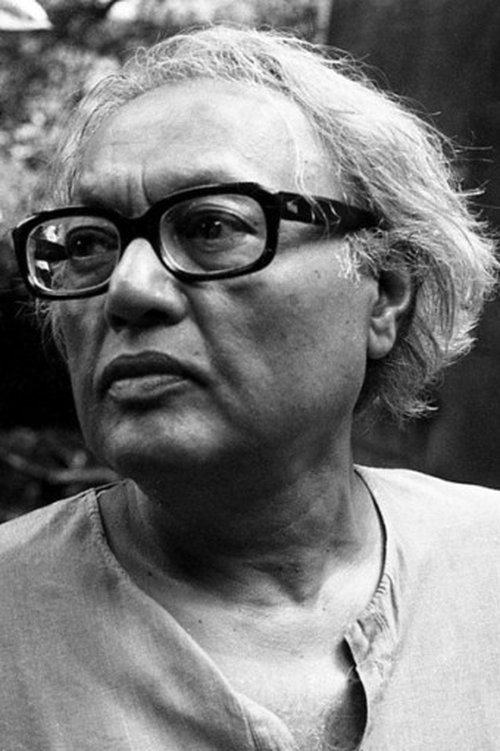
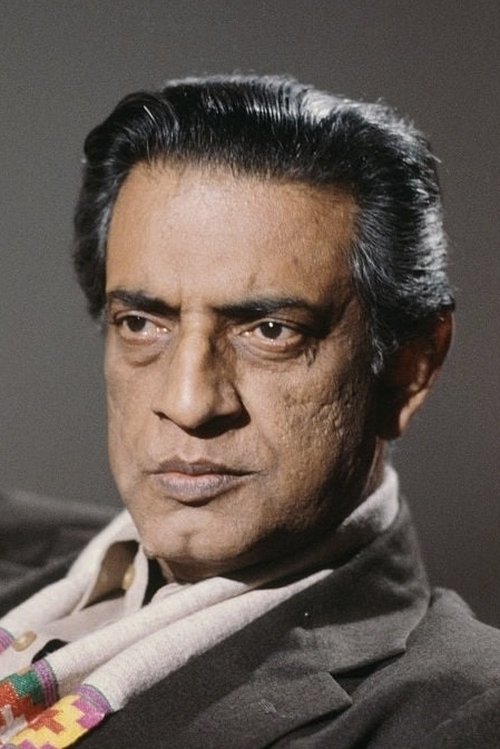
Admittedly, this is 1951 which is why I ended up on an overall favourable view of the film. There is a beautiful conversation between Melanie and her father that taps into a deep philosophy; there is a self-recognition which occurs in her father. And with this conversation, and Melanie’s character, especially (or maybe even exclusively), I find myself believing in its attempt to be good. It means well. It’s comforting to know Satyajit Ray was an assistant director on this. With that grace given though, there is an odiousness to its colonialism that is felt ubiquitously.
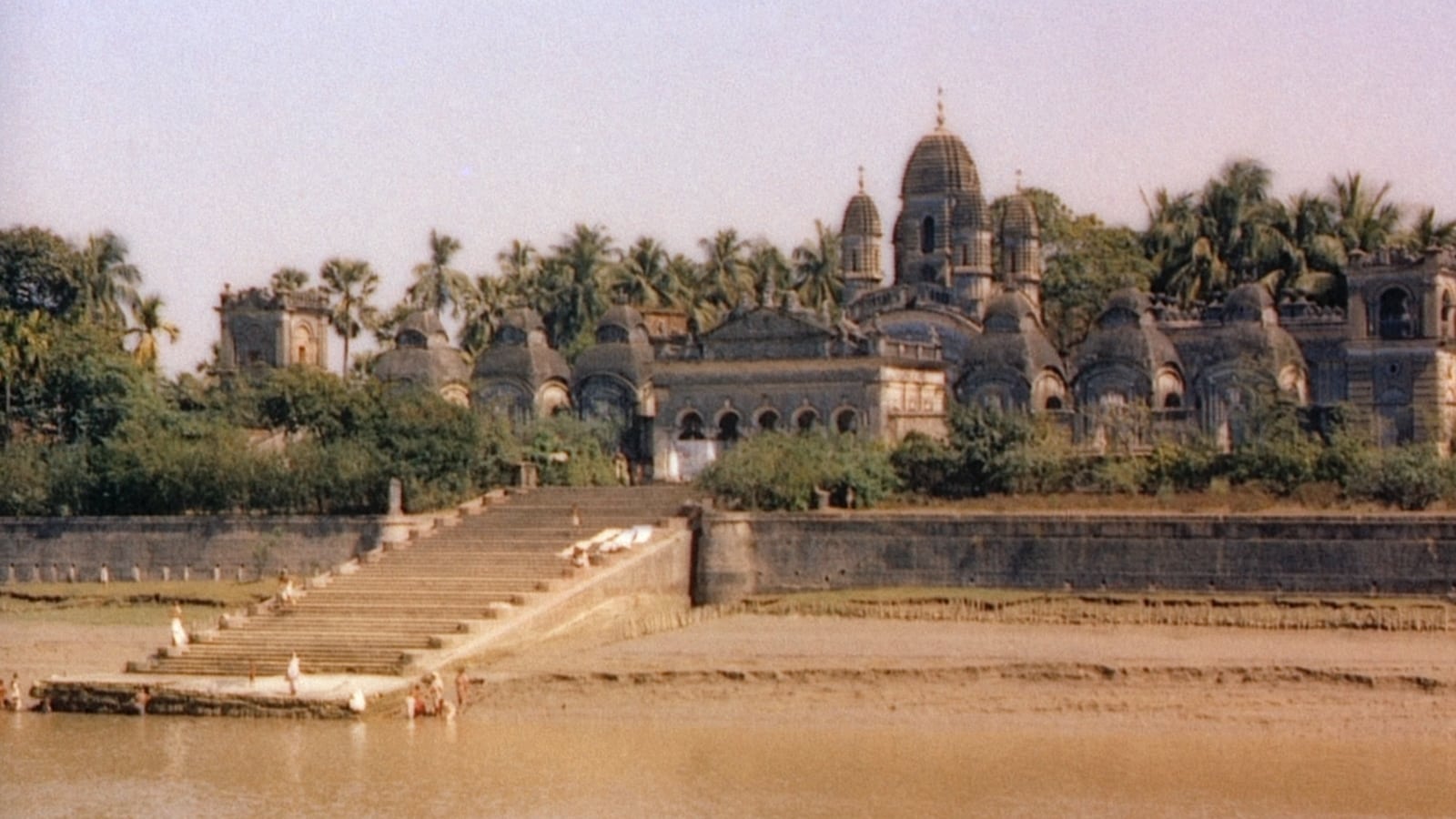
Speaking of Ray, that was a thought that crossed my mind heavily and almost instantly. Knowing this is 1951 and one of its primary selling points is being in location in India suggests its appealing to that level of authenticity. But… Pather Panchali is in the same decade. In terms of experience, I’m sorry, but one is real and one is fantasy. One is of the earth and one is of glamour. One is of feeling and one is of façade. The juxtaposed dna of film I propose, I also mean in a qualitatively descriptive sense. You can use kinder or more supportive language, but I say it’s hard to refute this and Pather Panchali are wholly different experiences, spectral opposites. If you at least grant me that, then the conclusion is I like movies like Pather immensely more. That’s all.
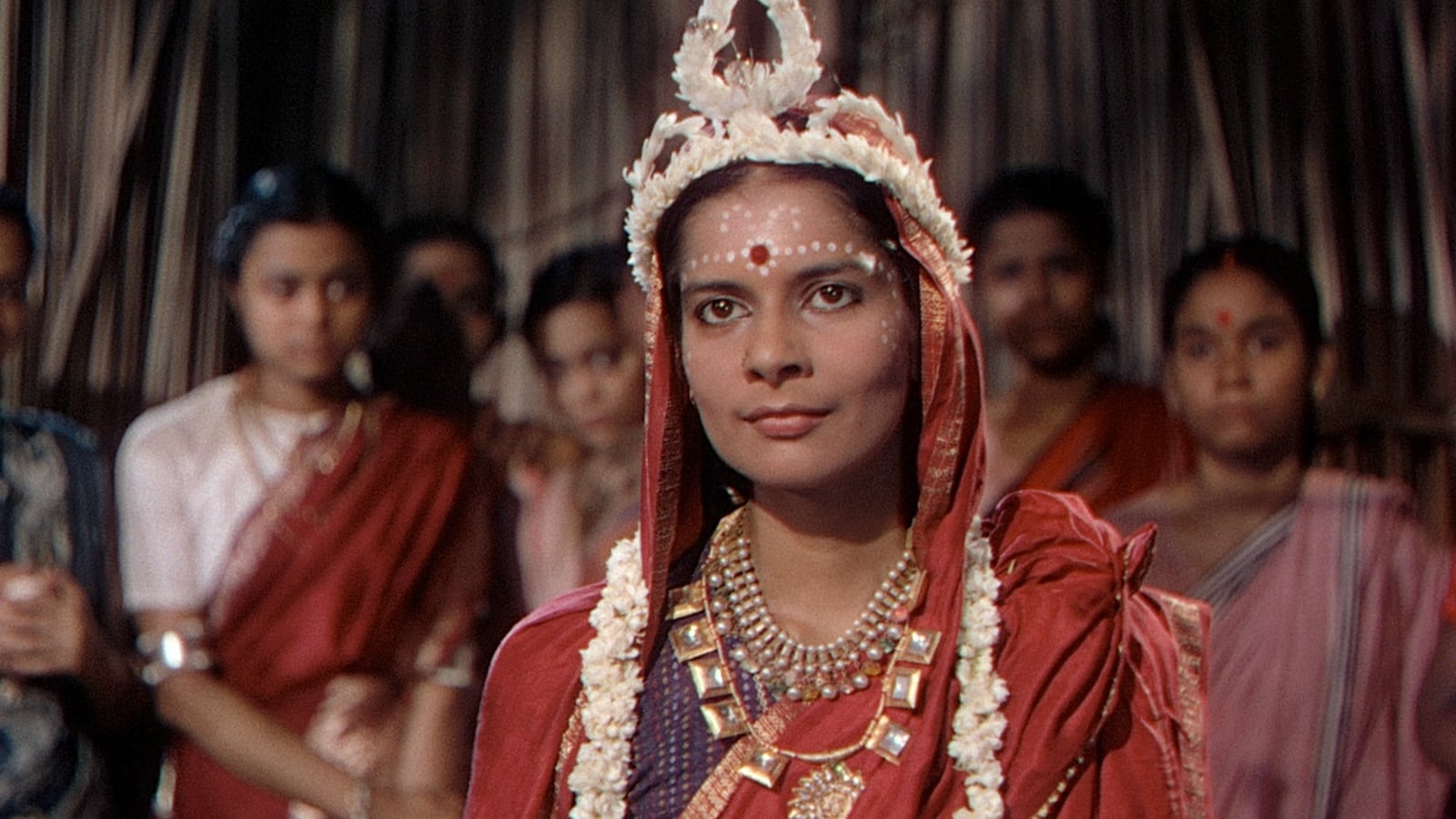
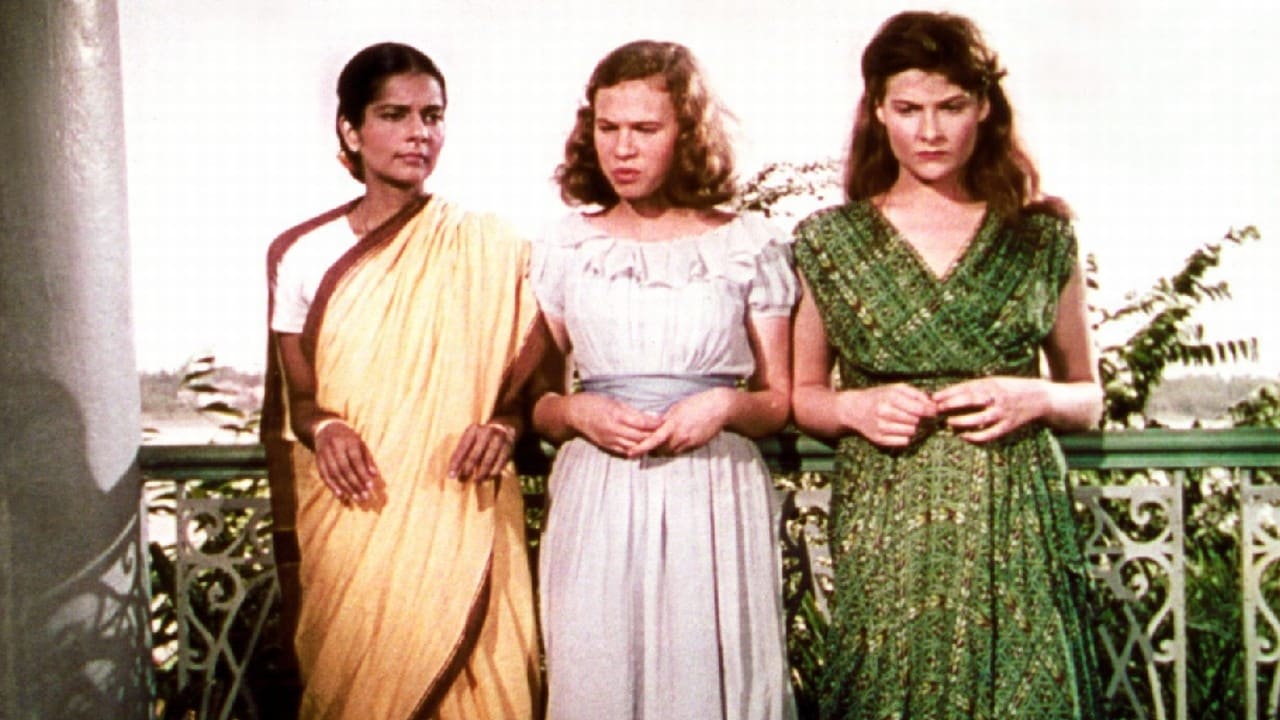
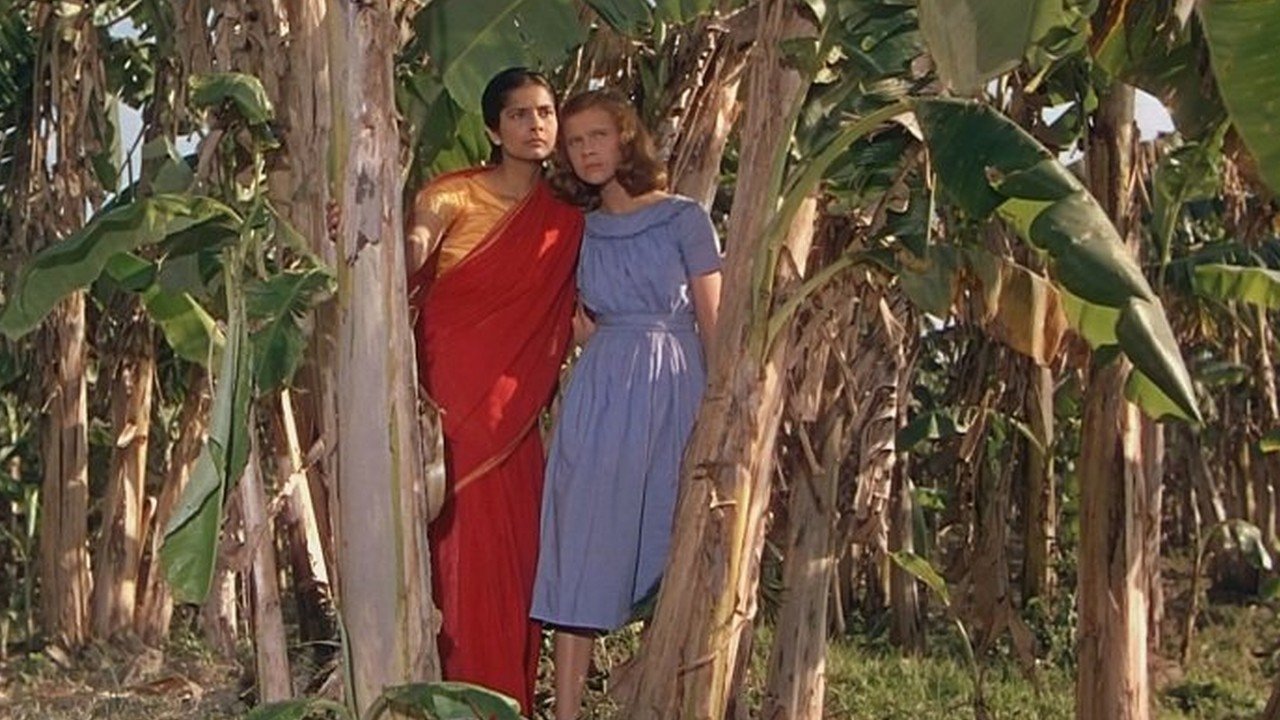
As I mentioned, Melanie may be the single saving grace of the film character-wise. Without her, the film feels wholly performative. She’s the only one who knows how to act without words. There are some interesting philosophical conversations, but they always seem to come out with Melanie exclusively. The one exception might be when Mr. John and Captain John are speaking about the less-is-more paradox. The final ethos of the film is nice, but Harriet is a less-than-stellar protagonist.
I’m debating if I’ll keep this disc. It’s a nice antique.
A wholly fascinating film, especially from a multi-faceted conversational standpoint. Its self-awareness (or lack thereof?), ethnography, philosophy, gender politics, and temporal film canon/importance all feel quite present and dissectible.
The first thing that stands out is its extremely Anglified center, feeling very old timey Hollywood in its rose-coloured ignorance. The death of the film is double-edged and bespeaks the woeful ignorance of the well-intentioned. To add salt to the wound, that death is followed up by one of the worst scenes in the movie, feeling like a comedic interlude of failed tone.
Admittedly, this is 1951 which is why I ended up on an overall favourable view of the film. There is a beautiful conversation between Melanie and her father that taps into a deep philosophy; there is a self-recognition which occurs in her father. And with this conversation, and Melanie’s character, especially (or maybe even exclusively), I find myself believing in its attempt to be good. It means well. It’s comforting to know Satyajit Ray was an assistant director on this. With that grace given though, there is an odiousness to its colonialism that is felt ubiquitously.
Speaking of Ray, that was a thought that crossed my mind heavily and almost instantly. Knowing this is 1951 and one of its primary selling points is being in location in India suggests its appealing to that level of authenticity. But… Pather Panchali is in the same decade. In terms of experience, I’m sorry, but one is real and one is fantasy. One is of the earth and one is of glamour. One is of feeling and one is of façade. The juxtaposed dna of film I propose, I also mean in a qualitatively descriptive sense. You can use kinder or more supportive language, but I say it’s hard to refute this and Pather Panchali are wholly different experiences, spectral opposites. If you at least grant me that, then the conclusion is I like movies like Pather immensely more. That’s all.
As I mentioned, Melanie may be the single saving grace of the film character-wise. Without her, the film feels wholly performative. She’s the only one who knows how to act without words. There are some interesting philosophical conversations, but they always seem to come out with Melanie exclusively. The one exception might be when Mr. John and Captain John are speaking about the less-is-more paradox. The final ethos of the film is nice, but Harriet is a less-than-stellar protagonist.
I’m debating if I’ll keep this disc. It’s a nice antique.