
Women's Prison Massacre
1983·Action·1h 28m
7.0
★
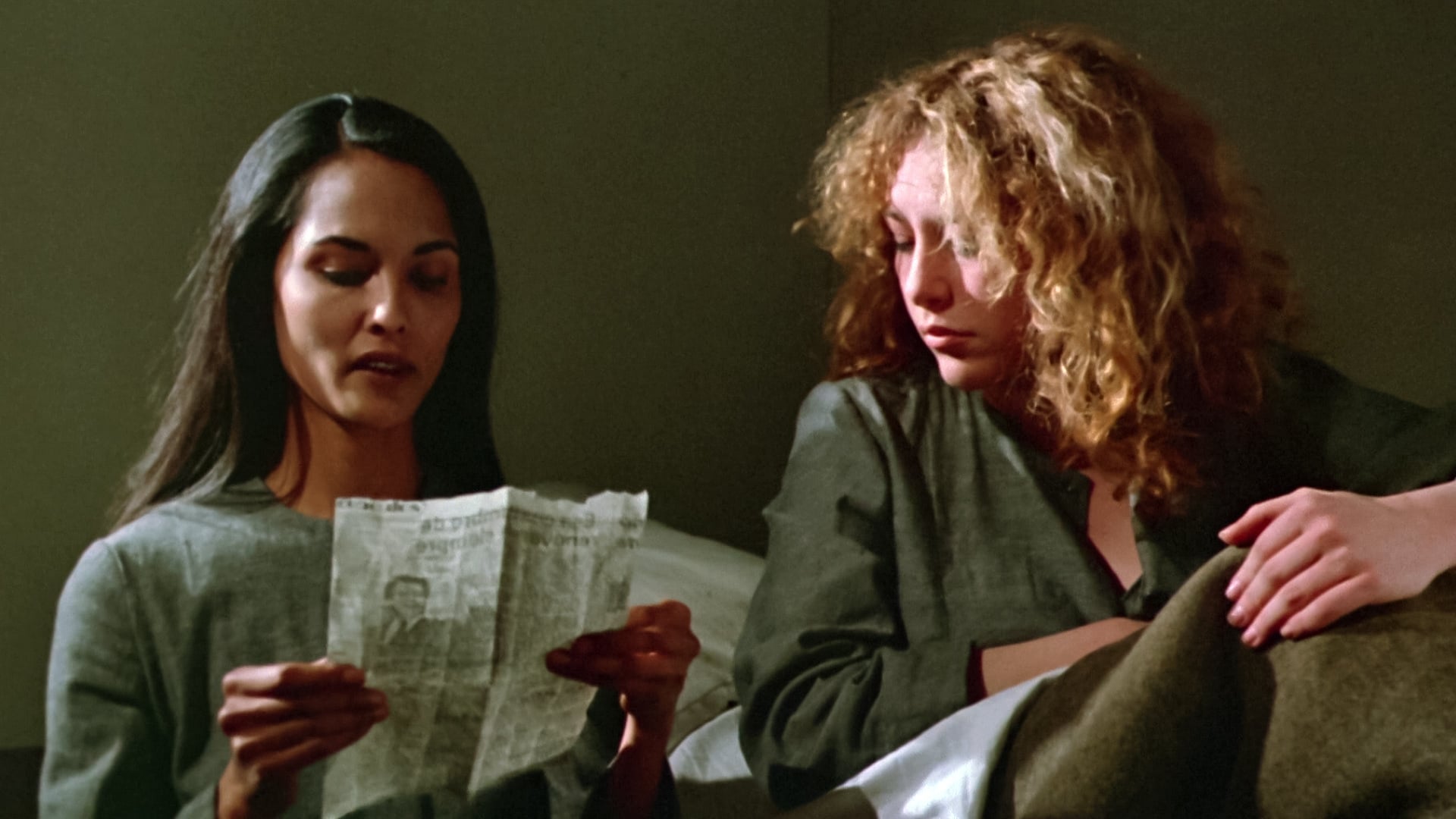
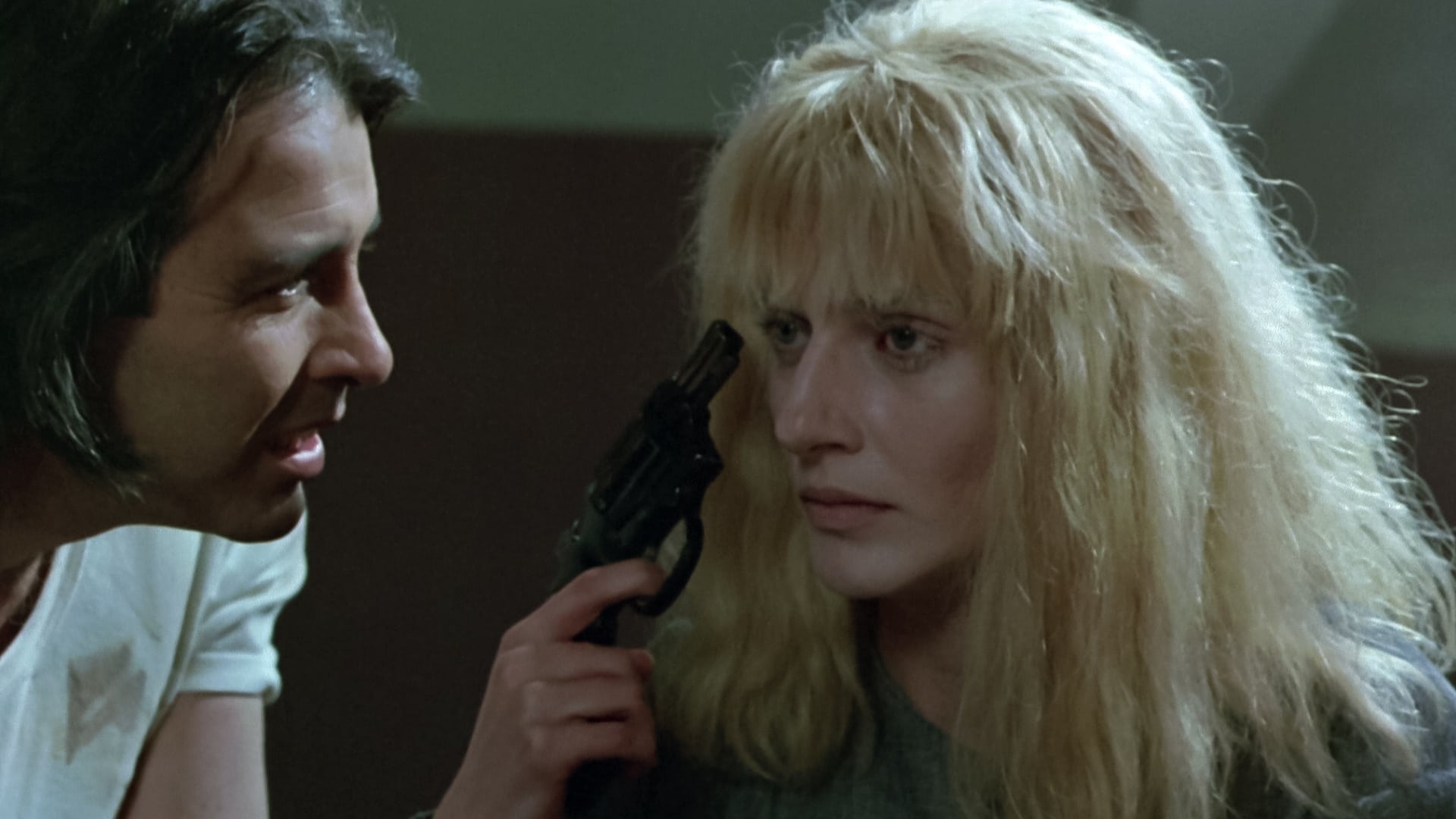

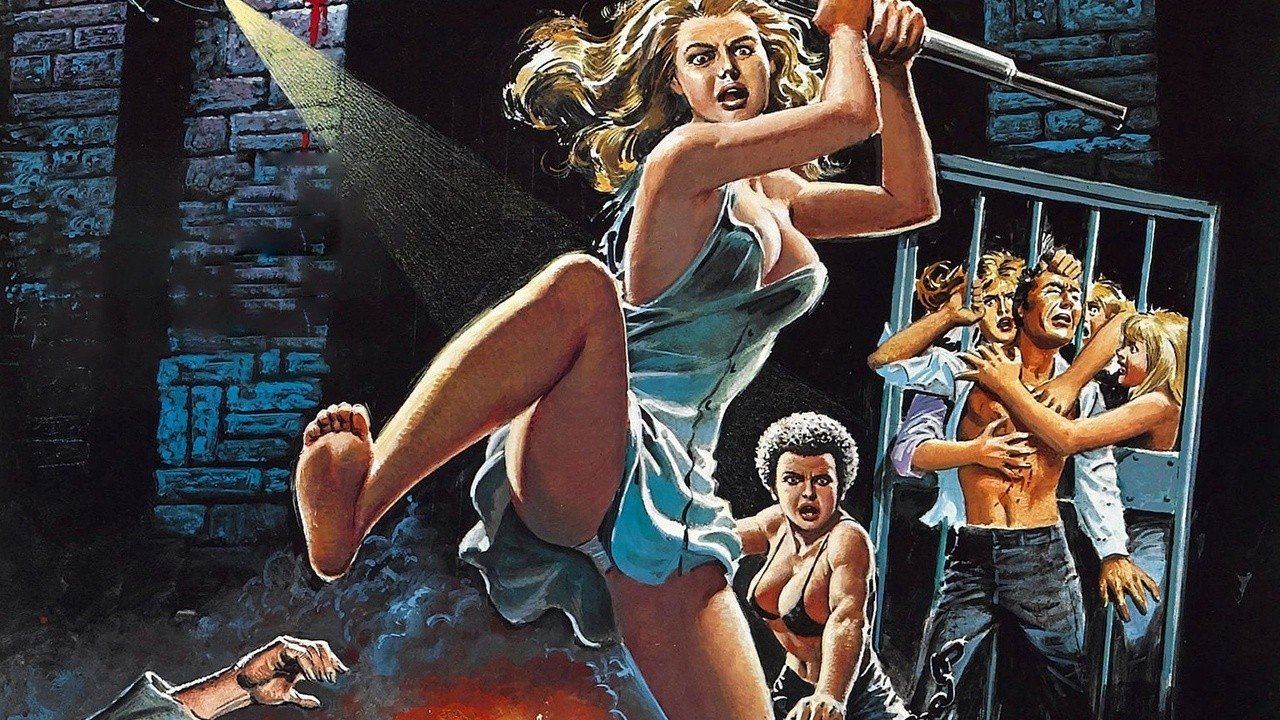
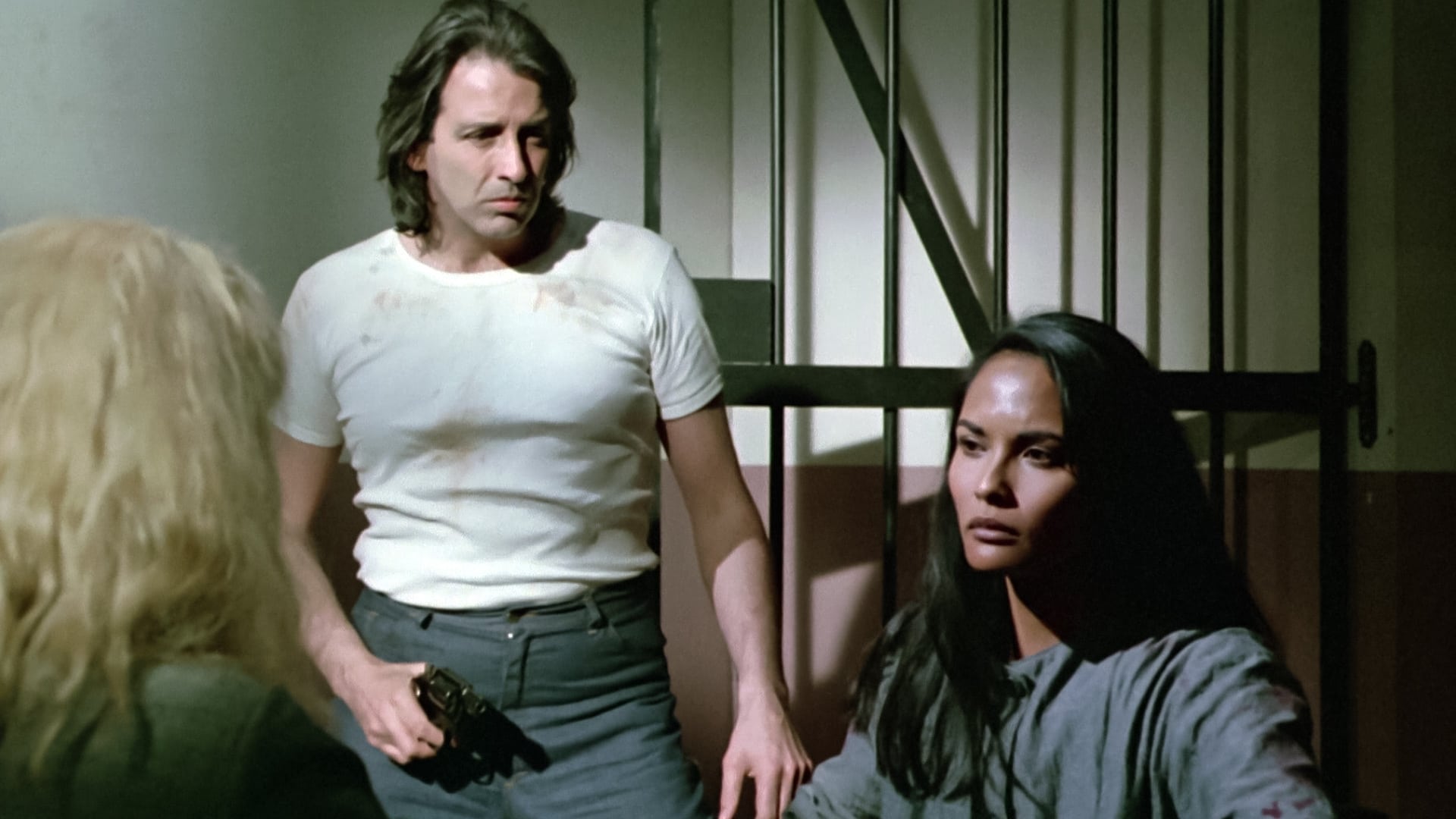
Emanuelle is framed by a corrupt D.A. while investigating a drug smuggling operation and has to tough it out under lock and key, dealing with a strict warden and abusive guards.
Directed by Bruno Mattei and Claudio Fragasso
prison
rape
exploitation
women's prison
sequel
sexploitation
torture
lesbian sex
corrupt official
sex

IMDB
N/A
Cast

Laura Gemser
Emanuelle Arsan
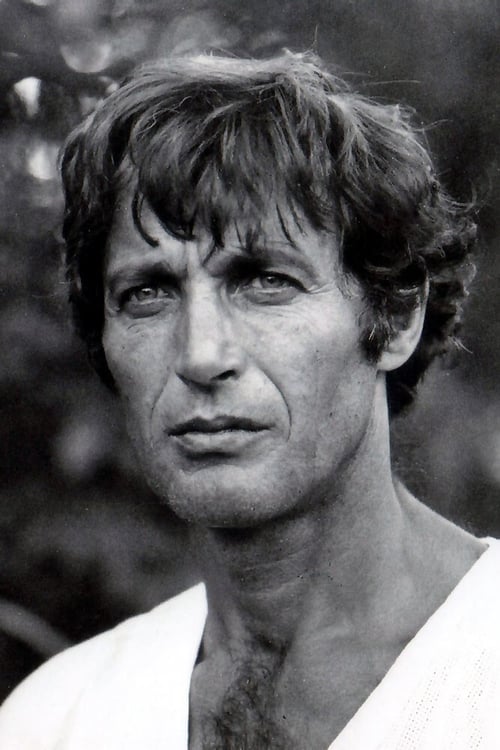
Gabriele Tinti
Crazy Boy Henderson

Ursula Flores
Albina
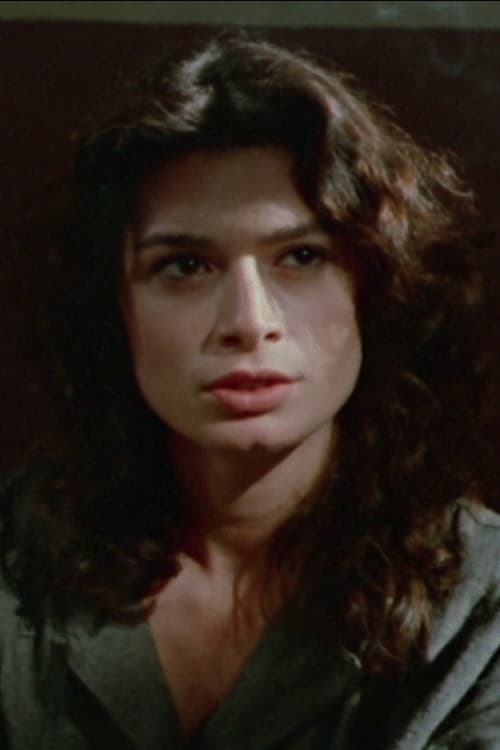
Maria Romano
Laura

Antonella Giacomini
Irene

Raul Cabrera
Victor "Geronimo" Brain

Pierangelo Pozzato
Helmut "Blade" von Bauer

Robert Mura
Brett O'Hara

Françoise Perrot
Molly, the Guard

Jacques Stany
District Attorney Robinson

Flo Astair
Self

Carlo De Mejo
Lawman Harrison
Crew

Bruno Mattei
Director
Claudio Fragasso
Director

Rossella Drudi
Screenplay
Claudio Fragasso
Writer

Luigi Ceccarelli
Original Music Composer
Bruno Mattei
Production Manager
Popular Reviews
6 reviews
Jc Du Plessis
7.0★ · 04/17/25

A pretty decent woman's in prison movie this time featuring emanuelle. Woman's prison massacre is about emanuelle trying to prove her innocence while serving a 5 year sentence for a crime she was framed for when a group of male prisoners take over the prison.
First things first there is actually a ploy in this emanuelle movie. The plot is decent and entertaining but doesn't bring any surprises in the genre. The sex scenes for a emanuelle movie is toned down for the most part and takes a backseat to the plot.
The performances were as good as these movies can get. The characters are entertaining although some get left behind when the prison gets taken over.
In the end it's a pretty decent movie that I enjoyed.
First things first there is actually a ploy in this emanuelle movie. The plot is decent and entertaining but doesn't bring any surprises in the genre. The sex scenes for a emanuelle movie is toned down for the most part and takes a backseat to the plot.
The performances were as good as these movies can get. The characters are entertaining although some get left behind when the prison gets taken over.
In the end it's a pretty decent movie that I enjoyed.
A pretty decent woman's in prison movie this time featuring emanuelle. Woman's prison massacre is about emanuelle trying to prove her innocence while serving a 5 year sentence for a crime she was framed for when a group of male prisoners take over the prison.
First things first there is actually a ploy in this emanuelle movie. The plot is decent and entertaining but doesn't bring any surprises in the genre. The sex scenes for a emanuelle movie is toned down for the most part and takes a backseat to the plot.
The performances were as good as these movies can get. The characters are entertaining although some get left behind when the prison gets taken over.
In the end it's a pretty decent movie that I enjoyed.
First things first there is actually a ploy in this emanuelle movie. The plot is decent and entertaining but doesn't bring any surprises in the genre. The sex scenes for a emanuelle movie is toned down for the most part and takes a backseat to the plot.
The performances were as good as these movies can get. The characters are entertaining although some get left behind when the prison gets taken over.
In the end it's a pretty decent movie that I enjoyed.


Gabriel Silva
5.6★ · 12/30/23
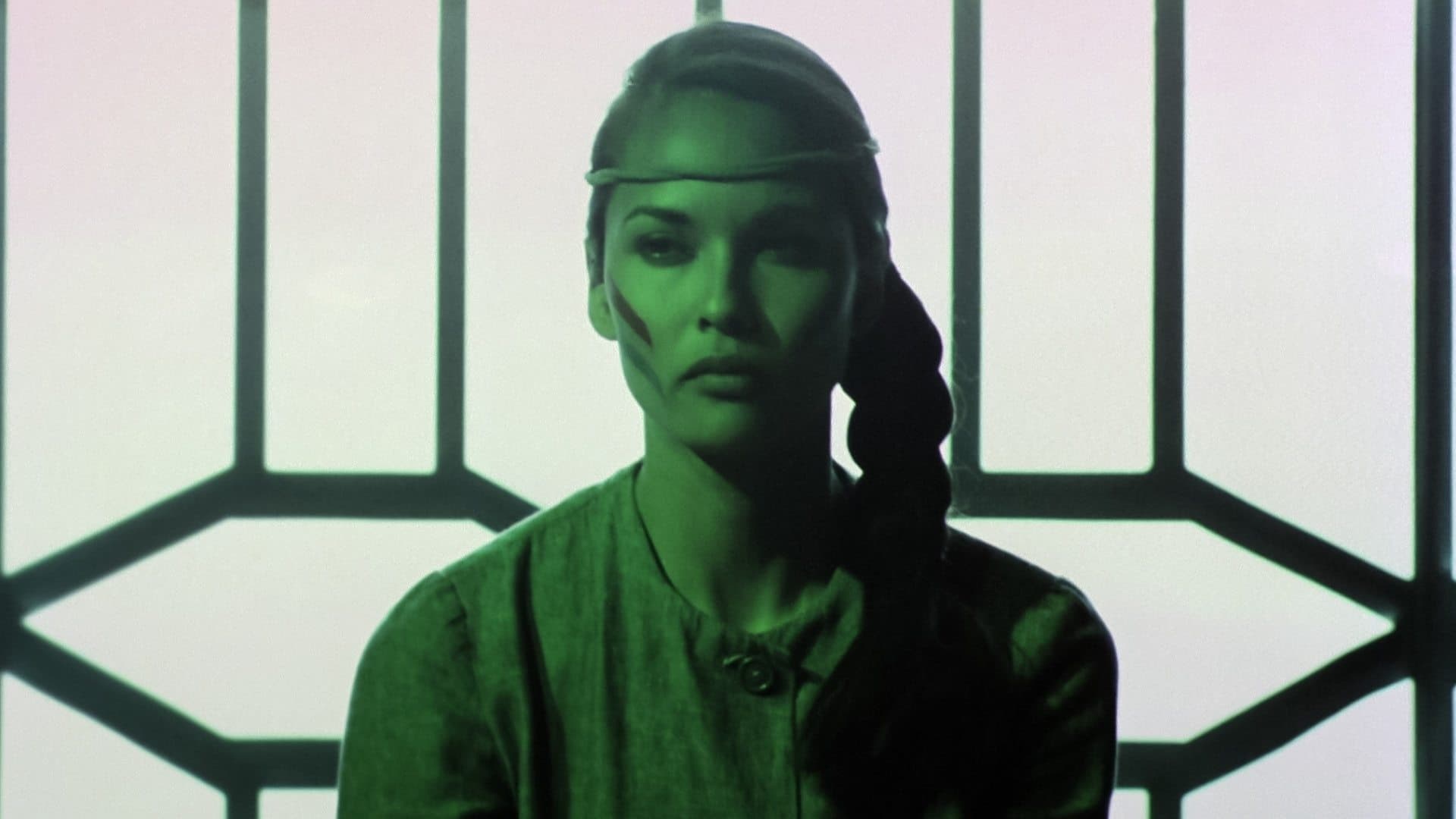
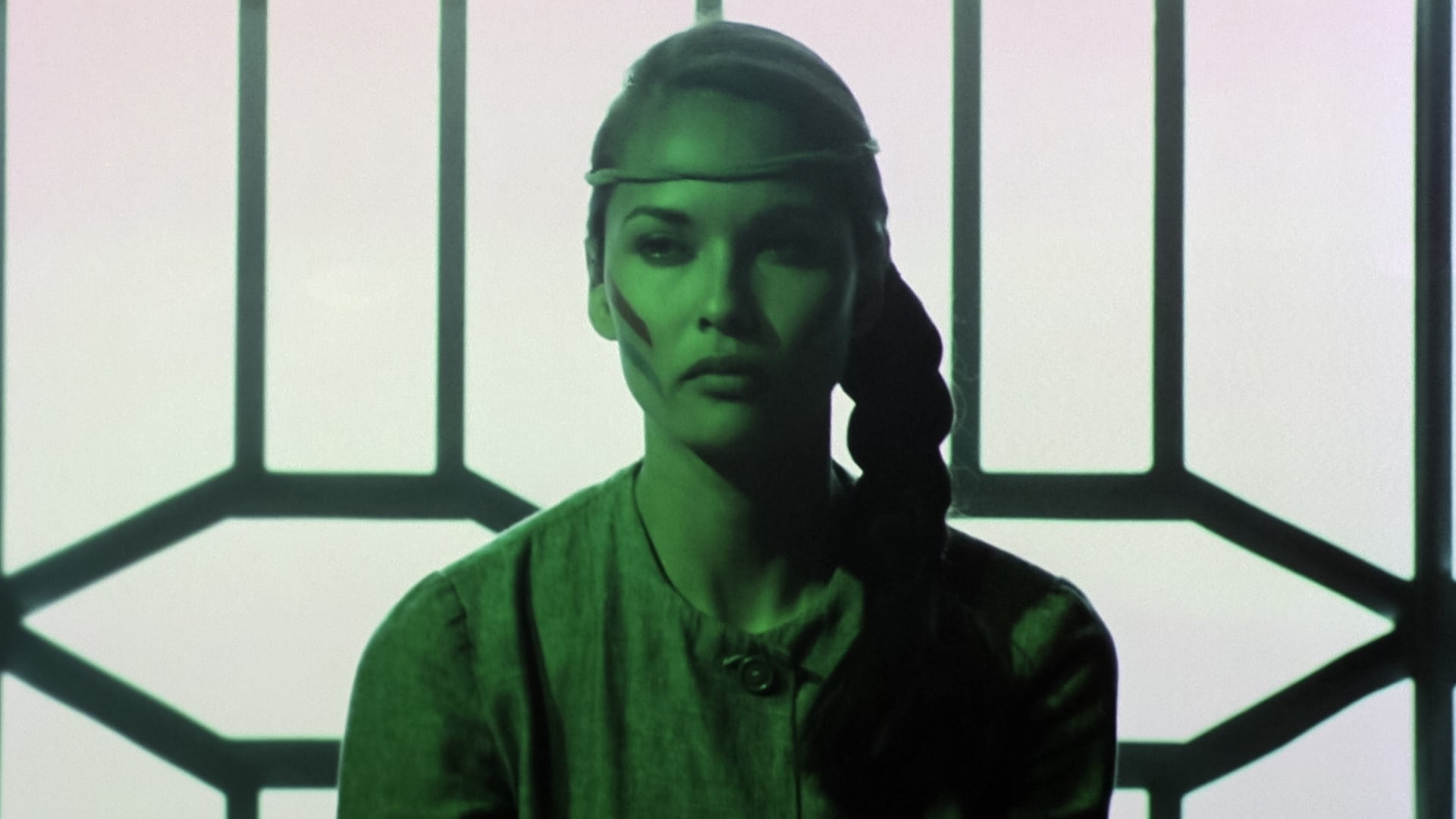
Already a stronger and more interesting story than the previous prison exploitation film from Mattei, Women’s Prison Massacre is a lot more visually interesting, opening right off the bat with a somewhat campy stage performance being put on by Emanuelle and a few of her inmate friends for the rest of the women in the prison. This play, very much intended to rile up and excite the inmates into riot or revolution, has more colour in it than the entire previous entry in the Emanuelle series from Mattei as a whole. While Emanuelle once again finds herself in a tortuous prison, this time she is thrown in there as retaliation from a politician who doesn’t want her to blow the lid on a story involving him. The usual torture that comes from various prison guards is rather short-lived so that way an invading force of four male criminals can come in and have their way with the female prisoners. So quickly do the slightly lesbian undertones of the dominant prison guards give way to the crude force of men in what I can only assume was an unintentional commentary on hierarchy under hegemonic systems. Mattei’s filmmaking is also just overall more interesting here, playing around with overlays and dramatic lighting in a way that wasn’t present in Violence In A Women’s Prison. Whether this is a style evolution or just the reality of resources allocated during the filming of both films since they were filmed pretty much at the same time, I cannot say.
Already a stronger and more interesting story than the previous prison exploitation film from Mattei, Women’s Prison Massacre is a lot more visually interesting, opening right off the bat with a somewhat campy stage performance being put on by Emanuelle and a few of her inmate friends for the rest of the women in the prison. This play, very much intended to rile up and excite the inmates into riot or revolution, has more colour in it than the entire previous entry in the Emanuelle series from Mattei as a whole. While Emanuelle once again finds herself in a tortuous prison, this time she is thrown in there as retaliation from a politician who doesn’t want her to blow the lid on a story involving him. The usual torture that comes from various prison guards is rather short-lived so that way an invading force of four male criminals can come in and have their way with the female prisoners. So quickly do the slightly lesbian undertones of the dominant prison guards give way to the crude force of men in what I can only assume was an unintentional commentary on hierarchy under hegemonic systems. Mattei’s filmmaking is also just overall more interesting here, playing around with overlays and dramatic lighting in a way that wasn’t present in Violence In A Women’s Prison. Whether this is a style evolution or just the reality of resources allocated during the filming of both films since they were filmed pretty much at the same time, I cannot say.
mduffin00
5.0★ · 04/29/23
If this weren’t so horrific it would be a lot of fun!
If this weren’t so horrific it would be a lot of fun!
Kris
6.0★ · 03/01/26
Kris
6.0★ · 03/01/26