

2017·Crime·1h 58m
7.1
★
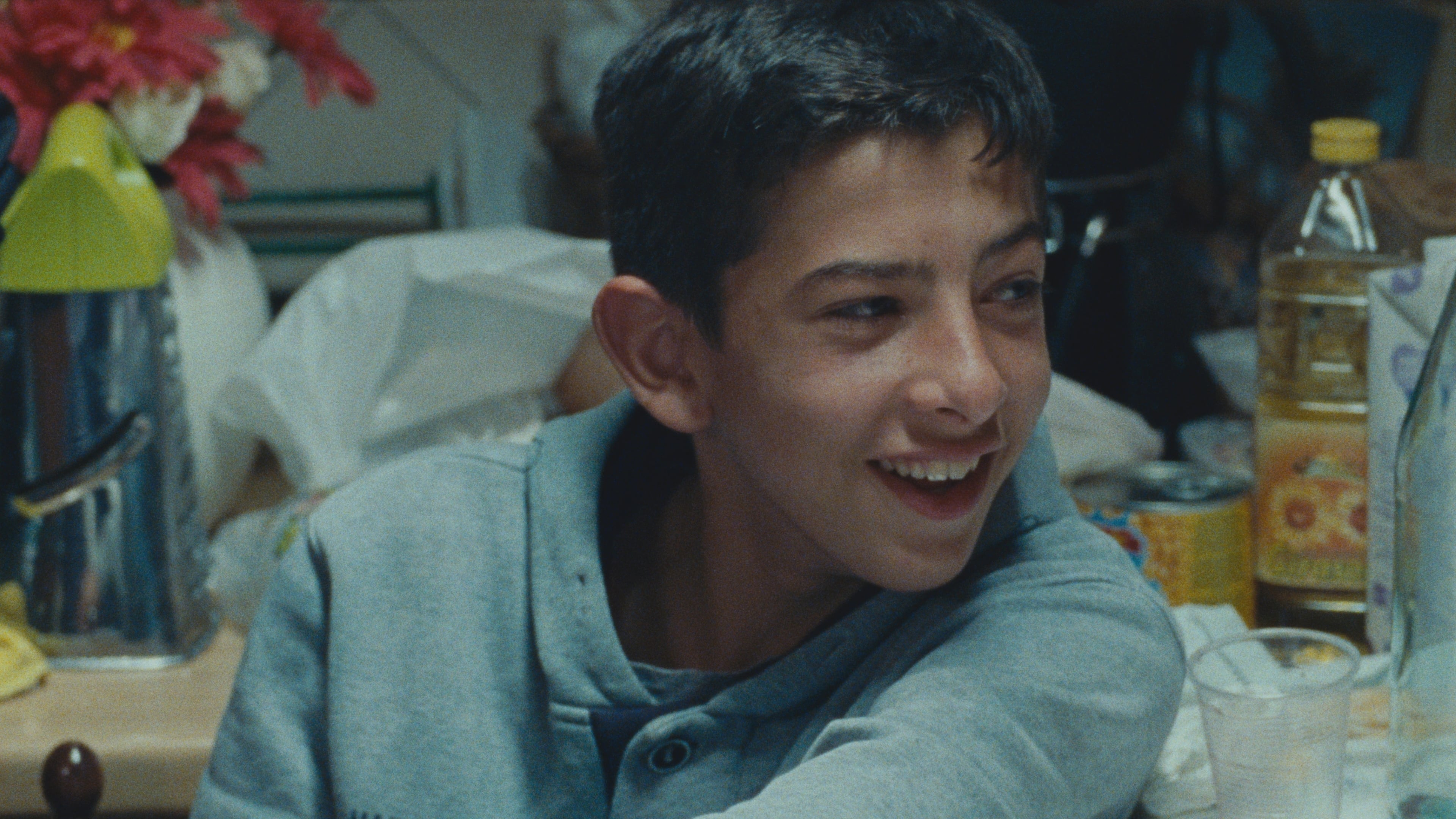
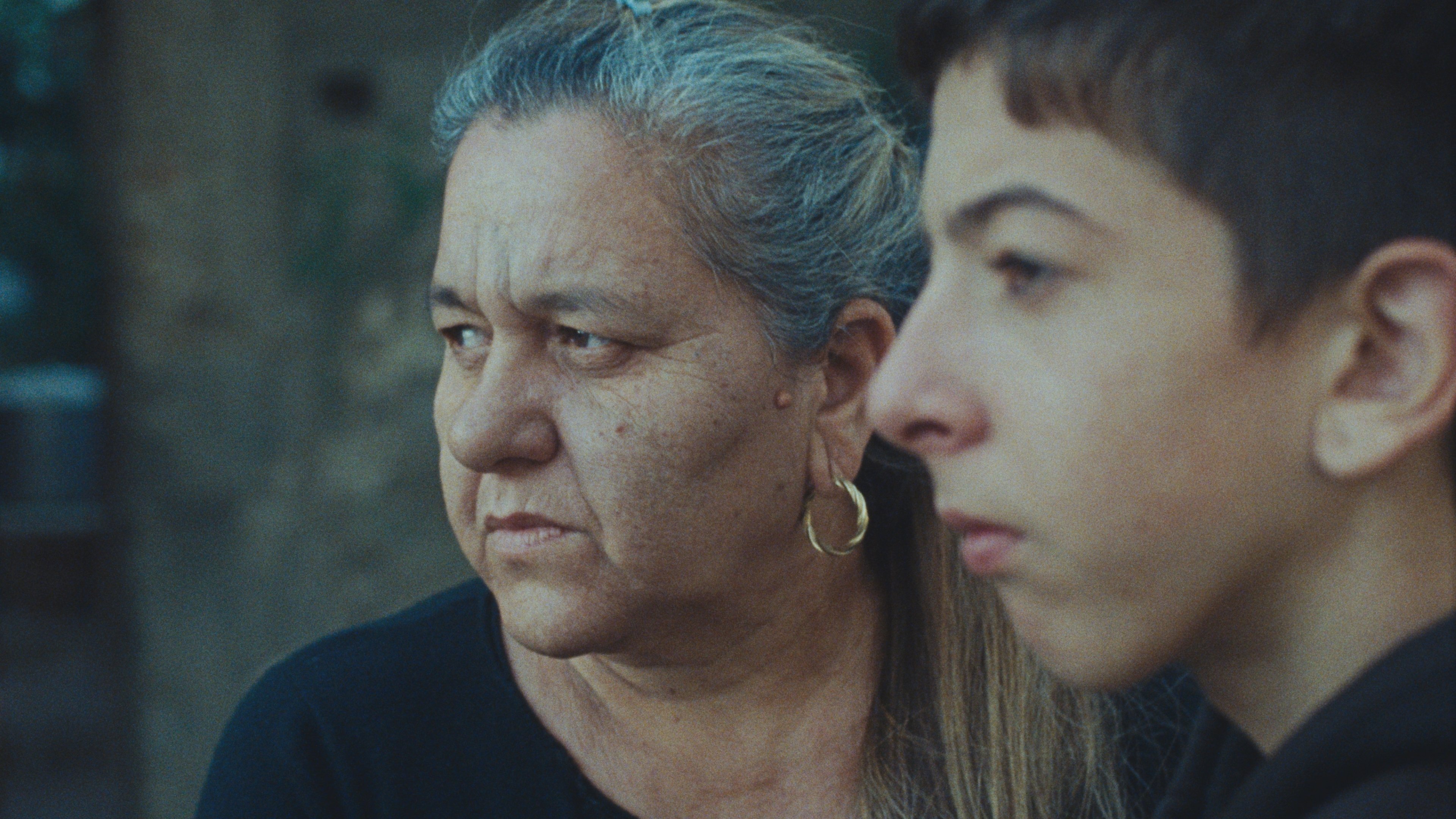
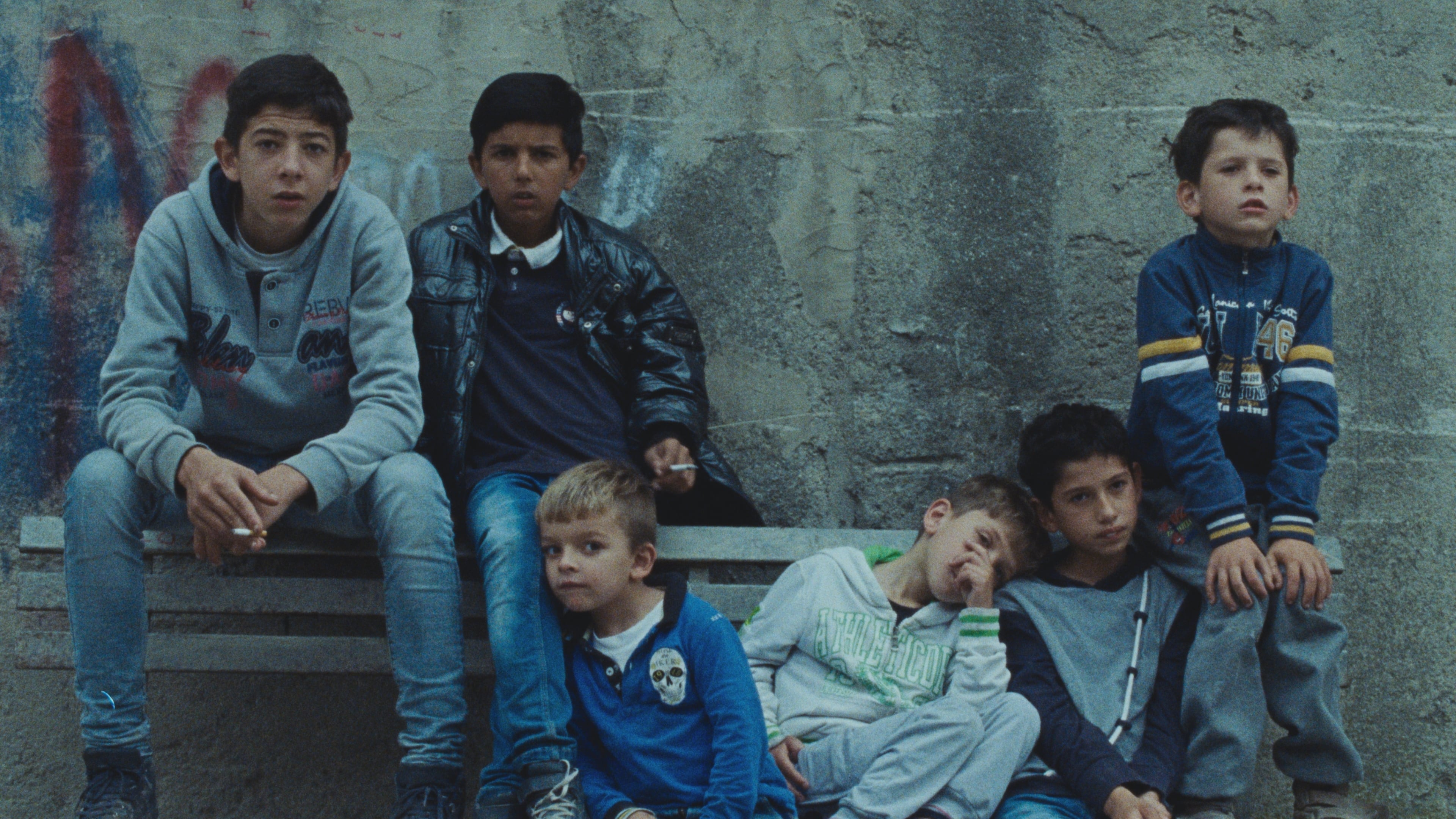
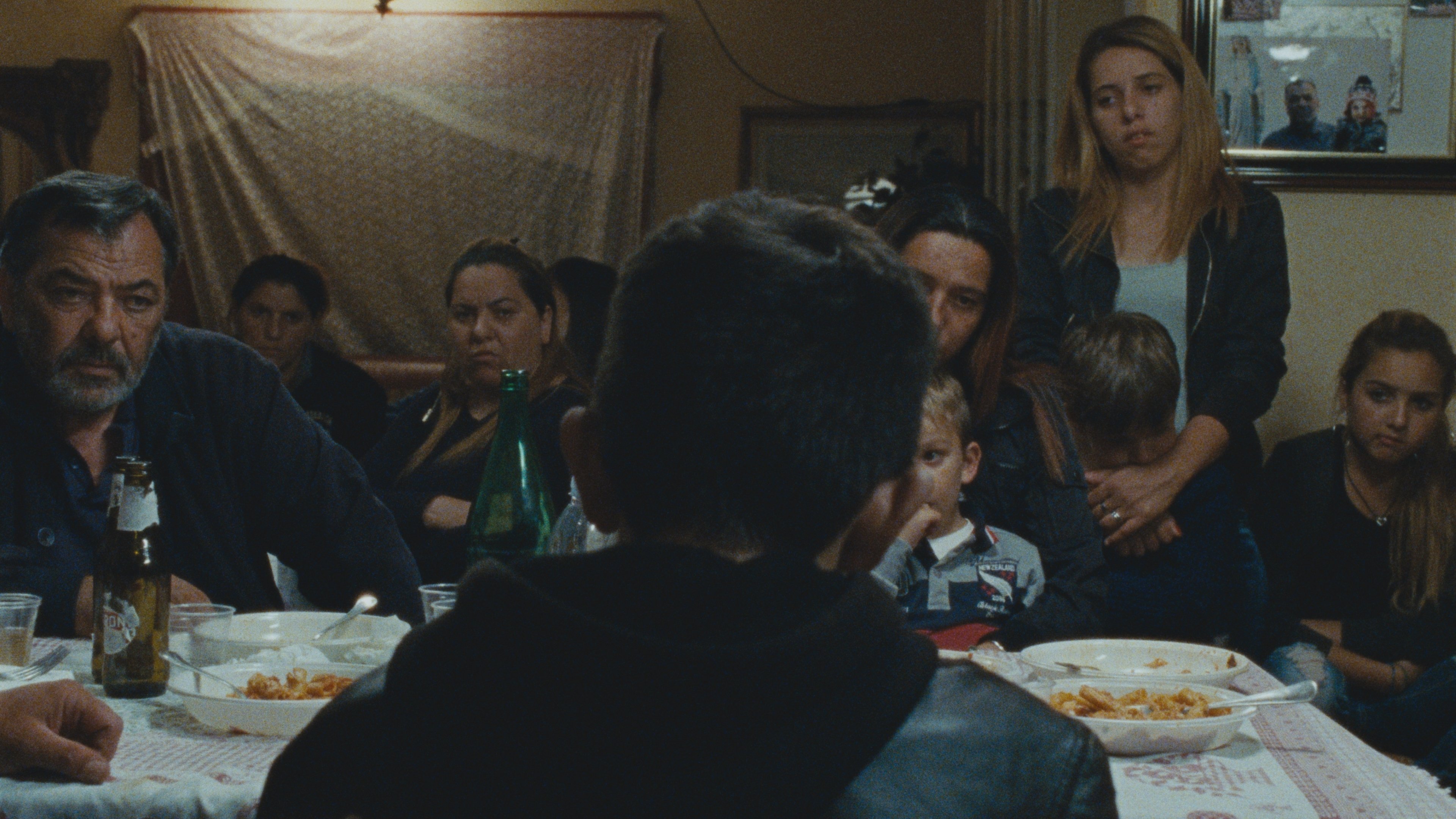
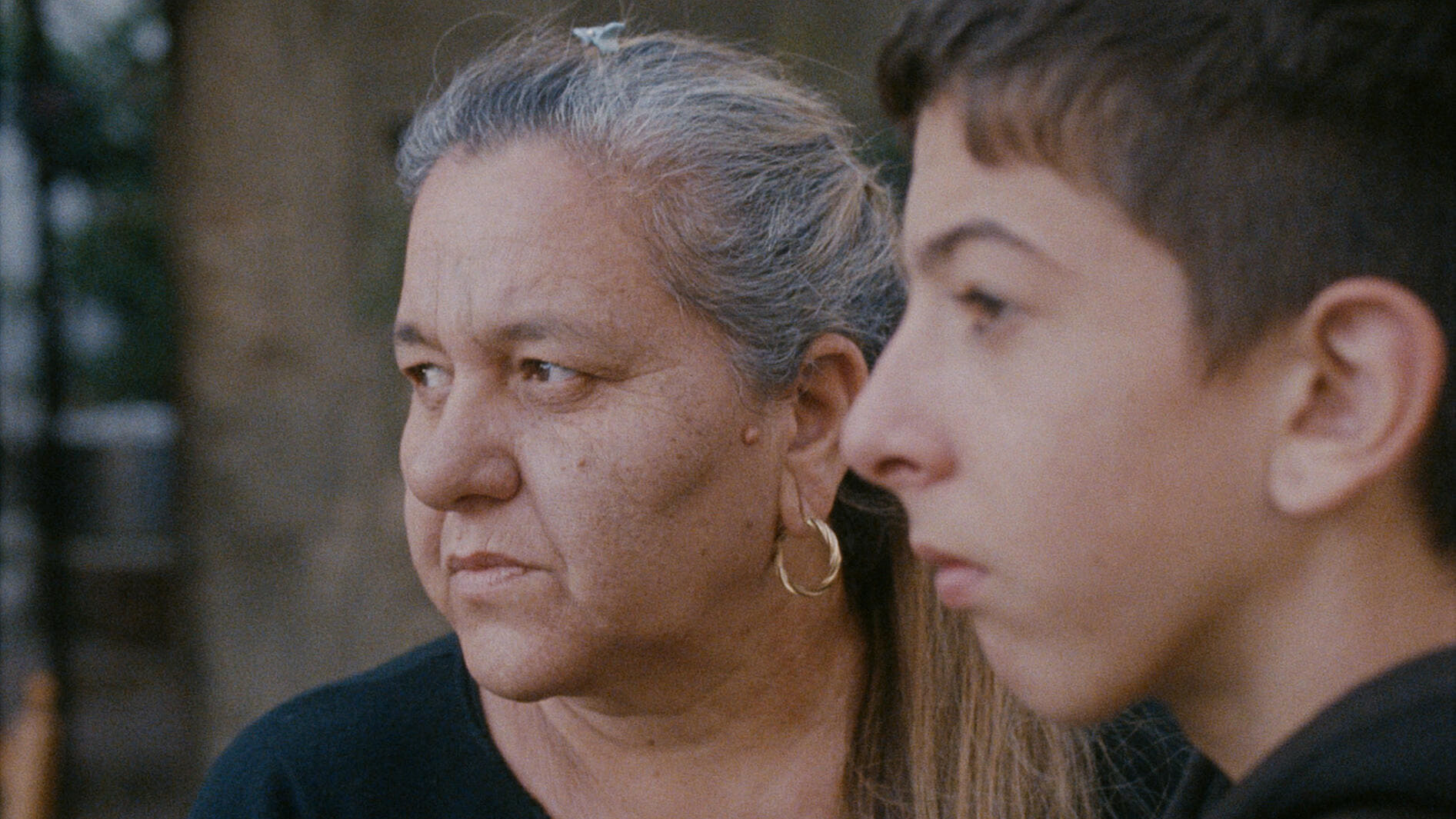
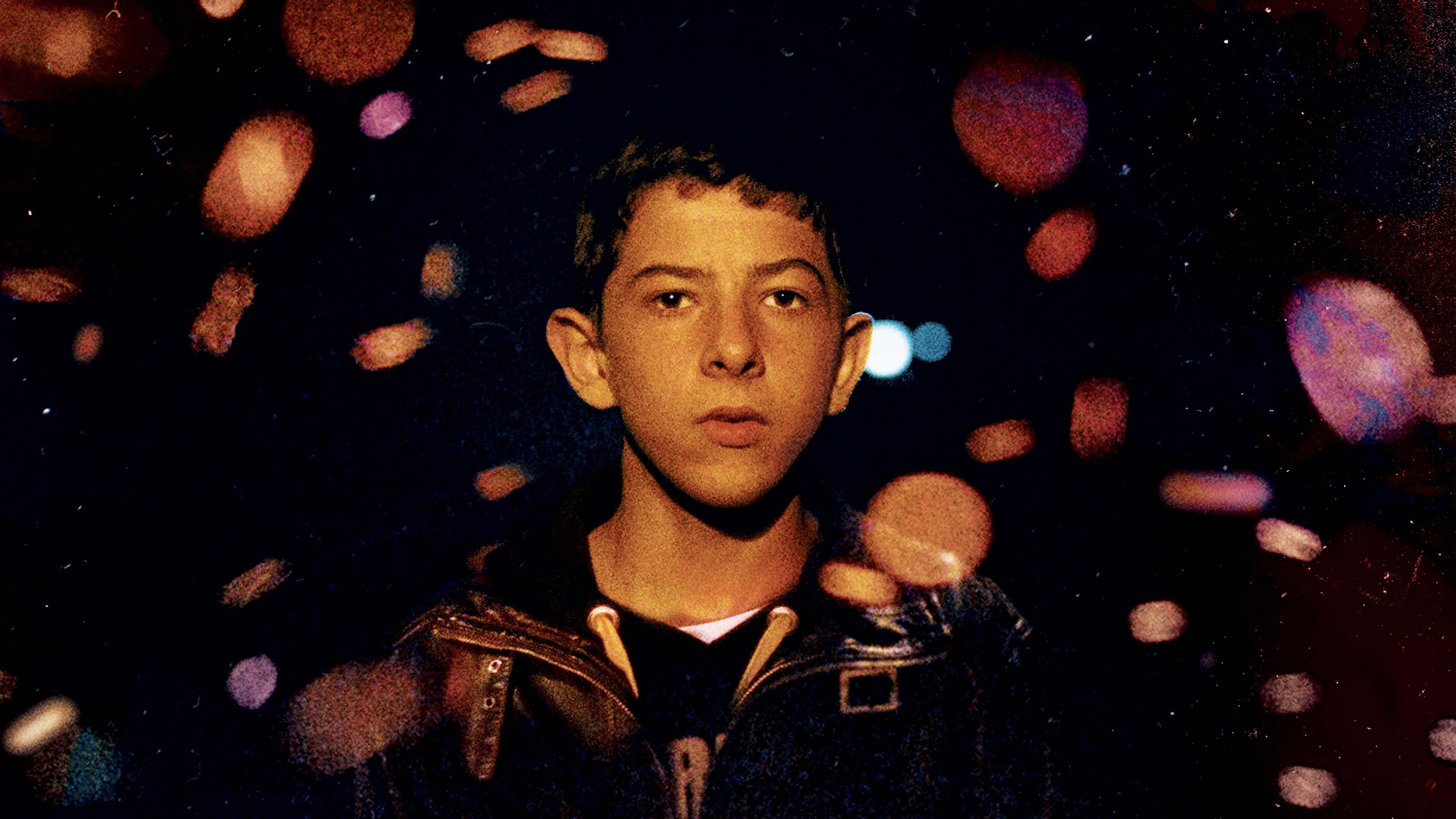
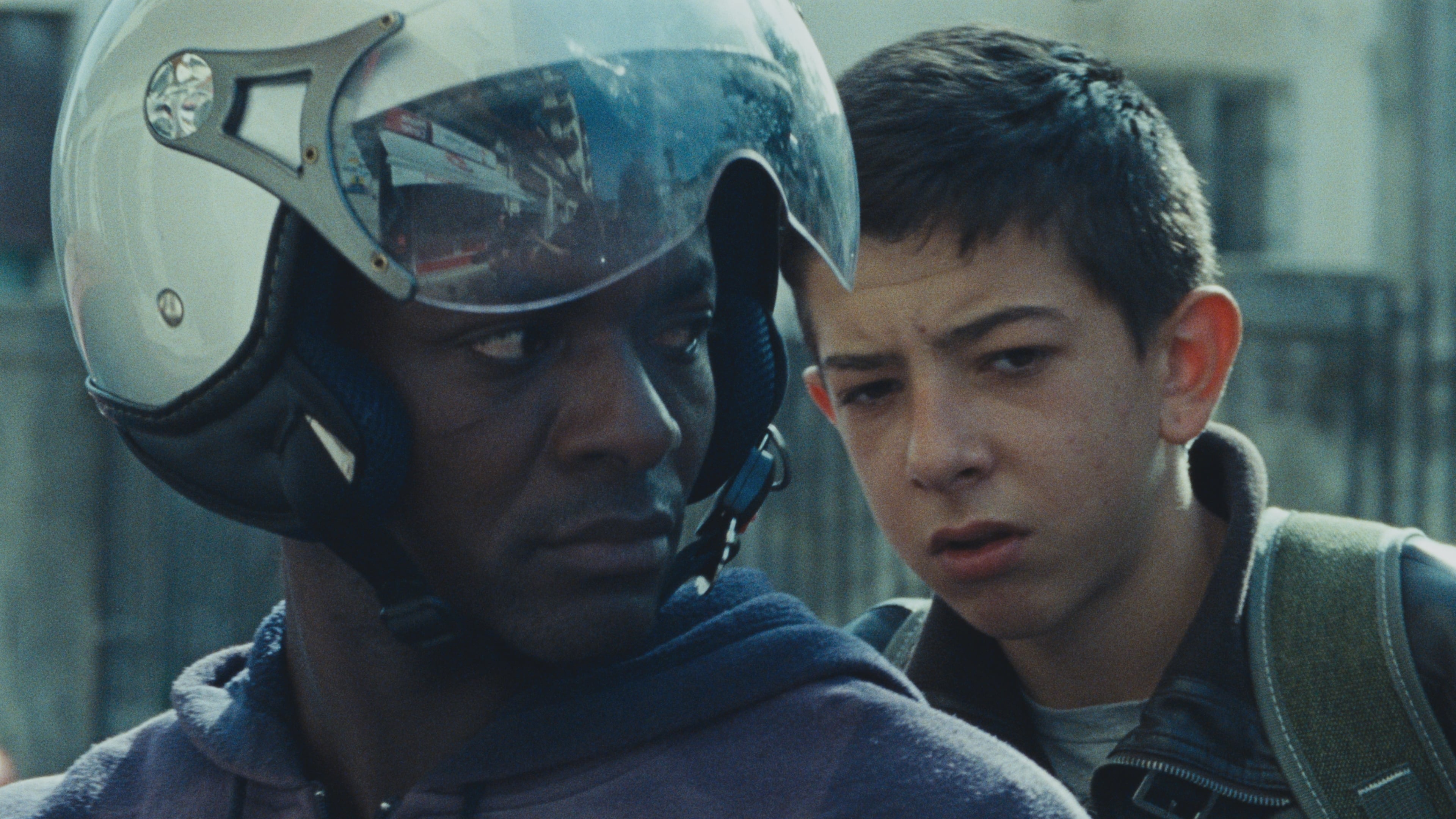
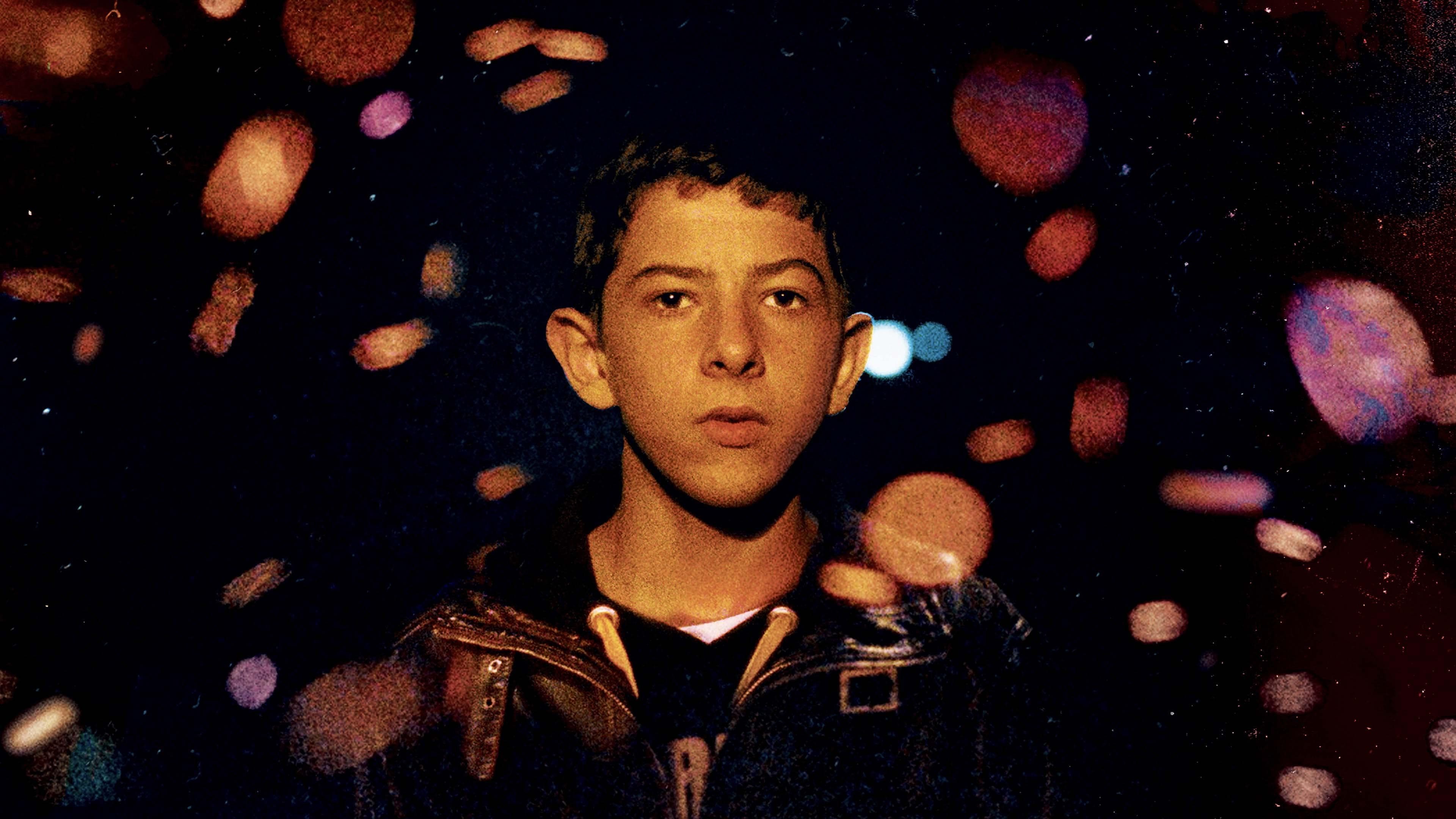
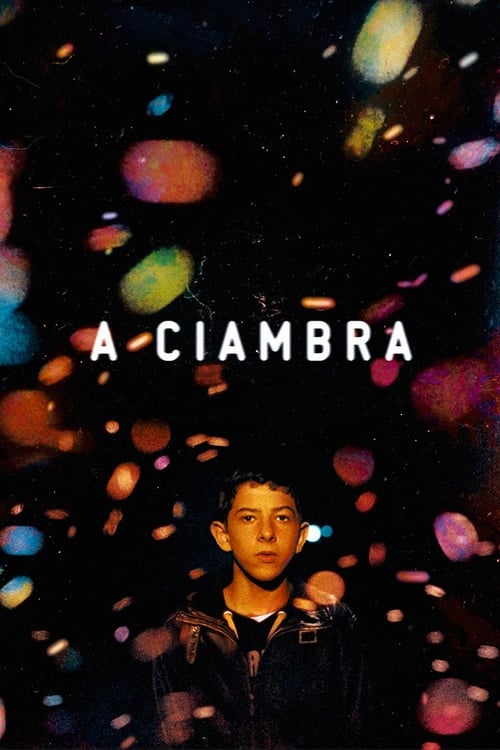
Pio Amato, a 14 year-old member of a small Romani community in southern Italian town of Gioia Tauro in Calabria, is in a hurry to grow up. Pio follows his older brother Cosimo everywhere and from him he learns how to hustle and how to navigate the streets of his hometown. One night Pio sets out to prove to his brother that he is as good or better than him but, when things go wrong, a series of events will forever change the way he sees the world.
Directed by Jonas Carpignano
gypsy
italy
sinti and romanies
coming of age
romany

Trailer

IMDB
N/A
Where to Watch



Cast
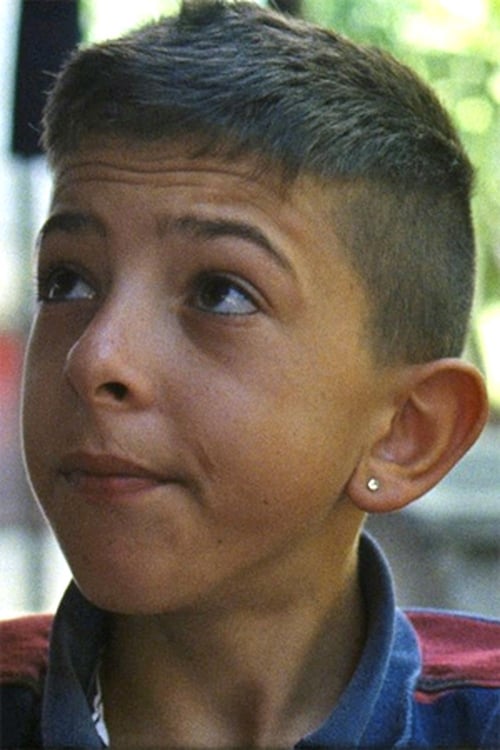
Pio Amato
Pio

Koudous Seihon
Ayiva

Swamy Rotolo
Chiara Guerrasio
Crew
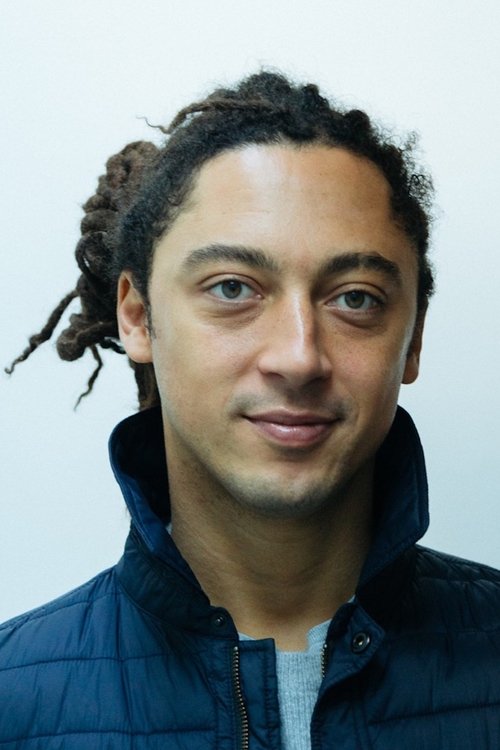
Jonas Carpignano
Director
Jonas Carpignano
Writer
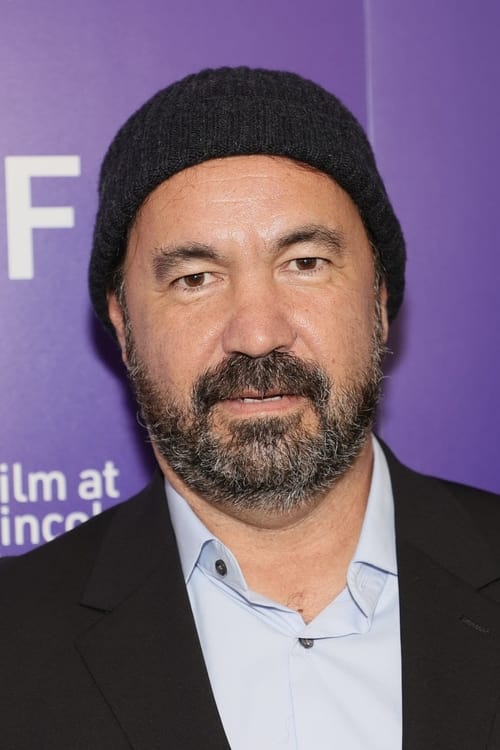
Affonso Gonçalves
Editor

Ryan Zacarias
Producer
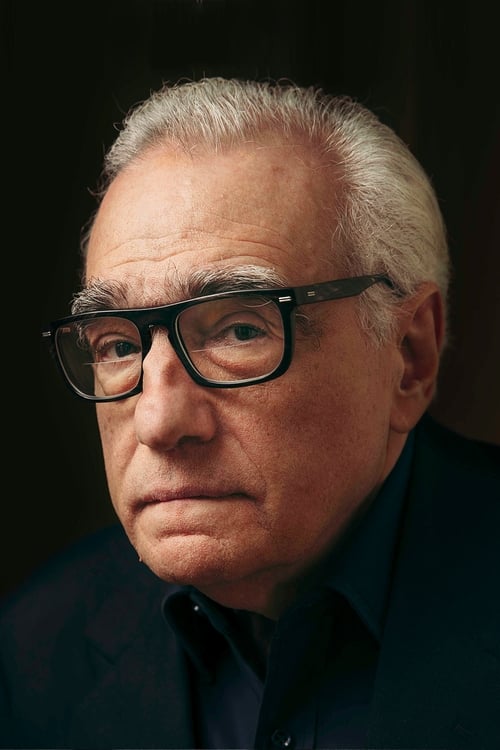
Martin Scorsese
Executive Producer
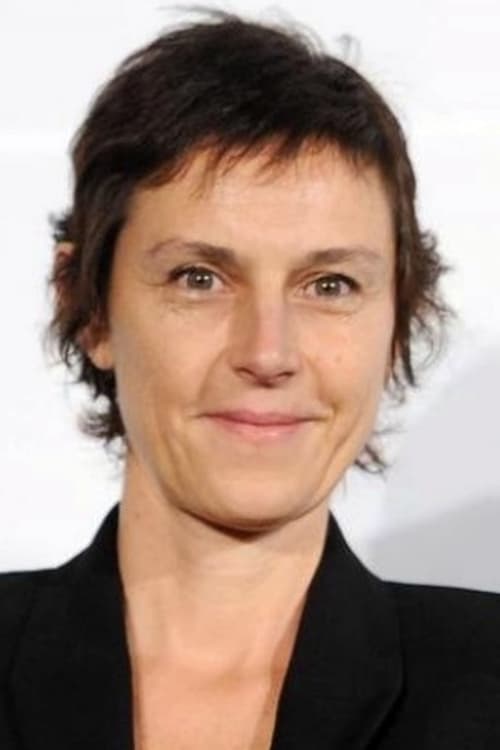
Carole Scotta
Co-Producer
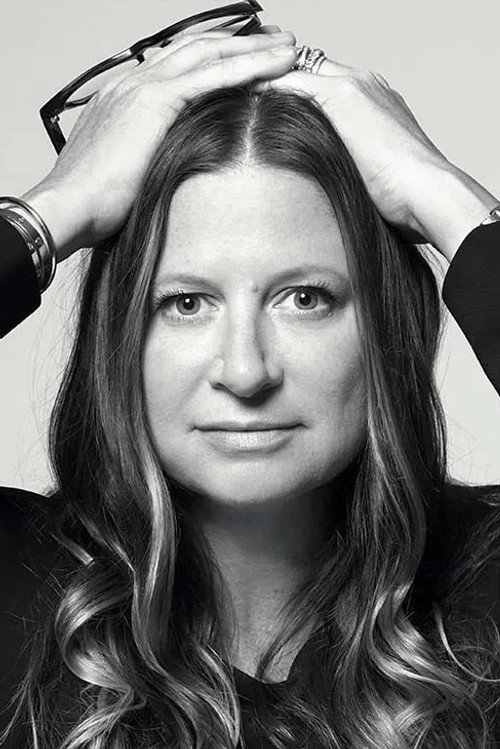
Emma Tillinger Koskoff
Executive Producer
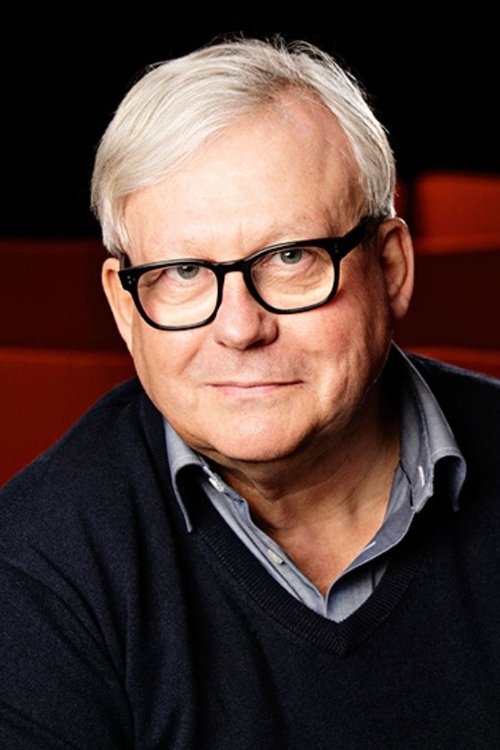
Tomas Eskilsson
Co-Producer

Sophie Mas
Executive Producer
Rodrigo Teixeira
Producer

Daniela Taplin Lundberg
Executive Producer

Dan Romer
Music
Popular Reviews
14 reviews
Alex Theo
7.8★ · 11/05/25
nothing made me more emotional than the ending song, i was on the verge of tears
i also liked the symbolistic of the boy being forced into manhood with him smoking every 2 seconds, stealing cars, doing some other adult things... but then playing traffic racer in his free time.
but jokes aside i actually liked, most of it. maybe cause im new to film and my turkish series wired mind finds any remotely good movie life changing but i was genuinely moved by the accurate representation of the romani people. the hood life, the loud houses, people laughing together, having fun but then fighting the next moment. abuse, financial struggle, a never ending instability. being forced into becoming an adult before even having the chance to realize you're a kid. being forced into doing illegalities before even having the chance to develop a moral compass.it is a harsh reality that makes you bitter at the world, reminding you of the unfairness of it all, leaving you at least a little bit more grateful for the childhood you got to have.
i also loved the community aspect, how much of a parental role ayiva took on, it was just beautiful.tho i was left pretty disappointed at pio's indecisiveness when it came to ayiva's garage theft. of course, he's still a child, and maybe his grandfathers "it's us against the world" influenced him a little, but i wished he would have either taken part or told ayiva what was about to happen.
the horse symbolistic, im still contemplating on. nick told me they were visions of his grandfather, which was a pretty refreshing take. i didn't really think about the man leading the horse, but thought the horse was portraying pio. he was led into flames when pio felt stuck, yet free on the streets when he was kicked out of the house. maybe it does make sense the man was his grandpa.
anyway, the ride home at night is always a great place for me to gather my thoughts on the films i watch. thought i would start sharing more of that on here
nothing made me more emotional than the ending song, i was on the verge of tears
i also liked the symbolistic of the boy being forced into manhood with him smoking every 2 seconds, stealing cars, doing some other adult things... but then playing traffic racer in his free time.
but jokes aside i actually liked, most of it. maybe cause im new to film and my turkish series wired mind finds any remotely good movie life changing but i was genuinely moved by the accurate representation of the romani people. the hood life, the loud houses, people laughing together, having fun but then fighting the next moment. abuse, financial struggle, a never ending instability. being forced into becoming an adult before even having the chance to realize you're a kid. being forced into doing illegalities before even having the chance to develop a moral compass.it is a harsh reality that makes you bitter at the world, reminding you of the unfairness of it all, leaving you at least a little bit more grateful for the childhood you got to have.
i also loved the community aspect, how much of a parental role ayiva took on, it was just beautiful.tho i was left pretty disappointed at pio's indecisiveness when it came to ayiva's garage theft. of course, he's still a child, and maybe his grandfathers "it's us against the world" influenced him a little, but i wished he would have either taken part or told ayiva what was about to happen.
the horse symbolistic, im still contemplating on. nick told me they were visions of his grandfather, which was a pretty refreshing take. i didn't really think about the man leading the horse, but thought the horse was portraying pio. he was led into flames when pio felt stuck, yet free on the streets when he was kicked out of the house. maybe it does make sense the man was his grandpa.
anyway, the ride home at night is always a great place for me to gather my thoughts on the films i watch. thought i would start sharing more of that on here


Geekzoid
8.0★ · 07/31/23
Siamo noi contro il mondo.
Siamo noi contro il mondo.
Paco Casado
5.0★ · 11/07/17
La presencia de Martin Scorsese en la producción de A Ciambra no deja de convertirse en uno de los mayores reclamos de la cinta dirigida por Jonas Carpignano. Tras haber realizado en 2014 un cortometraje del mismo título, la película que nos ocupa recupera al mismo personaje, Pio Amato, en su proceso de maduración y paso a la edad adulta.
http://www.cineenserio.com/seff17-seccion-oficial-a-ciambra/
http://www.cineenserio.com/seff17-seccion-oficial-a-ciambra/
La presencia de Martin Scorsese en la producción de A Ciambra no deja de convertirse en uno de los mayores reclamos de la cinta dirigida por Jonas Carpignano. Tras haber realizado en 2014 un cortometraje del mismo título, la película que nos ocupa recupera al mismo personaje, Pio Amato, en su proceso de maduración y paso a la edad adulta.
http://www.cineenserio.com/seff17-seccion-oficial-a-ciambra/
http://www.cineenserio.com/seff17-seccion-oficial-a-ciambra/
Sr.devuelta
5.0★ · 11/07/17
La presencia de Martin Scorsese en la producción de A Ciambra no deja de convertirse en uno de los mayores reclamos de la cinta dirigida por Jonas Carpignano. Tras haber realizado en 2014 un cortometraje del mismo título, la película que nos ocupa recupera al mismo personaje, Pio Amato, en su proceso de maduración y paso a la edad adulta.
http://www.cineenserio.com/seff17-seccion-oficial-a-ciambra/
http://www.cineenserio.com/seff17-seccion-oficial-a-ciambra/
La presencia de Martin Scorsese en la producción de A Ciambra no deja de convertirse en uno de los mayores reclamos de la cinta dirigida por Jonas Carpignano. Tras haber realizado en 2014 un cortometraje del mismo título, la película que nos ocupa recupera al mismo personaje, Pio Amato, en su proceso de maduración y paso a la edad adulta.
http://www.cineenserio.com/seff17-seccion-oficial-a-ciambra/
http://www.cineenserio.com/seff17-seccion-oficial-a-ciambra/
Egle
7.0★ · 06/17/26