
2017·Drama·1h 36m
7.1
★
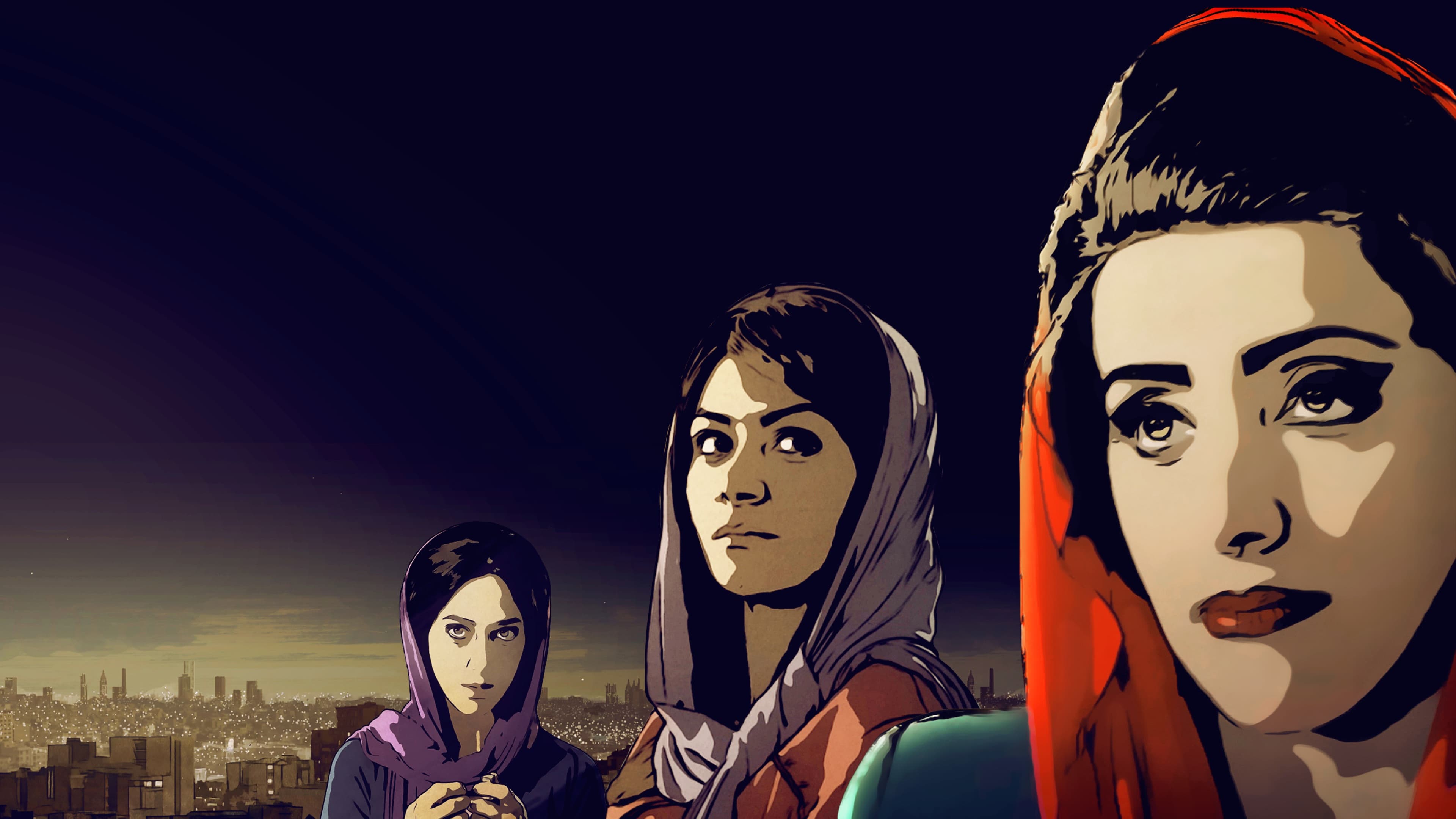
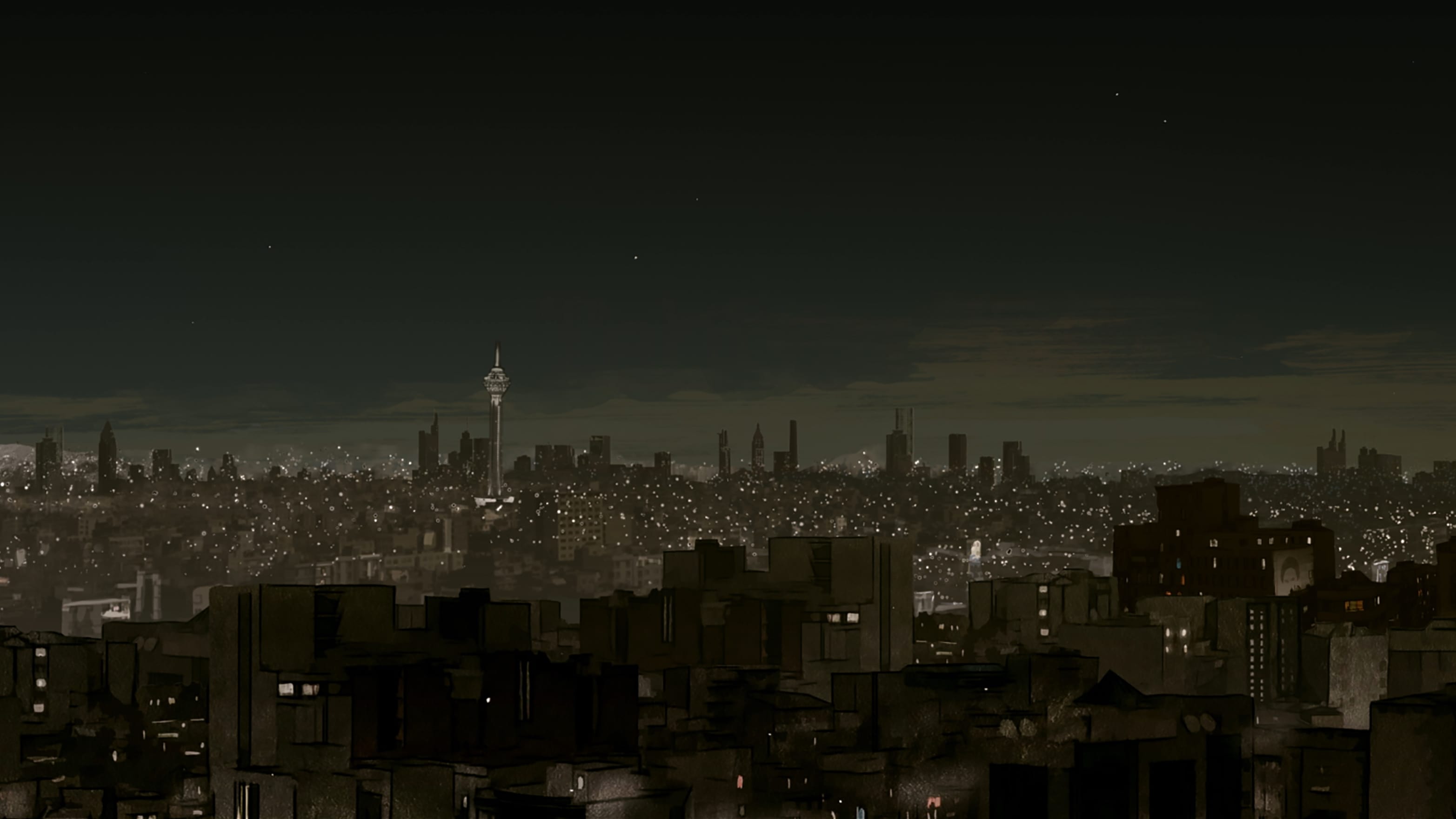
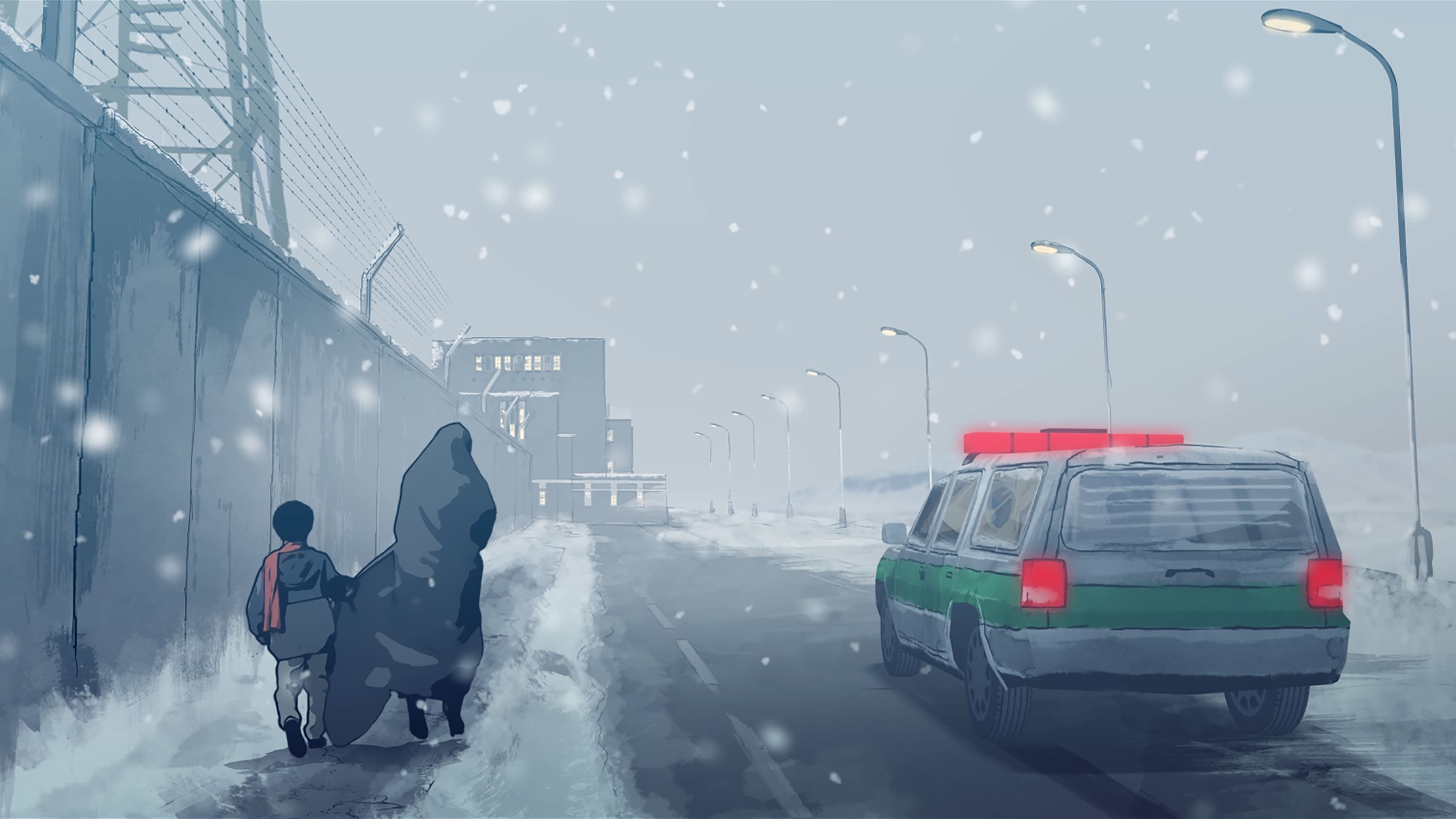
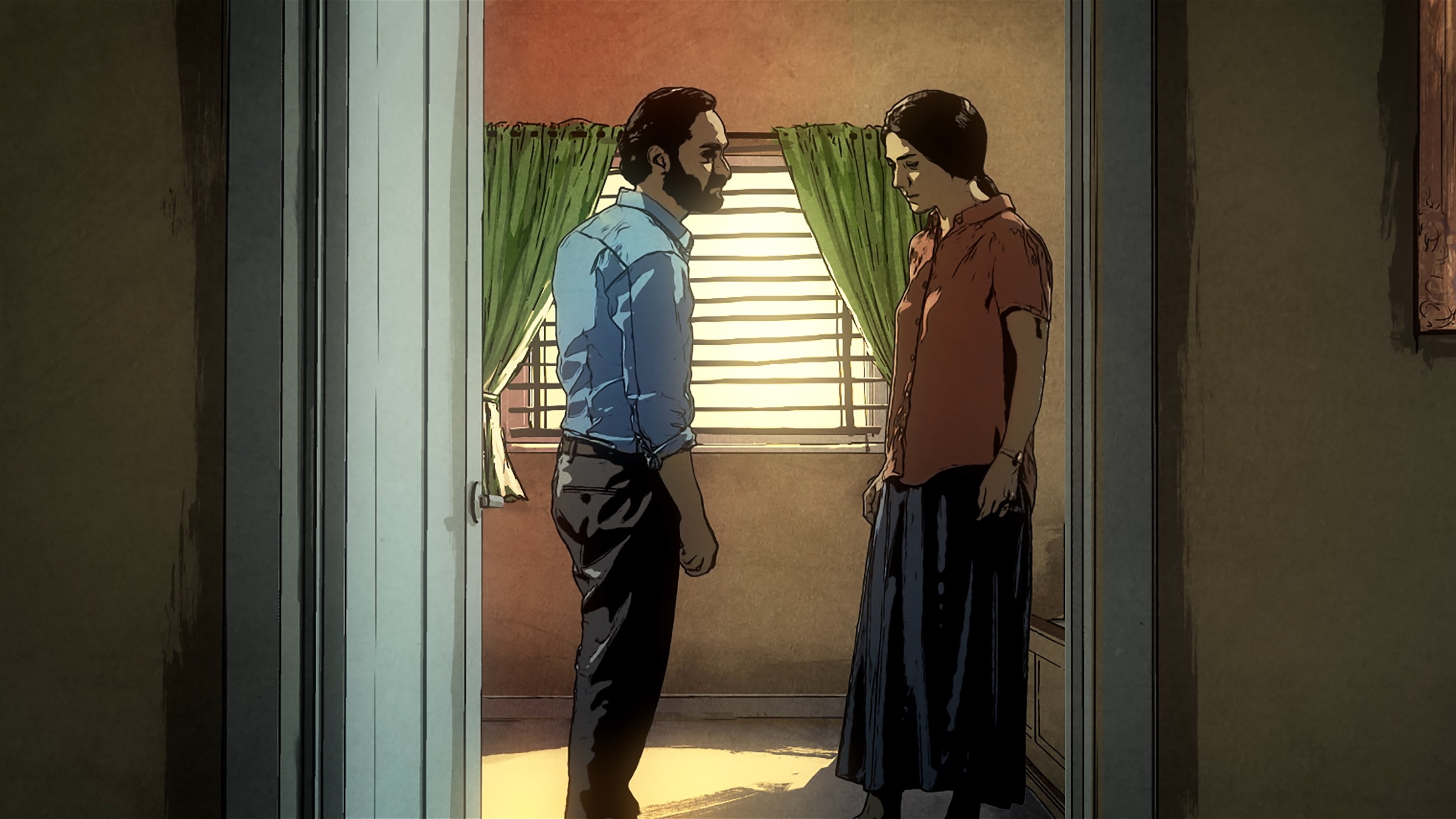
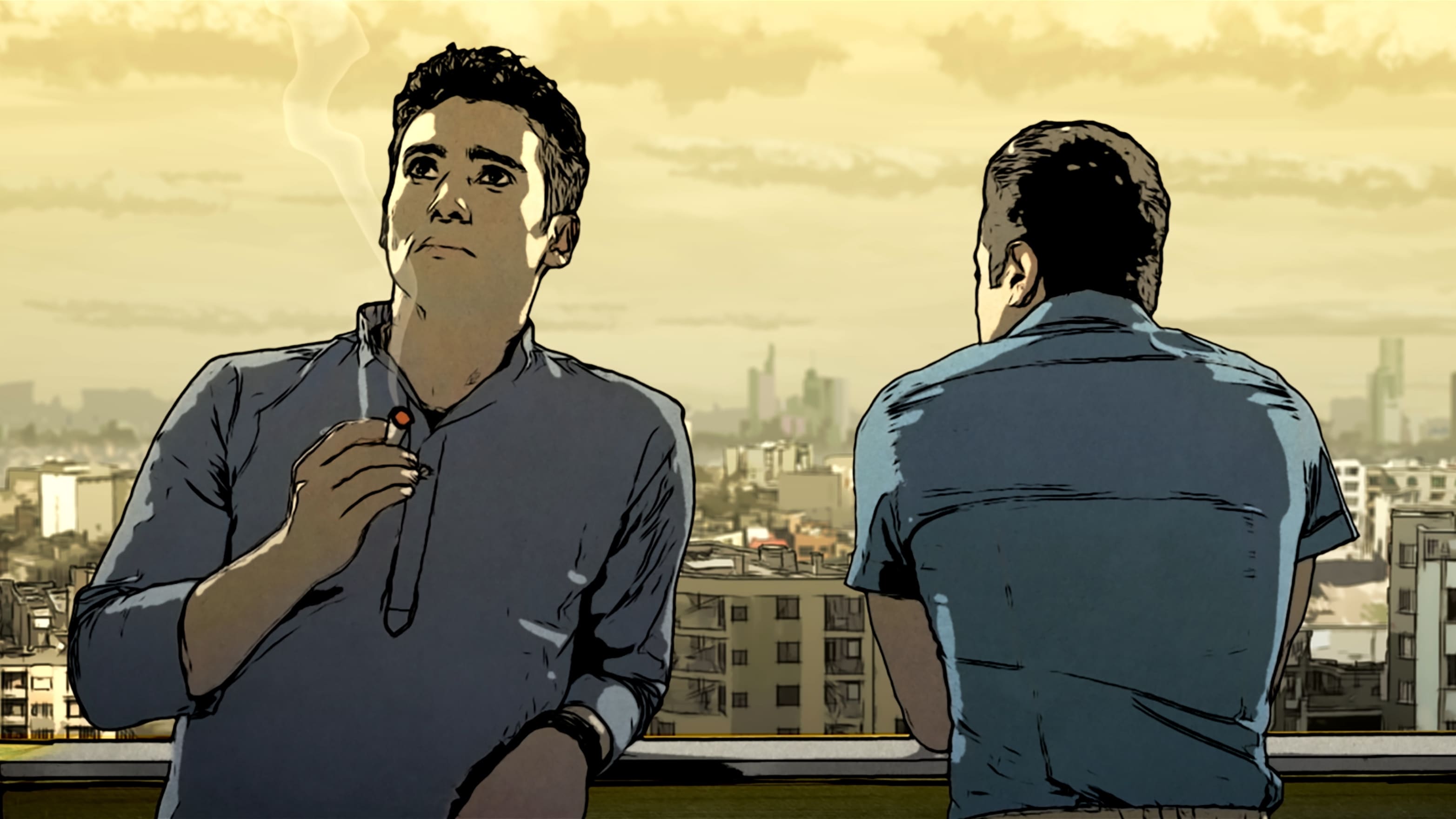
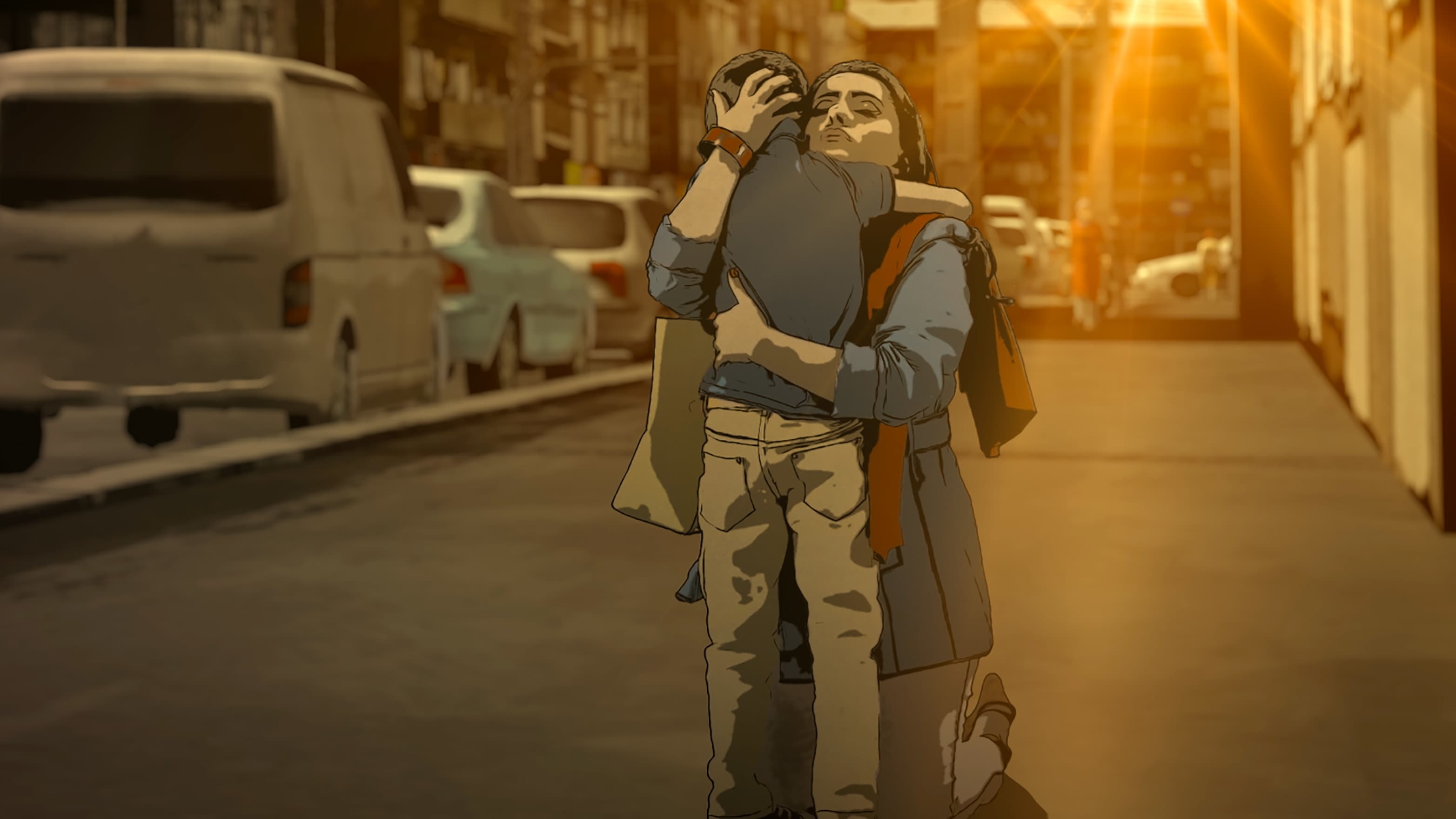
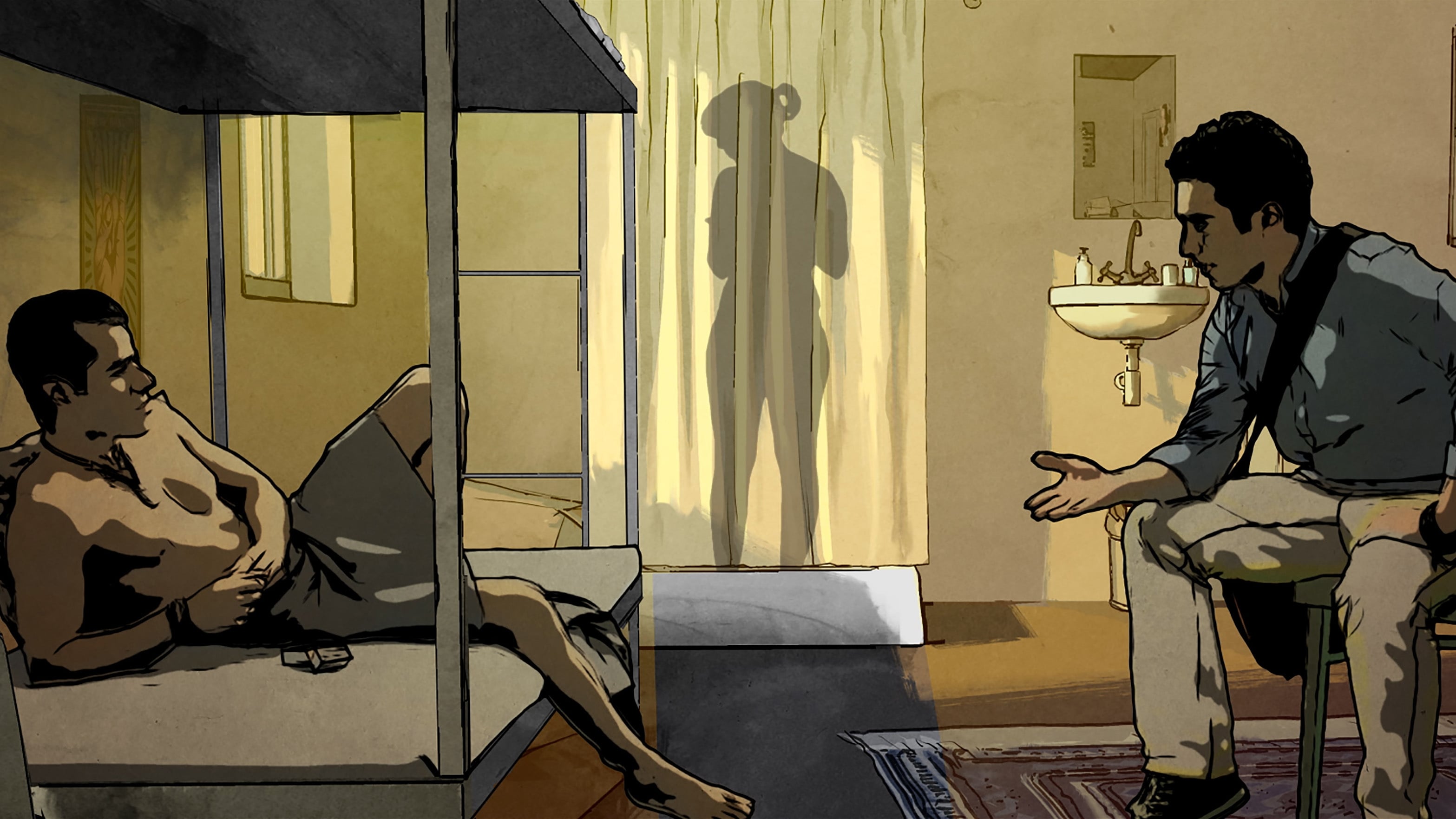
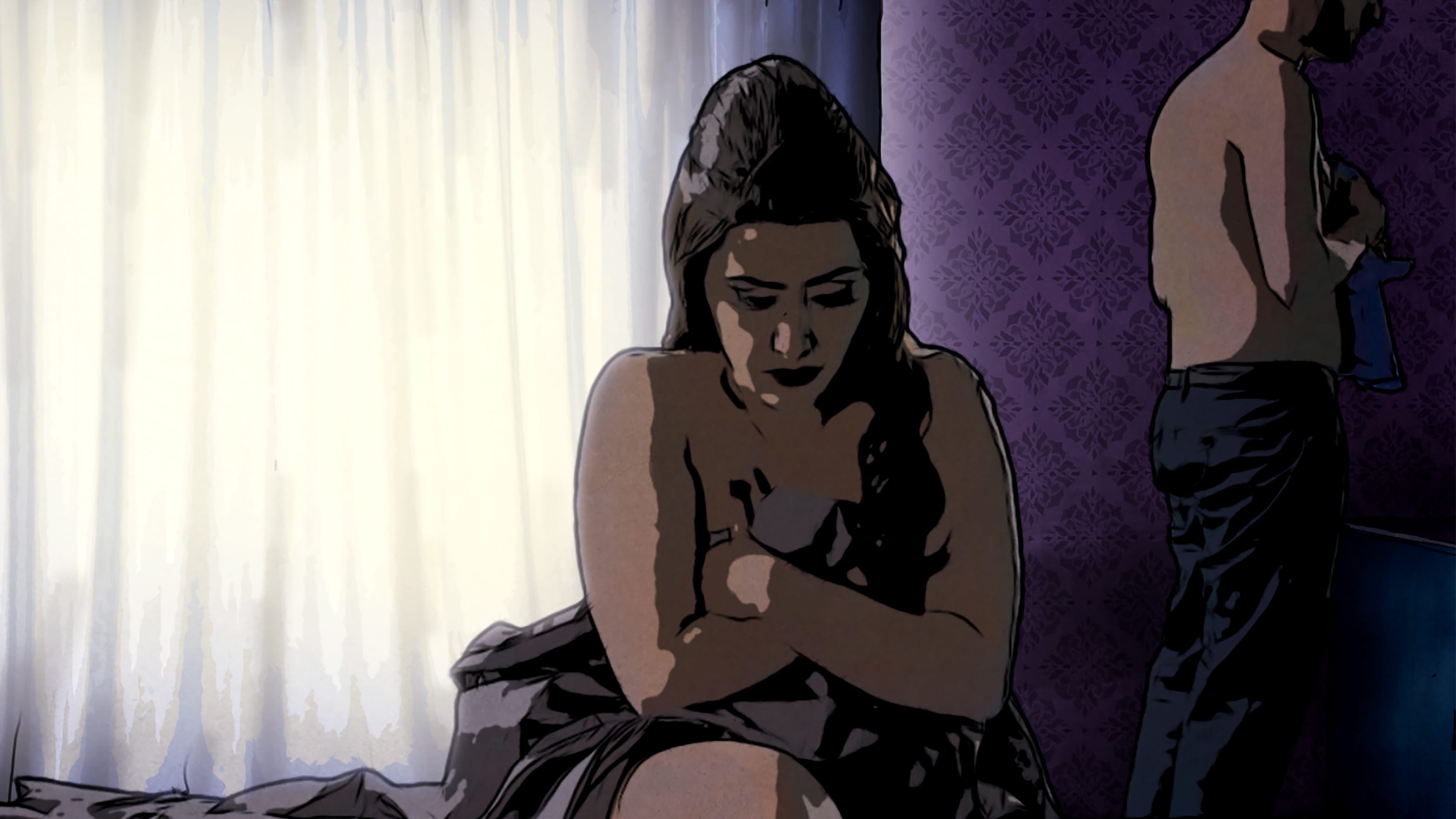

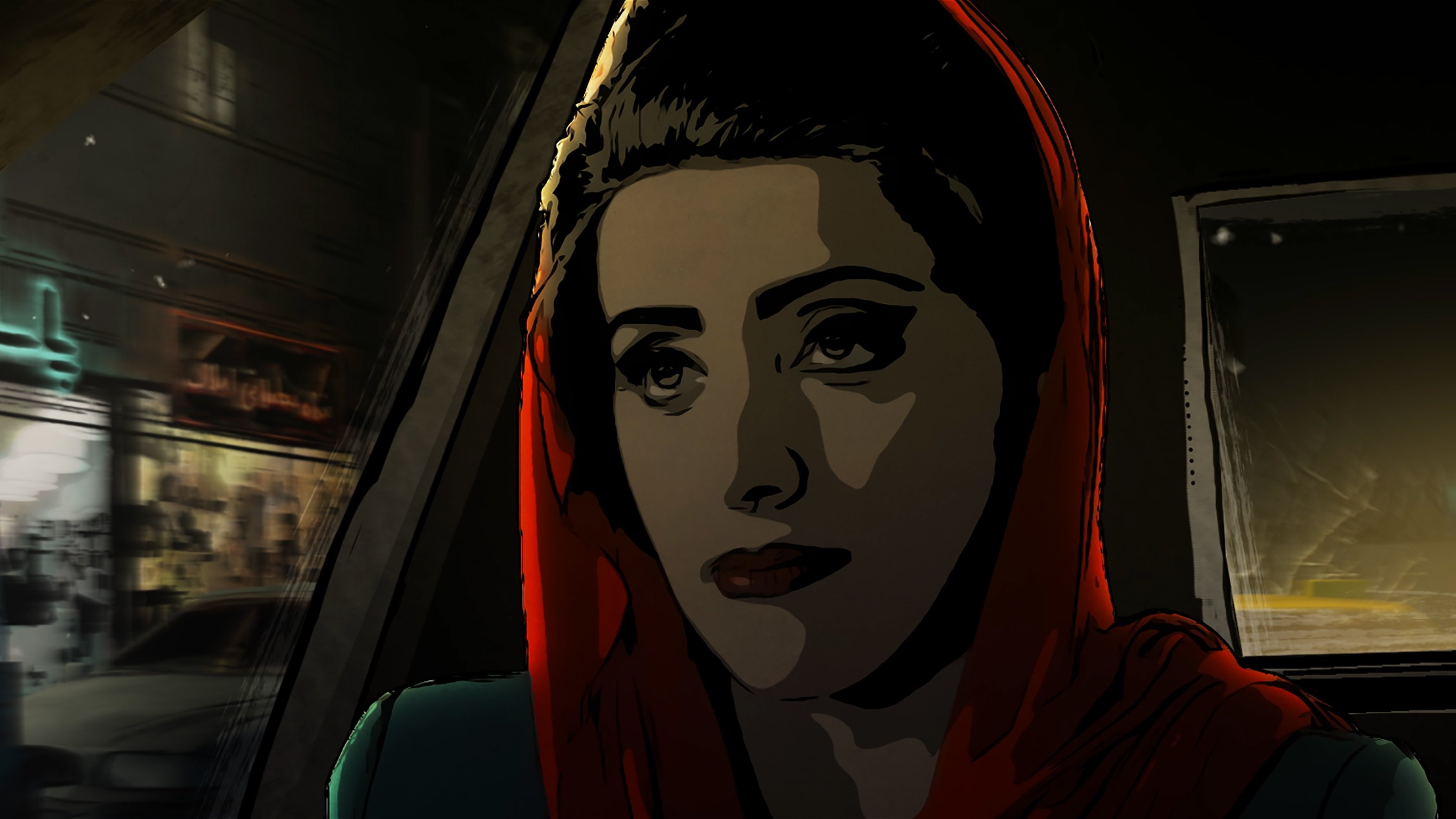
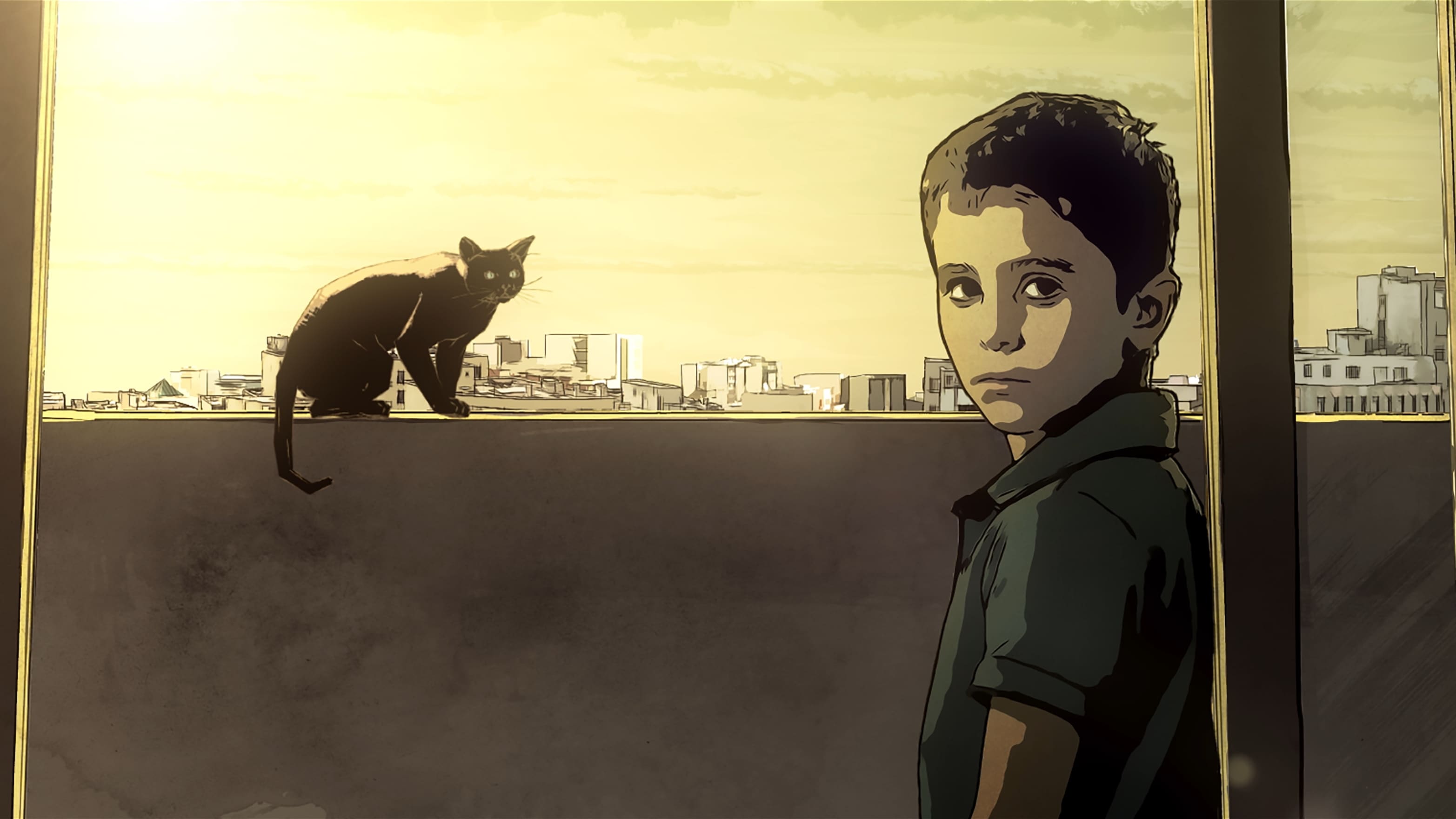
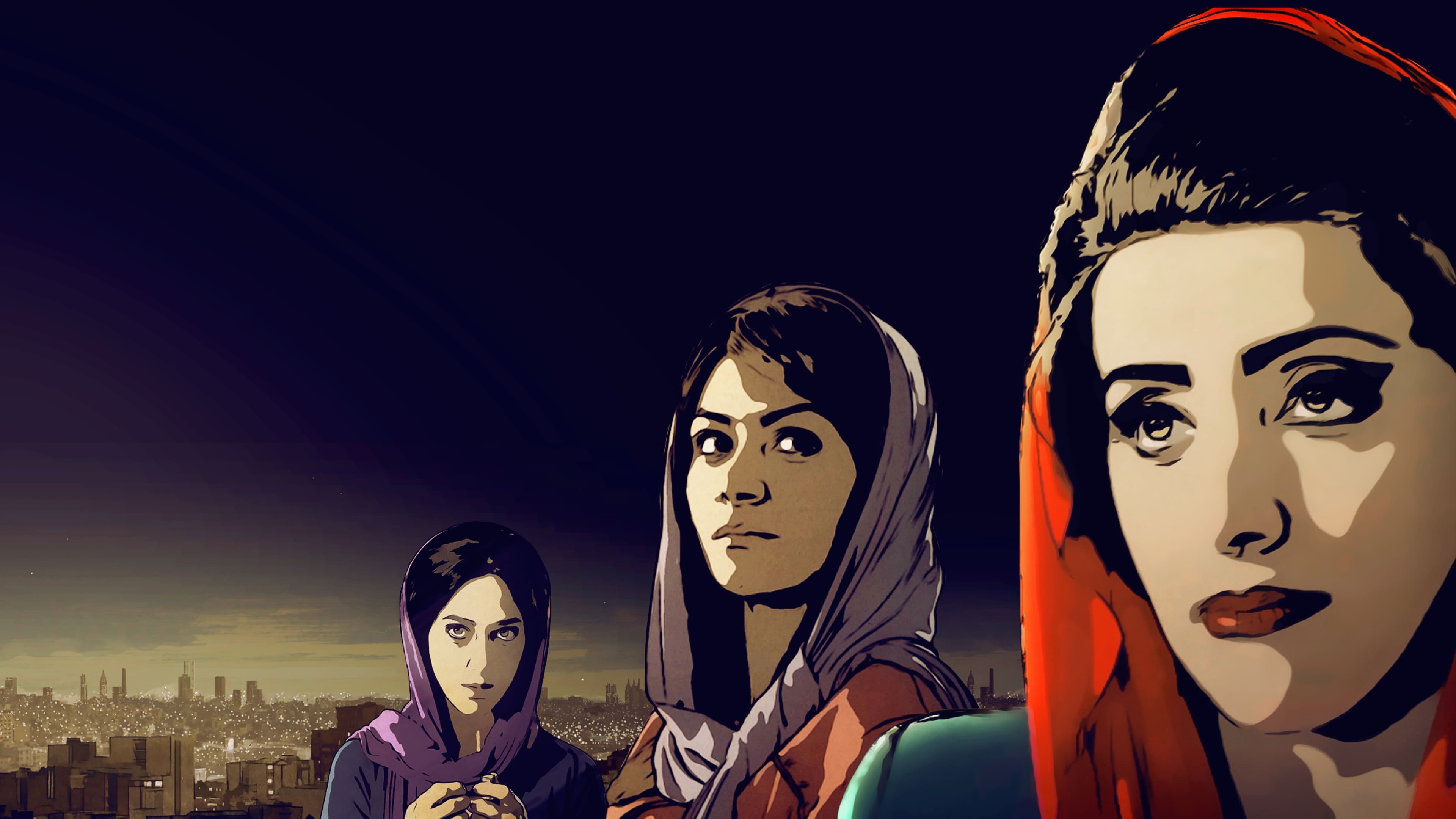
The lives of three strong-willed women and a young musician cross paths in Tehran’s schizophrenic society where sex, adultery, corruption, prostitution and drugs coexist with strict religious law. In this bustling modern metropolis, avoiding prohibition has become an everyday sport and breaking taboos can be a means of personal emancipation.
Directed by Ali Soozandeh
teheran (tehran), iran
taboo

IMDB
N/A
Where to Watch


Cast
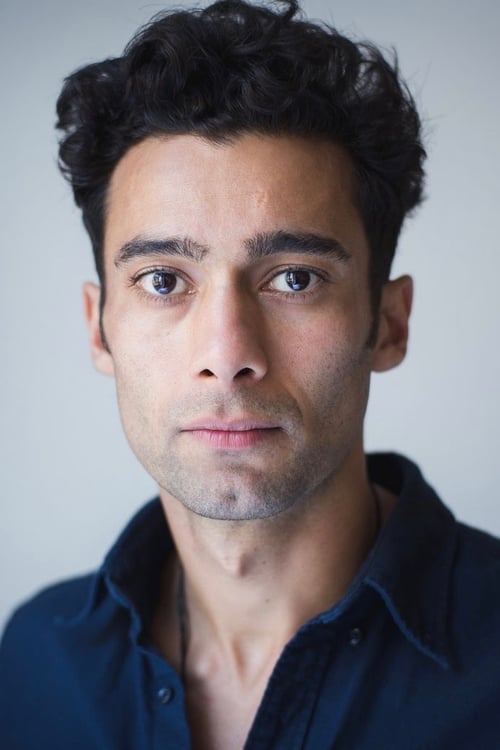
Arash Marandi
Babak
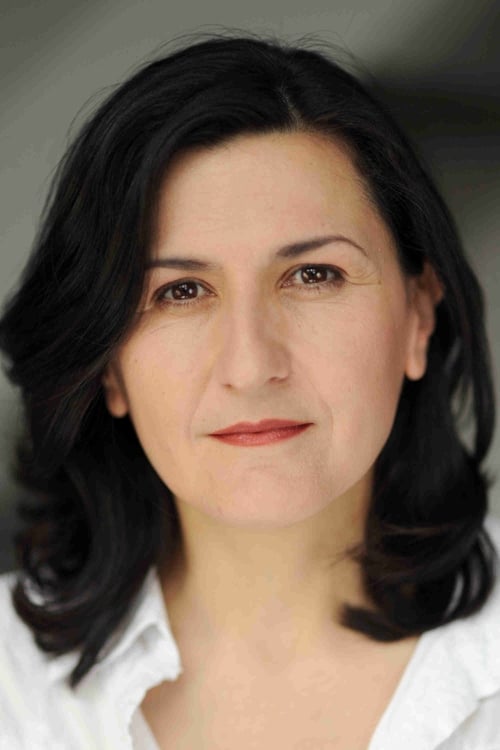
Şiir Eloğlu
Schwiegermutter
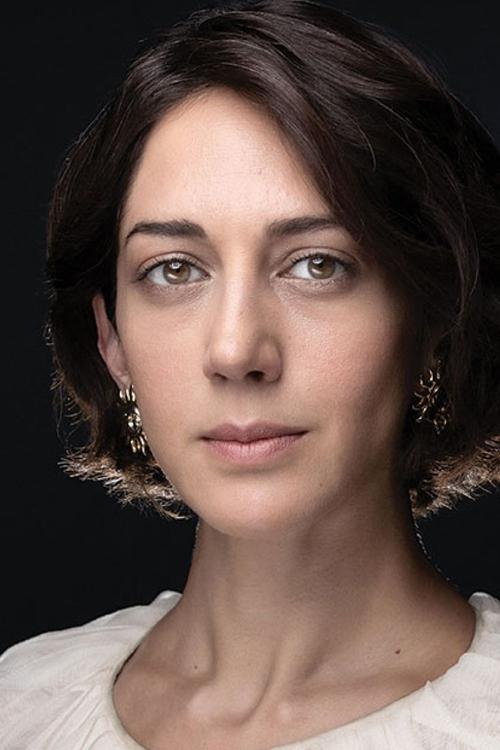
Zar Amir Ebrahimi
Sara
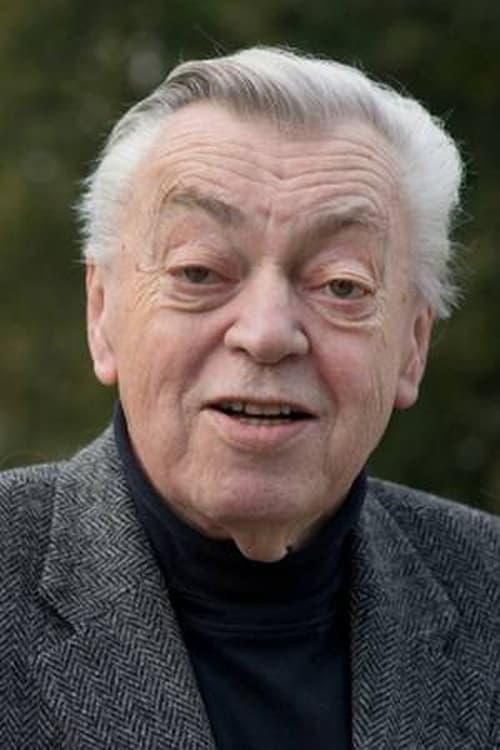
Klaus Ofczarek
Father-in-Law
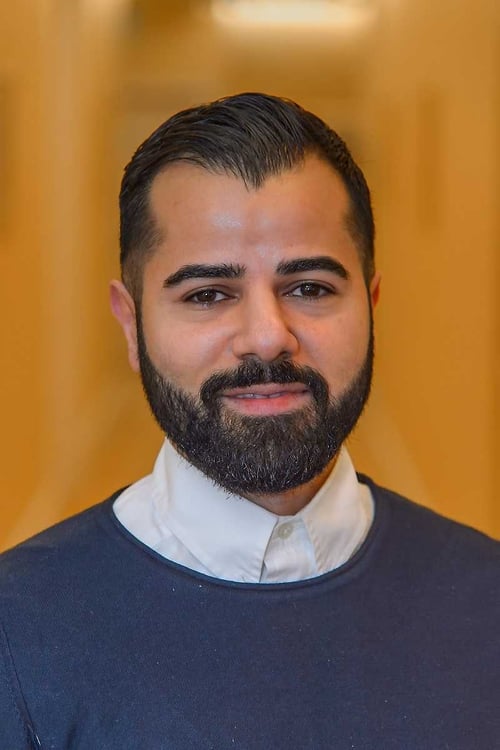
Morteza Tavakoli
Amir
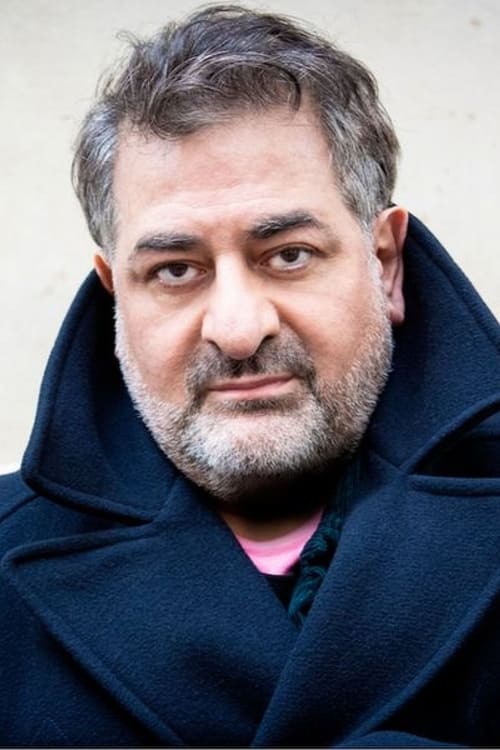
Hasan Ali Mete
Judge

Elmira Rafizadeh
Pari
Crew

Ali Samadi Ahadi
Producer
Popular Reviews
16 reviews
XyArKPRO
5.0★ · 04/29/26

pas très très bien écrit un peu ennuyant sur certaines phases mais le message est stylée et la technique d'animation aussi
pas très très bien écrit un peu ennuyant sur certaines phases mais le message est stylée et la technique d'animation aussi


Muztang
6.0★ · 06/14/25
J’aime pas du tout le style graphique on dirait les filtres sur les photos insta en 2015
J’aime pas du tout le style graphique on dirait les filtres sur les photos insta en 2015
Gabriel Silva
7.0★ · 06/21/24
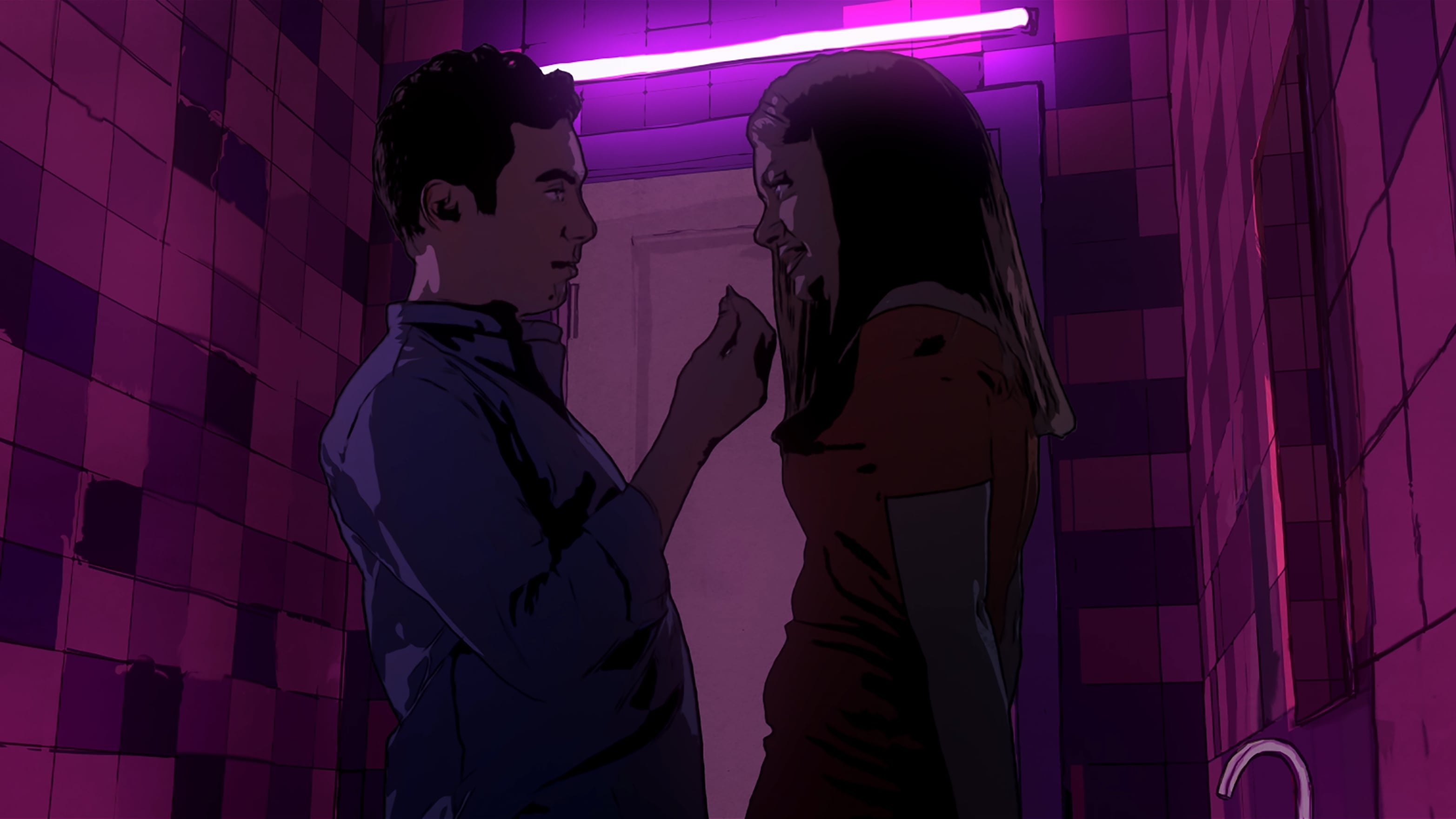
Exploring the idea that outlawing behaviors doesn’t get rid of them but rather puts people into precarious and desperate situations at the detriment of their own well being, Tehran Taboo itself stands as a victim of these morality police. Showcasing several characters just struggling to survive in Tehran. Mostly, these intersecting stories are about women. Pari has been forced into prostitution due to her husband being jailed for drugs. Sara is pregnant wishes to work but cannot be cleared to do so without her husband’s signed permission. Sonya wishes to restore her hymen surgically before it is discovered she isn’t a virgin anymore. These societal taboos placed upon drug usage and sex and poverty has negatively impacted all of these women which in turn repeats a cycle of poverty and suffering. Interestingly, the film’s rotoscope animation style is a direct result of lingering taboos in the arts as director Ali Soozandeh was unable to gain permission to film in Tehran. Capturing live action footage elsewhere and then using filters to rotoscope it, Soozandeh places the characters in Tehran through the use of computer animation to replace the backgrounds. It’s a great way to retain the identity and purpose of the film even if the splintered story itself feels uneven.
Exploring the idea that outlawing behaviors doesn’t get rid of them but rather puts people into precarious and desperate situations at the detriment of their own well being, Tehran Taboo itself stands as a victim of these morality police. Showcasing several characters just struggling to survive in Tehran. Mostly, these intersecting stories are about women. Pari has been forced into prostitution due to her husband being jailed for drugs. Sara is pregnant wishes to work but cannot be cleared to do so without her husband’s signed permission. Sonya wishes to restore her hymen surgically before it is discovered she isn’t a virgin anymore. These societal taboos placed upon drug usage and sex and poverty has negatively impacted all of these women which in turn repeats a cycle of poverty and suffering. Interestingly, the film’s rotoscope animation style is a direct result of lingering taboos in the arts as director Ali Soozandeh was unable to gain permission to film in Tehran. Capturing live action footage elsewhere and then using filters to rotoscope it, Soozandeh places the characters in Tehran through the use of computer animation to replace the backgrounds. It’s a great way to retain the identity and purpose of the film even if the splintered story itself feels uneven.
Ari Bastar
8.0★ · 06/04/26
Daniel
3.0★ · 11/16/25