What is this? I’ve asked myself a few times. It feels so close to an analogous existential work a la The Stranger by Camus. The Stranger (which, I probably don’t understand completely tbf) seems to dwell on the act of contemplation, especially with respect to self, and, specifically, the contemplation before and after a murder (Queue The Cure’s Killing an Arab). Here, I believe we witness the titular Young Törless existentially examining his relationship to torture and punishment.
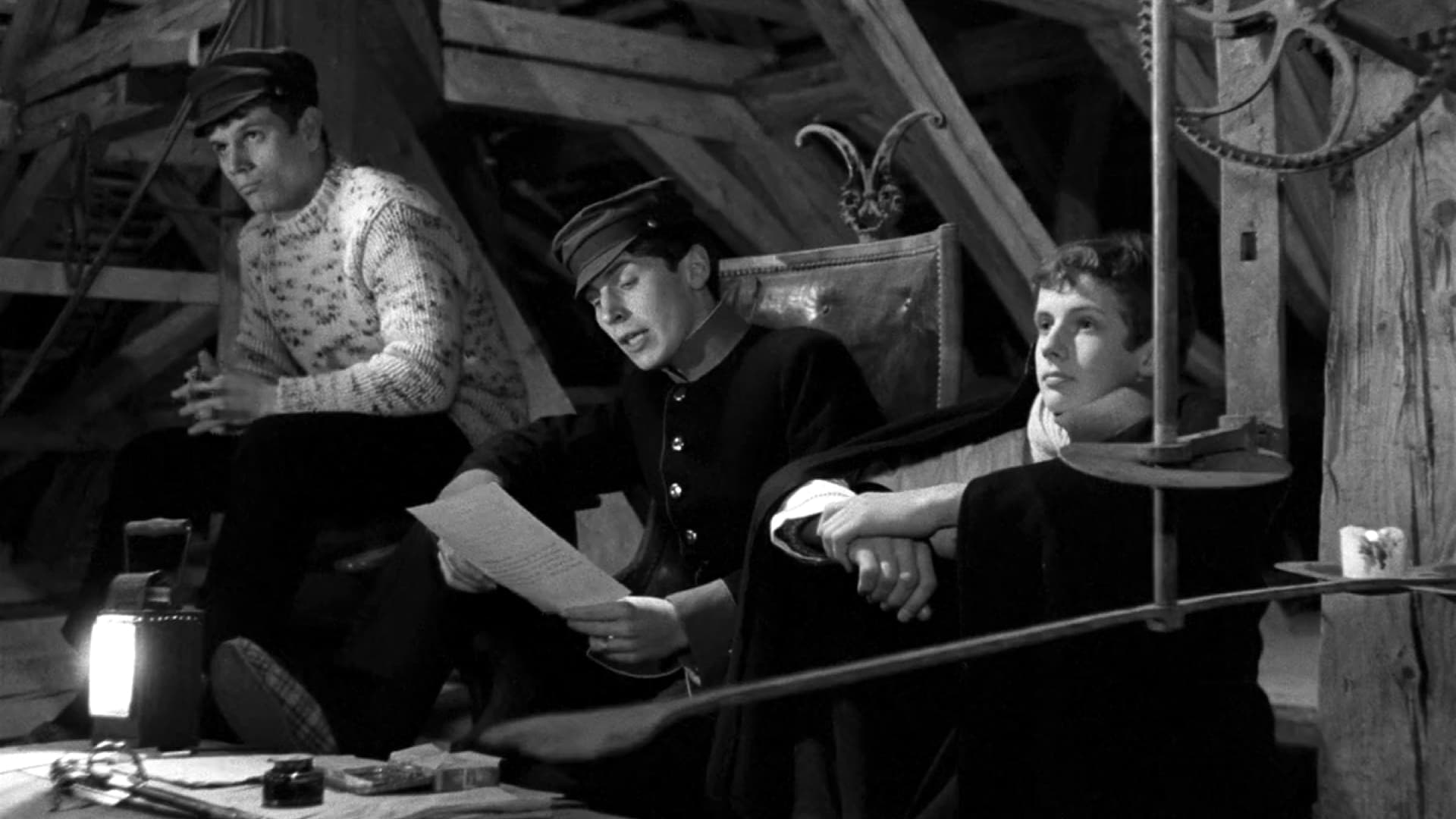
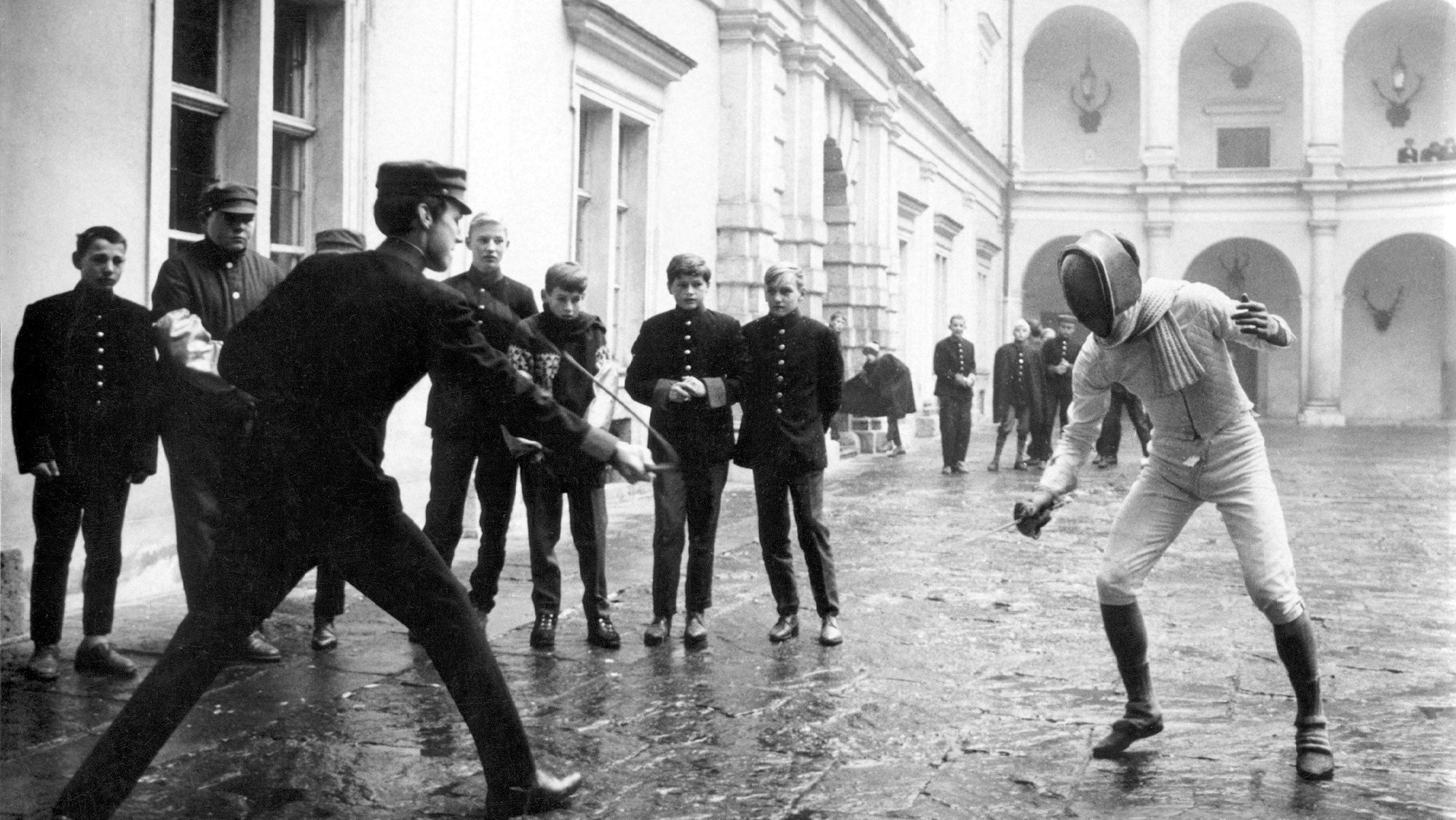
Törless (whose intellectuality was so high it felt borderline absurd at times) seems to be a boy existentially conflicted upon his relationship to the group and punishment. His journal entries and final monologue to the school board betray a mind occupied with things beyond even the faculties of the adults around him. The shrewd movements of Törless among his classmates are uncanny in an impressively subtle way. Not just Törless’ words, but his deft movements allow him to navigate the adolescent brutality in a way that seems to let him escape punishment. For example, when Törless and Reiting argue over Basini, Törless expertly proclaims, “You think I would fight you over Basini” instantly nullifying the physical danger he was in.
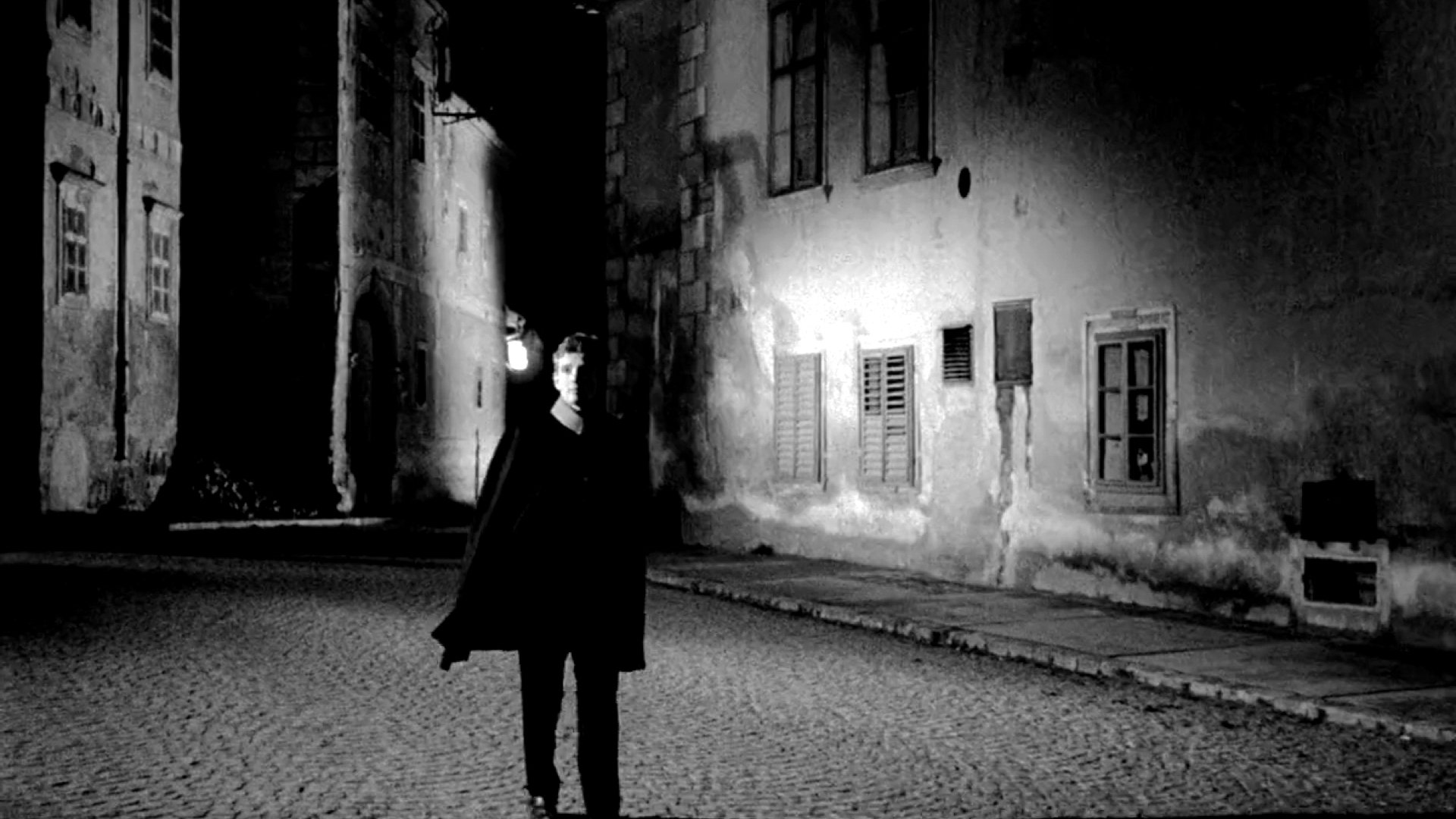
The evolution of punishment and psychology goes to depraved depths. This is certainly bleak. And all the while you witness Törless, whose role in the entire thing felt enigmatic throughout, observe and react. He is always at a distance though, going as far as walking away from torture. The ways in which he does not belong are positioned uniquely as well. His struggle with the concept of imaginary numbers was exceptionally amusing.
There’s a lot to unpack with respect to Törless and the orbit of characters around him. His math teacher represents the adults who are dismissive of youth, even in good faith. But that dismissal still has consequences and leaves room for another force to occupy the unexplained. Wow. That’s pretty powerful. It brought to mind all the lost men these days seeking solace in false alpha idols. These men are likely walking around with their own missing explanations of their proverbial imaginary numbers.
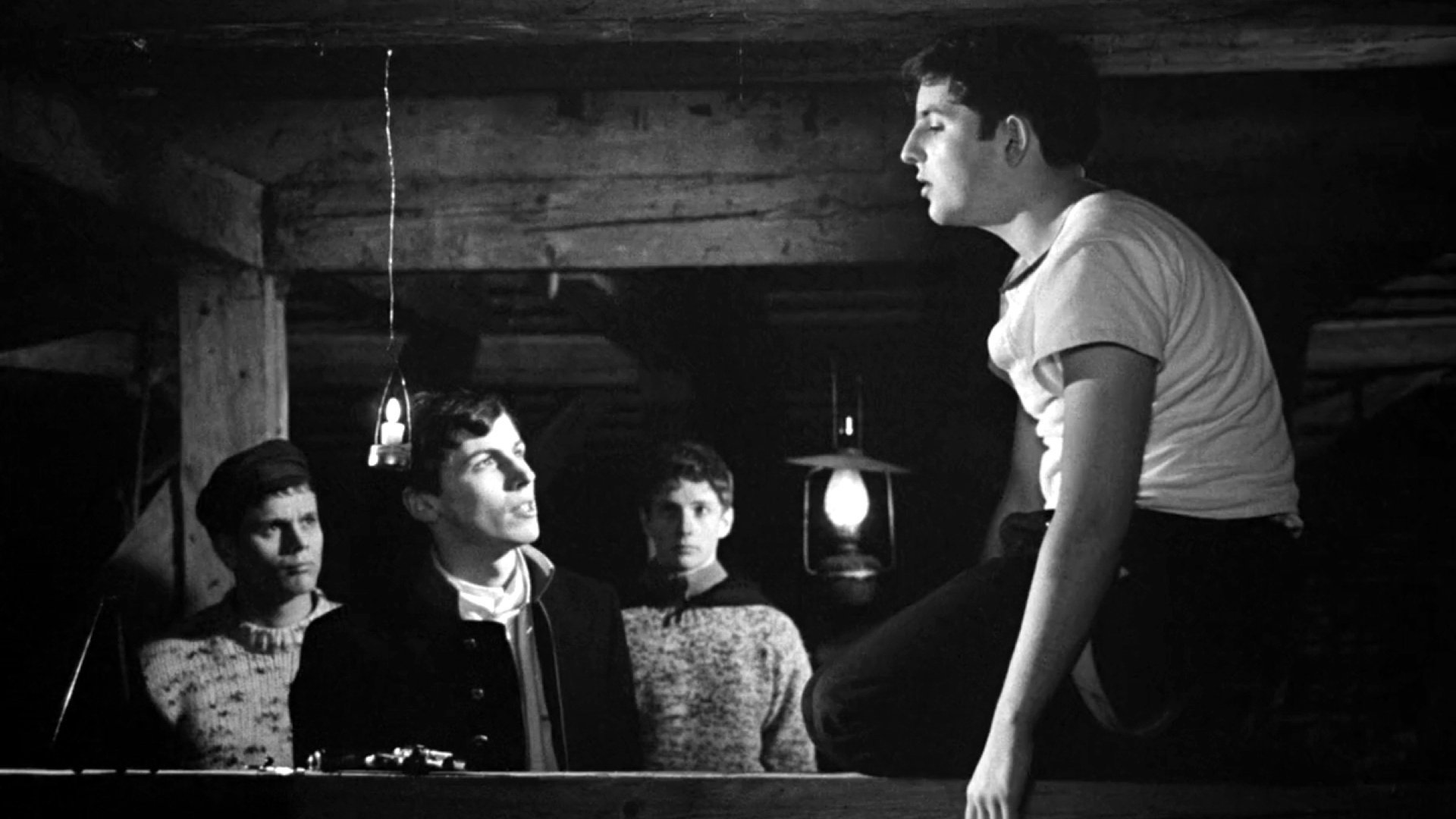
His classmates, Reiting, Beineberg, and Basini all present him with different dilemmas and puzzles. Reiting seems to embody the hypocrisy of man who would espouse himself as a punisher but then engage in something sinful, himself, with the homosexual allusions the film makes. Beineberg represents the sadistic, apropos of the coming German Aryan menace. Basini obviously represents the other, the state-funded alterity paradigm taking over the land.
In each of these, Törless examines himself and the feelings, often overwhelming. I think there’s layered commentary about Törless, himself. One is his inaction despite being of intellectual capabilities, he clearly recognizes something amiss. I also believe the dismissal by adults reflects the often ubiquitous experience of kids’ questions going unanswered. Thus, they find their answers in worse places. I think the psychology of the herd is examined, manifesting in everything from mob mentality to group-think of crime justification.
This felt pretty dense, despite its surface-level simplicity. Come for the bleak, stay for the existentialism. But then again, maybe existentialism is bleak by nature. Something to ponder…
What is this? I’ve asked myself a few times. It feels so close to an analogous existential work a la The Stranger by Camus. The Stranger (which, I probably don’t understand completely tbf) seems to dwell on the act of contemplation, especially with respect to self, and, specifically, the contemplation before and after a murder (Queue The Cure’s Killing an Arab). Here, I believe we witness the titular Young Törless existentially examining his relationship to torture and punishment.
Törless (whose intellectuality was so high it felt borderline absurd at times) seems to be a boy existentially conflicted upon his relationship to the group and punishment. His journal entries and final monologue to the school board betray a mind occupied with things beyond even the faculties of the adults around him. The shrewd movements of Törless among his classmates are uncanny in an impressively subtle way. Not just Törless’ words, but his deft movements allow him to navigate the adolescent brutality in a way that seems to let him escape punishment. For example, when Törless and Reiting argue over Basini, Törless expertly proclaims, “You think I would fight you over Basini” instantly nullifying the physical danger he was in.
The evolution of punishment and psychology goes to depraved depths. This is certainly bleak. And all the while you witness Törless, whose role in the entire thing felt enigmatic throughout, observe and react. He is always at a distance though, going as far as walking away from torture. The ways in which he does not belong are positioned uniquely as well. His struggle with the concept of imaginary numbers was exceptionally amusing.
There’s a lot to unpack with respect to Törless and the orbit of characters around him. His math teacher represents the adults who are dismissive of youth, even in good faith. But that dismissal still has consequences and leaves room for another force to occupy the unexplained. Wow. That’s pretty powerful. It brought to mind all the lost men these days seeking solace in false alpha idols. These men are likely walking around with their own missing explanations of their proverbial imaginary numbers.
His classmates, Reiting, Beineberg, and Basini all present him with different dilemmas and puzzles. Reiting seems to embody the hypocrisy of man who would espouse himself as a punisher but then engage in something sinful, himself, with the homosexual allusions the film makes. Beineberg represents the sadistic, apropos of the coming German Aryan menace. Basini obviously represents the other, the state-funded alterity paradigm taking over the land.
In each of these, Törless examines himself and the feelings, often overwhelming. I think there’s layered commentary about Törless, himself. One is his inaction despite being of intellectual capabilities, he clearly recognizes something amiss. I also believe the dismissal by adults reflects the often ubiquitous experience of kids’ questions going unanswered. Thus, they find their answers in worse places. I think the psychology of the herd is examined, manifesting in everything from mob mentality to group-think of crime justification.
This felt pretty dense, despite its surface-level simplicity. Come for the bleak, stay for the existentialism. But then again, maybe existentialism is bleak by nature. Something to ponder…