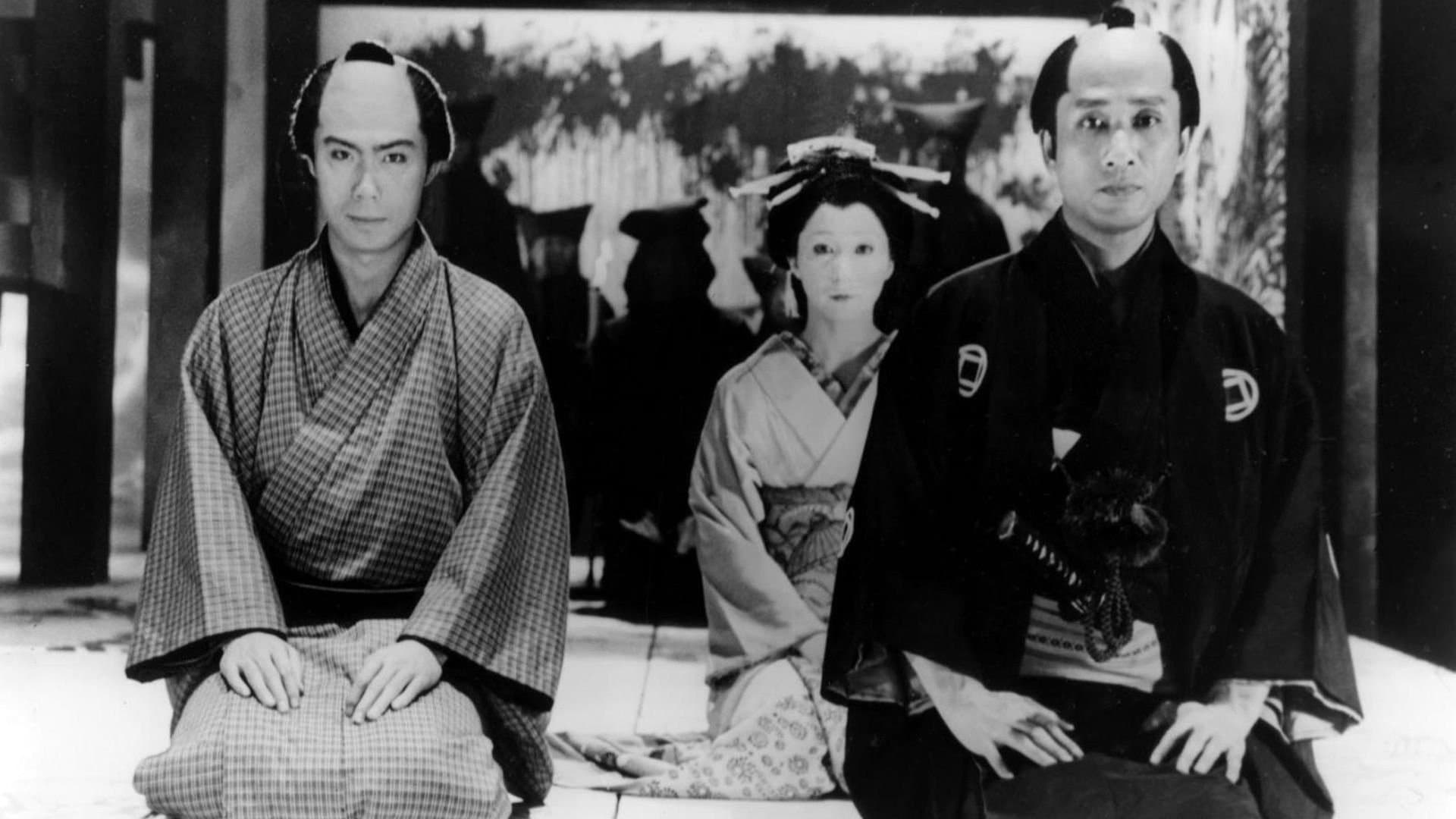
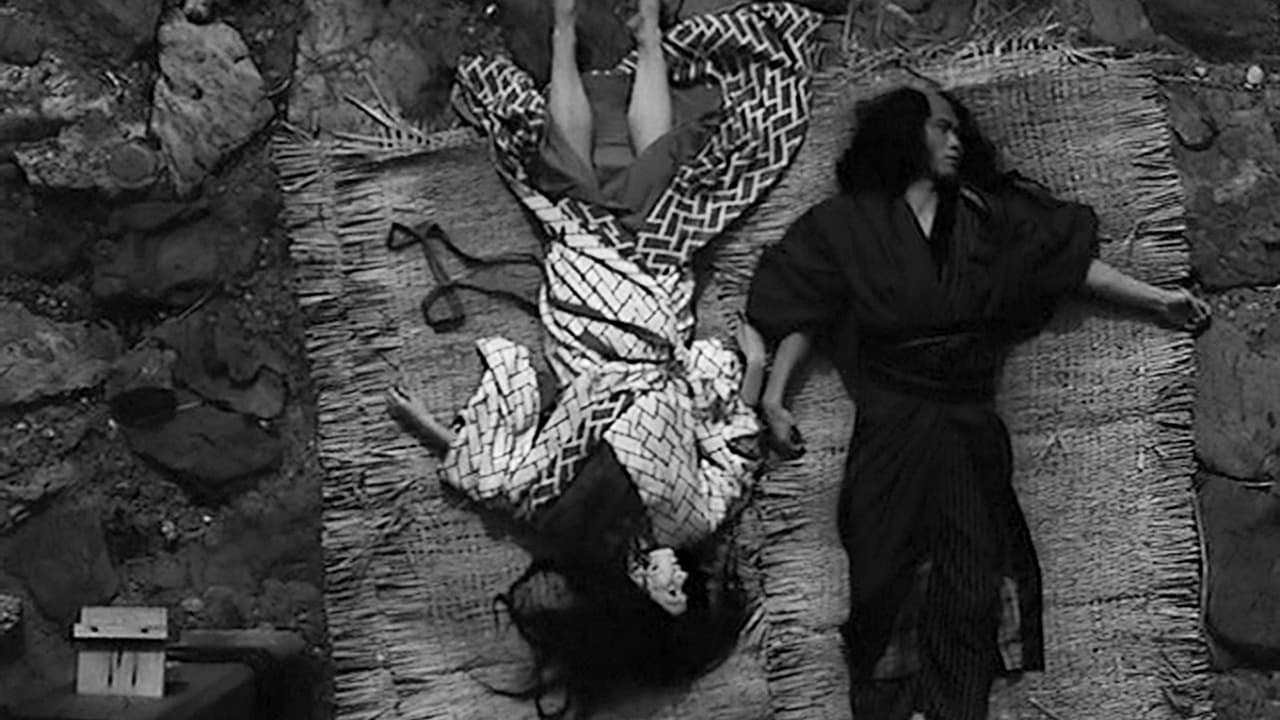
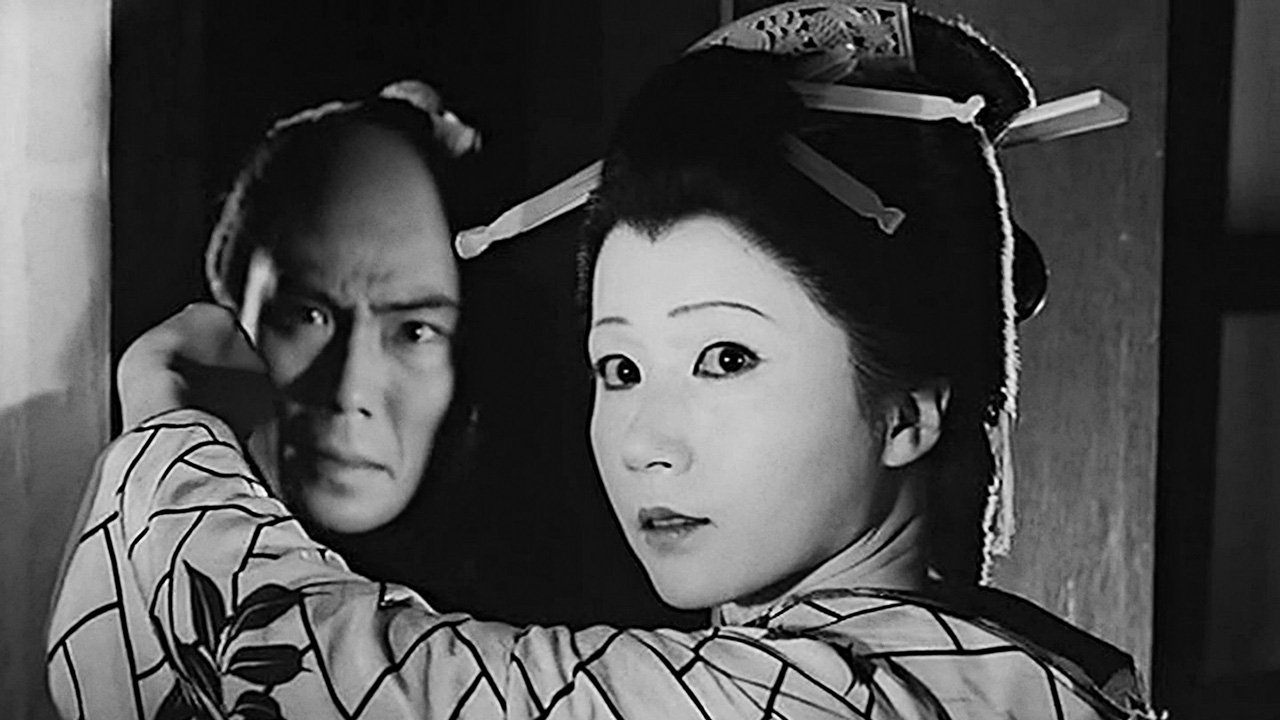
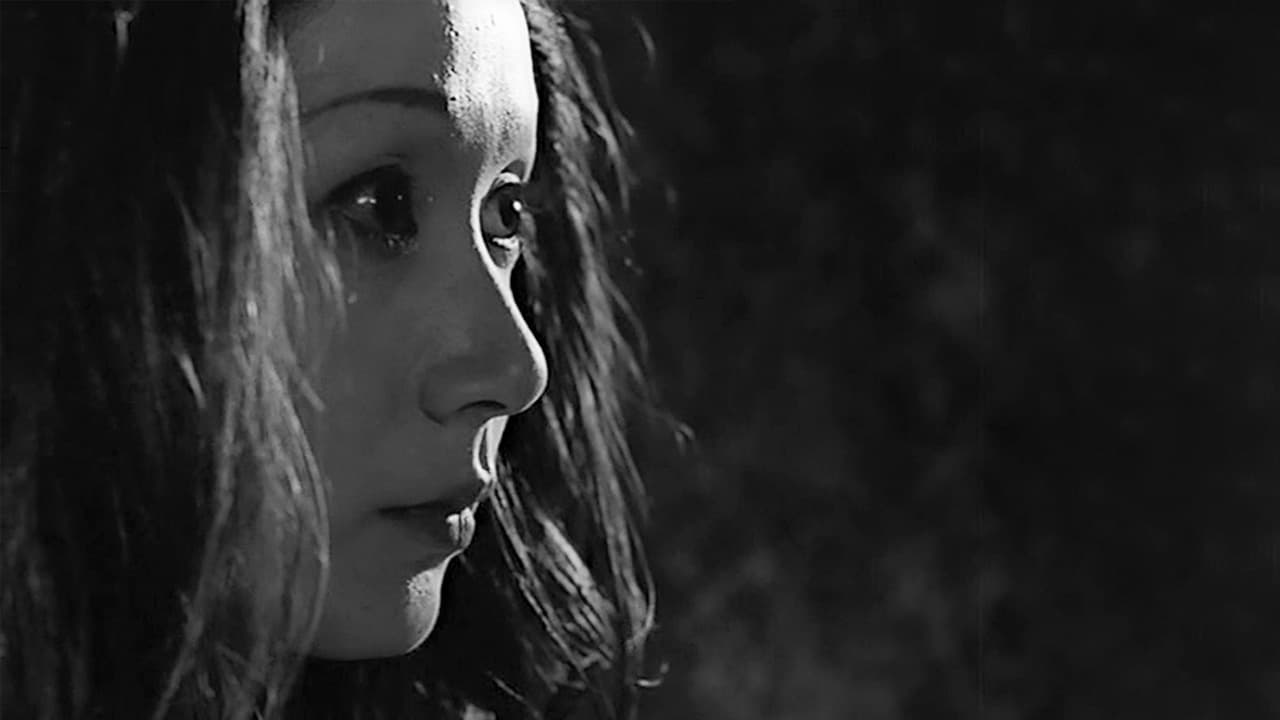
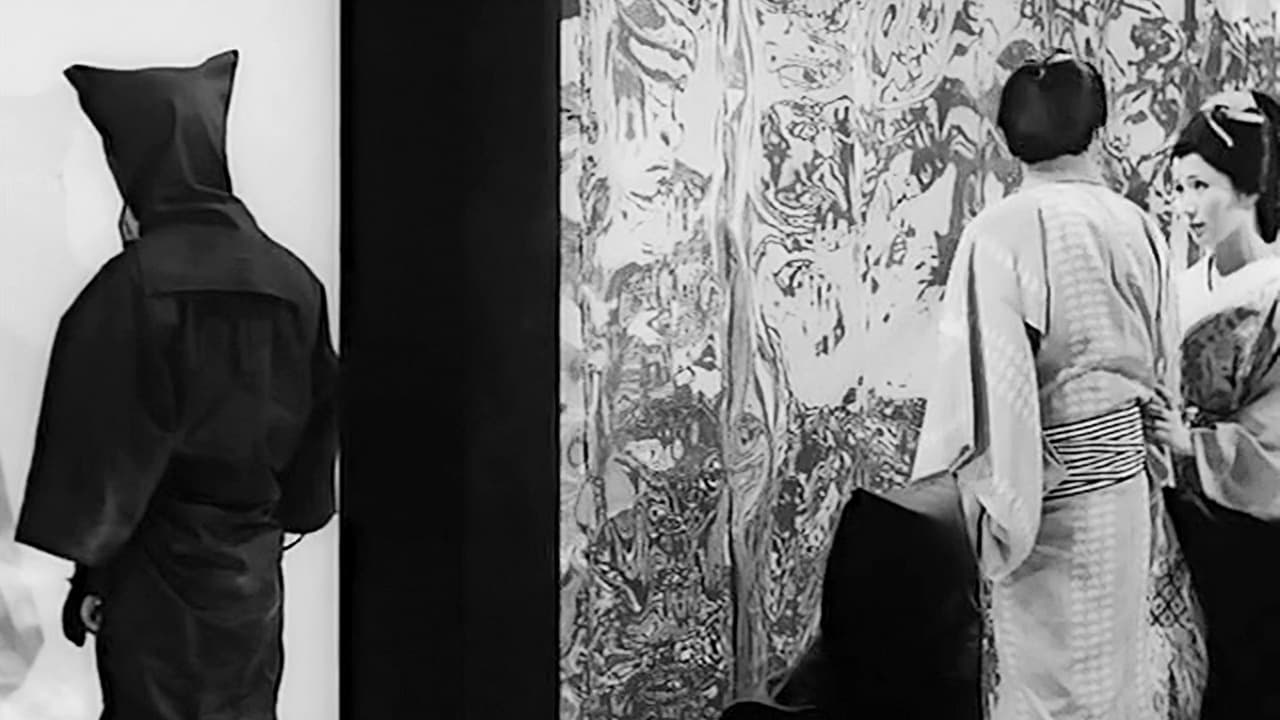
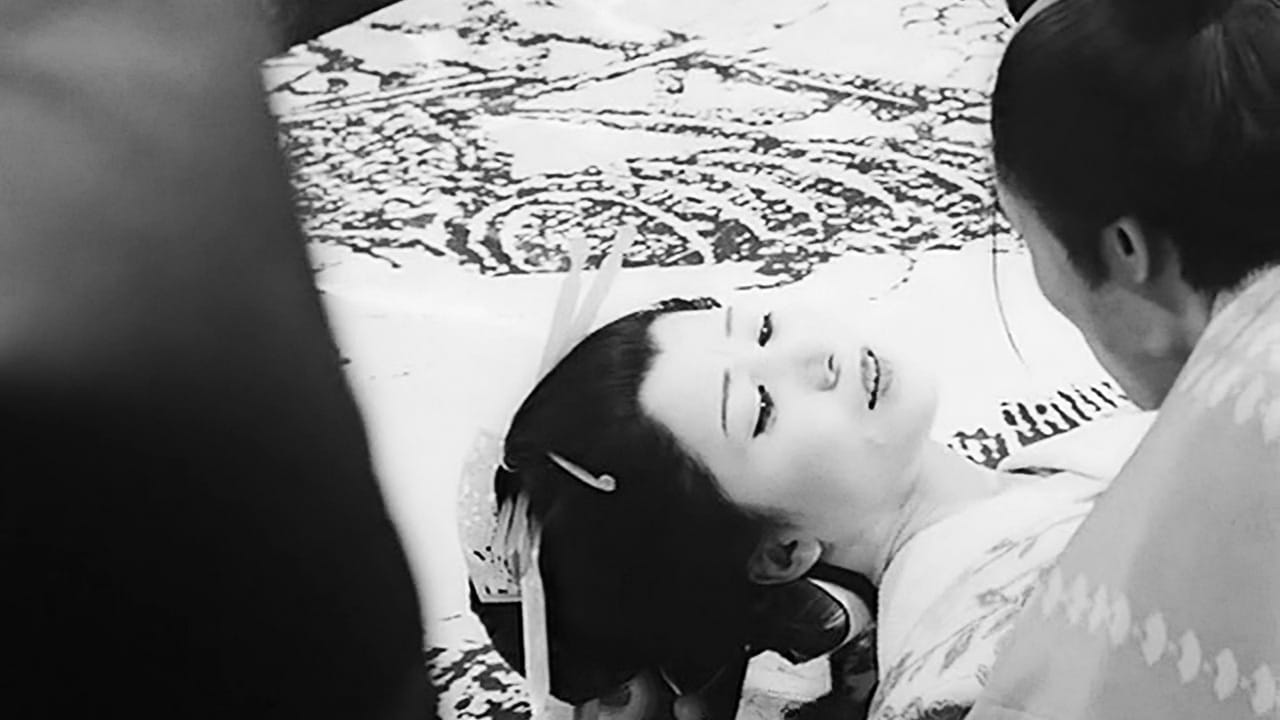
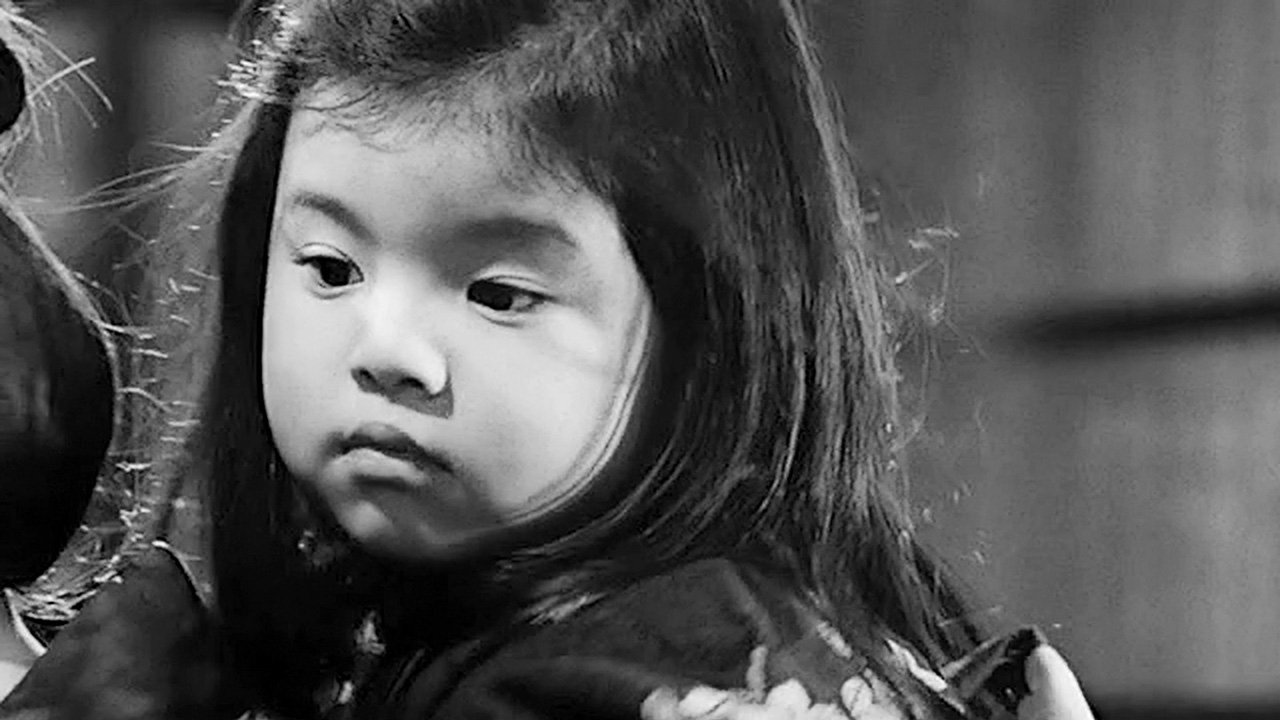
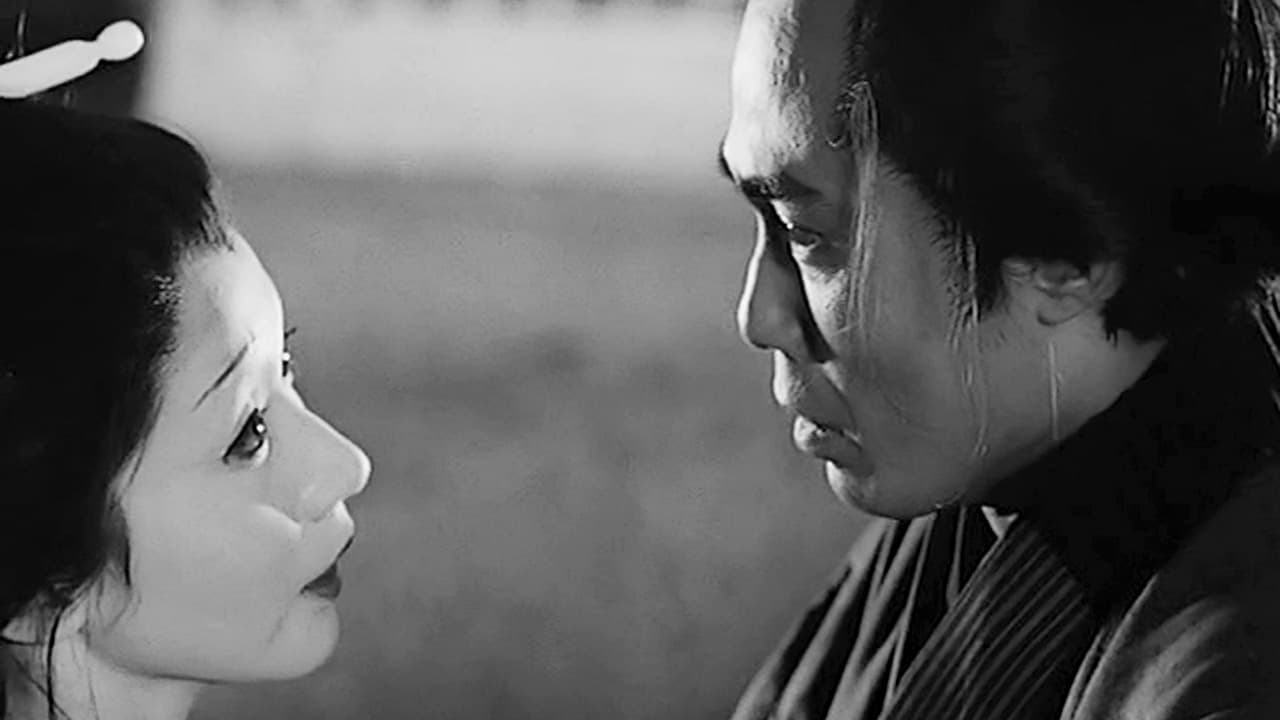
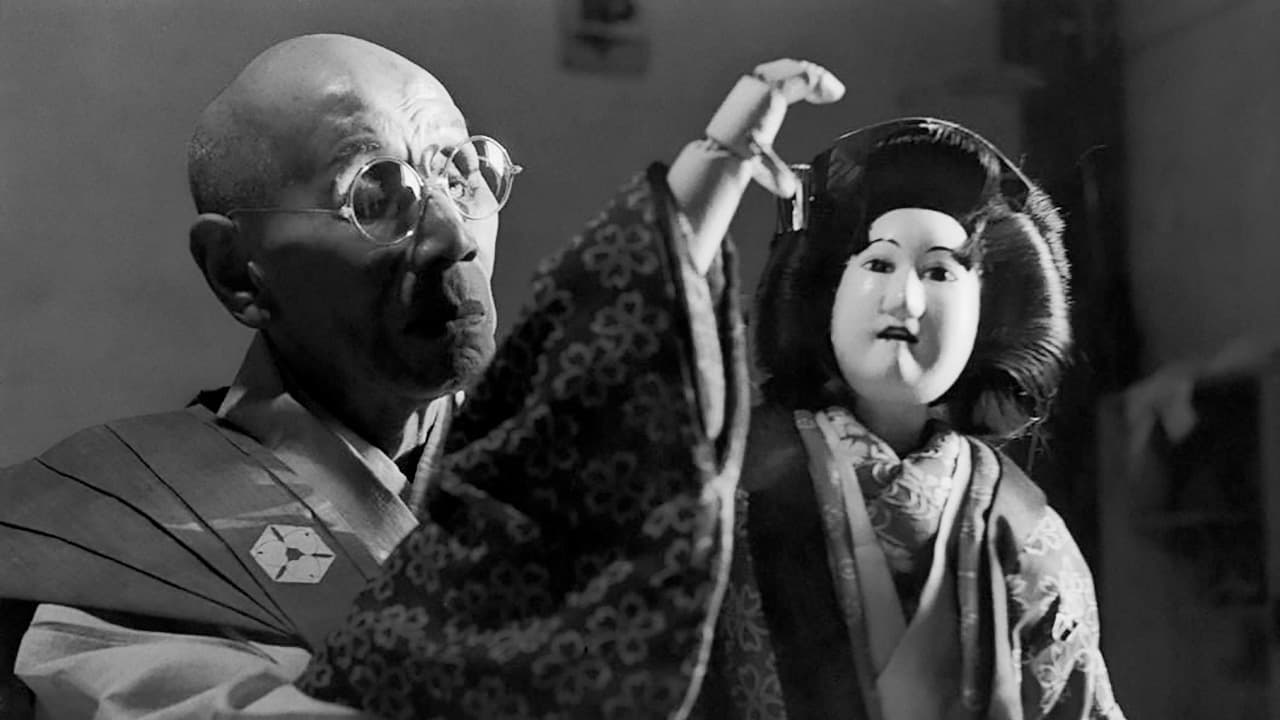
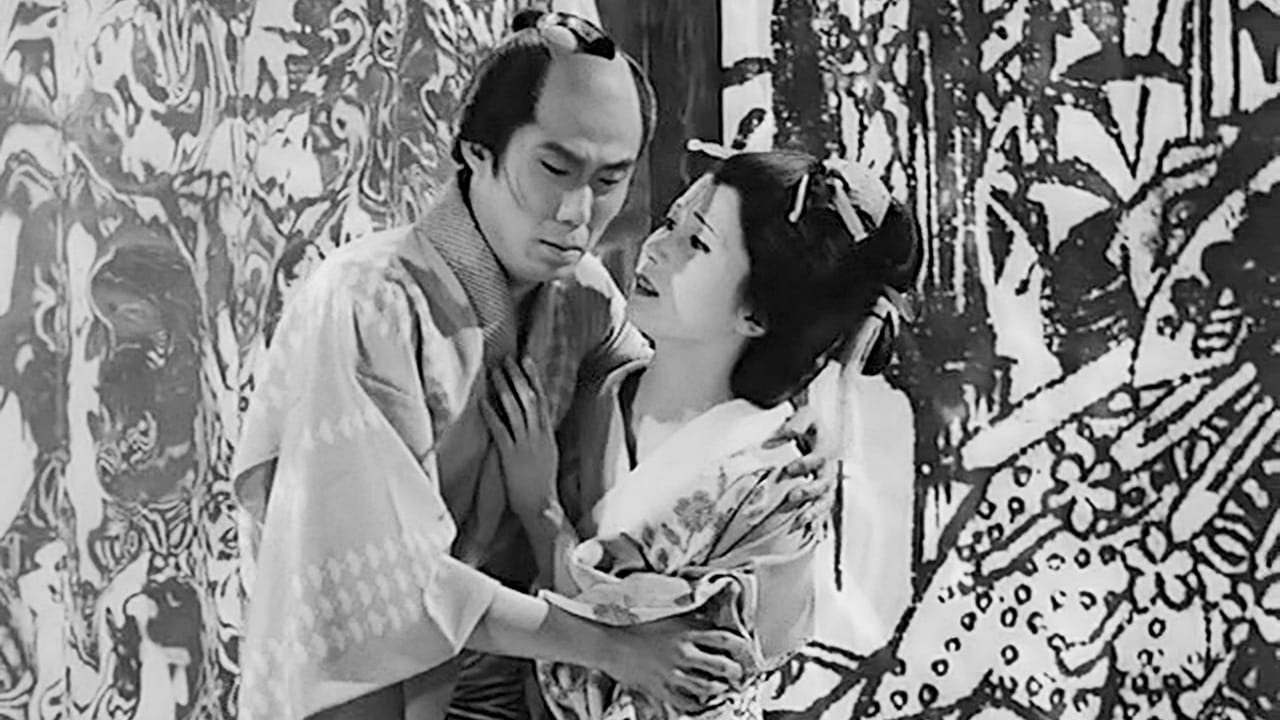
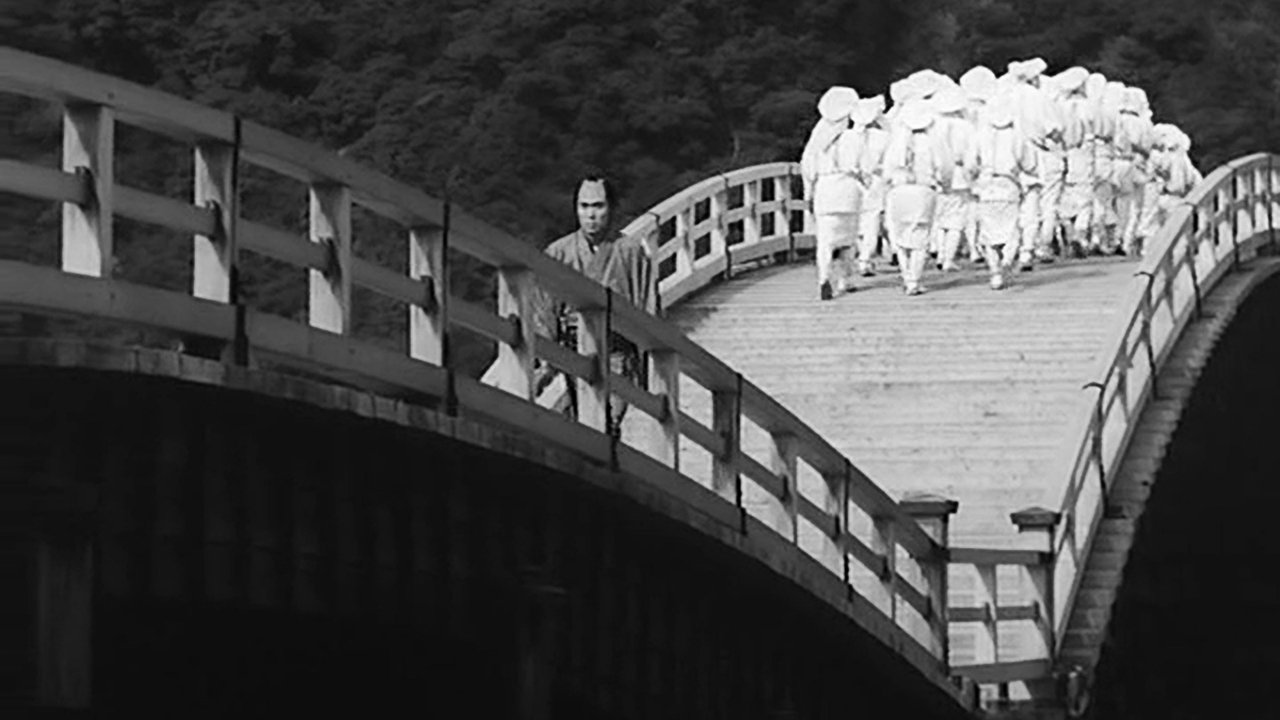
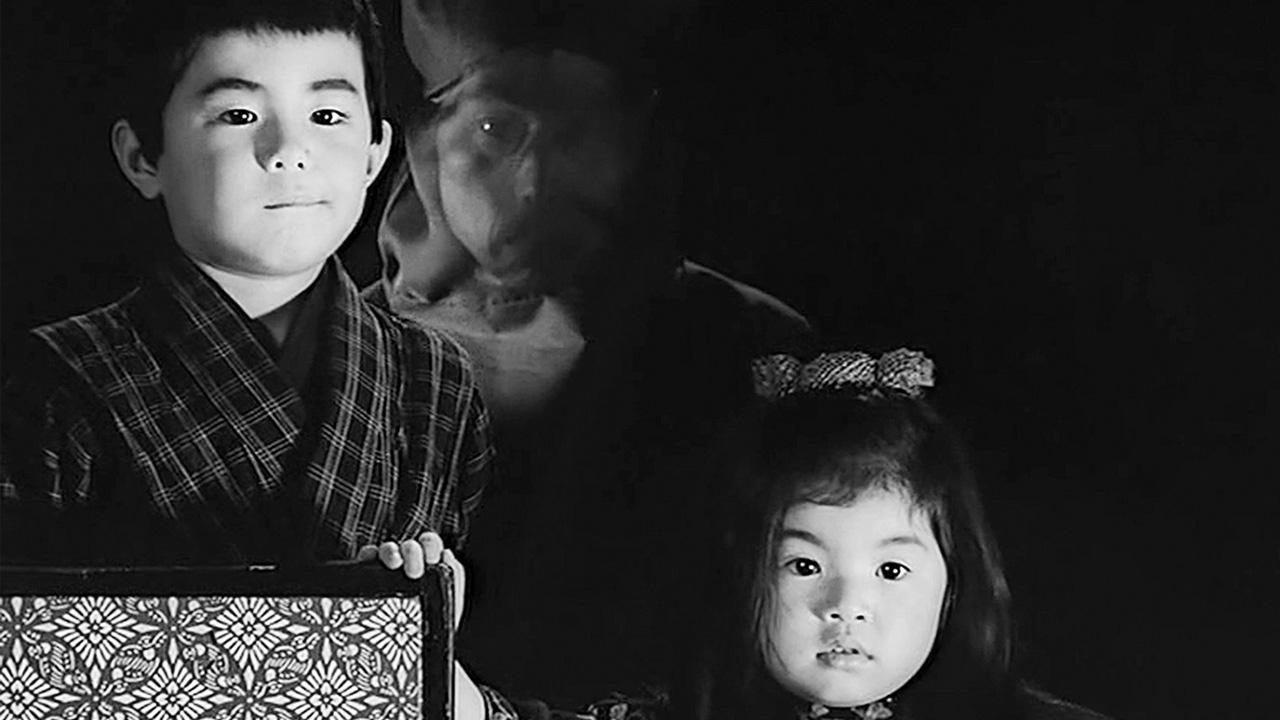
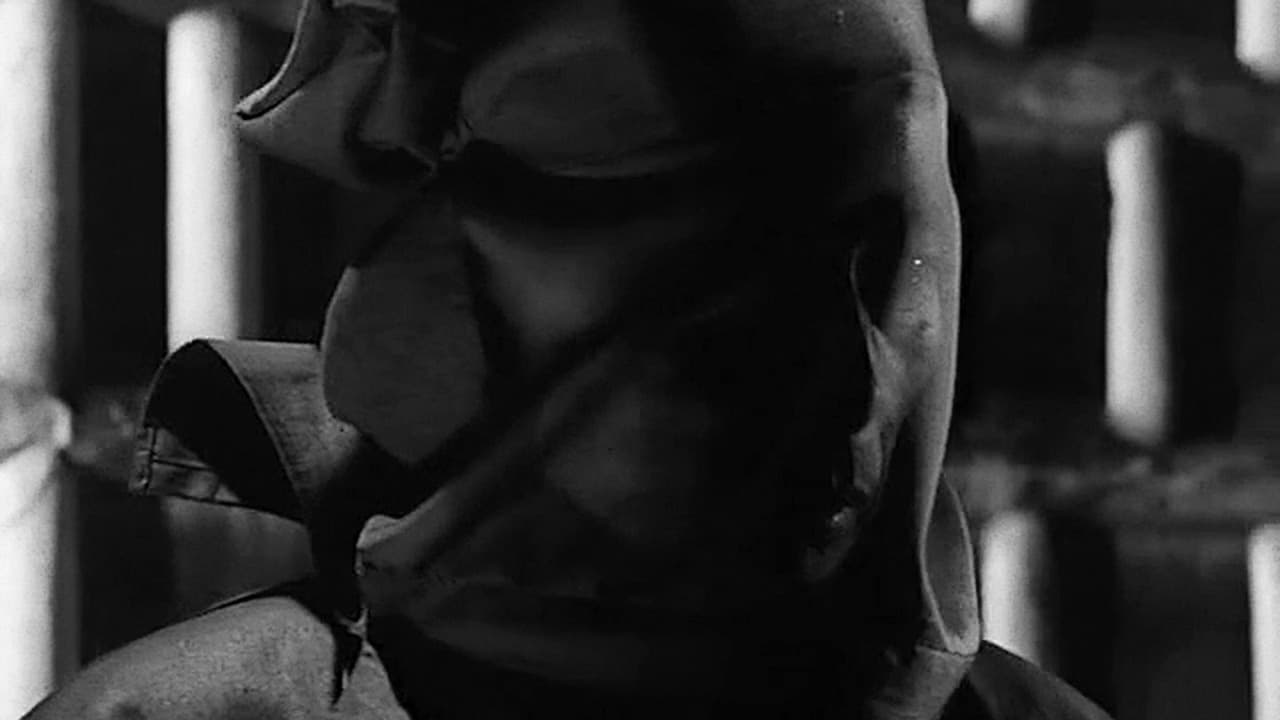
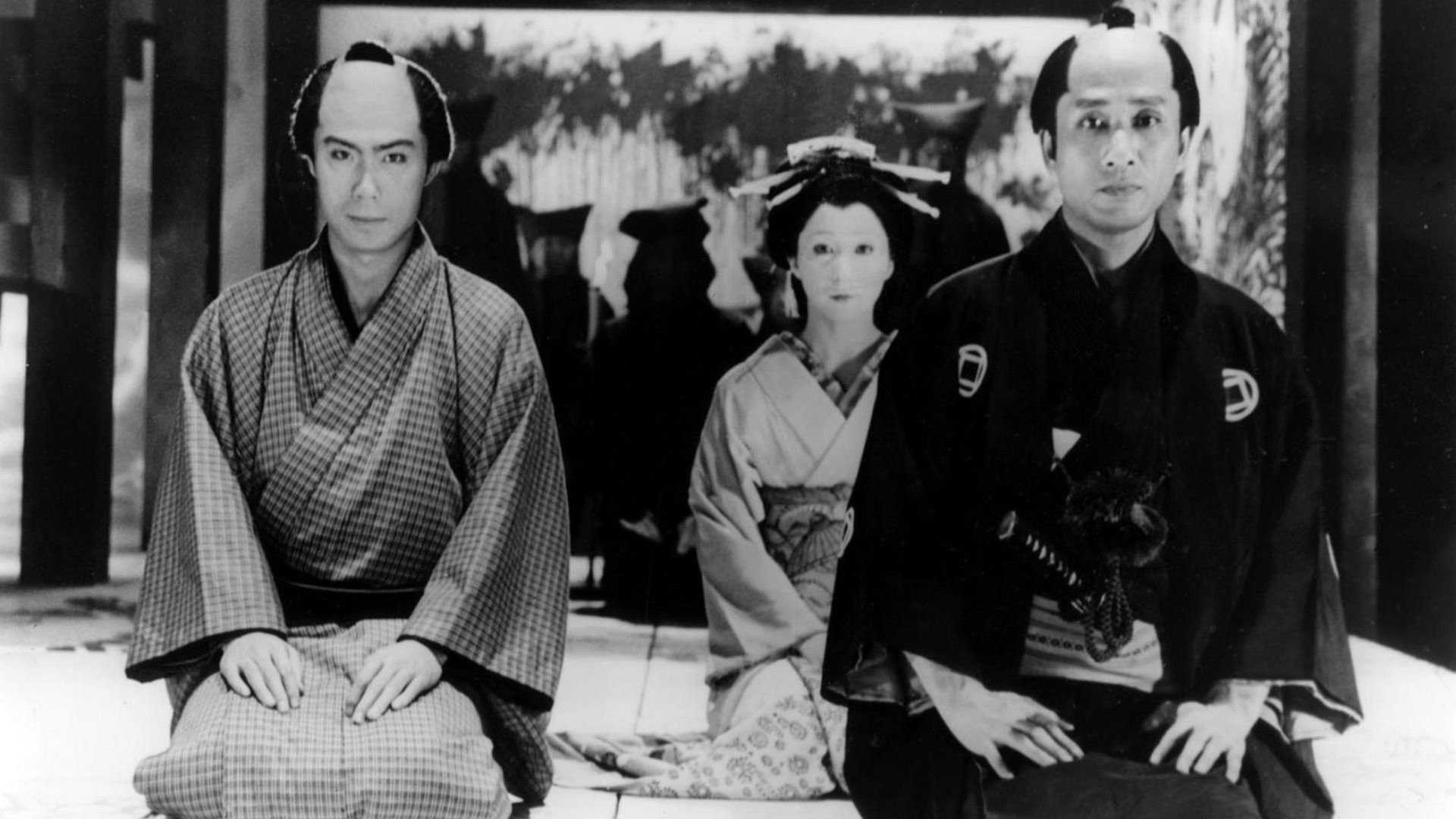
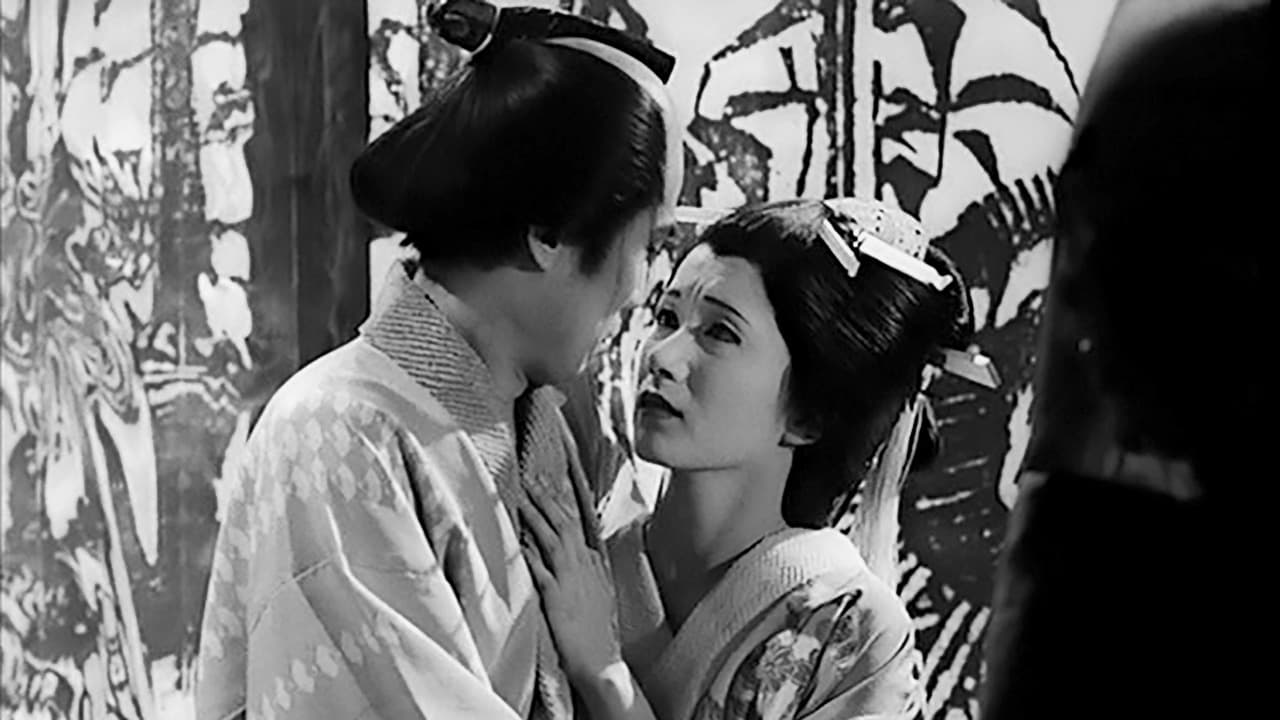
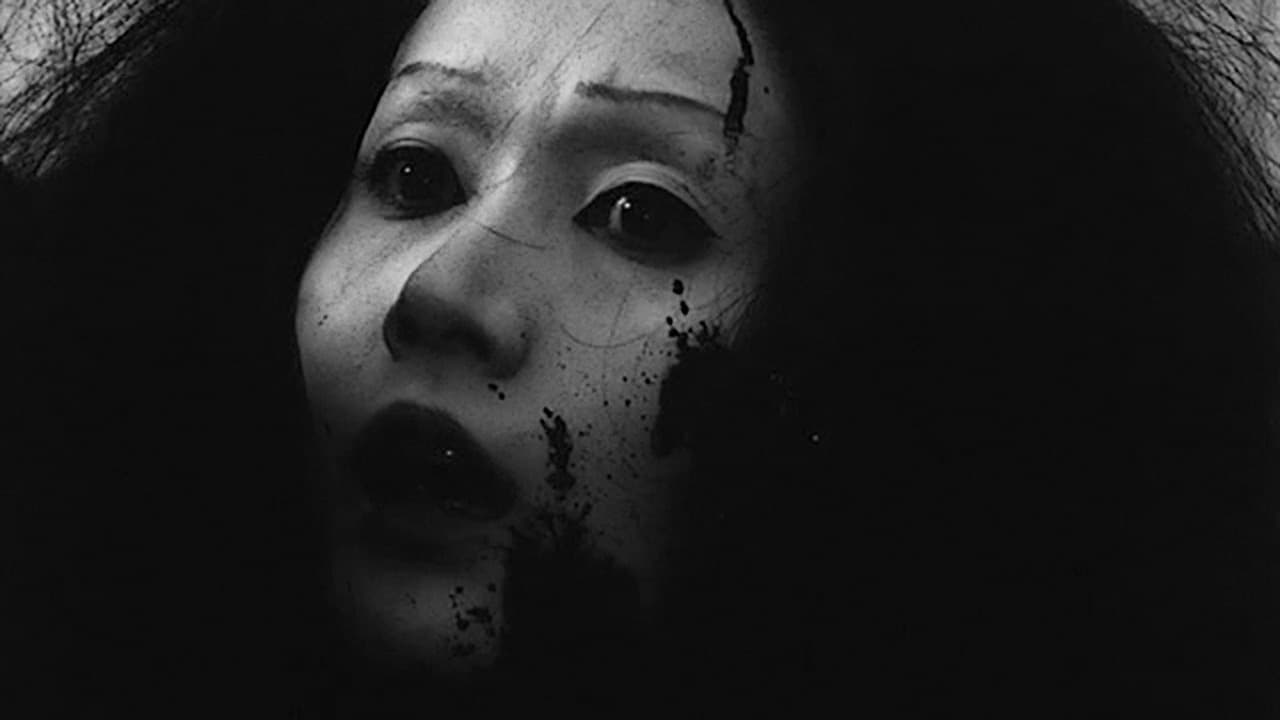
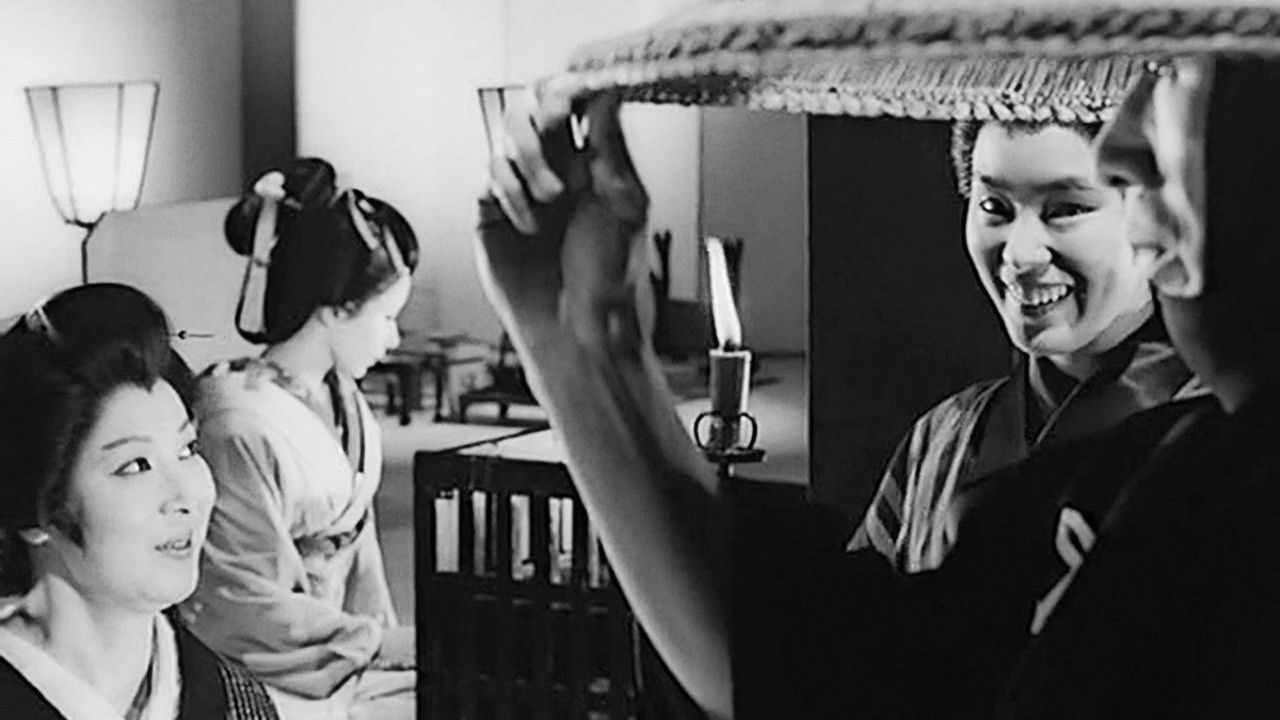
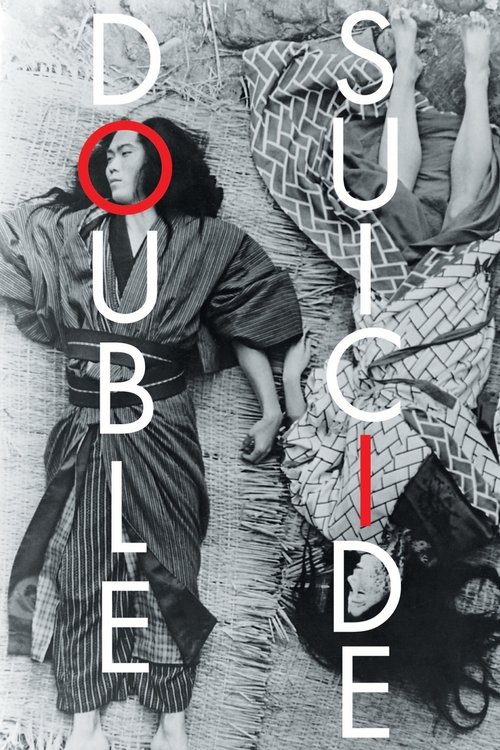
Director- Shinoda Masahiro.This is the fourth film I have seen of his, and with it, I am one step closer to adding him to the list of my favourite directors. I decided to watch this as Andre highly recommended it to me.The film explores two major concepts: Giri, i.e. duty, and Ninjo, i.e. human desires. Both present an intriguing duality as they are always in conflict. Shinju, i.e. double suicide, sits at the intersection of both, as even though it doesn't fulfil ninjo, it indeed can be considered as a rebellion against giri.Thus, one could consider Shinju to be an act of rebellion against the samurai code, as for them, Giri is the cornerstone of all their values. This makes it a superb double feature with Harakiri by Kobayashi Masaki.The film excellently shows us how one is bound by external factors such as monetary constraints, familial ties, etc. It shows us that in such situations, one has few means to escape.The film is based on a Bunraku play by Monzaemon Chikamatsu. During the transfer to the big screen, Shinoda kept its previous style, giving it an excellent look of a play. The folks in the background, Kuroko, dressed in all black, guiding the sets forward, and the Director behind the camera pulling the strings, add to the material of the film regarding helplessness. The protagonist is bound by not only the conventions of morality but those of the theatre as well.The film's opening is one of the best that I have seen, with how it sets up the inevitable end. It shows us the end that awaits the protagonist and his love interest, even before they were introduced to us. The shot of the bridge is important as well, as a bridge symbolises a passage between two realms, life and death, in this film's case. The film features Iwashita Shima in a double role, which was quite common in Kabuki plays, as it not only saved money but also allowed the actor to showcase their talents. It was also done to show Hayagawari, i.e. quick change of costume. Unlike its use in such cases, being for spectacle, it isn't the case here, as the resemblance between the two characters isn't commented on, and their makeup style tries to create a disparity between the two on purpose.Her two roles can be considered as the two concepts. Koharu, the courtesan, is eroticized and symbolises the protagonist being dominated by Ninjo. At the same time, Osan, the wife, is de eroticized and symbolises the protagonist being dominated by Giri. She blackens her teeth, which was done during the Tokugawa period, to show that which woman is married and also deliberately makes her less attractive, which in turn moves her away from being an object of desire and towards one for being an index of obligation.The two characters have an obligation towards each other. They are inextricably linked, resembling a yin and yang, with both compensating for the other. They both display ninjo, but their giri doesn't allow them to act on it in good faith.The wife, Osan, writes a letter to the courtesan, Koharu, to make her free the protagonist from his vow of Shinju, not for her own sake but instead for his. Later on, she tries to get him to save Koharu due to her sense of giri. Similarly, Koharu later tries to make the protagonist go back to Osan due to her sense of giri.The duo understand what it's like for them to live in the patriarchal society of rural Japan. They know what it's like to live a mundane life just because it is socially acceptable, to be desirable yet denied any urgency to act on it. Thus, they are the only ones who act morally compared to the rest.One could look at this film through the lens of identity as well, with the major issues revolving around how the introspection, the desires are in direct conflict with the external, the obligations. One could assess that as both the selves are not on the same page, it is hindering them from moving forward in any single direction. Through the greed of the protagonist in satiating both his Ninjo and Giri, the rest of the characters suffer. His obligation pulls him towards Osan, but at the same time, his desires push him towards Koharu. He is unable to choose one, leading to a dilemma of his wish to have his cake and eat it too. Thus, we can see that his indecisiveness is at the root of all their problems. Their Michiyuki, a journey scene in Kabuki, has the viewers see them finally embracing their ninjo. As the duo of the protagonist and Koharu cut their hair, they get momentarily free from the shackles of giri. They momentarily enter the infinite space that cinema offers. But they know in their heart that it is futile, as they, in the end, return to the theatrical world that binds them.Kuroko appear once again and hands the protagonist a sword, showing us that the conclusion is drawing near and how it can't be changed. They act in the shadow's pulling the strings of the characters and making sure that they fulfil their assigned roles. The protagonist can't help but commit Shinju, as no matter how hard he tried, he couldn't change the inevitable end. When this film was released, the Japanese people must have known the end of the story already, but it is not about the destination but rather about the journey to it. One can view that this is similar to the stories of Shakespeare, along with the Iliad of Troy, among other works. This would explain why, even after all this time, they are being remade and reinterpreted.The imagery of him hanging on the gate after slashing down Koharu looked intriguing. One might assess that they are finally united in death, but instead of keeping the bodies side by side, the Kuroko arranged them head to foot, denying them the togetherness they so sought in the land beyond.They tried to enter the infinite space beyond the theatrical settings, but the Kuroko hindered them, maybe due to their Giri, or maybe they are playing a part in the story, too, as the conventions of the theatre know no bounds.Overall, this is one awesome film by Shinoda and a must-watch for fans of the Japanese New Wave. This indeed just might be his best work. This has become the 44th 5/5 film that I have seen.
Director- Shinoda Masahiro.This is the fourth film I have seen of his, and with it, I am one step closer to adding him to the list of my favourite directors. I decided to watch this as Andre highly recommended it to me.The film explores two major concepts: Giri, i.e. duty, and Ninjo, i.e. human desires. Both present an intriguing duality as they are always in conflict. Shinju, i.e. double suicide, sits at the intersection of both, as even though it doesn't fulfil ninjo, it indeed can be considered as a rebellion against giri.Thus, one could consider Shinju to be an act of rebellion against the samurai code, as for them, Giri is the cornerstone of all their values. This makes it a superb double feature with Harakiri by Kobayashi Masaki.The film excellently shows us how one is bound by external factors such as monetary constraints, familial ties, etc. It shows us that in such situations, one has few means to escape.The film is based on a Bunraku play by Monzaemon Chikamatsu. During the transfer to the big screen, Shinoda kept its previous style, giving it an excellent look of a play. The folks in the background, Kuroko, dressed in all black, guiding the sets forward, and the Director behind the camera pulling the strings, add to the material of the film regarding helplessness. The protagonist is bound by not only the conventions of morality but those of the theatre as well.The film's opening is one of the best that I have seen, with how it sets up the inevitable end. It shows us the end that awaits the protagonist and his love interest, even before they were introduced to us. The shot of the bridge is important as well, as a bridge symbolises a passage between two realms, life and death, in this film's case. The film features Iwashita Shima in a double role, which was quite common in Kabuki plays, as it not only saved money but also allowed the actor to showcase their talents. It was also done to show Hayagawari, i.e. quick change of costume. Unlike its use in such cases, being for spectacle, it isn't the case here, as the resemblance between the two characters isn't commented on, and their makeup style tries to create a disparity between the two on purpose.Her two roles can be considered as the two concepts. Koharu, the courtesan, is eroticized and symbolises the protagonist being dominated by Ninjo. At the same time, Osan, the wife, is de eroticized and symbolises the protagonist being dominated by Giri. She blackens her teeth, which was done during the Tokugawa period, to show that which woman is married and also deliberately makes her less attractive, which in turn moves her away from being an object of desire and towards one for being an index of obligation.The two characters have an obligation towards each other. They are inextricably linked, resembling a yin and yang, with both compensating for the other. They both display ninjo, but their giri doesn't allow them to act on it in good faith.The wife, Osan, writes a letter to the courtesan, Koharu, to make her free the protagonist from his vow of Shinju, not for her own sake but instead for his. Later on, she tries to get him to save Koharu due to her sense of giri. Similarly, Koharu later tries to make the protagonist go back to Osan due to her sense of giri.The duo understand what it's like for them to live in the patriarchal society of rural Japan. They know what it's like to live a mundane life just because it is socially acceptable, to be desirable yet denied any urgency to act on it. Thus, they are the only ones who act morally compared to the rest.One could look at this film through the lens of identity as well, with the major issues revolving around how the introspection, the desires are in direct conflict with the external, the obligations. One could assess that as both the selves are not on the same page, it is hindering them from moving forward in any single direction. Through the greed of the protagonist in satiating both his Ninjo and Giri, the rest of the characters suffer. His obligation pulls him towards Osan, but at the same time, his desires push him towards Koharu. He is unable to choose one, leading to a dilemma of his wish to have his cake and eat it too. Thus, we can see that his indecisiveness is at the root of all their problems. Their Michiyuki, a journey scene in Kabuki, has the viewers see them finally embracing their ninjo. As the duo of the protagonist and Koharu cut their hair, they get momentarily free from the shackles of giri. They momentarily enter the infinite space that cinema offers. But they know in their heart that it is futile, as they, in the end, return to the theatrical world that binds them.Kuroko appear once again and hands the protagonist a sword, showing us that the conclusion is drawing near and how it can't be changed. They act in the shadow's pulling the strings of the characters and making sure that they fulfil their assigned roles. The protagonist can't help but commit Shinju, as no matter how hard he tried, he couldn't change the inevitable end. When this film was released, the Japanese people must have known the end of the story already, but it is not about the destination but rather about the journey to it. One can view that this is similar to the stories of Shakespeare, along with the Iliad of Troy, among other works. This would explain why, even after all this time, they are being remade and reinterpreted.The imagery of him hanging on the gate after slashing down Koharu looked intriguing. One might assess that they are finally united in death, but instead of keeping the bodies side by side, the Kuroko arranged them head to foot, denying them the togetherness they so sought in the land beyond.They tried to enter the infinite space beyond the theatrical settings, but the Kuroko hindered them, maybe due to their Giri, or maybe they are playing a part in the story, too, as the conventions of the theatre know no bounds.Overall, this is one awesome film by Shinoda and a must-watch for fans of the Japanese New Wave. This indeed just might be his best work. This has become the 44th 5/5 film that I have seen.