
Svengali
1931·Drama·1h 21m
7.0
★

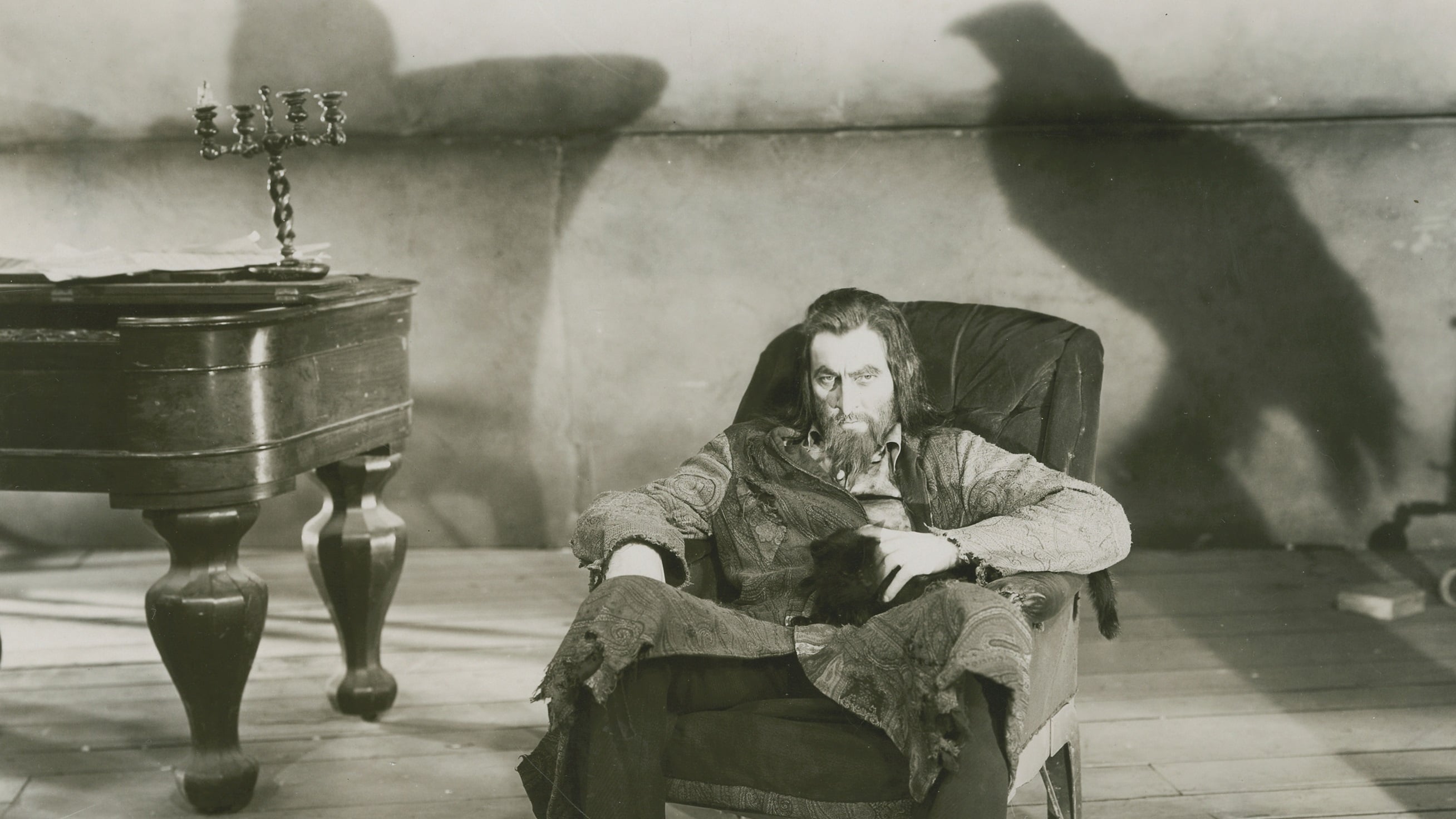

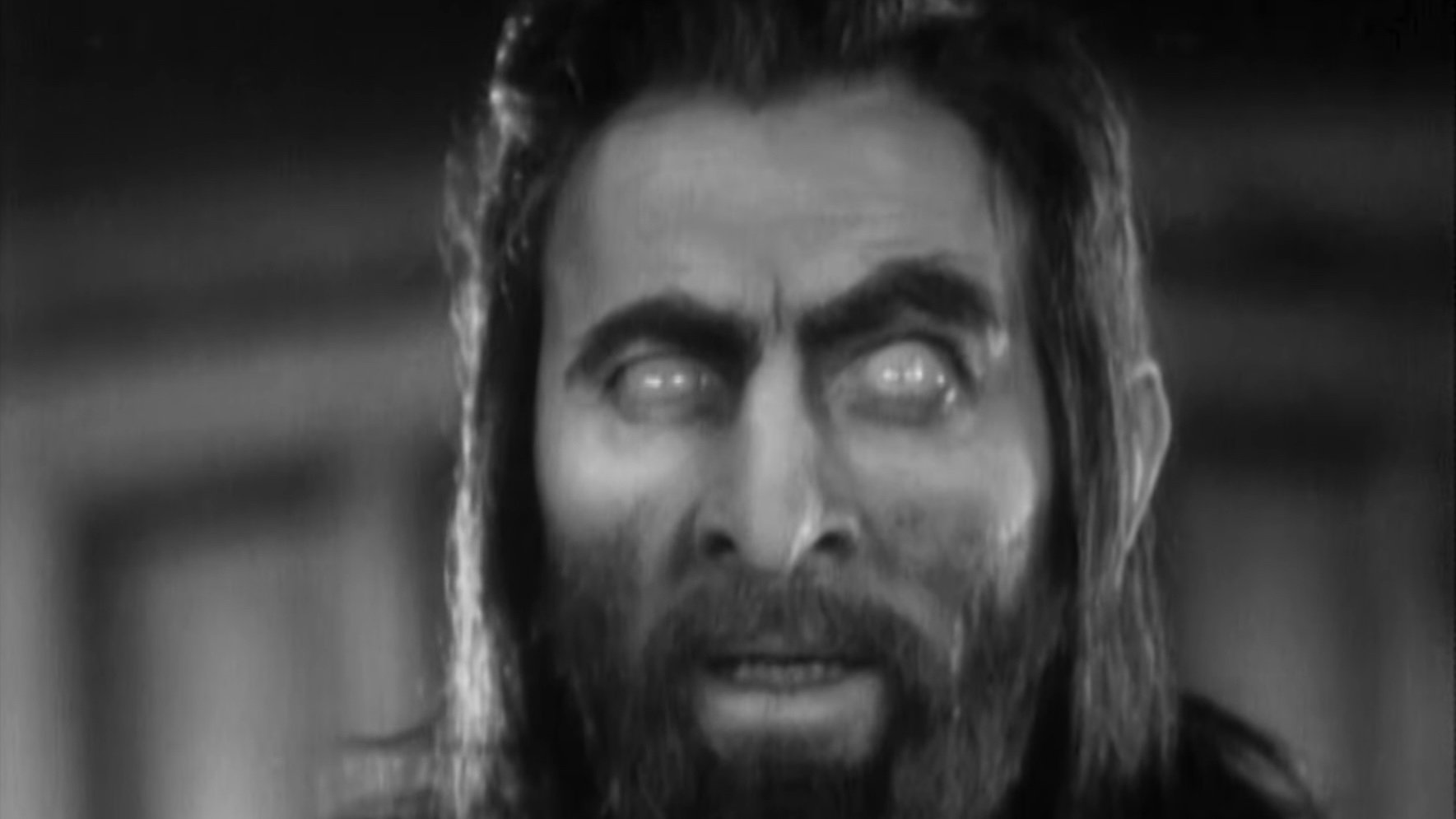
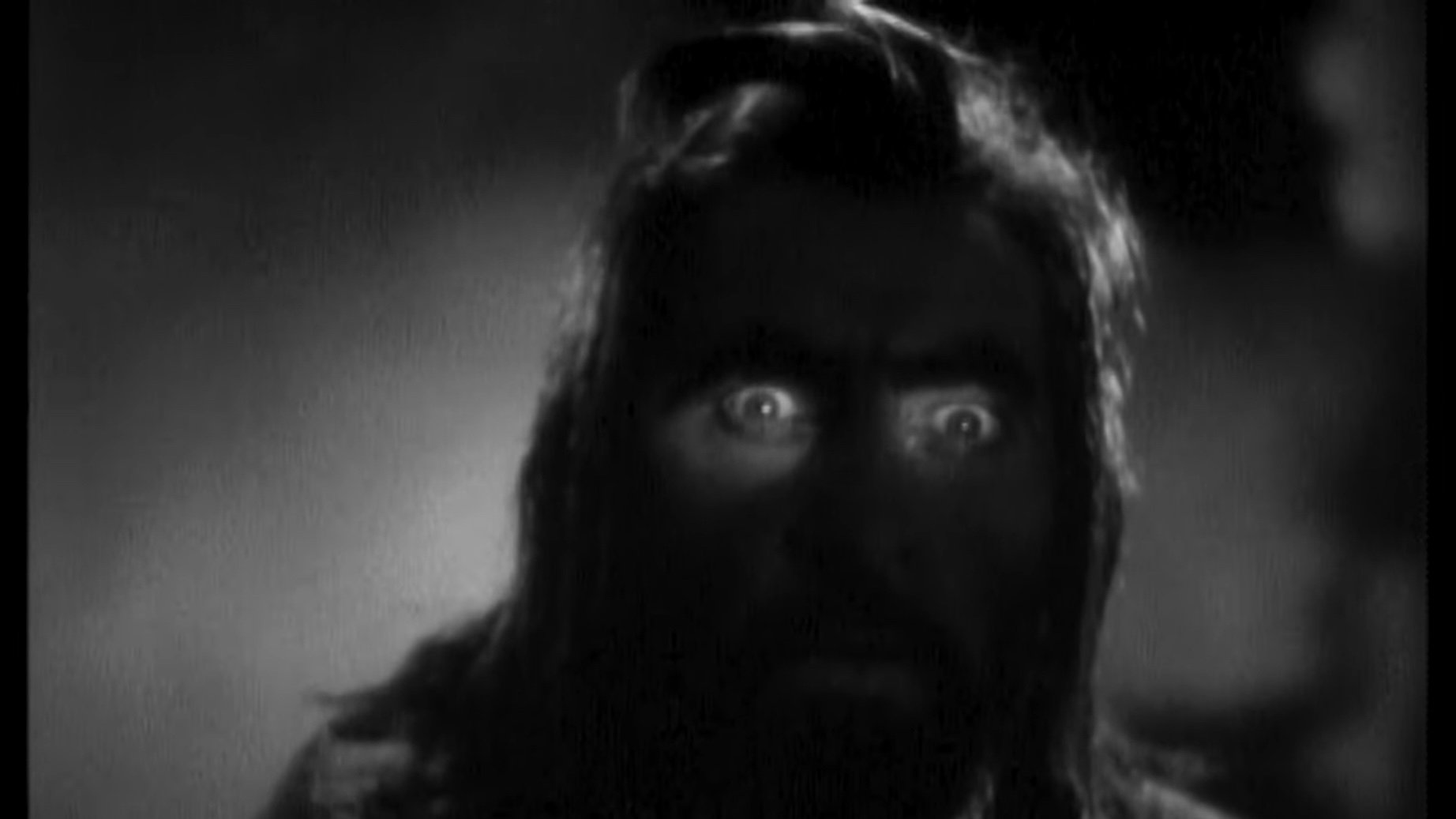
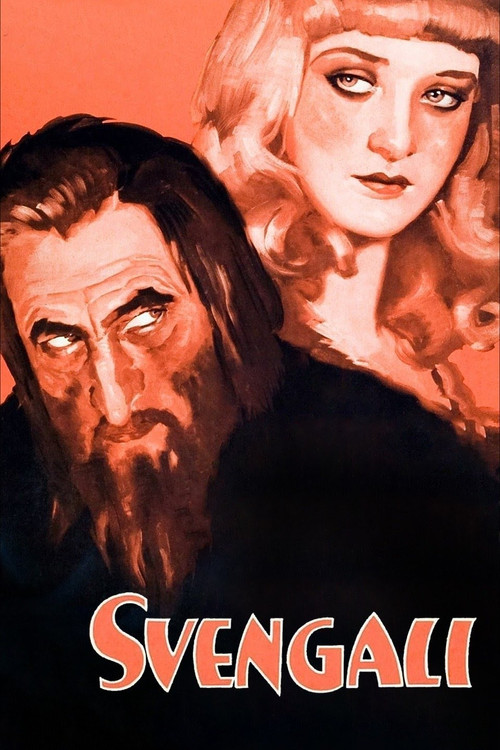
A music maestro uses hypnotism on a young model he meets in Paris to make her both his muse and wife.
Directed by Archie Mayo
based on novel or book
telepathy
artist
unrequited love
model
pre-code
hypnotism
mesmerist

IMDB
N/A
Where to Watch



Cast
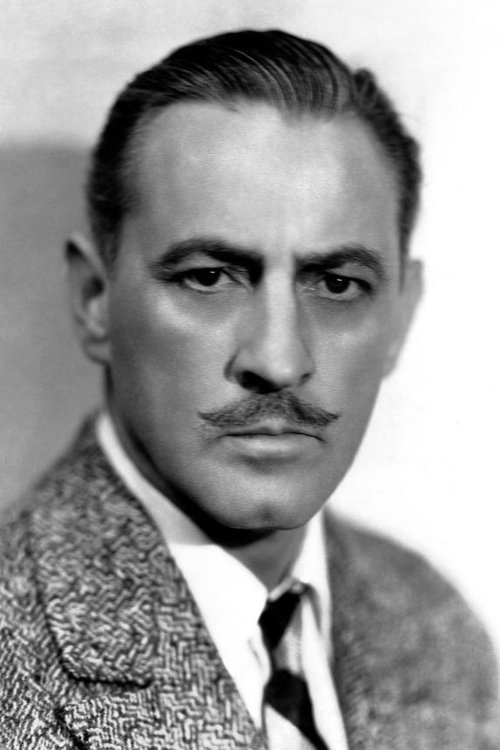
John Barrymore
Svengali

Marian Marsh
Trilby O'Farrell
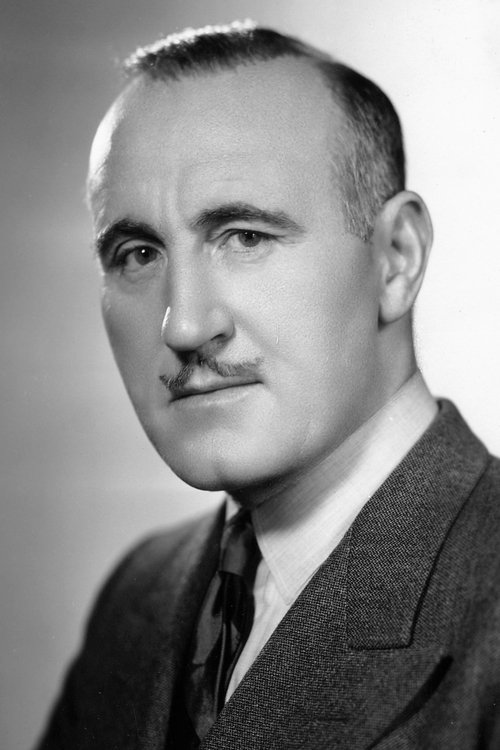
Donald Crisp
The Laird
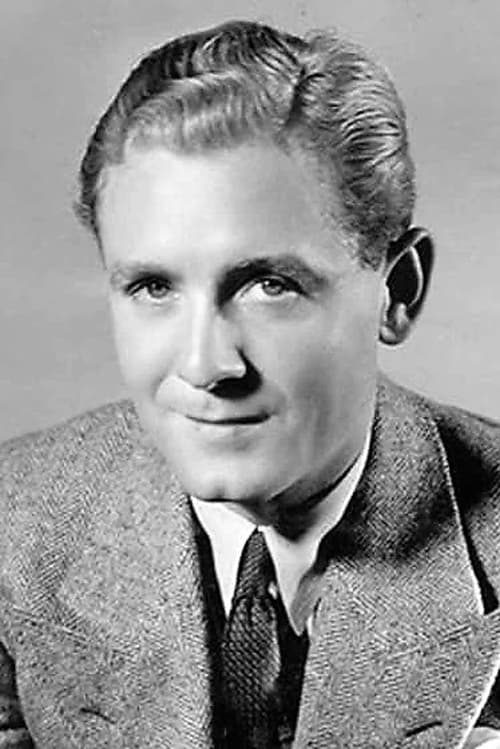
Bramwell Fletcher
Billee

Carmel Myers
Madame Honorine
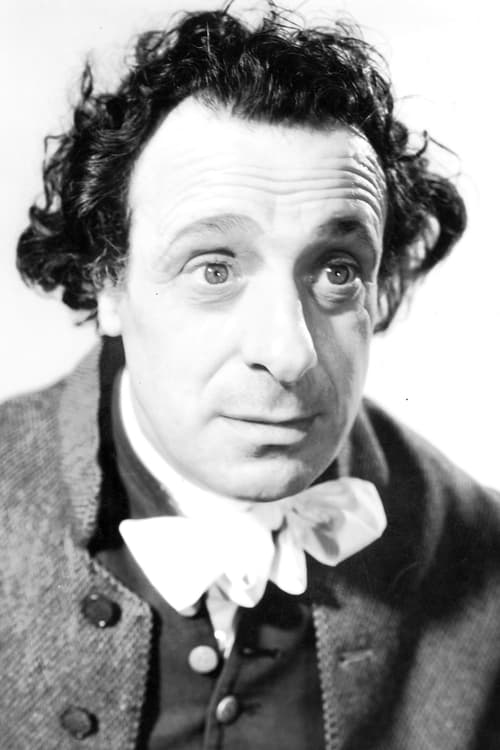
Luis Alberni
Gecko
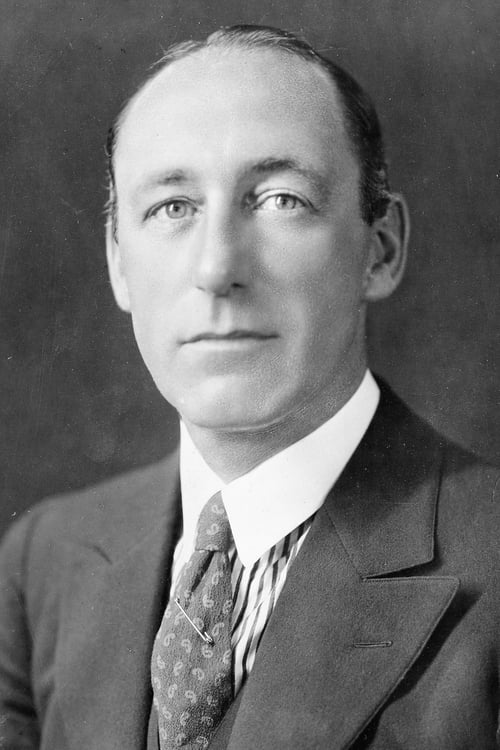
Lumsden Hare
Monsieur Taffy
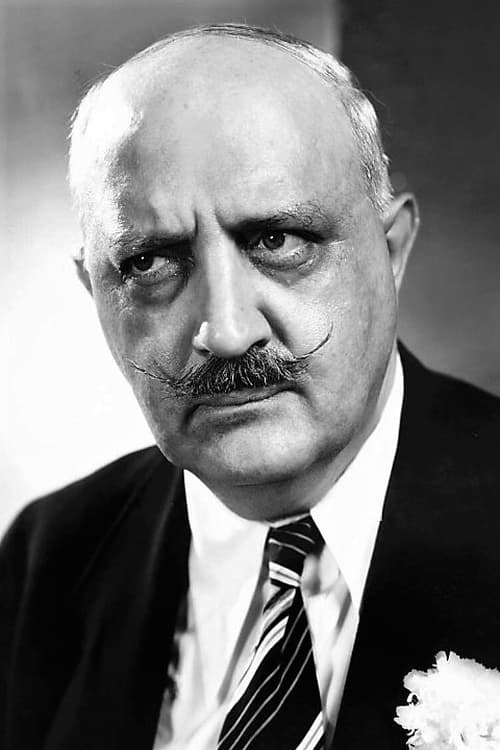
Paul Porcasi
Bonelli

Ferike Boros
Marta (uncredited)

Adrienne D'Ambricourt
Mme. Vinard (uncredited)

Yola d'Avril
Maid (uncredited)

Rose Dione
Trilby's Mother (uncredited)
Crew
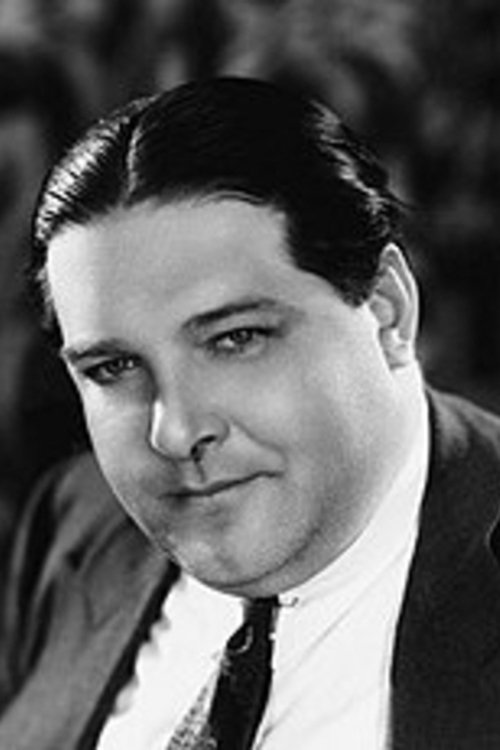
Archie Mayo
Director

David Mendoza
Original Music Composer
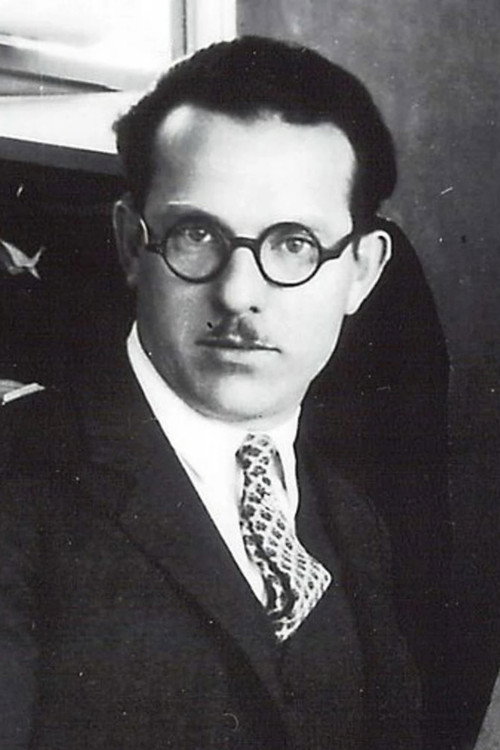
Anton Grot
Art Direction
Popular Reviews
14 reviews
carter canfield
6.0★ · 10/03/23
Criterion Collection | Pre-Code Horror #2
Svengali is truly the original male manipulator
Svengali is truly the original male manipulator
Criterion Collection | Pre-Code Horror #2
Svengali is truly the original male manipulator
Svengali is truly the original male manipulator

1

Leib
8.0★ · 04/19/26
*Svengali, dirigida por Archie Mayo, es una película que, más allá de su historia, termina destacando por cómo utiliza los recursos de su época para construir una atmósfera muy particular. No es solo un melodrama con tintes oscuros; es también un ejemplo muy interesante de cómo el cine temprano empezaba a explorar sus propias posibilidades expresivas con mayor ambición.
La trama —centrada en la figura hipnótica y manipuladora de Svengali— tiene esa intensidad típica del período, con personajes marcados y conflictos bastante claros. Pero lo que realmente le da peso a la película no es tanto el desarrollo narrativo en sí, sino el clima que logra generar. Hay una sensación constante de extrañeza, de control, de algo que no termina de ser natural, y eso está muy ligado a cómo está filmada.
La cinematografía de Barney McGill es, para su tiempo, impresionante. Hay un uso muy consciente de la luz y la sombra, claramente influenciado por el expresionismo, que le da a la película una textura visual muy marcada. Los contrastes son fuertes, los rostros aparecen modelados por la iluminación, y los espacios se sienten cargados, casi opresivos.
También es notable cómo la cámara se mueve dentro de las limitaciones tecnológicas de la época. No es un cine estático: hay intención en los encuadres, en los ángulos, en cómo se organiza el espacio dentro del plano. Para una producción de principios de los años 30, se percibe una búsqueda clara de dinamismo visual.
Los efectos utilizados para representar el control mental o la hipnosis son particularmente interesantes. Puede que hoy se sientan simples, pero en su contexto funcionan muy bien. Hay una creatividad evidente en cómo se intenta traducir lo psicológico en imagen, en cómo se sugiere esa pérdida de voluntad a través de recursos visuales.
El trabajo de Archie Mayo también es clave en esto. No se limita a registrar la historia; hay una intención de construir una experiencia visual coherente con el tono del relato. La dirección entiende que la forma es tan importante como el contenido, y eso se nota en la consistencia de la atmósfera.
El ritmo puede sentirse algo irregular desde una mirada actual, y ciertas actuaciones responden a códigos más teatrales, pero eso también forma parte de su identidad. La película pertenece claramente a su tiempo, pero no queda atrapada en él.
En conjunto, Svengali es una obra que se sostiene tanto por su historia como por su ejecución técnica. No todo tiene la misma fuerza, pero hay una solidez general que la mantiene firme. Y sobre todo, en términos cinematográficos, es un ejemplo muy valioso de cómo el cine de esa época ya estaba explorando con bastante creatividad los límites de su propio lenguaje.*
La trama —centrada en la figura hipnótica y manipuladora de Svengali— tiene esa intensidad típica del período, con personajes marcados y conflictos bastante claros. Pero lo que realmente le da peso a la película no es tanto el desarrollo narrativo en sí, sino el clima que logra generar. Hay una sensación constante de extrañeza, de control, de algo que no termina de ser natural, y eso está muy ligado a cómo está filmada.
La cinematografía de Barney McGill es, para su tiempo, impresionante. Hay un uso muy consciente de la luz y la sombra, claramente influenciado por el expresionismo, que le da a la película una textura visual muy marcada. Los contrastes son fuertes, los rostros aparecen modelados por la iluminación, y los espacios se sienten cargados, casi opresivos.
También es notable cómo la cámara se mueve dentro de las limitaciones tecnológicas de la época. No es un cine estático: hay intención en los encuadres, en los ángulos, en cómo se organiza el espacio dentro del plano. Para una producción de principios de los años 30, se percibe una búsqueda clara de dinamismo visual.
Los efectos utilizados para representar el control mental o la hipnosis son particularmente interesantes. Puede que hoy se sientan simples, pero en su contexto funcionan muy bien. Hay una creatividad evidente en cómo se intenta traducir lo psicológico en imagen, en cómo se sugiere esa pérdida de voluntad a través de recursos visuales.
El trabajo de Archie Mayo también es clave en esto. No se limita a registrar la historia; hay una intención de construir una experiencia visual coherente con el tono del relato. La dirección entiende que la forma es tan importante como el contenido, y eso se nota en la consistencia de la atmósfera.
El ritmo puede sentirse algo irregular desde una mirada actual, y ciertas actuaciones responden a códigos más teatrales, pero eso también forma parte de su identidad. La película pertenece claramente a su tiempo, pero no queda atrapada en él.
En conjunto, Svengali es una obra que se sostiene tanto por su historia como por su ejecución técnica. No todo tiene la misma fuerza, pero hay una solidez general que la mantiene firme. Y sobre todo, en términos cinematográficos, es un ejemplo muy valioso de cómo el cine de esa época ya estaba explorando con bastante creatividad los límites de su propio lenguaje.*
*Svengali, dirigida por Archie Mayo, es una película que, más allá de su historia, termina destacando por cómo utiliza los recursos de su época para construir una atmósfera muy particular. No es solo un melodrama con tintes oscuros; es también un ejemplo muy interesante de cómo el cine temprano empezaba a explorar sus propias posibilidades expresivas con mayor ambición.
La trama —centrada en la figura hipnótica y manipuladora de Svengali— tiene esa intensidad típica del período, con personajes marcados y conflictos bastante claros. Pero lo que realmente le da peso a la película no es tanto el desarrollo narrativo en sí, sino el clima que logra generar. Hay una sensación constante de extrañeza, de control, de algo que no termina de ser natural, y eso está muy ligado a cómo está filmada.
La cinematografía de Barney McGill es, para su tiempo, impresionante. Hay un uso muy consciente de la luz y la sombra, claramente influenciado por el expresionismo, que le da a la película una textura visual muy marcada. Los contrastes son fuertes, los rostros aparecen modelados por la iluminación, y los espacios se sienten cargados, casi opresivos.
También es notable cómo la cámara se mueve dentro de las limitaciones tecnológicas de la época. No es un cine estático: hay intención en los encuadres, en los ángulos, en cómo se organiza el espacio dentro del plano. Para una producción de principios de los años 30, se percibe una búsqueda clara de dinamismo visual.
Los efectos utilizados para representar el control mental o la hipnosis son particularmente interesantes. Puede que hoy se sientan simples, pero en su contexto funcionan muy bien. Hay una creatividad evidente en cómo se intenta traducir lo psicológico en imagen, en cómo se sugiere esa pérdida de voluntad a través de recursos visuales.
El trabajo de Archie Mayo también es clave en esto. No se limita a registrar la historia; hay una intención de construir una experiencia visual coherente con el tono del relato. La dirección entiende que la forma es tan importante como el contenido, y eso se nota en la consistencia de la atmósfera.
El ritmo puede sentirse algo irregular desde una mirada actual, y ciertas actuaciones responden a códigos más teatrales, pero eso también forma parte de su identidad. La película pertenece claramente a su tiempo, pero no queda atrapada en él.
En conjunto, Svengali es una obra que se sostiene tanto por su historia como por su ejecución técnica. No todo tiene la misma fuerza, pero hay una solidez general que la mantiene firme. Y sobre todo, en términos cinematográficos, es un ejemplo muy valioso de cómo el cine de esa época ya estaba explorando con bastante creatividad los límites de su propio lenguaje.*
La trama —centrada en la figura hipnótica y manipuladora de Svengali— tiene esa intensidad típica del período, con personajes marcados y conflictos bastante claros. Pero lo que realmente le da peso a la película no es tanto el desarrollo narrativo en sí, sino el clima que logra generar. Hay una sensación constante de extrañeza, de control, de algo que no termina de ser natural, y eso está muy ligado a cómo está filmada.
La cinematografía de Barney McGill es, para su tiempo, impresionante. Hay un uso muy consciente de la luz y la sombra, claramente influenciado por el expresionismo, que le da a la película una textura visual muy marcada. Los contrastes son fuertes, los rostros aparecen modelados por la iluminación, y los espacios se sienten cargados, casi opresivos.
También es notable cómo la cámara se mueve dentro de las limitaciones tecnológicas de la época. No es un cine estático: hay intención en los encuadres, en los ángulos, en cómo se organiza el espacio dentro del plano. Para una producción de principios de los años 30, se percibe una búsqueda clara de dinamismo visual.
Los efectos utilizados para representar el control mental o la hipnosis son particularmente interesantes. Puede que hoy se sientan simples, pero en su contexto funcionan muy bien. Hay una creatividad evidente en cómo se intenta traducir lo psicológico en imagen, en cómo se sugiere esa pérdida de voluntad a través de recursos visuales.
El trabajo de Archie Mayo también es clave en esto. No se limita a registrar la historia; hay una intención de construir una experiencia visual coherente con el tono del relato. La dirección entiende que la forma es tan importante como el contenido, y eso se nota en la consistencia de la atmósfera.
El ritmo puede sentirse algo irregular desde una mirada actual, y ciertas actuaciones responden a códigos más teatrales, pero eso también forma parte de su identidad. La película pertenece claramente a su tiempo, pero no queda atrapada en él.
En conjunto, Svengali es una obra que se sostiene tanto por su historia como por su ejecución técnica. No todo tiene la misma fuerza, pero hay una solidez general que la mantiene firme. Y sobre todo, en términos cinematográficos, es un ejemplo muy valioso de cómo el cine de esa época ya estaba explorando con bastante creatividad los límites de su propio lenguaje.*
JJ
5.0★ · 04/06/26
Svengali is the type of guy to unironically say "that was 2 showers ago" when you show him something from years ago
Svengali is the type of guy to unironically say "that was 2 showers ago" when you show him something from years ago
Bella
2.0★ · 03/27/26
A borderline horror, pre-code era film with heavy expressionist influences? I should’ve loved it, but sadly I did not.
The first 15 minutes were pretty good and some of the gags were funny, especially the bathtub national anthem scene. But after that 20 minute mark, things got very boring. I hate calling a movie boring, but jesus christ I could barely keep my eyes open. For whatever reason this film was making me very sleepy and I was having a hard time focusing on it, which made me very frustrated because I wanted to be able to really understand it, but it was just so so boring. I hate that so much, because I was excited to watch this after I saw it on Tubi, but sadly I was very disappointed.
I also want to add I had never heard of Svengali as a character before watching this, but I always research movies after watching them, and I found out there’s actually several adaptations because it was originally a book. A very antisemitic book I might add. Which after reading that, I could definitely see it in the film. To be honest I could see that the film had very xenophobic views, but for some reason I didn’t clock the fact that Svengali is supposed to be Jewish, probably because I was so focused on the fact that he looked like a bootleg Rasputin. Apparently the antisemitism isn’t as rampant in this version as it is in some of the earlier films and book, but they’re still very present. He’s portrayed as this greedy, dirty, manipulative, violent man. Even at the beginning of the film, when he finds out that woman didn’t bring him any money, he instantly killed her. He’s obviously a caricature of an Ashkenazi Jewish man, and like I stated before it’s not as bad as the previous films and books, but it’s still there and pretty gross.
Overall, I found the film very boring, and a bit underwhelming. It’s just bad, and when you throw the antisemitism on top of that it’s even worse. I liked the sets and camera work though, but that’s pretty much it.
Also Svengali’s eyes glowing reminded me a lot of Bela Lugosi
The first 15 minutes were pretty good and some of the gags were funny, especially the bathtub national anthem scene. But after that 20 minute mark, things got very boring. I hate calling a movie boring, but jesus christ I could barely keep my eyes open. For whatever reason this film was making me very sleepy and I was having a hard time focusing on it, which made me very frustrated because I wanted to be able to really understand it, but it was just so so boring. I hate that so much, because I was excited to watch this after I saw it on Tubi, but sadly I was very disappointed.
I also want to add I had never heard of Svengali as a character before watching this, but I always research movies after watching them, and I found out there’s actually several adaptations because it was originally a book. A very antisemitic book I might add. Which after reading that, I could definitely see it in the film. To be honest I could see that the film had very xenophobic views, but for some reason I didn’t clock the fact that Svengali is supposed to be Jewish, probably because I was so focused on the fact that he looked like a bootleg Rasputin. Apparently the antisemitism isn’t as rampant in this version as it is in some of the earlier films and book, but they’re still very present. He’s portrayed as this greedy, dirty, manipulative, violent man. Even at the beginning of the film, when he finds out that woman didn’t bring him any money, he instantly killed her. He’s obviously a caricature of an Ashkenazi Jewish man, and like I stated before it’s not as bad as the previous films and books, but it’s still there and pretty gross.
Overall, I found the film very boring, and a bit underwhelming. It’s just bad, and when you throw the antisemitism on top of that it’s even worse. I liked the sets and camera work though, but that’s pretty much it.
Also Svengali’s eyes glowing reminded me a lot of Bela Lugosi
A borderline horror, pre-code era film with heavy expressionist influences? I should’ve loved it, but sadly I did not.
The first 15 minutes were pretty good and some of the gags were funny, especially the bathtub national anthem scene. But after that 20 minute mark, things got very boring. I hate calling a movie boring, but jesus christ I could barely keep my eyes open. For whatever reason this film was making me very sleepy and I was having a hard time focusing on it, which made me very frustrated because I wanted to be able to really understand it, but it was just so so boring. I hate that so much, because I was excited to watch this after I saw it on Tubi, but sadly I was very disappointed.
I also want to add I had never heard of Svengali as a character before watching this, but I always research movies after watching them, and I found out there’s actually several adaptations because it was originally a book. A very antisemitic book I might add. Which after reading that, I could definitely see it in the film. To be honest I could see that the film had very xenophobic views, but for some reason I didn’t clock the fact that Svengali is supposed to be Jewish, probably because I was so focused on the fact that he looked like a bootleg Rasputin. Apparently the antisemitism isn’t as rampant in this version as it is in some of the earlier films and book, but they’re still very present. He’s portrayed as this greedy, dirty, manipulative, violent man. Even at the beginning of the film, when he finds out that woman didn’t bring him any money, he instantly killed her. He’s obviously a caricature of an Ashkenazi Jewish man, and like I stated before it’s not as bad as the previous films and books, but it’s still there and pretty gross.
Overall, I found the film very boring, and a bit underwhelming. It’s just bad, and when you throw the antisemitism on top of that it’s even worse. I liked the sets and camera work though, but that’s pretty much it.
Also Svengali’s eyes glowing reminded me a lot of Bela Lugosi
The first 15 minutes were pretty good and some of the gags were funny, especially the bathtub national anthem scene. But after that 20 minute mark, things got very boring. I hate calling a movie boring, but jesus christ I could barely keep my eyes open. For whatever reason this film was making me very sleepy and I was having a hard time focusing on it, which made me very frustrated because I wanted to be able to really understand it, but it was just so so boring. I hate that so much, because I was excited to watch this after I saw it on Tubi, but sadly I was very disappointed.
I also want to add I had never heard of Svengali as a character before watching this, but I always research movies after watching them, and I found out there’s actually several adaptations because it was originally a book. A very antisemitic book I might add. Which after reading that, I could definitely see it in the film. To be honest I could see that the film had very xenophobic views, but for some reason I didn’t clock the fact that Svengali is supposed to be Jewish, probably because I was so focused on the fact that he looked like a bootleg Rasputin. Apparently the antisemitism isn’t as rampant in this version as it is in some of the earlier films and book, but they’re still very present. He’s portrayed as this greedy, dirty, manipulative, violent man. Even at the beginning of the film, when he finds out that woman didn’t bring him any money, he instantly killed her. He’s obviously a caricature of an Ashkenazi Jewish man, and like I stated before it’s not as bad as the previous films and books, but it’s still there and pretty gross.
Overall, I found the film very boring, and a bit underwhelming. It’s just bad, and when you throw the antisemitism on top of that it’s even worse. I liked the sets and camera work though, but that’s pretty much it.
Also Svengali’s eyes glowing reminded me a lot of Bela Lugosi
vivica
6.0★ · 10/29/25
i barely understood the plot but trilby is gorgeous will probably rewatch in english dub
i barely understood the plot but trilby is gorgeous will probably rewatch in english dub