
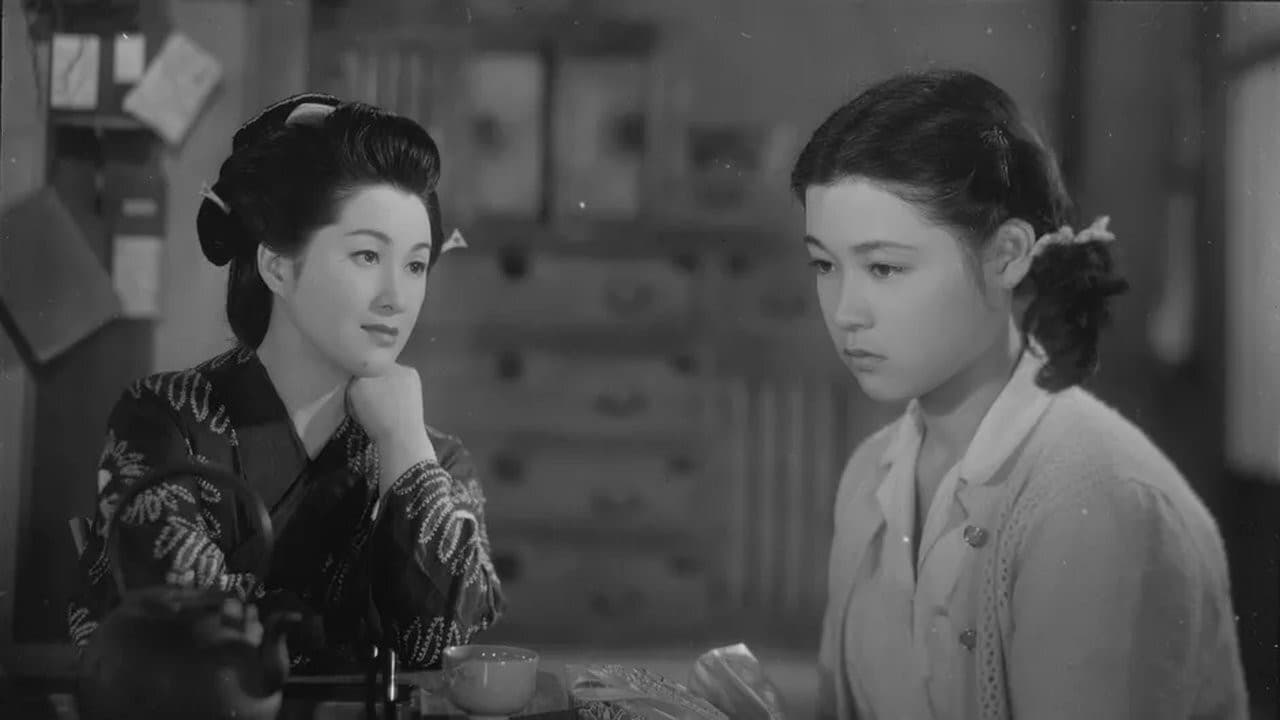
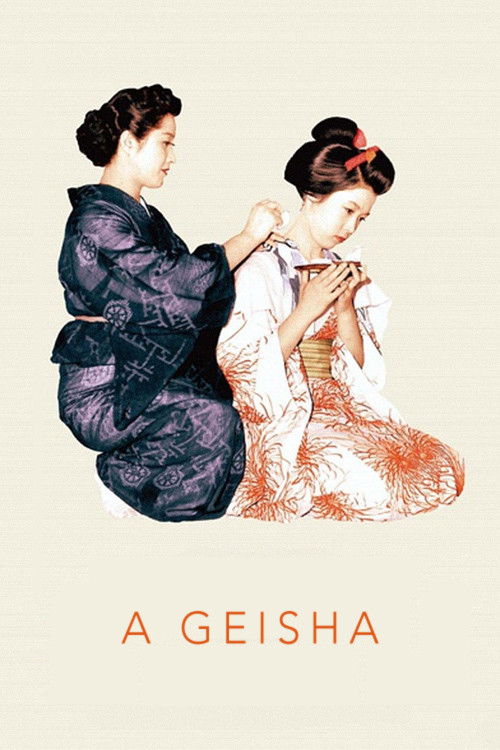
A Geisha
1953·Drama·1h 25m
7.1
★
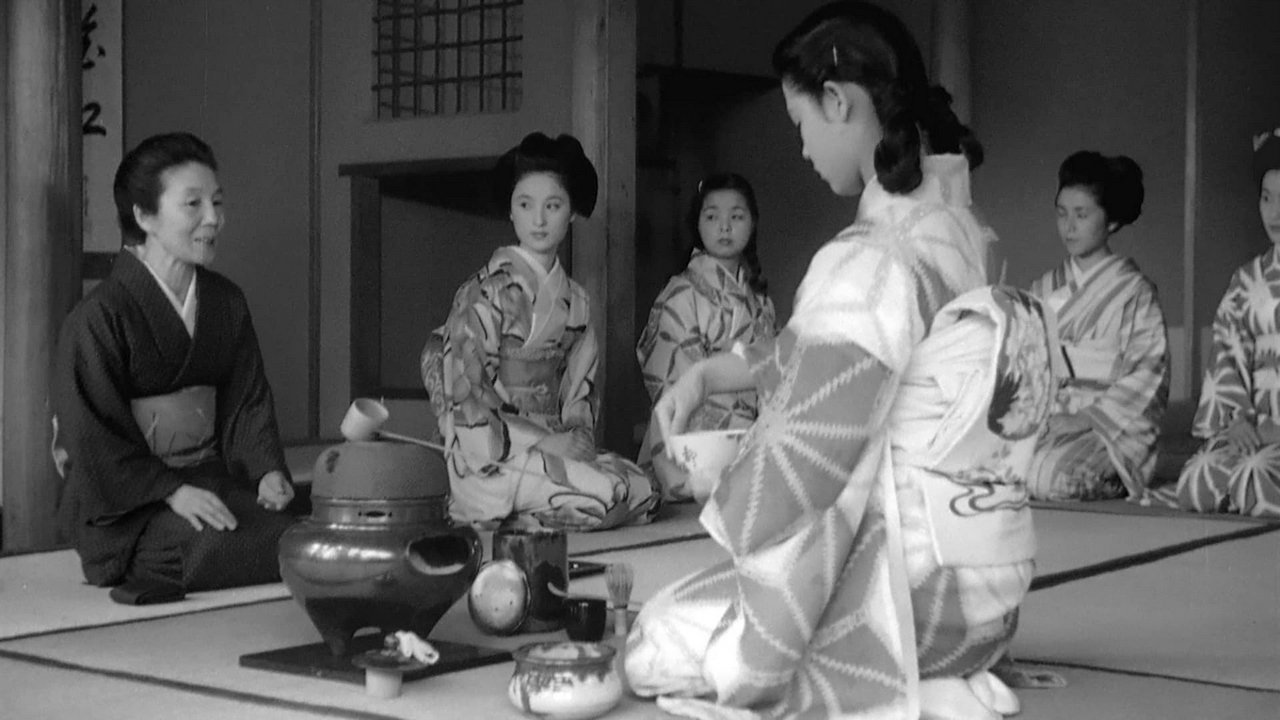
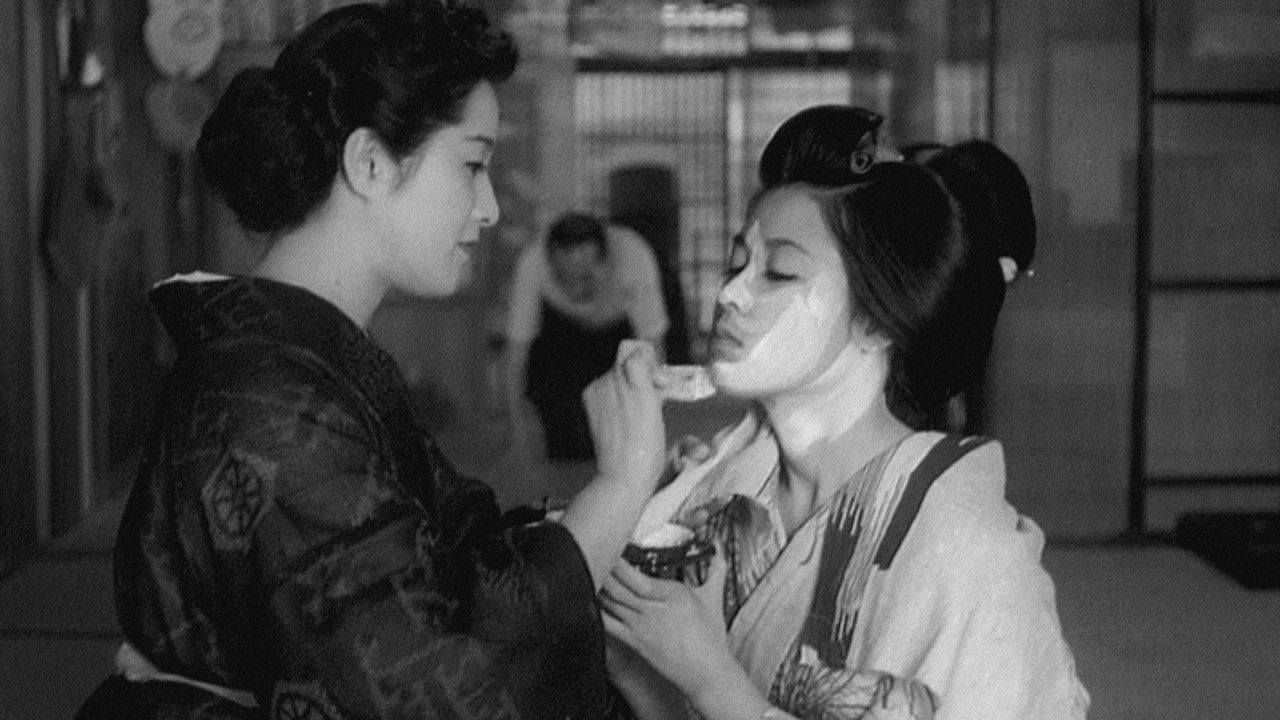
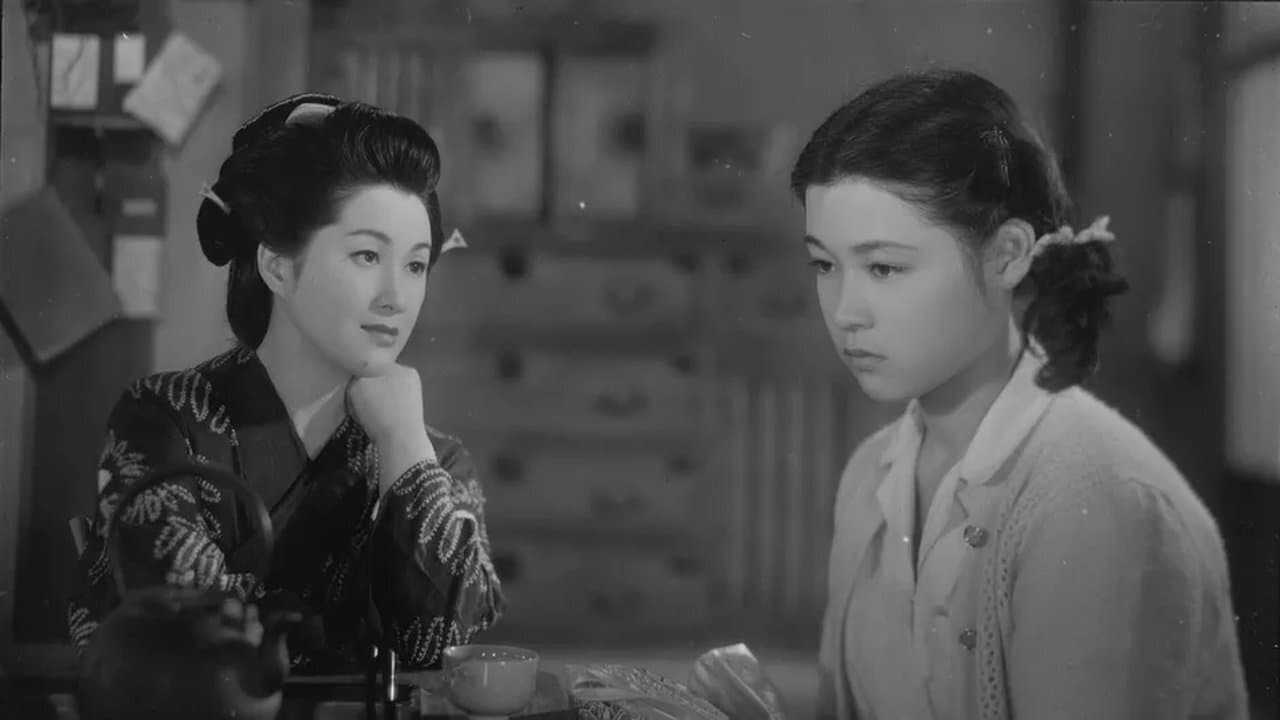
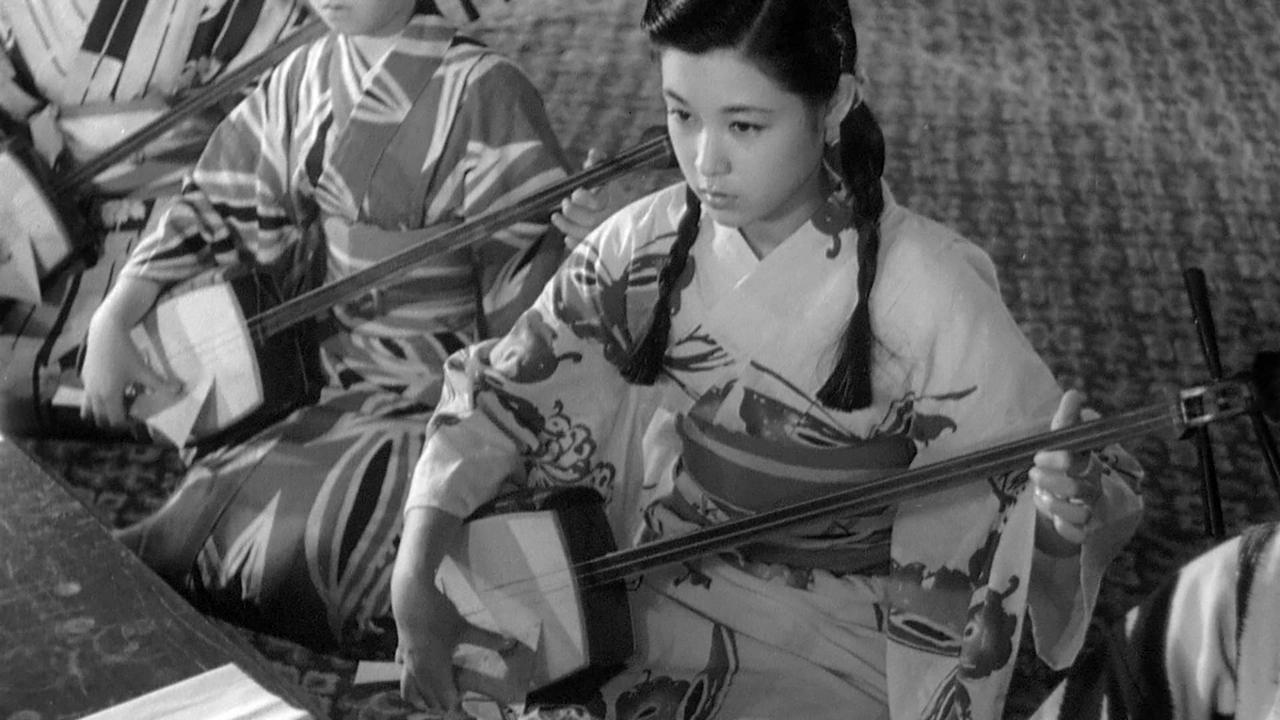
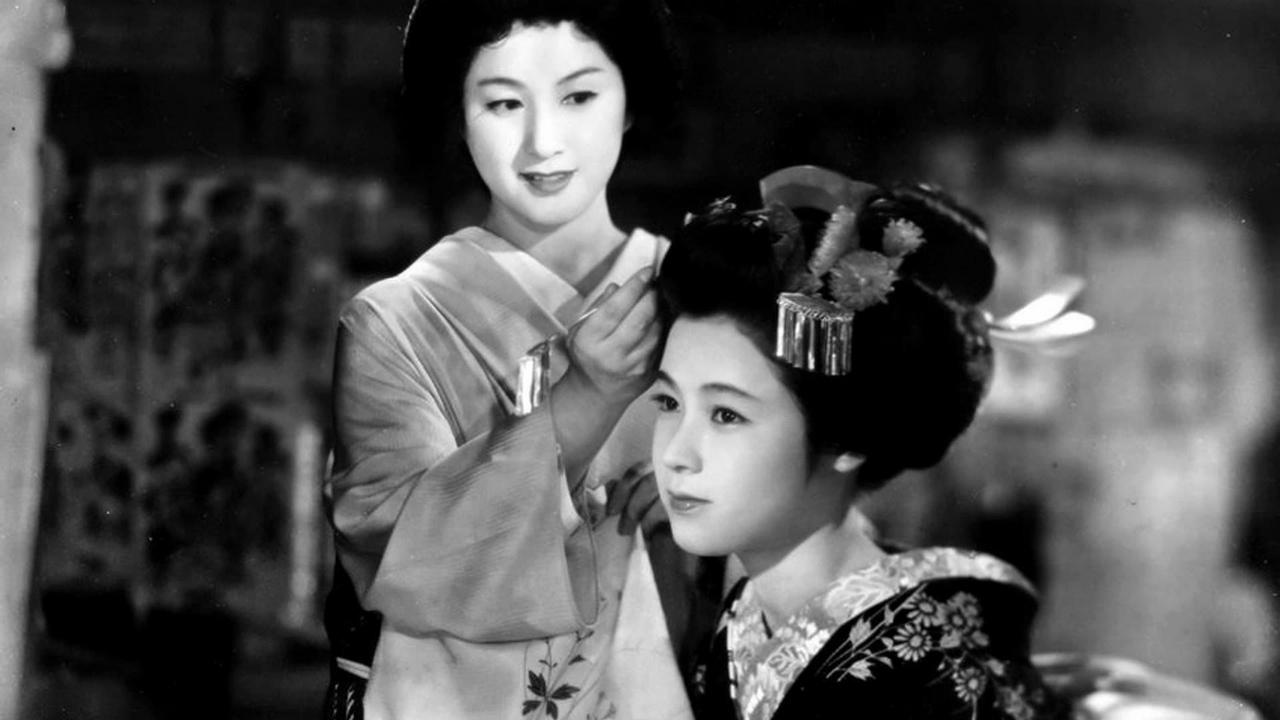
Fleeing a distressing family situation, Eiko, a very young girl, becomes an apprentice to Miyoharu, a veteran geisha. Both, determined to preserve their professional integrity, must face the selfishness and ambition of several petty people.
Directed by Kenji Mizoguchi
geisha
coming of age
debt
teacher student relationship
kyoto, japan
post war japan
dignity
apprenticeship
shōwa era (1926-89)
japanese culture
father daughter estrangement
maiko
master apprentice relationship
women's struggle

Trailer

IMDB
N/A
Cast
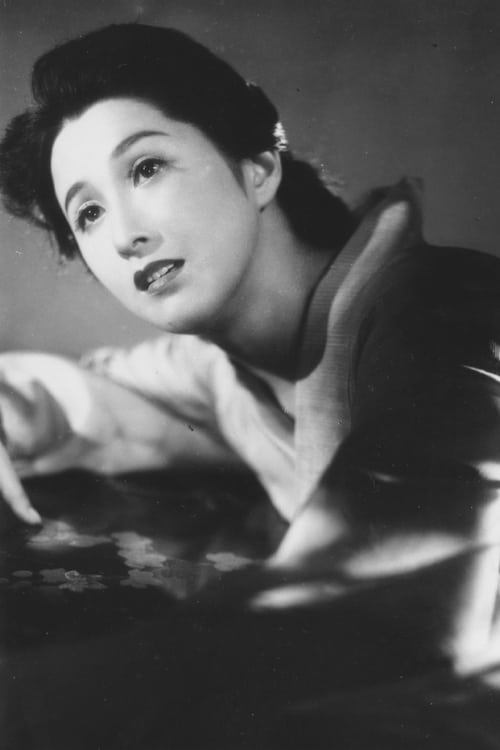
Michiyo Kogure
Miyoharu
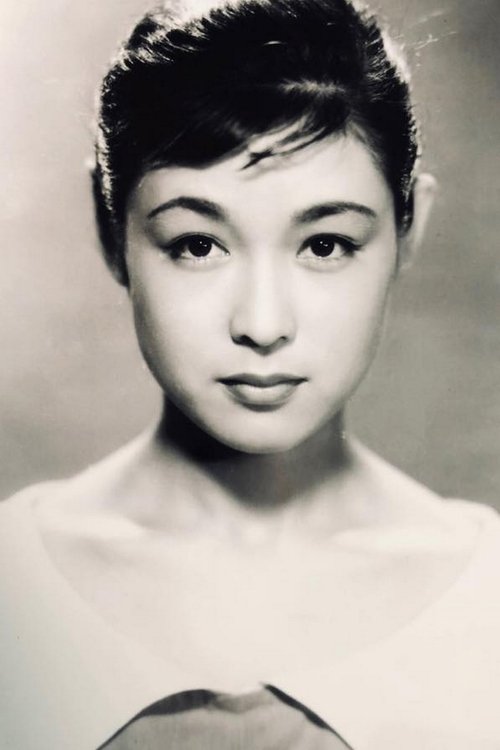
Ayako Wakao
Eiko

Seizaburō Kawazu
Kusuda
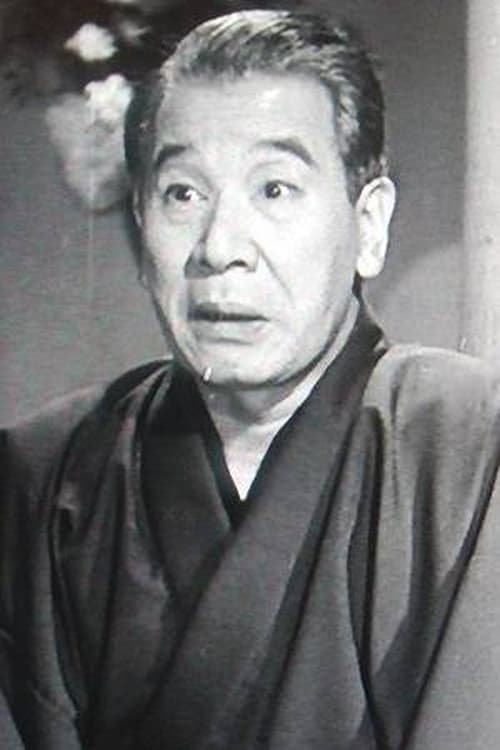
Eitarō Shindō
Sawamoto
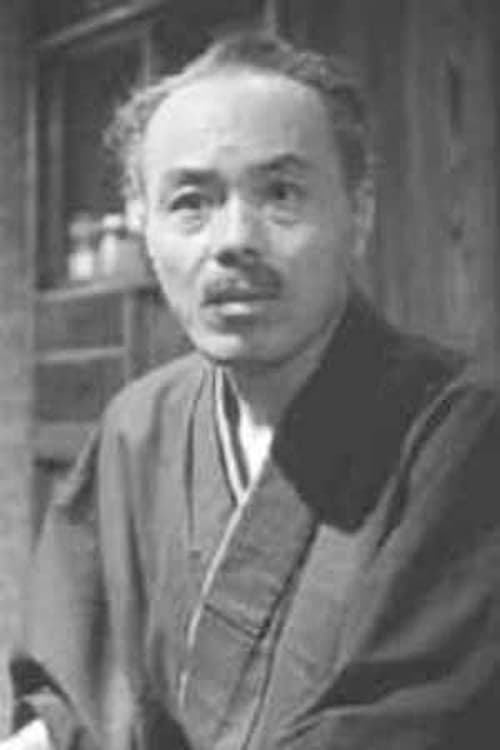
Ichirō Sugai
Saeki
Kanji Koshiba
Kanzaki
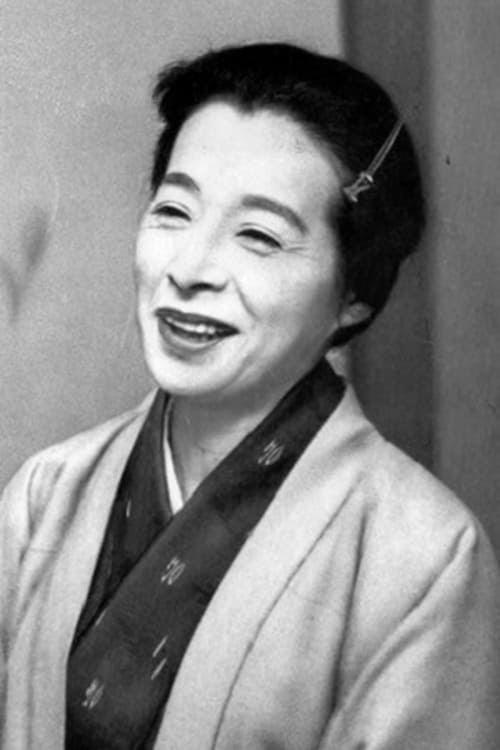
Chieko Naniwa
Okimi
Saburo Date
Imanishi

Kanae Kobayashi
Hairdresser
Midori Komatsu
Oume
Keiko Koyanagi
Geisha
Tokiko Mita
Maiko
Crew
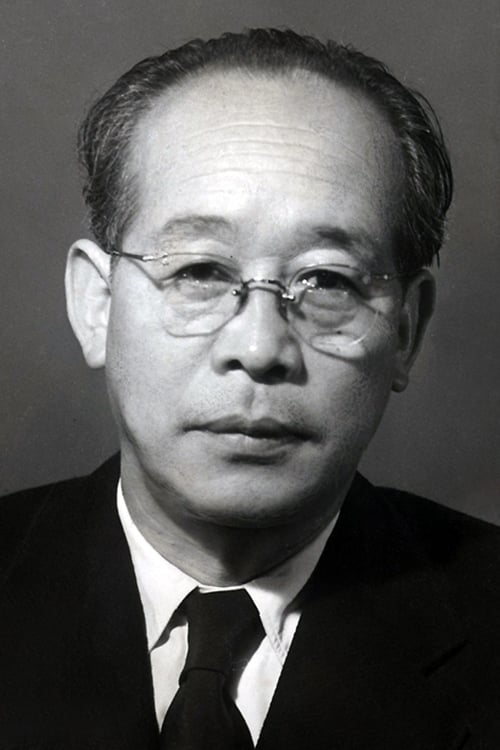
Kenji Mizoguchi
Director
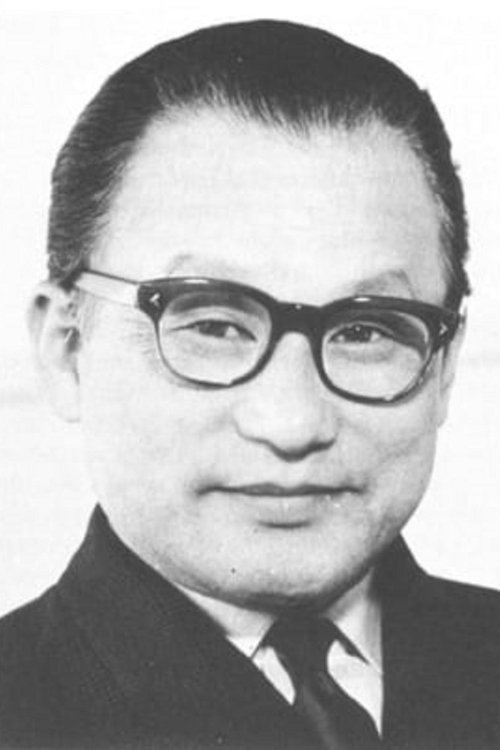
Kazuo Miyagawa
Director of Photography
Popular Reviews
16 reviews
Cineception
9.5★ · 05/26/25
92 / 100
“A geisha’s lie is not a real lie. It’s the cornerstone of our profession. Do we not amuse our clients by agreeing to all their requests?”
While Kobayashi voices out the enclosed samurai condition, Mizoguchi exposes the opulence of Gion as a veneer - a soft-lit labyrinth where women’s lives are sold in fragments of grace and silence. The geisha system, though wrapped in traditional practices, in inseparable from exploitation: a world catalysing the dissolution of consent.
Geishas are being put out of their comfortable ‘entertainment’ seats so they can be instruments for male advancement. Deals are struck, egos fed, bodies offered without regard for their autonomy. To be a geisha is to serve, absorb, endure.
Amid this, Miyoharu emerges not as a guardian of tradition, but as a quiet insurgent. She adopts the role of mother to young Eiko (perhaps 16-17ish years old at the time) - not out of obligation, because I can see will. In a world that proposes women only transaction, Mizoguchi provides the purity of chosen care. This surrogate motherhood becomes a small act of rebellion: tender, stoic, and ultimately radical.
Their shared defiance comes costly. By rejecting undesired clients (upon following their platonic beliefs), both women find themselves blacklisted, teetering on the edge of financial slump, punished for defending their bodies. Even Eiko’s father, a former patron of geishas himself, condemns her choices while shamelessly demanding a share of her income - an exemplary enunciation of patriarchal hypocrisy.
Mizoguchi’s lens is spare but devastating like Kobayashi’s. His long takes and tranquil framing do not dramatise suffering. They reveal the ‘pleasure’ industry’s structural faultiness. In today’s feminist discourse, A Geisha shall remain achingly relevant. Resistance, ladies. Resistance.
“A geisha’s lie is not a real lie. It’s the cornerstone of our profession. Do we not amuse our clients by agreeing to all their requests?”
While Kobayashi voices out the enclosed samurai condition, Mizoguchi exposes the opulence of Gion as a veneer - a soft-lit labyrinth where women’s lives are sold in fragments of grace and silence. The geisha system, though wrapped in traditional practices, in inseparable from exploitation: a world catalysing the dissolution of consent.
Geishas are being put out of their comfortable ‘entertainment’ seats so they can be instruments for male advancement. Deals are struck, egos fed, bodies offered without regard for their autonomy. To be a geisha is to serve, absorb, endure.
Amid this, Miyoharu emerges not as a guardian of tradition, but as a quiet insurgent. She adopts the role of mother to young Eiko (perhaps 16-17ish years old at the time) - not out of obligation, because I can see will. In a world that proposes women only transaction, Mizoguchi provides the purity of chosen care. This surrogate motherhood becomes a small act of rebellion: tender, stoic, and ultimately radical.
Their shared defiance comes costly. By rejecting undesired clients (upon following their platonic beliefs), both women find themselves blacklisted, teetering on the edge of financial slump, punished for defending their bodies. Even Eiko’s father, a former patron of geishas himself, condemns her choices while shamelessly demanding a share of her income - an exemplary enunciation of patriarchal hypocrisy.
Mizoguchi’s lens is spare but devastating like Kobayashi’s. His long takes and tranquil framing do not dramatise suffering. They reveal the ‘pleasure’ industry’s structural faultiness. In today’s feminist discourse, A Geisha shall remain achingly relevant. Resistance, ladies. Resistance.
92 / 100
“A geisha’s lie is not a real lie. It’s the cornerstone of our profession. Do we not amuse our clients by agreeing to all their requests?”
While Kobayashi voices out the enclosed samurai condition, Mizoguchi exposes the opulence of Gion as a veneer - a soft-lit labyrinth where women’s lives are sold in fragments of grace and silence. The geisha system, though wrapped in traditional practices, in inseparable from exploitation: a world catalysing the dissolution of consent.
Geishas are being put out of their comfortable ‘entertainment’ seats so they can be instruments for male advancement. Deals are struck, egos fed, bodies offered without regard for their autonomy. To be a geisha is to serve, absorb, endure.
Amid this, Miyoharu emerges not as a guardian of tradition, but as a quiet insurgent. She adopts the role of mother to young Eiko (perhaps 16-17ish years old at the time) - not out of obligation, because I can see will. In a world that proposes women only transaction, Mizoguchi provides the purity of chosen care. This surrogate motherhood becomes a small act of rebellion: tender, stoic, and ultimately radical.
Their shared defiance comes costly. By rejecting undesired clients (upon following their platonic beliefs), both women find themselves blacklisted, teetering on the edge of financial slump, punished for defending their bodies. Even Eiko’s father, a former patron of geishas himself, condemns her choices while shamelessly demanding a share of her income - an exemplary enunciation of patriarchal hypocrisy.
Mizoguchi’s lens is spare but devastating like Kobayashi’s. His long takes and tranquil framing do not dramatise suffering. They reveal the ‘pleasure’ industry’s structural faultiness. In today’s feminist discourse, A Geisha shall remain achingly relevant. Resistance, ladies. Resistance.
“A geisha’s lie is not a real lie. It’s the cornerstone of our profession. Do we not amuse our clients by agreeing to all their requests?”
While Kobayashi voices out the enclosed samurai condition, Mizoguchi exposes the opulence of Gion as a veneer - a soft-lit labyrinth where women’s lives are sold in fragments of grace and silence. The geisha system, though wrapped in traditional practices, in inseparable from exploitation: a world catalysing the dissolution of consent.
Geishas are being put out of their comfortable ‘entertainment’ seats so they can be instruments for male advancement. Deals are struck, egos fed, bodies offered without regard for their autonomy. To be a geisha is to serve, absorb, endure.
Amid this, Miyoharu emerges not as a guardian of tradition, but as a quiet insurgent. She adopts the role of mother to young Eiko (perhaps 16-17ish years old at the time) - not out of obligation, because I can see will. In a world that proposes women only transaction, Mizoguchi provides the purity of chosen care. This surrogate motherhood becomes a small act of rebellion: tender, stoic, and ultimately radical.
Their shared defiance comes costly. By rejecting undesired clients (upon following their platonic beliefs), both women find themselves blacklisted, teetering on the edge of financial slump, punished for defending their bodies. Even Eiko’s father, a former patron of geishas himself, condemns her choices while shamelessly demanding a share of her income - an exemplary enunciation of patriarchal hypocrisy.
Mizoguchi’s lens is spare but devastating like Kobayashi’s. His long takes and tranquil framing do not dramatise suffering. They reveal the ‘pleasure’ industry’s structural faultiness. In today’s feminist discourse, A Geisha shall remain achingly relevant. Resistance, ladies. Resistance.


Plum Ruin
8.0★ · 02/18/25
C’est donc ça les débuts du féminisme au cinema ✊
C’est donc ça les débuts du féminisme au cinema ✊
David Brook
10.0★ · 04/22/12
My review - http://blueprintreview.co.uk/2012/04/sansho-dayugion-bayashi/
My review - http://blueprintreview.co.uk/2012/04/sansho-dayugion-bayashi/
Guns Donovan
7.6★ · 01/01/01
MattiMor
9.0★ · 06/17/26