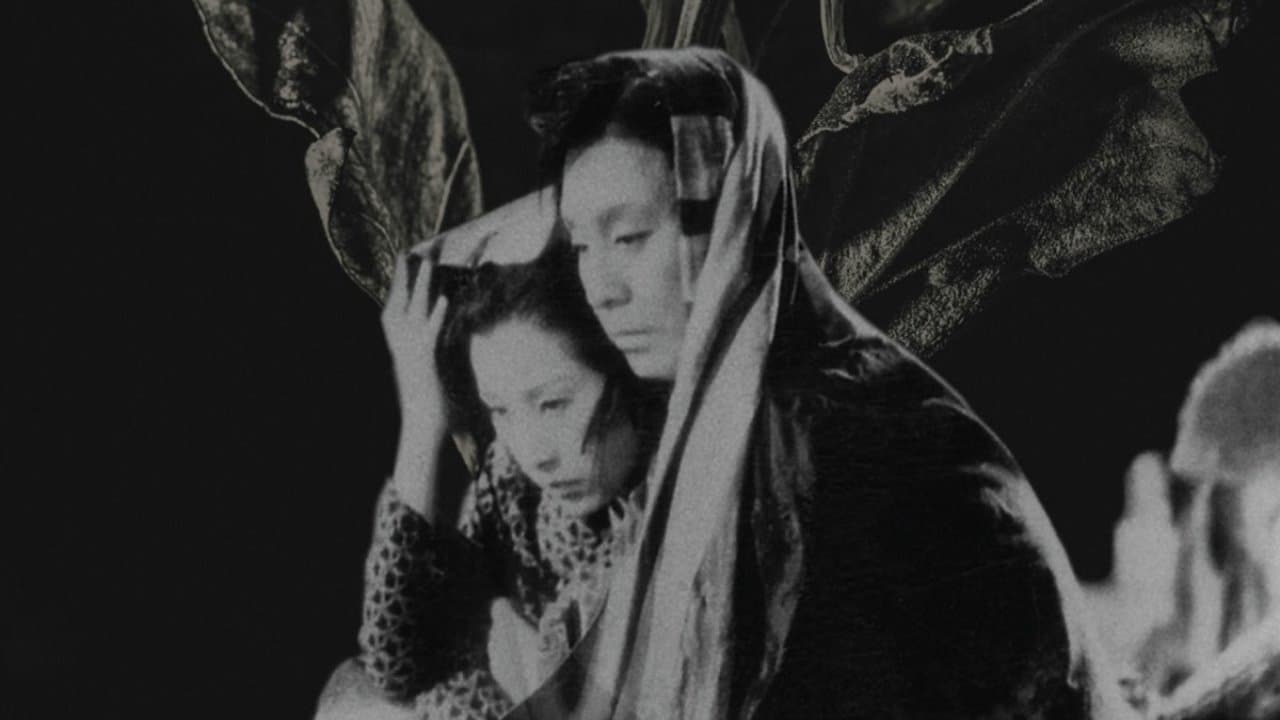
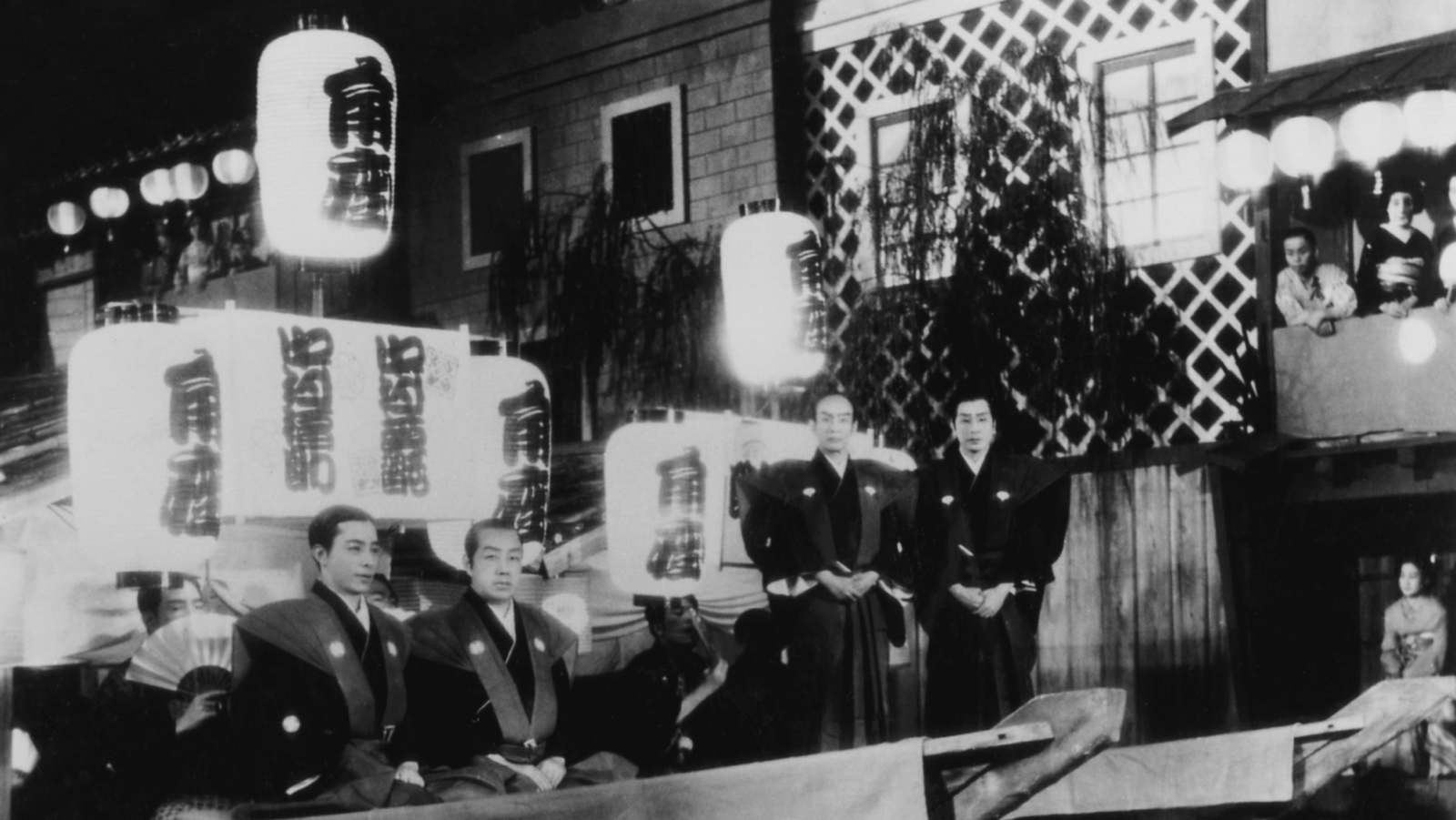
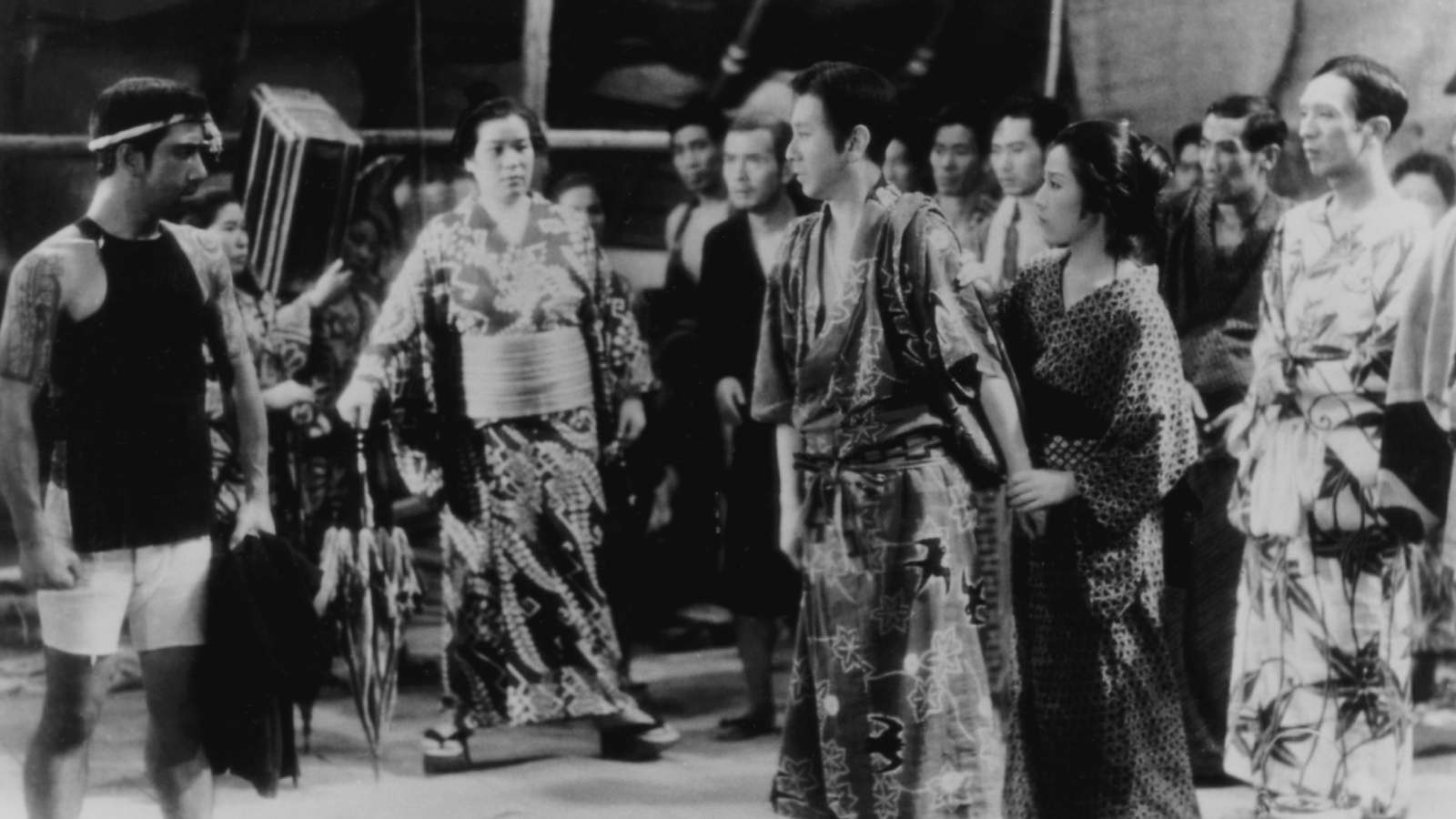
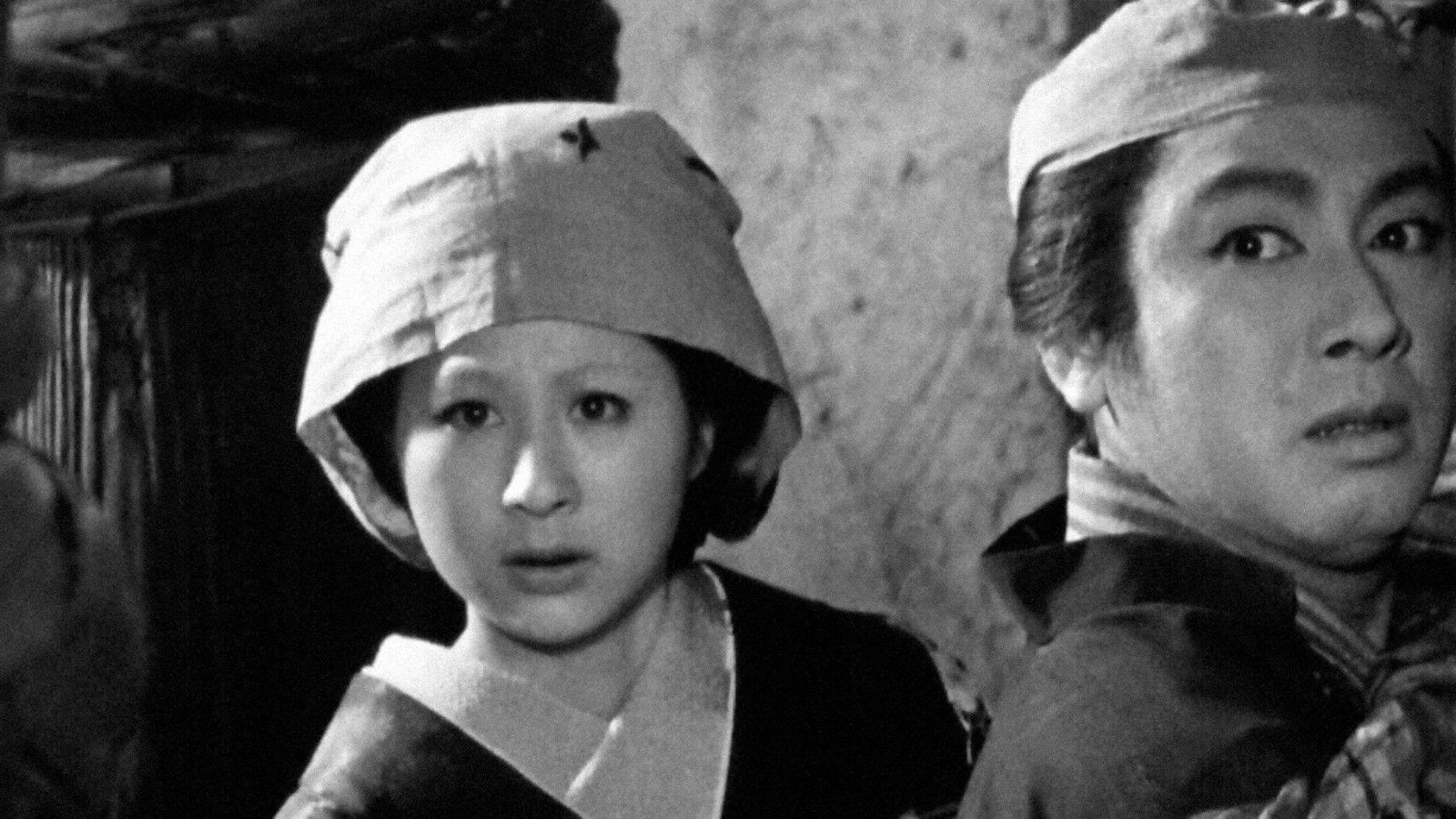
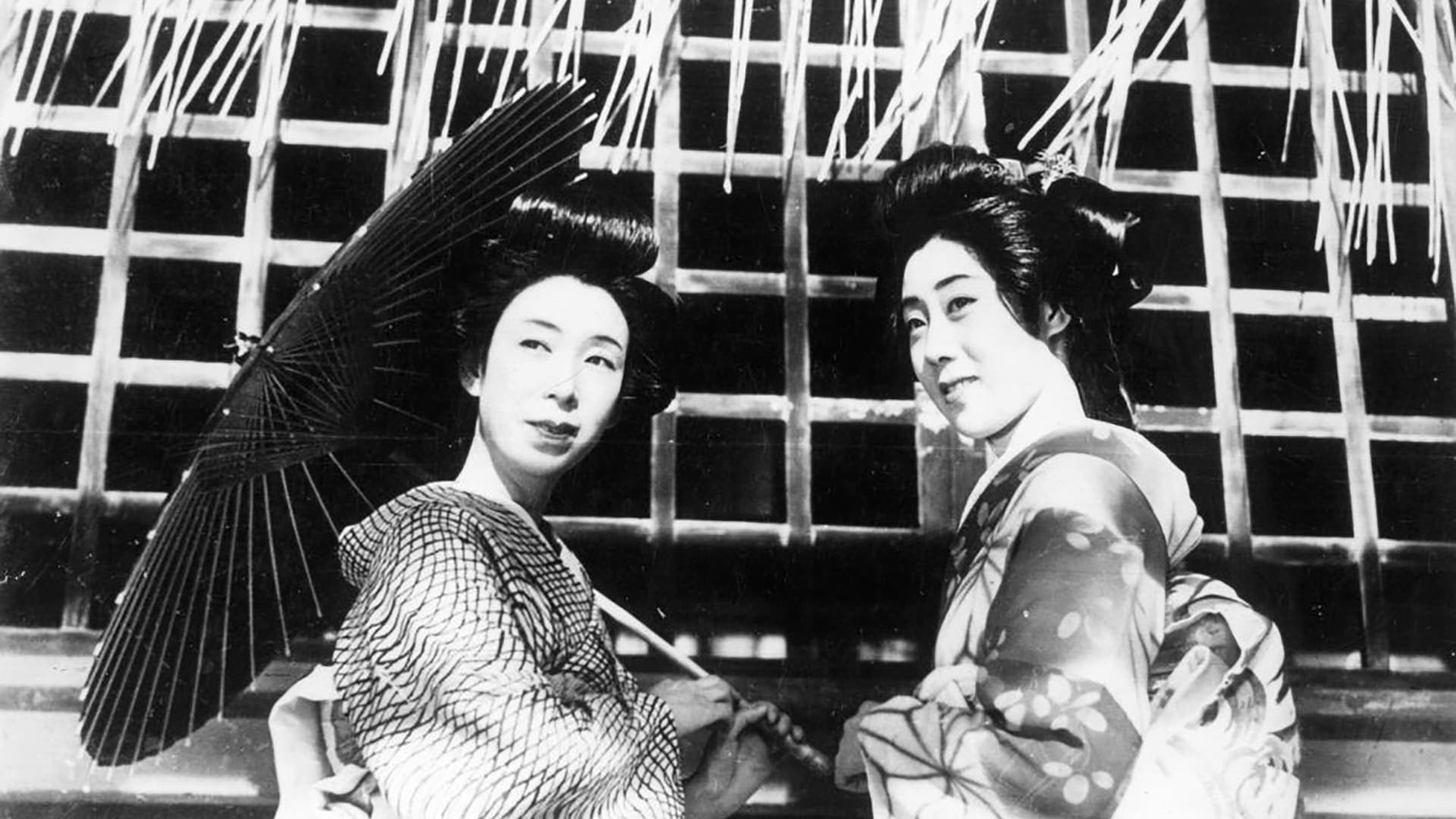
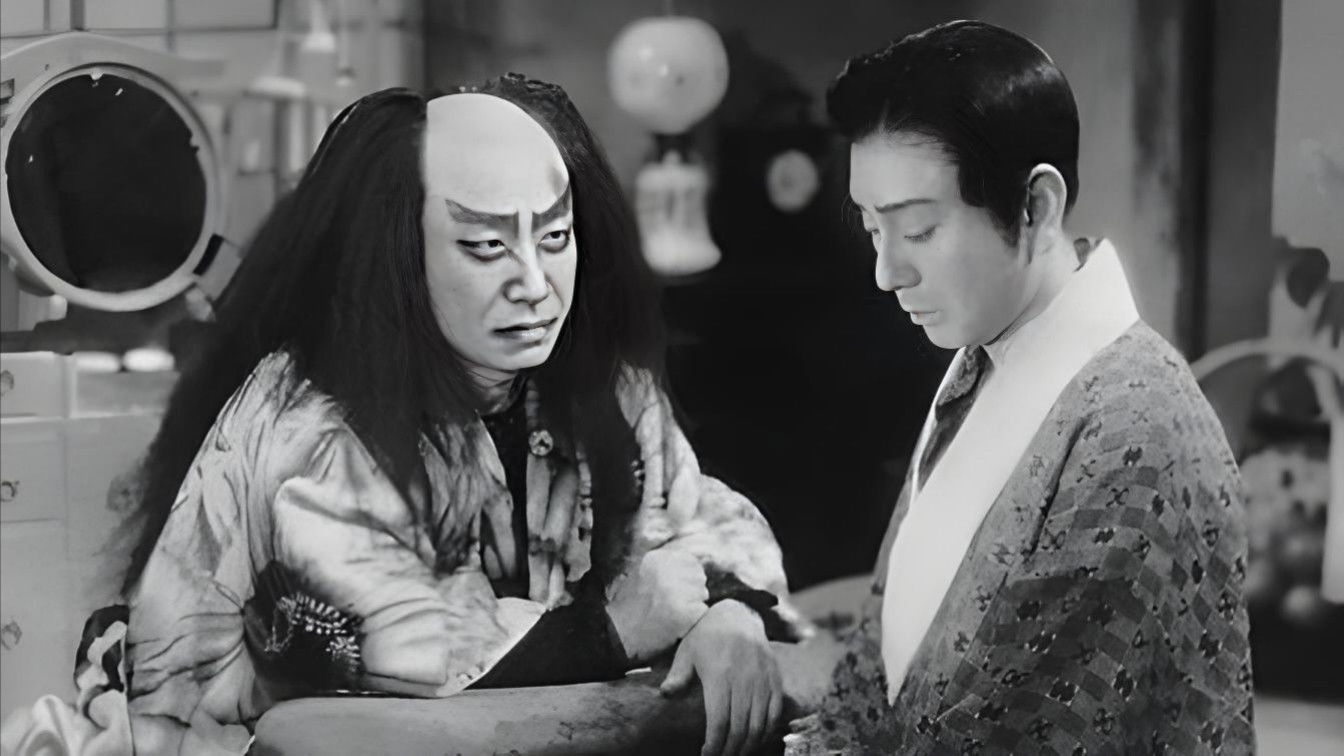
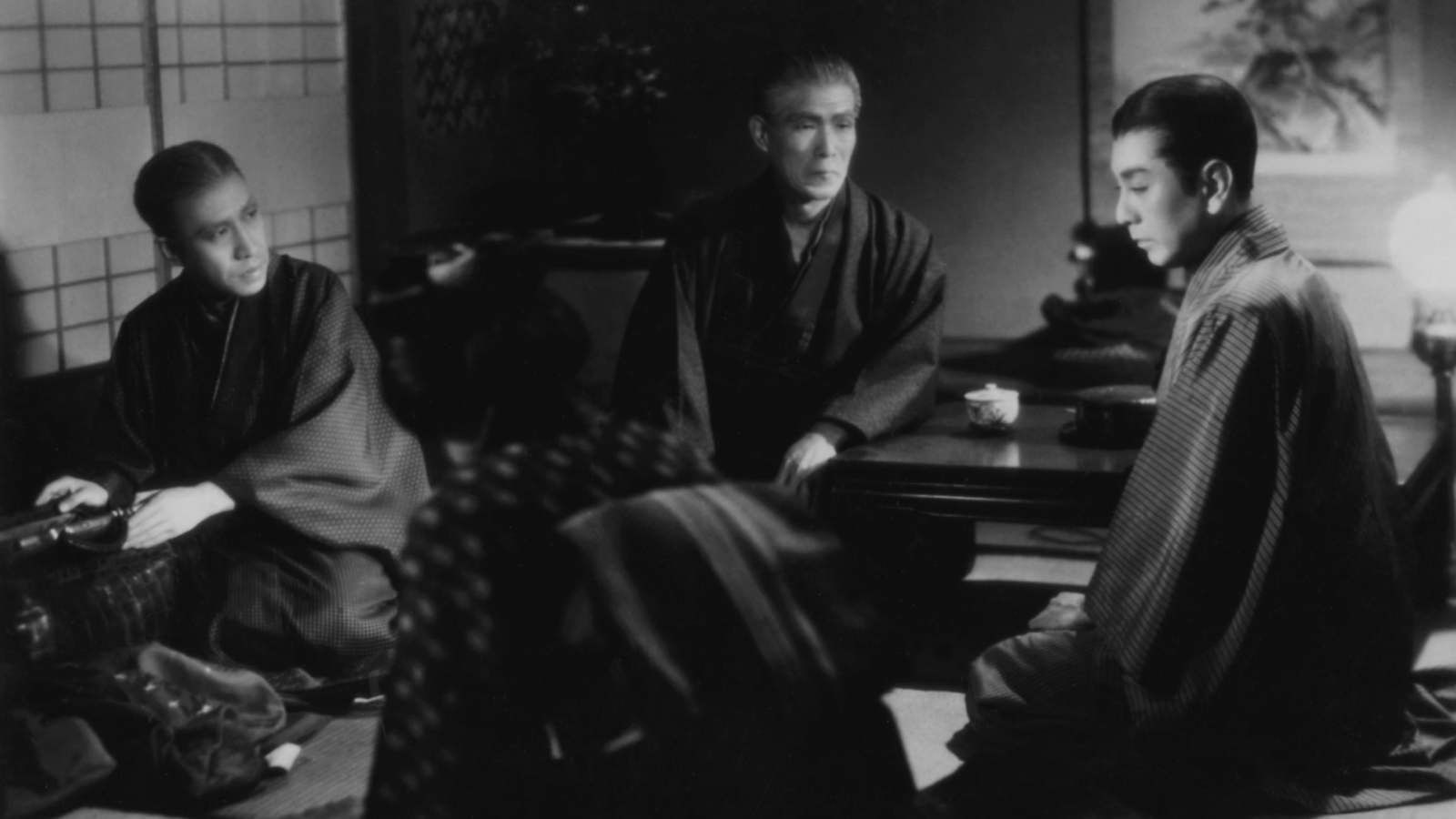
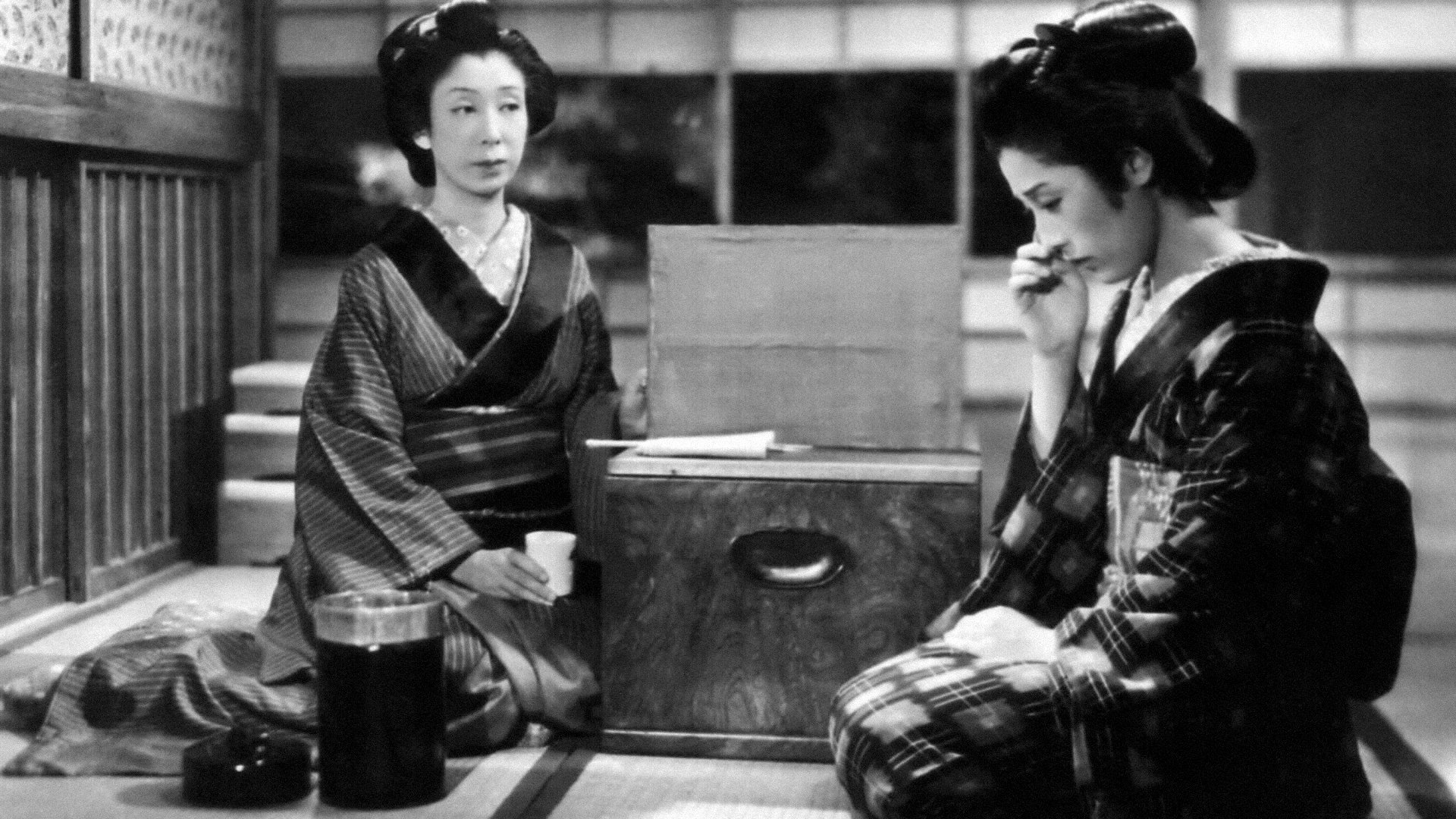
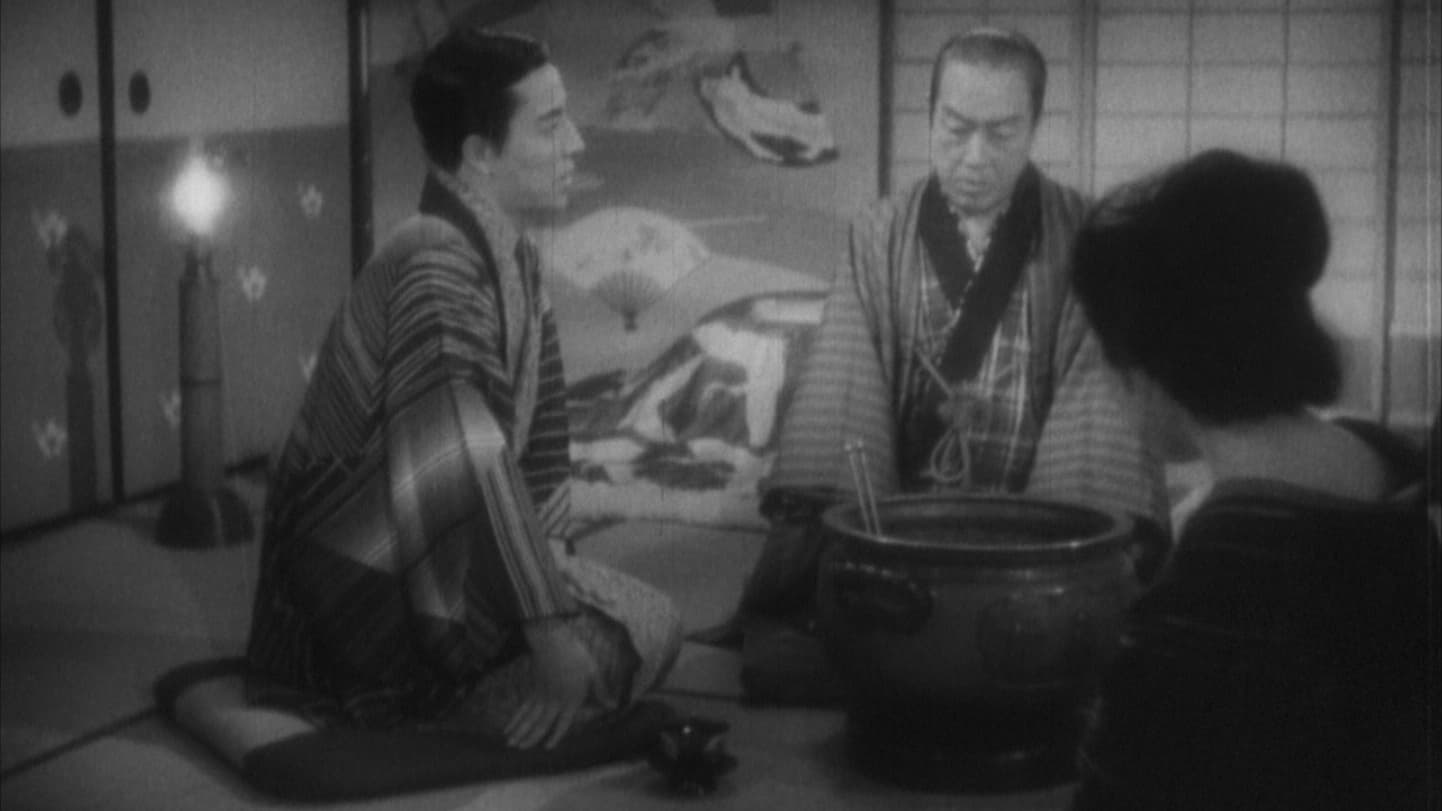
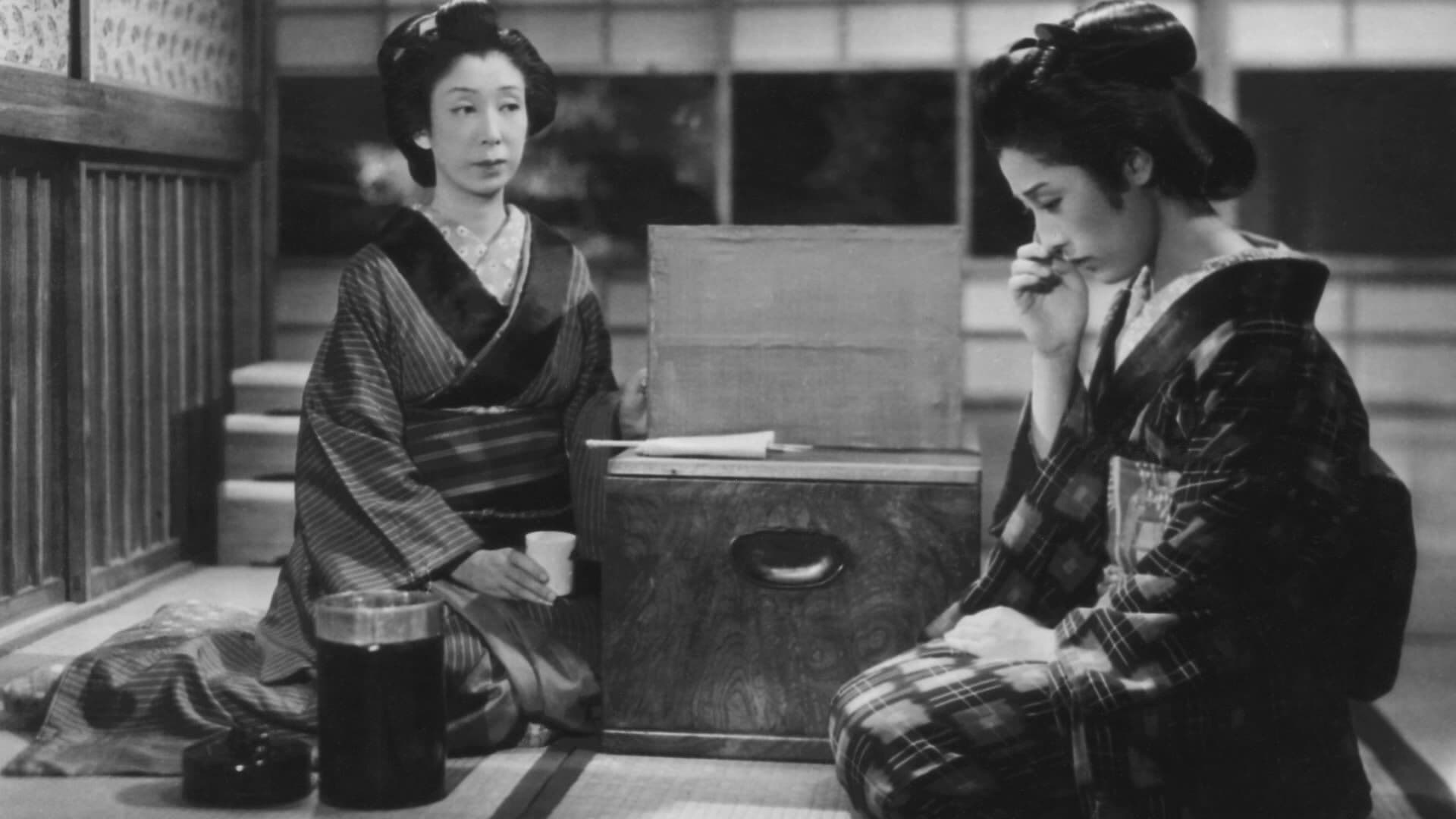
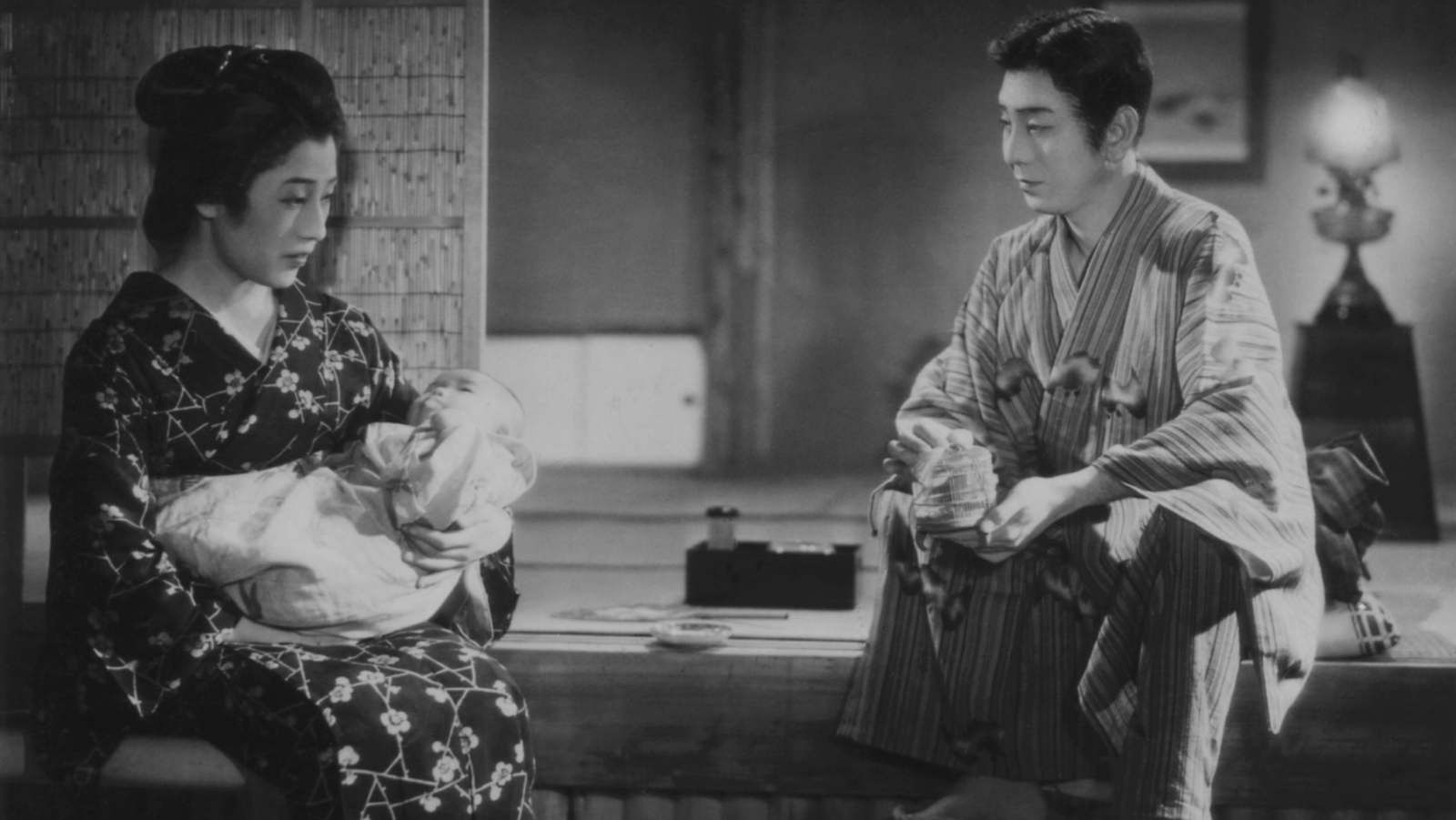
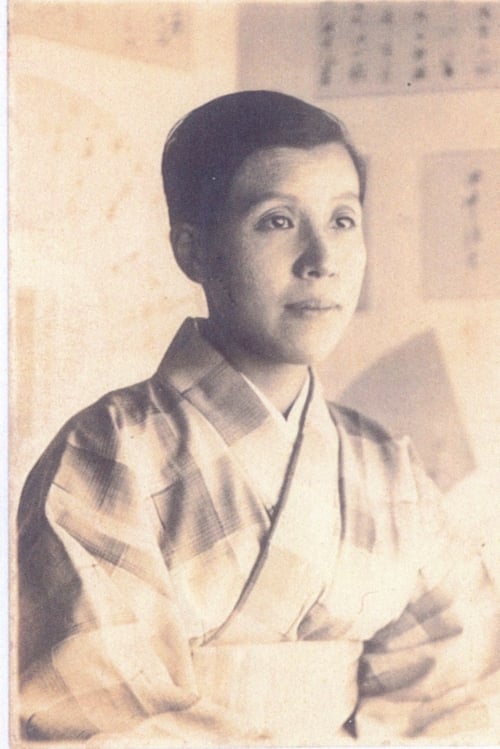
A beautifully made yet fairly slow melodrama with plenty of resonate themes that remain relevant in our current culture, a little more so for me as I am an actor first and foremost. My first Mizoguchi film, and definitely understand the appeal as not many movies from this time period look and feel like this. It's still a different wavelength than I'm used to, as I said this is slow and very patient in its pacing, but I feel like this is a feel I'll adapt to with time.
A beautifully made yet fairly slow melodrama with plenty of resonate themes that remain relevant in our current culture, a little more so for me as I am an actor first and foremost. My first Mizoguchi film, and definitely understand the appeal as not many movies from this time period look and feel like this. It's still a different wavelength than I'm used to, as I said this is slow and very patient in its pacing, but I feel like this is a feel I'll adapt to with time.