

1954·Drama·1h 36m
7.1
★
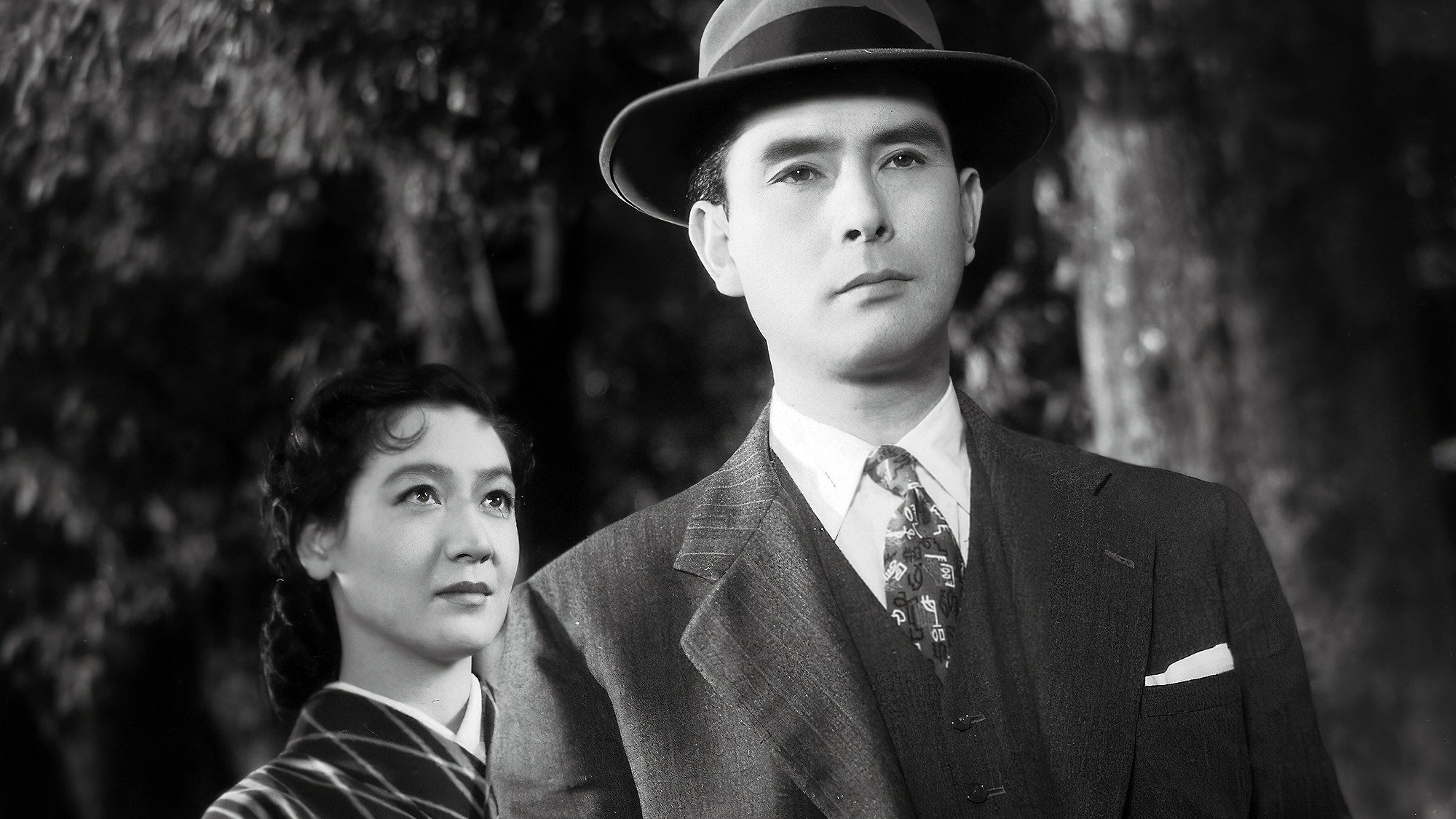
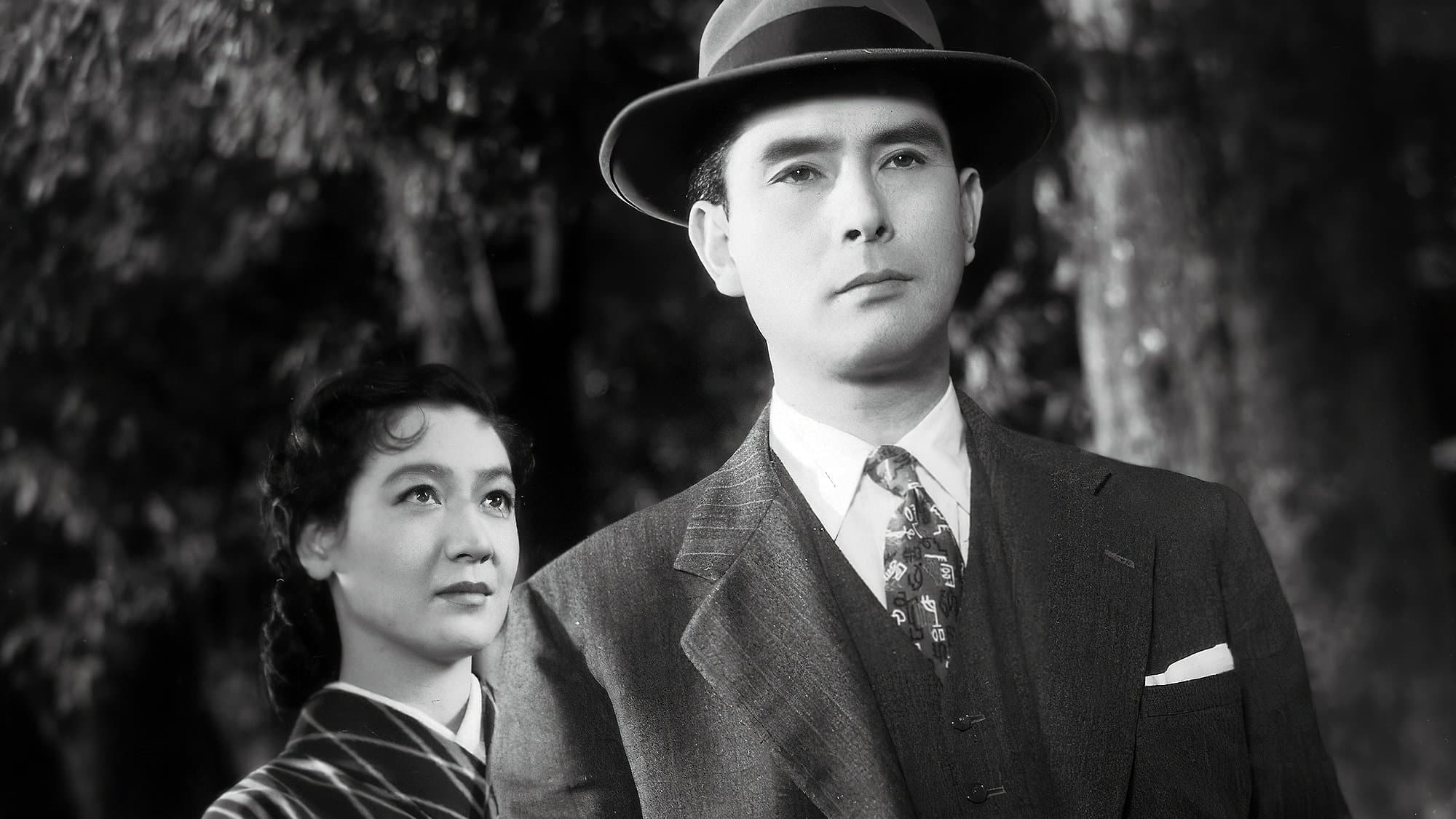
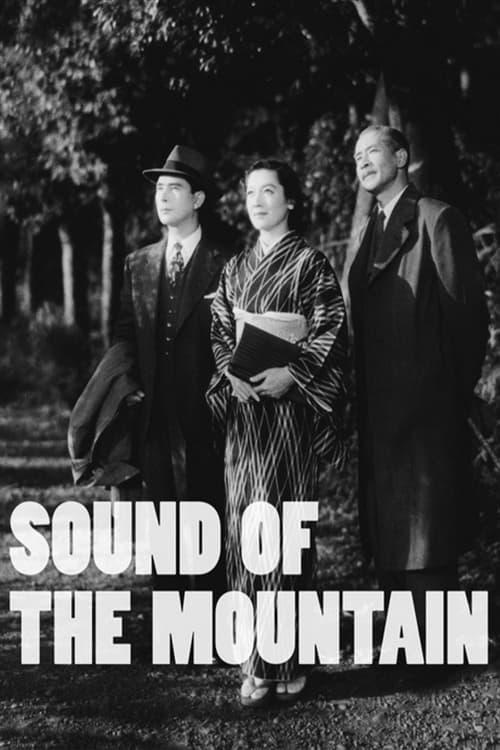
An ingratiating bride develops warm ties to her father-in-law while her cold husband blithely slights her for another woman.
Directed by Mikio Naruse
adultery
japan
pregnancy
dysfunctional marriage
tokyo, japan
parent-in-law child-in-law relationship

IMDB
N/A
Cast
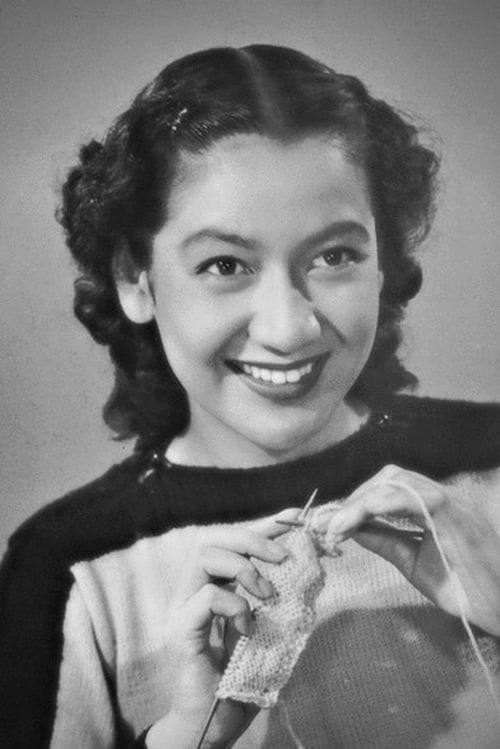
Setsuko Hara
Ogata Kikuko
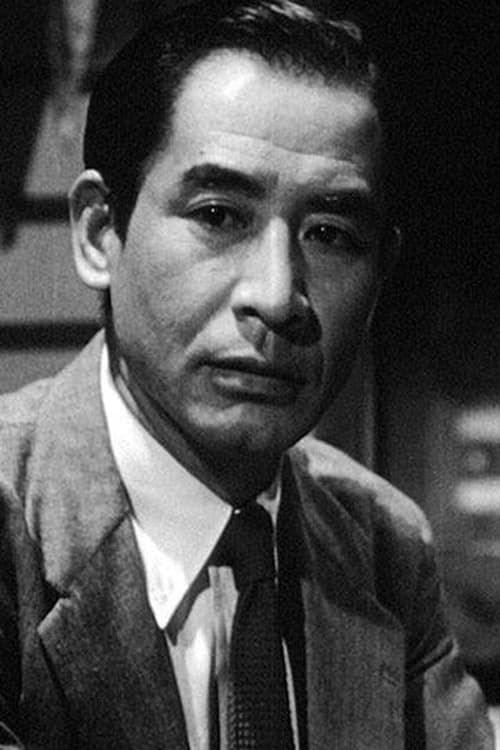
So Yamamura
Ogata Shingo
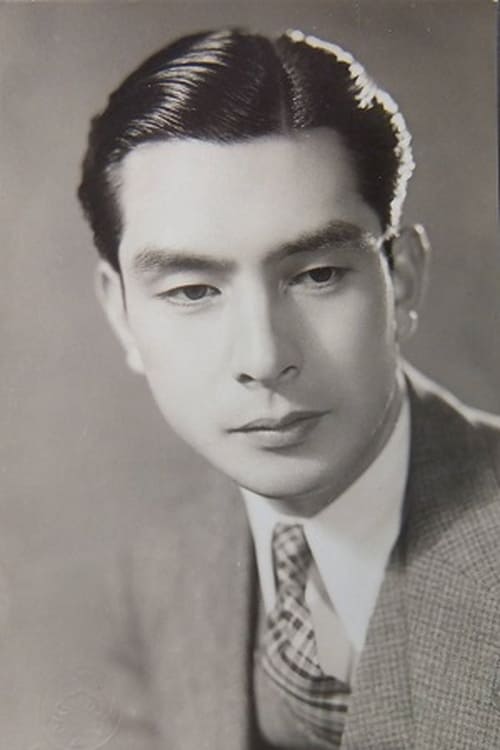
Ken Uehara
Otto, Shuuichi
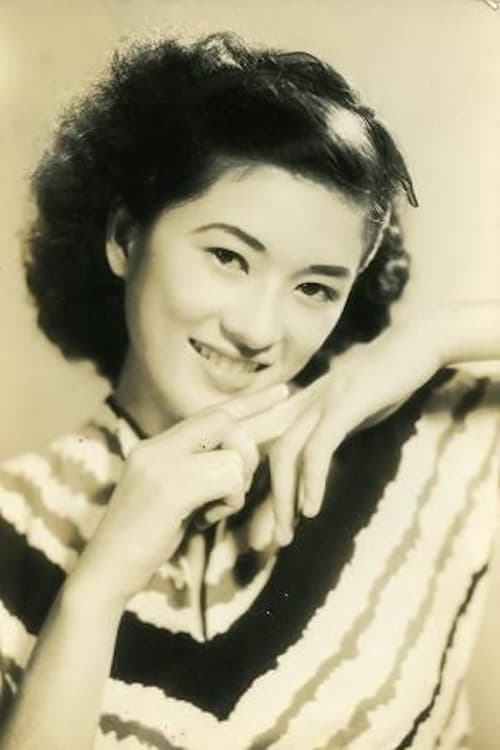
Yōko Sugi
Tanizaki Hideko
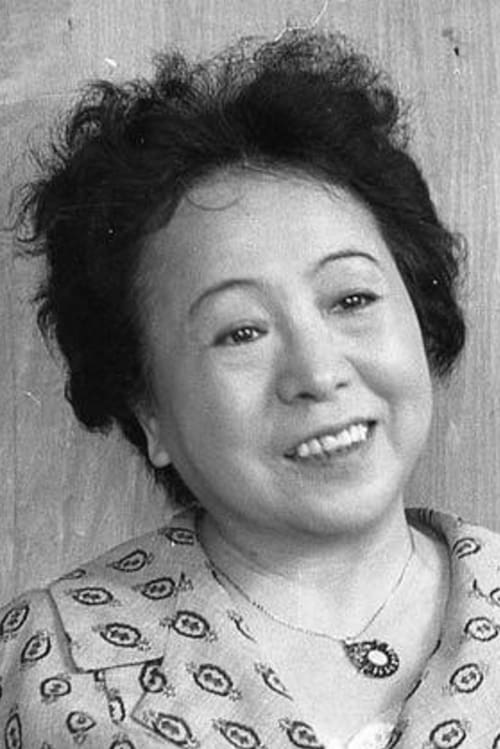
Teruko Nagaoka
Tsuma, Yasuko
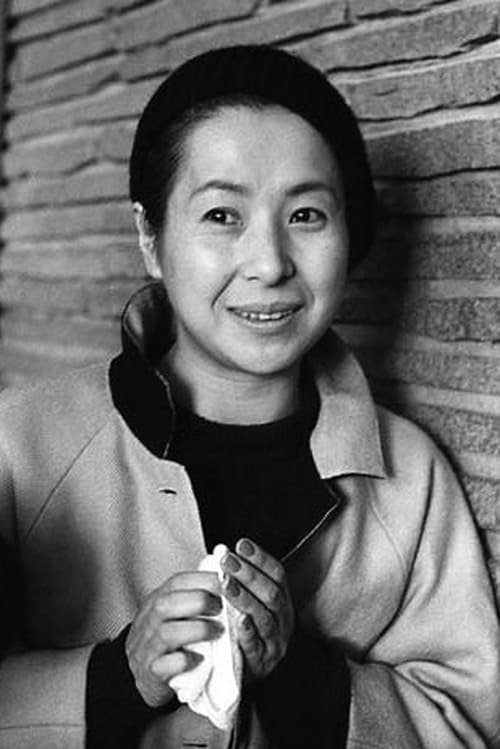
Yatsuko Tan'ami
Ikeda
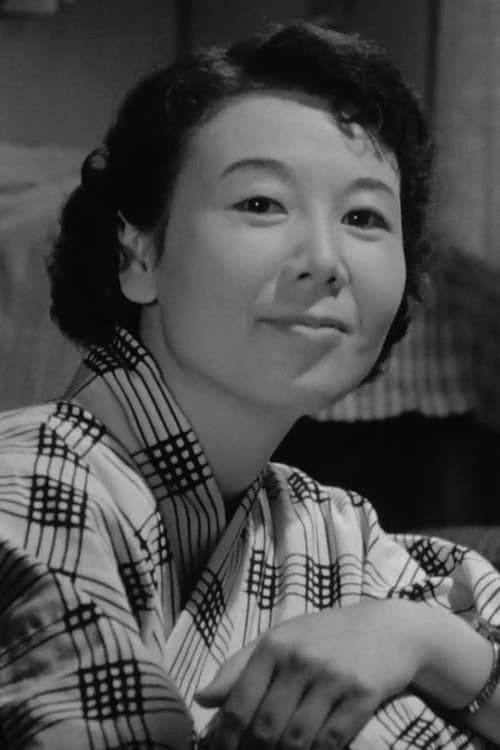
Chieko Nakakita
Aihara Fusako
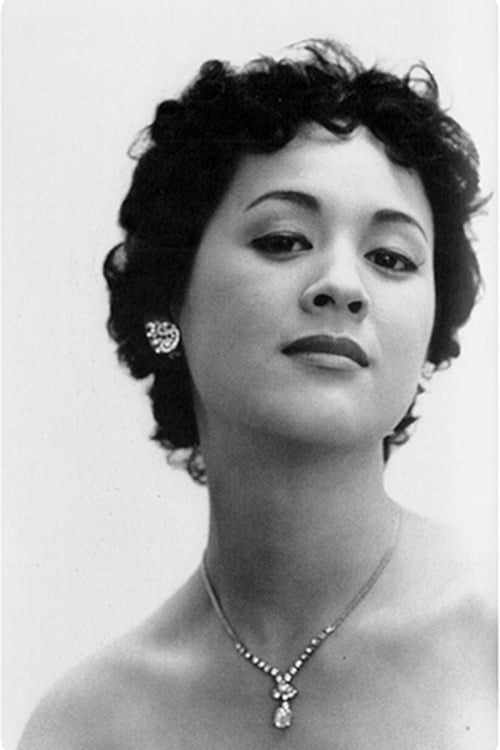
Rieko Sumi
Kinuko
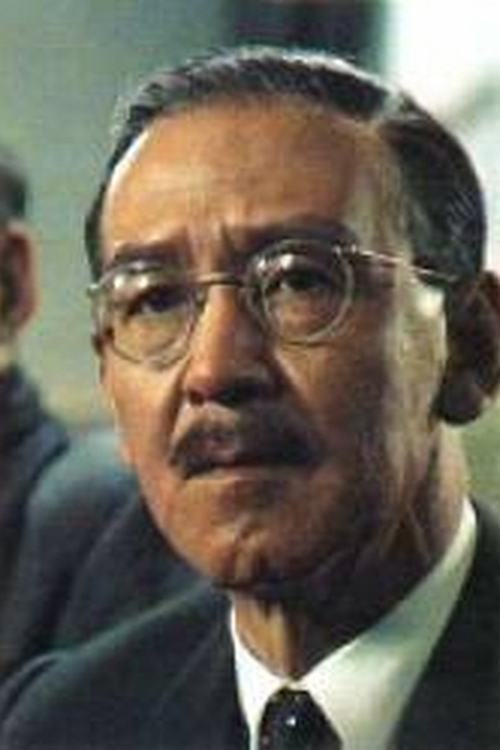
Hisao Toake
Shingo no yuujin
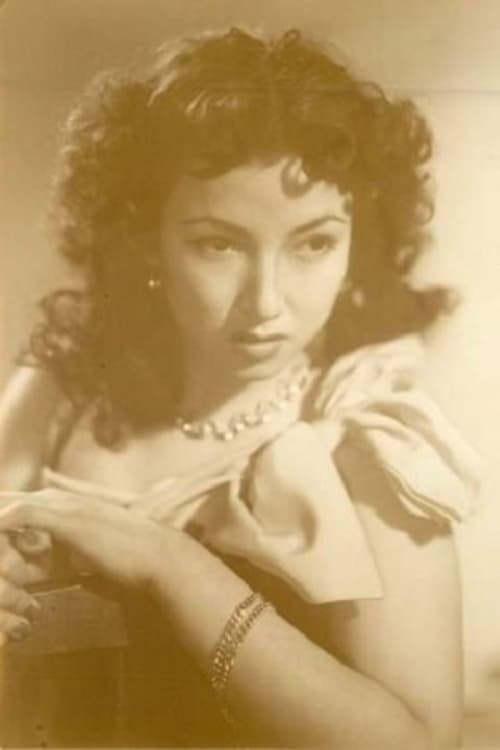
Machiko Kitagawa
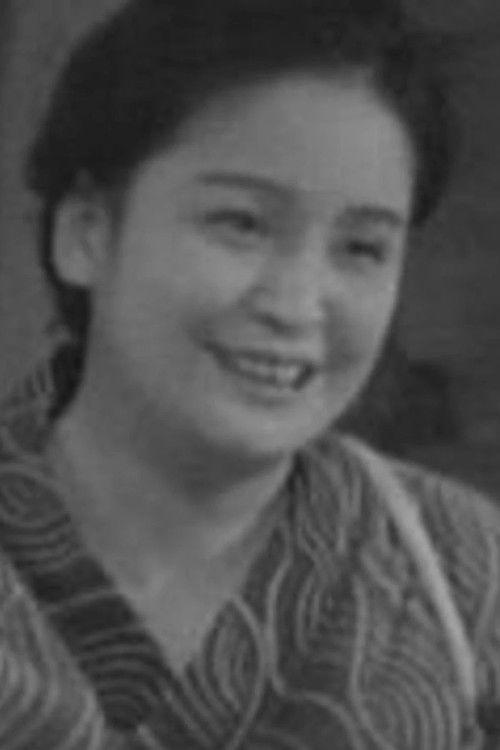
Tsuruko Mano

Nobuo Kaneko
Crew
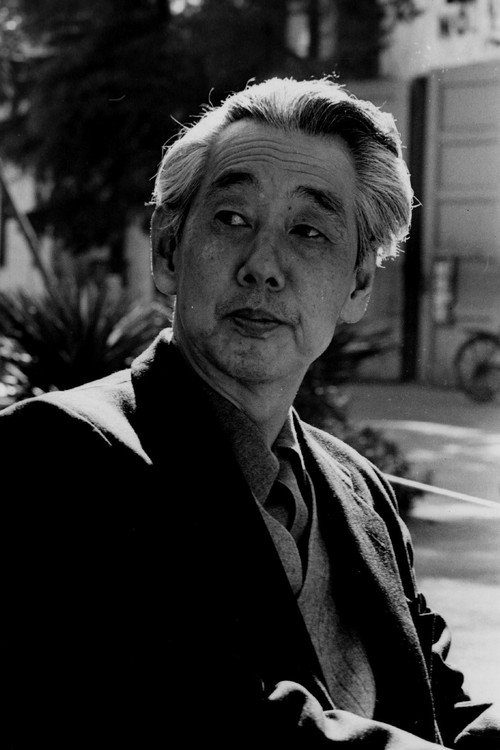
Mikio Naruse
Director
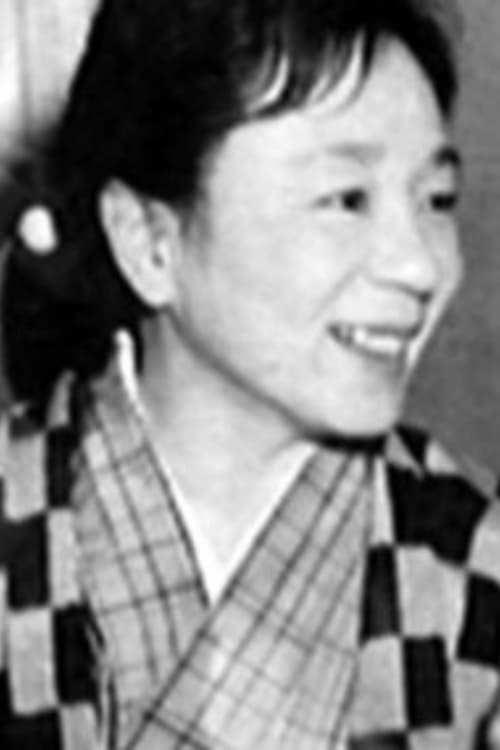
Yōko Mizuki
Screenplay
Yōko Mizuki
Adaptation
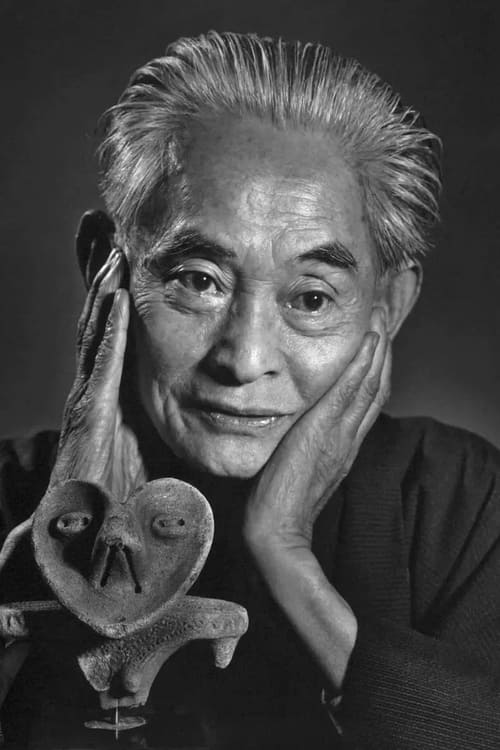
Yasunari Kawabata
Novel
Eiji Tsuburaya
Special Effects
Popular Reviews
5 reviews
Santiago Villamarín
8.6★ · 09/21/24
Hoy salí de mi casa a las 15:50 para ir a la función del cck de La Cifra Impar a las 17:30. Fui con tiempo. Día de la primavera, el clima estaba precioso, nada más lindo que ir al centro a pasear. Quería pasar por el Cultural San Martin y sacar un par de fotos. Había sido una tarde muy linda, escuchaba la maquina de hacer pájaros mientras paseaba por Corrientes. Me fui en bondi al cck desde la 9 de Julio, me daba fiaca caminar. Cuando subí al sexto piso, nada. Los carteles no decían nada de Antín. Pregunté por la función y me dijeron que no sabían quien era Antín. Lo entendí, en mi casa tampoco sabían quien era cuando les dije que falleció, aunque me sorprendió e hizo preguntarme “Acaso estoy en una simulación?”. No lo estaba, me había confundido de fecha al anotarlo. Camine hasta la lugones. Saque una entrada y entre. Una película tan sutil, de grises oscuros. Pausada, más no lenta. Super interesante las relaciones entre los personajes y la tristeza de todos ellos. Tuve que caminar un poco después de la función, me hizo acordar a cuando salía de terapia y tenía que caminar hasta volver a conectarme con el mundo real. Fue lo mismo. Recomiendo mucho darse el espacio de estar solo y hacer cosas que jamás hubiesen pensado hacer. Al fin y al cabo lo que importa es el camino.
Hoy salí de mi casa a las 15:50 para ir a la función del cck de La Cifra Impar a las 17:30. Fui con tiempo. Día de la primavera, el clima estaba precioso, nada más lindo que ir al centro a pasear. Quería pasar por el Cultural San Martin y sacar un par de fotos. Había sido una tarde muy linda, escuchaba la maquina de hacer pájaros mientras paseaba por Corrientes. Me fui en bondi al cck desde la 9 de Julio, me daba fiaca caminar. Cuando subí al sexto piso, nada. Los carteles no decían nada de Antín. Pregunté por la función y me dijeron que no sabían quien era Antín. Lo entendí, en mi casa tampoco sabían quien era cuando les dije que falleció, aunque me sorprendió e hizo preguntarme “Acaso estoy en una simulación?”. No lo estaba, me había confundido de fecha al anotarlo. Camine hasta la lugones. Saque una entrada y entre. Una película tan sutil, de grises oscuros. Pausada, más no lenta. Super interesante las relaciones entre los personajes y la tristeza de todos ellos. Tuve que caminar un poco después de la función, me hizo acordar a cuando salía de terapia y tenía que caminar hasta volver a conectarme con el mundo real. Fue lo mismo. Recomiendo mucho darse el espacio de estar solo y hacer cosas que jamás hubiesen pensado hacer. Al fin y al cabo lo que importa es el camino.


Nick
8.0★ · 08/22/24
While there definitely feels a kinship to Ozu in tone and temperament, Naruse takes that in a different direction by infusing more traditional cinematic techniques. He incorporates things like music and a moving camera, things Ozu didn’t use as much, to emphasize the drama. The drama of the film also feels different and more scathing than an Ozu film. Some of the dialogue was abrasive in its coldness, creating a more dire world, especially for the female characters. I think the two main male characters: Shuichi and his father, Shingo, are written in a way to coldly illuminate the female plight.
Shuichi is uniquely written in his monstrosity. He is unemotional in all but one scene, which is critical. At home and any interactions with women, he is flippant and cruel. We see his apathy at home and are told about his heinousness from his mistress. When do we see Shuichi express any façade of cheer? When he’s talking with his brother-in-law about the problems of their women at home. He’s almost a different character in his shmooziness and it reveals subtly the chameleon skin he wears. There is a Noh mask written into the story as well, which isn’t necessarily related to Shuichi’s nature, but does raise an eyebrow with the idea of masks in general and what we wear around different people.
Shingo, despite his efforts, embodies a different facet of the patriarchy. He is good natured toward Kikuko but his motivations are still tainted. As one character points out, his motivations are implicitly selfish; he only wishes to intervene because his home life is being disrupted. We see his indifference toward his own daughter, similarly existing at the mercy of her cheating husband. Even Shingo’s attitude toward Shuichi’s infidelity is antiquated. I think the hypocrisy of Shingo is revealed when Shuichi rhetorically asks his father if he ever had a fling. There is even a scene where a male visitor to Shingo’s office makes jokes about how men should be living it up. The scene is structured in a way, I think, to portray Shingo as implicitly guilty of this sort of mindset too.
The heart of the film lies with Setsuko Hara as Kikuko. I just saw her in Early Summer and was reminded of her talent. She is no less amazing here. She exudes humanity. When she feels, we feel. Her arc and her conclusions cement her autonomy. Naruse uses her cinematically a number of times and the palpability of her scenes is intense. There is a moment when Kikuko is in the motion of lying down but stops and reverses momentum when her husband calls her name. It is the simplest of motions, but the way she moves speaks volumes. Similarly at the end when Kikuko meets Shingo in the park, she rises solitary from a bench and the music creates a magical moment.
There is a small story beat about the Noh mask I mentioned. But this mask is critical to understanding the difference between Ozu and Naruse, at least in this film. Naruse uses the mask as everything but a magical object. One thing he uses to establish this is the music paired with the scenes featuring the mask. It almost turns into a different movie when characters don the mask and the music tells us what to feel. This kind of manipulation doesn’t work for me all the time, but it was anachronistic and added to the story, especially the way the characters perceive Kikuko.
The last character I wanted to be sure to mention was Kinuko, Shuichi’s mistress. She has only a few scenes, but is built up throughout the story through other character’s dialogue, like Shingo’s secretary or Kinuko’s roommate. We learn she is a war widow even before she says it herself. We learn she is a dressmaker with a respectable position; we’re told she’s valued at her job. She has a quasi-reveal and it leads toward her interaction with Shingo. Despite the late reveal and limited screentime, Kinuko is able to achieve her own autonomy and we understand her plight as well. She tells us how Shuichi beat her. And when she speaks about one other thing that happened to her, we see her in her own way and efforts trying to reclaim her life. Finally, her interaction with Shingo ends with an incredibly scathing line delivered with such potency.
The characters in Sound of the Mountain are dimensional and textured. We learn about their motivations and mindset through myriad forms of dialogue. Naruse features things like intimately lit bedroom scenes to have heavy conversations that feel more dramatic. Newspaper stories provide analogies for characters. It also ends in a more progressive way which I think bolsters the movie’s credibility and solidifies Kikuko’s agency. She teaches Shingo the word “vista,” telling him it means “open prospect.” We hope for Kikuko’s future and that she finds happiness in her newfound vista.
Shuichi is uniquely written in his monstrosity. He is unemotional in all but one scene, which is critical. At home and any interactions with women, he is flippant and cruel. We see his apathy at home and are told about his heinousness from his mistress. When do we see Shuichi express any façade of cheer? When he’s talking with his brother-in-law about the problems of their women at home. He’s almost a different character in his shmooziness and it reveals subtly the chameleon skin he wears. There is a Noh mask written into the story as well, which isn’t necessarily related to Shuichi’s nature, but does raise an eyebrow with the idea of masks in general and what we wear around different people.
Shingo, despite his efforts, embodies a different facet of the patriarchy. He is good natured toward Kikuko but his motivations are still tainted. As one character points out, his motivations are implicitly selfish; he only wishes to intervene because his home life is being disrupted. We see his indifference toward his own daughter, similarly existing at the mercy of her cheating husband. Even Shingo’s attitude toward Shuichi’s infidelity is antiquated. I think the hypocrisy of Shingo is revealed when Shuichi rhetorically asks his father if he ever had a fling. There is even a scene where a male visitor to Shingo’s office makes jokes about how men should be living it up. The scene is structured in a way, I think, to portray Shingo as implicitly guilty of this sort of mindset too.
The heart of the film lies with Setsuko Hara as Kikuko. I just saw her in Early Summer and was reminded of her talent. She is no less amazing here. She exudes humanity. When she feels, we feel. Her arc and her conclusions cement her autonomy. Naruse uses her cinematically a number of times and the palpability of her scenes is intense. There is a moment when Kikuko is in the motion of lying down but stops and reverses momentum when her husband calls her name. It is the simplest of motions, but the way she moves speaks volumes. Similarly at the end when Kikuko meets Shingo in the park, she rises solitary from a bench and the music creates a magical moment.
There is a small story beat about the Noh mask I mentioned. But this mask is critical to understanding the difference between Ozu and Naruse, at least in this film. Naruse uses the mask as everything but a magical object. One thing he uses to establish this is the music paired with the scenes featuring the mask. It almost turns into a different movie when characters don the mask and the music tells us what to feel. This kind of manipulation doesn’t work for me all the time, but it was anachronistic and added to the story, especially the way the characters perceive Kikuko.
The last character I wanted to be sure to mention was Kinuko, Shuichi’s mistress. She has only a few scenes, but is built up throughout the story through other character’s dialogue, like Shingo’s secretary or Kinuko’s roommate. We learn she is a war widow even before she says it herself. We learn she is a dressmaker with a respectable position; we’re told she’s valued at her job. She has a quasi-reveal and it leads toward her interaction with Shingo. Despite the late reveal and limited screentime, Kinuko is able to achieve her own autonomy and we understand her plight as well. She tells us how Shuichi beat her. And when she speaks about one other thing that happened to her, we see her in her own way and efforts trying to reclaim her life. Finally, her interaction with Shingo ends with an incredibly scathing line delivered with such potency.
The characters in Sound of the Mountain are dimensional and textured. We learn about their motivations and mindset through myriad forms of dialogue. Naruse features things like intimately lit bedroom scenes to have heavy conversations that feel more dramatic. Newspaper stories provide analogies for characters. It also ends in a more progressive way which I think bolsters the movie’s credibility and solidifies Kikuko’s agency. She teaches Shingo the word “vista,” telling him it means “open prospect.” We hope for Kikuko’s future and that she finds happiness in her newfound vista.
While there definitely feels a kinship to Ozu in tone and temperament, Naruse takes that in a different direction by infusing more traditional cinematic techniques. He incorporates things like music and a moving camera, things Ozu didn’t use as much, to emphasize the drama. The drama of the film also feels different and more scathing than an Ozu film. Some of the dialogue was abrasive in its coldness, creating a more dire world, especially for the female characters. I think the two main male characters: Shuichi and his father, Shingo, are written in a way to coldly illuminate the female plight.
Shuichi is uniquely written in his monstrosity. He is unemotional in all but one scene, which is critical. At home and any interactions with women, he is flippant and cruel. We see his apathy at home and are told about his heinousness from his mistress. When do we see Shuichi express any façade of cheer? When he’s talking with his brother-in-law about the problems of their women at home. He’s almost a different character in his shmooziness and it reveals subtly the chameleon skin he wears. There is a Noh mask written into the story as well, which isn’t necessarily related to Shuichi’s nature, but does raise an eyebrow with the idea of masks in general and what we wear around different people.
Shingo, despite his efforts, embodies a different facet of the patriarchy. He is good natured toward Kikuko but his motivations are still tainted. As one character points out, his motivations are implicitly selfish; he only wishes to intervene because his home life is being disrupted. We see his indifference toward his own daughter, similarly existing at the mercy of her cheating husband. Even Shingo’s attitude toward Shuichi’s infidelity is antiquated. I think the hypocrisy of Shingo is revealed when Shuichi rhetorically asks his father if he ever had a fling. There is even a scene where a male visitor to Shingo’s office makes jokes about how men should be living it up. The scene is structured in a way, I think, to portray Shingo as implicitly guilty of this sort of mindset too.
The heart of the film lies with Setsuko Hara as Kikuko. I just saw her in Early Summer and was reminded of her talent. She is no less amazing here. She exudes humanity. When she feels, we feel. Her arc and her conclusions cement her autonomy. Naruse uses her cinematically a number of times and the palpability of her scenes is intense. There is a moment when Kikuko is in the motion of lying down but stops and reverses momentum when her husband calls her name. It is the simplest of motions, but the way she moves speaks volumes. Similarly at the end when Kikuko meets Shingo in the park, she rises solitary from a bench and the music creates a magical moment.
There is a small story beat about the Noh mask I mentioned. But this mask is critical to understanding the difference between Ozu and Naruse, at least in this film. Naruse uses the mask as everything but a magical object. One thing he uses to establish this is the music paired with the scenes featuring the mask. It almost turns into a different movie when characters don the mask and the music tells us what to feel. This kind of manipulation doesn’t work for me all the time, but it was anachronistic and added to the story, especially the way the characters perceive Kikuko.
The last character I wanted to be sure to mention was Kinuko, Shuichi’s mistress. She has only a few scenes, but is built up throughout the story through other character’s dialogue, like Shingo’s secretary or Kinuko’s roommate. We learn she is a war widow even before she says it herself. We learn she is a dressmaker with a respectable position; we’re told she’s valued at her job. She has a quasi-reveal and it leads toward her interaction with Shingo. Despite the late reveal and limited screentime, Kinuko is able to achieve her own autonomy and we understand her plight as well. She tells us how Shuichi beat her. And when she speaks about one other thing that happened to her, we see her in her own way and efforts trying to reclaim her life. Finally, her interaction with Shingo ends with an incredibly scathing line delivered with such potency.
The characters in Sound of the Mountain are dimensional and textured. We learn about their motivations and mindset through myriad forms of dialogue. Naruse features things like intimately lit bedroom scenes to have heavy conversations that feel more dramatic. Newspaper stories provide analogies for characters. It also ends in a more progressive way which I think bolsters the movie’s credibility and solidifies Kikuko’s agency. She teaches Shingo the word “vista,” telling him it means “open prospect.” We hope for Kikuko’s future and that she finds happiness in her newfound vista.
Shuichi is uniquely written in his monstrosity. He is unemotional in all but one scene, which is critical. At home and any interactions with women, he is flippant and cruel. We see his apathy at home and are told about his heinousness from his mistress. When do we see Shuichi express any façade of cheer? When he’s talking with his brother-in-law about the problems of their women at home. He’s almost a different character in his shmooziness and it reveals subtly the chameleon skin he wears. There is a Noh mask written into the story as well, which isn’t necessarily related to Shuichi’s nature, but does raise an eyebrow with the idea of masks in general and what we wear around different people.
Shingo, despite his efforts, embodies a different facet of the patriarchy. He is good natured toward Kikuko but his motivations are still tainted. As one character points out, his motivations are implicitly selfish; he only wishes to intervene because his home life is being disrupted. We see his indifference toward his own daughter, similarly existing at the mercy of her cheating husband. Even Shingo’s attitude toward Shuichi’s infidelity is antiquated. I think the hypocrisy of Shingo is revealed when Shuichi rhetorically asks his father if he ever had a fling. There is even a scene where a male visitor to Shingo’s office makes jokes about how men should be living it up. The scene is structured in a way, I think, to portray Shingo as implicitly guilty of this sort of mindset too.
The heart of the film lies with Setsuko Hara as Kikuko. I just saw her in Early Summer and was reminded of her talent. She is no less amazing here. She exudes humanity. When she feels, we feel. Her arc and her conclusions cement her autonomy. Naruse uses her cinematically a number of times and the palpability of her scenes is intense. There is a moment when Kikuko is in the motion of lying down but stops and reverses momentum when her husband calls her name. It is the simplest of motions, but the way she moves speaks volumes. Similarly at the end when Kikuko meets Shingo in the park, she rises solitary from a bench and the music creates a magical moment.
There is a small story beat about the Noh mask I mentioned. But this mask is critical to understanding the difference between Ozu and Naruse, at least in this film. Naruse uses the mask as everything but a magical object. One thing he uses to establish this is the music paired with the scenes featuring the mask. It almost turns into a different movie when characters don the mask and the music tells us what to feel. This kind of manipulation doesn’t work for me all the time, but it was anachronistic and added to the story, especially the way the characters perceive Kikuko.
The last character I wanted to be sure to mention was Kinuko, Shuichi’s mistress. She has only a few scenes, but is built up throughout the story through other character’s dialogue, like Shingo’s secretary or Kinuko’s roommate. We learn she is a war widow even before she says it herself. We learn she is a dressmaker with a respectable position; we’re told she’s valued at her job. She has a quasi-reveal and it leads toward her interaction with Shingo. Despite the late reveal and limited screentime, Kinuko is able to achieve her own autonomy and we understand her plight as well. She tells us how Shuichi beat her. And when she speaks about one other thing that happened to her, we see her in her own way and efforts trying to reclaim her life. Finally, her interaction with Shingo ends with an incredibly scathing line delivered with such potency.
The characters in Sound of the Mountain are dimensional and textured. We learn about their motivations and mindset through myriad forms of dialogue. Naruse features things like intimately lit bedroom scenes to have heavy conversations that feel more dramatic. Newspaper stories provide analogies for characters. It also ends in a more progressive way which I think bolsters the movie’s credibility and solidifies Kikuko’s agency. She teaches Shingo the word “vista,” telling him it means “open prospect.” We hope for Kikuko’s future and that she finds happiness in her newfound vista.
Shannon
8.0★ · 07/19/22
Enrico
9.0★ · 04/28/21
David Brook
9.0★ · 03/04/21