
1997·Drama·2h 1m
7.0
★
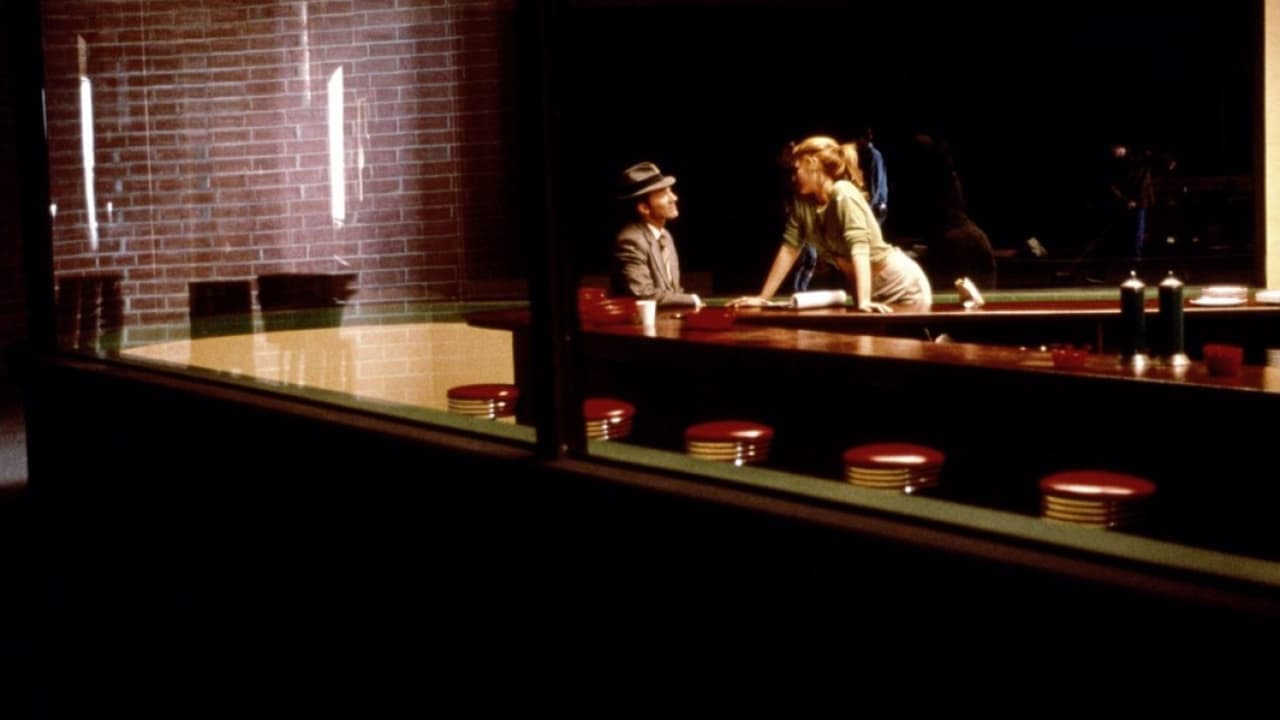
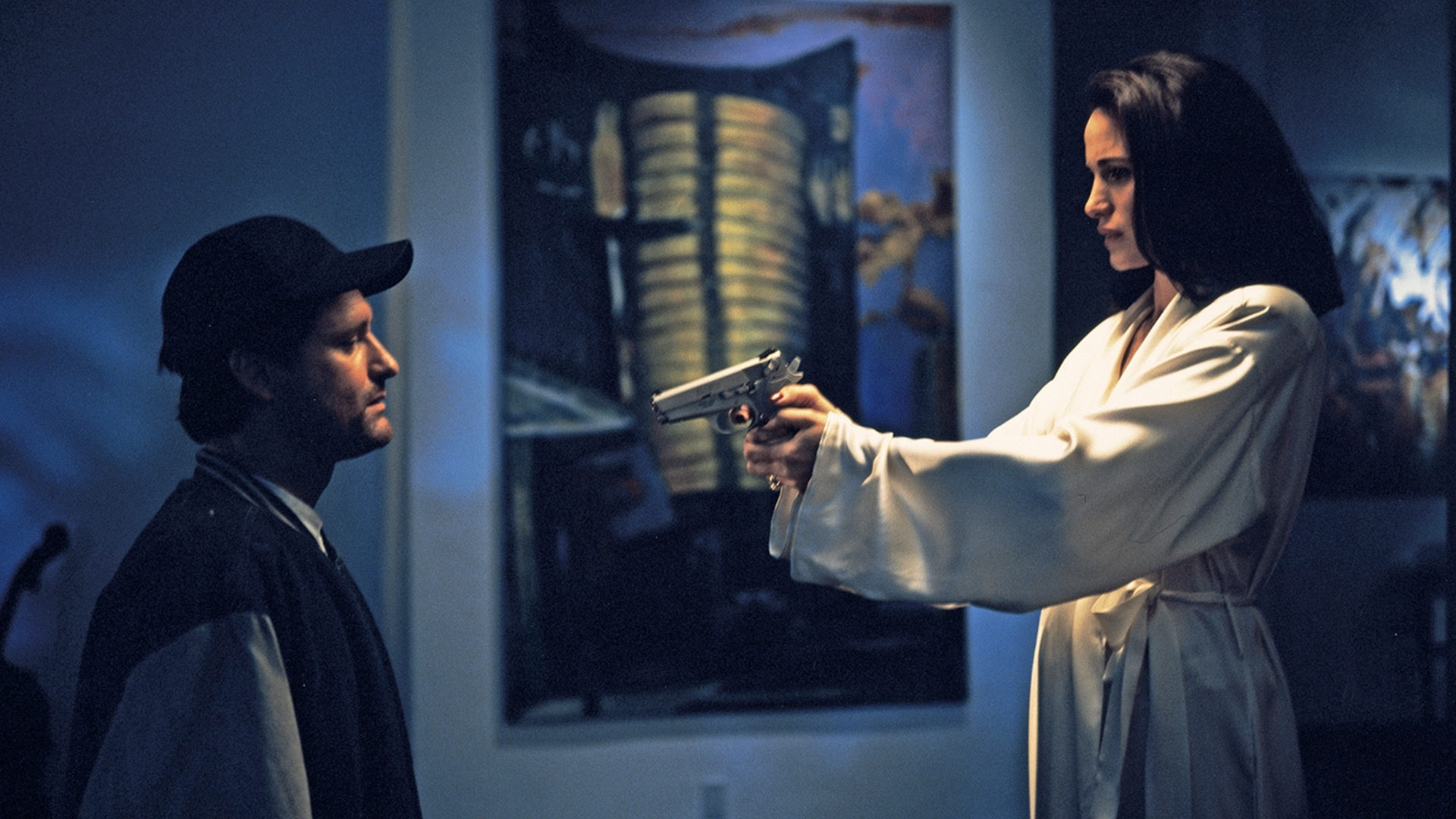
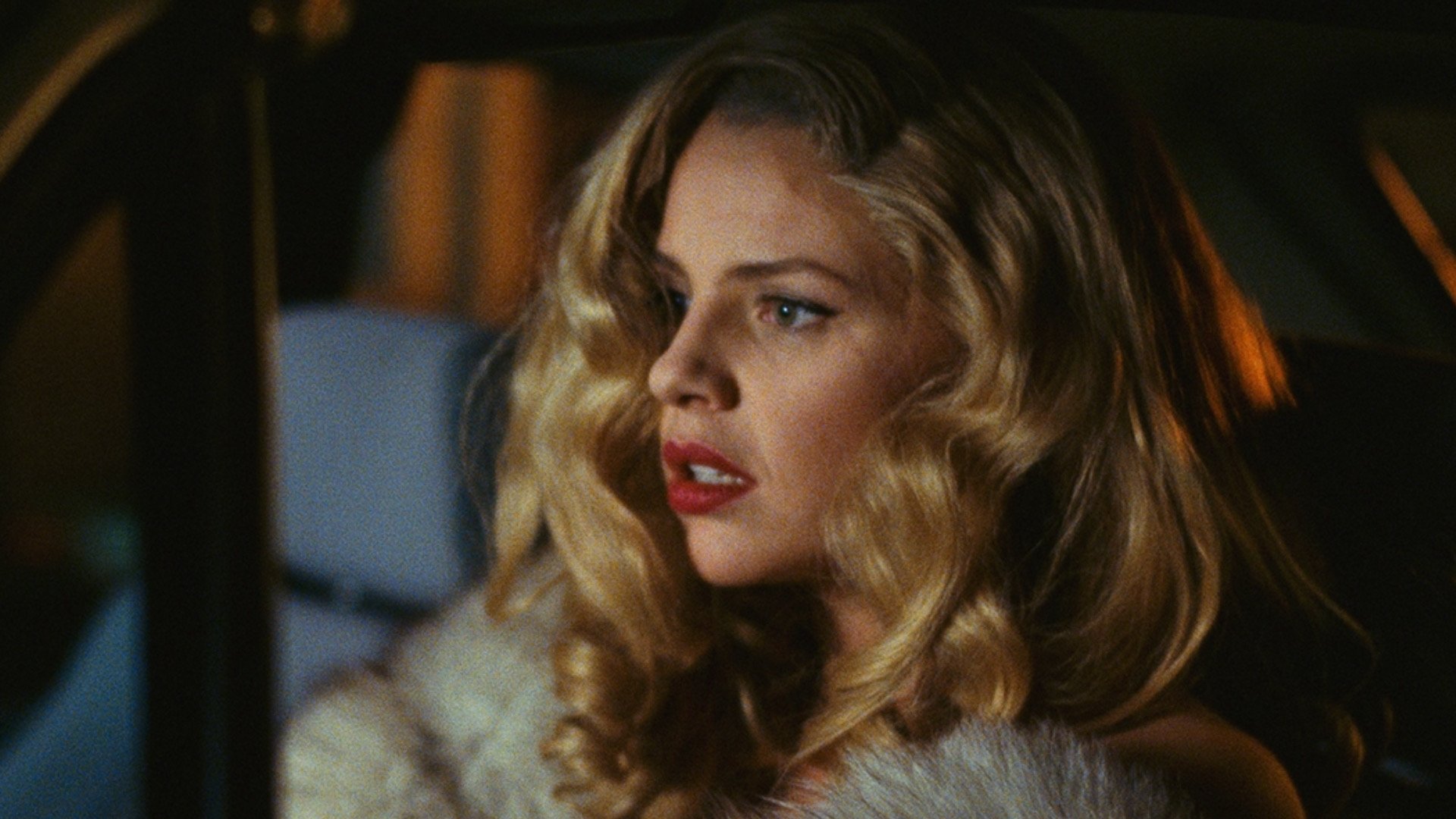
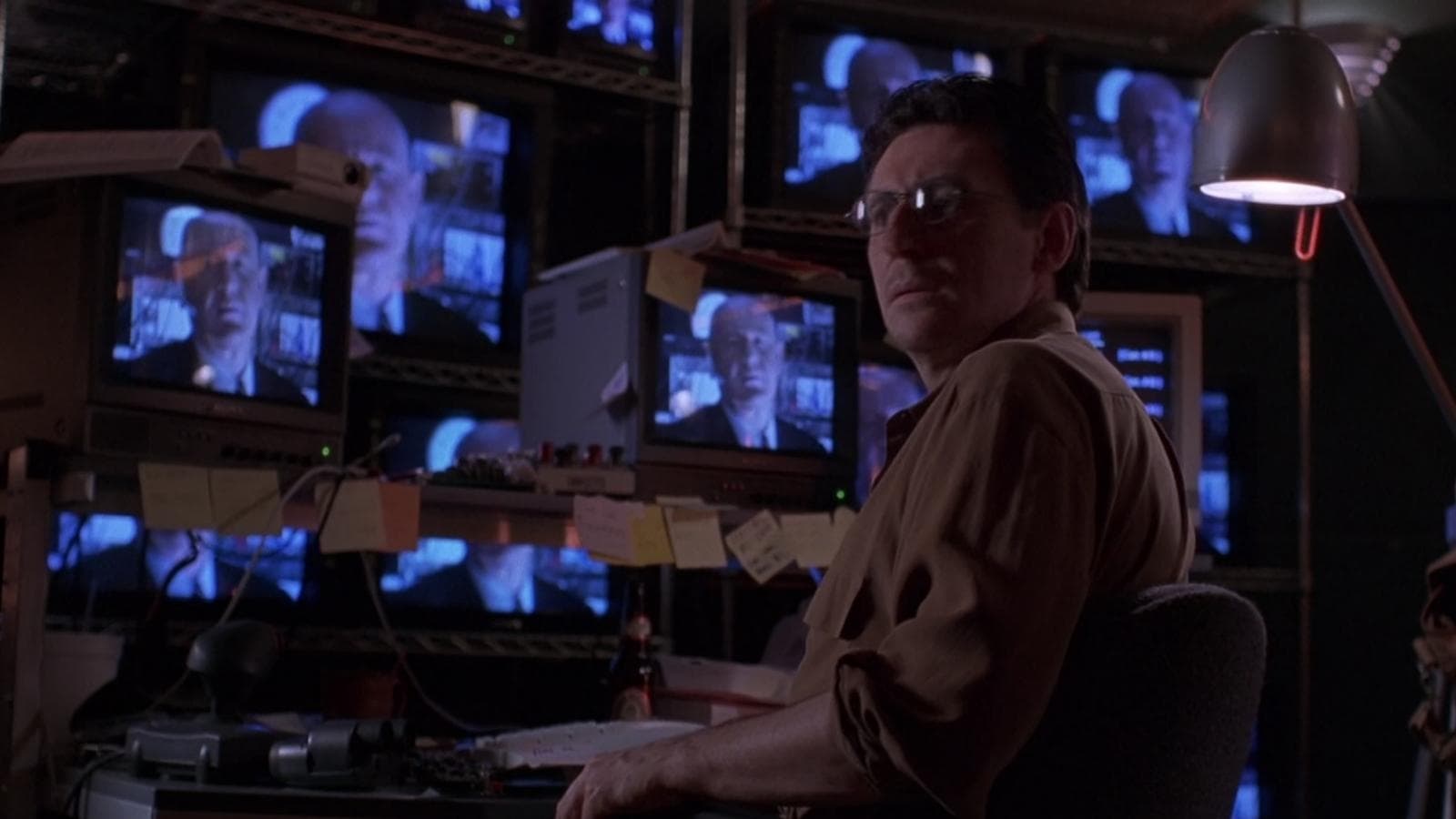
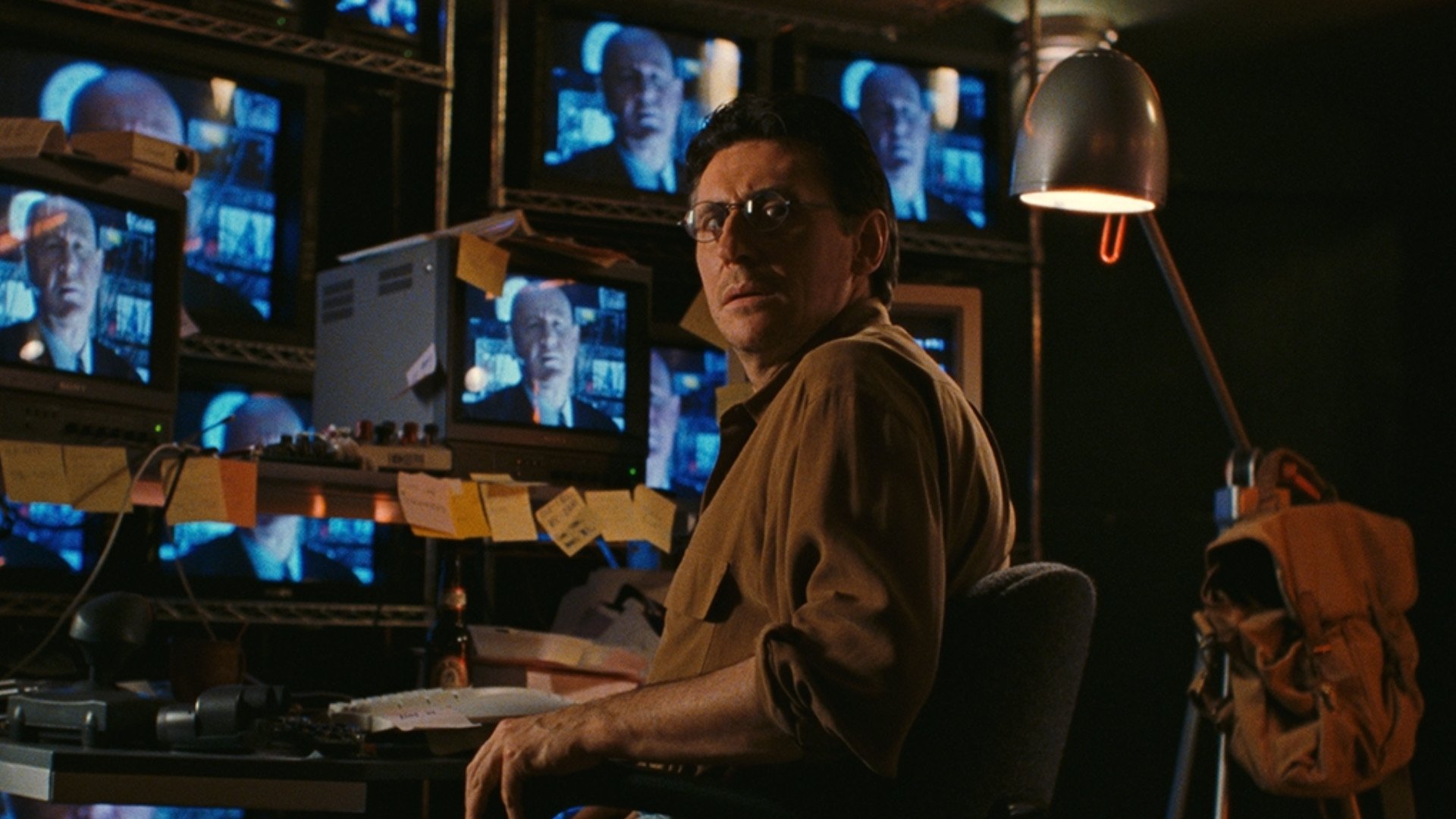
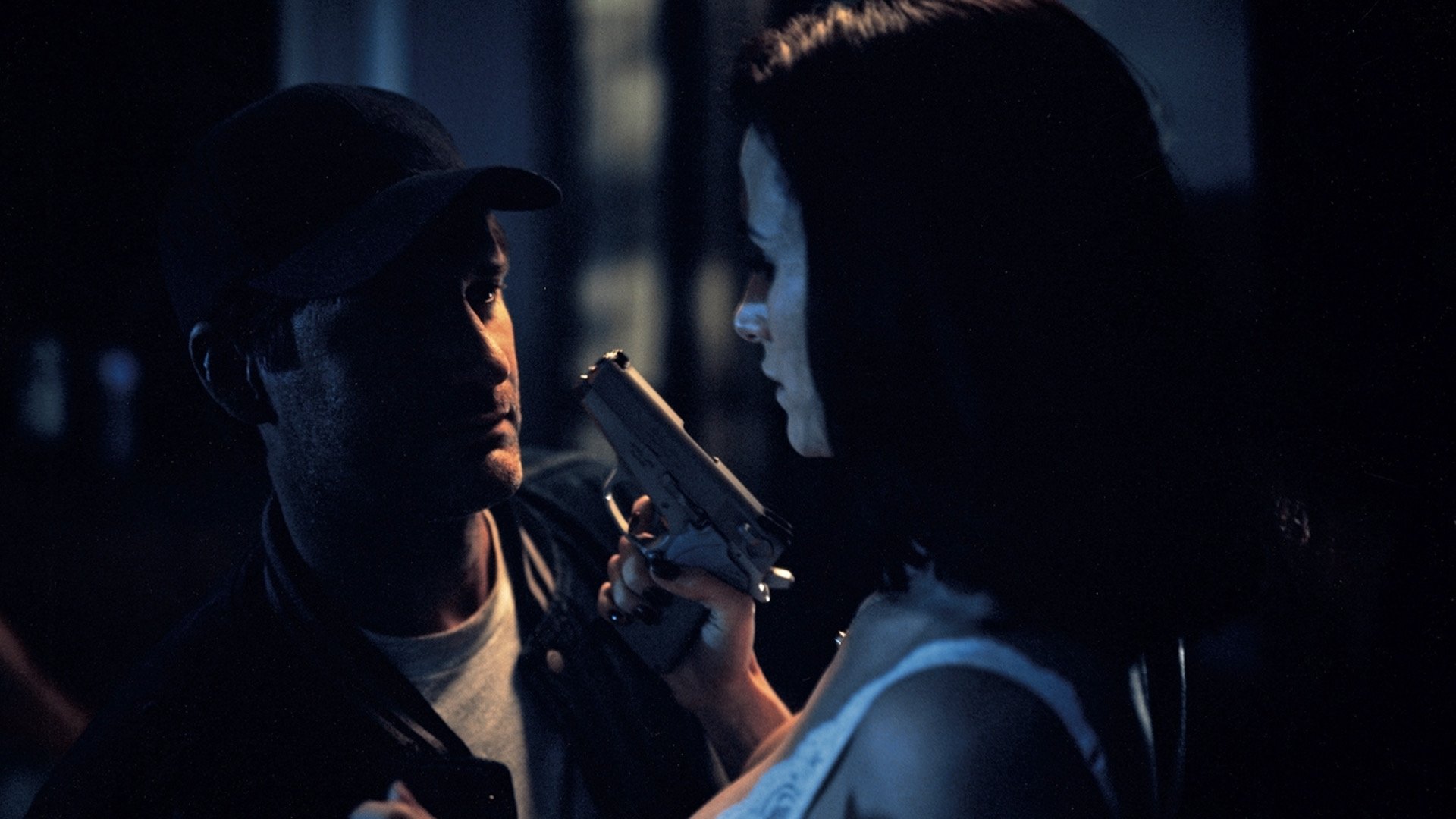
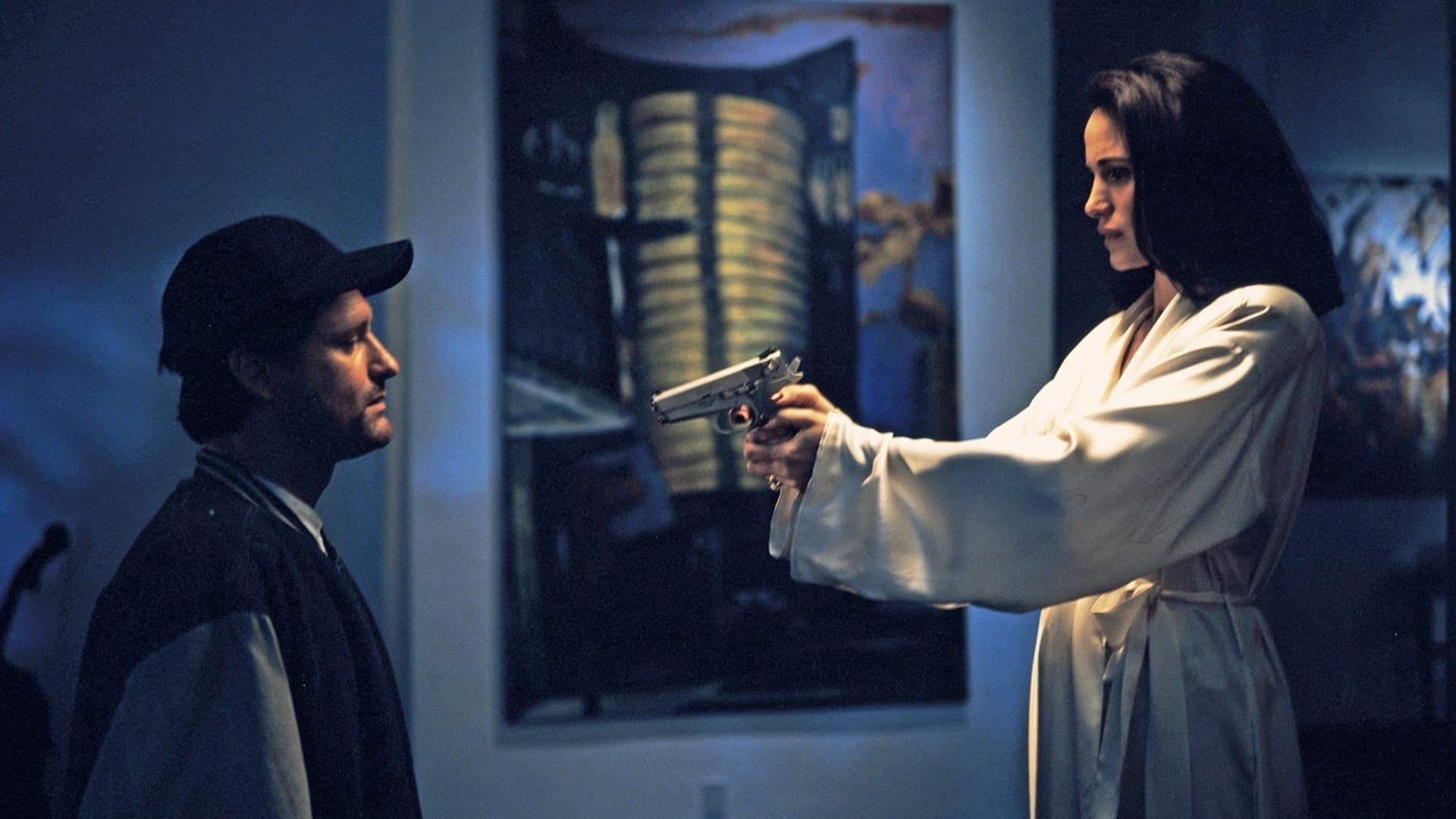
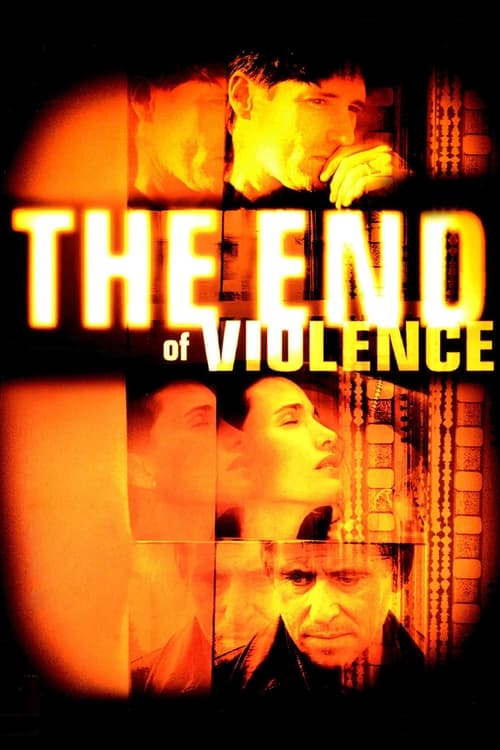
In Hollywood, the lives of a successful film producer, his wife, a police detective and a surveillance agent intersect after a botched abduction.
Directed by Wim Wenders
movie business
murder
typewriter
war on crime

Trailer

IMDB
N/A
Where to Watch



Cast
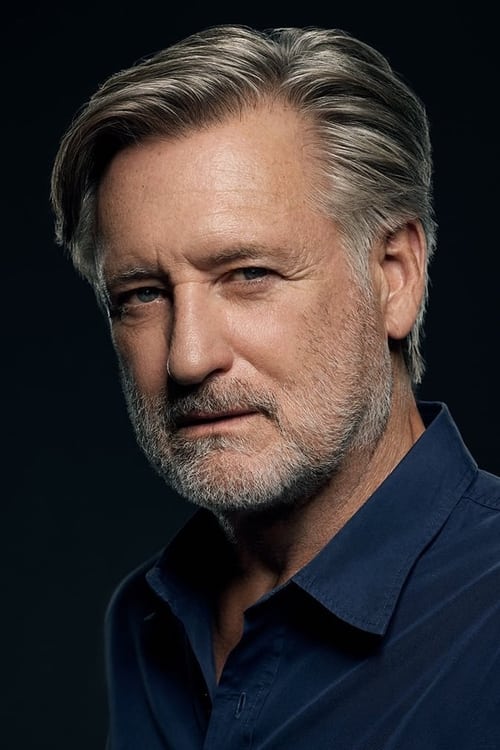
Bill Pullman
Mike
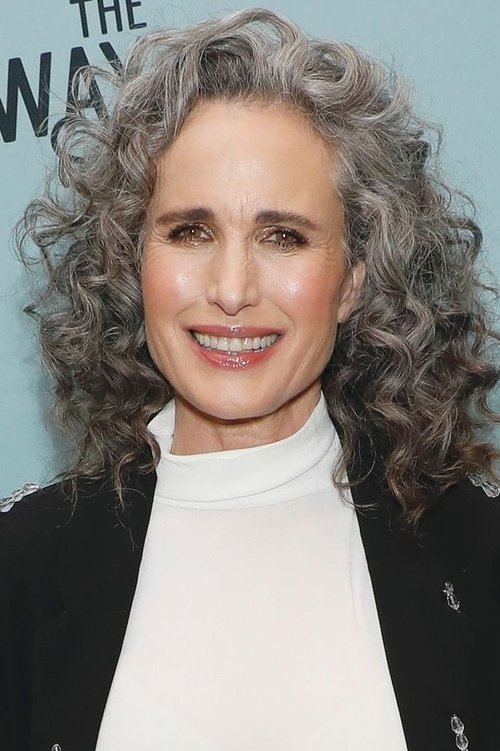
Andie MacDowell
Paige
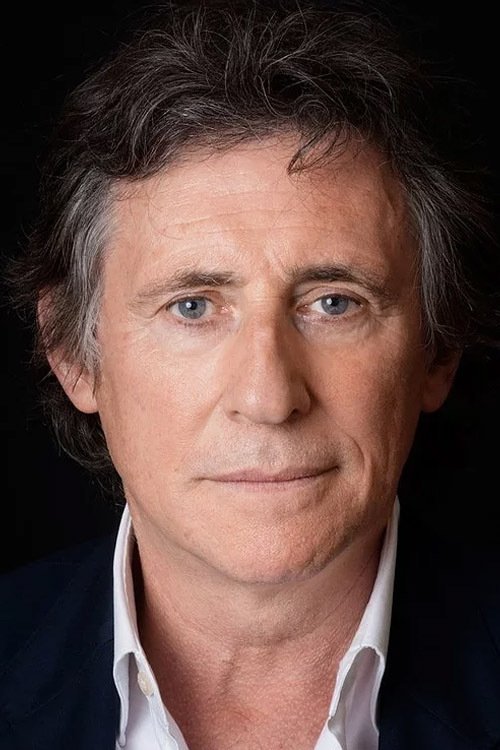
Gabriel Byrne
Ray
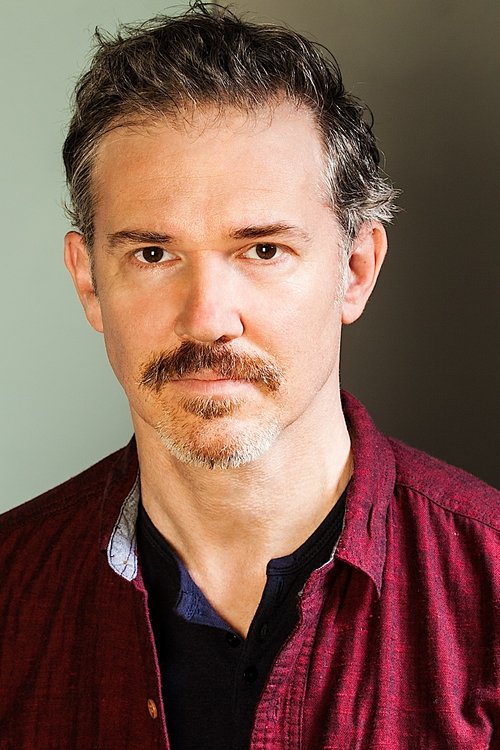
Loren Dean
"Doc"
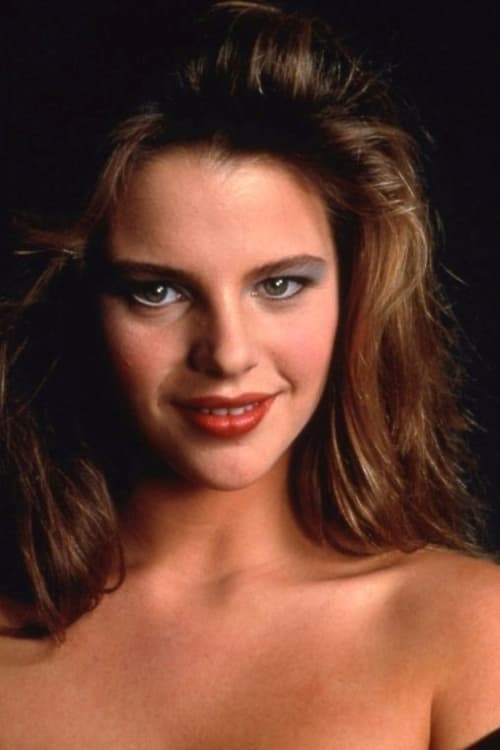
Traci Lind
Cat

Daniel Benzali
Phelps
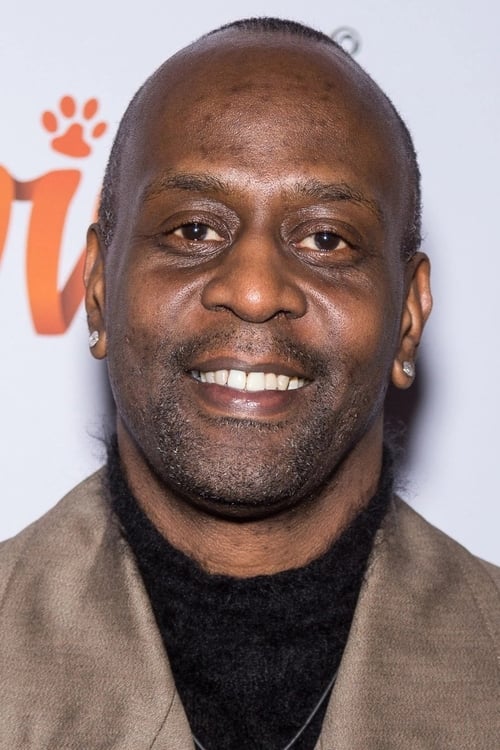
K. Todd Freeman
Six

John Diehl
Lowell
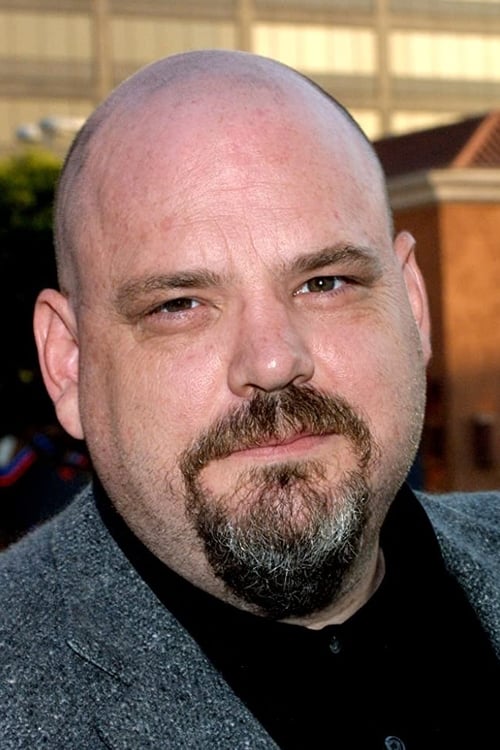
Pruitt Taylor Vince
Frank Cray
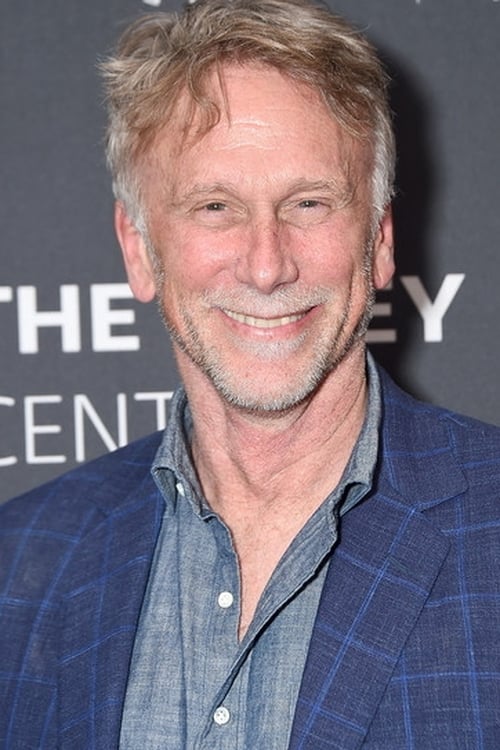
Peter Horton
Brian
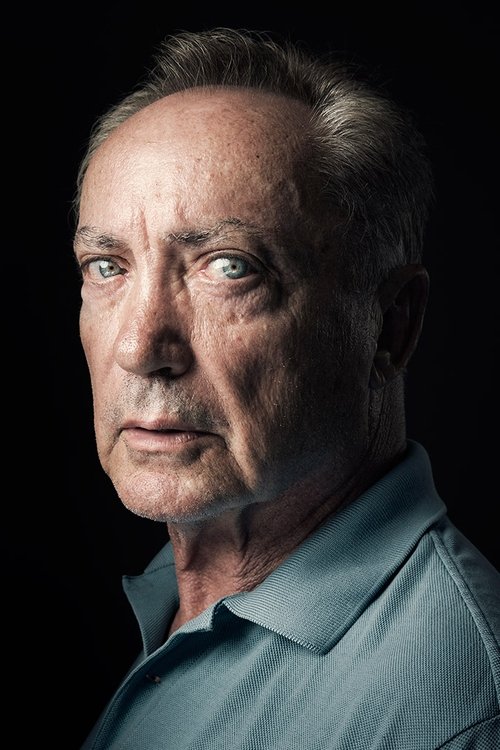
Udo Kier
Zoltan

Enrique Castillo
Ramon
Crew
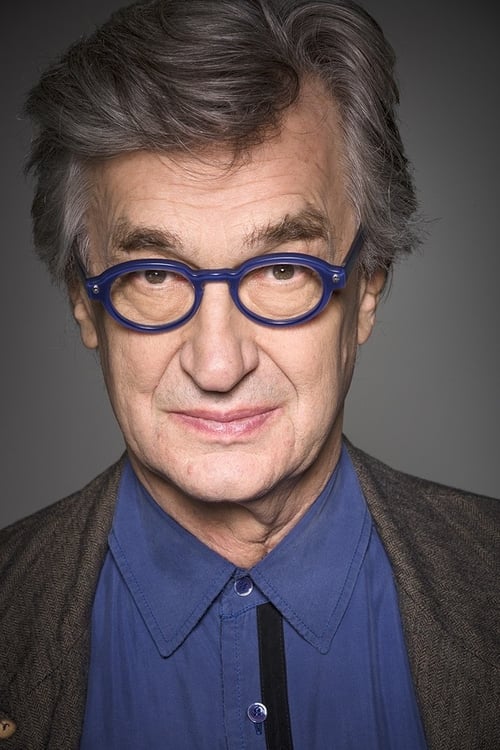
Wim Wenders
Director
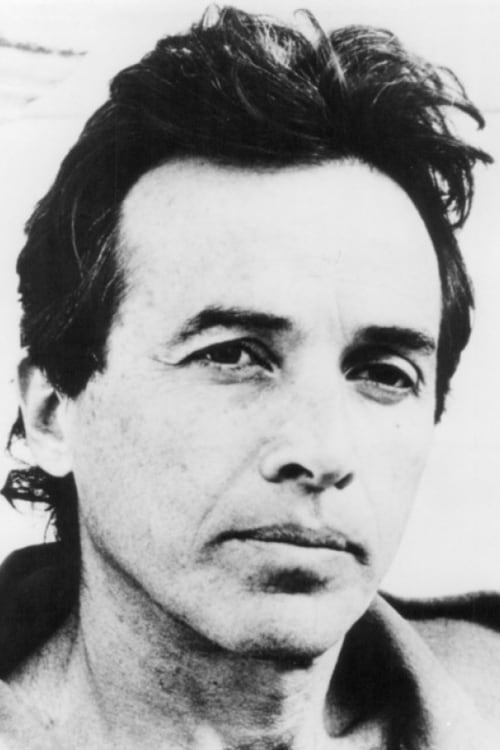
Ry Cooder
Original Music Composer
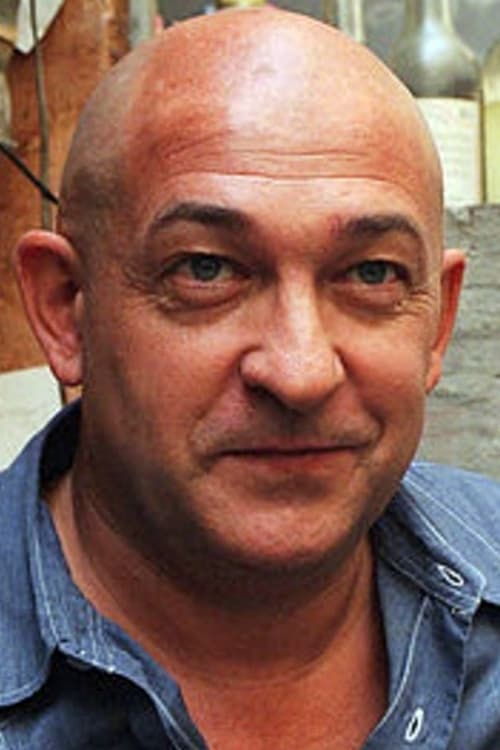
Pascal Rabaud
Director of Photography
Wim Wenders
Producer
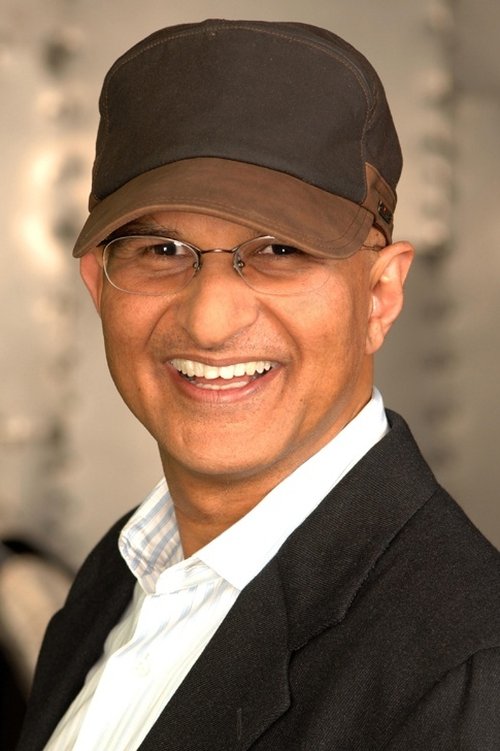
Deepak Nayar
Producer
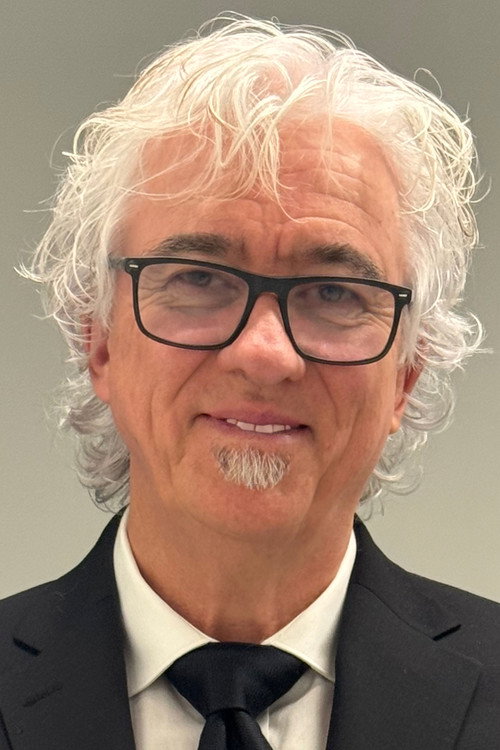
Elmo Weber
Sound Designer

Howie B
Music
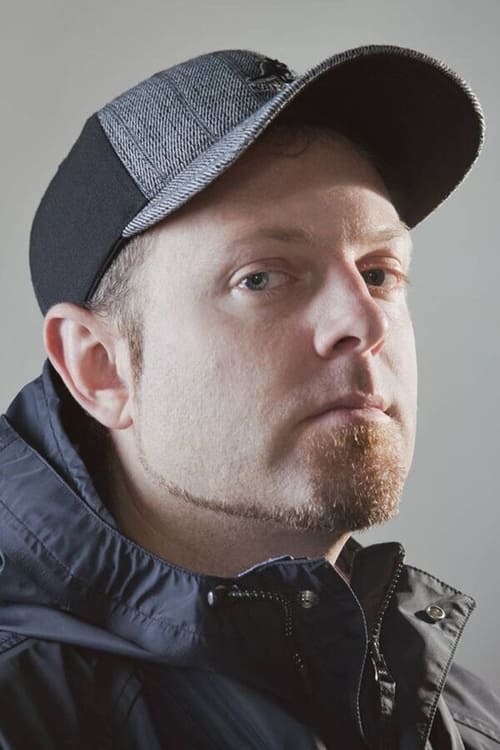
DJ Shadow
Music
Wim Wenders
Story
Popular Reviews
15 reviews
Maxx
8.0★ · 08/04/25
` 🎬˒ ⟡* “by the way, I love you” ⊹ ࿔ ۫ ۪
*
This one left me sitting right on the fence. The End of Violence is only my second Wim Wenders film (sadly), so I’m still getting a feel for his work — and honestly, I didn’t know how to talk about this one here right away. I even postponed writing this for nearly two days, thinking some grand thought would strike. *(Spoiler alert: it didn’t)
*
Still, I liked it. Even with its pacing issues and some stretches that felt unnecessarily long, there was something quietly engaging about the way it unfolded. It holds you in this haze of mystery, where you’re never fully sure what’s going on or where it’s heading until you hit the very end — and even then, it doesn’t hand you easy answers.
But the ending, as quiet and unresolved as it felt, stuck with me more than I expected. It left me with this lingering thought: stop worrying so much about what could go wrong. About how fragile things are, how many invisible dangers surround us. Yes, bad things can happen — but they always could. That doesn’t mean you stop experiencing life. You just live with that uncertainty. You move through it.
There’s a strange kind of peace in accepting that.
*
This one left me sitting right on the fence. The End of Violence is only my second Wim Wenders film (sadly), so I’m still getting a feel for his work — and honestly, I didn’t know how to talk about this one here right away. I even postponed writing this for nearly two days, thinking some grand thought would strike. *(Spoiler alert: it didn’t)
*
Still, I liked it. Even with its pacing issues and some stretches that felt unnecessarily long, there was something quietly engaging about the way it unfolded. It holds you in this haze of mystery, where you’re never fully sure what’s going on or where it’s heading until you hit the very end — and even then, it doesn’t hand you easy answers.
But the ending, as quiet and unresolved as it felt, stuck with me more than I expected. It left me with this lingering thought: stop worrying so much about what could go wrong. About how fragile things are, how many invisible dangers surround us. Yes, bad things can happen — but they always could. That doesn’t mean you stop experiencing life. You just live with that uncertainty. You move through it.
There’s a strange kind of peace in accepting that.
` 🎬˒ ⟡* “by the way, I love you” ⊹ ࿔ ۫ ۪
*
This one left me sitting right on the fence. The End of Violence is only my second Wim Wenders film (sadly), so I’m still getting a feel for his work — and honestly, I didn’t know how to talk about this one here right away. I even postponed writing this for nearly two days, thinking some grand thought would strike. *(Spoiler alert: it didn’t)
*
Still, I liked it. Even with its pacing issues and some stretches that felt unnecessarily long, there was something quietly engaging about the way it unfolded. It holds you in this haze of mystery, where you’re never fully sure what’s going on or where it’s heading until you hit the very end — and even then, it doesn’t hand you easy answers.
But the ending, as quiet and unresolved as it felt, stuck with me more than I expected. It left me with this lingering thought: stop worrying so much about what could go wrong. About how fragile things are, how many invisible dangers surround us. Yes, bad things can happen — but they always could. That doesn’t mean you stop experiencing life. You just live with that uncertainty. You move through it.
There’s a strange kind of peace in accepting that.
*
This one left me sitting right on the fence. The End of Violence is only my second Wim Wenders film (sadly), so I’m still getting a feel for his work — and honestly, I didn’t know how to talk about this one here right away. I even postponed writing this for nearly two days, thinking some grand thought would strike. *(Spoiler alert: it didn’t)
*
Still, I liked it. Even with its pacing issues and some stretches that felt unnecessarily long, there was something quietly engaging about the way it unfolded. It holds you in this haze of mystery, where you’re never fully sure what’s going on or where it’s heading until you hit the very end — and even then, it doesn’t hand you easy answers.
But the ending, as quiet and unresolved as it felt, stuck with me more than I expected. It left me with this lingering thought: stop worrying so much about what could go wrong. About how fragile things are, how many invisible dangers surround us. Yes, bad things can happen — but they always could. That doesn’t mean you stop experiencing life. You just live with that uncertainty. You move through it.
There’s a strange kind of peace in accepting that.


Livy
6.0★ · 06/02/25
I understand the negative reviews, but I think that's what works well for this film is the slow and erotic B-roll/ dreamlike state that plays. It has a Lynchian vibe to it, it makes you think, and you don't get the answers right away. I liked how all the characters revealed slowly how they were connected, also the shots of the highway are a great example of them intersecting poetically. I liked the idea that simplicity can make you see what's in front of you, slow-burning romances, some unlikely but also right on the nose. But also the lack of privacy in Hollywood, that's a huge take-away in this movie too
For me, this was an enjoyable watch, but I totally understand how it's not for everyone. Also everyone is hot so extra points for that
For me, this was an enjoyable watch, but I totally understand how it's not for everyone. Also everyone is hot so extra points for that
I understand the negative reviews, but I think that's what works well for this film is the slow and erotic B-roll/ dreamlike state that plays. It has a Lynchian vibe to it, it makes you think, and you don't get the answers right away. I liked how all the characters revealed slowly how they were connected, also the shots of the highway are a great example of them intersecting poetically. I liked the idea that simplicity can make you see what's in front of you, slow-burning romances, some unlikely but also right on the nose. But also the lack of privacy in Hollywood, that's a huge take-away in this movie too
For me, this was an enjoyable watch, but I totally understand how it's not for everyone. Also everyone is hot so extra points for that
For me, this was an enjoyable watch, but I totally understand how it's not for everyone. Also everyone is hot so extra points for that
Pretentious
5.0★ · 03/20/25
Make The Fall Guy, but turn it into a neo-noir
True to Wender's style, the film gravitates more toward existential inquiry than straightforward neo-noir conventions, drifting between languid reflections and loosely tied subplots about a secret governmental program that monitors public spaces. Do you know what that means? This film drags! Other than pacing issues, the film raises generic questions about how violence is commodified, how trust erodes when constant surveillance creeps into daily life, and how individuals grapple with illusions of control in an increasingly media-saturated society. In suggesting that the government’s watchful eye itself might cause as much fear and alienation as any weapon, Wenders critiques the subtle ways in which technology undermines human connection. Still, for viewers patient with Wenders’s pensive pacing, moments of poetic introspection on American culture and the illusions Hollywood perpetuates do emerge.
True to Wender's style, the film gravitates more toward existential inquiry than straightforward neo-noir conventions, drifting between languid reflections and loosely tied subplots about a secret governmental program that monitors public spaces. Do you know what that means? This film drags! Other than pacing issues, the film raises generic questions about how violence is commodified, how trust erodes when constant surveillance creeps into daily life, and how individuals grapple with illusions of control in an increasingly media-saturated society. In suggesting that the government’s watchful eye itself might cause as much fear and alienation as any weapon, Wenders critiques the subtle ways in which technology undermines human connection. Still, for viewers patient with Wenders’s pensive pacing, moments of poetic introspection on American culture and the illusions Hollywood perpetuates do emerge.
Make The Fall Guy, but turn it into a neo-noir
True to Wender's style, the film gravitates more toward existential inquiry than straightforward neo-noir conventions, drifting between languid reflections and loosely tied subplots about a secret governmental program that monitors public spaces. Do you know what that means? This film drags! Other than pacing issues, the film raises generic questions about how violence is commodified, how trust erodes when constant surveillance creeps into daily life, and how individuals grapple with illusions of control in an increasingly media-saturated society. In suggesting that the government’s watchful eye itself might cause as much fear and alienation as any weapon, Wenders critiques the subtle ways in which technology undermines human connection. Still, for viewers patient with Wenders’s pensive pacing, moments of poetic introspection on American culture and the illusions Hollywood perpetuates do emerge.
True to Wender's style, the film gravitates more toward existential inquiry than straightforward neo-noir conventions, drifting between languid reflections and loosely tied subplots about a secret governmental program that monitors public spaces. Do you know what that means? This film drags! Other than pacing issues, the film raises generic questions about how violence is commodified, how trust erodes when constant surveillance creeps into daily life, and how individuals grapple with illusions of control in an increasingly media-saturated society. In suggesting that the government’s watchful eye itself might cause as much fear and alienation as any weapon, Wenders critiques the subtle ways in which technology undermines human connection. Still, for viewers patient with Wenders’s pensive pacing, moments of poetic introspection on American culture and the illusions Hollywood perpetuates do emerge.
Valentino
8.0★ · 03/18/25
Wenders walked so Lynch could run
Wenders walked so Lynch could run
flex
5.0★ · 03/14/25
i think this was either a poorly done satire or the worst written film of all time. trying not to cry laughing the whole time. if i’d watched this in a place i could talk i would’ve really really enjoyed it. like this was just under the silver lake but i’m not allowed to go “what?” every two minutes. crazy to write a film by focusing on characters first and building a plot from that and ending up with not one character with any hint of depth. plus to do a style that relies almost entirely on plot yet washing the plot away as vibes and the government. every time brice phelps came on screen sam showed me a different bald man on their phone
i think this was either a poorly done satire or the worst written film of all time. trying not to cry laughing the whole time. if i’d watched this in a place i could talk i would’ve really really enjoyed it. like this was just under the silver lake but i’m not allowed to go “what?” every two minutes. crazy to write a film by focusing on characters first and building a plot from that and ending up with not one character with any hint of depth. plus to do a style that relies almost entirely on plot yet washing the plot away as vibes and the government. every time brice phelps came on screen sam showed me a different bald man on their phone