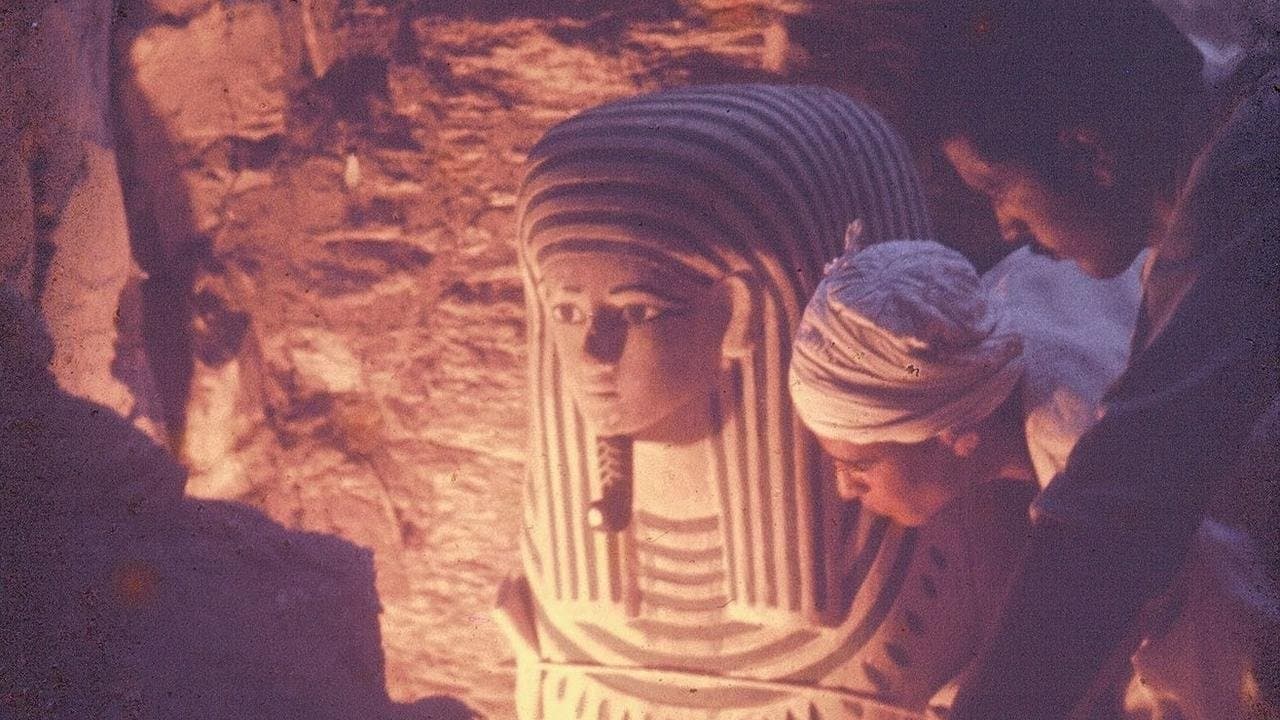
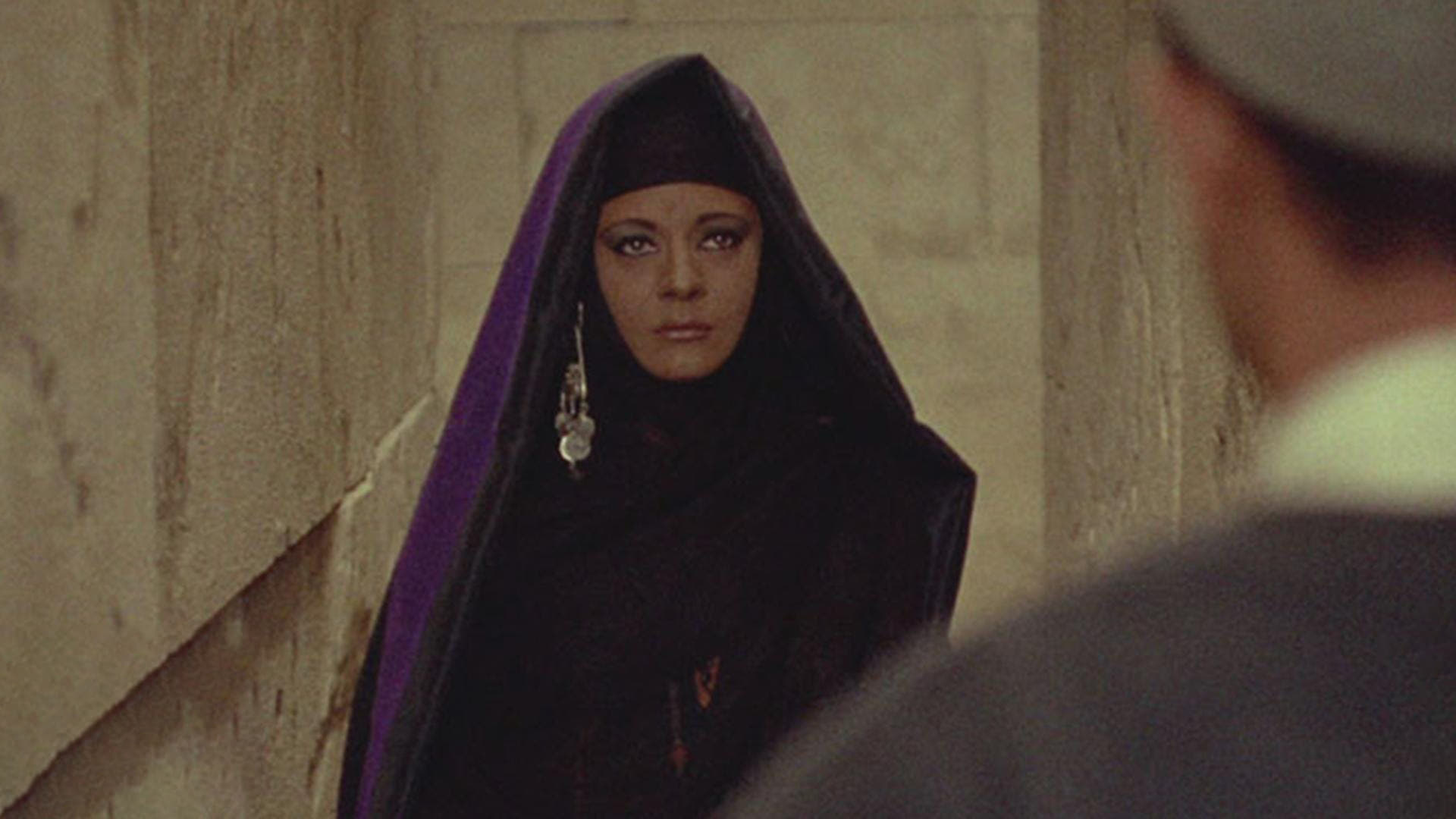
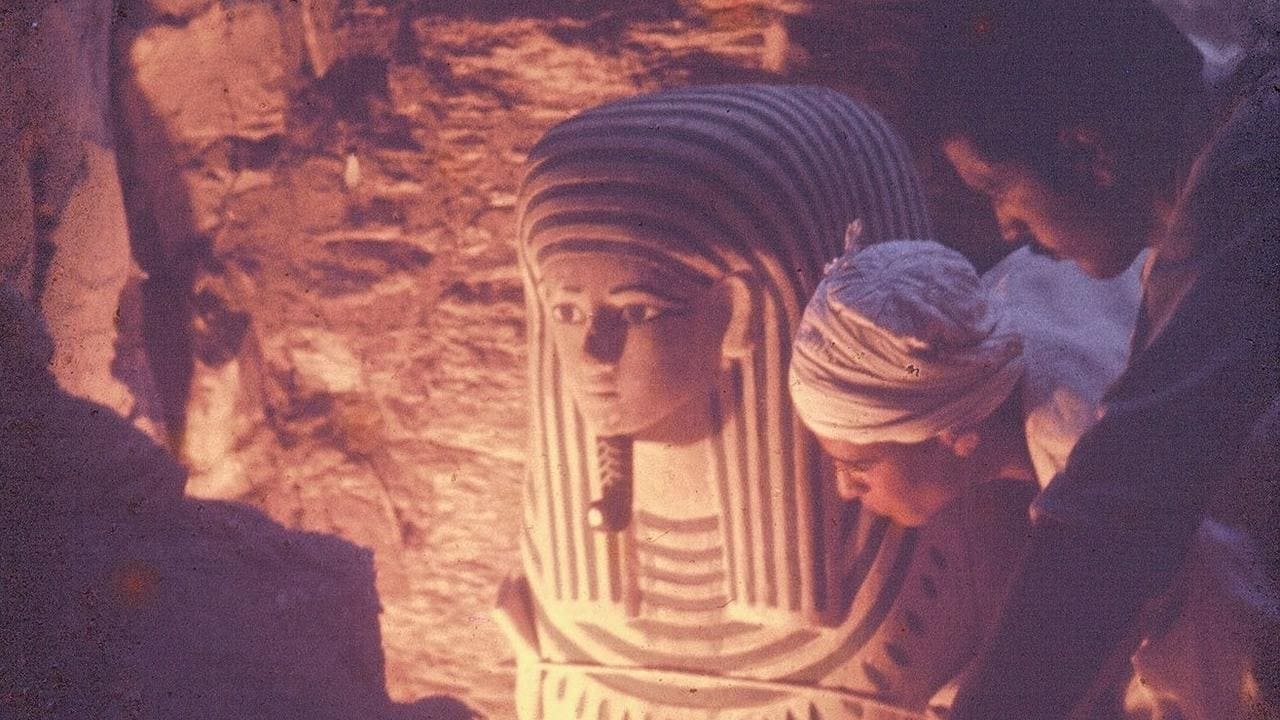
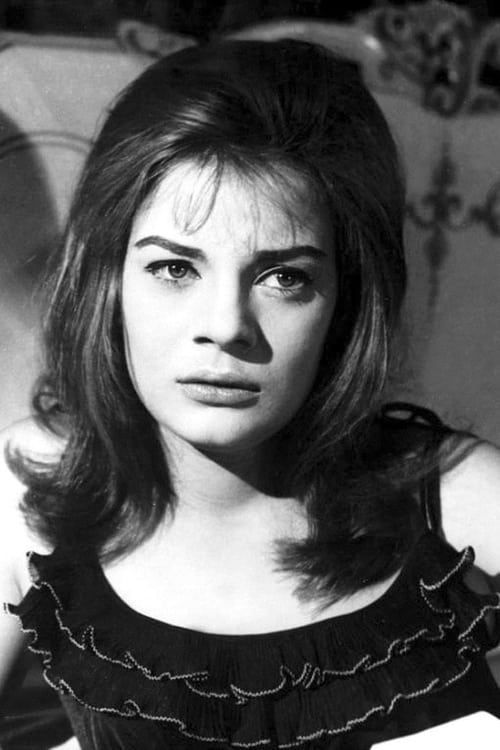
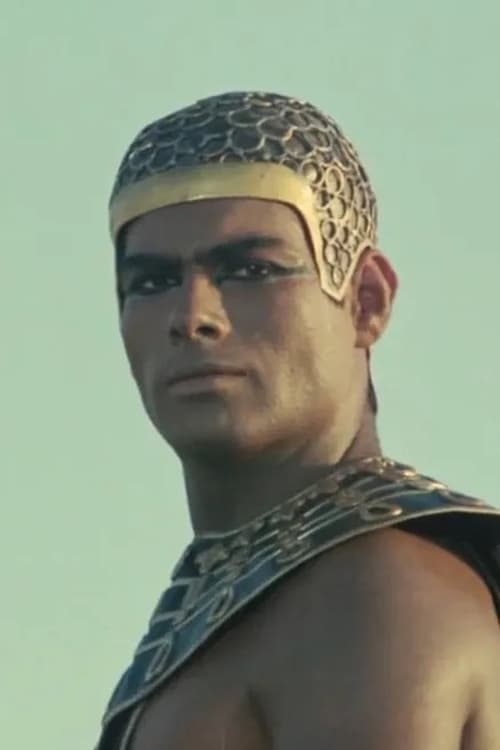
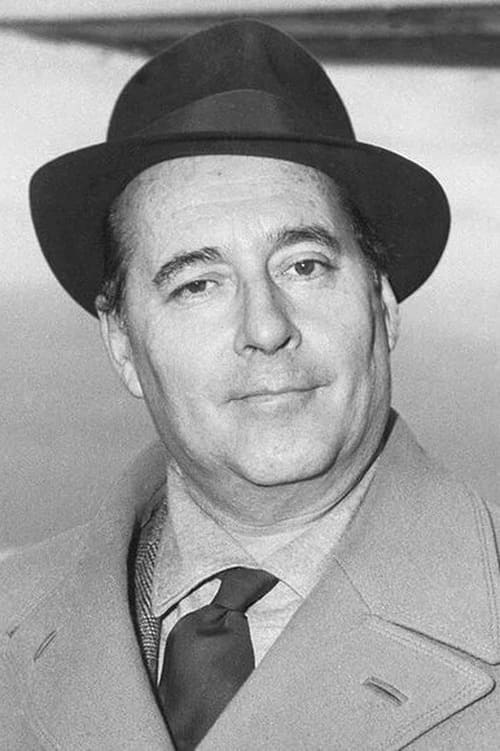
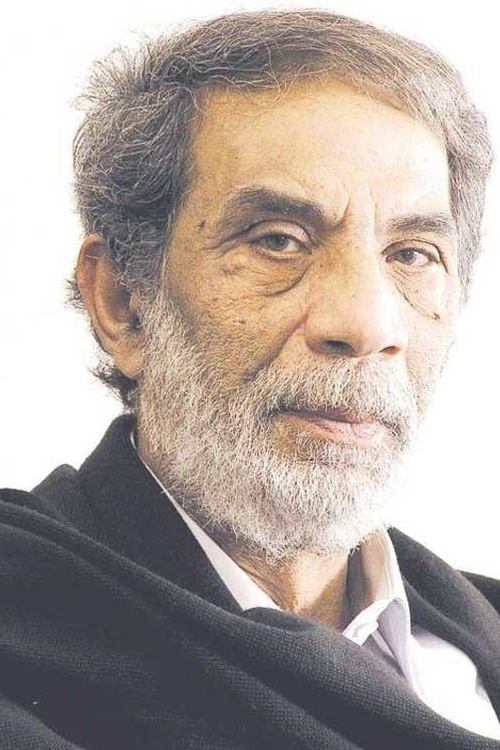
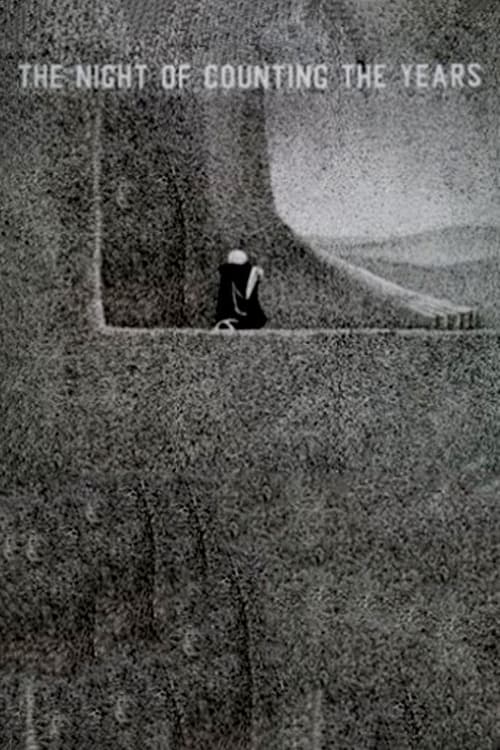
The Night of Counting the Stars, or as I'll lazily call The Mummy was a story that was based on a true story although I think this has some fabrications in its storyline (please inform me if otherwise). The film talks about about preserving cultural heritage rather than profiting from it. Wannis, the main character is caught between his own tribe and the awareness of Egypt's ancient civilization. His family has for years continually looted the Valley of the Kings and sold valuable items on the market, Wannis released the greed of this and decides that it must stop. I found this film also so interesting, while I haven't seen many Egyptian films, I have noticed none of them seem to be set in Ancient Egypt, whereas Hollywood and the western cinema have exoticised the idea of ancient Egypt again and again. The film poses a question, of what does it mean to be Egyptian. The present day Islamic Arabised culture clashes with the former polytheistic and extravagant Pharoanic past. The film is a rare film that reflects on this cultural dynamics. The differences between the past and the present. Wannis is a morally upright character as he disagreed with looting, which is most probably a major sin in Islam. He even betrays his own tribe because he believes what they do is continuously wrong. The film is rather slow and haunting in way, the silent becomes daunting, evoking themes of death and morality. Wannis sees the moral decay as he even sees his own cousins engage in sexual acts at a brothel. And the film also shows the stark differences between modernity and tradition. As the city people are interested in preserving the history, it's a tradition for the tribe to continuously loot the tombs. It's so sad in a way to know that this was a real problem and how much history was lost but sometimes it's a necessity, even the tribal people who loot the tombs tell Wannis that it's a necessity to feed people and look after them. The final scene was perfect, not a single sound but just silence and quite absorbing. It was beautifully shot, the Ancient Egyptian monuments are amazing. The dialogue is perfect, Arabic must be the most beautiful and poetic language I have ever to witness. Nadia Lutfi did not utter one word in this film, I know she was a huge star in Egyptian cinema's golden age but that one scene where she approaches Wannis with her eyes expressing so much emotions. She's ana amazing actress, also she was barely in this though! The other cast was wonderful too. Anyways a film that I would recommend without a doubt it's so beautiful, it's slow moving yet so haunting and it's poetic atmospheric beauty makes it an enduring classic in Egyptian Arabic cinema. Although I think this film used pure Arabic rather than the Egyptian dialect which I have heard.
The Night of Counting the Stars, or as I'll lazily call The Mummy was a story that was based on a true story although I think this has some fabrications in its storyline (please inform me if otherwise). The film talks about about preserving cultural heritage rather than profiting from it. Wannis, the main character is caught between his own tribe and the awareness of Egypt's ancient civilization. His family has for years continually looted the Valley of the Kings and sold valuable items on the market, Wannis released the greed of this and decides that it must stop. I found this film also so interesting, while I haven't seen many Egyptian films, I have noticed none of them seem to be set in Ancient Egypt, whereas Hollywood and the western cinema have exoticised the idea of ancient Egypt again and again. The film poses a question, of what does it mean to be Egyptian. The present day Islamic Arabised culture clashes with the former polytheistic and extravagant Pharoanic past. The film is a rare film that reflects on this cultural dynamics. The differences between the past and the present. Wannis is a morally upright character as he disagreed with looting, which is most probably a major sin in Islam. He even betrays his own tribe because he believes what they do is continuously wrong. The film is rather slow and haunting in way, the silent becomes daunting, evoking themes of death and morality. Wannis sees the moral decay as he even sees his own cousins engage in sexual acts at a brothel. And the film also shows the stark differences between modernity and tradition. As the city people are interested in preserving the history, it's a tradition for the tribe to continuously loot the tombs. It's so sad in a way to know that this was a real problem and how much history was lost but sometimes it's a necessity, even the tribal people who loot the tombs tell Wannis that it's a necessity to feed people and look after them. The final scene was perfect, not a single sound but just silence and quite absorbing. It was beautifully shot, the Ancient Egyptian monuments are amazing. The dialogue is perfect, Arabic must be the most beautiful and poetic language I have ever to witness. Nadia Lutfi did not utter one word in this film, I know she was a huge star in Egyptian cinema's golden age but that one scene where she approaches Wannis with her eyes expressing so much emotions. She's ana amazing actress, also she was barely in this though! The other cast was wonderful too. Anyways a film that I would recommend without a doubt it's so beautiful, it's slow moving yet so haunting and it's poetic atmospheric beauty makes it an enduring classic in Egyptian Arabic cinema. Although I think this film used pure Arabic rather than the Egyptian dialect which I have heard.