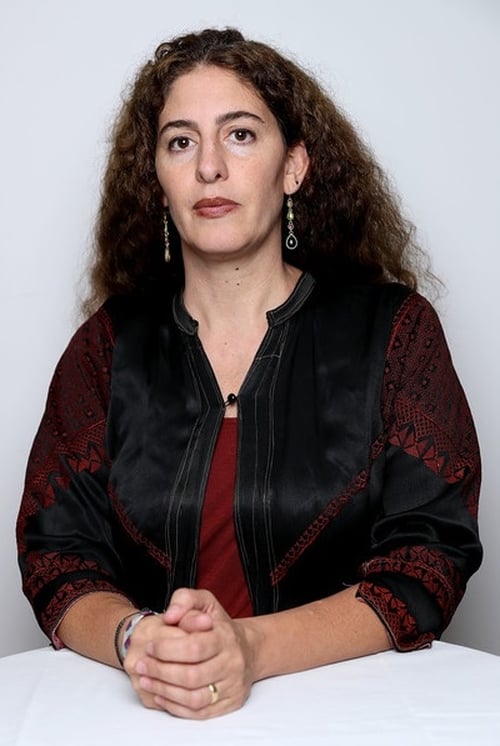
Watching interviews with Annemarie Jacir, the director, it’s clear that she has very specific and passionate political views, but her film doesn’t take sides, its an open dissection of the people of Nazareth, or the surviors of Nazareth, as she likes to say...
*
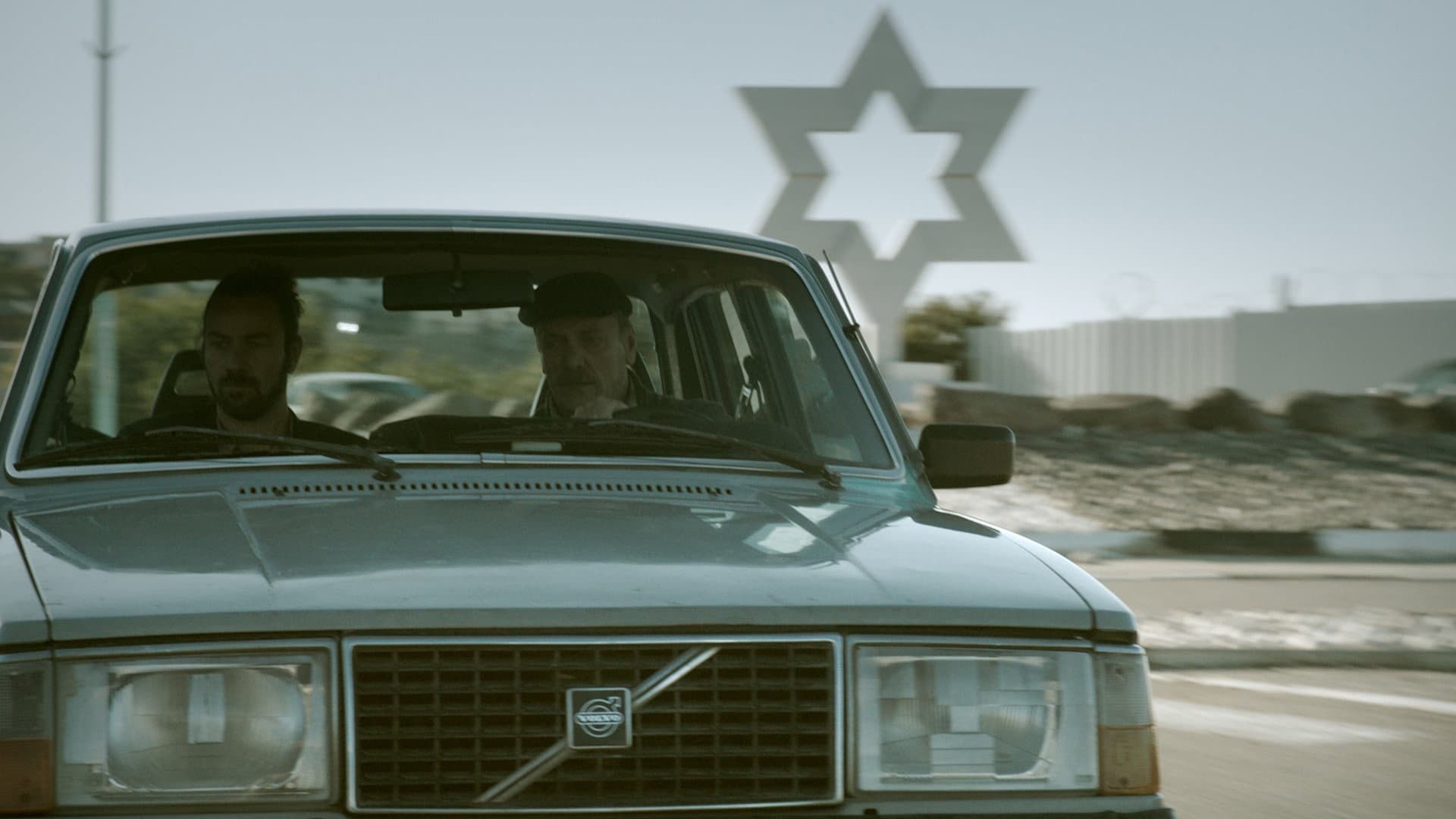
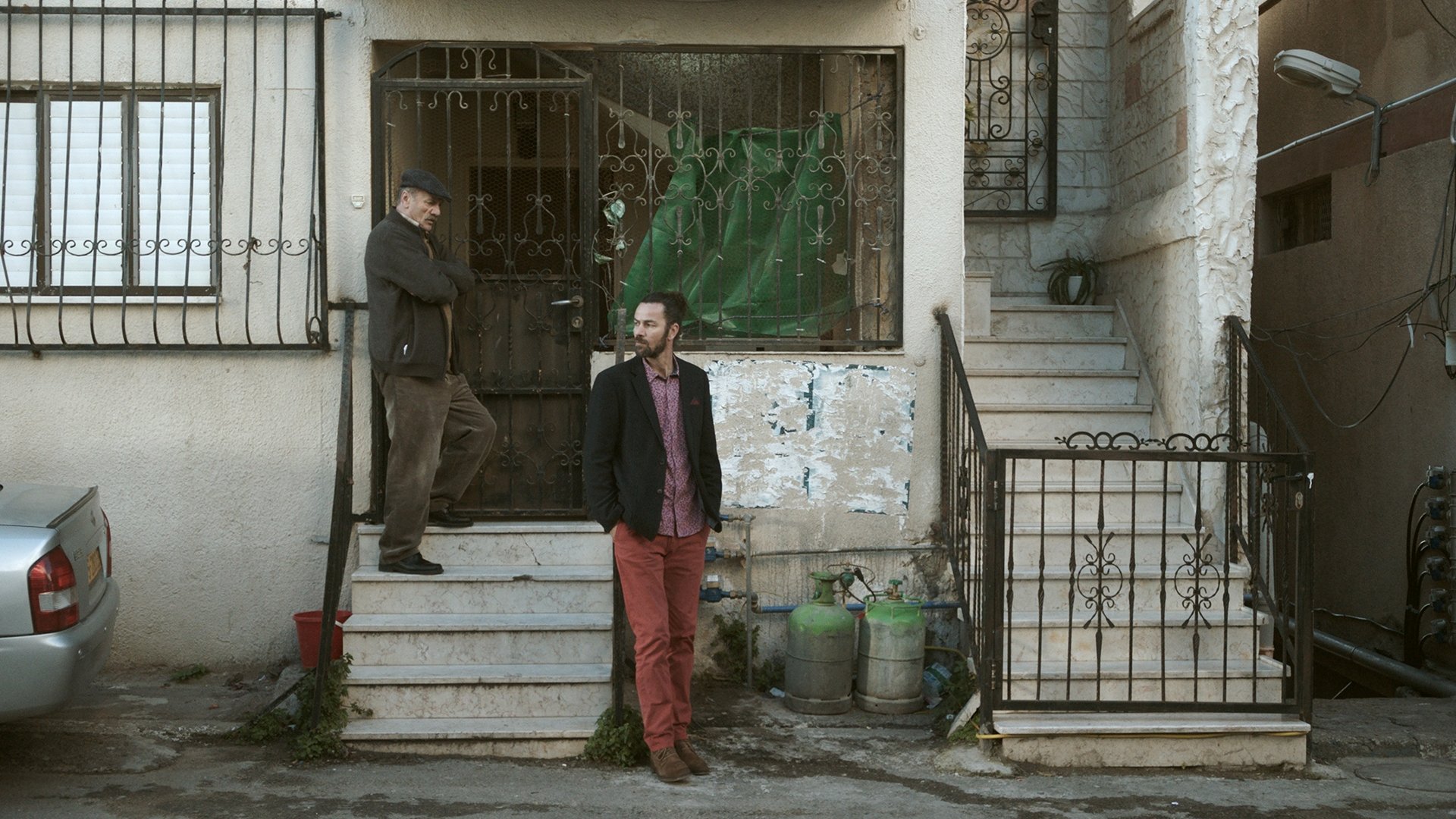
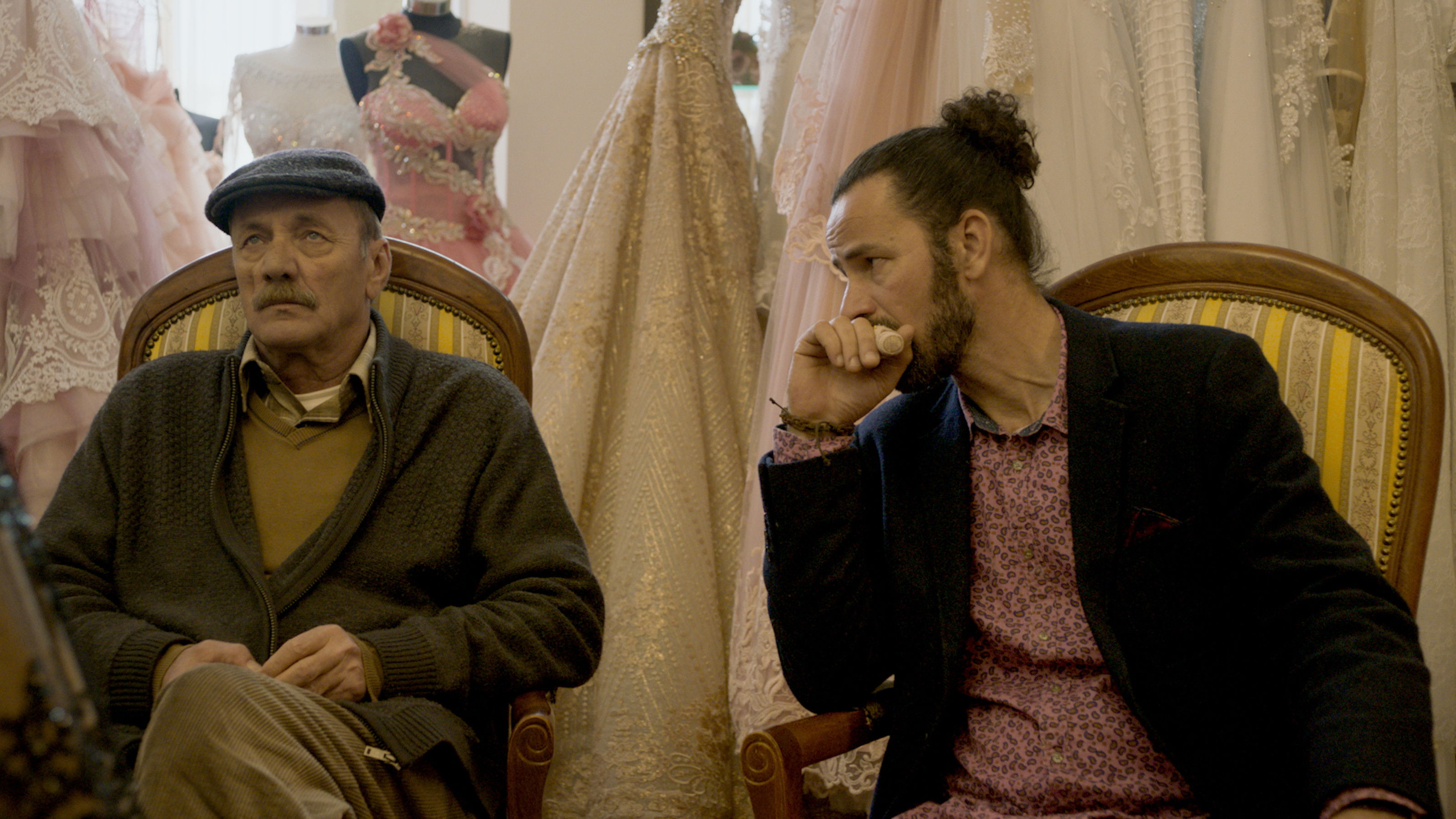
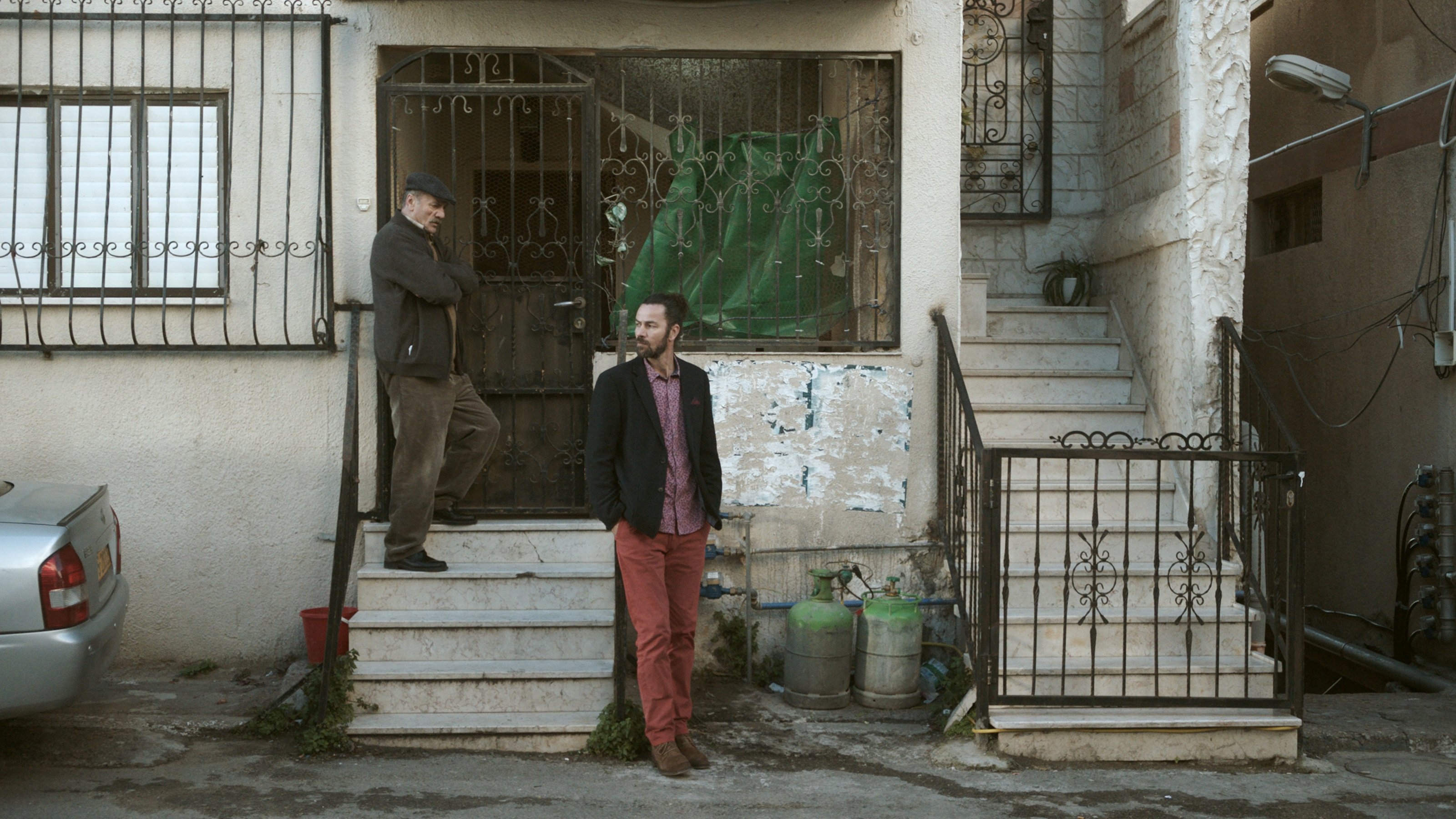
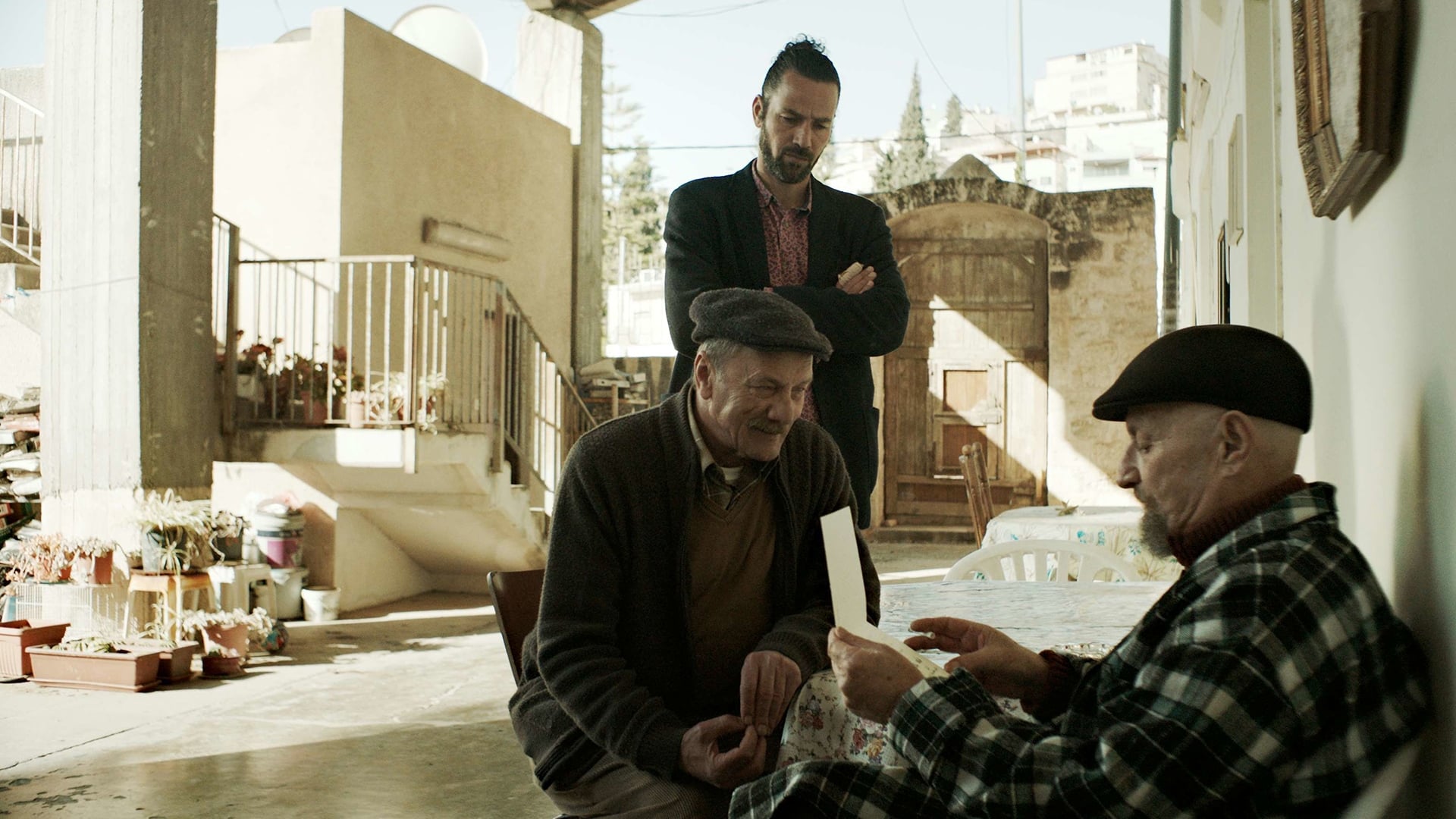
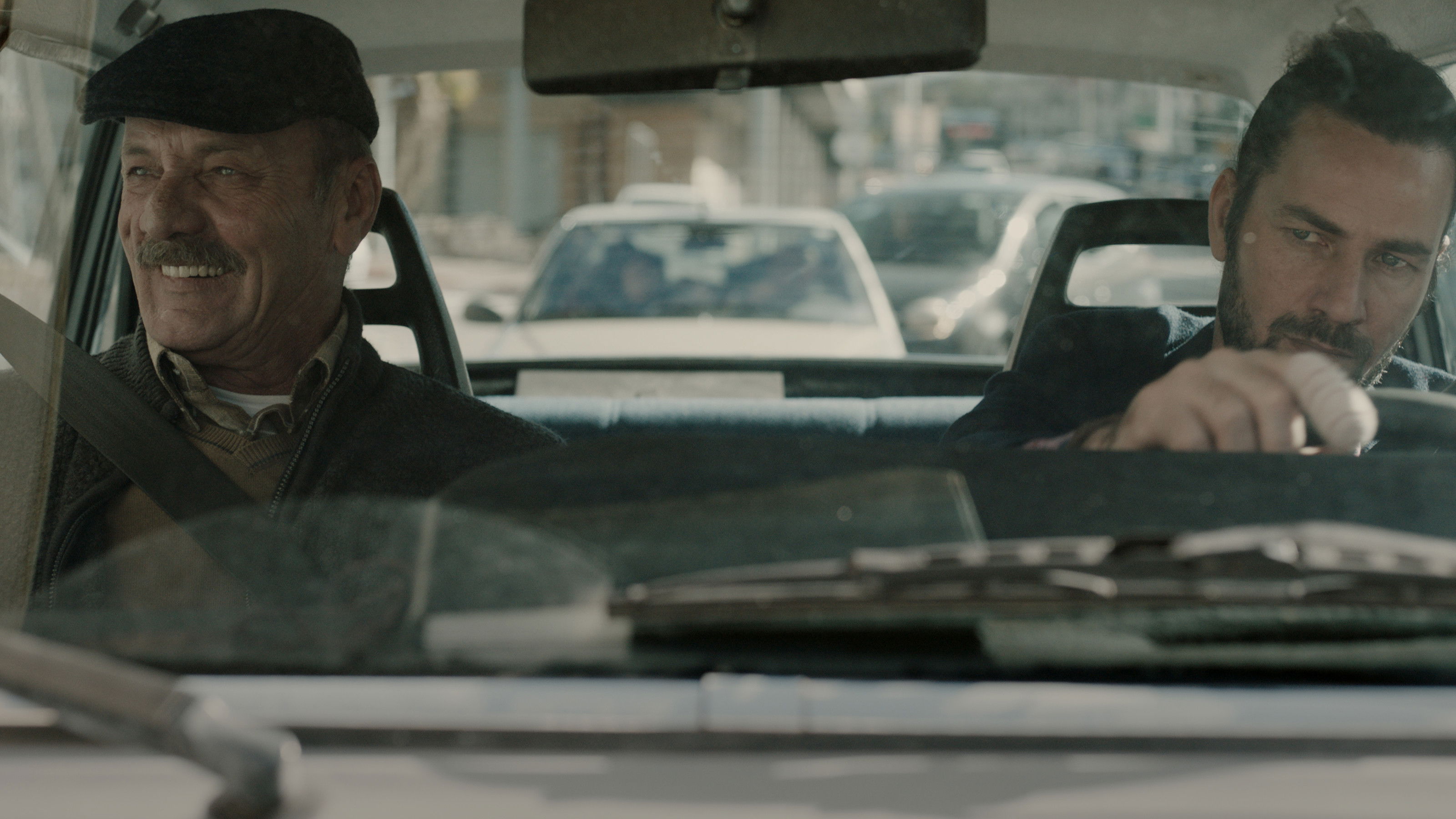
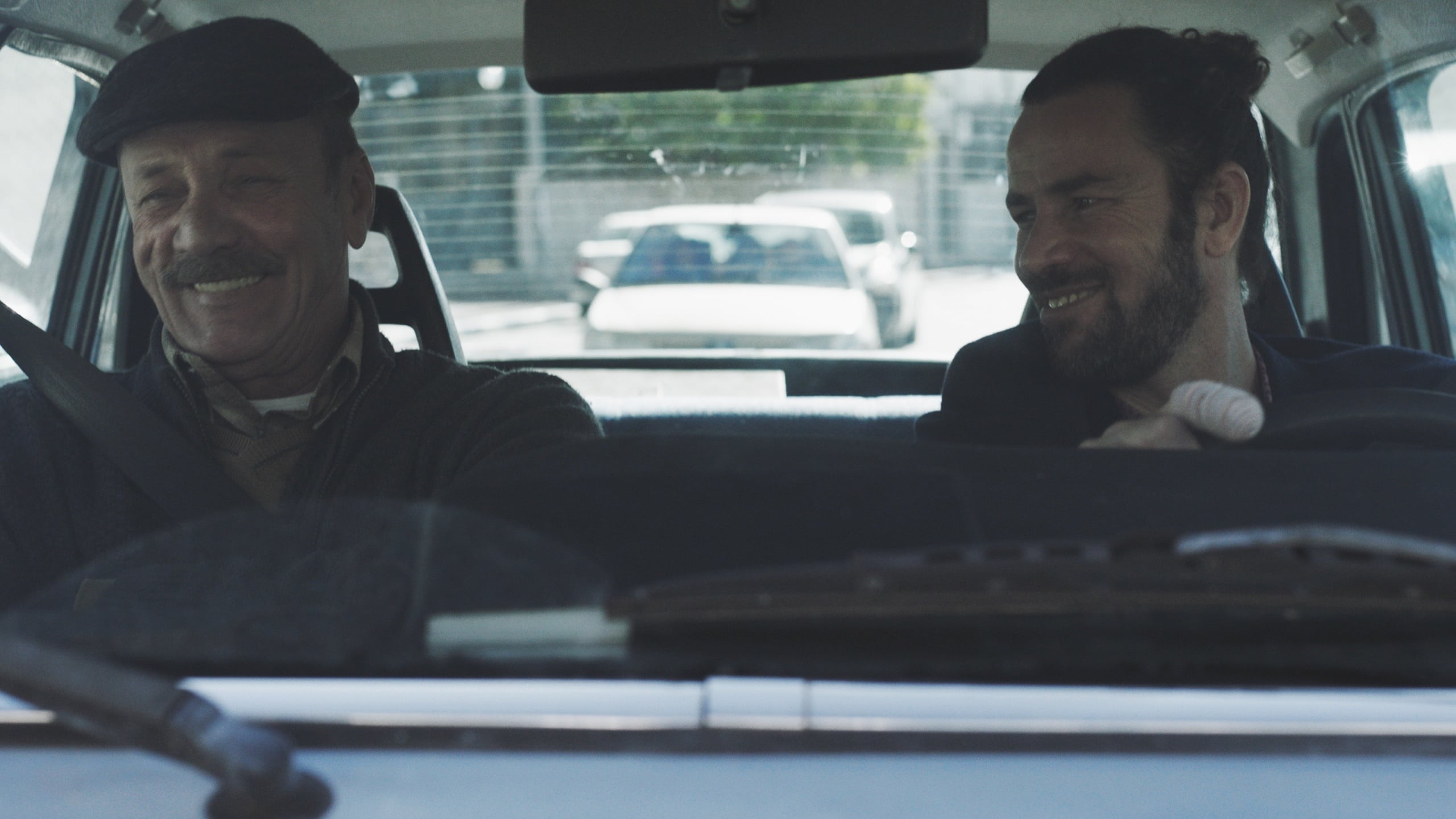
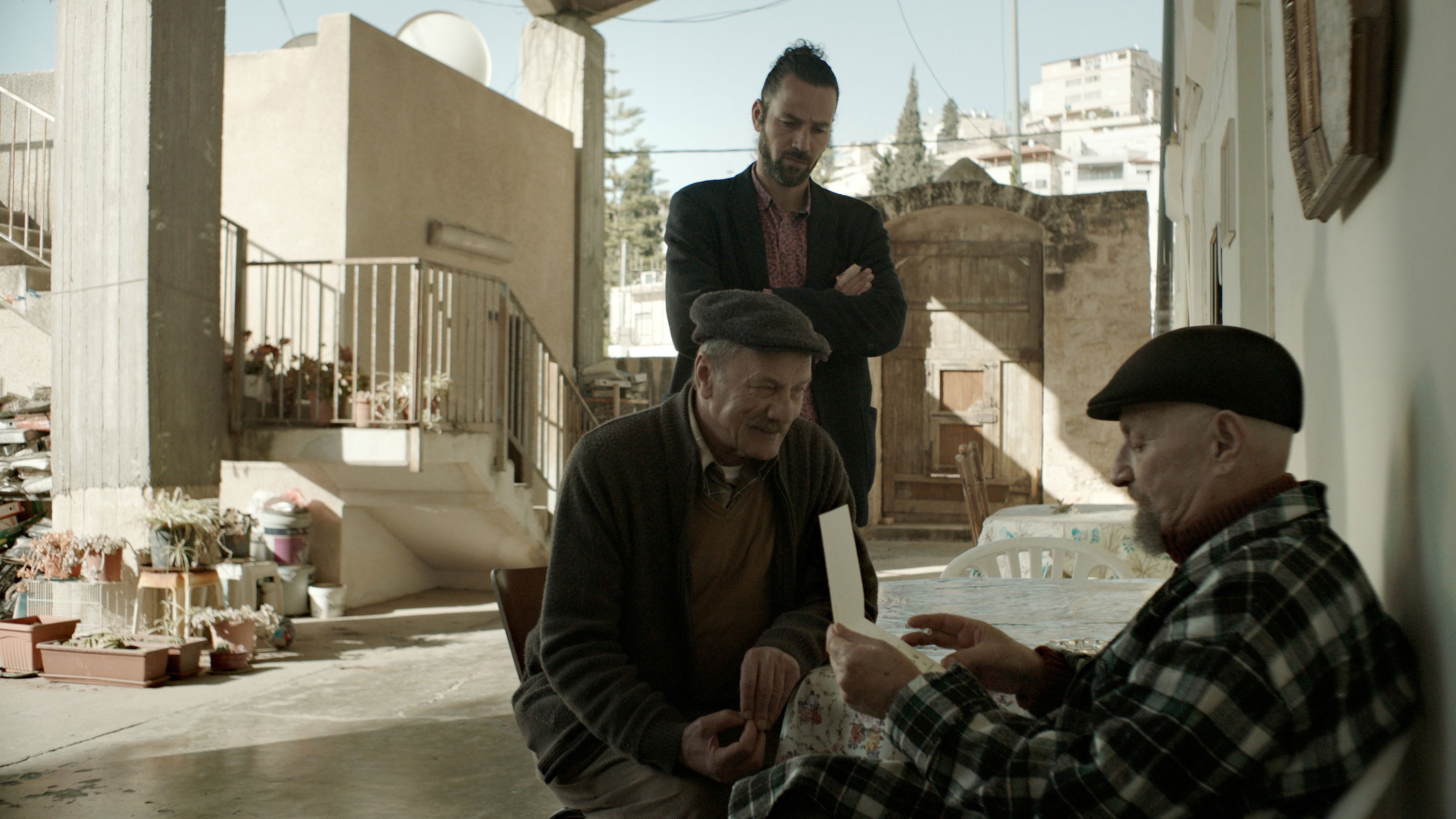
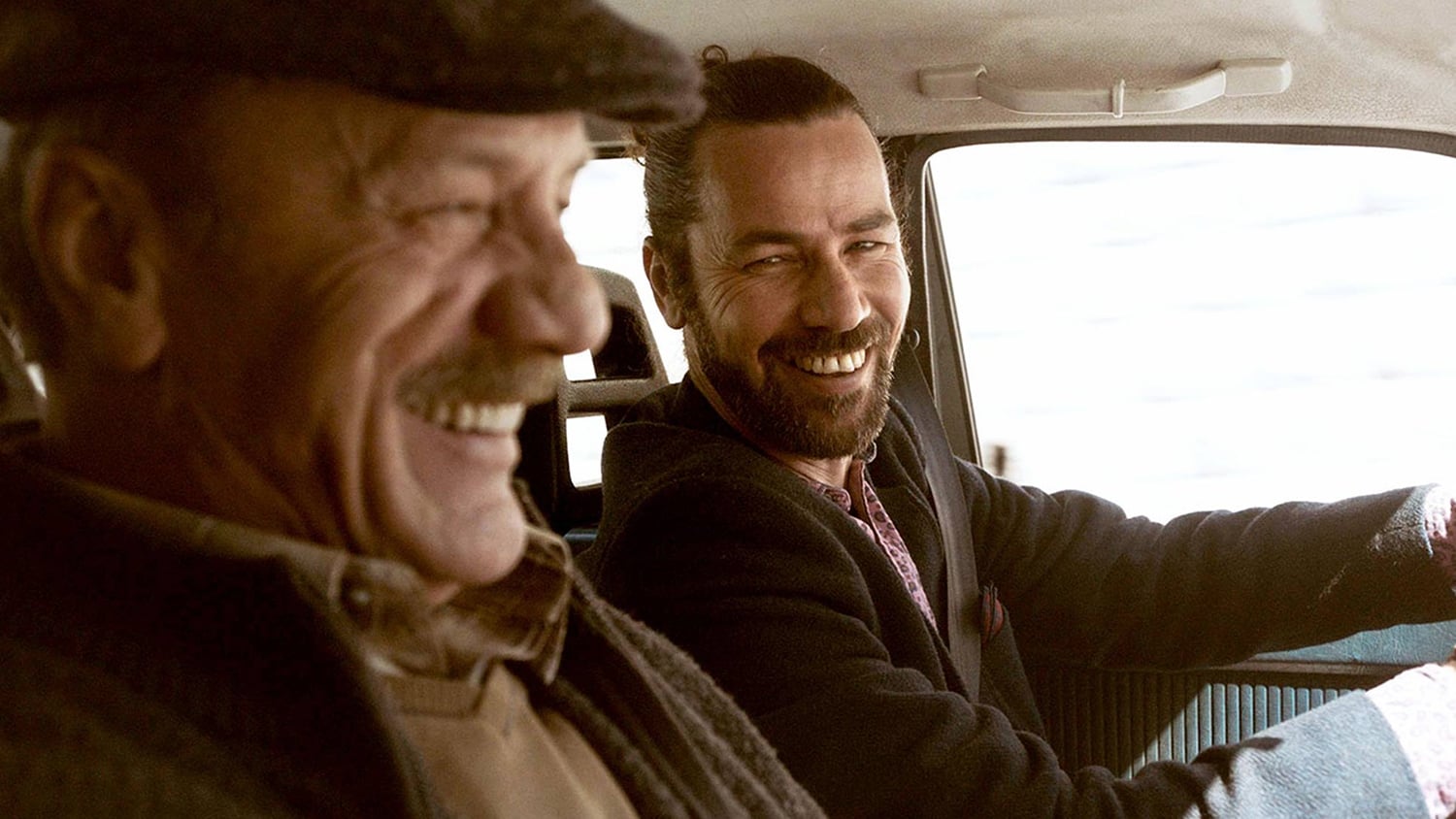
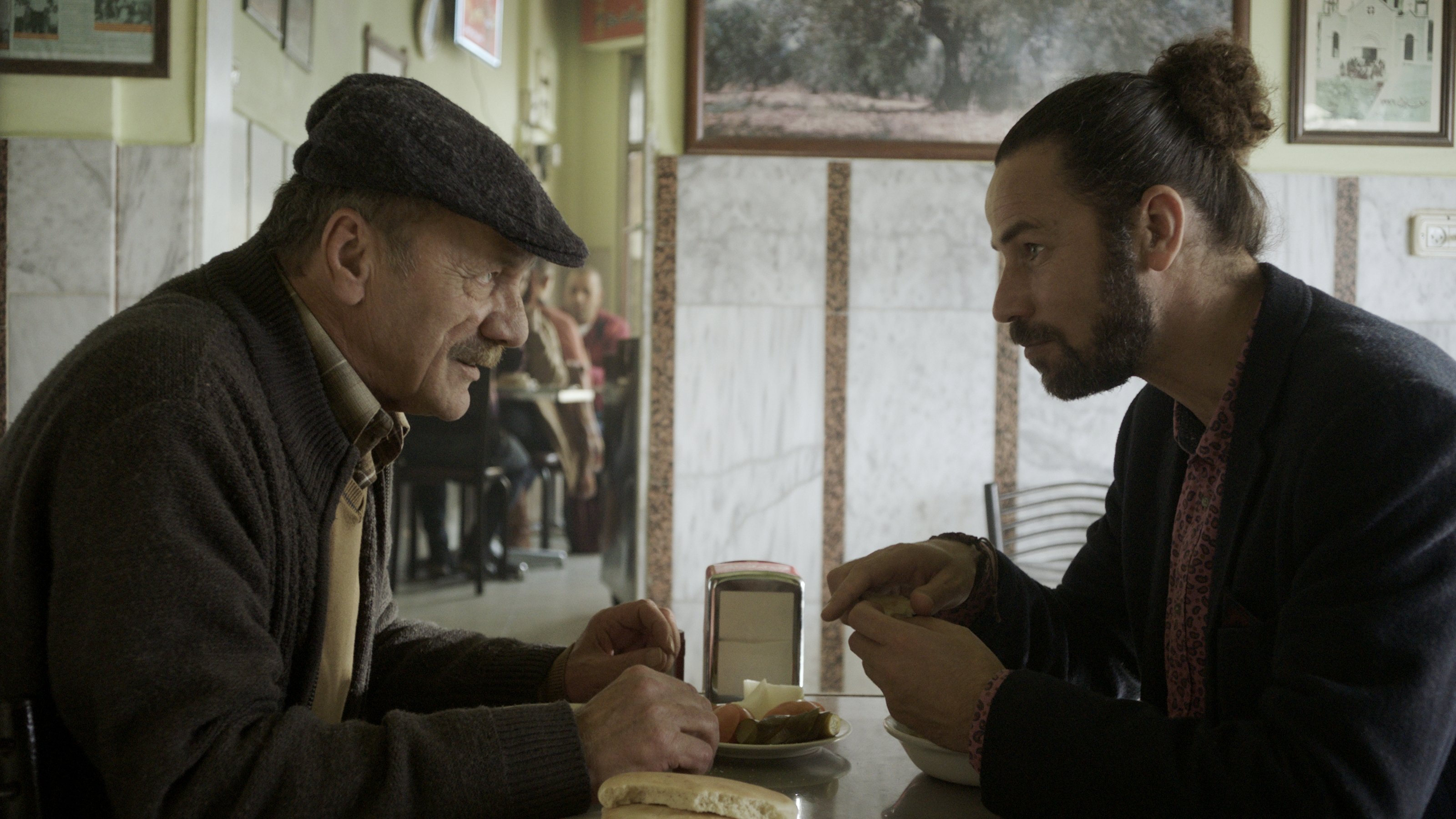
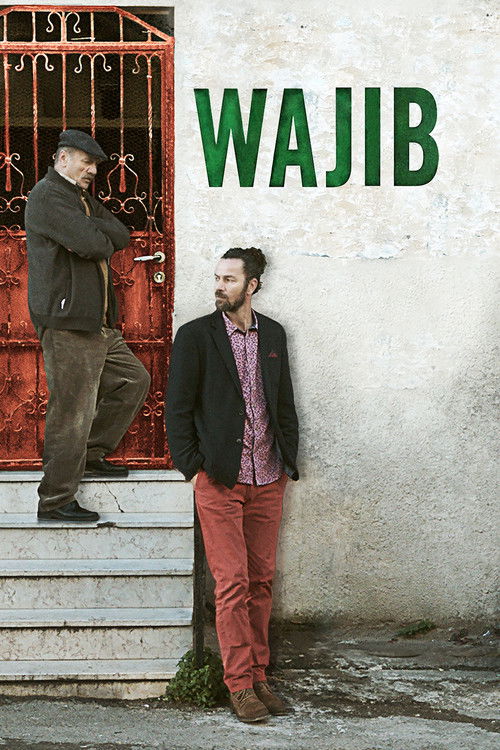
*I’ve seen a a good number of bittersweet, slice-of-life films, but few of them happen to be very moving and provocative at the same time, Wajib does. Its essentially about family and community and at the core of it is the father-son relationship, what’s special about Wajib is that its apparent initial intent of political neutrality poses a difficult conundrum and oddly enough it ends up being its most powerful message : family can be the magic bullet for addressing social or political crisis. The choice of addressing serious themes with slight comedy was a genius one, amongst many others. In many instances, it reminded me of my own relationship with my parents and the difference in ideologies that exist, it’s something that radiates from Abu Shadi and Shadi’s time together, and the two actors who embody them: a father and son in real life.
Watching interviews with Annemarie Jacir, the director, it’s clear that she has very specific and passionate political views, but her film doesn’t take sides, its an open dissection of the people of Nazareth, or the surviors of Nazareth, as she likes to say...
*
*I’ve seen a a good number of bittersweet, slice-of-life films, but few of them happen to be very moving and provocative at the same time, Wajib does. Its essentially about family and community and at the core of it is the father-son relationship, what’s special about Wajib is that its apparent initial intent of political neutrality poses a difficult conundrum and oddly enough it ends up being its most powerful message : family can be the magic bullet for addressing social or political crisis. The choice of addressing serious themes with slight comedy was a genius one, amongst many others. In many instances, it reminded me of my own relationship with my parents and the difference in ideologies that exist, it’s something that radiates from Abu Shadi and Shadi’s time together, and the two actors who embody them: a father and son in real life.