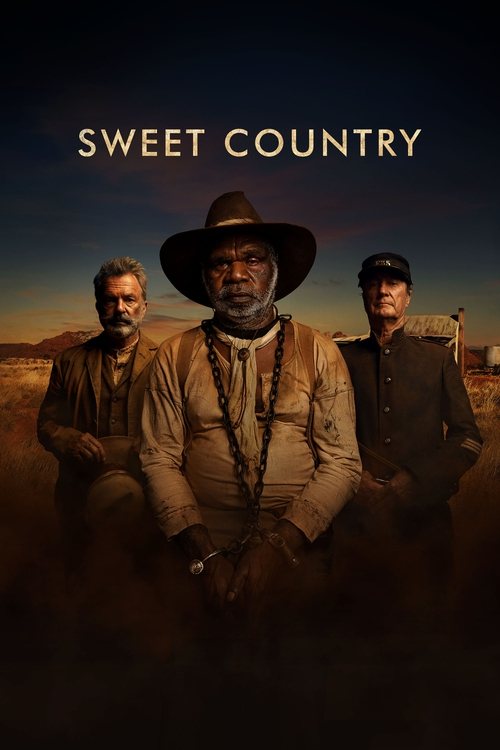
This is an exceptional work of cinema from Warwick Thornton.
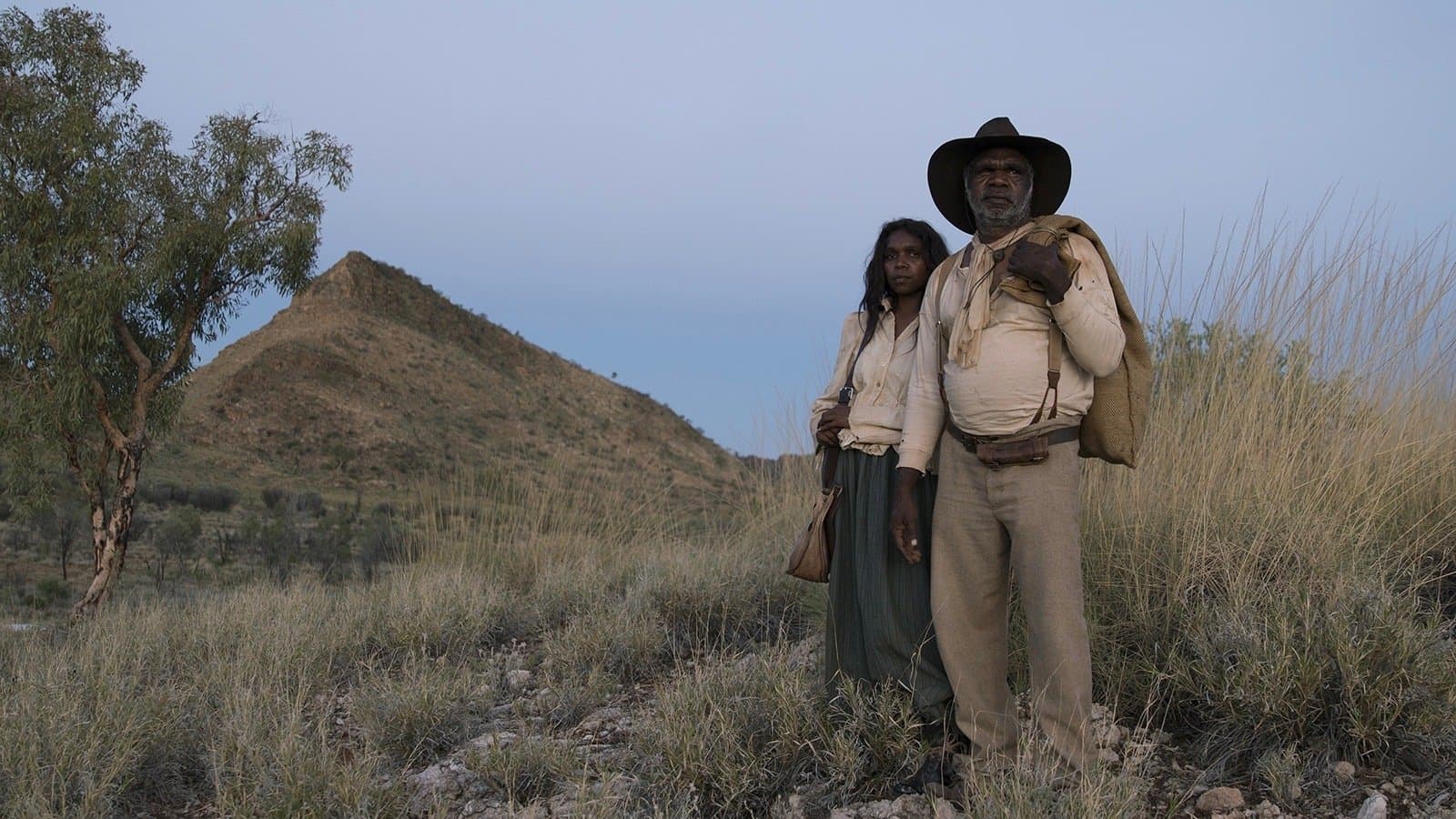
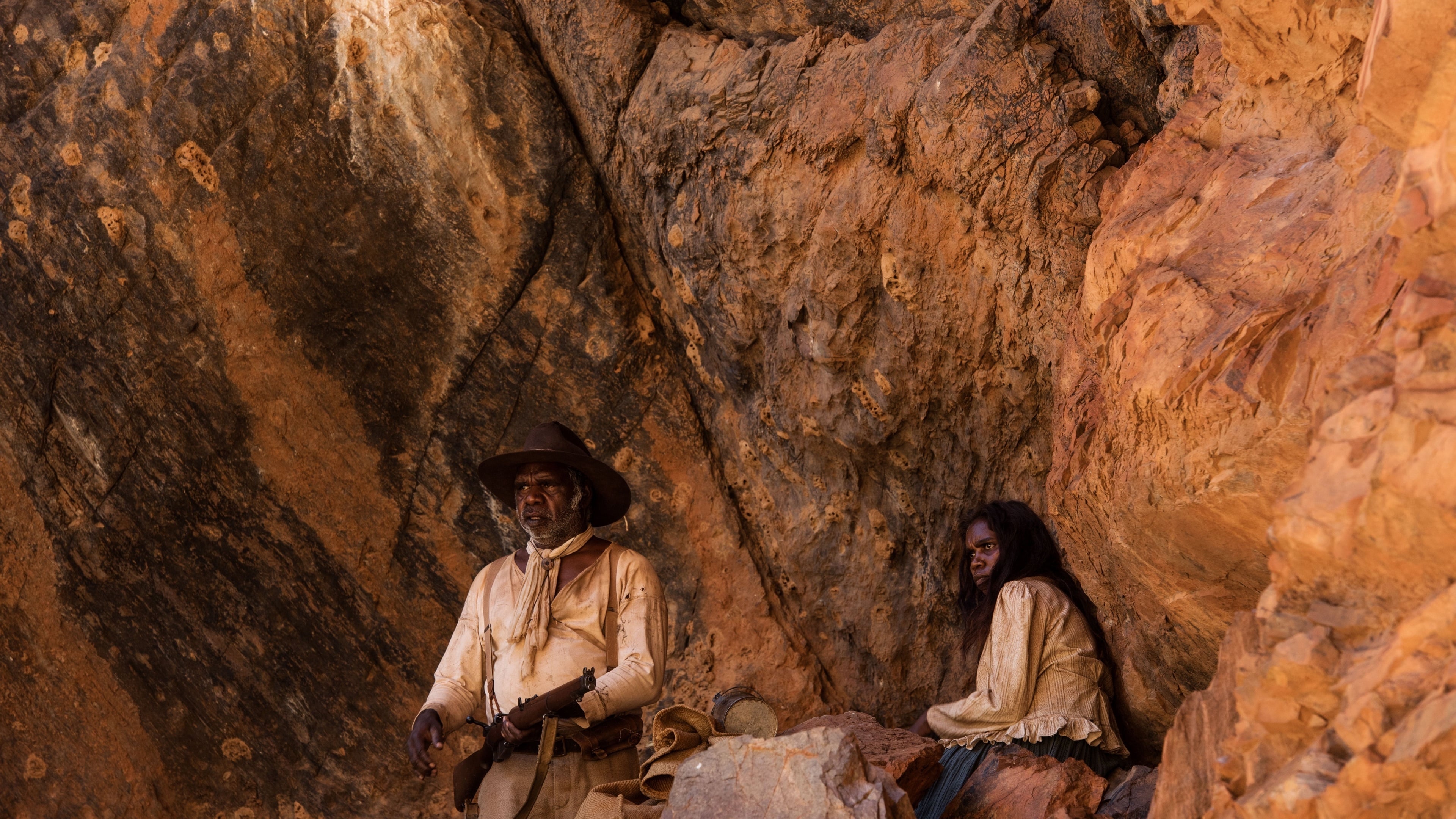
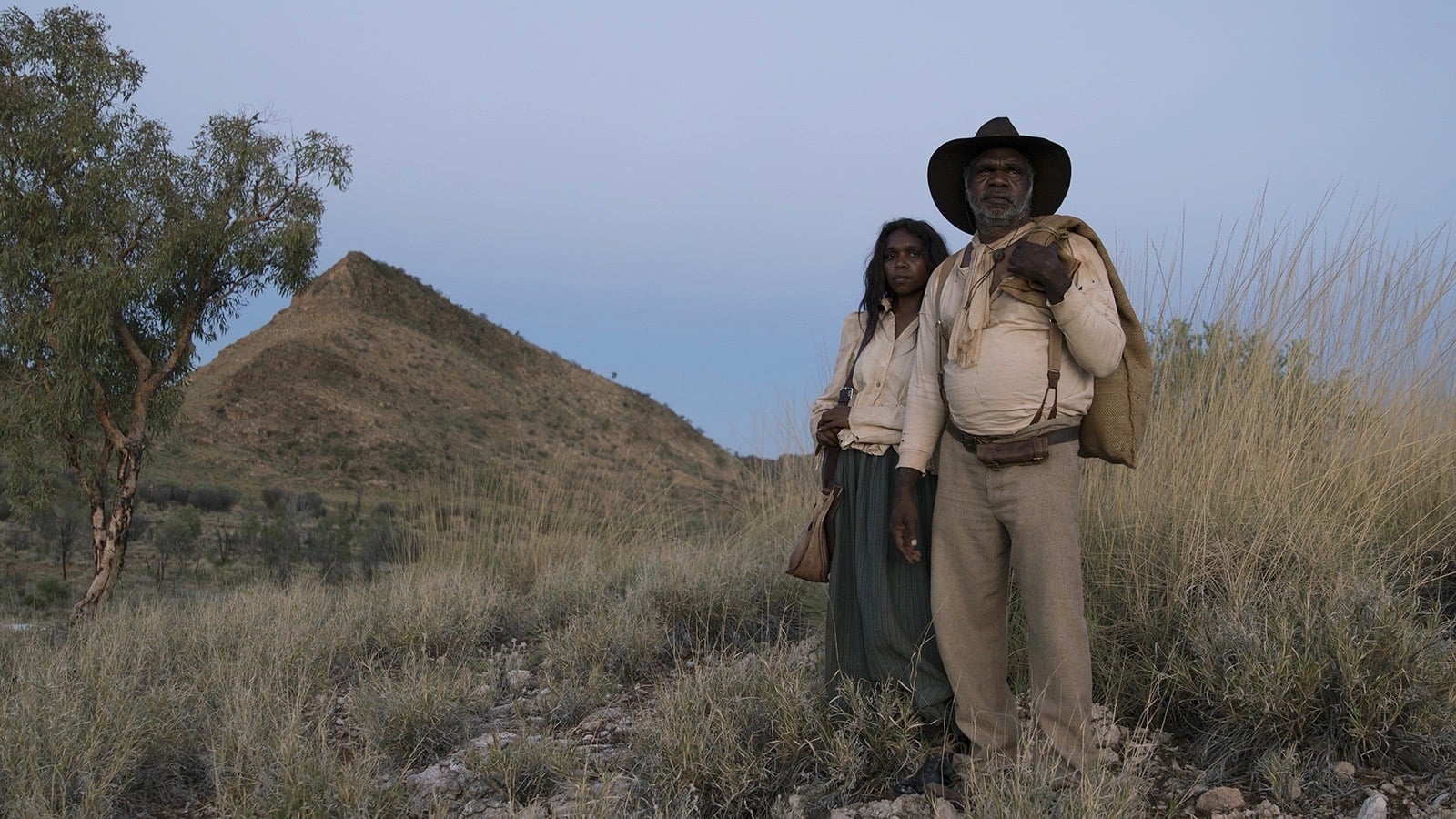
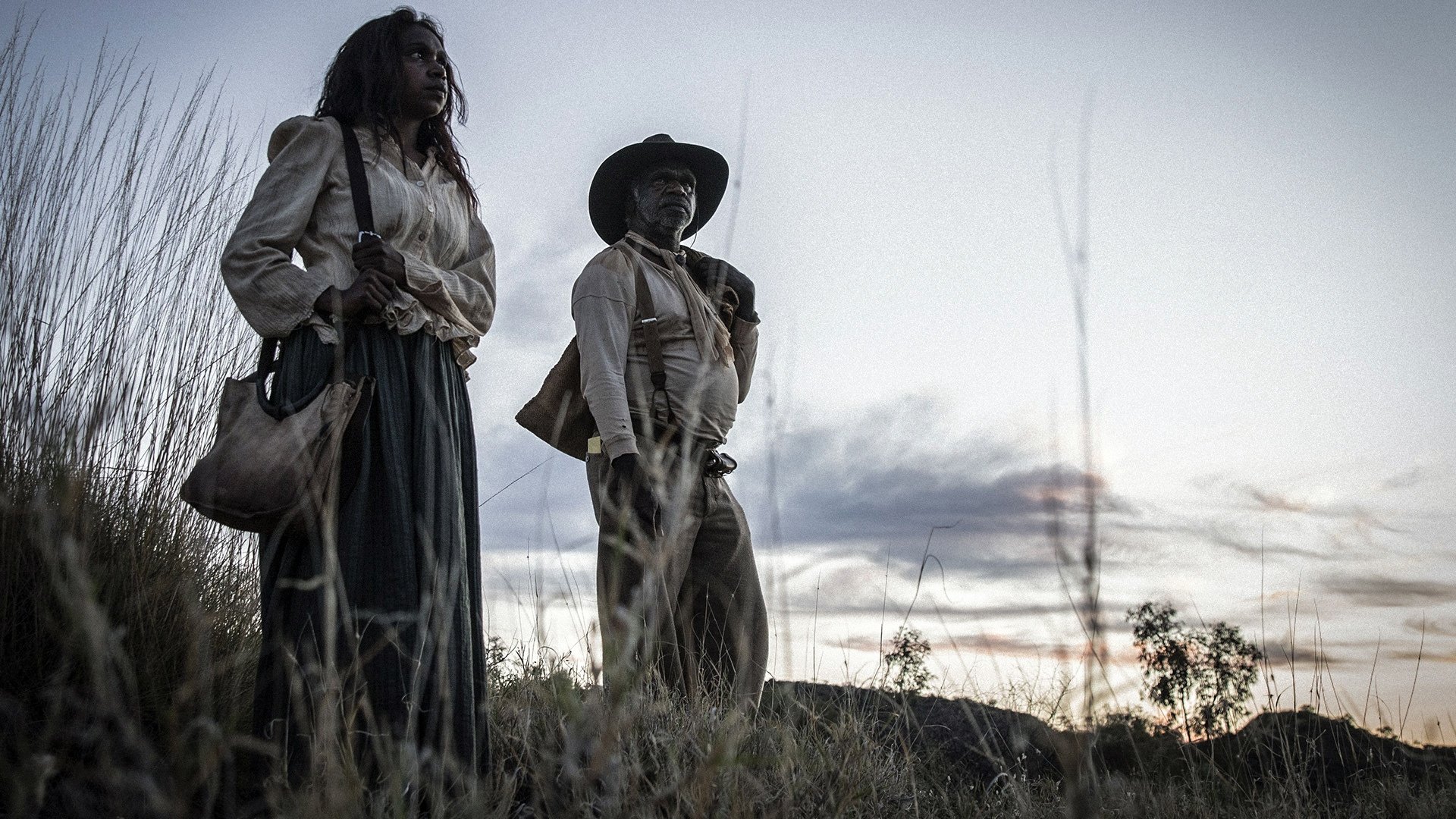
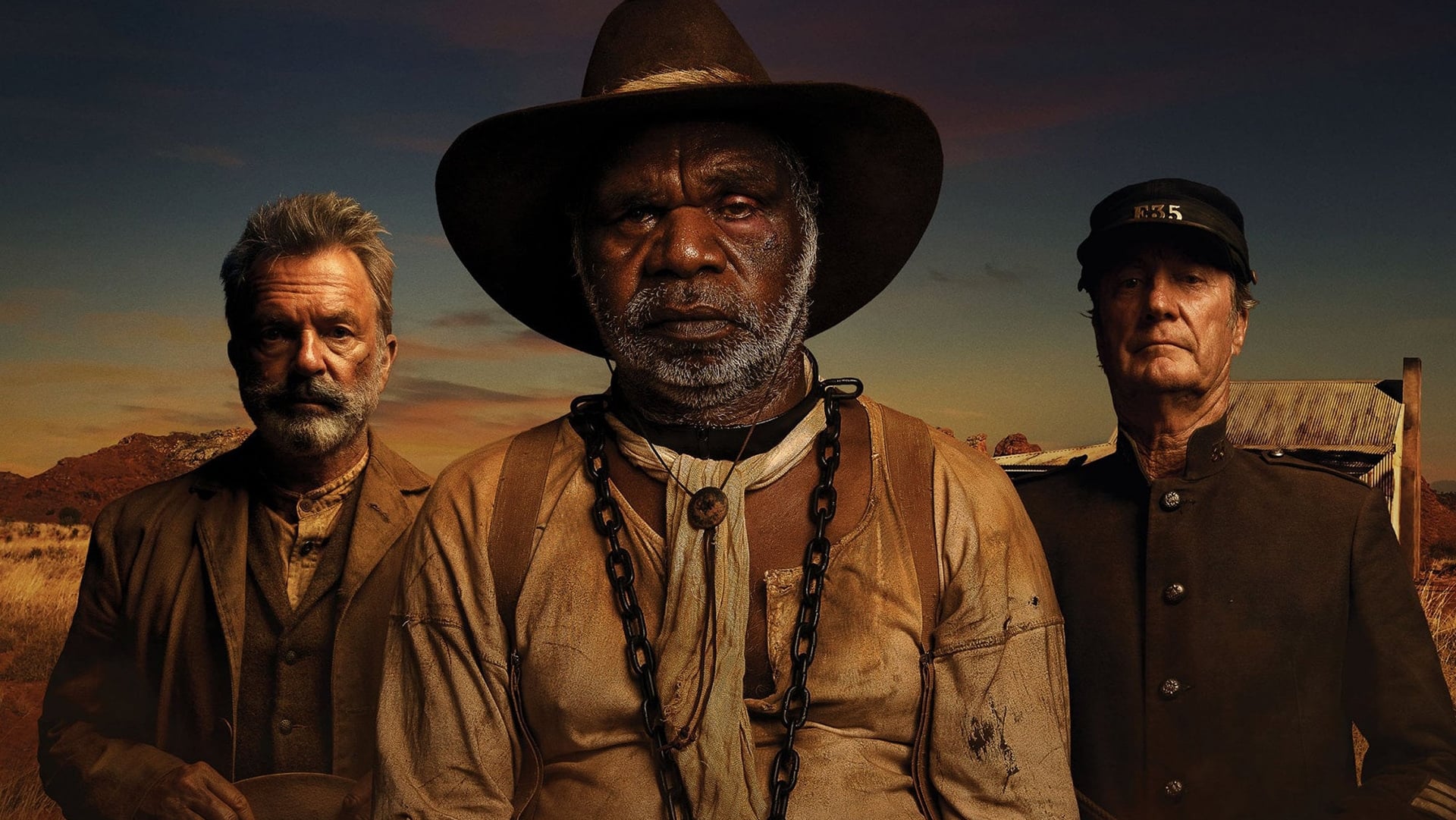
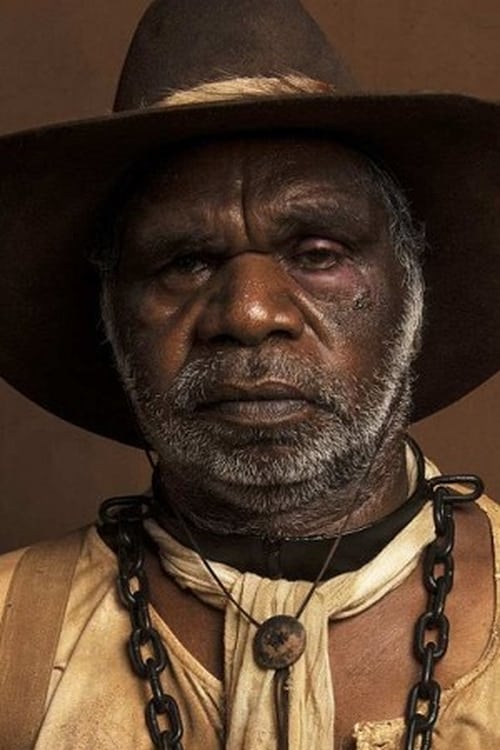
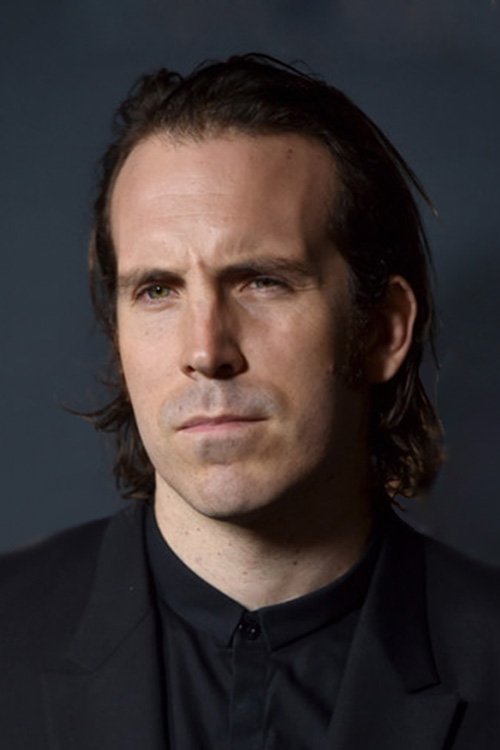
Sam (Hamilton Morris), an Indigenous man, kills Harry March (Ewan Leslie), a white station owner, in the early days of colonial settlement within Australia. It is self defence, but Sam flees along with his wife Lizzie (Natassia Gorey-Furber), knowing the unlikelihood of receiving a fair hearing. Local Police Sergeant Fletcher (Bryan Brown) is determined to see him hang, while Sam’s friend and religious counsel Fred (Sam Neill) joins the posse to ensure his friend is given fair treatment.
On the surface it is the story of an act of self defence and the consequences that follow, but it is the subtext, both overt and subtle, that shares the impact of colonisation on the life of Indigenous Australia.
Sam has a quiet strength, an indomitable will to survive and to do so on his own terms. The Sergeant has his own irrepressible urge to impose the will of ‘the crown’, a sunken cost fallacy that he continues to drive home well past the point of reason. The judge played by Matt Day, despite his fair and even minded approach, cannot fathom the lack of conformity of the accused to the court system. The colonial attitude to entitlement is seen throughout the many cattle owners, where the act of stealing holds more weight that the actual goods taken, an imposition of will that isn’t and has never been seeded by the First Nations people of Australia.
And yet as all films of such complexity are, it is layered with honesty. The stock owners, while vile in their attitude, are shown as men broken through war. Conformity from Indigenous stockmen while criticised is also shown as an at times necessary act of survival. Fred is a genuine friend to Sam, words that are beautifully spoken as the film closes, but the construction of the church that mirrors that of the gallows, has its own problematic settlement narrative.
From the opening shot of a boiling plot that simmers as more and more white sugar is added to the mix, to the jarring heart breaking final words, Sweet Country refers not just to the breathtaking outback locale filmed mostly on Arrernte country, but our country entire of Australia, with all of it’s complexity of trauma, racial tension and reconciliation.
This is an exceptional work of cinema from Warwick Thornton.
Sam (Hamilton Morris), an Indigenous man, kills Harry March (Ewan Leslie), a white station owner, in the early days of colonial settlement within Australia. It is self defence, but Sam flees along with his wife Lizzie (Natassia Gorey-Furber), knowing the unlikelihood of receiving a fair hearing. Local Police Sergeant Fletcher (Bryan Brown) is determined to see him hang, while Sam’s friend and religious counsel Fred (Sam Neill) joins the posse to ensure his friend is given fair treatment.
On the surface it is the story of an act of self defence and the consequences that follow, but it is the subtext, both overt and subtle, that shares the impact of colonisation on the life of Indigenous Australia.
Sam has a quiet strength, an indomitable will to survive and to do so on his own terms. The Sergeant has his own irrepressible urge to impose the will of ‘the crown’, a sunken cost fallacy that he continues to drive home well past the point of reason. The judge played by Matt Day, despite his fair and even minded approach, cannot fathom the lack of conformity of the accused to the court system. The colonial attitude to entitlement is seen throughout the many cattle owners, where the act of stealing holds more weight that the actual goods taken, an imposition of will that isn’t and has never been seeded by the First Nations people of Australia.
And yet as all films of such complexity are, it is layered with honesty. The stock owners, while vile in their attitude, are shown as men broken through war. Conformity from Indigenous stockmen while criticised is also shown as an at times necessary act of survival. Fred is a genuine friend to Sam, words that are beautifully spoken as the film closes, but the construction of the church that mirrors that of the gallows, has its own problematic settlement narrative.
From the opening shot of a boiling plot that simmers as more and more white sugar is added to the mix, to the jarring heart breaking final words, Sweet Country refers not just to the breathtaking outback locale filmed mostly on Arrernte country, but our country entire of Australia, with all of it’s complexity of trauma, racial tension and reconciliation.