

1951·Action·1h 25m
7.1
★
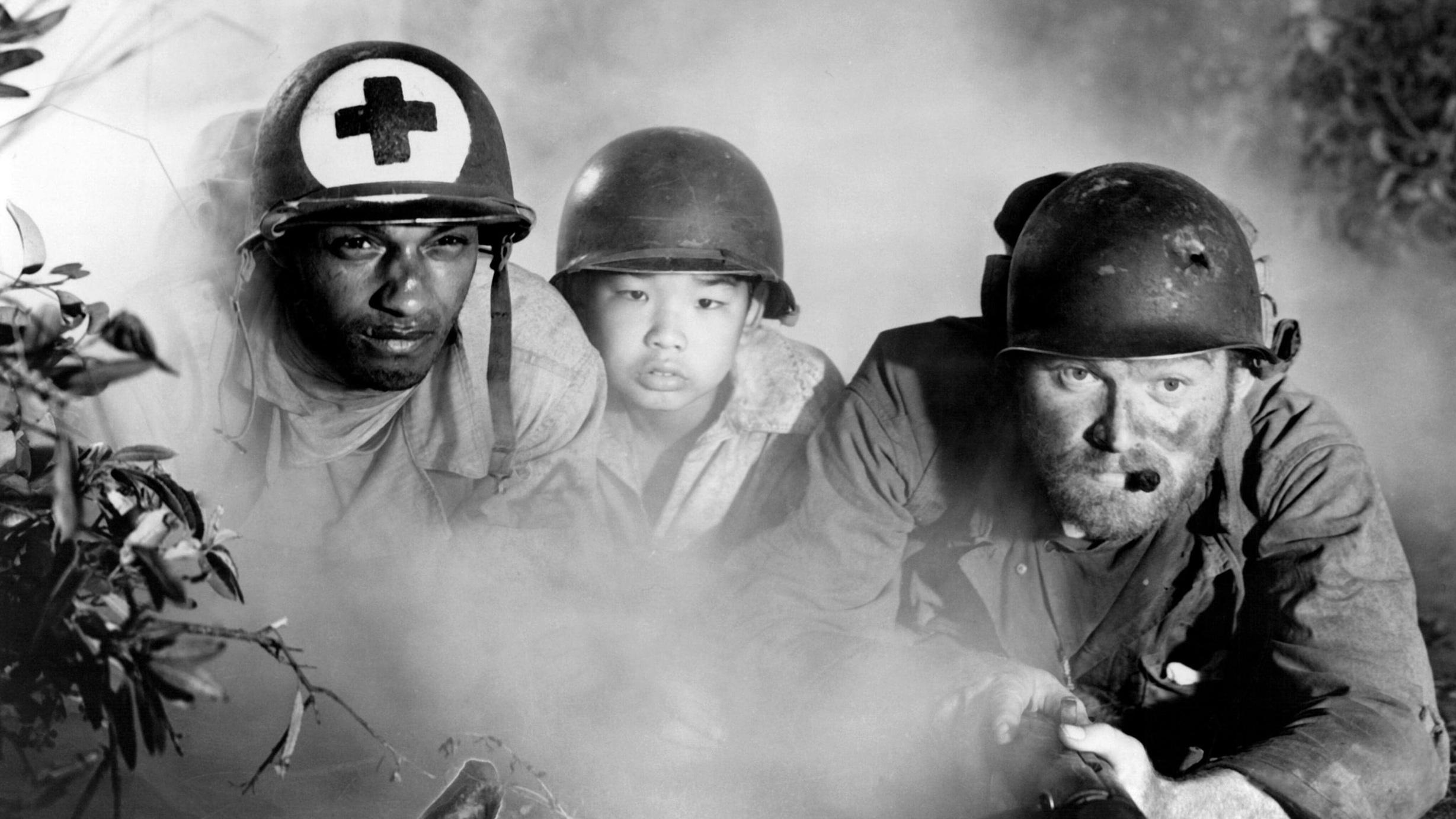
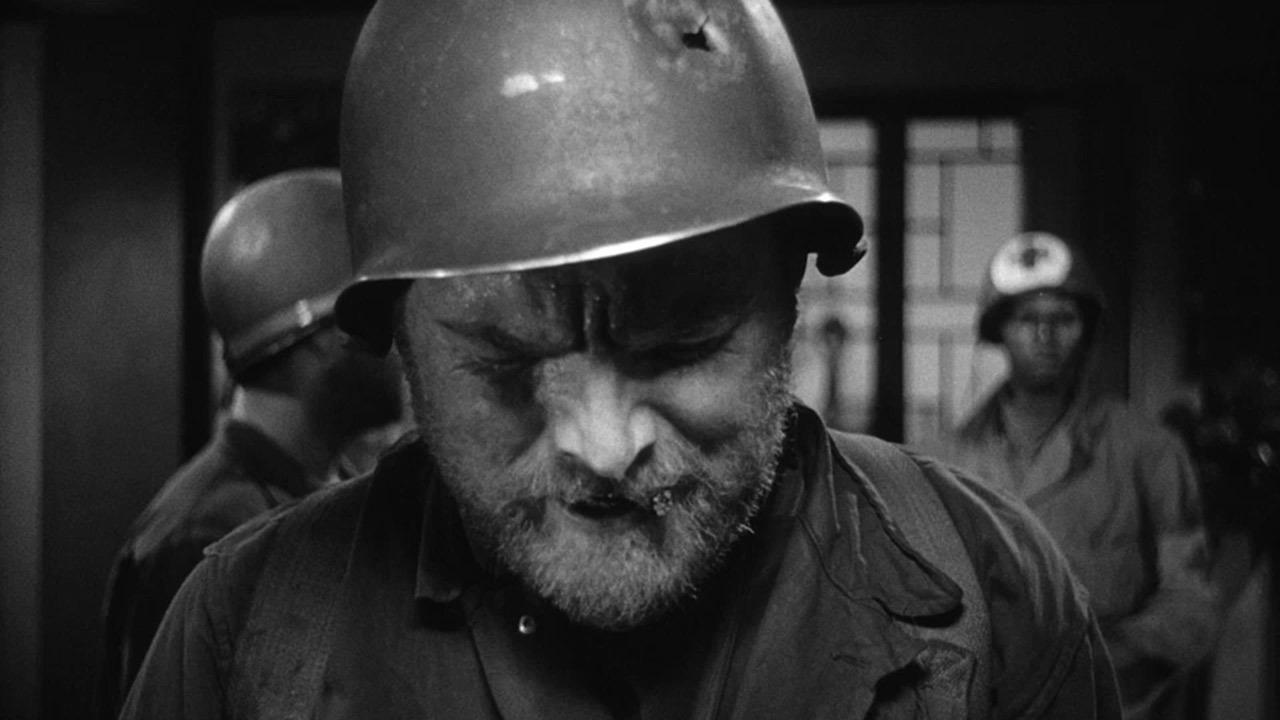
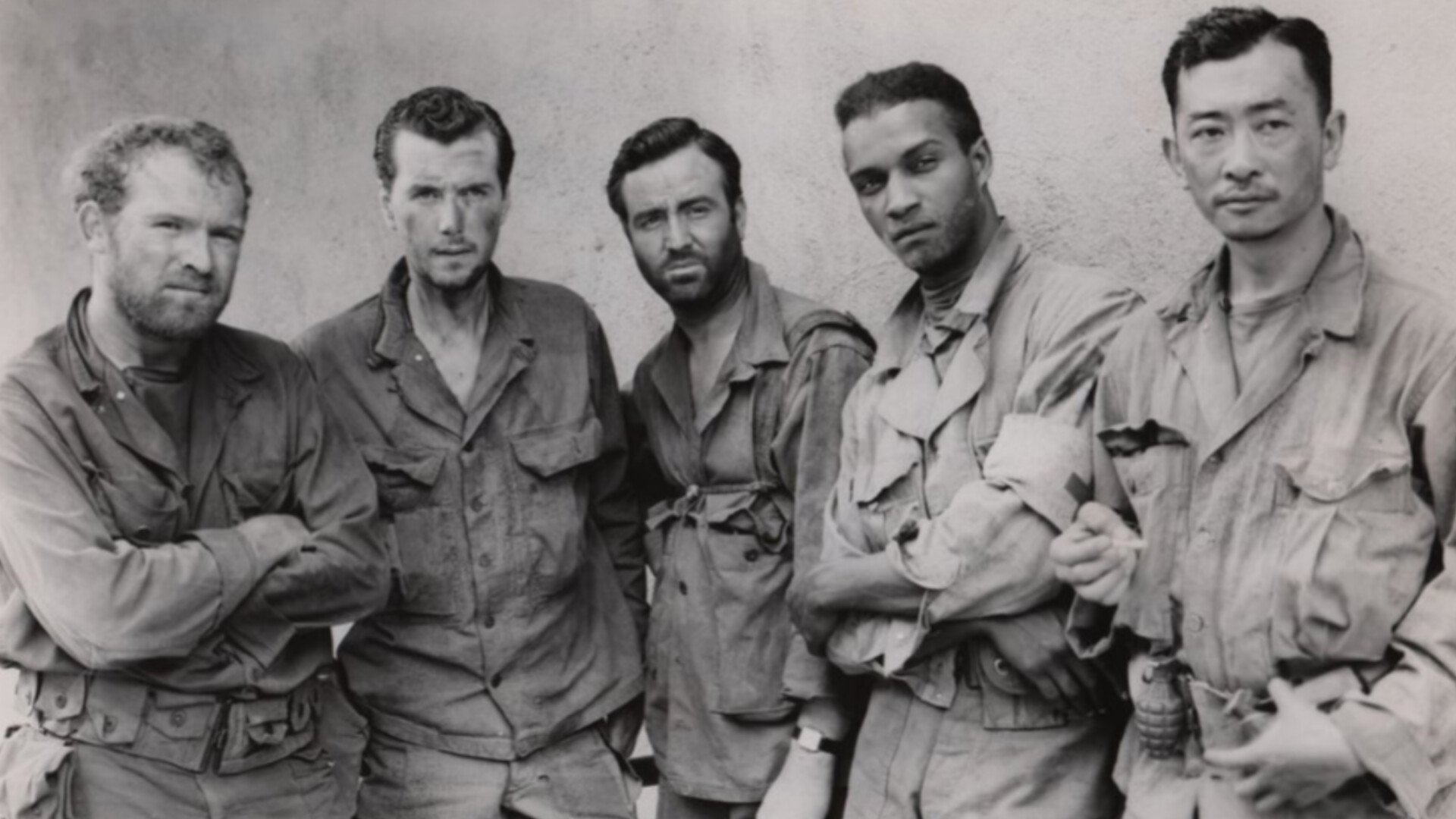
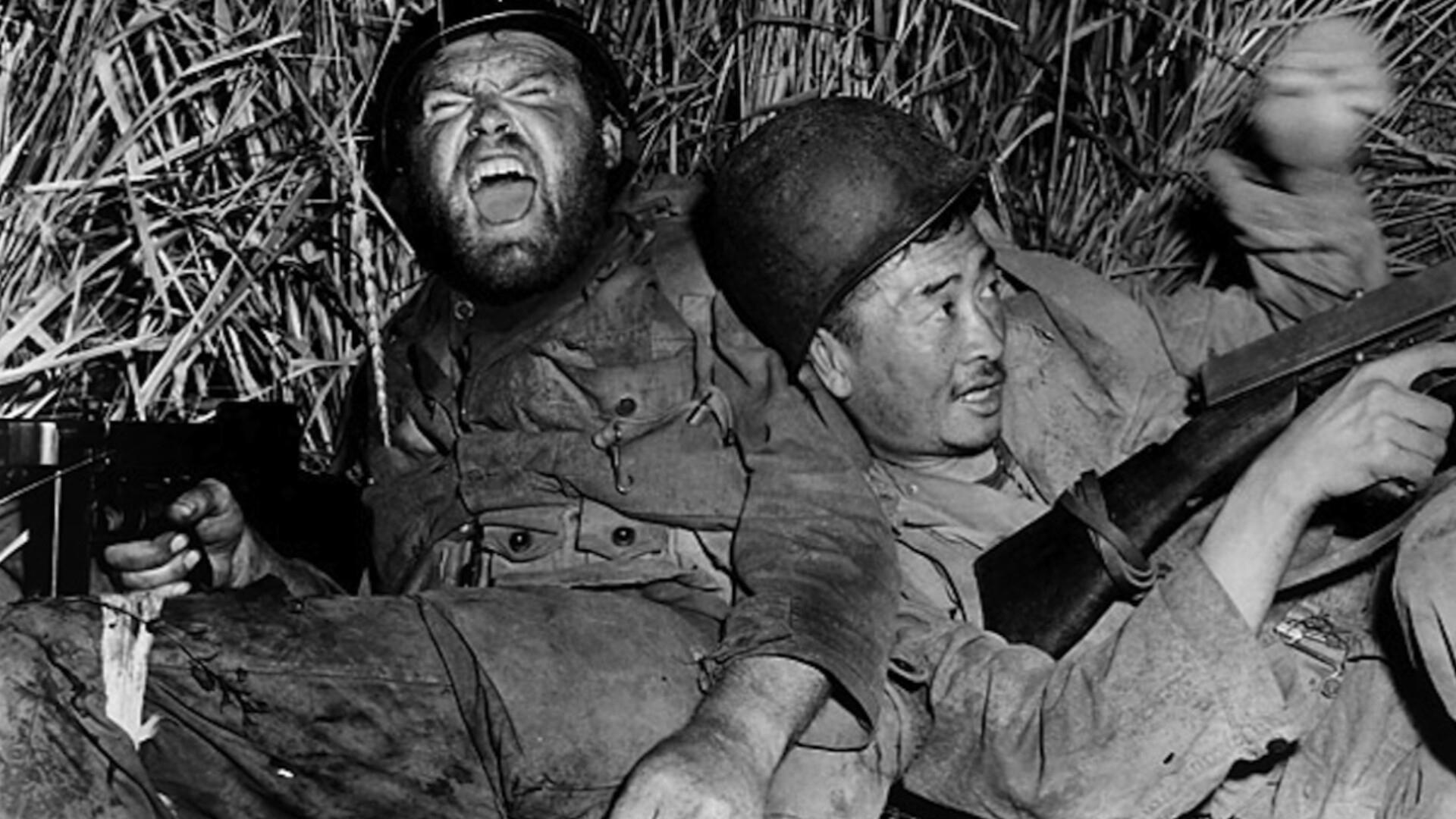
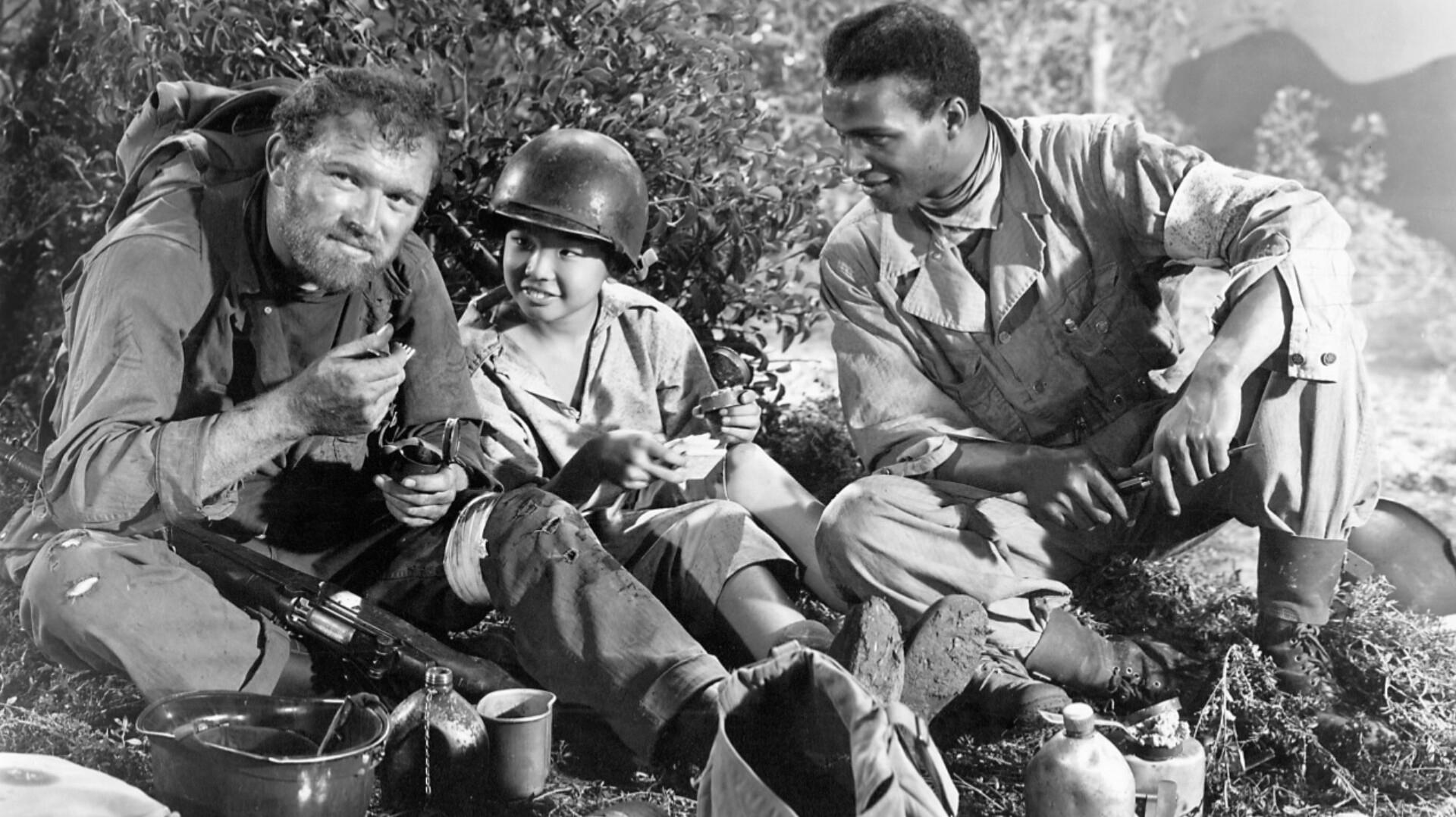
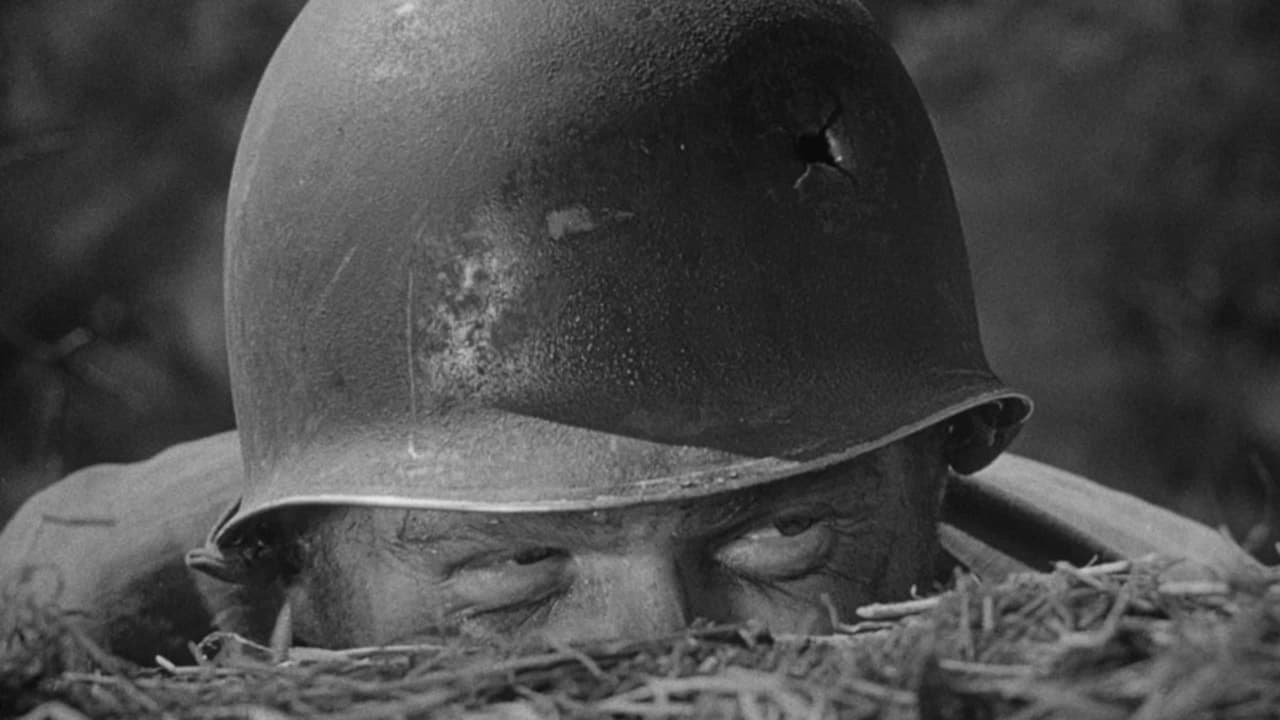
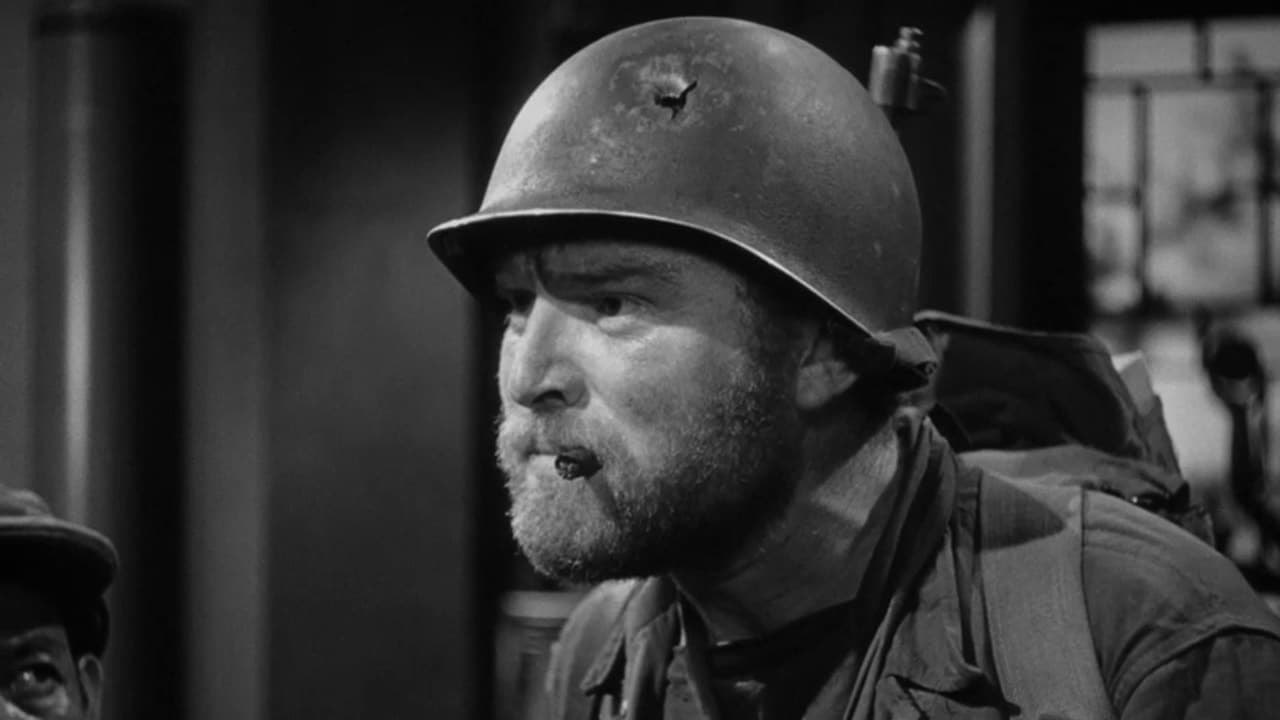
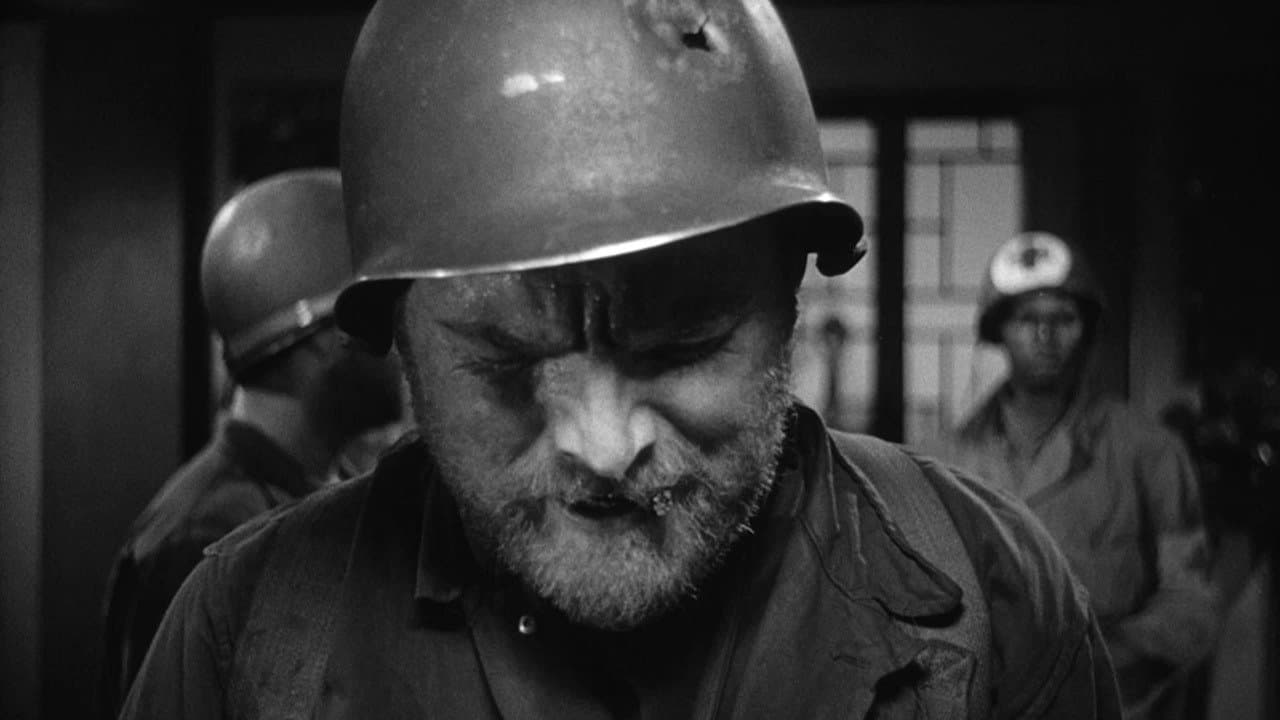
A ragtag group of American stragglers battles against superior Communist troops in an abandoned Buddhist temple during the Korean War.
Directed by Samuel Fuller
observer
korean war (1950-53)
infantry
us army
sergeant
buddhist temple
medic

IMDB
N/A
Where to Watch


Cast
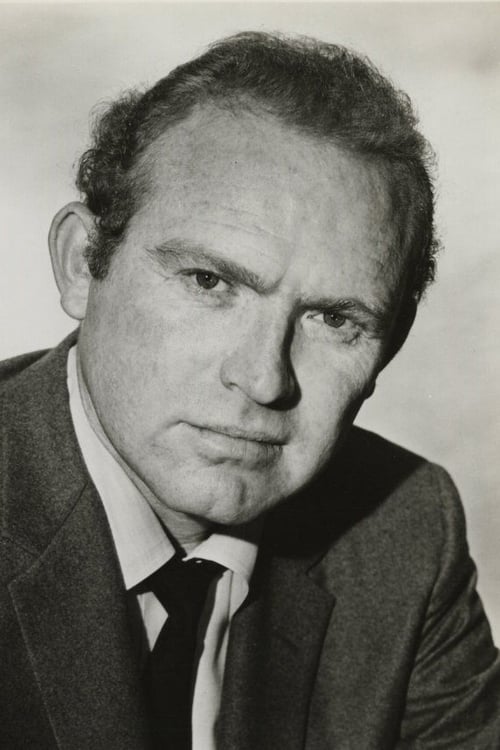
Gene Evans
Sergeant Zack
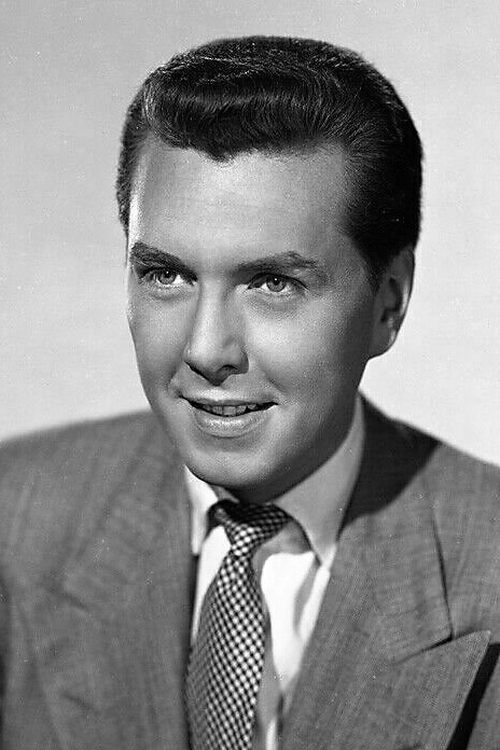
Robert Hutton
Private Bronte
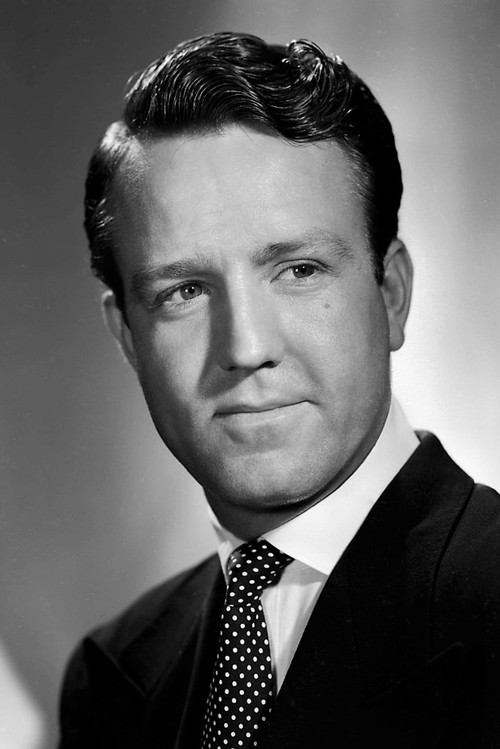
Steve Brodie
Lieutenant Driscoll
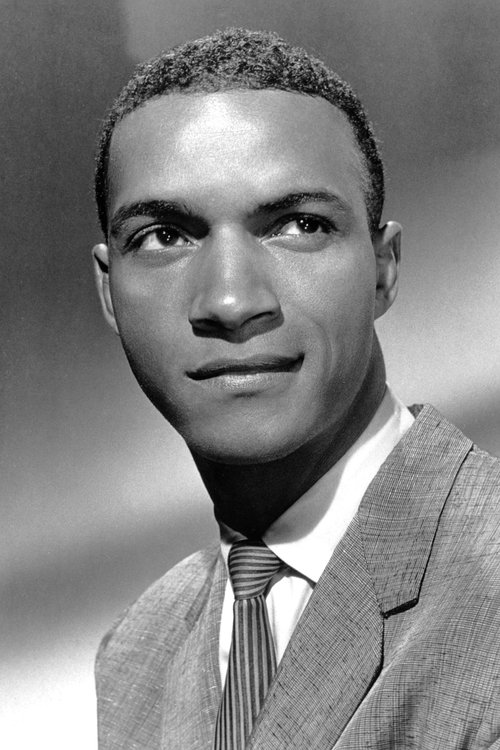
James Edwards
Corporal Thompson
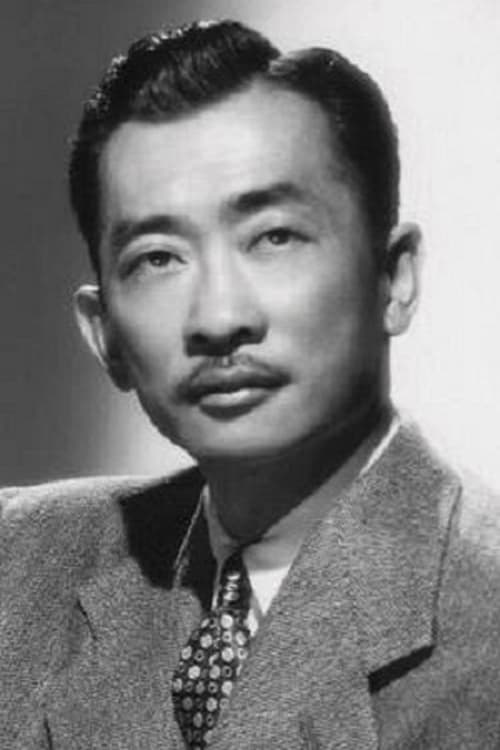
Richard Loo
Sergeant Tanaka
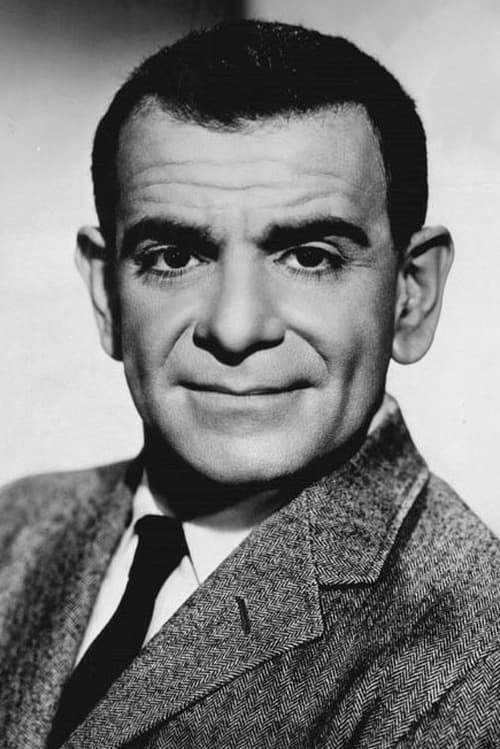
Sid Melton
Joe
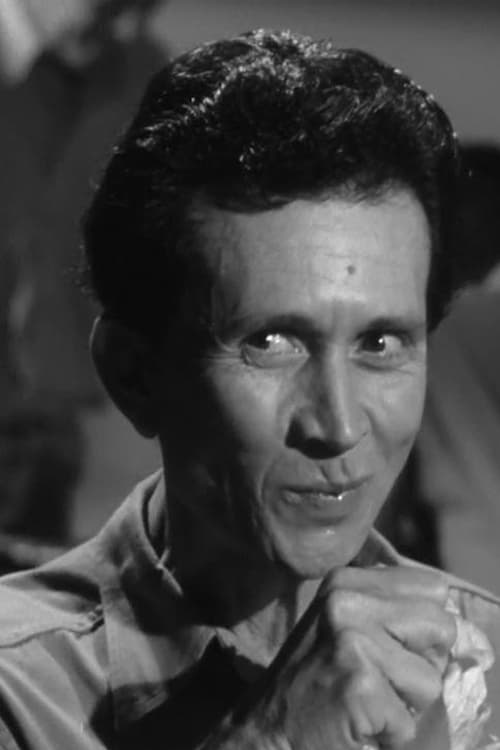
Neyle Morrow
First GI
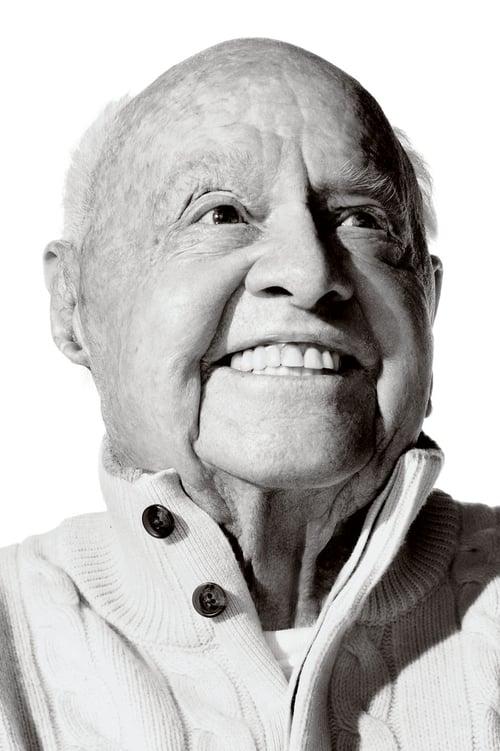
Lynn Stalmaster
Second Lieutenant
Crew
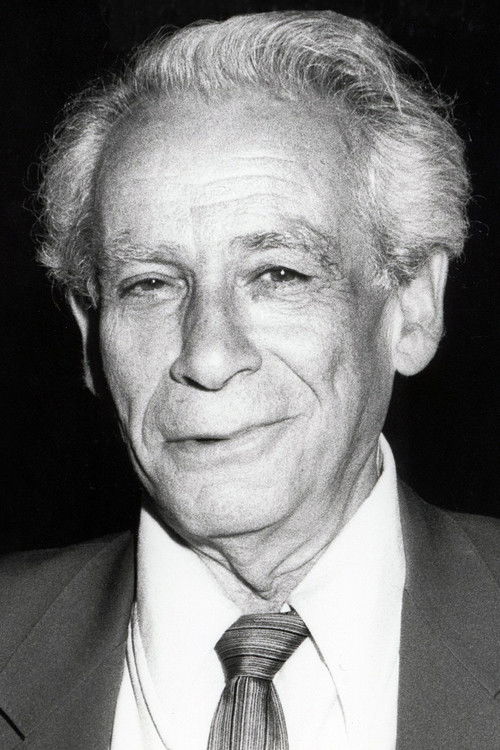
Samuel Fuller
Director
Samuel Fuller
Writer
Samuel Fuller
Producer
Popular Reviews
23 reviews
Braydon
6.0★ · 02/07/26
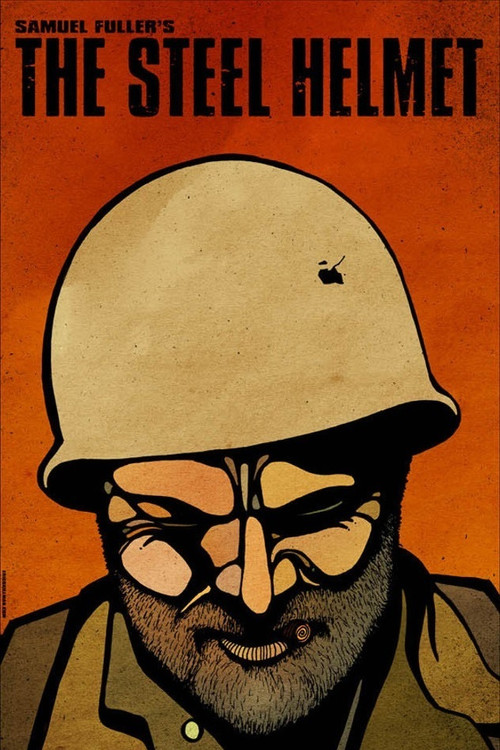
38/365
I liked this, good film.
I liked this, good film.
38/365
I liked this, good film.
I liked this, good film.


Braydon
6.0★ · 02/07/26
38/365
I liked this, good film.
I liked this, good film.
38/365
I liked this, good film.
I liked this, good film.
JMadson
8.8★ · 05/02/23
Gene Evans plays a marvelous gruff soldier just trying to survive so very well. He leads this whole movie into very interesting and catchy moments in what could of easily been a average bland b war movie. The plot itself is interesting and engaging and a slew of supporting characters that come and go help keep interest in how it is all going to end. Fuller does a great job on a small means, well worth a watch.
Gene Evans plays a marvelous gruff soldier just trying to survive so very well. He leads this whole movie into very interesting and catchy moments in what could of easily been a average bland b war movie. The plot itself is interesting and engaging and a slew of supporting characters that come and go help keep interest in how it is all going to end. Fuller does a great job on a small means, well worth a watch.
JK
8.0★ · 03/20/22
"First we'll eat, then we'll bury 'em."
"First we'll eat, then we'll bury 'em."
Gojira
7.0★ · 04/11/21
Am Ende nach der großen Schlacht mit vielen Verlusten gibt es keine großen Fanfaren, keine glorreiche Abblende weil ein großes Ziel erreicht wurde, nur der posthume Tausch eines Helms, und dann halt weiter in der nächsten Patrouille.
Den Soldatenalltag so desillusioniert und kaltschnäuzig zu bringen, inklusive ausgerechnet den kommunistischen Feind die von ihm selbst erkannte rassistische Doppelmoral der US-Politik in Sachen Krieg aussprechen zu lassen, da brauchte es 1951 wahrscheinlich eine echte "Been there, lived it, don't tell me how to show it" -Attitüde.
Schön, dass Fuller sie hatte.
Den Soldatenalltag so desillusioniert und kaltschnäuzig zu bringen, inklusive ausgerechnet den kommunistischen Feind die von ihm selbst erkannte rassistische Doppelmoral der US-Politik in Sachen Krieg aussprechen zu lassen, da brauchte es 1951 wahrscheinlich eine echte "Been there, lived it, don't tell me how to show it" -Attitüde.
Schön, dass Fuller sie hatte.
Am Ende nach der großen Schlacht mit vielen Verlusten gibt es keine großen Fanfaren, keine glorreiche Abblende weil ein großes Ziel erreicht wurde, nur der posthume Tausch eines Helms, und dann halt weiter in der nächsten Patrouille.
Den Soldatenalltag so desillusioniert und kaltschnäuzig zu bringen, inklusive ausgerechnet den kommunistischen Feind die von ihm selbst erkannte rassistische Doppelmoral der US-Politik in Sachen Krieg aussprechen zu lassen, da brauchte es 1951 wahrscheinlich eine echte "Been there, lived it, don't tell me how to show it" -Attitüde.
Schön, dass Fuller sie hatte.
Den Soldatenalltag so desillusioniert und kaltschnäuzig zu bringen, inklusive ausgerechnet den kommunistischen Feind die von ihm selbst erkannte rassistische Doppelmoral der US-Politik in Sachen Krieg aussprechen zu lassen, da brauchte es 1951 wahrscheinlich eine echte "Been there, lived it, don't tell me how to show it" -Attitüde.
Schön, dass Fuller sie hatte.