
1979·Crime·1h 24m
7.1
★
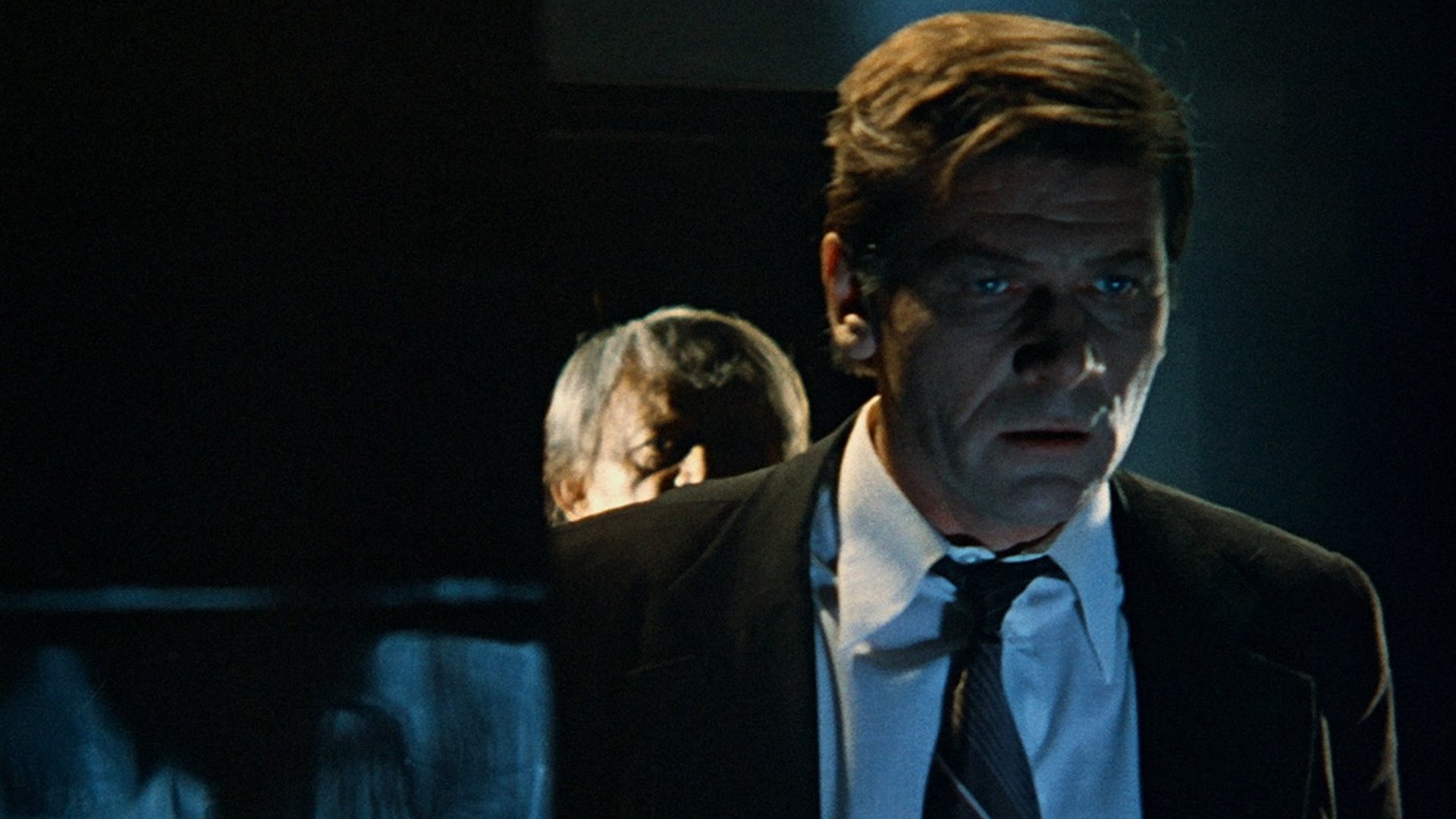
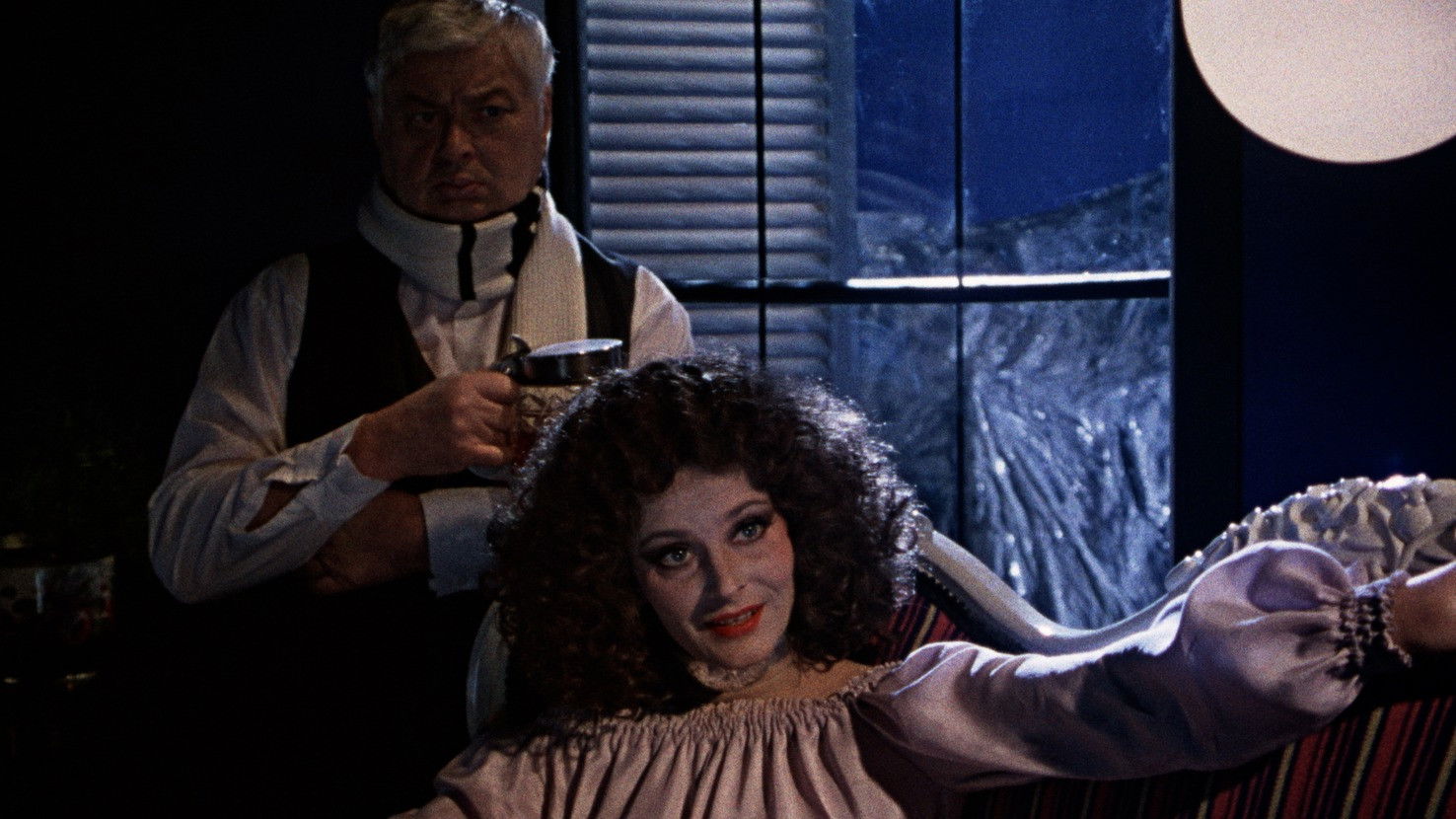
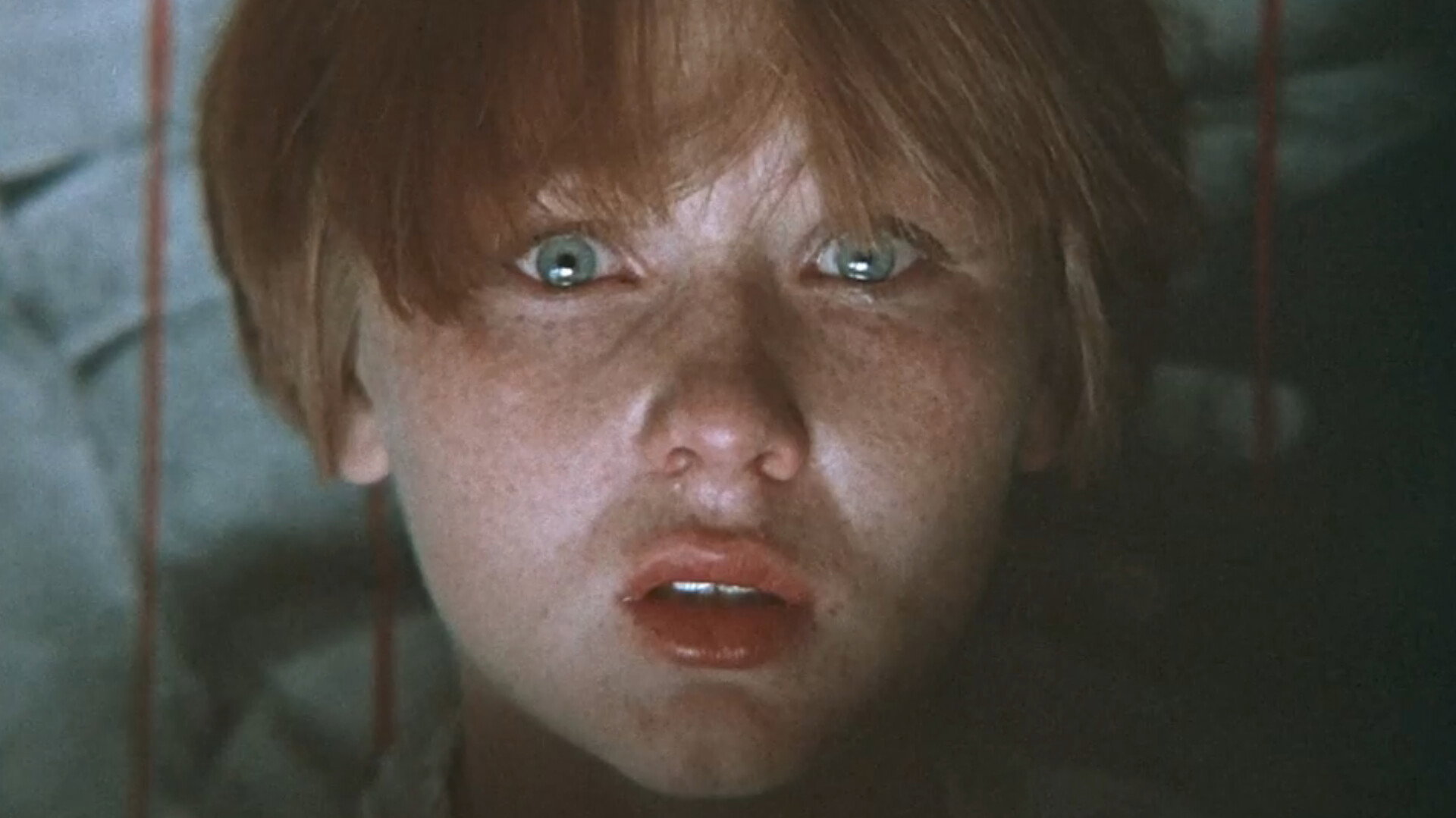
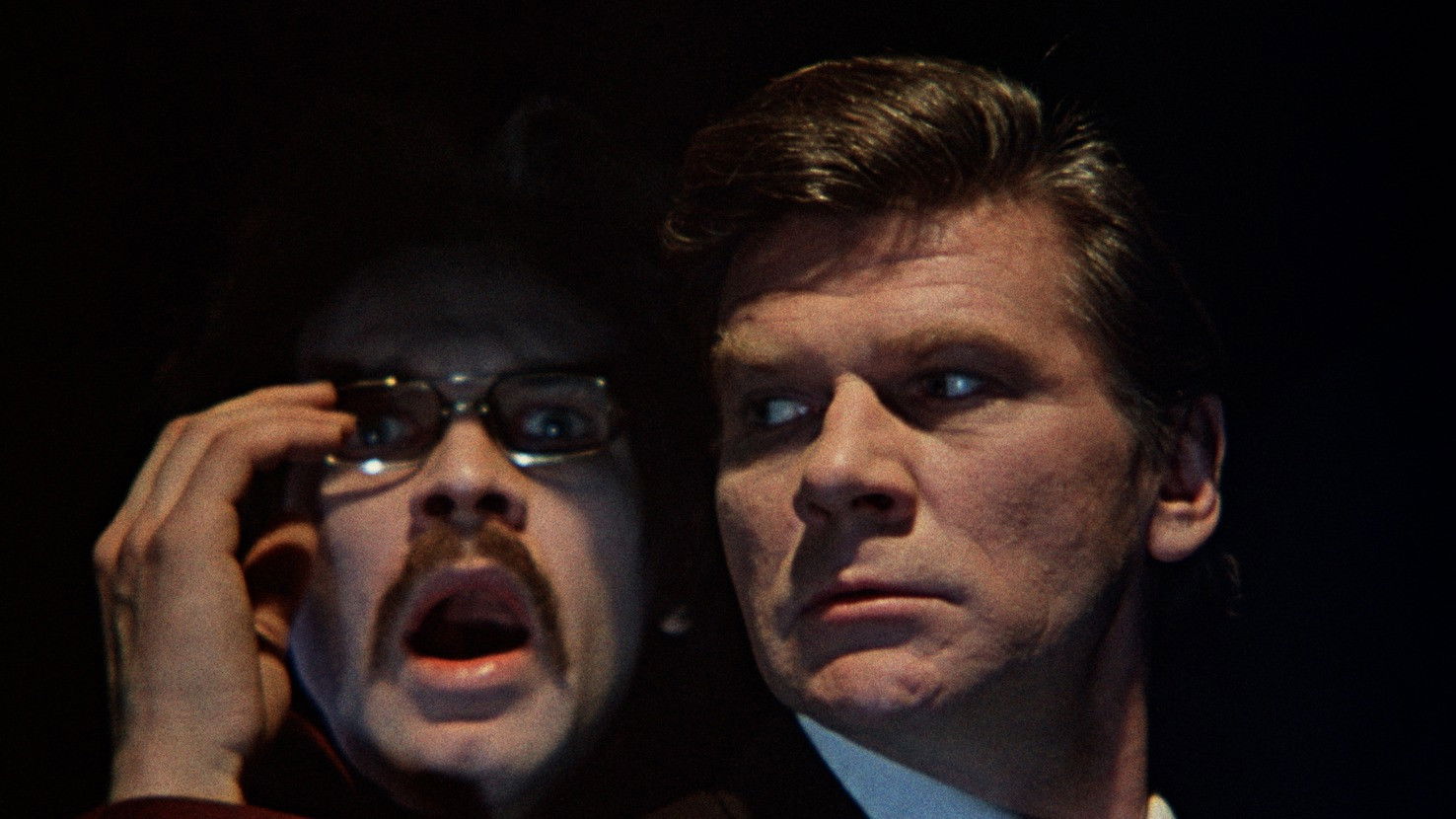
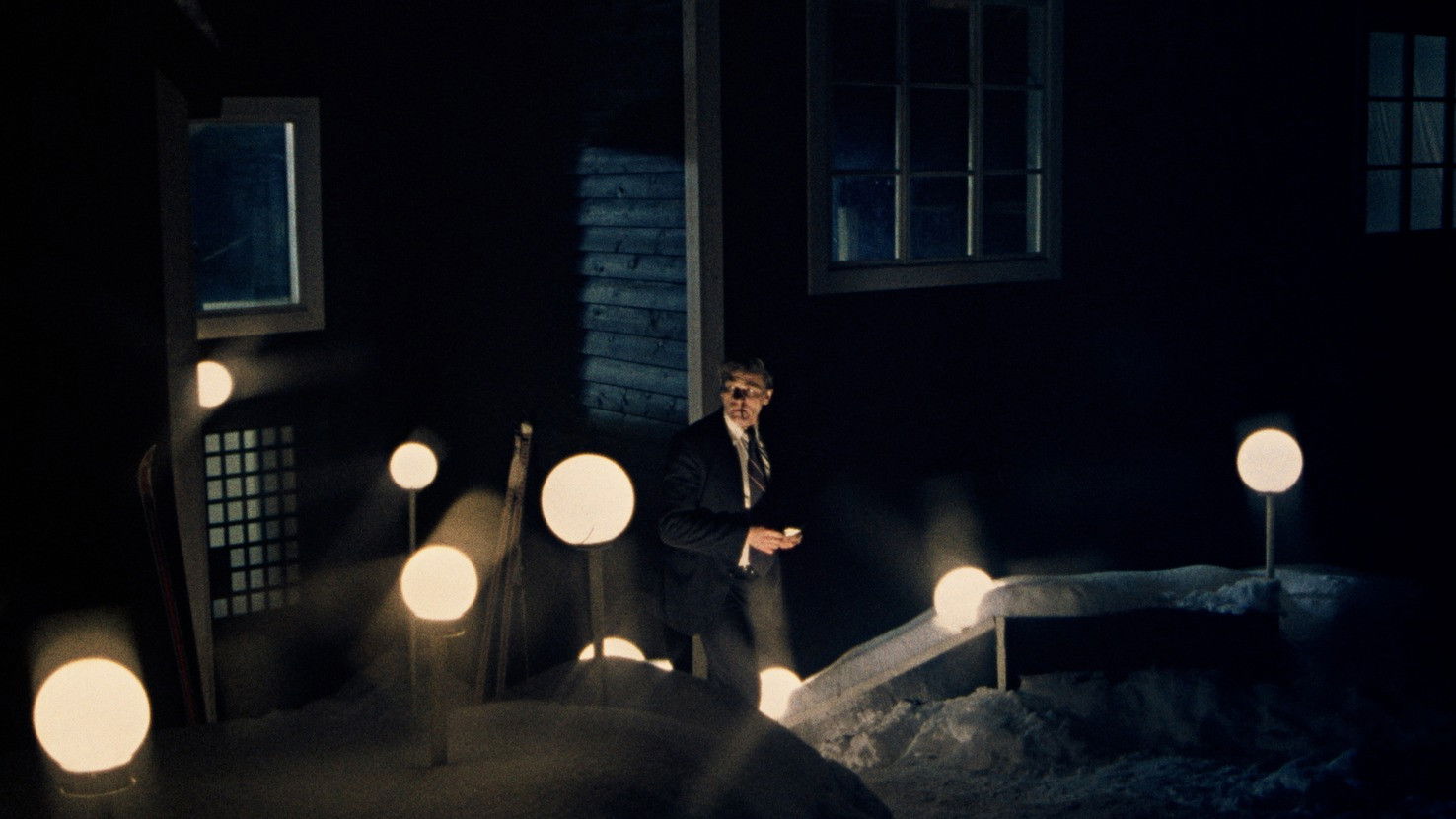
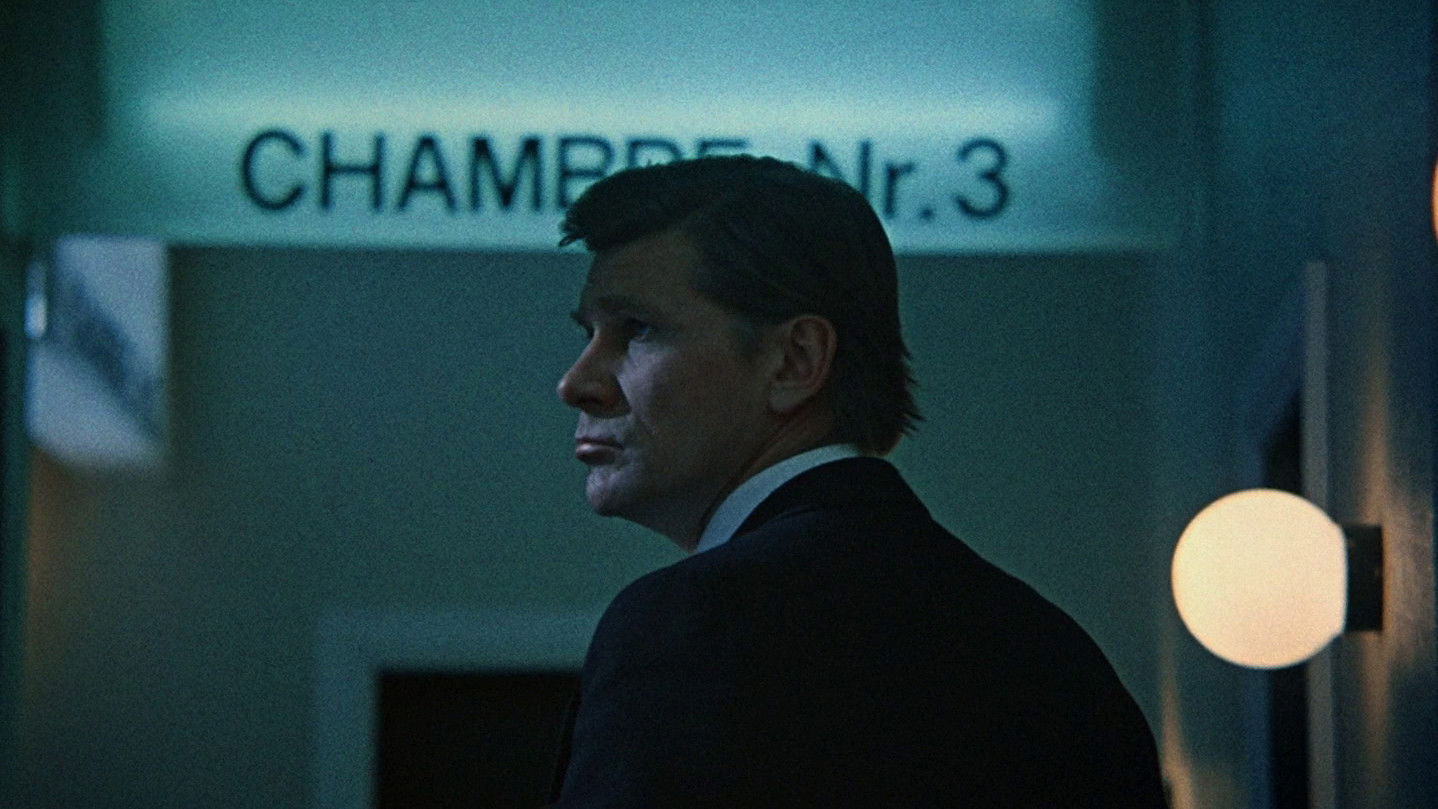
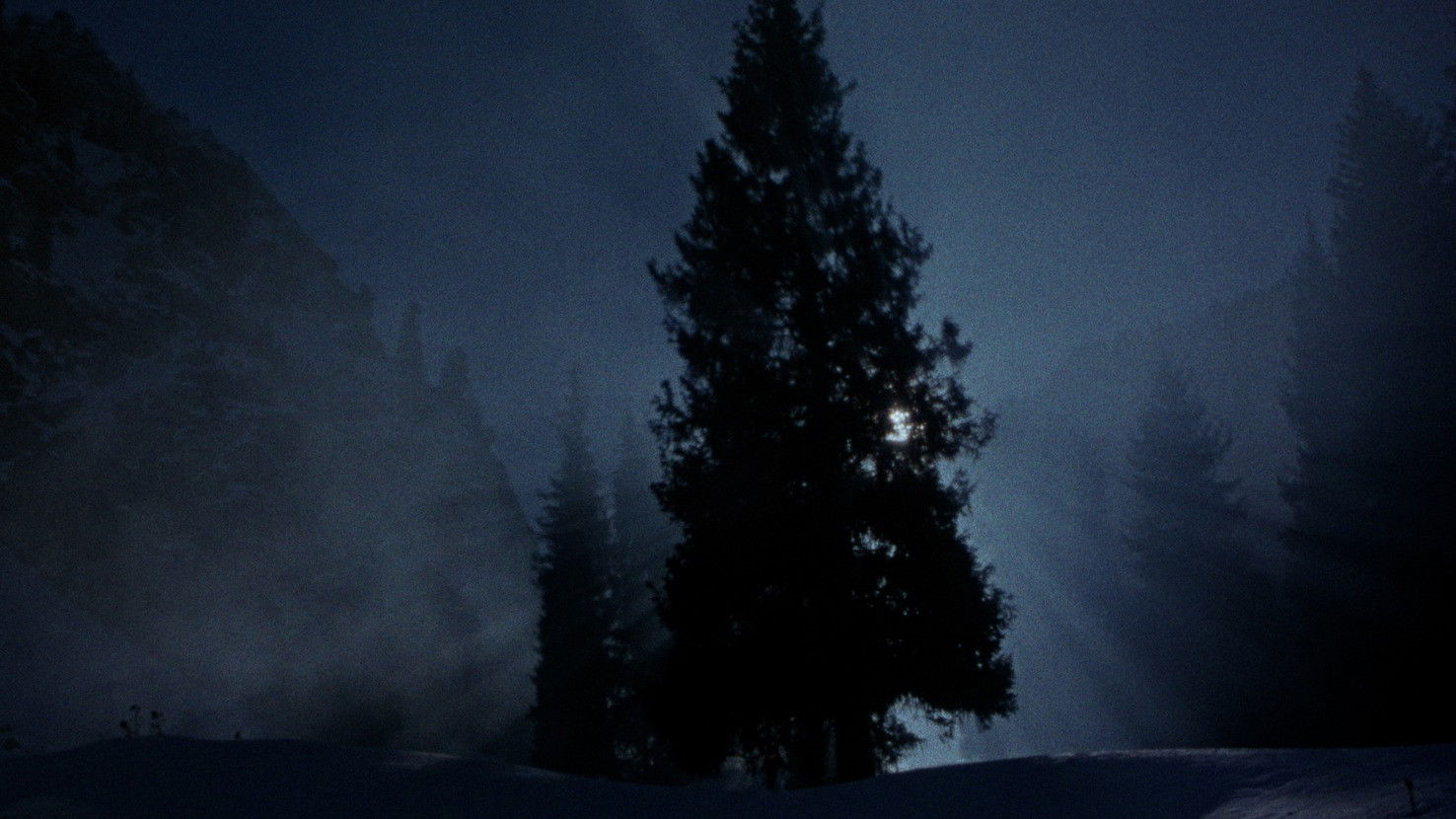
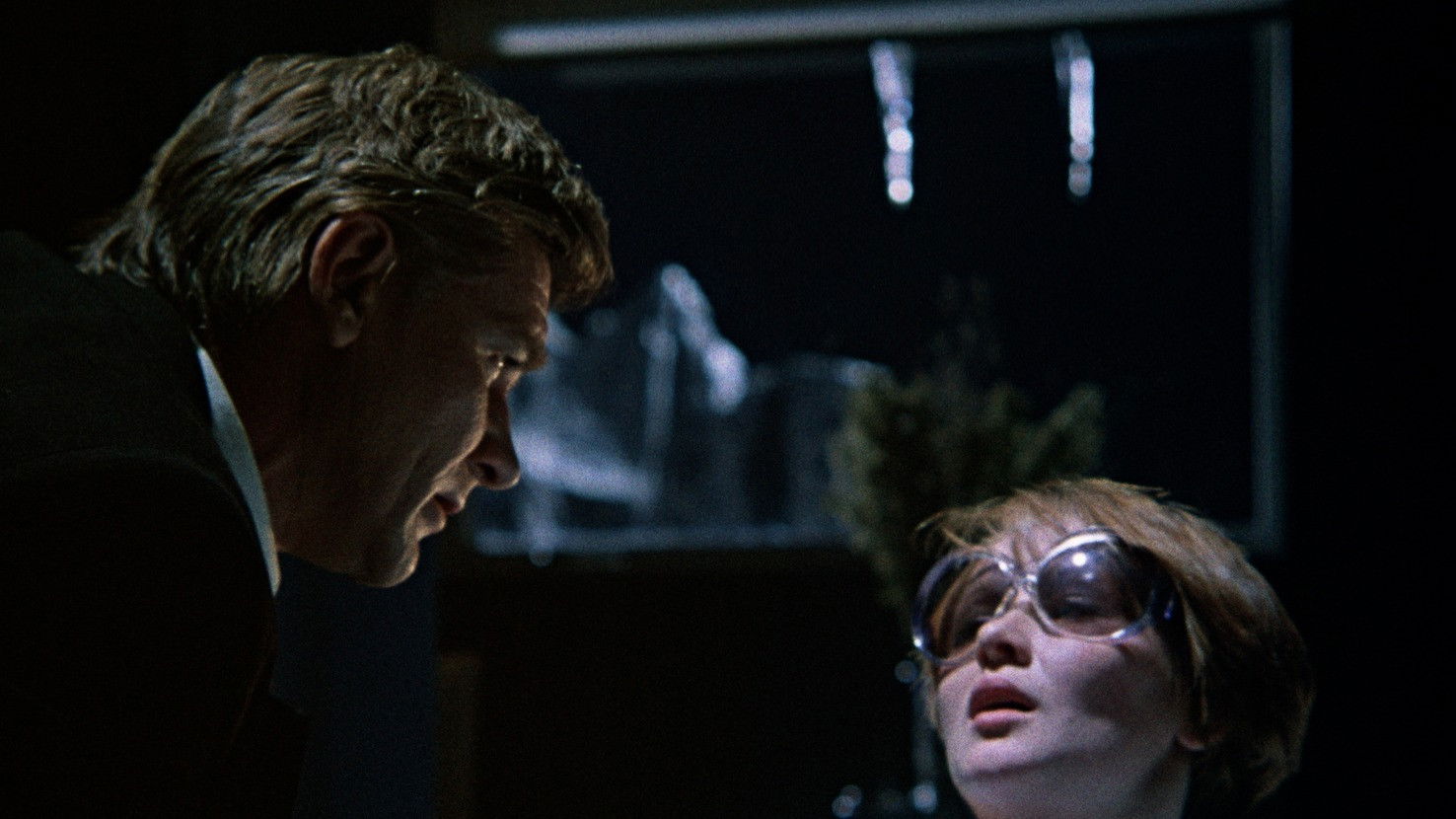
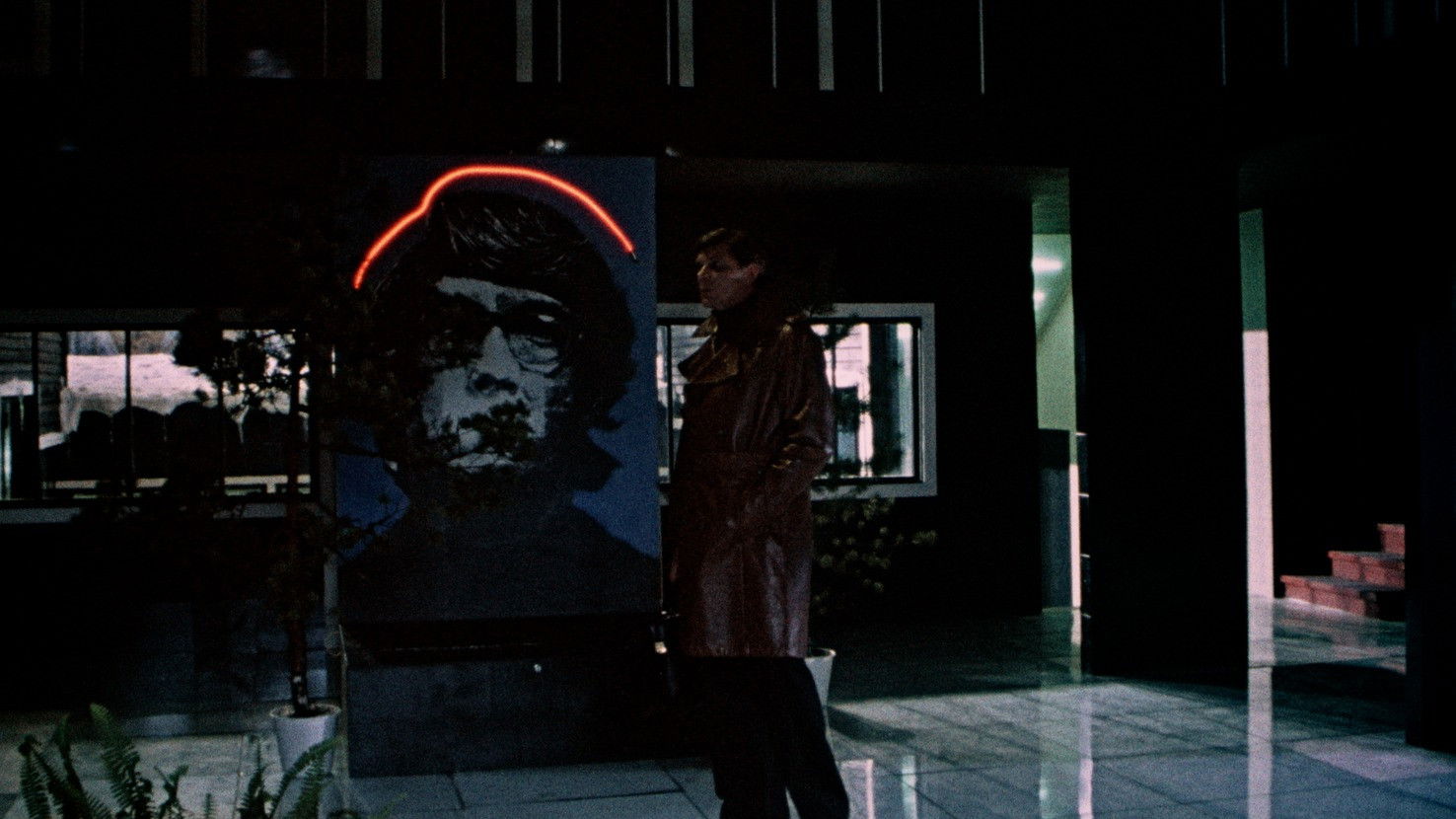
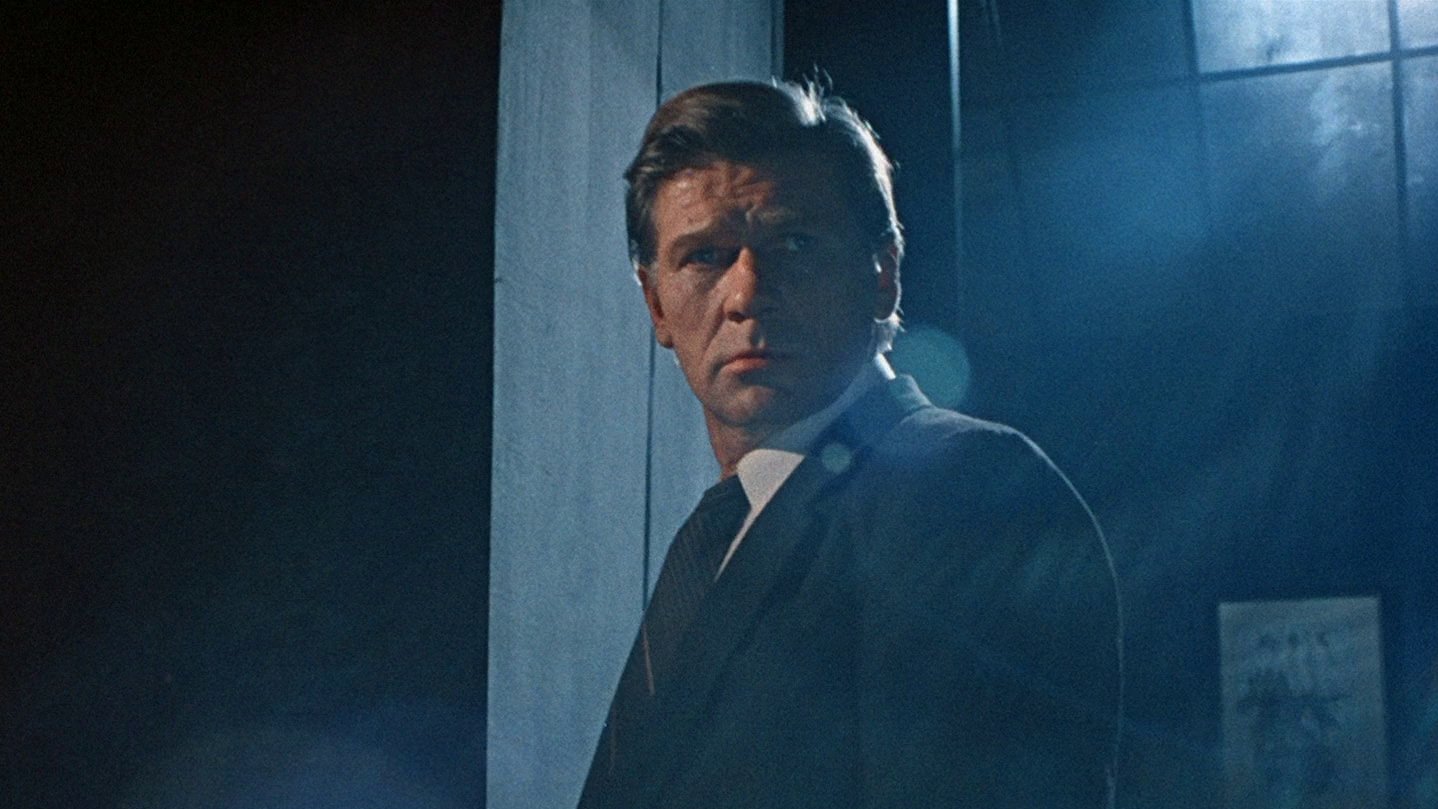
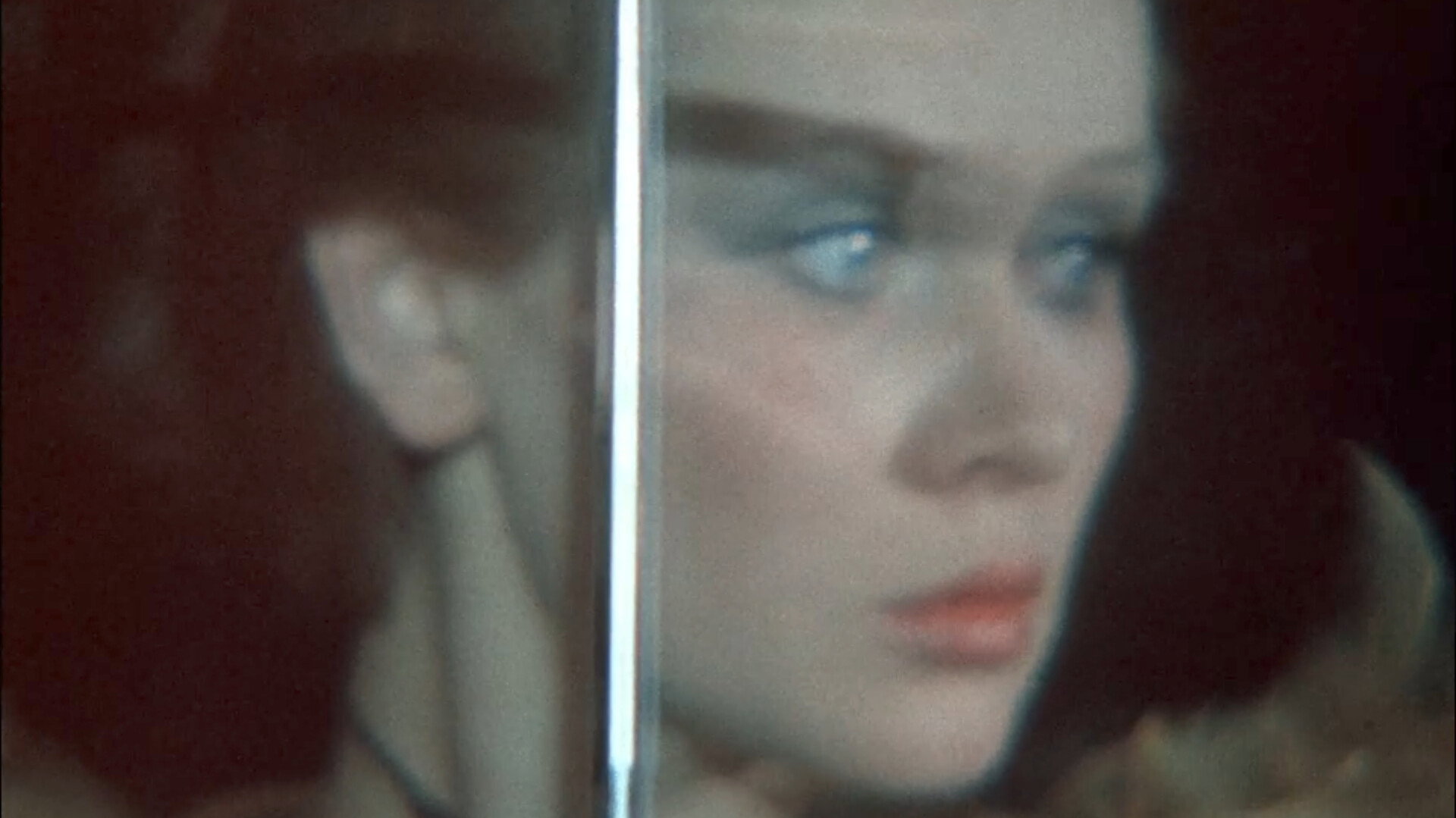
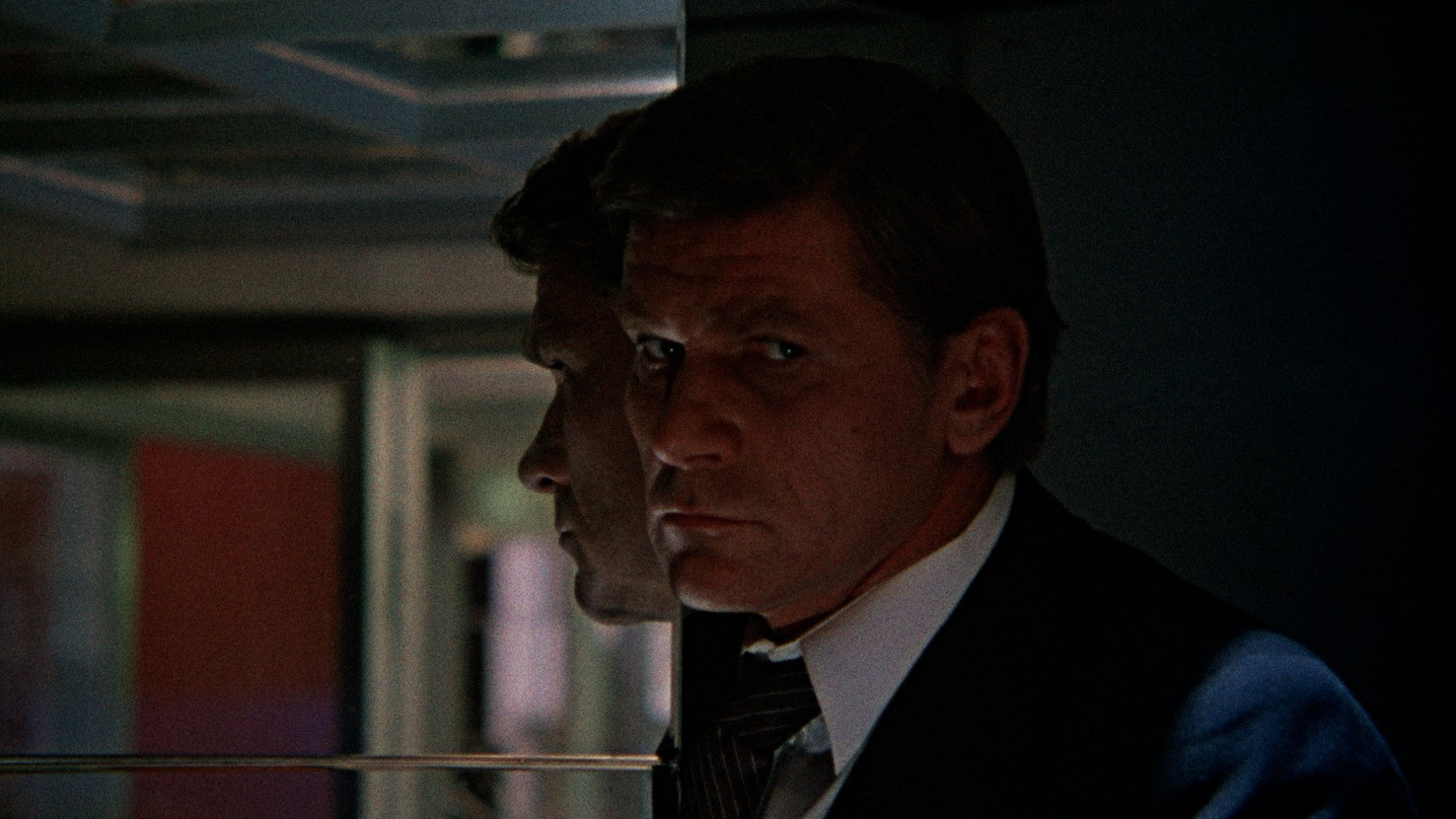
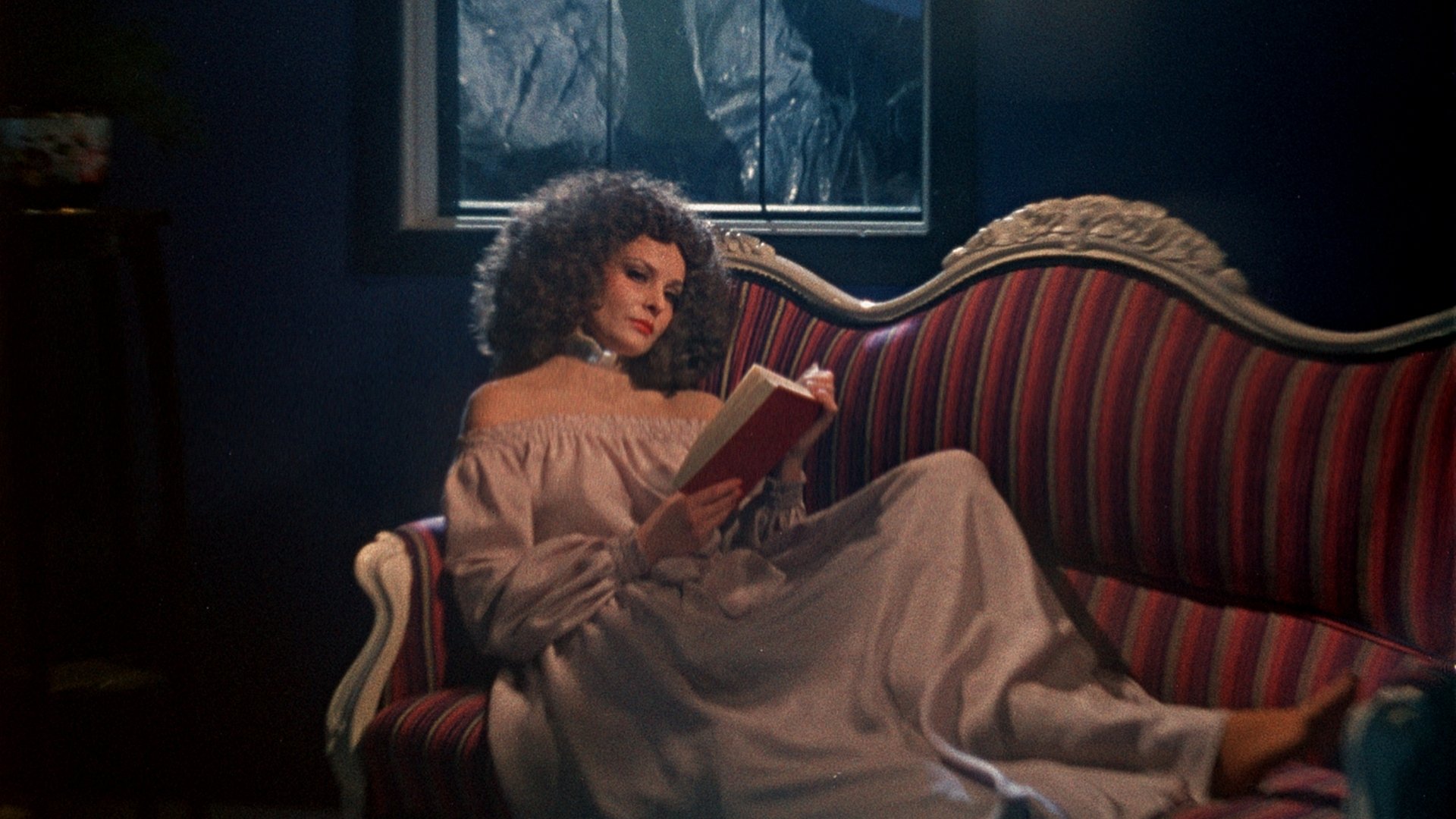
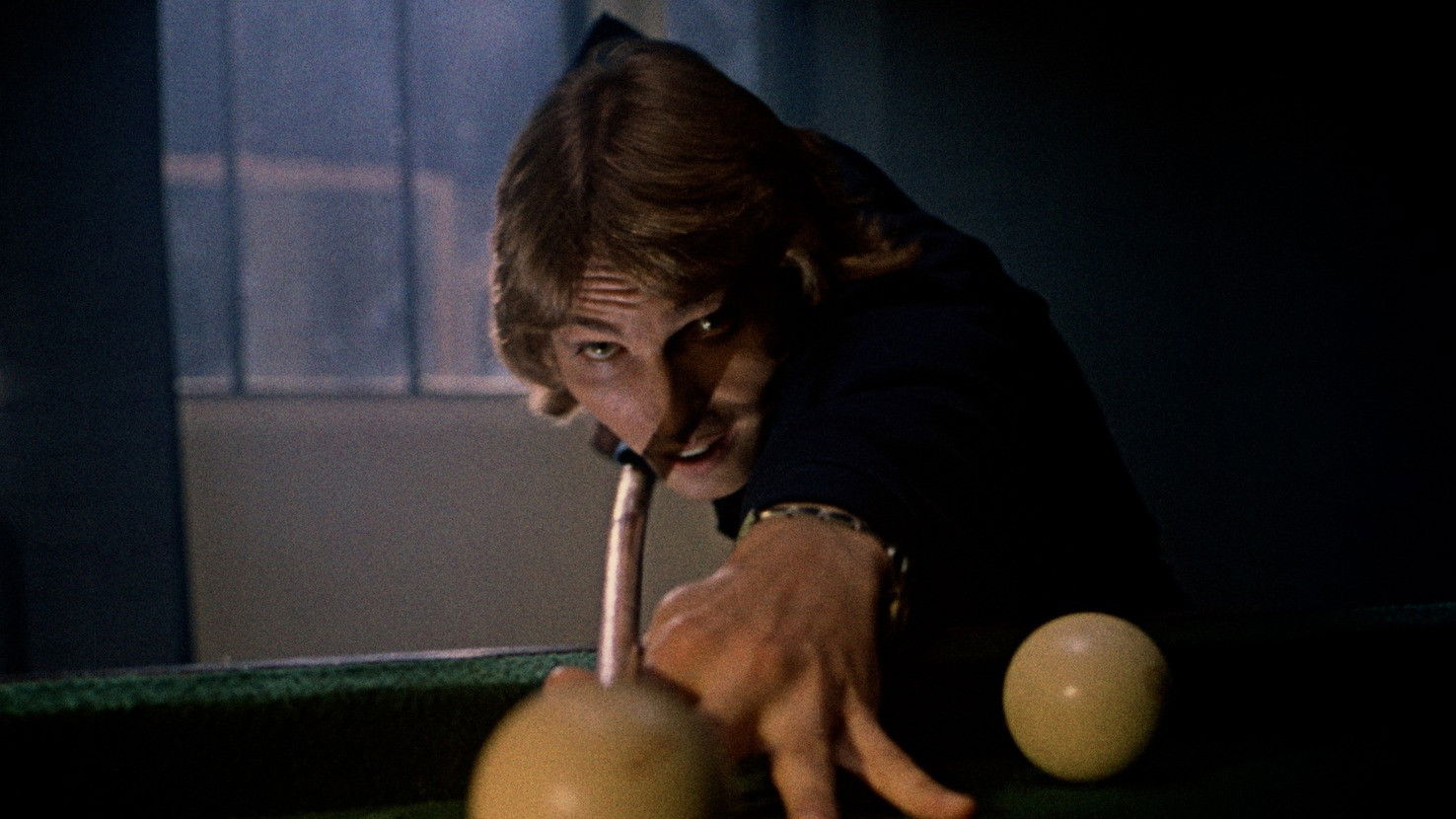
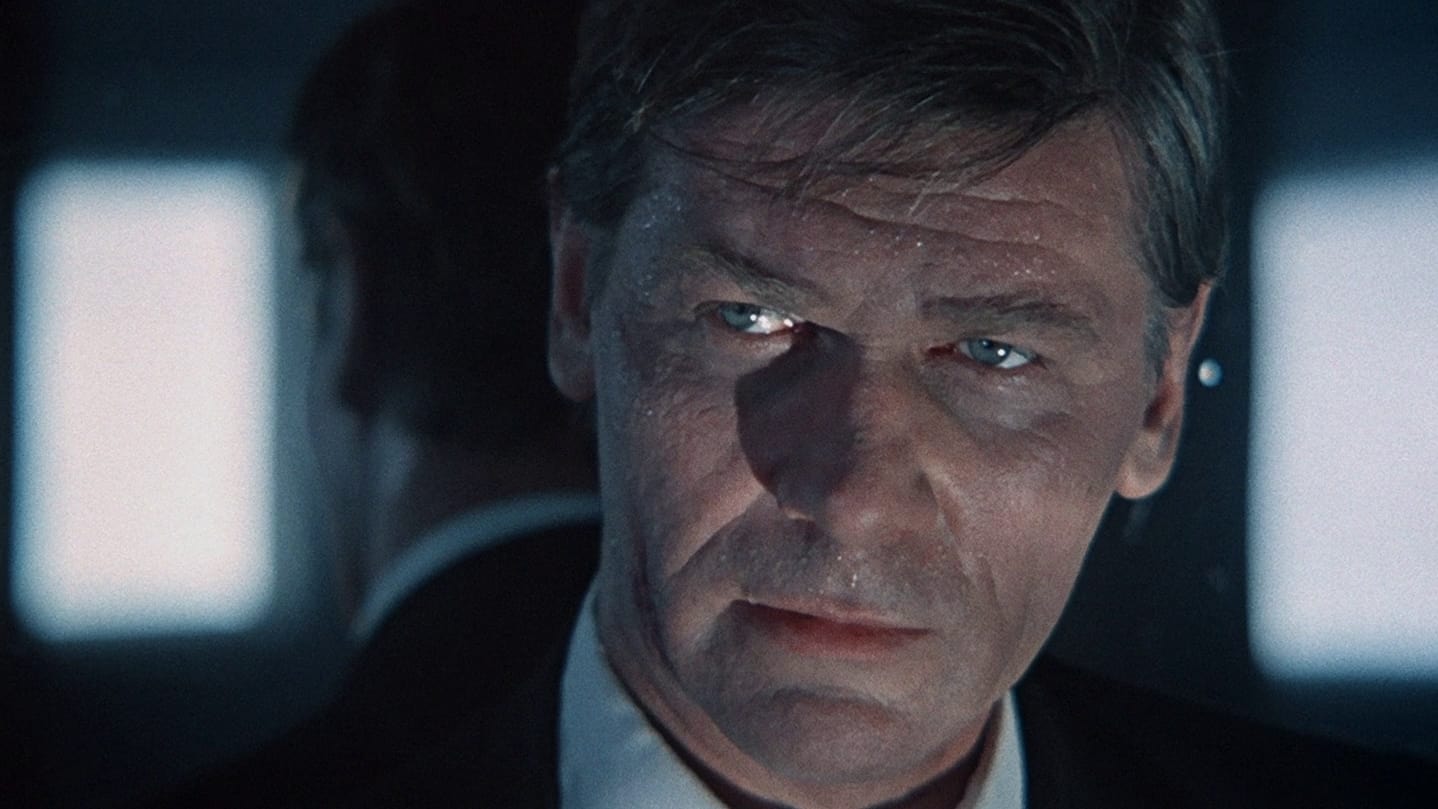
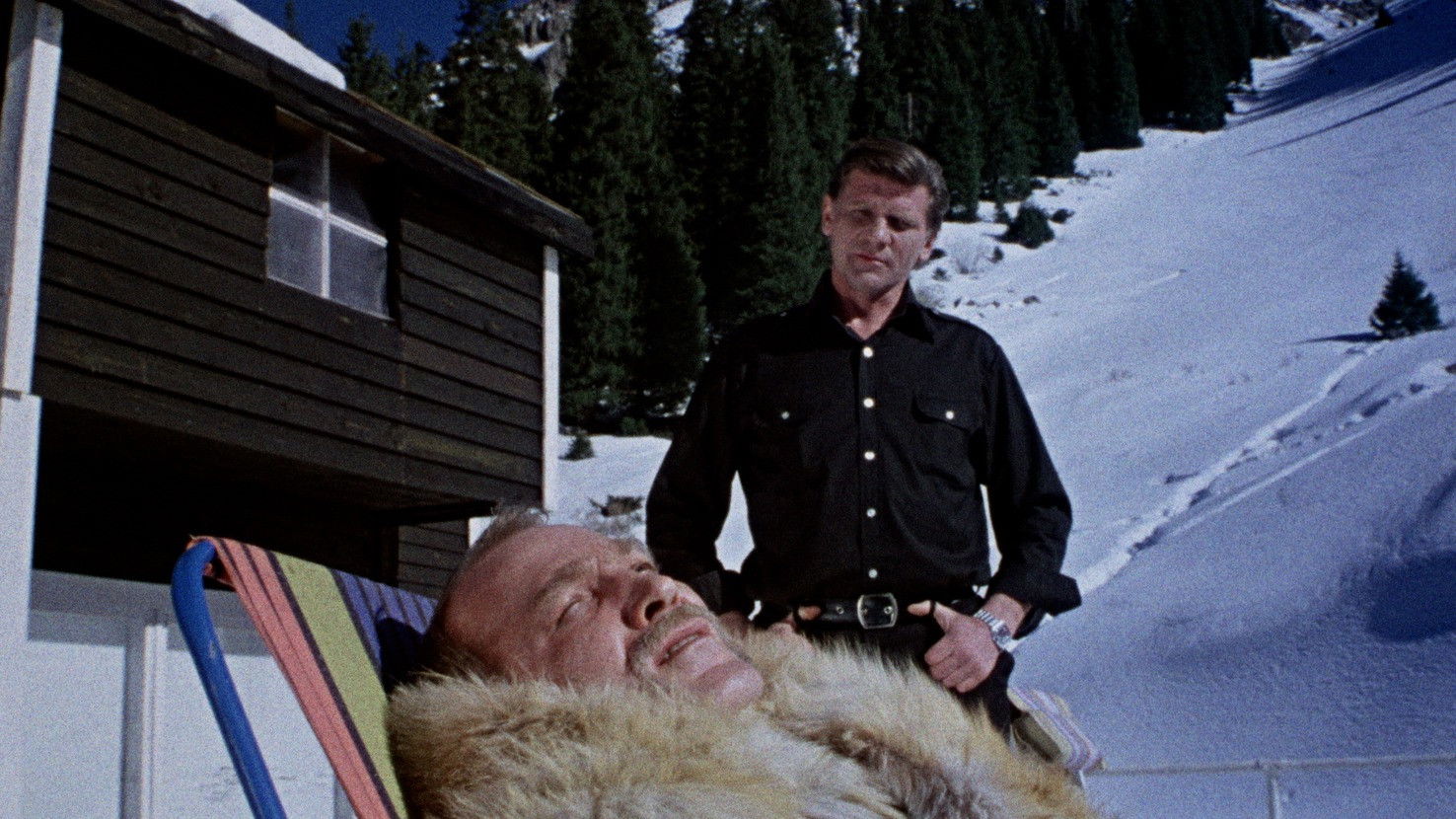
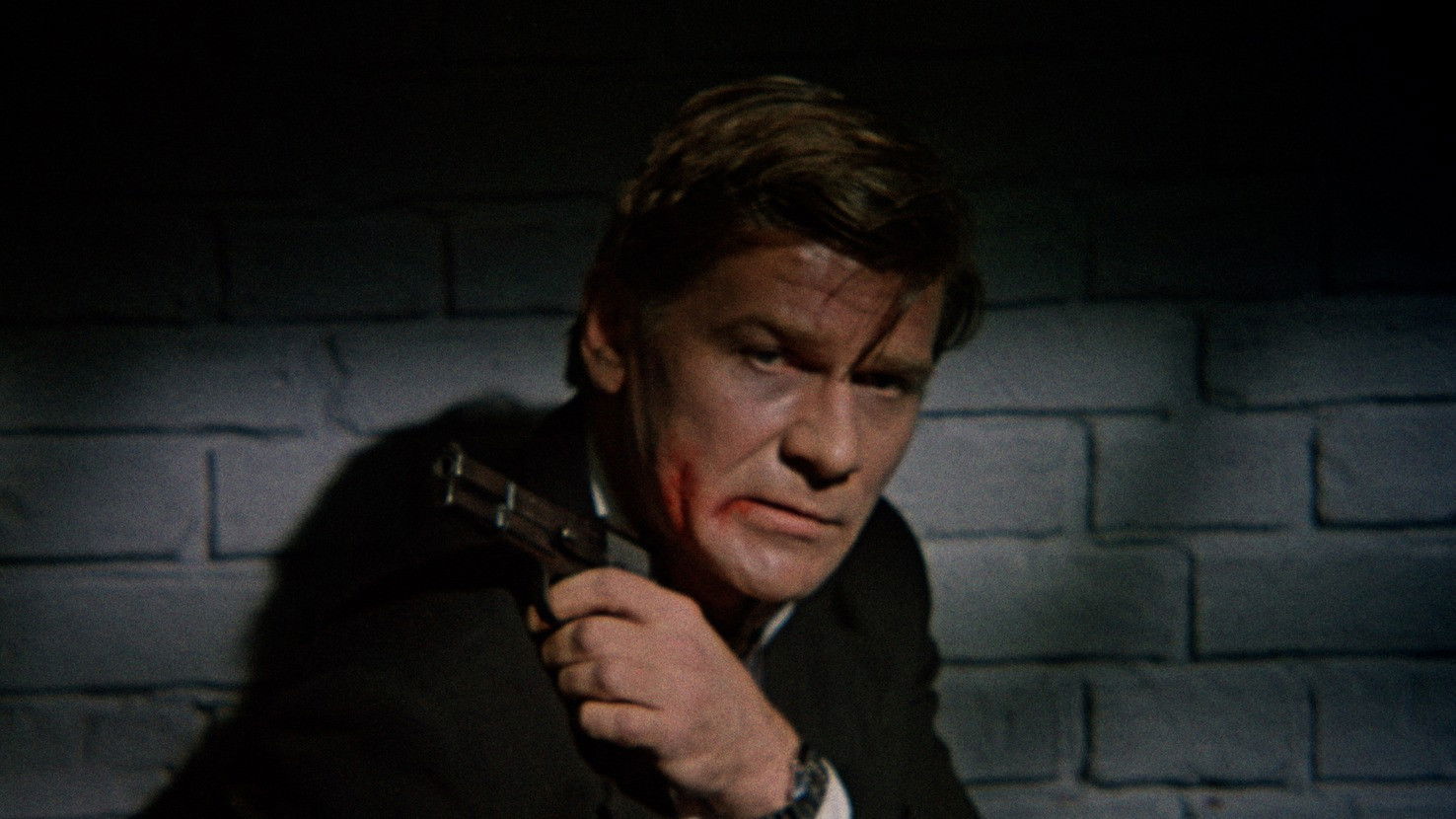
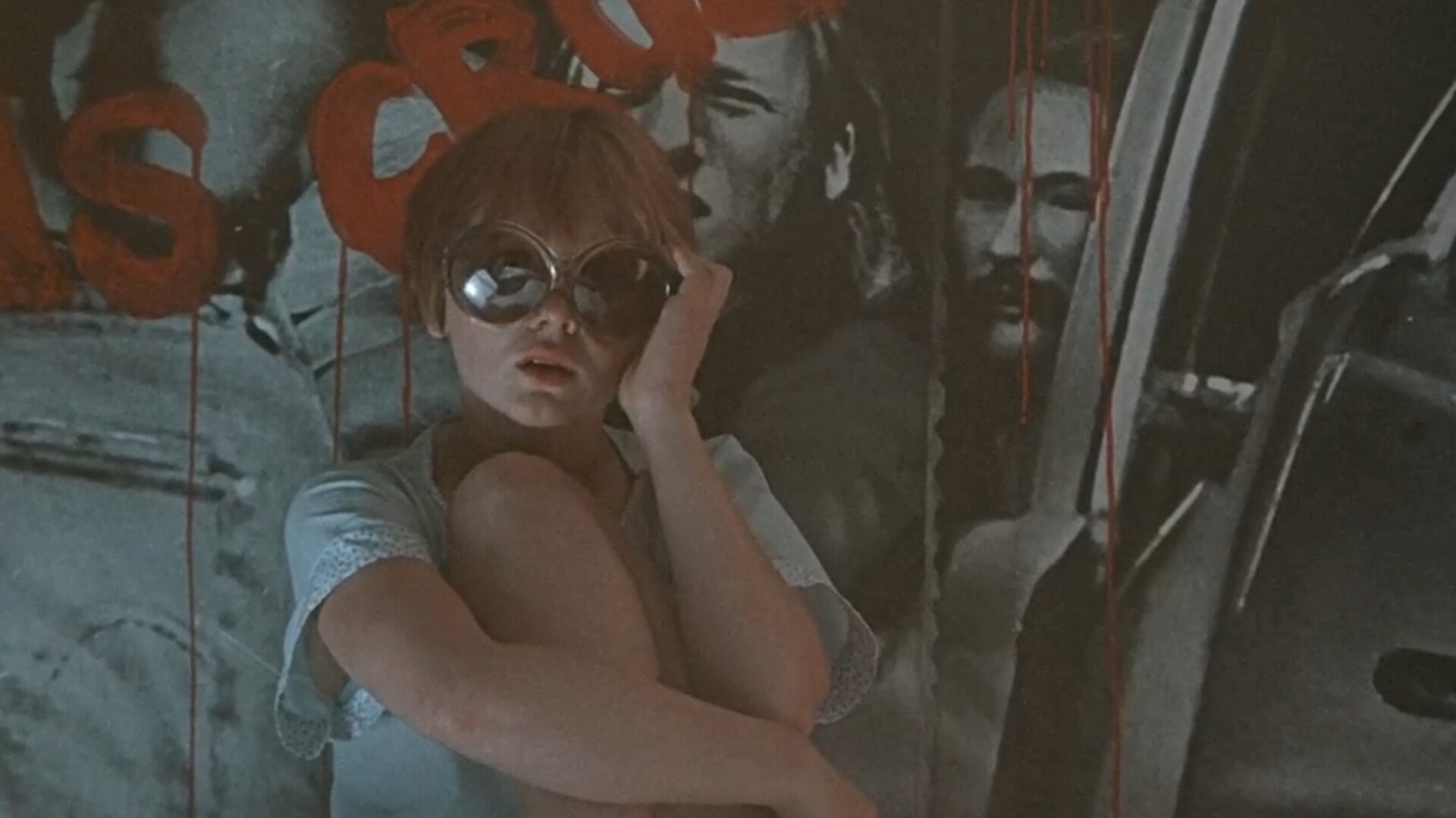
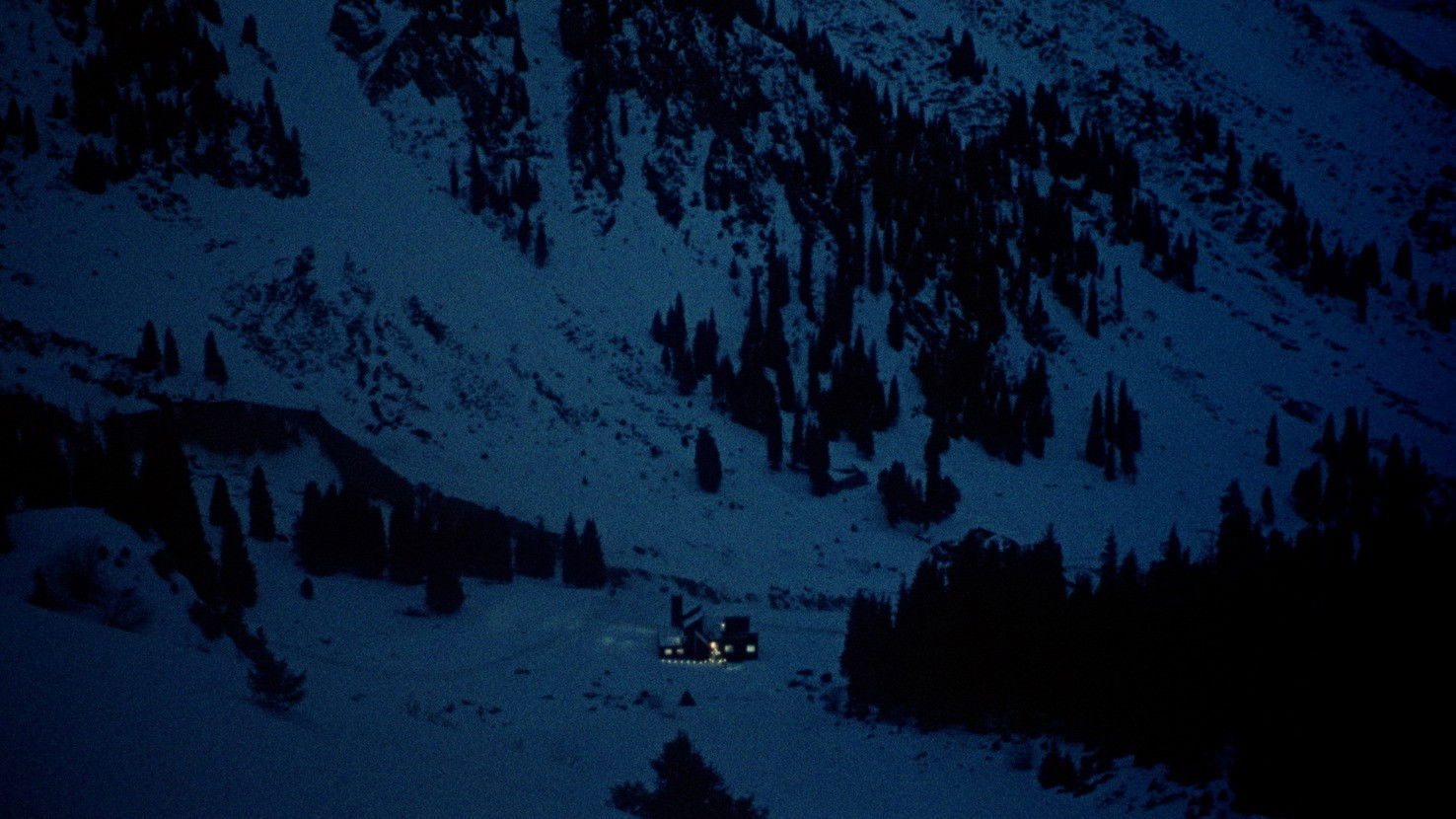
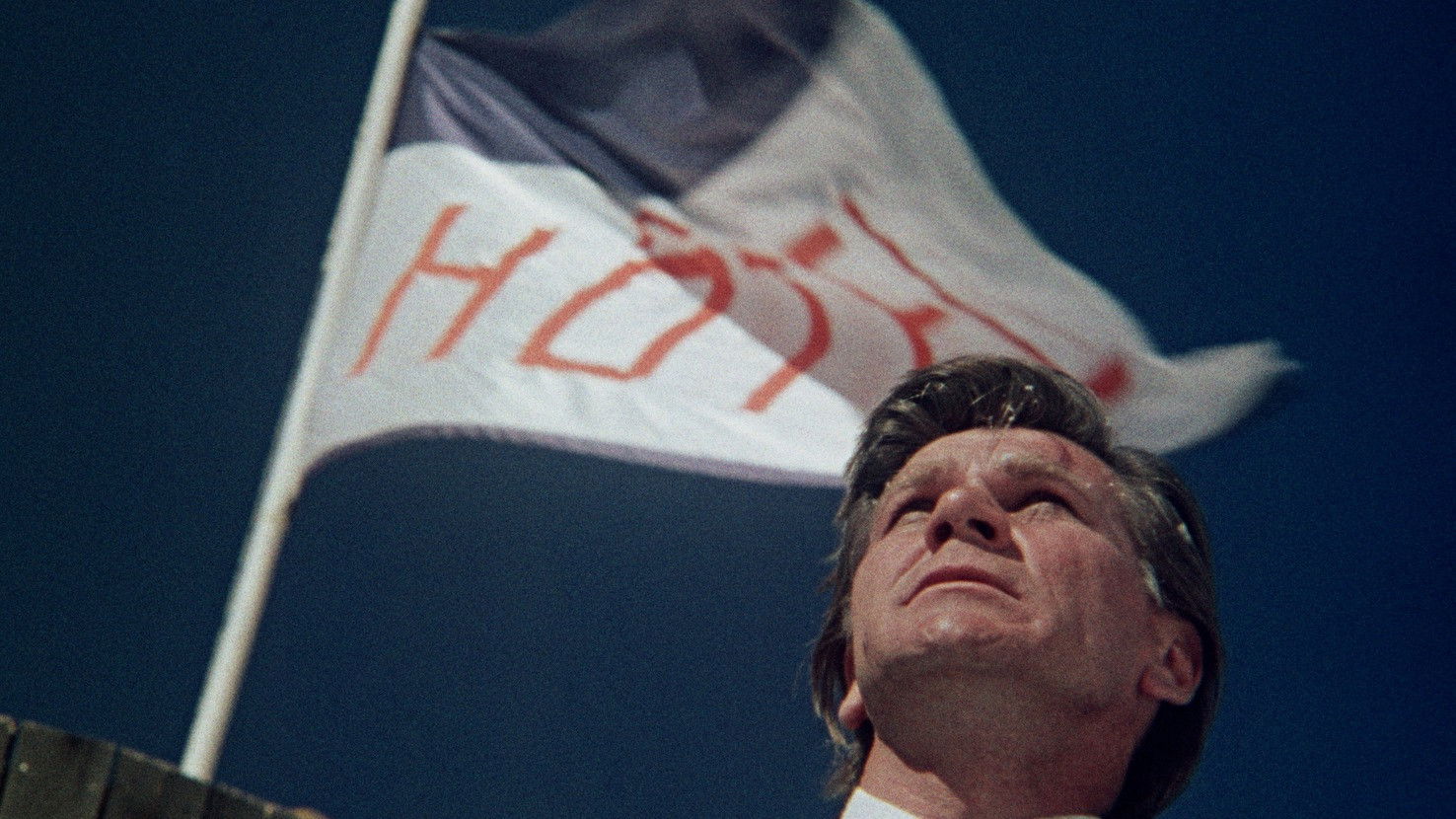
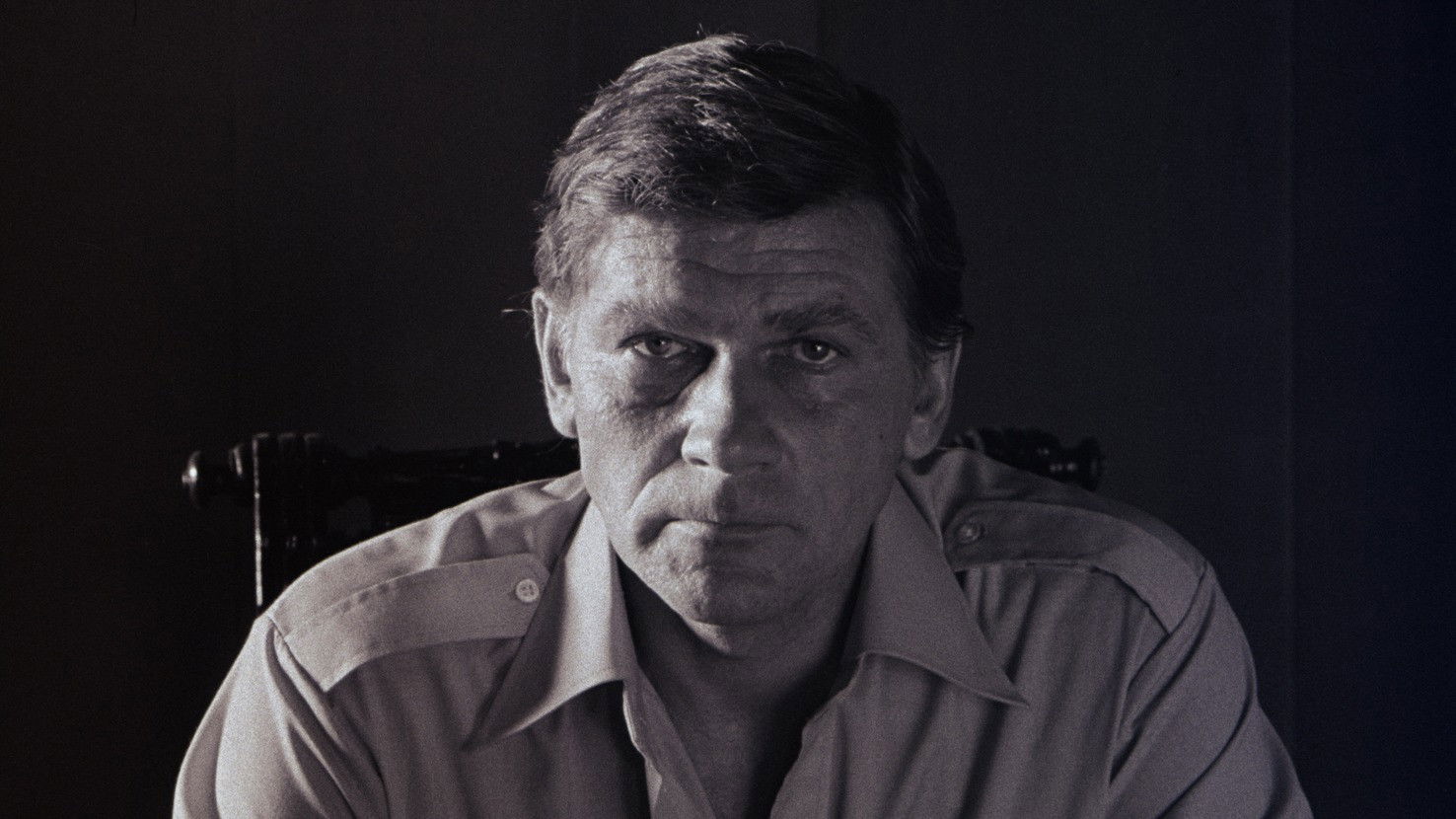
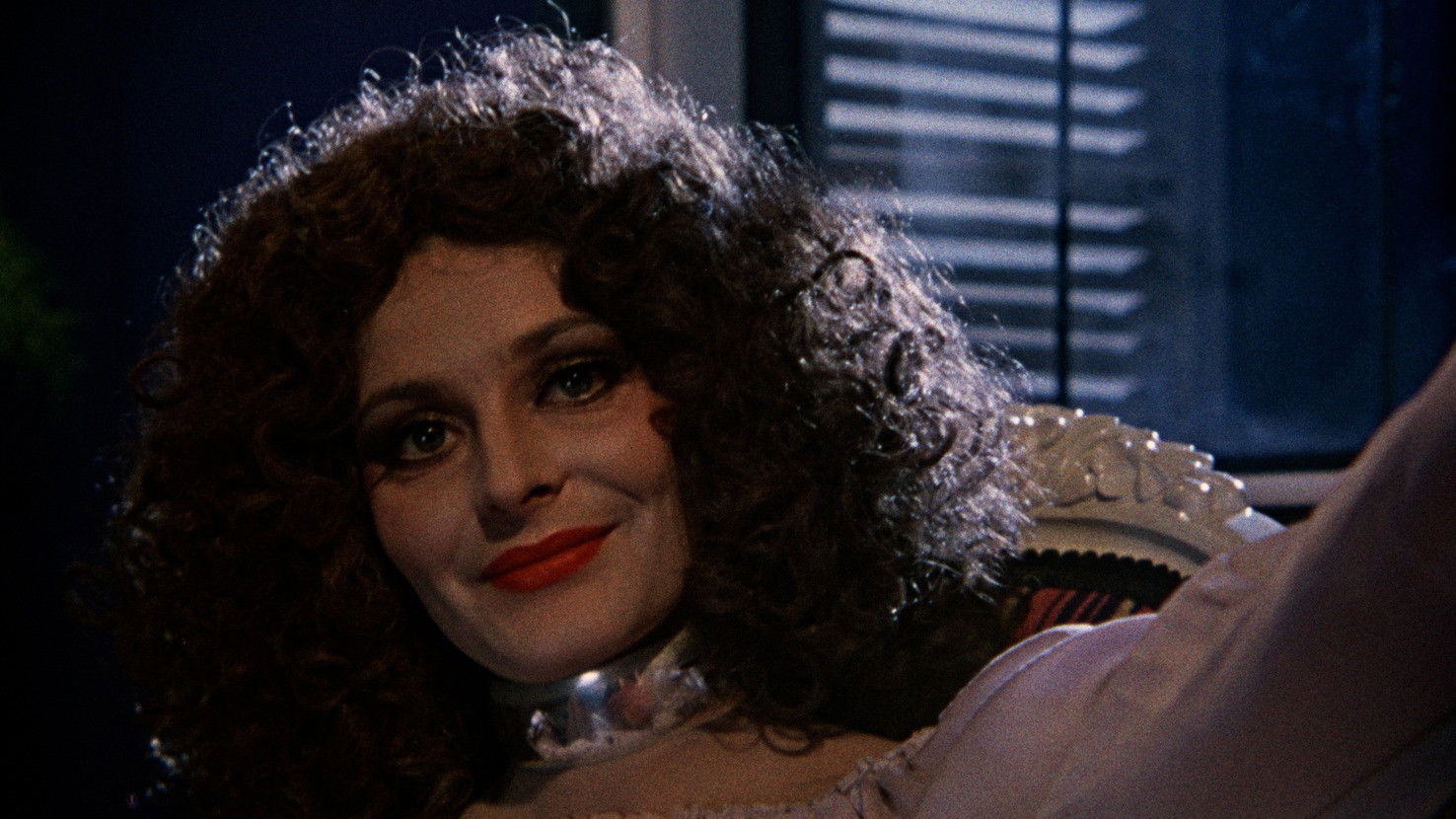
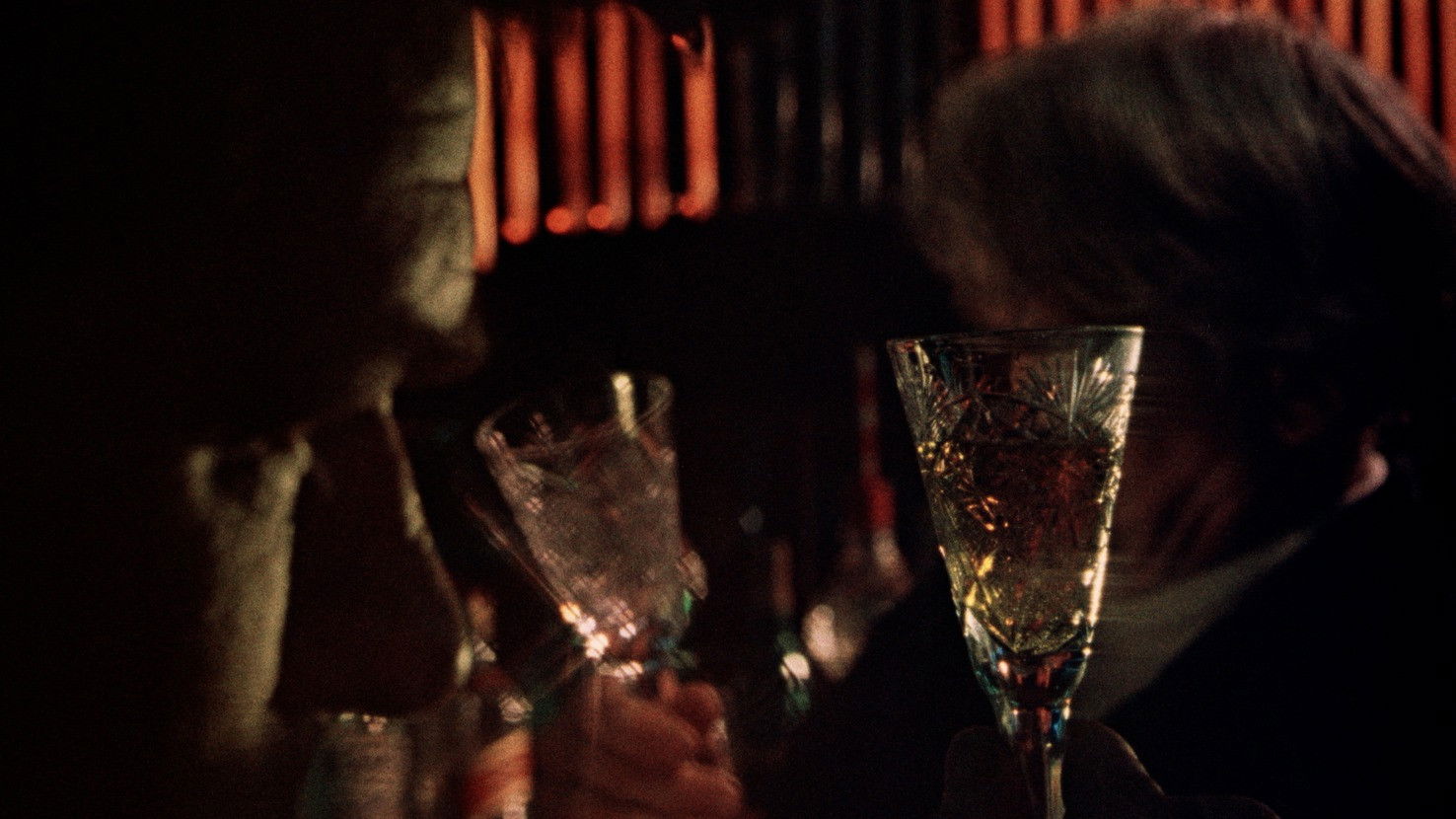
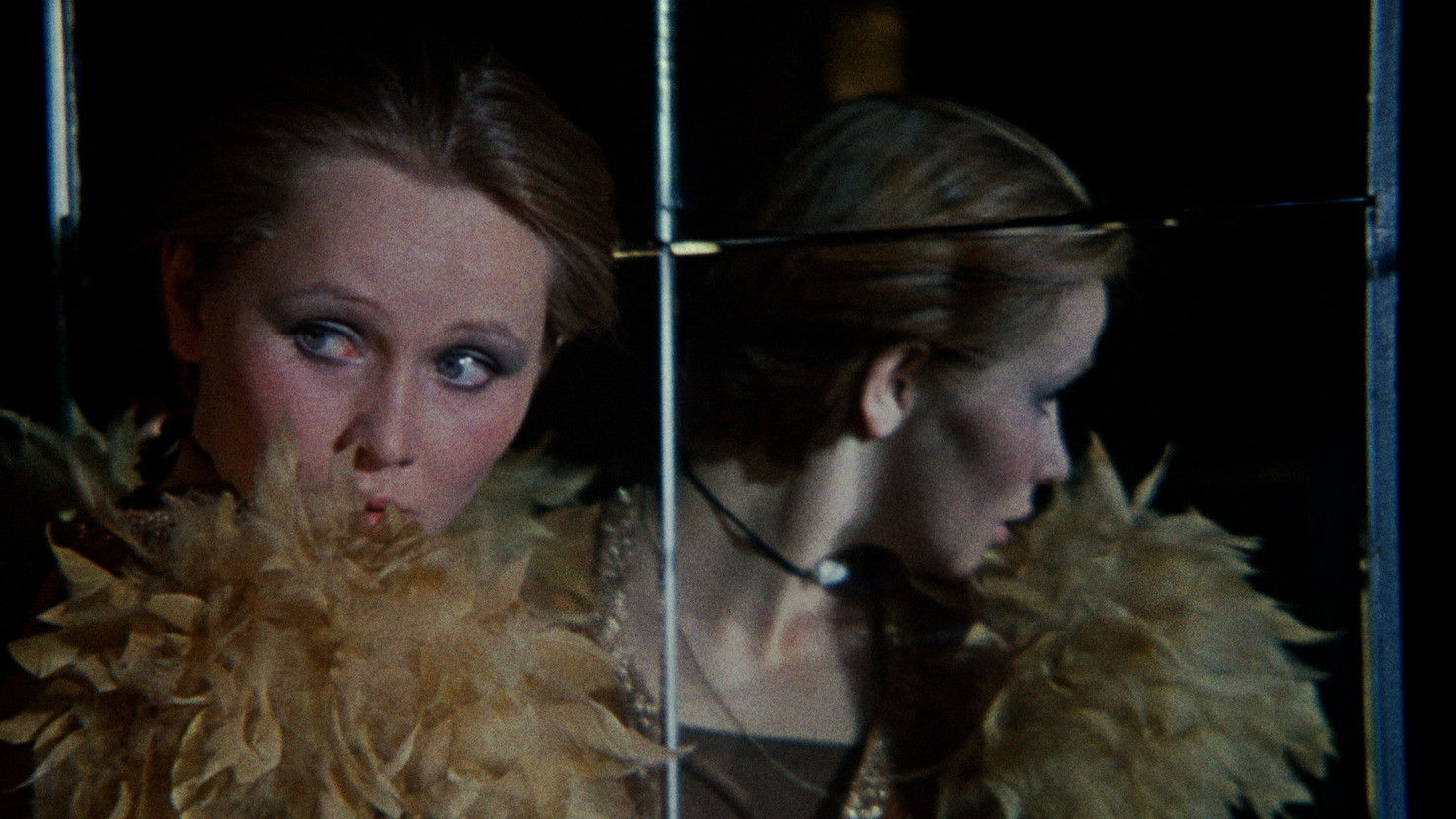
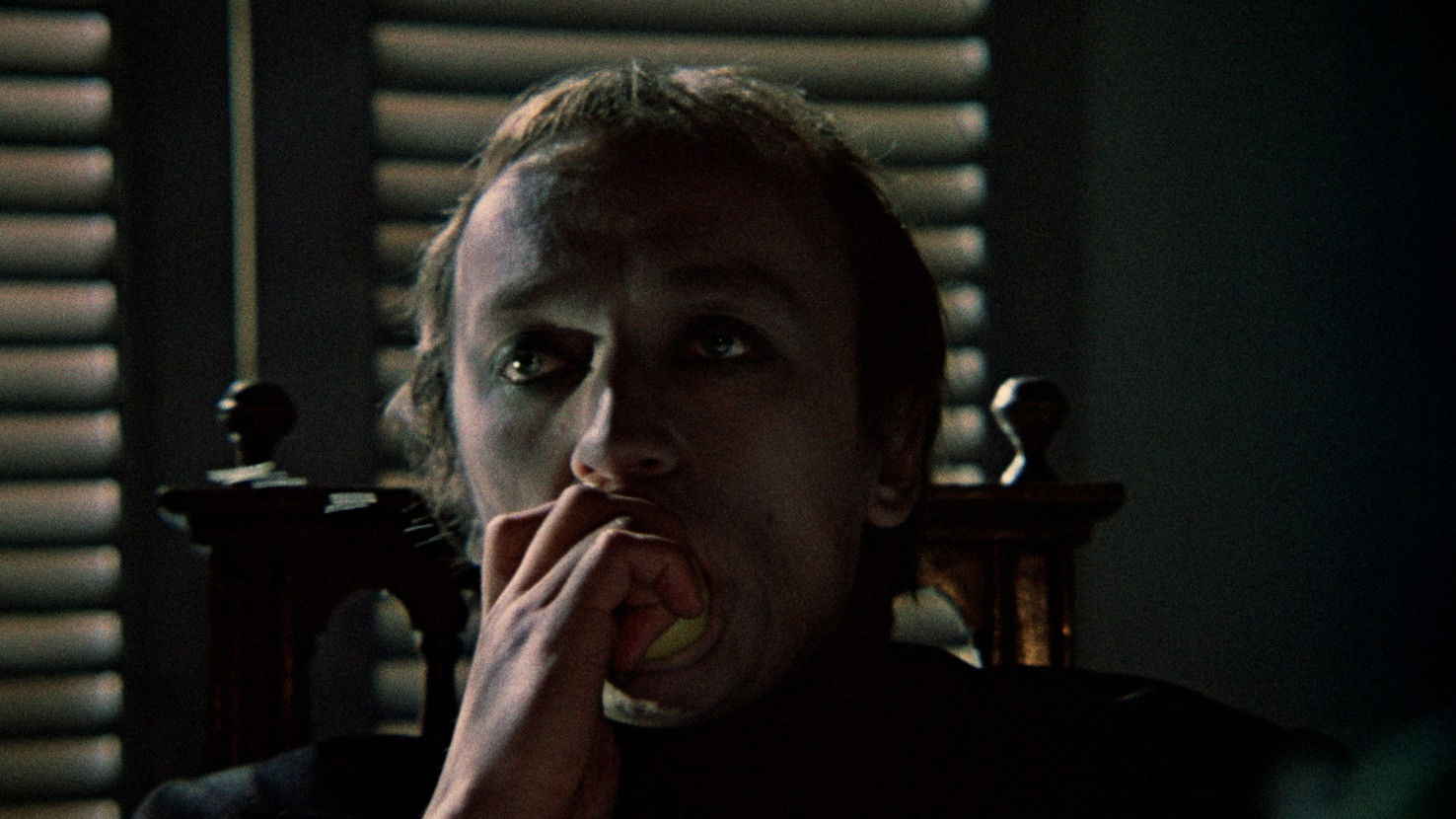
The police get a call-out to a lonely hotel in the Alps. When an officer gets to the hotel everything seems to be alright. Suddenly, an avalanche cuts them off from the rest of the world and strange things start happening.
Directed by Grigori Kromanov
hotel
cyborg
strugatsky

Trailer

IMDB
N/A
Cast

Uldis Pūcītis
Inspector Glebsky
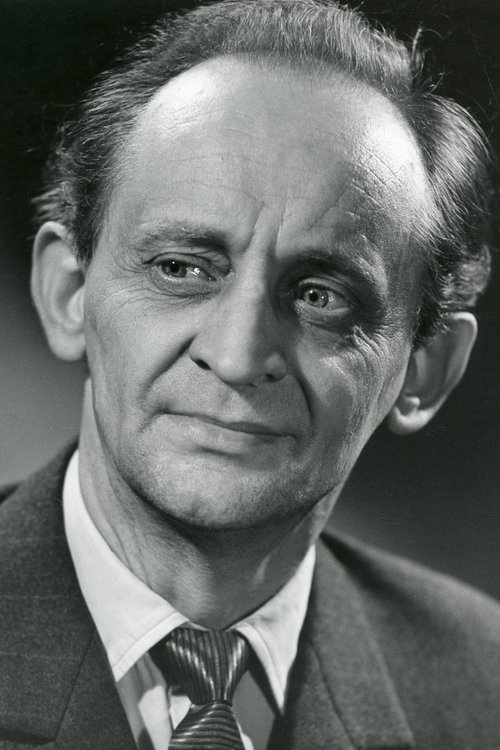
Jüri Järvet
Alex Snewahr

Lembit Peterson
Simonet
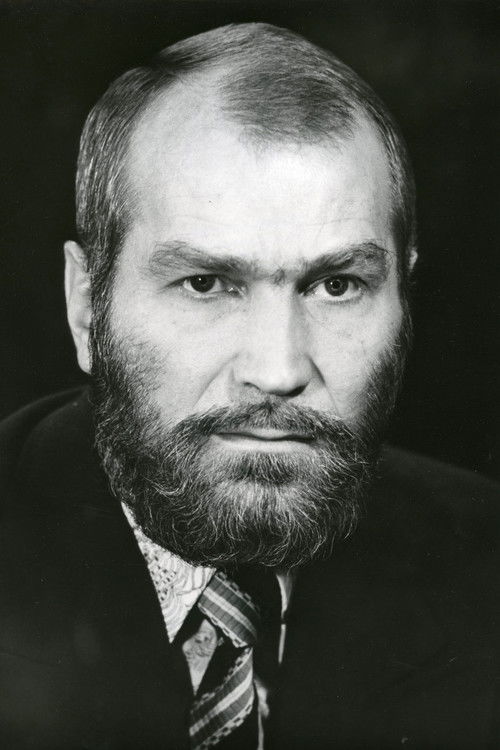
Mikk Mikiver
Hinckus
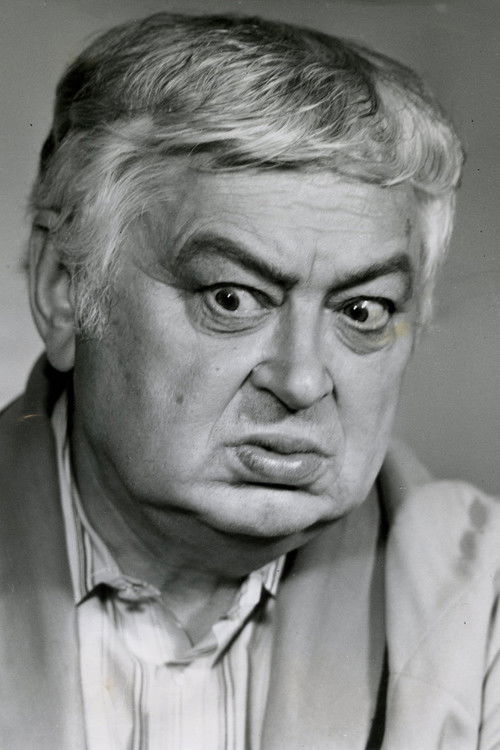
Karlis Sebris
Mr. Moses

Irena Kriauzaitė
Mrs. Moses
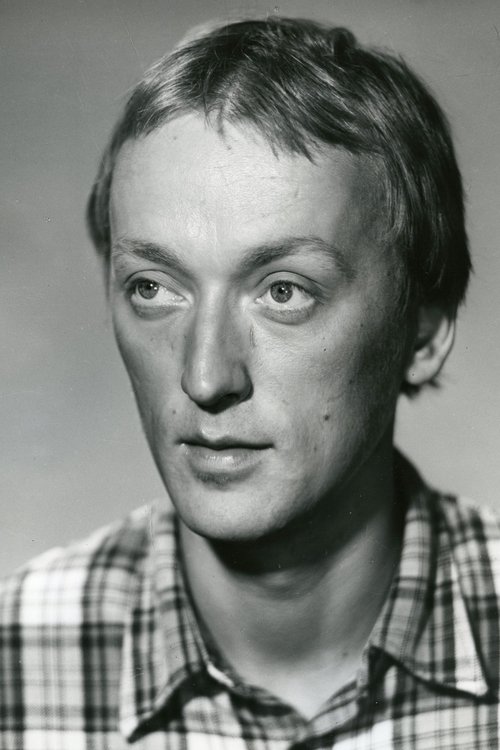
Sulev Luik
Luarvik
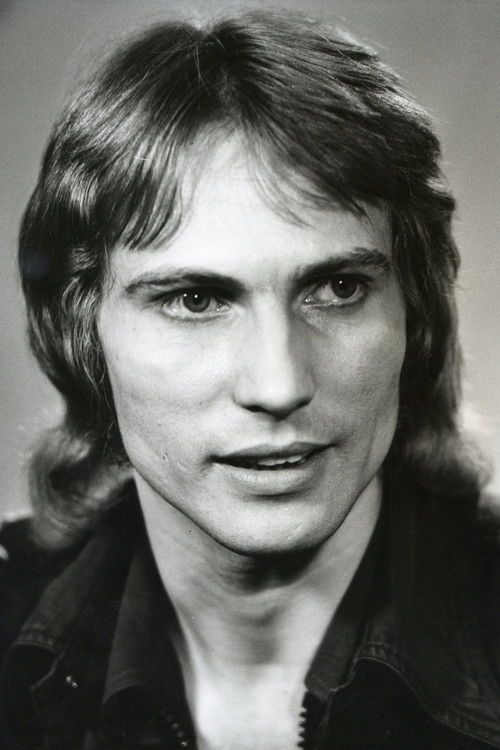
Tiit Härm
Olaf

Nijolė Oželytė
Brun
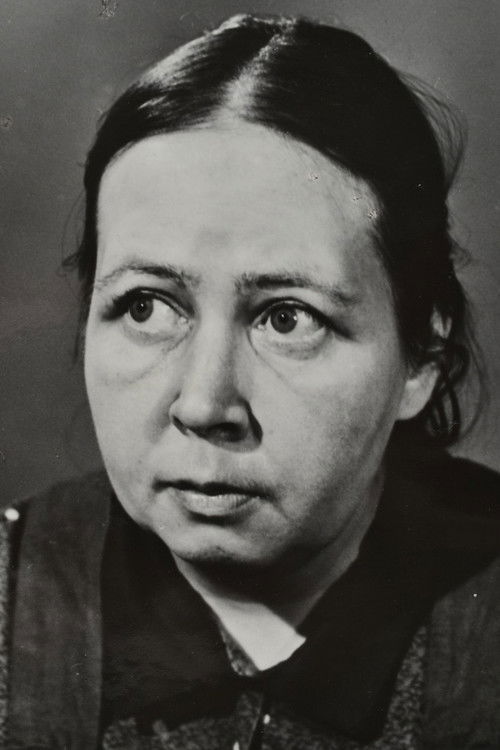
Kaarin Raid
Kaisa

Aarne Üksküla
Inspector Glebsky (voice) (uncredited)
Crew

Grigori Kromanov
Director
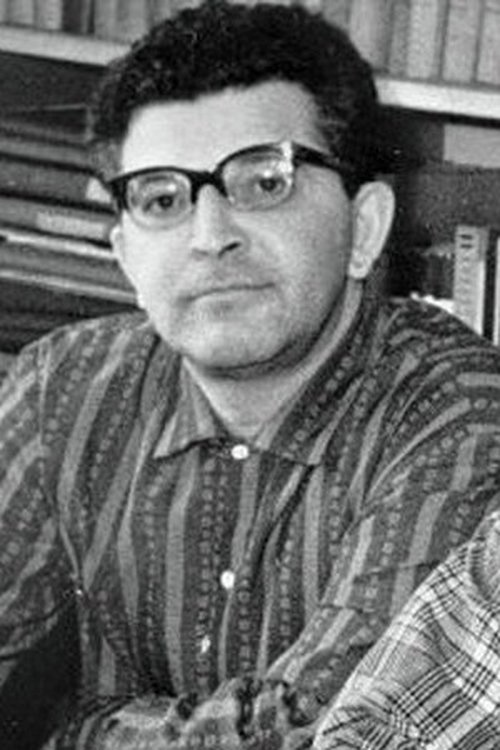
Arkadiy Strugatskiy
Screenplay
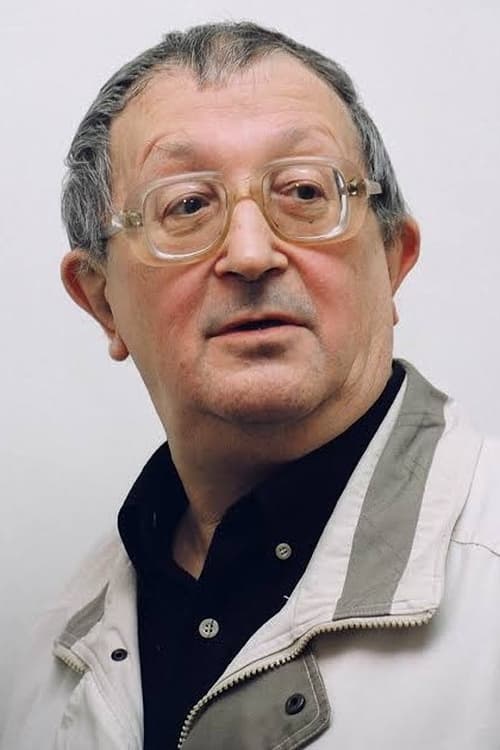
Boris Strugatskiy
Screenplay

Sven Grünberg
Original Music Composer
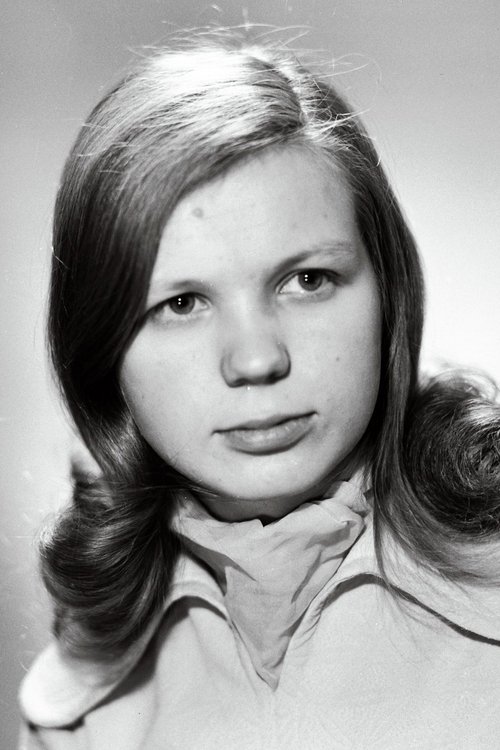
Sirje Haagel
Editor

Jüri Sillart
Director of Photography
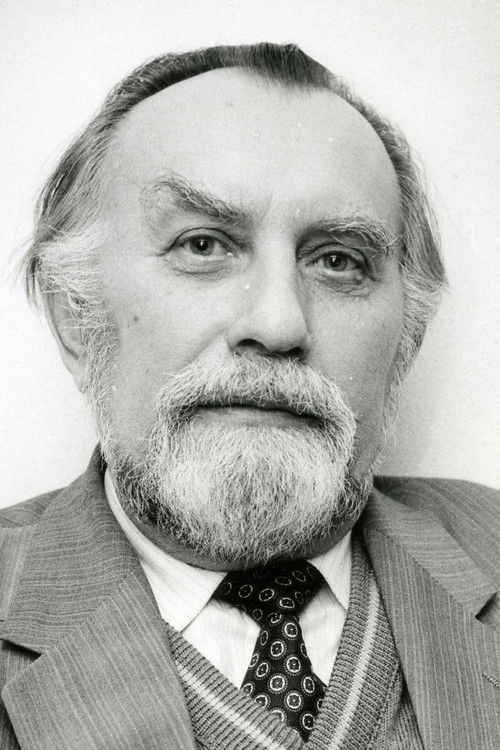
Raimund Felt
Producer

Veronika Bobossova
Producer

Roman Sabsai
Sound Designer
Arkadiy Strugatskiy
Novel
Boris Strugatskiy
Novel

Margit Ojasoon
Second Assistant Director
Popular Reviews
29 reviews
jamblo
6.0★ · 04/16/26
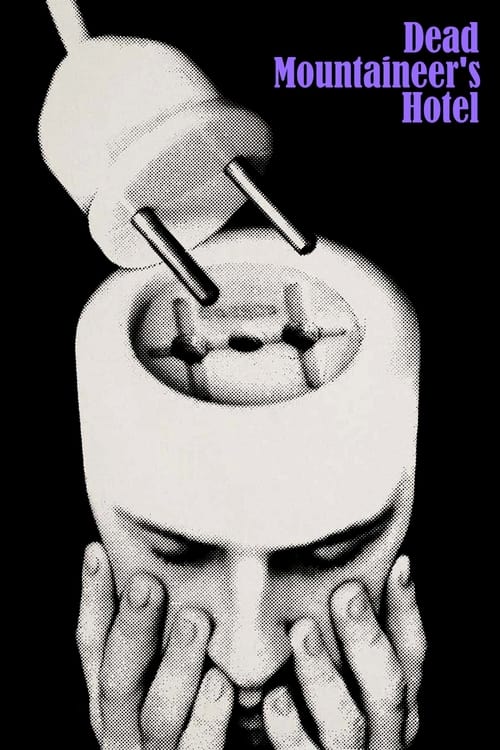
This was a movie I wanted to see partly because the Polish poster is amazing (the head-socket one visible above at time of posting). I don't know anything about it but how cool that was. A few years ago, I tried to order a copy (from Diabolik, I believe) but they were sold out (despite, I might add, what their website told me). Anyway, fast forward a bit and Deaf Crocodile (who also released the incredible Sharam Mokri set I need to get back to) announced a new restoration which I promptly ordered. While waiting for it to arrive, I realized that it was written by the same brothers who wrote the source material for 'Hard to Be a God' (which has been sitting on my shelf to watch for ever) and 'Stalker' (which I loved when I saw, but also haven't watched since buying a copy -- I've more to say about 'Stalker' but have been saving it for an actual write up of that film). Anyway, given the preorder was still a ways off, I decided to read the Strugatsky brother's novel, 'Dead Mountaineer's Inn,' while waiting -- let me tell you, it's a wild ride that, whether you are interested in reading the novel or watching the movie, you are probably better off going into with a little information as possible. In a spoiler-free nutshell, both present a version of a locked room mystery where a detective staying at a remote hotel must solve a very odd murder, the suspects for which are an even odder group of hotel guests and staff. The book is a very funny, absurdist piece of existentialism -- what the kids would call a black comedy. It's the sort of thing that made me laugh out loud a lot and the read bits of it to people who were, let's say, 'patient' in their listening to me; you know the kind of thing I mean. The movie, which was adapted by the brothers from their novel, is a bit different.
I'm really going to try and do this spoiler free so bear with me.
The film's basic structure is the same (though a fair bit of the reasoning is different, or at least altered) but has what I'd consider two major overhauls: first, the tone seems very different and second, there is a massive amount of compression. Regarding tone: all of the straight-up comedy has been completely removed and, while some of the more absurdist moments remain, in the film they are played up as either 'just strange' & even horror-adjacent. The loping nature of the novel is swapped out for a more driven investigation -- case in point, in the novel, the detective arrives at the hotel for a much-needed vacation while in the film, he is there due to an anonymous tip; immediately this makes the introduction of the quirky characters less whimsical (who are these oddballs I'm sharing a hotel with?) and makes them part of the case (which is these oddballs is a criminal?). Second, regarding the compression: a few characters are removed (or, if present, almost completely ignored, such as the chambermaid Kaisa) and the time frame of events is much, much shorter (changing nearly a full week to two days). I know movies do this all the time to keep control of the overall length, but since the film is only 80 something minutes, surely there was a little more wiggle room?
And this is the point where I'm feeling on shaky ground in writing about the movie: as someone who read the book, like, two weeks ago, I'm not at all convinced that it's possible to follow the plot of the film beyond it being a bit weird, a bit of a vibe, and as an outlier of Eastern European cinema's emulating Western European cinema circa 'the 70s' writ large.
It's worth watching, for certain: the dance scene in the hotel lounge is worth the price of admission alone, but there's also a dog who carries luggage, a character who literally climbs the walls, a very cool electronic score, and some wild helicopter footage of the Tien Shan mountain range, to name a few selling points. But as a story, the film seems like kind of a mess -- it seems like it'd be extremely difficult to follow, the scenes don't really track from one to the next, and the conclusion seems even more out of the blue than the novel's (largely, I think because of removing an entire subplot and drastically reducing a lot of the foreshadowing). In short, I like the movie, but more as a companion to remind me of some bits of the book, rather than an adaptation of it.
I'd be remiss, however, if I didn't point out that Deaf Crocodile's remaster is stunning -- it looks and sounds gorgeous.
I'm really going to try and do this spoiler free so bear with me.
The film's basic structure is the same (though a fair bit of the reasoning is different, or at least altered) but has what I'd consider two major overhauls: first, the tone seems very different and second, there is a massive amount of compression. Regarding tone: all of the straight-up comedy has been completely removed and, while some of the more absurdist moments remain, in the film they are played up as either 'just strange' & even horror-adjacent. The loping nature of the novel is swapped out for a more driven investigation -- case in point, in the novel, the detective arrives at the hotel for a much-needed vacation while in the film, he is there due to an anonymous tip; immediately this makes the introduction of the quirky characters less whimsical (who are these oddballs I'm sharing a hotel with?) and makes them part of the case (which is these oddballs is a criminal?). Second, regarding the compression: a few characters are removed (or, if present, almost completely ignored, such as the chambermaid Kaisa) and the time frame of events is much, much shorter (changing nearly a full week to two days). I know movies do this all the time to keep control of the overall length, but since the film is only 80 something minutes, surely there was a little more wiggle room?
And this is the point where I'm feeling on shaky ground in writing about the movie: as someone who read the book, like, two weeks ago, I'm not at all convinced that it's possible to follow the plot of the film beyond it being a bit weird, a bit of a vibe, and as an outlier of Eastern European cinema's emulating Western European cinema circa 'the 70s' writ large.
It's worth watching, for certain: the dance scene in the hotel lounge is worth the price of admission alone, but there's also a dog who carries luggage, a character who literally climbs the walls, a very cool electronic score, and some wild helicopter footage of the Tien Shan mountain range, to name a few selling points. But as a story, the film seems like kind of a mess -- it seems like it'd be extremely difficult to follow, the scenes don't really track from one to the next, and the conclusion seems even more out of the blue than the novel's (largely, I think because of removing an entire subplot and drastically reducing a lot of the foreshadowing). In short, I like the movie, but more as a companion to remind me of some bits of the book, rather than an adaptation of it.
I'd be remiss, however, if I didn't point out that Deaf Crocodile's remaster is stunning -- it looks and sounds gorgeous.
This was a movie I wanted to see partly because the Polish poster is amazing (the head-socket one visible above at time of posting). I don't know anything about it but how cool that was. A few years ago, I tried to order a copy (from Diabolik, I believe) but they were sold out (despite, I might add, what their website told me). Anyway, fast forward a bit and Deaf Crocodile (who also released the incredible Sharam Mokri set I need to get back to) announced a new restoration which I promptly ordered. While waiting for it to arrive, I realized that it was written by the same brothers who wrote the source material for 'Hard to Be a God' (which has been sitting on my shelf to watch for ever) and 'Stalker' (which I loved when I saw, but also haven't watched since buying a copy -- I've more to say about 'Stalker' but have been saving it for an actual write up of that film). Anyway, given the preorder was still a ways off, I decided to read the Strugatsky brother's novel, 'Dead Mountaineer's Inn,' while waiting -- let me tell you, it's a wild ride that, whether you are interested in reading the novel or watching the movie, you are probably better off going into with a little information as possible. In a spoiler-free nutshell, both present a version of a locked room mystery where a detective staying at a remote hotel must solve a very odd murder, the suspects for which are an even odder group of hotel guests and staff. The book is a very funny, absurdist piece of existentialism -- what the kids would call a black comedy. It's the sort of thing that made me laugh out loud a lot and the read bits of it to people who were, let's say, 'patient' in their listening to me; you know the kind of thing I mean. The movie, which was adapted by the brothers from their novel, is a bit different.
I'm really going to try and do this spoiler free so bear with me.
The film's basic structure is the same (though a fair bit of the reasoning is different, or at least altered) but has what I'd consider two major overhauls: first, the tone seems very different and second, there is a massive amount of compression. Regarding tone: all of the straight-up comedy has been completely removed and, while some of the more absurdist moments remain, in the film they are played up as either 'just strange' & even horror-adjacent. The loping nature of the novel is swapped out for a more driven investigation -- case in point, in the novel, the detective arrives at the hotel for a much-needed vacation while in the film, he is there due to an anonymous tip; immediately this makes the introduction of the quirky characters less whimsical (who are these oddballs I'm sharing a hotel with?) and makes them part of the case (which is these oddballs is a criminal?). Second, regarding the compression: a few characters are removed (or, if present, almost completely ignored, such as the chambermaid Kaisa) and the time frame of events is much, much shorter (changing nearly a full week to two days). I know movies do this all the time to keep control of the overall length, but since the film is only 80 something minutes, surely there was a little more wiggle room?
And this is the point where I'm feeling on shaky ground in writing about the movie: as someone who read the book, like, two weeks ago, I'm not at all convinced that it's possible to follow the plot of the film beyond it being a bit weird, a bit of a vibe, and as an outlier of Eastern European cinema's emulating Western European cinema circa 'the 70s' writ large.
It's worth watching, for certain: the dance scene in the hotel lounge is worth the price of admission alone, but there's also a dog who carries luggage, a character who literally climbs the walls, a very cool electronic score, and some wild helicopter footage of the Tien Shan mountain range, to name a few selling points. But as a story, the film seems like kind of a mess -- it seems like it'd be extremely difficult to follow, the scenes don't really track from one to the next, and the conclusion seems even more out of the blue than the novel's (largely, I think because of removing an entire subplot and drastically reducing a lot of the foreshadowing). In short, I like the movie, but more as a companion to remind me of some bits of the book, rather than an adaptation of it.
I'd be remiss, however, if I didn't point out that Deaf Crocodile's remaster is stunning -- it looks and sounds gorgeous.
I'm really going to try and do this spoiler free so bear with me.
The film's basic structure is the same (though a fair bit of the reasoning is different, or at least altered) but has what I'd consider two major overhauls: first, the tone seems very different and second, there is a massive amount of compression. Regarding tone: all of the straight-up comedy has been completely removed and, while some of the more absurdist moments remain, in the film they are played up as either 'just strange' & even horror-adjacent. The loping nature of the novel is swapped out for a more driven investigation -- case in point, in the novel, the detective arrives at the hotel for a much-needed vacation while in the film, he is there due to an anonymous tip; immediately this makes the introduction of the quirky characters less whimsical (who are these oddballs I'm sharing a hotel with?) and makes them part of the case (which is these oddballs is a criminal?). Second, regarding the compression: a few characters are removed (or, if present, almost completely ignored, such as the chambermaid Kaisa) and the time frame of events is much, much shorter (changing nearly a full week to two days). I know movies do this all the time to keep control of the overall length, but since the film is only 80 something minutes, surely there was a little more wiggle room?
And this is the point where I'm feeling on shaky ground in writing about the movie: as someone who read the book, like, two weeks ago, I'm not at all convinced that it's possible to follow the plot of the film beyond it being a bit weird, a bit of a vibe, and as an outlier of Eastern European cinema's emulating Western European cinema circa 'the 70s' writ large.
It's worth watching, for certain: the dance scene in the hotel lounge is worth the price of admission alone, but there's also a dog who carries luggage, a character who literally climbs the walls, a very cool electronic score, and some wild helicopter footage of the Tien Shan mountain range, to name a few selling points. But as a story, the film seems like kind of a mess -- it seems like it'd be extremely difficult to follow, the scenes don't really track from one to the next, and the conclusion seems even more out of the blue than the novel's (largely, I think because of removing an entire subplot and drastically reducing a lot of the foreshadowing). In short, I like the movie, but more as a companion to remind me of some bits of the book, rather than an adaptation of it.
I'd be remiss, however, if I didn't point out that Deaf Crocodile's remaster is stunning -- it looks and sounds gorgeous.


DavisPRO
8.0★ · 04/10/26
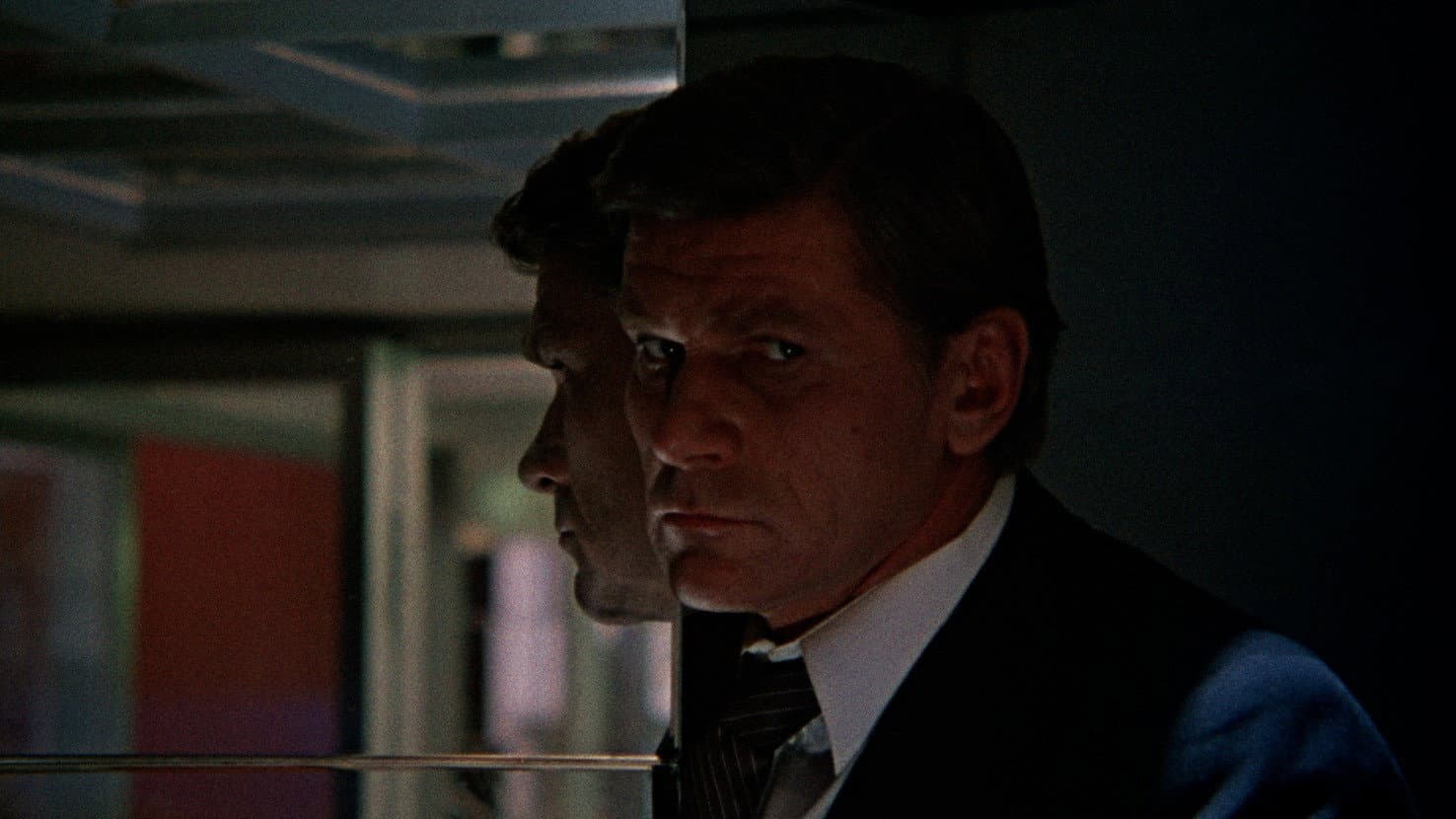
Gorgeous, fun, insane. Idk where they were hiding the camera/how they were pulling off some of these shots involving mirrors
Gorgeous, fun, insane. Idk where they were hiding the camera/how they were pulling off some of these shots involving mirrors
Mr mashkal
5.0★ · 02/13/26
Berlinale 26 #4 Bis auf cinematography und score leider nicht viel hängen geblieben
Berlinale 26 #4 Bis auf cinematography und score leider nicht viel hängen geblieben
SassyPRO
8.0★ · 02/07/26
Incredible atmosphere conveyed in this movie, a murder mystery in a snowed in alpine resort and a bizarre ensemble of odd characters? Excellent.
The dog is a good puppy and wow I did not expect the helicopter to do THAT
The dog is a good puppy and wow I did not expect the helicopter to do THAT
Incredible atmosphere conveyed in this movie, a murder mystery in a snowed in alpine resort and a bizarre ensemble of odd characters? Excellent.
The dog is a good puppy and wow I did not expect the helicopter to do THAT
The dog is a good puppy and wow I did not expect the helicopter to do THAT
julesPRO
8.0★ · 01/12/26
Dead Mountaineer’s Hotel is that rare kind of sci-fi that feels more like a mood than a story. everything is calm, polite, almost cozy, and yet the whole film hums with this quiet dread like something is deeply wrong and nobody wants to say it out loud.
it feels very lynchian in that soft nightmare way—people talk normally but it never really feels normal and the hotel itself becomes this strange in-between space where reality starts to slip. not surreal in a loud way, just quietly off, which honestly makes it even creepier.
to me it sits somewhere between The Hourglass Sanatorium and On the Silver Globe, obviously with its own vibe and limits. it doesn’t go fully dream-logic like Has and it doesn’t reach the cosmic madness of Żuławski, but you can feel that same tension between identity, reality and something bigger lurking underneath.
it wraps all that inside something that looks like a classy little mystery and that contrast is what makes it so fascinating.
also the 70s european sci-fi aesthetic is soo gorgeous. velvet, glass, soft lights, people standing around looking suspicious and beautiful—it’s funny in a dry way, sad in a quiet way
not perfect, a bit stiff sometimes, but also kind of hypnotic—a very specific and very icy little gem
well done Estonia 👏🏻
it feels very lynchian in that soft nightmare way—people talk normally but it never really feels normal and the hotel itself becomes this strange in-between space where reality starts to slip. not surreal in a loud way, just quietly off, which honestly makes it even creepier.
to me it sits somewhere between The Hourglass Sanatorium and On the Silver Globe, obviously with its own vibe and limits. it doesn’t go fully dream-logic like Has and it doesn’t reach the cosmic madness of Żuławski, but you can feel that same tension between identity, reality and something bigger lurking underneath.
it wraps all that inside something that looks like a classy little mystery and that contrast is what makes it so fascinating.
also the 70s european sci-fi aesthetic is soo gorgeous. velvet, glass, soft lights, people standing around looking suspicious and beautiful—it’s funny in a dry way, sad in a quiet way
not perfect, a bit stiff sometimes, but also kind of hypnotic—a very specific and very icy little gem
well done Estonia 👏🏻
Dead Mountaineer’s Hotel is that rare kind of sci-fi that feels more like a mood than a story. everything is calm, polite, almost cozy, and yet the whole film hums with this quiet dread like something is deeply wrong and nobody wants to say it out loud.
it feels very lynchian in that soft nightmare way—people talk normally but it never really feels normal and the hotel itself becomes this strange in-between space where reality starts to slip. not surreal in a loud way, just quietly off, which honestly makes it even creepier.
to me it sits somewhere between The Hourglass Sanatorium and On the Silver Globe, obviously with its own vibe and limits. it doesn’t go fully dream-logic like Has and it doesn’t reach the cosmic madness of Żuławski, but you can feel that same tension between identity, reality and something bigger lurking underneath.
it wraps all that inside something that looks like a classy little mystery and that contrast is what makes it so fascinating.
also the 70s european sci-fi aesthetic is soo gorgeous. velvet, glass, soft lights, people standing around looking suspicious and beautiful—it’s funny in a dry way, sad in a quiet way
not perfect, a bit stiff sometimes, but also kind of hypnotic—a very specific and very icy little gem
well done Estonia 👏🏻
it feels very lynchian in that soft nightmare way—people talk normally but it never really feels normal and the hotel itself becomes this strange in-between space where reality starts to slip. not surreal in a loud way, just quietly off, which honestly makes it even creepier.
to me it sits somewhere between The Hourglass Sanatorium and On the Silver Globe, obviously with its own vibe and limits. it doesn’t go fully dream-logic like Has and it doesn’t reach the cosmic madness of Żuławski, but you can feel that same tension between identity, reality and something bigger lurking underneath.
it wraps all that inside something that looks like a classy little mystery and that contrast is what makes it so fascinating.
also the 70s european sci-fi aesthetic is soo gorgeous. velvet, glass, soft lights, people standing around looking suspicious and beautiful—it’s funny in a dry way, sad in a quiet way
not perfect, a bit stiff sometimes, but also kind of hypnotic—a very specific and very icy little gem
well done Estonia 👏🏻