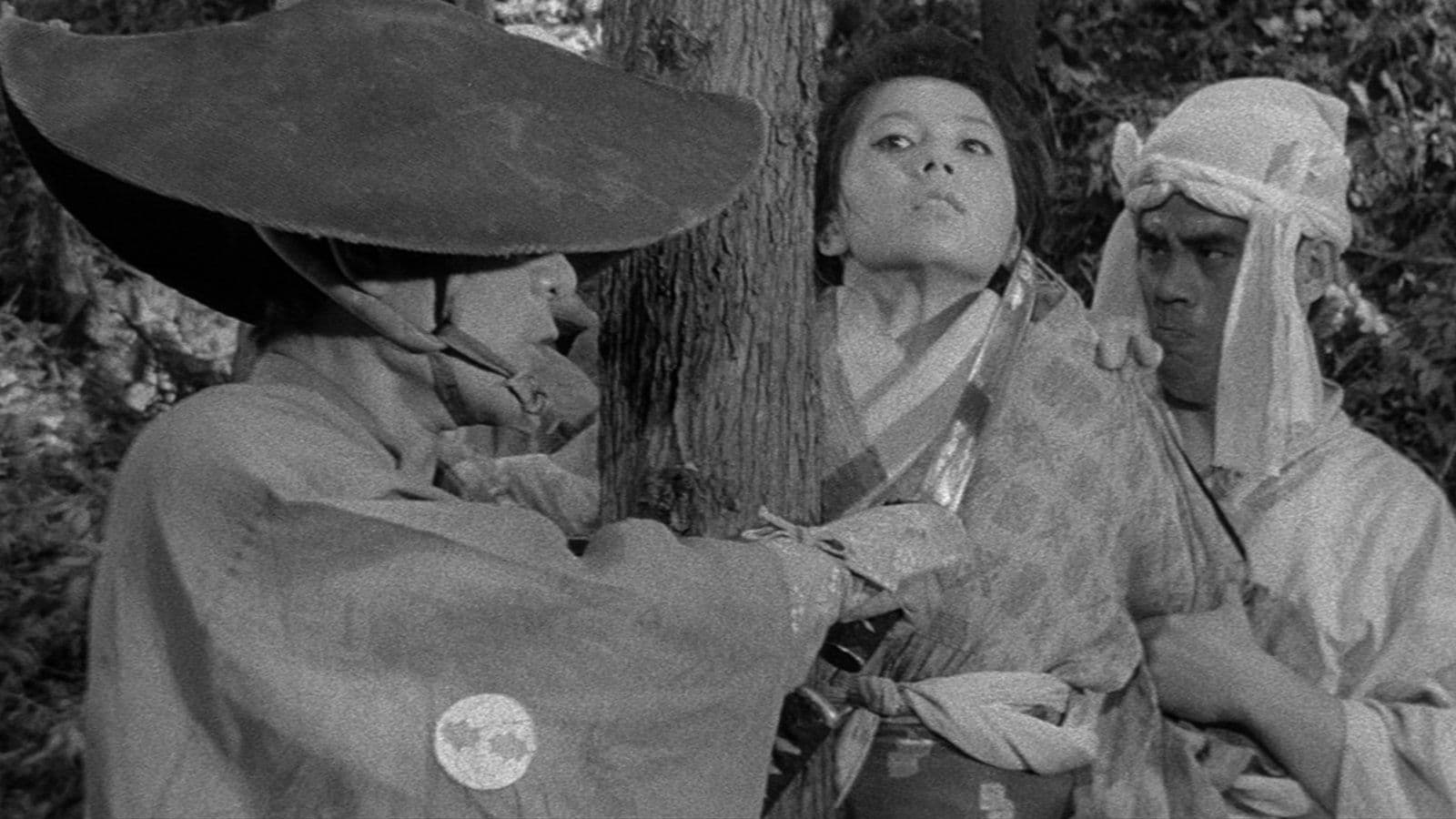
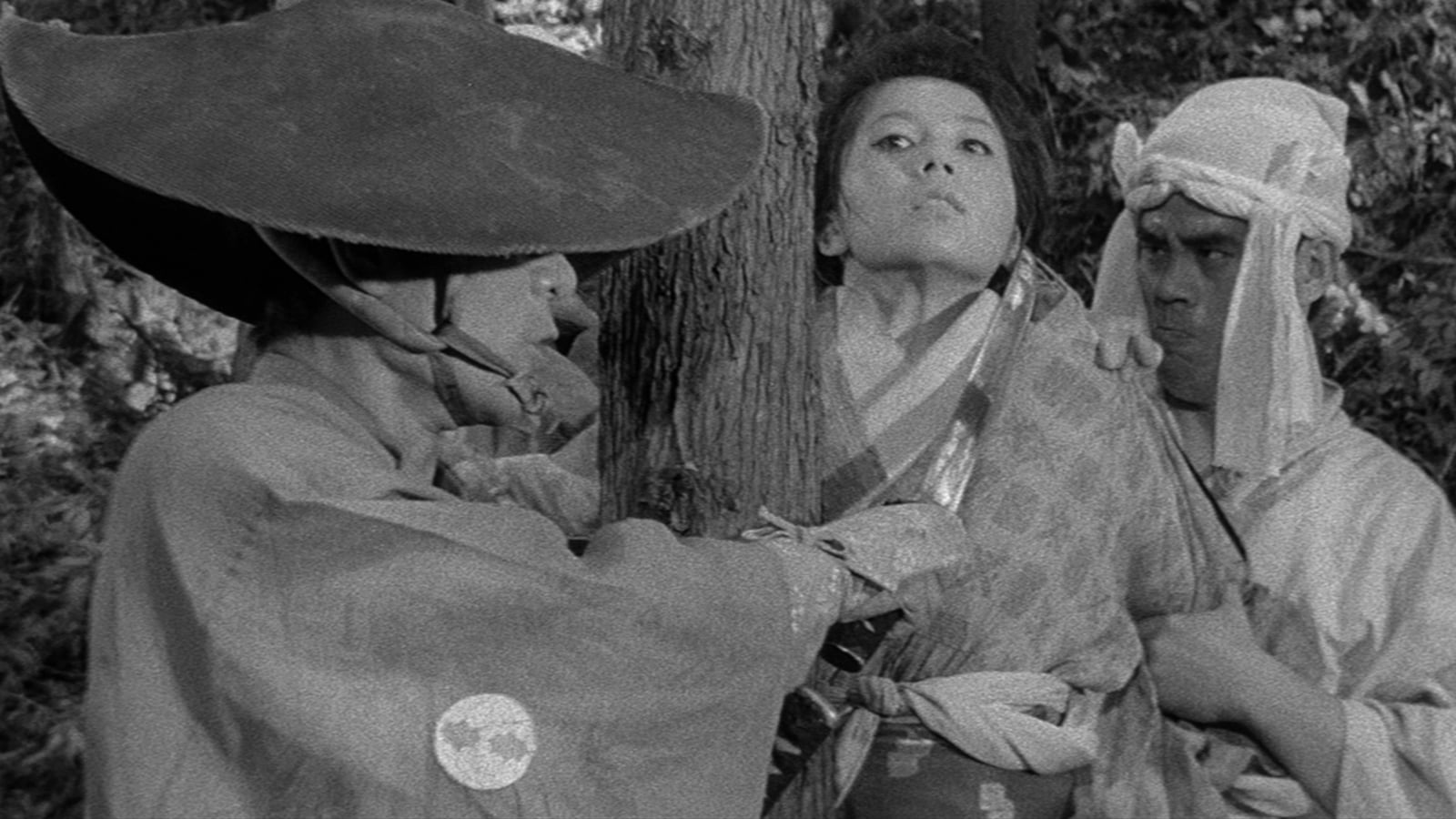
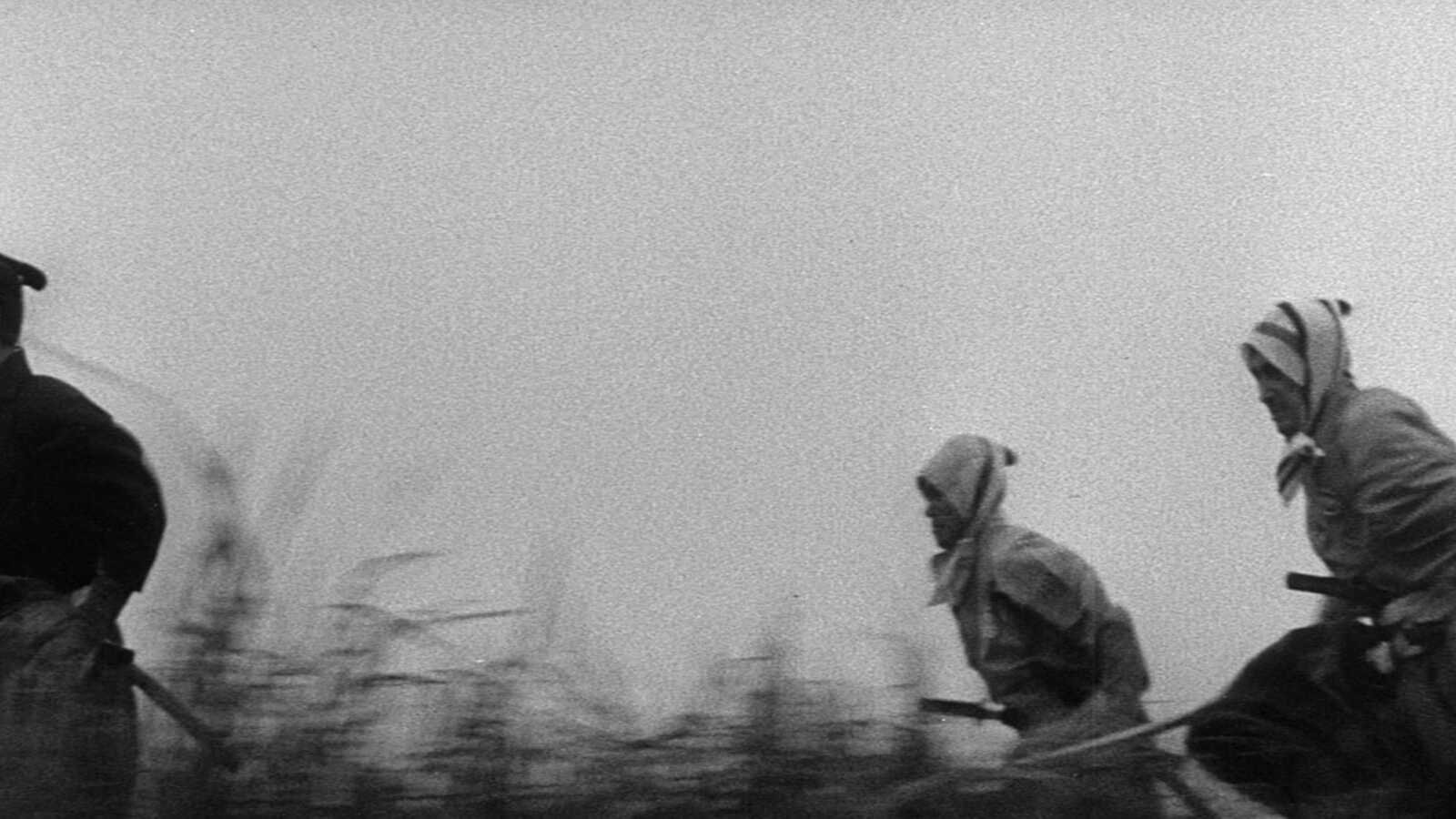
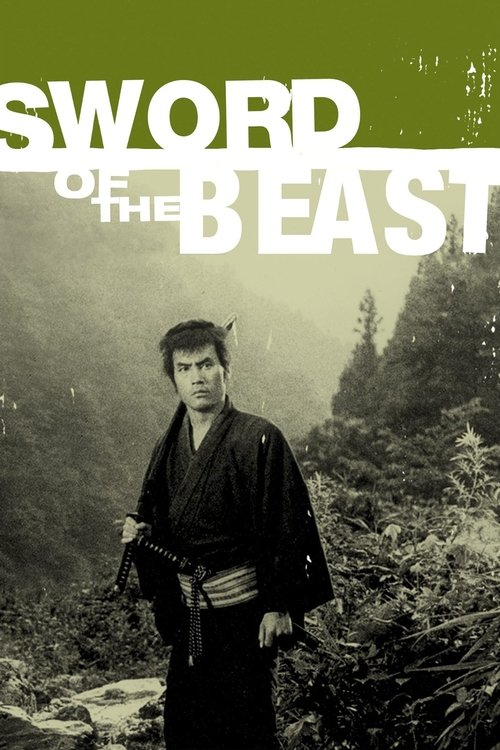
The film offers a pessimistic lens through which atavistic concepts such as the samurai code and the good of the clan are criticized. The abuse of power, set here in the year 1857, feels as fresh as anything set in the present day. Classism and abuse of power aren’t new concepts in the history of man. Sword of the Beast offers a compact story about such abuses and how the little guy always gets the shaft. Another timeless theme is the pursuit of wealth as a means of escape.
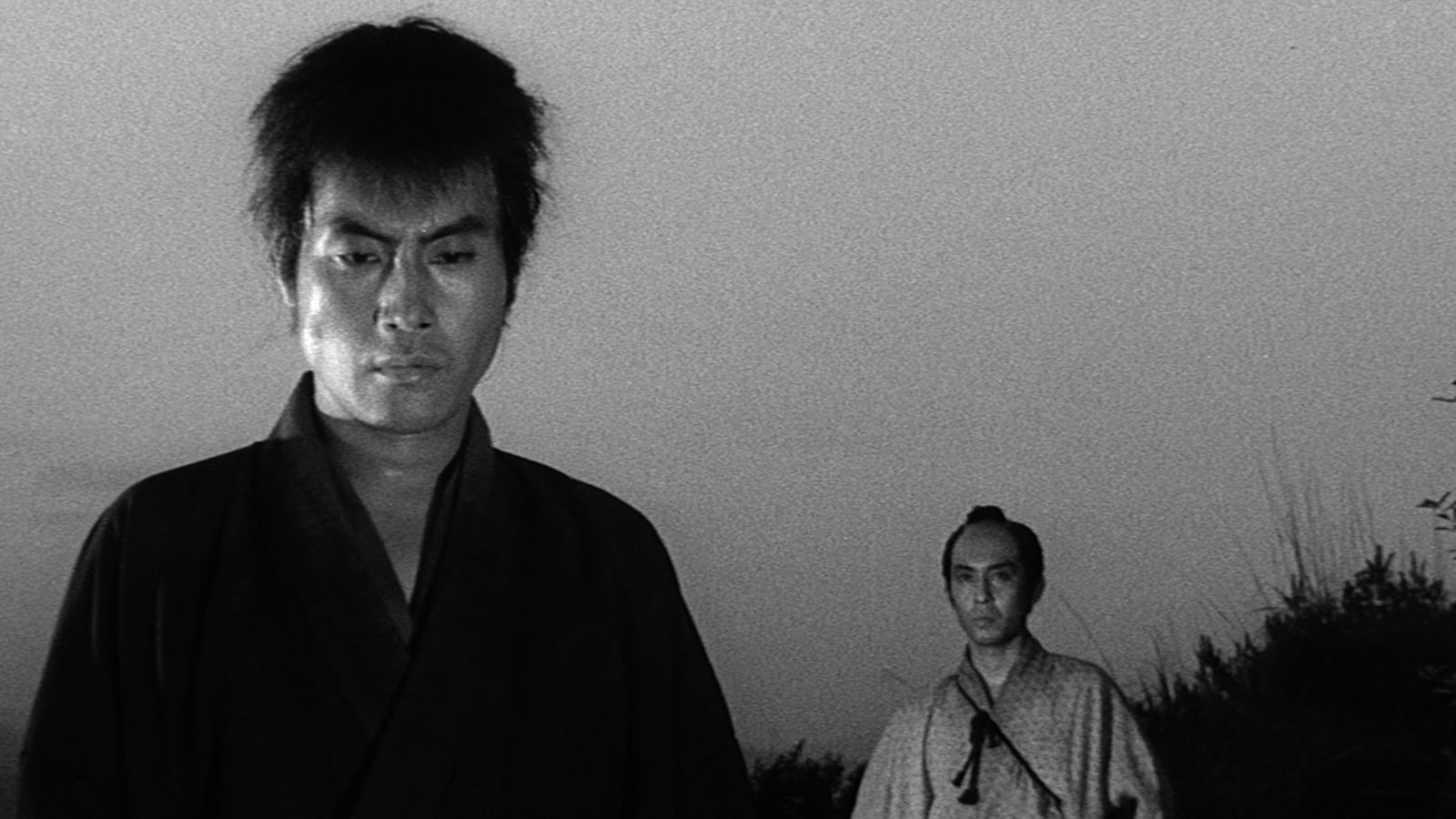
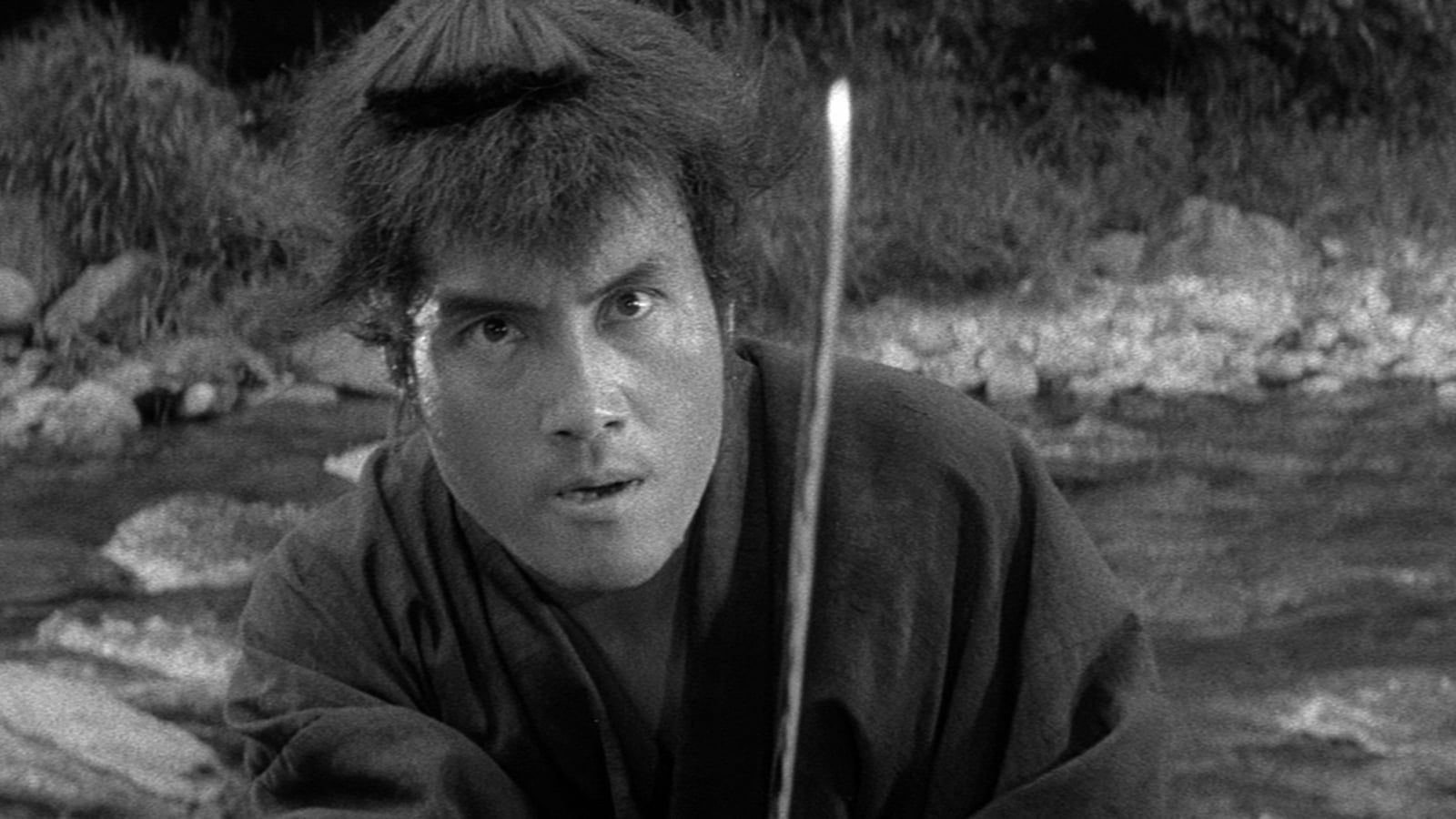
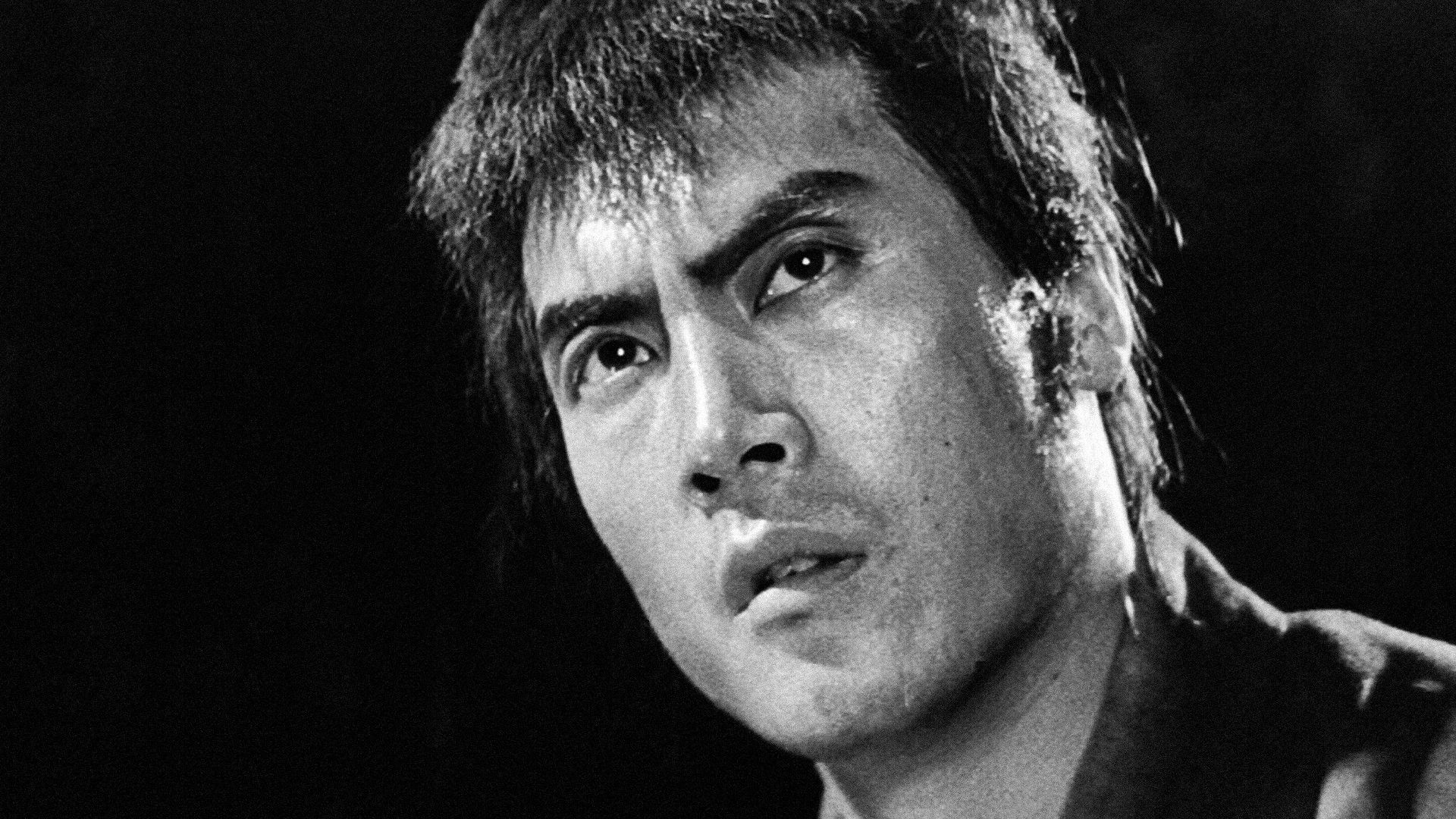
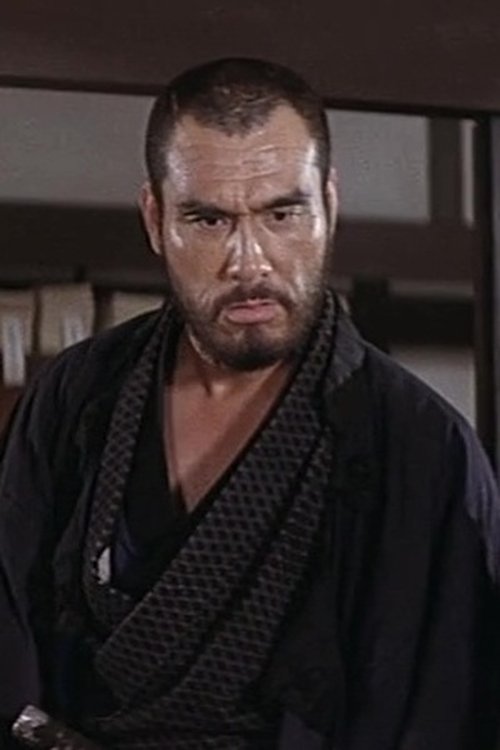
Mikijiro Hira plays a runaway ronin extremely well. Introductory scenes show his meticulous calculations. When he enters a supposed safe haven, he goes beyond basic inspection. He measures things like the way his sword slashes fit in the room and the height of the ceiling. His command of the sword and tempo of movement highlight each action scene, whether it’s a closed or open space.
I think Hideo Gosha thinly builds Hira’s Gennosuke. The explanations for his character are a bit sparse, but Hira commands enough presence to compensate. There are just enough lines to build a solid foundation that eliminates distracting ambiguity. The movie wisely introduces a fellow samurai-in-isolation in Yamane which is the real key to explaining Gennosuke. The mirroring of the characters’ arcs is a nice touch that allows us to implicitly understand Gennosuke better.
I wish the movie went even harder on the themes of what it means to be a “beast.” That’s not to say the film doesn’t address it. In fact, there are quite a few lines discussing this. But this aspect of the conversation and especially what it means to the characters was so interesting, I found myself wanting more. Gennosuke has some memorable lines, “This wolf has sharp teeth.” With dialogue like that, I can’t help but want more.
The film offers a pessimistic lens through which atavistic concepts such as the samurai code and the good of the clan are criticized. The abuse of power, set here in the year 1857, feels as fresh as anything set in the present day. Classism and abuse of power aren’t new concepts in the history of man. Sword of the Beast offers a compact story about such abuses and how the little guy always gets the shaft. Another timeless theme is the pursuit of wealth as a means of escape.
Mikijiro Hira plays a runaway ronin extremely well. Introductory scenes show his meticulous calculations. When he enters a supposed safe haven, he goes beyond basic inspection. He measures things like the way his sword slashes fit in the room and the height of the ceiling. His command of the sword and tempo of movement highlight each action scene, whether it’s a closed or open space.
I think Hideo Gosha thinly builds Hira’s Gennosuke. The explanations for his character are a bit sparse, but Hira commands enough presence to compensate. There are just enough lines to build a solid foundation that eliminates distracting ambiguity. The movie wisely introduces a fellow samurai-in-isolation in Yamane which is the real key to explaining Gennosuke. The mirroring of the characters’ arcs is a nice touch that allows us to implicitly understand Gennosuke better.
I wish the movie went even harder on the themes of what it means to be a “beast.” That’s not to say the film doesn’t address it. In fact, there are quite a few lines discussing this. But this aspect of the conversation and especially what it means to the characters was so interesting, I found myself wanting more. Gennosuke has some memorable lines, “This wolf has sharp teeth.” With dialogue like that, I can’t help but want more.