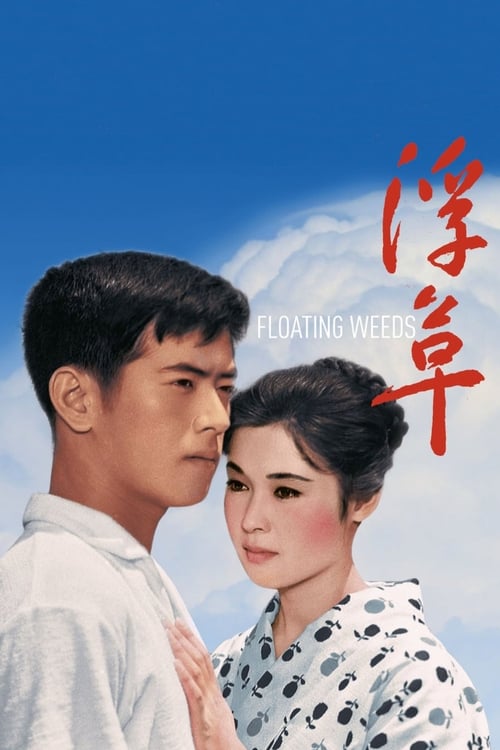
This is my second Ozu film, and just like Tokyo Story, I watched this in a theater, and just like Tokyo Story, it was peak.
Ozu might have become one of my favorite directors, although that’s a bold claim since I’ve only seen two of his films. But both of them capture life, life in such a real, human, and humane way. He doesn’t force anything on us. He doesn’t try to make us feel or believe something specific, he simply puts it on the table, and it’s up to us to decide, whether consciously or not, what we think and feel.
Watching Floating Weeds is like watching life unfold. I saw it with two of my friends, and one of them had never seen anything like it, not even a foreign film. When we walked out of the theater, he said it was interesting but not very exciting, or “spennende” as we say in Norwegian. That made me think, maybe that’s the point. Life itself isn’t always exciting or filled with action, and Ozu seems to embrace and understand that. He shows life as it is, and he does it beautifully, in a real and humane way.
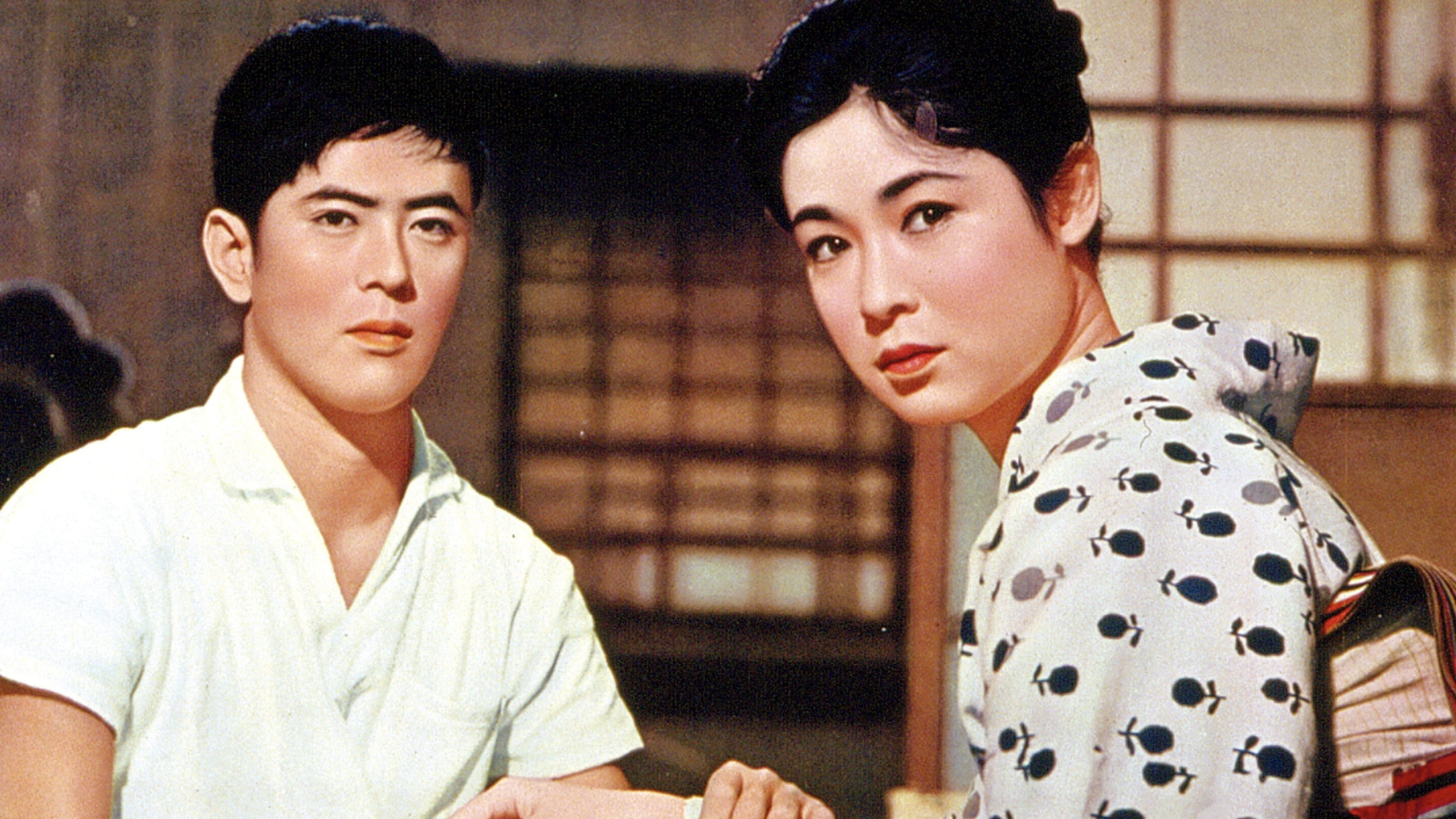
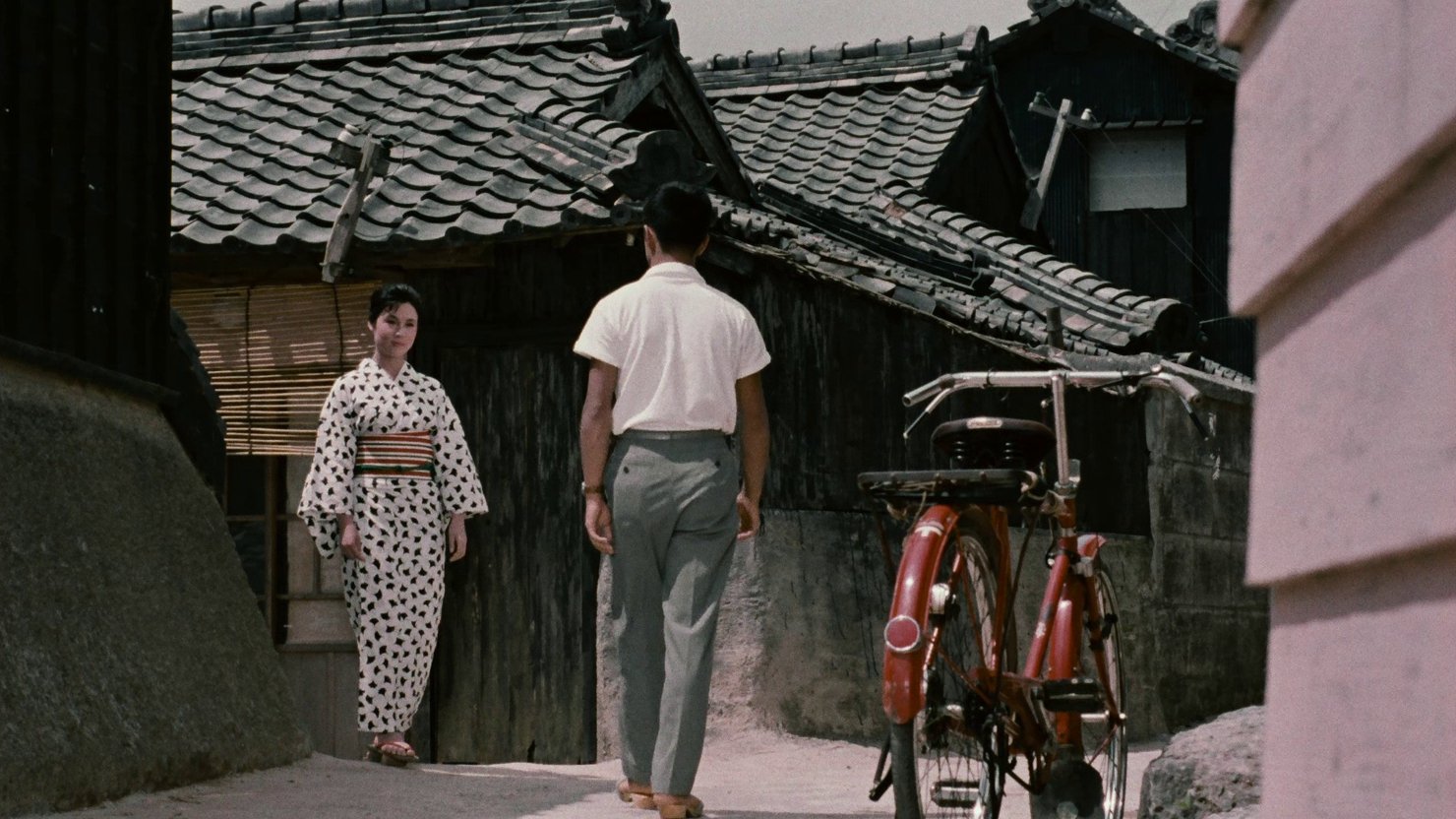
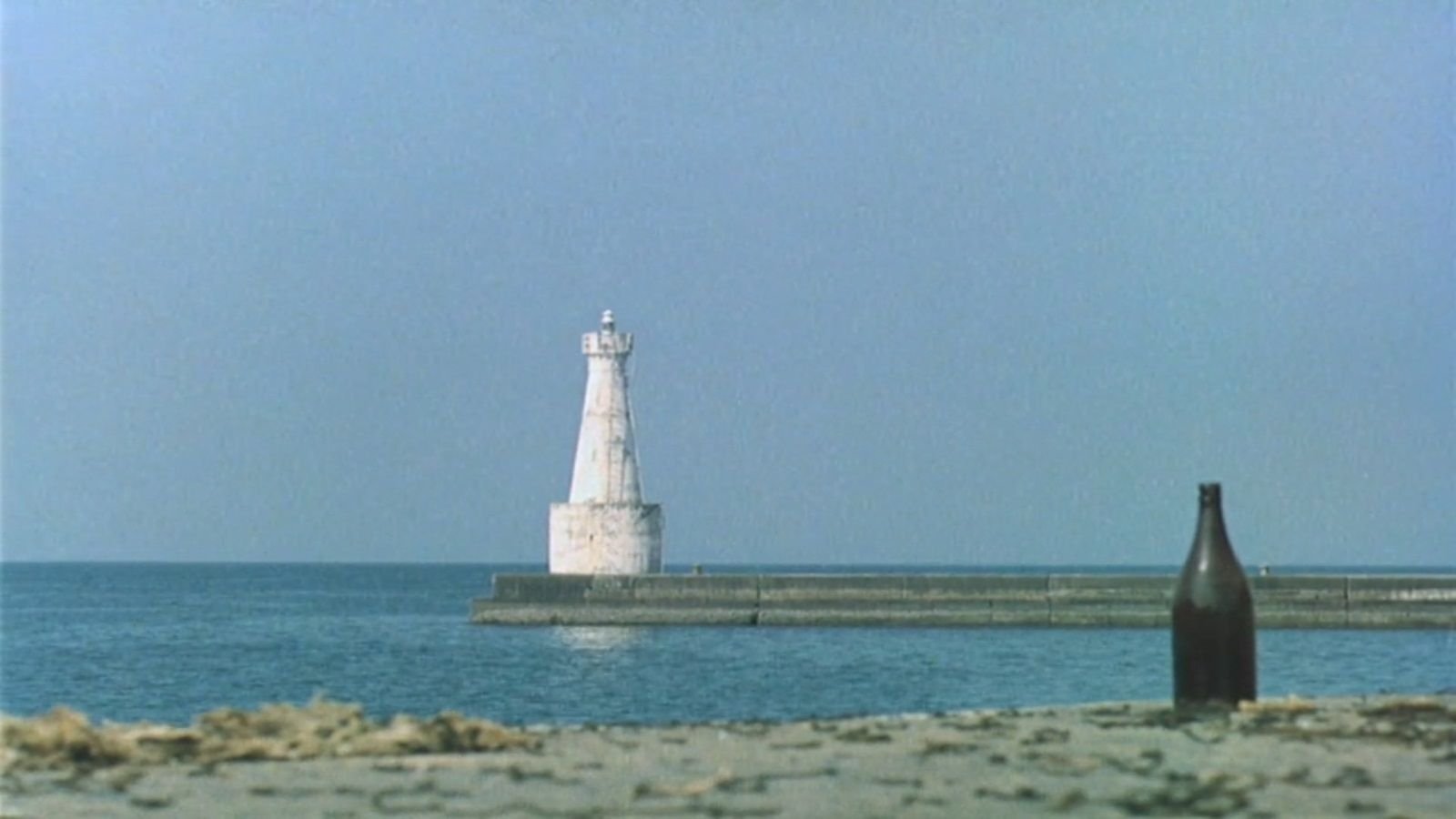
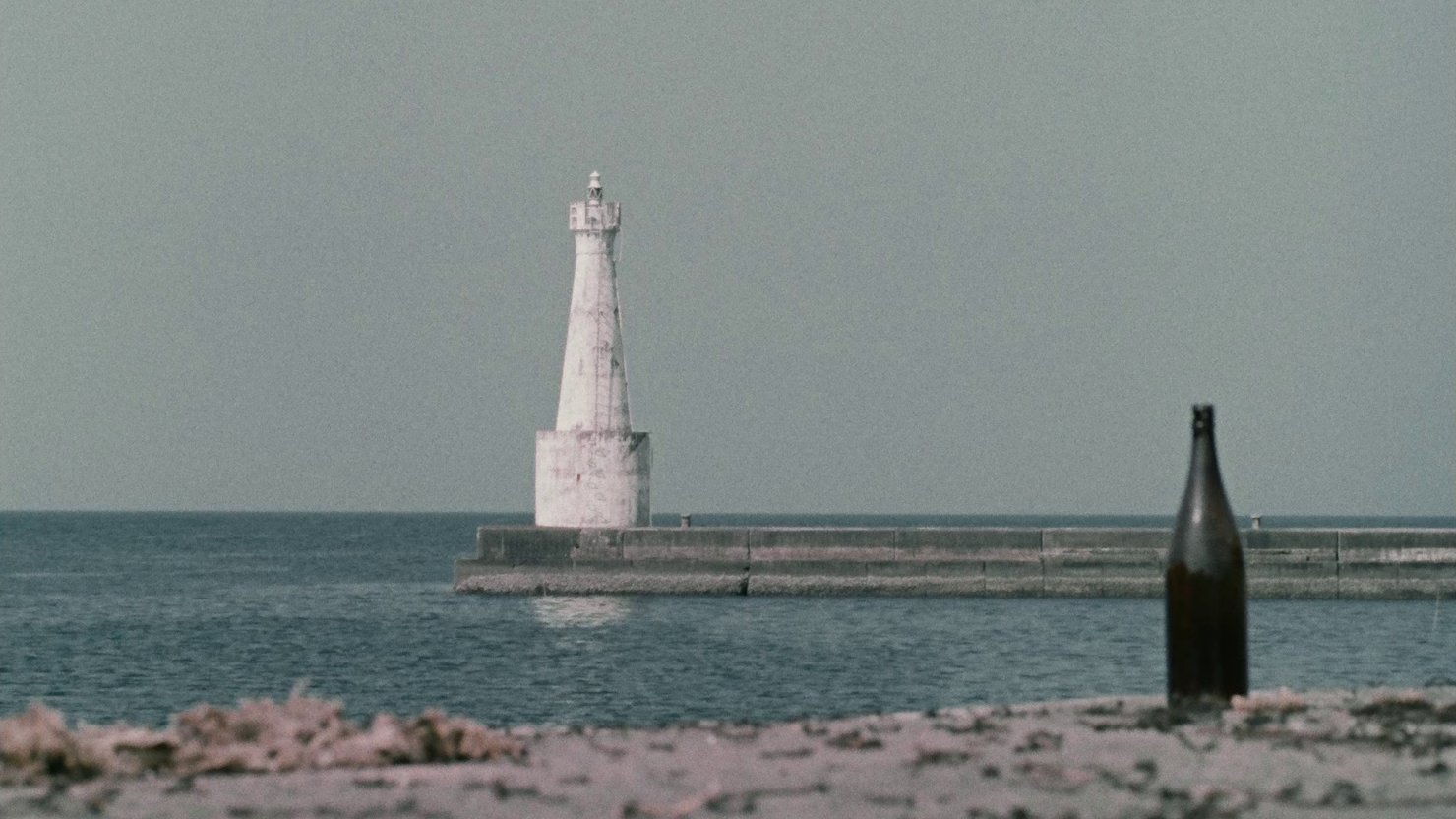
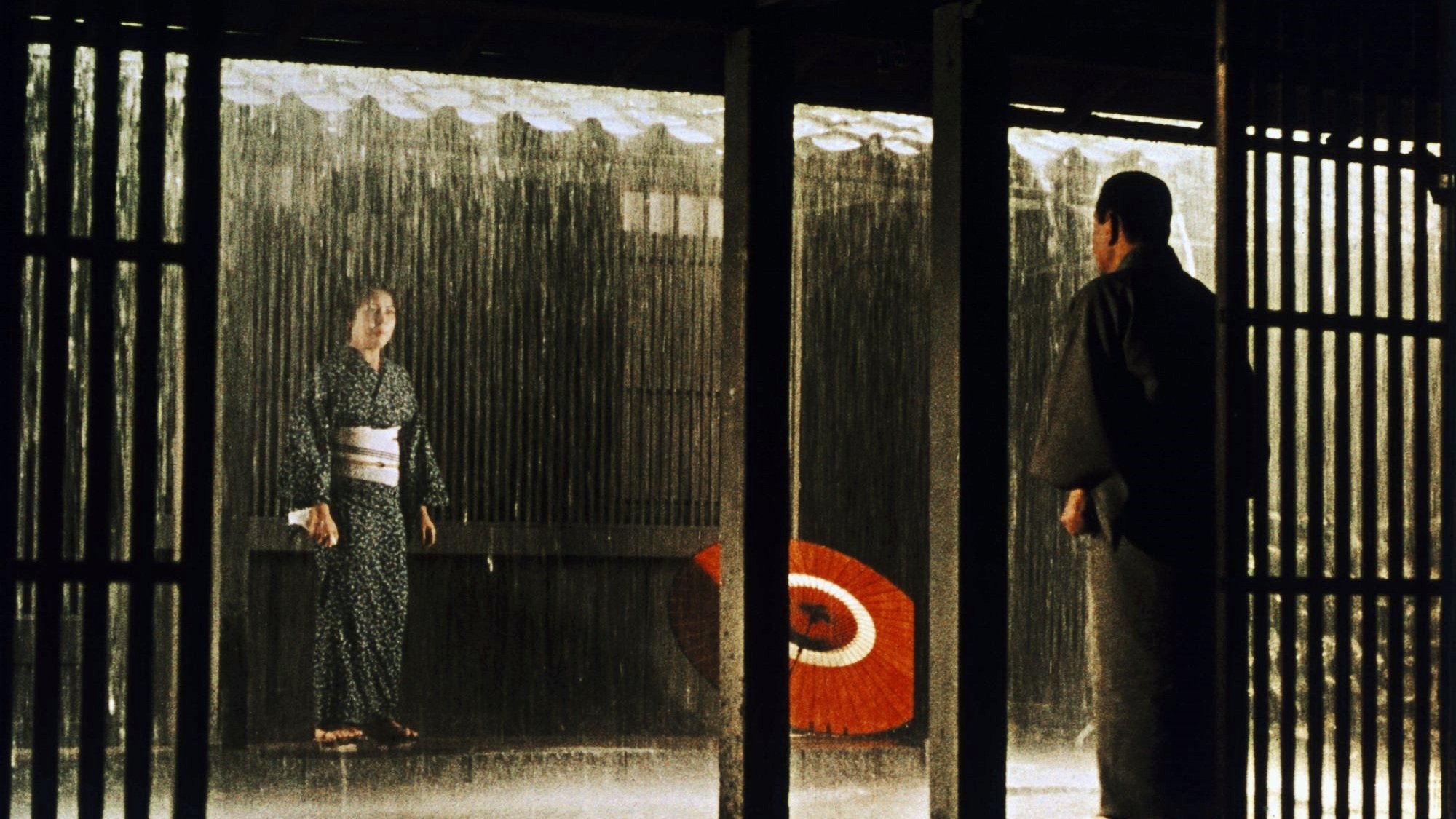
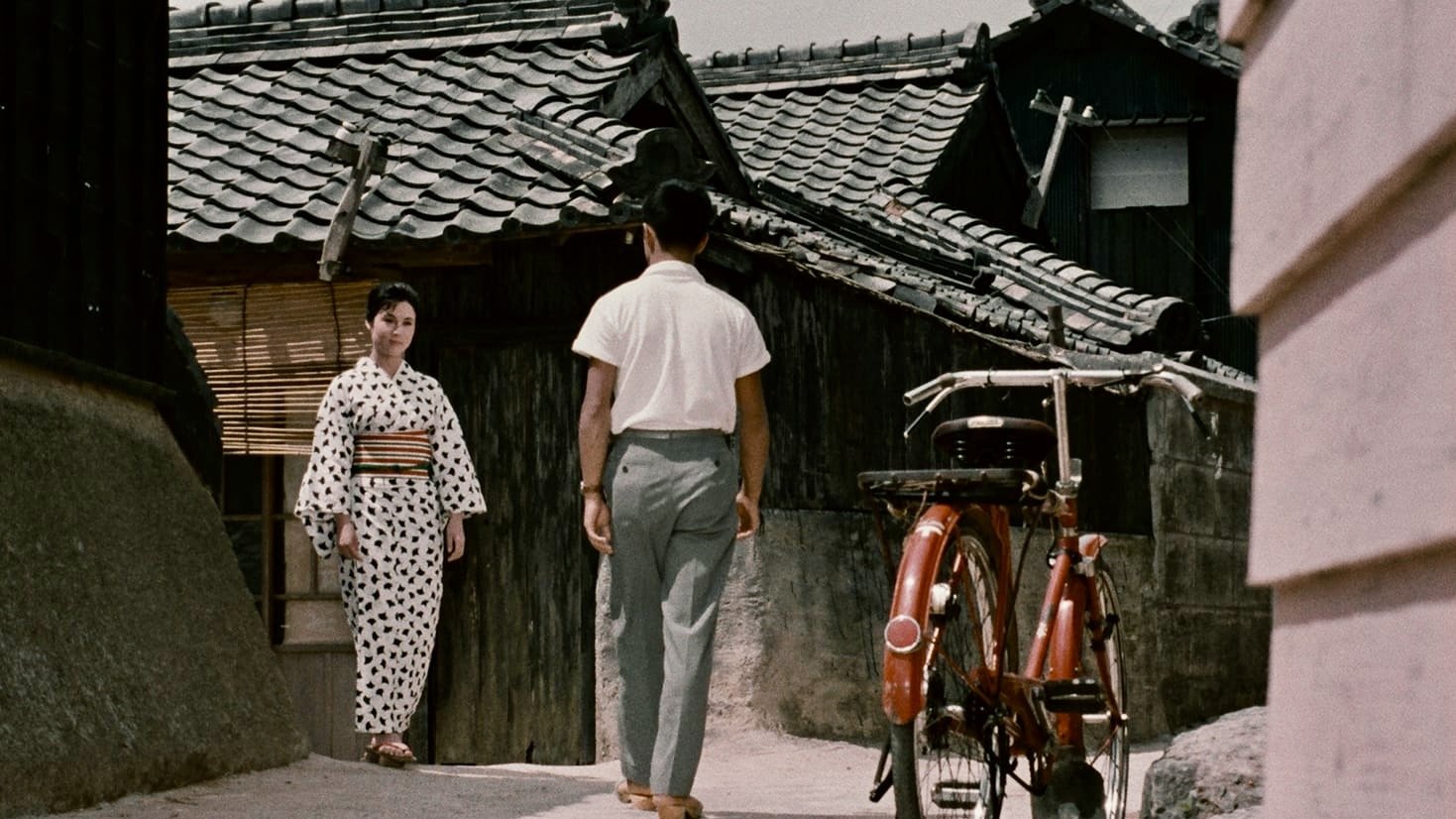
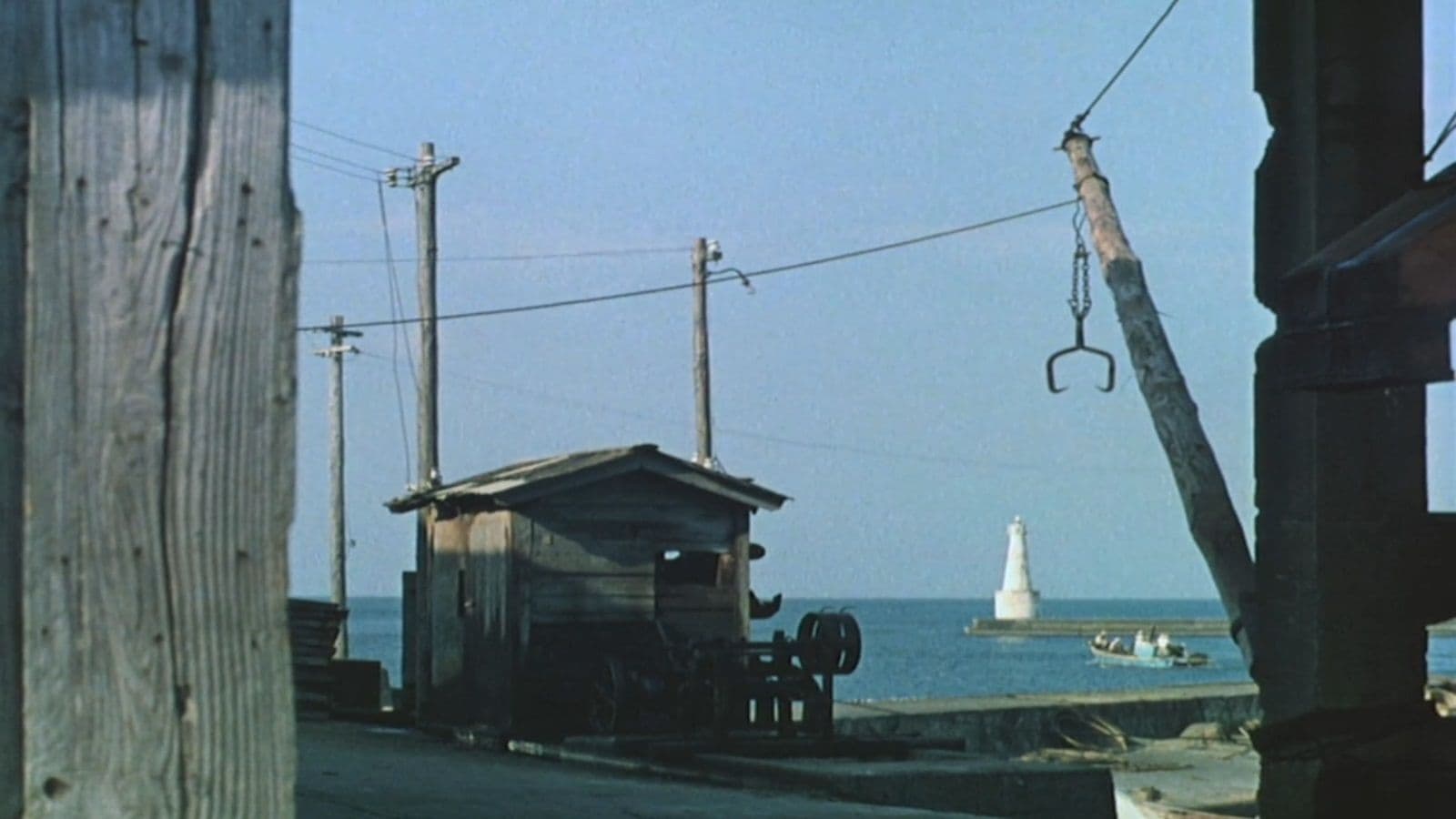
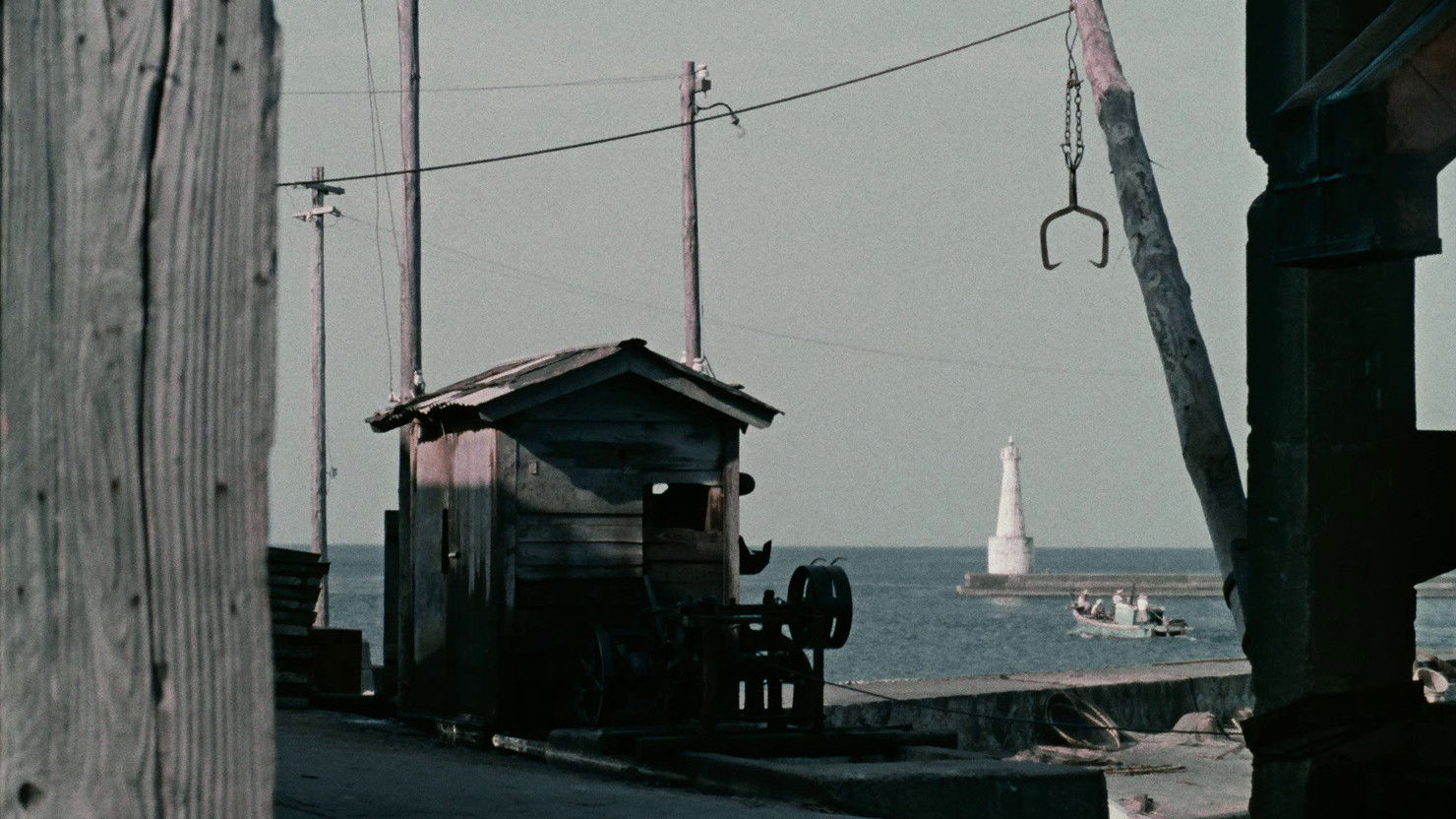
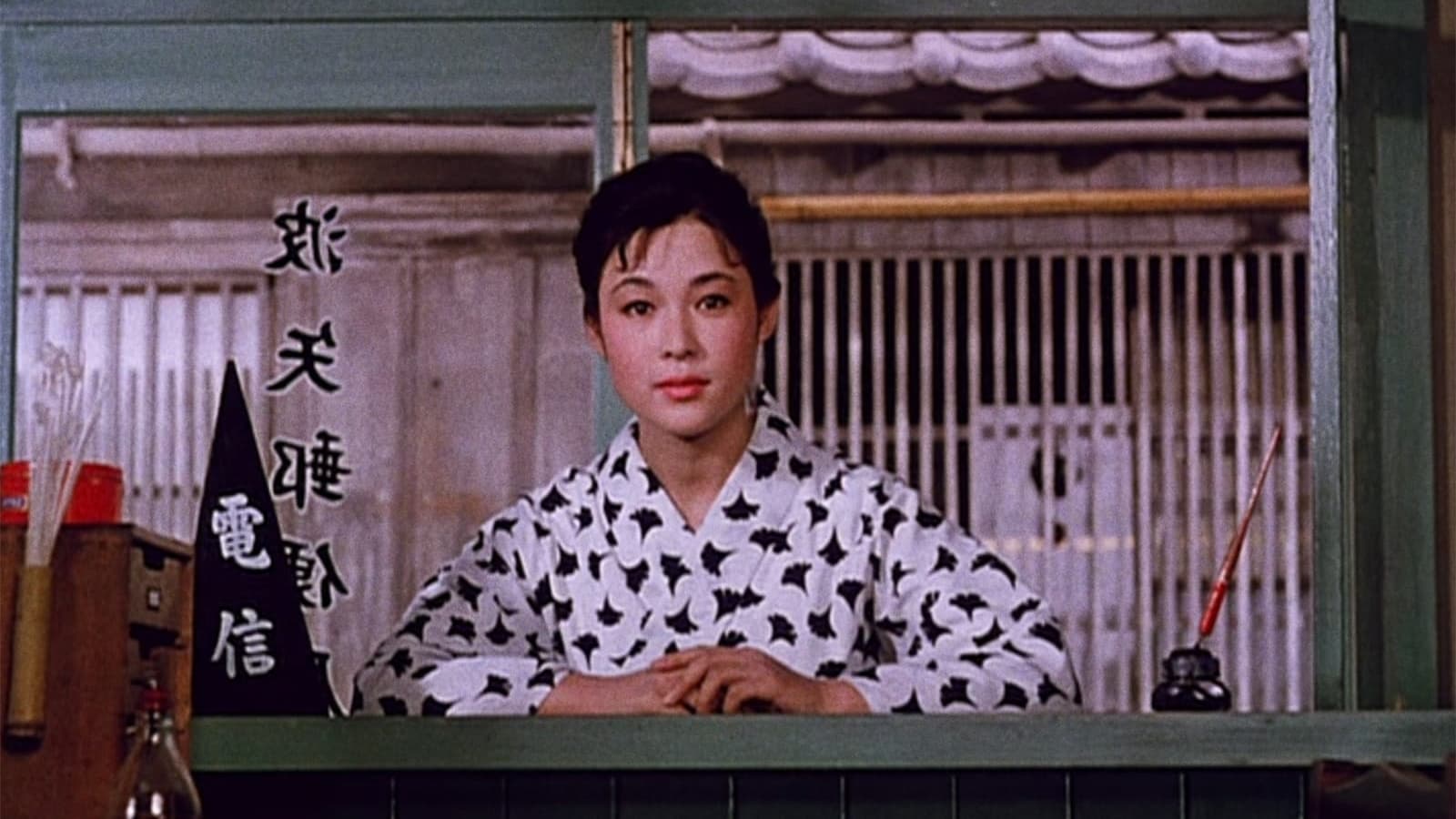
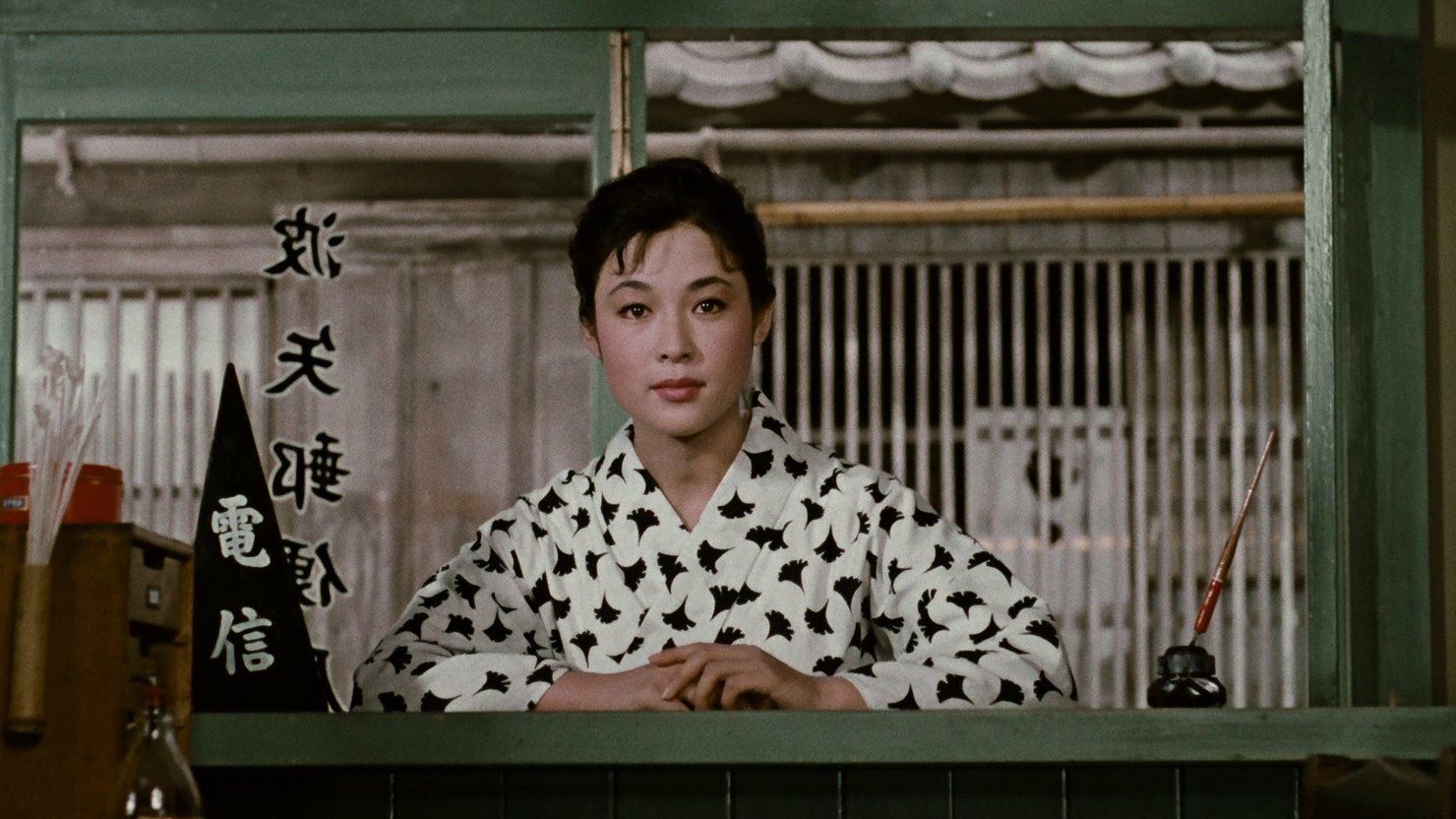
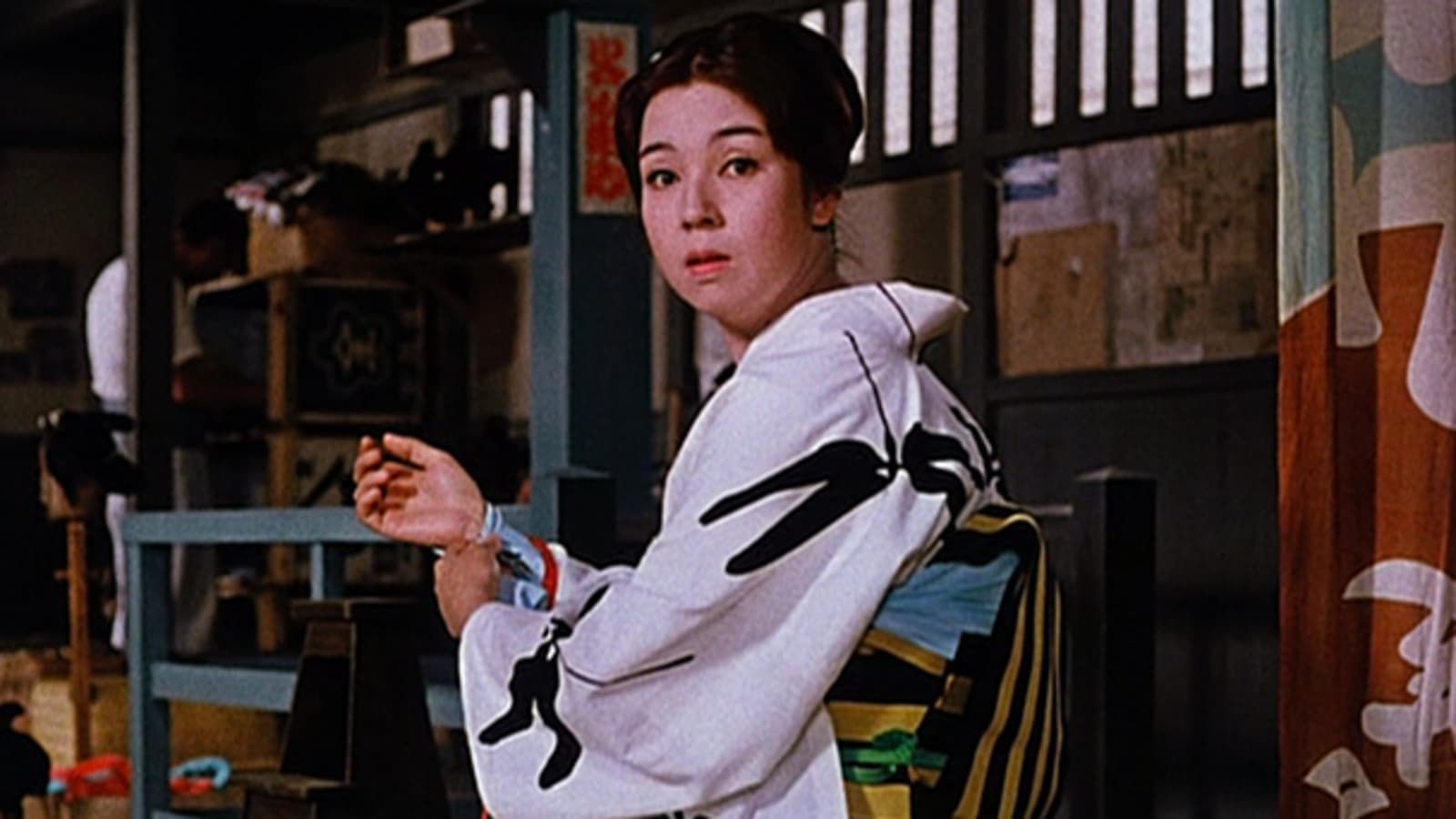
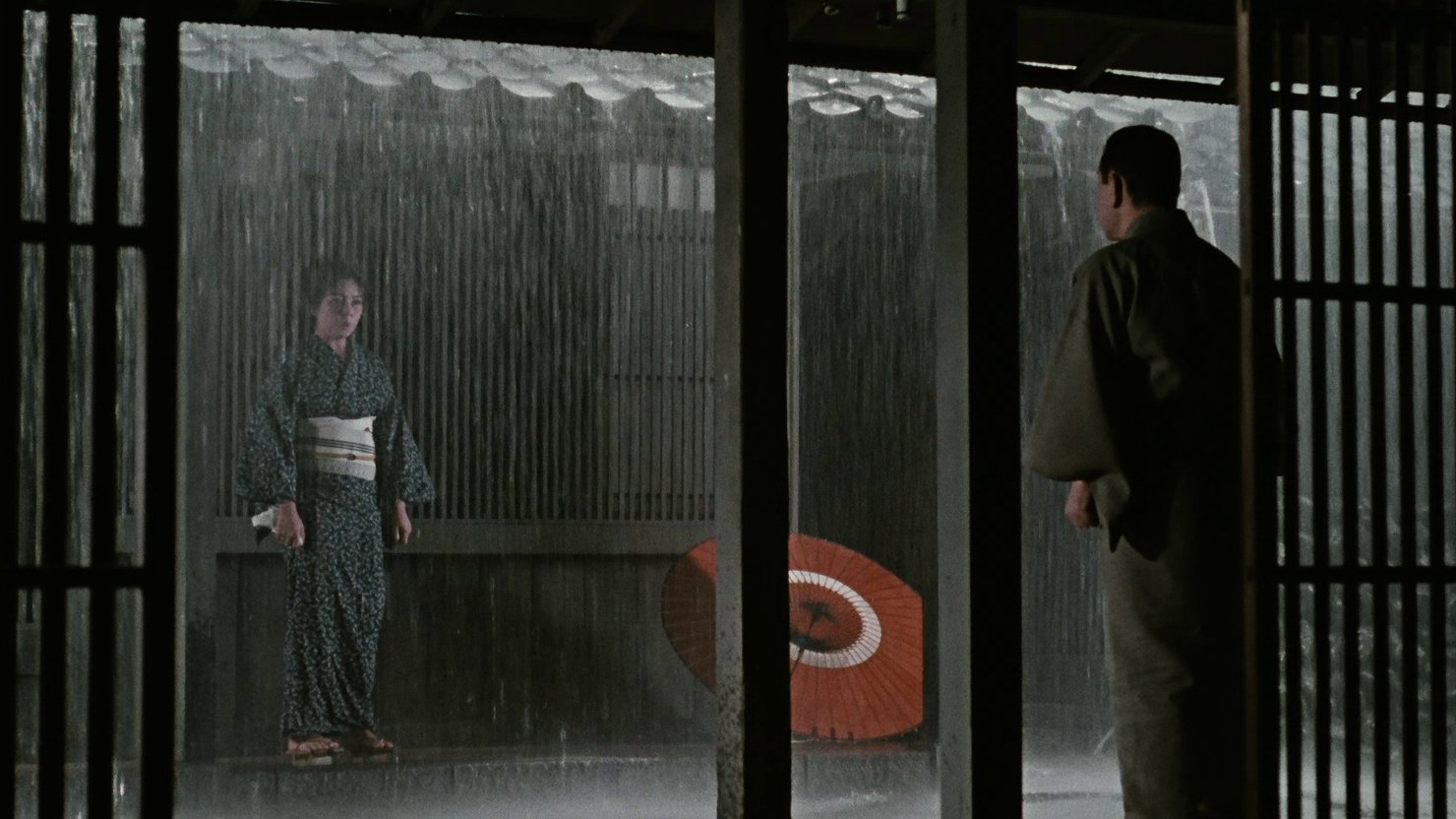
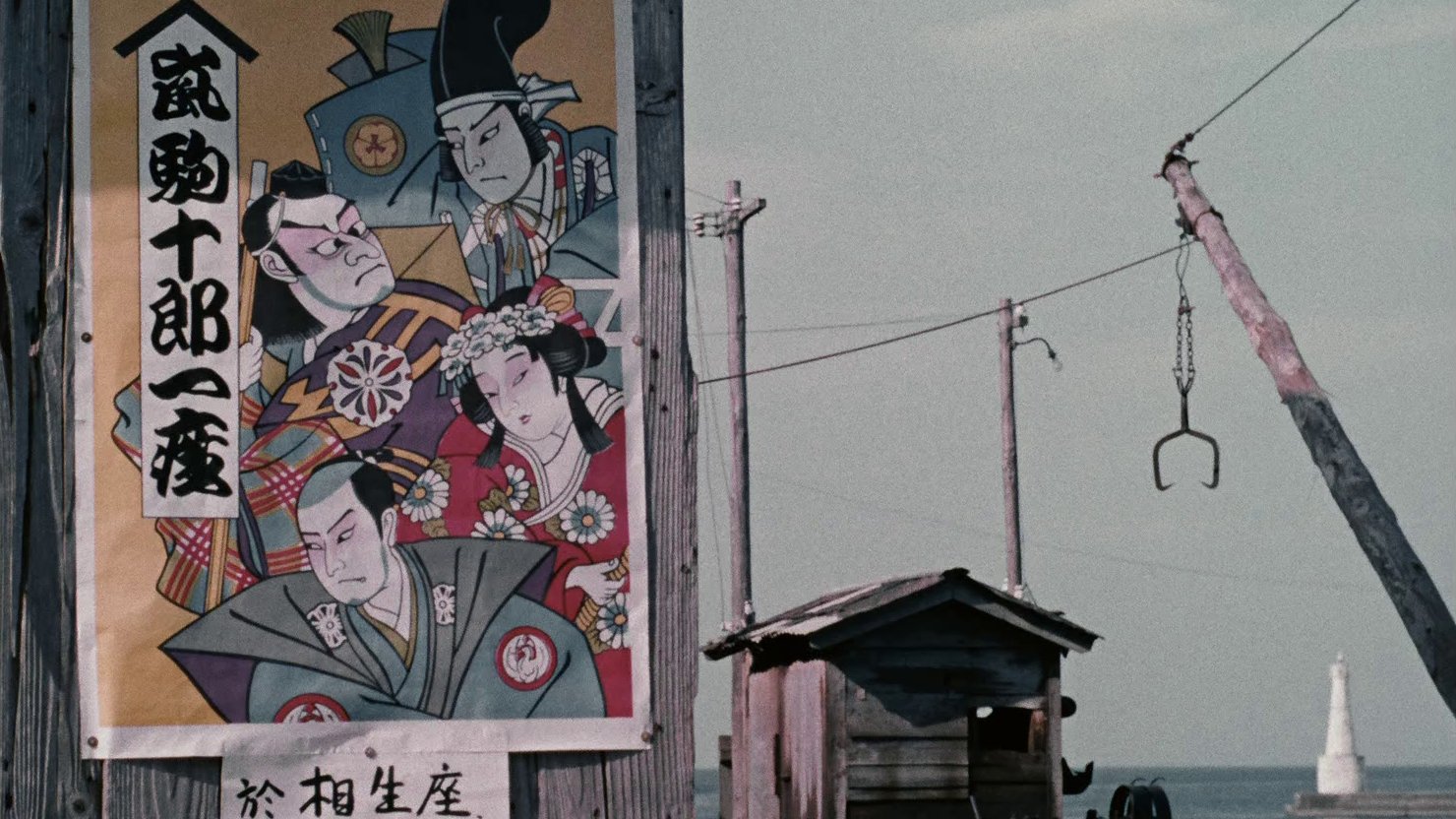
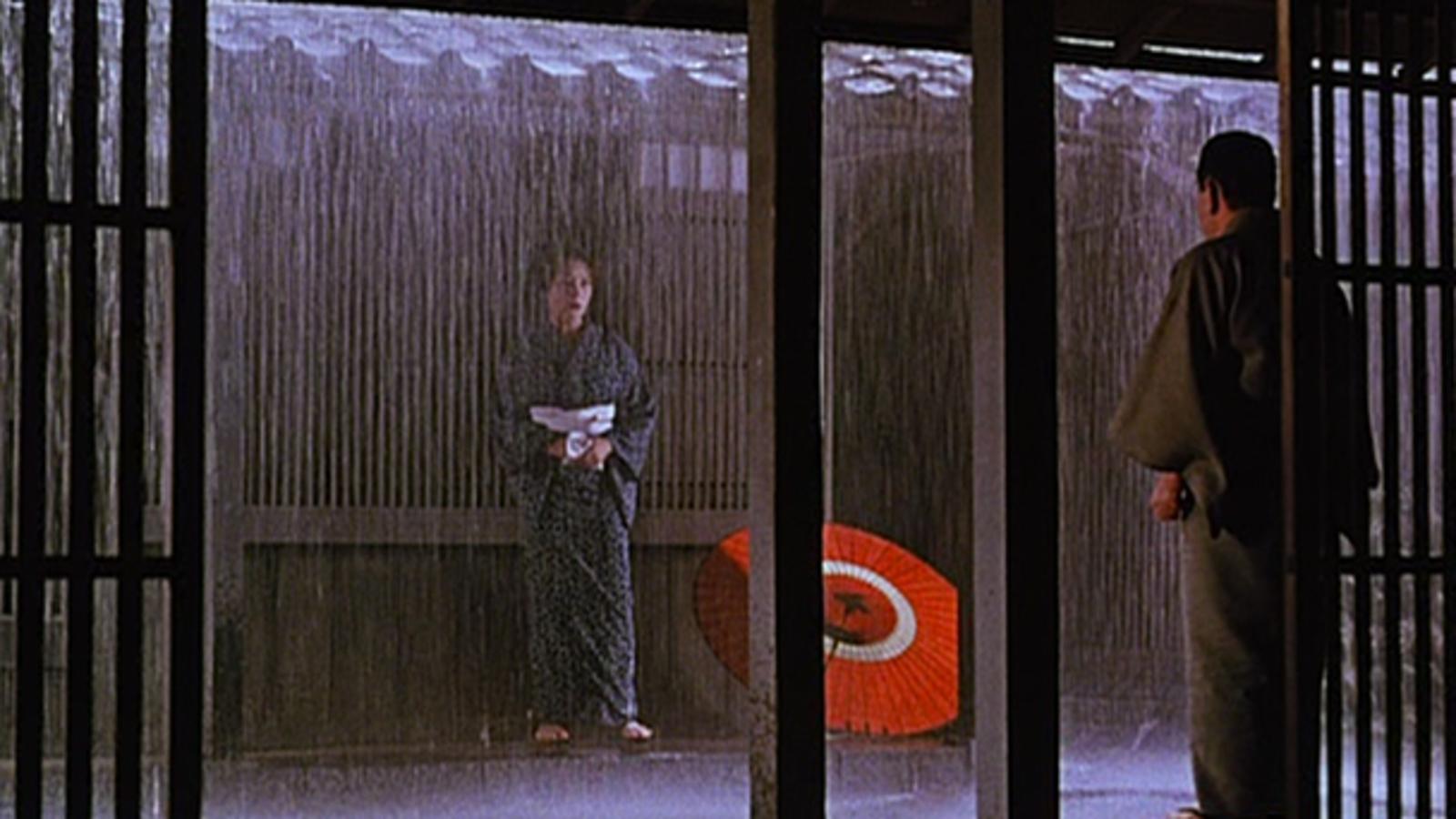
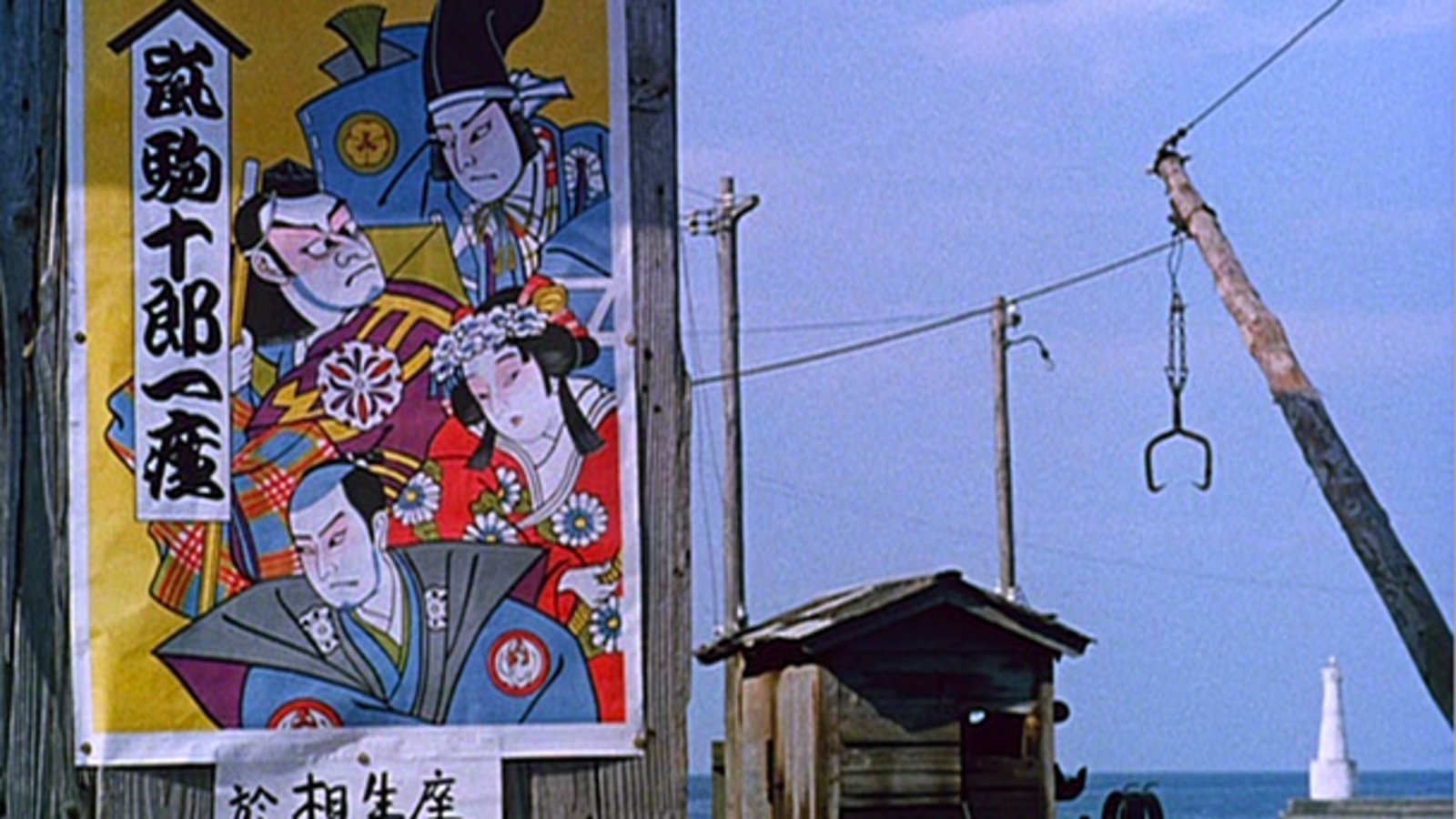
Floating Weeds gives us a lot to think about. To me, it asks questions, questions like what should you do with your life? Should you follow love, spend time with your family, pursue a career, live in the moment, or think about the future? Whatever you choose, time always moves forward, whether you like it or not. The film also shows the beauty of life, both in how we can choose our own path and in its profound visual elements. It’s one of the most visually beautiful films I’ve ever seen.
We see both the beauty and the ugliness of humanity, bad decisions, violence, but also flowers, beautiful streets, quiet moments. Maybe Ozu is showing us the contrast between good and bad, beauty and ugliness, terrible and wonderful moments, the full spectrum of life, life itself.
There’s so much more I could say about this film, its symbolism, its simplicity, its humanity. It’s complex yet deeply real and simple, like us, like life itself.
I’ll need to rewatch it, and maybe I’ll see new things next time. But I think I’ll still feel the same, this film is amazing. Ozu is a genius, a master of humanistic cinema and cinema in general. Absolutely incredible. An insanely profound piece of cinema, an insanely profound piece of art. 5/5⭐️
This is my second Ozu film, and just like Tokyo Story, I watched this in a theater, and just like Tokyo Story, it was peak.
Ozu might have become one of my favorite directors, although that’s a bold claim since I’ve only seen two of his films. But both of them capture life, life in such a real, human, and humane way. He doesn’t force anything on us. He doesn’t try to make us feel or believe something specific, he simply puts it on the table, and it’s up to us to decide, whether consciously or not, what we think and feel.
Watching Floating Weeds is like watching life unfold. I saw it with two of my friends, and one of them had never seen anything like it, not even a foreign film. When we walked out of the theater, he said it was interesting but not very exciting, or “spennende” as we say in Norwegian. That made me think, maybe that’s the point. Life itself isn’t always exciting or filled with action, and Ozu seems to embrace and understand that. He shows life as it is, and he does it beautifully, in a real and humane way.
Floating Weeds gives us a lot to think about. To me, it asks questions, questions like what should you do with your life? Should you follow love, spend time with your family, pursue a career, live in the moment, or think about the future? Whatever you choose, time always moves forward, whether you like it or not. The film also shows the beauty of life, both in how we can choose our own path and in its profound visual elements. It’s one of the most visually beautiful films I’ve ever seen.
We see both the beauty and the ugliness of humanity, bad decisions, violence, but also flowers, beautiful streets, quiet moments. Maybe Ozu is showing us the contrast between good and bad, beauty and ugliness, terrible and wonderful moments, the full spectrum of life, life itself.
There’s so much more I could say about this film, its symbolism, its simplicity, its humanity. It’s complex yet deeply real and simple, like us, like life itself.
I’ll need to rewatch it, and maybe I’ll see new things next time. But I think I’ll still feel the same, this film is amazing. Ozu is a genius, a master of humanistic cinema and cinema in general. Absolutely incredible. An insanely profound piece of cinema, an insanely profound piece of art. 5/5⭐️