

1974·Comedy·1h 31m
7.0
★
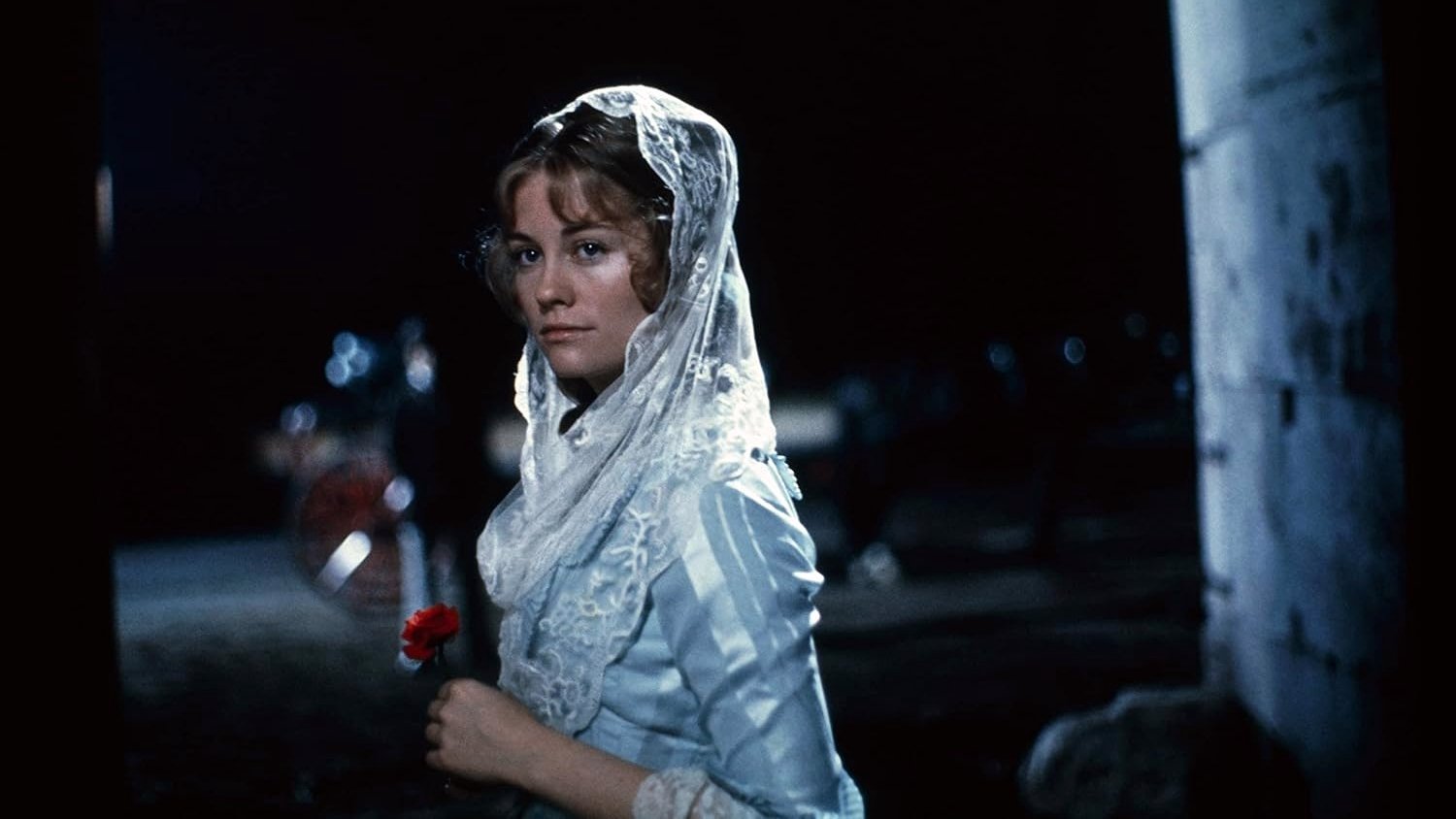
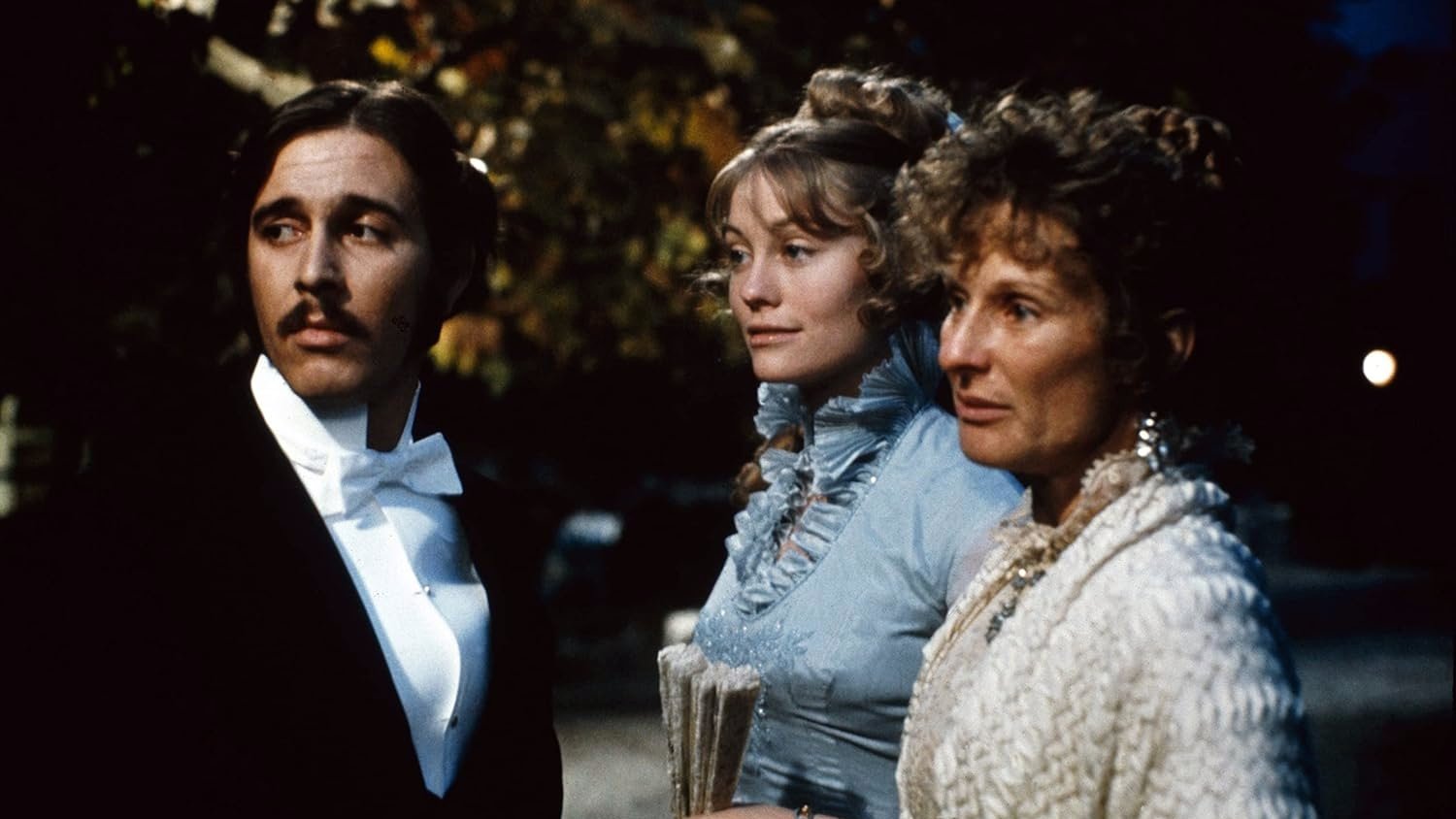
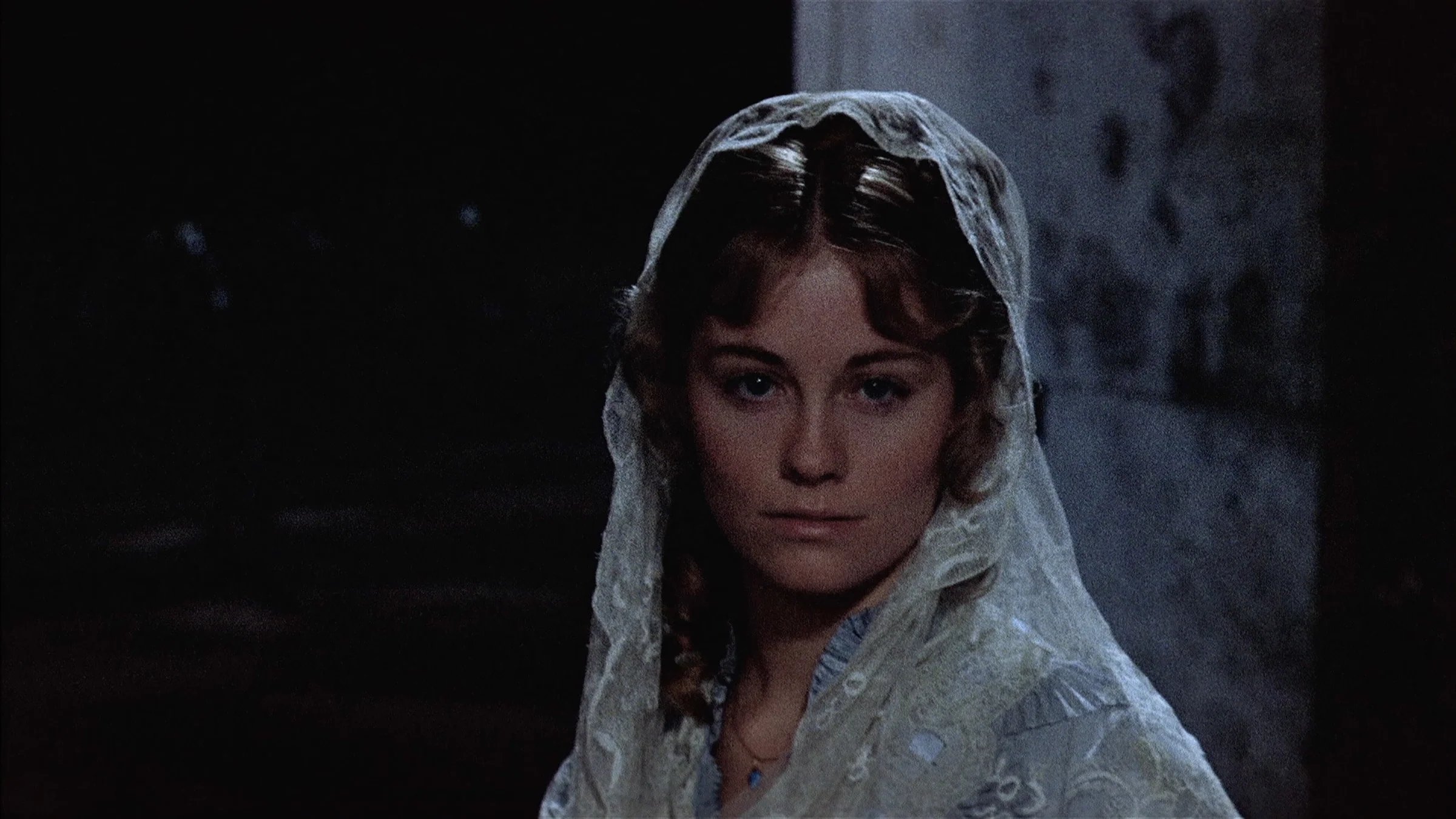
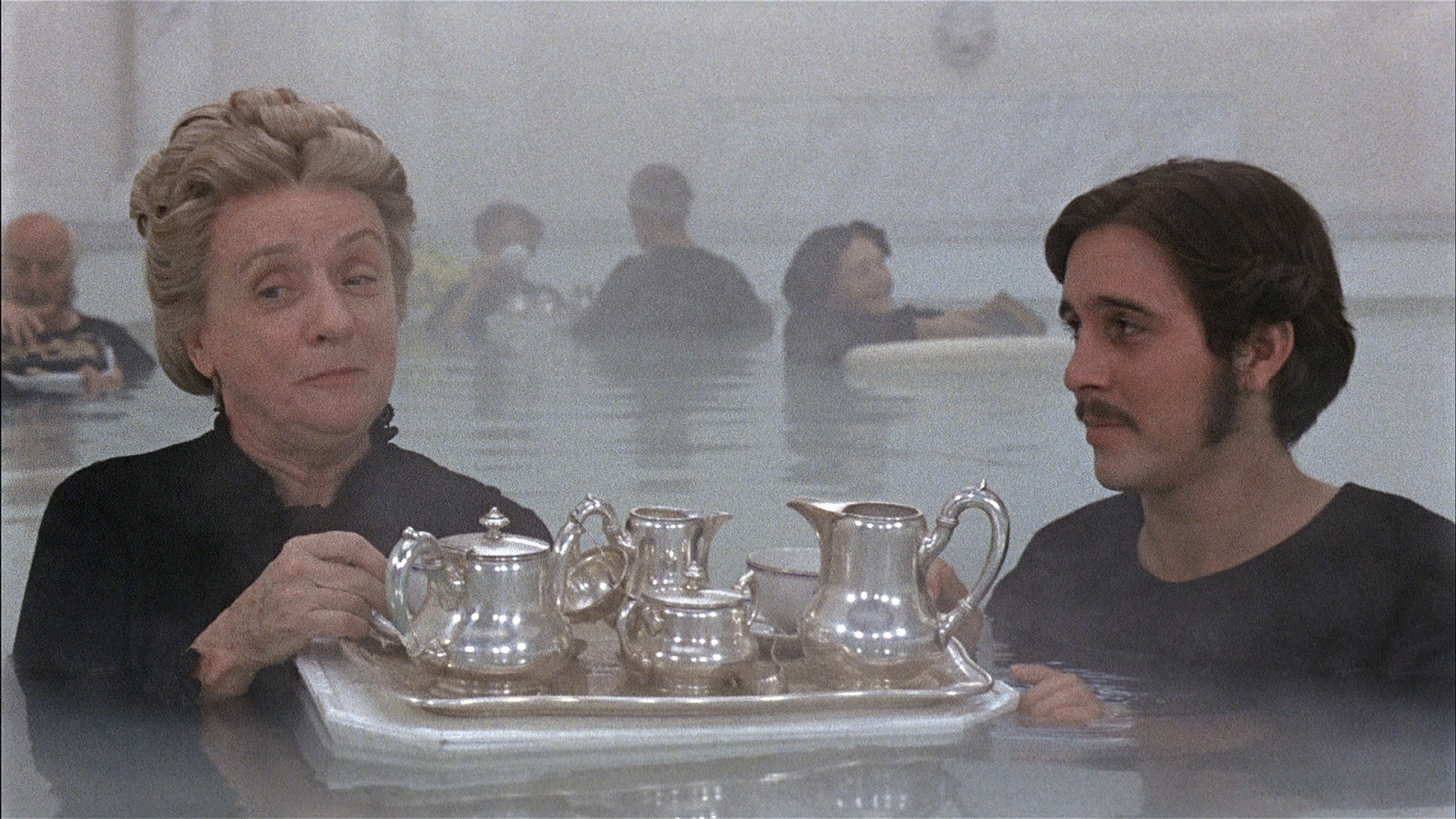
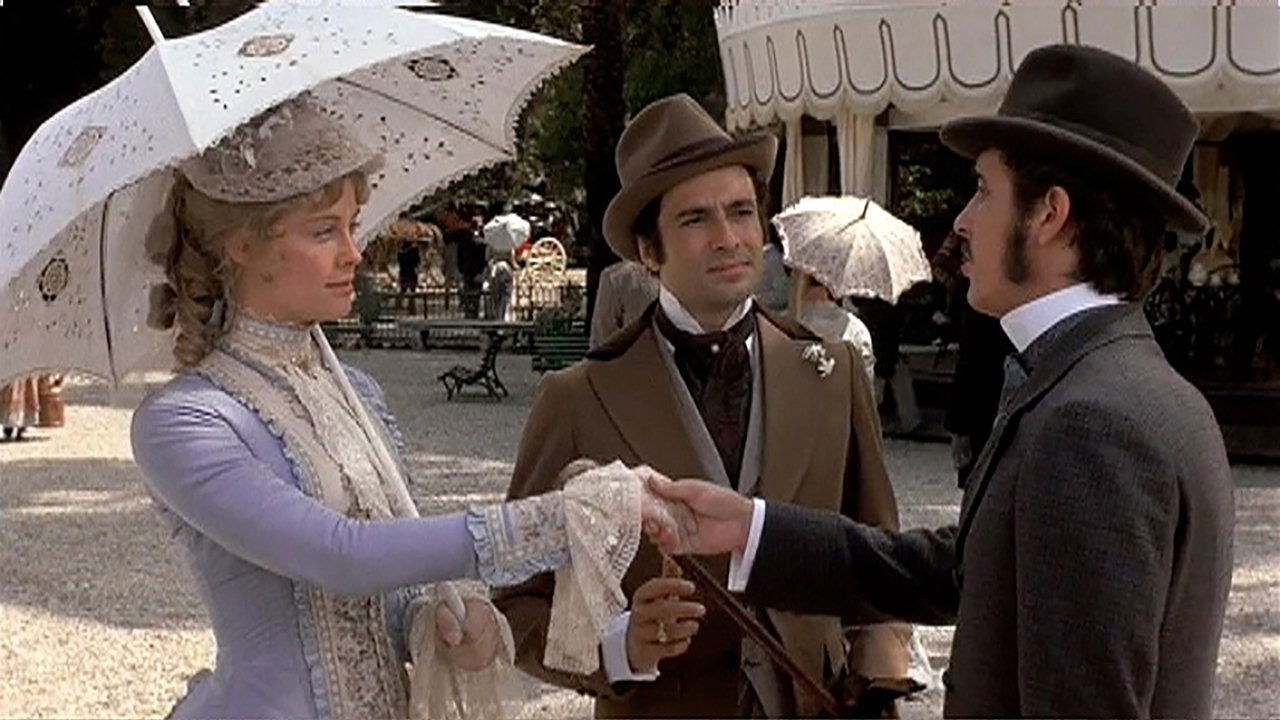
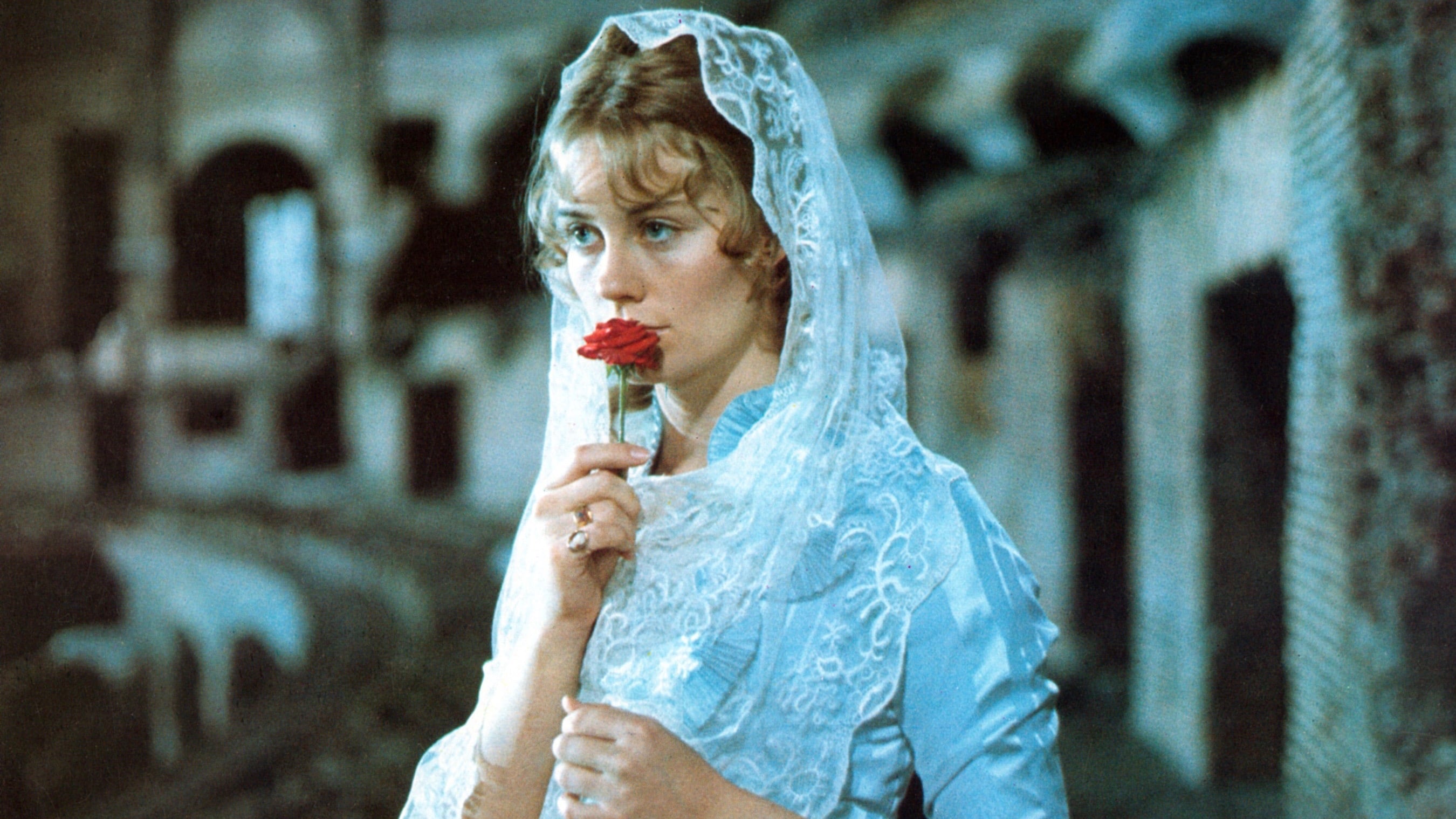
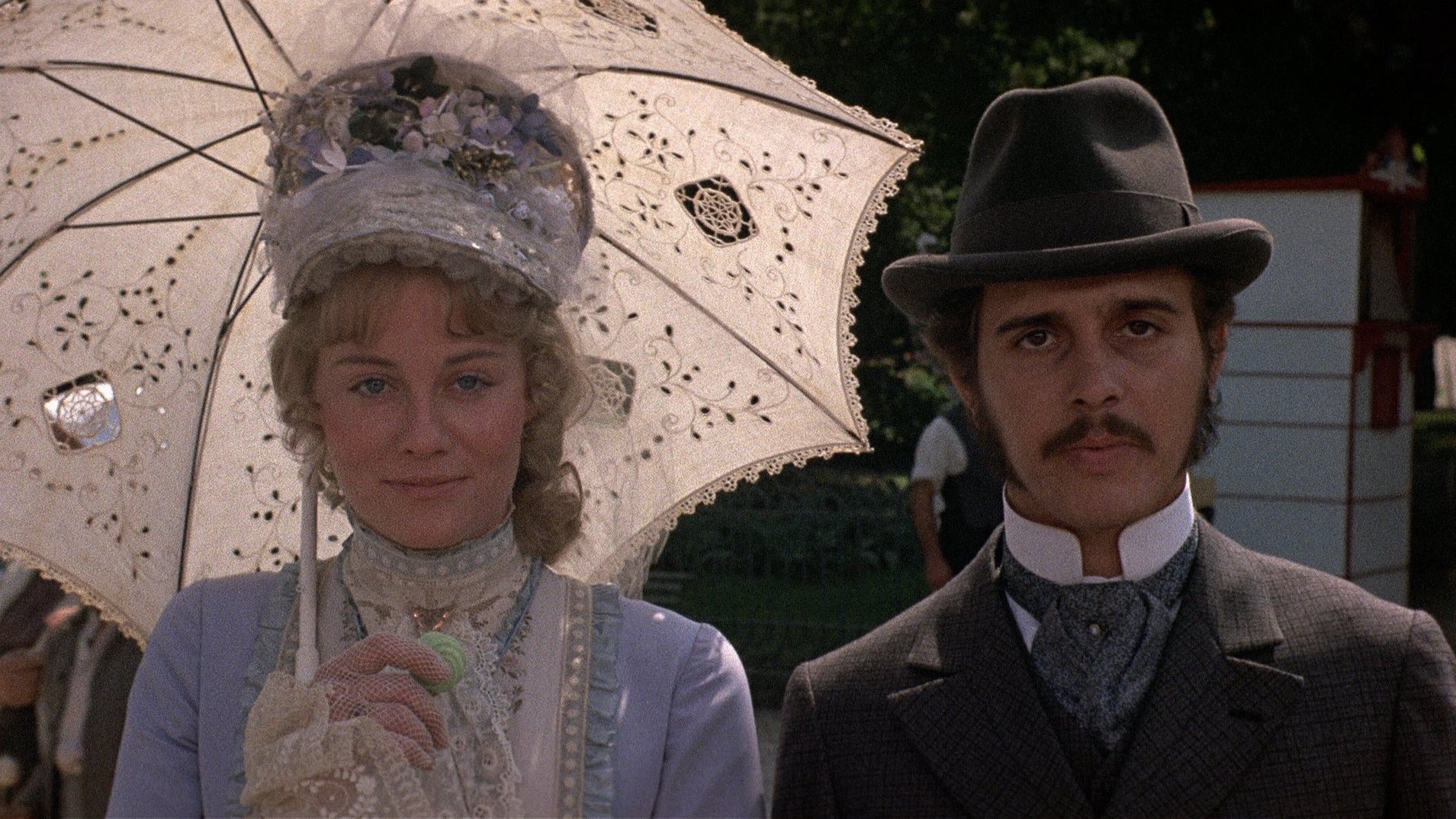
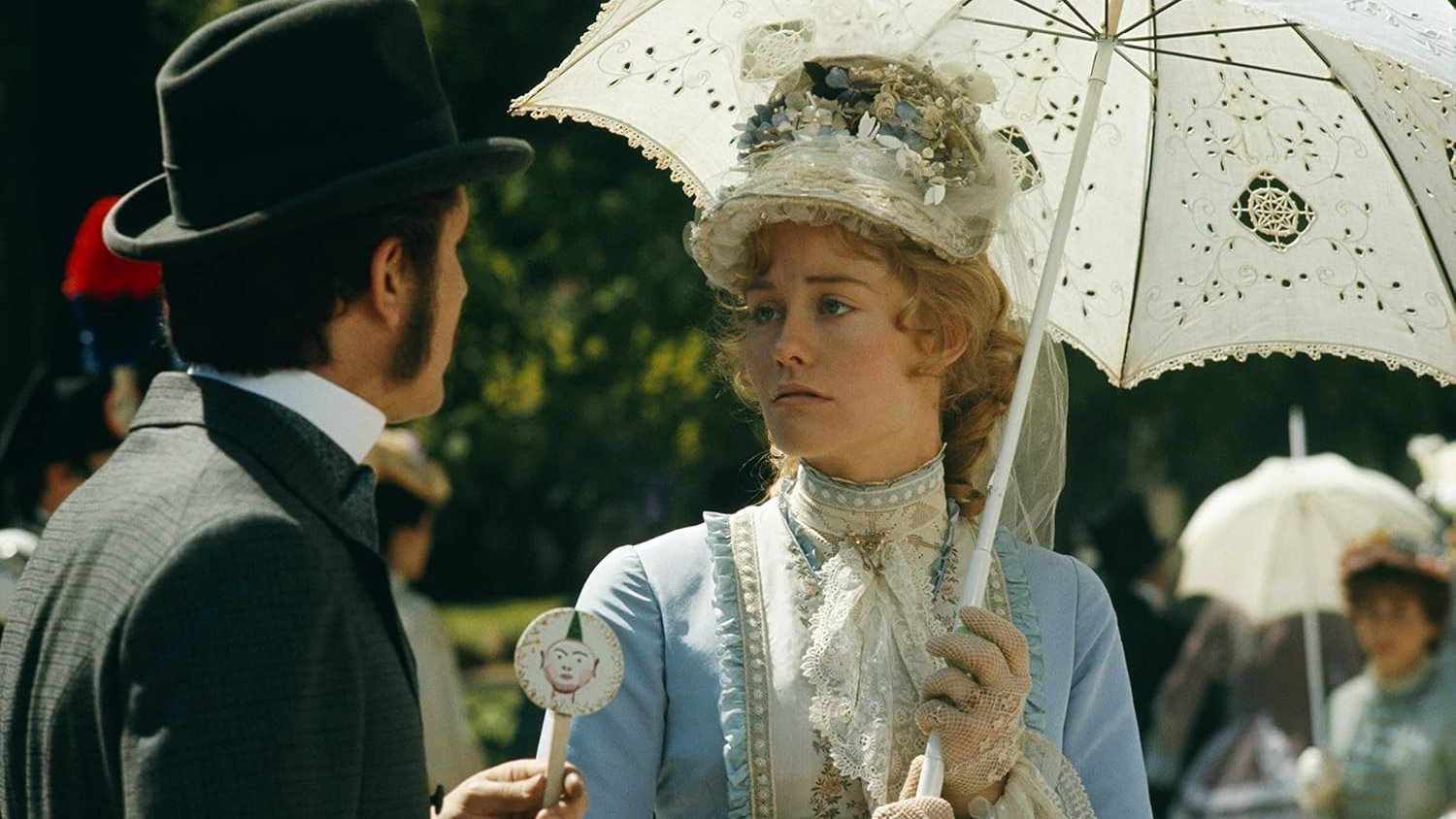
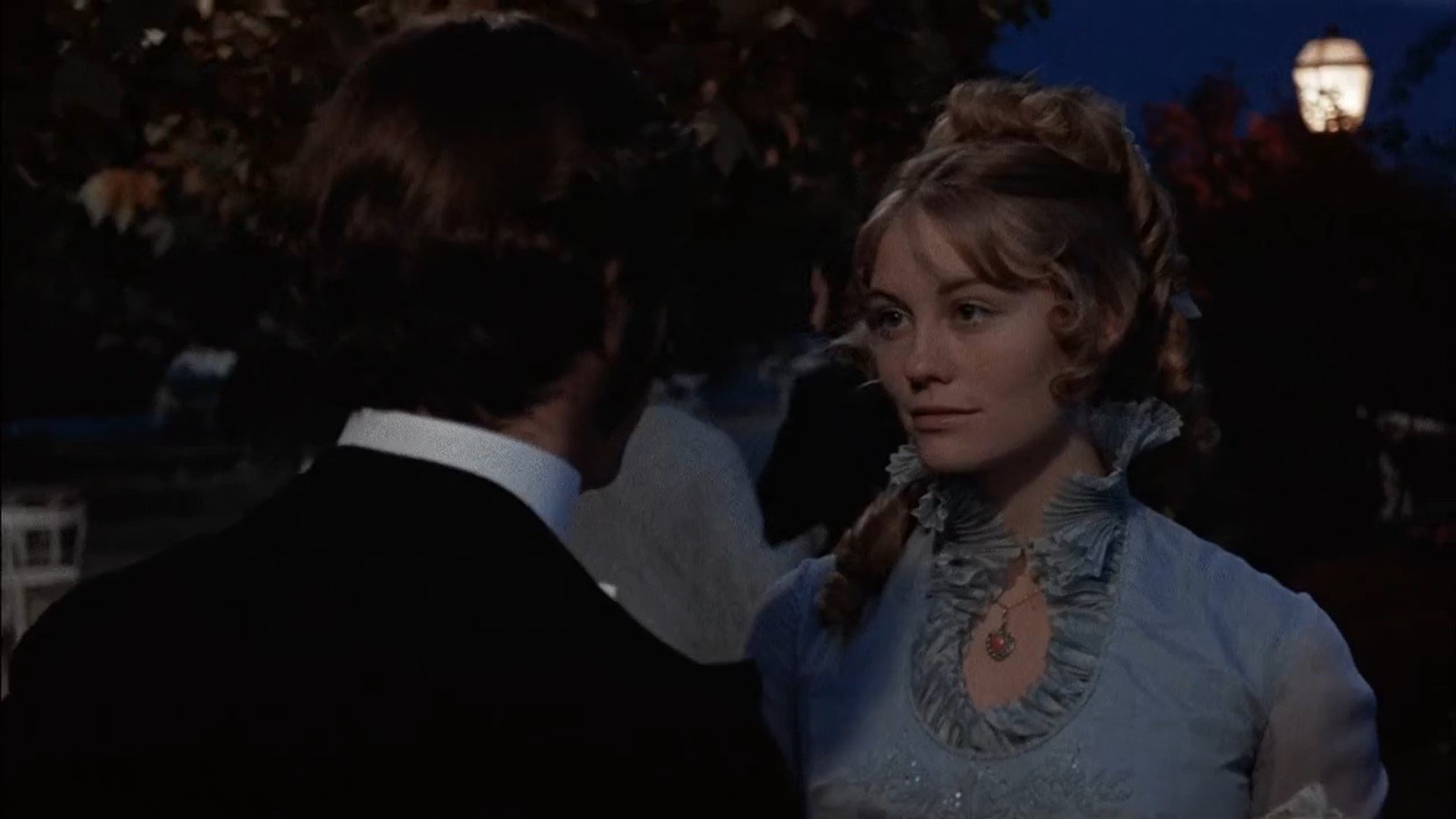
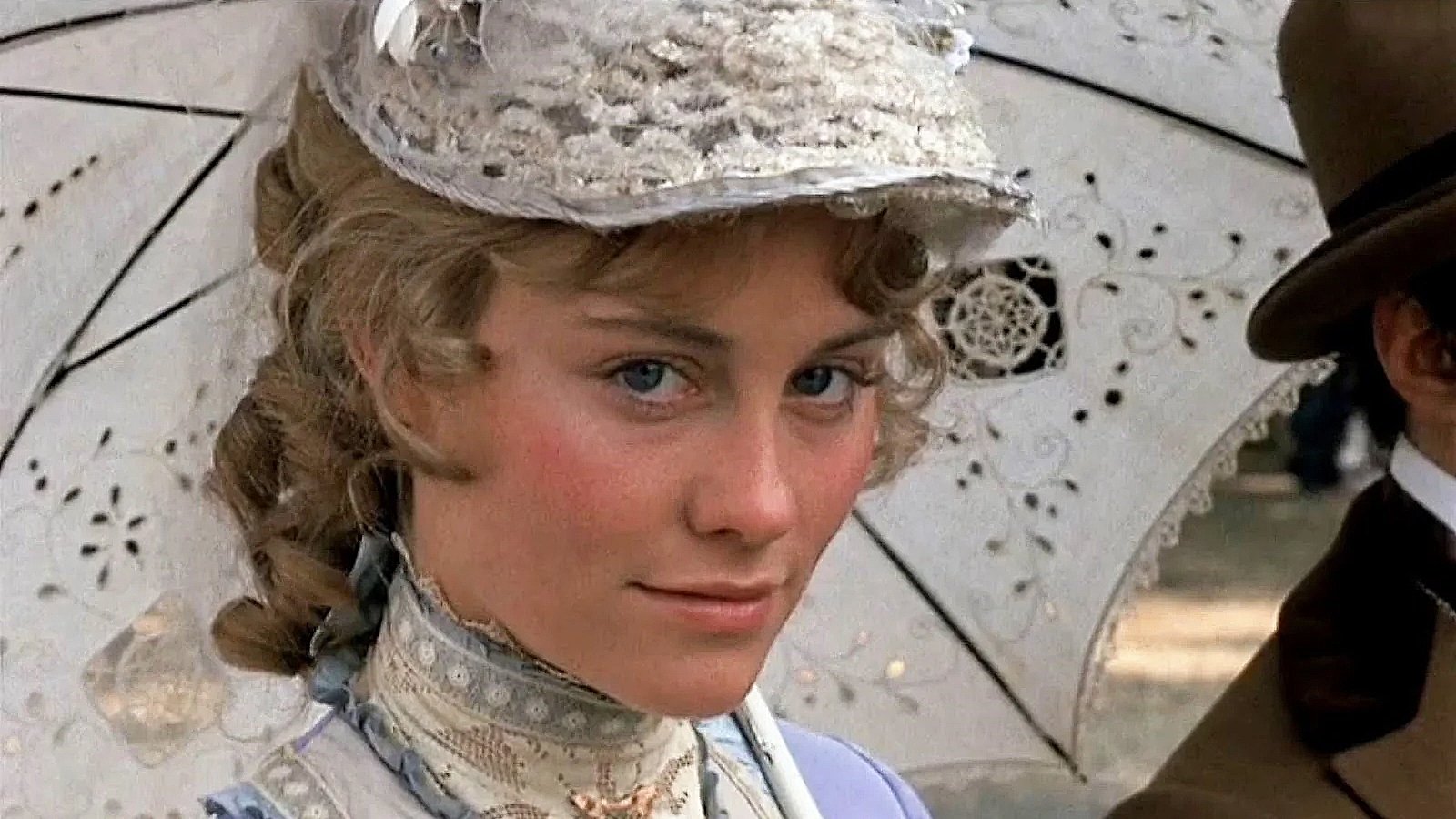
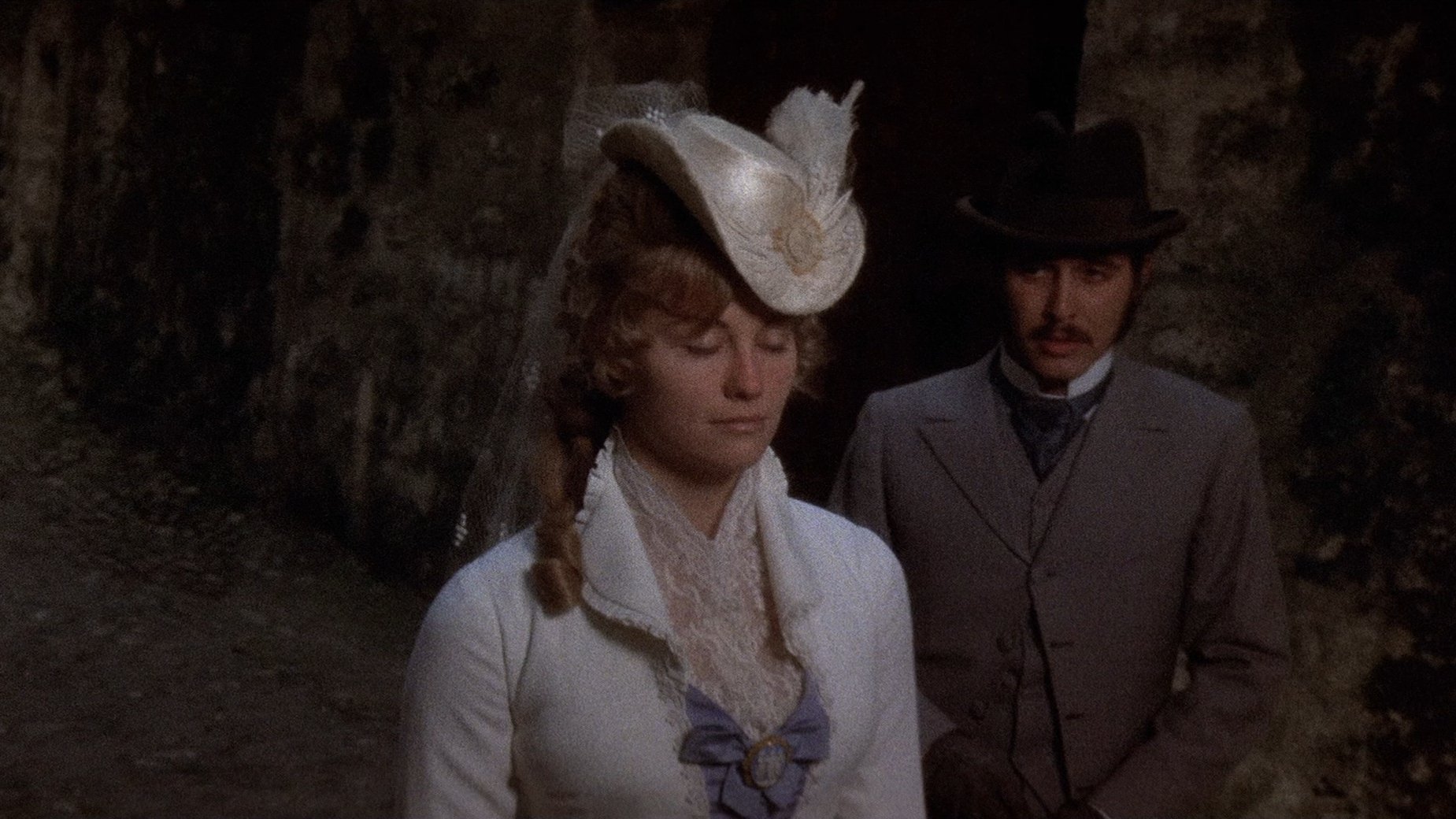
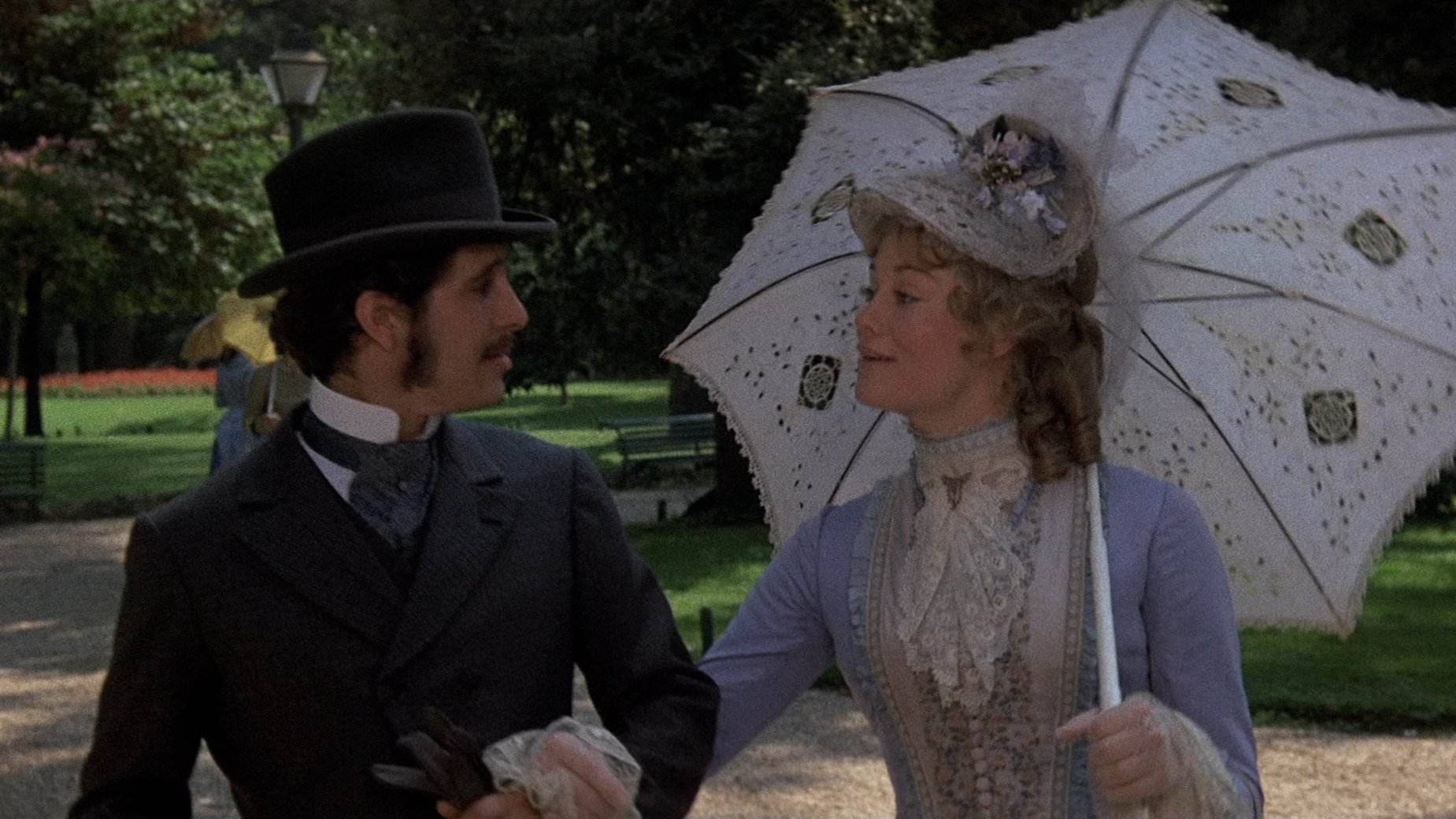
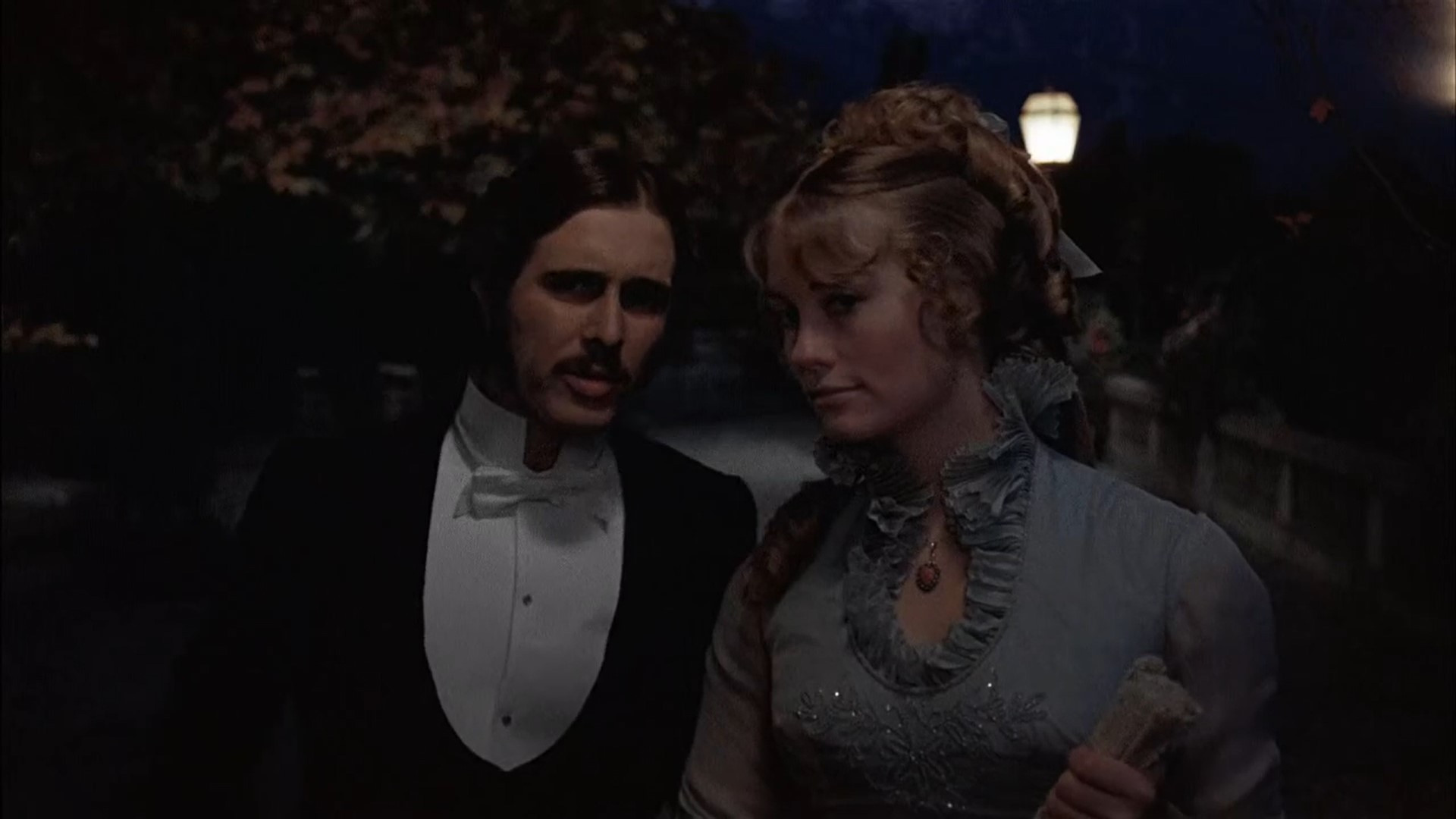
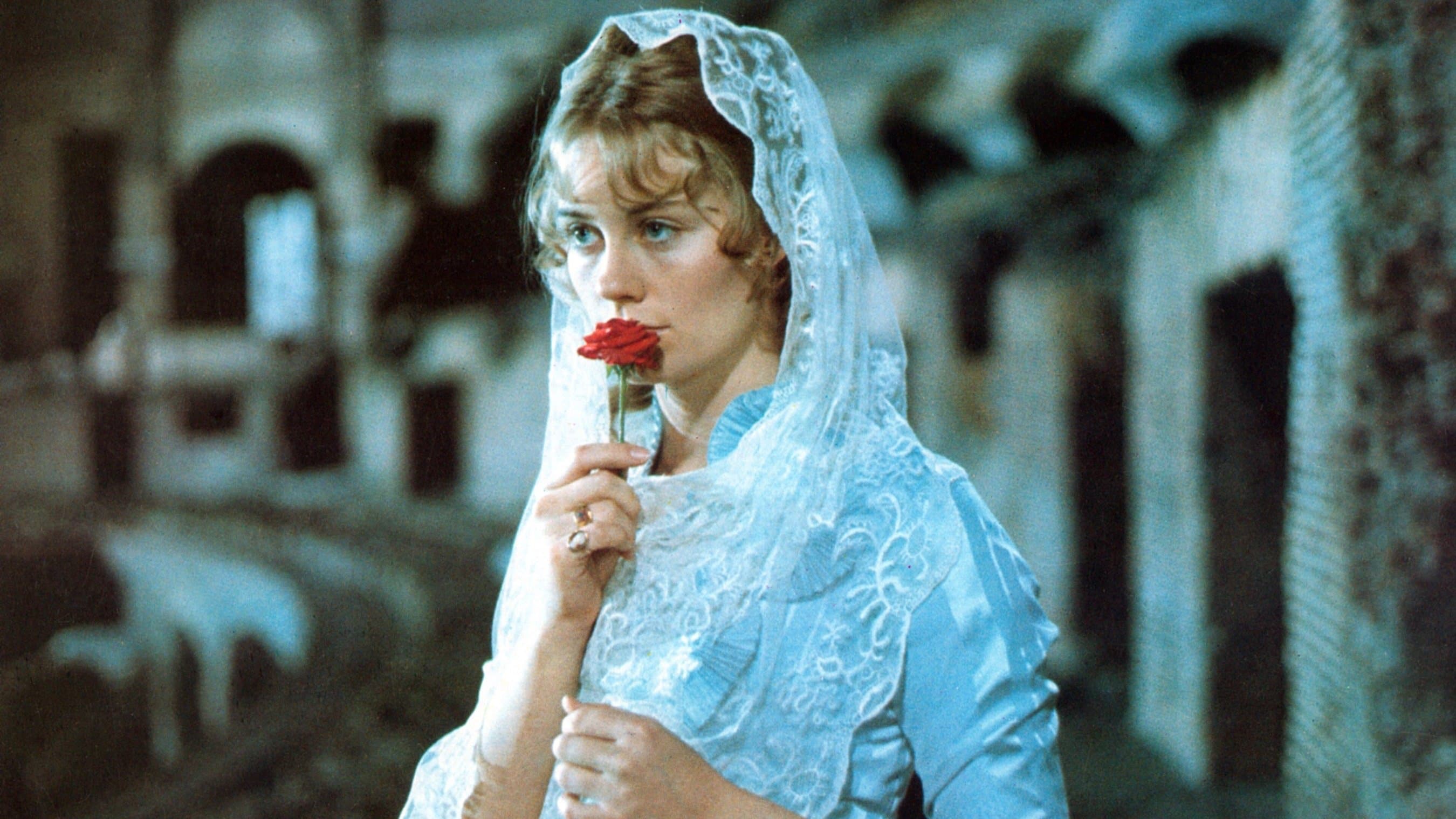
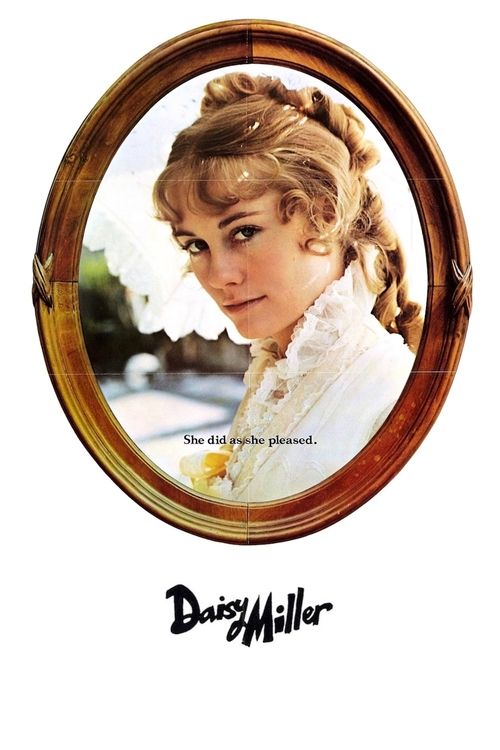
Despite mixed emotions, Frederick Winterbourne tries to figure out the bright and bubbly Daisy Miller, only to be helped and hindered by false judgments from their fellow friends.
Directed by Peter Bogdanovich
class society
romance
tragic love
class differences
period drama
literary adaptation
classic literature
auteur

Trailer

IMDB
N/A
Where to Watch


Cast
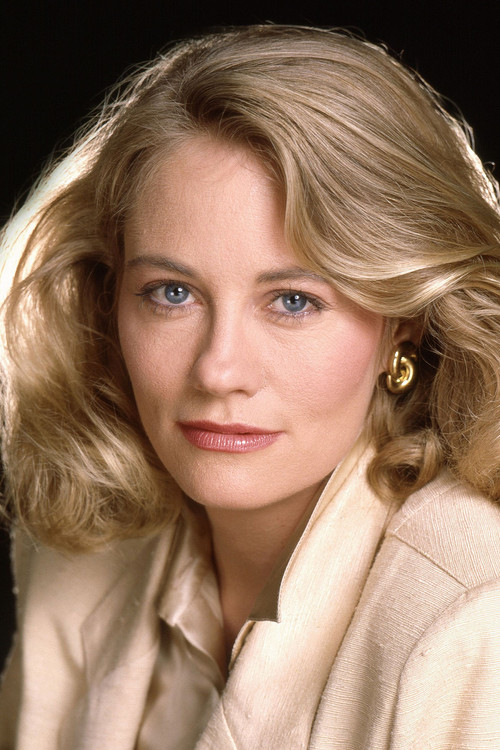
Cybill Shepherd
Daisy Miller
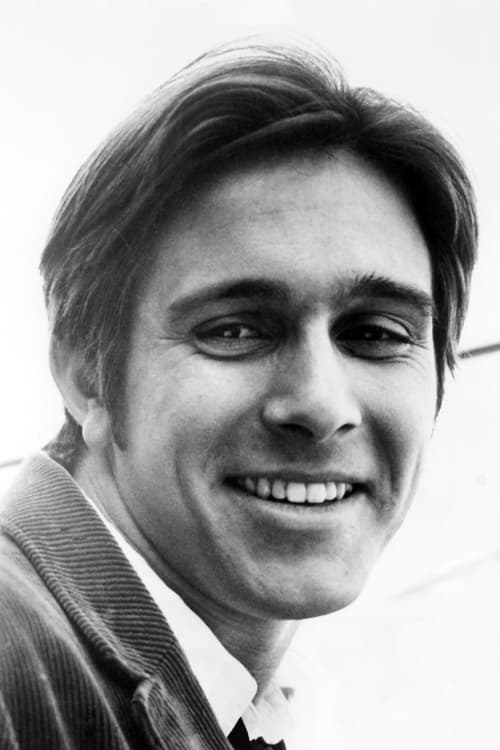
Barry Brown
Frederick Winterbourne
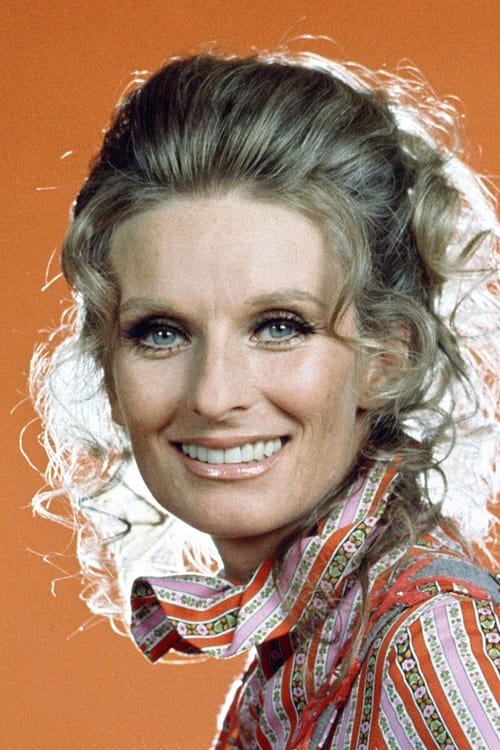
Cloris Leachman
Mrs. Ezra Miller
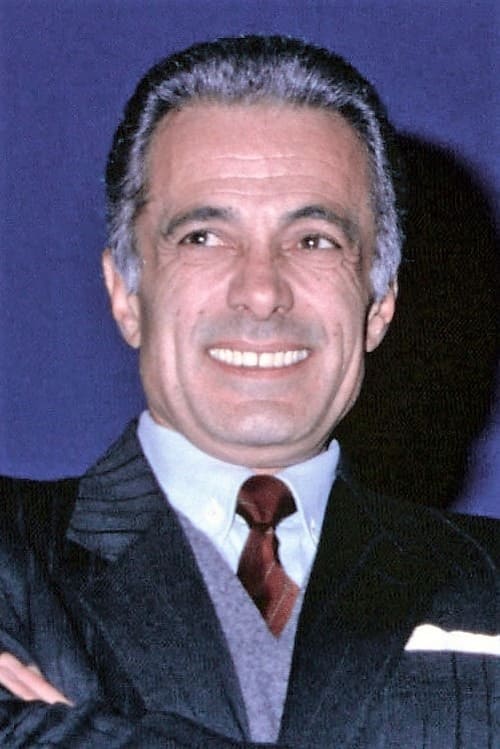
Duilio Del Prete
Mr. Giovanelli

Mildred Natwick
Mrs. Costello
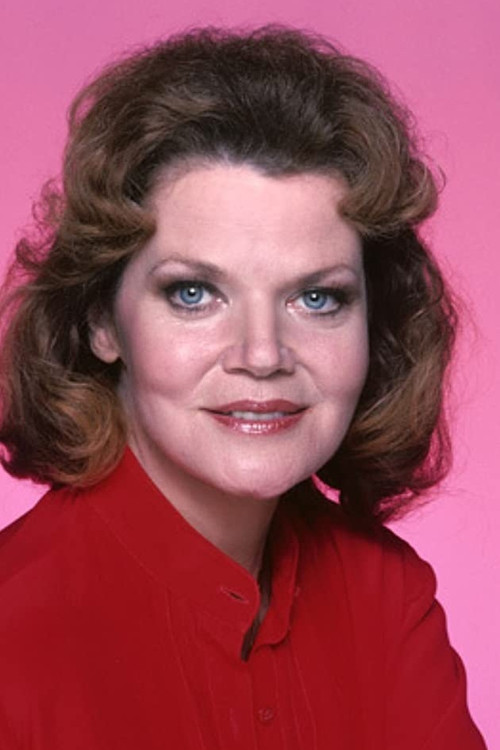
Eileen Brennan
Mrs. Walker

Nicholas Jones
Charles

George Morfogen
Eugenio
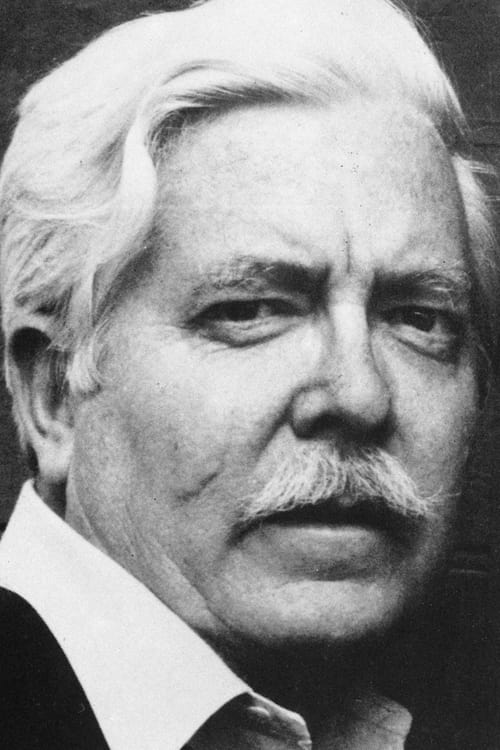
Richard Dunne
Opera Patron
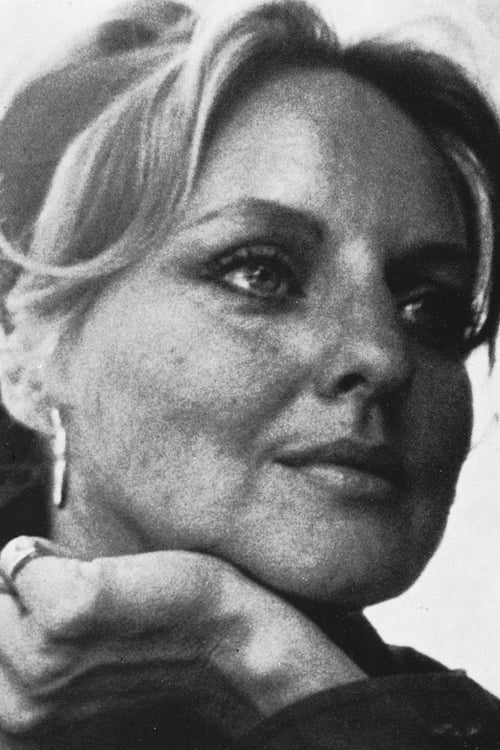
Corinne Dunne
Opera Patron
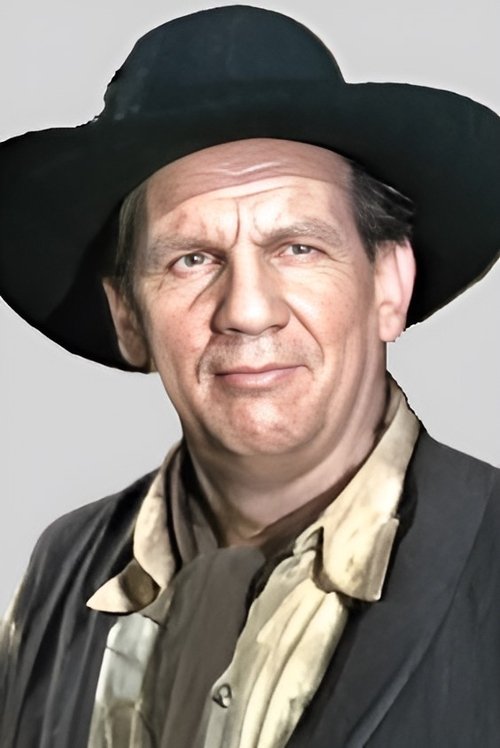
John Bartha
Hotel Receptionist Rome

Tom Felleghy
Mrs. Walker's Butler
Crew
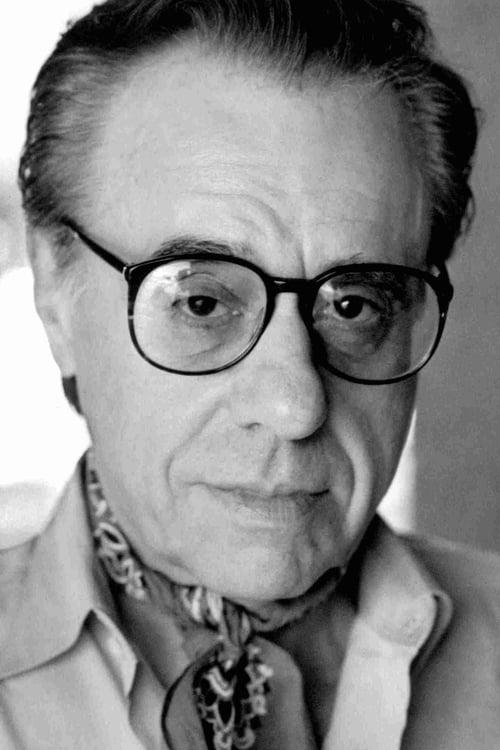
Peter Bogdanovich
Director
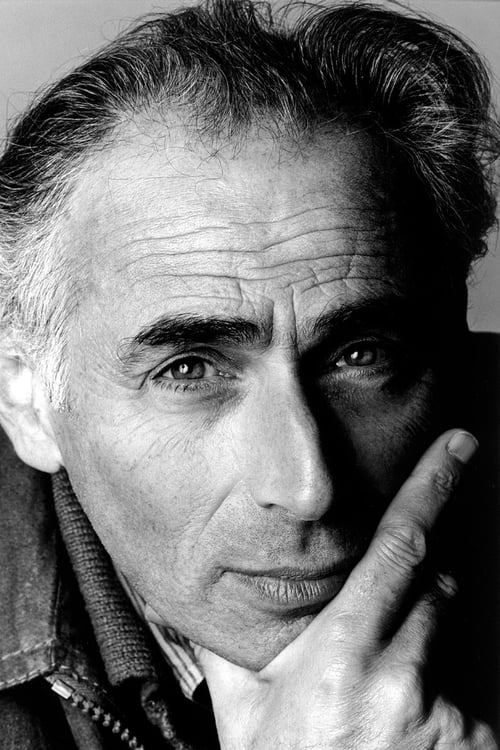
Frederic Raphael
Screenplay
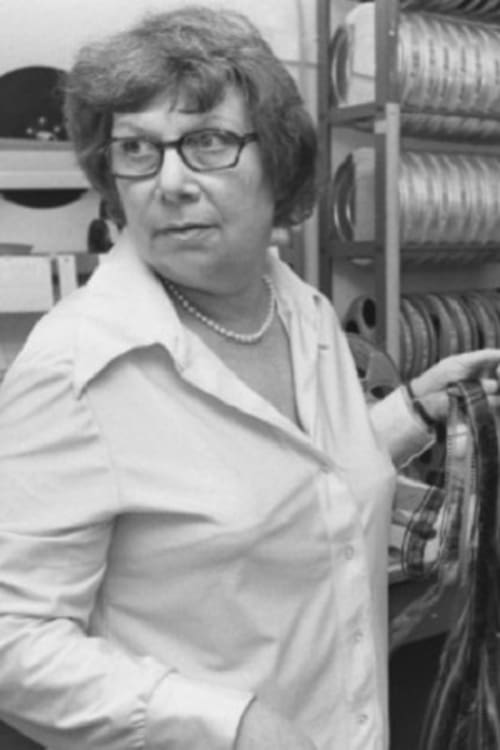
Verna Fields
Editor
Peter Bogdanovich
Producer
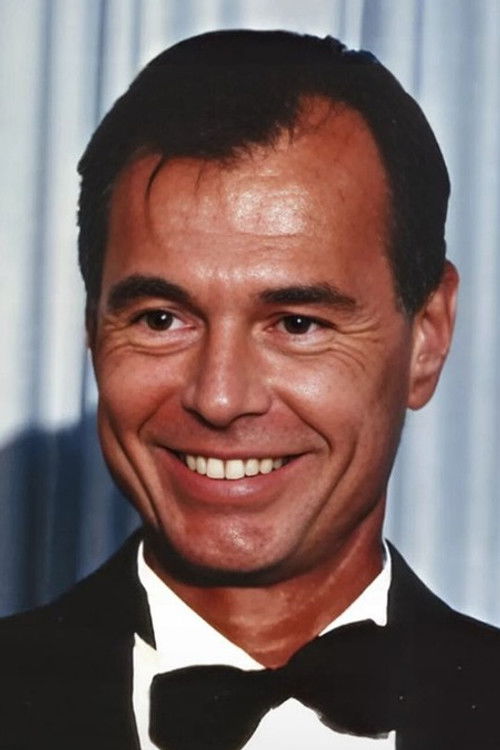
Ferdinando Scarfiotti
Production Design

Frank Marshall
Associate Producer
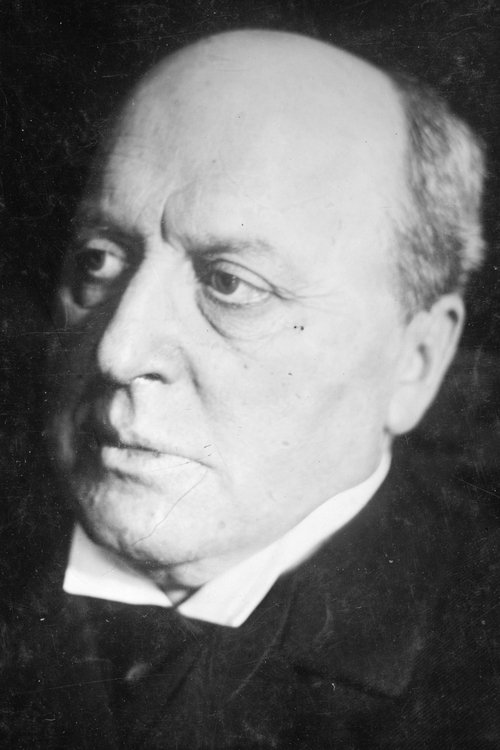
Henry James
Novel
Popular Reviews
18 reviews
Jimmy Wpaylel
8.0★ · 04/13/26
Beautifully shot.
Feels like Barry Lyndon and before sunrise had a baby.
Feels like Barry Lyndon and before sunrise had a baby.
Beautifully shot.
Feels like Barry Lyndon and before sunrise had a baby.
Feels like Barry Lyndon and before sunrise had a baby.


Jimmy Wpaylel
8.0★ · 04/13/26
Beautifully shot.
Feels like Barry Lyndon and before sunrise had a baby.
Feels like Barry Lyndon and before sunrise had a baby.
Beautifully shot.
Feels like Barry Lyndon and before sunrise had a baby.
Feels like Barry Lyndon and before sunrise had a baby.
Wyatt
5.0★ · 06/20/25
Making a movie to showcase your smoke show girlfriend? Player move! Didn’t do nothin for me though. I was not a fan of the fast twitch, overlapping dialogue, although Cybill was quite good at it I must admit. Not to side with the fuck head rich folk but the Millers were pretty insufferable 😭
Making a movie to showcase your smoke show girlfriend? Player move! Didn’t do nothin for me though. I was not a fan of the fast twitch, overlapping dialogue, although Cybill was quite good at it I must admit. Not to side with the fuck head rich folk but the Millers were pretty insufferable 😭
Janek
9.0★ · 12/19/24
Cinema Speculation watchalong #7
I loved this. It became strangely comforting for me about half way through. I think, I am Mr. Winterbourne and my civil society is the corporation I work at and my Daisy Miller is touching grass and seeing sunlight.
I went in completely blind, I didn't even know it would be a period film. Only now, reading the comments here, I learn that apparently Bogdanovich had a crush on Cybill Shepherd and I guess knowing that, I totally see it, I am sure Tarantino will have a lot to say about this as well, but I am so glad I didn't know before I watched it. I had a completely different reading of this film. Mr. Winterbourne's fascination with Daisy is so surface level that you can't help but look deeper. Once you do, it's a film about a man too scared to reach for something, he knows he wants, for fear of standing out and loosing things he has that don't give him any satisfaction. And sure, that man could be Peter Bogdanovich and that something could be Cybil Shepherd, but it can also be so many other men and women reaching for some other person or some other thing. In fact, doesn't that make it better? To make something so personal for yourself and for it to work so well for other people who have no idea about the artist's life. Maybe this is to high a praise, I recognise that it is not that deep and it's not that novel of an idea for a film, but it worked its way into my heart.
Or maybe it's my male gaze? Could be. Cybill Shepherd is certainly plenty charming. And her Daisy is foolhardy, frivolous, filrty, and laughs out loud at all the jokes. If the dresses weren't suggestive enough, all the other characters' dialogue about her indecency and intimacy with men surely give you some idea what was on the director's mind. However, I think, I found myself envying Daisy more than being attarcted to her and that's also how I read Mr. Winterbourne. In the scene with the piano, for instance, of course he desires her, but also he wants to be like her or like Mr. Giovanelli - careless, singing a silly song, he's enjoying their company, a genuine smile on his face, at least until the mother walks in and he's all back to his good manners. It's this duality in his feelings for her. He can't bring himself to be cynical about her, even when she's not there, he downplays all the terrible roumors, not only to keep her reputation in a good enough standing to be an acceptable match for him, but also because he thinks she's right - they are all stiff as ramrods - and what's so bad about someone enjoying themselves. This may be a naive take, but I see in Mr. Winterbourne as much attraction for Daisy as I see admiration.
Cinema Speculation speculation
Very short chapter from Tarantino, doesn't really say much, feels like he included it only to have a Bogdanovich film in the book, and to say that he counts him as one of the brats. Other than that, he makes good cases for both leading actors. I loved them both, so I agree. Cybill Shephard is modern and Daisy Miller is too, so that works great. And Barry Brown is skinny, handsome, sensitive and soft and so he also is perfect for the sad and lonely Mr. Winterbourne. I have not connceted with a character this much in a while. This may be another naive take and defenitely a reductive one, but knowing Barry Brown killed himself a few years later, kind of makes me realise why Mr. Winterboutne's melancholy feels so authentic. I did not really get what Tarantino means when he says that in the end he betrays Daisy. That one line where he says he doesn't care if she's engaged or not? I wouldn't call that betrayal.
Last takeaway: All this talk of hawksian dialogue... I think I need to look into this Hawks guy.
I loved this. It became strangely comforting for me about half way through. I think, I am Mr. Winterbourne and my civil society is the corporation I work at and my Daisy Miller is touching grass and seeing sunlight.
I went in completely blind, I didn't even know it would be a period film. Only now, reading the comments here, I learn that apparently Bogdanovich had a crush on Cybill Shepherd and I guess knowing that, I totally see it, I am sure Tarantino will have a lot to say about this as well, but I am so glad I didn't know before I watched it. I had a completely different reading of this film. Mr. Winterbourne's fascination with Daisy is so surface level that you can't help but look deeper. Once you do, it's a film about a man too scared to reach for something, he knows he wants, for fear of standing out and loosing things he has that don't give him any satisfaction. And sure, that man could be Peter Bogdanovich and that something could be Cybil Shepherd, but it can also be so many other men and women reaching for some other person or some other thing. In fact, doesn't that make it better? To make something so personal for yourself and for it to work so well for other people who have no idea about the artist's life. Maybe this is to high a praise, I recognise that it is not that deep and it's not that novel of an idea for a film, but it worked its way into my heart.
Or maybe it's my male gaze? Could be. Cybill Shepherd is certainly plenty charming. And her Daisy is foolhardy, frivolous, filrty, and laughs out loud at all the jokes. If the dresses weren't suggestive enough, all the other characters' dialogue about her indecency and intimacy with men surely give you some idea what was on the director's mind. However, I think, I found myself envying Daisy more than being attarcted to her and that's also how I read Mr. Winterbourne. In the scene with the piano, for instance, of course he desires her, but also he wants to be like her or like Mr. Giovanelli - careless, singing a silly song, he's enjoying their company, a genuine smile on his face, at least until the mother walks in and he's all back to his good manners. It's this duality in his feelings for her. He can't bring himself to be cynical about her, even when she's not there, he downplays all the terrible roumors, not only to keep her reputation in a good enough standing to be an acceptable match for him, but also because he thinks she's right - they are all stiff as ramrods - and what's so bad about someone enjoying themselves. This may be a naive take, but I see in Mr. Winterbourne as much attraction for Daisy as I see admiration.
Cinema Speculation speculation
Very short chapter from Tarantino, doesn't really say much, feels like he included it only to have a Bogdanovich film in the book, and to say that he counts him as one of the brats. Other than that, he makes good cases for both leading actors. I loved them both, so I agree. Cybill Shephard is modern and Daisy Miller is too, so that works great. And Barry Brown is skinny, handsome, sensitive and soft and so he also is perfect for the sad and lonely Mr. Winterbourne. I have not connceted with a character this much in a while. This may be another naive take and defenitely a reductive one, but knowing Barry Brown killed himself a few years later, kind of makes me realise why Mr. Winterboutne's melancholy feels so authentic. I did not really get what Tarantino means when he says that in the end he betrays Daisy. That one line where he says he doesn't care if she's engaged or not? I wouldn't call that betrayal.
Last takeaway: All this talk of hawksian dialogue... I think I need to look into this Hawks guy.
Cinema Speculation watchalong #7
I loved this. It became strangely comforting for me about half way through. I think, I am Mr. Winterbourne and my civil society is the corporation I work at and my Daisy Miller is touching grass and seeing sunlight.
I went in completely blind, I didn't even know it would be a period film. Only now, reading the comments here, I learn that apparently Bogdanovich had a crush on Cybill Shepherd and I guess knowing that, I totally see it, I am sure Tarantino will have a lot to say about this as well, but I am so glad I didn't know before I watched it. I had a completely different reading of this film. Mr. Winterbourne's fascination with Daisy is so surface level that you can't help but look deeper. Once you do, it's a film about a man too scared to reach for something, he knows he wants, for fear of standing out and loosing things he has that don't give him any satisfaction. And sure, that man could be Peter Bogdanovich and that something could be Cybil Shepherd, but it can also be so many other men and women reaching for some other person or some other thing. In fact, doesn't that make it better? To make something so personal for yourself and for it to work so well for other people who have no idea about the artist's life. Maybe this is to high a praise, I recognise that it is not that deep and it's not that novel of an idea for a film, but it worked its way into my heart.
Or maybe it's my male gaze? Could be. Cybill Shepherd is certainly plenty charming. And her Daisy is foolhardy, frivolous, filrty, and laughs out loud at all the jokes. If the dresses weren't suggestive enough, all the other characters' dialogue about her indecency and intimacy with men surely give you some idea what was on the director's mind. However, I think, I found myself envying Daisy more than being attarcted to her and that's also how I read Mr. Winterbourne. In the scene with the piano, for instance, of course he desires her, but also he wants to be like her or like Mr. Giovanelli - careless, singing a silly song, he's enjoying their company, a genuine smile on his face, at least until the mother walks in and he's all back to his good manners. It's this duality in his feelings for her. He can't bring himself to be cynical about her, even when she's not there, he downplays all the terrible roumors, not only to keep her reputation in a good enough standing to be an acceptable match for him, but also because he thinks she's right - they are all stiff as ramrods - and what's so bad about someone enjoying themselves. This may be a naive take, but I see in Mr. Winterbourne as much attraction for Daisy as I see admiration.
Cinema Speculation speculation
Very short chapter from Tarantino, doesn't really say much, feels like he included it only to have a Bogdanovich film in the book, and to say that he counts him as one of the brats. Other than that, he makes good cases for both leading actors. I loved them both, so I agree. Cybill Shephard is modern and Daisy Miller is too, so that works great. And Barry Brown is skinny, handsome, sensitive and soft and so he also is perfect for the sad and lonely Mr. Winterbourne. I have not connceted with a character this much in a while. This may be another naive take and defenitely a reductive one, but knowing Barry Brown killed himself a few years later, kind of makes me realise why Mr. Winterboutne's melancholy feels so authentic. I did not really get what Tarantino means when he says that in the end he betrays Daisy. That one line where he says he doesn't care if she's engaged or not? I wouldn't call that betrayal.
Last takeaway: All this talk of hawksian dialogue... I think I need to look into this Hawks guy.
I loved this. It became strangely comforting for me about half way through. I think, I am Mr. Winterbourne and my civil society is the corporation I work at and my Daisy Miller is touching grass and seeing sunlight.
I went in completely blind, I didn't even know it would be a period film. Only now, reading the comments here, I learn that apparently Bogdanovich had a crush on Cybill Shepherd and I guess knowing that, I totally see it, I am sure Tarantino will have a lot to say about this as well, but I am so glad I didn't know before I watched it. I had a completely different reading of this film. Mr. Winterbourne's fascination with Daisy is so surface level that you can't help but look deeper. Once you do, it's a film about a man too scared to reach for something, he knows he wants, for fear of standing out and loosing things he has that don't give him any satisfaction. And sure, that man could be Peter Bogdanovich and that something could be Cybil Shepherd, but it can also be so many other men and women reaching for some other person or some other thing. In fact, doesn't that make it better? To make something so personal for yourself and for it to work so well for other people who have no idea about the artist's life. Maybe this is to high a praise, I recognise that it is not that deep and it's not that novel of an idea for a film, but it worked its way into my heart.
Or maybe it's my male gaze? Could be. Cybill Shepherd is certainly plenty charming. And her Daisy is foolhardy, frivolous, filrty, and laughs out loud at all the jokes. If the dresses weren't suggestive enough, all the other characters' dialogue about her indecency and intimacy with men surely give you some idea what was on the director's mind. However, I think, I found myself envying Daisy more than being attarcted to her and that's also how I read Mr. Winterbourne. In the scene with the piano, for instance, of course he desires her, but also he wants to be like her or like Mr. Giovanelli - careless, singing a silly song, he's enjoying their company, a genuine smile on his face, at least until the mother walks in and he's all back to his good manners. It's this duality in his feelings for her. He can't bring himself to be cynical about her, even when she's not there, he downplays all the terrible roumors, not only to keep her reputation in a good enough standing to be an acceptable match for him, but also because he thinks she's right - they are all stiff as ramrods - and what's so bad about someone enjoying themselves. This may be a naive take, but I see in Mr. Winterbourne as much attraction for Daisy as I see admiration.
Cinema Speculation speculation
Very short chapter from Tarantino, doesn't really say much, feels like he included it only to have a Bogdanovich film in the book, and to say that he counts him as one of the brats. Other than that, he makes good cases for both leading actors. I loved them both, so I agree. Cybill Shephard is modern and Daisy Miller is too, so that works great. And Barry Brown is skinny, handsome, sensitive and soft and so he also is perfect for the sad and lonely Mr. Winterbourne. I have not connceted with a character this much in a while. This may be another naive take and defenitely a reductive one, but knowing Barry Brown killed himself a few years later, kind of makes me realise why Mr. Winterboutne's melancholy feels so authentic. I did not really get what Tarantino means when he says that in the end he betrays Daisy. That one line where he says he doesn't care if she's engaged or not? I wouldn't call that betrayal.
Last takeaway: All this talk of hawksian dialogue... I think I need to look into this Hawks guy.
Alex Teichman
5.0★ · 11/20/23
Definitely the weakest of what I’ve seen from Bogdanovich, these period pieces based off of novels are so hard to nail and the cast didn’t really mesh with the tone he was going for I don’t think. Some cool camera stuff tho!
Definitely the weakest of what I’ve seen from Bogdanovich, these period pieces based off of novels are so hard to nail and the cast didn’t really mesh with the tone he was going for I don’t think. Some cool camera stuff tho!