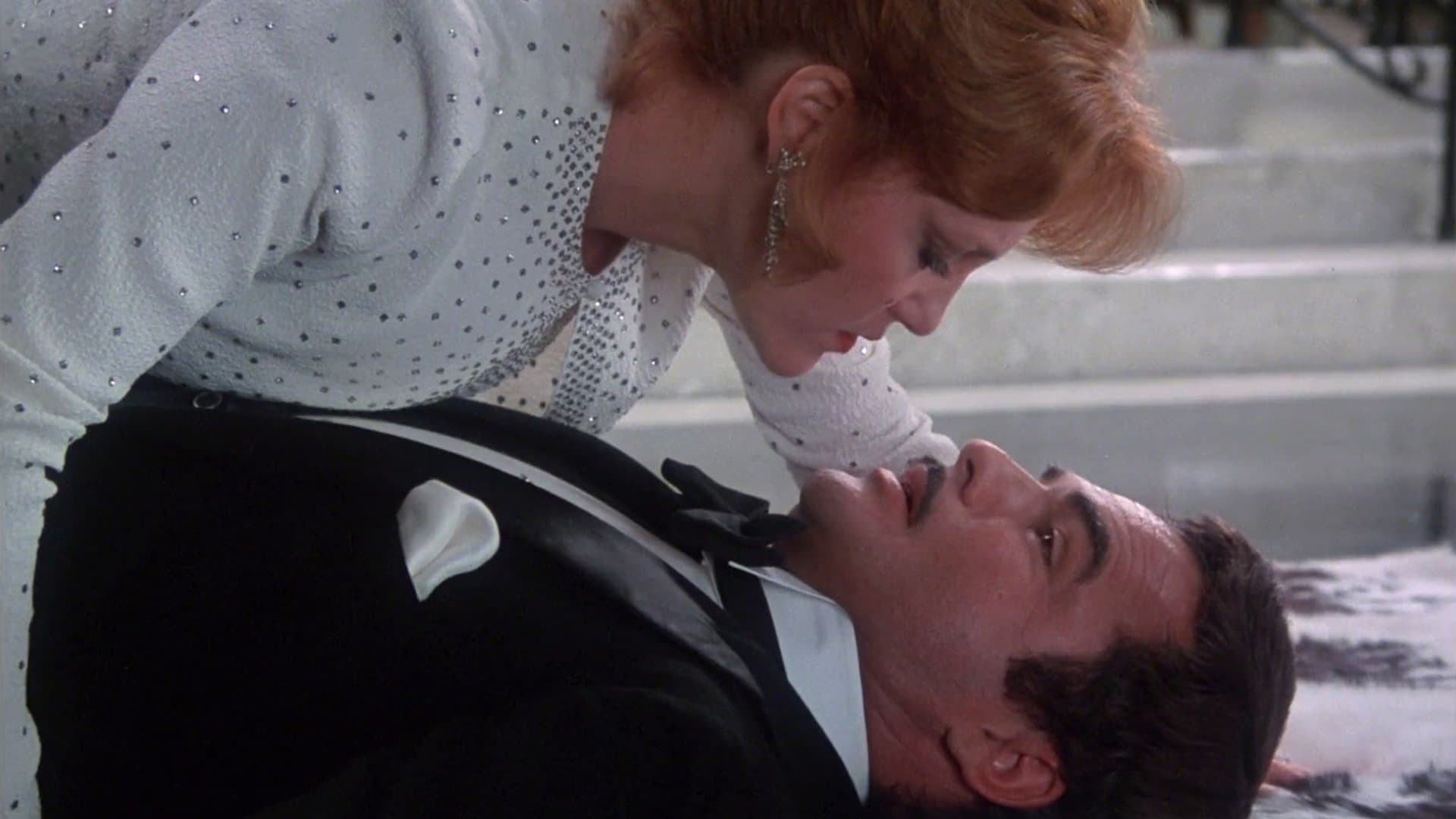
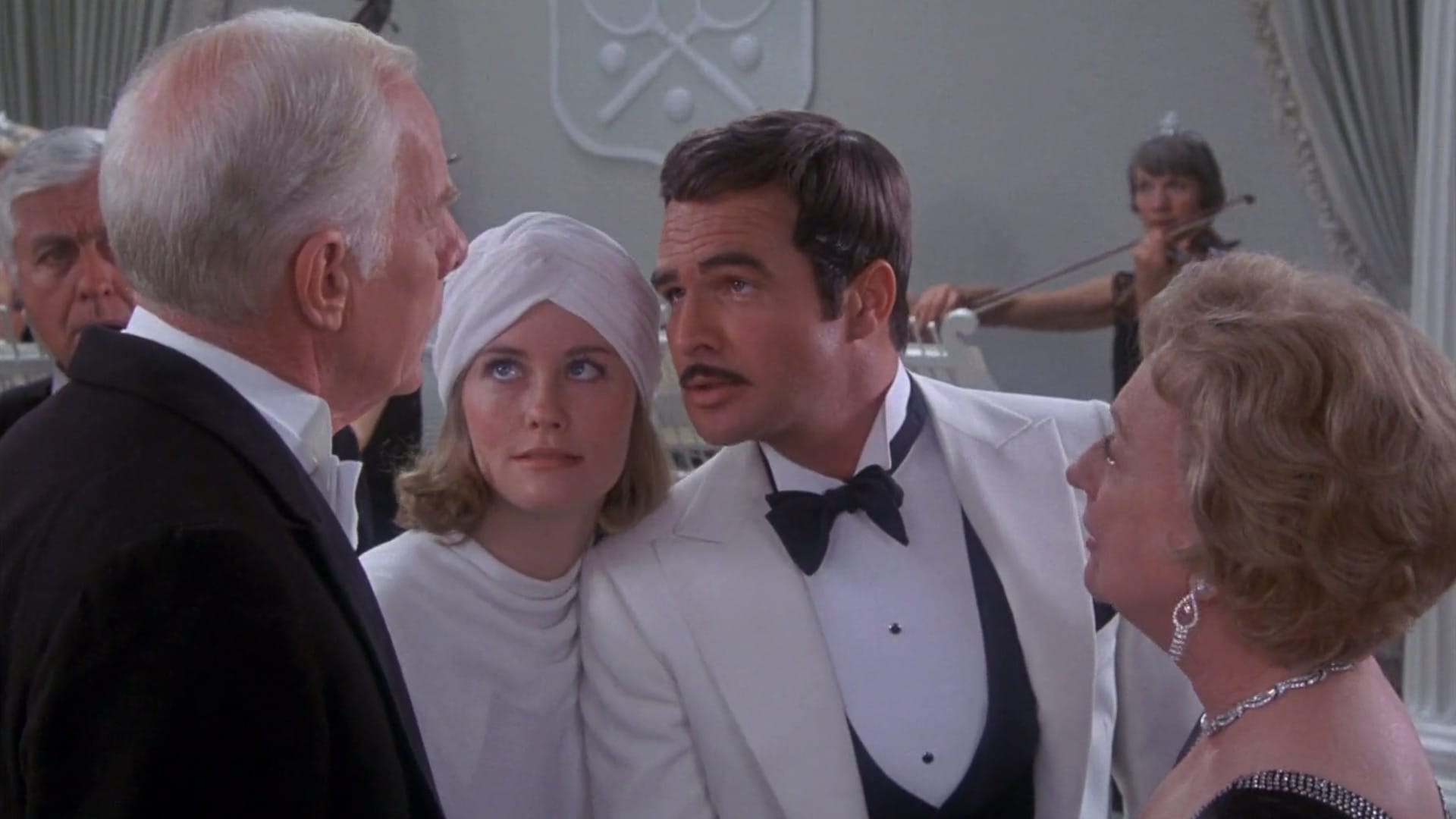
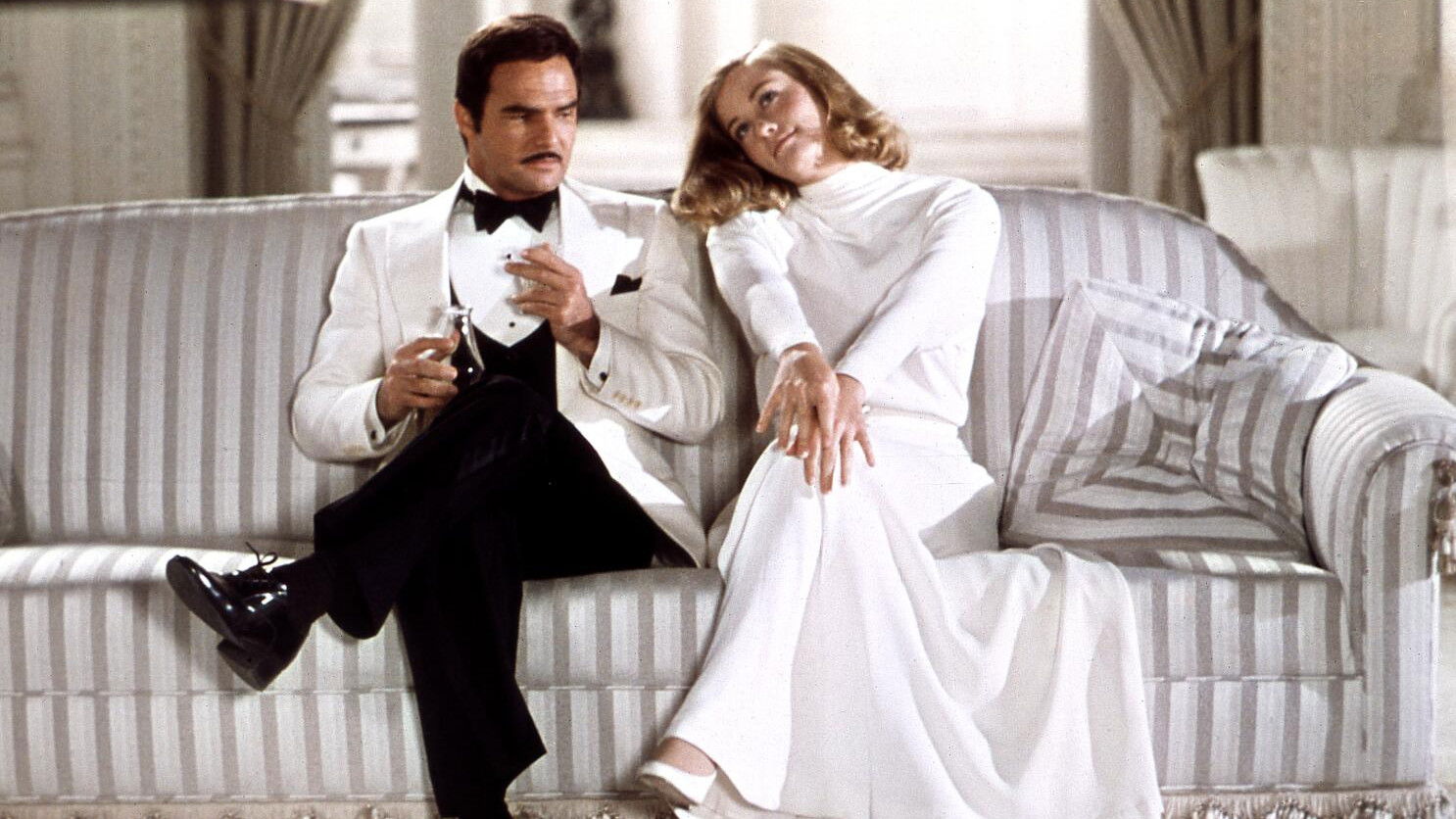
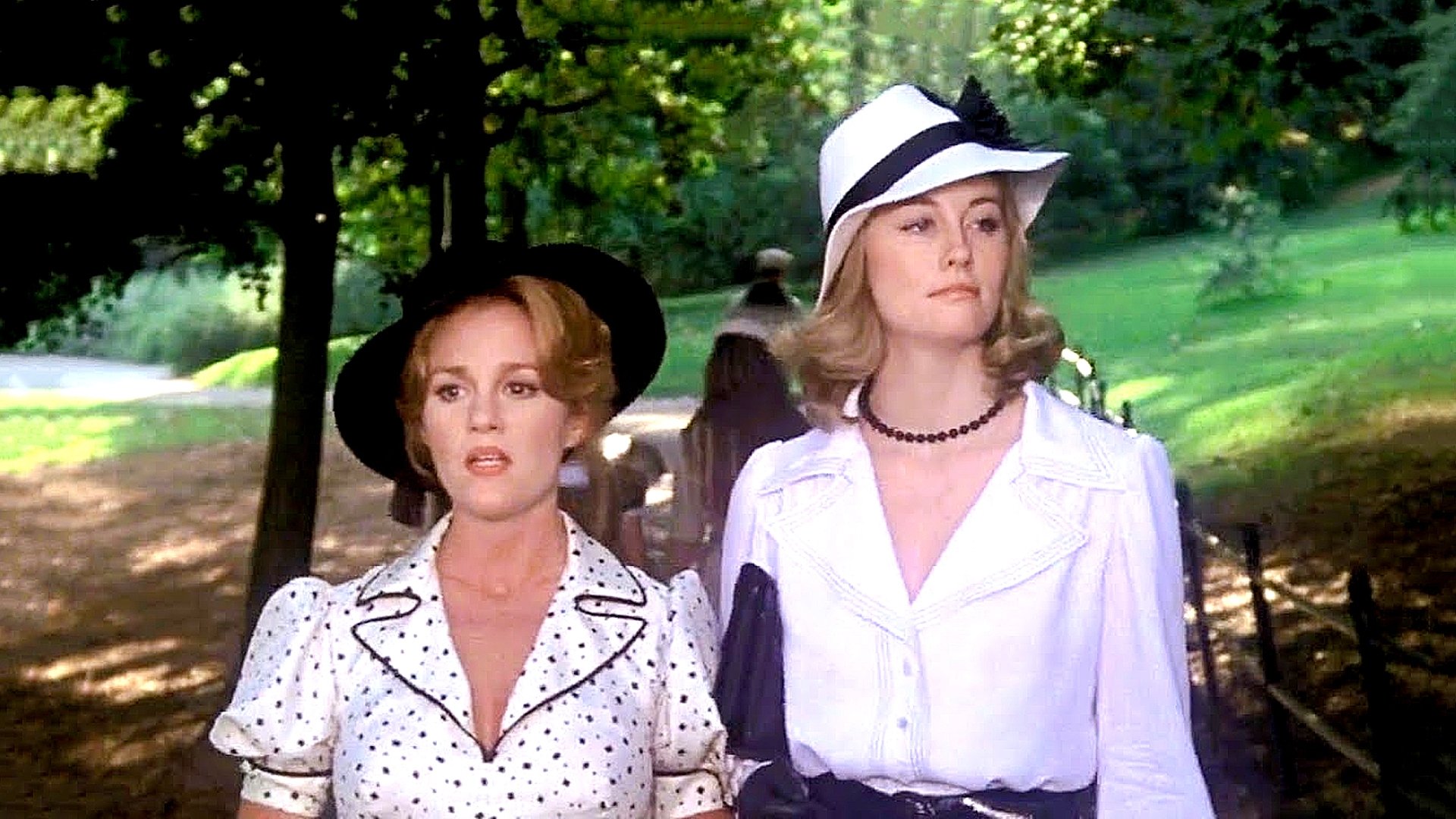
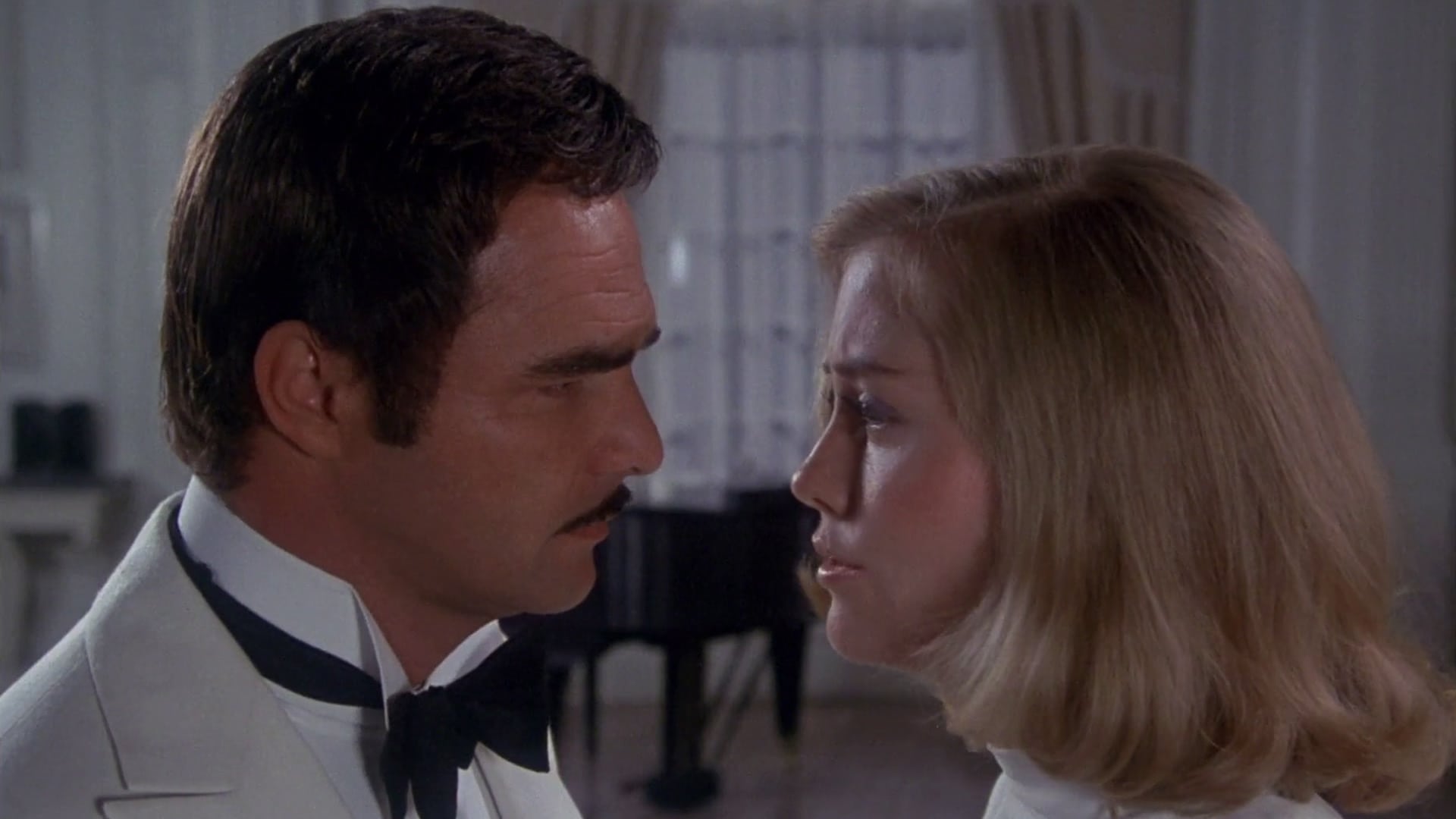
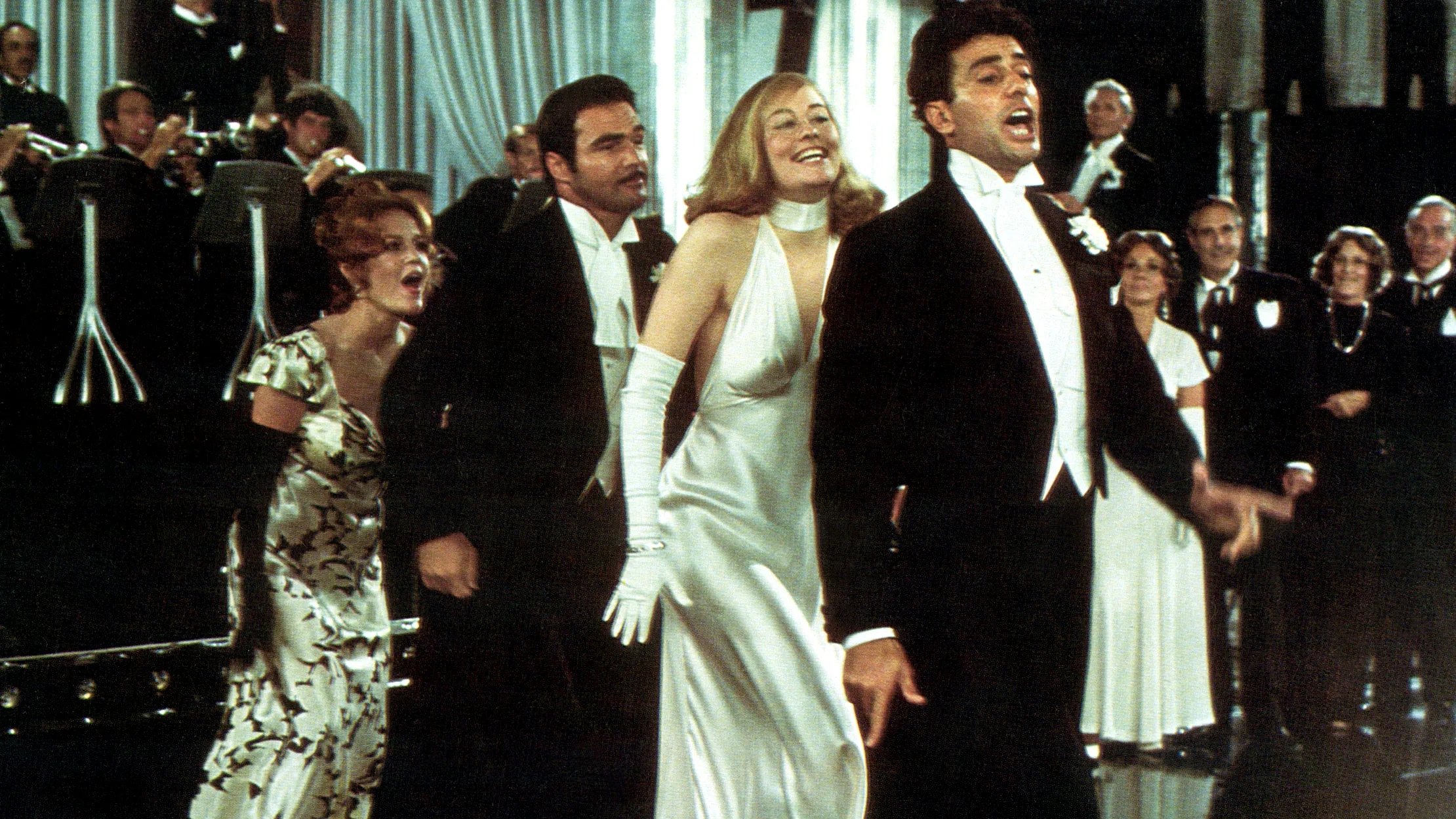
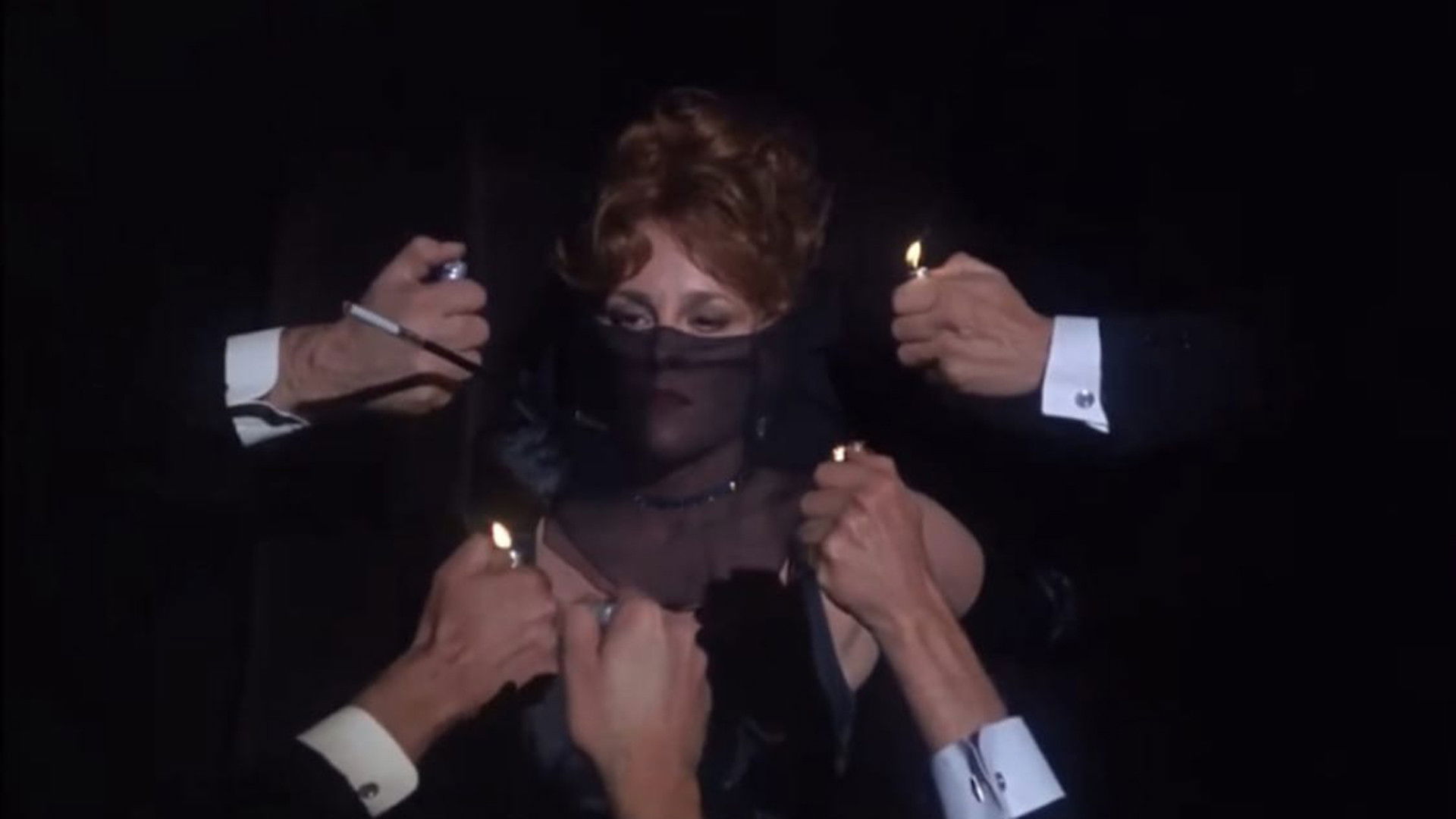
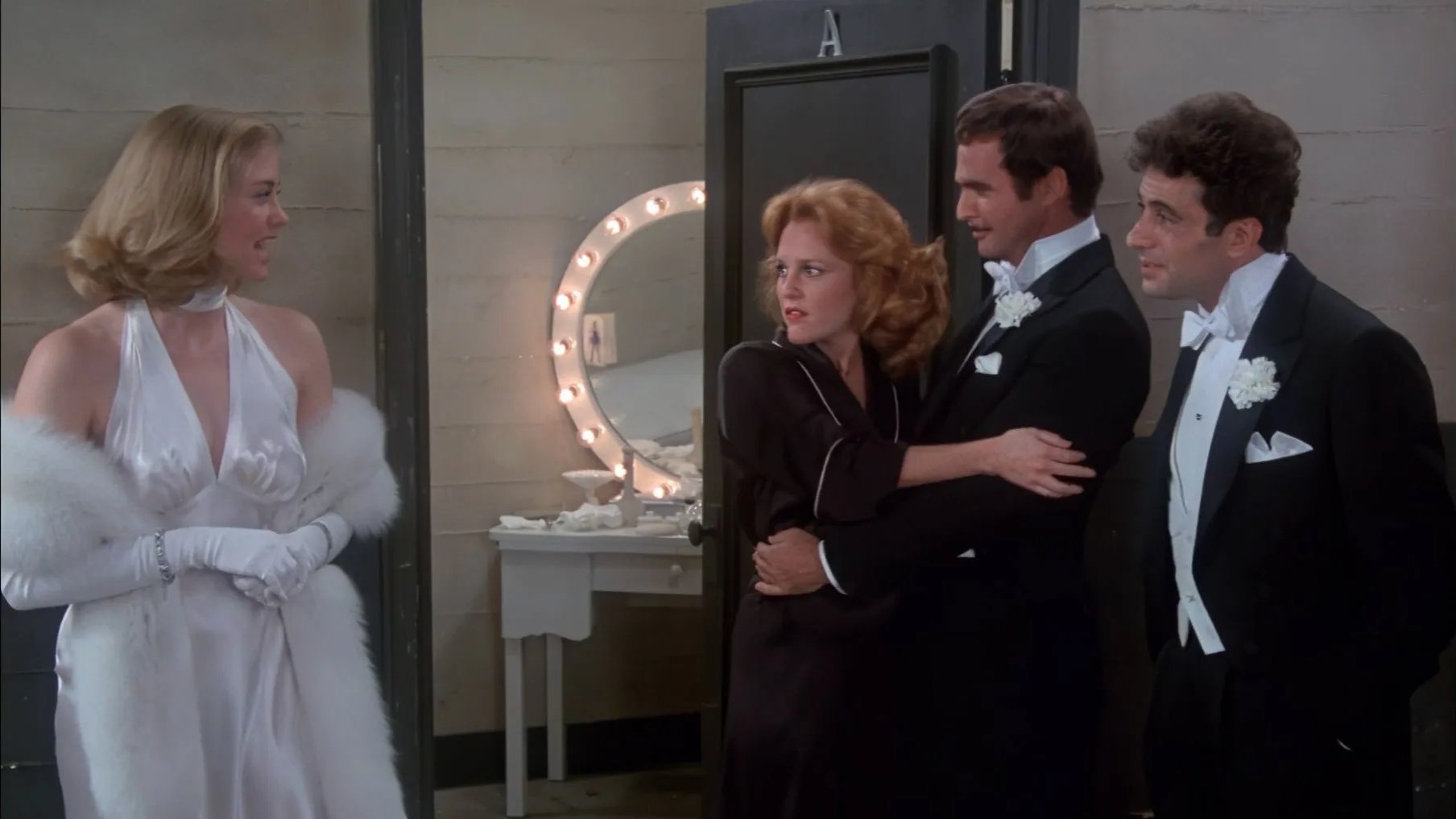
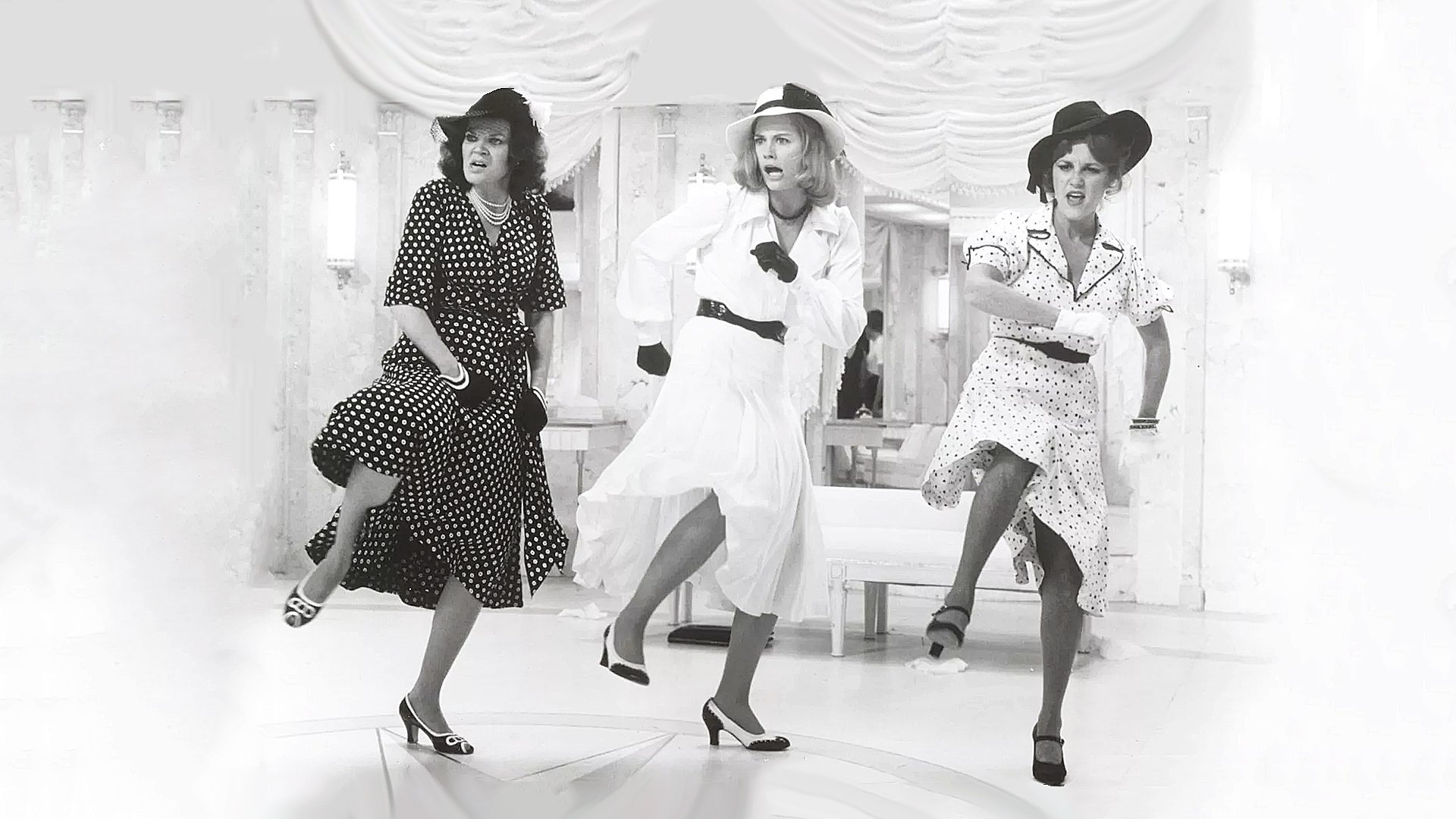
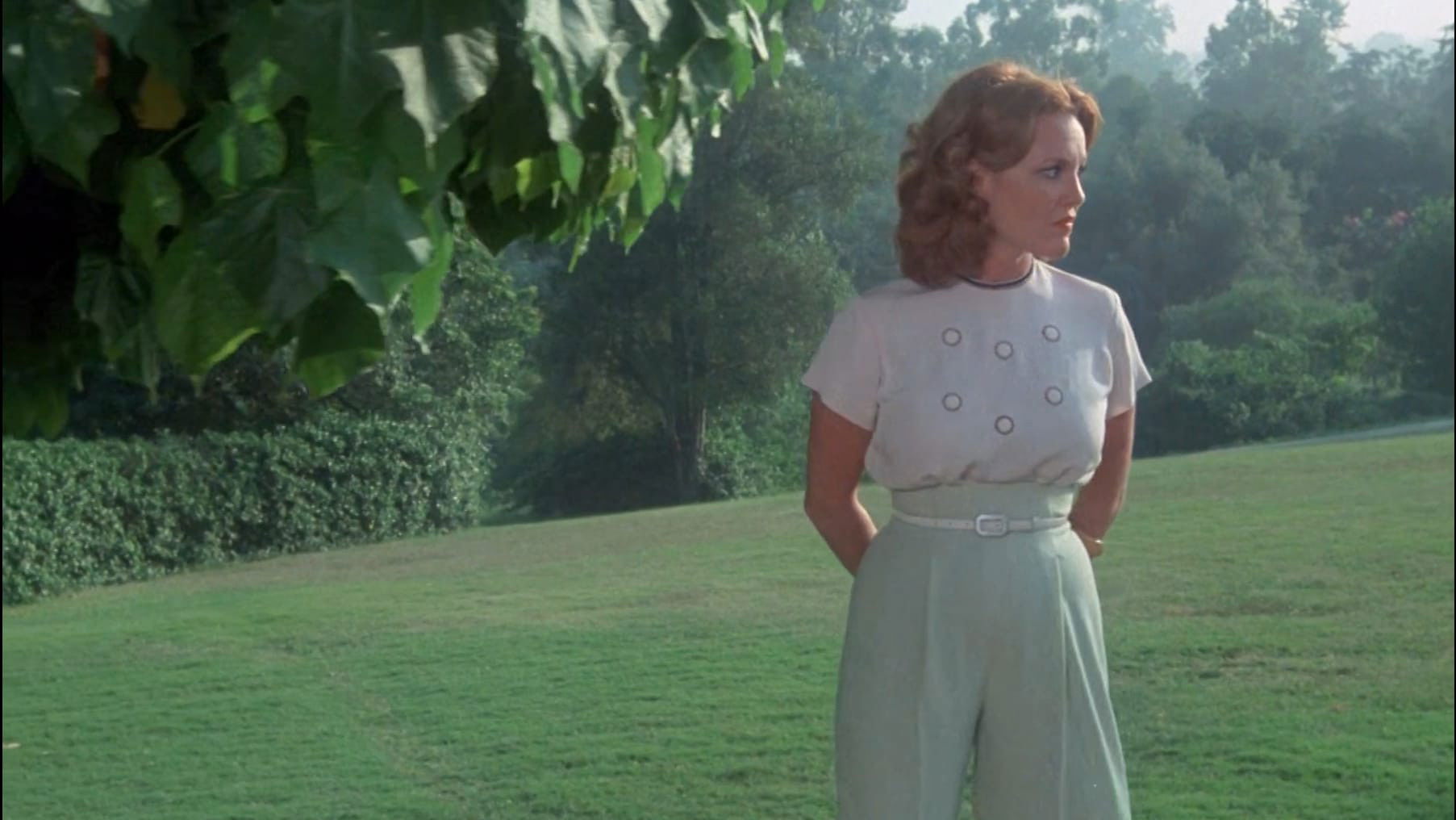
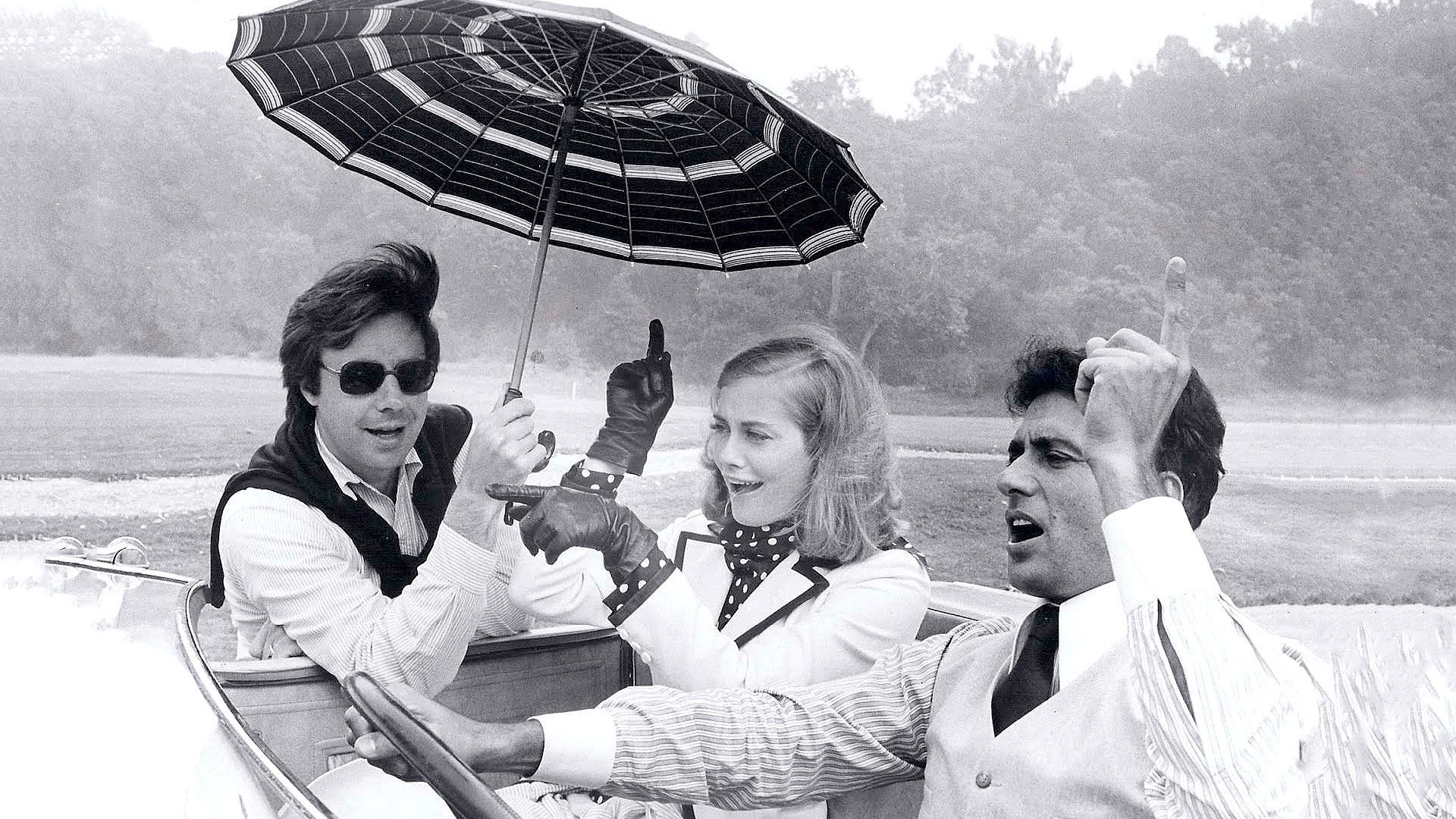
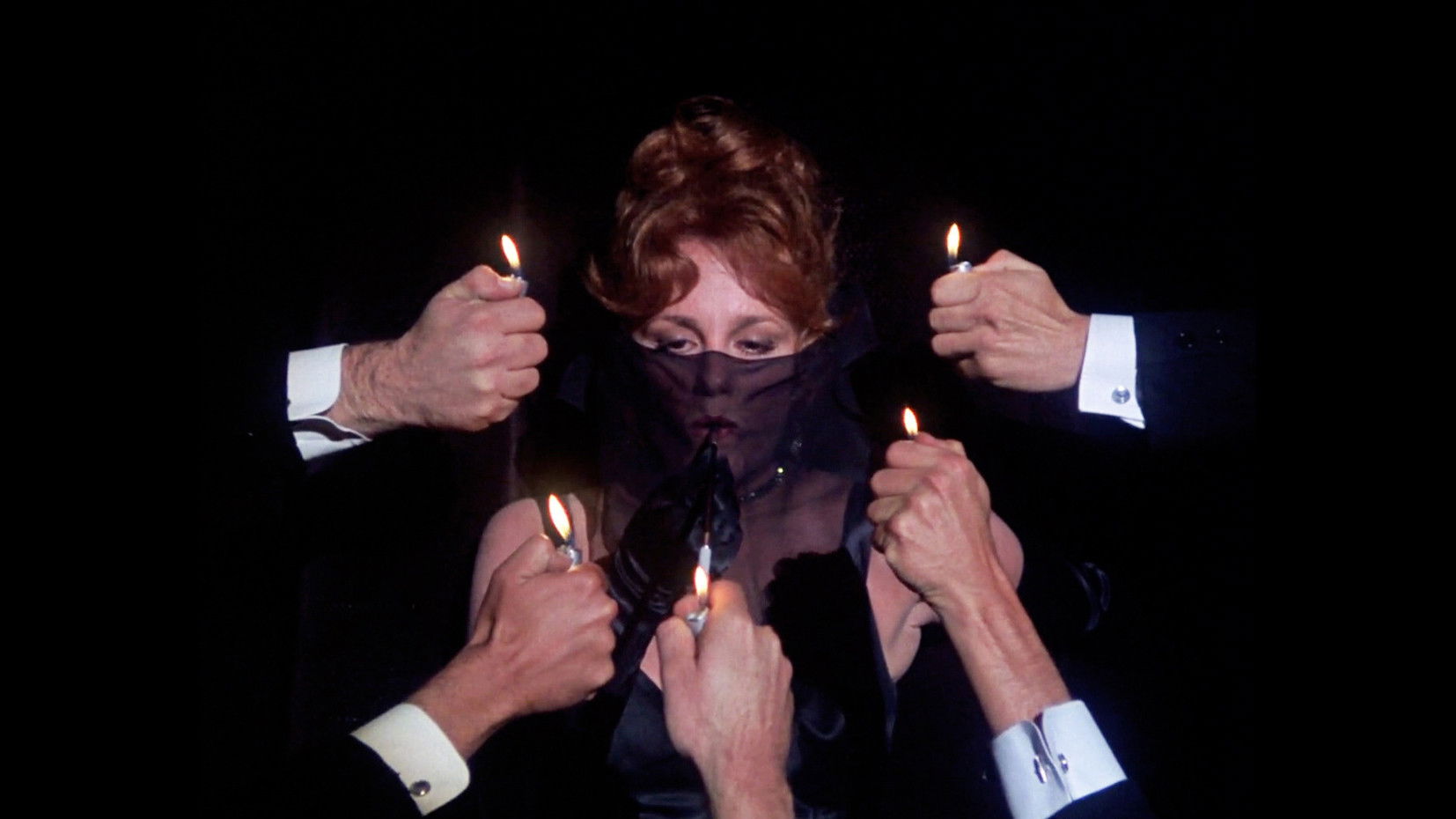
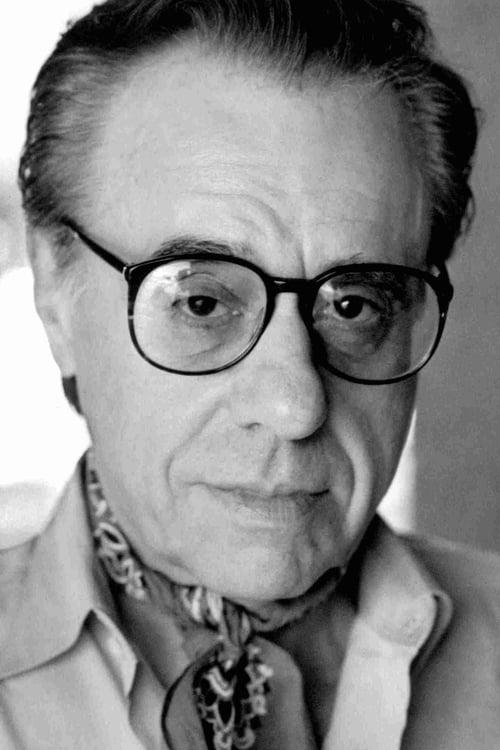
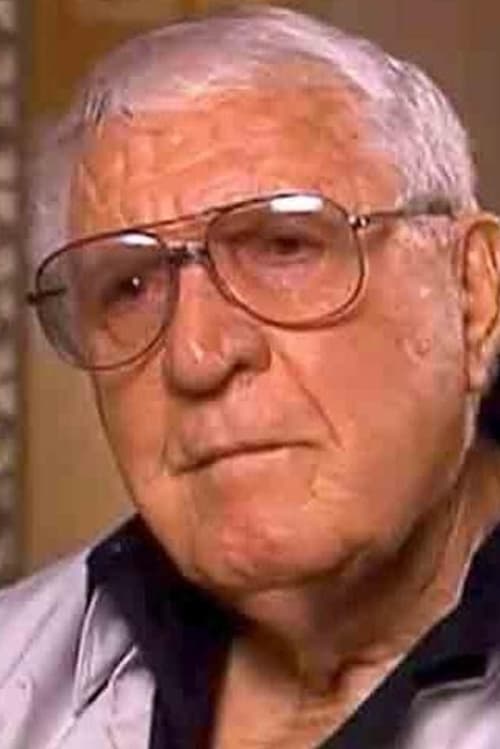
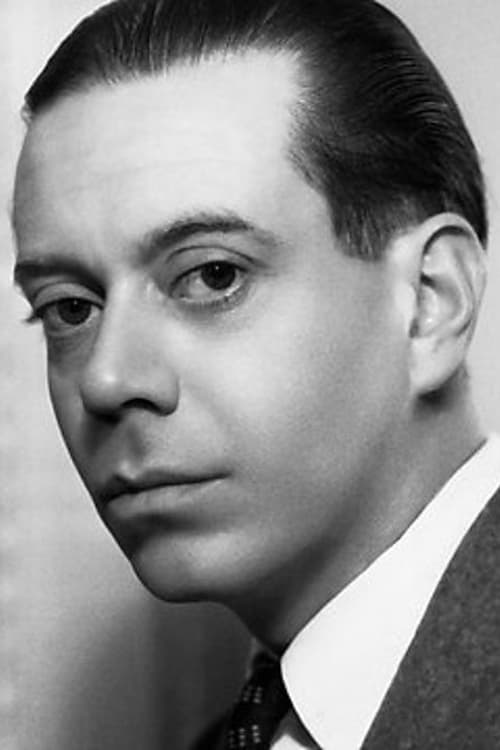
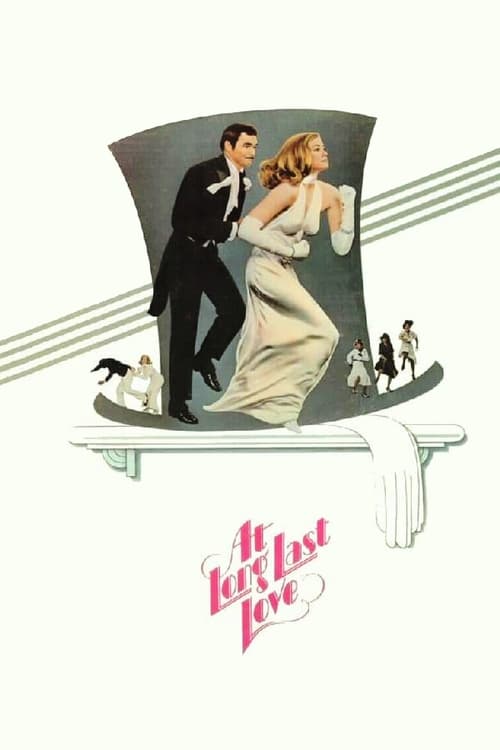
Although the dissolution of New Hollywood was already underway by the mid-1970s, it was “At Long Last Love”—Peter Bogdanovich’s ill-fated homage to the MGM musicals of yesteryear—that served as one of the earliest cultural sirens, alerting both critics and industry insiders to a seismic tonal shift within American cinema. The film, a lavish yet misguided pastiche of 1930s glamour, sought to resurrect the elegance of Cole Porter’s musical stylings but instead offered a discordant spectacle in which four non-singers stumbled their way through choreography that would have struggled to pass muster in a suburban high school production. In fact, I have vivid memories of student choreographers—teenagers—producing work more cohesive than anything Cybill Shepherd and Burt Reynolds mustered onscreen.
The critical response was swift and unrelenting. Roger Ebert, who—throughout this essay series—will emerge as a sort of cinematic idealist loyally defending New Hollywood even as it gasped for air, offered a tepid defense, describing the film as charming in parts but ultimately unworthy of his sustained interest. Pauline Kael, never one to temper her disdain, dismissed the film as a stillbirth. Vincent Canby of The New York Times took it even further, declaring it the worst film of the decade—a bold condemnation, particularly in a decade that also gave us Robson’s big fat bore “Earthquake” and Schwarzenegger’s monosyllabic debut in “Hercules in New York”. Gene Siskel was perhaps the most surgical in his excoriation, calling it a creative failure on every conceivable level.
If there were any contemporary defenders, they were few and obscure. Some asshole named Charles Michener of Newsweek offered what appears to be a solitary voice of mild praise, calling it “an amusing remembrance” and oddly insisting that it had little to do with nostalgia or camp—an assertion that reads as either contrarian posturing or a misapprehension of the film’s entire aesthetic project.
Bogdanovich, for his part, did not handle the fallout gracefully. In an act of self-flagellation both unprecedented and never since repeated in Hollywood, he took out a full-page advertisement in Variety to apologize for the film’s shortcomings. The gesture anticipates, in spirit if not in medium, Josh Trank’s infamous 2015 disavowal of “Fantastic Four” on X, the Everything App. But Bogdanovich’s contrition stood alone in its theatrical sincerity—a final note of old-school melodrama in a film already choked by it.
Bogdanovich did not merely disown “At Long Last Love”—he interred it. Of the hundreds of films I’ve sought out in recent years, this is the first for which I was forced to resort to piracy. It is absent from every major Video on Demand platform: not available for purchase or rental on YouTube Movies, Google Play, Apple TV, or Amazon Prime Video. I would have gladly paid to view it, as per the quiet ethical contract I’ve established with myself as both critic and consumer. But Bogdanovich, in effect, revoked that possibility. The film has not simply faded from circulation; it has been deliberately withheld, like an heirloom locked in a drawer out of shame.
To view At Long Last Love today is not merely to revisit a cinematic artifact—it is to trespass on something the director hoped would remain unseen.
Bogdanovich was never quite the same after “At Long Last Love”. He had emerged as a singular figure—part cinephile monk, part carnival barker—earning swift acclaim for “Targets”, a taut and unsettling debut that showcased both his technical command and his preoccupation with the cultural malaise creeping into American life. Before that, he had undertaken a brief, obligatory rite of passage under the tutelage of Roger Corman, directing the wonderfully disreputable “Voyage to the Planet of Prehistoric Women”—a film so sublimely absurd that, in some alternate and godforsaken timeline, I am directing an arch, slow-cinema remake while Quentin Tarantino, upon hearing the news, voluntarily ends his life.
Why this artistic development would provoke such a drastic reaction from Tarantino, I cannot say. But it feels true, in a way that hopefully resists interrogation.
Then came the golden streak: “The Last Picture Show”, arguably one of the greatest American films ever made; “What’s Up, Doc?”, a buoyant screwball revival that, while less artistically monumental, was adored; “Paper Moon”, a critical and popular triumph, now canonized by Letterboxd as one of the hundred greatest films ever made (89th, as of 5/5/2025); and “Daisy Miller”, a modest, intelligent adaptation that still holds its own.\
But “At Long Last Love” was the rupture—the moment the dream turned brittle. Afterward, Bogdanovich’s career would never regain its former momentum. The fall wasn’t immediate, but the damage was lasting.
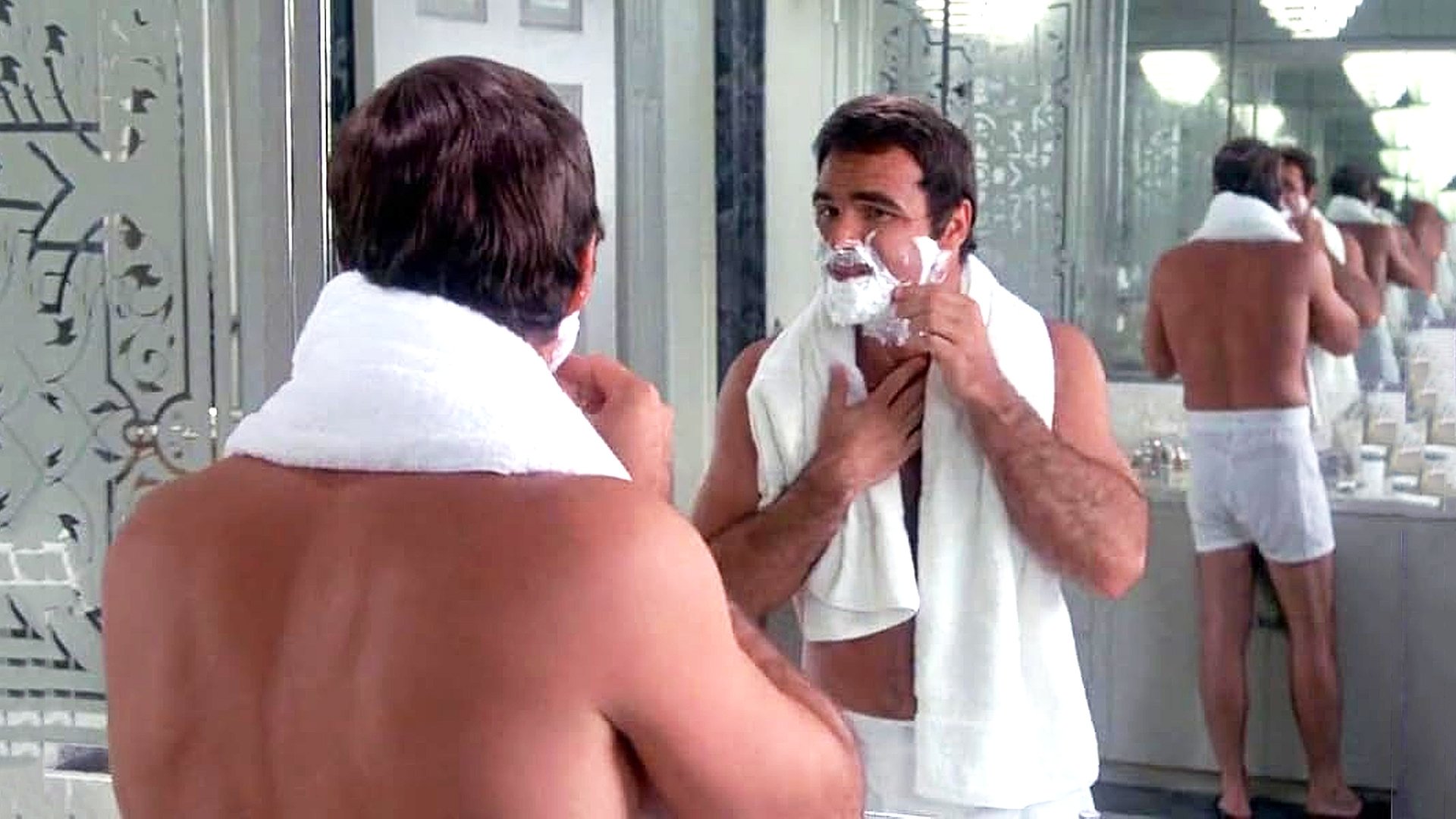
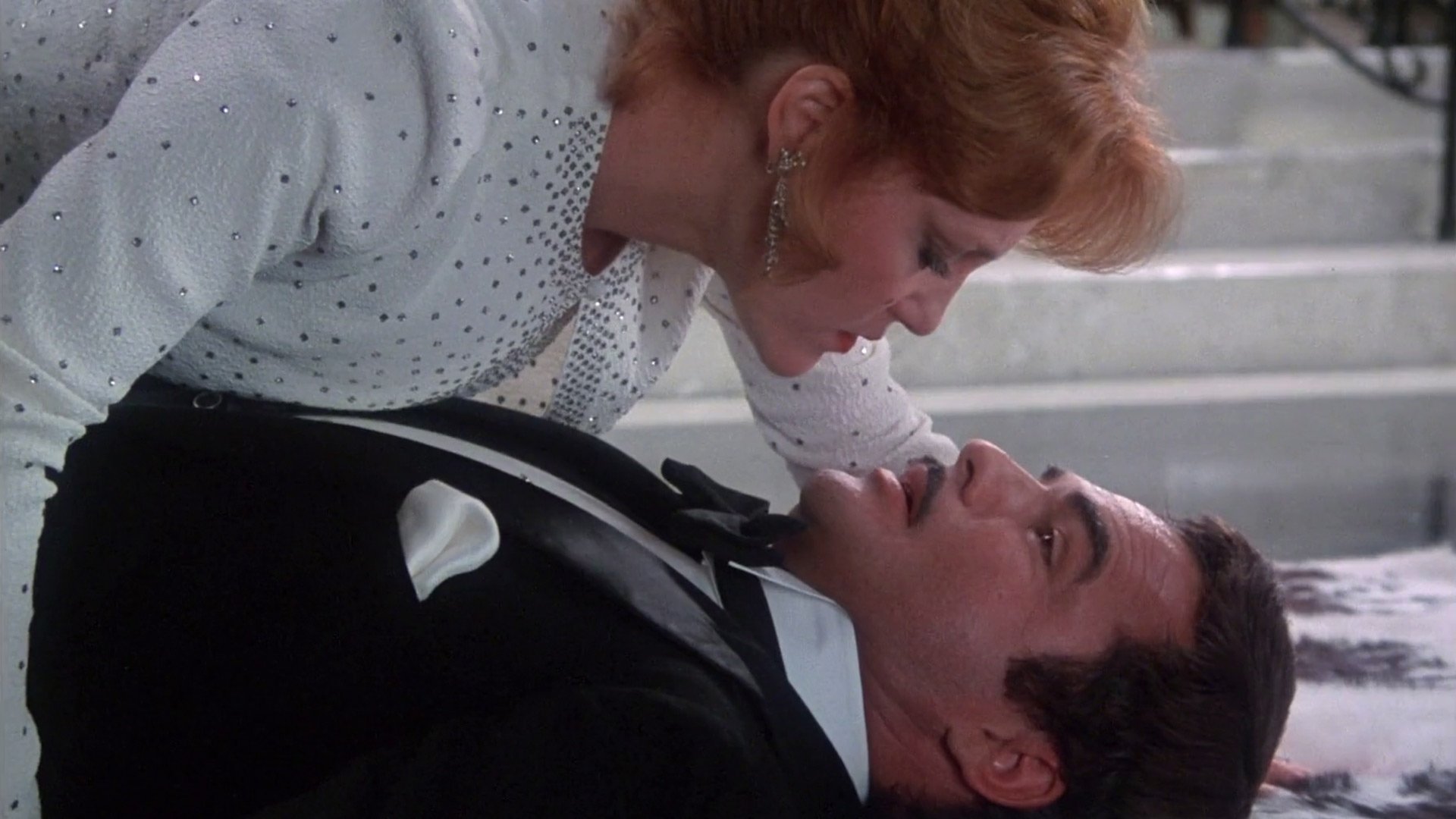
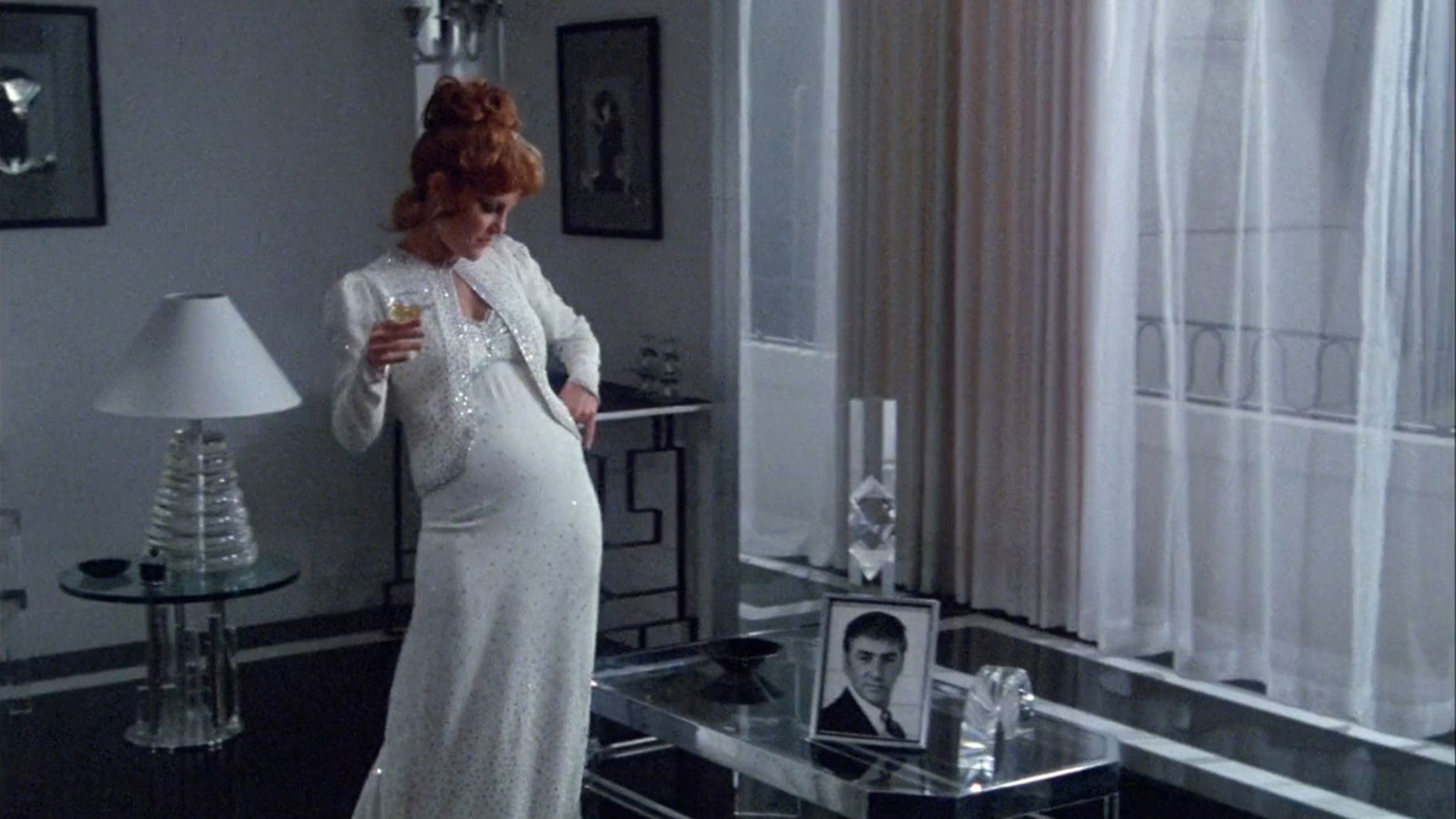
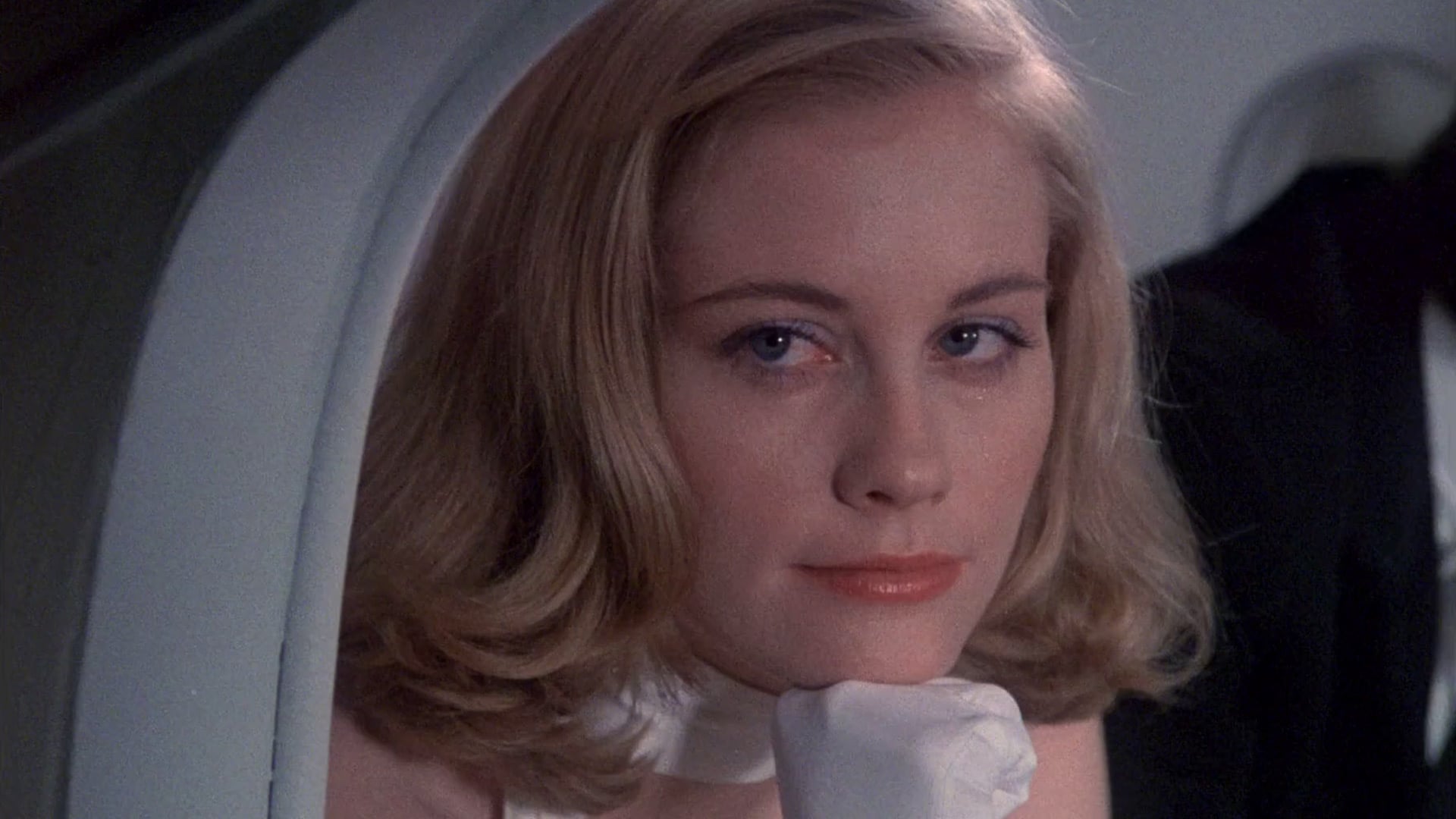
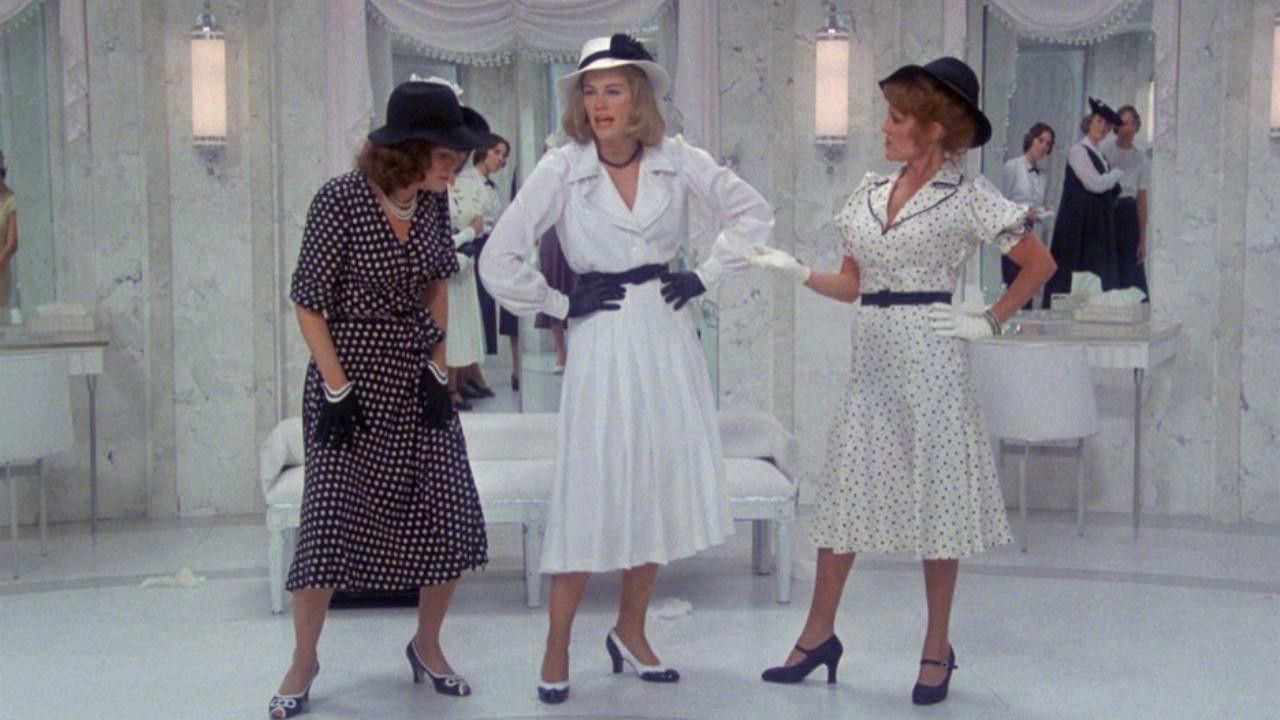
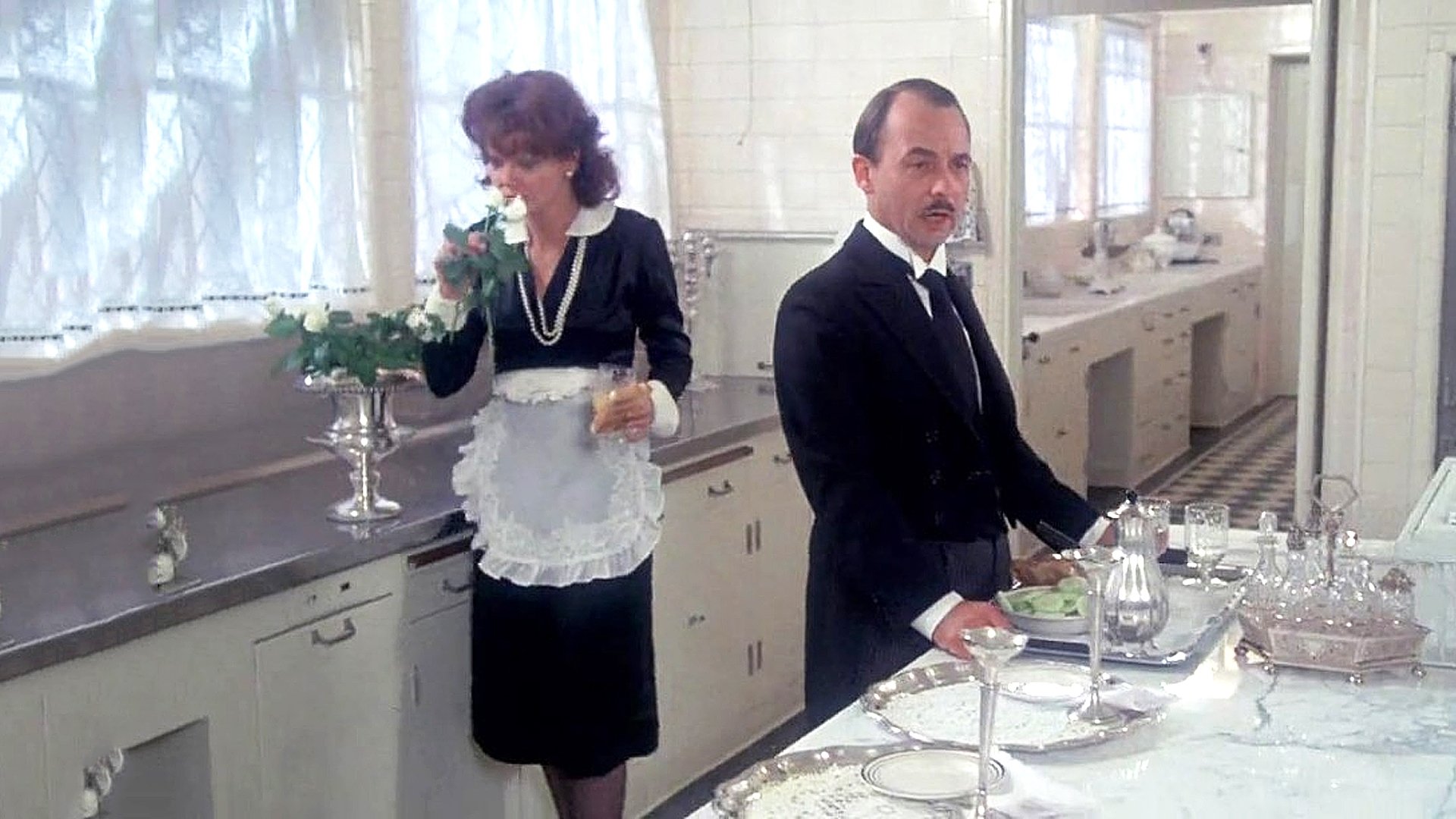
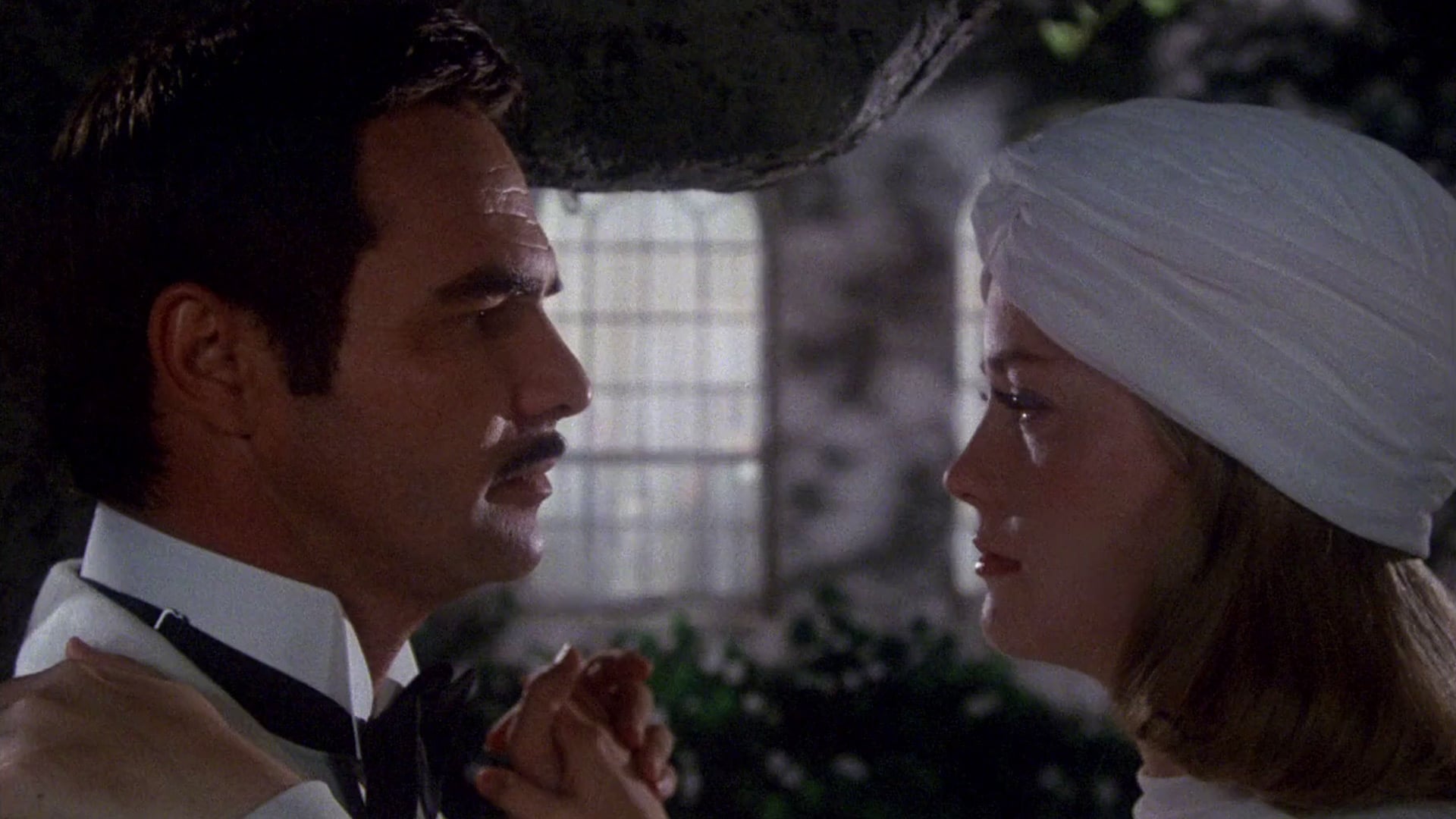
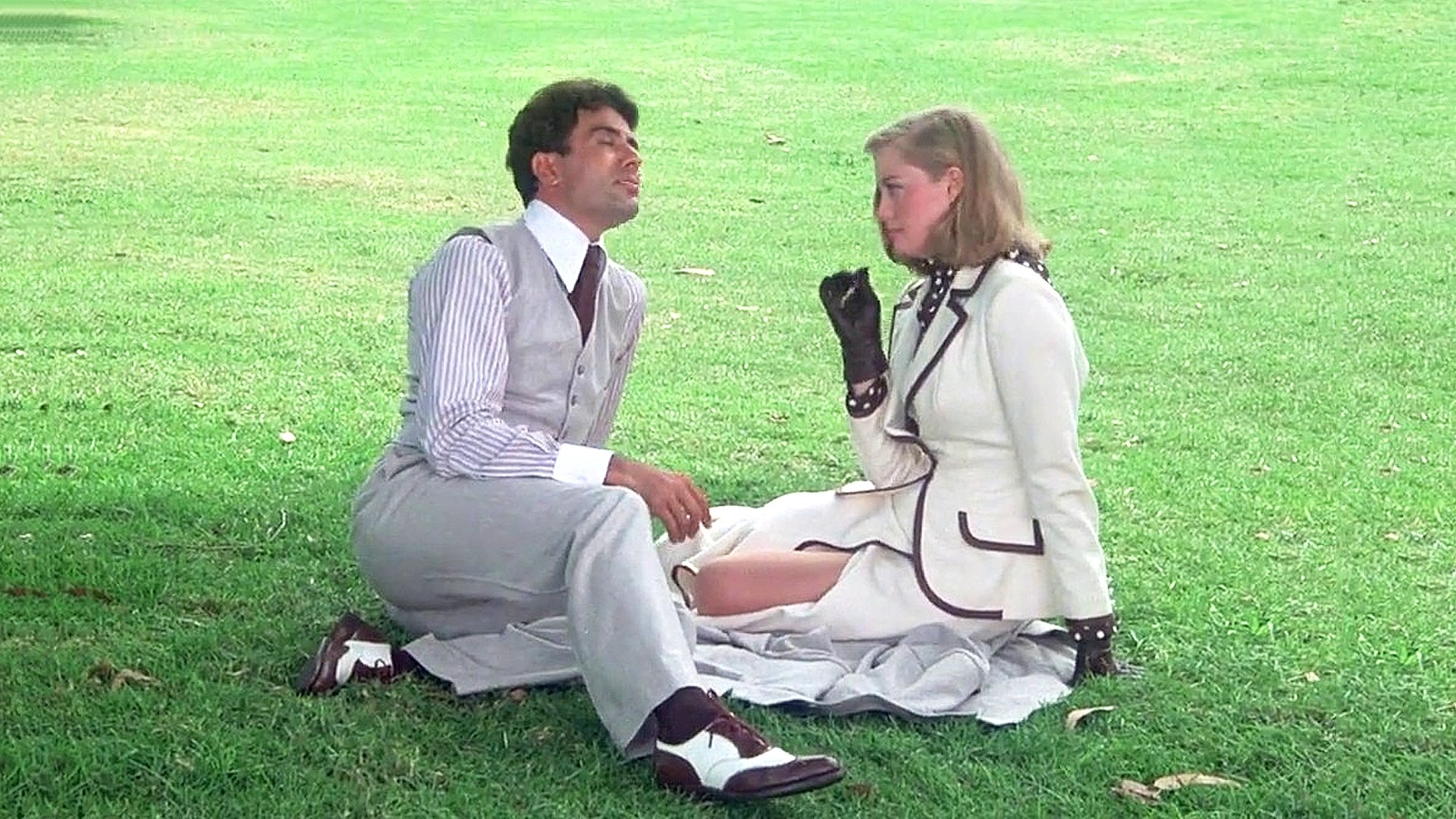
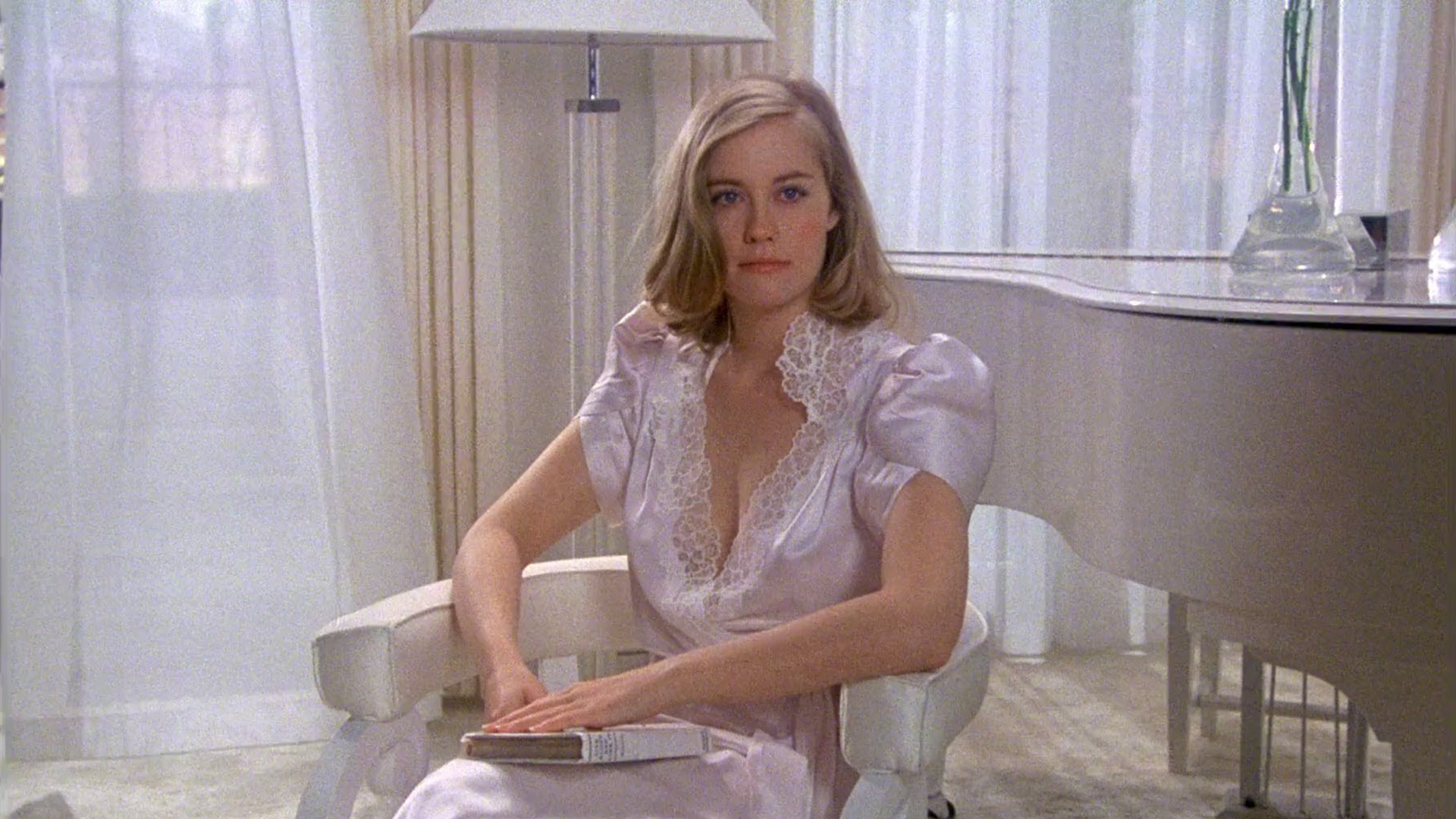
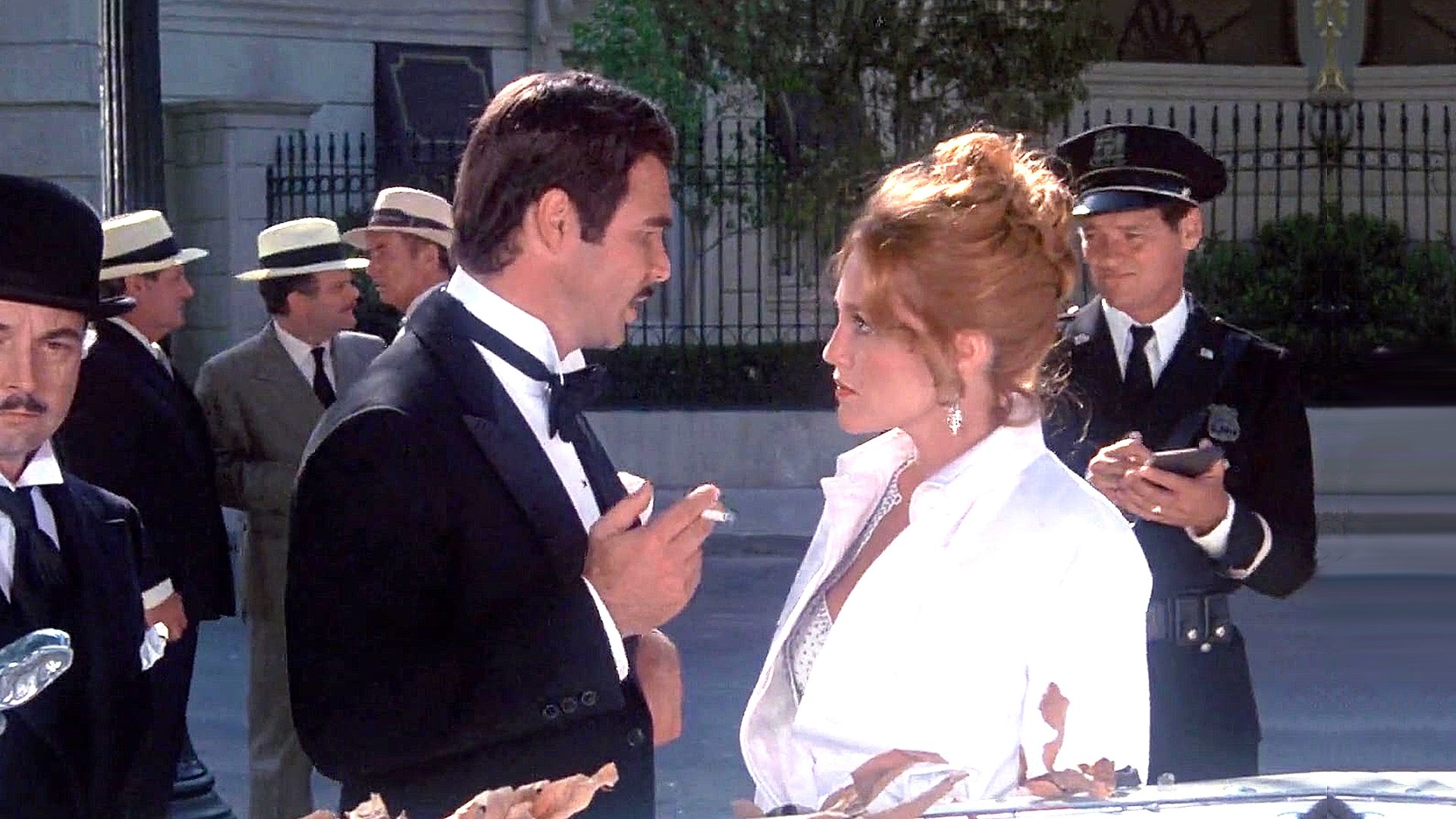
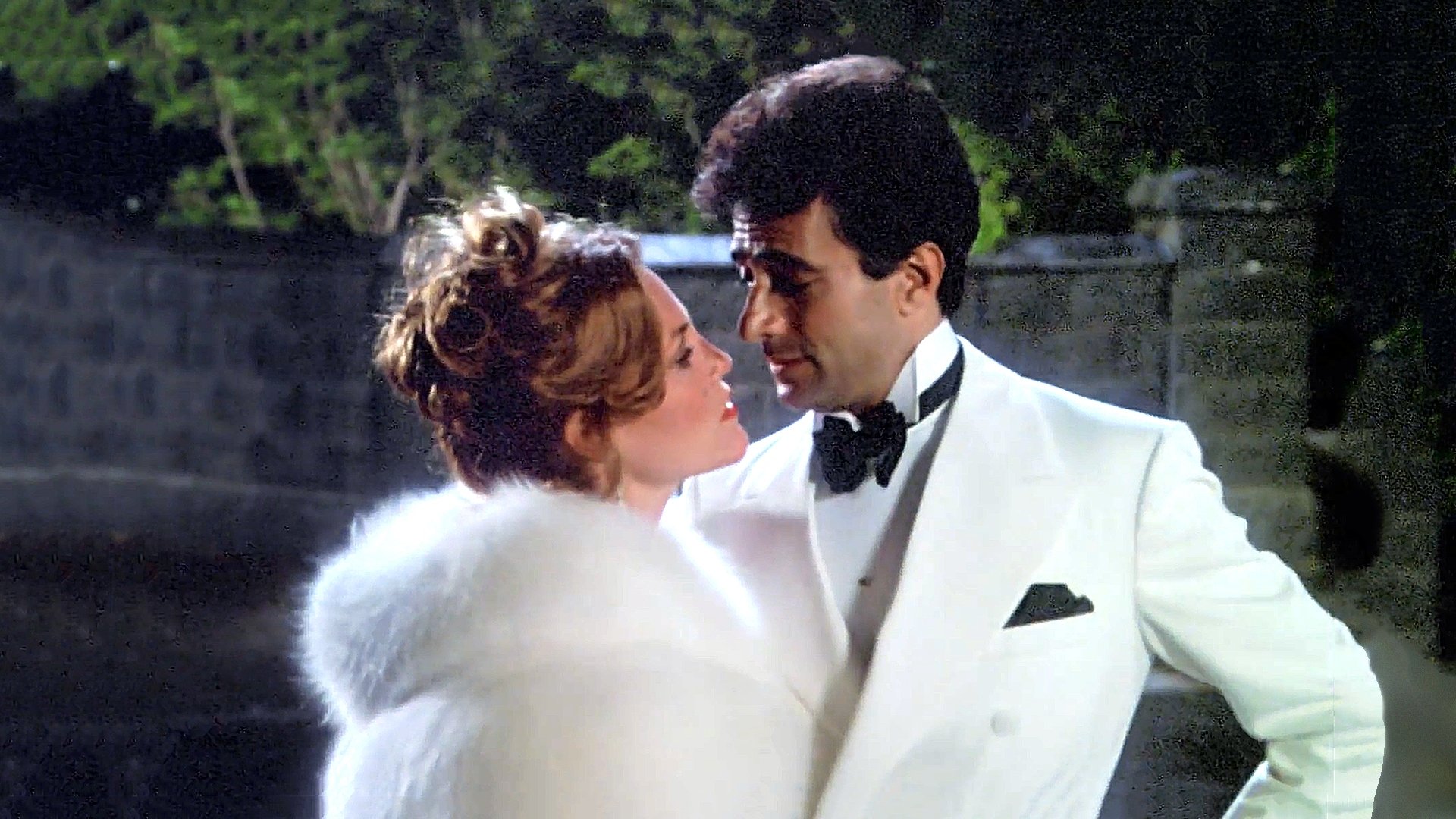
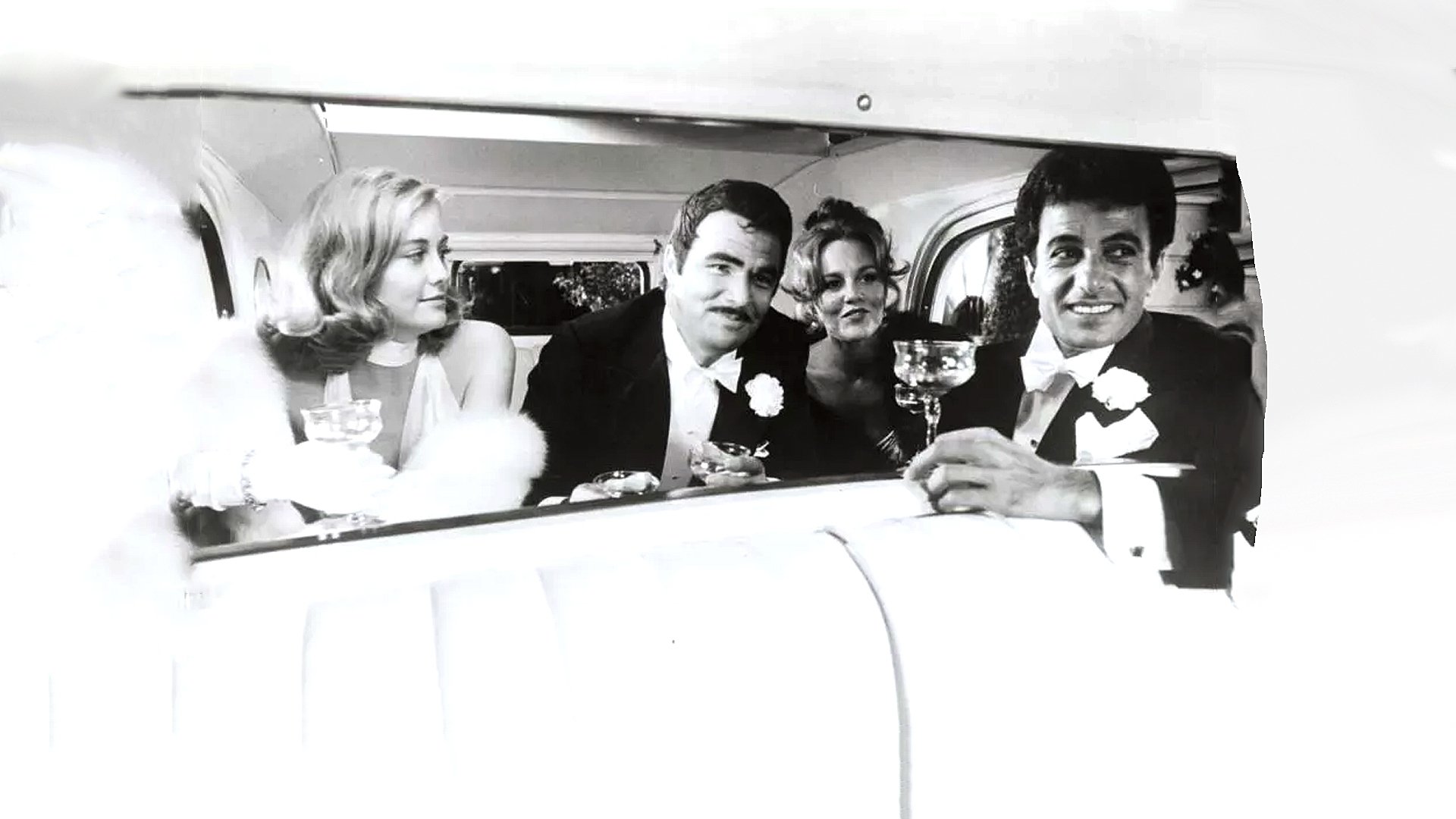
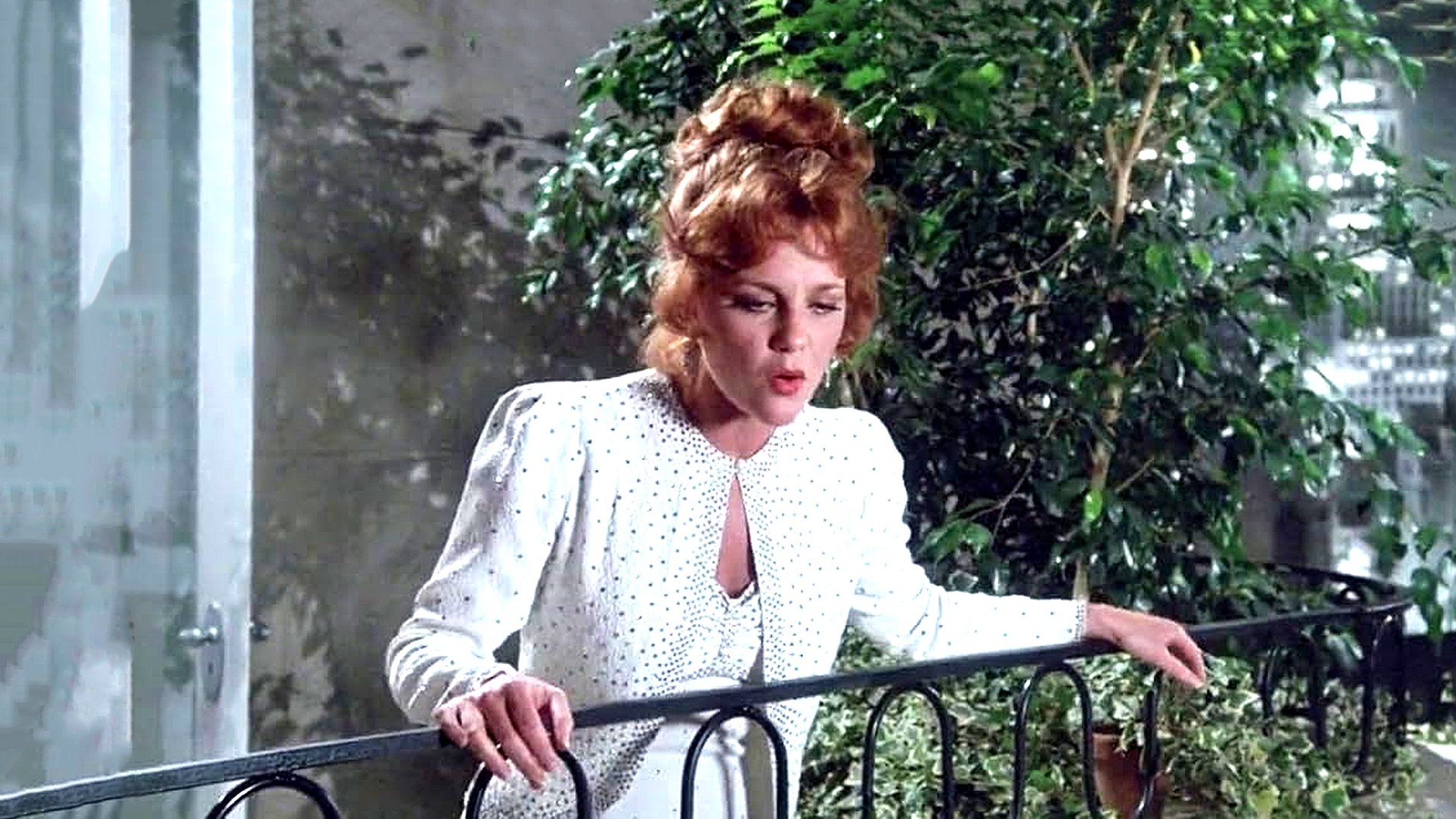
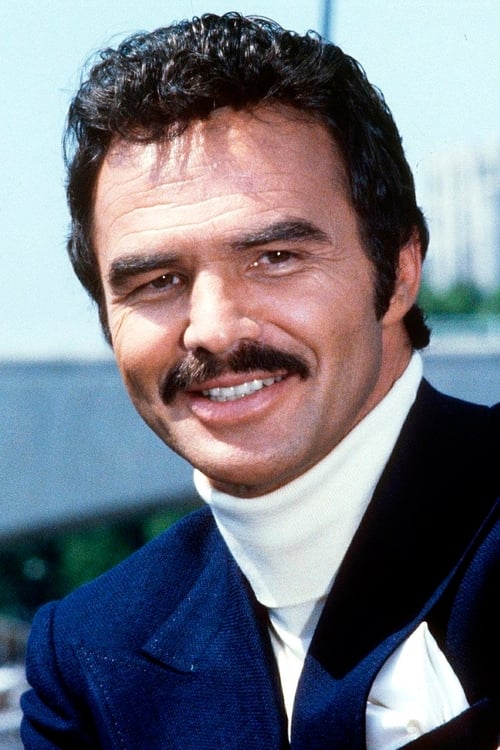
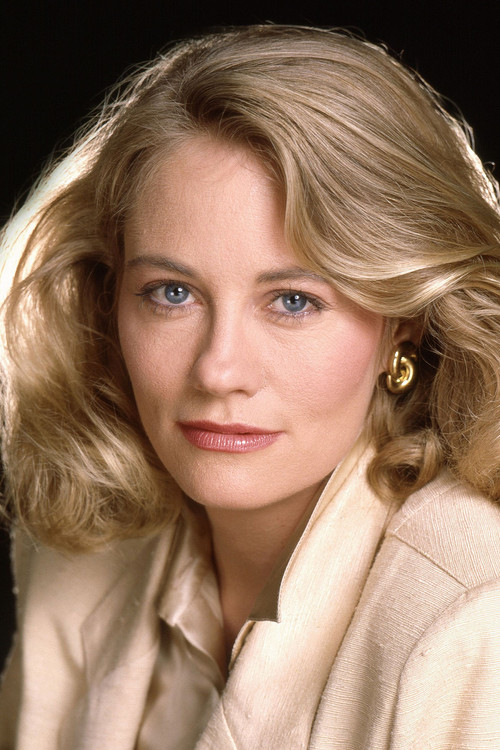
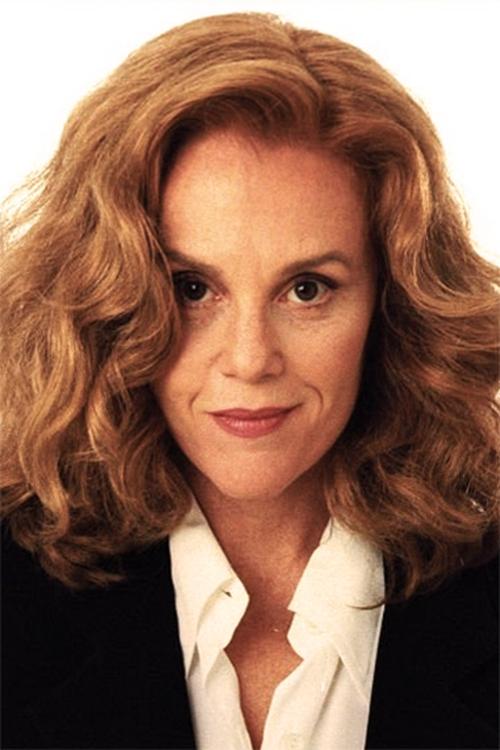
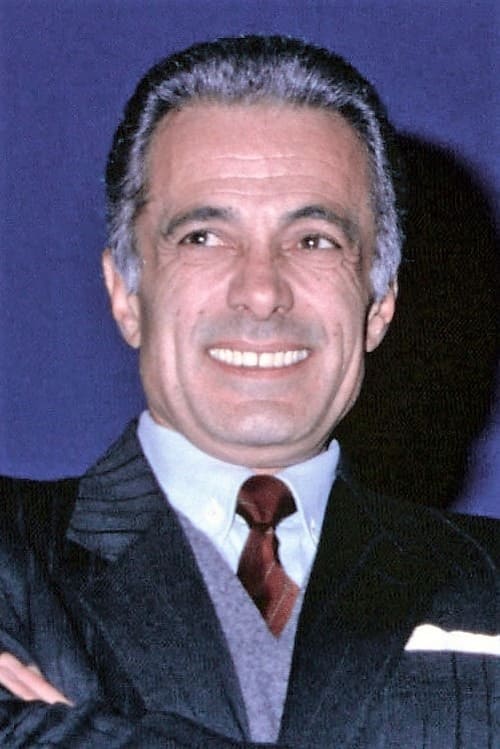
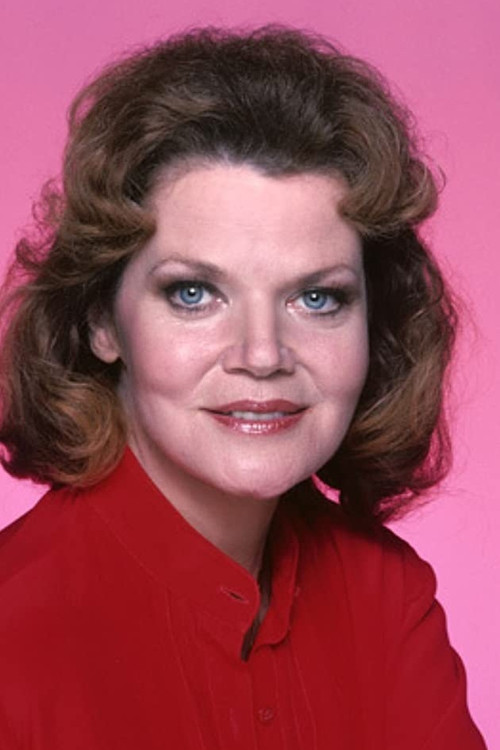
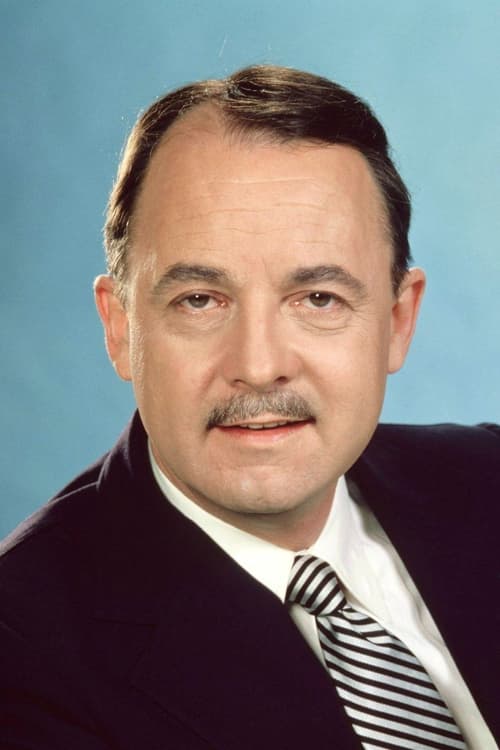
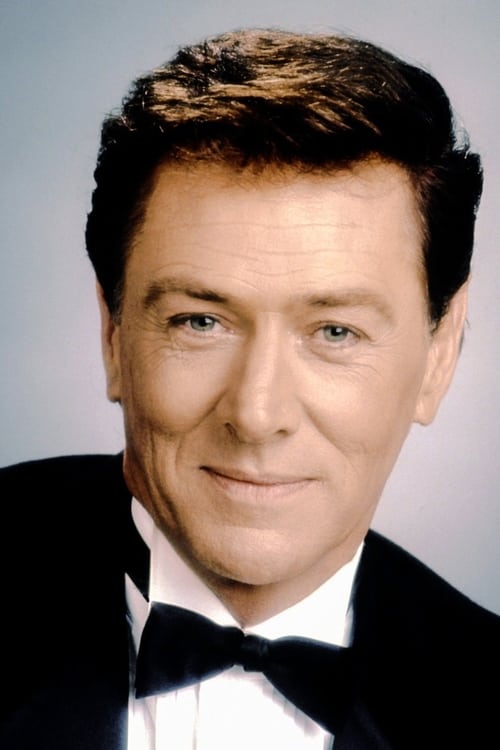
The film itself centers on a quartet of affluent misfits, each adrift in a world of performative charm and idle wealth. There is Pritchard (Burt Reynolds), a rakish bon vivant whose meet-cute with the formidable stage diva Kitty O’Kelly (Madeline Kahn) occurs only after he nearly mows her down with his automobile—a gesture that, while unintentionally violent, is metaphorically apt for the film’s clumsy approach to romantic collision. Meanwhile, Giovanni Spagnoli (Duilio Del Prete), a peripatetic gambler who rechristens himself Johnny Spanish, encounters heiress Brooke Carter (Cybill Shepherd) at a horse track, their courtship predicated less on chemistry than on the transactional absurdity of betting parlors and borrowed identities.
Taken in isolation, the performances are competent—occasionally even charming—so long as they remain anchored in dialogue. But the film, in its misguided fidelity to the golden-age musical, insists on a relentless interjection of song and dance. And here, its foundation collapses.
It remains something of a mystery to me why so many critics zeroed in on Shepherd as the primary musical offender. Perhaps it was her real-life relationship with Bogdanovich, which colored perceptions of nepotism; perhaps it was the brittle disposition of her character. Whatever the reason, the criticism seems misplaced. If anything, Shepherd emerges as the most capable of the four in both singing and choreography—a dubious accolade, certainly, but an accurate one.
To put it bluntly: if I were inserted into the film, I am confident I would be the second-best vocalist among the five, and without question the most competent dancer. I do not assert this lightly, and I am not joking. I assert it because, in the case of “At Long Last Love”, such an achievement would require neither training nor talent—only rhythm and the ability to maintain eye contact while moving one’s feet.
That said, there are glimmers—brief, fizzy moments, often centered on Pritchard—where the film’s self-aware frivolity becomes oddly endearing. Reynolds, of all people, manages to channel a kind of half-drunk, big-band Cary Grant energy that almost sells the conceit. These fragments suggest that Bogdanovich, whatever else he may have lost, hadn’t entirely misplaced his sense of timing or whimsy. Still, it’s hard to argue that “At Long Last Love” was attempting anything formally radical or conceptually bold. The film plays less like a reinvention of the musical than a slightly slurred toast to its memory.
And that raises a difficult question: why bother with this pastiche when one could simply revisit Lubitsch—whose prewar musicals like “One Hour with You”, “The Merry Widow”, or “The Smiling Lieutenant” glide with a wit and eroticism that Bogdanovich’s imitation can only gesture toward? The world had already turned gray by the time this film stumbled into theaters, and watching it now feels like arriving late to a party where the champagne’s gone flat and everyone’s pretending the band is still playing.
You’ll be reminded of that, if not by the film itself, then certainly by the end of this essay.
“At Long Last Love” was merely the first blow in a one-two combination that would all but flatten Bogdanovich’s career. The follow-up, “Nickelodeon”, was conceived as a wistful homage to the silent film era—a deeply personal project that, by Bogdanovich’s own account, was subjected to far greater studio interference than its predecessor. Having lost his final cut privileges in the fallout from “At Long Last Love”, Bogdanovich found himself at the mercy of Columbia Pictures, who, in a baffling display of learned nothing, insisted once again on casting Burt Reynolds—because evidently that had gone so well the first time. Alongside Reynolds, they pushed for Ryan O’Neal, reuniting him with Bogdanovich after their prior successes on “What’s Up, Doc?” and “Paper Moon”.
Bogdanovich, by contrast, had envisioned the film with John Ritter and Jeff Bridges in the leads—choices that, in hindsight, suggest a markedly more agile and tonally precise version of the film. He had also lobbied for the return of Cybill Shepherd, a proposal that was swiftly vetoed by the studio. What were those chucklefucks thinking?
There is no need for a granular postmortem of “Nickelodeon”’s impact on Bogdanovich’s career. These three paragraphs alone should suffice as both obituary and autopsy.
In the aftermath of “Nickelodeon”, Bogdanovich’s industry cachet evaporated. His name, once synonymous with a new cinematic vanguard, became a cautionary tale—an object lesson in auteurial overreach and the unforgiving tides of studio politics. But what followed was not merely professional decline. It was tragedy.
While directing “They All Laughed”, Bogdanovich met and fell in love with Dorothy Stratten, a rising starlet and Playboy model. Their relationship was brief and doomed. In 1980, Stratten—just 20 years old—was murdered by her estranged husband and former manager, Paul Snider, who subsequently died by suicide. It was a crime that reverberated across the industry, grotesque in its intimacy and finality.
The aftermath became its own spectacle. Journalist Teresa Carpenter published a Pulitzer Prize-winning article detailing the events surrounding Stratten’s death, casting a critical eye not only on Snider, but also on Hugh Hefner and Bogdanovich—arguing, in effect, that both men had contributed to the circumstances that led to her murder. Carpenter’s article would become the basis for “Star 80”, the final film of director Bob Fosse. Bogdanovich, incensed by the project, refused to participate in any capacity and reportedly threatened legal action should the character modeled on him—Aram Nicholas, portrayed by Roger Rees—be rendered in a defamatory light.
Not long after the release of “Star 80”, Hugh Hefner publicly accused Peter Bogdanovich of having pursued a relationship with Dorothy Stratten’s younger sister, Louise, while she was still a minor. The timeline remains contested, but one verifiable fact stands out: Bogdanovich and Louise Stratten were married on December 30, 1988—he was 49; she was 20. However one parses the chronology, the effect is the same: a slow, nauseating tilt into moral vertigo. And as for how Hefner—a man hardly above reproach—came to know Louise when she was 13, one shudders to speculate. Whatever the answer, it is almost certainly grotesque.
Bogdanovich and Louise remained close after their divorce, reportedly as dear friends, until his death on January 6, 2022. It's difficult to pivot back to “At Long Last Love” from there—though the collapse it initiated now seems, in hindsight, almost quaint compared to what followed. I think I need a shower before I say anything else about the death of New Hollywood.
But this was only the beginning. “At Long Last Love” was the first in a brutal parade of high-profile misfires from some of the era’s most venerated auteurs. Later that same year, even the great Robert Wise would face his own spectacular downfall with “The Hindenburg”, a film I’ll be writing about next week. Before that, though—on Thursday, May 8th—I’ll turn to the seismic force that reshaped the entire cinematic landscape: “Jaws”.
Although the dissolution of New Hollywood was already underway by the mid-1970s, it was “At Long Last Love”—Peter Bogdanovich’s ill-fated homage to the MGM musicals of yesteryear—that served as one of the earliest cultural sirens, alerting both critics and industry insiders to a seismic tonal shift within American cinema. The film, a lavish yet misguided pastiche of 1930s glamour, sought to resurrect the elegance of Cole Porter’s musical stylings but instead offered a discordant spectacle in which four non-singers stumbled their way through choreography that would have struggled to pass muster in a suburban high school production. In fact, I have vivid memories of student choreographers—teenagers—producing work more cohesive than anything Cybill Shepherd and Burt Reynolds mustered onscreen.
The critical response was swift and unrelenting. Roger Ebert, who—throughout this essay series—will emerge as a sort of cinematic idealist loyally defending New Hollywood even as it gasped for air, offered a tepid defense, describing the film as charming in parts but ultimately unworthy of his sustained interest. Pauline Kael, never one to temper her disdain, dismissed the film as a stillbirth. Vincent Canby of The New York Times took it even further, declaring it the worst film of the decade—a bold condemnation, particularly in a decade that also gave us Robson’s big fat bore “Earthquake” and Schwarzenegger’s monosyllabic debut in “Hercules in New York”. Gene Siskel was perhaps the most surgical in his excoriation, calling it a creative failure on every conceivable level.
If there were any contemporary defenders, they were few and obscure. Some asshole named Charles Michener of Newsweek offered what appears to be a solitary voice of mild praise, calling it “an amusing remembrance” and oddly insisting that it had little to do with nostalgia or camp—an assertion that reads as either contrarian posturing or a misapprehension of the film’s entire aesthetic project.
Bogdanovich, for his part, did not handle the fallout gracefully. In an act of self-flagellation both unprecedented and never since repeated in Hollywood, he took out a full-page advertisement in Variety to apologize for the film’s shortcomings. The gesture anticipates, in spirit if not in medium, Josh Trank’s infamous 2015 disavowal of “Fantastic Four” on X, the Everything App. But Bogdanovich’s contrition stood alone in its theatrical sincerity—a final note of old-school melodrama in a film already choked by it.
Bogdanovich did not merely disown “At Long Last Love”—he interred it. Of the hundreds of films I’ve sought out in recent years, this is the first for which I was forced to resort to piracy. It is absent from every major Video on Demand platform: not available for purchase or rental on YouTube Movies, Google Play, Apple TV, or Amazon Prime Video. I would have gladly paid to view it, as per the quiet ethical contract I’ve established with myself as both critic and consumer. But Bogdanovich, in effect, revoked that possibility. The film has not simply faded from circulation; it has been deliberately withheld, like an heirloom locked in a drawer out of shame.
To view At Long Last Love today is not merely to revisit a cinematic artifact—it is to trespass on something the director hoped would remain unseen.
Bogdanovich was never quite the same after “At Long Last Love”. He had emerged as a singular figure—part cinephile monk, part carnival barker—earning swift acclaim for “Targets”, a taut and unsettling debut that showcased both his technical command and his preoccupation with the cultural malaise creeping into American life. Before that, he had undertaken a brief, obligatory rite of passage under the tutelage of Roger Corman, directing the wonderfully disreputable “Voyage to the Planet of Prehistoric Women”—a film so sublimely absurd that, in some alternate and godforsaken timeline, I am directing an arch, slow-cinema remake while Quentin Tarantino, upon hearing the news, voluntarily ends his life.
Why this artistic development would provoke such a drastic reaction from Tarantino, I cannot say. But it feels true, in a way that hopefully resists interrogation.
Then came the golden streak: “The Last Picture Show”, arguably one of the greatest American films ever made; “What’s Up, Doc?”, a buoyant screwball revival that, while less artistically monumental, was adored; “Paper Moon”, a critical and popular triumph, now canonized by Letterboxd as one of the hundred greatest films ever made (89th, as of 5/5/2025); and “Daisy Miller”, a modest, intelligent adaptation that still holds its own.\
But “At Long Last Love” was the rupture—the moment the dream turned brittle. Afterward, Bogdanovich’s career would never regain its former momentum. The fall wasn’t immediate, but the damage was lasting.
The film itself centers on a quartet of affluent misfits, each adrift in a world of performative charm and idle wealth. There is Pritchard (Burt Reynolds), a rakish bon vivant whose meet-cute with the formidable stage diva Kitty O’Kelly (Madeline Kahn) occurs only after he nearly mows her down with his automobile—a gesture that, while unintentionally violent, is metaphorically apt for the film’s clumsy approach to romantic collision. Meanwhile, Giovanni Spagnoli (Duilio Del Prete), a peripatetic gambler who rechristens himself Johnny Spanish, encounters heiress Brooke Carter (Cybill Shepherd) at a horse track, their courtship predicated less on chemistry than on the transactional absurdity of betting parlors and borrowed identities.
Taken in isolation, the performances are competent—occasionally even charming—so long as they remain anchored in dialogue. But the film, in its misguided fidelity to the golden-age musical, insists on a relentless interjection of song and dance. And here, its foundation collapses.
It remains something of a mystery to me why so many critics zeroed in on Shepherd as the primary musical offender. Perhaps it was her real-life relationship with Bogdanovich, which colored perceptions of nepotism; perhaps it was the brittle disposition of her character. Whatever the reason, the criticism seems misplaced. If anything, Shepherd emerges as the most capable of the four in both singing and choreography—a dubious accolade, certainly, but an accurate one.
To put it bluntly: if I were inserted into the film, I am confident I would be the second-best vocalist among the five, and without question the most competent dancer. I do not assert this lightly, and I am not joking. I assert it because, in the case of “At Long Last Love”, such an achievement would require neither training nor talent—only rhythm and the ability to maintain eye contact while moving one’s feet.
That said, there are glimmers—brief, fizzy moments, often centered on Pritchard—where the film’s self-aware frivolity becomes oddly endearing. Reynolds, of all people, manages to channel a kind of half-drunk, big-band Cary Grant energy that almost sells the conceit. These fragments suggest that Bogdanovich, whatever else he may have lost, hadn’t entirely misplaced his sense of timing or whimsy. Still, it’s hard to argue that “At Long Last Love” was attempting anything formally radical or conceptually bold. The film plays less like a reinvention of the musical than a slightly slurred toast to its memory.
And that raises a difficult question: why bother with this pastiche when one could simply revisit Lubitsch—whose prewar musicals like “One Hour with You”, “The Merry Widow”, or “The Smiling Lieutenant” glide with a wit and eroticism that Bogdanovich’s imitation can only gesture toward? The world had already turned gray by the time this film stumbled into theaters, and watching it now feels like arriving late to a party where the champagne’s gone flat and everyone’s pretending the band is still playing.
You’ll be reminded of that, if not by the film itself, then certainly by the end of this essay.
“At Long Last Love” was merely the first blow in a one-two combination that would all but flatten Bogdanovich’s career. The follow-up, “Nickelodeon”, was conceived as a wistful homage to the silent film era—a deeply personal project that, by Bogdanovich’s own account, was subjected to far greater studio interference than its predecessor. Having lost his final cut privileges in the fallout from “At Long Last Love”, Bogdanovich found himself at the mercy of Columbia Pictures, who, in a baffling display of learned nothing, insisted once again on casting Burt Reynolds—because evidently that had gone so well the first time. Alongside Reynolds, they pushed for Ryan O’Neal, reuniting him with Bogdanovich after their prior successes on “What’s Up, Doc?” and “Paper Moon”.
Bogdanovich, by contrast, had envisioned the film with John Ritter and Jeff Bridges in the leads—choices that, in hindsight, suggest a markedly more agile and tonally precise version of the film. He had also lobbied for the return of Cybill Shepherd, a proposal that was swiftly vetoed by the studio. What were those chucklefucks thinking?
There is no need for a granular postmortem of “Nickelodeon”’s impact on Bogdanovich’s career. These three paragraphs alone should suffice as both obituary and autopsy.
In the aftermath of “Nickelodeon”, Bogdanovich’s industry cachet evaporated. His name, once synonymous with a new cinematic vanguard, became a cautionary tale—an object lesson in auteurial overreach and the unforgiving tides of studio politics. But what followed was not merely professional decline. It was tragedy.
While directing “They All Laughed”, Bogdanovich met and fell in love with Dorothy Stratten, a rising starlet and Playboy model. Their relationship was brief and doomed. In 1980, Stratten—just 20 years old—was murdered by her estranged husband and former manager, Paul Snider, who subsequently died by suicide. It was a crime that reverberated across the industry, grotesque in its intimacy and finality.
The aftermath became its own spectacle. Journalist Teresa Carpenter published a Pulitzer Prize-winning article detailing the events surrounding Stratten’s death, casting a critical eye not only on Snider, but also on Hugh Hefner and Bogdanovich—arguing, in effect, that both men had contributed to the circumstances that led to her murder. Carpenter’s article would become the basis for “Star 80”, the final film of director Bob Fosse. Bogdanovich, incensed by the project, refused to participate in any capacity and reportedly threatened legal action should the character modeled on him—Aram Nicholas, portrayed by Roger Rees—be rendered in a defamatory light.
Not long after the release of “Star 80”, Hugh Hefner publicly accused Peter Bogdanovich of having pursued a relationship with Dorothy Stratten’s younger sister, Louise, while she was still a minor. The timeline remains contested, but one verifiable fact stands out: Bogdanovich and Louise Stratten were married on December 30, 1988—he was 49; she was 20. However one parses the chronology, the effect is the same: a slow, nauseating tilt into moral vertigo. And as for how Hefner—a man hardly above reproach—came to know Louise when she was 13, one shudders to speculate. Whatever the answer, it is almost certainly grotesque.
Bogdanovich and Louise remained close after their divorce, reportedly as dear friends, until his death on January 6, 2022. It's difficult to pivot back to “At Long Last Love” from there—though the collapse it initiated now seems, in hindsight, almost quaint compared to what followed. I think I need a shower before I say anything else about the death of New Hollywood.
But this was only the beginning. “At Long Last Love” was the first in a brutal parade of high-profile misfires from some of the era’s most venerated auteurs. Later that same year, even the great Robert Wise would face his own spectacular downfall with “The Hindenburg”, a film I’ll be writing about next week. Before that, though—on Thursday, May 8th—I’ll turn to the seismic force that reshaped the entire cinematic landscape: “Jaws”.