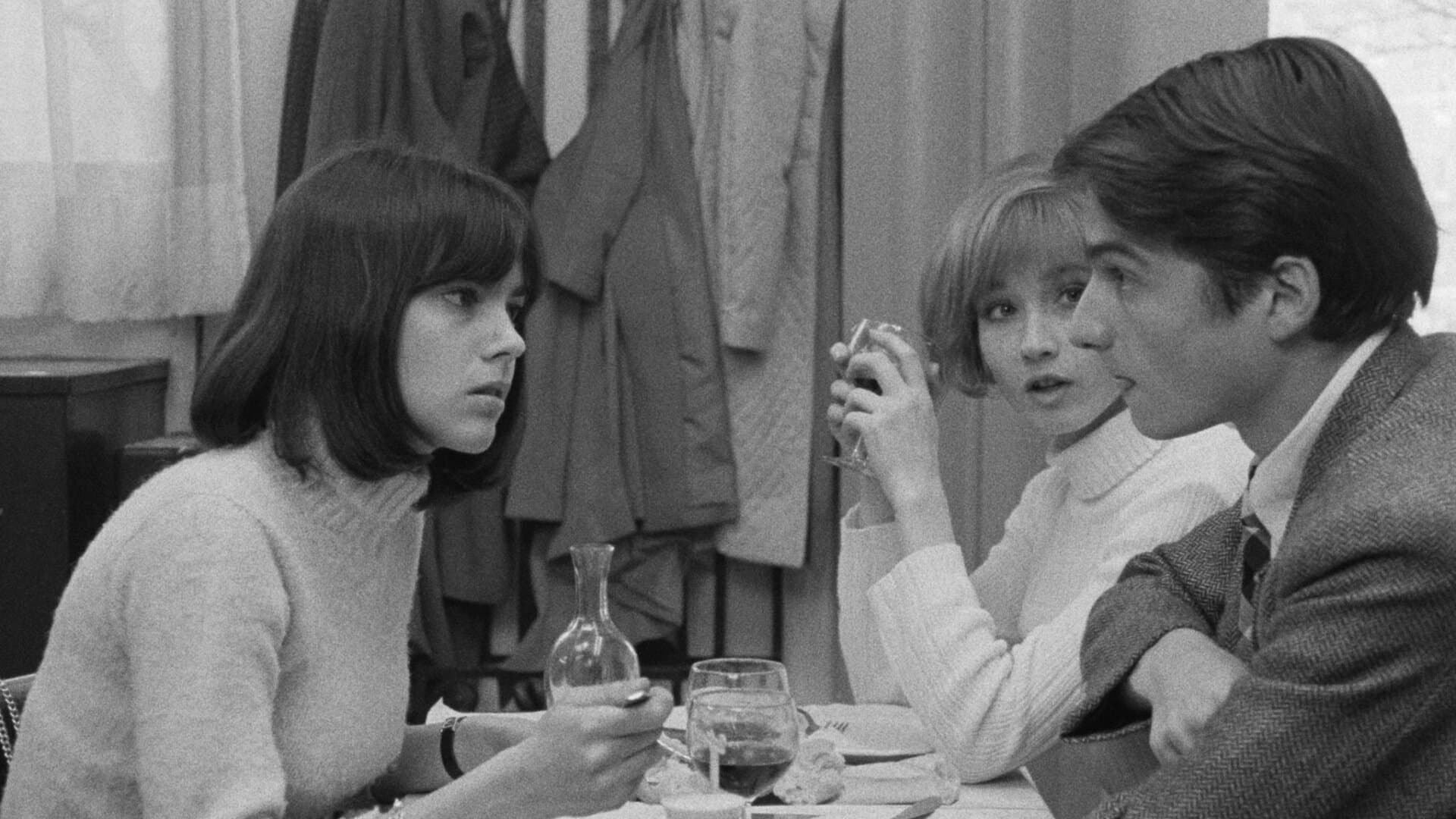
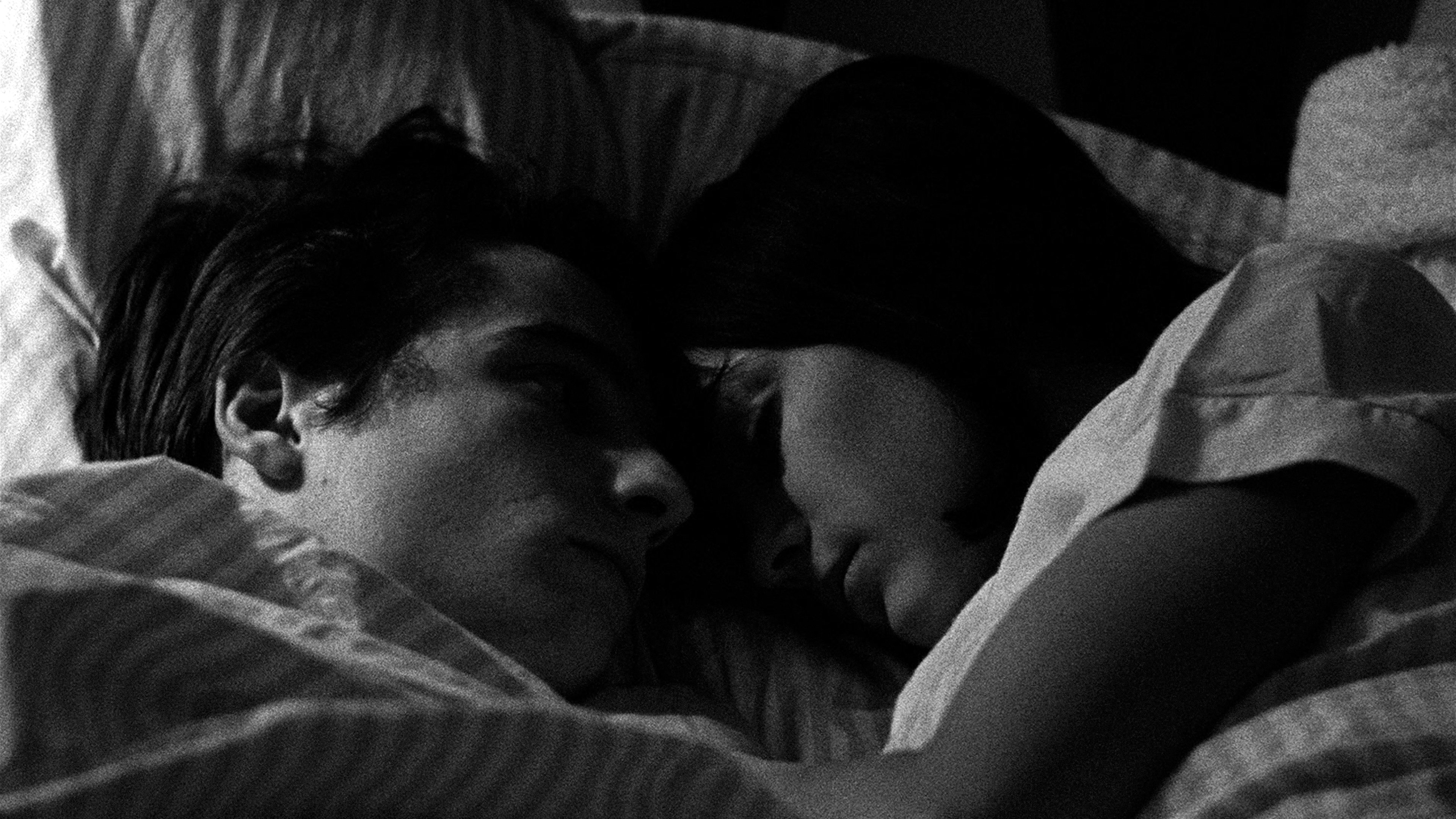
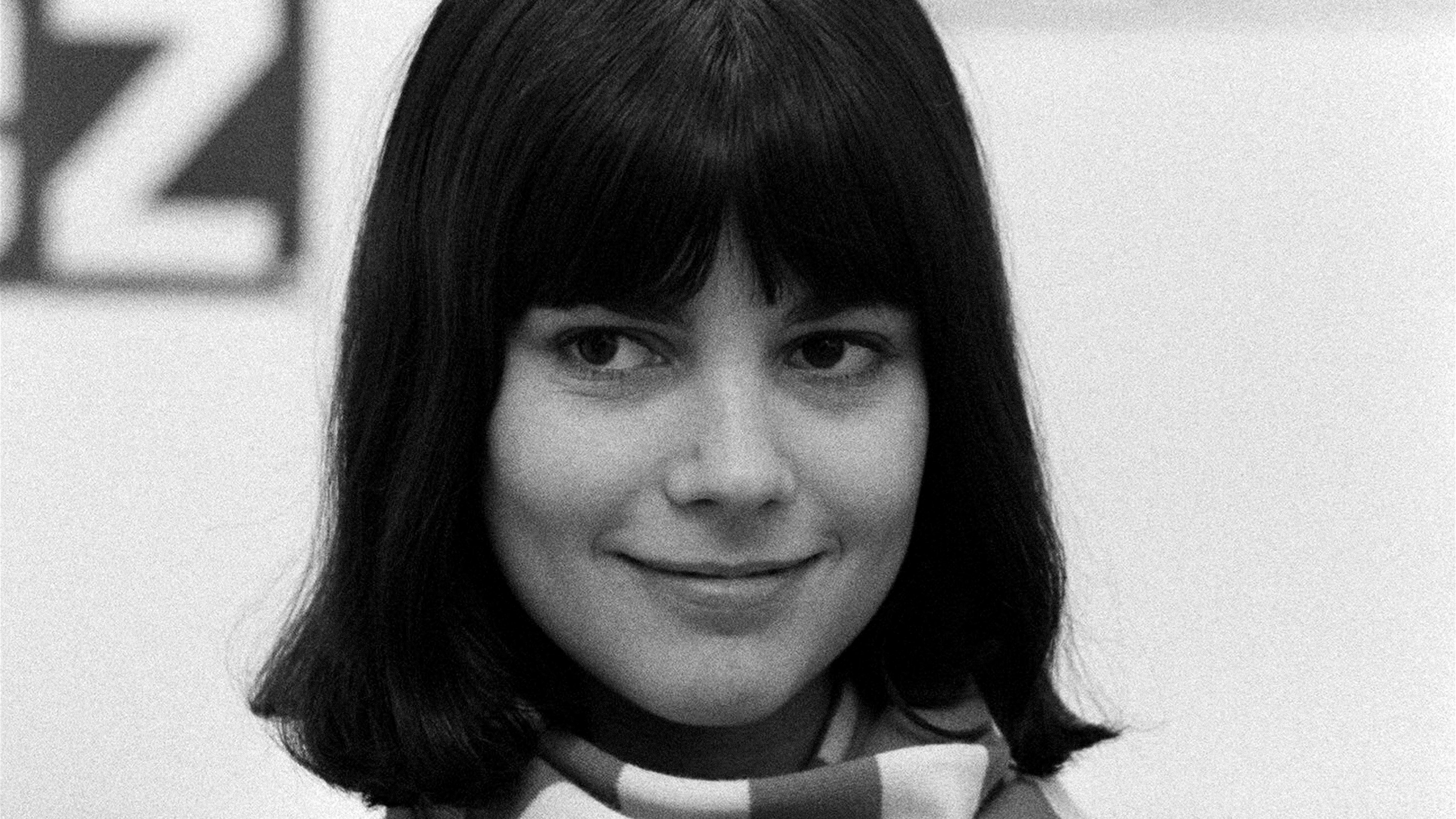
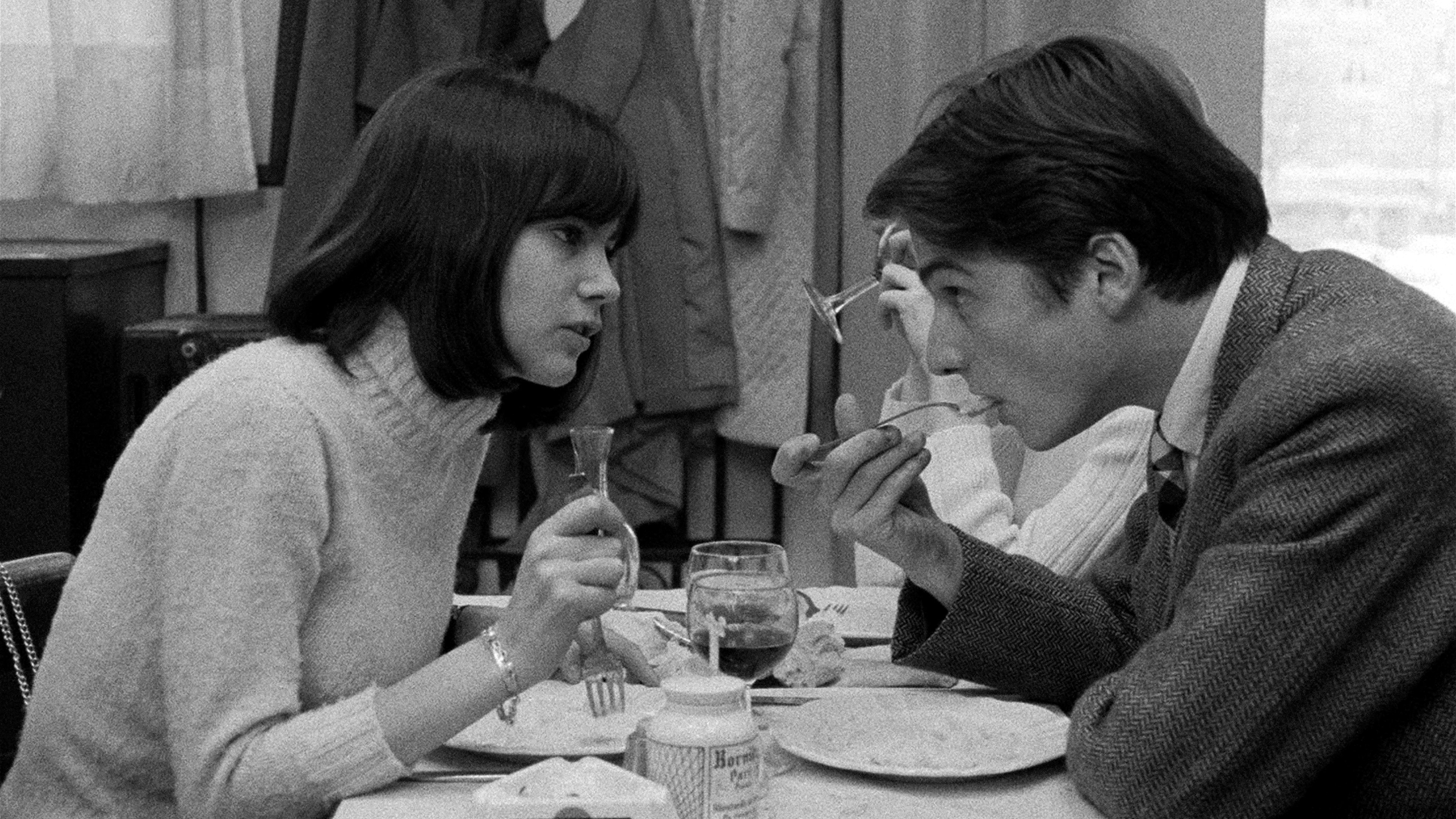
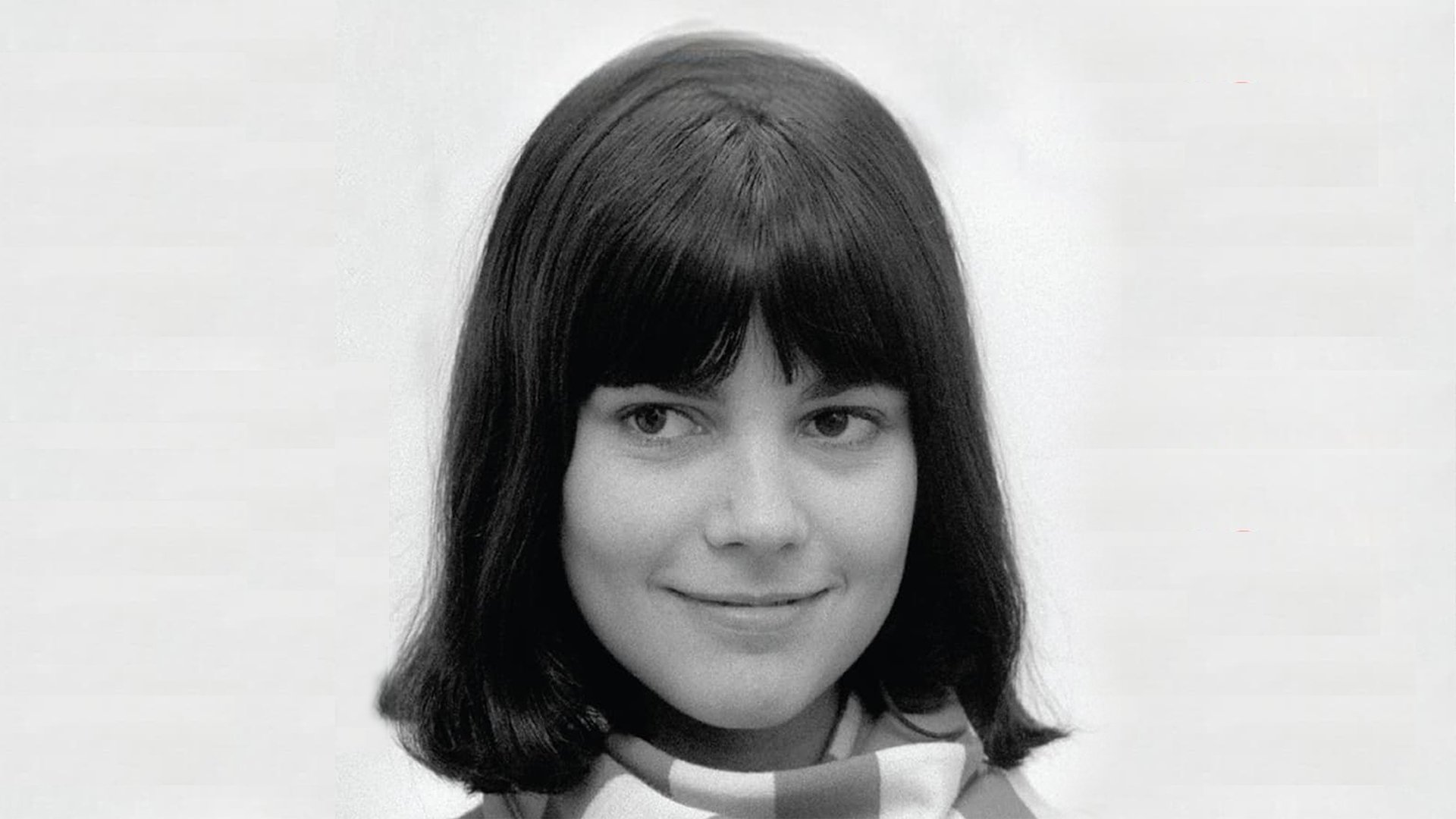
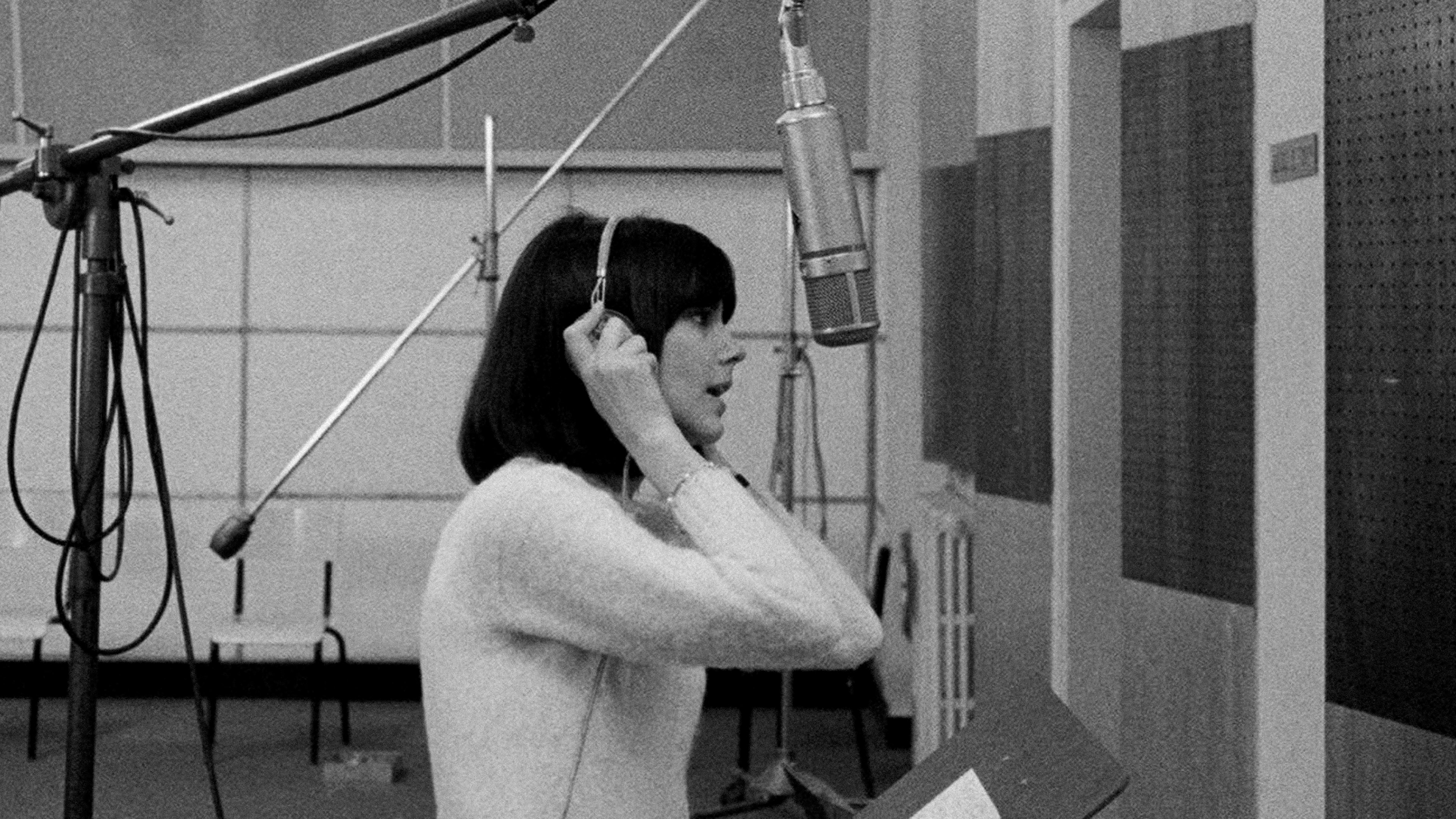
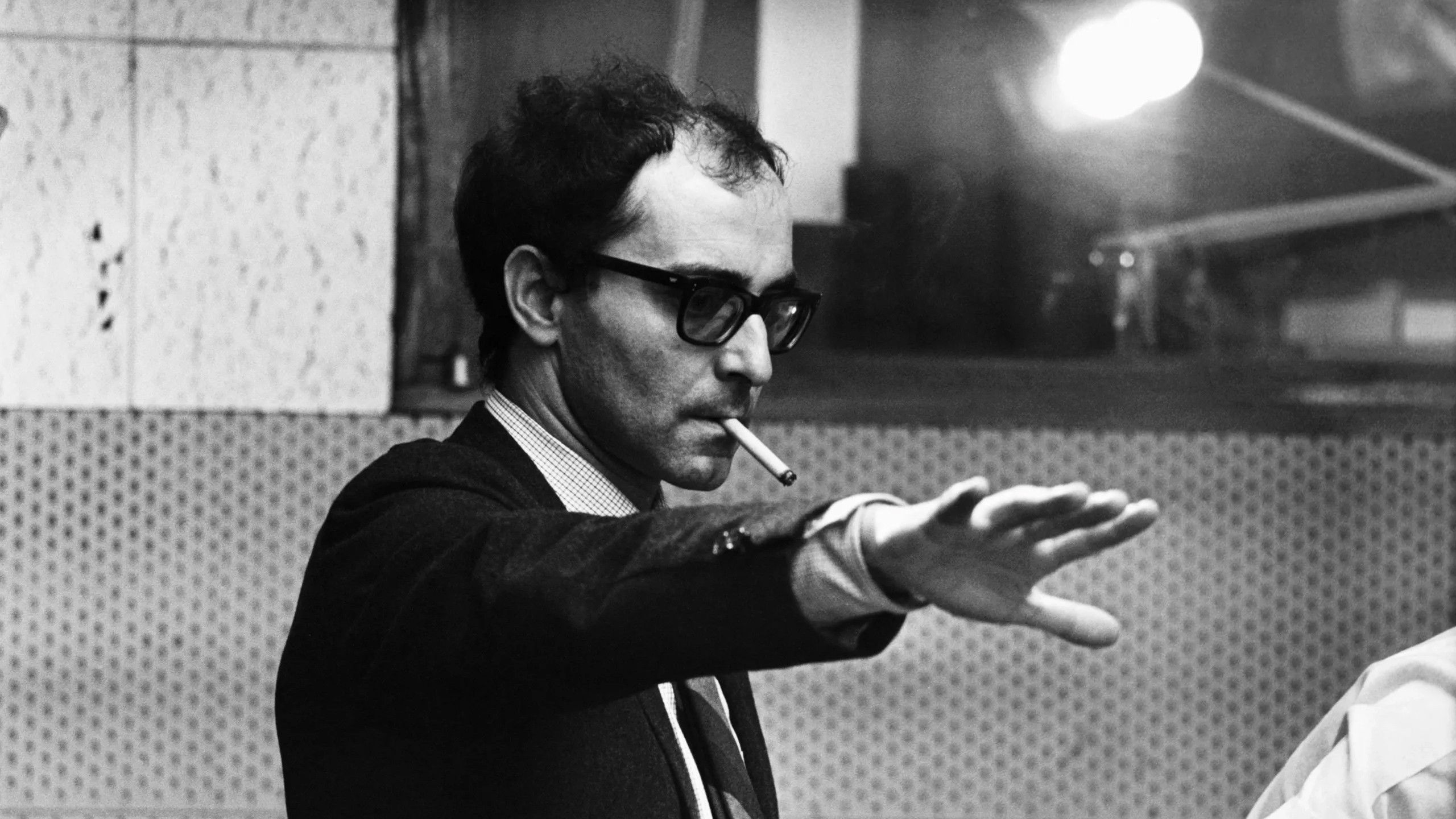
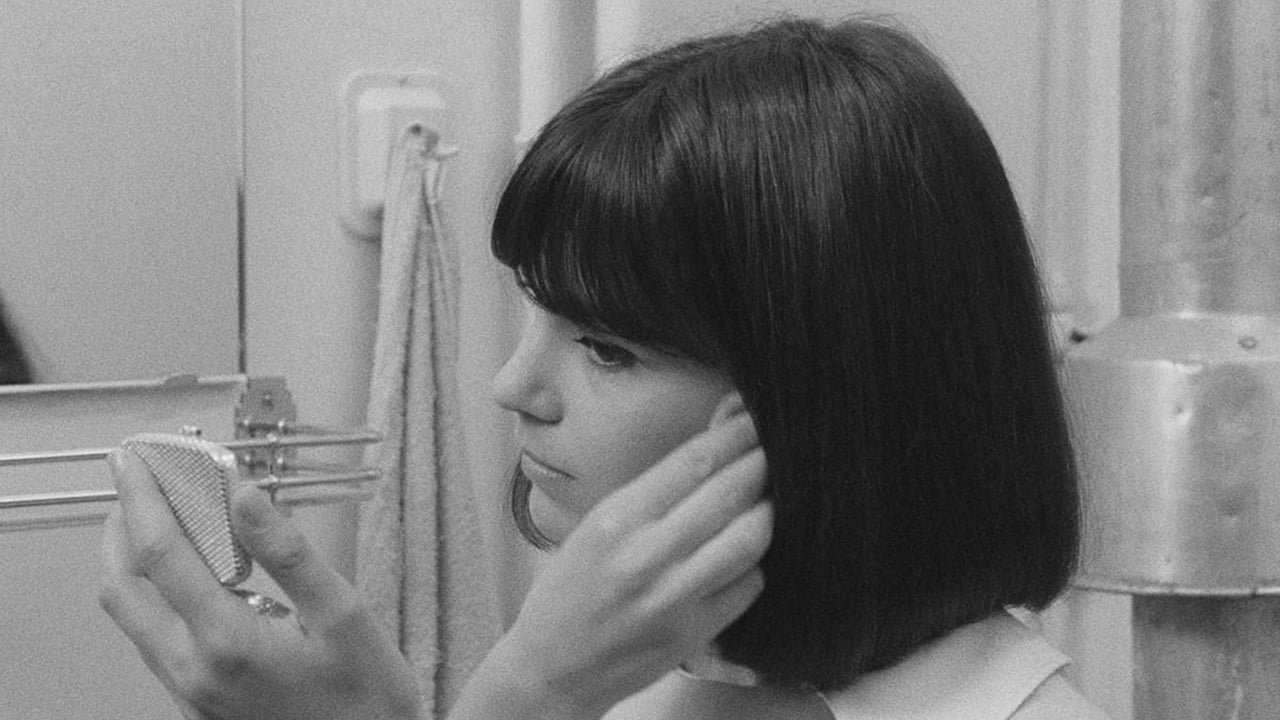
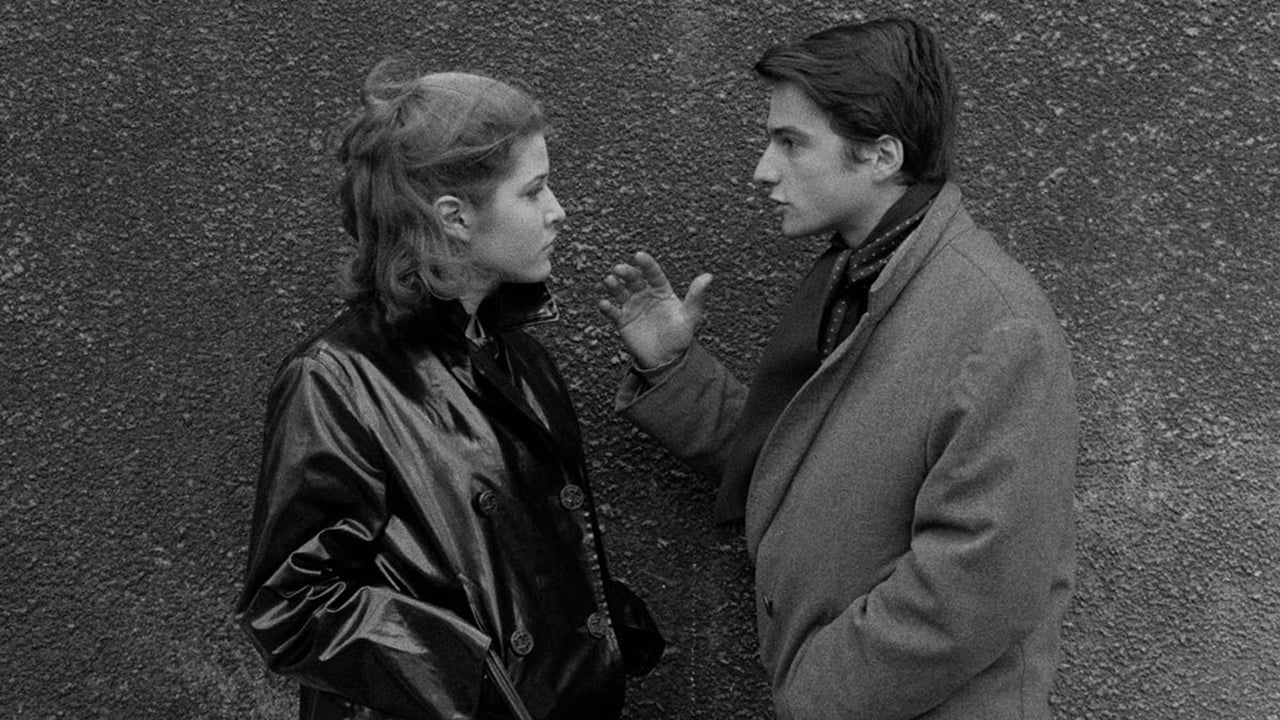
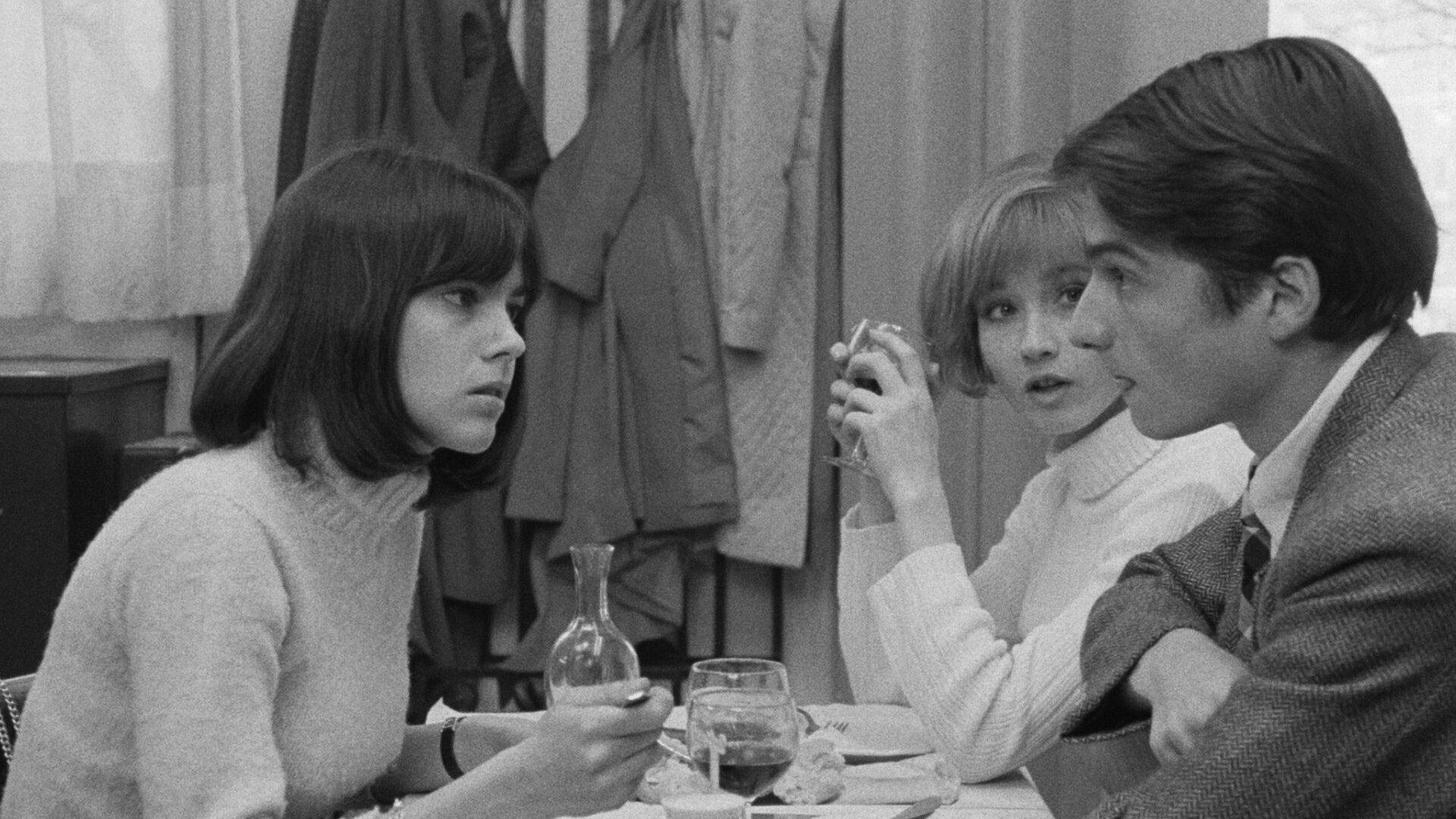
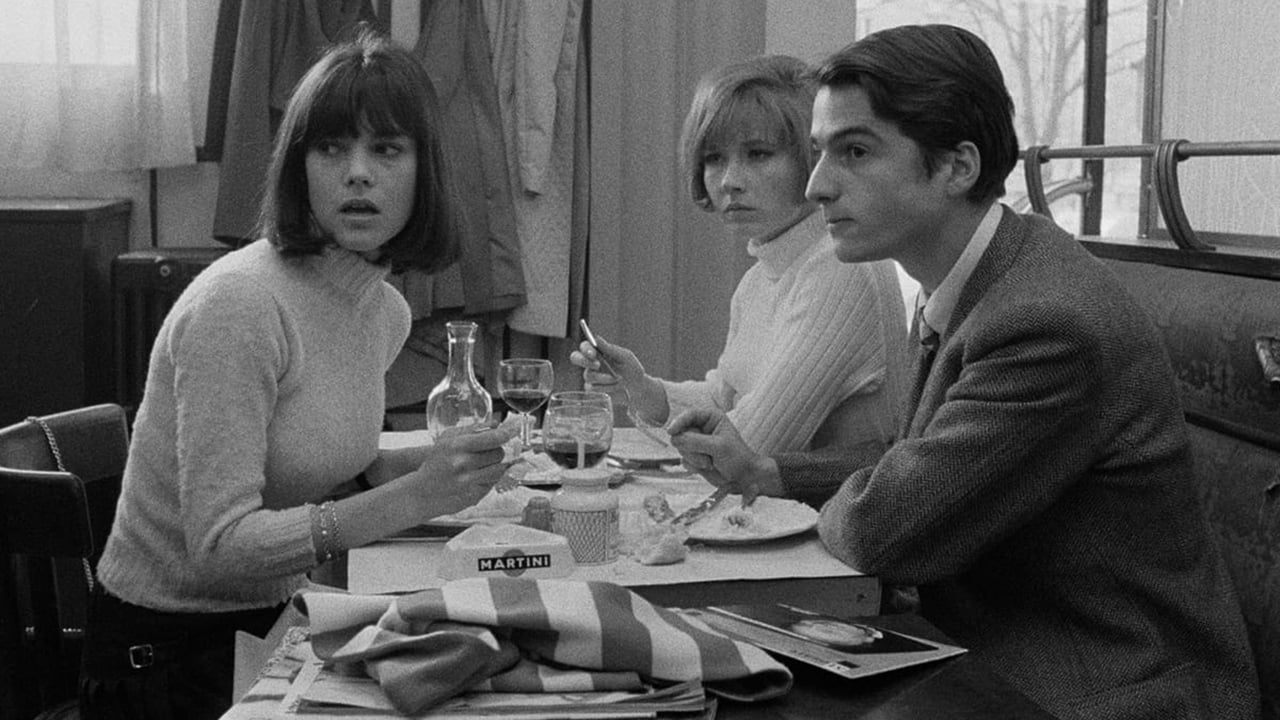
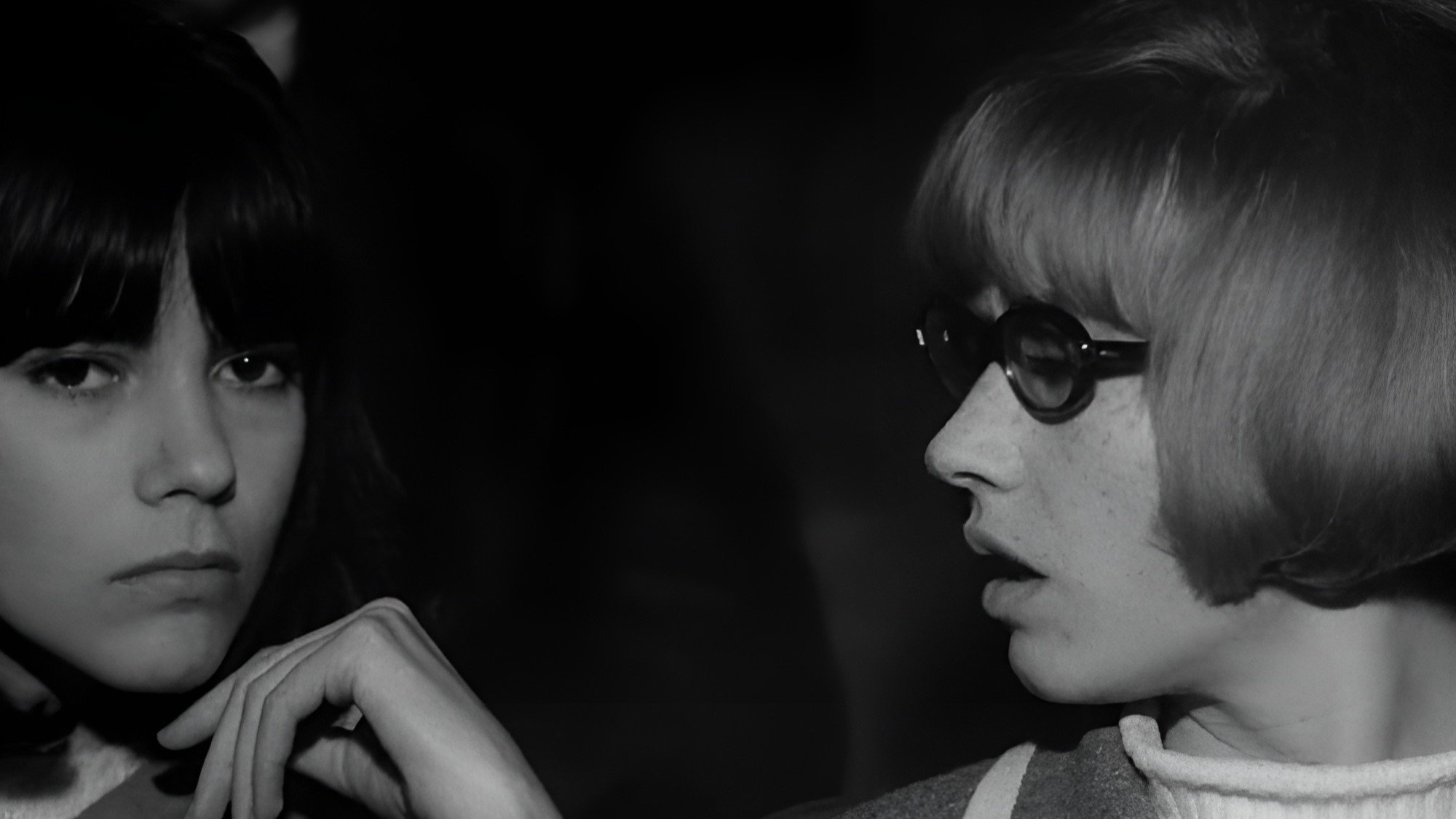
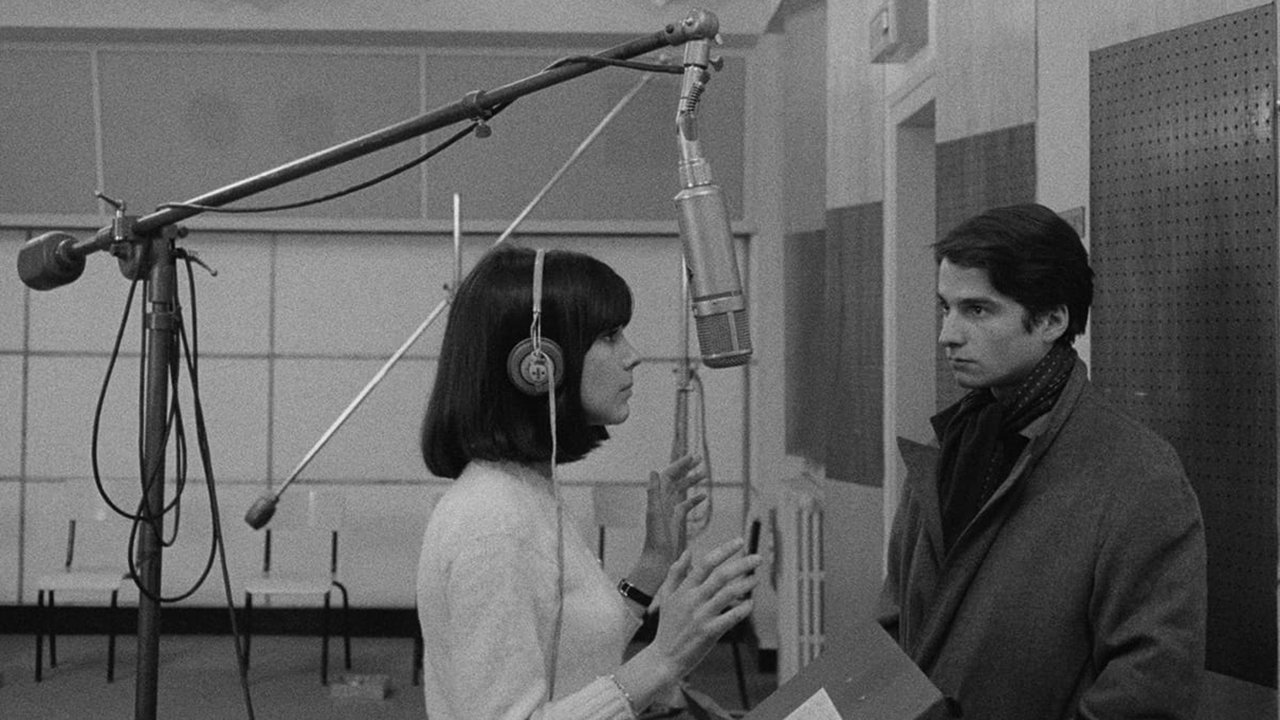
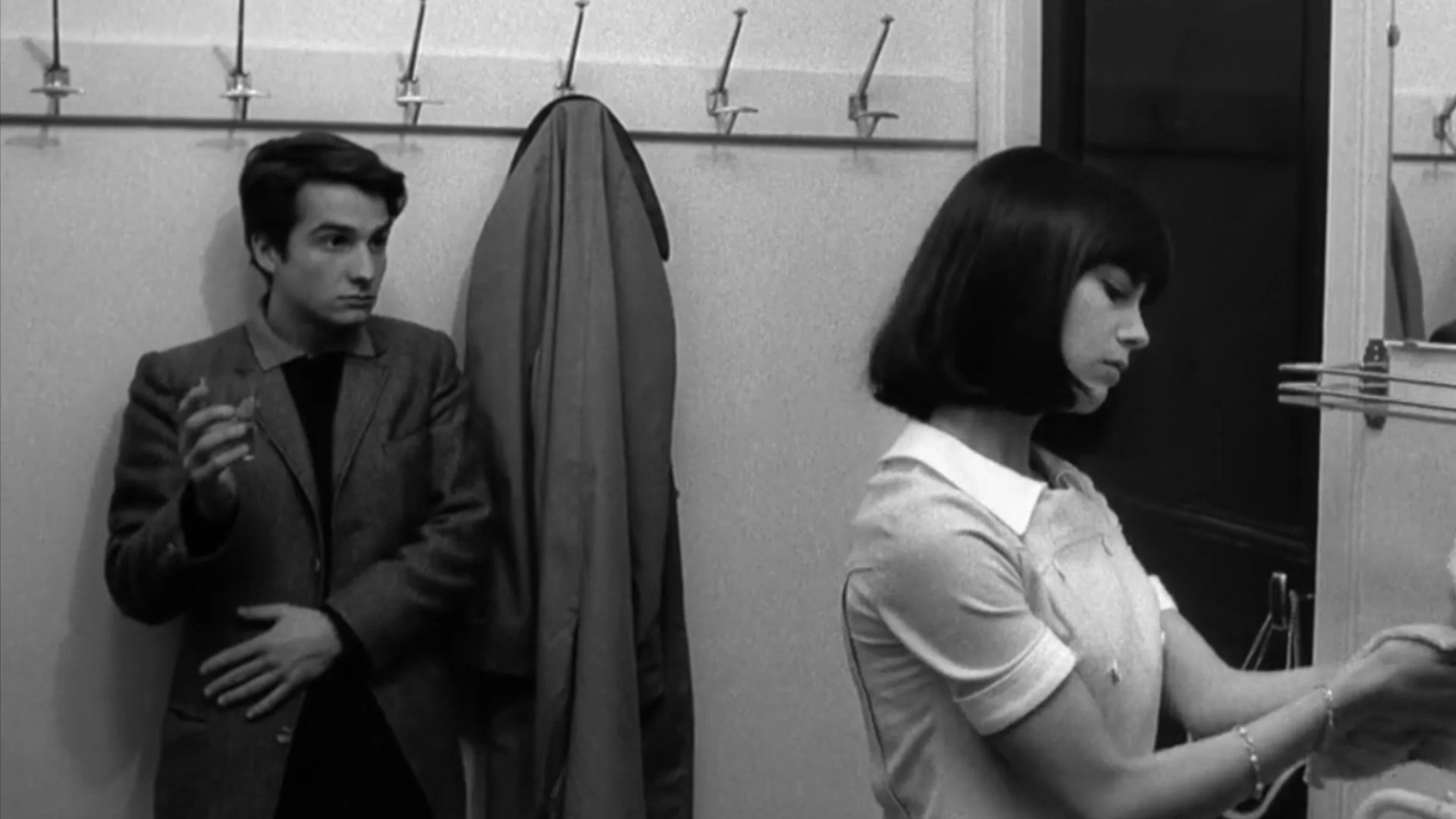
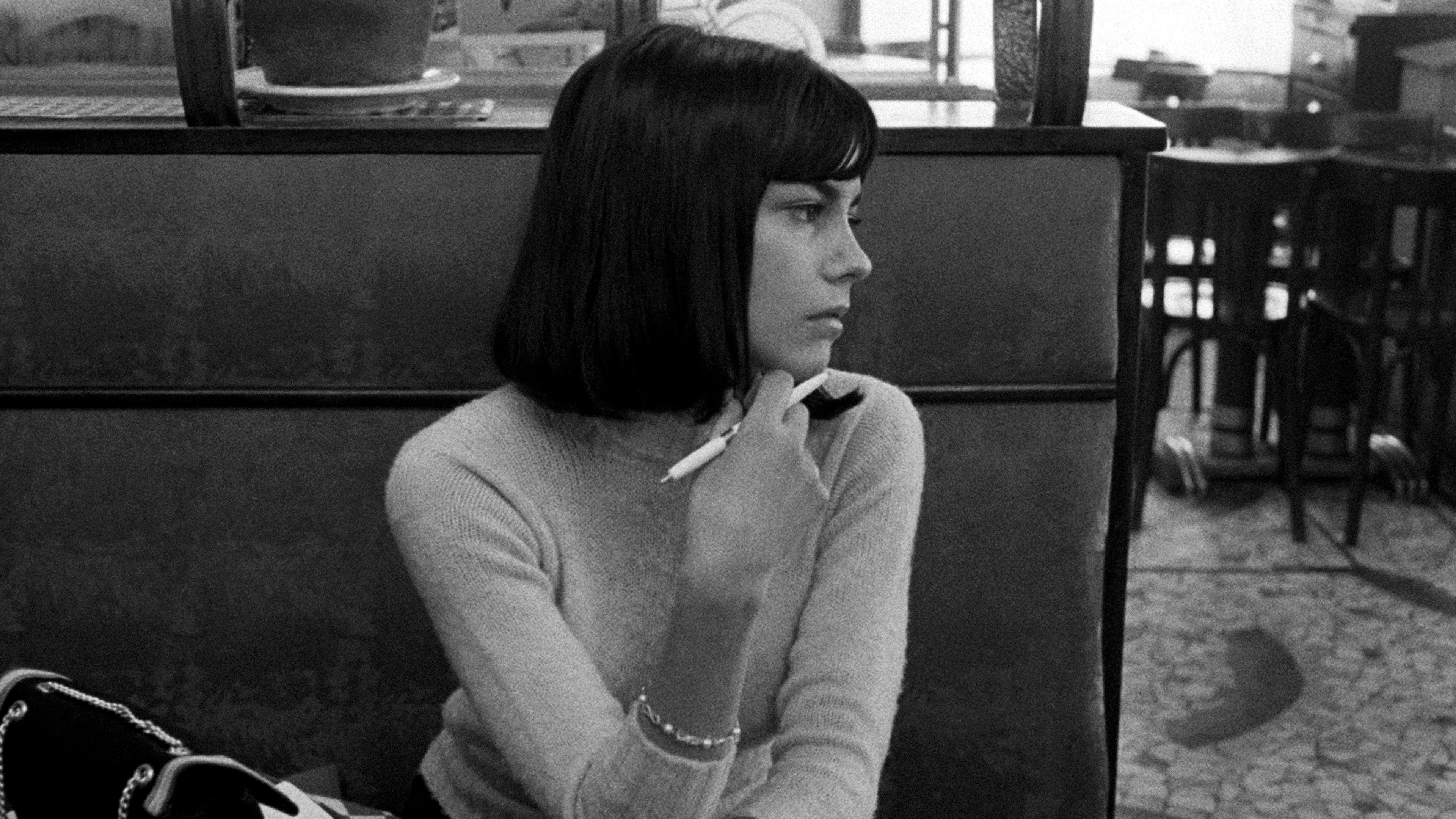
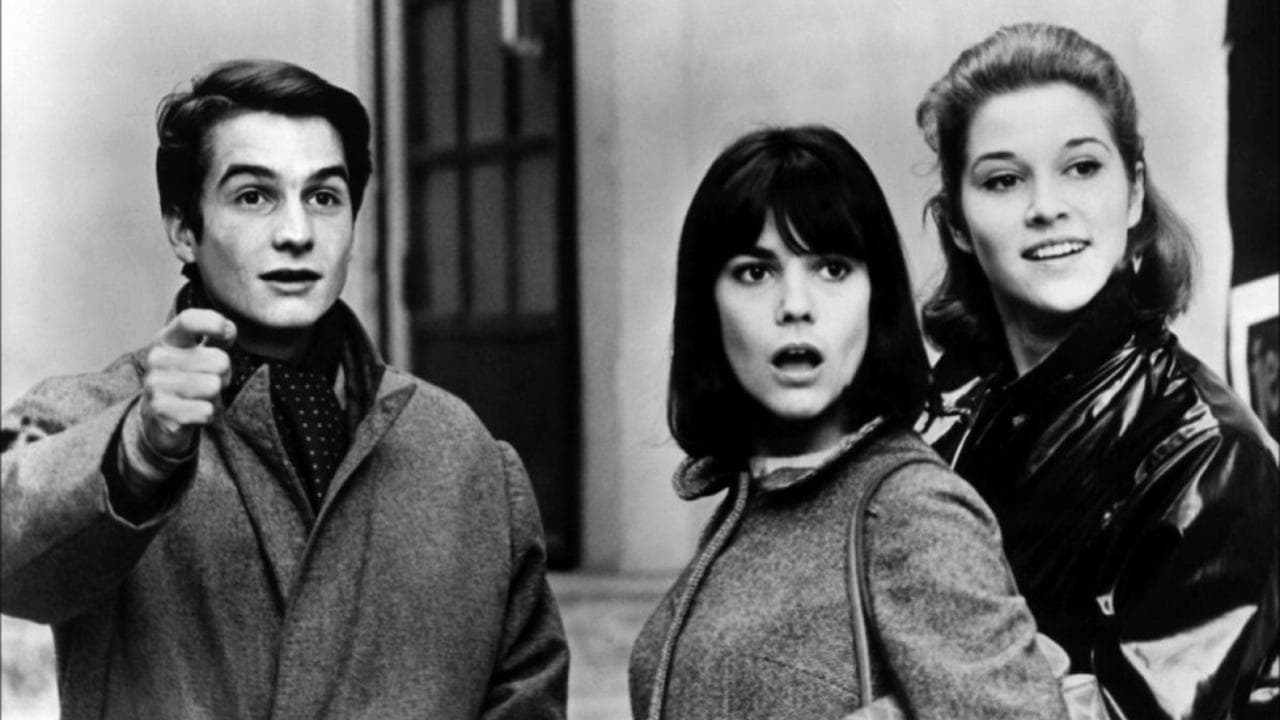
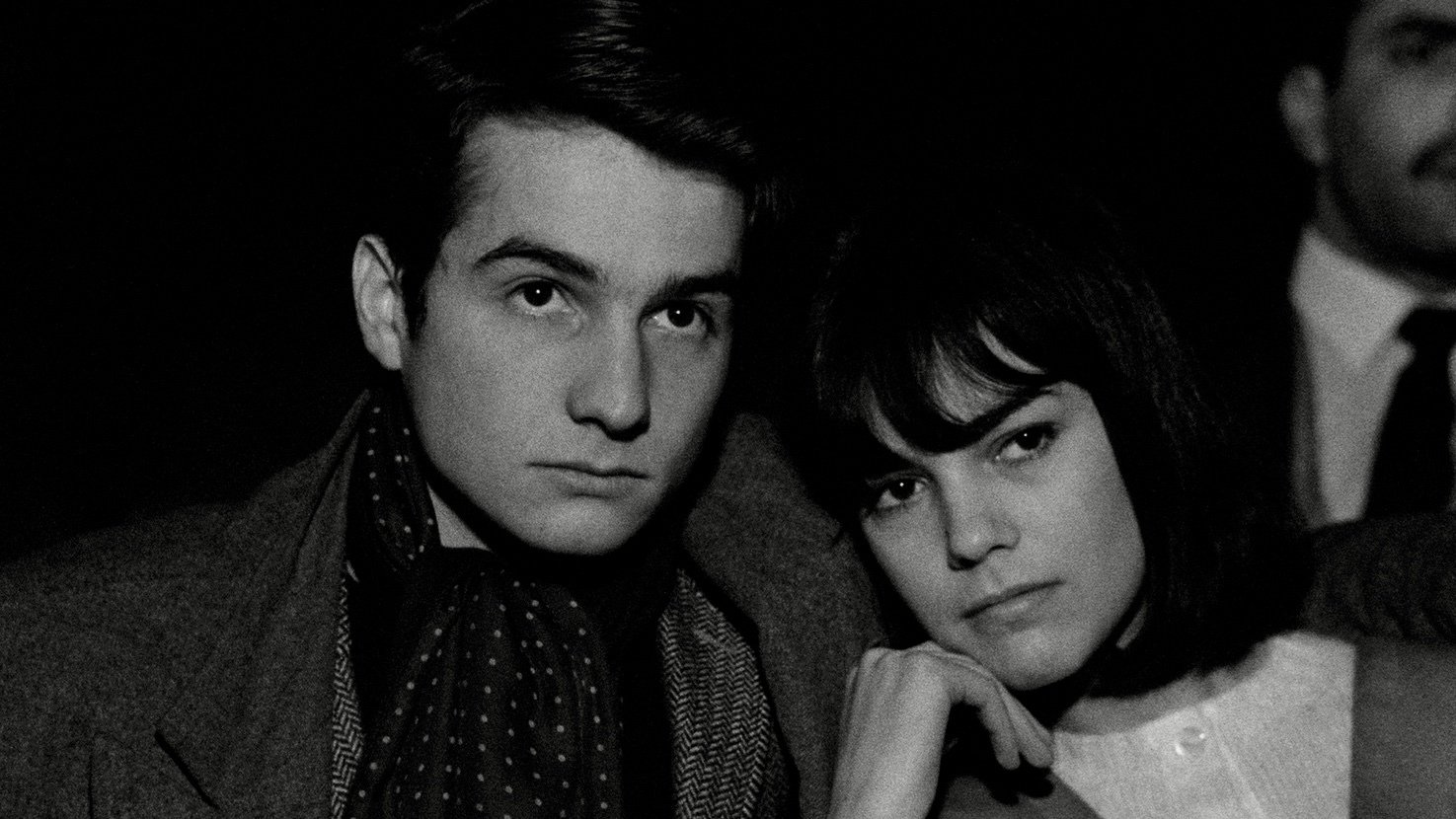
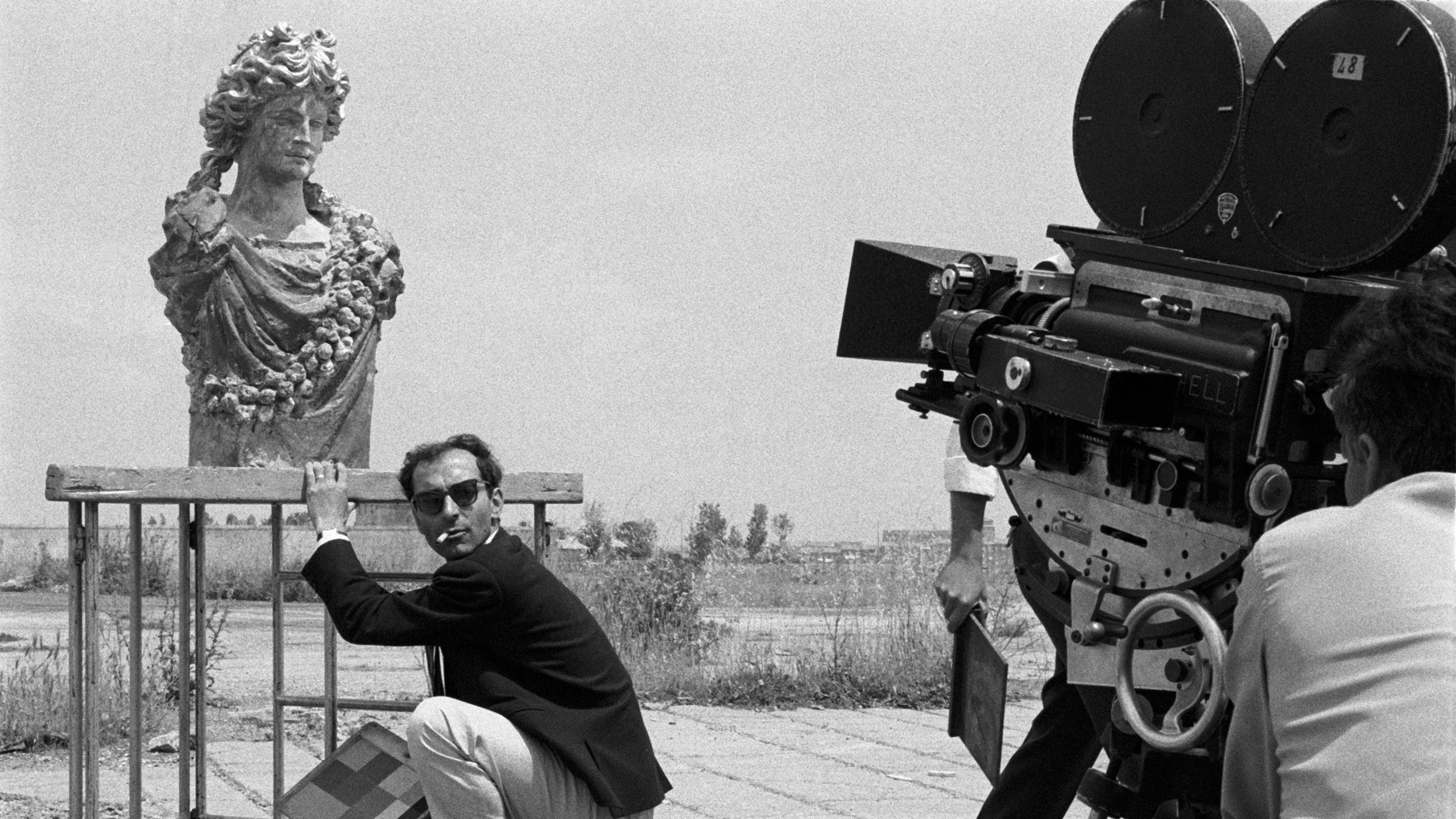
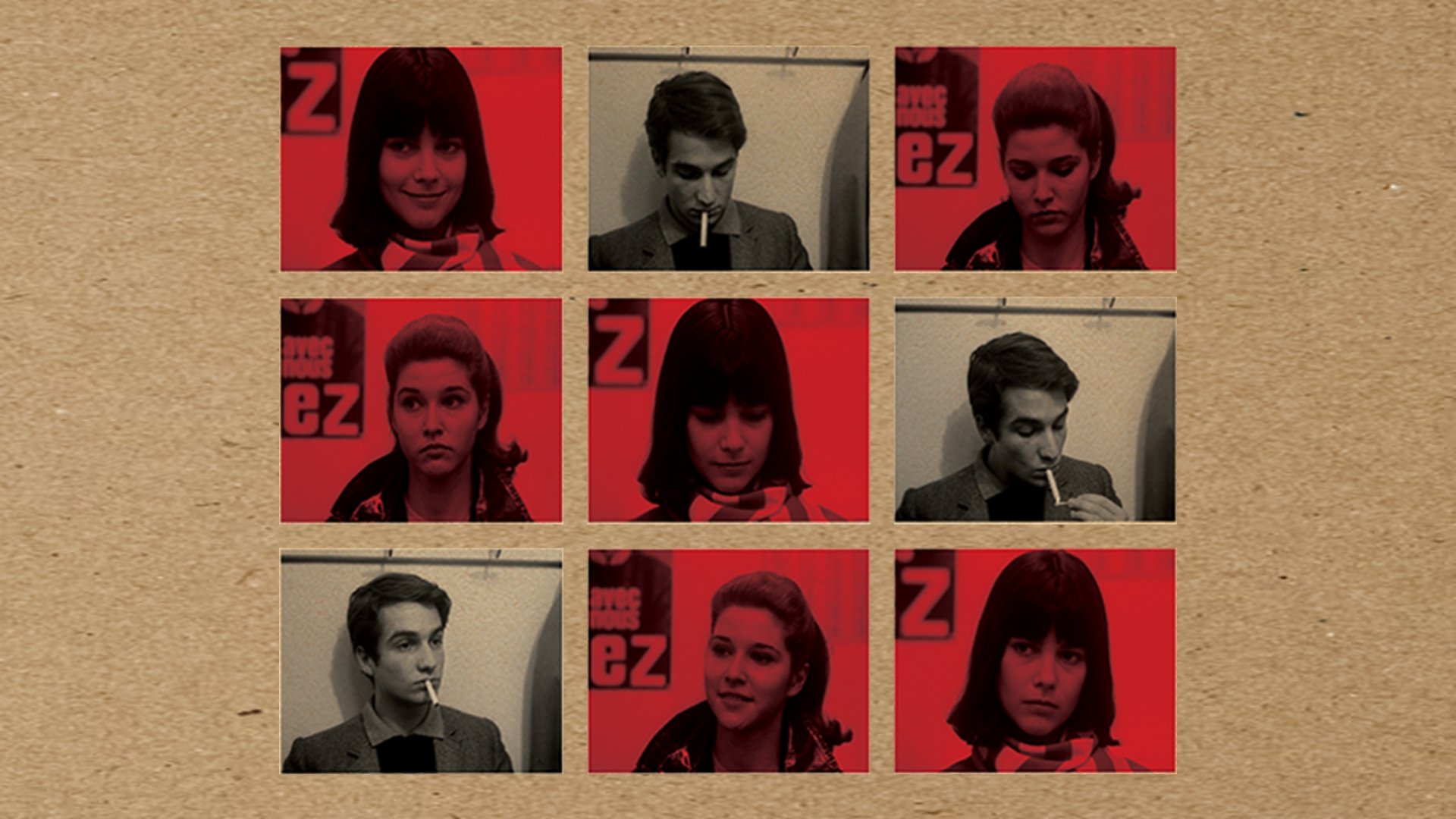
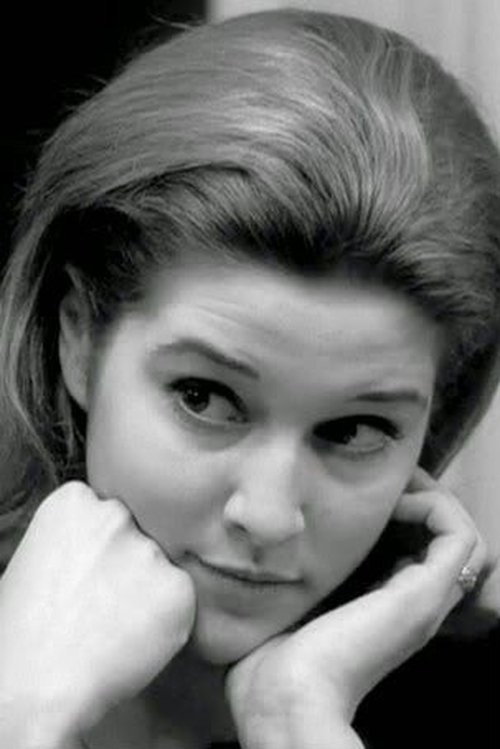
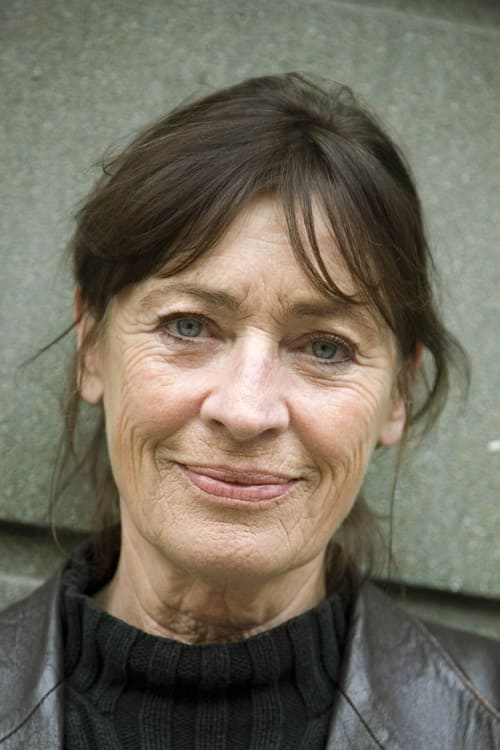
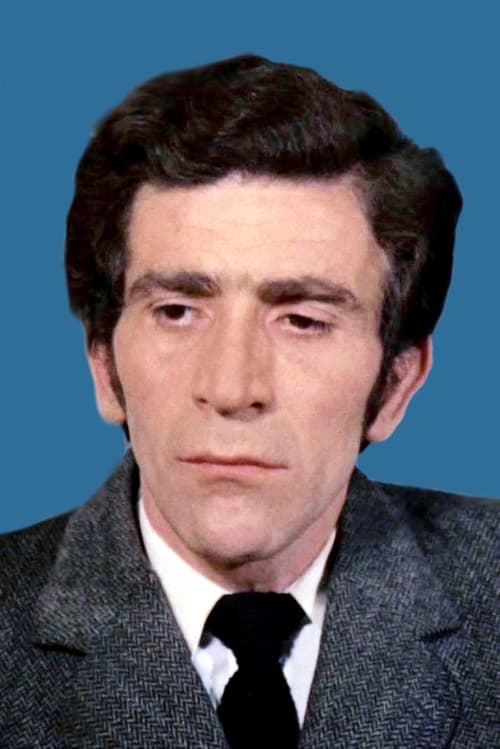
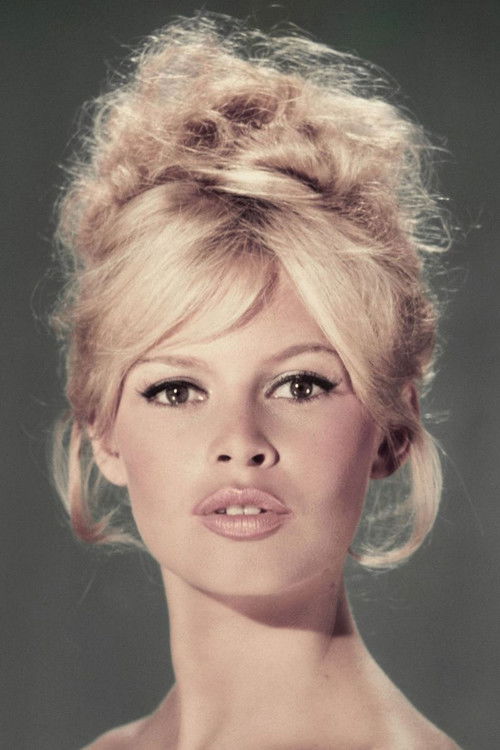
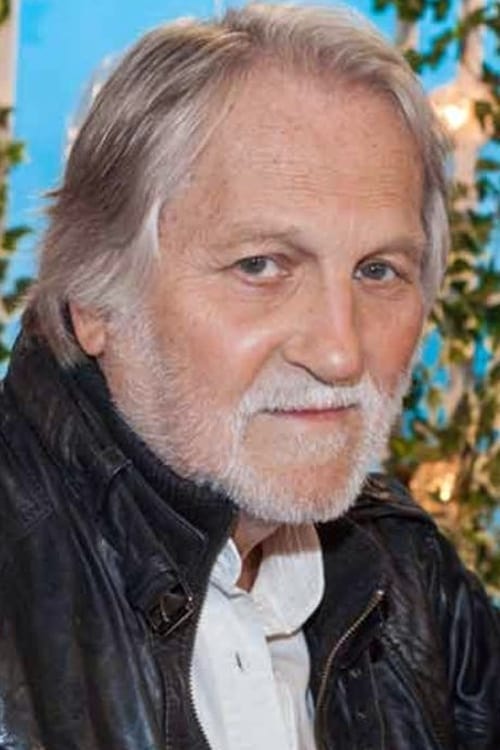
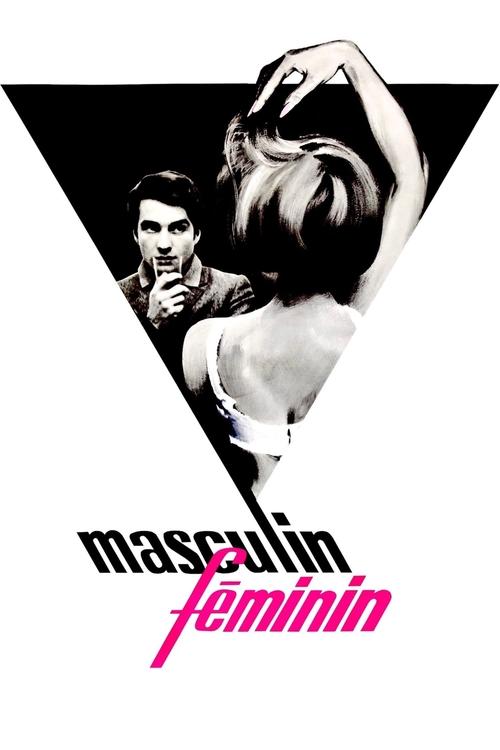
Paul, a young idealist trying to figure out what he wants to do with his life, takes a job interviewing people for a marketing research firm. He moves in with aspiring pop singer Madeleine. Paul, however, is disillusioned by the growing commercialism in society, while Madeleine just wants to be successful. The story is told in a series of 15 unrelated vignettes.
Directed by Jean-Luc Godard
suicide
paris, france
students' movement
politics
pop culture
menage a trois
interview
magazine
aspiring singer
singer
murder
youth culture
anti war
commercialism
Rank
#15 in 1966·#1948 overall
Trailer
IMDB
N/A
Where to Watch
Cast
Jean-Pierre Léaud
Paul
Chantal Goya
Madeleine Zimmer
Marlène Jobert
Élisabeth Choquet
Catherine-Isabelle Duport
Catherine-Isabelle
Evabritt Strandberg
She (Woman in the Film)
Birger Malmsten
He (Man in the Film)
Yves Afonso
Man Who Kills Himself (uncredited)
Henri Attal
The Other Porn Book Reader (uncredited)
Brigitte Bardot
Brigitte Bardot (uncredited)
Antoine Bourseiller
Brigitte Bardot's Director (uncredited)
Chantal Darget
Woman in the Subway (uncredited)
Françoise Hardy
American Officer's Wife (uncredited)
Crew
Jean-Luc Godard
Director
Jean-Luc Godard
Writer
Jean-Jacques Debout
Original Music Composer
Marguerite Renoir
Editor
Willy Kurant
Director of Photography
Jean-Luc Godard
Producer
Anatole Dauman
Producer
Bernard Toublanc-Michel
Assistant Director
Guy de Maupassant
Original Story
Popular Reviews
810 reviews
Santiago Garza
10.0★ · 11/17/25
Now, I can say that Godard is one of my cinema giants.
Thanks to exams and projects I am mentally blocked so sadly there wont be a review for this film. But I will write something in the future.
The only thing I can say is that I love his editing style and his political commentary on every film he does.
98/100
Now, I can say that Godard is one of my cinema giants.
Thanks to exams and projects I am mentally blocked so sadly there wont be a review for this film. But I will write something in the future.
The only thing I can say is that I love his editing style and his political commentary on every film he does.
98/100
2
Mictlan
7.0★ · 05/11/26
“It's like I said: We can't live without tenderness. We’d kill ourselves.”
Guys like Paul give men a TERRIBLE reputation
“It's like I said: We can't live without tenderness. We’d kill ourselves.”
Guys like Paul give men a TERRIBLE reputation
1
A
10.0★ · 03/29/26
I love the tension in this movie!!! It’s messy and ambiguous in a way that feels real and it doesn’t resolve its ideas or tell u exactly how to feel which leaves space for both admiration and discomfort to exist at the same time But I would actually slime someone if they spoke to me the same way Paul spoke to Madeleine
I love the tension in this movie!!! It’s messy and ambiguous in a way that feels real and it doesn’t resolve its ideas or tell u exactly how to feel which leaves space for both admiration and discomfort to exist at the same time But I would actually slime someone if they spoke to me the same way Paul spoke to Madeleine
1
B
8.0★ · 03/09/26
If you kill a man, you're a murderer. If you kill millions of men, you're a conqueror. If you kill them all, you're God.
If you kill a man, you're a murderer. If you kill millions of men, you're a conqueror. If you kill them all, you're God.
1
Brendon
7.0★ · 07/10/25
Godard, try to make a likable male protagonist challenge; Mission: Impossible.> Closer to a 4Jean-Luc Godard's style is one to get used to, but it does create some fantastic scenes with very realistic acting and dialogue that transported me to a different era. Jean-Pierre Léaud is one of my favorite actors, and he is on fire here. I might not have cared for the character, but he did match the angst required for the background of the characters. The true star of this movie is Chantal Goya as Madeline, who may be one of the earliest examples of the manic pixie dream girl. For the most part, I thought this movie was very entertaining, and the way it captured the anti-establishment sentiments of the youth was always interesting, but I felt that this movie was more meandering than the other Godards I have seen. Some of those scenes were fun and connected to the main themes, but they were distracting to me. I will end up rewatching this eventually, but I think that Pierrot Le Fou would be easier to revisit.
Godard, try to make a likable male protagonist challenge; Mission: Impossible.> Closer to a 4Jean-Luc Godard's style is one to get used to, but it does create some fantastic scenes with very realistic acting and dialogue that transported me to a different era. Jean-Pierre Léaud is one of my favorite actors, and he is on fire here. I might not have cared for the character, but he did match the angst required for the background of the characters. The true star of this movie is Chantal Goya as Madeline, who may be one of the earliest examples of the manic pixie dream girl. For the most part, I thought this movie was very entertaining, and the way it captured the anti-establishment sentiments of the youth was always interesting, but I felt that this movie was more meandering than the other Godards I have seen. Some of those scenes were fun and connected to the main themes, but they were distracting to me. I will end up rewatching this eventually, but I think that Pierrot Le Fou would be easier to revisit.