The world we’re living in now is a creation of the Marquis de Sade.
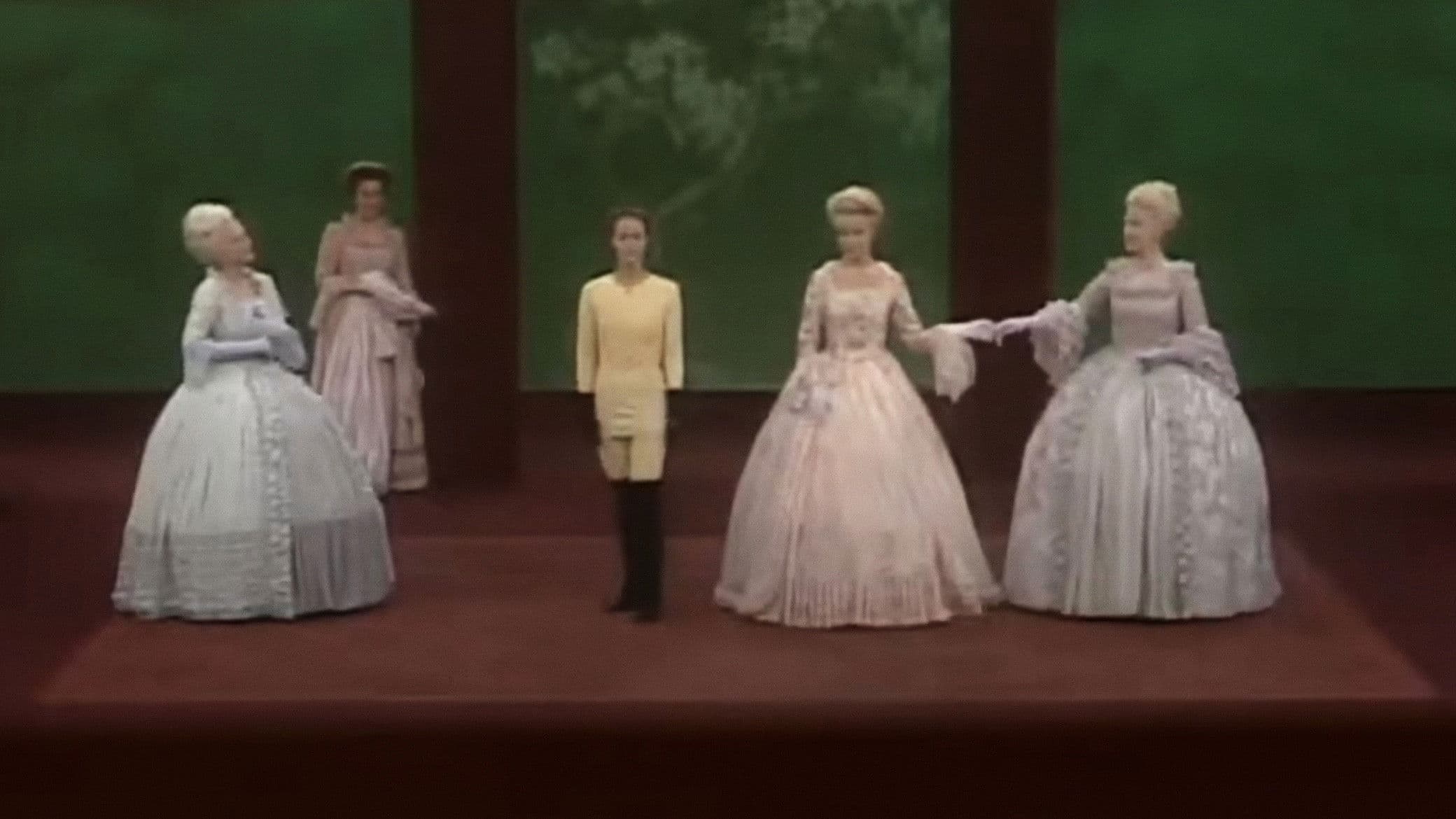
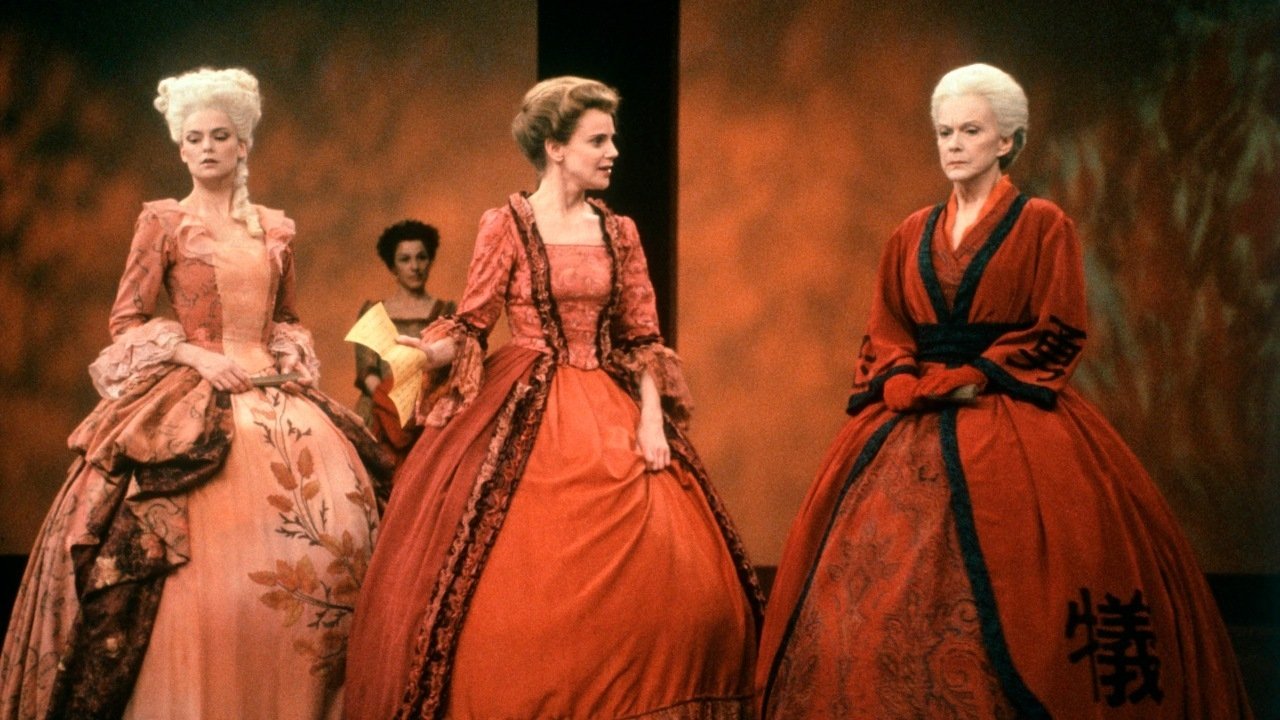
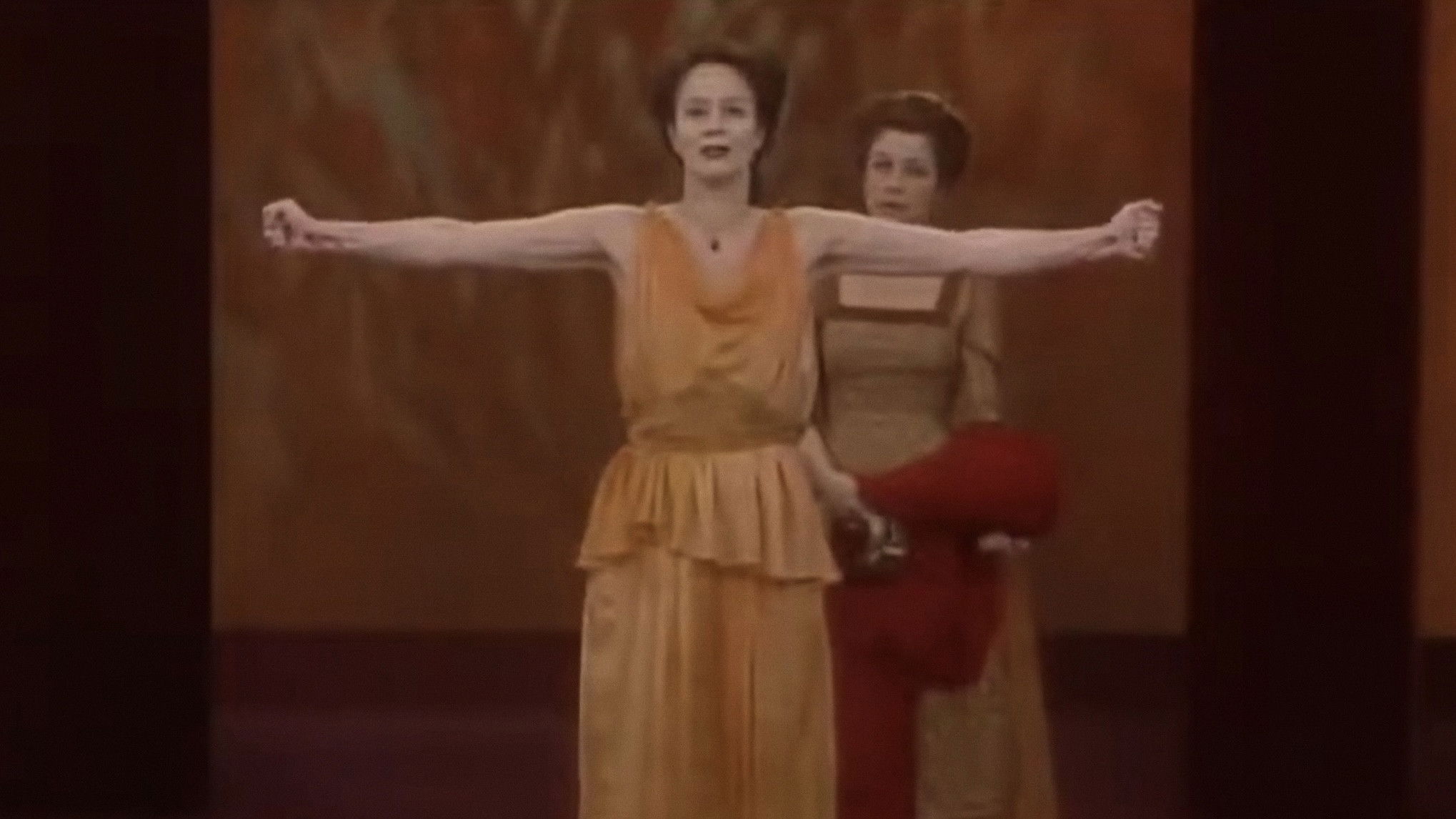
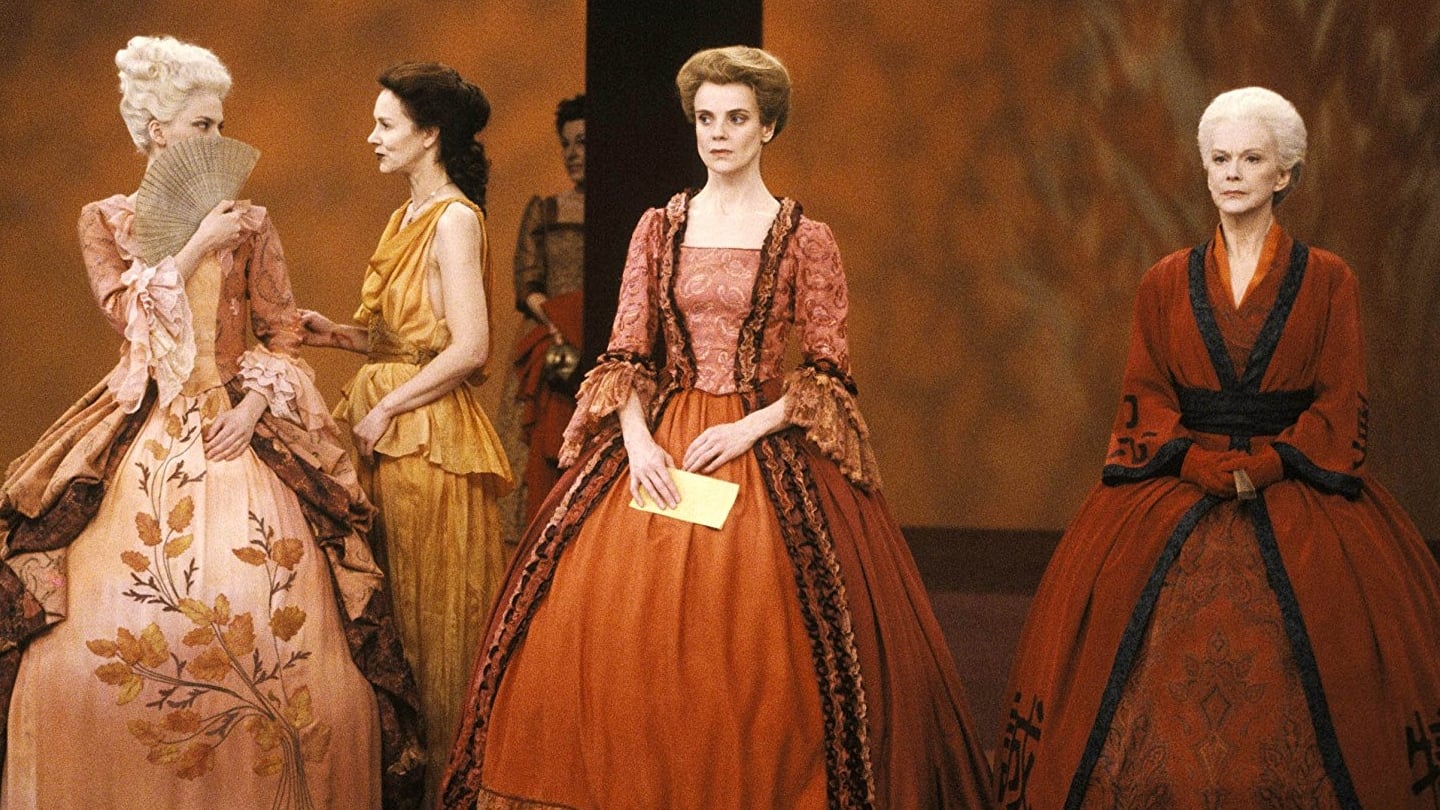
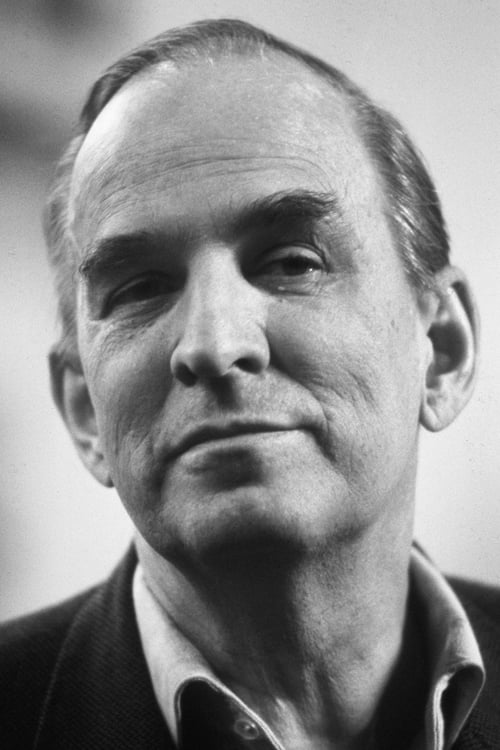
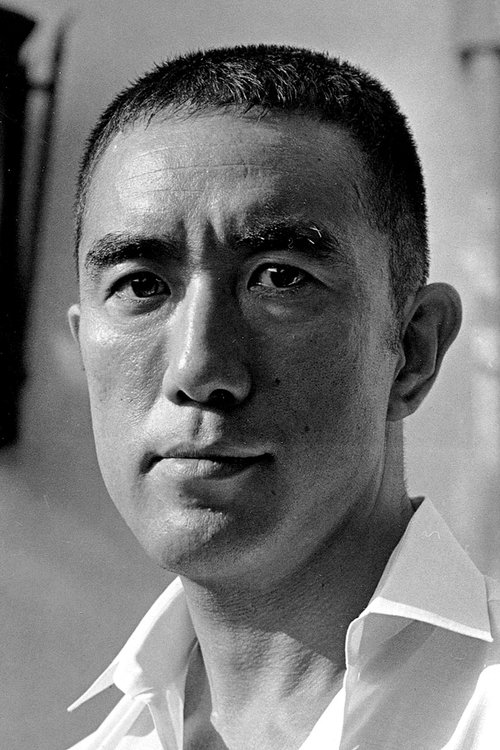
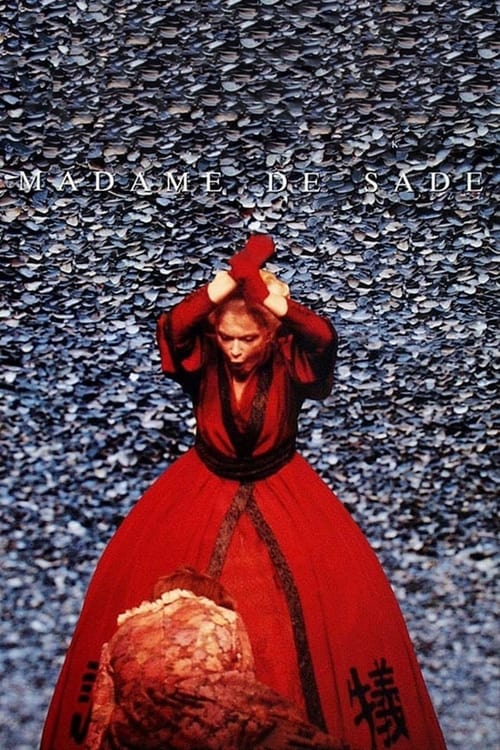
The Marquis de Sade and the body of work he left behind have been inspiring fascination for centuries now because of their sheer absurdity. He was not the first nor the last libertine, but he took the limits of the human imagination to such an extreme that that one starts asking: Why? What does the mere existence of a man like him, who wrote what he did, tell about us as humans beings? Because it has to have a meaning, right? And maybe no one grappled more with these questions than his wife Renée-Pélagie de Sade, an ordinary woman whose fate ended up bound to one of the most infamous figures in History. As you can probably tell, I’m fascinated by the Sade myth, and it felt only right that my first Bergman of 2025 should be Madame de Sade. It’s my first time seeing Bergman as a theatre director, and he did not disappoint. The performers are all excellent (honorable mention for Agneta Ekmanner as the Comtesse de Saint-Fond) and the text by Yukio Mishima is beautiful, it really feels like the search for a “coming-to-terms” with Sade as man, philosopher and artist without ever reaching a proper conclusion, which is perfectly fitting for the subject matter. As it was said in the play, you can only talk about Sade in metaphors, because he touches in such primal, untamed parts of the humans experience that rationality itself is not enough. My one complaint is the way the play portrays Anne-Prospère de Launay, Renée’s sister. In real life, she was a nun, completely against the idea of marriage as it would mean a loss of freedom, then she meets Sade, falls madly in love with him and becomes his mistress, even signing up a contract of eternal fidelity with her own blood. They flee together for Venice, but then, surprise surprise, Anne finds out that Sade had been unfaithful to her and leaves him, going back to her convent, where she died of smallpox by the age of thirty. What I find most interesting about Anne as a historical character is that she was able to fall deeply in love with Sade but, unlike Renée, wasn’t willing to put up with his antics. The Marquis himself wrote in a letter that Anne was particularly headstrong and had an extreme taste for liberty. All this to say that the text didn’t do her justice: omitting the fact that she was a nun, and worse of all, having her get married in the third act, puts her relationship with Sade in a very different light. But anyway, other than that, it’s a great play, and I may just have to see Bergman’s other ventures into theatre.
The world we’re living in now is a creation of the Marquis de Sade.
The Marquis de Sade and the body of work he left behind have been inspiring fascination for centuries now because of their sheer absurdity. He was not the first nor the last libertine, but he took the limits of the human imagination to such an extreme that that one starts asking: Why? What does the mere existence of a man like him, who wrote what he did, tell about us as humans beings? Because it has to have a meaning, right? And maybe no one grappled more with these questions than his wife Renée-Pélagie de Sade, an ordinary woman whose fate ended up bound to one of the most infamous figures in History. As you can probably tell, I’m fascinated by the Sade myth, and it felt only right that my first Bergman of 2025 should be Madame de Sade. It’s my first time seeing Bergman as a theatre director, and he did not disappoint. The performers are all excellent (honorable mention for Agneta Ekmanner as the Comtesse de Saint-Fond) and the text by Yukio Mishima is beautiful, it really feels like the search for a “coming-to-terms” with Sade as man, philosopher and artist without ever reaching a proper conclusion, which is perfectly fitting for the subject matter. As it was said in the play, you can only talk about Sade in metaphors, because he touches in such primal, untamed parts of the humans experience that rationality itself is not enough. My one complaint is the way the play portrays Anne-Prospère de Launay, Renée’s sister. In real life, she was a nun, completely against the idea of marriage as it would mean a loss of freedom, then she meets Sade, falls madly in love with him and becomes his mistress, even signing up a contract of eternal fidelity with her own blood. They flee together for Venice, but then, surprise surprise, Anne finds out that Sade had been unfaithful to her and leaves him, going back to her convent, where she died of smallpox by the age of thirty. What I find most interesting about Anne as a historical character is that she was able to fall deeply in love with Sade but, unlike Renée, wasn’t willing to put up with his antics. The Marquis himself wrote in a letter that Anne was particularly headstrong and had an extreme taste for liberty. All this to say that the text didn’t do her justice: omitting the fact that she was a nun, and worse of all, having her get married in the third act, puts her relationship with Sade in a very different light. But anyway, other than that, it’s a great play, and I may just have to see Bergman’s other ventures into theatre.